
Oct. 26, 2025 | Bonus Episode: Experts unpack vehicle affordability trends
About this episode
Experts discuss the current trends in vehicle affordability, focusing on the impact of tariffs and rising transaction prices. The conversation features insights from industry leaders like Laura Parada and Jennifer Newman, who analyze how state incentives and consumer education are crucial in navigating this challenging market. With a notable increase in buyers willing to pay over $1,000 monthly for vehicles, the panel explores the implications for dealerships and the future of EV sales. The episode provides valuable perspectives on how the automotive landscape may evolve in the coming years.
Automotive News’ Hannah Lutz and Paige Hodder speak with experts about the state of vehicle affordability issues. The panel includes Cars Commerce’s Jennifer Newman, Melinda Zabritsky of Experian, Car Pros Automotive Group’s Shirley Jones and New Jersey Coalition of Automotive Retailers’ Laura Perrotta.
dealer markup
"...a lot of that, of course, were some dealer markups with very low inventory spilled over into used."
Dealer markup is when a car dealer raises the price of a car above what the manufacturer suggests it should cost. This usually happens when there are fewer cars available than people want to buy.
Dealer markup refers to the practice where car dealerships increase the price of a vehicle above its manufacturer's suggested retail price (MSRP). This often occurs due to high demand and low supply, allowing dealers to charge more than the standard price.
used car market
"...that does spill over into a very tight used car market. So, unfortunately, I don't have a crystal ball."
The used car market is where people buy and sell cars that have been owned before. Prices can change based on how many cars are available and how many people want to buy them.
The used car market refers to the buying and selling of pre-owned vehicles. Factors such as inventory levels, demand, and economic conditions can significantly impact prices and availability in this market.
state incentives for EVs
"Those three states, they do have incentives around EVs. And so, I think there's a lot of talk, of course,"
Some states give money back or other benefits when you buy an electric car. These are called state incentives and can help you save money.
State incentives for electric vehicles (EVs) are programs offered by individual states to encourage the adoption of EVs. These can include tax credits, rebates, and other financial benefits that vary from state to state.
EV tax credit
"...about the federal EV tax credit going away. And I think consumers need to know that there are still credits available through some states."
An EV tax credit is money you can get back on your taxes when you buy an electric car. It helps reduce the price you pay for the car.
The EV tax credit is a federal incentive designed to encourage the purchase of electric vehicles (EVs) by providing tax reductions to buyers. This credit can significantly lower the overall cost of an EV, making them more accessible to consumers.
automaker incentives
"And the other side of it, too, is automakers. Automakers on the EV front, at least,"
Sometimes car companies offer special deals or discounts to help sell their cars. These are called automaker incentives and can make buying a car cheaper.
Automaker incentives refer to financial offers or discounts provided by car manufacturers to encourage consumers to purchase their vehicles. This can include rebates, financing deals, or special pricing on electric vehicles.
EV incentives
"Yeah, in New Jersey, I'll just add that the EV incentives are helpful. They do help get customers into the vehicle. Unfortunately, our state has kind of lowered those incentives over time, which is something we have pushed back on"
EV incentives are money or tax breaks that help people buy electric cars. They make the cars cheaper, so more people can afford them.
EV incentives are financial benefits provided by governments to encourage the purchase of electric vehicles (EVs). These can include tax credits, rebates, or grants that lower the overall cost of the vehicle for consumers.
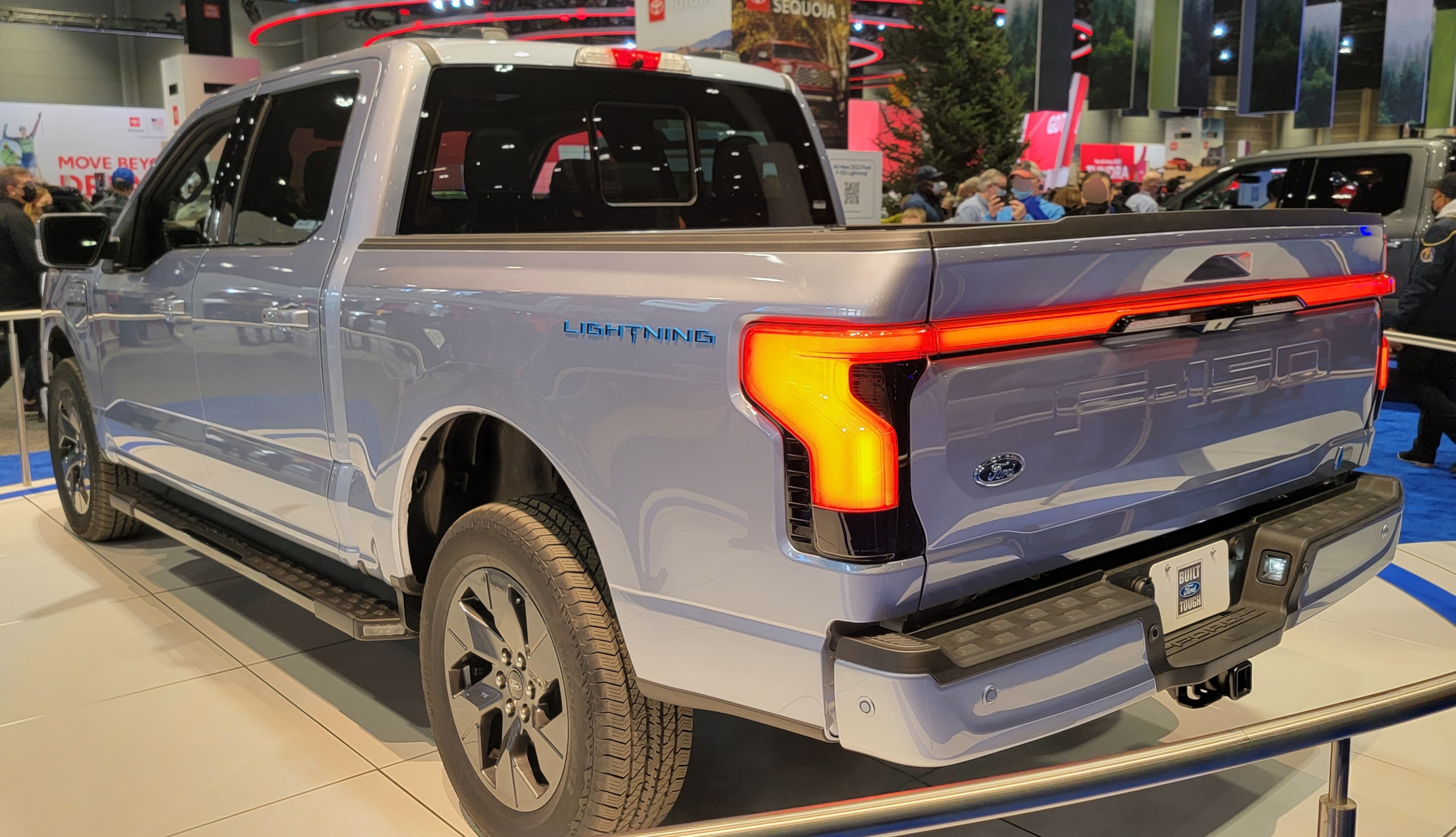
Ford F150S
"...it's F-150s, it's the big trucks. Those buyers aren't going away."
The Ford F-150 is a popular truck that many people use for work and everyday tasks. It's known for being strong and reliable.
The Ford F-150 is a full-size pickup truck known for its durability and versatility, often used for both work and personal purposes.
tariffs
"I think we're starting to see the impact of tariffs. And so, you know, we're seeing some automakers be relatively upfront about those increases,"
Tariffs are extra fees that the government charges on products coming from other countries. When car companies have to pay these fees, they might raise the prices of their cars.
Tariffs are taxes imposed on imported goods, which can increase the cost of manufacturing for automakers. This can lead to higher prices for consumers as manufacturers pass on these costs.
Request an Explanation
Heard something you'd like explained? We'll add it to this episode.
Sign in to request explanations for terms you heard.
Want to learn more?
Browse our glossary for plain-English explanations of automotive terms, jargon, and concepts.
Help improve this episode
See something that's not quite right? Our annotations are AI-generated and can sometimes miss the mark. Click the flag icon on any annotation to suggest a correction.