
OVERRATED “JDM Legend”? 🤔 (Trigger Warning)
About this episode
The hosts debate why the Nissan Skyline R34 has become such an overhyped “JDM legend,” arguing that pop culture, video games, and music have inflated expectations beyond what the car delivers for everyone. They share experiences with R34s that felt heavy and “boat-like,” and compare that hype to other underappreciated JDM options like the Nissan S15, 180SX, and even non-Skyline icons. The conversation also touches on nostalgia, stock-car disappointment, and how different tastes shape what feels “special.”
Formula D
"I got back from Formula D and I made my way over there the next morning for for like a half hour You're the car the total car weekend, huh?"
Formula D is a drifting race series. Drivers try to slide their cars around corners in a controlled way, and judges score the runs. The host is saying they went to Formula D first, then checked out another car event the next morning.
Formula D is a U.S. drifting competition series where drivers are judged on how well they execute drift runs. It’s one of the most visible platforms for Japanese performance cars and drift culture in North America. In the segment, the host mentions getting back from Formula D before going to another event.
JDM legend
"Was checking it out that there is one thing that I just can't kind of wrap my head around So we get there and I'm looking and there's there's a GTT R34 parked on the side of Sunrise Highway"
A “JDM legend” is a car that became famous in Japanese domestic market (JDM) culture and is often treated as iconic or mythic by enthusiasts. The host argues that pop culture hype can outweigh what the car is actually like in real life, even if the car is still good. This segment is essentially debating whether the Nissan Skyline GT-R R34’s reputation is “overrated.”
stock
"They end up getting these cars that were these, you know, completely stock like for instance em1 civics"
Here “stock” means the car is basically as it came from the factory, with no performance upgrades. If you buy it expecting modern speed, it can feel disappointing.
In this context, “stock” means the car is unmodified from the factory configuration. A stock 1990s performance Civic Si can feel underwhelming to someone expecting modern power and comfort.
torque
"It's like a 160 horsepower [191.2s] It's probably got like a hundred and ten foot pounds or pounds pound feet of torque"
Torque is the engine’s “twisting power.” It’s a big part of how strongly the car pulls when you accelerate, especially from lower speeds.
Torque is the twisting force an engine produces, which strongly affects how quickly a car accelerates, especially at lower speeds. The speaker contrasts torque figures with what drivers may be used to in higher-powered, more modern cars.
engine swaps
"But also I'm real big on like doing engine swaps and you know upgrades and turbos and stuff like that"
An engine swap means putting a different engine into your car instead of the original one. People do it to make the car faster or more fun, but it can be a big project.
An engine swap is replacing the original engine in a car with a different engine. Enthusiasts do this to change power, character, or reliability, but it often requires matching wiring, mounts, cooling, and sometimes the transmission.
turbos
"But also I'm real big on like doing engine swaps and you know upgrades and turbos and stuff like that"
A turbo is a device that helps the engine make more power by pushing extra air into it. More air usually means more power, assuming the engine is set up correctly.
A turbocharger (“turbo”) uses exhaust gases to spin a turbine that forces more air into the engine. More air (with the right fuel and tuning) can produce more power than the same engine without boost.
front end
"Everyone put a s15 front on it for a reason nobody nobody was like Ah, I'm gonna keep my headlights because those are cooler Everyone went to a Sylvia front end because the Sylvia was a cooler vehicle."
“Front end” just means the car’s front styling—things like the headlights and bumper. The host is saying people swap that front styling onto other cars because it looks better.
“Front end” refers to the visible front portion of a car—typically the bumper, headlights, grille, and related bodywork. The host is describing how people swap the Silvia S15 front end onto other cars to change the look.
SR
"You know at the end of the day it was still a SR and all that and and we can make arguments till we're blue in the face whether It's worth it to get one because it has an SR in it and then you have to do all this to make that start better"
“SR” is Nissan’s engine family. If a car has an “SR,” it usually means it’s the kind of Nissan engine that a lot of people like to modify and tune.
“SR” refers to Nissan’s SR-series inline-four engines (most famously the SR20DET in many S-chassis cars). When someone says a car “has an SR in it,” they mean it’s powered by that engine family, which has a big aftermarket and tuning culture.

180 sx
"I feel like the s15 or even a 180 sx or a Salady, you know If you can find one and actually I was looking of course because we were talking about this I I definitely was looking at them before and you can find a couple of them and Getting a 180 sx like a 97 98 180 sx to me is pretty cool also because"
The Nissan 180SX is a Japanese sports coupe that’s popular with enthusiasts. It’s rear-wheel drive and it’s often linked to the Nissan SR engine and the whole JDM tuning scene.
The Nissan 180SX is a JDM compact sports coupe known for being a lightweight, rear-wheel-drive platform that’s closely associated with the SR engine swaps/tuning crowd. In the U.S., it’s especially interesting because it’s a different “Silvia-family” vibe than what most people could buy here.

Nissan S15
"Let's be honest just as a as a clean platform and and to bring something in to the US I feel like the s15 or even a 180 sx or a Salady, you know"
The Nissan S15 is a specific generation of the Silvia sports car. People talk about it a lot because it’s a rear-wheel-drive JDM car that’s popular for performance upgrades.
The Nissan S15 is the later-generation Silvia platform (often discussed in the context of the SR engine). It’s a JDM legend because it’s a compact, rear-wheel-drive sports coupe with a strong tuning scene and a “right car, right engine” reputation.
Type X
"I find that really cool. I find the fact that you could get a 180 sx type X and have the you know premier model of the hatchback 240s were, you know, we we never got that level here in the United States"
“Type X” is a trim level—basically a more equipped version of the car. The speaker is saying the Type X is the kind of spec you’d want if you’re chasing the full JDM experience.
“Type X” is a trim designation used on some Japanese-market Nissan models to indicate a higher equipment level or specific configuration. In this context, the speaker is highlighting that a 180SX Type X is more “premium” than what many U.S. buyers experienced.
hatchback 240s
"I find the fact that you could get a 180 sx type X and have the you know premier model of the hatchback 240s were, you know, we we never got that level here in the United States"
“Hatchback 240s” refers to the Nissan 240SX in a hatchback body style, which is a U.S.-market icon for drifting and tuning. The speaker contrasts those cars with the 180SX, emphasizing that the 180SX is a different “animal” than the 240SX you could get here.
SE
"like you got the se you got a wiper blade on the back a spoiler and That was it, you know, you're good to go."
“SE” is a trim level—think “package” or “version” of the car. The speaker is saying the U.S. SE cars had fewer features than the JDM-spec cars he’s talking about.
“SE” here refers to a specific trim level on the Nissan 240SX sold in the U.S. The speaker lists the typical visible differences (spoiler, rear wiper, etc.) to argue that U.S. trims didn’t match the equipment/spec variety available on certain JDM versions.
spoiler
"like you got the se you got a wiper blade on the back a spoiler and That was it, you know, you're good to go."
A spoiler is a piece on the back of the car that helps with airflow. It also often shows that a car is a sportier version.
A spoiler is an aerodynamic add-on mounted to the trunk or hatch to help manage airflow. On enthusiast cars, spoilers are also a visual cue for trim level and can signal a sportier intended setup.
right-hand drive
"So maybe you jump into that car. Maybe you don't have the experience You have somebody introduces you to a 180 sx you jump into it and you're like, oh, it's cool. It's right-hand drive"
Right-hand drive means the steering wheel is on the right side of the car. If you’re used to U.S. cars, it can feel different immediately when you sit down and drive.
Right-hand drive (RHD) means the steering wheel is on the right side of the car, which is common in Japan and other countries. For U.S. buyers, an RHD import is a big part of the “special” factor and affects things like visibility, ergonomics, and legality/registration.
throttle
"You get on the throttle and like, oh, okay. It's it's cool. You know, it's it's all right [482.7s] It doesn't have a ton of power, right from the from the factory"
The throttle is basically the accelerator. When you press it, the car lets the engine make more power.
The throttle is the driver’s control that regulates how much air (and therefore how much fuel) the engine can use. When the host says “get on the throttle,” they mean pressing the accelerator to request more engine output.

R34
"so I think kind of falls in that same category but with the your r34 reference a little bit different because like you said [497.0s] There is so much focus on that from the TV. I'm sorry from the movie series from"
The “R34” is a Nissan Skyline GT-R, a super popular Japanese performance car. People talk about it a lot because it’s been featured in movies and games, so it became a legend even for people who don’t follow cars closely.
Nissan Skyline GT-R “R34” is one of the most famous Japanese performance cars from the late-1990s/early-2000s era. It’s become a pop-culture icon because it shows up in movies, TV, and especially video games like Gran Turismo, which helped cement its reputation.
Gran Turismo
"Every every video game Gran Turismo was every every single one of them the r34 has been at one [517.8s] Yep, has always been that you've kind of looked at as as the one to go after"
Gran Turismo is a popular racing video game series. The host is saying it helped make the R34 famous by putting it in the game over and over.
Gran Turismo is a long-running racing video game series known for featuring real cars and letting players drive them in detail. The host is pointing out that because Gran Turismo repeatedly included the R34, the car’s reputation spread far beyond real-world enthusiasts.
boost controller
"Had had just purchased one. It was like low miles [573.3s] I think he just had a boost controller and like a filter or something [576.7s] It was it was relatively stock and he was really cool."
A boost controller is a gadget that changes how hard a turbocharger pushes. It can make a turbo car feel stronger by increasing boost beyond stock.
A boost controller is an aftermarket device used to control turbocharger boost pressure. On turbo cars like the Skyline GT-R, it can increase (or sometimes smooth) how much boost the engine makes compared to factory settings.
filter
"I think he just had a boost controller and like a filter or something [576.7s] It was it was relatively stock and he was really cool. He let me drive it and I drove it"
A “filter” here probably means an upgraded air filter. It helps the engine breathe better, which can make the car feel a bit more responsive—especially on turbo cars.
In this context, “filter” likely refers to an intake or air filter modification that changes airflow to the engine. On turbo cars, intake/filter upgrades are often paired with boost changes to improve throttle response and support higher airflow.
competitive drag car
"He turned that car into like a real competitive drag car"
A “competitive drag car” is a car prepared to run fast in drag racing, typically emphasizing acceleration and straight-line traction over road-course balance. The speaker implies the car was modified or used in a way that changed its original character.
grand tour
"That makes sense to me because that you know, that's not what it was designed for it's a grand tour"
A “grand tour” (often “GT”) is a car designed for comfortable, fast long-distance driving rather than pure track-focused performance. The speaker is arguing that the car they’re discussing wasn’t originally meant to be a dedicated drag car, so the mismatch in purpose affects how it feels.
two Jay-Z swap
"And I think excuse me at that time Doing a two Jay-Z swap into anything wasn't really it wasn't really commonplace"
A “two Jay-Z swap” refers to engine swapping—specifically replacing a car’s original engine with a different engine from the “JZ” family (commonly the Toyota 1JZ or 2JZ). In this context, the host is saying that doing a JZ swap “into anything” wasn’t common at the time where they were.
Nissan Skyline R34
"But I feel like like the R34 like you mentioned it's been so hyped over the years. It's kind of like the crown jewel. I"
The Nissan Skyline R34 is a famous Japanese sports car from the late 1990s. People love it because it has a strong performance reputation and a big enthusiast following, so it gets a lot of hype.
The Nissan Skyline R34 is a late-1990s/early-2000s Japanese sports car that became a global JDM icon, especially in enthusiast circles. It’s often associated with the RB-series inline-six engine and a huge aftermarket, which is why it gets “crown jewel” hype even among people who haven’t owned one.

Mazda RX-7
"X7 and I know, you know, rotary versus, you know, pissed and all that stuff But I'm just seeing from from being behind the wheel and actually driving that vehicle ...I think Mazda did an incredible job at that"
The Mazda RX-7 is a classic sports car known for a rotary engine, which feels different from normal engines. The speaker also says the driving position is very “driver-first,” like you’re sitting in a cockpit with everything placed for you.
The Mazda RX-7 is famous for its rotary engine (a Wankel design), and the host is describing how that engine and the car’s layout create a very driver-focused experience. They emphasize the cockpit feel—shifter placement and controls surrounding the driver—plus the way the car still feels “sporty” even years later.
rotary
"X7 and I know, you know, rotary versus, you know, pissed and all that stuff But I'm just seeing from from being behind the wheel and actually driving that vehicle"
A “rotary” engine is an engine type where a spinning part makes power instead of pistons moving up and down. It changes how the car feels when you accelerate—often in a very distinctive way.
“Rotary” refers to a Wankel rotary engine, which uses a spinning rotor instead of the reciprocating pistons used in most car engines. In enthusiast talk, it often comes up with Mazda’s rotary-powered cars because the engine character (sound, throttle response, and power delivery) feels different than piston engines.
driver centric
"It still feels like a real sports car like it feels like very driver centric You're in a cockpit like everything's kind of surrounding you the shifter all the placement of everything is perfect to me"
“Driver centric” describes a cockpit layout where controls, visibility, and steering feel are arranged to prioritize the driver’s inputs and awareness. It’s a design philosophy that often shows up in how the shifter, seating position, and dashboard orientation are set up to make the driver feel connected to the car.
cockpit
"You're in a cockpit like everything's kind of surrounding you the shifter all the placement of everything is perfect to me In my opinion for I think Mazda did an incredible job at that"
In this context, “cockpit” just means the driver’s area inside the car. The speaker is saying it feels like a race car because everything is positioned around you.
In car talk, “cockpit” means the driver’s enclosed seating area—how the dashboard, steering wheel, shifter, and surrounding surfaces create an immersive, race-like environment. The host uses it to describe how the car’s layout makes the driver feel surrounded and engaged.
2j
"I've never been a big fan of the way that the 2j brings power in I I do prefer the RB That's why I was always an RB guy."
“2J” is a nickname for a specific Toyota engine used in some JDM cars. The speaker is comparing how that engine feels when you accelerate compared with another engine type.
“2J” is shorthand in JDM circles for the Toyota 2JZ engine family (most famously the 2JZ-GTE in the Supra). The host is comparing how that engine delivers power versus an RB-series engine, focusing on throttle feel and how abruptly power arrives.
RB
"I've never been a big fan of the way that the 2j brings power in I I do prefer the RB That's why I was always an RB guy."
“RB” refers to a Nissan engine family that’s popular in JDM cars. The speaker likes how this engine’s power comes on more smoothly than the Toyota engine they’re comparing it to.
“RB” is shorthand for Nissan’s RB engine family (commonly discussed as the RB20/RB25/RB26 variants in JDM culture). The host prefers the RB’s power delivery character—describing it as more linear and steady—compared to the 2JZ’s feel.
linear power under the curve
"I've never been a big fan of the way that the 2j brings power in I I do prefer the RB That's why I was always an RB guy. I like that linear power under the curve straight line type of power."
This means the car’s acceleration feels smooth and steady as you add throttle. Instead of feeling like power suddenly hits you, it ramps up in a more predictable way.
“Linear power under the curve” describes an engine’s power delivery that rises smoothly as you press the throttle, rather than arriving in a sudden surge. The host contrasts this with other engines’ more abrupt “on/off” feel, implying a more predictable acceleration character.
bucking Bronco
"I feel like the Supra comes on hard and You're holding on to a bucking Bronco as it's going straight straight line down the road"
It’s a comparison to a wild horse that bucks—meaning the car feels like it’s jumping or jerking when you accelerate. The speaker is describing a rougher, more dramatic acceleration feel.
“Bucking Bronco” is a metaphor for a car that feels like it’s pitching or jerking under acceleration—often due to traction limits, torque delivery, or suspension behavior. In this context, it describes the sensation of being pulled forward while the car feels unstable or “alive” over bumps or load transfer.

Ford Bronco
"... comes on hard and You're holding on to a bucking Bronco as it's going straight straight line down the roa..."
The Ford Bronco is an SUV designed to handle rough roads and trails. In this discussion, it’s being described as feeling like it jumps forward when you accelerate. That can make it feel like you have to hold on while driving straight.
The Ford Bronco is a rugged SUV built for off-road capability, but it can also be driven hard on-road. In the podcast context, the comparison is about how the car’s power delivery can feel abrupt, like you’re “holding on” as it moves straight down the road. That’s a common way drivers describe a vehicle that accelerates strongly and quickly.
losing control
"Hope maybe that's maybe that's the fun of it for guys that hop really put a lot of power into that's the fun It's like almost on the verge of losing control"
This means the car is starting to act like it might not stay stable—like the tires can’t grip as well as you’re asking. It’s the line between fun acceleration and getting into trouble.
“On the verge of losing control” refers to the threshold where a car’s grip or stability is being exceeded—commonly from too much torque, insufficient traction, or aggressive throttle. Enthusiasts sometimes describe this as the point where the car becomes exciting but also demands careful input.

Acura NSX
"I really like the way that the NSX has that slope on it. The RX 7 is a little bit flatter, but it has that that perfect"
The Acura NSX is a supercar with a layout designed around the driver. Here, they’re talking about how the dashboard shape and positioning make you feel more “in” the car and comfortable behind the wheel.
The Acura NSX is a mid-engine supercar known for its driver-focused cockpit layout. In this segment, the host specifically praises the NSX’s dash/center-area shape and how it visually and ergonomically supports the driver’s reach and sightlines.
Mazda RX 7
"I really like the way that the NSX has that slope on it. The RX 7 is a little bit flatter, but it has that that perfect"
The Mazda RX-7 is a well-known Japanese sports car. Here they’re comparing how the RX-7’s dashboard and seating position feel compared to other cars—basically how “close” and natural it feels when you’re driving.
The Mazda RX-7 is a sports car famous for its rotary engine heritage and driver-oriented feel. The speaker compares its dash shape and seating position to other JDM icons, noting the RX-7’s flatter dash and how that affects the driver’s arm position and overall cockpit feel.

Honda NSX
"...eels awkward to me I really like the way that the NSX has that slope on it. The RX 7 is a little bit fl..."
The Honda NSX is a sports car made for performance and handling. The host is pointing out the car’s design, especially the way the body shape slopes. That’s part of what makes it stand out visually and feel special to drive.
The Honda NSX is a mid-engine sports car known for its driver-focused design and sharp handling. The podcast specifically calls out the car’s shape—mentioning the “slope” of the NSX—which suggests the speaker is reacting to its visual and aerodynamic profile. It’s the kind of car that often gets discussed both for how it looks and how it feels when driving.
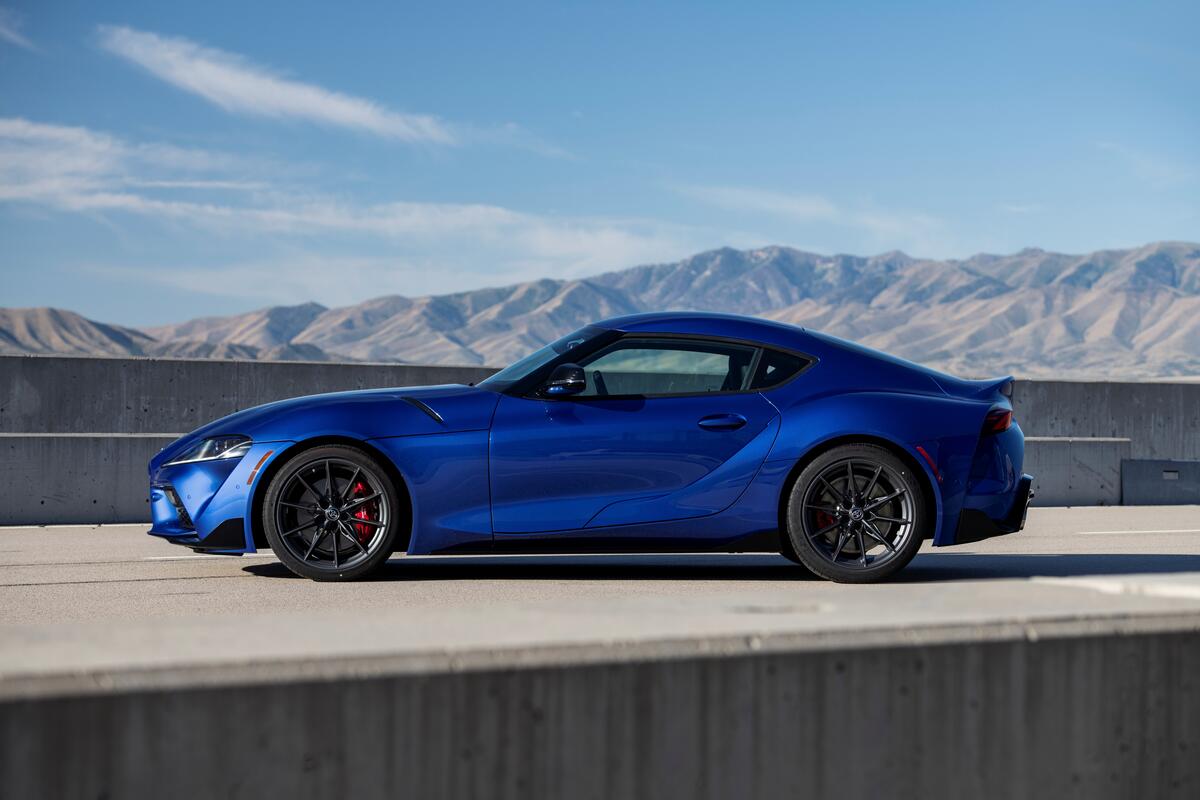
Toyota Supra
"I also feel like a little more tucked in in those vehicles as compared to the Supra"
The Toyota Supra is a performance sports coupe known for its strong driver engagement and tuning culture. In this segment, it’s used as a comparison point for cockpit ergonomics—specifically how tucked-in the driver feels versus other cars like the NSX and Z.

Nissan 300 ZX
"Well, that's the same thing with the Z with the 300 ZX you sit lower"
The Nissan 300 ZX is a well-known Z-car. Here they’re saying it feels like you sit lower, and that affects how your body fits in the seat compared to other cars.
The Nissan 300 ZX is a classic Z-car that’s often praised for its low seating position and driver-focused layout. The speaker connects that “sit lower” feeling to the NSX, describing how the lower profile changes the driver’s knee/torso position behind the wheel.
F1 seat
"That lower profile almost like the F1 seat where your knees are up higher, but your butt is lower like that kind of"
An “F1 seat” is the kind of seating you see in Formula 1 cars. It’s designed so your knees are higher and your body sits in a very specific, low-and-rearward position—something the speaker says these cars mimic.
An “F1 seat” refers to the very reclined, race-car seating position used in Formula 1, where the driver’s knees are higher while the seat base keeps the driver’s lower body lower. The speaker uses it as an analogy for how the NSX and 300 ZX position the driver’s legs and hips for a more enveloping cockpit feel.

Toyota MR2 (second-gen)
"It's sort of have a better feel to them at least from behind the wheel the MR2 Excuse me the second-gen MR2 that one too feels like it kind of wraps around you"
The Toyota MR2 is a small sports car with an engine placed toward the middle. They’re talking about the second generation specifically, saying it feels like the cabin surrounds you and makes the car feel tighter and more driver-focused.
The Toyota MR2 is a mid-engine sports car, and the second generation is especially known for its compact, driver-enveloping cockpit. Here, the speaker says the second-gen MR2 “wraps around” the driver and feels smaller overall, praising Toyota’s execution of a cockpit-focused layout.
digital dash era
"But we're getting back to that that 90s 2000 or 80s 90s digital dash era So it's really cool as you could get so a 1j powered"
“Digital dash era” just means the time period when car dashboards looked more like screens and digital displays. The host is pointing to the classic late-80s/90s Japanese look.
“Digital dash era” refers to the period when instrument clusters used digital screens and electronic displays instead of mostly analog gauges. The host connects it to the 1980s–2000s Japanese styling trend, which many enthusiasts associate with that time’s tech-forward look.
1j powered
"So it's really cool as you could get so a 1j powered You know"
“1J powered” means the car has a Toyota 1JZ-type engine in it. It’s a popular engine in the JDM world, especially for swaps and turbo builds.
“1J powered” means the car is equipped with a Toyota 1JZ-family engine (a well-known inline-six used in many JDM builds). The host uses it to describe the Sora’s potential powertrain swap/engine choice and ties it to the era’s swap culture.
2j swap
"I had a customer that had a 2j swap in there Well, I guess it came with a non-turbo and they did a turbo conversion or something along the lines"
A “2J swap” means putting a Toyota 2JZ-type engine into a car that didn’t originally have it. The host is describing a customer’s modification to make the car faster or different-feeling.
A “2J swap” means installing a Toyota 2JZ-family engine into a different car than it originally came with. In this segment it’s discussed as a customer’s modification to the Toyota Sora, and it’s part of the broader JDM culture of engine swaps to change power and character.
turbo conversion
"Well, I guess it came with a non-turbo and they did a turbo conversion or something along the lines"
A “turbo conversion” means turning a non-turbo engine into a turbo setup. It usually involves adding the turbo hardware and making the engine work with boost.
A “turbo conversion” is the process of changing a naturally aspirated (non-turbo) engine to run a turbocharger system. The host connects it to the customer’s car starting as non-turbo and then being modified to add forced induction.
turbo head
"I don't know if they just did a turbo head. I don't know what they did But by the time it doesn't do the head right the head and I'll be honest"
A “turbo head” means using the cylinder head designed for a turbo engine. The host is saying the head choice can affect how the engine is supplied with oil and how well the turbo build works.
A “turbo head” refers to using the cylinder head from a turbocharged variant of an engine family, rather than the naturally aspirated head. The host implies this matters for oiling and compatibility when building a turbo setup on a different base engine.
oil squirters
"They do a GTE head on a GE block or something like that because yeah, it does it gets her to oil squirters You don't have oil pressure issues."
“Oil squirters” are little oil jets inside the engine that spray oil where it’s needed most. The host is saying the correct setup helps keep the engine properly lubricated under boost.
“Oil squirters” are oil jets/nozzles that spray pressurized oil to specific engine components (commonly to cool pistons and manage lubrication under load). The host says using the right head/parts can route oil to these squirters so the build avoids oil-pressure or lubrication issues.
GTE head
"They do a GTE head on a GE block or something like that because yeah, it does it gets her to oil squirters You don't have oil pressure issues."
A “GTE head” is a turbo-oriented cylinder head variant. The host is saying people sometimes match a turbo head with a non-turbo block so the engine gets the right oiling features for a turbo build.
A “GTE head” refers to a cylinder head associated with Toyota’s turbo (GTE) variant within an engine family. In this segment, the host suggests pairing a GTE head with a GE block to ensure oiling features (like oil squirters) are present for the turbo conversion.
GE block
"They do a GTE head on a GE block or something like that because yeah, it does it gets her to oil squirters You don't have oil pressure issues."
A “GE block” is the engine block from a naturally aspirated version. The host is saying that when you build a turbo car, you often have to choose the right head to go with that block so the oiling works correctly.
A “GE block” refers to a naturally aspirated (GE) engine block used as the base for a turbo conversion. The host’s point is that the block/head combination affects oiling and whether the turbo build is set up correctly.
timing belt
"But that being said I did like a timing belt on his car, you know that that stuff was just standard maintenance and It was a really fun car to drive like I gotta tell you I got behind the wheel and I drove it"
A “timing belt” is a belt inside the engine that keeps the engine’s timing correct. If it’s not replaced on schedule, it can cause serious engine damage.
A “timing belt” is a maintenance-critical belt that synchronizes the crankshaft and camshaft(s) so valve timing stays correct. The host mentions doing a timing belt on the customer’s car as part of standard maintenance while discussing the build.
peaky power
"You know smaller turbo didn't have that same peaky power that I got out of the Supra Which I'm sure is just the way that the the tuning was on the engine and the turbo setup and so on so forth"
“Peaky power” means the car feels like it makes most of its power only in a narrow band of engine speed. The host is saying one setup feels sharper, while the other feels smoother and easier to drive.
“Peaky power” describes an engine/turbo power delivery that comes on sharply at certain RPMs rather than building smoothly across the rev range. The host contrasts that with the more even “driving feel” from a smaller turbo setup.
smaller turbo
"You know smaller turbo didn't have that same peaky power that I got out of the Supra Which I'm sure is just the way that the the tuning was on the engine and the turbo setup"
A “smaller turbo” usually comes up to boost quicker, so the car can feel more responsive at everyday speeds. The host is saying that’s why it doesn’t feel as sharp and sudden as the Supra’s setup.
“Smaller turbo” refers to using a turbocharger with a smaller compressor/turbine size, which typically spools faster and can deliver more responsive low-to-midrange boost. The host uses it to explain why the car feels less “peaky” than the Supra.
thousand horsepower
"Thousand horsepower quote-unquote, you know all bells and whistles take me for a rip down the road type situation"
“Thousand horsepower” means the car is claimed to make around 1,000 horsepower or more. It’s a way people brag about how powerful a car is.
“Thousand horsepower” refers to an extremely high engine output rating—1,000 hp or more. In enthusiast talk, it’s often used to signal a car built for big performance claims, even if the speaker is being a bit skeptical (“quote-unquote”).
under the hood
"Bro, you know, what's under the hood? Yeah, you know to me Everything has one of them, right?"
“Under the hood” means the engine area of the car. When people ask that, they’re basically asking what kind of engine or performance parts the car has.
“Under the hood” is car shorthand for the engine bay and the mechanical parts that make the car move. When someone asks “what’s under the hood,” they’re usually asking about the engine, turbo/supercharger, and other performance hardware.
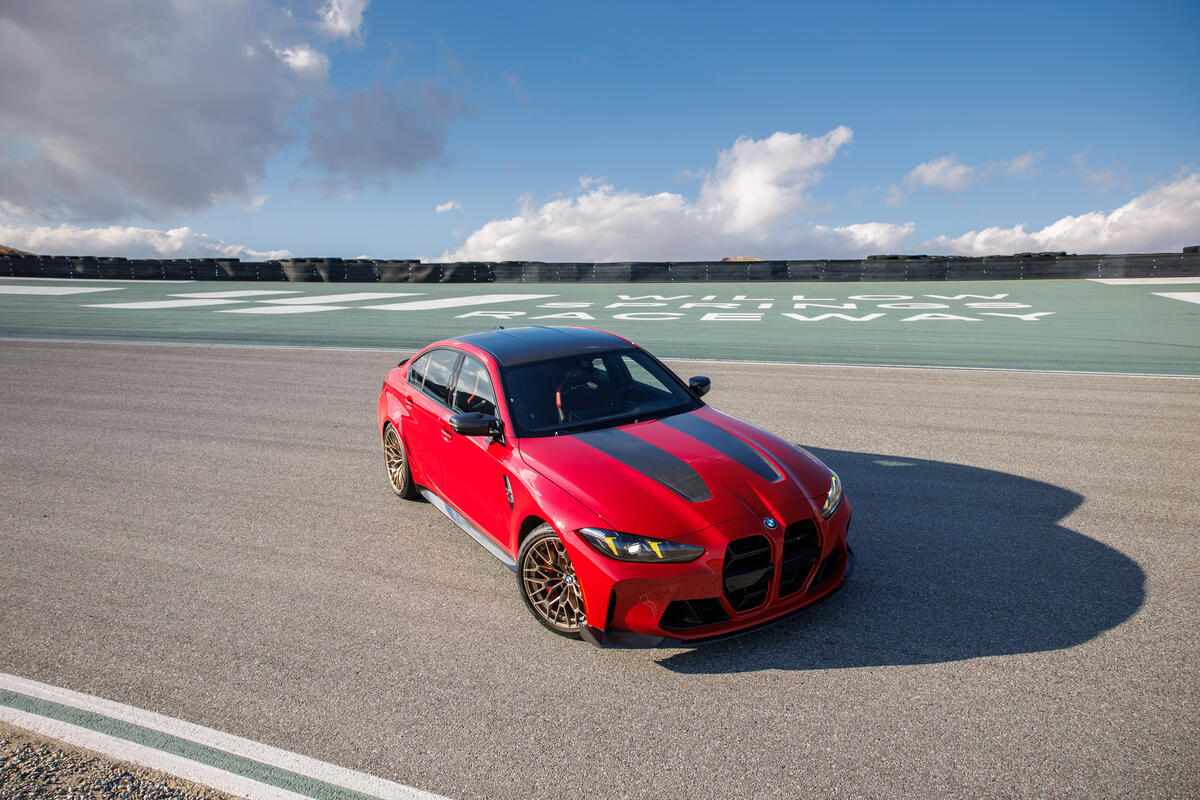
BMW M3
"...year because it didn't have the same power as the g80 You know, that's the difference and so is that th..."
The BMW M3 is a fast, performance-focused version of BMW’s 3 Series. The podcast is saying that some model years don’t feel as powerful as others. So the way it accelerates can change depending on which year you have.
The BMW M3 is a high-performance version of the 3 Series, built for drivers who want a balance of speed and handling. The podcast mentions a specific “year” difference because power output and how the car delivers it can vary between model years. That’s why the host connects it to the “difference” in power compared to another M3 generation.

Ford Mustang
"... I Had friends that originally went they were all Mustang guys. I got an Nissan and that's when I got my 24..."
The Ford Mustang is a sports car that many people buy for performance and driving fun. In the podcast, it’s brought up because the speaker had friends who liked Mustangs. It’s also part of their story about what cars they owned over time.
The Ford Mustang is a long-running American sports car that’s known for its strong performance options and wide enthusiast following. In the podcast, it’s mentioned through personal ownership history—friends who were “Mustang guys” and the host’s own move to a different car before getting a “24.” That kind of discussion usually comes up because the Mustang is a common benchmark for what people consider a fun, fast car.
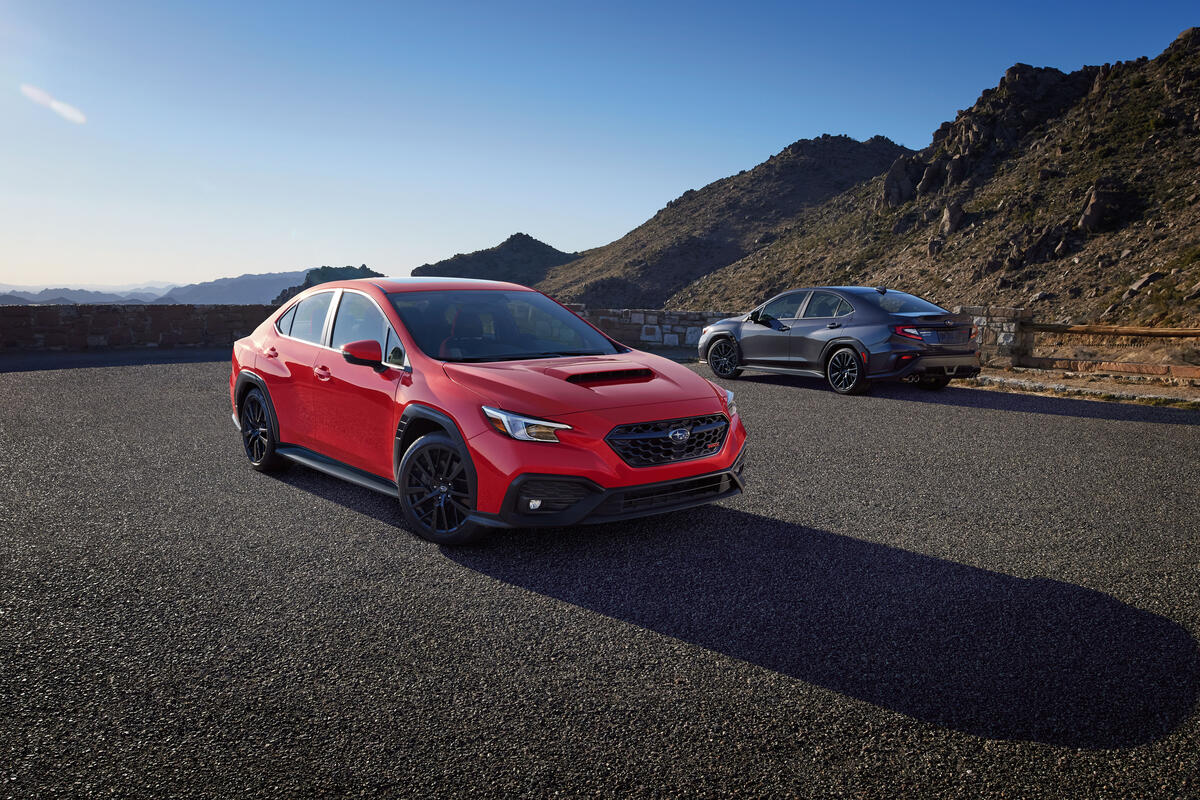
Subaru WRX
"a bunch of my friends were [1163.4s] Into WRX's and STI's I got the Evo 8 like I'm always trying to get the car that is"
The WRX is a Subaru that’s known for having a turbo engine and all-wheel drive. People like it because it feels sporty and handles well. The speaker is using it as an example of what his friends were into.
The Subaru WRX is a turbocharged, all-wheel-drive rally-inspired sedan that became a mainstream performance icon in the JDM scene. Here it’s mentioned alongside the STI as part of the speaker’s social group’s typical choices.

Evo 8
"Into WRX's and STI's I got the Evo 8 like I'm always trying to get the car that is [1169.9s] Opposite of my of like I guess trend or social group or whatever."
The Evo 8 is a Mitsubishi performance car with a turbo engine and all-wheel drive. It’s popular with enthusiasts and has lots of upgrade parts. The host brings it up to show he chose a different car than his friends.
The Mitsubishi Lancer Evolution (Evo 8) is a turbocharged, all-wheel-drive performance sedan famous for rally heritage and strong aftermarket support. The speaker contrasts it with his friends’ Subaru choices to explain how he picked cars as an “outlier.”
drifting
"all my friends were into 240s doing drifting all that and I bought a Z [1182.1s] G32"
Drifting is when a driver makes the car slide sideways through a turn on purpose. It takes skill to keep the car under control while the tires lose grip. The host is talking about which cars were (in his view) suited for that.
Drifting is a driving technique where the car is intentionally steered so the rear tires lose traction and the car slides through a corner while maintaining control. The speaker uses it to compare which cars in his friend group were “good” or “bad” for that style of driving.

G 37
"I had the G 37 for [1206.4s] 13 years now and it's really hilarious because it became the trendy car"
The Infiniti G37 is a sporty Infiniti model with a V6 engine. The host says he bought it because he liked how it felt mechanically and because it had all-wheel drive. Later, it became popular in a way he didn’t expect.
The Infiniti G37 is a rear-wheel-drive (or sometimes all-wheel-drive depending on configuration) performance sedan/coupe that’s known for its V6 engine and strong enthusiast following. The speaker says he liked the engine and that it was all-wheel drive, which is why he bought it—before it later became a “trendy car to bash on.”
all-wheel drive
"I got it because I liked the engine and it was all-wheel drive [1222.4s] So I was like, oh, that's perfect"
All-wheel drive means the car can send power to all four tires. That helps it grip the road better, especially in bad weather. The host says AWD was part of why he picked his car.
All-wheel drive (AWD) means power is sent to all four wheels, improving traction when grip is limited (like rain, snow, or loose surfaces). In this segment, the speaker highlights AWD as a key reason he chose the Infiniti G37.

Civic
"Like for how many years have like the Civic been crapped on because you know probably should be because there's you know It's a cheap entry-level vehicle ... It's still a civic you're right"
The Honda Civic is a popular, affordable Honda. The point here is that even if people criticize it, it’s still a Civic—and because it’s common and inexpensive, it’s easy to modify using parts from other cars.
The Honda Civic is a compact car that became a JDM/enthusiast staple because it’s affordable to buy and easy to modify. In this segment, the host argues that people “crap on” the Civic, but it’s still a Civic—meaning the platform is cheap and parts are widely available for upgrades.
entry-level vehicle
"It's a cheap entry-level vehicle that some of us put way too much time and way too much money Into and and you know, they always what do they they always say, right at the end of the day"
An entry-level vehicle is the cheaper, basic version of a car model. People often start with these because they cost less, so it’s easier to tinker with them.
An entry-level vehicle is a model positioned as the most affordable option in a lineup. In enthusiast discussions, that often matters because cheaper cars tend to be easier for owners to experiment with and spend money on modifications.
Legos
"And I can take parts off of five other models and apply to this vehicle and improve it like that That's it's Legos, right?"
He’s comparing the car to building blocks. The idea is that you can take off parts and add other parts to change how the car works or feels.
“Legos” is a metaphor for how modular many car platforms are—owners can swap parts and build up performance or style step-by-step. The key idea is that the Civic is treated like a kit where parts from other cars can be adapted to improve it.
Request an Explanation
Heard something you'd like explained? We'll add it to this episode.
Sign in to request explanations for terms you heard.
Want to learn more?
Browse our glossary for plain-English explanations of automotive terms, jargon, and concepts.
Help improve this episode
See something that's not quite right? Our annotations are AI-generated and can sometimes miss the mark. Click the flag icon on any annotation to suggest a correction.