
Pattering on with Bill Helmes Part 7
About this episode
Bill Helms’ “Pattering on” Part 7 blends family-car-dealer stories with real driving philosophy. The chat starts with his dad’s buying journey—from BMW 330/335/M4 era comparisons to why a GTI can feel better than an M4—and turns into Helms’ own Porsche business lessons. Spoiler debates (narrow-body vs factory look), favorite Utah canyon/freeway routes, and how “feel” beats raw speed lead into mentors, early mistakes, and negotiation nerves. Wild tales include forgetting he was in a 79 Turbo mid-corner and outrunning a Pantera while avoiding tickets.
In this episode I talk to my dad about:
-The way he set up cars.
-Things he had to learn getting into the business.
-A few cars lately he wasn't in love with.
-Stories about delivering the cars.
Send questions and suggestions to [email protected]
https://www.circuitsixfour.com/
https://www.instagram.com/circuit6four/https://mail.google.com/mail/u/0/#inbox
Porsche
"Porsche Pattern is sponsored by Circuits Explore. ... Like Porsche isn't associated with racing at all. Like, why would you want to go to a race?"
Porsche is a well-known German car brand that makes sports cars. The episode is basically talking about why Porsche fans connect the brand to racing (or why some people don’t).
Porsche is the German sports-car brand the show is centered on, and it’s also strongly associated with motorsport heritage. The host’s comment—“Porsche isn’t associated with racing at all”—is a prompt to discuss that relationship between the brand and racing.
Long Beach Grand Prix
"So last week I went down to the Long Beach Grand Prix. As usual, I show up there and I didn't run into anybody I knew."
This is a big racing event in Long Beach, California. People who like cars and motorsport often go there to see the action and meet other enthusiasts.
The Long Beach Grand Prix is a major motorsport event held in Long Beach, California. It’s a common destination for car and racing fans, so it fits the episode’s theme of Porsche community culture around events.

Q5
"Oh, and then he mentioned the Q5. I know you're probably thinking, what the hell does the Q5 have to do with anything? ... I'm sure he likes a Q5."
The Audi Q5 is a luxury SUV. The hosts mention it to make a point: it’s comfortable, but it won’t feel as exciting as a sports car like a Porsche 911 when you’re driving fast.
Audi’s Q5 is a compact luxury SUV. In the episode it’s used as a contrast to a Porsche 911, highlighting how a performance-oriented car can feel more engaging than a typical SUV at speed.
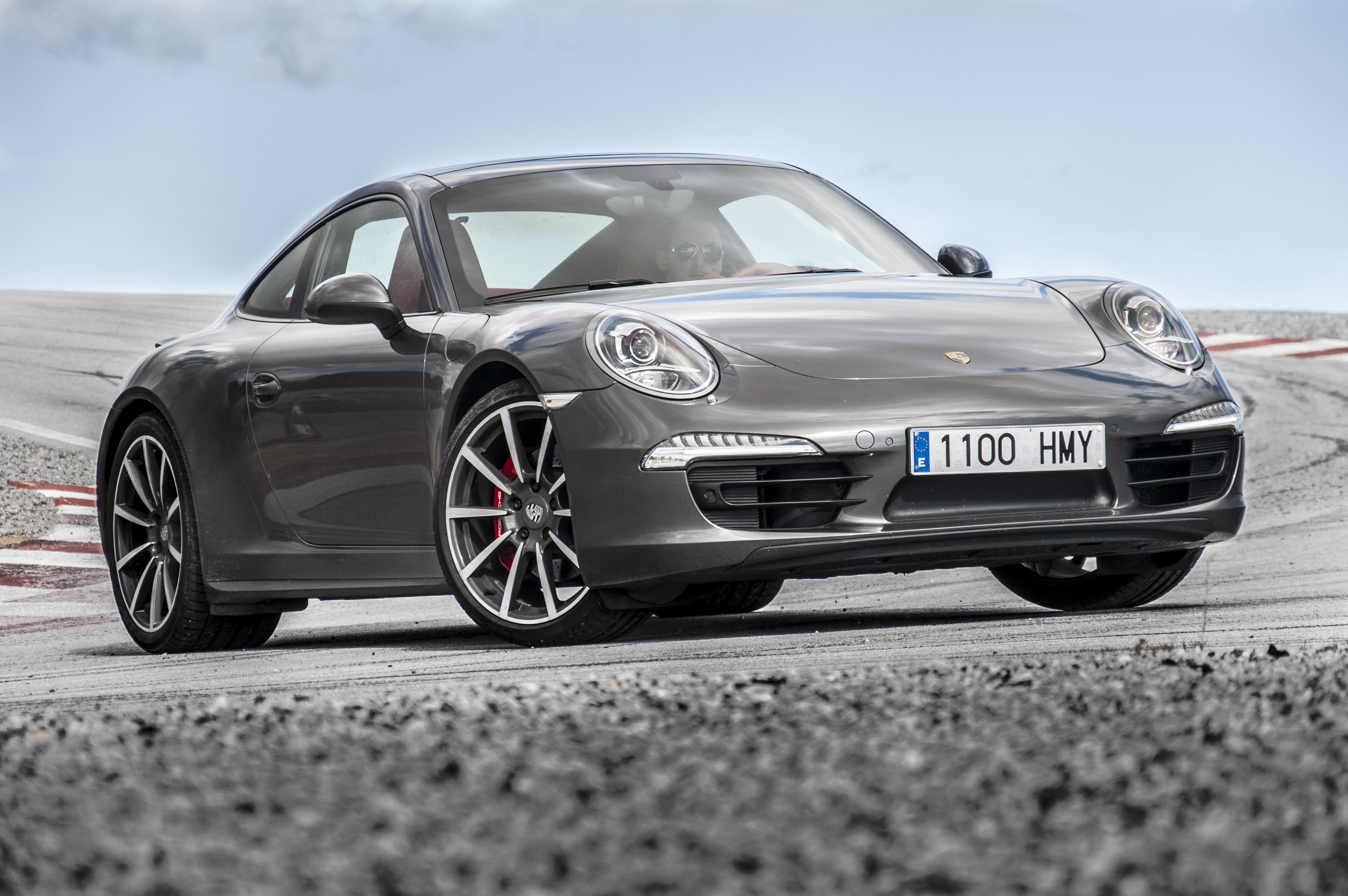
911
"He's just saying like, I'm cruising in my 911. I'm having the time of my life. If I was at this speed in the Q5, it would be boring as hell."
The Porsche 911 is a famous sports car from Porsche. In this story, it’s the “fun” car compared to the SUV, because it feels more exciting when you drive quickly.
The Porsche 911 is Porsche’s iconic rear-engine sports car line. Here it’s referenced as the dad’s cruising car, and the comparison to the Q5 frames the 911 as more fun and engaging at speed.

330 CI
"So when my dad was talking about the 330 CI that they were trying to get for my brother and they ended up getting a 335, which led to an M4."
The BMW 330Ci is a BMW 3 Series coupe. The hosts are talking about the dad shopping for BMWs and eventually ending up with quicker, more performance-oriented versions.
The BMW 330Ci is a 3 Series coupe from BMW’s E46-era lineup (the “Ci” denotes a coupe with a convertible-top style designation in BMW naming). In the transcript it’s part of a progression of BMWs the dad tried to get, showing how they moved up to more performance-focused models.

M4
"...they ended up getting a 335, which led to an M4. And then we talk about all the cars in between and stuff like that."
The BMW M4 is a high-performance BMW. It’s the kind of car people buy when they want something much sportier than a normal 3 Series.
The BMW M4 is BMW’s performance “M” division coupe, built for track-capable driving and strong acceleration. The transcript uses it as the end point of a BMW shopping path, implying the dad moved from regular 3 Series models into an M car.
BMW E46
"He's talking about the E46. And then he did eventually get one."
E46 refers to a specific generation of the BMW 3 Series. In the episode, it’s mentioned as one of the BMWs the dad talked about and eventually owned.
The BMW 3 Series E46 is the generation code for the 1998–2006 3 Series. The hosts mention the E46 as part of the dad’s car history, which helps listeners place the timeline of BMWs being discussed.
rear spoiler
"Anyway, here's me pattering on with my dad part seven. In Europe, they love the rear spoiler on those narrow body cars."
A rear spoiler is an aerodynamic add-on mounted at the back of a car to improve airflow and increase downforce. The episode notes that Europeans especially like the rear spoiler look on narrow-body Porsche 911s, tying style to the car’s classic silhouette.
narrow body cars
"In Europe, they love the rear spoiler on those narrow body cars."
“Narrow body” means an older, slimmer-looking version of a Porsche 911. The hosts are saying European fans especially like how those cars look, including the rear spoiler.
“Narrow-body” refers to earlier Porsche 911 body widths (before the wider fenders of later generations). In the transcript, it’s used as a styling/identity cue, especially in how enthusiasts in Europe appreciate details like the rear spoiler on those cars.
wide body
"Like I remember growing up and just being like, it's illegal. Unless you got like a wide body, you don't have a spoiler on. And now all of a sudden the spoilers are starting to come back."
A “wide body” means the car’s fenders are wider than normal. It usually lets you run wider tires and it changes the look. The speaker is saying people felt spoilers only made sense on the wider-looking cars.
A “wide body” refers to a car configuration with widened fenders/quarters compared to the standard body, often to fit wider wheels/tires and to change the car’s visual proportions. In this segment, the host links wide-body status to whether a rear spoiler is considered appropriate. That’s a common classic-Porsche styling rule of thumb.

Porsche Carrera
"You know, your eight, your Carrera was original spoiler car. But every one of those cars that I did, I never ordered and I ordered a lot of new cars."
“Carrera” is Porsche’s name for a sporty 911. The speaker is saying some Carreras originally came with a rear spoiler from the factory. Later, people stopped doing it, but now they’re putting spoilers back because it looks right.
“Carrera” is Porsche’s name for performance-oriented 911 models. In this segment, the host calls out the Carrera as an “original spoiler car,” meaning some factory configurations came with a rear spoiler. That’s a period-correct look that later became controversial and then started returning.
lowered
"What I did with that car is I put a front spoiler on it, lowered it, and we put sevens and eights on the car."
“Lowered” means reducing ride height, typically by changing suspension settings or springs/coilovers. Lowering affects stance and how aero pieces (like a spoiler) visually sit relative to the body. The host suggests the car being lowered could “pull off” the spoiler look, even if they personally didn’t like it.
sevens and eights
"What I did with that car is I put a front spoiler on it, lowered it, and we put sevens and eights on the car."
“Sevens and eights” is a way of talking about wheel width, like 7-inch and 8-inch wheels. Wider wheels usually help the car look more planted and can change how tires fit. The speaker is describing the specific wheel sizes they used.
“Sevens and eights” is shorthand for wheel widths—typically 7-inch and 8-inch wide wheels—used to set up fitment and handling balance. The host pairs this with lowering and spoilers, describing a common classic Porsche wheel-and-aero recipe. It’s a practical detail that affects tire choice and how the car fills the wheel arches.
European tail lights
"And a lot of time we put European tail lights on it back in the day. But that's basically what we did with that car."
“European tail lights” are taillights made for Europe, and they can look different from U.S. versions. People swap them onto older cars for the look. It can also affect how the lights function and whether they’re street-legal where you live.
“European tail lights” refers to taillight assemblies designed for European-spec regulations, which can differ in lens shape, markings, and sometimes illumination behavior compared with U.S.-spec lights. The host mentions swapping to European tail lights “back in the day,” which is a common customization for classic Porsches. It’s relevant because it changes both appearance and legality/fitment considerations.
Porsche 911 Turbo
"We liked the look of it on the turbo or the turbo look. We were totally fine."
The Porsche 911 Turbo is the high-performance, turbocharged version of the 911. In the conversation, they’re saying the rear spoiler looked best on the Turbo-style cars. They liked that look more than the spoiler on other body styles.
The Porsche 911 Turbo is the turbocharged performance variant of the 911 lineup. Here, the host says they liked the spoiler look on the Turbo (or “turbo look”), implying the factory-style aero matched the car’s stance and proportions better. It also suggests a visual preference tied to how the car sits when lowered.
deck lid
"And I found a deck lid, which you could do back in the day. And we put it on and took the spoiler off and he loved it."
A deck lid is the rear door/panel that you open to access the trunk area. People replace them when restoring a car or when they want the car to look more original.
A deck lid is the hinged panel that covers the rear storage area on many Porsche models. In this context, finding a deck lid suggests bodywork/trim parts availability and how owners can restore or modify the car’s rear appearance.
driving a car like it's capable of being driven
"And I drove that car the way it's capable of being driven. And I had a ball driving at that. And not too many people were getting by me."
He’s basically saying he drove the car the way it was meant to be driven. Instead of babying it, he used the performance it has, and that’s what made it fun.
This phrase points to the idea of using the car’s performance envelope—accelerating, maintaining momentum, and driving in a way that matches the vehicle’s intended design. It’s less about “speeding” and more about experiencing how the car behaves when you actually ask it to do what it was built for.
feeling at speed
"You, you feel something. It's, it's a feeling. It's not the speed. They're not that fast. And then we had a Honda Civic come up from behind us and just act."
He’s saying it’s not just about how fast you’re going. It’s about how the car feels—how connected it makes you feel to the road and how confident it feels at speed.
The speaker distinguishes between raw speed and the subjective “feel” you get from a car—how it communicates with the driver through steering, suspension, and stability. This is a common enthusiast concept: two cars can go the same speed, but one can feel more engaging due to chassis balance and road feedback.
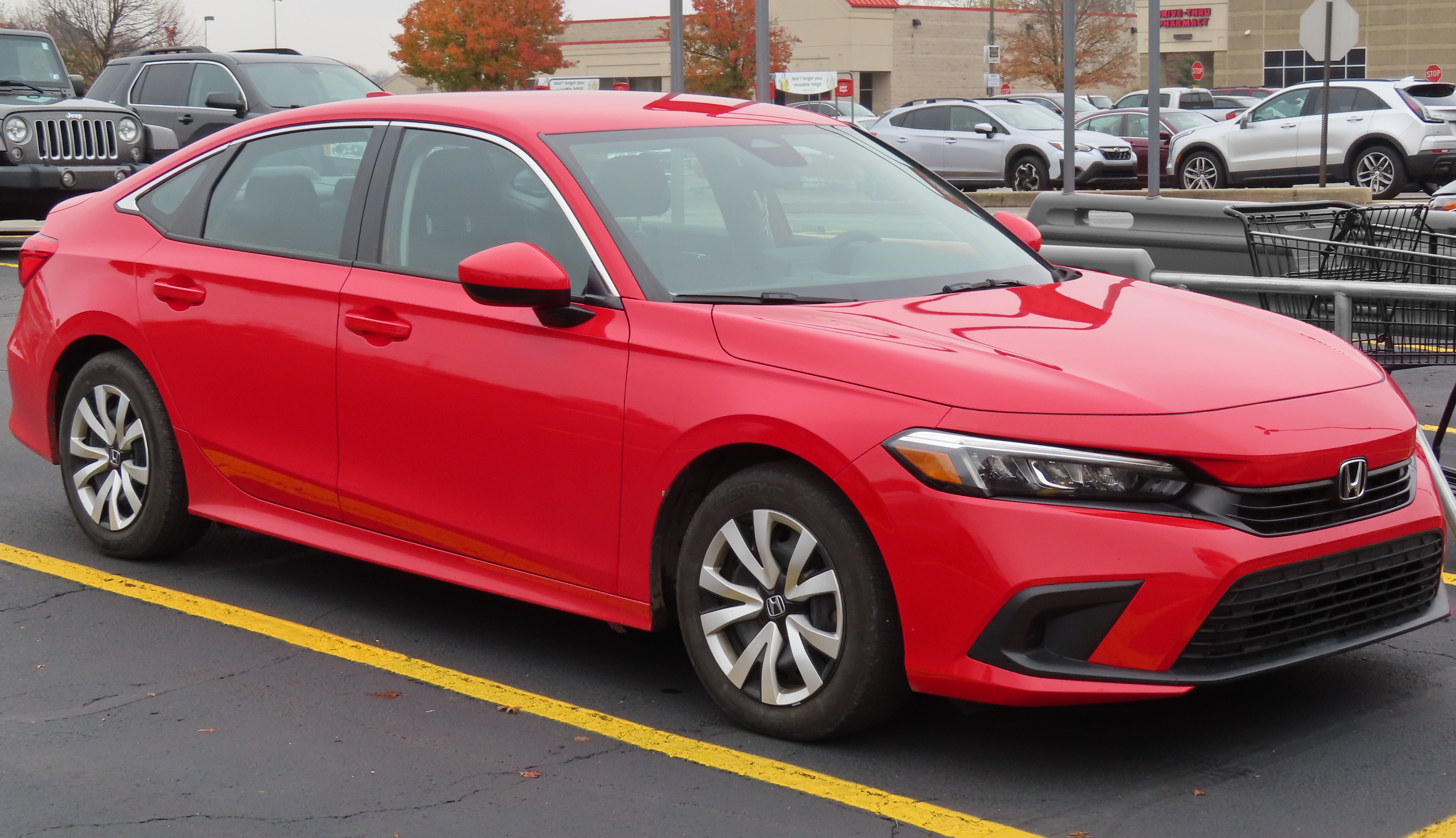
Honda Civic
"And then we had a Honda Civic come up from behind us and just act. And he, and he rode with us. He got in behind us and just rode with us and I was thinking, that's fun."
He mentions a Honda Civic that comes up behind them. The idea is that even if the Civic is going the same speed, it doesn’t feel as exciting as the Porsche to the driver.
The Honda Civic is used here as a real-world comparison car that can keep up in traffic. The speaker’s point is that the Civic driver doesn’t experience the same excitement because the Civic’s character and dynamics differ from a Porsche 911.
test drive
"So I'll never forget one time going for a test drive on a car. Larry Motland, I'm counting it strong."
A test drive is a short, real-world drive you do before buying a car to evaluate how it behaves, how it feels at speed, and whether it matches your expectations. In this segment, it’s used to highlight differences in driving feel and smoothness.
driving it smooth
"He would, he drove that car so smooth and so gentle. I just looked at him and thought, wow, that's how you drive it."
They’re describing a driving style where you accelerate and shift smoothly instead of jerking or revving hard. The idea is that the car feels better and more controlled when you drive it calmly.
The speaker emphasizes “smooth and gentle” driving as a skill—rolling into speed, keeping RPMs controlled, and shifting in a way that preserves composure. It’s essentially about how to drive a performance car to feel effortless rather than aggressive.
RPMs
"He just kind of rolled it up to maybe 38, 4,000 RPMs, kind of shifted it, stretched his legs, just a little bit shit. I mean, nothing."
RPMs tell you how hard the engine is working. Higher RPMs usually mean more power, and the host is saying the driver kept it smooth by not revving too aggressively.
RPMs (revolutions per minute) indicate how fast the engine is spinning. The speaker notes the driver rolled it up to around 4,000 RPMs, then shifted, to keep the car smooth and controlled.
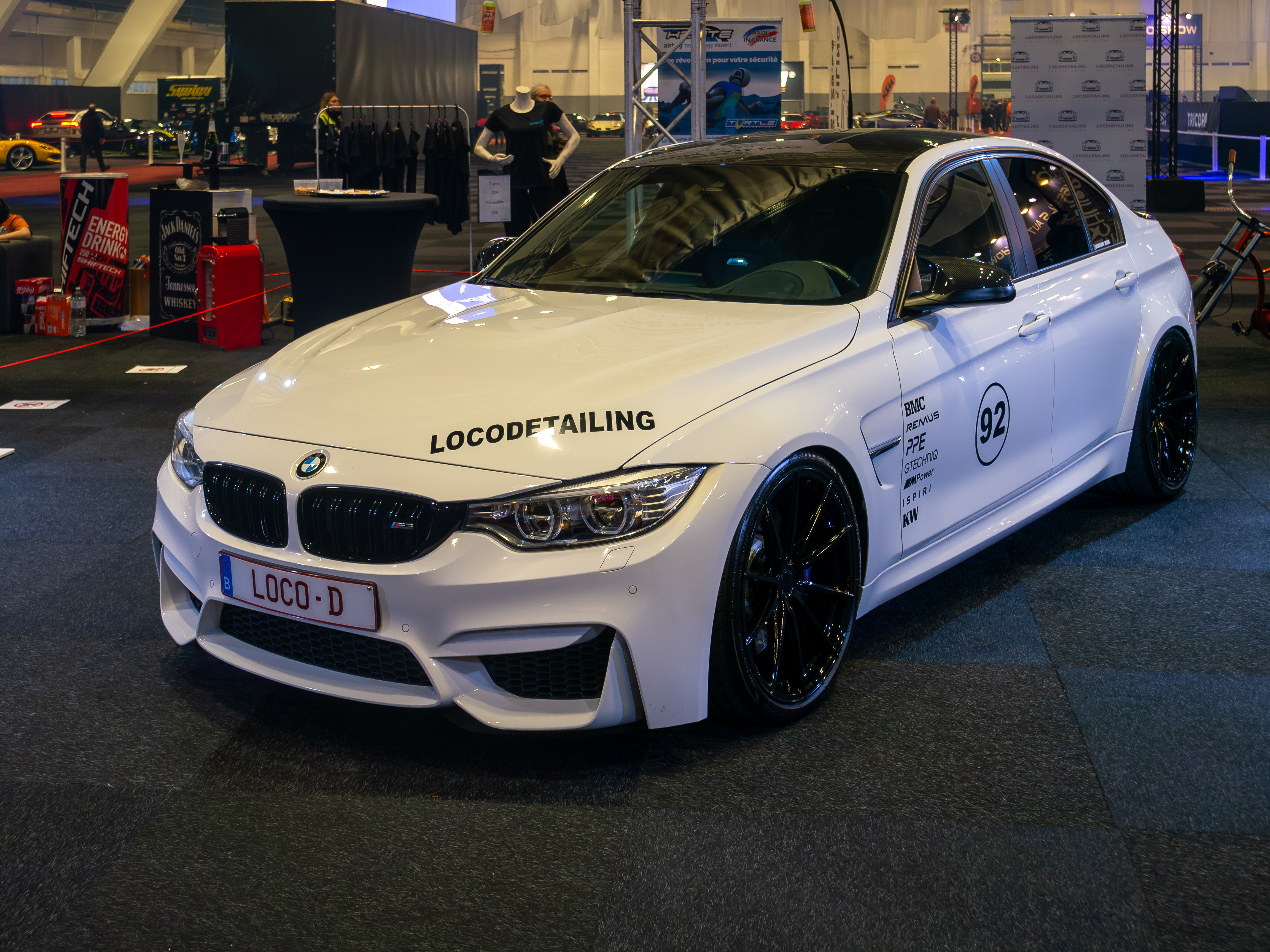
BMW M3
"Like a good example is when Billy bought that M4. I mean, it was the first, when they went from the M3 to the two door was now M4."
The BMW M3 is BMW’s older, iconic performance model. The host is explaining that BMW changed the naming/format and that the M4 replaced the M3’s two-door role.
The transcript compares the BMW M3 to the BMW M4, noting the shift from the M3 to a two-door M4 naming structure. This is a discussion about how BMW’s performance lineup evolved and how that affected expectations.
manual coupe
"He got the, you know, he got one of the first 335 black on black manual coupe that came into Salt Lake. It was a beautiful car and he was so excited to get it."
A manual coupe is a two-door car you shift yourself. People often like it because it feels more connected to the car when you drive.
A “manual coupe” means a two-door BMW with a manual transmission, which typically gives the driver more direct control over engine speed and gear selection. In enthusiast circles, that often changes how “feel” is perceived—like steering and gearbox feedback—compared with automatic versions.
steering feel
"And then driving the car and just going, oh my gosh, I could feel it in the steering. I could feel it in the gearbox."
Steering feel is how the steering wheel “talks back” when you turn—how smooth, heavy, or responsive it feels. They’re saying the 335 didn’t feel right compared to the 330.
“Steering feel” is the subjective feedback a driver gets through the wheel—how weighty, precise, and communicative the steering is. The speaker uses it to explain why the 335 didn’t feel like the 330, even though the 335 was fast.
gearbox
"I could feel it in the steering. I could feel it in the gearbox. I mean, it was a beautiful car."
The gearbox is what changes gears. They’re saying the way it feels while driving was part of why one car felt better than the other.
“Gearbox” here refers to the transmission and how it engages gears—shifts, clutch feel (for manuals), and mechanical feedback. The speaker pairs it with steering feel to describe the overall driving character difference between the 335 and 330.

BMW 335
"It was a turbo and it was fast. Oh, when those 335s came out, they were the hardest thing. Oh, the c..."
The BMW 335 is a BMW 3 Series model that’s meant to be quicker than the basic versions. The podcast mentions it as a turbo model, which helps it accelerate strongly. It’s brought up because it was considered impressive when it first appeared.
The BMW 335 is a performance-oriented 3 Series model, and the podcast notes it as a turbocharged car that felt fast when it came out. It’s often discussed because it offered strong performance in a relatively practical package for its time. In this conversation, it’s referenced as a standout when those 335 models were new.

Porsche Cayman
"But yeah, he, after the 335, I think he went to a Cayman. He went to a new Cayman."
The Cayman is a Porsche sports car. They’re mentioning it as the next step in the son’s car choices after the BMW.
“Cayman” refers to the Porsche Cayman, a mid-engine sports coupe known for sharp handling and a more driver-focused feel than many front-engine competitors. In the story, it’s part of the son’s progression after the BMW 335.

Volkswagen GTI
"...they went back to his job and bought that GTI Audubon manual, which was an awesome car. He absolutely loved that car... It just cornered so much better and the feel was so much better."
The Volkswagen GTI is a small sporty Volkswagen hatchback. Even though it’s not as expensive as an M4, the point they’re making is that it can feel more fun and more confidence-inspiring to drive.
The Volkswagen GTI is a compact hot hatch known for balancing everyday usability with real performance. Here, the hosts emphasize how it “cornered so much better” and how it felt better than the BMW M4, highlighting how chassis feel and driving dynamics can matter more than raw prestige or price.
cornered so much better
"It just cornered so much better and the feel was so much better. I love that GTI. You get that GTI out of first gear and that's amazing little car."
When they say it “cornered so much better,” they mean the car feels more stable and easier to steer in turns. It’s about how confident the car feels when you’re driving through curves.
“Cornered so much better” is about how a car behaves through turns—things like grip, balance, steering response, and how predictable it feels when you’re loading the tires. This segment uses it to explain why the GTI felt superior to the BMW M4 in day-to-day driving.

Porsche 718 Cayman GT4
"...he had the GTI and had the GT4 Cayman at the same time with those two manuals back and forth. And he decided to get something completely different."
The Porsche Cayman GT4 is a more hardcore, sportier version of the Cayman. Here it’s part of a “two-car” setup, showing the owner liked both a small hot hatch and a serious Porsche before switching to an Audi.
The Porsche 718 Cayman GT4 is a track-focused Cayman variant with a strong emphasis on steering feel, balance, and driver engagement. In this segment, it’s mentioned as being owned alongside a manual GTI, then kept when the owner moved on to an Audi RS5 Sportback.

Audi RS5
"So he got rid of the GTI, kept the GT4 and bought that RS5 Sportback. Totally different car again, totally different car... I really liked the RS5 Sportback. I thought I liked that car, me much better to drive that car than the M4."
The Audi RS5 Sportback is a fast Audi with a sporty look and a more practical hatchback-style rear. In this conversation, it’s the car they say they enjoyed driving more than the BMW M4.
The Audi RS5 Sportback is a performance version of the RS5 line, combining a quick, powerful drivetrain with a more practical “Sportback” body style. The hosts compare it directly to the BMW M4, saying it was “totally different” and that they liked driving it much better.
Cayman S
"I mean, that's going back and going back. But I really liked his O9 Cayman too. I liked that O9 Cayman better than the new one. I liked the feel of it. It was more raw. It was an O9 Cayman S and that was a fun car."
“O9 Cayman S” appears to be a transcription error for a 2009 Porsche Cayman S. The Cayman S is Porsche’s mid-engine sports coupe, and the “S” typically indicates a higher-output trim. The speaker says they preferred this older Cayman S because it felt more raw, implying a more analog driving character than the newer car.
auto week
"No, no, I never really did have a favorite one. I took auto week for years and years and years. I liked looking at the cars in the back and the article."
AutoWeek is an automotive magazine. The speaker says they used to read it for years and enjoyed the car articles. It’s part of how they stayed interested in cars.
“Auto Week” refers to the automotive magazine AutoWeek, which historically published car reviews, road tests, and industry coverage. The speaker mentions taking it for years and focusing on reading the car articles. This is relevant because it explains how they learned about cars—through editorial content rather than just memorizing specs.
selling it
"But I've never been a head guy that knew all the facts and did that stuff. I was more of going out and finding that car and then selling it. That was really fun and get it in the right home."
The speaker describes a car hobby/business loop: finding a car, then selling it to “get it in the right home.” This is essentially the enthusiast “flip” or resale mindset, where the goal is matching the right car to the right owner rather than keeping it long-term. It also explains why they care about subjective feel and ownership experience, not just technical facts.
get a car ready
"He taught me how to get a car ready. Like I said, I was down at my grandma's house with Pledge and he cleaned me up a little bit about how to get a car ready and stuff like that."
It means preparing the car before selling it—like cleaning it up and making sure it’s in good shape. The mentor is teaching the speaker how to do that so customers are confident in the purchase.
“Get a car ready” refers to the prep work done before a car is sold or delivered—typically cleaning, detailing, and addressing any issues so it’s presentable and ready for the next step in the sales process. In this episode, it’s taught by a mentor as part of learning how to run a car business.
buy cars all over the country
"I would buy cars all over the country from him. And I remember sometimes rolling in there and windshield would be broken or something like that."
They’re describing how they found cars in different parts of the country instead of just nearby. Then they’d inspect them and bring them back to sell.
This describes a nationwide used-car sourcing workflow: locating vehicles across different states, inspecting them (often with help), and then transporting them back to the main market. It’s a practical concept for understanding how independent dealers and brokers build inventory.
windshield would be broken
"And I remember sometimes rolling in there and windshield would be broken or something like that. It's a, Billy, did that windshield break on the way down or was it broke before you bought the car?"
They’re talking about damage to the windshield, which is a big deal for safety and how the car looks. The story shows that sometimes problems like this are discovered before delivery and need to be handled as part of the deal.
A broken windshield is a specific, high-visibility damage item that affects a car’s condition, safety, and saleability. The speaker’s story highlights how issues found during inspection can be handled during the buying process, including whether the seller covers repairs.
Targa
"And then I bought a 75 Targa. It had been hit and I didn't, wasn't wise enough to see it had been hit."
“Targa” is a Porsche roof style where you can remove part of the roof. Because of that opening and the structure around it, repairs and bodywork need extra attention.
“Targa” is Porsche’s name for a roof design that typically includes a removable center section while retaining a roll bar structure. It’s a distinctive body style that affects how the car is built and how repairs should be inspected around the roof opening.
Collision repair hidden by repainting
"It had been hit and I didn't, wasn't wise enough to see it had been hit. He just, he painted the whole car and painted right over the, the moldings and stuff. Oh my gosh."
They’re describing how accident damage can be disguised. If someone repaints over trim pieces and moldings, it can make the car look “fixed” while the underlying damage or poor repair is still there.
This segment describes a common used-car risk: a car that was hit and then repaired in a way that hides the damage. Painting over moldings and trim is a red flag because it can cover evidence of misalignment, missing parts, or prior bodywork.
Learning from a bad purchase (used-car due diligence)
"I got down to LA and I was unprepared because I'd made a really a bad mistake. And I had these guys coming over that these are LA people, firemen. They do things. Porsche guys running together and they're just working me over on this car. I mean, I don't know how I'm going to get rid of it. I made a mistake. I learned a lot on that and that created some fear."
They’re basically saying they bought a car without catching the problems, and it taught them a lesson. It’s a reminder to inspect a used car carefully so you don’t get stuck with someone else’s repair work.
The speaker ties their fear to realizing they made a bad mistake buying a damaged car. This highlights the importance of due diligence—like inspecting panel gaps, trim fitment, and prior repair quality—before buying a used Porsche.
Out-the-door price
"Finally I just got lucky and I'll never forget. I thought, I'm never going to sell this car. I came over and I said, Hey, listen, you can have this car for 9,500 or 10,000 or like that. This guy looks at me."
They’re talking about negotiating the price of the car. When you buy a used car, it helps to think about the total amount you’ll actually pay, not just the sticker number.
The speaker discusses a sale price (“9,500 or 10,000” and later “11,000”), illustrating negotiation around the car’s value after discovering issues. In used-car conversations, listeners should think about the full “out-the-door” cost—what you actually pay after any additional charges.
Alpine Loop
"That's probably through the Alpine Loop back in the day when it wasn't crowded. And you leave my house, there's the mouth of Canyon in five minutes."
An “Alpine Loop” is basically a scenic mountain road route. The host is saying their best drive happened on that kind of twisty, pretty drive when there were fewer cars.
The Alpine Loop refers to a scenic mountain driving route (often a named loop/road system) that’s popular for enjoying views and driving dynamics. In this story, it’s used as a reference point for a memorable drive when the road wasn’t crowded.
badge mismatch / misidentified trim
"So I bought that car thinking I was buying a 71 S... Get up in the morning and so I walk out there and I go, you know, that car didn't seem all that fast. It seemed all fast. And then I go lift up the hood and it wasn't red in there."
They got fooled by the car’s badges. The lesson is that you shouldn’t trust stickers/emblems alone—you want to confirm what the car really is.
This segment highlights how cars can be misidentified by exterior/interior badges—e.g., a car may be presented as a “911 S” even if it isn’t. It’s a reminder that trim identification should be verified with documentation and/or mechanical details, not just emblems.
Albuyan Body Shop
"And I got to make the, I have to make the phone call. And it's through my good friend Lane who owns Albuyan Body Shop. I got a colleague guy and say, Hey, I'm not buying this car."
They called a friend who runs a body shop to help figure out what was really going on with the car. It’s basically getting a second opinion from someone who knows cars.
The speaker mentions calling a friend who owns Albuyan Body Shop for help verifying what they actually bought. Body shops often have experience with identifying vehicle details and can help connect owners with the right information.
big negotiations
"So I'd just be a little bit more calmer under that big negotiations."
They’re describing the tense bargaining part of buying a car. The advice is to stay composed so you don’t give away what you’re willing to pay too early.
“Big negotiations” refers to the high-stakes back-and-forth that happens when buying or selling a car, especially classics or enthusiast vehicles. The key idea is managing your behavior and timing so you don’t accidentally signal weakness or desperation during price talks.
Don't buy an edgy car
"Best advice you have followed. Don't buy an edgy car. I'm not good at edgy cars."
“Edgy car” is a colloquial way to describe a vehicle that’s risky or difficult to own—often meaning unusual, temperamental, or not well-suited to the buyer’s experience. The underlying advice is to avoid cars that could create ongoing headaches (maintenance, reliability, or complexity) just to chase something exciting.
turbo kicked in
"[1233.6s] Switched cars. [1234.2s] Went into the gorge coming out of St. George and these corners are just wind and wind and wind. [1239.6s] And we were going hard and we went into a corner and the turbo kicked in."
When a turbo “kicks in,” it means the engine starts making extra pressure (boost) and the car feels like it suddenly pulls harder. It’s most noticeable when you’re accelerating.
“Turbo kicked in” describes the moment a turbocharger starts producing significant boost, typically after the engine reaches the right RPM/load. That boost can make the car feel like it suddenly gains thrust—especially noticeable when exiting or mid-corner under power.
hang on as hard as I could while this car accelerated
"And I knew if I got out of that car, I was going to be dead if I got out of the gas. [1251.7s] And I just had to hang on as hard as I could while this car accelerated."
They’re describing how they had to stay fully committed and steady because the car was pulling hard and fast. With a turbo, the speed increase can feel like it happens all at once.
This describes the driver’s physical and mental response to rapid acceleration—staying committed to throttle while the car’s speed and forces build quickly. In turbo cars, that can coincide with boost onset, making the acceleration feel especially sudden.
turbo coming on
"...it was so scary with that 79 Turbo coming on. [1266.0s] And that was one of the most powerful experiences I've never forgot."
When a turbo “comes on,” it’s when the turbo starts producing boost and the car suddenly feels much faster. If you’re not ready for that surge, it can feel intense and hard to control.
“Turbo coming on” refers to when boost pressure builds and the engine starts making significantly more power. That transition can be abrupt, which is why drivers describe it as scary—especially mid-corner or when they’re already at high speed.
going 90 or 100, 110
"I'm sure I was going 90 or 100, 110. [1284.6s] I was going fast. [1285.9s] You can roll through there really quick and there were no cars."
The speaker is emphasizing speed—likely on a road course or spirited road—while describing the sensation of cornering at high velocity. The key takeaway is the combination of high speed and turbo power delivery, which increases perceived risk.

Z Car
"Yeah. Well, one, one was a Z car and it was funny. We were coming, we were that, ..."
The “Z” is a sports car model line made by Nissan. It’s built to be fun to drive and is usually a coupe or roadster style. In the podcast, it’s referenced as one of the cars involved in a story.
In the podcast context, “Z” refers to a Z-car from Nissan, which is a sports coupe/roadster line known for driver-focused styling and performance. It’s mentioned as a specific car that was part of a funny or memorable moment in the conversation. Z-cars often come up because they’re designed to feel engaging to drive rather than purely practical.
street-racing / spirited driving
"We were coming, we were that, that instance, I was coming out of Vegas... and I had to get the St. George and this guy was just kind of egging me on and act and acting like a punk... And I just went ahead and left him through the gorge. And of course I had to slow down as soon as we got through the gorge."
They’re describing two drivers acting aggressively on the road—basically trying to goad each other into racing. It turns into a fast, tense moment, and then they both have to slow down again.
The exchange describes “egg-ing on” and rubbing someone’s face, followed by a run through a gorge and then slowing down afterward. That’s a classic setup for informal street-racing behavior—drivers provoke each other, then the situation escalates into a high-speed pass before normal driving resumes.

Pantera
"It had to be going 150 once it was a Pantera. All I could see was those great big mufflers in my face. And I just cruising up the road and I was, I was in the 79 turbo"
The Pantera is a famous Italian sports car. It’s known for being fast, and the speaker is saying it could really move—so it’s a good “speed test” in the story.
The De Tomaso Pantera is a mid-engine Italian sports car known for strong straight-line performance and a big, aggressive exhaust note. In this story, the speaker is using it as a benchmark for speed and acceleration, especially compared to his own Porsche.
mufflers
"All I could see was those great big mufflers in my face. And I just cruising up the road and I was, I was in the 79 turbo"
Mufflers are the parts of the exhaust that help control how loud the car is. The speaker is saying he could see/hear the other car’s exhaust clearly.
Mufflers are part of the exhaust system that reduce noise and help shape exhaust sound. The speaker specifically notices the “big mufflers,” which suggests the Pantera’s exhaust note was prominent and visually/aurally noticeable.
shifted down
"So I'm still young. I'm 27, 28, 29. So I shifted down and I remember going in and reeling that Panterian."
Downshifting means you move to a lower gear. It usually makes the engine spin faster so the car feels quicker when you accelerate.
Downshifting is when you select a lower gear to increase engine RPM and restore stronger acceleration. In this context, it’s used to get the turbocharged Porsche into a more responsive power band to reel in the other car.
reeling him in
"I remember going in and reeling that Panterian. I mean, it was, it was a go, but I, I mean, we were going fast, but I could outrun him in the turbo and I remember reeling him in"
“Reeling him in” just means you slowly catch up to the other car. It’s about who’s pulling away and who’s closing the distance.
“Reeling him in” describes gradually closing the gap to another car during a run, usually by having better acceleration or maintaining speed more effectively. It’s a common way drivers talk about relative performance without quoting exact numbers.
Request an Explanation
Heard something you'd like explained? We'll add it to this episode.
Sign in to request explanations for terms you heard.
Want to learn more?
Browse our glossary for plain-English explanations of automotive terms, jargon, and concepts.
Help improve this episode
See something that's not quite right? Our annotations are AI-generated and can sometimes miss the mark. Click the flag icon on any annotation to suggest a correction.
1 community members have helped improve this episode.