A service model is how a dealership runs the whole customer experience—like how fast they respond and how smoothly the process goes. The idea here is that better service can help customers feel confident enough to buy.
PEP is a bonus program dealers get when they hit certain goals. If you don’t hit the targets, you don’t get the same money, and the rules can change over time.
The Hyundai Ioniq 5 is an electric SUV, which means it runs on electricity instead of gasoline. Dealerships may move these cars around to match where buyers are most interested. The podcast mentions it in the context of inventory being relocated in a certain region.
A rebate is like a manufacturer discount. If the company runs out of the money it planned to spend on those discounts in the first quarter, dealers may not be able to offer them anymore.
Contact rate is how often the dealership actually gets in touch with the person who raised their hand as a lead. If you don’t reach them quickly, fewer leads turn into sales.
The Chevrolet Suburban is a big SUV with three rows of seats, so it can carry more people than smaller SUVs. It’s the kind of vehicle people buy when they need lots of room for passengers and gear. The podcast mentions it when talking about how large SUVs are selling.
The Jeep Grand Cherokee is a popular Jeep SUV. The episode says a recall was issued because a software problem could keep the side airbags from deploying right away in a crash.
The Jeep Grand Cherokee L is a bigger Grand Cherokee with extra seats for more people. Here it’s being talked about because it’s one of the models affected by a software update and recall process.
An ORC software update is a fix to the car’s safety computer that controls how airbags and restraints behave. Instead of swapping parts, the dealer/owner gets a software change to correct the issue.
Stellanus is the company being discussed as the automaker working on fixing quality problems. The hosts are talking about how the company and its dealers handle recalls and customer updates.
Antonio Flosa is the CEO mentioned in the discussion. The point is that his leadership is tied to a company-wide effort to improve quality and handle recalls better.
A dependability study is a structured survey/analysis of how often vehicles have problems over a defined period. Here, JD Power’s 2026 dependability study is used to quantify issues per 100 vehicles for Jeep, which helps dealers and brands gauge where quality work is needed.
Lead response time is how fast the dealership contacts someone after they show interest. The faster the follow-up, the better the chances of turning that inquiry into a sale.
It’s when a company sells by telling a compelling story instead of just listing features. In car sales, that could mean showing real situations and results so people trust what they’re hearing.
Driven is a streaming service focused only on cars. The idea is you watch car videos and then can also get more details and talk with other people about what you’re seeing.
Stanley is a brand for mugs and similar drinkware. The host’s story is basically: a dramatic event led to a viral story, and that helped keep the brand popular.
The hosts focus on how automotive brands can use storytelling to turn interest (“want”) into a practical reason to buy (“need”). They argue that commercials and content should engage people emotionally, not just present cars as “four wheels.”
They’re referring to the original Jeep from World War II. It’s used as a historical reference for why people think of Jeep as tough and off-road capable.
They mean the dealership’s long-term money plan. Instead of only making profit when you buy the car, they look at what they’ll earn from you over many years—like service and parts.
A Nissan Sentra is a regular, everyday Nissan sedan. The speaker is using it to make the point that even a common car can feel personal—like part of who you are.
They’re asking whether cars will still feel personal if self-driving and ride services take over. If you’re not really “driving,” will the car still say something about you?
Uber is a service where you request a car ride through an app. The speaker is using it to talk about how people might rely less on owning their own car.
Place
DC
“DC” means Washington, D.C. The speaker is talking about how commuting there can change how much people actually drive once they arrive.
It means the shop takes service customers without booking a specific appointment time. The dealership has to manage the workload so technicians can still handle cars efficiently even when people show up unpredictably.
“Throughput” in a dealership service context means how many jobs the service department can process over time (e.g., how quickly advisors can write up work and how fast technicians can complete it). The speaker is saying the model depends on confidence that the shop can handle the incoming volume without backing up.
They’re describing how they staff the paperwork side of the shop. If one person handles the job write-ups for several technicians, the technicians can keep working instead of waiting on paperwork.
A “ticket” is the shop’s work order for your car—basically the paperwork that tells the technicians what to do. Getting the ticket to the tech fast helps prevent waiting.
At a car dealership, the service advisor is the person who talks to you about what’s wrong, writes up the work order, and keeps you updated while the car is being serviced.
Loaner cars are vehicles a dealership provides to customers while their car is in the shop, usually during repairs or longer service visits. This reduces customer inconvenience and can improve satisfaction in high-volume service models.
A shuttle vehicle is a dealership-provided transport option that moves customers between the dealership and home/work while their car is being serviced. It’s commonly used to reduce friction in service departments with unpredictable wait times.
“Fixed ops” is dealership shorthand for the fixed operations side—typically the service and parts departments—contrasted with “sales.” The episode is discussing how service processes (like advisor training and pay) are managed to improve customer experience and throughput.
Advisor pay plans are compensation structures for service advisors, often tied to metrics like customer satisfaction, upsell/attach rates, or job throughput. Changing the pay plan can directly affect how advisors set expectations and prioritize work.
The “first objection” is the first reason someone says “no” or hesitates. Often it’s not the real reason—there’s usually a deeper worry like not trusting the advice or not understanding what’s needed.
A repair order is the paperwork that lists what the dealership is going to check and fix on your car. It’s the document that tracks the job and the cost.
Term
sun bit
“Sun bit” sounds like a financing program that helps you pay for the dealership’s repair bill over time instead of all at once. That can make it easier for customers to say “yes” to the work.
“Word tracks” are basically talk tracks—planned phrases and steps for how someone should talk to customers. The goal is to keep the conversation clear and consistent.
A “stress builder” is a training method that adds a little pressure. In this case, the camera makes people practice while being watched, like they might be with customers.
A “service lane” is how a dealership processes cars for service. The point here is that if they run it like a customer-focused experience (not just a repair line), customers are more likely to stay with them.
Conquest marketing is when a dealership tries to pull customers away from another dealership. Since those customers already have a place they go, it usually costs more to get them to switch.
Retention marketing means marketing aimed at customers you already have. Instead of trying to win new people, you encourage them to keep coming back for service and parts.
A “technician shortage” means there aren’t enough trained mechanics to work at shops and dealerships. The discussion suggests using media/content to help attract people to the job.
MPI is a checklist-style vehicle inspection. “Video MPI” means the technician shows the inspection results on video, so customers can understand what needs attention.
ROI means “did it pay off?” It’s a way to measure whether what you spent (time or money) leads to results that are worth it, like more customers or more sales.
Organic searches are people finding the dealership through regular (non-paid) Google results. More organic traffic usually means more interest from local shoppers.
A “franchise” dealer is an official, authorized car seller for a specific brand. They have to follow the automaker’s rules, and they usually get cars through the brand’s normal channels.
Here, “brokering” means using a middleman to help you buy a car. Instead of going through the normal dealership sales routine, the broker handles a lot of the process so you can get the car with less hassle.
They’re contrasting the usual dealership buying experience—like working with a salesperson in the store—with a broker approach. The broker approach is presented as less time-consuming and more guided for the buyer.
The Chrysler New Yorker is a Chrysler model name that’s generally meant to be a comfortable, larger car. Dealerships may talk about it when discussing what vehicles they can sell or what customers are looking for. In the podcast, it’s referenced as part of that local opportunity discussion.
An OEM is the carmaker itself. The “OEM relationship” is how the dealership works with the car company on rules, programs, and customer support that affect both sales and service.
GM is the big automaker company, and Chevy is one of its brands. Dealerships have to work closely with the automaker on things like how cars are supplied and how customers are supported after purchase.
This describes the sales-service loop: customers who come in for maintenance or repairs are more likely to buy again, and their ongoing relationship with the dealer increases future service visits. Dealers try to manage this loop by treating service customers well so they stay in the brand ecosystem.
In this dealership context, “brokers” are intermediaries who help arrange or facilitate vehicle deals. The host’s point is that some OEMs may tolerate or even rely on brokers because brokers help dealers close every deal and move volume.
The host is saying there’s a contradiction: people may say one thing, but they really want something else. In car sales, that can mean the rules or messages don’t match the real pressure to sell lots of cars.
Jacob Glassman is the guest on the show. He runs a Chevrolet dealership and the conversation is about how dealers and automakers push for sales in sometimes conflicting ways.
A “lease quote” is the dealership’s offer for leasing the car—usually what you’d pay each month and the lease terms. It’s not the same as buying the car outright.
“Zero friction” means the buying process feels as smooth and effortless as possible. The goal is that when you ask a question, the dealership answers quickly instead of making you wait or repeat yourself.
Term
AI
“AI” here means computer software that helps the dealership respond faster. Instead of waiting for a person, it can generate answers or pricing details when customers ask questions.
A “BDC rep” is a dealership staff member whose job is to respond to people who show interest—usually by calling or messaging them. It helps make sure leads get answered quickly instead of waiting for a salesperson.
“Leads” are people who might buy a car because they reached out or showed interest. The dealership wants to contact them quickly so they don’t choose someone else.
Concept
dealers five miles down the road
This is about competition between nearby dealerships. If another dealer can offer a better deal or respond faster, the customer may go there instead.
Carvana is a company that sells cars online and delivers them. The hosts mention it to compare pricing and customer experience versus traditional dealerships.
A buying service is someone (or a company) that helps you find and buy a car, often handling parts of the process for you. The hosts are comparing that to buying from Carvana or a traditional dealer.
DMS stands for dealership management system. It’s the computer software a car dealership uses to keep track of customers, inventory, and sales data. Here, they’re using it to look up what prices they’ve been selling cars for.
Inventory turn is a measure of how quickly a car dealership sells its cars. If it turns over faster, the dealer usually has less money tied up in unsold cars.
"Turn and earn" is a dealership sales/finance concept meaning the dealership’s profit depends on moving inventory quickly. The faster cars are sold (higher turnover), the more opportunities the dealership has to generate revenue and cover expenses.
CRM is a computer system dealers use to keep track of customers and leads. It helps the dealership remember who you talked to, what they asked for, and what to do next.
Reducing friction means making the buying process feel simpler and faster. The goal is to remove the annoying steps that make customers hesitate or get frustrated.
Concept
breeding trust
“Breeding trust” means helping customers feel confident that they’re being treated fairly. In car sales, that usually comes from being clear and quick with the information people ask for.
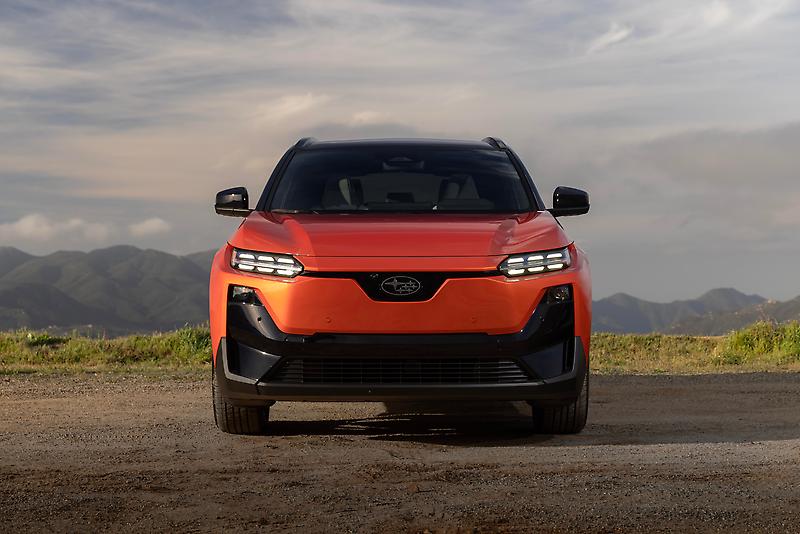
“Subaru Uncharted” sounds like a phrase about Subaru doing something new or unfamiliar. It doesn’t clearly point to a specific car model based on the snippet you provided. The podcast seems to be using it to describe taking a new direction.
LIVE
Hey
Hey, everybody. Welcome back to another episode of the Daily Dealer Live. I'm your host, Sam
Darkin. Thanks for choosing to be here with us this Monday, June 1. Happy June, everybody.
We made out of automotive sales in May and charging headlong into the summer months.
So we've got a heck of a great show for you coming up today.
Temple Honka is back, fresh off filming season two of Tour de Tour. I love that, by the way,
Tour de Tour, running a no-appointment service model that shouldn't work, but it absolutely does.
Then we've got Jacob Glassman, a brand new dealer taking on a Chevy store in Brooklyn,
one of the toughest, most competitive markets in America. And Frankie Florey, the GSM who
tore his entire sales process down to studs and rebuilt it around AI coming up today.
Plus, we're streaming live across all CDG social media platforms. Don't forget to bring all your
comments into the chat. We'll bring them into today's show. It'll make it awesome as always.
We appreciate you being there. Now, let's hit today's automotive headlines.
First up today, we are leading with a story, with a developing story, rather,
following our May 24th report on Hyundai dealer frustrations. An anonymous source identifying
as a multi-store Hyundai general manager sent Cardiola ship guy news detailed allegations,
also with supporting documents about three specific issues affecting dealers in their region.
First, Hyundai's restructured performance engagement program, otherwise known as PEP,
unveiled in January reduced per vehicle bonuses at the 100% attainment threshold from 800 to
600 bucks. And it also dropped the 110% tier from $1,000 to $800. Second, a May 1st document
reviewed by CDG shows the target setting formula was quietly changed. The prior two months now
carries 75% of the weight. That's up from 50% in January. While the prior year component dropped
from 50% to 25%. The concern here is that dealers coming off strong sales months see their targets
ratchet up immediately, making sustained attainment harder over time. Third, the source alleges that
beginning in mid-March, large volumes of Ioniq 5 inventory in the Western region were moved to
TBD status at port and stopped flowing to dealers. Why did that happen? Well, this person alleges
that it's because the company had exhausted its Q1 rebate budget while dealers were still being
evaluated against elevated PEP targets during the hold. CDG reached out to Hyundai Motors America
with specific questions and the company has not yet responded. As always, we'll keep this report,
we'll keep you updated with this report as it develops. Also this week, a 4 eyes report tracking
2.6 million leads across more than 1150 dealerships found a 15.6 point gap between the highest
and the lowest close rate markets in the country. That's big. A 15.6 point gap between the highest
and lowest close rate markets in the country. Des Moines led at 30.1%. Honolulu came in second
at 28.6. While San Francisco Oakland, they came in last at 14.5%. Seven of the top 10 markets were in
most closely tied to close rate performance, outweighing market size and lead volume. Nine
of the 10 markets with contact rates at or below 66% closed below the overall average. Eight of the
10 largest markets, including LA, Chicago, Philadelphia, they ranked among the weakest
performance. And what this tells us is this. If you want to close more deals, the first place to
look is how consistently and quickly your team is making contact after that lead comes in.
On the consumer side, icy cars estimated the average ice vehicle driver saw annual fuel cost
jumped 706 bucks between January and April with gas sitting at $4.39 nationally entering Memorial
Day weekend after hitting a four year high of $4.56. The vehicles hardest were the large SUVs,
Toyota Sequoia up 1623 Chevy Suburban up 1542 and the Nissan Armada up 1513. On the flip side,
hybrids and plug-in hybrids are absorbing far less of the increase with models like the Prius Prime
and Hyundai Oniq plug-in just 163 bucks. EV charging costs rose only $11 on average over the same
period. What's the caveat here? Well, it's obviously up front cost. The average new EV is $55,211 more,
that's more than $6,000 above the average new vehicle price and insurance costs are consistently
higher in the EV segment due to repair complexity. And closing with a recal update, Stellanus recalled
more than 400,000 Jeep Grand Cherokee models over an ORC software issue that may prevent
side airbags from deploying immediately in a crash. The recall covers certain 22 to 26 Grand
Cherokee and Grand Cherokee L models with the L accounting for the majority at roughly 279,000
units. The fix is this, it's an ORC software update with an owner notification letters going out
between June 11th and 19th. The broader context here is Stellanus's ongoing quality push under
CEO Antonio Flosa. The company hired 2000 engineers earlier this year specifically
to address quality issues across Jeep, Dodge and Ram. Jeep scored 267 problems per 100 vehicles
in JD Power's 2026 dependability study. For Stellanus dealers managing this recall well
and staying on top of customer communication, it's part of the long-term brand trust rebuilding
that is right now under way. So that's good news from CDG. And that is a wrap on today's automotive
industry headlines. Some interesting stuff in the news today. The close rate is fascinating to me.
Everybody's always asking, hey, are his lead close rates, are they going up? Are they going down?
Is lead quality good? And we appreciate four eyes for bringing us data that sort of shows
that it varies by market and it varies drastically by specifically lead response time.
All right, let's talk to our first guest first up today, Tim Pahanka, Vice President and Executive
Manager at Pahanka Automotive Group. Tim, welcome back to the show. Thank you very much. Glad to be
here. We appreciate having you back at our audience. Well, actually, you know, before we talk about
your show, how's biz where you are, Tim, as we wrap up this May? Yeah, here in DC, you know,
it has a little bit of fun cycles with the politics and whatnot. So it's been interesting,
but, you know, we closed out May very well, so I'm pretty happy about that. Yeah, good. So you've
been out filming season tour of Tour to Tour, which I love saying that. For anyone who missed
season one, which we shared clips of it on the last time you were on the show, what is that
project and where did the idea come from, Tim? Well, you know, I'm really excited to say that it's
now an award-winning show. We just won five shorty awards. So we're pretty excited about that. And
then we also, I'm sorry, not shorty awards, we weren't tele awards, my bad. We were finalists.
We're shorty awards and we won for web awards as well. So it's the first time we actually won
something. So we have a nice set of trophies coming, which is kind of fun. But it's a project that
we started that it's about storytelling marketing. You know, me and three other, two other dealers
got a little frustrated with what was being said about our cars and the news. And
we decided to put our money where our mouth is and went out and filmed
just what happens if you take a used car, places it shouldn't go that had a bad reputation. And
you know, it took off. I mean, we've had a lot of success with it. Now we won awards. So clearly
that went really well. And we've got a great streaming partner who's on board with us.
Okay, who's that? Who's that? So we're now with a new streaming service called Driven.
And Driven is an all automotive streaming service. So think about, think about Netflix just for
automotive. But they take, but their model is going to be building out where they're going to take
the best of Netflix, Instagram, Reddit, all of them bring them together. So when
you're watching a program about automotive, you'll be able to get the rest of the story
or the rest of the purchases or get more, you know, you can develop into a group of people
chatting about it. So it's, it's got a really exciting model that we're happy. We're excited
about because I think storytelling marketing is really where we're going in the future.
There's so many examples of it. And that, you know, I'll give you an exchange. If you don't mind,
I'll give you a great one. Yeah, please. Yeah. When you think of mugs, people think of Yeti
Coolers, right? Yeti Mugs, things like that. Stanley was a brand that patented it. And they were
a long time pre-World War, pre-war, and they were moving on, on. And in 2017,
they were about to shut down their cut production, their mug production until it was picked up by
a women's blog group. And they marketed it. They did stories about it. A car caught fire, burned
to the ground, but the ice in the cup was still there. Oh my God. And, and then after that, that
story just took off like wildfire and it kept the cut, you know, and they kept the brand going in
those things. So storytelling, those stories make a difference. Tim, is that why the Stanley mug is
still popular? Like I look at those mugs and no shade to them, but I see how popular they are.
They're everywhere. They're expensive. I don't get it, right? But, but someone told a great story,
a great version of the story, and it's perpetuated it. It's reignited. It's brought it back into the
pop culture. Yeah. And that's, and that's what we need to be able to do in automotive. When you
think about all this, all the things that are out there about our cars, there are so many people
telling stories about cars, but are they really in our commercials? But are we really engaging
people at that core level where they really want to have that excitement? You know, it's about
turning it from a want to a need. And that's the part that I'm excited about is when you can really
start to tell some stories about a car, you can really start to engage people and what they can
be excited about. Too many people now think that a car is just four wheels and that's it. But now
you can really have a chance to do what we do best in America. It's make it part of you. And that's
what tour detour really has been able to accomplish. And I will say this, when season two comes out,
anybody who owns a German car will be shocked as to what they can do with a German car.
Oh, interesting. Okay. All right. Any particular OEM you want to share with us
as far as German car? I know. Well, let's just put it this way. We took a BMW, we took a Porsche,
and we took an Audi. And they were one Audi TT. I had an X4 and Chris had a Macan. But we took
to an off-road vehicle park as one of our stops, a dirt track. And we've had a love people in
Jeeps look at us and go, what? We have people warn us not to go down a trail. And yeah, you'll
see. And you went down and you survived, right? How do we survive? We thrived. My car's outside and
it's amazing. Tim, you make a really good point about the storytelling because you think about
Jeep. It's an iconic brand inside American automotive, right? You associate Jeep with the
World War II Jeep, although it's nothing like it. And, you know, there's the Moab road trips where
they go down off cliffs and whatnot. But it's not necessarily the best-suited vehicle for that,
anyone that's driven it, right? And the best storyteller wins. I like that concept. We got
Yoga Car 684 coming into the chat saying top-gear quality show. And I got to tell you, a car dealership
guy, maybe we need to be undriven somehow. We need to get in on that. We tell stories.
I can make a connection for you with you. You're right. There's lots of stories about
automotive that need to be told or should be told that change the perception of what we are.
I mean, we are a highly, if you look at the profit margin in a car over a customer's lifetime versus
any other commodity that they buy, we're not the expensive part of their life.
Yeah. Then you start to look at the cars themselves. You know, is a Sentra a Sentra?
Is a or is a or to your point or looking at a Jeep? You know, how can you find that that
no matter what you drive, you can be proud of. And that's the stories that we really want to
be able to engage people with is to get them thinking, this isn't just something in my driveway.
It's really an extension of me. And that's where I think driven comes into play. So you can, you
know, when they start telling stories for OEMs or OEMs get involved in that, you know, a base
Nissan, a base Hyundai, a base Toyota isn't a base car anymore. It is a part of somebody.
And we need to be able to tell those stories. But do you think maybe the need to tell the
story is more urgent in May of or June of 2026? But with AI technology, with Uber, with self-driving,
like will cars continue to be an extension of self in the same way they have been historically?
They've been an iconic part of Americana. The Great West driving has been an important piece
of that. Will it continue to be that way? Will these stories be important if you think one year
and five years down the road with self-driving and whatnot? Well, it's interesting to say that,
you know, living here in DC, I see, I think about the commute to that a lot of people take to DC.
And, you know, there are lots of stories that once you get up there, you know,
there's no more driving anymore and the car can just wait for you or drive around.
That means it's a lot of cars on the road that aren't a parking lot. And when we want to leave,
we want to leave. So those are things that first hit me. But then the other part is in doing this
series that we've done, you know, we've now done 4000 miles in some of the most
back road places in this country. And with season two, we actually did it in North Carolina,
Georgia and South Carolina. And we were out of cell service more in the Carolinas than we were
in New York. So I think it's once we get outside of our cities, we forget that our country's rural.
And the ability to get an Uber in little Switzerland, North Carolina is not the
same as getting an Uber in Washington, D.C. or Brooklyn or Philadelphia or, you know,
you pick any city. So I think that's the other part that we have to keep in mind.
So do I think that the future is going to be different all day long? I fully believe that.
However, I don't think it's going to be this mass change that we're still not going to have an
extension of ourselves. Americans will continue to love cars and continue to need them to explore
the elite places of our country, right? Because to your point, they are in some
way shape or form. I mean, if public transportation were better, if this forever,
Americans still like to be able to have freedom. And the freedom of the road is a big one.
Yeah. All right. So transitioning back to your last visit with us, you shared with us your model
of walk-in-only service. And you've been doing it for 10 years, no appointments. I think many of
in our audience were astonished to hear that. Walk us through, again, the philosophy behind that.
Why have you stuck with it? And how does that continue to work in the last few months as vehicles
become older? And presumably, if you're retaining in service, the number of customers becomes more
frequent and bigger. How are you avoiding lines and weights for that?
Well, the first thing you have to do is you have to trust in yourself. If you can't trust your own
throughput, that's already a problem. And the thing I would go back to that everyone always asks is
they always ask me the what-if. And I would counter with this what-if. At nine o'clock, you could sell
a three-hour job. Are you worried that it's going to mess up the appointment at 10, 11, and 12?
No. That's not how we should be thinking. So why are we thinking that way on the front end,
and we're thinking about that way on the back end? Are your advisors worried about every
appointment that's coming, which is literally an appointment to meet with an advisor? It is not an
appointment to meet with a technician. And that philosophy has to be remembered. You've got one
writer for three technicians. They should be able to write and get those tickets back there.
So I think that the fear is not relevant to the opportunity. And I think once that gets through
someone's thought process, it becomes a lot easier. So that's the reason why do we have
an occasional problem? We're like, yeah, but it's a good problem to have, not a bad one.
And we're perfect for it ahead of time. Our technicians are trained for it.
They're used to the workload. And it just makes sense for the consumer. I mean,
everything we do is to try to put it through the eyes of the consumer.
So part of the art of this no-appointment walk-in-only service model is that conversation
between the service advisor and the consumer. If you get a service advisor that's well-trained,
that's there to serve the customer, they can set and reset expectations so that the customer
is taken care of. If there are promises made that are not delivered,
it will be a train wreck, Tim. Will it not? Of course. Anytime you mislead a consumer,
it's a train wreck, right? So the ability for an advisor to have the straight story,
to talk with a consumer, to have confidence. Confidence, yes. That's the part that's important.
If the advisor knows that a dealership stands behind what they're doing,
if the technician knows you're standing behind it, if they know, hey, we've got loaner cars,
we've got Uber, we've got Lyft, we've got our shuttle vehicle, there's ways to help consumers
get to where they need to go. And if you're going right by your customer, talking to them,
giving them updated statuses, setting expectations up front, I've yet to find a consumer,
I don't want to call them their clients at this point in time. They're life-long.
You know, you can't find clients that are sitting there saying, oh, no, no, no, this doesn't work
for me. So coming into the chat, Dan C says, little Switzerland, North Carolina, it's beautiful,
but it is way out in the country. I'd never heard of little Switzerland, North Carolina. I'm even
being a NASCAR fan. And then JJ on the job says, amazing point, stories, keep it human. So sticking
with the fixed ops focus here for a moment, you've talked about retooling advisor pay plans to mirror
F and I style objectives. And you pulled your training approach straight from the sales department's
playbook. What specifically changed when you did that? And what did production look like before
versus after that changed him? Well, the biggest thing that happens is when you start to bring
some of the word tracks from service, I mean, from sales into service, you're helping them get
past the first no, the first objection. You know, an advisor, you if they don't
know what to say after someone says, let me think about it, or the price is too high, or all of these
questions that come out, I mean, a client is either going to object because the price, the amount of
time they don't trust you, they, you know, they don't understand. So you have to pinpoint what
that object and they're doing out of fear. I mean, I would be scared if I'm someone to ask me
something, I don't know, they're not paid to know what's going on with their car. That's why
they brought it to you. But I would be scared no different than we asked about getting a second
opinion for ourselves for when they're health. So helping them explain getting past the original
no, putting the customer at ease, you know, getting to that real objection that concerns them,
that's important. One of the big things we do is we do offer sun bit. And, you know, that sun bit,
that financing of the repair order, that's a big deal for people. You know, we look at the age of
affordability, keeping their cars longer, you know, how can they make repair more, more cost
effective for themselves. So when you give that training, that, that helps them get to that past
that note. So I actually have two questions, you can take them in any order. I'm curious,
who does the training, what style is it, but also I don't want to lose on the sun bit piece.
In a normal month, what's the average of dollars financed through sun bit? And are you able to
quantify that to an increased return in terms of repairs and ROs and all that stuff?
Oh, well, I'd love to tell you, I could tell you exactly how much they brought in, because a lot
of these things were brought in at one time, or a lot of aggregates were changed. You know, we're
going to do, we're going to do probably close to $35,000 a month on sun bit, which is it's a lot.
I mean, to me, I think that's a big opportunity. When you look at how I think you asked about,
about the increase, I mean, just, just the advisor pay plan change with all that,
that added about four to five tenths and an RO. And that's the pay plan change in and of itself.
Wow. And then who's training on that, Tim? What is the pro, so you're giving service advisors
word tracks, you're, you're arming them with ways to have a conversation with customers,
which props to you because not everybody in automotive does that. We forget fixed for some
reason, but who's training and what is the process or the word track? Well, I went back
to the way that I was taught when I was in the sales department, which is strangely enough with
a video camera and the managers. So, you know, if you don't train your managers first, they can't
teach their advisors. So it starts with the managers and that came from me and my service
director, you know, we lily it out. We took them into the training room and we put them right on a
camera and we taught them the word tracks and that camera is a good stress builder.
And you know, while you train under stress is how you're going to, how well you're going to do. And
that's what we do is we just added a little stress to the training to get them to learn. And then
all the advisors came in and they got, they found this nice little camera recording them when they
were doing their, their training and no one wants to look foolish on camera. Yeah. So that's how
I come about. How long have you been doing the camera style training? They've been doing it for
about a year. Okay. So, and you've stayed consistent with it because a lot of people talk about it,
say it, set it up, do the first round and it's like, you know what, the work isn't quite worse,
the juice, the squeeze isn't worse. Yeah, that's, that's why luckily that's why I have a job. I'm
able to go back and say, hi, how are we doing with the training and when's the last time we're
getting. Yeah. And so, look, everyone's going to do things. They're going to always want to do the
path of least resistance. I mean, we're electricity. We're going to try to do that. That's where it's
the leader's job to go back and help those things that we know will make a difference
that may not be fun. You know, if I was a student athlete in college and the weight room was not
my friend, but it was needed. Yeah. Yeah. All right. So you've talked about how fixed ops is
where your second or your third car sale happens. We believe that all the data shows that most
dealers would say that's the job of the sales department. Make the case, to that dealer that
says, hey, fixed ops, they service the vehicle sales. They need to sell the vehicle. Make the
case to a dealer principal watching right now. What are they leaving on the table if their
service lane isn't built like a sales engine? You've borrowed a lot from variable back in fixed
to strengthen your fixed engine. Well, it goes back to that storytelling we talked about before.
If your dealership is building the case for your consumer to stay with you, they will.
And if you're treating the customer right, they will. If you're showing that your process,
your store treats them better than they can get anyplace else, they stay with you.
That is a very important part. You know, when you look at conquest marketing,
it's expensive. When you look at retention marketing, it can be expensive. But if someone's
in your lane, that's free. You've already done the work to get them there. Continue that work.
Make that offer. People want to be engaged. They want to learn about their cars.
They want to learn more about what you can do. So in dealership, talk to us. You've got the show
and you're doing others. You're spinning off others. You're focused on storytelling and
content creation. How else has that kind of thought process gone into other parts of
the dealership? Where else are you creating content and storytelling outside of the show?
Well, it's ironic that you brought that up. But the next one that we've been working on,
which has been amazing, has been talking about the life of a mechanic.
There's a series now out there that we're doing. It's called Mike the Mechanic and it's taking
through our technician through a day and what they do and how they work and what they're looking
at with cars. Anytime you get to peel back that curtain, give that look behind what's going on,
you humanize. When you start to humanize what's going on, people get engaged with that. Of course,
everyone can be worried about lots of things. Oh, what if my person's not articulate? What
why not? That's what goes on. That's been a great area of content creation as well.
The other part that I think it goes back to driven when we talk about that,
we start to talk about the technician shortage. If we can get out there to technicians that they
can have a career, people in high school, people who don't like college, that there's a real career
for them, real money, real opportunities, especially when you talk about self-driving
cars or you talk about AI, we talk about cars still got to get fixed. This is not a job that is
going to be limited by any change non-motive. It actually gets amplified. That's the part
that I get excited about is how can we share what a real career path is for somebody in this type of
job. I like that idea of drawing back the curtain because so much is unknown about the technician
role and showing that behind the scenes. I think there's a lot of appetite. Video MPI engagement
across the auto industry. When a technician sends a video, customers watch that more than any other
role in dealership sending it. I think that's proof of that. Last question up is before we
before we bolt and bring you back for the round table at the end, Tim, all these social media
engagements that you're doing, the technician videos, the show, are you able to quantify that
back to sales or to retention? How do you think about ROI on time spent, money spent, doing these
things? That's a really great question. We're 106 years old and you get to be 106 years old
by thinking long-term, not short-term. Can I equate it back to a sale today? No, I can't,
but can I equate it back to what I think we'll be able to develop in a long-term basis where
people start to think of our brand? I know I'll be able to. When I look at organic searches
to the dealership, they've gone up. When I look at searches about Chris, Jason, or I,
they've gone up. There's lots of ways where I can see that we're making impact. Over, we're getting
close to 2 million views. That's an impact. I think it goes back to you have to look at it over time
and you've got to be willing to brand yourself or brand what you're doing or just remember what
you're showcasing. This last time we took cars that we don't sell. We took three German cars,
neither one of us has a German car franchise. We did that again for authenticity, but we do
have used cars and that's the other part. We talked about the affordability. If we can start
promoting used cars as a real opportunity for consumers, a $15,000 German car doesn't have
to feel like a $15,000 German car. Tim Pohanka, Vice President, Executive Manager,
Pohanka Automotive Group. Lots of comments in the chat. Before you go, Eager K says,
best Lexus store is Lexus of Pohanka, five stars. Then you're getting a bunch of
hellos from online, Eager K, the automotive tire guy, our entire daily dealer live audience.
So, Tim Pohanka, thanks for being on the show and we'll have you back as part of the roundtable
at the very end. Thank you. Thank you very much. Love all the comments from our audience. Everybody's
getting into the chat today. Thank you for that. being here. Today's episode is brought
to you by Stream Companies. How much revenue is slipping through the cracks at your dealership?
Stream Companies missed opportunities report analyzes your strategy and highlights where
you can drive more sales faster. Request your free report today at streamcompanies.com
slash D-D-M-O-R and props to Stream Company for supporting today's content, including that fascinating
conversation with Tim on content creation, making videos about vehicles telling a story better than
anybody else out there in automotive today. And I'm also fascinated by his no appointment ever in
service and the training that goes on behind that as well as what he's done to mimic pay plans back
in the service advisor area with ones that look more similar to variable ops. FNI is an example.
So, thanks, Tim. We'll have him back as part of the roundtable. Let's move on to our next guest
today. Next up, we've got Jacob Glassman, dealer principal at Brookville, Chevrolet, and Brooklyn,
New York. Jacob, welcome to the show. Thank you for having me. Good to have you here. Hey,
how's biz as May wraps up and we get into June? How is your May? So, I've only been in the store
since May 18th. That was closing day. You're brand new. Okay. I'm brand spanking new. As you can
imagine, you know, it's been like just drinking from a fire hose these past couple of days. Yeah.
So, I'm kind of getting my bearings together. Well, give us your story then. So, you bought a
Chevy store. Where did you come from? What made you decide to buy a Chevy store? And what was
the process like, Jacob? Yeah. So, I actually started out in the industry as a broker. I know
15 years ago. Okay. And over time, you know, especially after COVID when the used car market
went berserk, kind of started pivoting to, you know, focus more on used cars. And then after
that, you know, we started the used car retail operation. And then from there, you know, the
plan was the next step of growth really is to go into the franchise industry. It's actually been a
dream in mind forever. I've always wanted a car dealership, you know, since I've been six years
old, I used to walk into toy stores and handpick my Hot Wheels vehicles. I knew exactly what I
wanted. So, yes, I mean, this was the perfect time. Yeah. So, you're a broker. Actually,
let's start there before we get into how you found your store. So, the broker business has been in
the news a lot lately. So, many OEMs including Toyota, Nissan and others have said, hey, no
brokering, even though they've known about it. Give us your take on the state of brokering East
Coast in June of 2026. Okay. So, I mean, on the East Coast especially, brokering is very popular
compared to other areas. I mean, I don't know other areas that well, but I know it's probably the
most popular on the East Coast. I mean, you know, the reason why I feel like brokering is a really
big part of the business here is it really just it boils down to customer service, customers feeling
like they're being taken care of, not having to go through the whole traditional dealership process,
where they're sitting at the salesman, you know, playing the whole game. Yeah. And for me, you
know, I, you know, part of the reason why I got here is, you know, I've had a network of customers
that want that level of service. So, you know, my goal is to try to bring as close to that level
of services as I could to the dealership industry and grow my business that way. Yeah. But I mean,
I definitely think it's a little bit, you know, people are taking it a little out of context. Most,
you know, I think that there's two different markets. There's the markets of customers that are
always going to go to the dealer. That's just the way they, you know, the way they like to shop,
they like to go into the dealer, see the car, touch the car. And then there are those people
that are just impatient, you know, or just looking for the cheapest car, not really interested in
shopping, you know, go to a broker and be like, you know, you're my guy, take care of me. So.
So Jacob, though you were a broker, now you're a franchise dealer, you bought the bow tie, so to
speak. You left brokerage. Does the franchise system have a benefit in your mind over brokerage?
And obviously you decide to get into the business. What made you decide, I mean, it sounds like there
was an economic pull, but what made you decide to get out of brokering and become a franchise
dealer for a Chevy? So, you know, like I mentioned, I love cars, but over time, you know, as I grew
and as I started hiring people, I realized that, you know, a big part of what I'm passionate about,
what I would love to do is really developing people and, you know, taking care of people in
addition to taking care of customers. And obviously I realized, you know, in the
in the brokering game, you know, the scale to that level is going to be really tough.
Yeah, it's tough. So, you know, versus going into the franchise industry where, you know, we're
running a real, you know, so to speak, a much more real business, a lot more employees, a lot
more opportunity to develop people and to grow. So, you know, that's kind of what really touched me.
So, your new Chevy dealer, how did you get into the franchise business? Do you have a business
partner? Did you come in and find a store that was appealing to you? What was appealing about
this particular store, Jacob? So, you know, I'll tell you, you know, as you know, you know,
getting the first franchise is tough. It's tough. The bore of entry is high right now.
Literally, it's really tough. And, you know, going back, I think it must have been five years ago
when I was in my first buy-sell. And, you know, that was a Ford store. And then, you know, as soon
as Ford got ahold of the APA and they sent me over the first email, you know, with a list of
requirements, I almost passed out on the spot. I'm like, how do I deal with this, you know?
And that kind of fell, you know, fell apart. But over time, you know, I never gave up. I kept going
at it. Obviously, being a broker, I made a lot of connections to a lot of people in the industry,
always talking to people, staying the course. And honestly, the dealer daily show was also a
big push. You know, when I got to see guys like Jerry Raymond, Scott Simons, those guys, you know,
really gave me that inspiration. Yeah. Yeah. And, you know, I see, I just saw there was another guy,
I forget his name, the guy down in Florida, just bought his first store. But, you know, stories
like that are really just, you know, kept pushing me to keep going at it. Yeah. So, you got to
closing day mid this month, mid May of 2026. You went through, signed the docs. Now it's yours.
Now you're in, you're running the dealership. What are the first things you did, Jacob, as a brand
new dealer at Command Control at the helm of this Chevy store in a competitive market?
Yeah, not definitely. So, obviously, the first thing that I've been focused on is trying to get
everything up and running because, you know, once closing day happened, all the system shut down,
right? The DMS had to transfer over all the banks, all the lenders, I mean, pretty much everything.
I became the IT guy overnight, you know, that was my new role. So, that was the first couple
of days that I, you know, that I spent getting that up and running. And now my focus is really
going to be, you know, to sit down with the team. Obviously, you know, we're keeping the team here
or, you know, as best as we could. Anyone who wants to stay is welcome to stay and kind of just,
you know, setting the culture right, you know, for my philosophy and, you know, the way I want to
run the business. It's definitely a very competitive market. You know, being a local
born and bred in New Yorker, I see a lot of opportunity at this store. It's going to be
hard work. There's no question about that. You know, but I think that's what I, that's the way
I got here. You know, I literally was tough. I was resilient and I never gave up. And I think
with that same attitude and that same culture with my team, we'll be able to kill it.
So, Jacob, first two weeks in the biz, behind the desk, you know, as chief of IT, what has
surprised you most about running this Chevy store, just in this short period of time?
Is there anything that you're like, wow, I didn't anticipate that?
I mean, there's so many surprises, you know, every turn I take. But honestly, you know,
there's nothing, nothing crazy just because, you know, like I said, being in the industry,
I've kind of, you know, I know a lot about it. I mean, there's still a ton that I don't know.
But, but honestly, I mean, there's just, there's so much this, it's just never ending, you know,
like the. So, you mentioned in your intake, you said, hey, look, OEM relations, that's a big
topic. That's an important thing. Every dealer needs to think about it and make sure that they
take care of their OEM. What's your philosophy on managing that relationship as a new dealer
principle? And where do you push back? Or do you lean in? How do you navigate through that
relationship with GM and Chevy in your case? I mean, I think the OEM relationship is everything.
You know, that's how it leads to the growth and getting more stories. Obviously,
you know, for a sales manager, you know, to try to, to try to get them on board, you know,
push units and hit your numbers and, you know, take short deals that are not grossing the way
they've been grossing till now, you know, it's, I kind of understand where they're coming from.
So it's kind of like walking that fine line of like, you know, how do we get the OEM
relationships, but still also be profitable, you know, and still take care of our customers. So
that's kind of what I'm working through right now. I'm going to come up with a, you know,
a game plan of how to, how to work that line. So Jacob, as you go, as you go and work in this
store, so in our world, so Ziggler Auto Group, whenever we acquire a store, we look at what
are the strengths we can bring? What are the weaknesses they have? Where, where can we help
make that store better? And then also any of the acquisitions we've done, the teams have
contributed back to Team Ziggler made us better. As you go into the store, what is your personal
strength area, variable fixed, you know, used cars, whatever, that, that, that you can increase
at this Chevy store that you just acquired? So me personally, you know, I've always sold cars,
so my strong point is selling, you know, so I'm increasing this, the new car volume, obviously,
you know, getting trades and used car volume. That's, that's something that's, you know,
my forte, as well as fixed ops, you know, fixed ops is something that I want to learn. I have a
good fixed ops team, but obviously, you know, like, like Tim was saying, that's a super, super
important part of the business. I mean, that kind of is just part of the whole loop, you know,
because service customers lead right back to sales customers, and it leads right back to service.
So it's kind of one loop, but there's a tremendous opportunity in this store for both of those,
because, you know, the, the, the old ownership has been absentee. So they've been kind of sleepy
when it came to new cars, used cars, and then obviously, you know, trickles down the service
too. So last question up today, you're, you're early in this in your ownership experience.
When you look down the road a year or two, what does success look like for Brookville,
Brookville, Chevrolet? What has to go right to get there? What is success?
That's a great question. So I don't want to jump the gun, you know, to look towards my next acquisition,
but for me, success would be to get this store and the team on board, you know, where they're
running a, they're running a super efficient store. We have, you know, we're hitting our,
our goals and we're hitting our targets with new cars, we're getting the trees,
we're getting used cars, running them through our service shop, just generating, you know,
generating excitement, generating some energy in this place to get things moving.
You know, once that, once that's up to a point of where, you know, where I'm satisfied, where I
see everyone's happy, we're actually making good progress. To me, I'd love to go out and, you know,
start looking for the next store, but that's not my focus right now. You know, like I said,
I'm new, I'm, I don't want to jump the gun here, but to me, that's really what it, you know, what
it's all about. And obviously the most important piece of the puzzle, which is the happy customer,
you know, without them, where are we? Yeah. Well, we'd love to have you back on six months,
12 months down the road, kind of do a follow-up as we've done with so many, Scott, Kyle and others,
just get your take. I am curious as we wrap up, the broker topic has been so big. You come from
that broker world. Will you do business with brokers if GM allows it? Or is that something you
want to turn off as a new franchise dealer, Jacob? No, it definitely is not something that I want
to turn off. I understand both sides. I kind of want to keep it separate. You know, I don't want to,
I don't want it to take away from the, you know, the retail side of the business.
I do think that, you know, as much as the OEMs are putting out those letters at the end of the day,
the OEMs, they care about one thing and one thing only. And I got an email this morning, you know,
from my local rep and saying, as you know, you know, today's the last day of the month and we
care about one thing and one thing only. What is the number of units you're going to be selling today?
Yeah, yeah. So that's really what they care about. And you know, I think that's
So, so do you think there are some OEMs, even the ones that sent letters that kind of quietly
look the other way when it happens, because they need the volume, they want the volume. It's like,
it's like a few good men, Jack Nicholson, you need me on that wall, you want me on that wall,
you can't handle the truth. You think that's part of it? Oh, absolutely. And when I was at the NADA
show in Vegas a couple of months ago, I had a talk with a side talk with one of the executives,
I'm not going to say which OEM it was. And I asked him that question straight up and he said,
straightforward, he's like, I can't put this on the record, but we want the brokers because we want
every deal. They want to sell the cars. They want to sell the cars. I think that is part of the
challenge, part of the tension and automotive in 2026 is there's paradox, which means we say one
thing, we actually want another thing. And at the end of the day, everybody's self interest plays
out in a lot of cases. So Jacob Glassman, dealer principle at Brookville, Chevrolet, new dealer
principle just weeks in, by the way, you're getting a ton of props online. Yisrael Hoffman, Jacob is
the best. We love Jacob. GDog Rules says, working for Jacob for 10 years, honored to see the growth
he has accomplished. Proud to call him a friend. Our own Hannah Farmer says, love these CDG inspiration
stories. Love it, Jacob. So thank you for your transparency. And thank you for being so forthright
with our audience. We'd love to have you back at some point, Jacob. Thanks for being on the show
today. And we'll have you back at the round table at the very end. So hang out to the very end.
So looking forward. Thank you. By the way, listen, our daily dealer listening audience,
for those of you that are in the chat posting as we go through every live show, thank you for
being here because your comments really feed the direction, the narrative where I go. I can't tell
you, Jacob, for him to be as upfront as he was, pragmatic as he was on all things like brokering
some of the challenges of becoming a brand new dealer. It's truly going to be interesting to hear
his story as that evolves in the coming months and years. Third up and final guest for today,
before we go into the round table, Frankie Flory, General Sales Manager at Autosport Acura of Denville.
Frankie, welcome to the show. Thanks for having me. Frankie, remind me, where's Denville? Is that in
Denville? It's Morris County, New Jersey, northern New Jersey. Okay. All right. Listen,
you know what? Your East Coast, we talked brokering with Jacob. Brokering, what's your take on it?
Like a lot of OEMs right now are saying, I'm not doing it. We don't want it, but are they really?
Well, you know, it's definitely a tough situation. And it kind of leads into what I was going to talk
about with, you know, revamping my sales process. But, you know, I think they fill the need or avoid,
perhaps, that dealers kind of created themselves. You know, dealers, like Jacob said, played games
and stuff and, you know, weren't transparent with customers and what have you and made it to the
point where customers no longer wanted to even visit the dealers. So they still needed cars,
but they needed to find a way to get these cars without going to a dealer because the dealer,
you know, was not very nice to them or lied deceived them or, you know, the list goes on
and on and insteps a broker who says, hey, I can do that for you. So, you know, my new process here
and my whole... But before we go into your new process, so what you're saying is,
we've kind of created our own problem by filling the process of buying a car with a ton of friction,
lack of transparency. That's the challenge, Fair. Yeah, I think... So you revamped your
process as a result. Tell us about how you revamped it. How have you simplified it to get
around this or to reduce the friction point? Well, to be honest, we're just transparent with
customers. They ask a question, we answer the question. We don't, you know, they ask a question,
we give them a whole run around of whatever, smoke, so to speak. We just answer the question.
We treat them like they're a human being, like put yourself in the customer shoes. You ask a
question, even if you're typing online and requesting a quote or whatever it is, you don't
want an automatic response that comes and says, hey, we got your message, we'll be back to you.
Then you get an answer and it's like, well, that's not what I asked. Where's, you know, like whatever.
So our new process here is where is transparent it is? You submit an internet lead or a phone call,
you want a price, lease quote, whatever it is, sure, here it is, boom.
It's that simple. And it's working. Question asked, you answer. You answer. You're not holding
anything back. You're not trying to go for the glue, for the emotional buy-in. If there's a
question asked, you answer it. You answer it accurately, correctly. Correct. So like this
dealership has basically survived on reputation. We've won the dealerator, which I think is now
Cars.com, dealer of the year, which is all based on consumer satisfaction. I think there's four
years in a row now. So, you know, that's, that, that talks a lot. And that's what we really base
our whole process here. We've had a lot of people walk through the door and say, you could just feel
that this is, this is not your average car dealer. Like we want to do business here. They literally
get that impression as soon as they walk through the door. Okay. So walk us through. I know part
of your process involves AI and technology to help meet the customer where they want to be.
Talk to us about what the processes are that you've put in place to help achieve and accomplish
zero friction. Customer asks a question, it gets answered. What's the tech you're using to back
that up? Well, like you said with AI, the AI is helping us kind of fill in the gaps of when
someone can actually get back to somebody. Like we do have a BDC rep here. We only have one.
And sometimes she's, you know, she cranks out phone calls left and right, and she's with the
customer tied up, whatever. Meanwhile, leads could phone calls be coming and what have you,
they need to be answered. But we have actually geared it where, you know, it can actually provide
a price to somebody if that's what the question is being asked. We've loaded it with the information
and they can get exactly what they're looking for. So what do you say to the customer or to
the dealer that says, hey, loading it up with all the information and allowing it to push it all out
at 2am in the morning. Hey, they're going to take your AI driven lowest price. They're going to go
to a dealer, you know, five miles down the road. They're going to beat it by 500 bucks and you lose
that customer. What do you say to the dealer that has that concern? Probably the same dealer
has complained about brokers. Yeah. Yeah. Because of the friction, right? Yeah. Yeah. Because if you
treat the customer right and do what the customer, you know, just get them what they want, they come
back to you. Well, I've seen it. I see you see it every day. Hey, you know, you guys were great.
You didn't, you know, BS me, whatever. I'd like to do business with you. I did shop your number
against another dealer. They're offering here. If you can match it, not even beat it. If you can
match it, I'd like to give you the business. We get that every day. Yeah. Yeah. Igor Kay comes
into the, or Paul Salisman, rather, comes into the quote and he points out, look, he's having a
conversation with Igor Kay here, by the way, which we love because everybody's talking to each other.
He says, customers are paying $1,000 more for a car from Carvana, or they're paying a buying service,
like Tommy, to have a different experience. That's the tell. Let's focus on price,
more on experience. And your play here, Frankie, is you remove the friction, you answer the question
as quickly as you can. You're going to get more by our loyalty by creating that trust.
It's all about the experience. I mean, look, how many times has the paradigm
shift in the auto industry in the last seven years? I mean, it's not COVID anymore. My lot
is filled with cars, and it's all about the dealer experience. So you deliver a, you know,
a heightened experience. You get these people excited about the car, excited about you, excited
about the dealership. They want to do business here. My team, when they have a customer and they go
over a car with a customer and show them the car, they do almost a full on delivery with
these customers. They're showing them every feature of the car to the point when they come
back inside, the customer knows all the ins and outs of the car already, and they're sold on it.
Yeah. Coming back, Igor Kay responds, look, experience is important. And I would say the
experience you're talking about here, Frankie, is important. But the automotive marketplace right
now is super competitive. Price is still very important. Some of us dealers want to say, hey,
we can focus on experience, and we can earn a little bit more income or profit, but there's
got to be a balance. How do you find that balance, Frankie, in June of 2026? The decider between a
really good price, low profit margin, but then great experience. How do you find that balance?
What are you setting your automated responses at, as an example?
Well, when we give pricing, we try to stay competitive. But honestly, I have dove into
my DMS and kind of done, pulled out the data to see what we're selling these prices up for. What's
the average selling price of all my different cars and stuff like that? That's kind of where we
leave. And very rarely do we have people coming back and saying, oh, this dealer is $2,000 less
than you. You're competitive. We're competitive. Yeah. Again, it's not COVID. We're not hitting
people a $5,000 over sticker. Yeah. So let's turn, Frankie. You talked in your intake about
new car inventory turnover. It's a major focus right now. Many dealer lots are getting filled
with new car inventory, and it's not turning as quickly. What's driving the urgency for you to
focus on new car turnover? And what's your metric? And how are you driving towards that, Frankie?
Yeah. Well, that's definitely a big thing now. I mean, if you go back 67 months, I probably
had 120, 130 cars in the lot. I got probably over 200 now, which is a lot more than we're used to
here. Actually, we run out of lot space. But look, inventory turn is very important.
Because with our brand, I can't speak for other brands. I only speak for my brand.
It's turn and earn. So the more cars that we sell, the more we earn, blah, blah, blah. But that,
eventually, if you're turning it correctly and turning at a good rate, it basically creates
its own income stream for the dealership. And all that goes right to our bottom line. And that's,
to me, that's important is to make sure that any possible income that the dealership can make,
we're making it. Because, like I said before, with the pricing and the dealership experience,
I'm not saying we're getting away every car, but it's competitive. So our pricing is competitive.
So the dealership needs to make it up in some other ways.
Yeah. All right. As we wrap up, you talk about your one BDC agent,
and you talk about responding to the customer quickly. What are the AI tools you have plugged
into your BDC or other parts of the dealership that are working really well in June of 26?
Well, we have AI, like an AI system built directly into the CRM.
Which CRM? What do you use?
We use E-leads.
Okay. What's the agent? Do you use Impel? Is that the...
No, they have their own.
Yeah. Okay. E-leads, you're using their own internal.
Yeah. Yeah. They have their own. We had some other ones in the past,
and we use the Impel and stuff like that, but E-leads did come out with their own.
It's nice because they're able to tie everything in together. So when the AI chat or whatever is
talking to a customer, it could kind of spit it out onto the worksheet when we desk it.
It's there already. It's nice. It's nice.
Well, Frankie Florey, general sales manager, Acura of Denver. We're going to have you back
in just a moment as part of our roundtable. Appreciate your perspectives on all things,
reducing friction, simplifying the process, and giving the customer exactly what they want,
when they want it, and fast, right, as a way of breeding trust and automotive today.
Frankie Florey, thanks for being on the show.
Thanks for having me.
By the way, again, to our audience, Eager K's lightened it up. Paul Salisman's lightened
it up in the chat. JD Kepler says, I found this to be true in running a BDC. Giving
transparency gets you a win more often than being evasive to offering pricing by coming in.
People want to know a fair price is easy to get. Here's my take. I think we have a very narrow
window to win on transparency and speed to getting information to consumers. I think in 2026,
the dealer groups that go as quickly as they possibly can to that, to getting the customer
information, those are going to be the ones that are going to win. I saw that the producer put a
note up, but it went so by so fast. They want to pop it back up again. I can look at that, but
we're going to head long into our roundtable. Coming up, Tim Pahanka, Jacob Glassman, Frankie
Welcome, gentlemen. Today's episode was interesting because we heard storytelling.
We heard a new dealer who used to be a broker saying, look, broker's created some value and
we've got to do it better by creating a better experience. Then we've got the other end of
the spectrum, Frankie saying, take all friction out, push it out as much as you possibly can,
and that's the way to win in 2026. Each one of you has a little bit of a different strategy.
After hearing each other today, is anyone bought in more to each other's perspective,
whether it's storytelling for Tim, whether it's reducing friction to Frankie,
or whether it's getting on board with brokers? Jacob.
I mean, they're all great ideas. Tim, what's your take?
I think they all complement one another. You have to have a good story to tell,
and fixing friction for a consumer is a great way to start. When we start to build our industry
and we build your dealership model, and I would say the same thing for anyone just starting out,
how you set yourself up for the consumer to come in and do business with you is the most
important thing. If you set yourself up to do business the way you want to do business for you,
that's not going to be successful. Make it easy for the consumer. You go back to Steve Jobs and
you look at why he said that everything he did, he wanted it to make sure that it was
the most useful thing he could get. That's what you need to do. You need to build some
level of sticking. That's where to be sticky is to make the consumer want to do business with him.
Jacob, you see Tim, he's creating this elite content to tell a story to show his consumers
who they are. As a new dealer, how are you thinking about engaging in social media content and
storytelling? Yeah, I love that. I follow Ben's and Bowtie's and I follow the saliva guys in New
Jersey. I absolutely love it. I think that, exactly like you said earlier, just like humanizing the
part of the people in the process. At least for me, it's super engaging and it's just what I want
to see. Don't show me all the fake stuff. Show me the real stuff. Show me what is actually going on
behind the scenes. Yeah, Frankie, can I jump in please? Yeah, jump in. Are you proud of being from
Brooklyn? I mean, I'm a proud New Yorker. I didn't grow up in Brooklyn. You're a New Yorker, right?
I am. Just living, dig into that pride. You lead into that pride. Start sitting there making your
stories about being from New York, being, you know, bored and bred, you know, the whole thing,
that whole New York state of mind. Become that. I mean, you said you follow somebody else, which
is great. Now make them follow you. Yeah, absolutely. Absolutely. You know, it's interesting, Tim. The
old automotive industry wasn't very transparent and we were afraid to tell stories online on
social media. What was it about automotive then? And to your point, embracing a pride, which Jacob
is certainly doing as he endeavors into this new Chevy deal, what made us so hesitant to go online
a decade ago? Anything is fear. I mean, at the end of the day, it all goes back to fear. You're
scared of the process. Why didn't we give trade appraisals? Why didn't you tell interest rates?
Why didn't we give a price? Oh, they're going to shop us. Oh, they're going to do this. They're
going to do this. You know, why are we fearful? And there's so much information that's out there
right now. Why are we fearful about anything? I think an educated consumer coming in who says,
I know what you paid for the car is the best customer you're ever going to have because now
you're just like, you're talking about profit. So now build the value and what you need to sell
the car to do that. Before it was someone coming in offering you $20,000 off of a car you knew you
couldn't sell. Okay, now they're coming in telling you they want to start at zero. Okay, great. Now
we know we're starting from let's build up from there. It's a lot easier than trying to put $20,000
back in just to get to zero. So embracing a consumer is the right thing to do. But you've
got to keep that transparent. So you got to keep that credibility and trust through the process
in order to be able to do that. Frankie, you heard Tim talk about he's not taking service
appointments. It's walk in and take care of them at the service advisor desk. Frankie,
you're reducing friction. Everything you said is to respond as quickly as you possibly can.
Would you ever do no appointments? Oh boy. Well, look, I think if we did, we find a way to make it
work. I don't know how my service manager feel about that, but you never know. I mean, Tim could
be honest something here. Like you said before, fears would have always held people back from
doing things. And you take that away. I mean, I think it sounds great to be honest with you.
I give them kudos for that. Kind of going into uncharted territory there might be on something.
Tim, how did your service manager respond 10 years ago when you went in and said,
hey, I got an idea. We're not taking any more appointments. We're just going to take them.
This was the group coming to me. Our dealership group has been doing it for a long time. I did
not pioneer this. This was pioneered actually by our Acura dealership in Chantilly. And the service
director there, he came up with this idea. And I was the naysayer. one sitting there
going, oh no, consumers want to do this. This doesn't do us any good. And I was wrong. I watched
them grow. I watched me stagnate. I had to change if I wanted to be profitable. I mean,
I will tell you this. When I took over this store, we were losing money in parts and service
dramatically. Now we're very profitable and doing very well with consumers. And it started with
getting past my fear of no appointment necessary. And that's the first thing,
is you have to get past any fear. Anything that we want to change, whether it's AI modeling,
whether it's whatever you want to do, you've got to get past a level of fear. And realizing that
maybe you're not right. I fully accept the fact that I was wrong and that looking at this industry
through the eyes, the consumer is the way to go. I love that story, by the way. And there's a component
of that in every guest today, whether it's reducing fear by reducing friction, which causes some
concern and automotive, whether it's buying a dealership as Jacob has and going all in as he's
done or Tim continued to do this by not having service appointments. Tim Pahanka, Jacob Glassman,
Frankie Floor, awesome show today. And by the way, just to each one of you guests,
everybody's gotten a ton of comments online. So you'll have to go back and read all those comments
after. But thank you all for being on Daily Deal Alive today. Appreciate you. Thank you for having me.
Thank you. By the way, I wish we could keep going. Like I wish we need to
like have a two hour show or something. But Rafael Cale says, Jacob is the best. We love Jacob.
Eager K. I tried to sell a few cars to George, but his best is always 97% or lower left of
MMR values. Low ball King JNS. And then Joe Holmes, the worry that we won't adapt to new
circumstances combined with the fear of losing what we currently have keeps us frozen. And then
Lauren Klein, a long time poster comes into the comments and says, thanks, guys, everybody for
being on. So and I would echo that. Thanks to you, our loyal listening audience, all of you.
Paul Salisman, Eager K, Lauren, and then all the new listeners, Dan C, who are in today's episode.
Thanks for watching Daily Deal Alive. We break down the biggest moves in the car business as
they happen. Don't forget, we're here live every Monday, Wednesday, Friday, which means we're back
Wednesday, 1 p.m. Eastern. So if this is your world and we sure hope it is hit like and subscribe,
turn on those notifications so you never ever miss a beat. We'll see you next episode, everybody.
Thanks for being here.
About this episode
Dealers and operators break down how fixed ops and sales processes are evolving: Tim Pohanka explains a walk-in-only service model with heavy advisor training, tight staffing ratios, and expectation-setting, while Jacob Glassman ties performance to inventory turn and lead response speed. The conversation also covers Hyundai’s PEP incentive changes and alleged Ioniq 5 inventory reallocation, plus Jeep’s ORC software recall and how technician video content builds engagement. Across it all: reduce friction, stay transparent, and measure what matters.
Today's show features:
- Tim Pohanka, Vice President & Executive Manager at Pohanka Automotive Group
- Jacob Glassman, Dealer Principal at Brookville Chevrolet
- Frankie Florey, General Sales Manager at Acura Of Denville
This episode is brought to you by:
Stream Companies – How much revenue is slipping through the cracks at your dealership? Stream Companies’ Missed Opportunities Report analyzes your strategy and highlights where you can drive more sales, faster. Request your free report today at https://www.streamcompanies.com/MissedOpportunitiesReport/
Check out Car Dealership Guy’s stuff:
CDG Circles ➤ https://cdgcircles.com/
CDG News ➤ https://news.dealershipguy.com/
CDG Jobs ➤ https://jobs.dealershipguy.com/
CDG Recruiting ➤ https://www.cdgrecruiting.com/
My Socials:
X ➤ https://www.twitter.com/GuyDealership
Instagram ➤ https://www.instagram.com/cardealershipguy/
TikTok ➤ https://www.tiktok.com/@guydealership
LinkedIn ➤ https://www.linkedin.com/company/cardealershipguy/
Threads ➤ https://www.threads.net/@cardealershipguy
Facebook ➤ https://www.facebook.com/profile.php?id=100077402857683
Everything else ➤ dealershipguy.com