
Pohanka on Service Model, Glassman on Inventory Turn, Florey on Sales | Daily Dealer Live
About this episode
Dealers and operators break down how fixed ops and sales processes are evolving: Tim Pohanka explains a walk-in-only service model with heavy advisor training, tight staffing ratios, and expectation-setting, while Jacob Glassman ties performance to inventory turn and lead response speed. The conversation also covers Hyundai’s PEP incentive changes and alleged Ioniq 5 inventory reallocation, plus Jeep’s ORC software recall and how technician video content builds engagement. Across it all: reduce friction, stay transparent, and measure what matters.
service model
A service model is how a dealership runs the whole customer experience—like how fast they respond and how smoothly the process goes. The idea here is that better service can help customers feel confident enough to buy.
A service model in a dealership context means structuring the business around customer service and process (how you quote, respond, and deliver the buying experience), not just the final price. The segment frames it as reducing “friction” so customers trust the dealer and are more likely to buy.
PEP
"First, Hyundai's restructured performance engagement program, otherwise known as PEP, [116.7s] unveiled in January reduced per vehicle bonuses at the 100% attainment threshold from 800 to [123.3s] 600 bucks."
PEP is a bonus program dealers get when they hit certain goals. If you don’t hit the targets, you don’t get the same money, and the rules can change over time.
PEP (performance engagement program) is a dealer incentive plan tied to meeting specific performance targets. In this segment, it’s described as having reduced bonus amounts at the 100% attainment threshold and changing the higher-tier payout.
attainment threshold
"First, Hyundai's restructured performance engagement program, otherwise known as PEP, [116.7s] unveiled in January reduced per vehicle bonuses at the 100% attainment threshold from 800 to [123.3s] 600 bucks."
It’s the “score” you have to hit to earn a bonus. In this case, the dealer has to reach 100% (or higher) to get the higher payout.
An attainment threshold is the specific level of performance a dealer must reach to qualify for a bonus tier. Here, the host references how Hyundai changed the payout at the 100% attainment threshold and also adjusted the 110% tier.
target setting formula
"Second, a May 1st document [130.7s] reviewed by CDG shows the target setting formula was quietly changed. The prior two months now [137.8s] carries 75% of the weight."
It’s the rule that decides what sales goals a dealer has to hit. If the weights change, your goals can rise faster after you’ve had a good month.
A target setting formula is the method used to calculate dealer sales targets based on weighted components. In the segment, the formula’s weighting was changed so more weight is placed on recent months, which can cause targets to jump quickly after strong performance.

Hyundai Ioniq 5
"...ges that beginning in mid-March, large volumes of Ioniq 5 inventory in the Western region were moved to TBD..."
The Hyundai Ioniq 5 is an electric SUV, which means it runs on electricity instead of gasoline. Dealerships may move these cars around to match where buyers are most interested. The podcast mentions it in the context of inventory being relocated in a certain region.
The Hyundai Ioniq 5 is a fully electric compact crossover designed around efficient packaging and modern tech, with a focus on fast, practical daily driving. It’s significant in dealership discussions because electric inventory and regional distribution can change quickly based on demand. In the podcast context, it’s referenced as inventory in the Western region being moved, which points to sales and stocking strategy.
Q1 rebate budget
"Well, this person alleges that it's because the company had exhausted its Q1 rebate budget while dealers were still being evaluated against elevated PEP targets during the hold."
A rebate is like a manufacturer discount. If the company runs out of the money it planned to spend on those discounts in the first quarter, dealers may not be able to offer them anymore.
A rebate is a discount the manufacturer offers to reduce the effective price of a vehicle. A “Q1 rebate budget” means the company set a limited amount of money for those discounts during the first quarter, and once it’s used up, rebates may stop or tighten.
close rate
"Also this week, a 4 eyes report tracking 2.6 million leads across more than 1150 dealerships found a 15.6 point gap between the highest and the lowest close rate markets in the country."
Close rate means how often a sales lead becomes a real sale. A higher close rate means the team is turning more inquiries into buyers.
Close rate is the percentage of leads that turn into actual vehicle sales. The segment compares markets by close rate to show where dealers are converting inquiries most effectively.
contact rates
"Nine of the 10 markets with contact rates at or below 66% closed below the overall average."
Contact rate is how often the dealership actually gets in touch with the person who raised their hand as a lead. If you don’t reach them quickly, fewer leads turn into sales.
Contact rate is how often a dealer’s team reaches a lead (e.g., calls/texts/email) after the lead comes in. The episode links low contact rates to lower close rates, emphasizing speed and consistency in contacting shoppers.

Nissan Armada
"The vehicles hardest were the large SUVs, Toyota Sequoia up 1623 Chevy Suburban up 1542 and the Nissan Armada up 1513."
The Nissan Armada is a big SUV. When gas prices go up, big SUVs like this usually see a bigger jump in estimated yearly fuel costs.
The Nissan Armada is a full-size SUV with relatively high fuel use for its class. The episode uses it as an example of the large-SUV segment that experienced the biggest estimated annual fuel-cost increase when gas prices rose.

Toyota Sequoia
"The vehicles hardest were the large SUVs, Toyota Sequoia up 1623 Chevy Suburban up 1542 and the Nissan Armada up 1513."
The Toyota Sequoia is a big SUV. Big SUVs usually burn more fuel, so when gas prices rise, the estimated yearly fuel cost can jump a lot.
The Toyota Sequoia is a large, body-on-frame-style full-size SUV that tends to be fuel-hungry compared with smaller vehicles. In this segment, it’s used as an example of the large-SUV group that saw the biggest jump in estimated annual fuel costs.

Chevrolet Suburban
"...were the large SUVs, Toyota Sequoia up 1623 Chevy Suburban up 1542 and the Nissan Armada up 1513. On the fli..."
The Chevrolet Suburban is a big SUV with three rows of seats, so it can carry more people than smaller SUVs. It’s the kind of vehicle people buy when they need lots of room for passengers and gear. The podcast mentions it when talking about how large SUVs are selling.
The Chevrolet Suburban is a full-size, three-row SUV known for seating capacity and cargo space, making it a common choice for families and people who need to haul a lot. It’s often discussed in sales and inventory conversations because it tends to be a high-demand large SUV segment. In the podcast context, it’s mentioned alongside other large SUVs to compare sales movement.

Toyota Prius
"On the flip side, hybrids and plug-in hybrids are absorbing far less of the increase with models like the Prius Prime and Hyundai Oniq plug-in just 163 bucks."
The Prius Prime is a plug-in hybrid. Since you can drive on electricity part of the time, it often costs less in fuel when gas prices rise.
The Toyota Prius Prime is a plug-in hybrid, meaning it can run on electricity and also uses a gasoline engine. The segment highlights it because plug-in hybrids typically feel less of a hit from rising gas prices than large SUVs.

Jeep Grand Cherokee
"And closing with a recal update, Stellanus recalled more than 400,000 Jeep Grand Cherokee models over an ORC software issue that may prevent side airbags from deploying immediately in a crash. The recall covers certain 22 to 26 Grand"
The Jeep Grand Cherokee is a popular Jeep SUV. The episode says a recall was issued because a software problem could keep the side airbags from deploying right away in a crash.
The Jeep Grand Cherokee is a mainstream midsize-to-large SUV from Jeep, and this segment focuses on a safety recall affecting it. The recall is tied to an ORC software issue that could delay side airbag deployment in a crash.
ORC software issue
"Stellanus recalled more than 400,000 Jeep Grand Cherokee models over an ORC software issue that may prevent side airbags from deploying immediately in a crash."
ORC is the computer that controls airbags. If there’s a software problem, the airbags might not deploy at the right time during a crash.
ORC stands for Occupant Restraint Controller, the electronics that decide when to deploy airbags and other restraint systems. A software issue in the ORC can change deployment timing, which is why the recall mentions side airbags not deploying immediately.
Jeep Grand Cherokee L
"Cherokee and Grand Cherokee L models with the L accounting for the majority at roughly 279,000 units."
The Jeep Grand Cherokee L is a bigger Grand Cherokee with extra seats for more people. Here it’s being talked about because it’s one of the models affected by a software update and recall process.
The Jeep Grand Cherokee L is a three-row version of the Grand Cherokee, built to add more passenger and cargo space. In this segment, it’s mentioned alongside the Cherokee as part of a recall/quality discussion, with the “L” indicating the longer, larger configuration.
ORC software update
"The fix is this, it's an ORC software update with an owner notification letters going out between June 11th and 19th."
An ORC software update is a fix to the car’s safety computer that controls how airbags and restraints behave. Instead of swapping parts, the dealer/owner gets a software change to correct the issue.
An ORC software update refers to updating the vehicle’s occupant restraint control logic (the system that manages airbags and related safety responses). Automakers issue these updates when they find a behavior or calibration issue that can be corrected via software rather than replacing major hardware.
Stellanus
"The broader context here is Stellanus's ongoing quality push under CEO Antonio Flosa."
Stellanus is the company being discussed as the automaker working on fixing quality problems. The hosts are talking about how the company and its dealers handle recalls and customer updates.
Stellanus is referenced here as the automaker behind an ongoing quality push. The segment ties its quality efforts to engineering resources and dealer execution of recalls and customer communication.
Antonio Flosa
"The broader context here is Stellanus's ongoing quality push under CEO Antonio Flosa."
Antonio Flosa is the CEO mentioned in the discussion. The point is that his leadership is tied to a company-wide effort to improve quality and handle recalls better.
Antonio Flosa is named as the CEO associated with Stellanus’s quality push. In this segment, his leadership is used to frame why the company is investing in engineering to address issues across multiple brands.
dependability study
"Jeep scored 267 problems per 100 vehicles in JD Power's 2026 dependability study."
A dependability study is a structured survey/analysis of how often vehicles have problems over a defined period. Here, JD Power’s 2026 dependability study is used to quantify issues per 100 vehicles for Jeep, which helps dealers and brands gauge where quality work is needed.
lead response time
"that sort of shows that it varies by market and it varies drastically by specifically lead response time."
Lead response time is how fast the dealership contacts someone after they show interest. The faster the follow-up, the better the chances of turning that inquiry into a sale.
Lead response time is how quickly a dealership follows up after a customer expresses interest (for example, via phone, web form, or text). The segment emphasizes that lead close rates vary drastically based on response speed, which is a key sales-process lever for dealers.
storytelling marketing
"[499.9s] we started that it's about storytelling marketing... [567.3s] about because I think storytelling marketing is really where we're going in the future."
It’s when a company sells by telling a compelling story instead of just listing features. In car sales, that could mean showing real situations and results so people trust what they’re hearing.
Storytelling marketing is a strategy where a brand uses a narrative (a “story” with characters, conflict, and payoff) to make customers care. In car retail, it often means filming real customer experiences, highlighting unusual events, or reframing how people perceive a vehicle.
Driven
"[529.2s] Okay, who's that? Who's that? So we're now with a new streaming service called Driven. [534.9s] And Driven is an all automotive streaming service."
Driven is a streaming service focused only on cars. The idea is you watch car videos and then can also get more details and talk with other people about what you’re seeing.
Driven is described as a new all-automotive streaming service. The pitch is that it combines automotive video content with social-style interaction so viewers can follow the “rest of the story” and discuss purchases.
Netflix
"[541.8s] So think about, think about Netflix just for [546.5s] automotive."
Netflix is a popular streaming service. They’re using it as a reference to explain that Driven will work like a streaming app, just focused on cars.
Netflix is used as a comparison point for what Driven aims to be—an on-demand streaming platform. The host’s point is that Driven should feel like “Netflix, but for cars.”
Yeti
"[577.7s] I'll give you a great one... [581.9s] When you think of mugs, people think of Yeti [582.4s] Coolers, right?"
Yeti is a well-known brand for outdoor drinkware like coolers and mugs. They bring it up to compare how brands stay popular over time.
Yeti is referenced as a brand associated with mugs and coolers, used to set up an example about how brands build lasting popularity through storytelling. The mention is about consumer brand identity rather than a specific automotive product.
Stanley
"[590.1s] Stanley was a brand that patented it... [603.3s] until it was picked up by a women's blog group... [610.3s] A car caught fire, burned to the ground, but the ice in the cup was still there."
Stanley is a brand for mugs and similar drinkware. The host’s story is basically: a dramatic event led to a viral story, and that helped keep the brand popular.
Stanley is used as the main example brand in a storytelling-marketing case study. The host describes how a “car caught fire” story helped keep the Stanley mug brand and product line popular after production was nearly shut down.
storytelling in automotive marketing
"When you think about all this, all the things that are out there about our cars... But are we really engaging people at that core level where they really want to have that excitement? You know, it's about turning it from a want to a need."
The hosts focus on how automotive brands can use storytelling to turn interest (“want”) into a practical reason to buy (“need”). They argue that commercials and content should engage people emotionally, not just present cars as “four wheels.”

BMW X4
"And they were one Audi TT. I had an X4 and Chris had a Macan."
They mention a BMW X4. It’s a crossover, so it’s generally better suited for rougher roads than a low sports car.
The segment names a BMW X4 as the BMW used in the off-road/dirt-track storytelling challenge. The X4 is BMW’s compact crossover, and its higher ride height and traction systems make it more plausible for trails than a low sports coupe.

Audi Tt
"And they were one Audi TT. I had an X4 and Chris had a Macan."
They mention an Audi TT by name. It’s usually thought of as a sporty street car, so the story is about taking it somewhere it’s not expected to go.
The host specifically mentions an Audi TT as one of the cars used in the segment. The Audi TT is a compact sports coupe/roadster platform, so using it in an off-road/dirt-track context is intentionally counter to its usual “street sports car” image.

Porsche Macan
"I had an X4 and Chris had a Macan."
They mention a Porsche Macan. It’s Porsche’s SUV, so it’s built to handle more than just smooth pavement.
The host says Chris had a Porsche Macan during the off-road/dirt-track stops. The Macan is Porsche’s compact SUV, and it’s a key example of how Porsche has expanded beyond sports cars into everyday crossovers with real-world traction.
World War II Jeep
"You associate Jeep with the World War II Jeep, although it's nothing like it."
They’re referring to the original Jeep from World War II. It’s used as a historical reference for why people think of Jeep as tough and off-road capable.
“World War II Jeep” refers to the original military light vehicle that became a cultural symbol in the 1940s. In automotive storytelling, it’s used as shorthand for Jeep’s heritage and rugged, off-road credibility—even though modern Jeeps are very different vehicles.
profit margin in a car over a customer's lifetime
"I mean, we are a highly, if you look at the profit margin in a car over a customer's lifetime versus [802.8s] any other commodity that they buy, we're not the expensive part of their life."
They mean the dealership’s long-term money plan. Instead of only making profit when you buy the car, they look at what they’ll earn from you over many years—like service and parts.
This is talking about lifetime value economics: how much profit a dealership expects to earn from a customer across multiple years, not just the sale price of one vehicle. In car retail, that lifetime profit often comes from repeat service work, parts, and future purchases.

Nissan Sentra
"Yeah. Then you start to look at the cars themselves. You know, is a Sentra a Sentra? [812.9s] Is a or is a or to your point or looking at a Jeep?"
A Nissan Sentra is a regular, everyday Nissan sedan. The speaker is using it to make the point that even a common car can feel personal—like part of who you are.
The Nissan Sentra is a mainstream compact sedan, used here as an example of how many buyers see a car as just a generic appliance. The host’s point is that even a common model can be framed as personal and identity-driven, not just “a Sentra.”
cars continue to be an extension of self
"But do you think maybe the need to tell the [854.0s] story is more urgent in May of or June of 2026? But with AI technology, with Uber, with self-driving, [862.6s] like will cars continue to be an extension of self in the same way they have been historically?"
They’re asking whether cars will still feel personal if self-driving and ride services take over. If you’re not really “driving,” will the car still say something about you?
The host is discussing the idea that cars function as identity objects—something people use to express who they are. They question whether that emotional connection will weaken as AI, ride-hailing, and self-driving reduce the driver’s role.
self-driving
"But do you think maybe the need to tell the [854.0s] story is more urgent in May of or June of 2026? But with AI technology, with Uber, with self-driving, [862.6s] like will cars continue to be an extension of self in the same way they have been historically?"
Self-driving means the car can drive itself using sensors and software. The speaker is wondering how that could change how people feel about cars.
Self-driving refers to automated driving systems that can control steering, acceleration, and braking with reduced or no human input. The segment uses it to explore how the ownership experience and personal connection to cars might change.
Uber
"But do you think maybe the need to tell the [854.0s] story is more urgent in May of or June of 2026? But with AI technology, with Uber, with self-driving, [862.6s] like will cars continue to be an extension of self in the same way they have been historically?"
Uber is a service where you request a car ride through an app. The speaker is using it to talk about how people might rely less on owning their own car.
Uber is a ride-hailing platform that can reduce the need for personal car ownership for some trips. In this discussion, it’s used alongside AI and self-driving to suggest mobility could shift away from “my car in my driveway” toward shared or automated transport.
DC
"Well, it's interesting to say that, [883.3s] you know, living here in DC, I see, I think about the commute to that a lot of people take to DC."
“DC” means Washington, D.C. The speaker is talking about how commuting there can change how much people actually drive once they arrive.
“DC” refers to Washington, D.C., and the host uses it as a real-world example of commuting patterns. The point is that in dense urban areas, people may stop driving as much once they reach their destination, changing how cars are used.
North Carolina
"But then the other part is in doing this [906.8s] series that we've done, you know, we've now done 4000 miles in some of the most [911.7s] back road places in this country. And with season two, we actually did it in North Carolina, [918.0s] Georgia and South Carolina."
North Carolina is a U.S. state. The hosts mention it to explain that once you leave big cities, you’re more likely to be in rural areas.
North Carolina is a U.S. state the hosts mention as part of their “season two” road-trip coverage. They use it to illustrate that outside major cities, cell service can drop and rural areas become more prominent.
Georgia
"And with season two, we actually did it in North Carolina, [918.0s] Georgia and South Carolina. And we were out of cell service more in the Carolinas than we were [924.5s] in New York."
Georgia is a U.S. state. They’re listing where their road-trip episodes took place, and using it to talk about rural areas.
Georgia is a U.S. state mentioned alongside North and South Carolina for the hosts’ “season two” driving series. It supports their broader point about rural coverage and connectivity differences outside cities.
South Carolina
"And with season two, we actually did it in North Carolina, [918.0s] Georgia and South Carolina. And we were out of cell service more in the Carolinas than we were [924.5s] in New York."
South Carolina is a U.S. state. The hosts mention it because their trip showed how rural areas can have worse cell reception.
South Carolina is a U.S. state the hosts mention as part of their road-trip route. The segment uses it to highlight that rural areas can mean less cell service, which affects how people experience modern connectivity while traveling.
walk-in-only service
"you shared with us your model of walk-in-only service. And you've been doing it for 10 years, no appointments."
It means the shop takes service customers without booking a specific appointment time. The dealership has to manage the workload so technicians can still handle cars efficiently even when people show up unpredictably.
“Walk-in-only service” is a service-department operating model where customers are accepted without scheduled appointments. Instead of booking a specific time with a service advisor, the shop manages demand through staffing and workflow so jobs can be written up and routed to technicians as they arrive.
service throughput
"If you can't trust your own throughput, that's already a problem."
“Throughput” in a dealership service context means how many jobs the service department can process over time (e.g., how quickly advisors can write up work and how fast technicians can complete it). The speaker is saying the model depends on confidence that the shop can handle the incoming volume without backing up.
one writer for three technicians
"You've got one writer for three technicians. They should be able to write and get those tickets back there."
They’re describing how they staff the paperwork side of the shop. If one person handles the job write-ups for several technicians, the technicians can keep working instead of waiting on paperwork.
This is a staffing/workflow ratio used to keep the service process moving: a “writer” (service-advisor/RO writer role) generates repair orders and documentation for multiple technicians. The idea is that the paperwork and job intake must keep pace with the technician capacity to avoid bottlenecks and lines.
tickets
"They should be able to write and get those tickets back there."
A “ticket” is the shop’s work order for your car—basically the paperwork that tells the technicians what to do. Getting the ticket to the tech fast helps prevent waiting.
In dealership service, “tickets” are the job paperwork/work orders that capture the customer’s concerns and the technician’s assigned work. The speaker’s point is that the writer should get these tickets to the technicians quickly so work can start without delays.
service advisor
"So part of the art of this no-appointment walk-in-only service model is that conversation [1121.1s] between the service advisor and the consumer."
At a car dealership, the service advisor is the person who talks to you about what’s wrong, writes up the work order, and keeps you updated while the car is being serviced.
A service advisor is the dealership’s customer-facing representative in the service department who interviews the customer, writes up the repair/maintenance request, and coordinates with technicians. They’re responsible for setting expectations about diagnosis, timing, and costs.
loaner cars
"if they know, hey, we've got loaner cars, [1163.0s] we've got Uber, we've got Lyft, we've got our shuttle vehicle"
Loaner cars are vehicles a dealership provides to customers while their car is in the shop, usually during repairs or longer service visits. This reduces customer inconvenience and can improve satisfaction in high-volume service models.
shuttle vehicle
"we've got Uber, we've got Lyft, we've got our shuttle vehicle, there's ways to help consumers [1169.2s] get to where they need to go."
A shuttle vehicle is a dealership-provided transport option that moves customers between the dealership and home/work while their car is being serviced. It’s commonly used to reduce friction in service departments with unpredictable wait times.
Lyft
"if they know, hey, we've got loaner cars, [1163.0s] we've got Uber, we've got Lyft, we've got our shuttle vehicle"
They’re also talking about ride-share as a way to help you get where you need to go while your car is being worked on.
In this context, Lyft is mentioned as an alternative transportation option the dealership can arrange for customers during service visits. It supports the “set expectations and keep you moving” customer experience approach.
fixed ops focus
"So sticking [1207.7s] with the fixed ops focus here for a moment, you've talked about retooling advisor pay plans"
“Fixed ops” is dealership shorthand for the fixed operations side—typically the service and parts departments—contrasted with “sales.” The episode is discussing how service processes (like advisor training and pay) are managed to improve customer experience and throughput.
advisor pay plans
"So sticking [1207.7s] with the fixed ops focus here for a moment, you've talked about retooling advisor pay plans"
Advisor pay plans are compensation structures for service advisors, often tied to metrics like customer satisfaction, upsell/attach rates, or job throughput. Changing the pay plan can directly affect how advisors set expectations and prioritize work.
first objection
"Well, the biggest thing that happens is when you start to bring some of the word tracks from service, I mean, from sales into service, you're helping them get past the first no, the first objection."
The “first objection” is the first reason someone says “no” or hesitates. Often it’s not the real reason—there’s usually a deeper worry like not trusting the advice or not understanding what’s needed.
In sales/service conversations, the “first objection” is the initial reason a customer resists—like “let me think about it” or “the price is too high.” The idea is that the first objection often masks the real concern (fear, trust, or misunderstanding), so the advisor needs to identify the underlying issue.
repair order
"One of the big things we do is we do offer sun bit. And, you know, that sun bit, that financing of the repair order, that's a big deal for people."
A repair order is the paperwork that lists what the dealership is going to check and fix on your car. It’s the document that tracks the job and the cost.
A repair order (RO) is the dealership’s official work authorization document for service—what the customer requested, what the shop diagnosed, and what will be performed (often including parts and labor). It’s also the unit many service metrics and pay plans are based on.
sun bit
"One of the big things we do is we do offer sun bit. And, you know, that sun bit, that financing of the repair order, that's a big deal for people."
“Sun bit” sounds like a financing program that helps you pay for the dealership’s repair bill over time instead of all at once. That can make it easier for customers to say “yes” to the work.
“Sun bit” here refers to a financing option used to pay for service work—specifically, financing the repair order so customers can spread the cost over time. In dealership terms, it’s a lever for increasing service acceptance by reducing upfront cost friction.
word tracks
"Wow. And then who's training on that, Tim? What is the pro, so you're giving service advisors [1363.9s] word tracks, you're, you're arming them with ways to have a conversation with customers,"
“Word tracks” are basically talk tracks—planned phrases and steps for how someone should talk to customers. The goal is to keep the conversation clear and consistent.
“Word tracks” are scripted or semi-scripted customer conversation flows used by dealership staff. In service advising, they’re meant to guide how advisors ask questions, explain issues, and present next steps consistently.
stress builder
"So, you know, if you don't train your managers first, they can't [1391.0s] teach their advisors. So it starts with the managers and that came from me and my service director, you know, we lily it out. We took them into the training room and we put them right on a [1401.7s] camera and we taught them the word tracks and that camera is a good stress builder."
A “stress builder” is a training method that adds a little pressure. In this case, the camera makes people practice while being watched, like they might be with customers.
A “stress builder” here refers to using a camera during training so trainees perform under mild pressure. The point is to simulate real-world customer interactions where people feel watched or evaluated.
service lane
"What are they leaving on the table if their service lane isn't built like a sales engine?"
A “service lane” is how a dealership processes cars for service. The point here is that if they run it like a customer-focused experience (not just a repair line), customers are more likely to stay with them.
A “service lane” is the dealership’s physical and operational flow for getting vehicles through service—intake, scheduling, work-in-progress, and delivery. The host is arguing that if the service lane is run like a sales engine (not just a repair queue), it can increase customer retention and revenue.
conquest marketing
"That is a very important part. You know, when you look at conquest marketing, it's expensive."
Conquest marketing is when a dealership tries to pull customers away from another dealership. Since those customers already have a place they go, it usually costs more to get them to switch.
“Conquest marketing” targets customers who currently buy from a competitor, aiming to “conquer” that share by switching them to your dealership. The host notes it’s expensive because you’re trying to win over people who already have a relationship elsewhere.
retention marketing
"When you look at retention marketing, it can be expensive. But if someone's in your lane, that's free."
Retention marketing means marketing aimed at customers you already have. Instead of trying to win new people, you encourage them to keep coming back for service and parts.
“Retention marketing” focuses on keeping existing customers—encouraging repeat service visits, parts purchases, and continued loyalty. The host contrasts it with conquest marketing, implying retention can be costly too, but the dealership’s “lane” can make it easier by already earning trust.
technician shortage
"The other part that I think it goes back to driven when we talk about that, we start to talk about the technician shortage."
A “technician shortage” means there aren’t enough trained mechanics to work at shops and dealerships. The discussion suggests using media/content to help attract people to the job.
The “technician shortage” refers to a shortage of qualified automotive technicians available to staff service departments. The host ties it to content strategy—trying to attract and inform potential technicians by showing what the job is really like.
Video MPI
"I think there's a lot of appetite. Video MPI engagement across the auto industry. When a technician sends a video, customers watch that more than any other role in dealership sending it."
MPI is a checklist-style vehicle inspection. “Video MPI” means the technician shows the inspection results on video, so customers can understand what needs attention.
“MPI” in dealership context usually means a multi-point inspection: a structured checklist of vehicle checks. “Video MPI” is when the technician records the inspection findings on video so customers can see issues and recommendations directly.
ROI
"How do you think about ROI on time spent, money spent, doing these things? That's a really great question."
ROI means “did it pay off?” It’s a way to measure whether what you spent (time or money) leads to results that are worth it, like more customers or more sales.
ROI (return on investment) is a way to judge whether time and money spent on an activity—like social media videos—produces enough benefit to justify the cost. In dealerships, it’s often tracked indirectly through leads, search visibility, and sales over time rather than an immediate one-to-one conversion.
organic searches
"When I look at organic searches to the dealership, they've gone up. When I look at searches about Chris, Jason, or I, they've gone up."
Organic searches are people finding the dealership through regular (non-paid) Google results. More organic traffic usually means more interest from local shoppers.
“Organic searches” are website visits that come from unpaid search results (not ads). Dealerships watch these because higher organic visibility can signal stronger local brand demand and more inbound leads over time.
franchise industry
"“the plan was the next step of growth really is to go into the franchise industry. It's actually been a dream…”"
A “franchise” dealer is an official, authorized car seller for a specific brand. They have to follow the automaker’s rules, and they usually get cars through the brand’s normal channels.
“Franchise industry” here means operating as an authorized dealer for a specific automaker brand under that brand’s rules and agreements. Franchise dealers typically have access to the OEM’s approved processes, branding, and supply channels, which can change how sales and customer experience are managed compared with independent brokerage.
brokering
"“So, the broker business has been in the news a lot lately. So, many OEMs including Toyota, Nissan and others have said, hey, no brokering…”"
Here, “brokering” means using a middleman to help you buy a car. Instead of going through the normal dealership sales routine, the broker handles a lot of the process so you can get the car with less hassle.
In this context, “brokering” refers to arranging vehicle purchases through a middleman rather than going through the traditional dealership sales process. The broker typically focuses on matching the customer with the right inventory and handling the transaction so the buyer feels “taken care of” without the usual showroom-and-salesperson experience.
traditional dealership process
"“...not having to go through the whole traditional dealership process, where they're sitting at the salesman, you know, playing the whole game.”"
They’re contrasting the usual dealership buying experience—like working with a salesperson in the store—with a broker approach. The broker approach is presented as less time-consuming and more guided for the buyer.
The “traditional dealership process” is described as the standard in-person sales flow where customers interact with a salesperson and go through the usual steps in the showroom. The broker model is positioned as an alternative that reduces that friction and emphasizes a more concierge-like experience.

Chrysler New Yorker
"... market. You know, being a local born and bred in New Yorker, I see a lot of opportunity at this store. It's g..."
The Chrysler New Yorker is a Chrysler model name that’s generally meant to be a comfortable, larger car. Dealerships may talk about it when discussing what vehicles they can sell or what customers are looking for. In the podcast, it’s referenced as part of that local opportunity discussion.
The Chrysler New Yorker is a nameplate associated with Chrysler’s larger, more traditional passenger-car lineup, typically positioned as a comfort-focused vehicle. It’s discussed in dealership and market contexts because nameplates can reflect brand strategy and what a store is trying to stock or sell. In the podcast excerpt, it’s mentioned in a local, opportunity-focused conversation tied to dealership interest.
OEM relationship
"I mean, I think the OEM relationship is everything. You know, that's how it leads to the growth and getting more stories."
An OEM is the carmaker itself. The “OEM relationship” is how the dealership works with the car company on rules, programs, and customer support that affect both sales and service.
OEM relationship means the working relationship between a dealership and the automaker (OEM = original equipment manufacturer). It’s central because the OEM controls programs, policies, and support that influence sales targets and service/warranty customer handling.
GM and Chevy
"How do you navigate through that relationship with GM and Chevy in your case? I mean, I think the OEM relationship is everything."
GM is the big automaker company, and Chevy is one of its brands. Dealerships have to work closely with the automaker on things like how cars are supplied and how customers are supported after purchase.
GM (General Motors) is the parent company behind Chevrolet, often shortened to “Chevy.” In dealer conversations, the OEM relationship with GM/Chevrolet affects allocations, pricing programs, and how the store is expected to support warranty and service.
service customers lead right back to sales customers
"I have a good fixed ops team, but obviously, you know, like, like Tim was saying, that's a super, super important part of the business. I mean, that kind of is just part of the whole loop, you know, because service customers lead right back to sales customers, and it leads right back to service."
This describes the sales-service loop: customers who come in for maintenance or repairs are more likely to buy again, and their ongoing relationship with the dealer increases future service visits. Dealers try to manage this loop by treating service customers well so they stay in the brand ecosystem.
NADA show in Vegas
"And when I was at the NADA show in Vegas a couple of months ago, I had a talk with a side talk with one of the executives, I'm not going to say which OEM it was."
They mention going to a dealer industry event in Las Vegas to talk with an automaker executive. It’s just the setting for the story they’re telling.
The host references attending the NADA show in Las Vegas to discuss dealer/OEM dynamics with an executive. This functions as a narrative anchor for where the anecdote came from.
brokers
"he's like, I can't put this on the record, but we want the brokers because we want every deal. They want to sell the cars."
In this dealership context, “brokers” are intermediaries who help arrange or facilitate vehicle deals. The host’s point is that some OEMs may tolerate or even rely on brokers because brokers help dealers close every deal and move volume.
paradox
"I think that is part of the challenge, part of the tension and automotive in 2026 is there's paradox, which means we say one thing, we actually want another thing."
The host is saying there’s a contradiction: people may say one thing, but they really want something else. In car sales, that can mean the rules or messages don’t match the real pressure to sell lots of cars.
Here, “paradox” describes a mismatch between what automakers say publicly and what they actually want operationally. The host argues that OEMs may claim one thing while still pushing for the volume and deal outcomes that conflict with that message.
Jacob Glassman
"So Jacob Glassman, dealer principle at Brookville, Chevrolet, new dealer principle just weeks in, by the way, you're getting a ton of props online."
Jacob Glassman is the guest on the show. He runs a Chevrolet dealership and the conversation is about how dealers and automakers push for sales in sometimes conflicting ways.
Jacob Glassman is the guest being introduced as a dealer principal at Brookville Chevrolet. The discussion centers on how dealer incentives and OEM expectations can conflict, especially around selling volume and deal-making.
Brookville, Chevrolet
"So Jacob Glassman, dealer principle at Brookville, Chevrolet, new dealer principle just weeks in, by the way, you're getting a ton of props online."
This is the name of a Chevrolet dealership located in Brookville. The host is using it to say where the guest works and what his job title is.
This refers to a Chevrolet dealership in Brookville. In the context of the episode, it’s used to identify Jacob Glassman’s role as a dealer principal at that dealership.
lease quote
"you want a price, lease quote, whatever it is, sure, here it is, boom."
A “lease quote” is the dealership’s offer for leasing the car—usually what you’d pay each month and the lease terms. It’s not the same as buying the car outright.
A “lease quote” is a dealership’s written offer for leasing a vehicle, typically including the monthly payment and lease terms. It’s different from a purchase price because leasing is based on the vehicle’s expected depreciation and the lease structure.
zero friction
"Talk to us about what the processes are that you've put in place to help achieve and accomplish zero friction. Customer asks a question, it gets answered. What's the tech you're using to back that up?"
“Zero friction” means the buying process feels as smooth and effortless as possible. The goal is that when you ask a question, the dealership answers quickly instead of making you wait or repeat yourself.
“Zero friction” describes a sales process designed to minimize delays and back-and-forth between the customer and the dealership. In this context, it means questions get answered quickly and accurately, ideally without the customer having to chase updates.
AI
"Well, like you said with AI, the AI is helping us kind of fill in the gaps of when someone can actually get back to somebody."
“AI” here means computer software that helps the dealership respond faster. Instead of waiting for a person, it can generate answers or pricing details when customers ask questions.
In dealership sales, “AI” refers to software that can automate or assist with tasks like answering questions, generating quotes, and routing responses. Here, it’s used to provide pricing information when a human rep can’t respond immediately.
BDC rep
"Well, like you said with AI, the AI is helping us kind of fill in the gaps of when someone can actually get back to somebody. Like we do have a BDC rep here. We only have one."
A “BDC rep” is a dealership staff member whose job is to respond to people who show interest—usually by calling or messaging them. It helps make sure leads get answered quickly instead of waiting for a salesperson.
BDC stands for “Business Development Center,” and a “BDC rep” is a dealership employee who handles inbound leads and follow-ups (often by phone and email). The point is to respond fast so leads don’t go cold while the sales team is busy.
leads
"Meanwhile, leads could phone calls be coming and what have you, they need to be answered."
“Leads” are people who might buy a car because they reached out or showed interest. The dealership wants to contact them quickly so they don’t choose someone else.
In dealership sales, “leads” are potential customers who have shown interest (for example, by requesting information or a quote). The dealership’s process aims to respond quickly so those leads don’t go to competitors.
dealers five miles down the road
"Hey, they're going to take your AI driven lowest price. They're going to go to a dealer, you know, five miles down the road. They're going to beat it by 500 bucks and you lose that customer."
This is about competition between nearby dealerships. If another dealer can offer a better deal or respond faster, the customer may go there instead.
This describes local competitive pressure in car retail: customers can compare offers from nearby dealerships. The concern is that if one dealer’s process is slower or less competitive, the customer may switch to another option quickly.
Carvana
"He says, customers are paying $1,000 more for a car from Carvana, or they're paying a buying service, like Tommy, to have a different experience."
Carvana is a company that sells cars online and delivers them. The hosts mention it to compare pricing and customer experience versus traditional dealerships.
Carvana is an online used-car retailer that sells vehicles through a digital shopping process and delivers cars to customers. In this segment, it’s used as a benchmark for how much customers may pay for a different buying experience.
buying service
"He says, customers are paying $1,000 more for a car from Carvana, or they're paying a buying service, like Tommy, to have a different experience."
A buying service is someone (or a company) that helps you find and buy a car, often handling parts of the process for you. The hosts are comparing that to buying from Carvana or a traditional dealer.
A buying service is a third-party service that helps a customer shop for and purchase a vehicle, often by negotiating or coordinating the process. The segment contrasts customers paying extra for Carvana’s experience versus paying for a buying service to get a different experience.
DMS
"Well, when we give pricing, we try to stay competitive. But honestly, I have dove into my DMS and kind of done, pulled out the data to see what we're selling these prices up for."
DMS stands for dealership management system. It’s the computer software a car dealership uses to keep track of customers, inventory, and sales data. Here, they’re using it to look up what prices they’ve been selling cars for.
DMS usually means a dealership management system—software dealers use to run sales, track leads, manage inventory, and store customer and pricing data. When the host says they “dove into my DMS,” they mean they pulled sales/pricing performance data from that system.
inventory turn
Inventory turn is a measure of how quickly a car dealership sells its cars. If it turns over faster, the dealer usually has less money tied up in unsold cars.
Inventory turn is how many times a dealership sells through its available cars over a set period (often measured monthly or annually). Higher turns generally mean the dealer is moving stock faster, which can reduce the risk of aging inventory and improve cash flow.
turn and earn
"It's turn and earn. So the more cars that we sell, the more we earn, blah, blah, blah."
"Turn and earn" is a dealership sales/finance concept meaning the dealership’s profit depends on moving inventory quickly. The faster cars are sold (higher turnover), the more opportunities the dealership has to generate revenue and cover expenses.
CRM
"[3299.7s] Which CRM? What do you use? [3301.2s] We use E-leads."
CRM is a computer system dealers use to keep track of customers and leads. It helps the dealership remember who you talked to, what they asked for, and what to do next.
CRM stands for Customer Relationship Management. In a dealership context, it’s the software system used to track leads, customer conversations, and follow-ups so sales and service teams can respond quickly and consistently.
Impel
"[3302.7s] Okay. What's the agent? Do you use Impel? Is that the... [3306.8s] No, they have their own. [3316.7s] and we use the Impel and stuff like that, but E-leads did come out with their own."
Impel is another software tool they’ve used for handling leads or customer conversations. They’re saying they switched around between tools over time.
Impel is referenced as another lead/agent-related tool the dealership used in the past. In this segment, it’s contrasted with E-leads, implying different vendors can handle the “agent” and lead routing differently.
reducing friction
"[3346.2s] in just a moment as part of our roundtable. Appreciate your perspectives on all things, [3350.0s] reducing friction, simplifying the process, and giving the customer exactly what they want,"
Reducing friction means making the buying process feel simpler and faster. The goal is to remove the annoying steps that make customers hesitate or get frustrated.
“Reducing friction” is a sales/process concept meaning removing steps that slow down or confuse the customer. In dealership operations, it often translates to faster responses, fewer handoffs, and clearer next actions so customers feel the process is easy.
breeding trust
"[3350.0s] reducing friction, simplifying the process, and giving the customer exactly what they want, [3355.1s] when they want it, and fast, right, as a way of breeding trust and automotive today."
“Breeding trust” means helping customers feel confident that they’re being treated fairly. In car sales, that usually comes from being clear and quick with the information people ask for.
“Breeding trust” here refers to building customer confidence through transparency and responsiveness. The segment ties it to getting accurate information quickly, which can reduce skepticism during pricing and decision-making.
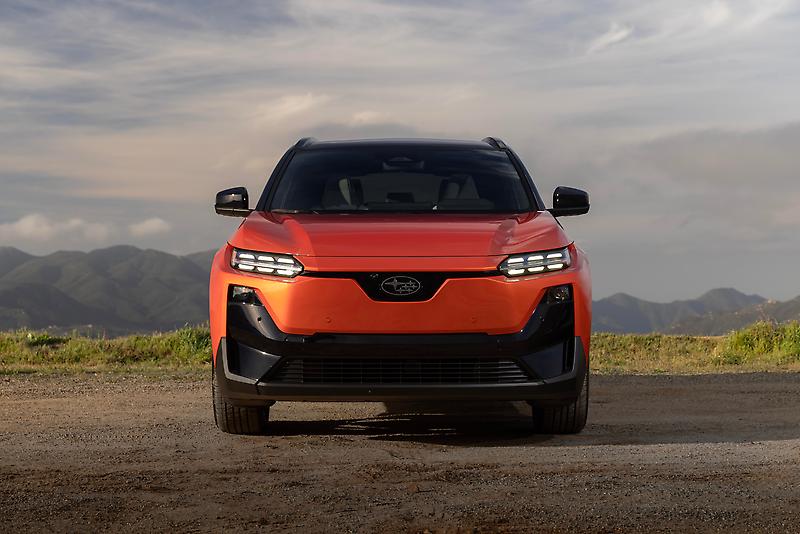
Subaru Uncharted
"...u. I give them kudos for that. Kind of going into uncharted territory there might be on something. Tim, how d..."
“Subaru Uncharted” sounds like a phrase about Subaru doing something new or unfamiliar. It doesn’t clearly point to a specific car model based on the snippet you provided. The podcast seems to be using it to describe taking a new direction.
“Subaru Uncharted” appears to be a reference to Subaru exploring or entering new territory, rather than a specific, clearly identified production model in the provided context. The podcast wording suggests the conversation is about trying something different or expanding into unfamiliar ground. Because the transcript doesn’t clearly name a specific vehicle model, the key takeaway is the “uncharted territory” theme tied to Subaru.
Request an Explanation
Heard something you'd like explained? We'll add it to this episode.
Sign in to request explanations for terms you heard.
Want to learn more?
Browse our glossary for plain-English explanations of automotive terms, jargon, and concepts.
Help improve this episode
See something that's not quite right? Our annotations are AI-generated and can sometimes miss the mark. Click the flag icon on any annotation to suggest a correction.