Porsche Talk - Not only the S/C
About this episode
From GT3 pricing and Porsche’s strategy to keep the 911 character, to the upcoming 911-based GT4 and how owners talk in shorthand, the hosts connect market forces with enthusiast identity. The conversation then pivots into real ownership: naming cars, dealing with slow Speedster roofs, and practical garage troubleshooting on a 964 (including corrosion at a cut-off terminal). Along the way they debate “tool vs passion,” classic-car drivability, and even fuel-smell mysteries tied to a six-volt pump.
In a veiled attempt at getting back to some routine uploads, The Boys are talking about their cars again, and the inevitable subjectivity surrounding the new GT3 S/C.
Is it aspirational for you? Will it be remembered fondly in years to come?
This and the typical whole lot of nonsense surrounding our favourite brand.
Got any feedback or suggestions?
Ajmal is @flatcapdriver
Marc is @marcandcars
Drop either or both of them a line.
Hope you're listening from behind the wheel!
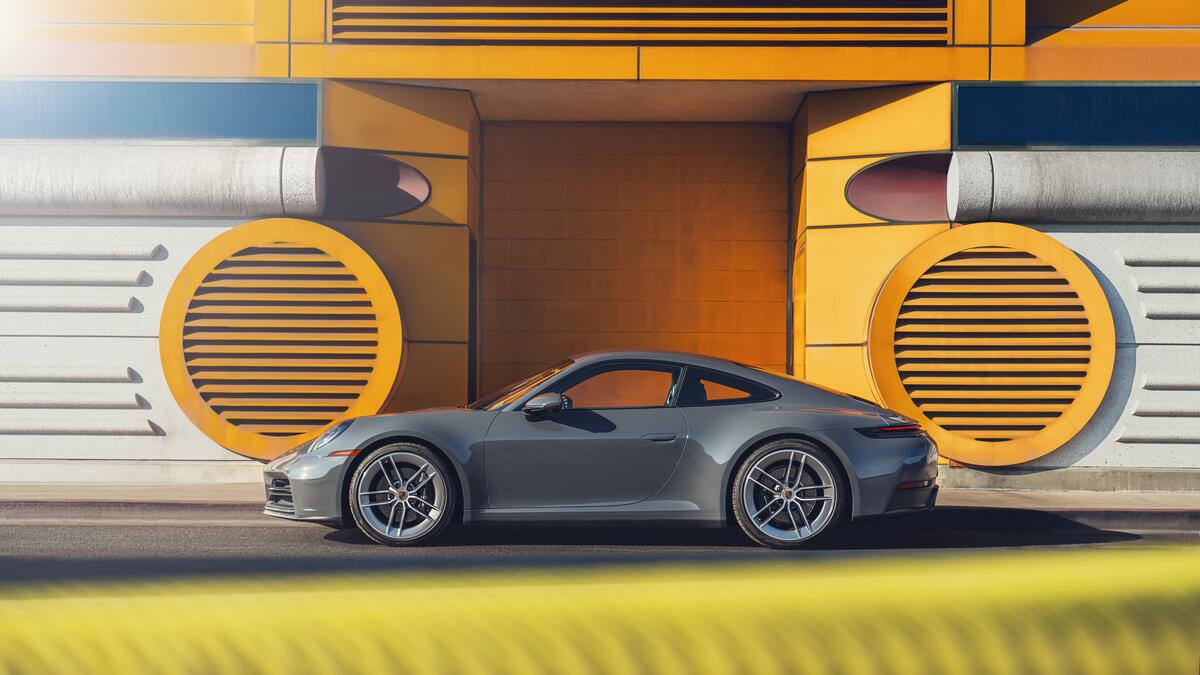
Porsche 911 GT3
"The cars have hit a normal depreciation cycle, and I can walk into a showroom and buy a GT3 these days."
The Porsche 911 GT3 is a special, track-oriented version of the 911. Here they’re basically saying that, because prices have changed, you can now buy one more easily than you used to.
The Porsche 911 GT3 is a track-focused 911 variant known for its naturally aspirated engine and motorsport-derived setup. In this segment, the hosts mention it in the context of pricing and depreciation, implying it’s becoming easier to buy than before.
depreciation cycle
"The cars have hit a normal depreciation cycle, and I can walk into a showroom and buy a GT3 these days."
Depreciation cycle just means how the price of a car tends to fall over time. They’re saying the GT3’s price has come down as the market moved on.
A depreciation cycle describes how a car’s market value typically drops over time after launch, often leveling out once demand and supply stabilize. The hosts use it to explain why a high-demand Porsche like the GT3 can become more affordable.

Porsche Boxster
"…a better part of 15-year-old chassis to continue manufacturing boxes slash Cayman."
The Porsche Boxster is Porsche’s mid-engine roadster. They’re mentioning Boxster alongside the Cayman as cars Porsche might keep building using an older platform.
The Porsche Boxster is Porsche’s mid-engine roadster sibling to the Cayman, sharing much of the platform architecture. In this segment, the hosts group Boxster and Cayman together as models Porsche may continue producing using an older chassis while adapting to regulation and electrification pressures.

Porsche Cayman
"…a better part of 15-year-old chassis to continue manufacturing boxes slash Cayman."
The Porsche Cayman is Porsche’s mid-engine sports car. They’re saying Porsche may keep using an older car platform to continue building the Cayman while dealing with changing rules and the move toward electrification.
The Porsche Cayman is a mid-engine sports car in Porsche’s lineup, built on the same general platform family as the Boxster. The hosts mention Porsche trying to “resuscitate” an older chassis to keep manufacturing Cayman (and Boxster) while the company navigates electrification and regulation.
electric thing
"Yes, that's obviously because the bottom's fallen out of the electric thing."
They’re talking about the push to make more electric cars. The point here is that the market and regulations didn’t play out the way people expected, so Porsche has to change course.
The hosts are referring to Porsche’s shift toward electric vehicles and the broader industry push for electrification. They connect the “bottom falling out” of that direction to government targets and the resulting need to adjust product plans.
Porsche 911
"Porsche as a brand went, yes, obviously 9-11, it's our, you know, it's our sort of brand differentiator."
The Porsche 911 is Porsche’s most famous model. They’re saying Porsche wants to keep the 911 feeling like a 911—likely still naturally aspirated—while still complying with government rules.
The Porsche 911 is the brand’s defining model line, with a rear-engine layout and long-running design identity. In this segment, the hosts say Porsche treats the 911 as a key “brand differentiator,” aiming to keep it naturally aspirated (with possible hybrid assistance) while meeting emissions targets.
naturally aspirated
"So we'll keep that as naturally aspirated, maybe with a little bit of hybrid thrown in, but everything else has to go to allow us to meet the targets that governments have set."
Naturally aspirated means the engine pulls air in without a turbo or supercharger. They’re saying Porsche wants to keep that driving feel for the 911.
Naturally aspirated engines rely on atmospheric pressure and engine vacuum to draw air in, rather than using a turbocharger or supercharger. The hosts suggest Porsche wants to preserve that character for the 911, even if other parts of the lineup must change to meet regulations.
hybrid
"So we'll keep that as naturally aspirated, maybe with a little bit of hybrid thrown in, but everything else has to go to allow us to meet the targets that governments have set."
A hybrid uses both a gasoline engine and an electric motor. They’re suggesting Porsche might add some electric help to comply with rules while keeping the 911’s feel.
A hybrid powertrain combines an internal-combustion engine with an electric motor and battery. In this context, the hosts imply Porsche may add some hybridization to help meet government targets while trying to retain the 911’s naturally aspirated character.
GT4 racing
"So it's going to be more of a budget track entry version of a 9-11 called the GT4, [379.5s] which complies with GT4, you know, architecture and rules to go GT4 racing."
GT4 racing is a type of motorsport where race cars are based on real, street-legal models. The idea is that the rules are designed to keep costs lower than higher-level racing, so more people can compete.
GT4 racing refers to a class of sports-car competition where cars are based on production models but tuned and homologated to a specific rule set. The hosts are saying the GT4 model will comply with those GT4 architecture and rules so it can serve as a “track entry” car for that racing category.
market value
"Yeah, which one you got? [393.2s] You got the Cayman or the 9-11? [394.7s] And we both know which one's going to have a better market value. [398.0s] Oh, I know."
Market value just means what people are willing to pay for a car. The hosts are saying the 911-based version should be worth more to buyers than the Cayman-based version.
Market value is the price a car is expected to fetch in the marketplace, influenced by demand, rarity, and enthusiast preferences. Here, the hosts argue that the 911-based GT4 will have a better market value than a Cayman-based one, framing it as the “premium” option.
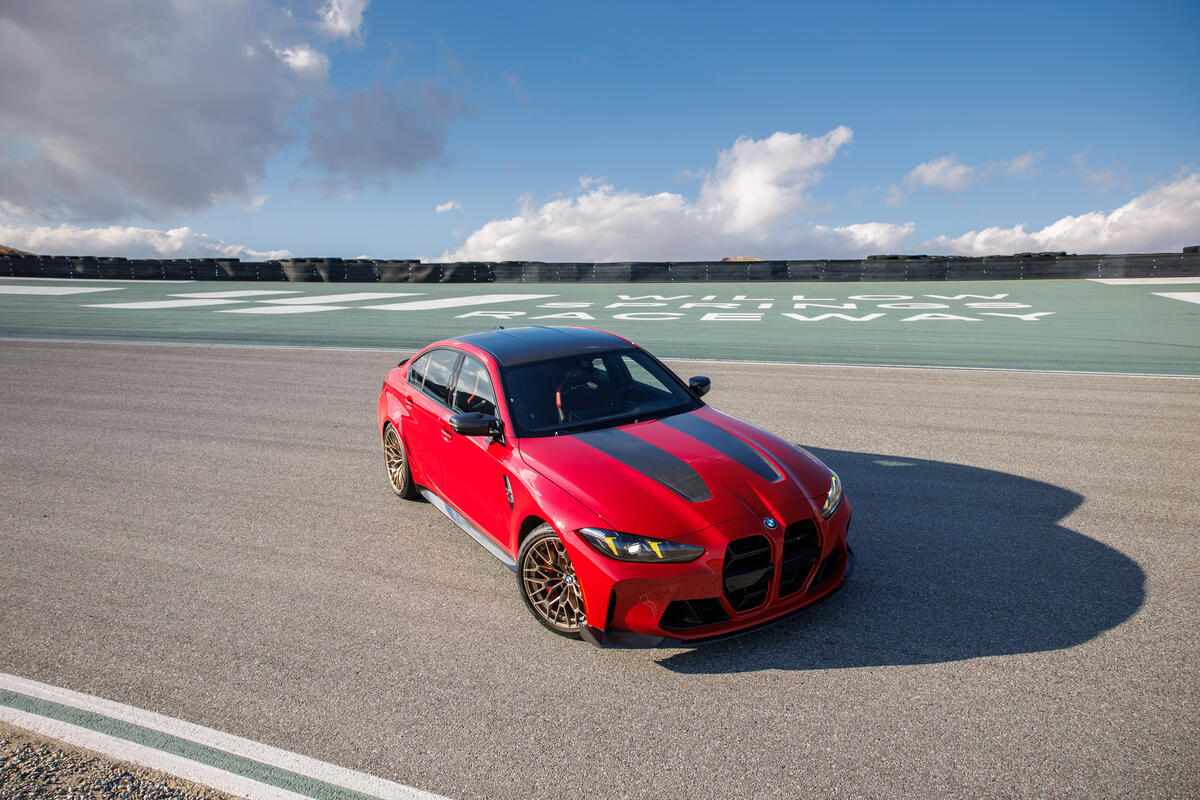
BMW M3
"“And he says it's an M3 in blah, blah, blah, blue with a actual hack and a competition and blah, blah.”"
They mention the BMW M3 as a recognizable performance BMW. The conversation uses it to illustrate how people talk about their cars when someone asks.
The BMW M3 is BMW’s performance-focused “M” model, known for being a widely recognized enthusiast car. In this segment it’s mentioned as an example of how someone describes their car (color, trim/variant, and other details) when asked what they drive.
manual vs automatic transmission
"everyone goes, oh, yeah, it's going to be automatic only because you know, automatic is the best way to go. And then suddenly goes, everyone goes, oh, let's release a couple of manual ones..."
They’re talking about two ways a car can shift gears. A manual needs you to use a clutch and choose gears, while an automatic does the shifting for you. The debate is basically about which one feels more fun or “right” to drive.
The hosts are discussing how Porsche (and other brands) sometimes offer a model with only an automatic transmission at first, then later add manual versions. A manual transmission uses a clutch and gear lever, while an automatic shifts gears for you—so the “manual is best” argument is really about driver involvement and feel.
parts bin car
"And secondly, it's a parts bin car. I know it's going to be brilliant because it's a G3..."
A “parts bin car” is when a company builds a new model mostly by reusing older parts instead of creating lots of brand-new stuff. Enthusiasts use the term when they feel the car isn’t as fresh or special as it should be.
A “parts bin car” is a car that’s assembled using existing components with minimal redesign—so it may feel more like an update or remix than a ground-up new model. In enthusiast circles, it’s often used as a critique when the changes don’t justify the new model’s hype or price.
purists
"And I know that all purists, because I was having this conversation, as soon as it was released..."
“Purists” are car fans who care a lot about keeping things the “right” way. They may think certain changes (like using an automatic or reusing parts) make the car less authentic.
“Purists” are enthusiasts who prefer the “true” or traditional version of a car—often meaning specific drivetrains, body styles, or engineering choices. In this context, they’re reacting to whether the model should be manual or how much it differs from earlier ideals.
speedster
"And the speedsters were completely, utterly pointless, but everybody bought them. Whereas now it's a case of, well, it's people who are going to buy them, not going to drive them, not going to race them in five years time."
A “speedster” is a type of sports car that’s usually built for open-top driving and a more lightweight, stripped-down feel. Here, they’re saying people may buy them more for collecting than for actually using them.
A “speedster” is a roadster-style sports car concept—typically with a minimal body, often with a removable roof/tonneau—aimed at open-air driving and lightweight feel. In this segment, the hosts argue that some speedsters are bought more as collectibles than for regular use, racing, or long-term ownership.
flipping them
"They're going to be flipping them or any years time. And you just think, oh, it's so cynical."
“Flipping” a car means buying it and then selling it later for a quick turnaround. They’re implying the buyers aren’t planning to enjoy the car long-term.
“Flipping” a car means buying it with the intention of selling it again soon—often to profit from hype, scarcity, or rising collector demand. The hosts use it to criticize a market where buyers treat the car like an investment rather than a driver.
shortcomings have now been overcome
"The optimist in me says, sure, the speedster was a great car in its moment. But it's shortcomings have now been overcome. And that is with this route that it had."
“Shortcomings have now been overcome” is a shorthand for the idea that later versions of a model addressed earlier weaknesses—whether that’s engineering, reliability, or overall refinement. In this context, it’s tied to the hosts’ argument that newer iterations are better than the earlier “moment” the speedster represented.
supply demand equation
"I would suspect that the of the brand in general has peaked when it comes to getting the supply demand equation right."
This is about how scarce cars are versus how many people want them. When demand is high and supply is limited, prices and availability get affected.
The “supply demand equation” refers to how limited availability (supply) and high interest (demand) interact to set market pricing and availability. The hosts suggest Porsche’s brand momentum has peaked at the point where they’ve gotten that balance right.
Why Porsche didn't make a convertible GT3 earlier
"“Why don't we make a convertible GT three?” “Everyone's just on blow everybody's mind…”"
They’re basically debating why Porsche didn’t build a convertible GT3 much earlier. It’s more about the design/business decision than a technical explanation.
This segment is a discussion about product timing and design decisions—specifically the idea of making a convertible version of the GT3. It’s framed as a “why didn’t they do it 25 years ago?” thought experiment.

Land Rover Range Rover
"...moment. Well, it's because they look like smaller Range Rover. Yeah, OK. Same shape."
The Range Rover is a large SUV made by Land Rover. It’s designed to feel luxurious while still being able to handle rough roads. In the conversation, it’s used as a reference for how other vehicles look.
The Range Rover is a full-size luxury SUV from Land Rover, known for its distinctive shape and off-road capability. It’s frequently referenced because its design is recognizable and because it sits at the top end of the brand’s lineup. The podcast context suggests they’re comparing shapes—“they look like smaller Range Rover… same shape.”

Byd Shark 6
"... an echo chamber? So I'm not sure. It's got a BYD shark. Oh, shark. Yeah. Oh, yeah."
The BYD Shark 6 is a car model made by BYD. In the podcast, people are just confirming the name—“BYD shark” and “Shark 6.” It’s mentioned as a specific vehicle they’re talking about.
The BYD Shark 6 is a BYD vehicle referred to in the conversation as a “BYD shark,” with the speaker and others confirming the name. It’s being discussed in a casual way, likely as an example of a specific model they encountered or talked about. The key point is that it’s a BYD product identified by the “Shark” name.

Ford F150S
"Do you not have rims and stuff like that? You don't have the big F-150s and that sort of stuff. Oh, I think we do have the rat."
The Ford F-150 is a large pickup truck. People use it for everyday driving and for hauling or work tasks. The conversation is mainly referencing how it can look different depending on the wheels and style.
The Ford F-150 is a full-size pickup truck, widely known for being practical and popular in North America. It often comes up in discussions about trucks because it’s available in many configurations, including different wheel and trim setups. In the podcast, it’s mentioned in a casual comparison about whether a vehicle has “rims and stuff” and “big F-150s.”

Audi A3
"You know, I go and park in my A3 in a normal car parking space and it's quite snug."
The Audi A3 is a small Audi car. The host is using it to explain that even regular cars can feel tight in parking spots.
The Audi A3 is a compact car from Audi, known for its hatchback/sedan practicality and typically tight urban packaging. In this segment, it’s used as a reference point for how snug parking spaces feel in a normal car compared with larger vehicles.
sliding doors
"I just walk through and go out through my sliding door because I don't have to swing the door out to get in there. Oh, yeah. See that sliding doors. Why aren't sliding doors more common on passenger cars?"
Sliding doors open by sliding sideways instead of swinging out. They’re especially handy when parking close to other cars because you don’t need extra space to open the door.
Sliding doors move horizontally along the side of the vehicle instead of swinging outward on hinges. They’re common on vans because they make tight parking and narrow driveways easier—there’s no need to swing a door into space.
scissor doors
"Now, don't go. Scissor doors would be cool as buggery, as would butterfly doors."
Scissor doors open upward in a hinged, angled way instead of swinging straight out. They’re mostly known for the cool look and for helping you get in when space is tight.
Scissor doors are a type of car door that pivot upward and outward, like they’re “cutting” through the air. They’re popular on some sports cars because they can look dramatic and help with access in tight spaces, though they add complexity compared with standard doors.
butterfly doors
"Now, don't go. Scissor doors would be cool as buggery, as would butterfly doors."
Butterfly doors open upward like wings. They’re a flashy door style that can also help you get in and out without needing as much side clearance.
Butterfly doors are doors that open upward and outward in a way that resembles wings, typically pivoting at the front hinge area. Like scissor doors, they’re associated with showy sports-car styling and can improve access, but they’re more complex than conventional door designs.
bolster
"So I mean, and the bolster is worn on my seat. [1689.5s] So I have to really slide across it when you're squeezing it out."
A bolster is the padded side “edge” of a car seat that keeps you from sliding around. If it’s worn out, it can make getting in feel awkward.
A seat bolster is the raised side section of a seat cushion or backrest that helps hold you in place during cornering. If the bolster is worn, it can change how you slide into the seat and how much support you feel.
A-pillar
"How do you have your feet clear in the A-pillar or the the upright, [1696.3s] you know, to be with the door opening?"
The A-pillar is the vertical support at the front of the car, near the windshield. It can take up space where your feet go when you’re climbing in or out.
The A-pillar is the front support structure of a car body that sits between the windshield and the side window area. In a 964/911-style cabin, it can affect how much room you have for your feet when getting in and out through the door opening.
foot rest
"in the Audi, there's like a foot rest. [1741.0s] So when you're cruising, your foot's just resting."
A foot rest is a spot where you can rest your foot while driving instead of keeping it on the pedal. They’re saying one car makes it harder to rest your foot during long drives.
A foot rest is a dedicated area for your foot to rest while driving, separate from the accelerator or brake pedal. In this segment, the host contrasts a car with a foot rest (for relaxed cruising) versus one where the pedal placement leaves no comfortable resting space.
right hand drive
"They're still nice having a right hand drive. They're called for. Yeah, sure. Yeah, I believe you, especially when you're on, like, you know, the laneways you need, but all vehicle cars are little."
Right-hand drive means the driver sits on the right side of the car. The speaker likes it because it can feel more convenient in certain road situations, not because it changes what you can see.
Right-hand drive (RHD) means the driver sits on the right side of the car, which is common in countries that drive on the left. The speaker is discussing why having right-hand drive can be convenient, particularly in certain driving environments like narrow lanes, rather than claiming it solves a visibility issue.
turnkey convenient
"That was the whole idea of buying the 964 It's so turnkey convenient. So any time the weather's good and I'm going somewhere, you should jump in and go."
“Turnkey” means you can use it right away without much work. The speaker is saying their Porsche 964 is ready to go whenever they want to drive.
“Turnkey” describes something that’s ready to use with little to no setup or tinkering required. In this context, the speaker is saying the Porsche 964 is easy to jump into and drive whenever conditions are good, compared with their other car.
respraying
"I probably would have spent it on respraying the 996 Yeah, whatever it was. Yeah."
Respraying means repainting a car’s body panels, typically to refresh faded paint, correct damage, or change the color. In enthusiast circles, it’s often discussed as a budget-versus-quality decision because paintwork can be expensive and time-consuming.
Garage logistics for multiple classic Porsches
"Yeah. So tell us where is the whole 912964 thing going to the garage? At the moment, I'm not in the good books at home because my wife had set up like a gym type thing that the 964 is now parked on top of."
They’re talking about the real-life problem of having multiple older Porsches at home—where they fit, and what it takes to get them running and moved around.
The hosts discuss where the cars will go in the garage and how the owner plans to get them moved and made ready. It’s a practical, real-world look at storing and reviving multiple older Porsches.
plug it for me
"Why don't you just call the guys at Rint and say, plug it for me? I don't know. Yeah, that's what I need to do."
They’re talking about having someone connect the car to the right equipment—often a diagnostic computer or charger—so it can be started or checked properly.
“Plug it” in this context likely refers to connecting a diagnostic tool or battery charger to get a car started or to check for faults. For older Porsches, owners often use shop equipment to troubleshoot starting issues without guessing.
cut off switch
"Yeah, you're using the cut off switch to get around the problem, fact you had to fix something, right?"
A battery cut-off switch is an electrical disconnect that interrupts power to the car’s battery/charging system. Enthusiasts use it to prevent battery drain (especially on cars that sit), but if it’s part of a starting circuit, a fault or corrosion in the wiring can cause no-start issues.
trickle charge
"Put it on trickle charge next day, doing exactly the same thing. Still brand new battery."
A trickle charge is a low, steady battery charger meant to maintain a battery’s state of charge over time. It can keep a battery from going flat when a car is stored, but it won’t fix a bad connection—so the car can still click/no-start if the terminals or wiring are corroded.
terminal
"Still brand new battery. And all it was was the terminal that goes from the cut off to the negative on the battery was corroded."
A battery terminal is the connection point between the battery posts and the car’s cables. Corrosion at a terminal increases resistance and can prevent enough current from reaching the starter, leading to symptoms like repeated clicking and a no-start condition even with a new battery.
oil pressure
"Sure, you get stuck in traffic. [2270.0s] It does get hot and then the oil pressure comes down and stuff like that."
Oil pressure tells you whether the engine is getting enough oil circulation. If it drops when the car is hot, it can be a warning sign that the engine isn’t being lubricated as well as it should.
Oil pressure is the measurement of how strongly the engine’s oil pump is pushing oil through the engine. If oil pressure drops—especially when the engine is hot—it can indicate lubrication concerns, which is why enthusiasts pay attention to it.
six-volt electric fuel pump
"Ever since I've put in a six volt. [2346.2s] Electric fuel pump. [2348.4s] I've had to smell fuel in the car when I get into it first thing."
A six-volt electric fuel pump is a fuel pump that runs on a lower voltage than most modern cars. If it leaks slightly or leaves pressure/vapor in the lines, you can smell fuel—especially after the car has been sitting.
A six-volt electric fuel pump is an aftermarket or period-correct low-voltage fuel delivery system. In older cars, changing the fuel pump setup can affect how fuel vapor behaves after shutdown, which can lead to noticeable fuel smell when the car sits.
hard line
"But if it sits there for any longer than that, I do get the smell. [2364.2s] Now, when I did that, I had to disrupt the hard line that goes from the fuel tank."
A hard line is the solid fuel pipe under the car, usually metal. If it’s modified or not sealed perfectly, it can leak fuel or let fuel vapor linger, causing that smell later.
A hard line is a rigid fuel line (typically metal) that carries fuel from the tank to the rest of the fuel system. If you “disrupt” or modify it, you can introduce leaks at the connection points or change how fuel pressure holds after shutoff.
reserve switch (fuel tap style)
"For listeners that don't understand, we've actually got a reserve switch [2377.0s] like a motorcycle in 350 sixes for your say, like a fuel tap."
This is basically a manual fuel valve. It lets you control when fuel is allowed to flow, and that can affect whether fuel smell shows up after the car has been parked for a while.
A reserve switch used like a fuel tap is a manual valve that controls fuel flow from the tank. On some setups, it can be used to limit fuel flow when parked, which may reduce fuel vapor leakage or help manage how the system behaves after the car sits.
soft line
"For the back of the fuel tap is a soft line that goes to a hard line. And then I've disrupted from there to go into the fuel pump."
A soft line is the flexible fuel hose part of the system. It’s useful for routing, but hoses can wear out, so the connection to the metal line needs to be sealed well.
A soft line is a flexible section of fuel plumbing, usually hose, used to connect rigid components. Flexible sections help accommodate movement and alignment, but they can age and crack, so the interface between soft line and hard line is a common leak point.
Jubilee clip
"So I've just secured it with a. 2417.7s Jubilee clip. Yeah. Yeah."
A Jubilee clip is a type of clamp that tightens around a hose to keep it from slipping off. On fuel lines, a good seal is critical to avoid leaks.
A Jubilee clip is a worm-drive hose clamp used to secure a flexible hose onto a fitting. It’s a practical way to clamp a hose, but on fuel systems it’s important that the hose material and clamp placement are correct to prevent seepage or leaks.
fuel cock
"The fuel cock that comes out of the bottom of the fuel tank is actually inside the cabin of the car. ... So I had to replace the fuel cock a little while ago, because I had a problem there."
A fuel cock is basically a valve that lets you turn the fuel on or off. On older Porsches, it can be placed in different spots, so repairs can require careful line work.
A fuel cock is a manual fuel shutoff valve used to control fuel flow from the tank to the rest of the fuel system. On older cars like the Porsche 356, its location and plumbing can be different by variant, so servicing it may involve working around cabin-mounted components and line connections.
carbs
"Or I drive my car off enough that my carbs don't dry out like I try to drive"
“Carbs” are carburetors, which help mix fuel with air for the engine. If the car sits too long, the fuel in the carburetors can evaporate and cause trouble when you try to start it.
“Carbs” is shorthand for carburetors, which mix air and fuel before it enters the engine. The host is implying that if the car sits or isn’t driven enough, carburetor fuel can evaporate and leave the system dry, making starting or running harder.
bubble flare
"I put a bubble flare on the hard line, right? [2487.8s] Which where it's located is a complete pain in the arse."
A bubble flare is a specific way of reshaping the end of a metal tube so it can seal tightly to a fitting. If it’s not done correctly, it can leak fuel.
A bubble flare is a type of flare fitting used on some metal fuel or brake lines. It forms a flared “bubble” at the end of the tube so it seals against a mating fitting, and it’s important because the wrong flare type or poor forming can cause leaks.
carbon canister
"Now, yes, I thought because they have a carbon canister 964 [2511.4s] So I thought, is it something to do with that?"
A carbon canister is part of the car’s emissions system that traps fuel vapors. If it’s not working right, you might smell fuel even if there’s no obvious leak.
A carbon canister is an emissions component that stores fuel vapors from the tank using activated carbon. It helps prevent those vapors from venting to the atmosphere, so a malfunction can contribute to fuel smell or vapor-related issues.
fuel line
"And I just tried in the 964 as a fuel line [2524.1s] passed through the interior of the body or is it exterior of the body?"
A fuel line is the pipe that carries fuel through the car. They’re wondering if the way it’s routed could explain the source of the smell.
A fuel line is the plumbing that transports fuel from the tank to the engine. The speaker is discussing whether the fuel line’s routing (inside vs outside the body) could be related to where a smell is coming from.
transmission tunnel
"because you may have a problem in the transmission tunnel, you know, [2536.8s] it could be because that's where the hard line is in 356"
The transmission tunnel is the “channel” under the car’s floor where the transmission/drivetrain sits. If a fuel line runs through that area, a leak can be difficult to find.
The transmission tunnel is the enclosed channel in the floor that houses the drivetrain components (like the transmission and related linkages) and provides structural space. In older cars, routing of fuel lines through or near this area can make leaks or smells harder to track down.
metal core valve covers
"and I've got metal core valve covers, which means you can use it multiple times if you take the valve covers off."
“Metal core” valve covers refer to valve covers built with a metal base structure, typically used to improve durability and sealing behavior compared with cheaper alternatives. The host also implies they can be removed and reused, which matters because reusing valve covers can still require fresh gaskets to prevent leaks.
valve cover gaskets
"But since the last service, I've got oil leaks that I didn't have before. So I suspect I might have to replace those valve cover gaskets."
Gaskets are like thin sealing strips. They help keep oil from leaking out where the valve cover meets the engine. If the gasket isn’t sealing well anymore, you’ll see oil seep or drip after work is done.
Valve cover gaskets seal the perimeter of the valve covers so engine oil can’t escape around the top of the cylinder head. If they harden or get damaged during service, you can start seeing new oil leaks after the valve covers are removed and reinstalled.
oil leaks after service
"But since the last service, I've got oil leaks that I didn't have before. So I suspect I might have to replace those valve cover gaskets. You know, which is the gaskets."
Sometimes oil leaks show up right after a repair or maintenance job. That can happen if a seal or gasket doesn’t seal as well after the parts are taken off and put back on.
This segment is about diagnosing oil leaks that appear after a service event—often caused by disturbed seals, gasket compression loss, or imperfect reassembly. The host is careful to separate “service workmanship” from a broader pattern of leaks across their cars.

Porsche 356
"But I was I was driving the 356 [2661.2s] Well, where are we at?"
The Porsche 356 is one of Porsche’s earliest classic sports cars. People love it because it’s light and feels very “connected” when you drive it.
The Porsche 356 is the brand’s early sports car from the 1950s and early 1960s, known for its lightweight feel and simple, driver-focused layout. In this segment, the host compares it to other classic Porsches while talking about how good it feels to drive.
fuel smell
"but I could fix the fuel smell in the, you know, when you start it. [2684.7s] It was just it is such a light steering, beautiful driving."
“Fuel smell” means you can smell gasoline. On older cars it can be caused by small leaks or fuel system issues, and it’s something you’d want to address for comfort and safety.
“Fuel smell” refers to the odor of gasoline that can happen when a car is starting or running, often caused by fuel leaks, vapor venting, or imperfect fuel delivery. The host mentions wanting to “fix the fuel smell” when starting, which implies a common classic-car annoyance and a practical ownership concern.
belts all the way around
"I think I'd be happier if it had [2742.5s] probably belts all the way around and it was right hand drive."
This means seat belts for every seat in the car. The host is wishing the car had belts in the back too, not just up front.
“Belts all the way around” means having seat belts for all seating positions, not just the front seats. The host is suggesting their classic 912 would be happier/safer with complete belt coverage, reflecting how early cars often lacked modern restraint setups.
tool vs aspirational product of passion
"My van is the equivalent of that. It is a tool as opposed to a product of passion... You either got a tool or you've got an aspirational product of passion."
The hosts contrast “tool” ownership (a car bought primarily for practical use) with an “aspirational product of passion” (a car bought for emotional connection, identity, and enthusiast culture). This framing helps explain why some buyers prioritize comfort and convenience over traditional enthusiast goals like driving feel or motorsport relevance.
driver engagement vs modern convenience
"[2899.6s] that era of car where it takes effort and skill to drive it, [2904.0s] to get more enjoyment out of it. [2938.6s] I actually think we've created complication [2943.6s] that's added to making the thing actually no easier to use."
The hosts are debating why older cars can feel more fun to drive. They’re saying modern cars might be easier in some ways, but they can also feel more complicated overall.
This segment contrasts older classic Porsches with newer ones in terms of how much the driver has to do. The host argues that while modern cars may start easily and feel less demanding, they can also add complexity that makes the overall experience “no easier to use.”
clutch
"Don't get me wrong. [2951.3s] I've got a clutch. [2952.0s] I've got a gearbox that I've got a manually shift."
A clutch is the pedal you press to change gears. It’s part of manual driving, and the host is using it to talk about how much more involved the driving feels.
A clutch is the pedal-operated device that disconnects the engine from the transmission so you can change gears smoothly. In this discussion, the host brings up having a clutch as part of the more engaging, effort-based driving experience.
gearbox
"[2951.3s] I've got a clutch. [2952.0s] I've got a gearbox that I've got a manually shift. [2955.0s] But I can get that in a 992."
A gearbox is what lets the car use different gear ratios. In this segment, they’re talking about manual shifting, which makes driving feel more involved.
A gearbox is the transmission system that provides different gear ratios for acceleration and cruising. Here, the host specifically connects the gearbox to manual shifting, contrasting older cars’ effort with modern cars’ ease of use.

Fiat 500
"...s kids that you can buy to make your old 60s Fiat 500 electric and you can do it in a weekend, you go, ..."
The Fiat 500 is a small car designed for city driving. In the podcast, they’re talking about converting an older one to electric using a kit. The idea is that it can be done over a short weekend with the right parts.
The Fiat 500 is a small city car, and it’s become a popular platform for customization and electrification projects. The podcast context specifically mentions making an older 500 electric using parts and kits that can be installed quickly. That’s why it may be discussed: it’s a compact car that lends itself to DIY-style conversions.
electric car conversions
"Look, I think the sweet spot for car, electric car conversions is the cars that you would not repair."
An electric car conversion means taking a regular gas car and changing it so it runs on electricity instead. The hosts are saying it’s most worth doing when the gas parts are too expensive to fix.
“Electric car conversions” are projects where an existing internal-combustion car is modified to use an electric powertrain instead of its original engine. The hosts are discussing when these conversions are most sensible—especially when the original engine/gearbox is too costly to repair.

2004 Ford Taurus
"Look, I think the sweet spot for car, electric car conversions is the cars that you would not repair. I'm talking 2004 Ford Taurus."
They’re using the 2004 Ford Taurus as an example of an older car that’s often too expensive to fix when something major breaks. The idea is that converting it to electric can make more sense than repairing it.
The 2004 Ford Taurus is an early-2000s mass-market sedan that the hosts use as an example of a car that’s not worth repairing once it’s mechanically failing. In the context of this episode, it’s being framed as a candidate for an electric conversion because the original engine/gearbox work would be uneconomical to fix.

Fiat Panda
"Or a, say, a three year old Fiat Panda. Something like that."
They bring up the Fiat Panda as another kind of small, inexpensive car. Their argument is that if a car is likely to be scrapped because fixing it isn’t worth it, converting it to electric can be a better use of resources.
The Fiat Panda is a small, budget-friendly city car the hosts cite as another example of a vehicle that might be headed for scrappage. In this discussion, it’s part of the argument that electric conversions make the most sense when the original mechanical components (engine/gearbox) are already effectively “done.”
carbon footprint
"Because the carbon footprint of that car, you've, you've, you've earned that. You know, you know what I mean? You're reducing it further."
A carbon footprint is basically how much pollution a thing causes. They’re saying that if you convert an older car to electric, you can offset some of the environmental impact because you’re extending the car’s usefulness.
Carbon footprint is a measure of how much greenhouse-gas pollution (usually expressed as CO₂-equivalent) a product or activity creates over its life. The hosts argue that converting an older car to electric can “earn” the carbon impact by avoiding additional emissions from scrapping or from further manufacturing.

Porsche 912
"Now, I want to talk 912s for a second, because I sent through to Ajmal a 912 for sale locally here"
The Porsche 912 is an older Porsche from the early 1960s that’s related to the 911. Here, they’re talking about a particular 912 that’s being sold and how changes to its parts can change what it’s worth.
The Porsche 912 is a classic early-1960s 911-era model from Porsche, best known for being a more affordable entry into the 911 family. In this segment, the hosts discuss a specific Porsche 912 for sale and how its drivetrain details affect its value.
resto modern
"that had been, and as much as I hate this term, resto modern."
“Resto modern” means someone restored an older car but added newer-style parts or updates. Some collectors love it, while others think it hurts originality and resale value.
“Resto modern” is enthusiast slang for a restoration that blends classic looks with more modern mechanicals or upgrades. It often changes how purists view the car and can create big value differences versus a fully original or period-correct example.
engine
"This car had a 2.5 litre engine in it. So it had been rebuilt from a two litre and board."
They’re discussing what engine is actually in the car and whether it’s been rebuilt using a different Porsche engine. What’s under the hood can change how the car drives and what collectors will pay.
In this context, the hosts are talking about the car’s engine swap history—specifically whether the Porsche 912 has been rebuilt using a 911 engine. That matters because engine configuration and provenance can affect both drivability and collector value.
dog leg first
"the 9.01 gearbox has a dog leg first, which in reality, when you're in rolling traffic, is not a bad gearbox, in my opinion."
“Dog leg first” describes a gearbox layout where first gear is positioned to the side (often down and to the left) rather than in the usual straight pattern. It can make shifting in stop-and-go traffic feel different, but the hosts argue it’s not necessarily a bad setup for everyday rolling driving.
slate gray
"But that aside, that's the gearbox in that car. It was presented beautifully, okay, in slate gray, 356 color, which that was a bit off on"
“Slate gray” is just the car’s paint color. Collectors often care a lot about whether the color matches what the car should have had originally.
“Slate gray” is a paint color name used for Porsche finishes. Color correctness can matter to collectors, especially when discussing a car’s presentation and how it’s perceived in the market.
right hand side
"It was a South African delivered car, which meant it was a steering wheel still on the right hand side as our straight, as the Australian cars and UK cars are. [3246.5s] It also meant it was a three."
“Right hand side” here describes right-hand-drive (RHD) layout, where the steering wheel is on the right side of the car. The hosts connect it to regional delivery (South Africa vs Australia/UK), noting that steering-wheel placement is a practical difference you can spot when evaluating a specific Porsche.
galvanized
"It was, oh, very likely to be rust free, but being a 912, it wasn't galvanized. [3253.8s] Right. [3254.4s] No, yeah, true."
“Galvanized” means the metal was coated with a protective zinc layer to resist rust. If a car wasn’t galvanized, it can rust more easily, and you might not notice it until you look deeper than the paint.
“Galvanized” refers to coating steel with zinc to slow corrosion. The hosts mention that the Porsche 912 “wasn't galvanized,” implying it may be more prone to rust, and that damage can be hidden beneath fresh paint and bodywork.
paper macho
"So sure, very likely to be rust free, but also equally as likely to have problems [3260.9s] that are hidden underneath nice paint and paper macho, not that this, not that at any point of this car's photography suggested otherwise."
“Paper macho” is a slang way of saying the bodywork might be covered in filler or patch material. The point is that a car can look nice on the outside while problems are hidden underneath.
“Paper macho” is a colorful enthusiast term for body filler/patchwork that can hide prior damage or corrosion. The hosts use it to warn that a car can look great in photos while still having underlying issues concealed by layers of repair material.
Prano T-Power
"Oh, very easily changed and not even at a great expense. [3287.1s] Oh, very easily changed and not even at a great expense. [3291.1s] You know, you put a Prano T-Power on the thing."
“Prano T-Power” sounds like an aftermarket part they recommend to swap in. The hosts are saying the steering wheel wasn’t their favorite, but you can change it without a huge cost.
“Prano T-Power” appears to be an aftermarket steering-wheel or steering-wheel-related product the hosts suggest installing to replace the car’s steering wheel. The context is that the steering wheel was the “biggest let down,” but it’s “easily changed,” implying a common customization path for classic Porsches.
3.2 litre motor
"So its challenges of its age haven't been overcome by putting a relatively modern 3.2 litre motor in it or anything like that. We're still dealing with comparable challenges to it still being a 9-12."
A “3.2 litre motor” is an engine displacement of about 3.2 liters, which typically indicates a larger, higher-output powerplant than the smaller engines used in many early 911-era cars. In this segment, it’s mentioned as a swap that adds modern power, but doesn’t fully eliminate the car’s older “challenges.”
horsepower at the wheels
"With more power, don't get me wrong, it's probably got a better part of almost 200 horsepower in the thing at the wheels compared to the close to 90 at the wheels that a 9-12 would have."
“Horsepower at the wheels” means the power that makes it to the tires. It’s often less than what the engine is rated at because some power is lost inside the drivetrain.
“Horsepower at the wheels” (often called wheel horsepower) measures how much power actually reaches the drivetrain and tires. It’s usually lower than engine-rated horsepower because some power is lost through the transmission and drivetrain.
restored and modded into a 911 type car
"There's quite a famous 912 that's been rested and modded into a 911 type car here in Perth... So he's got a nice green one, right?"
They’re talking about taking an older Porsche and fixing it up, then changing it so it looks like a different Porsche model. In this case, the car is made to resemble a 911, so people debate how much of the original identity should be shown.
This describes a “restomod”-style approach: taking a Porsche 912 and modifying it so it resembles a Porsche 911 (“911 type”). The key enthusiast point is that the car’s identity can shift from what it originally was to what it looks like, which is why badges and visual details matter in the discussion.
long hood
"if you want a long hood 911 body with a six cylinder engine in it... There aren't many long hoods itself for less than $200,000 anymore."
“Long hood” is a nickname for an older Porsche 911 shape where the front hood is longer. It’s basically a styling cue people use to tell which generation/body style a car is.
“Long hood” refers to the early 911-era body style with a longer front deck (hood) compared with later short-hood designs. The hosts use it as a visual identifier when discussing which cars qualify as “long hood” and how that affects market pricing and recognition.
badges
"if you don't have the badges out on the car, not many people know it's a 912... And I'm just debating whether I should put them on."
“Badges” are the little nameplates/emblems on the car that tell you what model it is. Here, they’re saying that without the right badges, people may assume it’s a different Porsche.
In Porsche context, “badges” are the model-identifying emblems (like 912 vs 911) placed on the body. The hosts argue that if the correct badges aren’t displayed, most people won’t recognize the car as a 912, even if it has the long-hood look.
numbers matching
"...the later ones had it with the different fonts in the middle. [3645.5s] Yeah, it depends on the size, right? ... Give it to the next owner to do."
“Numbers matching” is when the key parts on the car are the original ones that belong to that specific car. Collectors care because it can affect authenticity and value.
“Numbers matching” means the major components on a car (like engine or transmission) are the original ones that correspond to the car’s identification numbers. In Porsche circles, this is often tied to originality and collector value, so badge/trim correctness and related documentation can matter.
deck lid
"...when I look at the underside of the deck lid, the holes are there for the correct one."
A deck lid is the rear panel you open to access the trunk area. People check the underside because it can show where badges or trim were originally mounted.
The deck lid is the hinged panel that covers the rear storage area on many rear-engine Porsche designs. Because it has mounting points and openings for trim/badges, the deck lid’s underside can reveal whether the correct parts were installed.
resale price
"It won't affect the resale price as well."
Resale price is what you could sell the car for in the future. The host is basically saying the change they’re making probably won’t make the car worth less when they sell it.
Resale price is the amount you can sell the car for later. In enthusiast circles, people often consider whether cosmetic changes or replacing trim pieces will hurt or help resale value, especially for older, model-specific cars like air-cooled 911-era cars.
GSF, German Swedish French
"…it was like £2.94 on GSF, German Swedish French."
GSF is a parts store that sells aftermarket parts for European cars. The host is using it as an example of where they found the same trim piece for a lot less money.
GSF (German Swedish French) is an aftermarket parts retailer known for sourcing parts for European cars. In this segment, the host compares pricing for a trim piece and finds a much cheaper option on GSF than other Porsche-focused sellers.
part number
"So you just put in the part number and it comes up that it's for sale."
A part number is like the exact ID code for a car part. If you search by that code, you’re more likely to get the right trim piece than by guessing based on the car model listing.
A part number is the manufacturer’s specific identifier for a component, used to make sure you’re ordering the exact correct part. The host explains that by entering the part number, the correct trim item shows up for sale—often with better pricing than searching by model name.
replacement head
"So he was away for a bit and he said, oh, I'll chase because he's got, obviously got to get a replacement head. Oh, yes. Yes. The head was the problem."
A “replacement head” means replacing the top part of the engine where the valves and combustion chambers are. If that part is damaged, it’s a bigger job than routine maintenance.
A “replacement head” means swapping out the engine’s cylinder head, the metal casting that houses the combustion chambers and the valves. Cylinder-head problems can be expensive because the repair often requires significant disassembly and careful reassembly to restore proper sealing and valve timing.
Request an Explanation
Heard something you'd like explained? We'll add it to this episode.
Sign in to request explanations for terms you heard.
Want to learn more?
Browse our glossary for plain-English explanations of automotive terms, jargon, and concepts.
Help improve this episode
See something that's not quite right? Our annotations are AI-generated and can sometimes miss the mark. Click the flag icon on any annotation to suggest a correction.