Ram Misses With Promo T, Pile of Cool Cars, BMX Shift & Steer EP 571
About this episode
From band-tour logistics to a Hollywood Walk of Fame detour, the hosts then dive into car talk—starting with a newly discussed Ferrari “Luce” and the debate over whether Ferrari is really aiming at an “entry level” EV. They argue the pricing math (including $640,000 and up to $800,000) and compare the styling to a Nissan Leaf. The episode also swings into non-car territory with Dirty Fest BMX, plus event planning for FuelFest and a roadside “car stack” story outside Zion.
This is Shift and Steer, your quick-hit automotive news podcast.
On this episode #571:
• Brad Fanshaw's Muscle Car Tech on YouTube @TheBradFanshaw Channel
• RamComa T-Shirt?
• Cat Stair Canyon Hiway 89 Utah.
• Brad Goes to DirtyFest BMX
• bonspeedStreetWear.com & drinkbravago.com
Let us know your thoughts about our shows; hit us up on Instagram @ShiftSteerMedia or [email protected].
VISIT US ONLINE: https://www.shiftandsteer.com/
FOLLOW US IN INSTAGRAM: @ShiftSteerMedia
@Bradley_Fanshaw
@bonspeed_Street_Wear
@Motorator
@AaronHagar
Hosted by Simplecast, an AdsWizz company. See pcm.adswizz.com for information about our collection and use of personal data for advertising.

Ford Bronco
"...he's a car guy too. I think he's got like an icon Bronco and a couple of other things that are really cool..."
The Ford Bronco is a type of SUV made to handle off-road driving, like dirt roads and trails. People talk about it a lot because it’s a well-known, iconic model. It’s the kind of vehicle a car enthusiast might own or show off.
The Ford Bronco is a rugged, off-road-capable SUV built for driving on rough terrain as well as everyday roads. It’s often discussed because it’s an iconic nameplate and a popular choice for people who want a modern SUV with serious trail capability. In a car-focused podcast, it commonly comes up as a standout “icon” vehicle in someone’s collection.
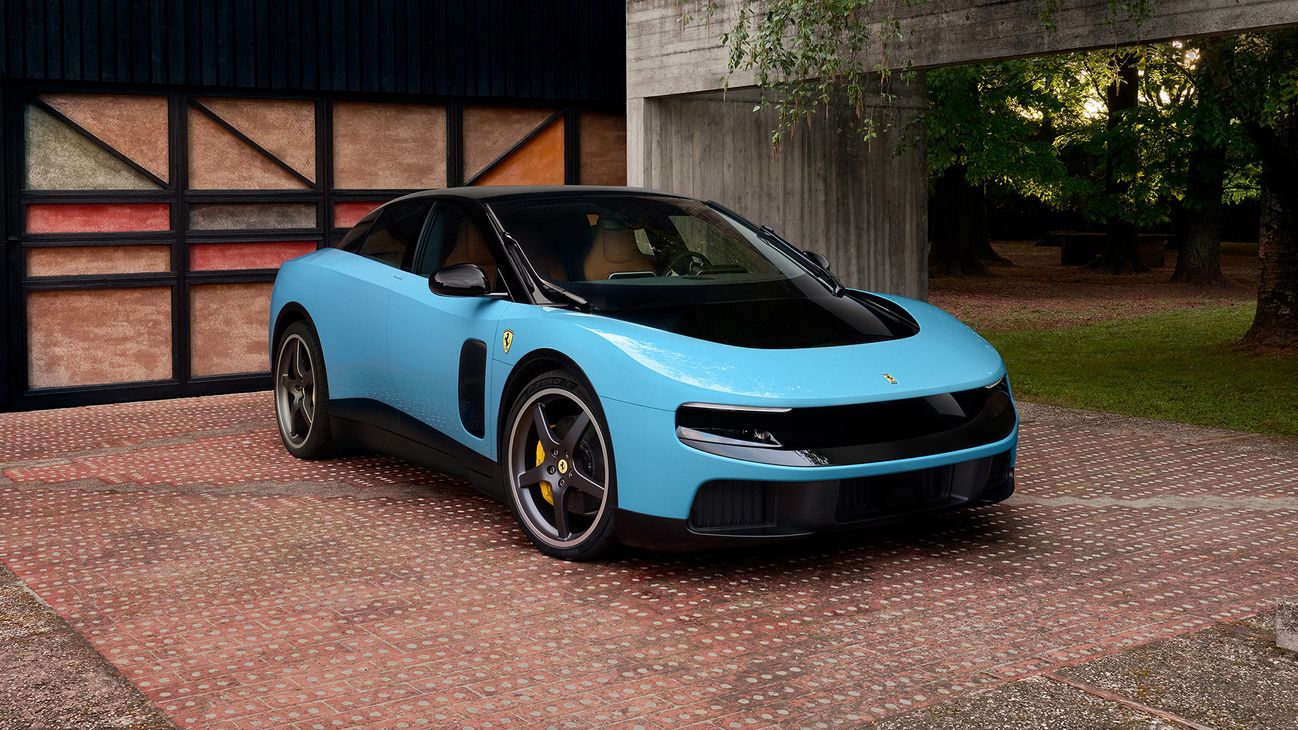
Ferrari Luce
" [339.7s] Maybe did you guys hear about this? [341.9s] It's a Ferrari Luce. [344.4s] Oh, did they come out with a new car? [346.0s] They came out with a new car."
They’re talking about a new Ferrari model called the “Luce.” The hosts say it hasn’t been widely reported yet, so there isn’t much public feedback—at least not in the usual places they follow.
Ferrari Luce is a rumored/new Ferrari model name mentioned in the episode as a car that “came out” but hasn’t been widely covered in the press yet. The key point for listeners is that this is being treated like a fresh Ferrari release that’s generating buzz in the hosts’ automotive circle, even though mainstream feedback is limited.
Lucid
"I don't necessarily hate it as like, if you said this is Lucid's new. [403.0s] All electric. [404.2s] I would still super SUV."
Lucid is a company that makes electric cars. In this part of the show, they’re talking about a new Lucid all-electric SUV and how the price changes how people feel about it.
Lucid is an electric-vehicle brand known for building premium EVs with a strong focus on efficiency and range. The host mentions “Lucid’s new” all-electric SUV, tying the discussion to pricing and how it affects buyer appeal.
all electric
"[395.3s] I don't necessarily hate it as like, if you said this is Lucid's new. [403.0s] All electric. [404.2s] I would still super SUV."
“All electric” means the car uses electricity from a battery to move, not gasoline. Instead of stopping for gas, you charge it.
“All electric” means the vehicle runs entirely on electric power from a battery, with no gasoline engine. That matters because it changes how the car delivers power (instant torque) and how you live with it (charging instead of fueling).
Edmunds
"[422.0s] But on car cast, Alastair and I, and for those of you who don't know, he's the editor-in-chief [427.8s] of Edmunds, we were saying interesting approach that Ferrari didn't try to make this as the"
Edmunds is a car website that helps people research and compare cars. In this segment, they mention the editor-in-chief to explain where the hosts’ viewpoint is coming from.
Edmunds is an automotive media and shopping resource that publishes car reviews, pricing information, and buying guidance. Here, the host references Alastair, the editor-in-chief of Edmunds, to frame the discussion about Ferrari’s product positioning.
entry level vehicle
"[422.0s] But on car cast, Alastair and I, and for those of you who don't know, he's the editor-in-chief [427.8s] of Edmunds, we were saying interesting approach that Ferrari didn't try to make this as the [435.7s] new entry level vehicle to Ferrari."
“Entry level” just means the cheapest or most basic model in a brand’s lineup. They’re discussing whether Ferrari is trying to make a more affordable Ferrari to attract new buyers.
An “entry level vehicle” is the lowest-priced model in a brand’s lineup, intended to bring in first-time buyers. The hosts are specifically debating whether Ferrari is trying to position a new car as a more accessible starting point for the brand.
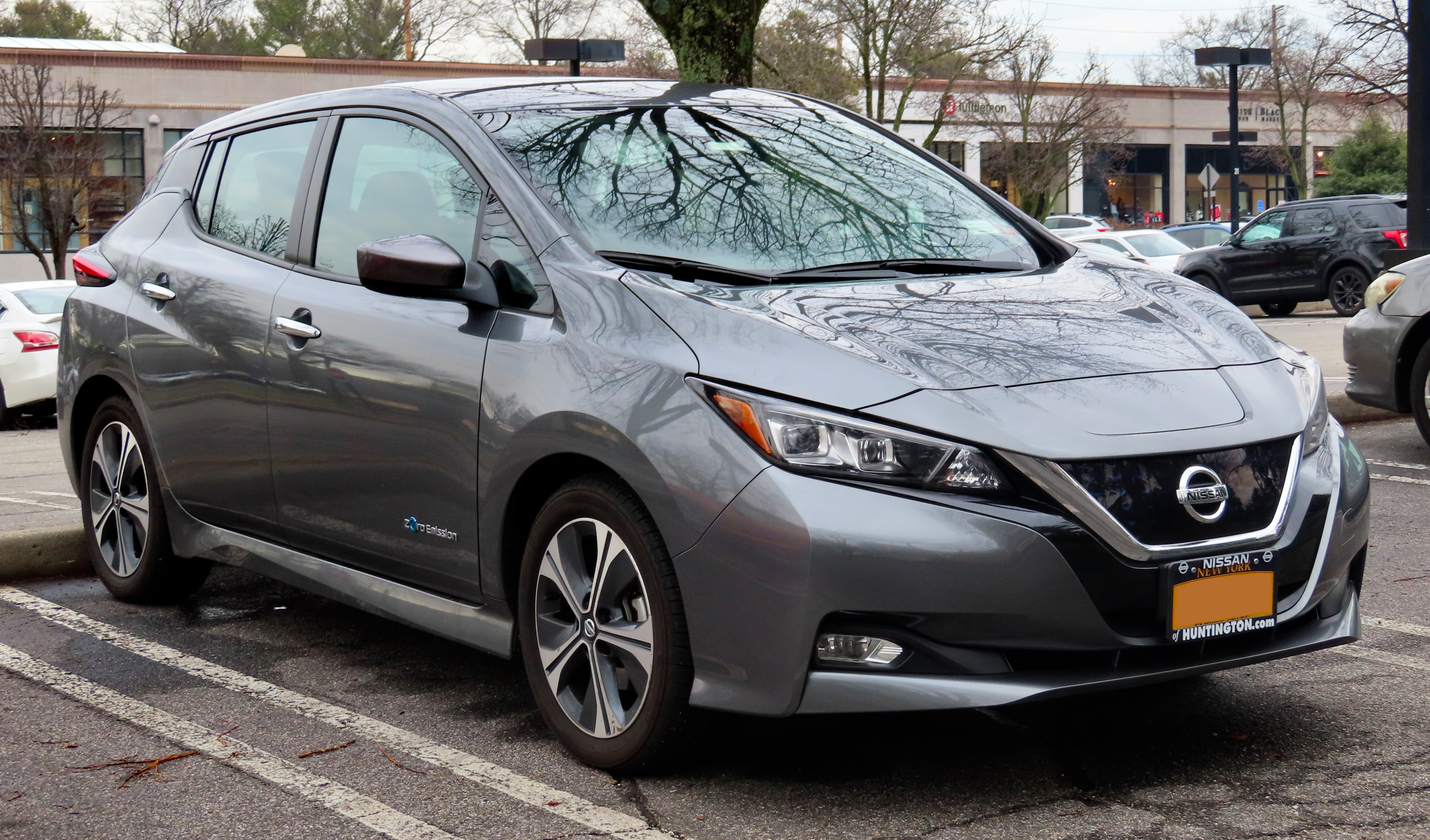
Nissan Leaf
"...an a singer. It kind of looks like the new Nissan Leaf and it wasn't Nissan USA, but it was like Nissan ..."
The Nissan Leaf is an electric car, which means it uses a battery instead of a gas engine. It’s made for everyday driving and charging at home or public chargers. People may mention it because its shape is easy to recognize.
The Nissan Leaf is an all-electric compact car designed to run on battery power instead of gasoline. It’s significant because it helped popularize mainstream electric driving, and its design is recognizable even when discussed casually. In the podcast context, it’s mentioned as a visual reference for what another car “looks like.”
Nissan of Europe
"It kind of looks like the new Nissan Leaf and it wasn't Nissan USA, but it was like [528.7s] Nissan of Europe posted photo of the Leaf and the Luce and then they're like, we're [534.6s] flattered."
They’re talking about Nissan’s European side posting the photos. It’s basically explaining where the car images showed up first.
“Nissan of Europe” refers to Nissan’s regional organization for the European market, which can post photos and marketing content that may differ from what’s shown in the U.S. In this segment, it’s part of the story about where the Leaf/Luce photos appeared first.

Mclaren F1
"And I'm standing next to it. [1001.1s] This is a McLaren F1, you know, it's like. [1003.8s] Yeah."
The McLaren F1 is a very famous, rare supercar. It’s known for being built around the driver and for having a special layout with three seats.
The McLaren F1 is a legendary supercar known for its unusual three-seat layout and a high-revving V12 engine. It’s famous because it was built to be a driver’s car first, with a focus on aerodynamics and lightweight construction.
Pete Brock
"It's, they're going to have, Pete Brock is going to be there. ... Pete Brock, he's this young guy. ... He designed the Shelby Daytona Coupe."
Pete Brock was a well-known racing designer and team person. Here they’re saying he helped design famous cars like the Shelby Daytona Coupe and a 1963 Corvette, and he’s also tied to BRE racing.
Pete Brock was a prominent American racing designer and team figure associated with BRE (Brock Racing Enterprises). In this segment, he’s credited with designing the Shelby Daytona Coupe and the 1963 split-window Corvette, and with running/being involved in BRE’s racing efforts like the BRE 510.
grand marshal
"I think he's going to be a grand marshal and Adam is going to be bringing, we've got a handful of cars that we're bringing."
A grand marshal is a special guest role at an event. It’s mostly an honor/ceremony—usually the person helps kick things off or gets recognized, not that they’re racing.
A grand marshal is a ceremonial role given to a notable person at an event. In motorsports, it usually means the person will be honored on stage and may lead or introduce parts of the program rather than compete.

Datsun 510
"So he's racing the BRE 510, the Datsun 510, but we're going to be bringing, we're still kind of working out the details..."
The Datsun 510 is an old Japanese sedan that became popular with racers. It’s known for being a solid, fun platform for building a competitive race car.
The Datsun 510 is a classic Japanese compact sedan that became famous in motorsports, especially for its strong performance-to-cost ratio. In this segment it’s referenced as a race car Pete Brock is associated with, tying the 510 to the BRE racing program and period racing culture.
BRE
"So he's racing the BRE 510, the Datsun 510, but we're going to be bringing... Pete Brock... had his, BRE is Brock Racing Enterprises."
BRE is the name of Brock Racing Enterprises. It’s the racing team/brand connected to Pete Brock, and it shows up on the cars they brought to events.
BRE stands for Brock Racing Enterprises, Pete Brock’s racing organization. In this segment it’s used as a label for cars like the BRE 510 and as part of the event’s planned lineup.
BRE Hino transporter truck
"but the BRE Hino transporter truck, the privateer BRE 510, it's not fully built, but we've got it done and painted just no engine in it yet."
This is a race-team transporter truck branded for BRE and built on a Hino platform. They’re saying it’s painted and ready-looking, but it doesn’t have the engine installed yet.
The “BRE Hino transporter truck” is a branded race-car transport vehicle associated with Brock Racing Enterprises and Hino. The host notes it’s been painted and finished visually, but not fully built mechanically yet (no engine installed).
Shelby Daytona Coupe
"He was a designer at Shelby. He designed the Shelby Daytona Coupe."
The Shelby Daytona Coupe is a famous race car from the Le Mans era. It was built to be fast and aerodynamic for endurance racing.
The Shelby Daytona Coupe is a legendary endurance-racing car built by Shelby American for the 24 Hours of Le Mans era. It’s especially known for its aerodynamic bodywork and for being designed to beat the competition on long-distance speed and stability.

Corvette, the 63 split window coupe
"And he designed the Corvette, the 63 split window coupe."
The “split window” Corvette is a 1963 Corvette that has a distinctive rear window shape split into sections. It’s a recognizable look that Corvette fans often talk about.
The “63 split window coupe” refers to the 1963 Chevrolet Corvette with the distinctive split rear window design. It’s a well-known styling detail that enthusiasts use to identify the car, and it’s mentioned here as part of Pete Brock’s design work.

Shelby Cobra
"... designed the Shelby Daytona Coupe. They wanted a Cobra that was faster at Le Mans. And he designed the C..."
The Shelby Cobra is a famous sports car built for high performance. It’s closely tied to racing, including the goal of being competitive in long-distance events like Le Mans. People talk about it because it’s an iconic name in sports-car history.
The Shelby Cobra is a legendary high-performance sports car associated with Carroll Shelby’s racing and performance legacy. The podcast connects it to the idea of building a Cobra that could be faster at Le Mans, tying it directly to endurance racing goals. It’s discussed because it represents a major chapter in American racing history and iconic sports-car design.

BRE 510
"I believe Adam's going to race the number 85, BRE 510, maybe have the transporter there as well, the Hino transporter."
The “BRE 510” is a Nissan 510 with a classic racing look tied to BRE. The Nissan 510 is a well-known old-school Japanese car that many people still love for how it handles and how it’s supported by parts.
The “BRE 510” is a Nissan 510 associated with the BRE racing livery/branding. The Nissan 510 is a classic Japanese compact that became popular in vintage racing and enthusiast circles for its lightweight feel and strong aftermarket support.

Hino transporter
"I believe Adam's going to race the number 85, BRE 510, maybe have the transporter there as well, the Hino transporter."
A “Hino transporter” is a Hino truck used to haul cars. In racing and car shows, people use these trucks to move their cars and gear to the track.
A “Hino transporter” is a Hino-branded vehicle used to move cars—essentially a car-hauling transporter. Hino is known for commercial trucks, and in motorsport settings these transporters are common for getting race cars and equipment to events.

Mazda Rx7
"I guess I haven't talked to Tommy Kendall, but I think he has an RX-7. And the chicken car."
The RX-7 is a Mazda sports car known for its unusual rotary engine. Instead of pistons moving up and down like most cars, it uses a spinning design, which is why it feels so different.
The RX-7 refers to the Mazda RX-7, a sports car famous for its rotary engine. Unlike a normal piston engine, the rotary uses a spinning design, which helps it feel very rev-happy and gives it a distinct character that’s popular in Japanese car culture.
Henry Ford Museum
"We visited the Henry Ford Museum. And then I don't remember the whole group."
It’s a museum that focuses on history—especially cars and how people built them. If you like automotive history, it’s a place worth visiting.
The Henry Ford Museum is a major automotive and industrial history museum in the U.S. It’s known for preserving vehicles and related artifacts that shaped American transportation and manufacturing.
Roush Museum
"Somehow, I don't know, Adam and I ended up at the Roush Museum. And you're going to tell me there's a chicken car there?"
This is a museum tied to Roush Performance, a company that makes and races Ford performance cars. The idea is that they keep their historic race cars together in one place.
The Roush Museum is associated with Roush Performance, which is known for building and racing Ford-based performance cars. The hosts describe it as a collection of many race cars Roush has campaigned over the years.
Roush Performance
"So we visited Roush Performance. So we saw the cars and trucks that they're building, the new cars, Mustangs, F-150s,"
Roush Performance is a company that takes Ford vehicles and turns them into higher-performance versions. In the visit described here, they’re building new Mustangs and F-150s.
Roush Performance is a performance brand/company that builds and develops Ford-based vehicles, including track-focused and street cars. In this segment, the hosts visit and see new builds like Mustangs and F-150s.

Ford F150S
"So we saw the cars and trucks that they're building, the new cars, Mustangs, F-150s, and some other building."
They’re talking about Ford F-150 trucks. The point is that Roush was working on trucks too, not just cars.
“F-150s” refers to the Ford F-150 pickup truck line. In this segment, it’s mentioned as another vehicle type Roush Performance was building alongside Mustangs.

1995 Mustang Cobra racing car
"But one of the cars that was in there was a 1995 Mustang Cobra racing car. So the Cobra didn't have the modular motor."
This is a Mustang Cobra race car from 1995. The cool part is it doesn’t use the later “modular” engine—it's built around a 351 V8 that’s been enlarged and run with carburetion for racing.
A 1995 Mustang Cobra racing car is notable because it represents a late-1990s era of Mustang competition with a big-displacement V8 setup rather than the later modular engine family. In the segment, the host highlights its 351-based engine that’s been bored/stroked to a much larger displacement and carbureted configuration.
modular motor
"But one of the cars that was in there was a 1995 Mustang Cobra racing car. So the Cobra didn't have the modular motor."
A “modular motor” is Ford’s later-generation engine design used in many newer Mustangs. Here, the point is that this race car didn’t use that newer engine type.
“Modular motor” refers to Ford’s modular engine family (a design used in many later Mustangs and other models). The host contrasts it with the 1995 Mustang Cobra racing car’s older 351-based V8 approach.
351 punched out to like 6.1 liter carbureted car
"It was like a, it was a 351 punched out to like 6.1 liter carbureted car. But kind of at the tail end, so Paul Newman raced that."
They’re talking about building a bigger V8 for racing. It starts as a 351 and gets enlarged to about a 6.1-liter size, and it uses carburetors to feed fuel.
The host is describing an engine displacement build: starting from a 351 cubic-inch V8 and increasing it (“punched out”) to roughly a 6.1-liter class. They also note it’s carbureted, meaning fuel is metered by carburetor(s) rather than fuel injectors.
Paul Newman
"But kind of at the tail end, so Paul Newman raced that. And his movie, I said, nobody's fool."
Paul Newman was an actor, but he also raced cars. The host is saying he drove this particular Mustang race car.
Paul Newman was a famous actor who was also deeply involved in motorsport, including racing cars. In this segment, he’s mentioned as having raced the described 1995 Mustang Cobra racing car.
won his class
"And he won, I think he won his class at the 24 hours of Daytona in like third or something overall, [1464.0s] or maybe he's like eighth overall, but won his class in that car. [1467.1s] So it's a Daytona winner in that car."
In endurance racing, cars are grouped into categories called classes. “Won his class” means that car was the best in its category, even if it wasn’t the very first car overall.
“Won his class” means the driver’s car finished first within its specific category (class) based on rules like engine size, modifications, or car type. In endurance racing, class results are often as important as overall position because cars are competing against similar machinery.
24 hours of Daytona
"And he won, I think he won his class at the 24 hours of Daytona in like third or something overall, [1464.0s] or maybe he's like eighth overall, but won his class in that car... [1544.2s] But if you go to the Meekum site, I didn't know this. [1546.4s] They raced the car and because the 24 hours Daytona was the last race of the season,"
“24 hours of Daytona” refers to the Rolex 24 at Daytona, a 24-hour endurance race where cars compete for both overall placement and class wins. In endurance racing, winning your class can be a major achievement even if you’re not first overall.
Meekum auction
"a big chunk now of that Roush collection, [1486.0s] a bunch of the racing cars, it's all going up at Meekum auction in Tennessee in September. ... [1544.2s] But if you go to the Meekum site, I didn't know this."
Meekum is an auction company that sells cars. In this segment, they’re auctioning a big chunk of a racing-car collection.
Meekum auction is an auction house that sells vehicles, including racing cars and collections. Here, the host says a large portion of the Roush collection is going up at Meekum in Tennessee, and they reference details on the Meekum site.
Roush Mustang Cobra
"So that was the 95 Roush Mustang Cobra, but the 97 Roush Mustang Cobra, [1503.9s] which is the Tommy Kendall championship car where he won something like 11 of 15 races in that car."
This is a Ford Mustang race car built by Roush Performance. The “Cobra” name here is about the racing setup, and the host is saying it’s the car Tommy Kendall used to win championships.
The Roush Mustang Cobra refers to a Ford Mustang race car prepared by Roush Performance, running in sports-car racing under the “Cobra” branding. In this segment, the host specifically ties it to Tommy Kendall’s championship-winning car, highlighting its competition pedigree rather than a street-car role.
restored
"But the interesting thing about the Newman car is when we saw it, it looked like it was restored and was fresh. [1544.2s] But if you go to the Meekum site, I didn't know this."
“Restored” generally means someone brought the car back to a better condition, often to look closer to how it did in the past. Here, the host is saying it looked freshly restored, but it still had a racing history.
In collector-car talk, “restored” usually means the car has been refurbished to look and/or function like a previous period, often with attention to cosmetics and mechanical condition. The host contrasts that with the fact the car was actually raced, implying the listing’s history may be more nuanced than it first appears.
bug livery
"So there's a bug livery. There is."
A livery is the car’s design—its paint and graphics. “Bug livery” here means the car is being shown with bugs and dirt left on it, like it’s still fresh off the track.
A “livery” is the car’s visual theme—its graphics, paint scheme, and branding—often tied to racing. Here, “bug livery” is a playful way to describe a preserved, post-race look where bugs and grime are intentionally left on the body as part of the presentation.
PPF
"And they said right when we took it off the track, we just put PPF over it. Just dirt, bugs, everything like everything is just on it."
PPF is a clear protective sheet you put on a car’s paint. It helps keep the paint from getting scratched or chipped. Here, they’re wondering if someone covered the car’s race look with that film to keep it looking the same.
PPF stands for paint protection film: a clear, tough layer applied to a car’s paint to help protect it from chips, scratches, and light abrasion. In this segment, the host is talking about whether a film was applied over the car’s “original” race grime and livery so it could be preserved.
paint protection film
"It wasn't a paint protection film in 1995, right? They just used superglue and, you know, kind of the wings of the little bugs that kind of superglue."
Paint protection film is the clear coating that goes on top of a car’s paint. It’s meant to protect the paint from damage. The host is using it as a possible explanation for how the car’s “race dirt” was kept intact.
Paint protection film is the full name for PPF: a clear protective layer bonded to the paint surface. It’s commonly used to reduce stone chips and minor damage, and in this discussion it’s referenced as a way to preserve the car’s post-race appearance.
shocks
"They've redone the shocks on them. They've read, you know, set up everything to where they ride."
“Shocks” are the suspension parts that help the bike handle bumps. If they’re rebuilt and adjusted, the bike feels smoother and more controlled on the track.
In a bicycle context, “shocks” usually means the suspension components that absorb bumps and keep the wheels in contact with the ground. Redoing shocks and setting them up correctly can change how the bike rides over rough track sections.
Chrome Molly
"And I rode his bike last year down the track several times and way faster than I was on my little, you know, my Chrome Molly bike."
Chrome-moly is a type of metal used in some bike frames. It’s known for being strong, and it can affect how the bike feels and rides.
“Chrome-moly” (chromoly) is a steel alloy commonly used for bicycle frames because it’s strong and can be made relatively lightweight. The speaker contrasts their Chrome-moly bike with a different bike setup that rides better on the track.
over the berm
"You got these like, you know, over the berm, you know, beer and they've got, you know, all the great names and stuff like that."
A berm is a banked corner on a track. “Over the berm” means you ride up onto that banked part of the turn, which can make it feel more exciting and faster.
A “berm” is a banked curve on a track, shaped to help riders carry speed through turns. “Over the berm” describes riding up and across that banked section, which can make the turn feel faster and more dramatic.
pit bikes
"they have on Saturday night as their party, they have a guy that brings in pit bikes, pit bikes are little 15 inch wheeled bikes, little mini bikes."
Pit bikes are small bikes/motorbikes meant for quick, short laps. Here, they’re used for an extra mini-race after the main event.
“Pit bikes” are small motorcycles used for short rides around a facility or event area. At this kind of race party, they’re often used for a fun, separate mini-race on a compact track.
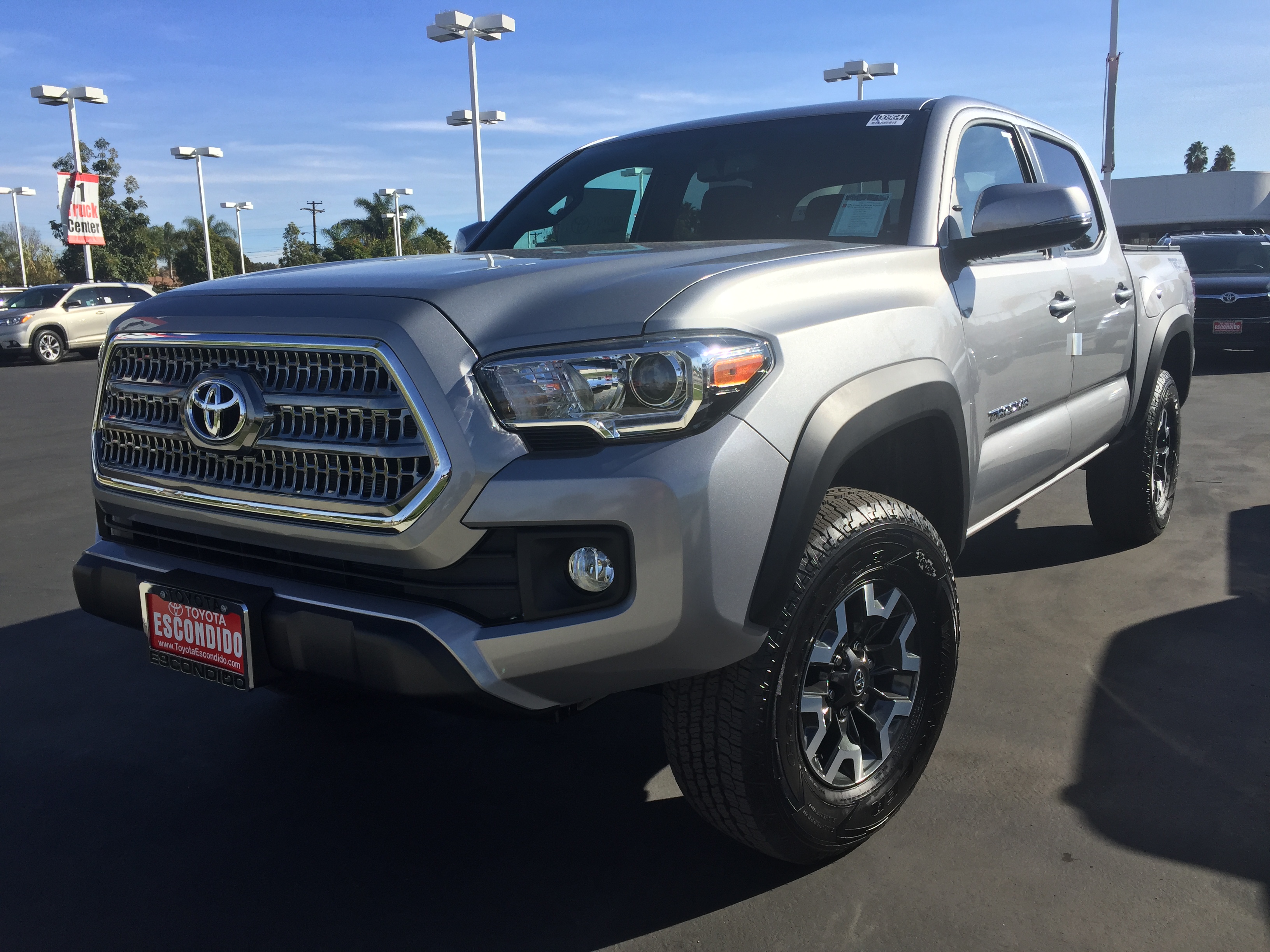
Toyota Tacoma
"...est thing was that the truck looked like a Toyota Tacoma with a Ram grill and they actually printed them, ..."
The Toyota Tacoma is a mid-size pickup truck. It’s designed to be tough and useful for everyday driving and light off-road use. In the podcast, it’s used as a reference because the truck’s shape is similar.
The Toyota Tacoma is a mid-size pickup truck known for durability and off-road-friendly capability. In the podcast, it’s referenced as a visual comparison point—someone described a truck as looking like a Tacoma with a different grille. That kind of mention usually points to Tacoma’s recognizable truck proportions and styling cues.
Southern California FuelFest
"Southern California FuelFest is coming up and it's in your town. So you should go. Orange County Fairgrounds in Costa Mesa, June 13th."
FuelFest is a car event in Southern California. The hosts say it includes car shows and drifting, plus other fun stuff, and they give the date and location so you can go.
Southern California FuelFest is a regional car event that blends multiple automotive activities—car shows, drifting, and live entertainment. In this segment, the hosts use it as a call-to-attend event and provide the date, venue, and typical schedule.
Orange County Fairgrounds
"Orange County Fairgrounds in Costa Mesa, June 13th. It's usually an afternoon and night event, 2 p.m. to night p.m."
This is the fairgrounds in Costa Mesa where the FuelFest car event is happening. The hosts mention it because that’s where you’d go to see the car shows and drifting.
Orange County Fairgrounds is the venue for Southern California FuelFest, a car-focused event that typically runs from afternoon into the night. In this episode, it’s specifically tied to the June 13th date and the Costa Mesa location.
drifting
"There's going to be car shows, going to be drifting. There's a concert series that's going on."
Drifting is a driving style where the car is intentionally steered to maintain a controlled slide while the driver manages throttle and steering to keep it moving through corners. It’s commonly featured at car events because it’s visually dramatic and showcases chassis and tire grip control.

Chevrolet Impala
"...coln Continental there used in there's a bunch of impalas and a bunch of really cool cars that are just sta..."
The Chevrolet Impala is a large, classic car made by Chevrolet. People mention it because it has a recognizable, older-style look and a long history. It’s the kind of car that shows up in collections and classic-car discussions.
The Chevrolet Impala is a full-size car that’s especially remembered for its classic styling and long production history. In the podcast context, it’s brought up as part of a group of “really cool cars,” suggesting it’s notable for collectors and enthusiasts. The Impala often gets discussed when people talk about memorable American classics.
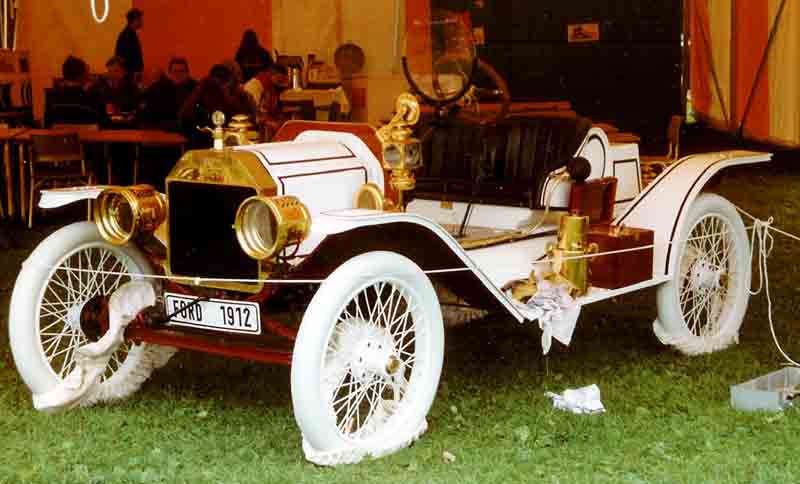
Ford Model T
"And it's pretty cool, but it makes me remember it reminds me of when I was in Nebraska growing up and they used to use cars a lot in the Midwest for landfill and along creeks and things like that. And there was this one gas station that I used to go to and they had like cut a hill away to put the gas station in and you could see like Model T's in the dirt. And it was like it was so wild."
Request an Explanation
Heard something you'd like explained? We'll add it to this episode.
Sign in to request explanations for terms you heard.
Want to learn more?
Browse our glossary for plain-English explanations of automotive terms, jargon, and concepts.
Help improve this episode
See something that's not quite right? Our annotations are AI-generated and can sometimes miss the mark. Click the flag icon on any annotation to suggest a correction.