What Happened to the Amer. Convertible?, Monthly Car Payments New Record - Shift & Steer EP576
About this episode
Summer travel, brutal heat, and car ownership costs drive a loose, funny conversation that starts with missing co-hosts and motorhome prep before turning into a deep dive on today’s sky-high monthly payments. The hosts discuss why average new-car payments have hit record levels, how negative equity and long loan terms trap buyers, and why EVs are often the best place to find real deals. They also swap personal financing stories and compare motorhome adventure life with hotel travel.
This is Shift and Steer, your quick-hit automotive news podcast.
On this episode #576:
• Brad Fanshaw's Muscle Car Tech on YouTube @TheBradFanshaw Channel
• Monthly Car Payments Hit Record High!
• KIA K4 GT Turbo
• What Happened to the American Convertible?
• bonspeedStreetWear.com & drinkbravago.com
Let us know your thoughts about our shows; hit us up on Instagram @ShiftSteerMedia or [email protected].
VISIT US ONLINE: https://www.shiftandsteer.com/
FOLLOW US IN INSTAGRAM: @ShiftSteerMedia
@Bradley_Fanshaw
@bonspeed_Street_Wear
@Motorator
@AaronHagar
Hosted by Simplecast, an AdsWizz company. See pcm.adswizz.com for information about our collection and use of personal data for advertising.
TireRack
"Whether you're looking for expert recommendations or know exactly what you want, TireRack makes it easy. Fast, free shipping, free road hazard protection, and convenient installation options."
TireRack is a company that sells tires and helps you choose the right ones. They also share reviews and tire test info to make it easier to decide.
TireRack is a tire retailer that helps shoppers pick tires using test results, ratings, and customer reviews. It also offers services like shipping and installation options.
road hazard protection
"Fast, free shipping, free road hazard protection, and convenient installation options."
Road hazard protection helps pay for certain tire damage caused by things on the road, like nails or debris. It can make a surprise flat or puncture less expensive.
Road hazard protection is coverage offered with some tire purchases to help with damage from punctures or impacts like nails, debris, or potholes. The exact terms vary by provider, but it’s meant to reduce the cost of unexpected tire damage.
Progressive Insurance
"This episode is brought to you by Progressive Insurance. Do you ever think about switching insurance companies to see if you could save some cash?"
Progressive Insurance sells car insurance. They also offer discounts if you bundle your car insurance with your home insurance.
Progressive Insurance is an auto insurance provider that offers policies for vehicles and also bundles discounts with home insurance. The segment emphasizes checking eligibility to save money by bundling.
bundle your home and auto policies
"Just drop in some details about yourself and see if you're eligible to save money when you bundle your home and auto policies."
Bundling means getting your home and car insurance from the same company. Often, that earns you a discount.
Bundling means buying multiple insurance policies from the same insurer—here, home and auto—to qualify for a discount. It’s a common way insurers reduce customer acquisition costs and reward multi-policy customers.

motorhome
"Other than the convenience of the motorhome and being able to like just pull over and grab something to eat or use the restroom or whatever, I'm looking at it."
A motorhome is basically a house on wheels that you can drive and sleep in. They’re talking about how it’s convenient because you can stop for meals or use the bathroom without needing a hotel.
A motorhome is a self-contained recreational vehicle (RV) where the living space is built into the vehicle, so you can drive and sleep in the same unit. The host discusses the practical side of RV travel—like where it parks overnight and the convenience of having a restroom and kitchen on hand.
hook up
"I'm going, I could take a brand new suburban on the road and stay in hotels because by the time I pay for the space to rent, you know, where the motorhome sits at night and I hook up, it's about the same."
In RV context, “hook up” usually means connecting the motorhome to campground utilities (most commonly electricity, and sometimes water and sewer). It’s part of why RV stays can cost money, because you’re paying for the site where you can connect and use those services.

Jeep
"It's, the only thing I haven't bought yet is the Jeep to pull behind it. So that'll be the second trip."
A Jeep is a type of vehicle made by Jeep. They’re talking about buying one to pull behind the motorhome so they can drive separately when they arrive somewhere.
A Jeep is a brand of vehicles commonly used as a tow vehicle for RV trips, because many models can be configured for towing behind a motorhome. Here, the host says they haven’t bought the Jeep yet, implying it will be used for the second part of the trip.
car payment
"but then I started looking at the average cost of car payments nowadays, Matt. Right. You know, in the second quarter, excuse me, the first quarter of 2026, the average American car payment is now $777."
A car payment is what you pay each month to pay off your car loan. If those payments are high, it can make it harder to afford a car without stretching the loan terms.
A car payment is the recurring monthly amount you pay to repay an auto loan (principal plus interest). When average payments rise, it can reduce affordability and increase the chance of taking on larger loans or longer terms.
negative equity
"Edmunds, head of Insights, and she basically brought in and said another thing that's happening is more and more people are getting into a situation, a lot of times not their fault, of having to roll in negative equity into the next car loan."
Negative equity means your car is worth less than what you still owe on it. If you trade it in, the difference usually gets rolled into the next car loan, so you end up borrowing more than the new car costs.
Negative equity is when you owe more on your current car loan than the car is worth. When you trade in, that shortfall gets added to the new loan, which can make the new loan amount larger than the new car’s price.
new car price
"Well, the average. The vicious cycle. The average new car price right now is $52,000. So like you said, if you're trading something in that you're upside down on..."
New car price is basically the typical cost of buying a brand-new car. If those prices are high, it can be harder to avoid borrowing more money, especially when you’re trading in a car you still owe on.
New car price refers to the typical transaction price for brand-new vehicles. When new prices are high, it becomes easier for borrowers to end up financing more than the car is worth—especially if they’re trading in a vehicle with a loan balance.
seven years
"So like you said, if you're trading something in that you're upside down on and why are you upside down? Because almost 25% of all financing is now seven years."
Seven years is the length of the car loan. A longer loan can make the monthly payment smaller, but you may pay more overall and it can take longer for the car to catch up in value versus what you owe.
Seven years here refers to the common auto-loan term length. Longer loan terms can lower the monthly payment, but they also increase the total interest paid and can make it easier to remain “upside down” if the vehicle’s value drops faster than the loan balance shrinks.
devalue
"So it's hard to say you're ever going to own that car because it's going to devalue faster than you're paying off the..."
They’re talking about depreciation, which is how a car loses value as time goes on. If it devalues fast, you may not get much money back when you sell it.
In car buying, “devalue” is shorthand for depreciation—how much a vehicle’s value drops over time. Depreciation matters because it affects whether you can sell the car later for close to what you paid.
build equity
"you're never going to build equity. You're never going to build, well, cars, you don't really, unless it's something collectible, you never build equity..."
Equity is basically how much of the car you truly “own” financially. If the car loses value faster than you pay off the loan, you might not build any equity.
“Build equity” refers to the difference between a car’s market value and what you still owe on the loan. If the car depreciates faster than you pay down the loan, you may not build equity.
0% financing
"I bought like a year before they did the 0% financing, which would have been, that's free money there..."
“0% financing” means you borrow the money without paying interest (for that offer period). That can make the car much cheaper overall than a normal loan.
“0% financing” means the lender charges no interest on the loan for the promotional period. It can be a big deal because it reduces the total cost compared with typical auto loan rates.
electric vehicle
"So there are deals mostly on EVs. So if you're looking for an electric vehicle..."
An electric vehicle (EV) runs on electricity from a battery instead of gasoline. The host is talking about EVs because there are often special deals on them.
An “electric vehicle” (EV) is a car powered primarily by electricity stored in a battery, rather than by a gasoline engine. The host discusses EVs specifically because they’re often the focus of manufacturer incentives and discounting.
lease deals
"So if you're looking for an electric vehicle, maybe not necessarily our core audience here on Chimps and Seer, but if you are, there are some pretty good lease deals on it..."
A lease is like renting the car for a fixed time with set payments. The host is saying leasing can be a cheaper way to try an EV and then decide later if you want to buy it.
“Lease deals” are promotional terms that reduce the monthly cost of driving a car for a set period. The host’s point is that leasing can be a way to access EVs at lower effective prices before deciding whether to buy later.

Mercedes EQS
"Now, if you do want an EV and you just have cash to spend, they're also great deals like the Mercedes like EQS, I think it is. Kind of that bubbly, egg-shaped, you know, EV."
The Mercedes EQS is an all-electric luxury car from Mercedes-Benz. The host is saying you can sometimes find big discounts on it compared with what it originally cost.
The Mercedes EQS is a battery-electric luxury sedan from Mercedes-Benz, known for its aerodynamic “electric grand touring” design and long-range EV positioning. The host uses it as an example of how EVs can be discounted heavily relative to their original price.
Polestar
"right? So if you just want to buy it outright, go ahead. I mean, Polestar is pulling out of the US. Volvo is going to be here. Polestar is leaving."
Polestar is a company that makes electric cars. The hosts are talking about Polestar leaving the US, which can make it harder to get parts and support later.
Polestar is an EV brand associated with Volvo/Geely, known for performance-leaning electric sedans and SUVs. In this segment, the hosts discuss Polestar exiting the US market, which affects how easy it is to buy, service, and source parts for their cars.
Volvo
"Volvo is going to be here. Polestar is leaving. So if you want like a Polestar,"
Volvo is a car company. Here, it’s mentioned as the brand that will still be around in the US while Polestar leaves, which can affect who can service your car.
Volvo is a major automaker that, in the context of this segment, is positioned as the remaining presence while Polestar exits the US. This matters because Volvo’s dealer/service network can be a practical support channel for customers in the same corporate ecosystem.
tariffs
"but there's some specifics on the [...] tariffs being too much money and some other things that happened very quickly."
Tariffs are taxes a government charges on imported goods. The hosts suggest tariffs were part of why Polestar’s US plans changed, implying the cost of bringing cars into the country became too high.
car devaluing
"Talk about car devaluing. Your car just devalued tremendously."
Car devaluing means the car becomes worth less money. If a company leaves the market, people worry about repairs and parts, so the resale price can drop fast.
Car devaluing refers to a sharp drop in a vehicle’s market value after a change that reduces future confidence—like a brand exiting a market. When support and parts availability seem uncertain, buyers price in higher risk, which can hurt resale value.
Fisker
"It's different than say like Fisker or the Karma EVs or the Fisker Ocean where [...] that company was just like, it's just gone completely."
Fisker is mentioned as an EV company that didn’t stick around. The point is that when an EV brand disappears, it can be much harder to get parts and fix the car.
Fisker is an EV startup brand referenced here as an example of a company that effectively disappeared, leaving owners with parts and repair challenges. The comparison is used to highlight how market exits can range from “still supportable” to “no parts at all.”
Karma EVs
"It's different than say like Fisker or the Karma EVs or the Fisker Ocean where"
Karma is another electric-car brand mentioned for comparison. The hosts are basically saying that if a company doesn’t last, owners may struggle to get parts and repairs.
Karma is referenced as another EV brand used for comparison. The hosts are using it to illustrate the risk of buying from smaller EV startups if the company later fails to provide ongoing parts and service support.
brick
"And you just know one of these days it's going to be, [...] yeah, we can't fix that. You got a brick."
A “brick” means a car that’s basically dead and won’t work. The worry is that if you can’t get parts or fixes, the car can end up stuck and unusable.
In EV and modern-car contexts, a “brick” is a car that can’t be repaired or made operational—effectively unusable. The hosts use it to describe the worst-case scenario when parts or service support vanish after a brand exits.
owners groups
"There's like owners groups and they're figuring some things out and they're finding some compatible parts and they're maybe"
Owners groups are communities of people who own the same car. They help each other figure out repairs and sometimes find parts that work when the official support isn’t there.
Owners groups are communities where vehicle owners share troubleshooting tips, sourcing information, and workarounds—especially important for niche or exiting brands. The segment suggests these groups help owners keep cars running by finding compatible parts.
door switches
"you can probably get away with, you know, like if door switches go bad, you can go back, well, let me trace the wiring."
Door switches are the buttons/electrical controls in the door that operate things like the windows or locks. If one breaks, you might be able to replace just that switch.
Door switches are the electrical controls in a car door (for functions like windows, locks, and mirrors). If they fail, the host suggests troubleshooting the wiring and possibly replacing the switch rather than replacing the whole door system.
junkyard
"But once the, you know, once. Or you could just like go to the junkyard, get some door handles and adapt them to your car."
A junkyard is where old or wrecked cars are dismantled for parts. People use it to find cheap replacement components instead of buying new ones.
A junkyard is a salvage yard where you can buy used parts from wrecked vehicles. The host mentions it as a practical source for door-related components when simple repairs (like tracing wiring or replacing a switch) aren’t enough.

Fisker ocean
"You know, "once the computer systems fail, if they fail and it bricks your car, it's kind of tough." At that point, then you look at it. That's when you put an LS in it. That's right."
The Fisker Ocean is an electric car. The host is saying that if the car’s computer systems fail, it can become very hard to fix, so people talk about replacing the powertrain with something else.
The Fisker Ocean is an EV whose value proposition depends heavily on its electronics and battery management. In this segment, the host is describing what happens when the car’s computer systems fail and the vehicle becomes effectively unusable (“bricks”), which is why they’re talking about an engine swap as a workaround.
LS
"That's when you put an LS in it. That's right. I was just going to go, oh, I'm going to take the Fisker ocean and, you know, gas engine, swap it. LS that thing, man."
“LS” refers to General Motors’ LS-series V8 engines (commonly swapped into other cars). The host is suggesting replacing the Fisker Ocean’s original powertrain with an LS engine as a DIY/aftermarket solution when the EV electronics become a problem.
drive shaft
"And maybe it's front wheel drive, maybe do a rear wheel drive, get a drive shaft."
A drive shaft is a mechanical part that sends power from the gearbox to the wheels. If you change how a car sends power (front vs rear wheels), you may need a different drive shaft.
A drive shaft is the rotating shaft that transfers power from the transmission to the driven axle(s). When converting a car’s layout (like changing from front-wheel drive to rear-wheel drive), you often need a compatible drive shaft and related drivetrain components.
cut and weld
"There's plenty of people out there that can cut and weld. You just call up, you get a chassis for it and, you know, just drop that body on it."
“Cut and weld” means using tools to cut metal and then join it back together. For major conversions, you often have to modify parts so everything fits correctly.
“Cut and weld” refers to fabrication work where metal is cut and reassembled to fit new components or perform a chassis/powertrain conversion. The host is describing that drivetrain and chassis changes may require custom metalwork.

Cadillac Escalade
"I can remember vividly when a $100,000 bought you something exotic, bought you something that was like, wow, you got a $100,000 car, man. Now, a $100,000 car is a Cadillac Escalade, you know."
The Cadillac Escalade is a big luxury SUV. The host is using it as a price example—showing that $100,000 now buys mainstream luxury, not just exotic cars.
The Cadillac Escalade is a large luxury SUV, and in this segment it’s used as an example of how expensive “normal” vehicles have become. The host contrasts it with older ideas of what $100,000 used to buy.

F-150
"There's plenty of things that are up that much. You get an F-150 for that kind of money."
The Ford F-150 is a popular full-size pickup truck. The host is saying that with today’s pricing, even a truck like this can cost around $100,000 in higher trims.
The Ford F-150 is a full-size pickup truck and one of the most common “new truck” benchmarks in the U.S. Here it’s mentioned to emphasize that $100,000 can also buy high-trim versions of mainstream trucks.

Chevy truck
"I would rather drive something like that if it drove like a brand new, you know, [1119.8s] Chevy truck."
They’re using “Chevy truck” as an example of the kind of pickup feel they want. It’s basically shorthand for a new Chevrolet pickup.
“Chevy truck” refers to a pickup from Chevrolet (often called “Chevy” for short). The host uses it as a benchmark for what they’d prefer to drive—something that feels like a brand-new Chevrolet truck.
Toyota Tacoma
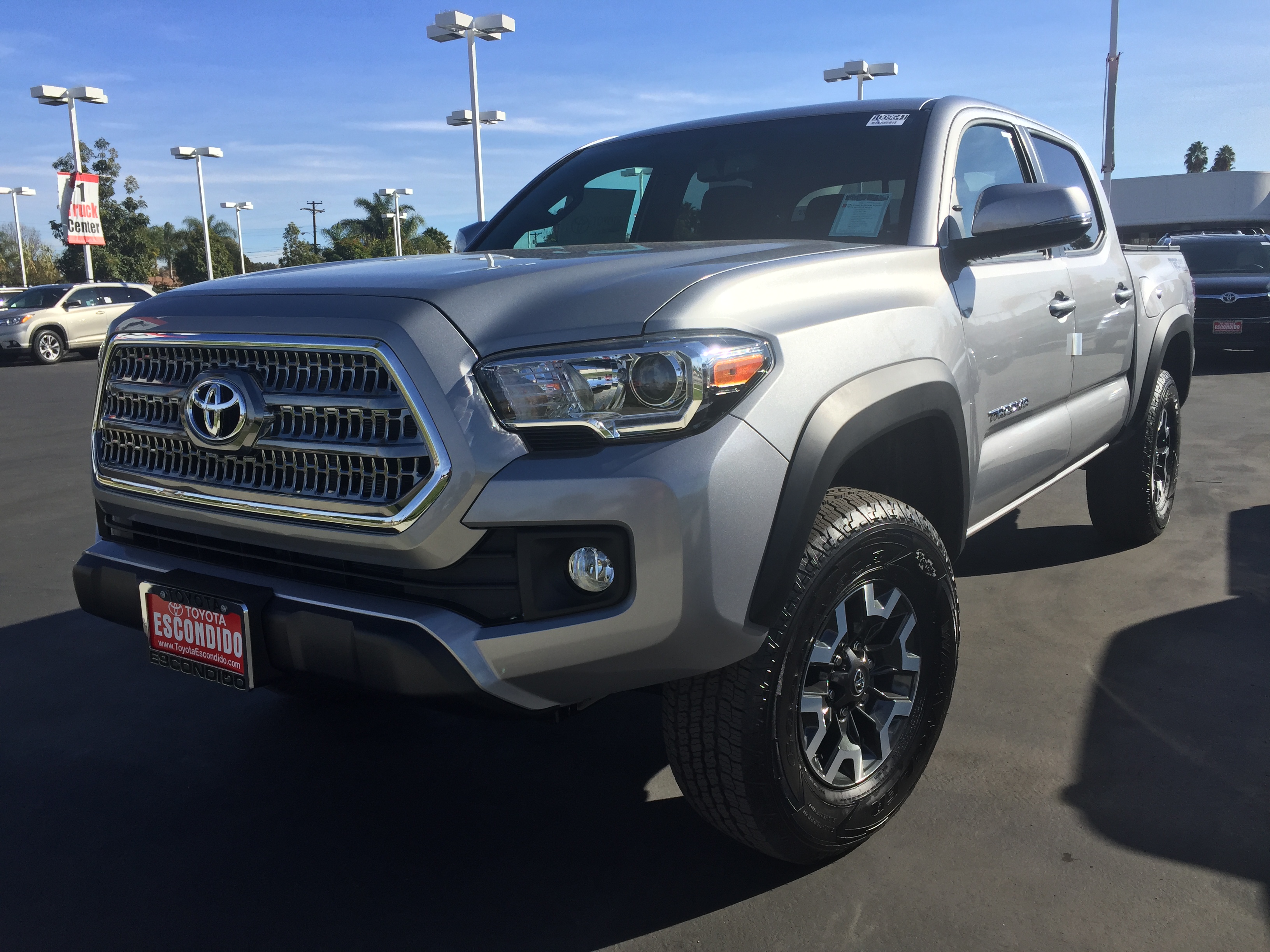
"got a, Matt. You know what is coming along very soon is that Toyota, they're going to start building [1138.7s] the Tacoma here in the United States by 2030."
The Toyota Tacoma is a popular pickup truck. In this segment, they’re talking about Toyota making it in the U.S., which can change how available and affordable these trucks are.
The Toyota Tacoma is a midsize pickup truck known for its off-road capability and strong popularity in the U.S. The hosts discuss Toyota building the Tacoma in the United States, which matters because it affects supply chains, pricing, and how quickly parts and trucks can be produced locally.
San Antonio, Texas
"they're putting on a whole new plant in San Antonio, [1145.9s] Texas, and they're, they're dropping about $3.6 billion to do that."
They’re talking about a new Toyota factory planned for San Antonio, Texas. That location matters because it’s tied to jobs and where the trucks are built.
San Antonio, Texas is the specific location where Toyota plans to build a new plant for the Tacoma. For listeners, this is a real-world manufacturing shift that can influence local jobs and the truck’s production timeline.
agreement between Mexico and America
"they are trying to get the, gosh, I can't remember what it's called now, but the agreement between [1219.0s] Mexico and America that, that Trump got rid of, because a lot of the parts were made down across the border."
They’re talking about a trade deal between the U.S. and Mexico. The point is that car parts often cross the border during production, so the rules can affect how hard it is and how expensive it is to build cars.
The “agreement between Mexico and America” refers to a trade framework that affects how easily parts can cross the U.S.-Mexico border for vehicle production. The host says a prior administration removed it, and manufacturers want it back because many parts are made across the border.

Nissan pickup truck
"Have you noticed that it used to be when you saw a Toyota or a Nissan [1253.2s] pickup truck, you said right away, wow, that's a Nissan."
They mention Nissan pickup trucks as an example of how different brands can start looking alike. The focus here is on styling, not a specific model.
The Nissan pickup truck is mentioned as an example of how brands can start to look similar over time. The host’s point is about design language becoming more uniform across different manufacturers.

Honda Ridgeline
"They all kind of have, I mean, even Honda, even the Honda Ridgeline is starting [1266.7s] to look like I saw one the other day and I go, it's a weird looking Chevy."
The Honda Ridgeline is a Honda pickup truck. The host is basically saying it can look like another brand’s truck until you get closer and notice it’s actually a Ridgeline.
The Honda Ridgeline is a midsize pickup truck known for its car-like ride and unibody construction (unlike many body-on-frame trucks). Here it’s used to illustrate the host’s observation that modern pickups from different brands can look surprisingly similar at a glance.

Hyundai Santa Cruz
"I, I do except for the Hyundai Santa Cruz. Does anybody [1276.2s] have you noticed that it used to be when you saw a Toyota or a Nissan"
The Hyundai Santa Cruz is a smaller pickup from Hyundai. They’re mentioning it because it looks different from what they’re seeing in other trucks.
The Hyundai Santa Cruz is a compact crossover-style pickup that stands out because it doesn’t follow the most common “traditional pickup” styling cues. The host brings it up as an exception to their “they all look alike” observation.
supercharging
"They, I mean, you got to hand it to Musk in that he nailed that supercharging and made it kind of like the, the one you want to have"
Supercharging is Tesla’s fast way to charge an electric car. Instead of waiting a long time, you can add a lot of range relatively quickly at special charging stations.
Supercharging refers to Tesla’s high-power DC fast-charging network and the process of charging an EV quickly at those stations. The host credits it with making Tesla EVs feel more convenient and “easy” for everyday use.
Falcon doors
"Yeah, his wife had the Model X. The Model X. Yeah, the Falcon doors."
“Falcon doors” are the Model X’s special rear doors that open upward. They help you get in and out more easily, especially when parking is tight.
“Falcon doors” is the nickname for the Model X’s upward-opening rear doors. They’re designed to make getting in and out easier in tight parking spaces and are a signature styling feature of the Model X.
warranty issues
"there's been a lot of problems with the doors, I guess, a lot of warranty issues, a lot of, and now that they're out of warranty, they're super expensive to fix"
“Warranty issues” means the car had problems that were supposed to be covered, but the warranty situation wasn’t smooth. The host is saying that can lead to expensive repairs later.
“Warranty issues” refers to problems where a vehicle’s covered repairs are denied, delayed, or repeatedly needed under the manufacturer’s warranty terms. The host is using it to explain why certain used EVs can become costly after coverage ends.
out of warranty
"and, and now you can buy them for like $30,000, ... And, and they said, but there's been a lot of problems with the doors, I guess, a lot of warranty issues, a lot of, and now that they're out of warranty, they're super expensive to fix"
“Out of warranty” means the car is no longer covered by the manufacturer’s included repair coverage. For expensive components (like door mechanisms), that can shift costs to the owner and make problems feel much more severe once coverage ends.

Model S
"So, yeah. So that one and the Model S, the one that started it all, I think they, they stopped making those. Right."
The Tesla Model S is a fully electric car. The point here is that older ones can develop expensive problems once the warranty is over, especially with things like doors.
Tesla Model S is an all-electric luxury sedan that helped kick off the modern EV boom in the U.S. The host is discussing how earlier Model S units are now out of warranty, which can make repairs—like door-related issues—much more expensive.

Model 3
"So that one and the Model S, the one that started it all, I think they, they stopped making those. Right. ... I mean, you can get a Tesla, like a Model S, I think, and the Model, ... there's a Model 3, a Model 3. The Model 3 and the Model Y is the, the SUV and the little four door."
The Tesla Model 3 is Tesla’s popular electric sedan. The host is saying you can often buy used ones for much less than when they were new.
Tesla Model 3 is a mass-market electric sedan that became one of the highest-volume EVs. The host is contrasting newer, more expensive examples with used ones that sell for far less, implying a big depreciation curve.

Model Y
"The Model 3 and the Model Y is the, the SUV and the little four door. Right. And they sold so many of those. So many. You get them for like $20, $25,000."
The Tesla Model Y is Tesla’s electric crossover. The host is saying it’s so common that you can find used ones for relatively low prices.
Tesla Model Y is Tesla’s compact electric crossover (SUV-style) built on the same general EV platform strategy as the Model 3. The host groups it with the Model 3 as a high-volume Tesla that’s widely available used at much lower prices.

Polestar
"Yeah. You know, it's funny, we were thinking the Polestar, but that's, you know, I don't see many of those out there. No, I do see them, but not many."
Polestar is an electric-car brand. The host is basically saying they don’t see many of them, so they’re wondering how many were sold.
Polestar is an EV brand, and the host is considering it as a possible example of a model that doesn’t show up often on the road. The key point is about real-world presence/volume: fewer cars sold means fewer sightings.

Dodge Charger
"Now, those are the EVs. Like when you get into, you know, whatever we, it is now EV and gas engine, I don't see the new Dodge Charger. It didn't do well. The EV was terrible."
The Dodge Charger is a famous muscle-car model. The host is saying when Dodge tried an EV version, it didn’t click with the people who usually buy Chargers.
The Dodge Charger is a long-running American muscle-car nameplate. The host is criticizing a newer EV version of the Charger, arguing it didn’t match the expectations of the brand’s traditional muscle-car customer base.
EV
"And then the EV, even if it performed well, it wasn't going to resonate with that customer."
EV just means an electric car. Instead of burning gasoline, it runs mainly on electricity from a battery.
EV stands for electric vehicle, meaning the car is powered primarily by one or more electric motors instead of a traditional gasoline engine. In this segment, the hosts are discussing whether an EV version will appeal to a specific buyer group.
six cylinder
"then they put the six cylinder in it and it's got power, you know, we get 500 horsepower, I think 550 horsepower, but without the V8, it's just not going to be the same."
“Six cylinder” means the engine has six cylinders. More cylinders usually changes how the engine sounds and delivers power compared with a V8.
A six-cylinder engine has six combustion cylinders working in sequence to produce power. Here, the host is contrasting a six-cylinder setup against a V8, arguing that the driving feel and buyer perception won’t be the same without the V8 sound/character.
V8
"but without the V8, it's just not going to be the same. So now the question is going to be on something like that would be, would be, will the V8's, will the V8 help that car or are people over it?"
A V8 is an engine with eight cylinders arranged in a V shape. People often like V8s for their character—sound and how they feel when you drive.
A V8 is an engine with eight cylinders arranged in a “V” shape. Enthusiasts often associate V8s with a particular sound and feel, and this segment argues that removing the V8 can hurt how the car “resonates” with buyers—even if power numbers are high.
shared platform
"but the thing about that is that's a shared platform. So that's under the Escalade and the Silverado EV."
A shared platform means different cars use the same basic “bones” and engineering. That can make it cheaper to build several models instead of designing each one from scratch.
A shared platform means multiple vehicles are built using the same underlying architecture (major structural components and engineering base). The host argues this helps spread development and production costs across more models, improving the business case if one model doesn’t sell as well.

Silverado EV
"but the thing about that is that's a shared platform. So that's under the Escalade and the Silverado EV."
The Silverado EV is the electric version of the Silverado pickup truck. The host is saying it benefits from GM using the same underlying platform across different models.
The Chevrolet Silverado EV is an electric version of GM’s full-size Silverado pickup. In this segment, it’s used to illustrate how GM can spread development costs by sharing a platform across multiple vehicles, including an EV truck.
universal EV platform
"Right. And that's kind of what Ford's big plan is on having this universal EV platform."
A universal EV platform is one shared design that automakers can use for lots of different electric cars. The idea is to make EVs cheaper and faster to build by reusing the same base.
A universal EV platform is a single standardized vehicle architecture intended to underpin many different EV models. The host frames it as Ford’s big plan: using one platform to reduce cost and speed up development across multiple EVs.
Ford
"Right. And that's kind of what Ford's big plan is on having this universal EV platform."
Ford is a car company. In this part, they’re talking about Ford’s plan to build many electric vehicles using the same basic platform.
Ford is the automaker discussed here as the company pursuing a universal EV platform strategy. The host is using Ford as an example of how manufacturers plan EV lineups around shared engineering foundations.
$30,000 EV truck
"The first is going to be their small truck, their small EV, to kind of compete with Slate. It's a $30,000 EV truck that's developed here"
They’re talking about aiming for a relatively low price for an electric pickup—around $30,000. The idea is to make EV trucks more reachable for more buyers.
This refers to a target pricing point for a Ford electric pickup truck, framing it as an affordable entry into the EV market. The host uses the price to emphasize the strategy of competing on cost as well as product.
Hummer EV
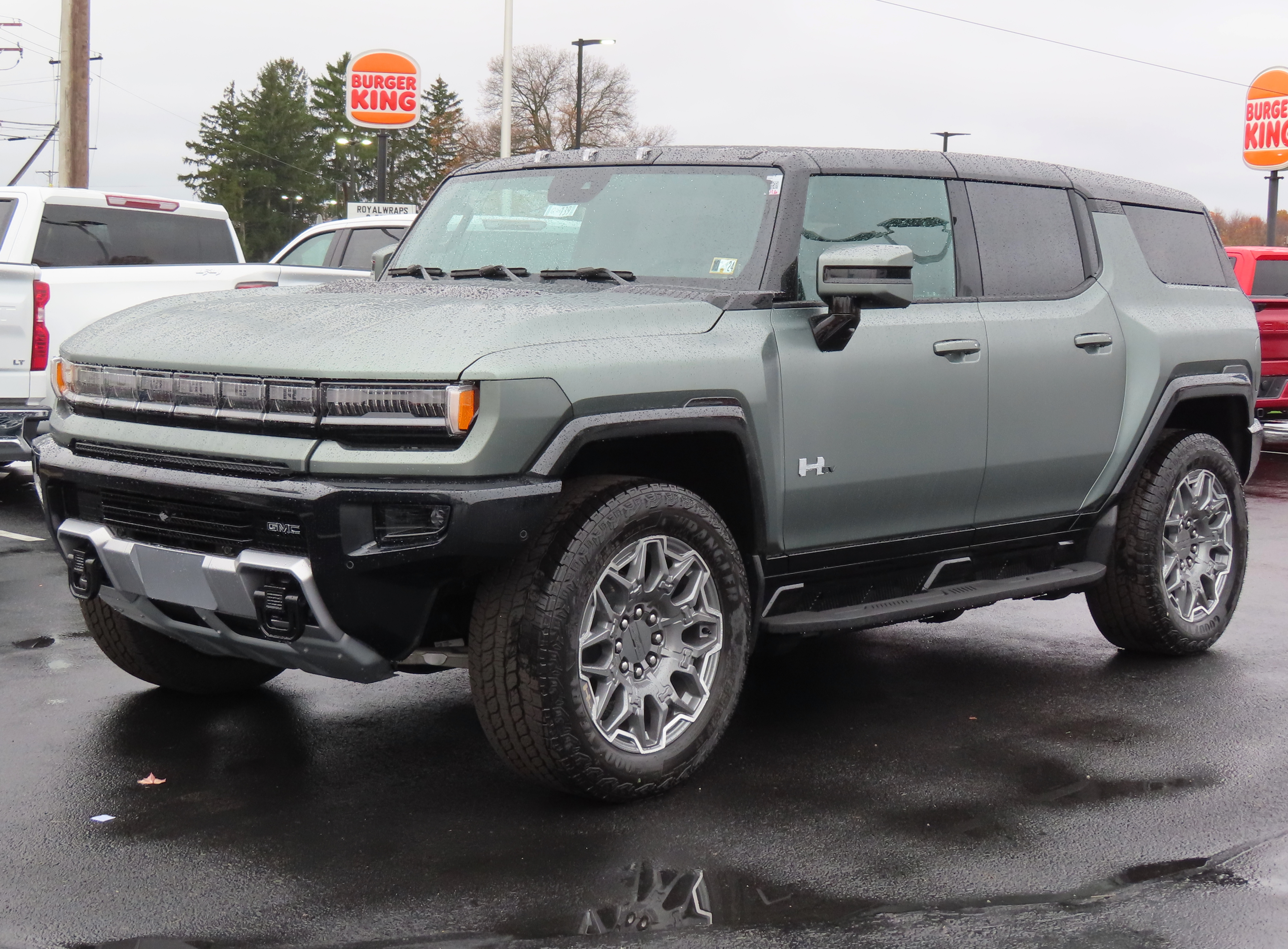
"I'm looking at sales results for the USA Hummer EV. Yeah. How much do each of these cost them? ... the whole entire year, they only sold 15,788 vehicles."
The Hummer EV is an electric Hummer vehicle from GM. The hosts are talking about how many they’re selling in the U.S., and whether that demand is strong or weak.
The Hummer EV is an all-electric Hummer pickup/SUV line from General Motors, known for its off-road styling and heavy-duty electric torque. In this segment, the hosts focus on U.S. sales numbers, which helps explain how the EV’s market demand is tracking versus expectations.

Chevy Colorado's
"I've been seeing them showing up and they come from the factory, kind of hot rotted with kind of an off-road look, but the Colorado's. ... they've got the upgraded suspension, the bigger wheels and tires, and like a roll bar and stuff on them."
The Chevy Colorado is a mid-size pickup truck. The host likes the newer off-road look and says it has upgrades like better suspension and bigger tires for rougher driving.
The Chevrolet Colorado is a mid-size pickup, and the hosts are specifically praising the newer Colorado’s off-road-oriented appearance and upgrades. They mention features like an upgraded suspension, bigger wheels and tires, and a roll bar, which are common ways manufacturers improve stance and trail capability.
upgraded suspension
"They've got the upgraded suspension, the bigger wheels and tires, and like a roll bar and stuff on them."
Suspension is what helps the truck ride over bumps and keep the tires in contact with the road. Upgrading it usually makes the truck handle rough terrain better.
Suspension is the system that connects the wheels to the vehicle and controls ride height, wheel travel, and how the truck absorbs bumps. An upgraded suspension typically means improved shock/strut tuning and/or lift components to better handle rough roads and off-road impacts.
bigger wheels and tires
"They've got the upgraded suspension, the bigger wheels and tires, and like a roll bar and stuff on them."
Bigger wheels and tires can help a truck grip better and clear obstacles on rough roads. They can also change how the truck feels when driving.
Bigger wheels and tires change the truck’s contact patch and ride/handling characteristics. Larger tires can improve off-road traction and obstacle clearance, while wheel size can also affect ride comfort and steering feel.
roll bar
"They've got the upgraded suspension, the bigger wheels and tires, and like a roll bar and stuff on them."
A roll bar is a protective frame that helps keep you safer if the vehicle rolls over. It’s common on off-road trucks and adds a tougher look too.
A roll bar is a protective structure—often used on off-road vehicles—to help protect occupants if the vehicle tips over. It can also be part of a vehicle’s rugged, trail-ready hardware package.

suburban
"it's not like my suburban where I could put it on the roof rack, you know, or 12-foot, you could even open the back, shove it all the way forward on the center console and fit it in there"
The Suburban is a big SUV with lots of space. The host is comparing it to a smaller truck because the Suburban can carry long items more easily.
The Chevrolet Suburban is a full-size SUV known for large interior volume and cargo space. The host mentions using a roof rack and fitting long items, using the Suburban as an example of why a smaller truck bed can be harder for hauling.

Yukon XL
"but, wow, they got incentives on Yukon XLs? Didn't [2035.0s] know that. I have to look into that. I can get a Yukon XL 2026 four-wheel drive. I don't need [2042.9s] four-wheel drive."
The GMC Yukon XL is a large SUV with extra space (it’s the longer version). They’re talking about a lease deal and how mileage limits can affect the total cost.
The GMC Yukon XL is the longer-wheelbase version of the Yukon, built as a full-size family SUV. The segment focuses on lease math and incentives, including a 2026 Yukon XL four-wheel-drive offer and the tradeoffs of mileage limits.

2025 GMC Hummer EV
"Okay. That doesn't make a lot of sense. Oh, a 2025 GMC Hummer EV [2059.3s] is $9.99 a month for 24 months with 12,000 due at signing."
The 2025 GMC Hummer EV is an electric Hummer, using an EV powertrain instead of a traditional gasoline engine. The hosts compare its lease pricing and incentives against other high-end EVs, and they call out how lease mileage charges can change the real cost.
due at signing
"Oh, a 2025 GMC Hummer EV [2059.3s] is $9.99 a month for 24 months with 12,000 due at signing."
“Due at signing” is the money you have to pay right when you sign the lease. It’s separate from the monthly payment, so it matters when you’re comparing offers.
“Due at signing” is the amount you pay upfront when you sign a lease agreement, before monthly payments begin. The hosts compare deals by including these upfront costs, since they can significantly change the effective price of the lease.

Porsche Taycan
"And here's what always gets me. [2071.8s] That's Porsche Taycan money. That's Porsche Panamera money."
The Porsche Taycan is Porsche’s electric car. They’re using it as a reference point to say the Hummer EV deal feels like it’s priced in the same league as a luxury EV.
The Porsche Taycan is Porsche’s all-electric sports sedan, known for high-performance EV dynamics. The hosts use “Taycan money” as a shorthand to say the Hummer EV lease terms feel expensive compared with typical mainstream EV deals.

Porsche Panamera
"That's Porsche Taycan money. That's Porsche Panamera money. Yeah. And mileage charge is what always [2079.4s] gets me on a lease."
The Porsche Panamera is a luxury sedan from Porsche. They’re using it as another example of “this feels expensive,” like you’d expect from a high-end Porsche.
The Porsche Panamera is Porsche’s luxury performance sedan (not electric by default, though there are plug-in hybrids). The hosts reference it as another benchmark for “expensive” lease pricing, implying the Hummer EV’s payments resemble luxury-car territory.
mileage charge
"Yeah. And mileage charge is what always [2079.4s] gets me on a lease. 25 cents a mile over 20,000 miles."
On a lease, you’re given a mileage allowance. If you drive more than that, the contract charges you extra per mile.
A mileage charge is the fee a lease customer pays when they exceed the allowed miles in the contract. In this segment, the hosts cite a per-mile penalty (25 cents per mile over a set limit), which can make a “cheap” monthly payment more expensive in real life.
Yukon
"So, $10,000 or $10,000 miles a year. [2102.9s] I drive more than that. I don't want to have a vehicle that I sit there and I go,"
The GMC Yukon is a big full-size SUV. They’re using it as an example to compare how many miles you’re allowed on a lease and how that affects cost.
The GMC Yukon is the standard-length full-size SUV in the same family as the Yukon XL. Here, the hosts use it to compare lease mileage allowances (30,000 miles over three years) and explain why the “per year” mileage limit matters for drivers who rack up more miles.

GMC Sierra EV
"And here's what always gets me. [2114.5s] If you want [2114.5s] the GMC SUV, it's $1,099 a month with 13-1 due at signing. And what's the Sierra EV? [2127.4s] Oh, the Sierra EV. While the Sierra EV, you can get for $5.99 a month."
The GMC Sierra EV is an electric version of the Sierra pickup. They’re talking about a lease price and why lease terms (like mileage limits) can still make it costly.
The GMC Sierra EV is an electric pickup truck in the Sierra lineup. The hosts mention a low monthly lease-style offer and then critique it using the same themes—leasing vs owning and how mileage limits can make the deal less attractive.

Kia K4 Turbo GT
"All [2158.1s] the money's gone. So, have you seen that Kia, speaking of new cars, have you seen that Kia [2165.8s] K4 Turbo GT? Yeah, the little wagon."
The Kia K4 Turbo GT is a Kia with a turbocharged engine and a sportier trim level. They’re bringing it up as a new-car example and will talk about it next.
The Kia K4 Turbo GT is a Kia model variant positioned as a sportier, turbocharged trim. The hosts mention it as a “new car” topic and plan to discuss it after a break, suggesting it’s part of the next segment’s focus.
tread
"Tread confidently with new tires from TireRack. Whether you're looking for expert recommendations or know exactly what you want, TireRack makes it easy."
Tread is the rough pattern on the outside of the tire. It’s what actually grips the road, especially in rain, and it also affects how long the tire lasts.
Tread is the textured rubber on the outside of a tire that contacts the road. Its pattern and compound affect grip, wet-weather performance, and how quickly the tire wears.

Kia
"All right, so you were talking about the Kia. Yes, the Kia, the little GT turbo hatchback. It's a cool little car, isn't it?"
They’re describing a Kia turbo hatchback. It has a small 1.6-liter engine with a turbo, and it uses an automatic transmission with paddle shifters so you can shift manually.
The host is talking about a Kia turbo hatchback, specifically a “GT turbo hatchback” in their price discussion. The key details they mention are a 1.6-liter four-cylinder with a turbo, plus an eight-speed automatic with paddle shifters.
shooting brake
"And have a good looking sporty little car that gives you that kind of shooting brake feel. Now, you're only going to get a 1.6 liter four cylinder, but it does have a turbo"
A shooting brake is a car shape that looks sporty like a coupe but has more space like a wagon. It usually has a sloping roof and a practical rear for cargo.
A shooting brake is a body style that blends the look of a coupe with the practicality of a wagon. It typically has a longer rear roofline and a more stylish, compact cargo shape than a traditional station wagon.
eight speed automatic
"Now, you're only going to get a 1.6 liter four cylinder, but it does have a turbo, an eight speed automatic, and it does have like paddle shifters where you can manually shift it"
This means the car’s automatic transmission has eight different gear ratios. It helps the car shift smoothly and can improve how responsive it feels.
An eight-speed automatic is a transmission with eight forward gears that automatically selects the best gear ratio. More gears can help keep the engine in a more efficient or responsive range.
paddle shifters
"Now, you're only going to get a 1.6 liter four cylinder, but it does have a turbo, an eight speed automatic, and it does have like paddle shifters where you can manually shift it"
Paddle shifters are the little levers on the steering wheel. They let you tell the automatic transmission when to shift, instead of letting it decide everything.
Paddle shifters are controls behind the steering wheel that let you manually command upshifts and downshifts. They’re typically used to make the automatic transmission feel more engaging.
0 to 60
"and it does have like paddle shifters where you can manually shift it and have a little bit of fun with it. And it's not even bad at the turbo, 0 to 60 at about 7.2"
“0 to 60” measures how fast a car goes from standing still to 60 mph. Lower time usually means quicker acceleration.
“0 to 60” is shorthand for how many seconds it takes a car to accelerate from 0 mph to 60 mph. It’s a common way to compare straight-line acceleration between cars.

Ram TRX
"like that. But for a car, a daily driver car that you could take on the weekends to go out and [2581.2s] adventure and haul groceries home and all that kind of stuff. Not bad at all. [2581.2s] You know, the other end of the spectrum we were talking about trucks is, you know, when I do [2586.0s] car casts with Goldberg, he's a big truck guy. He's a Ram TRX guy."
The Ram TRX is a super-powerful pickup truck. It’s meant to be fun both on the street and off-road, not just for hauling.
The Ram TRX is a high-performance pickup built for off-road and street use, known for its big power and aggressive stance. In this segment, it’s used as an example of a truck enthusiast’s daily-life “play” vehicle.
Ram Rumblebee
"You know, not that he doesn't love his muscle cars and stuff, but when Ram came out [2600.4s] with that Rumblebee, the street truck version, right? 777 horsepower lowered adjustable suspension. [2608.7s] And a little bit shorter, it's not a standard cab two door, but it's the four door, but it's a little [2614.8s] bit shorter doors in the back."
The Ram Rumblebee is a performance pickup meant to feel more street-ready than a hardcore off-road truck. It’s described as having huge horsepower and a lowered setup for faster, more aggressive driving.
The Ram Rumblebee (as discussed here) is a street-focused performance truck version of the Ram TRX formula—lowered stance, tuned suspension, and very high output. The host frames it as a “street truck” alternative to the dirt-focused TRX, with performance numbers and packaging details.
adjustable suspension
"with that Rumblebee, the street truck version, right? 777 horsepower lowered adjustable suspension. [2608.7s] And a little bit shorter, it's not a standard cab two door, but it's the four door, but it's a little [2614.8s] bit shorter doors in the back."
Adjustable suspension lets you change how the truck’s shocks/struts behave, typically to alter ride height and damping. That matters because it can improve both street comfort and performance handling depending on the setting.
extended cab
"it's not a standard cab two door, but it's the four door, but it's a little [2614.8s] bit shorter doors in the back. So it is, it's a few feet shorter than the full size like. [2620.6s] They don't call them a cab. They call them a extended cab, I think, something like that."
Extended cab is a pickup layout with extra space behind the front seats, but the rear doors are shorter than on a full four-door truck. It’s meant to fit more people than a basic two-door.
Extended cab is a pickup body style where the rear seating area exists but the rear doors are shorter than on a full four-door configuration. It’s a packaging compromise between a two-door and a full crew cab.
zero to 60
"I mean, it's going to be a price ridiculous. It's probably going to be over [2650.9s] a 100000 bucks, but I kind of dig it. That kind of power is zero to 60 in like 3.4 [2659.8s] seconds. It runs 1160s in the quarter mile, which is crazy."
Zero to 60 is a simple test: how fast the car gets from 0 to 60 mph. Faster times usually mean stronger acceleration.
Zero to 60 time is how quickly a vehicle accelerates from a standstill to 60 mph. It’s a common performance metric because it reflects launch power and traction.
quarter mile
"That kind of power is zero to 60 in like 3.4 [2659.8s] seconds. It runs 1160s in the quarter mile, which is crazy. I mean, [2667.4s] my El Camino on Nitrous ran 1160s in the quarter mile."
The quarter mile is a drag-race distance. People use the time it takes to cover it to compare how fast cars accelerate in a straight line.
The quarter mile is a drag-racing distance (about 402 meters) commonly used to compare straight-line acceleration. The “time” and trap speed in the quarter mile are key indicators of power and gearing.
El Camino
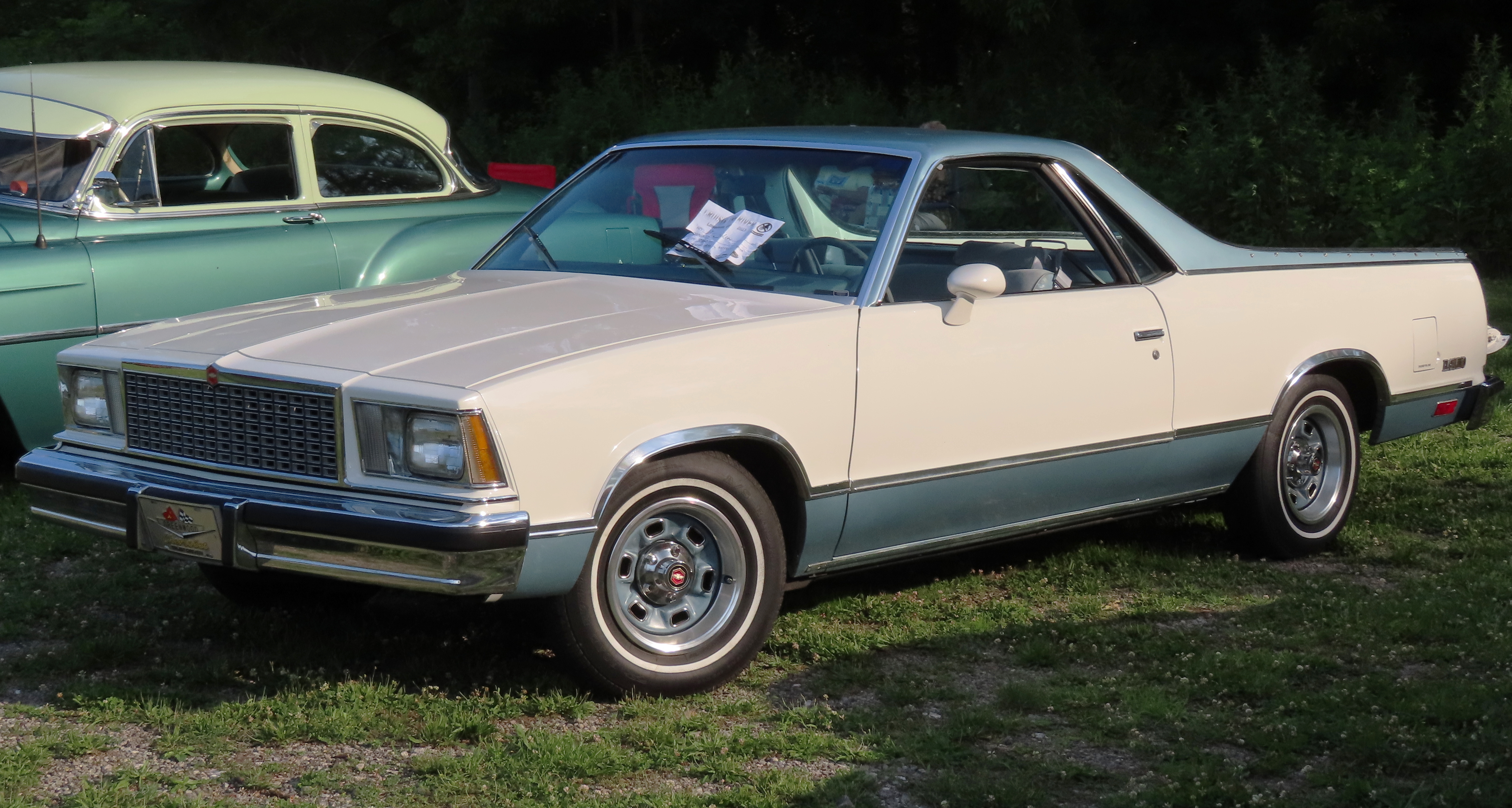
"It runs 1160s in the quarter mile, which is crazy. I mean, [2667.4s] my El Camino on Nitrous ran 1160s in the quarter mile. I mean, it's like, that's nuts. [2675.3s] And they look good. They're fun."
The El Camino is a classic Chevy that looks like a car but has a truck bed. The host mentions it to compare how fast his setup ran in a drag race.
The Chevrolet El Camino is a classic American “car-based” pickup that blends muscle-car styling with truck utility. Here, it’s used as a personal reference point for drag-strip performance when equipped with nitrous.
Nitrous
"It runs 1160s in the quarter mile, which is crazy. I mean, [2667.4s] my El Camino on Nitrous ran 1160s in the quarter mile. I mean, it's like, that's nuts. [2675.3s] And they look good. They're fun."
Nitrous is a system that adds extra power for quick acceleration. It’s commonly used for drag racing because it gives a big boost when you hit it.
Nitrous (nitrous oxide) is an aftermarket power-add system that injects gas into the engine to increase oxygen availability, allowing more fuel to burn and boosting power. It’s often used for short bursts like drag racing.
SRT-10
"as some of the other mopars that they've been building. Well, I mean, what's the market now on [2691.4s] the SRT-10 with the Viper engine, that truck? So I had the two door version, which was cool with [2697.7s] the six-speed manual."
The SRT-10 is a special Dodge pickup built for performance, and it’s famous for using a Viper V10 engine. The host is comparing how desirable these trucks are becoming over time.
The SRT-10 refers to Dodge’s high-performance Viper-engine pickup variant, known for using the V10 from the Dodge Viper. In this segment, it’s discussed as a market/collectibility reference point for the street-truck performance idea.
six-speed manual
"the SRT-10 with the Viper engine, that truck? So I had the two door version, which was cool with [2697.7s] the six-speed manual. Then when they did the four door version, I think it was only automatic. [2703.6s] But those are cool vehicles."
A six-speed manual is a gearbox where you shift gears yourself. It usually gives the driver more control over how the car accelerates.
A six-speed manual is a transmission where the driver selects gears using a clutch and a shift lever, with six forward ratios. Enthusiasts often prefer manuals because they provide direct control over gear selection for acceleration and engine braking.
convertible
"Now, does that truck come in a convertible? No, it does not. I didn't think so. Yeah, nothing comes in a convertible anymore, Matt."
A convertible is a car with a roof that can open up so you can drive with the sky overhead. The reason people stopped offering them as much is that removing the fixed roof can make the car less stiff and harder to engineer for top performance.
A convertible is a car with a roof that can be folded away, typically using a power soft-top or hard-top mechanism. The hosts discuss why convertibles became less common: they can be harder to make as rigid as a fixed-roof “hard top,” which affects structural integrity and performance.

Chevrolet Corvette
"We've got the Mustang, the Mazda MX-5, Mini Cooper, and a Chevrolet Corvette. That's about it. Other than exotics and."
The Chevrolet Corvette is a well-known American sports car. Here it’s mentioned because it’s one of the few convertibles that still manages to keep the car rigid and strong.
The Chevrolet Corvette is an American sports car famous for strong performance and a mid-engine/track-capable reputation in recent generations. In this discussion, it’s used as an example of a convertible that still maintains the structural strength convertible designs require.
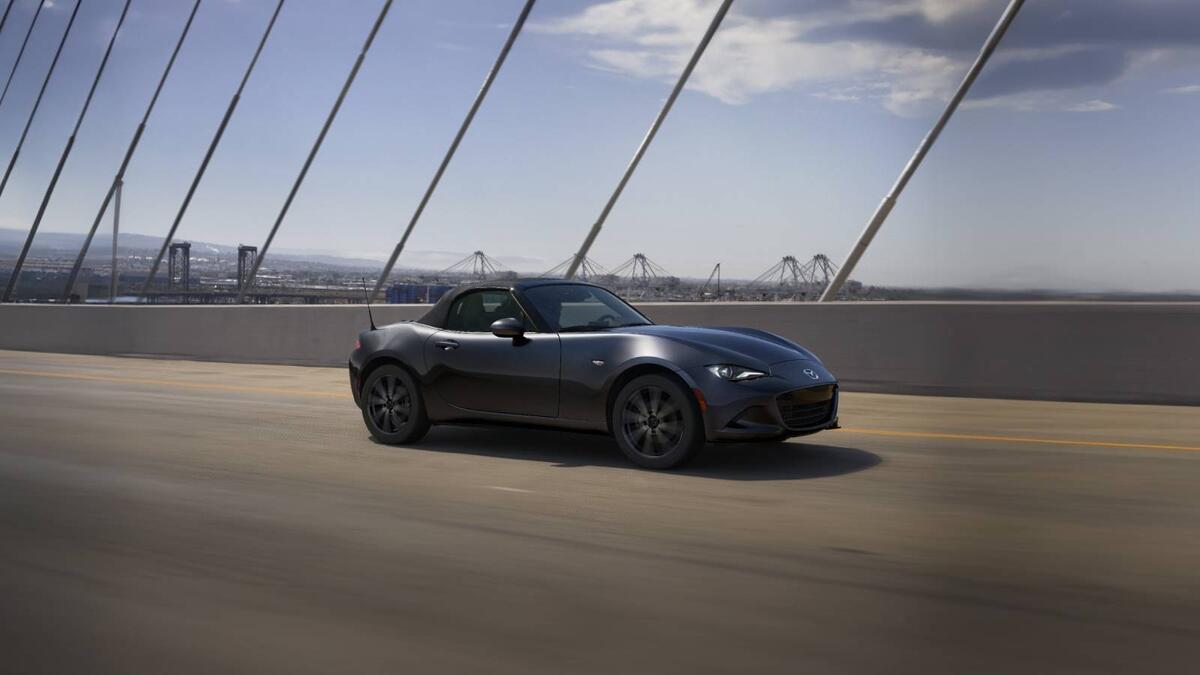
Mazda MX-5
"Well, sure there is. We've got the Mustang, the Mazda MX-5, Mini Cooper, and a Chevrolet Corvette."
The Mazda MX-5 is a small, fun roadster that’s built to feel light and nimble. In this conversation, it matters because it’s one of the few modern convertibles still available.
The Mazda MX-5 is a lightweight, affordable roadster known for being a true “driver’s car.” It’s notable here because it’s one of the few modern cars that still offers a convertible body style.

Mini Cooper
"We've got the Mustang, the Mazda MX-5, Mini Cooper, and a Chevrolet Corvette. That's about it."
The Mini Cooper is a small, characterful car that’s known for being fun to drive. In this segment, it’s brought up because it’s one of the few current convertibles.
The Mini Cooper is a compact car brand/model line known for its go-kart-like steering feel and distinctive styling. It’s mentioned here as one of the rare modern options that can be had as a convertible.

911 GT3 SC
"There's the 911 GT3 SC, right? That's the. Yeah, but see, now we're talking exotic. That thing is so cool."
This is a very rare Porsche 911 GT3 variant that’s aimed at enthusiasts who want a convertible experience. The point in the conversation is that it’s extremely expensive and uncommon compared with normal cars.
The Porsche 911 GT3 SC is a special, convertible-focused variant of the 911 GT3 line, positioned as an ultra-rare, manual-only “halo” car. It’s brought up to illustrate how expensive and niche convertibles have become in the modern supercar world.
structural integrity
"We can't get the performance out of the convertible as we can the hard top. We can't get the structural integrity the same."
Structural integrity means how strong and stiff the car’s body is. A convertible can lose some stiffness when the roof is removed, so engineers may need extra bracing to keep the car feeling solid and safe.
Structural integrity is how well a car’s body and frame resist twisting and flexing under load. Convertibles often need extra reinforcement to maintain structural integrity, because removing the fixed roof can otherwise make the chassis less rigid.
hard top
"We can't get the performance out of the convertible as we can the hard top. We can't get the structural integrity the same."
A hard top is a car with a fixed, solid roof. The idea here is that it usually makes the car stronger and less flexible than a convertible, which can improve how it drives.
A hard top is a fixed-roof body style (as opposed to a convertible). The hosts argue that hard tops generally provide better structural stiffness and “structural integrity,” which can help performance and handling because the body doesn’t flex as much.
DTC transmission
"but then the most recent version with the DTC transmission and stuff is DCT rather."
DTC transmission likely means a dual-clutch automatic. It shifts gears quickly by preparing the next gear in advance, so the car can feel more responsive.
DTC transmission appears to refer to a dual-clutch transmission (often abbreviated DCT in automotive contexts). Dual-clutch gearboxes use two clutches to pre-select the next gear, enabling faster shifts than a traditional automatic.

Mustang Cobra
"But like the Mustang Cobra, we had the convertible for so long, even in the Cobra trim, but then GT500"
The Mustang Cobra is a high-performance version of the Ford Mustang. The host is using it as an example of how convertibles used to be more common even on performance models.
The Mustang Cobra refers to the performance-focused Cobra trim/variant of the Ford Mustang. In this segment, it’s used to show that convertibles used to be offered for high-performance Mustangs for longer than they are today.
DCT
"but then the most recent version with the DTC transmission and stuff is DCT rather."
DCT means dual-clutch transmission. It’s an automatic gearbox that shifts very quickly by using two clutches to get the next gear ready ahead of time.
DCT stands for dual-clutch transmission. It uses two clutches—one for odd gears and one for even gears—so gear changes can happen with minimal interruption, improving shift speed and drivability.
teatops
"went away was the advent of teatops. Is that it? Did you ever have a car with teatops?"
“Teatops” means T-tops—two removable roof sections that you can take out to let more air in. The hosts are saying they were annoying to remove and store, and later they became a target for theft.
“Teatops” is a nickname for T-tops: removable roof panels that let you open up the cabin like a partial convertible. The hosts describe the practical downsides—needing to stop to remove/store the panels, and later security issues when thieves could quickly access the roof area.
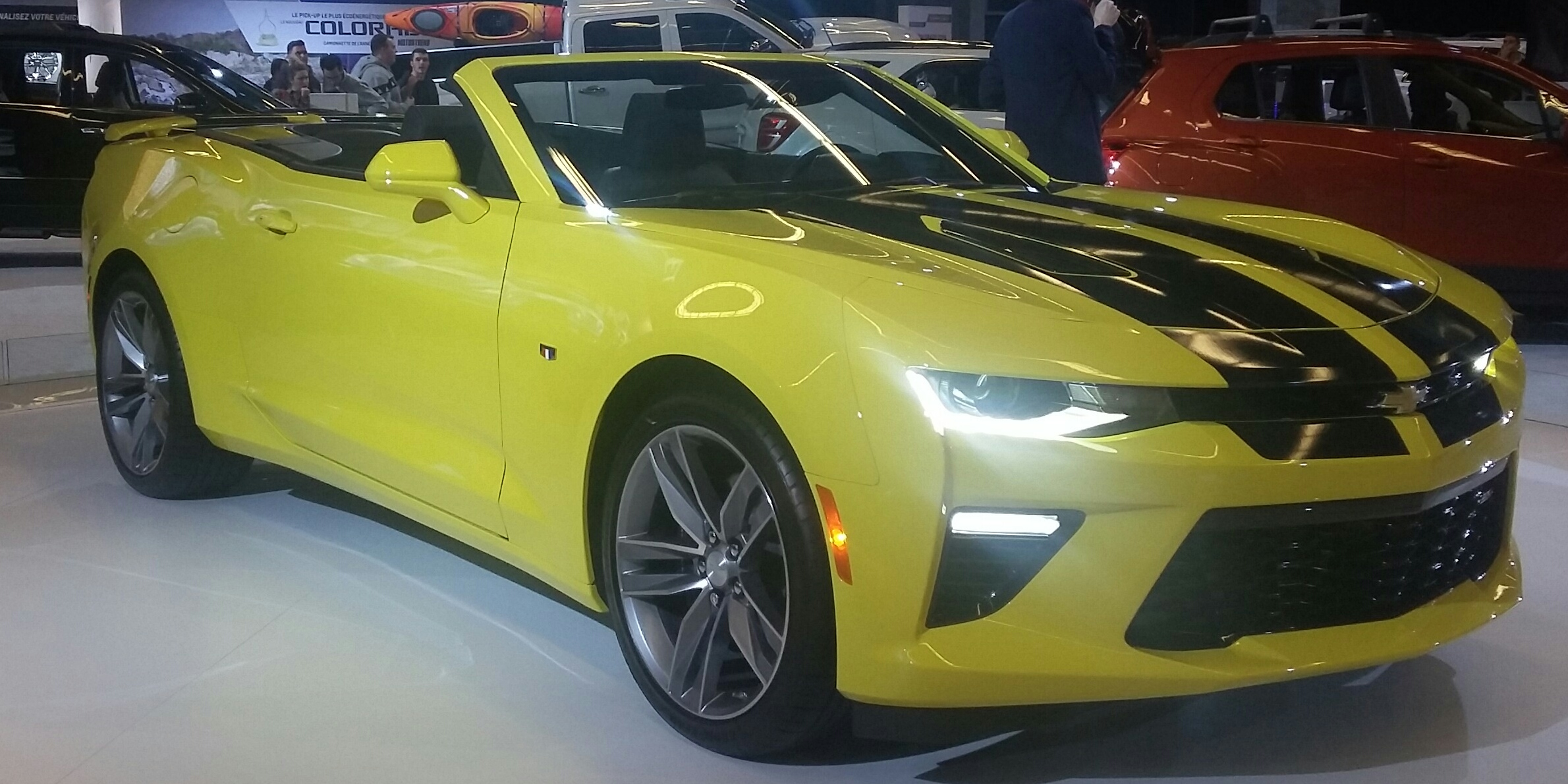
87 Camaro
"I did. I had an 87 Camaro with teatops. I did too. I had an 85 Camaro with teatops."
A Camaro is a classic American muscle/pony car from Chevrolet. This one is from the late 1980s, and the hosts are talking about the removable roof panels (“T-tops”), which made the car annoying to use day to day.
The Chevrolet Camaro is a long-running American pony car, and the late-1980s model years are part of the 3rd-generation era. In this segment, the “teatops” (T-top roof panels) are discussed as a major ownership hassle on these Camaros.
Request an Explanation
Heard something you'd like explained? We'll add it to this episode.
Sign in to request explanations for terms you heard.
Want to learn more?
Browse our glossary for plain-English explanations of automotive terms, jargon, and concepts.
Help improve this episode
See something that's not quite right? Our annotations are AI-generated and can sometimes miss the mark. Click the flag icon on any annotation to suggest a correction.