
About this episode
Rob King Part 2 dives into his long Porsche journey, from early Volkswagen projects to a garage built around air-cooled favorites and modern turbo performance. He shares what he’s owned (including a 993 Turbo and 997 GT2) and what he regrets selling or not buying, while debating manual vs PDK and why he prefers the feel of shifting. The conversation also touches on rising air-cooled values, how Porsche’s newer models chase “effortless speed,” and shifting PCA culture toward bigger, more mainstream cars.
Rob King is the owner and founder of S-Car-Go Racing, a well-known Porsche shop and tuning specialist. His company has built several notable cars that have been featured in various automotive publications. Before starting his own shop, he worked as a factory-authorize Porsche mechanic for 18 years.
In this episode we talk about:
-Cool cars he has owned.
-Some of his favorite cars.
-PDK or Manual. 915 or G50.
-964 or 993.
Send questions and suggestions to [email protected]
https://www.circuitsixfour.com/
https://www.instagram.com/circuit6four/https://mail.google.com/mail/u/0/#inbox
Circuits Explore
"[25.5s] Porsche Patter is sponsored by Circuits Explore. Circuits Explore creates authentic automotive apparel made for life-minded automotive enthusiasts. The links for Circuits Explore are in the show notes."
Circuits Explore is the company sponsoring the podcast. They make clothing for car enthusiasts, and the episode notes likely have links to their stuff.
Circuits Explore is mentioned as the show sponsor, and it’s described as creating automotive apparel for enthusiasts. For listeners, this is relevant if they want to find the sponsor’s products linked in the show notes.
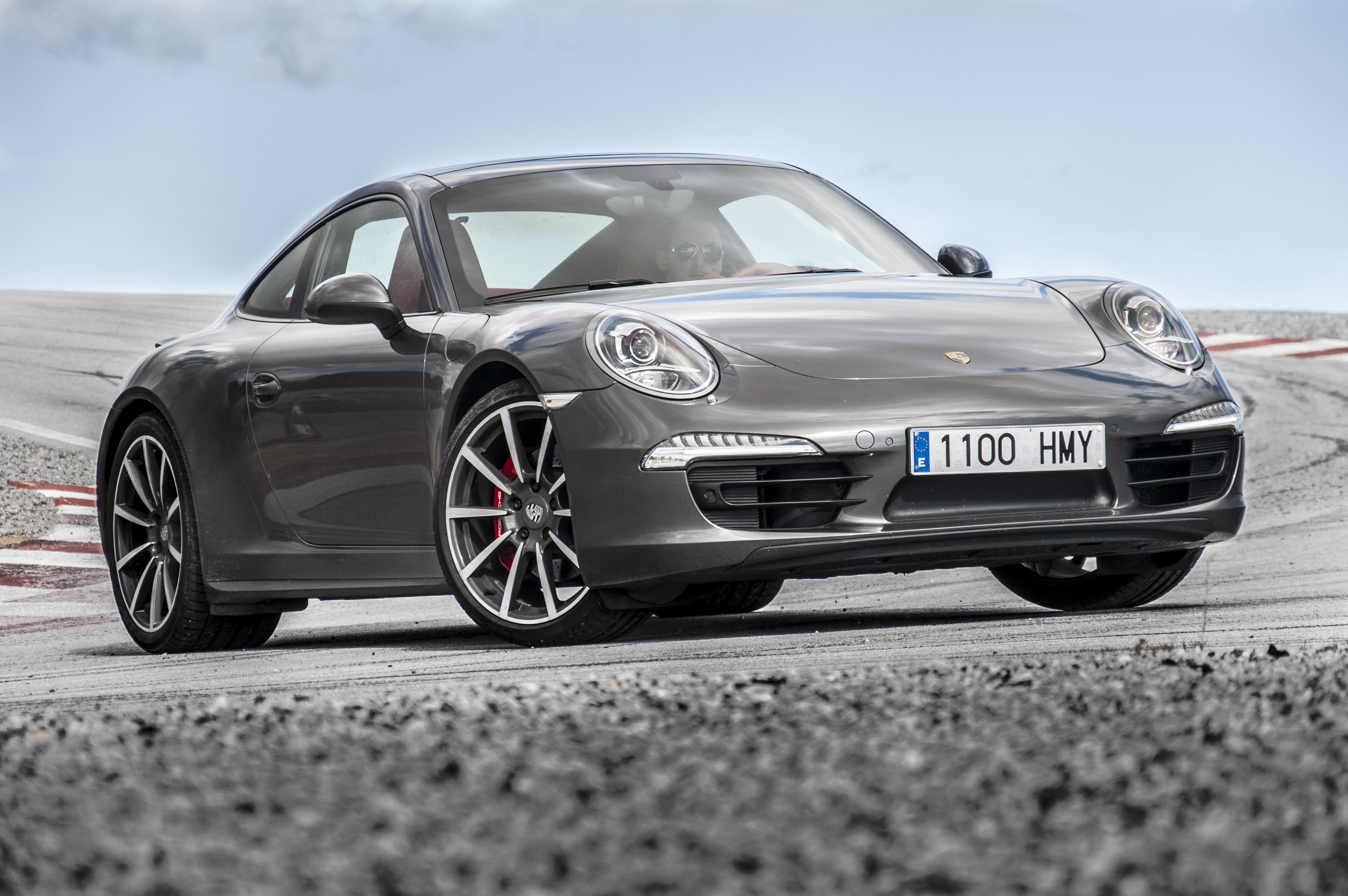
Porsche 993 Turbo
"And then he talks about I love all three cars I own. [87.2s] I know he owns the 993 Turbo. I know he has the 997 GT2. But I don't know what the third car is."
This is a Porsche 911 Turbo from the 993 generation. It’s a special, older-style 911 that many enthusiasts really like and collect.
The Porsche 993 Turbo refers to the 911 Turbo built on the 993-generation platform. It’s known for being an air-cooled 911 Turbo era car (before the later water-cooled generations) and is a highly sought-after classic among 911 fans.
used-car price appreciation
"...prices of the 996 being nothing... And it's now been a couple of years that 996 has jumped up in price."
They’re talking about how a used car got more expensive over time. That usually happens when more people want them or when the market starts treating them like collectibles.
The segment discusses how the market value of a specific Porsche generation (the 996) rose after initially being cheap. This is an example of used-car price appreciation driven by changing demand, perception, and collector interest.

Mazda MX-5 / Miata
"...of these guys that fights people for saying, Oh, Miata. Miata's do a lot of cool shit. Miata is a super ..."
The Miata (MX-5) is a small two-seat roadster made by Mazda. It’s meant to be light and fun to drive, not complicated or expensive. People mention it a lot because it’s a popular starter sports car and it’s known for being enjoyable.
The Mazda MX-5, commonly called the Miata, is a lightweight, affordable roadster built for fun driving and responsive handling. It’s frequently discussed because it has a strong enthusiast following and a reputation for being easy to maintain and modify. In a podcast, it may come up when people talk about what makes a “cool” car and why it’s popular.
PDK
"[418.3s] Wouldn't mind having a new GT3, GT2 RS. Only thing I don't like about it, it's a PDK. [426.8s] I'm not a big fan of the PDK. Understandable. Driving a real sports car, I think you should"
PDK is Porsche’s dual-clutch automatic transmission. It shifts very quickly, but the speaker prefers the feel of a manual with a clutch pedal and gear lever.
PDK stands for Porsche Doppelkupplung (dual-clutch transmission). It’s designed to shift quickly and keep the engine in the power band, which is why many enthusiasts acknowledge it can be faster than a traditional manual.
clutch pedal and a gear shift
"[433.2s] have a clutch pedal and a gear shift, to be honest. That's what I think. Either on the racetrack, [441.6s] because it makes you more of a driver. Right. You actually have to drive a car."
They’re talking about driving a manual car—using a clutch pedal and shifting gears yourself. They feel it makes you more connected to the car.
This is the traditional manual-driving setup: a clutch pedal to engage/disengage the engine from the transmission and a gear lever to select ratios. The speaker’s point is about driver involvement and the tactile feedback of manual control.
gravel track
"[454.0s] shifting the gears, going through the gears of a gravel track. [459.0s] And instead of just playing with your steering wheel. That's my reality."
A gravel track changes traction and steering response compared with asphalt, making throttle and gear selection feel especially important. The speaker uses it to describe the kind of driving engagement they miss with an automated transmission.
Porsche broker
"My dad's a Porsche broker back in Utah. I came here and I didn't have any connection."
A broker helps you find the car you want. Instead of you hunting everywhere, they use their connections and experience to help you get the right Porsche.
A Porsche broker is an intermediary who helps buyers source specific Porsche models, often leveraging relationships and market knowledge. Brokers can be especially useful for locating desirable trims, rare options, or cars with known histories.
water-cooled
"So, would you say you're an air-cooled or a water-cooled guy? I love the air-cooled. But, I do like my GT2 and it's water-cooled."
Water-cooled means the engine uses liquid coolant to stay at the right temperature. It’s a different cooling approach than the classic air-cooled setup.
“Water-cooled” means the engine uses liquid coolant circulated through passages and a radiator to control temperature. Porsche moved to water-cooled designs later, and many owners compare the two eras in terms of driving feel, reliability perceptions, and maintenance.
air-cooled
"And teams help each other. So, would you say you're an air-cooled or a water-cooled guy? I love the air-cooled."
Air-cooled means the engine runs cooler using airflow, not liquid coolant. Many Porsche fans love it because it has a distinct character and it’s part of the classic Porsche identity.
“Air-cooled” refers to Porsche engines that rely on airflow over the engine to manage temperature, rather than using a liquid coolant system. Porsche’s air-cooled era is a major enthusiast topic because it affects sound, feel, and the kinds of maintenance/repairs owners plan for.
turbos
"It's got turbos. I'm more horsepower-junkie."
“Turbos” refers to turbochargers, which force more air into the engine to increase power output. The speaker ties turbos directly to why they prefer GT2 over GT3—more boost typically means more horsepower potential.
GT3s
"But the GT3s, the GT2s, and all the turbos are awesome."
They’re talking about the GT3 versions of the Porsche 911. The speaker is saying those cars are awesome.
This refers to Porsche GT3 models, again emphasizing the speaker’s preference for the GT3 lineup. In context, they’re grouping GT3s with GT2s and “all the turbos” as the best parts of the Porsche world for them.
GT2s
"But the GT3s, the GT2s, and all the turbos are awesome."
They’re talking about the GT2 versions of the Porsche 911. The speaker thinks they’re great.
This refers to Porsche GT2 models, reinforcing the earlier GT2 vs GT3 comparison. The speaker places GT2s in the same “awesome” bucket as GT3s and turbocharged cars.
truck motor
"your sound must, your sound's like it has a truck motor in it."
“Truck motor” is just a way of describing the sound—more like a heavy, low-rumbling engine than a high-revving one. It usually means something about the exhaust or engine setup is making it sound that way.
“Truck motor” is a descriptive way to say the engine sound feels low, heavy, and torque-like rather than high-revving and refined. In air-cooled Porsche circles, it often points to exhaust/cam/induction setup differences that change the tone.
modified
"We've done, I own like three red SC Targets. And I modified every one of them."
“Modified” indicates the owner changed the car from stock, which can strongly affect sound, throttle response, and drivability. With classic 911s, common modifications include exhaust systems, engine management tweaks, and suspension changes—each of which can alter how the car feels compared to other trims.

Porsche 959
"One car I left out though. A 959 would be on my list. ... Back in the day it would have been like a 959."
The Porsche 959 is a famous old-school supercar from Porsche. People love it because it was way ahead of its time in technology and performance.
The Porsche 959 is a landmark 1980s supercar known for advanced engineering and technology for its era. It’s often discussed as a “halo” car because it combined high performance with cutting-edge features like all-wheel drive and turbocharging.

Nissan GT-R
"Because the Nissan came out and it's like it does everything great. Right."
They’re talking about the Nissan GT-R as an example of a supercar that’s really good at everything. But they’re saying that after the initial wow, some people start to find it less thrilling.
The Nissan GT-R is referenced as the example of a car that “does everything great,” creating early excitement and strong early press. The discussion implies that later reactions can shift from awe to more critical takes once the novelty wears off.
shock on awe
"The shock on awe of when they first get it it's like the greatest thing ever."
“Shock on awe” (likely meaning “shock and awe”) describes the immediate, overwhelming reaction people have when a new performance car is first experienced. The speaker contrasts that early reaction with later opinions that can become more nuanced or even negative.
traction control
"They got traction control. They got ABS. They got everything."
Traction control helps the tires grip the road. If you mash the gas and the wheels start spinning, the car cuts power and/or brakes to regain grip.
Traction control is a stability system that reduces wheel spin when accelerating. It uses sensors to detect slip and then applies brakes and/or reduces engine power to keep the car moving efficiently.
ABS
"They got traction control. They got ABS. They got everything."
ABS keeps your wheels from locking up when you brake hard. That helps you keep steering control instead of sliding.
ABS (anti-lock braking system) prevents the wheels from locking up during hard braking. By modulating brake pressure, it helps maintain steering control and reduces stopping distance on many surfaces.
offers of 160 grand
"My 99 fleet went terrible. I got offers of 160 grand for it. Yeah when things started getting crazy for a while there…"
They’re talking about someone offering a huge amount of money for their car. That’s a sign the market for that type of Porsche was really hot.
This highlights how quickly collectible Porsche pricing can jump during a “crazy” market phase. Large offers like this are a sign of strong demand and limited supply for the specific cars people want.
beat up and race
"Yeah when things started getting crazy for a while there I was not in love with it because I wanted to buy another one. I wanted to buy one that I could just like beat up and race and do things too."
They mean they wanted a car they could really use—drive hard, race, and not worry about it getting worn. That’s different from keeping a car pristine for collecting.
“Beat up and race” describes a mindset of buying a car to use hard—track it, drive it aggressively, and accept cosmetic wear. It contrasts with collector behavior where cars are preserved to maintain value.
options monetization (charging more to delete equipment)
"And then they charge more of them because they're lighter. We are asked to order radio delete or AC delete."
The speaker is saying Porsche sometimes charges extra when you remove comfort features. The idea is that “track-focused” options can cost more, even when they’re removing things.
The speaker describes a pricing strategy where Porsche charges more for deleting equipment (like radio and AC) and for lighter configurations. It’s an “options monetization” concept: turning weight-saving/track-prep choices into higher-cost trims or add-ons.
PCA
"They own a Cayenne and they're PCA's till they die. Back in the day there was all the autocrossers."
PCA is the Porsche Club of America. It’s a group that organizes Porsche events like track days and races.
PCA usually refers to the Porsche Club of America, a large enthusiast organization that organizes events, track days, autocross, and time trials. Being “PCA’s till they die” implies lifelong involvement in Porsche community activities.
autocross
"Back in the day there was all the autocrossers. A lot of them had 914s."
Autocross is a timed driving event on a cone course. You drive fast through a layout, and it’s more about handling than top speed.
Autocross is a motorsport format where drivers navigate a timed course laid out with cones, typically on a parking lot or closed surface. It’s popular with club racers because it’s relatively accessible and emphasizes car control and consistency.
time trials
"We both raced it together. We did it every Porsche club about time trials. You're the serious for like three years."
Time trials are practice/competition runs where you’re timed and try to be as fast as possible. It’s usually you against the clock rather than side-by-side racing.
Time trials are timed runs where drivers try to set the fastest lap or best elapsed time, usually with minimal traffic and clear course rules. In Porsche club contexts, time trials are a common way to compete without the full complexity of wheel-to-wheel racing.
old Targa top
"I love the new Targa. I love that they brought the old Targa top pass. It was just the roll bar looks just awesome."
The “old Targa top” refers to Porsche’s classic Targa roof concept—typically involving a removable roof section and a prominent roll-bar structure. The speaker’s emphasis on the roll bar suggests they prefer the more traditional look and feel compared with earlier modern roof designs.
old school Targas
"Because I like the old school Targas. The big Targa for it."
“Targa” is a Porsche style that lets you enjoy open-air driving, usually with a removable roof panel. “Old school” just means the older, classic versions.
A “Targa” is a Porsche body style with an open-air feel—typically a removable roof panel—while keeping a fixed roll bar structure. When people say “old school Targas,” they usually mean earlier, more classic-generation 911 Targa designs.
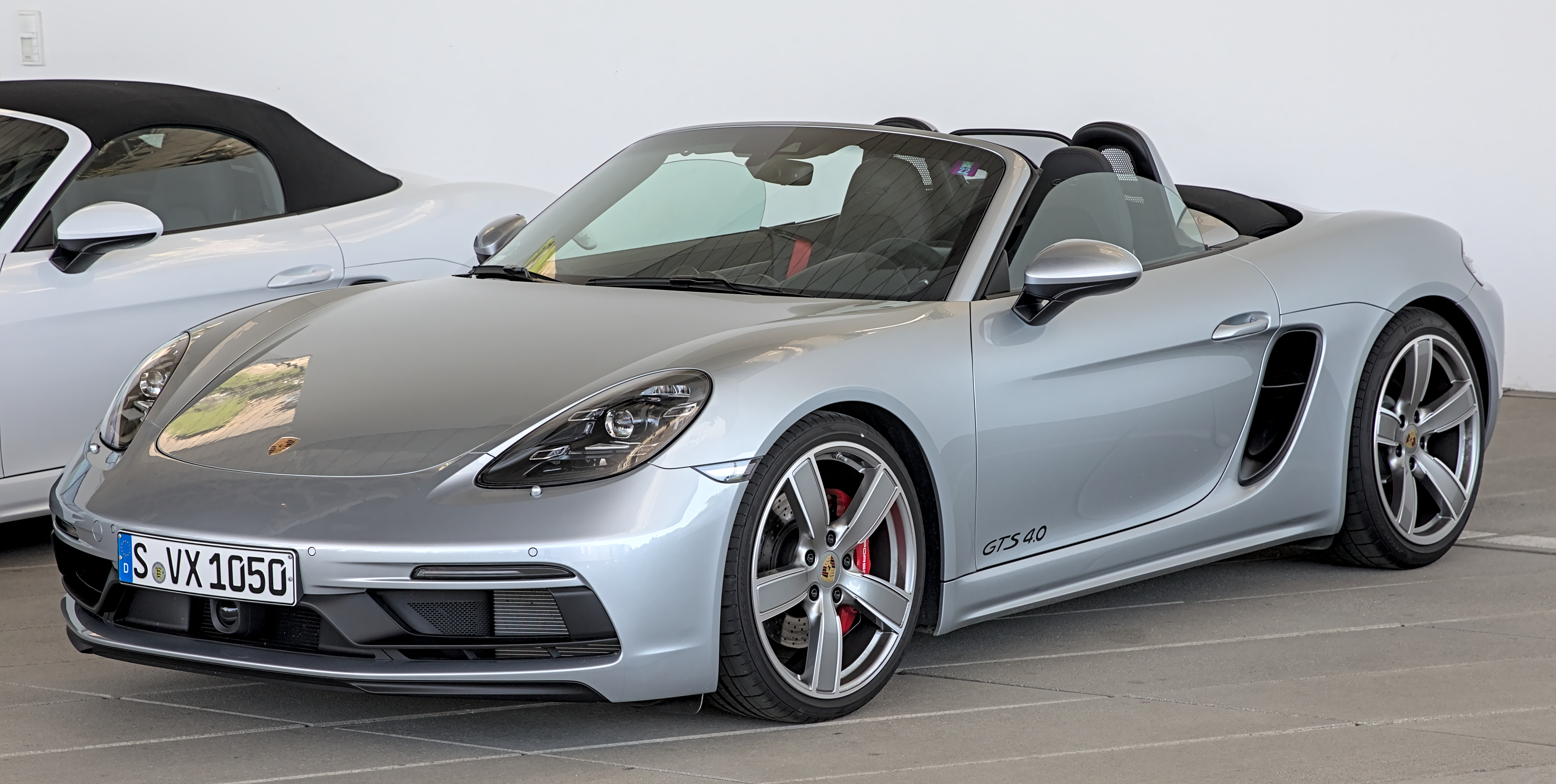
Boxster
"Even a Boxster. They're so cheap now."
The Porsche Boxster is Porsche’s roadster—smaller and usually cheaper than a 911. Here it’s being brought up as another budget-friendly way to get into Porsche ownership.
The Porsche Boxster is the mid-engine roadster that shares much of its engineering DNA with the 911. In this segment it’s mentioned as another “cheap” entry option, suggesting the speaker sees it as a more attainable way into Porsche ownership.
put like 6 grand into it
"And he had a ball with 3500. And then he put like 6 grand into it."
This is basically saying the car was cheap, but it needed work. With older cars, repairs can add up fast, so you should expect some extra cost.
This is describing the common “cheap purchase, expensive catch-up” pattern with older sports cars: the initial price looks great, but deferred maintenance and hidden issues can quickly add up. It’s a reminder to budget for repairs and inspections rather than assuming the low sticker price means low total cost.
Request an Explanation
Heard something you'd like explained? We'll add it to this episode.
Sign in to request explanations for terms you heard.
Want to learn more?
Browse our glossary for plain-English explanations of automotive terms, jargon, and concepts.
Help improve this episode
See something that's not quite right? Our annotations are AI-generated and can sometimes miss the mark. Click the flag icon on any annotation to suggest a correction.