
Ron Ananian, The Car Doctor - April 25, 2026 - Hour 1 - Finding A Good Mechanic
About this episode
Ron spends the hour making a case for trust, diagnosis, and preventive maintenance. He argues that modern cars are too complex for guessing, so customers should expect clear explanations and pay for real testing. From EVAP system noises and thermostat quirks to transmission service and a Chrysler steering fix, the thread is the same: careful inspection and timely repairs can prevent bigger bills and safety problems.
- Grab your Car Doctor gear – T-shirts & more at CarDoctorShow.com
-
Follow the wrench – Instagram @ronananian for shop life & behind-the-scenes
-
Watch & learn – Auto repair tips & videos on our YouTube Channel
-
Got a car question? Call the Car Doctor Hotline 24/7 – (855) 560-9900
-
Join the conversation LIVE – Saturdays 2–4 PM Eastern
See omnystudio.com/listener for privacy information.
Finding A Good Mechanic
"Why you don't trust the repair shop and maybe you should? Hey, let's get this hour going. Ronanni and the Car Doctor here at your service card."
The hosts are talking about how to choose a mechanic you can trust. They’re also explaining why car repairs can feel scary and how to make the process less stressful.
This episode segment frames the core problem: why many people fear going to a repair shop and how to find a mechanic you can trust. It sets up the discussion around vetting shops and getting honest answers.
pre-purchase inspection
"Let me ask you a question today. When did going to the repair shop becomes something you guys fear you dread it."
This is about reducing the risk of getting taken advantage of at a shop. A good approach is to get clear information—like what’s wrong, what it costs, and why—before you agree to repairs.
While not explicitly stated as a PPI, the segment’s theme—fear of repair shops and seeking “honest answers and practical advice”—maps to the broader idea of using structured checks before committing to work. In practice, that can include inspections, estimates, and documenting findings so you’re not relying on trust alone.
OBD two
"One of the questions came back, was what is OBD two and how do I buy a scan tool? And my wife said, what is OBD two?"
OBD-II is a built-in computer system in your car that watches for problems. When something goes wrong, it saves a code, and a scan tool can read that code so you can figure out what needs fixing.
OBD-II (often said as “OBD two”) is the standardized onboard diagnostics system used in most vehicles sold in the U.S. starting in the mid-1990s. It monitors emissions-related systems and can store trouble codes that a scan tool reads to help diagnose problems.
scan tool
"...was what is OBD two and how do I buy a scan tool? And my wife said, what is OBD two?"
A scan tool is a little computer you connect to your car. It can pull up the error codes that explain why the check-engine light is on.
A scan tool is a device that plugs into your car’s OBD-II port to read diagnostic trouble codes (and often live sensor data). It’s commonly used for troubleshooting check-engine lights and verifying whether a repair actually fixed the underlying issue.
Clean Air Act
"...in nineteen ninety one, the Congress got together and decided by nineteen ninety six, the Clean Air Act would incorporate the fact that if your vehicle exceeded one and a half the legal limit of a mission."
The Clean Air Act is a U.S. law meant to reduce air pollution. It helped drive rules about how cars control emissions and how those systems are monitored.
The Clean Air Act is U.S. federal legislation that regulates air pollution and sets requirements for emissions control. In the context of this discussion, it’s referenced as the reason vehicles adopted standardized emissions monitoring and diagnostic requirements over time.
communication issues between the consumer and the shop
"...here's what I think caused some of the communication issues, because there's clearly communication issues between the consumer and the shop."
This refers to the gap between what drivers expect from a repair shop and what shops explain or document during diagnosis and repair. When cars get more complex, misunderstandings about symptoms, causes, and costs can increase unless communication is clear and expectations are aligned.
Cars really got complicated
"Cars really got complicated. They got fast, They got complicated faster than the conversation about them did."
Modern cars rely heavily on computers, sensors, and emissions-control systems, which makes diagnosing problems more technical than in the past. That complexity is part of why tools like OBD-II scan tools and more structured diagnostic processes became common.
diagnostics
"You're paying for diagnostics, you're paying for software, you're paying for training and you're paying for time because when it comes down to it, all of those things are what's needed to properly repair a car... check engine light today could mean multiple things... a shop needs to every time it comes in for a problem, we've got a test, we've got to verify, we've got a diagnose."
Diagnostics is how a mechanic figures out what’s really wrong with your car. Instead of guessing, they run tests and use tools (and sometimes software) to find the exact cause. That’s why diagnostic time can cost money, even before any parts are replaced.
Diagnostics is the process of using tests, scan tools, and measurements to pinpoint the actual cause of a problem—not just guess based on symptoms. Modern cars often require software and module-level checks, so diagnostic time and expertise directly affect repair accuracy.
software
"You're paying for diagnostics, you're paying for software, you're paying for training and you're paying for time because when it comes down to it, all of those things are what's needed to properly repair a car."
When people say you’re paying for software, they usually mean the computer tools and programs the shop uses to talk to your car’s electronics. Some repairs require updates or settings changes that can’t be done with basic tools alone.
In today’s repair world, “software” often means repair information systems and vehicle programming tools used to communicate with electronic control units. Many fixes require updating or configuring modules, not just replacing mechanical parts.
Mitchell One
"Russ Whiteley from Mitchell One is going to be with us talking about repair software and some of the facts of you know, two hundred and sixty million pages of repair information."
Mitchell One is a company that makes repair information software for mechanics. Shops use it to look up the right repair steps and specs for specific car models.
Mitchell One is a well-known provider of automotive repair information and repair software used by shops. The mention of “repair information” highlights how shops rely on large databases to identify correct procedures and specifications.
Advanced Driver Assist (ADS)
"Steve Dawson from Hunter Engineering coming to board next week talking about ADS Advanced Driver assist and the technology there. What that little mirror is that that makes the vehicle wheels buzz when it's you know, detecting your off road and what that forward looking camera does and how it's interacting with all the modules on the vehicle..."
Advanced driver-assist is the technology in newer cars that helps you drive—like cameras and sensors that watch the road. When something goes wrong, it’s not always a simple fix because the car’s computer and sensors all have to work together.
Advanced Driver Assist Systems (ADS) are suites of sensors and software that help with functions like lane/road detection and collision avoidance. Because they rely on cameras, radar, and multiple control modules, faults can be complex and require module-aware diagnostics and calibration.
Hunter Engineering
"Steve Dawson from Hunter Engineering coming to board next week talking about ADS Advanced Driver assist and the technology there."
Hunter Engineering is a company that helps with automotive testing and diagnostic tools. The host is setting up a discussion about how advanced driver-assist tech gets diagnosed and serviced.
Hunter Engineering is associated with automotive testing and diagnostic equipment, especially for areas like driver-assist and advanced vehicle systems. The episode teaser connects their work to the tools and processes needed to service modern, sensor-heavy cars.
check engine light
"car got complicated. You know, check engine light today could mean multiple things, and it could very well mean a lot of things, and no check engine light with certain complaints can mean a lot of things."
The check engine light is like a “something’s not right” message. It can come on for lots of different reasons, so the mechanic has to scan the car to find the exact code and cause.
The check engine light is a general warning that can be triggered by many different faults, ranging from emissions issues to engine management problems. On modern vehicles, the same light can correspond to multiple diagnostic trouble codes, so the light alone doesn’t tell you what’s wrong.
dealer versus independence
"and of course, somewhere in this conversation we've got to talk dealer versus independence. They're good and bad in both, and there is you know, it's not the sign over the doorway that makes a good repair shop."
This is about choosing between a dealership and an independent mechanic. The point is that both can do great work or do poor work, so you should focus on how they diagnose and repair cars, not just where they are.
“Dealer versus independence” refers to the choice between a manufacturer dealership and an independent repair shop. The host frames it as a tradeoff: both can be good or bad, and the quality of diagnosis and repair process matters more than the sign on the building.
oil change
"I had done an oil change on a three year old Toyota Raft four... Why are we not changing drain plug gaskets? ... And if they can't do an oil change right, it's not a great shop a good shop, right, you know?"
An oil change is when the old engine oil is drained out and replaced with new oil. The point here is that the host thinks a good shop should be careful and consistent even with routine work.
An oil change is routine maintenance where used engine oil is drained and replaced with fresh oil and (typically) a new filter. The host uses this as an example of shop consistency—if a shop can’t do something basic correctly, it’s a red flag for bigger jobs.
drain plug gasket
"I had done an oil change on a three year old Toyota Raft four and the drain plug gasket, the blue fiber drain plug gasket the Toyota puts on there was crushed to death and stuck to the drain plug so bad."
The drain plug gasket is a small seal that sits between the drain plug and the oil pan. It helps prevent oil from leaking after the oil change, and if it gets damaged it can make the plug difficult to remove.
A drain plug gasket seals the oil pan drain plug so oil doesn’t leak after an oil change. If the gasket is crushed or not replaced correctly, it can stick to the plug and make future service harder, and it can also increase the risk of leaks.
consistency not convenience
"When I showed it to the customer, and this is where I come up with the consistency not convenience, the answer I got was, well, you know, I can only get my car and for service on Saturday..."
They’re saying you should judge a mechanic by how reliably they do good work, not just by whether they fit your schedule. If a shop makes excuses or does careless work, that’s a bigger problem than the hours they’re open.
The host argues that a good mechanic/shop should be evaluated by consistency and process quality, not by whether they’re convenient for scheduling. In other words, “I can only come in on Saturday” shouldn’t justify sloppy work or poor communication.
preference for shops that answer the phone professionally
"You've really got to know that a good shop answers the phone professionally, they explain things clearly, and they're willing to show you what they found."
Professional phone communication is presented as a practical indicator of shop quality. The host links it to clearer explanations, better customer handling, and a willingness to show evidence of what was found.
diagnostic time
"And if they say, hey, we're going to spend an hour and charge diagnostic time, that's good because that means they're testing. They're not guessing."
Diagnostic time is the billed labor for systematically testing and troubleshooting a problem before repairs are recommended. The host frames it as a good sign because it means the shop is testing rather than guessing.
deferred maintenance
"If you're deciding whether to fix your car, don't decide based on fear. ... You've got to decide repairs and replacement based on information, not on fear, and a good shop nurtures that."
Deferred maintenance means putting off car repairs or scheduled service. Sometimes it saves money short-term, but it can lead to bigger problems later.
Deferred maintenance is postponing repairs or service until later, often because the immediate cost feels high. While it can be tempting, delaying the right fix can allow small issues to become bigger and more expensive.
car payment affordability
"I've got to coach you and take you through the process because a lot of times it's what color, What color is the next car going to be? Can we afford the eight hundred dollars a month car payment..."
Car payment affordability is about making sure the monthly cost fits your budget. It helps you decide whether to repair your current car or replace it without getting financially stressed.
Affordability planning for car payments means evaluating monthly cost against your budget before committing to repairs or replacement. It connects maintenance decisions to real-world cash flow, not just whether a repair is “possible.”
out-the-door price
"Can we afford the eight hundred dollars a month car payment that's the average car payment now in the United States, the fifty thousand dollars purchase price for that new car."
The out-the-door price is what you actually pay to get the car, including taxes and fees. It’s the number you should compare between different deals.
Out-the-door price (OTD) is the total amount you pay to buy the car, including taxes, registration, and dealer fees—not just the sticker price. Understanding OTD helps you compare offers fairly and avoid surprise costs.
second opinion
"Sometimes you get a second opinion, and you do that because well, maybe you don't trust that shop and that shop needs to work on it more."
A second opinion means you ask another mechanic to look at the problem too. It can help you confirm what’s wrong and whether the repair is really needed.
A second opinion is when you get another shop or mechanic to review the same diagnosis and proposed repair. It’s commonly used when you’re unsure about the first shop’s findings or pricing, and it can prevent unnecessary work.
thermostat
"...I did the thermostat. When I opened the housing, I noticed that the old thermostat had the jiggle pin..."
The thermostat is like a temperature-controlled valve for your engine’s coolant. If it doesn’t open when it should (or is installed wrong), the engine can run hotter than expected because coolant isn’t moving the way it should.
A thermostat regulates engine coolant flow by opening at a target temperature. If it’s installed incorrectly—especially on engines that use an air-bleed feature—coolant can fail to circulate properly and the gauge may creep toward higher temperatures without a clear “open” event.
jiggle pin
"...the old thermostat had the jiggle pin on the bottom and so of the top... I discovered that on that engine, the jiggle pin has to be on the bottom..."
The jiggle pin is a tiny part on the thermostat that helps let air out of the cooling system. If it’s pointed the wrong way, air can get trapped and the engine may not cool or warm up properly.
The “jiggle pin” is a small feature on some thermostats that helps vent trapped air through the cooling system. The host explains that on this Tacoma engine, the jiggle pin must be positioned a specific way (bottom vs top) or the thermostat won’t behave correctly, leading to symptoms like slow temperature rise and no clear opening.
airbound
"...the purpose of the jiggle pins... is to allow air to bleed through so the system doesn't get airbound..."
Airbound means there’s trapped air in the cooling system. That air can block coolant flow, so the engine may not cool correctly even if the thermostat is new.
“Airbound” describes a cooling system that has trapped air pockets, which can prevent coolant from circulating effectively. Trapped air can cause misleading temperature behavior and can keep the thermostat from functioning as intended, which is why proper venting/bleeding matters after cooling-system work.
factory service manual
"...Well. Right, because the purpose of the jiggle pins... Where did you read that that the jiggle pin goes down Bill Well. Among other places the factory service manual."
A factory service manual is the manufacturer’s official repair documentation, often including exact installation orientation and torque/spec procedures. Here, the host references it as the source stating the jiggle pin placement differs from what they expected.
cooling system bleeding (getting the air out)
"...if we have been unsuccessful getting the air out of this any vehicle, we'll park it nose up overnight and it burps air out automatically..."
After radiator/thermostat work, the cooling system often needs to be bled so air doesn’t remain trapped. The host describes a practical shop method—parking the vehicle nose-up overnight—to encourage trapped air to move and “burp” out, restoring proper coolant circulation.

Lucid Air
"...o see what they're talking about there. You know, air is air goes up right, and you know it's it's list..."
The Lucid Air is an all-electric car, meaning it runs on a battery instead of gasoline. It’s designed to go a long distance on a charge and to feel smooth and quiet while driving. The name “Air” is part of the brand’s model naming and is tied to the car’s electric, efficiency-focused identity.
The Lucid Air is a fully electric luxury sedan known for its focus on efficiency and long driving range. It often comes up in discussions about how modern electric cars manage energy and deliver smooth, quiet performance. The “Air” name is a reference to the car’s electric nature and efficiency theme, which is why it may be referenced in a wordplay-style way on the podcast.
burp tooling
"So this one, the hard part of the repair was turned the truck upside down to burp tooling. Yeah. Right, I could understand that."
When you open up a car’s cooling system, air can get trapped inside. “Burp tooling” is a way to push that air out so the engine doesn’t run hot.
“Burp tooling” refers to a method/tool used to remove trapped air from a cooling system after work like hose, thermostat, or water pump replacement. Air pockets can cause overheating or poor heater performance, so “burping” helps the system circulate coolant correctly.
pin is eliminated
"I do see some aftermarket thermostats where that pin is eliminated, and I'm wondering how they get away with it."
Some aftermarket thermostats are modified by removing a small feature/pin that may be part of how the thermostat controls bypass flow or prevents certain failure modes. The hosts are questioning whether eliminating that pin changes critical behavior and whether it’s safe or compliant with the thermostat’s intended function.
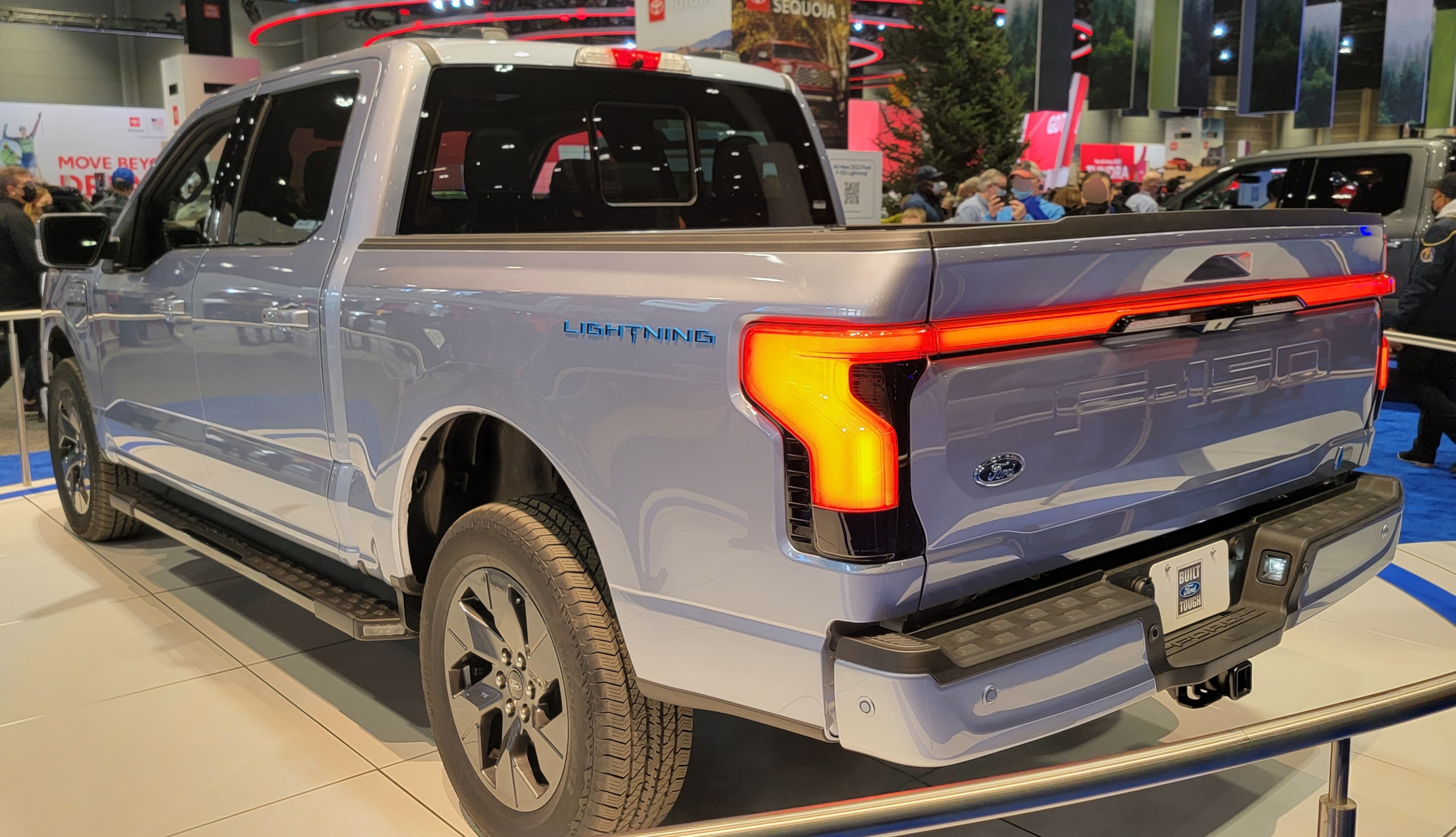
Ford F-150 EcoBoost
"Twenty twenty three, twenty eighteen Ford F one fifty Eco Boost And I've just had complete rebuild with camphasers and the timing belt and all those things..."
This is a Ford F-150 with EcoBoost, meaning it uses a turbocharged engine. The caller is talking about big repairs and what other problems could show up after the warranty period.
The Ford F-150 EcoBoost is a popular F-150 variant using turbocharged engines. In this segment, the caller describes a recent rebuild involving major engine-related maintenance items (timing belt and related components), and asks about what else might fail after warranty coverage ends.
warranty
"Unfortunately, I have a warranty which cost three thousand and they paid forty five hundred. But the other things they didn't cover... But now my question is that stuff is all covered for two years, but my warranty has only got about three thousand miles on it."
They’re talking about warranty coverage and how it can run out based on mileage even if the time period still looks good. The key is figuring out what’s covered before the warranty actually ends.
This segment focuses on how warranty coverage is structured—both time and mileage limits. The caller’s warranty is described as having a duration (two years) but only a small remaining mileage allowance, raising the practical question of what failures might occur before coverage expires.
camphasers
"I've just had complete rebuild with camphasers and the timing belt and all those things..."
Cam phasers help control when the engine’s valves open. If they fail, the engine timing can be off and the car may run poorly or throw codes.
Cam phasers are components that adjust camshaft timing to improve performance, efficiency, and emissions. When cam phasers wear out or stick, timing can become inaccurate, which may trigger drivability issues and can require significant engine work to repair.
timing belt
"I've just had complete rebuild with camphasers and the timing belt and all those things..."
The timing belt keeps the engine’s moving parts in sync. If it breaks or slips, the engine can be badly damaged.
A timing belt synchronizes the crankshaft and camshaft so the engine’s valves open at the correct time. If it’s worn, stretched, or fails, it can cause severe engine damage, which is why timing belt service is a major maintenance item.
water pump
"...were like the peter hoses and the water pump they said were still good but you needed to do it..."
The water pump moves coolant around to keep the engine from overheating. If it stops working, the car can run hot fast.
The water pump circulates coolant through the engine and radiator. If it fails, coolant flow drops and the engine can overheat quickly, so it’s often considered a critical cooling-system component during major repairs.
peter hoses
"But the other things they didn't cover, of course, were like the peter hoses and the water pump they said were still good but you needed to do it, and the wires."
This sounds like they mean coolant hoses. If coolant hoses crack or leak, the engine can overheat.
“Peter hoses” appears to be a transcription error for a type of coolant hose. Hoses are part of the cooling system that carry coolant to and from the engine and radiator; if they’re old or damaged, they can leak or fail and lead to overheating.
wires
"...and the water pump they said were still good but you needed to do it, and the wires. But now my question is that stuff is all covered for two years..."
This probably means some electrical wiring or connectors. If wiring is damaged, sensors and engine controls can act up.
“Wires” likely refers to electrical wiring harnesses or related components affected by the repair. Electrical issues can cause sensor/actuator faults, and depending on what was replaced, wiring may be part of the root cause or a secondary concern.
three thousand miles
"But now my question is that stuff is all covered for two years, but my warranty has only got about three thousand miles on it."
Even if a warranty says it lasts for years, it can still end sooner if you hit the mileage limit. Here, the remaining miles are the important part.
Mileage limits are often the real “clock” on warranties, especially for powertrain or extended coverage. Even if the warranty says “two years,” only the remaining mileage may determine when coverage ends.
ten speed transmission
"Okay, yeah, probably. I typically don't see the ten speed Ford trans go past fifty thousand miles to be very honest. As a matter of fact, I read something this week that there's either some form of a recall or some form of a class action suit coming up against Ford or being considered because of the disaster that the ten speed transmission was."
A ten-speed transmission is the gearbox that has ten different gear ratios. It helps the engine run at the right speed for acceleration and efficiency, but it’s more complicated than fewer-gear transmissions, so problems can be costly.
A “ten speed” transmission is a multi-gear automatic (or dual-clutch) that uses ten forward ratios to keep the engine in its most efficient or powerful range. More gears can improve drivability and fuel economy, but it also adds complexity, which can increase the chance of expensive failures if the unit isn’t maintained well.
recall / class action lawsuit
"As a matter of fact, I read something this week that there's either some form of a recall or some form of a class action suit coming up against Ford or being considered because of the disaster that the ten speed transmission was."
A recall is when the company admits there’s a problem and fixes it (usually at no cost). A class action lawsuit is when many owners join together legally because they believe the same defect caused them losses.
A recall is when a manufacturer issues a safety or compliance fix for a defect affecting vehicles. A class action lawsuit is a legal process where many owners may claim damages related to a common problem—often tied to widespread failures or alleged defects.
timing chains
"So when they did when they did the work on the V six did and they did the cam phasers in the chains, right, they did camp phasers, they did timing chains."
Timing chains are what keep the engine’s moving parts working in sync. If they wear out or need replacement, it usually means the engine’s timing system is no longer operating correctly.
Timing chains synchronize the crankshaft and camshafts so the engine’s valves open at the correct times. They’re designed to last a long time, but if they stretch, wear, or are replaced alongside other timing components, it can signal significant engine wear or a known issue.
coolant service
"Oil changes will not help water pump life on that vehicle. It will help you know, you've got to do coolant service for that. But let's face it, water pumps do wear out."
Coolant service refreshes the liquid that carries heat away from the engine. Over time, coolant can lose its protective properties, so servicing it helps prevent corrosion and cooling problems.
Coolant service involves draining, replacing, and/or flushing the engine’s coolant and sometimes the system components to maintain corrosion protection and proper heat transfer. The segment implies coolant maintenance is important for cooling-system longevity, including components like the water pump.
fans
"If you if you raise the hood, can you see if the fans are running? ... cars will do different things after hours, so to speak, So this could be a problem. If the fans are running six hours later, that's a problem."
They’re checking whether the car’s fan(s) are still running after you park. If it runs for a long time, it may mean the car isn’t finishing a normal process or there’s a problem.
The “fans” are likely cooling fans or an emissions-related ventilation fan that can run after shutdown. If they run hours later, it can indicate a fault or an emissions system that isn’t completing its normal cycle.
evaporative emissions
"But if the fans aren't running, it's possible that this is doing something with evaporative emissions. So let's talk about this a second. Okay, evaporative emissions."
Cars have a system that keeps gasoline vapors from escaping into the air. After you park, the car may run a self-check to make sure the system is sealed and working properly.
Evaporative emissions (EVAP) systems capture fuel vapors from the gas tank so they don’t escape into the atmosphere. After parking, the car may run EVAP leak checks using valves and pumps, which can involve fans or other components depending on the design.
EVAP leak detection pump (LDP)
"...but they'll do this sometimes with something called an LDP or a leak detection pump. And trust me, there's probably fifty different variations and names and terms..."
Some cars use a small pump to test whether the fuel-vapor system has any leaks. It may pull a vacuum or create pressure so the car can confirm everything is sealed.
An LDP (leak detection pump) is used in many EVAP systems to pressurize or pull a vacuum so the car can detect leaks in the fuel vapor lines and tank. The speaker notes there are many variations and naming differences across manufacturers.
pop the hood
"my first question is are you hearing the fans? Is it the fans running, and it would be simply a matter of pop the hood."
They’re suggesting a quick first check: open the hood and see if the fan is actually running. It’s a simple way to confirm what’s happening before you do anything more complicated.
“Pop the hood” is a practical diagnostic step: visually confirm whether fans are running and check for obvious conditions like underhood lighting or whether the hood is secured. It’s part of a basic troubleshooting flow before deeper testing.
underhood light
"do you park the car in a garage? Yes, okay, if you open the hood. Is there an underhood light? No? I don't think so."
They mention an underhood light because it helps them understand how the car is set up when you open the hood. It’s part of figuring out what the car is doing after you park.
An underhood light is mentioned as a clue for how the car is being handled and whether the hood is being opened/left in a way that could affect alarms or diagnostics. It’s not a repair item, but it supports the “is the car locked/armed?” troubleshooting approach.
monitor that they use on it (no code)
"When they put them the monitor that they use on it. It does not show a code."
Cars have computer checks that look for problems and decide whether to save an error code. If the computer doesn’t detect a fault, you might hear something but still get no warning light or code.
Modern cars use onboard diagnostic monitors to watch for faults and decide when to store a trouble code. If the relevant monitor never flags a problem, the car may not display a code even though a component (like an EVAP pump) is still operating normally.
diagnostic reasoning: noise vs. trouble codes / fan running hours later
"my first my first thought is is it really the fan? If the fan is running six hours later, that's a problem."
They’re basically saying: don’t judge only by sound. If the car isn’t throwing an error code, and the noise could be from an emissions test, it may not be a real failure—especially if it’s part of a scheduled process.
The speaker is contrasting two diagnostic clues: whether the car sets a trouble code and whether a cooling fan (or fan-like component) runs for an unusually long time. A normal EVAP self-test can mimic a fan sound, so the absence of codes doesn’t automatically mean the noise is a problem.
active EVAP system tests (midnight self-test after fuel cools)
"she has evaporative emissions that will run it's called active evapp system tests and it will actually go through and run its test in the middle of the night after the fuel has cooled down, because that's when they get some of their most accurate readings"
Cars can run EVAP “check-ups” on their own. They often do it when the fuel has cooled, which can be late at night, so you may hear a sound and assume something is wrong—even though it’s just a test.
Active EVAP tests are scheduled self-checks where the car runs the EVAP system after conditions are right—often after the fuel has cooled down. Running these tests in the middle of the night can produce noticeable fan/pump-like noises even when the car shows no trouble codes.
lift the hood
""...Either that or just like I said, lift the hood..." "...But I didn't see anything.""
Opening the hood is a quick way to look for what the car is doing. In this case, it’s used to check whether the cooling fan is running when the problem happens.
“Lifting the hood” is a practical first step for basic under-hood observation—like checking whether the cooling fan is running—before deeper diagnostics. It’s also part of the host’s recommended approach for capturing evidence of intermittent behavior.
cooling fan
""...to know if the cooling fan is running..." ... "...the cooling fan was running all the time... temperature gage was stuck it cold.""
The cooling fan helps keep the engine from getting too hot. It may run when the car needs extra cooling, and if it runs all the time, something in the temperature control system may be acting up.
The cooling fan is part of the engine cooling system that pulls air through the radiator when airflow from driving isn’t enough. If it runs constantly, it can indicate a sensor, thermostat, or fan-control issue rather than “overheating” by itself.
temperature gauge stuck
""...temperature gauge was stuck it cold." ... "...temperature gage stuck down low...""
If the temperature gauge is stuck, it may be lying about how hot the engine really is. That can confuse both the driver and the car’s computer, which may trigger extra cooling behavior.
A “stuck” temperature gauge usually means the temperature sensor or the data path to the gauge isn’t reporting the real coolant temperature. When the gauge reads too low, the car may still run fans or other protective strategies based on what the computer thinks is happening.

Chevrolet Camaro
""...We had a twenty sixteen Camaro get dropped off at the shop this week that the cooling fan was running all the time...""
The host talks about a 2016 Chevrolet Camaro that was acting weird: the cooling fan ran constantly and the temperature gauge seemed wrong. It turned out to be related to the thermostat and the car’s computer response, not just “the engine is overheating.”
The speaker uses a real shop example: a 2016 Chevrolet Camaro came in with the cooling fan running all the time and the temperature gauge reading abnormally low. The diagnosis highlights how the car’s computer can command fan behavior as a protective “strategy” when it detects a cooling-system fault.
engine computer protective strategy
""...the temperature wasn't being maintained properly, and in order to provide safety for the vehicle, the strategy of the computer is, I'll turn the fans on...""
Cars have a computer that tries to protect the engine when it senses something is wrong. If it thinks the cooling system isn’t controlling temperature correctly, it may run the fan constantly as a safety measure.
Modern cars use the engine computer to protect the vehicle when it detects a cooling-system problem. In this example, with the temperature reading wrong (stuck cold) and a bad thermostat, the computer turns the fans on continuously to reduce the risk of overheating and to prompt the customer to seek service.
fault code
""It did not have a check engine light, but it did have a fault code.""
A fault code is like a stored clue from the car’s computer. It can be saved even when the check engine light isn’t lit, and it helps a mechanic figure out what went wrong.
A fault code is stored by the car’s onboard diagnostics when the computer detects an abnormal condition. Even if the check engine light isn’t on, a code can still exist and point to the specific system that needs diagnosis.
analysis paralysis
"I've got a serious case of analysis paralysis. I'm looking to get the CBT fluid in my twenty two Raft four Hybrid changed."
Sometimes you get so many different opinions that you freeze and can’t decide. With car maintenance, it can happen when people argue about the “right” way to service something.
“Analysis paralysis” is when too much uncertainty or conflicting advice makes it hard to decide what to do. In car care, it often shows up around maintenance items that have different opinions—like whether to do a power flush or a drain-and-refill.
CBT fluid
"I'm looking to get the CBT fluid in my twenty two Raft four Hybrid changed. I know it's considered lifetime and a pretty involved procedure."
CBT fluid is the special fluid used in your Toyota’s hybrid transmission system. It helps the transmission work correctly, and the way it’s serviced should follow Toyota’s instructions.
CBT fluid refers to the fluid used in Toyota’s Continuously Variable Transmission (often discussed as part of the hybrid transaxle system). It’s not always treated like a simple “engine oil” change, and the correct service method matters because hybrid drivetrains have specific procedures.

Toyota RAV4 Hybrid
"I'm looking to get the CBT fluid in my twenty two Raft four Hybrid changed. I know it's considered lifetime and a pretty involved procedure."
This is a 2022 Toyota RAV4 Hybrid. It’s a hybrid SUV, and the transmission uses special fluid that may or may not be scheduled by the manufacturer—so the service approach matters.
The Toyota RAV4 Hybrid uses a hybrid powertrain with a continuously variable transmission (often serviced via its CBT fluid). Even when Toyota calls some fluids “lifetime,” owners sometimes choose to service them based on mileage and how they drive.
power flush
"She said they would do a power flush, which is exactly what I didn't want to hear. She explained it wouldn't be harmful because it only has sixty thousand miles on it."
A power flush is when a shop uses a machine to push fluid through the transmission system. Some people prefer not to do this on older or higher-mileage transmissions because it can stir up problems.
A power flush is a transmission service method that uses equipment to push fluid through the system under pressure. It’s controversial because forcing old fluid out quickly can sometimes dislodge debris or disturb seals in transmissions that have significant wear or unknown maintenance history.

Ford Edge
"My thinking is going to still be the same. Run My twenty sixteen Ford Edge two point seven Eco Boost is overdue for a trans service at seventy thousand miles."
This is a 2016 Ford Edge with the 2.7 EcoBoost engine. The owner is asking about when to service the transmission fluid and whether a basic fluid change is enough.
The Ford Edge 2.7 EcoBoost is a turbocharged V6 SUV that uses an automatic transmission requiring periodic fluid service. The discussion centers on whether a simple drain-and-refill is enough at around 70,000 miles or whether a more complete service is warranted.
drain and refill vs. deeper service
"Is a drain and refill adequate or should I pay a little bit more to have AMCO and actually have the transmission cracked, open, filter and pan cleaned and service."
Drain-and-refill is like changing the transmission fluid by removing what you can and putting in fresh fluid. A more involved service may also clean the pan and replace the filter, which can remove more old gunk.
“Drain and refill” replaces a portion of the transmission fluid, while deeper service may include removing the pan, replacing the filter, and cleaning internal components. The choice affects how much contamination is removed and how much the service disturbs the system.
transmission cracked, open, filter and pan cleaned
"Is a drain and refill adequate or should I pay a little bit more to have AMCO and actually have the transmission cracked, open, filter and pan cleaned and service. I didn't have any"
This describes a deeper transmission service where the transmission is opened to access the pan and filter. Cleaning the pan and replacing the filter can remove more debris than a basic fluid change, which is especially relevant if the fluid is overdue or contaminated.
AMCO
"Is a drain and refill adequate or should I pay a little bit more to have AMCO and actually have the transmission cracked, open, filter and pan cleaned and service."
AMCO is a company that specializes in transmission work. Here, it’s being considered for a more detailed service than just changing fluid.
AMCO is a well-known transmission and drivetrain service company. In this context, it’s mentioned as the shop that would perform a more involved transmission service (opening the unit, cleaning the pan, and servicing the filter).
transmission fluid service interval (50,000-70,000 miles)
"I would start with fluids, and I would do them in the fifty to sixty thousand mile mark... replacing fluid on the majority of transmissions in that fifty to seventy thousand mile range... original transmissions at two hundred thousand miles... replaced at one hundred and twenty hundred and thirty thousand mile mark."
The host is talking about when to change transmission fluid. He suggests doing it around the 50,000–70,000 mile range, and he claims that doing so can help transmissions last much longer than if fluid is neglected.
The host recommends starting with transmission fluid service around the 50,000–60,000 mile mark and notes that many vehicles with original transmissions are still running at higher mileages when fluid changes are done in the 50,000–70,000 range. He contrasts that with cases where transmissions are replaced earlier (around 120,000–130,000 miles).
transmission varnish and sediment buildup
"fluid will cause a varnish build up on the inside of the case... fresh fluid will act against that varnish that sediment... cause it to break down and be distributed."
Over time, transmission fluid can leave sticky deposits inside the transmission. Those deposits can make the transmission’s internal parts work less smoothly. New fluid can help clean and loosen that buildup.
The host describes how transmission fluid can leave behind varnish and sediment inside the transmission case. This buildup can interfere with proper valve and hydraulic operation, which is why fresh, detergent-rich fluid is said to help break down and suspend deposits.
automatic transmission pump
"Now, what makes an automatic transmission work... Fluid flowing under pressure built within the transmission... That's what the pump does, all right. That causes different valves to open and operate at different times..."
Automatic transmissions use a pump to build pressure inside the transmission. That pressure helps control when and how the transmission shifts. Because of that, fluid pressure matters for how the transmission behaves.
In an automatic transmission, the pump creates hydraulic pressure that allows internal valves to open and control shift timing. The host ties “fluid under pressure” to how the transmission actually operates, explaining why pressure-based services are a sensitive topic.
Mala ATX two eighty machine
"You'll see we've got two or three videos up there where we're specifically using the Mala ATX two eighty machine and it's a very simple process. Just follow the prompts."
The host mentions a specific machine used for transmission fluid service. His point is that the process is controlled and uses the transmission’s own pressure rather than trying to blast everything out with extreme force.
The host references the “Mala ATX 280” machine as an example of a transmission fluid exchange process that uses transmission pressure and a controlled “in and out” procedure. He presents it as a practical alternative to a true “power flush” concept.
Jeep
"Trans fluid wears out... and the only one that I will give a doubt to are some of the jeeps with the plastic pans."
The host mentions some Jeeps with plastic transmission pans and says that changes how he thinks about transmission service. The takeaway is that not every transmission is set up the same way, so the safest approach can vary by design.
The host singles out “some of the jeeps with the plastic pans” as an exception where he’s more cautious about the service approach. This implies that certain Jeep transmission pan designs may influence how and when fluid service should be performed.
cost of transmission replacement vs fluid service
"I think so... it's still cheaper to try, because to replace that trans is eight to ten grand... So I say a fluid service might be just the ticket."
The host is basically saying: if your transmission is acting up, trying a fluid service can be much cheaper than replacing the whole transmission. He thinks it’s worth attempting sooner rather than waiting until the damage is more expensive.
The host argues that even if some manufacturers discourage certain services, a transmission fluid service can be a lower-cost attempt compared with replacing the entire transmission. He frames the decision around economics: fluid service is far cheaper than an $8,000–$10,000 transmission replacement.
fluid service sooner rather than later
"you spent a few extra bucks doing a fluid service sooner rather than later and not have to pay for a transmission, aren't you better off? Again? What are we up against?"
Changing fluids on schedule can help parts last longer. If you wait too long, the car can get damaged and repairs get much more expensive.
The idea is that routine fluid services (like transmission or differential fluid) are cheaper to do early than to wait until components wear out. Catching problems early can prevent expensive failures that might require major repairs or replacement.
average used price of a used vehicle
"We're up against thirty thousand dollars price for a used vehicle. Average used price of a used vehicle in the United States right now is about thirty grand."
This is a cost-of-ownership framing: when used cars are expensive, it can make more financial sense to keep and repair your current vehicle. The episode uses market pricing to argue for maintenance over replacement.

Chrysler Pacifica
"I want to talk about this, this twenty eighteen Chrysti Pacifica that was in the shop this week because it was a concern of safety. The customer complaint concern was clunks over bumps and noises traveling down the road."
This is a 2018 Chrysler Pacifica minivan. The owner reported clunking over bumps, and the mechanic checks the front suspension and steering parts to make sure it’s safe to drive.
The Chrysler Pacifica is a minivan, and this one is being evaluated for a safety concern tied to clunks over bumps. The host traces the noise to front suspension components, starting with steering-wheel clunks when turning and then confirming the issue on inspection.
front suspension
"because I pulled the ticket that as soon as I turned the wheel left to come out of the parking space, I heard a loud, definitive clunk. Turned it to the right, loud definitive clunk. The car wasn't even moving yet..."
The front suspension is what connects the wheels to the car and helps the ride feel smooth. If it starts making clunks, it usually means something in that system is loose or worn.
Front suspension components manage ride comfort and steering feel while keeping the tires in contact with the road. When clunks show up from the front suspension, it often points to worn bushings, links, ball joints, or other mounting hardware.
sway bar link
"Every time the left front wheel hit a pothole or a bump, sounded like sway bar link. Brought it into the shop. Sure enough, bad sway bar link left front. The right front was on its way."
The sway bar link is a small part that helps the suspension stay stable. If it’s worn out, you can hear clunks when you hit bumps, and the car may feel a little loose.
A sway bar link connects the suspension to the anti-roll (sway) bar, helping control body roll during cornering and keeping suspension movement more consistent. Worn or loose sway bar links can cause clunking noises over bumps and may also feel like steering-related noises.
pothole
"Every time the left front wheel hit a pothole or a bump, sounded like sway bar link."
Potholes are road hazards that can shock suspension components and reveal worn parts through noises or looseness. In this case, hitting bumps/potholes helped the mechanic pinpoint the source of the clunk.
pinch bolt
"Sure enough, when the dealer, when the repair shop, I'll say it like that, did the engine some time ago, and they had the steering cradle down, they didn't tighten the pinch bolt for the steering culpler going to the top of the rack. Three turns of the bolt, the noise is gone,"
A pinch bolt is a bolt that clamps parts together so they stay firmly connected. If it’s not tightened enough, the parts can shift and make noise—and in a bad case, it can affect how the steering feels and works.
A pinch bolt is a fastener used to clamp or secure two components together—often at a steering linkage or joint. If it isn’t tightened to the proper torque, it can allow movement that creates noise and, in worst cases, can compromise steering control.
steering cradle
"Sure enough, when the dealer, when the repair shop, I'll say it like that, did the engine some time ago, and they had the steering cradle down, they didn't tighten the pinch bolt for the steering culpler going to the top of the rack."
A steering cradle is the sturdy frame section that holds the steering system in place. If it’s moved or lowered for a repair, it has to be put back correctly so the steering stays tight and safe.
The steering cradle is a structural subframe that supports the steering gear/rack and related suspension components. Lowering it during repairs can expose steering mounting points, so it’s critical that fasteners are re-torqued correctly afterward.
steering rack
"...they didn't tighten the pinch bolt for the steering culpler going to the top of the rack. Three turns of the bolt, the noise is gone,"
The steering rack is the main steering gear that turns your steering wheel input into movement that actually steers the car. If a connection near the rack isn’t tightened, you can get rattles or noises.
The steering rack is the gear mechanism that converts the steering wheel’s rotation into left/right movement of the tie rods. The “top of the rack” reference suggests the noise came from a connection at the rack that wasn’t properly secured.
re-torque after steering-related work
"Sure enough, when the dealer, when the repair shop, I'll say it like that, did the engine some time ago, and they had the steering cradle down, they didn't tighten the pinch bolt... Three turns of the bolt, the noise is gone,"
When a shop takes apart steering parts, they have to put everything back tight and correctly. If they miss tightening one bolt, you can hear noise and the steering can become unsafe.
This segment highlights a common repair risk: after loosening steering components (like lowering a cradle), technicians must re-tighten and verify the correct fasteners. A small missed step—like not tightening a pinch bolt—can create noises and, in severe cases, lead to dangerous looseness.
Request an Explanation
Heard something you'd like explained? We'll add it to this episode.
Sign in to request explanations for terms you heard.
Want to learn more?
Browse our glossary for plain-English explanations of automotive terms, jargon, and concepts.
Help improve this episode
See something that's not quite right? Our annotations are AI-generated and can sometimes miss the mark. Click the flag icon on any annotation to suggest a correction.