
Ron Ananian, The Car Doctor - June 6, 2026 - Hour 1
About this episode
Cheap oil changes and stretched intervals can backfire because “It’s not an oil change. It’s a service.” With modern cars, “Everything talks to everything,” so one issue can trigger cascading warnings and confusing symptoms—especially with short trips. Ron Ananian ties rising used-car prices and expensive out-of-warranty repairs (including transmissions) to why people keep older vehicles longer. The hour also covers practical diagnostics: battery load testing, brake bleeding/bench bleeding, and even a tint-water no-start case.
Car Advice Done Right
- Grab your Car Doctor gear – T-shirts & more at CarDoctorShow.com
-
Follow the wrench – Instagram @ronananian for shop life & behind-the-scenes
-
Watch & learn – Auto repair tips & videos on our YouTube Channel
-
Got a car question? Call the Car Doctor Hotline 24/7 – (855) 560-9900
-
Join the conversation LIVE – Saturdays 2–4 PM Eastern
See omnystudio.com/listener for privacy information.

Toyota Grand
"... look at certain used vehicles two three year old Toyota Grand Highlanders for example, that might not that may ..."
The Toyota Grand Highlander is a bigger SUV with three rows of seats, so it can fit more people. People look at used ones that are only a few years old because they may cost less than brand-new while still having plenty of life left. It’s commonly considered for families or anyone who needs extra seating.
The Toyota Grand Highlander is a larger three-row SUV designed to carry more passengers and handle family-oriented needs. It often gets mentioned in used-vehicle shopping because buyers look at a few-year-old examples to balance price and remaining useful life. The podcast context suggests discussing how certain used Grand Highlanders can be a smart purchase if they’ve been well maintained.
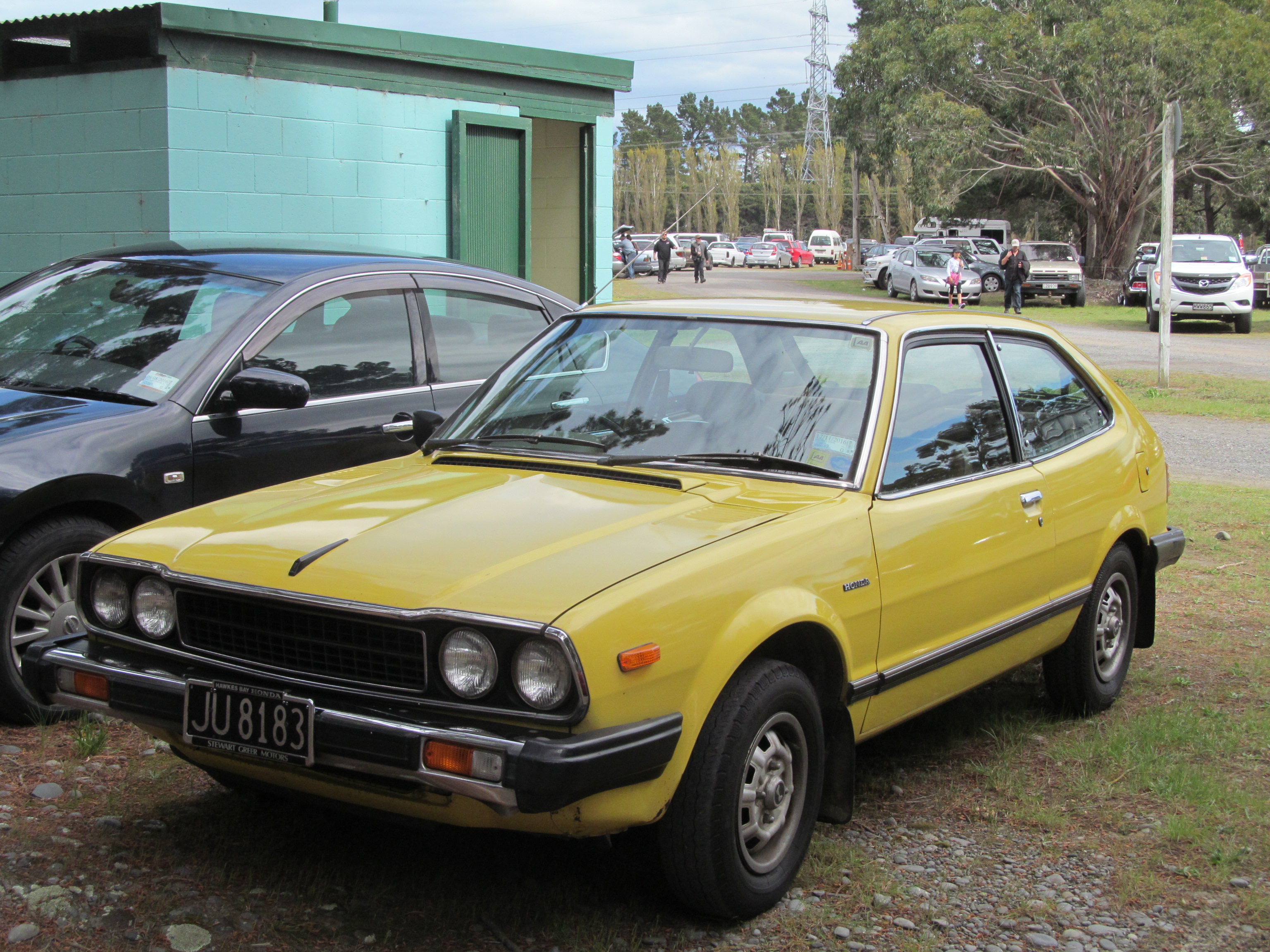
Honda Accord
"He drives two Honda Accords. One's a twenty ten, so [216.8s] a twenty ten Honda Accord that's got less than thirty thousand miles on and he uses it for his daily commute in Massachusetts to his accounting job. And the other [225.7s] is a two thousand and one Accord with a V six with more than two hundred and eighty thousand miles on, and he uses for tough winter driving."
The Honda Accord is a popular everyday car that many people keep for a long time. Here, it’s used to show how different driving needs (daily commuting vs winter driving) can make keeping a used car make more sense than buying new.
The Honda Accord is a mainstream midsize sedan known for being practical and long-lived. In this segment, it’s used as an example of why someone might keep a car for commuting versus harsh winter use instead of buying new.
transmission
"my lord, the repairs that happened outside of warranty to see cars need transmissions today. I never thought in my [266.0s] entire life I'd ever see the day when a transmission repair was twelve and thirteen thousand dollars."
The transmission is the part that helps the engine’s power get to the wheels in the right “gear.” In this segment, they’re saying transmission repairs can get extremely expensive, especially if it’s not covered by warranty.
A transmission is the drivetrain component that changes engine output into the right gear ratio for the wheels. This episode highlights how costly transmission repairs can be when they happen outside warranty, turning a mechanical failure into a major expense.
Everything talks to everything
"I understand exactly what they mean, because today's cars are not simple. Everything talks to everything. One week, battery creates six warning lights."
New cars have lots of computers that share information. If one computer detects a problem, it can make other parts of the car act weird or show warnings.
This describes how modern vehicles are built around interconnected electronic control units (ECUs). Because modules share data over vehicle networks, a fault in one system can cascade into other systems and create confusing symptoms.
battery creates six warning lights
"One week, battery creates six warning lights. And we've had this conversation, you and I, we had that conversation about how the cars interact and how they create issues and what they do."
In newer cars, one problem can cause lots of warning messages at once. For example, if the battery isn’t supplying proper voltage, the car may think several systems are having trouble.
Modern cars use a network of sensors and control modules, so one underlying issue (like a battery problem) can trigger multiple dashboard warnings. Those warnings are often symptoms of a system communication or voltage problem rather than six separate failures.
short trips are brutal
"It only goes a short distance, so you're actually harder on that engine than the person that drives fifty highway miles a day. And that surprises everybody we've talked about this. Short trips are brutal. Condensation builds up..."
Lots of short drives can be rough on a car because it may not fully warm up. That can cause moisture to build up and the battery may not recharge well.
The host is describing how frequent short trips can be harder on a car than steady longer drives. Limited warm-up time can lead to condensation buildup, incomplete oil temperature rise, and reduced battery charging, which increases wear and can trigger issues.
condensation builds up
"Short trips are brutal. Condensation builds up, oil never really fully warms up, batteries don't recharge, exhaust systems, rush from the inside."
Condensation is water that forms when the car doesn’t get hot enough. If you only drive short distances, moisture can build up and cause corrosion over time.
Condensation buildup is moisture collecting inside parts of the engine/exhaust system when the car doesn’t reach full operating temperature. Over time, that moisture can contribute to corrosion and other issues, especially with repeated short trips.
oil never really fully warms up
"Condensation builds up, oil never really fully warms up, batteries don't recharge, exhaust systems, rush from the inside. Mileage doesn't tell the whole story anymore."
Engine oil works best when it gets warm. If the car only makes short trips and the oil never heats up, it can’t protect the engine as well.
Engine oil needs to reach operating temperature to thin out and flow properly, and to help burn off moisture and contaminants. If it never fully warms up, lubrication and protection can be less effective, increasing wear.
batteries don't recharge
"Condensation builds up, oil never really fully warms up, batteries don't recharge, exhaust systems, rush from the inside. Mileage doesn't tell the whole story anymore."
The car’s battery gets charged while you drive. If you only drive briefly, the battery may not get enough time to recharge fully.
Modern cars recharge the 12V battery primarily through the alternator while driving. With lots of short trips, the alternator may not run long enough to fully replenish the battery, which can lead to electrical faults and warning lights.
Usage matters
"Mileage doesn't tell the whole story anymore. Usage matters. And another thing you've got to understand is modern diagnosis is not guesswork."
Two cars with the same mileage can be in very different condition. How you drive—like short trips versus long drives—changes how much stress the car sees.
The host is arguing that how a car is used (short trips vs steady highway driving) can matter more than odometer mileage for predicting wear and failure risk. Usage affects warm-up cycles, battery charging, and condensation, which can change the car’s condition even at similar mileage.
modern diagnosis
"And another thing you've got to understand is modern diagnosis is not guesswork. It's a requirement."
Modern car repair usually starts with plugging in a computer to read codes and check what the car is actually seeing. That helps mechanics avoid guessing and chasing the wrong problem.
“Modern diagnosis” refers to using electronic scan tools, live data, and fault-code interpretation to pinpoint problems in today’s computer-controlled cars. It’s not just guessing based on symptoms because many issues are network- or sensor-related.

Chevrolet Tahoe
"I had a conversation with someone the other day. They were driving a twenty eleven Chevy Tahoe. They were doing an engine swap."
A Chevrolet Tahoe is a large SUV with lots of electronics. The host is using it to explain that modern problems often need the right diagnostic approach.
The Chevrolet Tahoe is a full-size SUV known for having complex, computer-controlled systems that can be difficult to troubleshoot when faults cascade. In this segment, it’s used as an example of how a repair can go wrong when diagnosis isn’t systematic.
engine swap
"They were driving a twenty eleven Chevy Tahoe. They were doing an engine swap. Ever, since they put the engine in the vehicle doesn't run, the mechanic working on it, is that a loss, which kind of blows my mind..."
An engine swap means putting a different engine into the car. Even if the engine is installed correctly, the car’s computers and wiring may still need to be matched so it can start and run.
An engine swap is replacing a vehicle’s original engine with a different engine, often from another car or a different configuration. After an engine swap, the car may still need matching electronics, sensors, and calibration—otherwise it may not run even if the engine itself is physically installed.
synthetic oil change intervals
"we allowing a professional mechanic to look the vehicle over every five to six months? As many synthetic oil change intervals have stretched it out to now."
This means the recommended schedule for changing synthetic engine oil. The host is saying that if you wait too long, you may miss other issues that a proper service would catch.
“Synthetic oil change intervals” refers to the schedule for replacing engine oil when using synthetic oil, which typically lasts longer than conventional oil. The host argues that stretching these intervals can reduce the chance of catching problems early, because an oil change is more than just swapping oil.
engine oil and filter
"It's a service that includes changing the engine oil and filter, topping underhood fluids, looking up service history."
The engine oil keeps the engine parts from grinding against each other, and the oil filter helps catch dirt. The host is saying a real oil service includes changing both and doing additional checks.
Engine oil and filter service is the core of an oil service: the oil lubricates internal engine parts, while the filter traps contaminants. The host emphasizes that a proper service includes both, plus checks beyond just the oil itself.
underhood fluids
"It's a service that includes changing the engine oil and filter, topping underhood fluids, looking up service history."
Under the hood, there are different fluids the car needs to run correctly. The host is saying a proper service checks and tops these off, not just the oil.
Underhood fluids are the various liquids that keep systems working—commonly coolant, brake fluid, power steering fluid (if equipped), and windshield washer fluid. The host includes topping these fluids as part of a “real” oil service, not just changing oil.

Jeep Cherokee
"I had a vehicle this week, a twenty nineteen cheap Cherokee. The battery was replaced when it was four years old. Here's this battery that was just three years old."
The host is talking about a 2019 Jeep Cherokee. He’s using it to show that starting problems can be caused by the battery and the car’s electronics, not always by what you’d guess first.
A Jeep Cherokee (from the 2019 model year) is being used as a real-world example of how modern vehicles can fail in ways that aren’t obvious at first. The host describes a no-start/slow-start symptom and then points to how vehicle electronics and battery health can be involved.
electronics
"Good name brand battery. It wasn't the battery. It's the amount of electronics that are on the vehicles today. It's"
Modern cars have lots of computers and sensors. The host is saying that because there are so many electronics, starting issues can be harder to diagnose than in older cars.
In modern cars, “electronics” includes the many control modules and sensors that manage everything from starting systems to infotainment and safety features. The host implies that the sheer amount of electronics can affect starting behavior and complicate diagnosis.
start stop feature
"highway road tests and all the combinations thereof, and the start stop feature. You know, start stop tends to beat up everything."
Start-stop is a system that turns the engine off when you’re stopped and turns it back on when you’re ready to go. It can be harder on the battery because it has to restart the engine many times.
A start-stop feature automatically shuts the engine off when the vehicle is stopped and restarts it when you release the brake or press the accelerator. Because it repeatedly restarts the engine, it puts extra stress on the battery and charging system compared with a car that idles less.
load test
"And this battery, when I gave it a load test, failed, It just failed."
A load test checks whether a battery can actually deliver power when you put it under stress. If it drops voltage fast, it’s a sign the battery is weak even if it looks okay at rest.
A battery load test checks how well a battery performs under a controlled electrical load, rather than just measuring resting voltage. If the battery voltage collapses quickly under load, it indicates the battery can’t deliver the current needed to crank and run systems reliably.
cold cranking amps
"You tell it the cold cranking amps, and it doesn't really apply a load."
Cold cranking amps (CCA) tells you how much starting power the battery can give when it’s cold. Starting the engine needs a big burst of electricity.
Cold cranking amps (CCA) is a rating for how much current a battery can provide at cold temperatures while still cranking the engine. It’s a key spec because starting requires a large burst of current, especially in winter.
voltage drop
"I turned the headlights on with a vault meter on the battery, and I watched the battery drop from twelve to five to eleven eight in little less than fifteen seconds."
Voltage drop is how fast the battery’s voltage falls when you turn on something that uses power. If it drops quickly, the battery can’t supply electricity well.
Voltage drop is how quickly battery voltage falls when electrical load is applied, such as turning on headlights. A rapid drop indicates the battery has high internal resistance and can’t maintain voltage for starting and running.
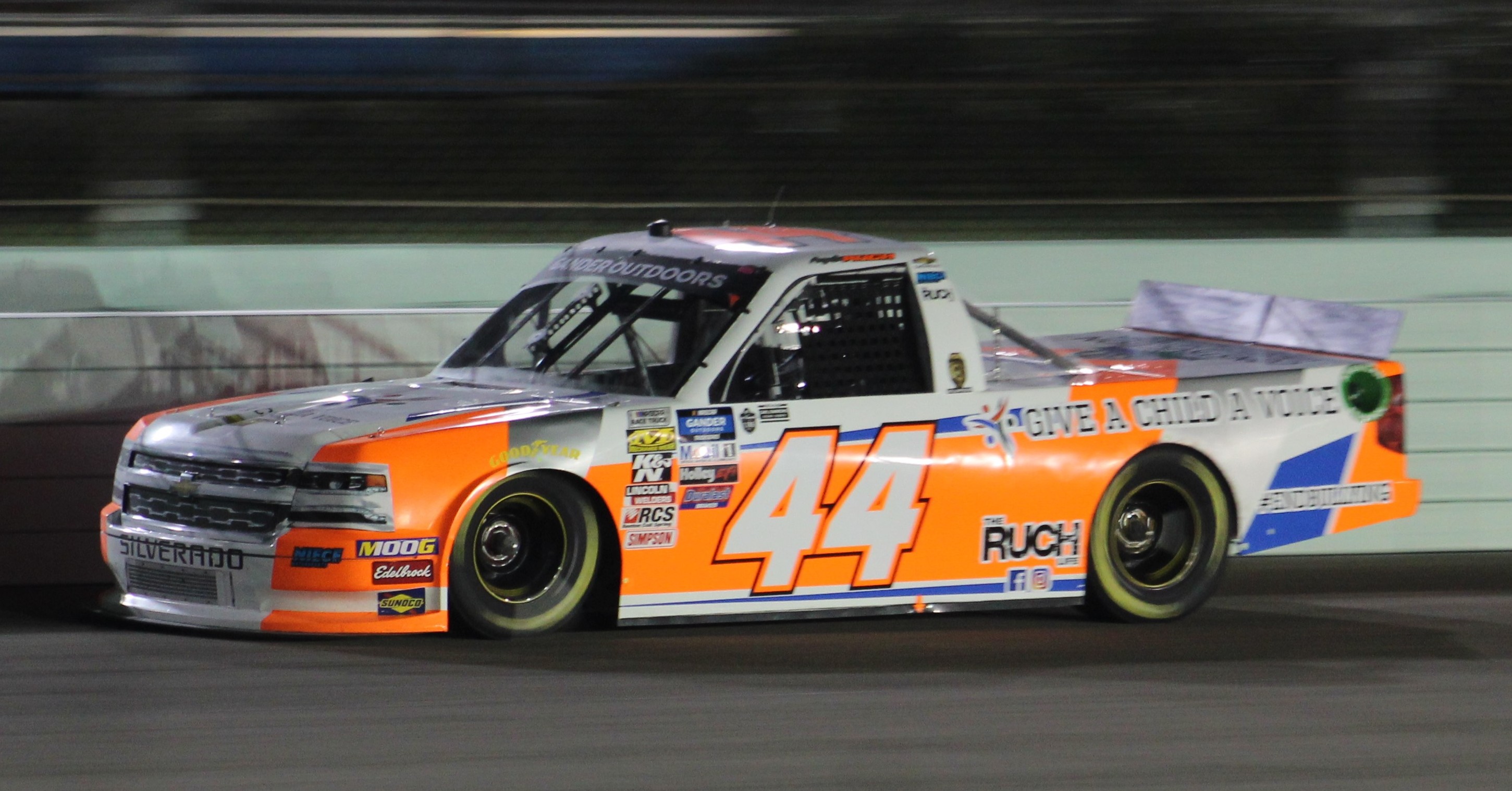
twenty ten Chevy Silverado five point three liter engine crew cab
"Good afternoon. I have a twenty ten Chevy Silverado five point three liter engine crew cab and I'm having problems with the brakes."
A Chevrolet Silverado is a full-size pickup truck. Here it’s a 2010 model with a 5.3-liter engine and a crew cab, and the caller is describing brake problems on that truck.
The Chevrolet Silverado is a full-size pickup known for being widely used as a work truck and for having common brake and hydraulic service issues over time. In this case, the speaker specifies a 2010 Silverado with a 5.3-liter V8 and a crew cab, which helps narrow down the likely brake system layout and parts.
ABS breake bleed
"We did a ABS breake bleed, you know, made sure everything got out the air. Right. Still still no brakes, sponge,"
Brake bleeding removes air bubbles from the brake fluid lines. If air is trapped, the pedal can feel soft and the brakes may not work properly.
ABS brake bleeding is the process of removing trapped air from the brake hydraulic system, including circuits that can be affected by the ABS module. Air in the lines can cause a spongy pedal and reduced or no braking pressure.
frozen up
"We replaced the front calipers and the brake pads and the lines with one of them froze up."
“Frozen up” means a brake part is stuck and won’t move. If the brake hardware can’t move normally, the brakes may not work even if you replaced some parts.
When a brake component is described as “frozen up,” it usually means it’s seized or stuck and can’t move freely. In brake systems, that can prevent proper pad clamping or fluid movement, leading to weak or missing braking even after parts are replaced.
front calipers
"We replaced the front calipers and the brake pads and the lines with one of them froze up."
Calipers are the parts that squeeze the brake pads against the rotors to slow the truck down. If a caliper sticks or doesn’t move correctly, the brakes can feel like they don’t work.
Brake calipers are the hydraulic components that clamp brake pads onto the rotor to create stopping force. If a caliper or its slide hardware sticks, it can cause uneven braking or even a total loss of effective braking on that corner.
brake hoses
"And it's the caliber. It's not a break hose. No. [790.2s] We replaced the calipers, the brake hoses, and the brake pads."
Brake hoses are the fluid lines that send brake fluid to the brakes. If they’re faulty, the brakes may not work right or may not release properly.
Brake hoses carry pressurized brake fluid from the master cylinder to the calipers. If a hose is damaged or internally restricted, it can prevent proper pressure release and contribute to brake drag or pedal issues.
brake pads
"We replaced the calipers, the brake hoses, and the brake pads. [795.8s] Okay, and ever since then you've had no pedal or a poor pedal pedal."
Brake pads are the parts that squeeze onto the brake rotor to create stopping power. If they wear out or get cooked from a stuck caliper, they need replacing.
Brake pads are the friction material that clamps against the rotor to slow the vehicle. Replacing pads is common when they’ve been overheated or worn unevenly due to a sticking caliper.
brake bleed
"Okay, and ever since then you've had no pedal or a poor pedal pedal. Right, So tell me how you [803.5s] bled the master before you go."
Brake bleeding removes trapped air from the brake lines. Air makes the pedal feel spongy or go too far down, so bleeding helps restore normal braking.
Brake bleeding is the process of removing air from the brake hydraulic system. Air can compress, which leads to a low/soft pedal and reduced braking effectiveness, so bleeding is often required after replacing hydraulic components.
scanner
"We have a scanner and did the ABS. You know. [809.3s] It makes those grinding noise."
A scanner is a diagnostic computer tool that plugs into the car to read what the car’s systems are reporting. Here, it helps check the ABS system while troubleshooting the brakes.
A scanner refers to an OBD diagnostic tool used to read fault codes and live data from a vehicle’s control modules. In this context, it’s used to command or check ABS behavior during bleeding/diagnosis.
bench bleed
"Said, well, we did a bench bleed first, right, and then attached it. We checked for leaks first, all all [831.4s] the wheels underneath by the master cylinder."
Bench bleeding means you bleed the brake master cylinder on the bench before putting it in the car. The goal is to get rid of trapped air so the brake pedal works normally after installation.
Bench bleeding is a procedure done to a master cylinder before it’s installed, to remove air from the hydraulic passages. Air in the system can cause a spongy or low brake pedal, so bleeding helps restore proper pedal feel.
power booster
"I said, well, I'm not going to get rid of the truck. I use it for work, and I put [856.0s] in I bought a power booster, but a GM just the master cylinders after market, but for the power booster, I went with the GM brand, paid extra, of course, and it came with a new sensor power booster sensor, you know, the three pin."
The power booster helps you brake with less effort by boosting the force behind the pedal. If it’s not working, braking can feel wrong—often harder than it should be.
A power booster (brake booster) uses engine vacuum or an electric assist to multiply the force you apply to the brake pedal. If the booster or its sensor/actuation is faulty, braking can feel abnormally hard or the pedal can behave poorly.

Lucid Air
"...e spirou. So the truck is off, the cars up in the air, it's on jack stands. However, you're doing this ..."
The Lucid Air is an electric car, meaning it runs on electricity instead of gasoline. Because it’s an EV, it has different parts and safety steps than a normal gas car. That’s why a mechanic might talk about lifting it and working carefully during service.
The Lucid Air is an electric luxury sedan, and it’s the kind of car that can come up in repair or diagnostic discussions because EVs have different systems than gas cars. In the podcast context, the mention of the car being up on jack stands suggests hands-on service work where access and safety procedures matter. That makes it relevant for a “car doctor” type conversation about how to inspect and service EV components safely.
bleeding the brakes
"My question is you know when you're bleeding the brakes, So somebody sitting in the somebody sitting in the truck, yes, right, the us doing it, and it's pumped the brake pedal until it gets hard. It never gets hard, it never gets high, right, right, And then you open the bleeder and what comes out anything?"
Brake bleeding means getting air out of the brake fluid lines. If there’s air in the system, the brake pedal can feel soft or never get firm.
“Bleeding the brakes” is the process of removing air from the brake hydraulic system so the pedal can build proper pressure. Air compresses, so if it’s trapped in the lines or master cylinder, you can end up with a pedal that never firms up even though fluid is moving.
discharge port
"Correct. Are you looking at the discharge port inside the Master for air bubbles if you look at the bottom of the if you look at the bottom of the Master cylinder reservoir, Yeah, there's a discharge port there. Okay, all right, or sometimes it's the intake and at discharge. But regardless,"
A master cylinder’s discharge (and related intake/discharge) ports are the internal passages that route fluid during bleeding and normal operation. Checking for air bubbles at the discharge port helps confirm whether bench bleeding is actually purging air from the master cylinder’s internal chambers.
Master cylinder
"It almost sounds like you've got air in the Master, like the Master is still air bound, which brings me back to my first comment. Right, you can get plugs that will seal that Master cylinder. If you seal that Master and pump the pedal, does the pedal get hard"
A master cylinder is the part that pressurizes the fluid when you press the brake or clutch pedal. If there’s air trapped inside, the system can’t build pressure correctly, so the pedal won’t feel firm. The idea here is to check whether the problem is inside the master cylinder before blaming the rest of the system.
The master cylinder is the hydraulic “pump” that turns your brake pedal (or clutch pedal) movement into pressurized fluid. If it’s “air bound,” the fluid can’t build proper pressure, so the pedal may feel soft or not get hard. The host is describing a diagnostic flow: seal the master and pump the pedal to see whether the hydraulics can reach a firm, high-pressure state.
air bound
"It almost sounds like you've got air in the Master, like the Master is still air bound, which brings me back to my first comment."
“Air bound” means there’s air trapped in a brake/clutch fluid system. Air is compressible, so when you press the pedal, some of that movement just compresses the air instead of pushing the brakes/clutch. That’s why the pedal may not feel hard and firm.
“Air bound” describes a hydraulic system where trapped air prevents the fluid from compressing and transferring force normally. Instead of building solid pressure, the pedal movement is absorbed by compressing the air, leading to a soft or inconsistent pedal feel. The host’s point is that if you can’t purge the air from the master cylinder, the rest of the hydraulic system will still behave poorly.
plugs
"Right, you can get plugs that will seal that Master cylinder. If you seal that Master and pump the pedal, does the pedal get hard"
In this context, “plugs” refers to temporary sealing tools used to block off ports in the master cylinder so the mechanic can isolate where the air or pressure problem is occurring. By sealing the master and pumping the pedal, you can tell whether the master cylinder can build a firm hydraulic pressure state. This is a diagnostic technique rather than a permanent repair part.
rebleeding
"And if you can't get that out of the Master, then the rest of the system is just going to be terrible. Start with rebleeding the master."
Rebleeding is the process of removing trapped air from a hydraulic system by cycling fluid through the system (typically at bleeder points). If the master cylinder is still air bound, rebleeding is often the corrective step before replacing other components. In this segment, the host suggests the fault likely lies in the master cylinder’s ability to purge air.

Chevrolet Equinox
"about looking at twenty nineteen Chevy Equinox. It has a one point five and I believe that would be a turbo sorry, voter. ... I think the equinox has come a long way, all right, and this is going to come back to you know, how are you going to take care of it?"
The Chevrolet Equinox is a small SUV. The host is saying it’s improved over time, but it still needs regular upkeep—especially oil changes—to stay trouble-free.
The Chevrolet Equinox is a compact SUV that’s been updated over multiple generations, and the host argues it’s “come a long way.” In this segment, the discussion focuses on how its reliability depends heavily on maintenance habits like oil changes and other routine service.
turbo
"It has a one point five and I believe that would be a turbo sorry, voter."
A turbo is a device that helps the engine make more power by pushing extra air into it. Because it works hard, it’s one reason regular oil changes matter.
A turbocharger (often shortened to “turbo”) forces more air into the engine, which can increase power without increasing engine size. In modern engines, turbos are common, but they also make maintenance (like oil changes) more important because the turbo relies on clean, properly lubricated oil.
oil changes
"If you're laid on oil changes, if you're laid on fluids, if you're laid on services."
Oil changes keep the engine lubricated and clean. The host is basically saying if you don’t do them on time, the car is more likely to develop problems.
Oil changes are a key maintenance item because engine oil lubricates moving parts and carries away heat and contaminants. The host’s point is that the Equinox (and similar vehicles) becomes less forgiving if you skip oil changes and other scheduled service.
maintenance counts
"You know you've got some carcentricity to you. You know, it could be a great vehicle. You know, it would not be unusual at the one hundred thousand mile mark. I want to say it like that, but I have seen a few of the Equinoxes take transs in the one hundred hundred and ten thousand mile mark"
The host is saying regular maintenance really matters. If you keep up with things like oil changes, the car is more likely to last a long time.
“Maintenance counts” is the idea that regular upkeep strongly influences long-term reliability and reduces the chance of expensive failures. In this segment, the host ties it to the Equinox’s ability to reach high mileage when oil changes and other services are kept up.
trans control modules
"I have seen a few of the Equinoxes take transs in the one hundred hundred and ten thousand mile mark, not that that's the be all and end all. A couple of them have taken trans control modules."
The transmission control module is a computer that tells the car how to shift gears. The host is saying some vehicles have had problems with that computer after higher mileage.
A transmission control module (TCM) is the computer that manages how the transmission shifts and behaves. The host mentions that some Equinoxes have had TCM issues in higher-mileage examples, implying electronics can be a failure point even when the mechanical parts are fine.
service history
"do you have any service history on this vehicle? [1261.8s] Not really, no, no, And price wise, it's in the opportunes."
Service history is the log of maintenance and repairs the car has had. It helps you judge whether the previous owner took good care of it.
Service history is the record of what maintenance and repairs were done and when. The host asks whether the buyer has it because a documented history helps predict how well the vehicle was cared for and reduces the risk of hidden problems.
mileage
"and you know it's got the right amount of mileage. But if the dealers are selling them for eighteen to twenty, then eighteen's a fair price."
Mileage is how many miles the car has been driven. Higher mileage usually affects wear and can change what a used car should cost.
Mileage is the total distance a vehicle has been driven, usually expressed in miles. In this segment, Ron uses mileage as part of the pricing logic for a used Equinox versus what you’d expect to pay for a similar Camry.
replacement cost
"It really is. And you've got to also think about what's the replacement cost. You know, if you went out to buy one new, it's easily forty thousand dollars."
Replacement cost means: if you had to buy the same thing again today, what would it cost? They use that idea to judge whether the used price makes sense.
Replacement cost is what it would cost to buy an equivalent item today. Ron uses replacement cost to frame whether a used Equinox price is fair by comparing it to the cost of buying the same vehicle new.
out-the-door price
"if you went out to buy one new, it's easily forty thousand dollars. It's double, right, a little bit better than double that does come with a warranty where this will not right"
Out-the-door price is what you actually pay at the end, after taxes and fees. It’s the number you should compare when deciding if a deal is really good.
Out-the-door price (OTD) is the total amount you pay to take the car home, including the negotiated price plus taxes, registration, and dealer fees. In this segment, the host is effectively steering listeners to think beyond the sticker number when comparing used versus new costs.
warranty
"it's easily forty thousand dollars. It's double, right, a little bit better than double that does come with a warranty where this will not right"
A warranty is coverage that helps pay for repairs for a period of time. They’re saying new cars usually include it, while used cars might not.
A warranty is a manufacturer-backed promise to cover certain repairs for a set time or mileage. Here, the host contrasts a new-car warranty (included with the higher new price) versus a used-car situation where you may not have the same coverage.
car payments with no interest
"The one way you could look at it is if you buy it for eighteen all right, Let's say that's forty five hundred dollars a year in car payments with no interest."
They’re doing a quick math comparison: what the purchase price would feel like per year if you financed it with no interest. It helps compare deals on an apples-to-apples basis.
This is a simplified affordability model that converts a purchase price into an annual payment figure, assuming financing at 0% interest. Ron uses it to estimate how expensive the used Equinox would be per year and then compares that to typical mileage usage.
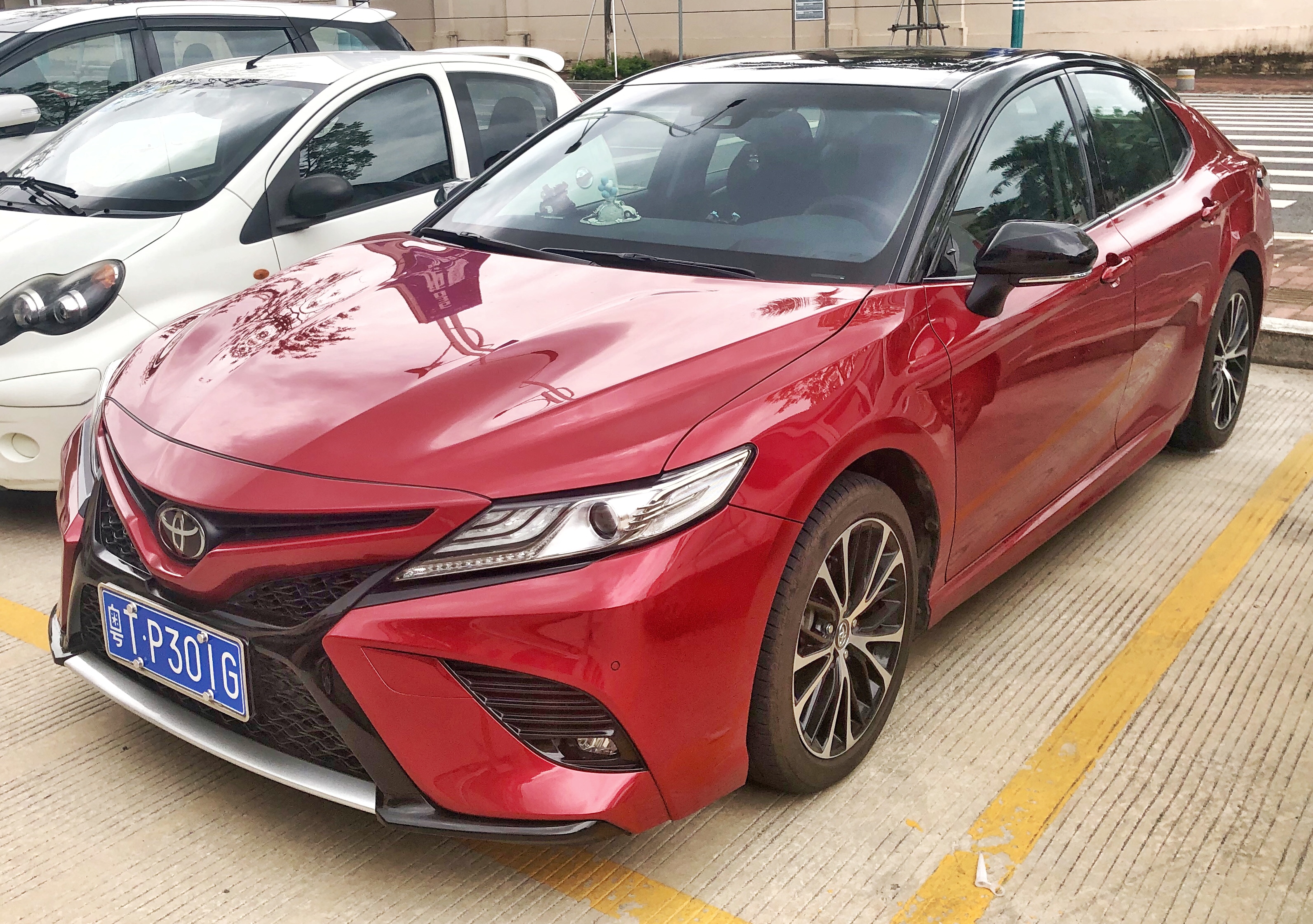
Toyota Camry
"by the same token, you could go buy I don't know, a nineteen Toyota Camry with forty thousand miles on it from a dealer."
The Toyota Camry is a popular car model that’s easy to find used. They’re using it as a comparison to show how warranties and pricing can differ between models.
The Toyota Camry is a midsize sedan known for being widely available and typically offered with strong used-car support. Ron compares a used Camry purchase (with 40,000 miles) against the earlier Equinox deal, focusing on price and warranty availability.
dipstick
"Can you just take it down to your guy. Can you take it down to your local mechanic and let them look it over, Let them pull the dipstick and look at the oil."
The dipstick is a simple tool you pull out to check the engine oil level. If the oil is low or looks wrong, it can be a clue that the car wasn’t maintained well.
A dipstick is the removable rod used to check an engine’s oil level and sometimes oil condition. Pulling it lets a mechanic verify whether the oil is at the right level before deciding what else the car may need.
mechanic check it over
"Can you take it down to your local mechanic and let them look it over, Let them pull the dipstick and look at the oil. Let them try and determine was anything ever serviced, what was serviced, what might it need?"
Before buying a used car, it’s smart to have a mechanic inspect it. They can spot problems and maintenance issues that you might miss.
A pre-purchase inspection is the idea of having a qualified mechanic evaluate a used car before you buy it. The goal is to uncover maintenance history gaps, current wear, and issues caused by sitting that you might not notice during a quick look.
brake roaders rusty
"How long has it been sitting, if it's been sitting any length of time, or the brake roaders rusty? Do the brakes need to be gone through?"
If a car has been sitting, the brake parts can get rusty. That rust can make braking feel rough or cause the brakes to not work as smoothly until they’re serviced.
“Brake roaders” appears to refer to brake rotors and/or related brake hardware. Rust on brake components—especially rotors—can cause vibration, uneven braking, or sticking calipers, and it’s a common issue on cars that have been sitting.
date code on the tires
"If it's I'm going to look at the date coat on the tires. You know, for all we know, maybe they're original, maybe they're not. Maybe that's maybe that's a buying point. Go look at the date code on the tires."
Tires have a stamped code that tells you when they were made. You can have plenty of tread but still have tires that are too old to be safe.
Tires have a manufacturing date code molded into the sidewall, which indicates when the tire was made. Even if tread looks fine, older tires can be unsafe, so checking the date helps estimate remaining tire life.
tire life from birth date
"If the tires were original to the vehicle, they're due to be replaced, regardless of tread. The industry says between six and eight years tire life from birth date to cradle the grave kind of a thing, so you know, it's it's some things to consider, some things to look at, but you really should have a mechanic check it over once"
Tires wear out with time, not just miles. That’s why an older tire can need replacing even if it still has tread.
Tire life is often estimated from the tire’s manufacturing “birth date,” not just from how much tread is left. Rubber degrades with age, so a tire can be due for replacement even when tread depth still appears adequate.

Toyota Corolla
"Danny, my mechanic, was recently at a family reunion of sorts down in Florida, and while he was down there, his uncle Bob had a twenty eleven Toyota Corolla that with two hundred and eighteen thousand miles on it he wanted to give Danny. So Danny has to get it home to New Jersey."
The Toyota Corolla is a very common, dependable small car. Here, the example is a 2011 Corolla that starts leaking coolant while being driven home, which turns into a parts-and-repair situation.
The Toyota Corolla is a high-volume compact car known for being practical and long-lived when maintained. In this story, a 2011 Corolla with 218,000 miles develops a coolant leak during a long drive from Florida toward New Jersey.
coolant leak
"He drove it to South Carolina where the coolant leak developed. So Danny, being the resourceful mechanic that he use, and it was just about where he was going to rest for the night, pulled into an advanced auto parts parking lot..."
Coolant is the fluid that keeps the engine from overheating. If it leaks, the engine can run too hot, so you need to find and fix the source quickly.
A coolant leak means the engine’s temperature-control fluid is escaping, which can lead to overheating. The host ties the leak to a specific failed plastic radiator extension on the Toyota Corolla.
Advance Auto Parts
"pulled into an advanced auto parts parking lot, went inside, and he said it was kind of a kind of a great experience. He had a good time."
Advance Auto Parts is a store that sells car parts. The mechanic uses it as a convenient place to get the right replacement when the car breaks down.
Advance Auto Parts is an automotive parts retailer where technicians and DIYers can source replacement components quickly. In the episode, the mechanic stops there after the coolant leak appears and later looks up the needed part.
plastic radiator extension
"They have this little plastic radiator extension from where the upper hose meets the upper neck of the radiator. There's like two hoses in this plastic extension is in the middle of it with the cap."
This is a small plastic piece connected to the radiator and hoses. When it gets brittle from lots of heat, it can crack and let coolant leak out.
A plastic radiator extension is a molded plastic section near the radiator’s hose connection points. In this case, it’s described as part of the upper hose/radiator neck area, and it cracks or fails due to heat cycles, causing coolant to leak.
Motorad
"You know, he looks it up at Advance Auto Parts and they have it. You know, fortunately, Motorad. You know, thank god, Danny said to me."
Motorad makes aftermarket car parts. In this story, it’s the brand of the cooling-related part that was available to fix the leak.
Motorad is an aftermarket parts brand, commonly associated with cooling-system components. Here, the host says the needed radiator extension was available from Motorad, which helped solve the coolant-leak issue.
case Seal
"He grabbed the bottle of case Seal off the shelf, dumps a bottle of case Seal into the car, fills it up with the right coolant, right, you know he knew."
“Case Seal” sounds like a stop-leak additive for the cooling system. It’s used to slow or seal a small leak so you can keep driving until you can fix it for real.
“Case Seal” here sounds like a commercial cooling-system sealant product used to temporarily stop leaks in the cooling system. It’s typically poured into the system to seal small cracks or seepage so the car can be driven until a proper repair is done.
K seal
"He went and got himself a gallon of Peak and poured it in US peak pre mix, poured in the K seal, poured in the Peak, kept the rest of the Peak with him what he didn't use, drove the six hours. The k seal worked absolutely fine,"
“K seal” is a product meant to stop leaks in the cooling system. The story says it worked well enough that the car could be driven right away.
“K seal” is presented as a cooling-system sealant additive. The host’s point is that the sealant worked “absolutely fine,” allowing the car to be driven without immediate parts replacement.
Peak
"He grabbed the bottle of case Seal off the shelf... He went and got himself a gallon of Peak and poured it in US peak pre mix, poured in the K seal, poured in the Peak, kept the rest of the Peak with him what he didn't use, drove the six hours."
“Peak” is a brand of coolant. In the episode, it’s part of the mixture used to keep the car’s cooling system functioning.
“Peak” refers to a consumer coolant brand (often sold as pre-mixed coolant). In this story, Danny mixes it with a sealant to keep the cooling system working well enough to drive.
pre mix
"He went and got himself a gallon of Peak and poured it in US peak pre mix, poured in the K seal, poured in the Peak, kept the rest of the Peak with him what he didn't use, drove the six hours."
“Pre mix” means the coolant is already mixed to the right strength. That helps it protect the engine properly without you having to measure and dilute it.
“Pre mix” refers to coolant that’s already blended to the correct concentration, rather than requiring dilution with water. Using the right mix ratio matters for freezing protection and corrosion control.
rear bumper
"But you look at this car and it's just an adventure... at two hundred and whatever... it's a great car, and it's probably got another two hundred thousand miles in it, and it needs a rear bumper. The rear bumper's got a crack in it."
The rear bumper is the part on the back of the car that takes hits in low-speed crashes. Here, it’s cracked and needs repair.
The rear bumper is the exterior impact-protection component at the back of the vehicle. In this story it’s damaged (a crack), which is a common cosmetic/repair item after minor impacts.
beater
"Danny said, I'm going to drive it. He goes, it'll be my beater. Everybody needs a beater, which I understand"
A “beater” is a car you use without worrying too much about it getting dirty or scratched. It’s meant to be driven, not babied.
A “beater” is a colloquial term for a car you don’t mind using hard or cosmetically neglecting. It’s often kept for daily chores or rougher driving where you want to avoid risking a nicer vehicle.

Ford Ranger
"...beater, which I understand that I've you know, my ranger to me is my beater. You need something just to bo..."
The Ford Ranger is a small pickup truck with a bed for carrying things. Some people use it as a “beater,” meaning a vehicle they don’t have to baby for daily tasks. It’s chosen because it’s practical and can handle rougher use.
The Ford Ranger is a compact pickup truck that’s often used as a simple, capable “workhorse” vehicle. It’s frequently discussed as a beater because it can handle everyday wear and tear and still be useful for hauling or getting around. In a podcast context, it sounds like the host is describing it as a practical backup or utility truck.

Jeep Grand Cherokee
"I want to talk real quick, and this comes to us from All Data All Data Dot comments in their All Data newsletter this month about a Jeep Grand Cherokee. It's a story they've got in there about a Jeep Grand Cherokee didn't start after the person had the windshield tinted right, And you say to yourself, how could this matter?"
The Jeep Grand Cherokee is a popular SUV. Here, the host is talking about a 2020 one and how a change to the windshield tint led to an issue, which can happen on newer cars because the glass area often connects to sensors and electronics.
The Jeep Grand Cherokee is a midsize SUV known for being widely used as a daily driver and road-trip vehicle. In this segment, Ron Ananian is discussing a specific 2020 example and a problem that started after a windshield was tinted, which is relevant because tint work can affect sensors and electronics on modern SUVs.
rain sensor
"Now there's no camera in this, but there is a sun There is a rain sensor, all right, But the rain sensor was disconnected, and they took out a couple other censors that related to the glass in that area."
A rain sensor is a little device on the windshield that detects when it’s raining. It tells the car to automatically turn the wipers on and adjust how fast they go.
A rain sensor is a windshield-mounted system that detects water on the glass and automatically controls wipers. It typically uses optical or capacitive sensing and is integrated into the car’s body electronics.
body computer
"he discovered that the body computer was not responding. The body computer was offline."
The body computer is the car’s main electronics controller for things like lights and sensors. If it stops working or gets affected by water, the car may not start.
In modern cars, the body computer (often called the BCM—body control module) is the electronics hub that manages many convenience and safety functions like lighting, wipers, and various sensors. If it’s not communicating or gets contaminated, the car can enter a no-start condition.
A pillar
"Soapy water ran down the A pillar. The A pillar, you fed it right into the top of the body control module which sits down."
The A-pillar is the vertical support at the front of the car, right next to the windshield. In this case, water got down that area and reached sensitive electronics.
The A-pillar is the front vertical structural support between the windshield and the front side window area. In this story, water running down the A-pillar reaches electronics behind the trim, which can cause electrical faults.
BCM
"just dropping soapy water into the mouth of the fish, went across the connectors for the BCM, and it created a no start condition."
BCM means the body control module, which is a computer that runs a lot of the car’s electrical features. If water gets into its connectors, it can cause the car to refuse to start.
BCM stands for body control module, the car’s control unit for body-related electrical systems. In the segment, soapy water reached the BCM connectors, which can interrupt communication and trigger a no-start condition.
no start condition
"went across the connectors for the BCM, and it created a no start condition."
A no start condition means the car won’t start at all. Here, water got into the car’s electronics and stopped the system from allowing a normal start.
A no start condition is when the engine won’t crank or start because the car’s control systems detect a fault or can’t communicate properly. In this case, contamination reached the BCM connectors, which prevented normal starting logic from completing.
Request an Explanation
Heard something you'd like explained? We'll add it to this episode.
Sign in to request explanations for terms you heard.
Want to learn more?
Browse our glossary for plain-English explanations of automotive terms, jargon, and concepts.
Help improve this episode
See something that's not quite right? Our annotations are AI-generated and can sometimes miss the mark. Click the flag icon on any annotation to suggest a correction.