
About this episode
Hosts kick off with wheel-brand talk and a Germany/Nürburgring work trip, then get into the stress of long-distance rotary ownership and the logistics of shipping titles and cars. The conversation turns into real-world wrenching: diagnosing a single-DIN radio that powers on but has no sound, wrestling with stuck trim, and sorting cooling/brake issues. Midway, they debate Ferrari’s EV design choices and discuss endurance-racing chaos at the Nürburgring, plus sponsor segments on wheels, coilovers, and tires.
Description

Chevrolet SSR
"...he good wheels in stock, like works, gram lights, SSRs, all sorts of good stuff. In case you're wonderin..."
The Chevrolet SSR is a weird-looking car that mixes a truck and a convertible idea. It has a pickup-like shape but is meant to be styled like a roadster. The podcast mentions it in the context of customizing and parts like wheels.
The Chevrolet SSR is a distinctive U.S.-market vehicle that blends a pickup-style body with a retractable-roof roadster concept. It’s a niche, attention-grabbing model, which is why it can come up in conversations about unusual or collectible cars. In the podcast, it’s mentioned alongside wheel brands, implying a focus on the car’s look and build details.
buying a car sight unseen
"I mean, there is cars out there. [181.1s] But buying a car sight unseen other than just the listing [186.0s] and then driving it across country, essentially,"
It means buying a car without seeing it or checking it yourself. With older cars, you can’t easily spot problems that might be expensive to fix later.
“Buying a car sight unseen” means purchasing without physically inspecting it in person or verifying condition firsthand. For enthusiast cars—especially older ones with unknown history—it increases the risk of hidden issues.
unknown miles
"[192.3s] Yeah, there's like three. [193.7s] Unknown miles. [194.4s] There's three hells of being an automotive enthusiast."
It means the seller doesn’t clearly know (or won’t share) how many miles the car has. Without that info, it’s harder to estimate how worn things might be.
“Unknown miles” refers to not knowing the car’s odometer reading or total usage. For older cars, mileage is a key clue to wear, so not having it makes condition and maintenance history harder to judge.
EV crossover
"So the Ferrari Luce is a ugly abomination of an EV crossover that for the first time in my life... I still don't think I would like it."
An EV crossover is an SUV-style car that runs on electricity. The host is basically saying that EVs often get a certain look, and they don’t think that look is necessary. They wish the car could look more like a typical Ferrari instead.
An EV crossover is a sport-utility vehicle (SUV-style) body that’s powered by an electric drivetrain rather than a gasoline engine. In this context, the host is criticizing how EV crossovers are often styled to look “electric” or “hybrid-like,” instead of using a more traditional Ferrari design language. The term matters because it ties the design critique to the vehicle’s powertrain category.

Ferrari Purosangue
"But this is the same company that designed the Ferrari Pro Sangue, which in my opinion is one of the most gorgeous looking SUV... It is a super gorgeous looking car."
why do EVs have to look like EVs
"Yeah, why do EVs have to look like EVs? Did you see this thing? Yeah, this is atrocious... why couldn't they just do a typical like Ferrari design?"
The host is complaining about EVs having a similar look. They think designers are making EVs look like EVs instead of letting the car look like it belongs to its brand. Their point is that Ferrari could have made the Luce look more like a Ferrari.
This is a design philosophy complaint: the host argues that EVs are being forced into a recognizable “EV look” rather than being designed with the brand’s own styling identity. In enthusiast terms, it’s about whether the powertrain should dictate the aesthetics, or whether designers should prioritize brand cues and proportions. The host’s proposed alternative is “typical Ferrari design,” using the Pro Sangue as proof of concept.
EV
"I don't think there is a brand where I'd be like, man, that is a good looking EV. It looks like some weird like concept car out of like the 2000s."
EV means electric vehicle—cars powered primarily by electric motors and batteries instead of a gasoline engine. The host is saying they don’t think there’s a brand whose EV styling looks especially good to them, contrasting it with what they expect from familiar car design language.
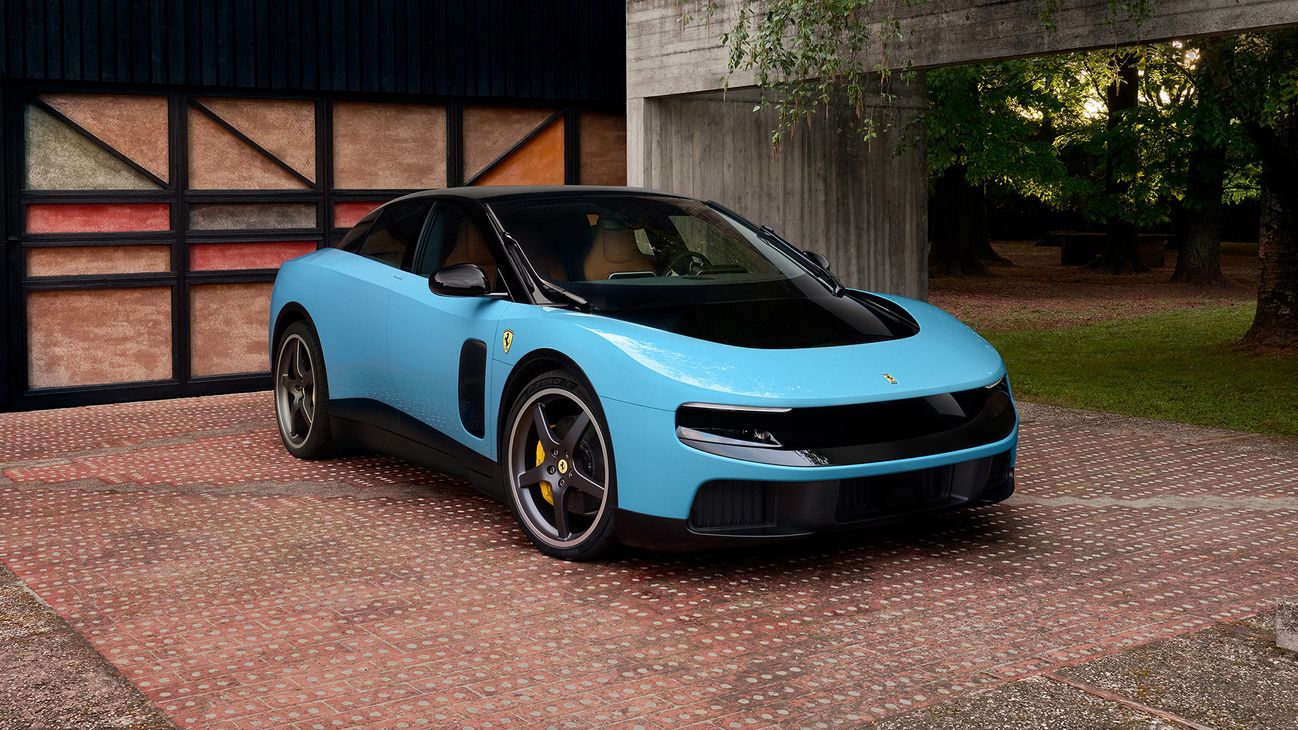
Ferrari Luce
"The one thing I kind of giggle a little about... So the Ferrari Luce came out yesterday, I think it was, and everybody posted about it, including people that were on embargo"
Ferrari Luce is a new Ferrari that people are already talking about, and it’s described here as an electric vehicle. The hosts are basically debating whether it still looks like a “real” Ferrari. They also mention that some people saw it early under embargo rules.
Ferrari Luce is a newly discussed Ferrari model that’s being talked about as an EV. The hosts are reacting to its styling and how it compares visually to traditional Ferrari design cues. The mention also ties into the idea of embargoed previews—people seeing the car before public release.
embargo
"including people that were on embargo and those that weren't, which is essentially people that already saw the car,"
An embargo is basically a “don’t post yet” rule. People may be allowed to see the car early, but they’re required to wait until the embargo lifts before sharing their thoughts publicly.
An embargo is an agreement where journalists or influencers are allowed to see a car before release, but they can’t publish their reviews or posts until a specific date/time. In auto media, it’s used to coordinate coverage so the launch gets a synchronized wave of attention.

Mercedes-Benz AMG EV
"Meanwhile, the people that were under embargo [390.6s] and did go on an influencer activation [393.2s] to go see a brand new Mercedes-Benz AMG EV, [396.8s] which is equally the same amount of shittiness"
They’re talking about an electric Mercedes-AMG car. The speaker is saying that even as a performance EV, they don’t like how it looks.
The “Mercedes-Benz AMG EV” refers to an electric vehicle from Mercedes-AMG, the performance division of Mercedes-Benz. The host’s point is that even though it’s an AMG EV, they think the exterior design and lighting/branding choices are still disappointing.
influencer activation
"Meanwhile, the people that were under embargo [390.6s] and did go on an influencer activation [393.2s] to go see a brand new Mercedes-Benz AMG EV,"
An “influencer activation” is when a car brand brings influencers in to check out the car and make posts about it. It’s part of the marketing push around a new launch.
“Influencer activation” is a marketing event where brands invite social-media creators to experience a product (like a new car) and then create content around it. In car launches, it’s often paired with an embargo so posts go live at the same time.

Mercedes-Benz Mercedesbenz Amg
"and did go on an influencer activation to go see a brand new Mercedes-Benz AMG EV, which is equally the same amount of shittiness"
The Mercedes-AMG GT is a sporty Mercedes performance car. It’s made to be quick and exciting to drive. The podcast mentions it while talking about Mercedes performance vehicles and related activations.
The Mercedes-AMG GT is a performance sports car built by Mercedes’ AMG division, designed for high-speed driving and strong acceleration. In this episode, it’s referenced in the context of seeing a new Mercedes-AMG EV and comparing it to the “shittiness” theme the host is discussing. That’s why it appears as a recognizable AMG performance name.

E63 AMG
"But the Ferrari Luce is an abomination, [412.6s] Loves the Mercedes, it's so cool. [421.7s] I want a 6.2 liter V8 in my E63 AMG, [425.8s] and I want to go gremlins for the rest of my life."
They’re referencing a Mercedes-AMG E-Class model called the E63 AMG. The speaker wants the classic big V8 engine in that car, instead of moving to electric.
“E63 AMG” refers to the Mercedes-AMG E-Class performance model, known for its big V8 engines and aggressive tuning. The host is talking about wanting a specific engine size (“6.2 liter V8”) in that AMG E-Class, which highlights the appeal of traditional internal-combustion power versus newer EVs.

BMW E63
"Oh, man. I want a 6.2 liter V8 in my E63 AMG, and I want to go gremlins for the rest of my..."
The BMW 6 Series is a bigger BMW meant for comfortable driving. In the podcast, it’s mentioned because the host wants a specific V8 engine setup in that kind of car. The focus is on having more power and a more “grand tour” style vehicle.
The BMW 6 Series is a larger BMW grand tourer, typically aimed at comfortable high-speed driving. In the podcast, it’s tied to a specific desire: a 6.2-liter V8 in an E63 AMG, showing the host’s interest in a particular engine and platform combination. That’s why it comes up—because it represents a bigger, more powerful BMW-style setup.
6.2 liter V8
"[421.7s] I want a 6.2 liter V8 in my E63 AMG, [425.8s] and I want to go gremlins for the rest of my life. [428.4s] That's what you get when you buy an AMG."
A “6.2 liter V8” is a big engine with eight cylinders. The “6.2 liter” part is the engine’s size, and the “V8” part describes how the cylinders are arranged.
A “6.2 liter V8” describes an engine with eight cylinders arranged in a “V” shape, with a total displacement of 6.2 liters. Displacement is a rough indicator of how much air/fuel the engine can move, and it’s often associated with the character of large, naturally aspirated or high-output V8s.
single din radio
"so I'm like, it's gotta be like a loose connection, or maybe the amp on the back of the single din radio"
A single-DIN radio is a car stereo that’s built to a standard size so it fits in most dashboards. “DIN” is just the measurement system car audio uses, and “single” means it’s the smaller height version.
A “single-DIN” radio is a head unit sized to fit a standardized dashboard opening that’s one DIN unit tall. DIN is an industry measurement system for car audio and other in-dash electronics, so “single-DIN” tells you the physical height and compatibility with the dash trim and wiring.
amp on the back
"or maybe the amp on the back of the single din radio"
The “amp on the back” is the part of the stereo that boosts the signal so your speakers can play sound. If the radio powers on but you get no audio, that amp section could be broken or disconnected.
Many in-dash head units include an internal amplifier stage, sometimes described as an “amp on the back” of the radio. If there’s no sound, the issue can be wiring/connection-related or the amplifier circuitry inside the head unit failing.
bezel
"It doesn't have a bezel around it, you can see the metal like tray that it goes into"
A bezel is the decorative trim piece that goes around the stereo in the dashboard. Without it, you can see the mounting metal, and the stereo may be installed in a way that’s harder to pull out.
A bezel is the trim ring or plastic/metal surround that frames an in-dash radio opening. If the bezel is missing, you may see the bare metal mounting “tray,” which can make removal harder and can indicate the radio was installed with non-standard trim.
metal tray
"you can see the metal like tray that it goes into, and I bought a key set on Amazon"
The metal tray is the bracket in the dashboard that the stereo slides into. Once it’s seated, clips can lock it in place, so it can feel like the stereo is stuck until you release the locks.
The “metal tray” refers to the factory or adapter mounting bracket that the head unit slides into. Radios are often retained by spring clips or locking tabs that engage when the unit is fully seated, which is why the keys can lock in and then be difficult to remove.
key set
"and I bought a key set on Amazon that had like 50 keys, all for different types of radios."
Those “keys” are special tools that help you pull the stereo out. They fit into small slots and push the locking tabs so the radio can slide free.
A radio “key set” is a set of specialized removal tools used to release the locking tabs on many in-dash head units. Different radios use different key shapes, which is why a multi-key set can be necessary when the exact model/brand of head unit isn’t known.
Pull and Motorsports
"shout out to Philip, he FaceTime me trying to help me, he works at, or owns Pull and Motorsports"
Pull and Motorsports is the shop Philip works at (or owns). They’re being mentioned because Philip was helping with the stereo problem.
Pull and Motorsports is referenced as the workplace/ownership of Philip, who helps troubleshoot the car’s audio removal issue. In this context it functions as a local shop or enthusiast business rather than a technical automotive component.
S chassis
"“If that was an S chassis, you would have just like torn the entire front of the car. It would have been like dust.”"
“S chassis” is a nickname for a particular car platform (the underlying structure). The host is saying that on that kind of car, removing the front dash area would be much messier or more destructive. Here, they’re surprised their dash came out cleanly.
“S chassis” is a shorthand enthusiasts use for a specific platform/chassis family used by a brand/model line. In this context, the host is contrasting how easily the front dash area would come apart on an “S chassis” versus the car they’re working on now. The key idea is that different chassis/platforms have different fastening points and structural rigidity around the dash area.

Volkswagen Kid
"And then all I found was the worst Volkswagen kid crimp connections I've ever seen in my life. I di..."
The Volkswagen ID. Buzz is an electric van. It’s meant to carry people like a family vehicle, but it runs on electricity. The podcast mentions it because the host says they saw problems with the wiring connections.
The Volkswagen ID. Buzz is an electric version of the classic van concept, built as a modern EV with a family-friendly layout. In the podcast, it’s mentioned alongside complaints about “crimp connections,” implying concerns about electrical workmanship or build quality. That’s why it’s brought up—because the host is pointing to specific issues they encountered.
coolant
"Even like improper maintenance, like the wrong type of coolant and stuff was in it"
Coolant is the fluid that keeps the engine from getting too hot. If you use the wrong one, it can lead to buildup and damage inside the cooling system.
Coolant is the liquid that carries heat away from the engine and helps regulate operating temperature. Using the wrong coolant can cause corrosion, deposits, and cooling-system problems.
water pump
"and the water pump was all completely gummed up"
The water pump moves the coolant around the engine. If it gets clogged or gummed up, the coolant can’t circulate well, and the engine can run hot.
The water pump circulates coolant through the engine and radiator so heat can be removed. If it’s “gummed up” (clogged with deposits), flow drops and overheating or cooling issues can follow.
brakes
"and I've gotten that all sorted out and brand new brakes."
Brakes are what help the car slow down and stop. If brake parts are worn out, the pedal can feel weak or delayed until they’re replaced.
Brakes are the components that slow and stop the car by converting motion into heat at the friction surfaces. Replacing worn brake parts can restore proper pedal feel and stopping power.
brake pedal
"The brake pedal actually does something before it was more like just like, I hope it stops."
The brake pedal is what you press to make the brakes work. If it doesn’t feel right—like it goes too far or doesn’t bite quickly—that can mean the brakes aren’t working as they should.
Brake pedal feel is how the pedal responds when you press it—how quickly it firms up and how much travel it takes to generate braking. If it used to feel like “I hope it stops,” that suggests reduced braking effectiveness or air/fluid/adjustment issues.
Clean title
"Clean title. All the good stuff. You can have it."
A “clean title” means the car’s paperwork looks normal—no major history flags like salvage status. That usually makes it easier to register and insure the car. They’re emphasizing it because the title paperwork is part of the transfer process.
A “clean title” means the vehicle’s ownership documents don’t show major legal problems like salvage or rebuilt status. For buyers, it’s a quick signal that the car should be easier to register, insure, and resell. In this segment, it’s mentioned alongside shipping and FedEx tracking for the title paperwork.
title paperwork
"Get the title paperwork confirmed. Got the FedEx tracking for the title on Thursday or Friday last week."
“Title paperwork” is the legal paperwork that proves who owns the car. When you buy a used car, you need the title handled correctly so you can register it in your name. They’re talking about making sure it’s confirmed and shipped.
“Title paperwork” refers to the legal documents proving ownership and enabling the vehicle to be transferred to the new owner. For used-car purchases, getting the title confirmed helps prevent issues like mismatched VINs or delayed registration. Here, they’re coordinating shipping and tracking for the title itself.
FedEx tracking for the title
"Got the FedEx tracking for the title on Thursday or Friday last week. Found a shipping company on Friday."
They’re saying they have shipping tracking for the car’s title documents. That matters because the title is what you need to finish the ownership transfer. They’re coordinating when it will arrive so everything can be completed.
“FedEx tracking for the title” highlights that the physical vehicle title document is being shipped and monitored. In private sales, the title often needs to arrive before the buyer can complete registration. The mention is practical logistics rather than a performance or technical detail.
engine shot
"No one needed like some work done to it. I think like the engine shot in it."
“Engine shot” means the engine is in really bad shape—so bad that it probably won’t run right or would cost too much to fix. It’s basically a heads-up that the car needs major work.
“Engine shot” is enthusiast slang meaning the engine is effectively dead or beyond economical repair. In the context of an RX-8, it implies the rotary likely has severe internal damage or failed compression, which is why the car becomes a project rather than a quick fix.
resurrection
"And it's like resurrection in the car community. ... to them being dirt cheap. And now they're on the way up, baby."
Here, “resurrection” just means the car is becoming popular again. The host is saying the RX-8 went through a bad reputation phase, but now people are starting to want them again.
In this context, “resurrection” means the RX-8’s enthusiast reputation and demand are improving again after a period of decline. It’s a common car-community cycle: a model becomes unpopular due to known issues, then later gets rediscovered as owners learn what to check and maintain.
Eau Claire
"drove it, piss in the wind as fast as he possibly could around a back road in Eau Claire, threw it off the road,"
Eau Claire is a place in Wisconsin. The host is just using it to describe where the story happened—it's not really a car-tech topic.
Eau Claire is a city in Wisconsin, and the host mentions it as the location of a back-road drive during a personal story involving an RX-8. The point is less about the geography and more about grounding the “rise/fall” narrative in a real event.

A Dacia Logan
"A Dacia Logan. It's an RX eight. I believe it's a series to RX eight."
A Dacia Logan is a low-cost, everyday car model. In this segment, the hosts are debating what the car actually is.
A “Dacia Logan” is a compact, budget-focused sedan from Dacia (a low-cost brand within the Renault group). It’s mentioned here as a possible misidentification of the car the speakers are discussing.
manual
"It's manual. I'm pretty sure. How do you know that?"
“Manual” means the car has a stick shift. You use a clutch pedal and move the gear lever yourself to change gears.
“Manual” refers to a manual transmission, where the driver shifts gears using a clutch pedal and a gear lever. It’s a meaningful detail because it changes how the car drives and how it’s maintained versus an automatic.
Engine in it is shot or has issues
"Engine in it is shot or has issues. It sounds like there was another engine. I think that engine's also shot."
“Engine is shot” usually means the engine is badly broken. The speaker also suggests it might have had a different engine put in, because the sounds don’t match what you’d expect from a healthy one.
“Engine … is shot” is enthusiast slang meaning the engine is likely severely damaged or not worth repairing. When someone says it “sounds like there was another engine,” they’re describing symptoms consistent with a failed or swapped powerplant.
13 B
"But the really cool thing is because I'm partner [1145.0s] with Mazda Motorsports, I shot Josh Smith a message. [1148.4s] And I was like, yo, we got 13 B."
“13B” is the name of a specific Mazda rotary engine. The host is talking about rotary-engine options and how their car choices connect.
“13B” refers to Mazda’s 13B rotary engine family, commonly associated with the RX-7 and RX-8. It’s a specific engine designation (not just a number), and in this segment it’s part of the host’s “full circle” rotary-car decision.
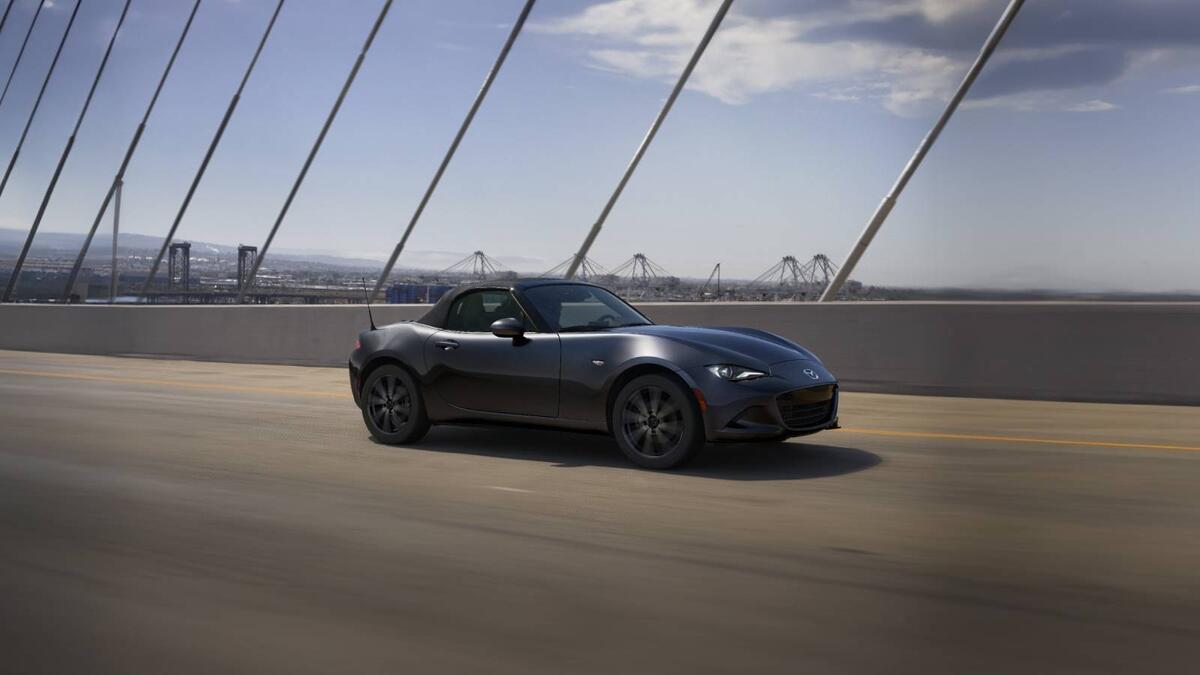
Mazda MX-5
"And I was like, yo, we got 13 B. [1148.4s] We got the MX five. [1152.9s] Yeah."
The Mazda MX-5 is a small, lightweight sports car (a Miata) that’s famous for being fun and easy to drive. Here, it’s brought up as one of the possible cars the host could have chosen.
The Mazda MX-5 (Miata) is a lightweight, front-engine, rear-wheel-drive roadster known for its simple, tossable handling and strong enthusiast following. In this segment, it’s mentioned as one of the remaining cars to “full circle” the host’s decision-making.

Mazda Rx8
"He's like, did you buy an FD or an RX-8? [1163.3s] And I was like, I was gifted an RX-8. [1165.4s] He's like, hell, yeah."
The RX-8 is a Mazda sports car that’s famous for having a rotary engine, which is different from the usual piston engines. The host says they were given an RX-8, so it’s central to what they’re talking about.
The Mazda RX-8 is known for using a rotary engine (the Wankel design) instead of the more common piston engine. In this segment, the host is asked whether they bought an FD or an RX-8, and they say they were gifted an RX-8—making it a key car in the discussion.
rotary engine
"I do think it'd be fun for us to do like a whole rotary. Rotary series and just give love to the rotary engine."
A rotary engine is an engine that uses a spinning part to make power instead of pistons. It’s a Mazda specialty, and it feels different from normal engines. That’s why people get excited about it.
A rotary engine is a type of internal-combustion engine where combustion happens in a spinning rotor rather than in pistons moving up and down. Mazda is especially known for rotary engines, and they’re strongly associated with the RX lineup. Because of that, “rotary” often carries a specific enthusiast meaning beyond just “engine.”

Mazda Rx7
"You should just start calling it an FE RX-7 like all the kids on TikTok do. ... Because the chassis code is essentially ... how they found like FB, FC, FD."
The Mazda RX-7 is a Mazda sports car known for using a rotary engine. People talk about different “generations” of it using chassis codes. That’s what the discussion is getting at when they mention RX-7.
The Mazda RX-7 is a rotary-powered sports car famous for its enthusiast following and multiple generations. In this segment, the hosts discuss the “FB/FC/FD” naming tied to RX-7 chassis codes, which is how fans distinguish RX-7 generations. They also contrast it with the RX-8, which is why the RX-7 comes up here.
kids on TikTok
"You should just start calling it an FE RX-7 like all the kids on TikTok do."
They’re talking about how social media can create slang or labels for cars that aren’t technically correct. Here, the joke/complaint is that TikTok people might call an RX-8 something that sounds like an RX-7. The hosts are pointing out the mix-up.
This refers to social-media-driven car naming trends, where short-form creators may use simplified or incorrect labels that spread quickly. In enthusiast communities, that can lead to confusion—like calling an RX-8 by an RX-7-style chassis-code label. The hosts are using it to critique the accuracy of viral terminology.
chassis code
"Because the chassis code is essentially because like how they found like FB, FC, FD. ... The RX-8 essentially has like an FE chassis code."
A chassis code is a shorthand identifier that tells you which specific version/platform a car is. Enthusiasts use these codes to avoid confusion between generations. In this case, they’re using them to argue about RX-7 vs RX-8 naming.
A chassis code is an internal model/generation identifier used to distinguish specific vehicle platforms or variants. In the Mazda rotary world, codes like FB/FC/FD (RX-7) and FE (RX-8) help enthusiasts talk precisely about which generation they mean. That’s why the hosts are debating whether calling something “an FE RX-7” is accurate.

S13
"But then again, your S13 is still fucking collecting. Yeah, exactly."
“S13” is shorthand for a Nissan 240SX chassis. It’s a common car people modify for drifting because it’s rear-wheel drive and has a big enthusiast support community.
The “S13” refers to the Nissan 240SX (S13 chassis), a popular drift and modification platform in the U.S. It’s especially known in enthusiast circles for being a lightweight, rear-wheel-drive base that’s easy to swap and tune.

Volvo XC60
"When we were in Germany, I rented a Volvo XC60. And we filled up twice."
The Volvo XC60 is a Volvo SUV you can rent. The hosts mention it because they had to fill up more than once, and they’re complaining that fuel costs are really high.
The Volvo XC60 is a compact luxury SUV from Volvo, known for comfort-focused driving and practical everyday usability. In this segment, it’s used as the rental vehicle to illustrate how expensive fuel is in Germany, since they “filled up twice.”
12A
"12A or Renesys. To assist us in bringing back to life or reinvigorating the life that is already currently alive."
The “12A” is an engine designation for Mazda’s early Wankel rotary engine family. It’s a specific rotary variant that enthusiasts discuss for parts, rebuilding, and “bringing back to life,” because different rotary generations/variants can have different common issues and repair approaches.
Renesys
"12A or Renesys. To assist us in bringing back to life or reinvigorating the life that is already currently alive."
“Renesis” is the name of a later rotary engine used in Mazda cars like the RX-8. It matters because it’s not the same as older rotary engines, so repairs and parts can be different.
“Renesis” refers to Mazda’s Renesis rotary engine (a later Wankel generation used in RX-8). It’s often discussed separately from earlier rotary engines because the design changes affect how people diagnose problems and source parts for rebuilds.
electrical voltage drop
"So it is good. Ish, so when I was driving it, the steering wheel still has a little bit of that electrical voltage drop drag where it's like the voltage is too low."
Voltage drop means the car’s electrical power briefly isn’t strong enough when something demands it. Here, that causes the power steering to stop working for a moment, then come back once the voltage is back up.
An electrical voltage drop is when the car’s electrical system can’t maintain the needed voltage under load. In this case, the steering system feels a “drag” because the electric power steering isn’t getting enough voltage, then it shuts off and later returns when voltage recovers.
electric power steering
"And then the electric power steering stops working and then it kicks back on."
Electric power steering is the system that helps you turn the wheel using an electric motor. If it senses a problem (like low voltage), it may stop helping for a moment and then turn back on.
Electric power steering (EPS) uses an electric motor to assist steering instead of relying on hydraulic pressure. When EPS detects a power or system fault, it can temporarily stop assisting and then resume once the issue clears—exactly like the “stops working and then kicks back on” behavior described here.
piping on the radiator system
"And then also another problem is the piping on the radiator system leaks."
The radiator system’s piping carries engine coolant to and from the radiator to remove heat. A leak in that piping can cause coolant loss, overheating risk, and can also trigger other temperature-related faults.
Lindgren
"And I am just going to put that vehicle into a trailer, take it back to Lindgren, and say, fix it."
Lindgren is referenced as the shop the vehicle will be taken to for repair. The speaker’s plan is to trailer the car there and have them fix the steering and cooling-system issues.
pressure tester
"Just buy yourself a cool and pressure tester, then do this and that, and then the, you know, when you get a text..."
A pressure tester is a tool used to pressurize a system (often the cooling system) to find leaks and confirm whether pressure holds. In the context of a radiator-system leak, it helps pinpoint where coolant is escaping rather than guessing.
clutch pedal
"Got a squeaky clutch pedal, though... Very squeaky."
The clutch pedal is what you press to shift gears in a manual car. If it squeaks, it’s often because the moving parts around it are dry or not lubricated.
A clutch pedal is the driver-controlled input for engaging and disengaging the clutch in a manual-transmission car. A “squeaky clutch pedal” usually points to friction or dry contact at the pedal pivot or linkage, which can be temporarily masked with lubrication.
WD-40
"WD-40... just put right on the face of the pedal, spray it a bunch of WD-40, it'll be good."
WD-40 is a spray lubricant people use to quiet squeaks and loosen stuck parts. Spraying it on a pedal might reduce the noise for a bit, but it may not fix the underlying cause.
WD-40 is a widely used penetrating lubricant and water-displacing spray. In this segment, the host suggests spraying it on the face of the clutch pedal to stop the squeak, which may help temporarily but doesn’t address deeper wear in the pedal pivot or linkage.

Nissan R34
"...people ask the comparison between the S15 and the R34. Same era, same year, even, I think."
The Nissan Skyline is a sports car model that has been made for many years. The podcast talks about comparing two versions—S15 and R34—that are from the same general time period. The point is that different Skyline generations feel and look different.
The Nissan Skyline is a long-running Japanese sports-car nameplate that has many enthusiast-focused variants. The podcast compares the S15 and R34, both from the same general era, which is a common way fans discuss differences in styling and performance character. That’s why it’s mentioned as a comparison topic.
sound deadening
"I was like, ooh, sound deadening. This is, this is nice."
Sound deadening is what makes a car quieter inside. It’s basically extra insulation that blocks noise from the road and outside.
Sound deadening is the use of materials and insulation in a car’s body and doors to reduce how much engine, road, and wind noise reaches the cabin. The host notices it immediately in the R34 when the door shuts and outside noise becomes much harder to hear.
welded diff
"And then I get in the S15, it's like, everything makes noise, the diff is welded."
A welded diff means the differential is locked so both wheels must turn together. That can make the car feel different and can also make more noise than a normal differential.
A welded diff is a differential that has been permanently locked by welding the internal parts together, so both wheels on the same axle are forced to rotate together. This can change how the car behaves and often increases driveline noise and harshness; the host specifically says the S15’s welded diff is quieter than the R34’s setup.
super lock diff
"The diff is welded. To be fair, the welded diff in the S15 is quieter than the diff in the R34. The super lock diff on the R34, yeah."
A super lock diff is a differential setup that keeps the wheels from acting independently. The host is saying this R34’s differential makes more noise than the other car’s welded setup.
A “super lock diff” refers to a strongly locking differential setup that limits or eliminates the normal ability of the two driven wheels to rotate at different speeds. In this segment, it’s tied to the R34 and described as louder than the S15’s welded diff, emphasizing how different differential choices affect noise and feel.
rotor
"Yeah, three rotor anywhere around here? Dude, three rotor arcs, it would be fucking nasty."
A rotor is the spinning part inside a rotary engine that helps make power. Saying “three rotor” usually means the engine has three of those spinning sections, which can make it stronger and more special than a single-rotor engine.
In a rotary engine, a rotor is the spinning element that creates the combustion chambers as it moves in an oval housing. When someone says “three rotor,” they’re talking about a rotary setup with three rotors, which typically means more displacement and a higher-revving, smooth power delivery compared with single-rotor designs.
Fortune Auto
"That leads to our first sponsor, Martino's podcast, Fortune Auto. They make some beautiful, wonderful handling coilovers."
Fortune Auto is a company that sells aftermarket suspension parts, like coilovers. They’re talking about ways you can upgrade, repair, or customize those suspension units.
Fortune Auto is a company that makes aftermarket suspension components, specifically coilovers in this segment. The hosts describe options like upgrading, servicing/rebuilding, and customizing the coilovers through Fortune Auto.
handling coilovers
"They make some beautiful, wonderful handling coilovers. Can upgrade them."
Coilovers are suspension parts that control how the car rides and handles bumps. “Handling” coilovers are meant to make the car feel tighter and more responsive when you drive it hard.
Coilovers are an aftermarket suspension setup that combines a coil spring and shock absorber into one unit. “Handling coilovers” usually means they’re tuned to reduce body roll and improve steering response, often with adjustable ride height and sometimes damping settings.
serviced and rebuilt
"Can upgrade them. Can have them serviced and rebuilt and customize them."
Coilovers can be serviced and rebuilt, meaning the shocks and internal valving can be disassembled, inspected, and reconditioned to restore performance. This is different from replacing the whole suspension and can be useful for maintaining ride quality and damping consistency over time.
N54 era
"Cause I think a lot of people want to critique BMW's quality, especially in that N54 era, which is rightfully so."
BMW’s “N54” is a specific engine BMW used in many cars a while back. When someone says “N54 era,” they mean the time period when those cars were popular—and they’re often talking about how that engine felt to own, including known issues.
“N54” refers to BMW’s 3.0-liter twin-turbo inline-six engine family (used in many BMWs from the late 2000s into the early 2010s). When people say “N54 era,” they’re usually talking about that generation of BMW turbo straight-six ownership experience, including both performance reputation and common reliability gripes.

BMW E36
"... you want like a shit box to learn how to drift? E36. Oh, you want like an analog car"
The BMW 3 Series is a small luxury car made by BMW. The older E36 version is often talked about because it’s older and simpler to drive and work on. People sometimes choose it to practice driving skills like drifting.
The BMW 3 Series is a compact luxury sedan that became especially popular in enthusiast circles for its balance of handling and performance. In the context of the E36, it’s often discussed as an older, simpler “analog” BMW that’s commonly used for learning driving skills like drifting. That’s why it comes up when someone wants a cheaper, more hands-on car to practice with.
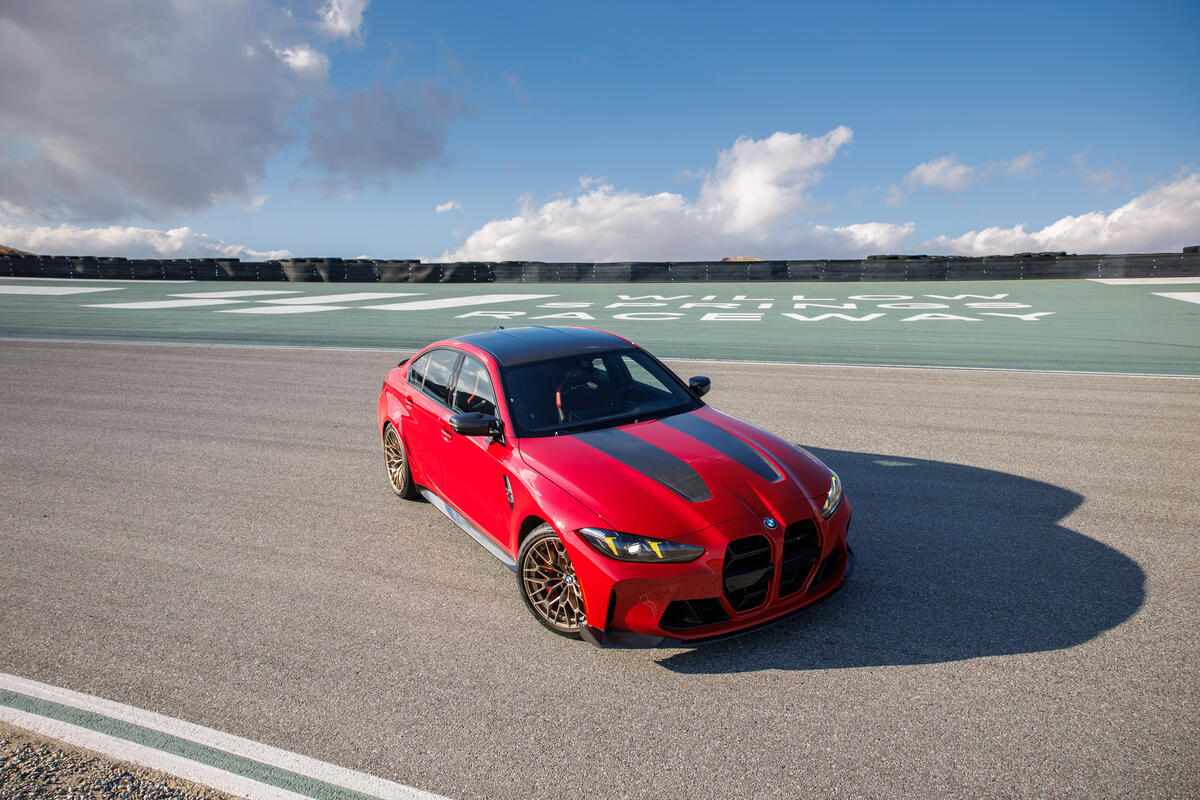
BMW M3
"[1708.6s] Oh, you want like an analog car [1710.2s] that feels really fun to drive, [1711.6s] but it's not as expensive as a Type R, E46 M3."
The BMW E46 M3 is a performance version of the BMW 3 Series from the late 1990s/early 2000s. It’s famous for feeling very “driver-focused,” and it usually costs more than older, simpler BMWs.
The BMW E46 M3 is the M3 generation from the late 1990s to early 2000s, known for its high-revving character and strong enthusiast following. It’s often used as a benchmark for “analog” feel and driver engagement, which is why it’s referenced here as a more expensive alternative.

BMW M5
"...nough space in the back to put two people, get an M5. I need a truck."
The BMW M5 is a fast, performance-focused BMW sedan. It’s designed to carry more than just the driver, including rear passengers. In the podcast, it’s brought up because it offers more back-seat space than some smaller options.
The BMW M5 is BMW’s high-performance version of the 5 Series, built for fast driving with a more practical four-seat layout. It’s significant here because the host is weighing space needs—wanting room for people in the back—while still choosing something performance-oriented. That’s why it’s mentioned as an alternative to needing a truck.
factory mule
"Wasn't that a factory, factory mule? Like it was a truck to like move things around."
A “factory mule” is a test car that automakers use while they’re developing a new vehicle. It’s basically a modified car used to try out parts and systems in the real world.
A “factory mule” is a test vehicle used by automakers during development. It’s typically a prototype or heavily modified car that helps engineers validate components and systems in real-world conditions before the production version is finalized.
Mazda MX-5 / Miata
"...ve that type of generations? Mazda maybe with the Miata, but that car has, in theory, stayed exactly the ..."
The Mazda Miata is a small two-seat sports car. It’s made to be light and easy to drive for fun. The podcast mentions it because the car’s basic style and driving feel have stayed similar across generations.
The Mazda MX-5 Miata is a lightweight, rear-wheel-drive roadster known for its simple, fun driving feel. It’s discussed in terms of generations staying consistent, meaning the basic concept and driving character have remained recognizable over time. That makes it a common reference point when people talk about “analog” cars.
Porsche
"Yeah, what Porsche has done well with one model, BMW has done successfully with almost a dozen."
Porsche is mentioned as an example of a company that does a great job keeping a model’s character consistent. The discussion is more about strategy than a specific technical detail.
Porsche is being referenced here as a brand that has successfully kept one model’s identity consistent over time. The point is about brand/model strategy—how hard it is to evolve while still maintaining what made the car work in the first place.

Toyota GRs
"Toyota's done a really great job with their GRs, their Corollas, their Supras, and things like that."
“GRs” are Toyota’s performance versions, tied to their Gazoo Racing program. The hosts are saying Toyota has done well with those faster, more enthusiast-focused models.
Toyota GRs refers to Toyota’s GR line (Gazoo Racing) of performance-oriented models and trims. In this segment, the hosts cite Toyota’s success with GRs as part of why the brand has been strong in certain categories.

Toyota Corolla
"Toyota's done a really great job with their GRs, their Corollas, their Supras, and things like that."
The Toyota Corolla is a long-running compact car line that’s often used as a benchmark for mainstream reliability and broad market appeal. Here, it’s mentioned as one of the areas where Toyota has “done a really great job,” contrasting with later struggles in other segments.
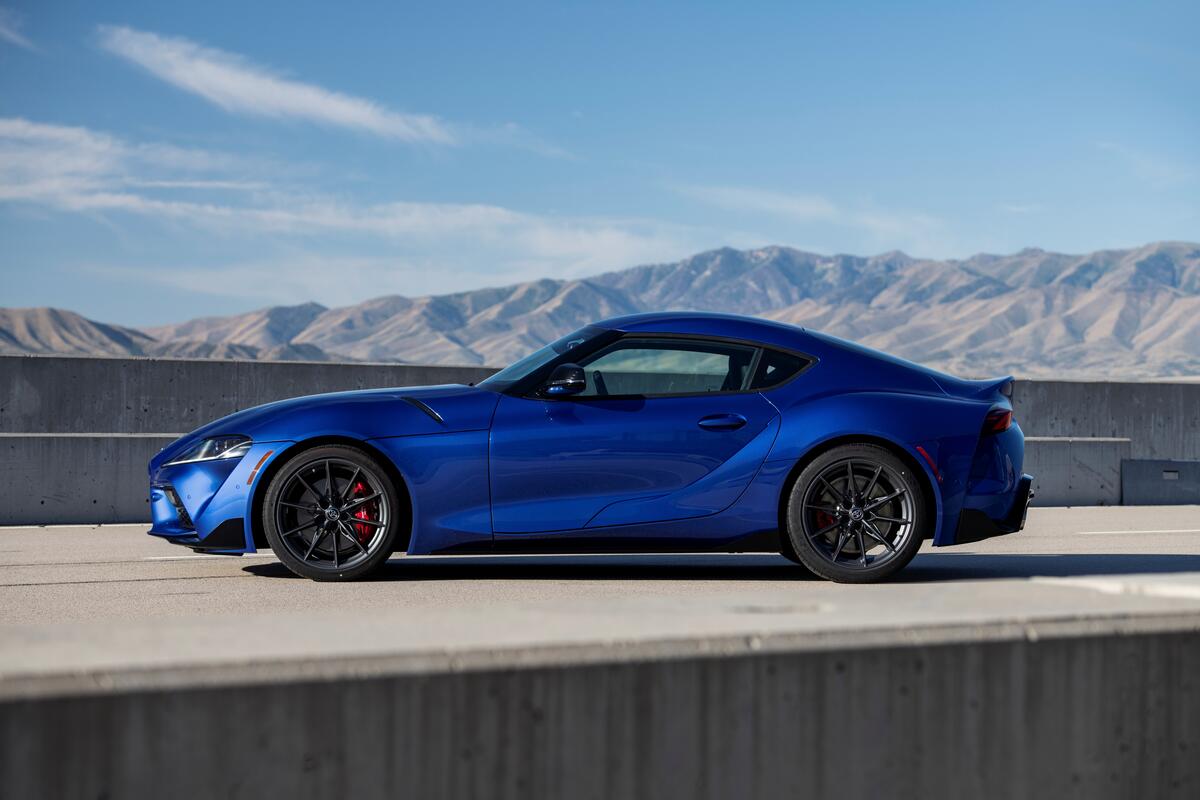
Toyota Supra
"Toyota's done a really great job with their GRs, their Corollas, their Supras, and things like that."
The Toyota Supra is Toyota’s sports car that enthusiasts love. The hosts are listing it as one of Toyota’s strong model choices.
The Toyota Supra is a performance sports car known for its enthusiast following and turbocharged, driver-focused character. In this segment, it’s grouped with Toyota’s other successful model lines to illustrate how Toyota can win in specific categories.
EV space
"They're not doing great with EVs, so now they're pulling out of the EV space."
“EV space” just means the market for electric cars. The hosts are saying Toyota isn’t winning as well there as they do in other kinds of vehicles.
“EV space” refers to the competitive market segment for electric vehicles—how automakers position, sell, and scale battery-electric models. The hosts argue Toyota isn’t doing as well there, which is why they’re “pulling out” of that area.
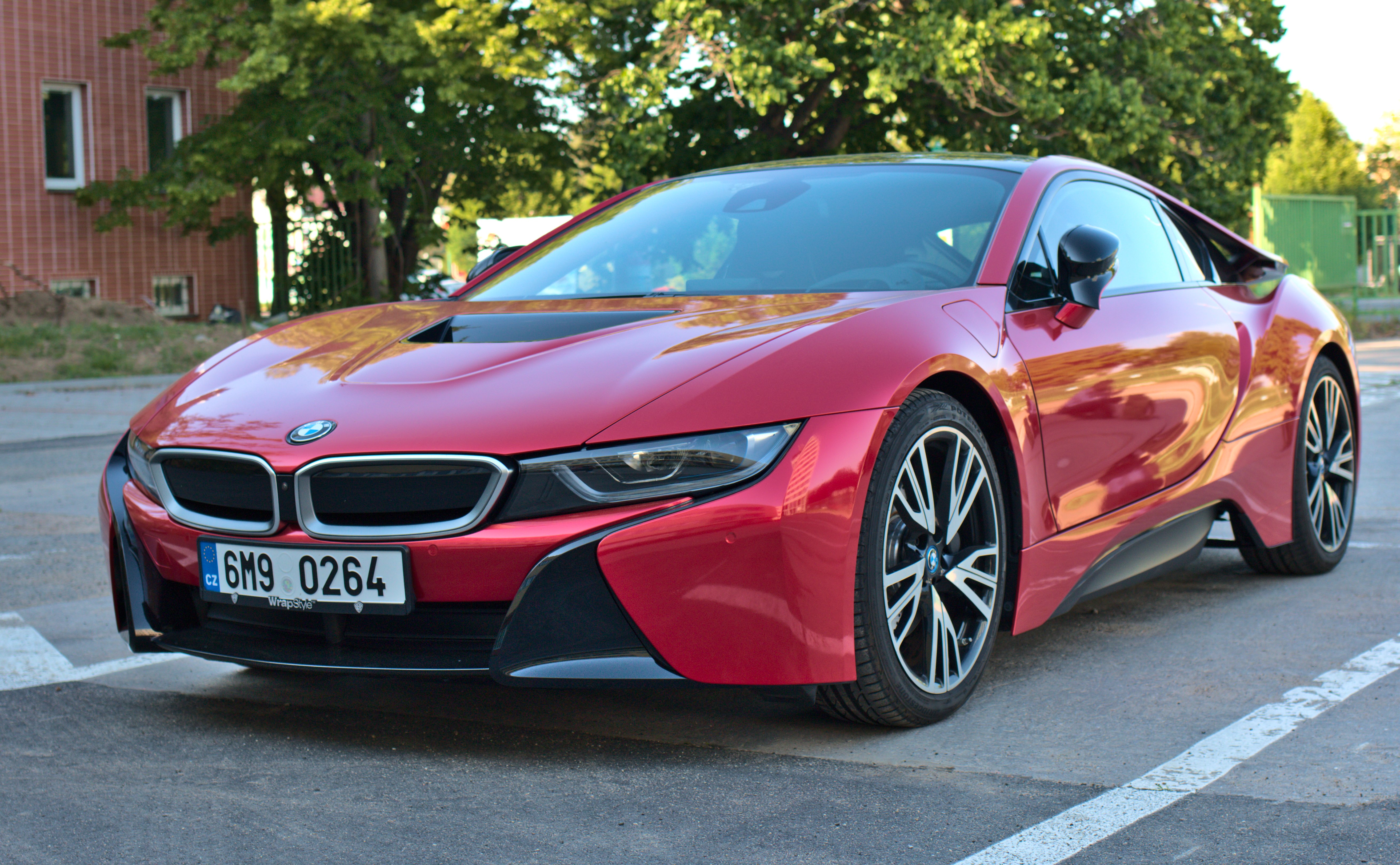
i8 (I12)
"...he biggest failures BMW probably ever had was the i8, right? Not for rappers."
The BMW i8 is a sports car that uses both electricity and a gas engine. It was designed to look futuristic and drive like a performance car. In the podcast, it’s mentioned because the host thinks it didn’t work out the way people expected.
The BMW i8 is BMW’s plug-in hybrid sports car, known for its futuristic look and lightweight, performance-oriented design. The podcast calls it one of BMW’s biggest failures, framing it as a car that didn’t meet expectations for some buyers. That’s why it comes up in a discussion about BMW’s more experimental choices.

BMW i3
"Oh, yeah, that thing's weird too. Is the i3 like the little, the snubby one? It's like a litt..."
The BMW i3 is an electric car made by BMW. It looks different from most cars and is smaller in size. In the podcast, it’s mentioned because people think it’s a bit unusual.
The BMW i3 is a compact electric car known for its unusual design and layout compared with typical cars. It’s brought up as “weird,” with the host describing it as a small, snubby-looking EV. That makes it a quick reference point for BMW’s more experimental electric approach.

Hyundai Sonata
"Either the Elantra or the Sonata... Sonata or Elantra? Which one is it?"
The Hyundai Sonata is a bigger four-door sedan than the Elantra. In this clip, it’s mentioned as a possible match before they decide on the Elantra.
The Hyundai Sonata is a midsize sedan positioned above the Elantra in Hyundai’s lineup. The hosts mention it as an alternative to the Elantra while trying to identify the specific four-door Hyundai “N” car they’ve seen.
N model
"Brent, what's that four-door Hyundai with the N model... Sorry, I can't keep the N."
Hyundai’s “N” models are the sportier, performance versions of regular Hyundai cars. The “N model” badge usually means the car is tuned to be more fun to drive.
“N” is Hyundai’s performance sub-brand, used on models tuned for sharper handling, stronger engines, and more driver-focused behavior than the standard versions. When the hosts say “the four-door Hyundai with the N model,” they’re referring to one of Hyundai’s N-badged performance sedans.
Cars and Coffee
"We're at a Cars and Coffee... Like, this is an enthusiast vehicle now. I want to check it out some more."
Cars and Coffee is a community car meet where people bring cars and hang out. They’re talking about a Hyundai they’ve seen there.
Cars and Coffee is a casual car meet where enthusiasts gather to show and talk about their vehicles. In this segment, the hosts use it as the context for spotting and identifying the Hyundai “N” sedan they’ve seen in person.

Honda Civic Type R
"It's a hard package to beat right now, because the Type R is too expensive. Elantra N is cheaper."
The Honda Civic Type R is the sporty, performance version of the Civic. The hosts mention it as the benchmark car, but say it costs more than the Elantra N.
The Honda Civic Type R is Honda’s high-performance, track-oriented version of the Civic, known for its aggressive tuning and strong enthusiast following. In this segment, it’s used as the benchmark that’s “too expensive,” which frames the Elantra N as the value alternative.

Hyundai Elantra N
"It's a hard package to beat right now, because the Type R is too expensive. Elantra N is cheaper... The pre-owned ones are pretty affordable now too... the Hyundai Elantra N has a starting MSRP of 35K."
The Hyundai Elantra N is a sporty version of the Elantra that’s meant to be fun to drive hard, not just commute. Here, they’re saying it’s a more affordable alternative to the Honda Civic Type R and that it’s good for track days.
The Hyundai Elantra N is a performance-focused compact sedan built around a turbocharged engine and track-capable setup, aimed at delivering “hot hatch” style thrills without hot-hatch pricing. In this segment, the hosts compare it directly against the Honda Civic Type R on price and track readiness, noting it’s cheaper and widely supported by the community.
Michelin tires
"if you're buying a new car for under 30 or around 30 that you can take to the track like as is, because I think they come with Michelin tires."
Michelin is a well-known tire brand. They’re saying the car likely already comes with good tires, so you can go to the track without changing them first.
Michelin tires are a brand of performance tires commonly chosen for grip and consistency on both street and track use. The hosts are implying that the car comes with tires that are already suitable for track days “as is,” reducing the need for immediate upgrades.
PS4s
"because I think they come with Michelin tires. I think they come with PS4s."
“PS4s” is shorthand for a specific Michelin performance tire model. They’re saying the car comes with a tire that’s already meant for sporty driving, which helps for track days.
“PS4s” refers to the Michelin Pilot Sport 4S, a high-performance street tire designed for strong grip and predictable handling. The mention matters because it suggests the car is equipped with a tire that can handle spirited driving and some track use without immediately swapping tires.
starting MSRP
"Yeah, the Hyundai Elantra N has a starting MSRP of 35K. That's honestly really good in the market."
MSRP is the sticker price the manufacturer sets for the car. They’re using it to say the Elantra N is priced well compared to other performance cars.
MSRP (Manufacturer’s Suggested Retail Price) is the price a carmaker recommends dealers sell the vehicle for before many taxes and dealer add-ons. The hosts use it to argue that the Elantra N is competitively priced in the market.
horsepower
"Yeah. Yeah, it's like 290 horsepower, something like that."
Horsepower is a number that tells you how strong the engine is. Higher horsepower usually means the car can accelerate more strongly, all else equal.
Horsepower is a measure of engine power—how much work the engine can do over time. The host’s “290 horsepower” comment is used as a quick performance reference point when comparing cars.
2026 Hyundai Elantra N
"I mean, yeah, here's a 2026 Hyundai Elantra N. And it's already going for like 30K. Yeah. Things brand new."
This is the sporty, track-inspired version of the Hyundai Elantra. The “N” model is built to feel more like a performance car than a regular Elantra, and the hosts are saying the 2026 version is priced around $30,000.
The Hyundai Elantra N is a performance-focused version of the Elantra, tuned by Hyundai’s N division for sharper handling and more aggressive power delivery than a normal Elantra. In this segment, the hosts discuss the 2026 Elantra N as a new, performance-oriented sedan priced around $30K, which is why it’s getting attention.
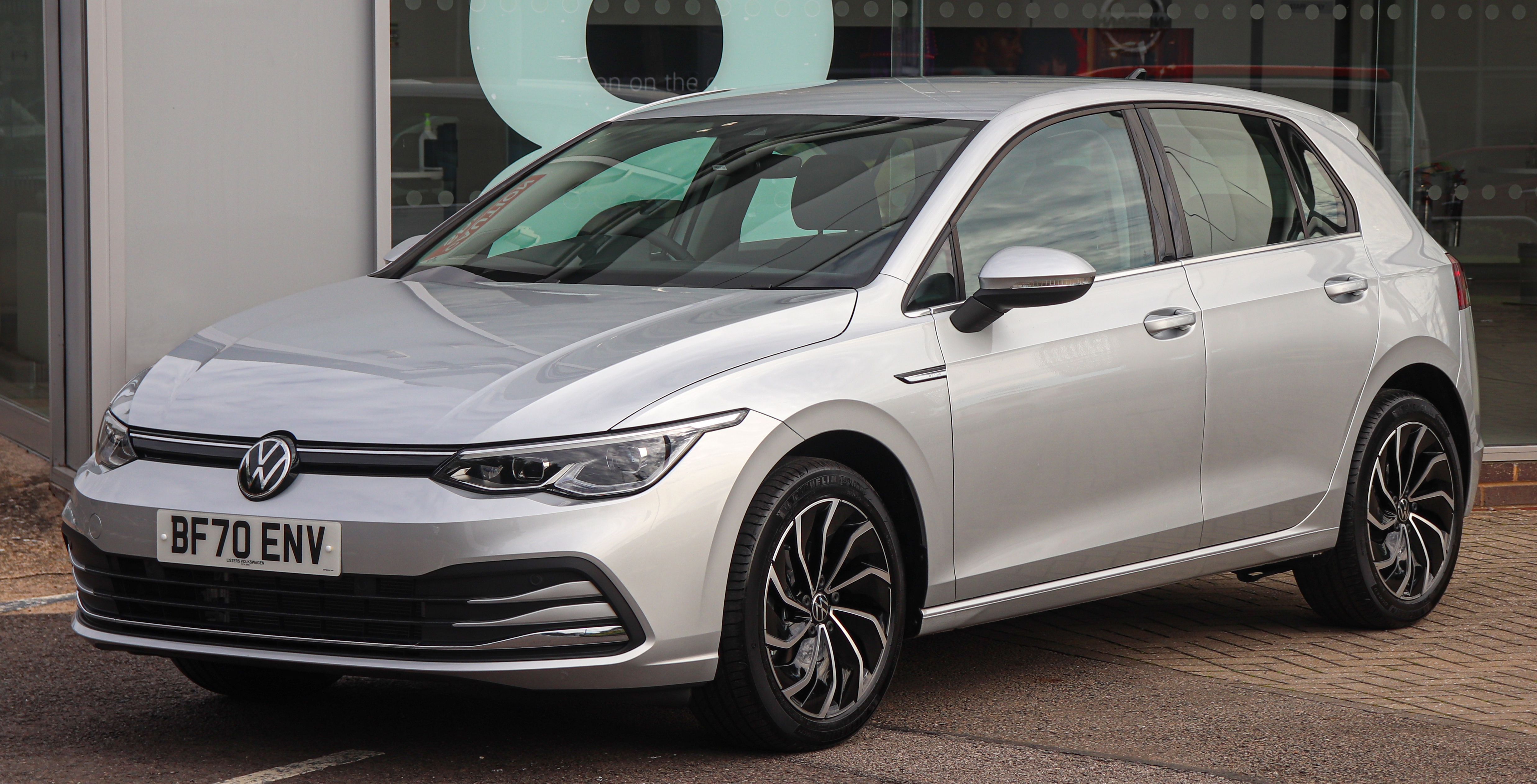
Volkswagen Golf
"What about anything from Volkswagen when you put it up against that, too? The Golf R, I think, yeah."
The Golf R is the sporty, higher-performance version of the Volkswagen Golf. In this segment, it’s mentioned as another car you’d compare against the Elantra N.
The Volkswagen Golf R is a performance hatchback built around the Golf platform, typically positioned as a step up from the GTI with more power and more performance-focused tuning. The host brings it up as another alternative to the Elantra N when comparing competitors in the hot-hatch/hot-sedan performance space.
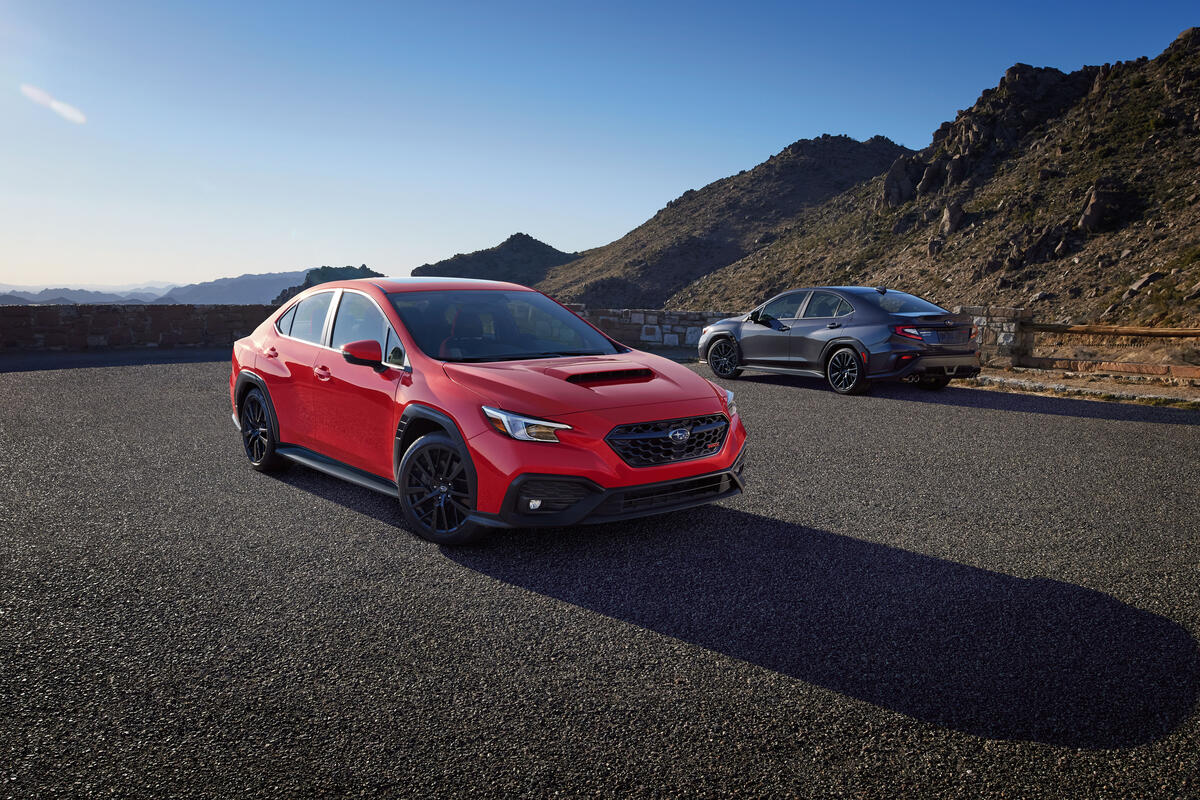
Subaru WRX
"What about the WRX, like 2026 WRX? I don't, well, I don't know if I would."
The WRX is Subaru’s sporty car, and it’s known for having all-wheel drive and rally-style handling. The host is mentioning the 2026 WRX as a comparison point to the Elantra N.
The Subaru WRX is a performance-oriented compact sedan/wagon line known for rally-inspired driving dynamics and Subaru’s all-wheel-drive setup. Here, the host specifically references a 2026 WRX as a possible competitor to the Elantra N, but they’re unsure about how direct the comparison is.

GTI
"But the GTI, GTI would be really comparable to compete with the Elantra N."
The GTI is Volkswagen’s sporty Golf model. The host is saying it would be a more fair comparison to the Elantra N than the WRX.
The Volkswagen GTI is the brand’s iconic performance hatchback, typically using a turbocharged engine and a more driver-focused suspension than a regular Golf. In this segment, the host says the GTI would be more comparable to the Elantra N than the WRX, framing it as a closer match in the same performance-price conversation.
drivetrain for drivetrain
"I think it's almost like drivetrain for drivetrain. But the GTI, GTI would be really comparable to compete with the Elantra N."
This phrase means “compare the way the car sends power to the wheels.” The host is saying the WRX and Elantra N might not be a perfect match because their power-to-wheels setups aren’t the same.
“Drivetrain for drivetrain” means comparing cars based on how power is delivered—typically the layout and type of transmission and whether the car is front-, rear-, or all-wheel drive. The host is implying the WRX comparison is tricky because its power delivery setup differs from the Elantra N’s.

Volkswagen Jetta
"Is the Jetta front-wheel drive? Yeah. So yeah, the Jetta."
The Volkswagen Jetta is a compact car that usually drives the front wheels. That means the engine sends power to the front tires, which is common for practical everyday cars.
The Volkswagen Jetta is a compact sedan known for being front-wheel drive (FWD) in most modern generations. In a front-wheel-drive layout, the engine’s power goes to the front wheels, which typically makes packaging efficient and traction predictable in everyday driving.

Volkswagen Type R
"they're all getting compared to the Volkswagen group and the Type R. Or the SI, if it's a sub-model."
“Type R” is Volkswagen’s label for its most hardcore performance versions. Other sporty cars get compared to it because they’re trying to deliver a similar kind of fun and speed.
Volkswagen’s Type R badge identifies its most performance-oriented hot hatches and related models. Reviewers frequently compare other sporty compacts—like the Hyundai Elantra N—to Type R cars because they share a similar goal: maximum grip and driver-focused tuning for the money.
hidden sleepers
"Volvo has some hidden sleepers. Yeah, they're one of the only companies"
A “sleeper” is a car that doesn’t look that fast, but it actually is. The hosts are saying some Volvos fall into that category.
“Sleeper” is a car enthusiast term for a vehicle that looks ordinary but has surprising performance. When the hosts say Volvo has “hidden sleepers,” they mean some Volvo models can be faster or more capable than their styling and mainstream reputation suggest.
twin-charged engine
"they're one of the only companies to make a twin-charged engine up until like 2021 or something. Yeah, which is cool."
A twin-charged engine uses two ways to push extra air into the engine. That helps it feel stronger both at low speeds and when you rev higher.
A twin-charged engine uses two forced-induction devices (commonly a turbocharger plus a supercharger) to provide boost across a wider range of engine speeds. The goal is to reduce lag and improve low-end response while still supporting strong top-end power.

Volvo XC90
"Plus like the, what is it? The XC90 has been in production for 20 some years and they've only changed the design of it like once."
The Volvo XC90 is Volvo’s midsize luxury SUV, and it’s notable here because the host claims it has been in production for decades with only minimal design changes. That kind of long-running, slow-evolving design is a talking point for buyers who worry about whether a vehicle will look dated quickly.
Nurburgring
"I mean, they had an April Fools joke [2352.1s] that they turned into a GT3 race car at the Nurburgring [2355.2s] and did well, you know?"
The Nürburgring is a legendary race track in Germany. It’s known for being really challenging, so doing well there is a big deal for a performance car.
The Nürburgring is a famous motorsport venue in Germany, best known for the Nordschleife (the “North Loop”) and its demanding track layout. Automakers often use it as a proving ground because it stresses cars in many different ways—speed, grip, and durability.
F1 car
"Like when Audi released their F1 car, they did like this private screening of delivery"
An “F1 car” is a Formula 1 race car. It’s the top tier of open-wheel racing, built specifically to go extremely fast on race tracks.
“F1 car” refers to a Formula 1 race car—an open-wheel, single-seat machine built for the highest level of motorsport. It’s a technology and marketing platform where teams develop advanced aerodynamics and powertrains under strict rules.

Audi R8s
"And it's like the Audi Quattro and all these old, like the Audi R8s and the old endurance race cars."
The Audi R8 is Audi’s famous supercar. It’s a mid-engine car that’s often used as a flagship example of Audi’s performance image.
The Audi R8 is Audi’s mid-engine supercar, known for its performance and for being one of the brand’s most visible “halo” cars. In this context, the host is grouping it with other Audi motorsport heritage cars to illustrate brand culture.

Audi Quattro
"And it's like the Audi Quattro and all these old, like the Audi R8s and the old endurance race cars."
The Audi Quattro is a famous Audi rally car. It’s remembered for helping make Audi’s all-wheel-drive reputation—especially in snow and rough conditions.
The Audi Quattro (often spelled “Quattro”) is the iconic Audi rally car that helped establish Audi’s all-wheel-drive identity. It’s especially associated with the early 1980s era when Audi’s quattro system proved dominant in rallying and bad-weather conditions.
brand culture fit
"Like I do remember who they were. Like that's, I think that's it is like, there are certain brands that play well into their culture and there are other brands who don't."
They’re talking about how some car brands match their own image and fan culture better than others. The idea is that the brand’s story and what it does in motorsport feel “right” or “forced.”
The host is making a “brand culture fit” argument: some automakers naturally align their marketing and motorsport storytelling with their identity, while others don’t. It’s a discussion about how brand messaging resonates (or fails to) with enthusiasts.

1988 Volkswagen Caddy Mark I
"Because we're looking at a 1988 Volkswagen Caddy Mark I. But in the bed of this thing is sitting"
This is a 1980s Volkswagen Caddy, which is usually a small work van. In this build, someone turned it into a pickup and put a supercar engine in it, which is why it’s such a big deal.
The Volkswagen Caddy Mark I (a late-1980s VW small commercial van) is being used here as the base for a highly unusual swap. In this episode, the host highlights that a 1988 Caddy is modified into a pickup-style project, and the key point is the extreme engine transplant rather than the stock vehicle.
Request an Explanation
Heard something you'd like explained? We'll add it to this episode.
Sign in to request explanations for terms you heard.
Want to learn more?
Browse our glossary for plain-English explanations of automotive terms, jargon, and concepts.
Help improve this episode
See something that's not quite right? Our annotations are AI-generated and can sometimes miss the mark. Click the flag icon on any annotation to suggest a correction.
3 community members have helped improve this episode.