Speed Cameras are a Scam & Driver "Safety" Courses
About this episode
SwitchCast season seven kicks off with event planning for challenge-car meetups and judging at shows like Sandhills Motoring Expo, Woodward Dream Cruise, and Porsche vs Corvette events. The main debate turns to automated traffic enforcement: a Portland man who shot traffic cameras is framed as a “revenue” backlash, while the hosts discuss why speed/red-light cameras may not deliver safety benefits. They also roast a remedial driver-safety course as overly simplistic and sometimes wrong. The episode mixes in dealer/market talk, vanity plate guessing, and props/flops including Kansas’ track-protection law.
Speed cameras are everywhere, and they're not about safety; they're about revenue. A Portland man took justice into his own hands to handle them. Plus, we break down the driver "safety" courses they make you take to get your ticket dismissed, and why the information they teach is somehow even more insulting than the ticket itself.
Resouces used:
https://www.caranddriver.com/news/a70945506/colorado-speed-cameras-waze-radar-detectors/
Support us on Patreon for bonus, exclusive content + live stream access https://www.patreon.com/switchcast
For more information on SwitchCast & to submit vanity plates, check out our website: https://switchcast.live/
Visit our sponsors:
Follow our socials:
https://www.facebook.com/SwitchcarsInc
warm up lap
"So warm up lap because if you are racing, you must get your tires and your fluids warm first before you before you go 10 tents. Try to set that track record."
Before you push hard, you do a few easy laps to get the car ready. Tires need heat to grip well, and the engine and other fluids work better when they’re warm.
A warm-up lap is a short period at the start of a session where you drive gently to bring tires and fluids up to operating temperature. That improves tire grip and helps the engine and drivetrain work efficiently, which can make lap times more consistent.
tires and your fluids warm
"So warm up lap because if you are racing, you must get your tires and your fluids warm first before you before you go 10 tents."
When things are cold, they don’t work as well. Tires grip less, and the car’s fluids don’t lubricate and cool as effectively until they’re warm.
Bringing tires and fluids up to temperature is key for performance driving. Warm tires provide better traction, while warm fluids (like engine oil and transmission fluid) flow properly for lubrication and cooling.
track record
"Try to set that track record. And of course, we do that here as well. Get our get our practice jokes out early."
A track record is the best lap time someone has achieved at that track. It’s not just about having a fast car—conditions and preparation matter a lot.
A track record is the fastest time recorded on a specific track under a defined set of rules (often a class or event format). It’s a benchmark that depends heavily on conditions like tire temperature, weather, and the driver’s consistency.
challenge cars
"first event up is May 9. We are all meeting to bring our challenge cars. We you've heard us talk about this on the podcast. We had three years to buy a car that we essentially said this is our dream car."
They’re talking about a group challenge where everyone has to pick and buy a dream car within a time limit. Then they bring those cars to an event to show them off.
The hosts are referring to a “challenge” where participants have a set period to buy a specific dream car. It’s essentially a structured buying goal that turns car shopping into an event with rules and a deadline.
cars and coffee type gathering
"we'll be doing a Bailey's and coffee, which is our friend, Bailey Walton. He hosts an excellent informal cars and coffee type gathering."
“Cars and coffee” is a common informal car-meet format where enthusiasts gather in the morning to talk about cars and show them off. The hosts are using it as a reference point for the kind of public event they’re planning.
Heartwood Coffee
"I believe it will be at Heartwood Coffee in Hudson. We're going to aim for that to be determined."
They think the event will be at a local coffee shop called Heartwood Coffee. If you want to go, that’s the place to look for details.
Heartwood Coffee is the specific venue the hosts believe the event will be held at. For listeners, it’s useful context if they want to attend the meet.
Sandhills Motoring Expo
"I love judging. It's the Sandhills Motoring Expo in Pinehurst, North Carolina. That is Memorial Day weekend. So that's a new experience for us."
This is a car event/show in Pinehurst, North Carolina. The hosts are saying it’s a fun change of pace from the biggest, most crowded concours weekends.
The Sandhills Motoring Expo is a regional car show/event in Pinehurst, North Carolina. The hosts frame it as a new experience for them and highlight the vibe compared with bigger, more crowded concours events.
Woodward End
"Woodward End in August. I'm tempted. I actually was sort of when we were all talking in our group chat the other day, I was noting that day going, Oh, yeah, that's an awesome, awesome event."
They mention an event called Woodward End in August. It’s part of the bigger list of car events they’re planning to go to.
Woodward End is referenced as an event in August that the hosts are considering attending. It’s discussed in the context of other car gatherings and the overall “car culture” calendar.
burnouts
"I'm going to take the Corvette up there and do lots of smoky burnouts. Also, our friend, our friends at Platinum Motor Cars Detroit host a great party."
A burnout is when you spin the tires to make smoke. People do it at car events to show off, but it can wear out tires quickly.
Burnouts are a driving maneuver where the driver spins the tires while the car is stationary or moving very slowly, generating smoke and heat. At car meets, they’re often used to demonstrate traction, tire choice, and power—though they can also be hard on tires and drivetrain components.
Platinum Motor Cars Detroit
"I'm going to take the Corvette up there and do lots of smoky burnouts. Also, our friend, our friends at Platinum Motor Cars Detroit host a great party. So we'll be like, that'll be our home base."
They mention Platinum Motor Cars Detroit as the place hosting a party. The hosts plan to meet up there as a starting point during the event.
Platinum Motor Cars Detroit is mentioned as hosting a party that the hosts plan to use as their “home base” during the event. This is an example of how dealerships and automotive brands often sponsor or support enthusiast gatherings.
Northville Concourse
"Northville Concourse is another great event. Did that for the first time last year, Mentor Judging. It's a small concourse up in Northville, Michigan that is run by our friend David Kibbe..."
Northville Concourse is a smaller car show in Northville, Michigan. What makes it special here is that the judging is done by young people, with adults mostly mentoring.
Northville Concourse is described as a smaller concourse event in Northville, Michigan. The hosts emphasize its youth-judge format—young people serve as the judges, with adults acting only as mentors.
youth judges / mentor judging
"Mentor Judging. It's a small concourse up in Northville, Michigan that is run by our friend David Kibbe and it's all young people started when they were in high school... All the judges are youth judges. So the adults are only mentor judges."
“Mentor judging” is a structure where experienced adults guide the process, but the actual judging decisions are made by youth. This can change how cars are evaluated—often focusing on enthusiasm, learning, and peer perspective rather than purely traditional judging.
Porsche versus Corvette show
"The Northeast Ohio Region PCA and the Corvette Club are putting on their second annual Porsche versus Corvette show where the Porsche P dance and the Corvette curmudgens will judge each other's cars."
They’re talking about a car show built like a friendly rivalry: Porsche people and Corvette people judge each other’s cars. It’s meant to be fun and competitive, but not hostile.
The hosts mention a “Porsche versus Corvette” show where the Porsche club and the Corvette club judge each other’s cars. It’s a friendly rivalry format that’s common in enthusiast communities and helps create a structured, entertaining judging event.
Malley's headquarters
"Yep. It's so of course. That's May 31st at the Malley's headquarters and on Brook Park Road."
They’re giving the location for the event—at Malley’s headquarters on Brook Park Road. It’s mainly useful if you want to attend.
The hosts say the event is at “Malley's headquarters” on Brook Park Road, giving a practical location detail for listeners. It’s a logistical note rather than a technical automotive topic.

Corvette
"Registration is at 10 a.m. The stop clean is at 11 30 a.m. So the average Corvette owner will be there at 8 a.m."
A Corvette is a sports car made by Chevrolet. The hosts are basically joking about Corvette owners being the first ones to arrive at a car event.
“Corvette” refers to Chevrolet’s performance sports car line. In this segment, the hosts are talking about Corvette owners showing up early for an event and how Corvette enthusiasts tend to take these gatherings more seriously.

Dacia Duster
"...op wash kind of kills me. Come on. Everybody car dusters down. I kind of want to just show up at 6 a.m. w..."
The Dacia Duster is a small SUV/crossover. It’s made to be practical and usually costs less than many other SUVs. The podcast mentions it while joking about how people “duster down,” meaning they use it like a rugged everyday vehicle.
The Dacia Duster is a compact crossover/SUV designed to be practical and budget-friendly. It’s often discussed because it offers SUV-like capability and space without the cost of many mainstream luxury SUVs. In the podcast, it’s mentioned in a playful way about “car dusters down,” which points to the vehicle’s common use as a go-anywhere type of car.
Hilton Head Island Concorde
"Last one we're playing to do Hilton Head Island Concorde. That is Halloween weekend, another small market event, which is really, really great."
They’re mentioning another event on Hilton Head Island. It’s basically a heads-up about where the next car-related gathering might be.
This appears to be a named event/location the hosts mention as another small-market gathering. It’s relevant as a “where/when” reference for enthusiasts, but it’s not a vehicle or technical term.
Pitt Race
"So an update on some of the things we've covered in the past. Pitt Race formerly, well, it's formerly Pitt Race, formerly Beaver Run."
Pitt Race is a motorsports facility that the hosts mention as having changed ownership. They’re discussing whether it will remain a racetrack after the sale, which matters to anyone planning track days or racing events.
Beaver Run
"So an update on some of the things we've covered in the past. Pitt Race formerly, well, it's formerly Pitt Race, formerly Beaver Run."
Beaver Run is another name connected to the race track they’re discussing. The point is that the venue has had different names over time.
Beaver Run is referenced as the track’s former name/identity in the hosts’ history of the facility. This is relevant because track branding and ownership changes can affect scheduling, access, and whether the venue continues operating as a racetrack.
sale has been confirmed
"The sale has been confirmed to a data center company and it is disclosed as $50 million, which is less than the 100 to 200 million that was bandied about."
They’re saying the track’s sale is official and talking about the money involved. When a track gets sold, it can change whether people can still drive there.
The hosts discuss a confirmed sale of a motorsports facility and the reported purchase price. In track-day and racing communities, ownership changes can determine whether the property continues as a track or gets repurposed.
FTC
"So who knows? The FTC has warned 97 dealer groups about deceptive practices and is upping their enforcement on all prohibited practices, including consumers everywhere will rejoice. One, advertising a price that does not include all required fees."
The FTC (Federal Trade Commission) is a U.S. government agency that enforces consumer protection laws, including rules around advertising and deceptive business practices. In this context, it sent warning letters to dealer groups about how prices and deal terms are presented to consumers.
deceptive dealer advertising practices
"The FTC has warned 97 dealer groups about deceptive practices and is upping their enforcement on all prohibited practices, including consumers everywhere will rejoice. One, advertising a price that does not include all required fees."
Some car ads look like a great deal, but the fine print means you can’t actually get that price. This is about rules that stop dealers from hiding extra costs or requirements.
This segment describes how dealers can mislead shoppers by advertising a price that excludes required fees, depends on unavailable incentives, or requires financing/add-ons to reach the “real” deal. The FTC’s enforcement focus is on making sure the advertised terms match what buyers can actually get.
advertised price
"including consumers everywhere will rejoice. One, advertising a price that does not include all required fees. Two, advertising a price based on rebates or discounts not available to every customer."
The advertised price is the number you see in the ad. The issue is when the dealer makes you pay extra things that weren’t clearly included, so the real cost ends up higher.
“Advertised price” is the headline number a dealer lists to attract buyers, and regulators care whether it’s truly the price a customer can pay. If required fees, down payments, or add-ons aren’t included, it can become misleading.
rebates or discounts
"Two, advertising a price based on rebates or discounts not available to every customer. Three, advertising a price that emits a required additional down payment."
A rebate or discount is a money-off offer. The problem is when the ad shows a low price that only applies if you qualify for that specific incentive.
Rebates and discounts are incentives that can reduce the effective selling price, but they may not be available to every buyer. If an ad uses incentives that only some customers qualify for, it can be considered deceptive pricing.
dealer financing
"Four, making the advertised price conditional on the buyer using dealer financing. Five, requiring buyers to purchase add on products not included in the advertised price."
Dealer financing is when you have to use the dealer’s loan setup to get the advertised deal. Sometimes the “good price” only applies if you finance through them.
Dealer financing means the purchase is tied to using the dealership’s financing arrangements (often via a captive lender or preferred lender network). Regulators flag it when the advertised price is conditional on financing, because it can hide the true cost for cash buyers or buyers using their own lender.
down payment
"Three, advertising a price that emits a required additional down payment. Four, making the advertised price conditional on the buyer using dealer financing."
A down payment is money you pay upfront when buying a car. Sometimes ads show a low price, but you only get it if you also pay a bigger down payment than you’d expect.
A down payment is the upfront amount you pay at the start of a purchase, reducing the amount financed. Regulators care when ads imply a low price but require a specific additional down payment to get that advertised deal.
add on products
"Five, requiring buyers to purchase add on products not included in the advertised price. Six, advertising vehicles that are unavailable or do not exist."
Add-on products are extra items or packages the dealer tries to sell with the car. The unfair part is when they’re not really optional—you have to buy them to get the advertised price.
“Add-on products” are optional-looking addendums (like protection packages, accessories, or service plans) that may be required to get the advertised deal. Regulators focus on whether these are truly optional or effectively forced to reach the advertised price.
dock fee
"The biggest change for honest dealers because really number two through six don't apply to most dealers unless they're kind of shady. Number one, the big question is the dock fee, right? Can dealers add a dock fee over and above their advertised price or do they have to advertise the dock fee?"
A dock fee is a dealership charge for moving the car from where it arrived (like a port) to the dealer. It’s usually not huge, but the debate is whether it has to be included in the advertised price.
A dock fee is a dealership charge tied to getting a vehicle from the port/transport location into the dealership’s possession. It’s often a few hundred dollars and can be controversial because it may be added on top of the advertised price.
trade-in
"I really don't like the other really deceptive stuff that's like, oh, this car is for sale for 34 grand, but it's not really. You have to, it's 34 plus a $5,000 down payment and you're going to finance the 34 grand and or you have to trade in a vehicle or whatever"
A trade-in is when you exchange your current vehicle as part of the deal, applying its value toward the purchase price. Ads can be misleading if they show a low price that only applies when you trade in a vehicle.
mid-engine layout
"A Corvette C8 was traveling apparently at a very high rate of speed as it split in, says in two, but it looks like it was a pie chart here that split up."
“Mid-engine” means the engine is closer to the middle of the car instead of the front. That can make the car feel more balanced and responsive, but it also changes how it behaves when you’re driving hard or something goes wrong.
A mid-engine layout places the engine near the center of the car, typically behind the driver. This generally improves balance and steering response, but it can also make the car feel very different at the limit compared with front-engine cars—important context when discussing high-speed incidents.
running into fire trucks and emergency vehicles blocking the highway
"somebody ran into the fire truck that was blocking the lane. Again, like how many times have we covered this that people running into fire trucks and emergency vehicles that are blocking the highway for an accident..."
Sometimes, after an accident, emergency vehicles block lanes to help. The scary part is that other drivers still hit those vehicles, usually because they aren’t slowing down or paying attention.
The hosts are describing a dangerous real-world pattern: drivers rear-end or collide with emergency vehicles that are stopped to manage an accident scene. Even when the road is straight and visible, factors like speed, distraction, and poor attention to lane closures can lead to secondary crashes.
dedicate trucks specifically for blocking roads and highways
"Over the past couple of years, some large fire departments in the US have started to actually dedicate trucks specifically for blocking roads and highways. That's their only purpose..."
Some fire departments now keep special trucks whose main job is to block lanes safely. The idea is to create a protected buffer so other drivers and the responders are less likely to get hit.
Some large fire departments have started using dedicated apparatus whose primary job is to block and protect work zones during incidents. This is essentially a safety/traffic-control strategy: using purpose-built or retired trucks to create a buffer so responders and bystanders are less likely to be hit.
Shaughnessy Overland Express
"Switchcast is endorsing a transport company... Shaughnessy Overland Express delivers with precision, privacy, and respect."
They’re a company that transports cars for people who have expensive or hard-to-move vehicles. The hosts mention them as handling pickup and delivery with care.
Shaughnessy Overland Express is mentioned as a transport company for moving rare collectibles and high-end vehicles. In the context of the episode, it’s part of an endorsement tied to transporting expensive cars safely and discreetly.

Chevrolet Express
"...ur personal luxury vehicle, Shaughnessy Overland Express delivers with precision, privacy, and respect. T..."
The Chevrolet Express is a large van. It can be set up to carry people or haul cargo. The podcast mentions it as a kind of “luxury” vehicle in a joking way.
The Chevrolet Express is a full-size van used for passenger transport or cargo work, depending on the configuration. It’s often discussed because it’s a practical platform for businesses and fleets, with options for different seating and cargo layouts. In the podcast, it’s referenced as a “personal luxury vehicle,” which is likely a humorous way to describe a van-style ride.
cargo insurance
"Every shipment is protected with up to $3 million in cargo insurance, [1011.1s] offering peace of mind for even the most valuable and rare vehicles on the road."
Cargo insurance is insurance for what’s being shipped. If something happens to the car during transport, the policy is meant to help cover the loss.
Cargo insurance is coverage for the value of goods being transported—here, the vehicle itself. When hosts mention “up to $3 million,” they’re highlighting how transport companies manage financial risk if a car is damaged or lost.
auto transport brokerage service
"In addition to their enclosed fleet, they've also established a trusted auto transport brokerage [1021.3s] service, giving you access to a nationwide network of vetted, open, and enclosed carriers."
An auto transport brokerage matches customers with carriers rather than operating the trucks directly. The hosts frame brokerage work as a key part of “due diligence,” because the customer’s risk depends on how well the broker vets carriers.
enclosed carriers
"In addition to their enclosed fleet, they've also established a trusted auto transport brokerage [1021.3s] service, giving you access to a nationwide network of vetted, open, and enclosed carriers."
Enclosed transport means your car is hauled inside a covered trailer. It helps protect the car from rain, dust, and small road hazards.
Enclosed carriers transport vehicles inside a trailer or container, protecting them from weather and road debris. The hosts contrast enclosed options with open carriers, implying enclosed transport is often preferred for rare or high-value cars.
trucker stole a Porsche GT3 to run errands
"Our main topic tonight was going to be a very hot article right now, [1072.5s] which is where a trucker stole a Porsche GT3 to run errands. But [1081.8s] I'm still doing my research."
They’re talking about a news story where a trucker allegedly stole a high-end Porsche. Then they explain why they think better checks during transport could prevent incidents like that.
This is the episode’s referenced news hook: an alleged theft involving a Porsche GT3. The hosts use it to pivot into how transport booking and carrier vetting should work.
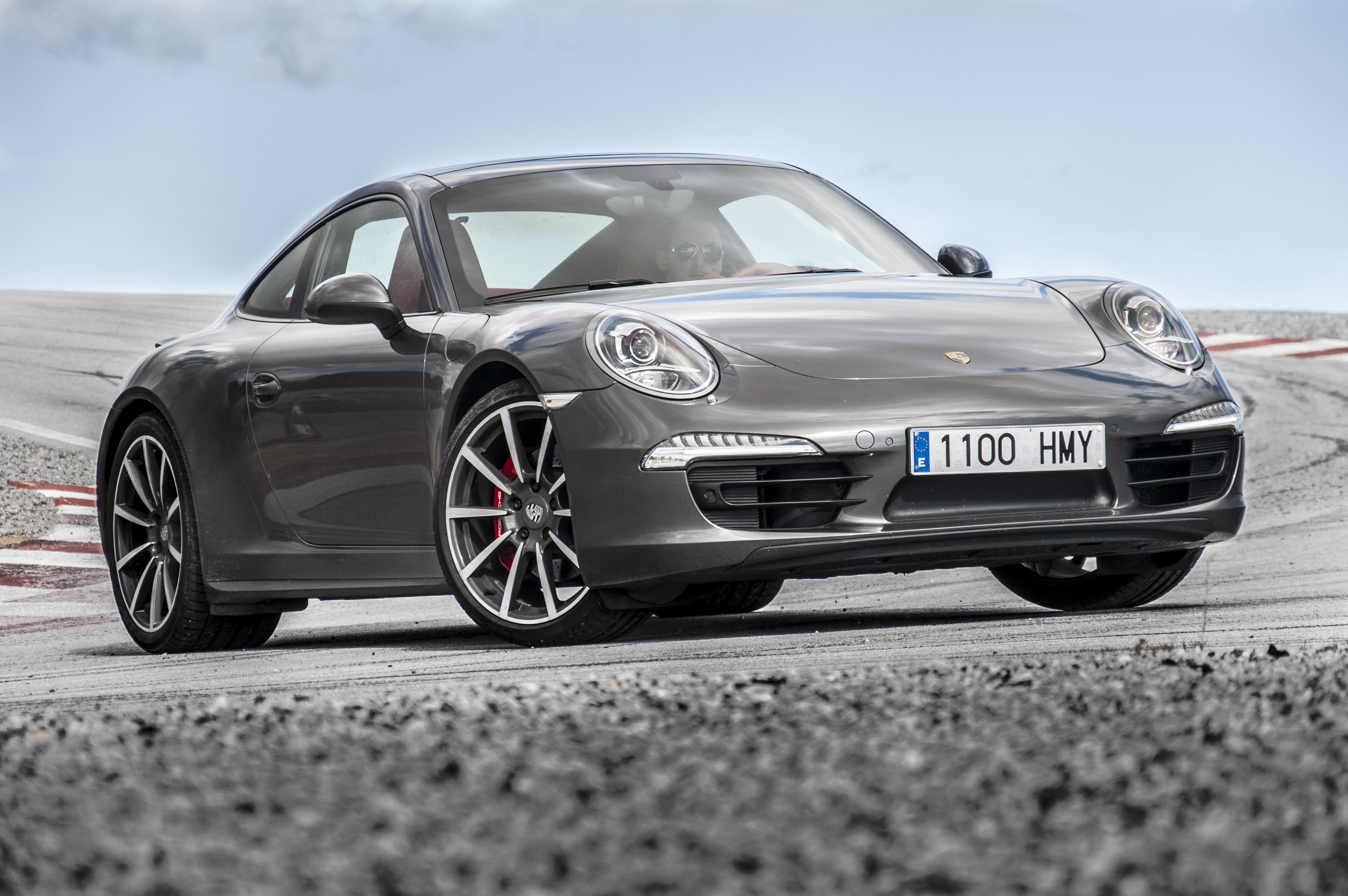
911 Porsche Gt3
"...icle right now, which is where a trucker stole a Porsche GT3 to run errands. But I'm still doing my research...."
The “911” is Porsche’s famous sports car model line. It includes high-performance versions like the GT3. The podcast mentions it because someone is talking about a theft involving a Porsche GT3.
“911” refers to the Porsche 911 model line, a long-running sports car known for its distinctive design and performance. In the podcast, it’s mentioned in a story about a stolen Porsche GT3, showing how the 911 family is associated with high-performance variants. The conversation frames it as part of someone’s ongoing research.
due diligence
"99, no, 100% of these trucker thefts I've found could have been avoided with simple proper due [1103.8s] diligence that brokers and people booking transport are not doing."
Due diligence means doing the right checks before you trust someone with your car. The hosts are saying better vetting could reduce theft.
Due diligence is the process of verifying and assessing risk before booking or handing over a shipment. Here, the hosts argue that trucker thefts could often be prevented by better vetting by brokers and shippers.
automated traffic enforcement system
"he believed that he was waging a holy war against the all seeing eyes of Portland's automated traffic enforcement system. And police found a handwritten manifesto replete with biblical references inside his apartment after his arrest"
This is basically a camera-based system that watches for traffic violations and automatically issues tickets. Instead of an officer pulling you over, the system records evidence and the ticket gets processed.
An automated traffic enforcement system uses cameras and sensors to detect violations and generate citations without a human officer directly observing the event. In this segment it’s described as “all seeing,” tying the technology to the broader debate about whether it’s truly about safety or mostly about enforcement revenue.
speed cameras
"one who doesn't like speed cameras or speeding laws in general... speed cameras are not about safety, they're billed in the name of safety, but it really is about revenue."
Speed cameras are cameras that measure how fast cars are going. If you’re over the limit, they can trigger a ticket—so the debate is whether they’re mainly for safety or for making money.
Speed cameras are camera systems used to measure vehicle speed and issue citations when drivers exceed posted limits. The hosts frame them as controversial because they’re often marketed as “safety” tools, but the discussion argues they function primarily as a revenue source.
photo radar traffic enforcement cameras
"Back to the book. In fiscal year 2016, the District of Columbia took in 107 million from its photo radar traffic enforcement cameras, throwing red light cameras and parking tickets"
Photo radar is a speed-measuring system that also takes a picture of the car. That photo helps prove the violation so the ticket can be issued.
Photo radar traffic enforcement cameras combine speed-detection radar with photography to document a speeding violation. The segment uses a fiscal-year example to illustrate how these systems can generate large amounts of citation revenue.
red light cameras
"In fiscal year 2016, the District of Columbia took in 107 million from its photo radar traffic enforcement cameras, throwing red light cameras and parking tickets"
Red light cameras watch intersections for cars that run red lights. If the system detects a violation, it can generate a ticket based on the recorded evidence.
Red light cameras monitor intersections and capture images when a vehicle enters after the light has turned red. The segment groups them with other camera-based enforcement methods to support the argument that automated enforcement can be revenue-driven.
parking tickets
"In fiscal year 2016, the District of Columbia took in 107 million from its photo radar traffic enforcement cameras, throwing red light cameras and parking tickets"
Parking tickets are fines for breaking parking rules, like expired meters or illegal parking. The point here is that automated enforcement can generate a lot of money.
Parking tickets are citations issued for violations related to parking rules, often processed through enforcement systems and administrative revenue. In this segment, they’re mentioned alongside camera enforcement to illustrate the broader “automated enforcement” revenue picture.
speed limits are artificially low
"But he goes on to talk about how studies have been done that speed limits are artificially low... So there's, there's been independent studies done that say that speed limits are way way too low, artificially low."
They’re saying the speed limit might be set lower than what the road actually calls for. So even if you’re not trying to break the law, the limit can feel unfair or unrealistic.
The hosts argue that posted speed limits may be set below what’s appropriate for real-world conditions, making them feel “artificially low.” This matters because drivers respond to how safe a road feels, not just the number on a sign.
Insurance Institute for Highway Safety
"...like the insurance Institute for Highway Safety, that is not a neutral party. And police departments certainly are not neutral."
They mention the IIHS, a group that studies road and vehicle safety. The point here is that the hosts think it may have a bias because it’s connected to insurance companies.
The Insurance Institute for Highway Safety (IIHS) is a U.S. nonprofit that evaluates vehicle safety and publishes crash- and road-safety research. The hosts question its neutrality because it’s tied to the insurance industry, even though it’s often cited in traffic-safety debates.
narrowing the lanes
"...civil engineers or whatever. And it's like if you narrow the lanes in a road, it actually like there are things like narrowing the lanes or adding potholes..."
This is when a road is designed so lanes are thinner than usual. The idea is that drivers slow down because the road feels tighter and less forgiving.
Lane narrowing is a traffic-calming technique used to reduce vehicle speeds by changing road geometry and driver behavior. The hosts mention it alongside other physical interventions (like potholes) to illustrate how road design can influence how fast people feel comfortable going.
traffic-calming via road design
"But there's other stuff that you can do that can make it feel that you'd like don't want to speed."
Instead of just posting a speed limit or writing tickets, you can change the road itself so it feels safer and encourages slower driving.
The segment discusses how changing road features—lane width, surface condition, and other design elements—can make drivers less likely to speed. This is a broader concept in road safety: engineering the environment to influence behavior rather than relying only on enforcement.
road feels safe vs posted speed limit
"...where it was like, yeah, the max speed is 60, but good Lord, I don't want to go that fast... we have 14 foot wide lanes... and people still can't stay in them."
They’re saying drivers don’t just look at the speed sign—they react to how the road feels. If the road looks and feels smooth and open, people tend to drive faster.
The hosts contrast a low posted maximum speed with how safe drivers feel at that speed, arguing that driver perception and road conditions heavily influence speed choice. They also suggest that wide, smooth lanes can make speeds feel “right,” even if they’re above the limit.
lane width (14-foot wide lanes)
"...because we have 14 foot wide lanes on the highway. We have three of them at minimum typically, and they're smooth."
Lane width changes how “roomy” a road feels. Wider lanes can make it feel easier to drive faster, while narrower lanes can make you slow down.
Lane width is a key geometric factor that affects perceived speed and vehicle positioning. Wider lanes can feel more forgiving and may encourage drivers to travel faster, while narrower lanes can increase the sense of constraint and reduce speeds.
amber light duration
"We've all seen the studies that show that talk about the amber light duration and how the red light cameras are placed at intersections..."
That’s how long the yellow light lasts before it turns red. If the yellow is shorter, drivers have less time to decide whether to stop or go, which can lead to more risky situations.
Amber light duration is the length of time the yellow signal stays on before red. The segment claims that shortening it can increase ticket volume, and that this can change driver behavior at intersections.
driver behavior changes (trying not to get tickets)
"And they found that accident rates went up at those intersections, not from people running the lights, but from people trying not to get tickets and then getting re-rendered."
The idea is that when people worry about getting caught, they may drive in a more panicked or last-moment way. That can actually make crashes more likely, even if fewer people are intentionally breaking the rules.
The segment describes a feedback loop where drivers alter behavior to avoid citations, which can inadvertently increase collisions. Specifically, it claims accidents rose not from running lights, but from last-second decisions driven by fear of being ticketed.
ticketing discretion vs automation
"And when you automate... say what you will about the ability of a police officer to decide with discretion who gets a ticket and who doesn't, at least there's some argument for reasonableness. You could,..."
Police officers can sometimes use judgment about whether to ticket someone based on the situation. Automated cameras don’t really do that—they follow the rules mechanically, which can feel less fair.
The segment contrasts human officer discretion with automated enforcement. It suggests that even if discretion can be imperfect, a human officer can consider context, while automation applies rules more rigidly, which may affect perceived fairness and outcomes.
semi truck
"but you're giving me a ticket in the name of safety. What is really safe for me going 72? And I can stop in half the distance that the semi can."
A semi truck is a big heavy truck. Because it’s so heavy, it usually takes longer to slow down and stop than a regular car.
A semi truck (tractor-trailer) is a heavy commercial vehicle with much greater mass than a typical passenger car. The hosts use the semi truck’s weight to argue that enforcement and “fairness” comparisons based on speed limits don’t account for vehicle differences like braking performance and stopping distance.

Tesla Semi
"...cer, okay, well, I'm going 72 and a 60. And that semi truck that weighs 80 times more than my vehicle i..."
The Tesla Semi is an electric truck meant for hauling freight. It’s designed to move goods over long distances without using diesel fuel. The podcast mentions it while comparing its size and weight to a regular car.
The Tesla Semi is an electric heavy-duty truck designed for long-haul freight. It’s discussed because it replaces diesel with electric power, which changes how the truck is operated and maintained. In the podcast, it’s mentioned in a speed/weight comparison, emphasizing how much heavier a semi truck is than a typical passenger vehicle.
vehicle stopping distance
"And I can stop in half the distance that the semi can."
Stopping distance is the total distance a vehicle travels from when the driver begins braking until the vehicle comes to a complete stop. The hosts use the idea to argue that a faster vehicle (or a different vehicle class like a semi) may require more distance to stop, so “safety” claims based only on speed limits can be misleading.
discretionary threshold
"Yeah. Or the semi technically obeying, or not obeying, but within the discretionary threshold."
Sometimes enforcement doesn’t trigger a ticket until you’re over a certain amount. The hosts are saying that makes it feel inconsistent rather than truly safety-focused.
A discretionary threshold is the small amount of speeding enforcement systems or officers may tolerate before issuing a citation. The hosts suggest that semi trucks and other drivers may be treated differently because enforcement can depend on thresholds and judgment, even when the stated goal is safety.
school zones
"So in a school zone, obviously I'm slowing down because there's potentially children around."
A school zone is where cars are supposed to slow down because kids may be nearby. The hosts are saying people may focus on not getting caught instead of actually watching the road.
School zones are reduced-speed areas near schools intended to protect children during arrival and dismissal times. The hosts criticize how enforcement and driver behavior can shift attention toward avoiding tickets instead of focusing on the road and hazards.
no phone zone
"What if we just had, hey, it's a school zone, pay attention. How about a no phone zone that will drive the same speed? Put your phone down."
A no phone zone is a rule (often enforced with signage and sometimes cameras) that prohibits using a phone while driving in a specific area. The hosts propose it as a more direct safety measure than speed-camera enforcement, since distracted driving is a major risk factor.
rendering it ineffective
"...this giant ring toss with tires over the camera pole. So it just stacked them up, rendering it ineffective."
The segment describes physically obstructing or damaging speed camera equipment to prevent it from capturing usable images. In practice, this is vandalism and can create legal and safety risks beyond just “beating” enforcement.
time speed distance cameras
"The Colorado DOT is now installing time speed distance cameras. So they're taking measurements in between the cameras... This is taking your average speed over a certain point of time."
These cameras don’t just check your speed at one instant. They measure how long it takes you to travel between two points, then figure out your average speed for that stretch.
“Time speed distance” camera systems measure how fast you’re traveling by calculating your speed over a distance between two camera points. Instead of relying on a single moment, they use time and spacing to estimate average speed through a section.
average speed over a certain point of time
"...you can't just be like, you know, your ways or your radar detector, oh, camera's coming up, I'll slow down and then get by it and speed up again. This is taking your average speed over a certain point of time."
The system looks at your overall speed through a stretch of road. So if you only slow down at the camera spot, you can still be caught because your average speed stays too high.
The key idea is that enforcement is based on average speed through a measured segment, not just peak speed at a single location. That makes “slow down right at the camera, then speed up” strategies less effective.
market manipulation
"...the strada he was asking me to look at the stradale and scuderia market, which has gone bonkers lately, whether it's market manipulation or people just all of a sudden deciding that they love these cars..."
Market manipulation means someone might be trying to push prices up or down artificially. In car collecting, people argue whether prices rise because more people genuinely want the cars, or because of tactics that make it look like demand is higher than it really is.
“Market manipulation” refers to actions that artificially influence prices—like coordinated buying, staged listings, or other behavior that distorts supply/demand signals. In collector-car markets, people often debate whether sudden price jumps are driven by real demand or by manipulation.
collector-car market
"...it was all basically to say like, you can't use a Ferrari market."
They’re talking about how expensive collectible cars get and why. Prices can jump based on what buyers want and what’s scarce, not just the car’s specs. The debate is basically about whether one brand’s prices can be used to predict another brand’s prices.
The segment centers on how exotic/collector cars are priced—often based on limited supply, brand desirability, and buyer sentiment rather than just engineering. The hosts are debating whether Lamborghini prices should be inferred from Ferrari trends, which highlights how “category” comparisons can mislead.

Ferrari market
"...the Lamborghinis are worth way more because look at what the Ferrari market is doing. But what are the Lamborghinis selling for?"
They’re talking about how expensive Ferraris are getting (and how buyers behave). The argument is whether Lamborghini prices should follow Ferrari prices, like they’re connected in the market.
“Ferrari market” is shorthand for how Ferrari pricing and demand behave in the collector-car market. The hosts are debating whether Lamborghini values should be inferred from Ferrari price trends, which is a common way people try to justify market moves.

Enzo
"...I said, okay, like an Enzo sold for 15 million, but that didn't make my Diablo six liter skyrocket in value."
The Ferrari Enzo is one of Ferrari’s most famous supercars. People often cite its very high prices when arguing about what other exotic cars should cost. Here, it’s being used to show that one extreme example doesn’t automatically raise everything else.
The Ferrari Enzo is a halo supercar whose auction and dealer prices strongly influence how people talk about “what’s worth it” in the exotic market. The speaker uses the Enzo’s high sale price as an example of hyperbole—one car being expensive doesn’t guarantee other models rise similarly.

Lamborghini Diablo six liter
"...but that didn't make my Diablo six liter skyrocket in value. And so I was essentially using his logic back just with hyperbole..."
The Lamborghini Diablo is a famous Lamborghini supercar. “Six liter” means it has a 6.0-liter engine. The point here is that just because one Lamborghini (or one brand) gets expensive, it doesn’t mean every other car’s value jumps too.
The Lamborghini Diablo is a flagship supercar from the 1990s/early 2000s, and “six liter” refers to its 6.0L V12 engine. In the discussion, it’s used as an example of how one brand’s price surge doesn’t automatically lift values of unrelated models.

Lamborghini Gallardo
"But his of comparing one car to one entirely different. Well, the Gallardo Super Leger is not entirely different than scuderia."
The Lamborghini Gallardo Superleggera is a special lighter version of the Gallardo. The hosts are using it to make the point that even if two cars seem related, their values don’t always move together.
The Lamborghini Gallardo Superleggera (often misspoken as “Super Leger”) is a lighter, more performance-focused Gallardo variant. In the segment, it’s brought up to argue that “similar” models across brands can still have very different pricing dynamics.
Porsche 996 GT3 RS
"...you could consider like a 996 GT3 RS as similar to a scuderia, and those values are dramatically different."
This is a Porsche 911 GT3 RS from the 996-era. It’s a very track-focused, expensive collector car. They’re using it to show that even “similar type” cars can have very different market values.
The Porsche 996 GT3 RS is a high-performance track-oriented 911 variant from the 996 generation. The hosts use it as an example of how two cars that seem comparable (in spirit or category) can still trade at dramatically different prices.
market is what the market is
"...it doesn't make it more desirable, like the market is what the market is."
They’re saying the car market decides the price, not what any one person thinks it’s worth. Even if you think a car deserves more, the market may not agree.
This phrase is used to emphasize that pricing is ultimately set by supply and demand, not by what someone believes a car “should” be worth. The speaker contrasts personal valuation with real-world transaction prices.
wholesale to retail market
"...most dealers are paying retail because this is the problem I've expressed for years is I say my business models, I pay $4 for $5 bill service and recondition and sell it for $5. That is the wholesale to retail market."
They’re explaining how car dealers make money: they usually buy cars for less than what they sell them for. So if you sell to a dealer, you generally shouldn’t expect the dealer to pay the same price you’d get from a retail buyer.
The speaker describes a pricing model where dealers buy cars at wholesale prices and sell at retail prices, capturing the spread. They argue that expecting “retail or above” when selling to a dealer is unrealistic because dealers must pay less than retail to cover costs and profit.
inventory cycle
"If you bought everything on speculation, you'd be sitting with a warehouse full of cars and you can't then cycle inventory."
They mean dealers need to sell cars and replace them regularly. If a dealer buys too many cars hoping prices will rise later, they can get stuck holding inventory that won’t sell.
“Cycle inventory” refers to how dealers turn cars over—buying, selling, and replacing stock to avoid tying up cash. The speaker argues that buying purely on speculation can leave a dealer stuck with too many cars and unable to sell through them.
vehicle history preserves value
"The only difference, one of them had $15,000 in collision repairs. Which one would you buy? The undamaged one, of course, because a clean vehicle history preserves value."
Cars with a clean history usually sell for more. If a car has been in a crash, people worry there could be problems later, so they offer less.
A “clean” vehicle history (no accidents or major repairs) tends to protect resale value because buyers view it as lower risk. Collision history can make shoppers assume hidden damage or future issues, even when repairs were done well.
collision repairs
"Imagine two identical vehicles, same year, mileage, options, color, and price. The only difference, one of them had $15,000 in collision repairs."
Collision repairs are the fixes a car gets after it crashes. Even if the work is done well, the car’s accident past can still hurt what it sells for later.
Collision repairs refer to the body/structural work done after an impact, which can include panels, alignment, and sometimes structural components. Even when repairs are completed, the fact that the car was repaired can still change buyer perception and resale pricing.
diminished value
"The undamaged one, of course, because a clean vehicle history preserves value. That's what diminished value is the loss in your vehicle's value after an accident, even if it's repaired perfectly."
Even if a wrecked car is fixed perfectly, it can still be worth less when you go to sell it. That drop in price is called diminished value.
Diminished value is the loss in a vehicle’s resale price after an accident, even if the car is repaired correctly. Buyers often pay less because the damage history can affect trust, future repair costs, and perceived risk.
VIN
"After we finish, I found three more vins of interest for you. Two Canadian Topaz over Kramma and one U.S. Stratus over Kramma. So we can... There's three entries on Epic Vin for the Stratus car."
A VIN is like a car’s fingerprint—unique to that exact vehicle. You can use it to look up details about the car and confirm it’s the one you’re interested in.
VIN (Vehicle Identification Number) is a unique 17-character code used to identify a specific vehicle. People use VIN lookups to verify specs, ownership history, and whether a particular car exists in certain markets or databases.
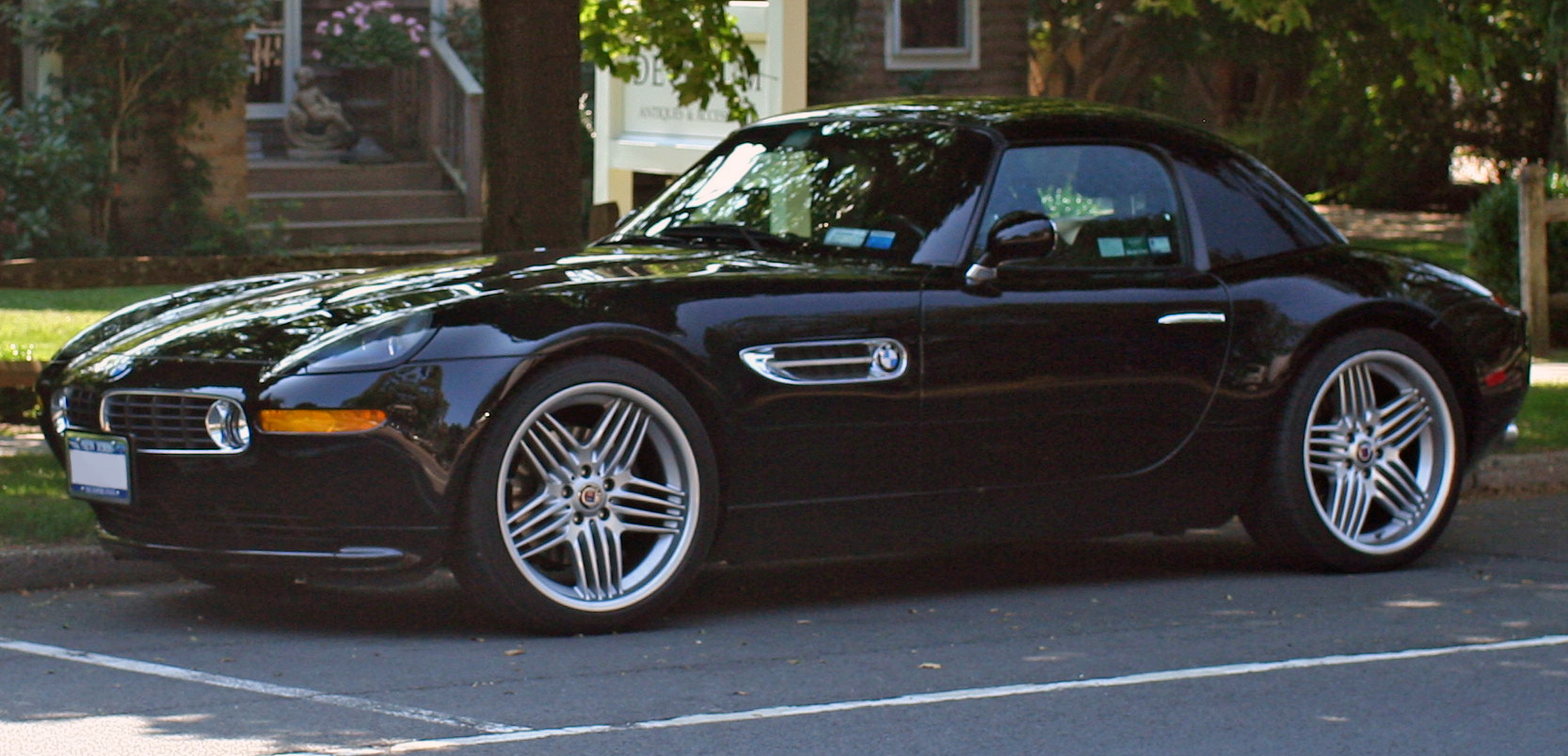
Alpina Z8
"Dead ends on all of them. I had a response from Canada today. I posted a story, said I'm looking for Stratus or Topaz Z-8. And somebody messaged me and said, I have one in Canada. I'm like, great, what color? And I found it on his website. I'm like, that's silver. Oh my god. You've had"
The Alpina Z8 is a BMW Z8 that has been upgraded by Alpina. Alpina is known for making cars feel more special and performance-oriented. The podcast mentions it because someone is searching for one located in Canada.
The Alpina Z8 refers to a BMW Z8 that has been modified or built by Alpina, a tuner known for enhancing performance and refinement. It’s discussed because Alpina versions are typically more distinctive and collectible than standard models. In the podcast, it comes up as a specific car the speaker is trying to find in Canada.
Brembo big brake kit
"Crema mods, Brembo big brake kit, blah, blah, blah. 28,000 miles. I'm like, that's my car."
A big brake kit is an upgrade that helps the car stop better. Brembo is a well-known brake brand, and the host is saying this car had that kind of upgrade.
A Brembo big brake kit is an aftermarket brake upgrade that typically includes larger rotors and calipers from Brembo. The host mentions it as part of the car’s modifications, which can improve braking performance and pedal feel, but doesn’t always translate to higher resale value.
Out-the-door price
"So he bought it at the peak on bring a trailer. Oh no. So he paid 368K with fees and spent 100K on upgrades and redoing the interior."
The out-the-door price is the real total you pay, not just the headline number. Auction fees can add a lot, so it’s important to include them when judging whether a deal makes sense.
“With fees” and the total amount paid is essentially the out-the-door price—what you actually hand over after auction fees and other charges. This matters because enthusiasts often focus on the bid price, but fees can materially change the real cost basis and future resale expectations.
bring a trailer
"So he bought it at the peak on bring a trailer. Oh no. So he paid 368K with fees and spent 100K on upgrades and redoing the interior."
Bring a Trailer is a website where car enthusiasts bid on cars online. The host is saying the car was bought at a high point in the auction market, which makes later pricing harder to justify.
Bring a Trailer (BaT) is an online auction platform focused on enthusiast cars. The host says the seller bought the car at the peak on bring a trailer, then discusses the high purchase price and subsequent upgrades, illustrating how auction timing can affect resale value.
laser diffuser
"And you know, I've got the radar detector. I've got the laser diffuser, you know, eagle eyes for spotting police trained."
A laser diffuser is meant to make it harder for police laser speed guns to get an accurate reading. It’s not a guaranteed shield, and results depend on the exact system and setup.
A laser diffuser is an aftermarket device intended to interfere with police laser (LIDAR) speed measurement by spreading or delaying the laser signal. The host mentions it alongside a radar detector, then implies it may not have helped in the situation they describe.
radar detector
"Talking about speed cameras, but I got a manual speeding ticket by an officer of the law recently. And you know, I've got the radar detector. I've got the laser diffuser, you know, eagle eyes for spotting police trained."
A radar detector is a gadget that tries to warn you when police radar is nearby. It doesn’t guarantee safety, because enforcement methods vary.
A radar detector is an electronic device that alerts the driver when it detects police radar signals. The host claims they have one, but then questions whether it would work in a specific scenario involving a sheriff and sustained speed.
pacing
"you're pacing me from a half a mile back or a quarter mile back. Like, yeah, this isn't going to hold up in court..."
Pacing is when an officer “keeps up” with you to estimate how fast you’re going. It’s more of an estimate than a direct instrument reading.
Pacing is when an officer follows alongside or behind a vehicle to estimate its speed based on relative movement and timing. The speaker argues that pacing evidence may be harder to challenge in court, but also suggests it may not hold up as strongly as a direct measurement.
driver safety course
"And I called the court and lo and behold, you can do a driver safety course to get your ticket dismissed. Oh, which I did I opted for the remedial course."
Some tickets can be handled by taking a class instead of paying right away. If you finish the course, the court may dismiss the ticket, but the details depend on your area.
A driver safety course is a court-approved program some jurisdictions offer as an alternative to paying a traffic ticket. Completing it can lead to dismissal or reduced penalties, depending on local rules and eligibility.
court
"And I called the court and lo and behold, you can do a driver safety course to get your ticket dismissed."
When you get a ticket, you usually have to deal with the court system. Sometimes the court offers options besides paying immediately.
Traffic tickets often involve a court process where you can contest the citation or choose alternatives like a safety course. The transcript shows the speaker calling the court to learn about eligibility for dismissal.
ticket dismissed
"you can do a driver safety course to get your ticket dismissed. Oh, which I did I opted for the remedial course."
Dismissed means the ticket doesn’t stick the way it normally would. In many places, finishing the required steps can clear it.
“Ticket dismissed” means the citation is effectively cleared after you complete the required process (here, a driver safety course). This can prevent the ticket from counting the same way as a normal unpaid citation.
acronyms
"[2826.8s] it's not skills. It's head knowledge. There's all these acronyms you were supposed to memorize..."
An acronym is a short set of letters you memorize. The host’s point is that in a real emergency, you can’t realistically stop and remember a memorized phrase—you need instincts and practice.
The host criticizes the course for relying on memorized acronyms as a substitute for real driving skill. Acronyms can be useful as reminders, but in an emergency you need fast, practiced judgment rather than recalling a checklist.
R-U-A
"[2830.9s] like R-U-A for react, understand, apt, or it was like the Michael Scott thing, apt, react."
R-U-A sounds like a memorized “steps” acronym from the course. The host is saying that when something goes wrong, you don’t have time to think through a letter-by-letter script.
R-U-A is presented as an acronym the course wanted students to memorize for reacting/understanding during emergencies. The host argues that in the real moment—when you have only fractions of a second—memorizing a phrase isn’t practical.
anti-freeze windshield washer fluid
"...defensive safe driving remedial propaganda course said. To make sure you can safely drive in bad weather, you should make sure that you have anti-freeze windshield washer fluid. [2905.1s] Isn't it all? No. Oh, really?"
In winter, washer fluid can freeze in the tank or lines. Anti-freeze washer fluid helps you keep your windshield clean so you can see, but it doesn’t replace good driving habits.
Windshield washer fluid with anti-freeze additives is designed to prevent the fluid from freezing in cold weather and to keep the system spraying when you need it most. The hosts are critiquing how a defensive driving course frames this as “safety,” arguing it’s more about visibility than a magic fix for driving skill.
ABS
"In order to recover a slide in a car that's not equipped with ABS, [2933.4s] you should one, ease off the accelerator..."
ABS is a system that helps your brakes work hard without locking the wheels. If your wheels lock, you lose steering control; ABS helps you keep control while braking.
ABS (anti-lock braking system) prevents wheel lockup during hard braking by modulating brake pressure. That matters in a skid or slide because ABS changes what the driver can safely do with the brake pedal—especially compared to cars without ABS.
weight transfer
"...That won't. So you're causing weight transfer? Yes. [2946.7s] To the, oh God, that would be to the front, right? Yes."
When you speed up, slow down, or turn, the car’s weight shifts. That shift changes which tires have the most grip, and that affects whether the car stays controllable.
Weight transfer is how a car’s load shifts between tires when you change speed or direction—like easing off the accelerator or braking. In a slide, the distribution of grip across the tires changes, which can either worsen oversteer/understeer or help you regain traction depending on what you do.
oversteering
"...advanced driving says you should not ease off the accelerator. If you're oversteering, you should slightly add acceleration because it transfers weight to the rear and gives you a little bit of grip back."
Oversteer is when the back of the car starts to slide outward while you’re turning. It can feel like the car is “spinning” around the front, and throttle/brake inputs can change how much grip the tires have.
Oversteer is when the rear of the car loses grip and swings outward relative to the front. The hosts discuss how, at the limit of traction, small throttle changes can shift weight and traction to help stabilize the car—though they also argue that simplistic training advice can be misleading.
traction circle principle
"...we're going to go with a when in doubt, both feet out principle of don't do anything to the pedals because you need all the traction available for your steering. It's a traction circle principle."
Tires can only do so much at once. If you’re asking for steering and braking/accelerating at the same time, there’s less grip left for each, so the car can lose control more easily.
The traction circle (or friction circle) idea is that tires have a limited amount of grip, which must be shared between braking/acceleration and steering. If you demand too much from the tires in one direction (like braking hard while turning), you reduce the grip available for the other task, making the car more likely to slide.
threshold braking
"...all that's going to do is make you like, like threshold braking, if anything, is where you should be like, not when you're in a slide."
Threshold braking means braking as hard as you can without fully locking the wheels. It helps you stop quickly while still keeping the car pointed where you want.
Threshold braking is braking right at the point just before the tires lock up, maximizing deceleration without losing directional control. The hosts contrast this with “pumping” the brakes and explain why, in a non-ABS car, holding near-lockup can yield maximum braking efficiency.
downshifting
"One thing you should do, one thing you should do when driving downhill is to consider downshifting your vehicle... If I hand on the Bible, this is what they said, if you're not sure at what RPM to downshift, consult your owner's manual."
Downshifting means dropping to a lower gear. It helps slow the car using the engine, which can be useful on hills.
Downshifting is selecting a lower gear to increase engine RPM and engine braking. On descents, it can help control speed without relying as heavily on the brakes, reducing brake fade risk.
engine braking
"One thing you should do... when driving downhill is to consider downshifting your vehicle... consult your owner's manual."
Engine braking is when the car slows down because the engine is working against you. Downshifting can make that effect stronger, which helps on hills.
Engine braking is slowing the vehicle by using the engine’s resistance during deceleration, typically by downshifting. It’s especially useful on downhill grades because it can reduce brake wear and help maintain control.
RPM
"If you're not sure at what RPM to downshift, consult your owner's manual... pull out the owner's manual and see what RPM you can downshift."
RPM is basically the engine’s speed. Higher RPM usually means the engine is working harder, which can change how the car slows down when you downshift.
RPM (revolutions per minute) is how fast the engine spins. When downshifting, RPM matters because it affects engine braking strength and whether the transmission can safely match speeds.
tailgating
"you are driving the posted speed limit and a car is tailgating you. Your appropriate defense is to slow down."
Tailgating means you’re following the car in front too closely. If they stop or slow down, you may not have enough time to react.
Tailgating is driving too closely behind another vehicle. It reduces your reaction time and increases the chance of a rear-end collision, especially if the lead car brakes suddenly.
road rage
"So you would slow down, which is going to incite road rage by the person behind you. That is going to do nothing."
Road rage refers to aggressive or hostile driving behavior, often triggered by perceived threats like tailgating. In safety discussions, it’s used to highlight how certain responses (like slowing when tailgated) can escalate conflict rather than improve safety.
Request an Explanation
Heard something you'd like explained? We'll add it to this episode.
Sign in to request explanations for terms you heard.
Want to learn more?
Browse our glossary for plain-English explanations of automotive terms, jargon, and concepts.
Help improve this episode
See something that's not quite right? Our annotations are AI-generated and can sometimes miss the mark. Click the flag icon on any annotation to suggest a correction.