
TERRIBLE TROUBLE AT TOYOTA | Episode 1081
About this episode
Toyota’s sales slump takes center stage, with the hosts pointing to oversupply of some vehicles, shortages of others, and affordability pressures worldwide. They break down regional drops—U.S., Middle East, and China—and connect the pain to inventory delays, over-MSRP used pricing, and slow-moving Tacoma/Tundra stock. The conversation then pivots to what could change next: Mitsubishi’s pickup push and the likely return of smaller, cheaper trucks that could even “sell out” like the Maverick. Along the way, CarEdge’s invoice pricing and transparent dealer reviews get a plug.

Toyota Land
"...on Middle East conflict. What is going on over in Toyota land? It's not just globally for them."
The Land Cruiser is a large SUV made for tough driving, including rough roads. People talk about it a lot because it’s a popular, long-lasting model and it can be affected by supply and shipping problems. That’s why it might show up in a discussion about what’s happening with Toyota worldwide.
The Toyota Land Cruiser is a full-size, body-on-frame SUV known for durability and off-road capability. It’s often discussed because it’s a long-running model with strong demand in many regions, so production and supply issues can become a bigger story than just one vehicle. In a podcast, it may come up when talking about how global events affect Toyota’s ability to deliver vehicles.

Toyota Prius
"...or example, from Zippy, we've got, I wanted a new Prius, but I can't have one until July. They really sho..."
The Prius is a car that uses a gas engine plus an electric motor to help save fuel. If a dealership can’t get one right away, you may have to wait for a delivery date. That’s likely what the podcast is referring to with the “can’t have one until July” comment.
The Toyota Prius is a hybrid car designed to be efficient and reduce fuel use. It’s frequently mentioned in supply and pricing conversations because demand can outpace availability, leading to waiting periods. In your context, it sounds like the discussion is about how long it can take to get one.
oversupply
"[222.9s] which is they do have an oversupply of certain vehicles. [225.0s] I see that here with this comment from Stu Glenn."
Oversupply means there are too many of certain cars sitting around compared to how many people want to buy them. It can cause sales to drop, especially if other popular models are hard to find.
Oversupply means Toyota produced more of certain vehicles than the market wants at that time. When oversupply happens alongside shortages of other high-demand models, it can lead to weaker sales and inventory imbalances.
sales declines globally for three months in a row
"[239.5s] in short supply right now in high demand. [242.1s] And it ultimately has led them to sales declines globally for three months in a row."
They’re saying Toyota’s sales have been going down for three months straight. That suggests a bigger issue than just a temporary slowdown.
A “three months in a row” sales decline is a sign that the problem isn’t just a one-off hiccup—it’s showing up across multiple consecutive monthly reporting periods. In this discussion, it’s tied to supply/demand mismatches and broader affordability pressures.
reset happening
"[259.8s] And that stopped as well. [260.7s] So it's like a reset happening, it seems like, in the auto industry."
They’re describing a change in the auto market where things that were improving start to stall. In this case, they think it’s because fewer people can afford cars.
“Reset happening” is the hosts’ way of describing a shift in the auto market cycle—where prior growth trends stop and conditions change. Here, they connect it to global demand cooling and affordability pressures rather than a single brand-specific issue.
affordability situation
"[264.4s] I think, at least globally, it kind of suggests that it's an affordability situation around the [277.5s] world, not just, you know, we talk about it here in the United States and North America all the time."
They mean that buying a new car has become harder for many people because it costs too much. So even if cars are available, fewer people can afford to purchase them.
An “affordability situation” refers to consumers being squeezed by costs like prices and financing, which reduces how many people can buy new vehicles. The hosts argue this isn’t only a U.S./North America issue—it’s affecting many countries’ economies.
market share
"Well, you know, you'd like to think that because their market share is slipping slightly here in North America, that it would cause them to want to increase incentives to regain some of that."
Market share is basically how much of the car-buying market a brand gets. If Toyota’s share is shrinking, it can mean it’s selling fewer cars than competitors.
Market share is the portion of total vehicle sales that a brand captures in a region. The host connects Toyota’s slightly slipping market share in North America to the question of whether Toyota will respond with stronger incentives or marketing.
incentives
"Well, you know, you'd like to think that because their market share is slipping slightly here in North America, that it would cause them to want to increase incentives to regain some of that... I don't see them increasing incentives to try and increase sales."
In this context, “incentives” are marketing offers that reduce the effective price of a new Toyota—like cash rebates, special financing, or lease deals. Automakers use them to stimulate demand when sales slow down, but the host argues Toyota may not need to increase them if the whole market is down.
Toyota-thon
"But that's what I'm wondering, like, will this be a catalyst for them to come out with Toyota-thon earlier this year or more aggressively?"
A “Toyota-thon” is Toyota’s name for a sales promotion period with extra deals. The host is asking whether Toyota will do one sooner or with bigger discounts.
“Toyota-thon” refers to a branded sales event or promotional period where Toyota pushes deals more aggressively. The host is wondering whether Toyota will start one earlier or make it more aggressive as a response to sales challenges.
tariffs
"So, and we also know that Toyota struggled financially because of tariffs and other related costs that impacted what they could do."
Tariffs are taxes on imported products. If Toyota has to pay more because of tariffs, it can raise costs and make it harder to offer deals or manage inventory.
Tariffs are taxes imposed on imported goods. The host says Toyota struggled financially due to tariffs and related costs, which can affect pricing, supply, and how much flexibility automakers have for promotions or inventory management.

Chevy Colorado
"Again, Mitsubishi to enter the US midsize pickup race with the Nissan source truck to fight the Toyota Tacoma Chevy Colorado."
The Chevy Colorado is a midsize pickup truck. The hosts mention it as one of the trucks Mitsubishi would be competing against.
The Chevrolet Colorado is a midsize pickup truck that competes directly in the same U.S. segment as the Toyota Tacoma. The hosts list it alongside other rivals to frame the competitive pressure Mitsubishi is entering.
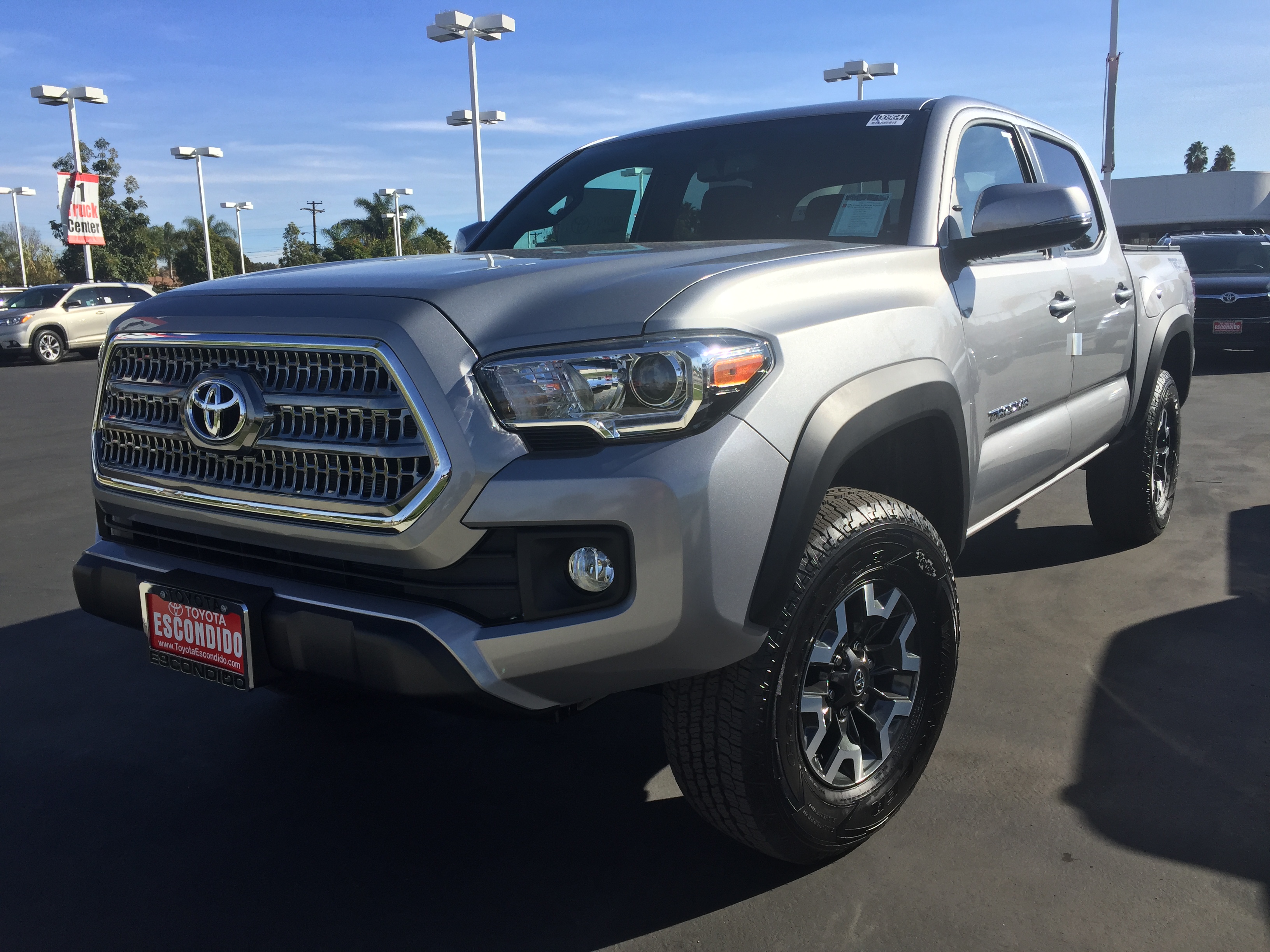
Toyota Tacoma
"Because Toyota, excuse me, has struggled with Tacoma and Tundra sales here in the United States."
The Toyota Tacoma is a midsize pickup truck. The hosts are saying Toyota hasn’t been selling as well as it wants, so it may need a new truck to compete better.
The Toyota Tacoma is Toyota’s midsize pickup truck, and it’s a key model in the U.S. truck market. In this segment, the hosts mention Tacoma sales as part of why Toyota might need a new competitor to regain momentum.
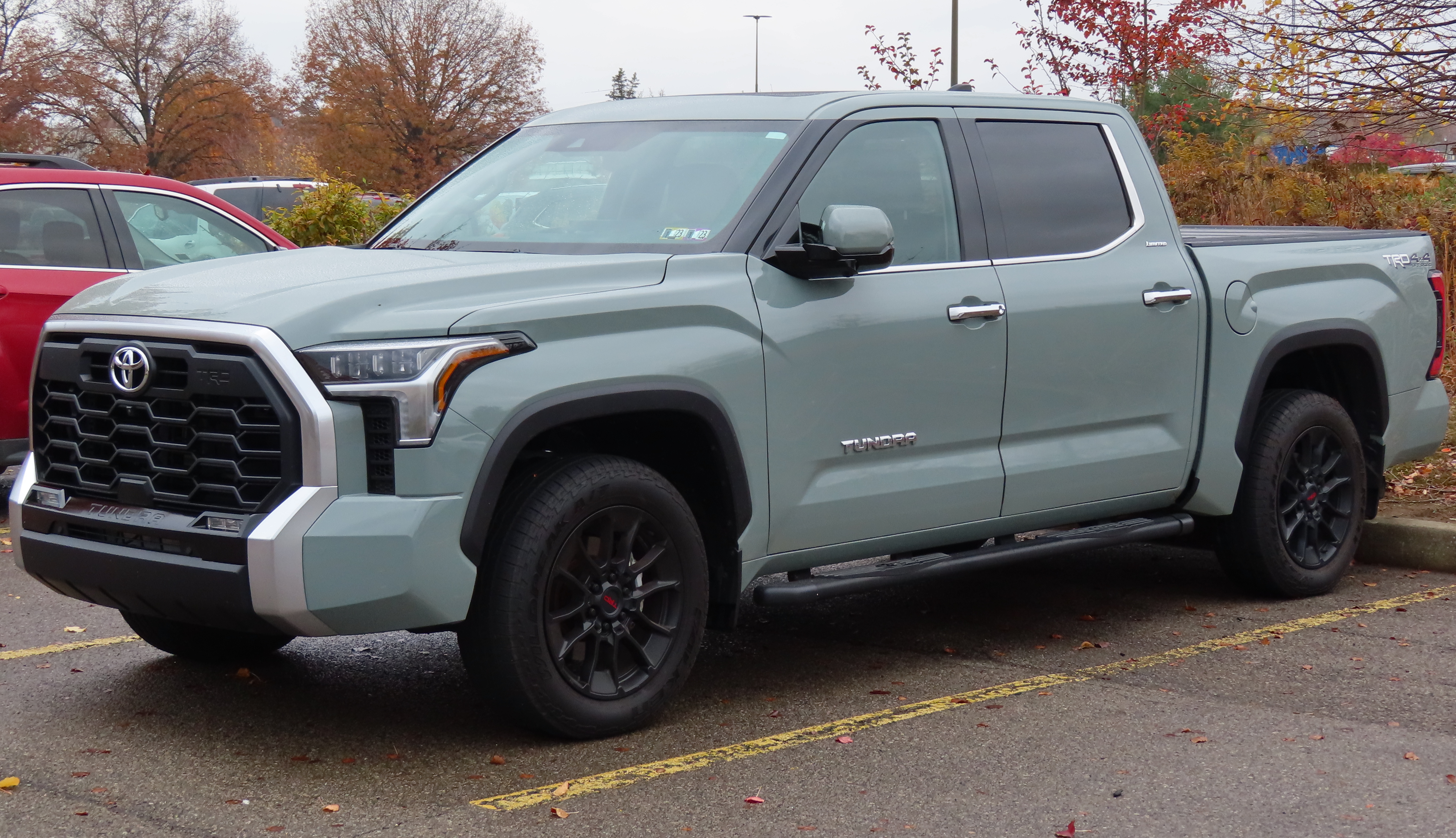
Toyota Tundra
"Because Toyota, excuse me, has struggled with Tacoma and Tundra sales here in the United States."
The Toyota Tundra is Toyota’s larger pickup truck. They’re saying Toyota hasn’t been selling as strongly, which could lead to Toyota building a new competitor in the pickup segment.
The Toyota Tundra is Toyota’s full-size pickup truck in the U.S. market. The hosts group Tundra sales with Tacoma to argue Toyota has been under pressure, which could push it to introduce a smaller pickup competitor.
buyer's market opportunities
"And again, those are probably like your buyer's market opportunities if you're a Toyota shopper."
A buyer’s market means it’s easier for shoppers to get a good deal. The hosts are saying Toyota buyers might have more leverage right now.
A buyer’s market is when shoppers have more leverage because supply is relatively strong and demand is weaker. The hosts use “buyer’s market opportunities” to imply Toyota shoppers may find better deals or more negotiating room.

Ford Maverick
"But we know that the Maverick has sold out very well for Ford and Toyota has hinted at doing that."
The Ford Maverick is a smaller, more affordable pickup truck. The hosts are saying it sold really well, so Toyota would likely want a similar kind of truck to compete.
The Ford Maverick is a compact pickup truck that’s known for being relatively affordable and easy to live with. The hosts use it as the benchmark for what a Toyota “Maverick competitor” would need to do well in the U.S. market.
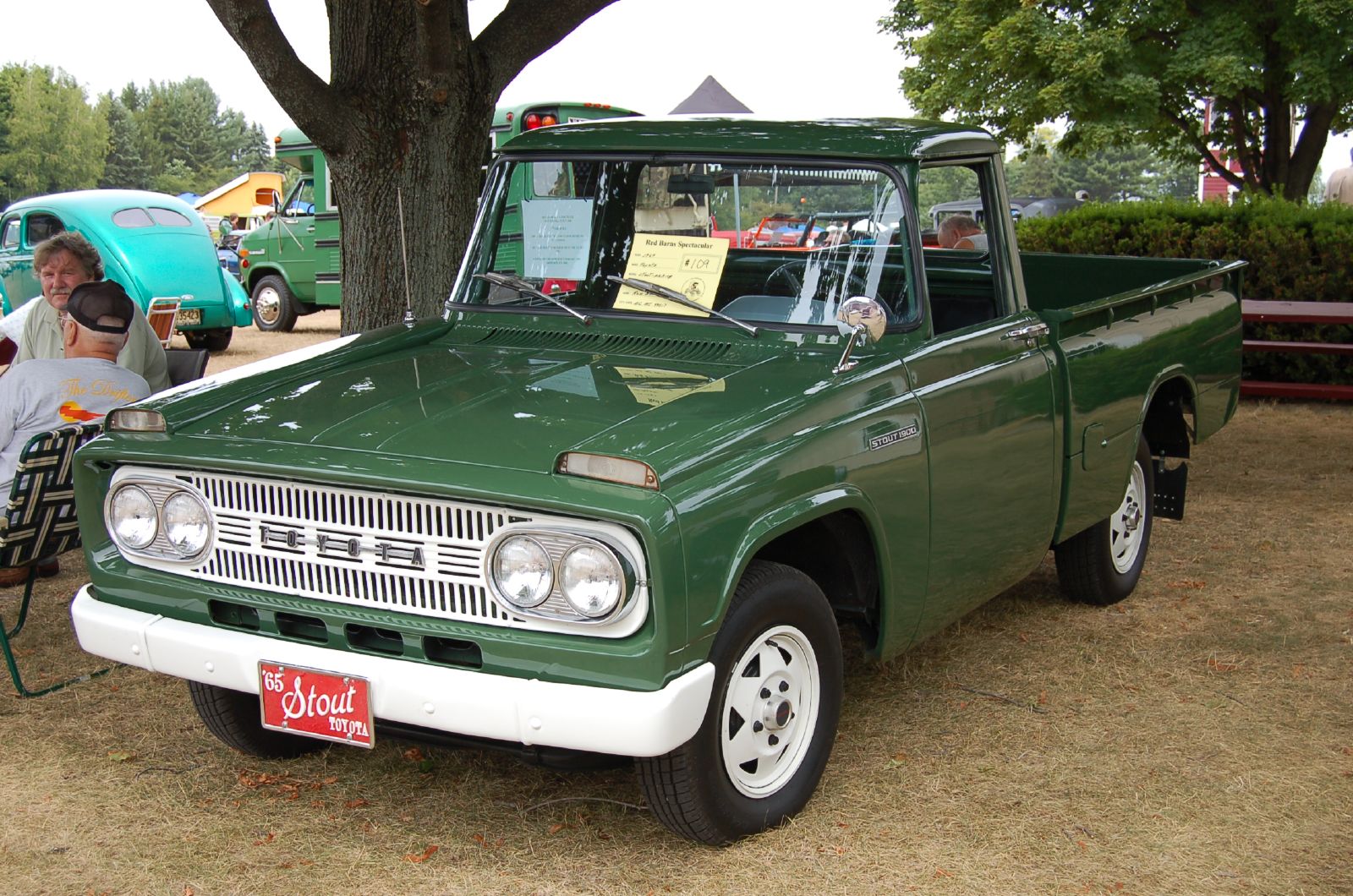
Stout Toyota Stout
"...his forces their hand at all to come out with the Toyota stout or something like that that's going to be a Maver..."
“Stout” here sounds like a possible name for a future Toyota pickup. The podcast is talking about whether Toyota might make a small truck to compete with other compact pickups. It’s more of a speculation than a clearly identified current model.
“Stout” in this context appears to be a rumored or referenced Toyota pickup name, discussed as a possible competitor to a Maverick-style vehicle. Since it’s mentioned as “Toyota stout or something like that,” it doesn’t clearly identify a specific, confirmed model in the way the other vehicles do. It’s being used to speculate about what Toyota might introduce next.

Mazda B2000
"... in the chat. That's Chevy S10, the Zuzu Pop, the B2000. Yeah."
The Mazda B2000 is a small pickup truck. The podcast mentions it because someone is listing different pickup models people know or want to compare. It’s likely part of a general discussion rather than a deep dive into one specific current model.
The Mazda B2000 is a compact pickup truck that’s typically associated with earlier generations and smaller-truck segments. In the podcast context, it’s listed among other pickup models being discussed in the chat, likely as an example of what people remember or compare. It’s brought up as part of a broader conversation about pickup history and model availability.
small pickup market
"We will see many more players in the small pickup market fighting for whatever market share they can get. But like I said, that indicates to me that this is where manufacturers think the growth will be when it comes to pickup trucks, not the full-size stuff anymore."
This means the market for smaller pickup trucks, not the big full-size ones. The host is saying companies think the future growth is in smaller, cheaper trucks, so more brands will try to sell them.
The “small pickup market” refers to the segment of compact pickups rather than full-size trucks. The host argues manufacturers expect growth here, so more brands will compete for market share as consumer demand shifts.
Mitsubishi
"So I do think Mitsubishi making this move, which again is part of their work with Nissan, is going to force the hand of Toyota to finally come to market with their small pickup truck."
Mitsubishi is a car brand the host says is entering the smaller pickup market. The host thinks that move will push Toyota to offer a similar small pickup too.
Mitsubishi is mentioned as making a move into the small pickup truck market. The host frames it as part of Mitsubishi’s collaboration with Nissan, and suggests it will pressure Toyota to launch its own small pickup.
Nissan
"So I do think Mitsubishi making this move, which again is part of their work with Nissan, is going to force the hand of Toyota to finally come to market with their small pickup truck."
Nissan is mentioned as a partner to Mitsubishi. The host is using that partnership to explain how Mitsubishi might be able to bring a small pickup to market.
Nissan is referenced as Mitsubishi’s partner in “their work with Nissan.” In this context, it’s used to explain why Mitsubishi can act in the small pickup space and why that could influence Toyota’s product plans.
reliability and engine issues
"if you're in the market for a pickup truck, look at the Toyota options. Now, reliability and engine issues, that's something you need to be very mindful of."
Reliability means how likely the car is to avoid breakdowns. Engine issues are problems with the engine that could require repairs, so the hosts are warning buyers to pay attention to that.
In automotive context, “reliability” refers to how consistently a vehicle performs without failures over time, while “engine issues” points to problems in the powerplant that can cause repairs or reduced performance. The hosts say shoppers should be mindful of both when considering Toyota options.
supply and demand
"But supply and demand, there's an oversupply of those vehicles relative to all the others. And you've got a competitor taking market share."
Supply and demand is about how many cars are available versus how many people want them. If there are too many of a certain truck on the market, it can hurt sales and change pricing.
Supply and demand describes how pricing and availability are influenced by how many vehicles are available versus how many buyers want them. The hosts argue there’s an oversupply of Toyota trucks relative to other options, which can affect pricing and sales momentum.
inventory
"There's still so many dealers that don't have inventory on their lots, especially with the new models and the new variants."
In automotive retail, inventory refers to the number of vehicles a dealership has physically available to sell on its lot or through immediate delivery. The segment emphasizes that many Toyota dealers don’t have enough inventory, especially for newly introduced models and variants.
used car market
"Now, we do see this having impacts over on the used car market. It's worth sharing."
The used car market is where people buy and sell cars that are already owned. If new Toyotas are hard to find, more shoppers may look at used cars instead, which can change prices and supply.
The used car market is the resale ecosystem where previously owned vehicles are bought and sold. The hosts argue that new-vehicle inventory issues can push effects into used pricing and availability, because buyers who can’t get new inventory may turn to the pre-owned market.

2026 Toyota Sienna Woodland Edition
"Here's a perfect example. 2026 Toyota Sienna Woodland Edition for a sale at a Hyundai dealership. So this one got traded in."
This is a specific version of the Toyota Sienna minivan (the Woodland Edition) for the 2026 model year. The point is that even though it’s a Toyota, it can show up for sale through other dealers—showing how shortages and trade-ins affect used prices and availability.
The 2026 Toyota Sienna Woodland Edition is a specific Sienna trim that’s positioned as a more outdoorsy, adventure-oriented minivan. The hosts use it as a real-world example of how Toyota inventory and demand can ripple into the used-car market when a vehicle ends up for sale at a different brand’s dealership.
stock number
"Well, it is. Based on the stock number. So there's two things that stand out here."
A stock number is like a unique ID a dealership uses for a particular car. It helps you track that exact vehicle’s details in their system.
A stock number is a dealership’s internal identifier for a specific vehicle in its inventory system. Here, the host says the stock number supports their assumption about the vehicle’s history (that it was traded in).
miles
"One, it's got 4200 miles on it. The stock number, explain."
Miles tell you how much a car has been driven. The host mentions 4,200 miles to show it’s not heavily used.
Miles (mileage) is the distance a vehicle has been driven, commonly used to estimate wear and value. The host points out that this 2026 Sienna has 4,200 miles, which is low enough to make it feel like a near-new used listing.
stock keeping number
"So every vehicle has its own individualized stock keeping number. This is a unique identifier."
A stock keeping number is the dealer’s internal label for a specific car. It helps them track that exact vehicle in their computer system, especially when it’s being sold or involved in a trade-in.
A stock keeping number (often shortened to stock number) is a dealership’s internal identifier for a specific vehicle in their inventory system. It helps staff track the car through listing, sales paperwork, and any trade-in activity tied to that unit.
VIN
"They use the last seven digits of the VIN. Which in this case would be H166... Last six digits of the VIN. And then the A."
VIN is the car’s unique ID number. It’s like a fingerprint for that specific vehicle, and dealers use parts of it to keep track of which car is which in their system.
VIN stands for Vehicle Identification Number, a unique 17-character code assigned to a specific vehicle. Dealerships often use part of the VIN to create an internal stock-keeping identifier so they can track inventory and paperwork for that exact car.
trade in
"Now, at most dealerships, the A is if you take a trade. So if there's one trade, it becomes that stock number plus the letter A... B and that means there's two trades."
A trade-in is when you sell your current car to the dealer to help pay for the next car. The dealer may mark the paperwork/stock number to show how many trade-ins are involved.
A trade-in is when you turn in your current vehicle as part of the deal to buy another one, and its value is applied toward the purchase. Dealerships sometimes encode trade-in counts into the stock number letter (like A for one trade, B for two) to reflect how the deal was structured.
MSRP
"That's almost $2,500 more than the original MSRP for that vehicle. And that's because on the new car side for Toyota, this is some of the terrible trouble they've created for themselves."
MSRP is the price listed by the manufacturer on the car’s sticker. Here they’re saying some buyers end up paying more than that official sticker price.
MSRP stands for Manufacturer’s Suggested Retail Price, the sticker price a carmaker sets before discounts or dealer markups. The segment argues that shortages can push buyers to pay over MSRP, especially for used cars with low mileage.

Hyundai Palisade
"what would a Toyota Sienna buyer want to trade a brand new one in with 4,000 miles and a Hyundai Dior? What are they buying? Because they're not... They're getting a Carnival? Well, that would be a Kia. So I'm assuming it would be a Palisade of some kind."
The Hyundai Palisade is a big family SUV with three rows of seats. They’re suggesting some people who can’t get a Sienna might buy something like this instead.
The Hyundai Palisade is a midsize three-row family SUV positioned as a minivan alternative. The hosts use it as an example of what a Sienna buyer might switch to when Toyota supply is tight.

Kia Carnival
"Because they're not... They're getting a Carnival? Well, that would be a Kia."
The Kia Carnival is another family minivan. They’re saying if the buyer is staying in the minivan world, the closest match would be this.
The Kia Carnival is a minivan that competes directly with the Toyota Sienna for family buyers. The hosts mention it as a likely trade-in target if someone is moving within the minivan category.
dealer reviews
"Now, Dad, I want to remind everyone back at CarEdge.com, under dealer reviews, you can look at things broken down by brand. We're talking a lot today about Toyota."
Dealer reviews are ratings or comments from people who bought cars from a dealership. The host is pointing listeners to those reviews to find Toyota dealers that are straightforward.
Dealer reviews are customer-submitted evaluations of how a dealership sells and services vehicles, often including experiences with pricing, add-ons, and communication. The host uses “dealer reviews” as the basis for filtering Toyota dealers by transparency.
add-ons
"You don't have to worry about add-ons, wait lists, things like that. This is not a pay-to-play list by any stretch."
Add-ons are extra stuff a dealer tries to sell on top of the car. They usually cost extra and can make the final price higher than you expected.
Dealer add-ons are extra products and services added to a car purchase beyond the vehicle itself—often things like protection packages, accessories, or service plans. They can increase the final price and sometimes obscure the true “out-the-door” cost.
wait lists
"You don't have to worry about add-ons, wait lists, things like that. This is not a pay-to-play list by any stretch."
A wait list is when the dealer can’t get you the car right away, so you’re put in line. The host is saying their list focuses on dealers that aren’t using that situation to add pressure or extra costs.
A dealer wait list is a queue system used when demand exceeds supply, so customers must wait for an allocation or a specific vehicle to become available. In the context of dealer transparency, wait lists can also affect pricing and negotiation behavior.
pay-to-play list
"This is not a pay-to-play list by any stretch. This is just objective data about how transparent dealerships are."
A “pay-to-play list” means a list where companies might get better placement because they paid for it. The host is saying their Toyota dealer list isn’t like that.
A “pay-to-play list” is a ranking or recommendation list where the entries may be influenced by money rather than independent evaluation. In this segment, the host is emphasizing that the Toyota dealer transparency ratings are meant to be objective, not purchased.
objective data
"This is not a pay-to-play list by any stretch. This is just objective data about how transparent dealerships are."
“Objective data” means information that can be checked or measured, not just someone’s opinion. The host is saying their Toyota dealer ratings are based on that kind of evidence.
“Objective data” here means the dealer ratings are based on measurable, verifiable information rather than opinions or paid influence. The host frames it as a way to judge Toyota dealers’ transparency consistently.
Ram
"You've got another automaker out there that's just taken a different approach. [1245.5s] And that is Ram looking to defy history with muscular Rumblebee street trucks."
Ram is a truck brand that makes big pickup trucks. Here, they’re being talked about as choosing a more power-focused direction for their trucks.
Ram is a truck brand (part of Stellantis) known for full-size pickups and performance-oriented trims. In this segment, the host uses Ram to frame a strategy shift toward high-power, engine-forward “muscular” street trucks.
naturally aspirated
"Instead, Ram continues to go down the path of big, naturally aspirated engines, fast trucks."
A naturally aspirated engine doesn’t use a turbo or supercharger to push extra air in. It usually feels more straightforward and predictable when you press the gas.
Naturally aspirated engines draw air into the cylinders without a turbocharger or supercharger. That typically changes how power is delivered—often with more linear throttle response compared to forced-induction setups.
Hemmys
"And Hemmys, they're just going. [1264.5s] They're like, hey, this worked over at Dodge with the demons. [1266.9s] Let's put them into our trucks."
“Hemmys” refers to a famous Chrysler V8 engine design. It’s known for making strong power, and the host is saying people like that engine enough that Ram wants it in their trucks.
“Hemmys” is shorthand for Chrysler’s HEMI V8 engines, known for their hemispherical combustion chambers. The host connects them to Dodge’s performance history (“demons”) and argues Ram wants to carry that appeal into trucks.
Dodge
"They're like, hey, this worked over at Dodge with the demons. [1266.9s] Let's put them into our trucks."
Dodge is a car brand known for performance models. The host is using Dodge as an example of where the HEMI idea already proved popular.
Dodge is a performance-focused brand within Stellantis, historically associated with muscle-car and high-output models. Here it’s referenced as the place where HEMI power “worked,” motivating the idea of putting similar engines into trucks.

Ford F150
"Well, hey, the F-150 wrapped their cells. [1275.7s] So there's no reason to believe that these won't sell."
The Ford F-150 is a very popular big pickup truck. The point being made is that even with Ford’s choices about engines and tech, people still bought it—so Ram’s similar strategy could work too.
The Ford F-150 is the best-selling full-size pickup in the U.S., and it’s used here as a benchmark for what truck buyers will accept. The host says the F-150 “wrapped their cells,” implying Ford’s packaging/engine strategy didn’t stop sales, so Ram’s approach may also succeed.
history repeats itself
"This is like your history repeats itself comment. [1282.3s] Oh, absolutely. [1283.4s] It repeats itself."
This phrase means “people keep making the same kind of choices over time.” Here, they’re saying if customers liked a certain kind of truck/engine before, other brands will likely copy it again.
“History repeats itself” is a commentary concept: the idea that consumer preferences and automaker strategies tend to cycle. In this context, the hosts argue that when buyers respond to a certain engine/vehicle formula (like HEMI-powered muscle), other brands eventually follow.
force it down our customers' throats
"and what it is that they're requesting, as opposed to us just building whatever it is [1304.8s] we want to build and trying to force it down our customers' throats."
This is about how companies make decisions. The host is saying the smart move is to build what customers actually want, instead of trying to sell something people don’t ask for.
This is a concept about product strategy: automakers should respond to customer requests rather than pushing unpopular features or directions. The host contrasts “listening to customers” with “building whatever we want” as a reason some brands succeed while others struggle.

Dodge Ram
"...ers' throats. Because we know over the years that Ram and Dodge owners have said they want those Hemmys..."
Ram is a brand of pickup trucks, and people often talk about which engine options are available. In the podcast, the point is that Ram/Dodge owners have wanted certain Hemi engines over the years. That kind of feedback can affect what trucks get built and sold.
“Ram” refers to the Ram pickup trucks (often discussed alongside the older Dodge branding). The podcast context suggests owners want performance-focused engines like the Hemi, which can influence what manufacturers choose to offer. That’s why it’s relevant in a conversation about customer demand and engine availability.
gas mileage
"Because we know over the years that Ram and Dodge owners have said they want those Hemmys. [1318.4s] They don't care about the gas mileage."
Gas mileage means how efficiently a car uses fuel. The host is saying these buyers don’t care as much about saving gas as they do about having the HEMI-style power.
Gas mileage is the fuel-economy measure (how far you can drive per unit of fuel). The host’s point is that some Ram/Dodge buyers prioritize engine feel and power over fuel efficiency.
Stalantis
"You look at the course that Stalantis took, where they tried to go more upscale and more upscale and kept raising prices. And then they eventually basically abandoned their customer base."
Stellantis is a big car company that makes brands like Ram, Chrysler, and Jeep. The hosts are saying Stellantis tried to sell more expensive cars, and some customers got upset and left.
The speaker is referring to Stellantis, the large automaker formed from a merger of Fiat Chrysler Automobiles and PSA Group. In this segment, they’re using Stellantis as an example of a strategy shift—trying to move upmarket and raise prices—then losing loyalty from some customers.
Chrysler Jeep
"Do you think Toyota is kind of experiencing the same thing that Stalantis with the Ram Chrysler Jeep brand experienced a couple of years ago?"
Chrysler and Jeep are two different car brands. The hosts are saying that Stellantis had a similar customer problem with these brands, and they’re wondering if Toyota is facing the same kind of issue.
Chrysler and Jeep are two separate vehicle brands under Stellantis. Here they’re grouped to reference a past period when Stellantis’ product and pricing direction reportedly alienated customers, and the hosts are asking whether Toyota is seeing a similar backlash.

Jeep Brand
"...e same thing that Stalantis with the Ram Chrysler Jeep brand experienced a couple of years ago? Like, will Toy..."

Toyota RAV4
"...mber one selling vehicle last month? Probably the RAV4. No, I think it was the Toyota Camry."
The RAV4 is a compact SUV that many people buy for everyday driving. The podcast is mentioning it because it’s usually a top-selling model, so it can represent how well Toyota is doing overall. That’s why it’s brought up when talking about which car sold the most recently.
The Toyota RAV4 is a compact crossover SUV and is often one of the best-selling vehicles in its class. In your context, it’s mentioned as a likely top seller in a given month, highlighting how important it is to Toyota’s overall sales performance. That’s why it comes up in conversations about which models lead the brand’s momentum.
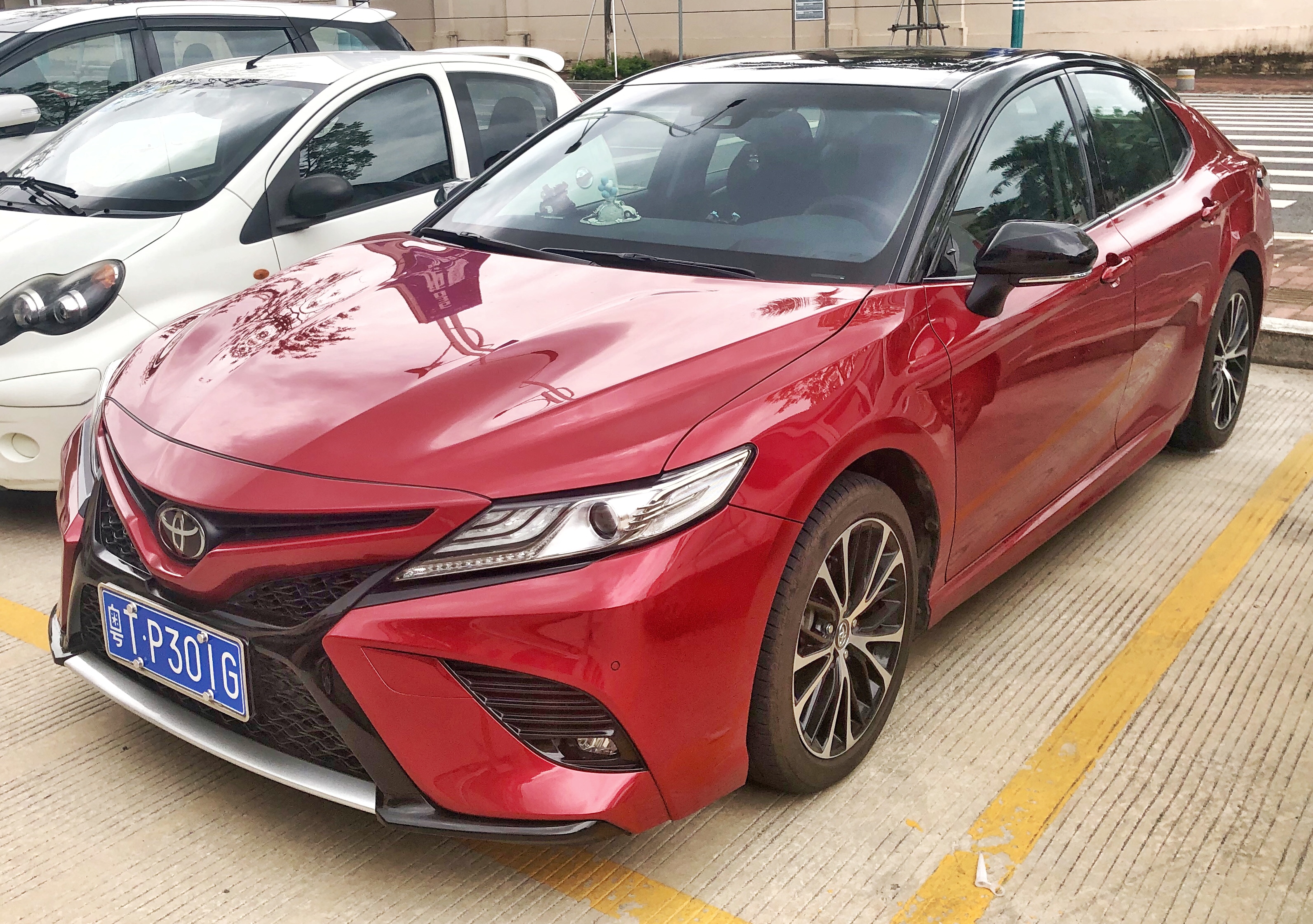
Toyota Camry
"What was the number one selling vehicle last month? Probably the RAV4. No, I think it was the Toyota Camry. We did a thing on it."
The Toyota Camry is a very common, family-friendly sedan. The hosts are talking about it because it’s likely the top-selling car in that month.
The Toyota Camry is a mainstream midsize sedan that’s often a top seller in the U.S. The hosts mention it as the likely number-one best-selling vehicle last month, highlighting how Toyota’s most popular model is still driving the conversation.

Toyota Corolla
"...es in the same month? I believe it was the Toyota Corolla. So what Toyota does is they have done their best..."
The Corolla is a small, everyday car that’s designed to be reliable and affordable to run. The podcast mentions it because it’s a major seller, so it often reflects what’s happening with Toyota’s sales and supply. That’s why it comes up when comparing which models did well in a given month.
The Toyota Corolla is a compact car that’s known for being practical and widely available. In your context, it’s mentioned in relation to sales timing and Toyota’s efforts in the market, suggesting it’s a key volume model. Because it’s so common, it often becomes a reference point when discussing inventory and demand patterns.
Request an Explanation
Heard something you'd like explained? We'll add it to this episode.
Sign in to request explanations for terms you heard.
Want to learn more?
Browse our glossary for plain-English explanations of automotive terms, jargon, and concepts.
Help improve this episode
See something that's not quite right? Our annotations are AI-generated and can sometimes miss the mark. Click the flag icon on any annotation to suggest a correction.