
That should have been made!
About this episode
The conversation swings from “should have been made” car fantasies to real-world repair headaches. They compare what enthusiasts want—manual, fast wagons and hot-hatch/wagon variants—to how manufacturers and dealers fall short. Along the way, they swap stories about insurance-directed bodywork, parts that can’t be canceled, and misaligned panels after repairs. The show also covers projects and swaps (K20s, engine donors, DSG fixes), plus a quiz that lands on models like the Daihatsu Rocky and Mitsubishi Verada.
On this episode of Car Torque, Matty, Chad, Rob and David discuss their latest updates. The boys also discuss cars that should have existed, as missed opportunities are always discussed. As the saying goes, hindsight is a wonderfull thing!
The boys then battle it out in a close quiz!
Don't forget to subscribe, rate and review!
Please follow this show on Spotify. It really helps!
Support us and become a Patreon! https://www.patreon.com/cartorquepodcast
Check out our merch here!
https://cartorquepodcast.secure-decoration.com/
Check us out on YouTube: https://www.youtube.com/channel/UCybzrcsj4nhADsyfYKtXPzwhttps://
carloop.com.au
David and Eds Podcast Autoretro
https://open.spotify.com/show/5aOi9R8WfqOccEfnm2vslQ
#Carupdates
#2026
#japan
#Japanesecars
#jazzsi
#jazztyper
#falconwagon
#p76wagon
#380wagon
#carsthatshouldhaveexisted
#motors
Preferred recommended panel shop from the insurer
"[378.3s] Preferred recommended panel shop from the insurer. [381.1s] Anyway, my sister and I went to pick up the car. [385.4s] The actual bonnet didn't line with the right hand side,"
Sometimes an insurance company recommends a specific repair shop. That can make the process faster, but it doesn’t guarantee the repair quality will be great. The speaker is saying they used the insurer’s recommended shop and still got a bad result.
Insurers often steer repairs to “preferred” body shops, which can streamline approvals and parts sourcing. The tradeoff is that the shop’s workmanship and parts choices may not match the customer’s expectations. This segment uses that setup as the backdrop for the complaint that the car was returned with poor panel fitment and unfinished work.
bonnet
"[385.4s] The actual bonnet didn't line with the right hand side, [389.7s] sorry, the left hand side, passenger side. [392.3s] Didn't line up at all with the guard that wasn't hit."
A bonnet is the front hood of the car (the part you open to see the engine). If it doesn’t line up properly after a repair, it can mean the body panels weren’t fitted correctly. They also mention the insulation inside the bonnet was left loose.
A bonnet is the hinged front cover over the engine bay (called a “hood” in American English). When it doesn’t line up with the fenders/guards, it usually indicates poor panel fitment after a repair. In this segment, the bonnet alignment is described as not matching on both sides and the insulation is left hanging.
guard
"[392.3s] Didn't line up at all with the guard that wasn't hit. [395.3s] Didn't line up with the new guard that was put on. [398.2s] Everything was all skew if and up high."
A guard is the outer panel around the wheel—what many people elsewhere call a fender. After repairs, it should line up cleanly with the hood/bonnet and other panels. They’re saying the alignment was wrong after the guard was replaced.
In UK/Australian usage, a guard is the outer body panel over the wheel area (similar to a fender). Panel repairs after an impact should restore proper gaps and alignment between the guard and adjacent panels like the bonnet. Here, the speaker says the bonnet didn’t line up with the guard that was replaced.
bumper bar
"[398.2s] Everything was all skew if and up high. [399.9s] There was chips on the new bumper bar and it replaced [404.0s] only one section of the lower plastic, so broken,"
The bumper bar is the main bumper structure behind the outer bumper cover. If it’s chipped or the wrong pieces were reused, the bumper may not fit right or protect as intended. They’re describing a repair that left visible chips and mixed old/new lower parts.
A bumper bar is the structural bumper component behind the visible bumper cover, designed to absorb and distribute impact forces. Damage like chips after a repair can indicate poor handling or incomplete replacement. The speaker also describes only one section of the lower plastic being replaced and reusing old plastics, which can affect fit and protection.
mill
"There was a couple of mill out and there's a, there's a swage line that sort of runs from the front door into the bonnet."
In bodywork talk, a “mill” usually means a thousandth of an inch (0.001 in), or it may be used informally to mean a very small measurement. When someone says “a couple of mill out,” they’re describing a tiny panel-gap or alignment error that still looks obvious up close. In practice, panel gaps are often measured in millimeters, but the speaker’s “mill” indicates a very small tolerance.
swage line
"There was a couple of mill out and there's a, there's a swage line that sort of runs from the front door into the bonnet."
A “swage line” is a raised or creased line in the car’s body panels. It helps the car look sculpted and it should line up smoothly across neighboring panels. If the hood is slightly off, that line won’t match up the way it should.
A “swage line” is a pressed body crease that runs along the sheet metal to add shape and visual structure. When the bonnet is misaligned, the swage line continuity across panels can look “broken” or offset. Enthusiasts and body shops use these lines as reference points for judging fit and finish.
Hyundai
"It's, they've reported it to Hyundai and it'll have to go to a"
Hyundai is the car brand. Here, the shop is saying they reported the bonnet misalignment to Hyundai, which usually means the problem goes through the official dealer/manufacturer process instead of just being adjusted and forgotten.
Hyundai is the automaker the shop is reporting the issue to. In this context, it implies a manufacturer or dealer process for fit-and-finish problems—often involving warranty/quality control and possibly a rework or inspection at the dealer level. The key point is that the misalignment isn’t treated as a simple DIY fix.

Acura Integra
"So that's completely fine. I've been driving the Integra a bit, which has been really nice. Have had that,..."
The Acura Integra is a compact car that’s made to feel sporty to drive. In the podcast, the speaker says they’ve been driving one and enjoying it. It’s being mentioned because it’s a fun, everyday-size performance car.
The Acura Integra is a compact performance-oriented car that has been known for sporty driving dynamics and enthusiast appeal. The podcast context says the host has been driving the Integra and that it’s been “really nice,” which makes it a direct ownership/experience mention. It’s discussed because it’s often seen as a driver-focused alternative within the compact segment.
600 CC engine
"[1013.4s] So send me some details. [1015.4s] So he sent me a photo of it running. [1016.8s] So it now has a 600 CC engine from the rusty car in it,"
“600 CC” tells you how big the engine is. In this story, they put a 600cc engine into the project car so it could run again.
“600 CC” is engine displacement, measured in cubic centimeters, and it’s commonly used to compare how large an engine is. Swapping in a “600 CC engine” is a typical project-car move: it can make a rusty car usable again by transplanting a known-running powerplant.

Fiat 600
"...y car in it, with a disc brake front end from the 600s that the 360s didn't have."
The Fiat 600 is an older, small car. The podcast is talking about differences in parts like brakes between similar small cars. It’s mentioned as part of that history of how these compact models were built.
The Fiat 600 is a small classic car associated with early European compact motoring. The podcast mentions disc brake front-end details in relation to the 600s, which suggests a comparison of braking hardware across small Fiat models. It’s discussed because it represents a specific generation of compact design and mechanical evolution.

Subaru 360
"...ith a disc brake front end from the 600s that the 360s didn't have."
The Subaru 360 is a very small, older-style car. The podcast is talking about how it had certain parts, and how other similar small Subarus had upgrades like disc brakes. It’s a historical example of tiny-car engineering.
The Subaru 360 is a classic microcar associated with early Japanese kei-car history, known for its tiny size and simple design. The podcast mentions a disc brake front end from the 600s that the 360s didn’t have, which highlights how enthusiasts compare upgrades and hardware differences between small models. It’s discussed because it represents a specific era of compact, lightweight transportation.
disc brake
"with a disc brake front end from the 600s that the 360s [1025.0s] didn't have."
Disc brakes use a spinning metal disc and pads that clamp onto it to slow the car down. They usually work more consistently than older drum brakes, especially when you brake more than once.
A disc brake uses a brake rotor (a metal disc) squeezed by brake pads to slow the car. Compared with older drum brakes, discs typically offer more consistent stopping, especially when braking repeatedly.
running going car just doesn't stop because the brakes haven't been sorted out yet
"So it's a running going car just doesn't stop because the [1033.4s] brakes haven't been sorted out yet."
The car can run and move, but the brakes aren’t working properly yet. That means it’s not safe to drive until the braking problem is fixed.
This describes a “drivable but unsafe” situation: the car can move under its own power, but braking performance is not yet corrected. In enthusiast terms, it often means the car is mechanically assembled enough to roll, while the braking system is incomplete, mis-specified, or still being upgraded.
station wagon
"the main reason I got it is because it's actually falls [1051.5s] into the class of very cool cars that everyone on the car [1055.1s] talk podcast loves to station wagon. [1057.2s] It's not a panel."
A station wagon is like a sedan, but with a bigger cargo area behind the back seats. It’s meant for carrying people and luggage without switching to a van or SUV.
A station wagon is a car body style with an extended rear cargo area behind the rear seats, typically with side windows and a roofline that flows into the cargo space. It’s essentially a passenger car that can carry more stuff than a sedan, while still having rear seating.
sliding side windows
"And there's one line in it that says also available as a station wagon, which had had chrome wheel trims sliding side windows, which this car doesn't have."
Sliding side windows move left and right on tracks instead of swinging open. The hosts mention them because the station wagon version had them, but this particular car doesn’t.
Sliding side windows are windows that move horizontally along a track rather than opening outward on hinges. They’re often associated with vans and some utility-oriented body styles, and here they’re used to distinguish the station wagon spec from the car being discussed.
chrome wheel trims
"And there's one line in it that says also available as a station wagon, which had had chrome wheel trims sliding side windows, which this car doesn't have."
Chrome wheel trims are shiny decorative pieces on or around the wheels. The hosts are pointing out that the station wagon version had these, but this car doesn’t.
Chrome wheel trims are decorative trim pieces around the wheels finished in chrome. They’re a visible styling detail that can help identify which factory variant or trim level a car is, and the hosts use them to contrast the station wagon version with the car they’re discussing.
600 engine
"And the fact it has a 600 engine, which they never had from the factory. So it's sort of like a sports wagon."
“600 engine” usually means a small 600cc engine. The hosts are saying it’s surprising because this car model typically didn’t come from the factory with that smaller engine option.
“600 engine” here refers to an engine displacement/class commonly described as 600cc, which is typical of small Japanese kei-car-era engineering. The hosts emphasize that this car has a 600-class engine, and that it’s unusual because they “never had” that engine from the factory for this model.
sports wagon
"So it's sort of like a sports wagon. Really. You know, it's a scam sports wagon. So I think sports wagons at your heart out."
A sports wagon is a wagon that’s meant to feel more sporty than a normal family wagon. The hosts are joking that this one is “sports” in name or vibe, but not in the usual way people expect.
A sports wagon is a station wagon tuned or marketed for more performance-oriented driving, often with firmer suspension, sportier styling, and sometimes more powerful engines than a typical family wagon. The hosts use it as a framing device, calling the car a “sports wagon” while also joking that it’s a “scam sports wagon,” implying it doesn’t fully match the usual performance expectations.
10 inch contesta mag wheels
"So nice set of little 10 inch contesta mag wheels and pubits. My booster motor."
“Mag wheels” usually means lightweight alloy wheels instead of steel. The wheel size matters because it changes what tires can fit and can affect how the car drives.
“Mag wheels” is a common enthusiast term for lightweight alloy wheels (often cast or forged aluminum) as opposed to heavier steel wheels. Wheel size like “10 inch” affects fitment, tire choice, and how the car’s ride and steering feel.
booster motor
"So nice set of little 10 inch contesta mag wheels and pubits. My booster motor. I think that's somebody who works on high boost, the powered car, radical race cars."
A “booster motor” here sounds like something added to help increase boost pressure. Boost is extra compressed air going into the engine to make more power.
A “booster motor” in this context sounds like a device used to increase boost pressure for a turbocharged or high-boost setup. Boost refers to the extra air pressure forced into the engine, which can raise power when the system is matched correctly.
high boost
"My booster motor. I think that's somebody who works on high boost, the powered car, radical race cars. So probably that wouldn't be a bad idea."
“High boost” means the turbo is pushing more pressure into the engine than usual. More boost can make more power, but it also puts more strain on the engine and needs careful setup.
“High boost” means running a turbo (or similar forced-induction system) at higher-than-stock boost pressure. Higher boost can significantly increase power, but it also increases stress on engine components and makes tuning and supporting hardware more critical.
frightening people at the lights
"but you know, Rome wasn't built in a day, but talking about frightening people at the lights, I'm about to send out around an ad."
This is basically the idea of making other drivers surprised when the light turns green. It’s about quick acceleration right off the line.
“Frightening people at the lights” is a street-performance concept: using quick off-the-line acceleration (often from a strong launch and torque delivery) to surprise other drivers at traffic lights. It’s less about top speed and more about how the car responds immediately when the light turns green.

first gen Honda Jazz
"We have a gentleman in our club who's come along to a couple of events. He has a first gen Honda Jazz that they bought new in 2007."
A Honda Jazz is a small hatchback that’s popular because it’s roomy for its size. Here they’re talking about an older, first-generation one that someone bought new in 2007.
The Honda Jazz is a small, practical hatchback known for its clever packaging and easy daily usability. In this segment, the host specifically calls out a first-generation Honda Jazz that was bought new in 2007, which frames it as a “normal” car being used in a club context.

K 20 transplant
"but he somewhat enhanced the jazz so that it now has a fully engineered K 20 transplant."
A “K 20 transplant” is when someone takes a Honda K20 engine and puts it into a different car. That’s a big upgrade because the engine is the heart of the car, and it changes how it accelerates and drives. It usually also requires extra parts and fitting to make everything work together.
A “K 20 transplant” means swapping in a Honda K20 engine into a different car. The K20 is a well-known Honda four-cylinder used in performance builds, so the swap is a major change to how the car drives and what parts it needs. In this story, it turns the base car into something closer to a purpose-built performance setup.
fully engineered
"fully engineered a list of as long as your arm of applications, but done absolutely superbly, like absolutely by the book and completely."
“Fully engineered” usually means the car wasn’t just modified with random parts. It suggests the changes were planned and set up properly so everything works together. In this case, it’s describing a serious, well-thought-out performance build.
“Fully engineered” implies the modifications weren’t just bolt-on parts, but were designed and set up as a complete system. That often includes proper fitment, supporting components, and calibration so the swap and upgrades work reliably and safely. Here, it’s used to describe the K20 swap and the rest of the build.
Alcantara
"It's got Alcantara, you know, dash and door trims and steering wheel and stuff."
Alcantara is a soft, suede-like material used inside cars. It’s used on things like the steering wheel and dashboard because it feels nice and looks high-end. It’s mostly about feel and appearance rather than speed.
Alcantara is a synthetic suede-like material often used on steering wheels, dashboards, and interior trim. It’s popular because it feels grippy and premium, and it can look more “race-inspired” than standard plastics. In this segment, it’s mentioned as part of a fully upgraded interior package.
suspension
"All the suspension's been done. It's all Matt, all, you know, chip, you name it."
Suspension is what helps the car ride smoothly and handle turns. If the suspension has been “done,” it usually means it’s been upgraded so the car feels more controlled and less bouncy. It affects both comfort and handling.
Suspension is the system that connects the wheels to the car’s body and controls ride comfort and handling. When someone says “all the suspension’s been done,” it usually means the car has been upgraded or reworked to improve how it grips and how it behaves over bumps. In this context, it’s part of a “fully engineered” performance build.
RTV
"He said, uh, an FG, RTV, because they didn't do an RTV in the FG."
RTV is a type of silicone sealant used to help seal joints and prevent leaks. Here they’re talking about whether a certain car/generation used that sealant or not.
RTV typically refers to “room-temperature vulcanizing” silicone used as a sealant in automotive assembly. The host is discussing an “FG” context where they didn’t do an RTV, implying a different sealing approach in that platform or generation.
V E / V F crewman
"Yeah. V E slash V F crewman. Cause they, they didn't do them in a, in a crewman."
“Crewman” here is a specific variant of a vehicle, and “VE/VF” are codes that identify which version/generation they mean. They’re using it to explain that a certain sealing method wasn’t used on that variant.
“Crewman” is a vehicle body/variant name, and “VE/VF” look like model-generation codes used to distinguish specific versions of a platform. In this segment, the host is saying they didn’t do the RTV approach on the “crewman” variant, so the “VE/VF” labeling is part of the technical comparison.
Type R
"He said, imagine a jazz type R. I think a jazz type R like, like, or even like a jazz RS or something,"
“Type R” is Honda’s label for their most performance-focused versions of a car. When they say “Jazz Type R,” they mean a Jazz that’s been turned into a real hot hatch, not just a regular commuter.
“Type R” is Honda’s performance badge used for high-output, track-oriented versions of certain models. In this segment, the hosts are imagining a “Jazz Type R,” meaning a factory-built hot hatch with more aggressive tuning and performance focus than a normal Jazz.
aftermarket support
"The aftermarket support for that car is ridiculous. So I didn't realize how, how full on it is."
Aftermarket support just means there are lots of extra parts and upgrade options made by companies other than the car brand. More support usually makes it easier to modify the car the way you want.
Aftermarket support means the availability of third-party parts and tuning options beyond what the car came with from the factory. The hosts are emphasizing that the Jazz platform has a huge ecosystem, which makes it easier to build a highly modified car.
jazz platform
"The other thing I really wish they had have done on the jazz platform was a [1827.9s] little convertible like NMX five competitor. [1831.8s] I mean, it's such a, such a great chassis."
A “platform” is the shared underlying structure a car is built on. The host is saying they wish Honda had used the Jazz’s basic design to make a small convertible sports car.
A “platform” in car design means the shared engineering base—things like the chassis layout, mounting points, and major structural components—that multiple models can use. Here, the host is saying they wish Honda had used the Jazz’s platform to build a small convertible sports car.

Honda S2000
"Uh, it wouldn't, it wouldn't have been harder. [1841.0s] I mean, the S 2000 was quite expensive at the time when they came out, [1844.7s] but imagine a, imagine S 1500."
The Honda S2000 is a small, fun roadster made by Honda. It’s famous for being light and for its engine that revs really high. Here, they’re talking about how expensive it was when new.
The Honda S2000 is a lightweight two-seat roadster known for its high-revving inline-four engine and driver-focused feel. In this segment, Matty J is comparing its original pricing to what an even smaller/cheaper convertible on the same platform could have cost.

S 660
"No, there's an S 660, which is a K car with the 660 DC engine."
The Honda S 660 is a tiny, sporty roadster made by Honda. It’s the kind of car enthusiasts like because it’s light and handles well, and the hosts are talking about making it even more performance-focused.
The Honda S 660 is a small, lightweight kei-sports roadster known for its mid-engine layout and fun, tossable handling. In this segment, it’s being discussed as a “K car” platform that could have benefited from a more performance-focused “hot” variant.
K car
"No, there's an S 660, which is a K car with the 660 DC engine."
A “K car” is a special category of small car in Japan. It has limits on engine size and overall size so it’s cheaper to own and run there.
A “K car” (kei car) is a Japanese vehicle class with strict limits on engine size, dimensions, and power. The rules are designed to keep these cars affordable and tax-friendly in Japan, which strongly shapes what engines and packaging they can use.
1.5 turbo
"Uh, especially now they've got that 1.5 turbo. Imagine graduating to the 1.5 turbo and a six speed."
A “1.5 turbo” is a 1.5-liter engine with a turbocharger. The turbo helps the engine make more power without needing a bigger engine.
“1.5 turbo” refers to a 1.5-liter engine that uses a turbocharger to increase air intake and boost power. Turbocharging lets a smaller engine make more output than it otherwise would, which is why the host is imagining a stronger version of the car.
turbocharger
"Uh, especially now they've got that 1.5 turbo. Imagine graduating to the 1.5 turbo and a six speed."
A turbocharger is a part that helps the engine breathe better. It uses exhaust gases to push extra air into the engine so it can make more power.
A turbocharger is a device that uses exhaust gas to spin a turbine, forcing more air into the engine. More air allows more fuel to be burned efficiently, which is how turbo engines can produce higher power from smaller displacement.
six speed
"Imagine graduating to the 1.5 turbo and a six speed. Now that'd be, Oh, that'd be like it."
“Six speed” means the car has six gears. More gears can help the engine stay in the right rev range so it feels quicker and smoother.
“Six speed” means a six-gear transmission, typically used to keep the engine in its power band across a wider range of speeds. The host is treating it as part of what would make a more performance-oriented version feel better to drive.
hot hatches
"you know, what most car companies do to make a hot one, like with the hot hatches, they put a bigger engine."
Hot hatches are sporty, faster versions of small hatchback cars. They’re usually made quicker by adding more power and improving the suspension and tires.
Hot hatches are performance-focused versions of compact hatchbacks, usually made faster by adding a bigger or more powerful engine and improving grip. The host is referencing the common recipe—more power plus chassis tweaks—when arguing what a “hot” version of this platform should have done.

Fiesta ST
"which is, which is funny because that car is a fiesta ST underneath. Like it's, it's the same, the same chassis."
The Fiesta ST is a sporty, performance version of the Ford Fiesta. In this discussion, it’s used to explain why a hot Mazda 2 would have been plausible.
The Ford Fiesta ST is a performance-focused version of the Fiesta, known for being a compact “hot hatch.” Matty J uses it as a reference point to argue the Mazda 2 could have been made into a similar hot hatch because the underlying structure is shared.
chassis
"Like they never did a hot Mazda two, which is, which is funny because that car is a fiesta ST underneath. Like it's, it's the same, the same chassis."
A “chassis” is the main framework of a car. It’s the part that everything else attaches to, like the suspension and drivetrain.
In car talk, “chassis” means the vehicle’s core structure—how the body is supported and how the suspension and drivetrain are mounted. When Matty J says the cars have the same chassis, he’s claiming they share the same fundamental platform layout.
B car platform
"So like they should, they share the, the B car platform. And, you know, they could have just said, Hey Ford, can we just borrow your person bits?"
A “platform” is the shared engineering base a bunch of cars use. If two cars share the same platform, they’re built on the same basic layout, so it’s easier to make one into a sportier version.
A “B car platform” refers to a shared vehicle architecture used for a class of small cars, covering things like mounting points, basic dimensions, and engineering layout. Matty J is arguing that because the Mazda 2 and Fiesta are on the same B-segment platform family, a hot version could have been developed using existing performance parts.
rear engine
"It's like real R. So it's rear engine."
“Rear engine” means the engine is placed near the back of the car. That can change how the car handles and how power gets to the wheels.
“Rear engine” means the engine is mounted toward the back of the car rather than the front. That layout usually changes weight distribution and often pairs with rear-wheel drive, which can make the car feel very different in cornering and acceleration.
real drive
"So it's rear engine. And it's a real drive. Yeah. I don't think it's front wheel drive anymore."
The speaker is talking about which wheels the car actually sends power to. A swap like this can change the drivetrain so it drives the “right” wheels for that engine layout.
“Real drive” here is being used to mean a proper drivetrain setup (likely rear-wheel drive) rather than the usual front-wheel-drive arrangement. The speaker is emphasizing that the swap would affect which wheels actually get driven.
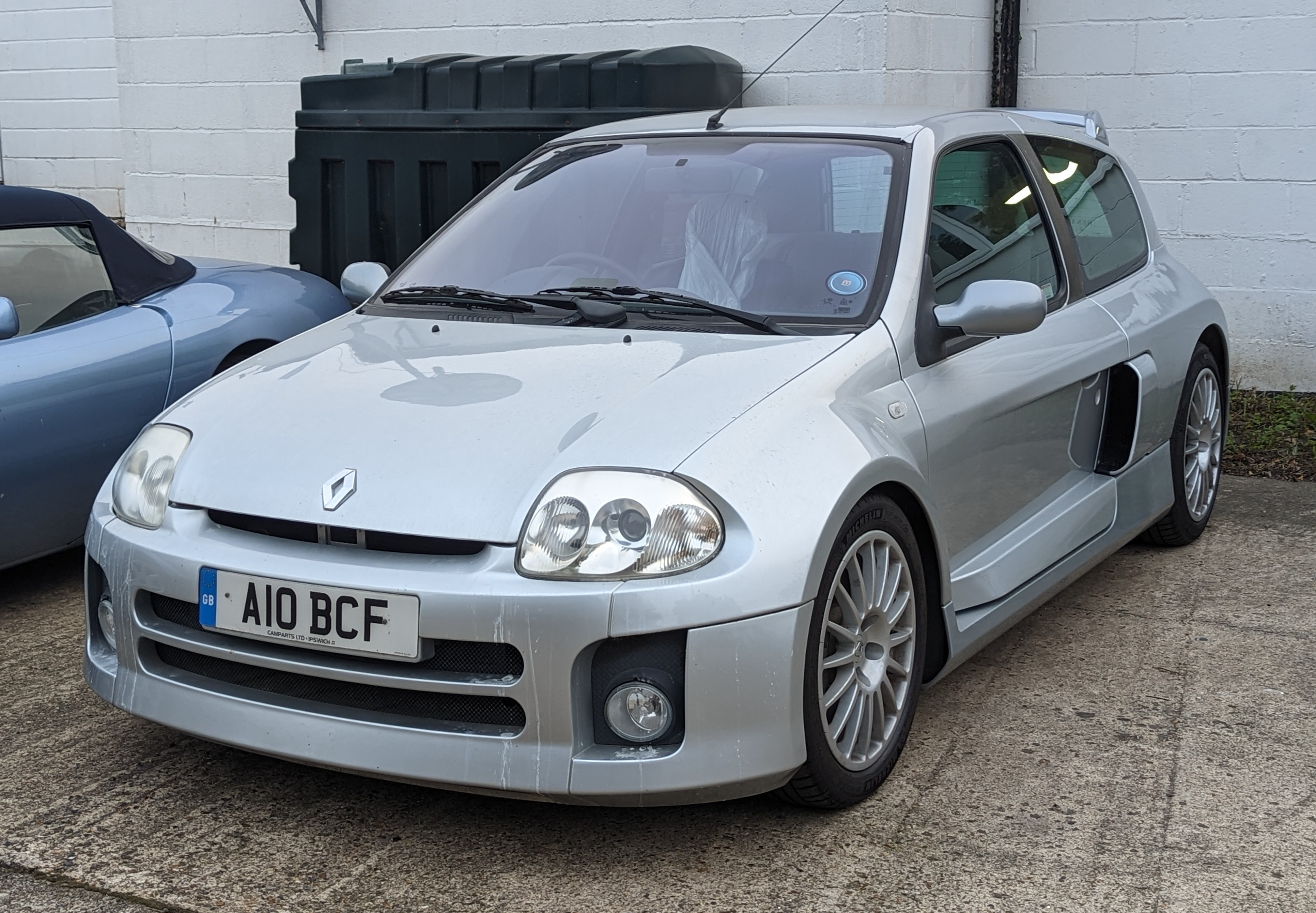
Renault Clio V6
"...on't think it's front wheel drive anymore. It's a Clio V6, but in a, a jazz version. In a jazz."
The Renault Clio V6 is a special version of the Clio that uses a V6 engine. The podcast is talking about it as a specific setup rather than a normal everyday model. It’s notable because it’s an unexpected, high-performance twist on a small car.
The Renault Clio V6 is a special, high-performance variant of the Clio that’s known for its unusual V6 engine swap concept. The podcast mentions it as a “Clio V6” and connects it to a “jazz version,” indicating a discussion about a particular configuration or presentation. It’s discussed because it’s a rare, standout take on a normally mainstream small car.
opportunities for that
"I just think there's so many opportunities for that. Cause you know, it wouldn't, it wouldn't be that hard to, to make cars like that happen because, you know, it's, it's been, it's you've got a little bits for it."
This is the idea that engine swaps and unusual builds are increasingly feasible because the parts and fabrication ecosystem exists. It’s essentially a “why this kind of project is possible” discussion rather than a specific component or car model.
engine mounts
"..., putting a, you know, a 1.5 turbo energy, if that can be, be done by aftermarket people who just said, oh yeah, we can make, we can make that work and bolt it up to existing, you know, gearbox or putting, whatever it is, you know, and making engine mounts and making them, you know, road legal."
Engine mounts are the parts that bolt the engine to the car’s body or subframe. If you put a different engine in, you often need new mounts so it fits and sits safely.
Engine mounts are the structural brackets and rubber/solid isolators that hold an engine in place and manage vibration. When doing an engine swap, mounts must be fabricated or adapted so the engine sits correctly and clears other components.
road legal
"..., and making engine mounts and making them, you know, road legal. You know, surely there would have been people at the..."
“Road legal” means the car is allowed to be driven on public streets. For engine swaps, that usually means it has to meet safety and emissions rules so it can pass inspection.
“Road legal” means the modified vehicle meets the legal requirements to be driven on public roads, including safety and emissions rules. In the context of swaps, it implies the conversion has been engineered and approved enough to pass inspections.

Honda Civic type R
"..., they've still got type R program, you know, and the type, and the type R program is, is really arguably, I think still one of the, if not the best, you know, performance program in the thing. ... they had the small one in the Civic type R, then they had the slightly bigger one"
The Honda Civic Type R is Honda’s performance version of the Civic. It’s meant to be a serious hot hatch, and here they’re talking about how Honda kept that badge special over time.
The Honda Civic Type R is a hot hatch built around Honda’s performance “Type R” identity, typically featuring a high-revving turbocharged engine and track-focused tuning. Matty J is referencing its evolution and how Honda’s Type R program has stayed performance-focused rather than diluting the badge.

Integra type R
"in the Integra type R, the ultimate one in the NSX, you know, [2106.0s] the Integra R."
The Honda Integra Type R is a special, enthusiast-focused version of the Integra. It’s the kind of car people buy when they want something more sporty and driver-focused than a normal Integra.
The Honda Integra Type R is a high-revving, front-wheel-drive hot hatch/sedan built for enthusiast driving, known for its sharp handling and track-focused tuning. In the segment, it’s framed as the “ultimate” version in the Honda lineup, which is why it’s brought up as a missed opportunity for broader availability or aftermarket support.

Honda NSX
"...ne in the Integra type R, the ultimate one in the NSX, you know, the Integra R."
The Honda NSX is a sports car made by Honda. It’s known as one of Honda’s most serious performance cars. The podcast is comparing it to other high-end Honda models like the Integra Type R.
The Honda NSX is a sports car known for blending performance with everyday drivability, and it has a reputation as a serious “halo” model for Honda. The podcast context references the NSX alongside the Integra Type R, suggesting a comparison of top-tier Honda performance cars. That’s why it comes up: it represents Honda’s engineering focus at the highest level.
rental fleet
"I mean, they're huge in Japan in the rental fleet and the sort [2126.3s] of business, you know, fleet cars, sales reps and things like"
A rental fleet is the set of cars a rental company keeps and rents out to customers. It can make a model show up everywhere, even if it’s not the most exciting version.
A rental fleet is a large group of vehicles owned by rental companies and used repeatedly by different drivers. The host uses it to explain why certain models become very common in Japan—even if they’re not marketed as enthusiast “hot” cars.
Swindon
"So, you know, they, they produced jazzes in the UK for quite [2145.5s] a while at Swindon, but that was quite, it was a bit of a running"
Swindon is a place in the UK known for car manufacturing. The host is mentioning it to give background on where the Honda Jazz was produced for a long time.
Swindon is a town in the UK that’s associated with automotive manufacturing, including production of the Honda Jazz/Fit for the European market. The host mentions it to explain how long the model was built there and how that shaped local perceptions.
Spoon
"David, you, I mean, you say that, but like Japan, like Mugen and [2175.1s] Spoon, they all make parts for it there."
Spoon (Spoon Sports) is a Japanese company that makes aftermarket performance parts. It’s popular with Honda fans who want better handling and a more exciting driving feel.
Spoon is a Japanese tuning brand (Spoon Sports) that’s especially known for Honda-focused performance parts. The host cites it as part of why Japan can support “hot” versions and aftermarket upgrades even when other markets don’t get them.
Mugen
"And that we want the sporty or the cooler version of most things [2170.1s] that we can get. [2170.8s] David, you, I mean, you say that, but like Japan, like Mugen and"
Mugen is a Japanese company that makes performance parts for certain Honda cars. People use their parts to make the cars feel more sporty and track-ready.
Mugen is a Japanese performance brand known for making factory-style parts and complete upgrades for Honda models. In the segment, it’s mentioned alongside Spoon as evidence that there’s a strong enthusiast aftermarket ecosystem for these cars in Japan.

Suzuki Swift Sport
"the only thing that's left is I-20N [2228.7s] or a Suzuki Swift Sport."
The Suzuki Swift Sport is a small car that’s tuned to feel sporty and lively. It’s popular because it’s relatively affordable but still feels like a performance car.
The Suzuki Swift Sport is a compact hot-hatch-style car known for being light, agile, and fun to drive. It’s one of the remaining small-displacement “affordable performance” options that competes in the same space as other sporty hatchbacks.

Suzuki Swift
"... there's the only thing that's left is I-20N or a Suzuki Swift Sport. So yeah, kind of, kind of a real, real big..."
The Suzuki Swift 5-door is a small hatchback with extra doors for easier access to the back seats. The podcast is talking about it as a possible sporty compact option. It’s the kind of car people choose when they want something easy to drive and park.
The Suzuki Swift 5-door is a compact hatchback variant focused on everyday usability with a practical five-door layout. The podcast mentions it alongside other hot-hatch options, suggesting it’s being considered as a sporty-but-compact alternative. It’s commonly discussed because it’s easy to live with while still offering a fun driving character in performance trims.
Toyota
"[2261.3s] I think Toyota are on the right track, aren't they with their GRs? [2265.0s] They are."
Toyota has a performance brand called GR that makes sportier versions of normal Toyota cars. The hosts are saying Toyota is doing a good job with that approach.
Toyota is using its GR (Gazoo Racing) performance sub-brand to make more enthusiast-focused versions of regular models. In this segment, the hosts point to Toyota’s GR lineup as a strategy other Japanese brands could copy.
GR
"[2261.3s] I think Toyota are on the right track, aren't they with their GRs? [2265.0s] They are."
GR is Toyota’s performance label. When you see it on a Toyota, it usually means the car is tuned to feel more like a sporty enthusiast car than a regular one.
GR refers to Toyota’s Gazoo Racing performance branding. It’s used on higher-performance and more enthusiast-oriented Toyota models, often with sport-tuned engines, drivetrains, and chassis setups compared to the standard versions.

Toyota GR Corolla
"...g that, you know, that obviously you think of the GR Corolla and the GR Yaris, but they actually now do it."
The Toyota GR Corolla is a sporty version of the Corolla, made for more exciting driving. It’s a small hatchback that’s meant to handle well and feel quick. The podcast brings it up alongside other GR cars to compare Toyota’s performance lineup.
The Toyota GR Corolla is a performance compact hatchback from Toyota’s GR line, designed to deliver rally-inspired driving characteristics. The podcast groups it with the GR Yaris, emphasizing that Toyota has been building multiple hot hatch options. It’s discussed because it represents a modern approach to making a practical small car feel genuinely performance-focused.

Toyota GR Yaris
"...hat obviously you think of the GR Corolla and the GR Yaris, but they actually now do it. They do a GR Cruise..."
The Toyota GR Yaris is a sporty version of the Yaris. It’s designed to handle well and feel quick, inspired by rally driving. The podcast mentions it alongside other GR cars to compare Toyota’s performance lineup.
The Toyota GR Yaris is a performance hatchback built for rally-style driving, with a focus on traction and responsive handling. The podcast groups it with the GR Corolla, emphasizing that Toyota has expanded the GR performance concept across multiple compact models. It’s discussed because it’s a modern example of turning a small car into a serious performance machine.
Nismo
"Yeah. [2312.4s] Well, I mean, if Scotty was here, he'd talk about Ashes, not Nismo, no. [2318.3s] No. [2319.8s] They do them in other parts of the world, but yeah, they're just not choosing to do it here. [2327.4s] Like, you know, the Nissan Z, you know, you know, it's a, it is a good performance car [2332.3s] and the Nismo, they've just offered it now with a manual, which is, which is what people"
Nismo is Nissan’s performance division. In this segment, they’re saying people want the Nissan Z Nismo with a manual transmission.
Nismo is Nissan’s in-house performance brand. When the hosts mention the Nismo being offered with a manual, they’re talking about a more enthusiast-focused variant of the Nissan Z that targets drivers who want a traditional gearbox.
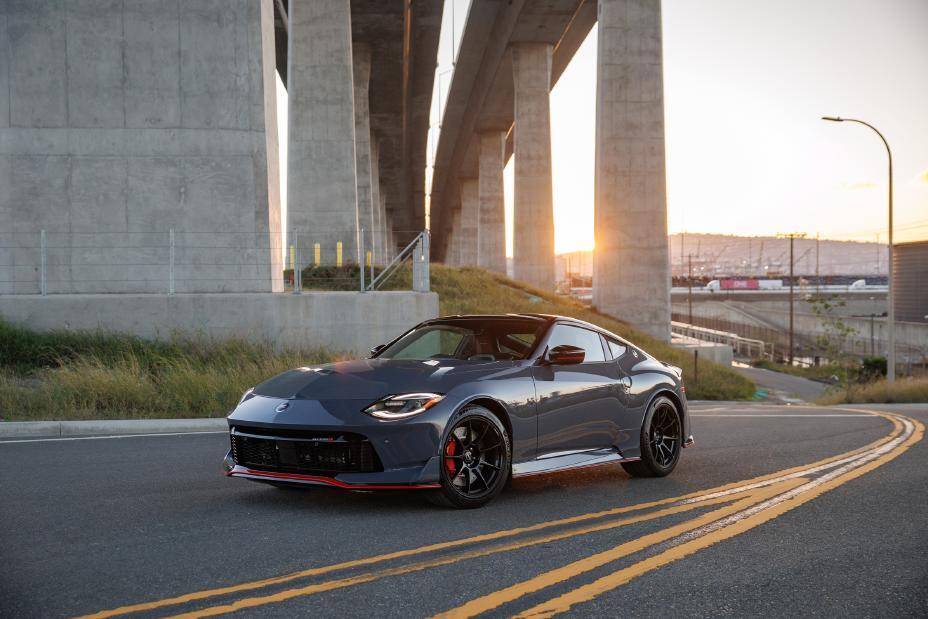
Nissan Z
"Okay. [2326.0s] That's not for like a try, I don't think. [2327.4s] Like, you know, the Nissan Z, you know, you know, it's a, it is a good performance car"
The Nissan Z is Nissan’s sports car. It’s meant to feel fun and engaging to drive, and in this chat they’re comparing it to the more hardcore Nismo version.
The Nissan Z is a modern revival of Nissan’s long-running sports-car nameplate, built around a driver-focused, rear-wheel-drive layout. In this segment, it’s brought up as a “good performance car,” and it’s contrasted with the Nismo version that adds more enthusiast-oriented hardware and options.
DSG
"So David Prince, when your DSG decides to file in, what we're going to do is we're [2387.1s] going to buy a wrecked Golf R and just, just, just combine."
DSG is a type of automatic gearbox used by Volkswagen. It uses two clutches to change gears quickly, so the car feels more responsive than many regular automatics.
DSG is Volkswagen Group’s dual-clutch automatic transmission. It uses two clutches to pre-select the next gear, so shifts can feel very quick compared with a traditional torque-converter automatic.
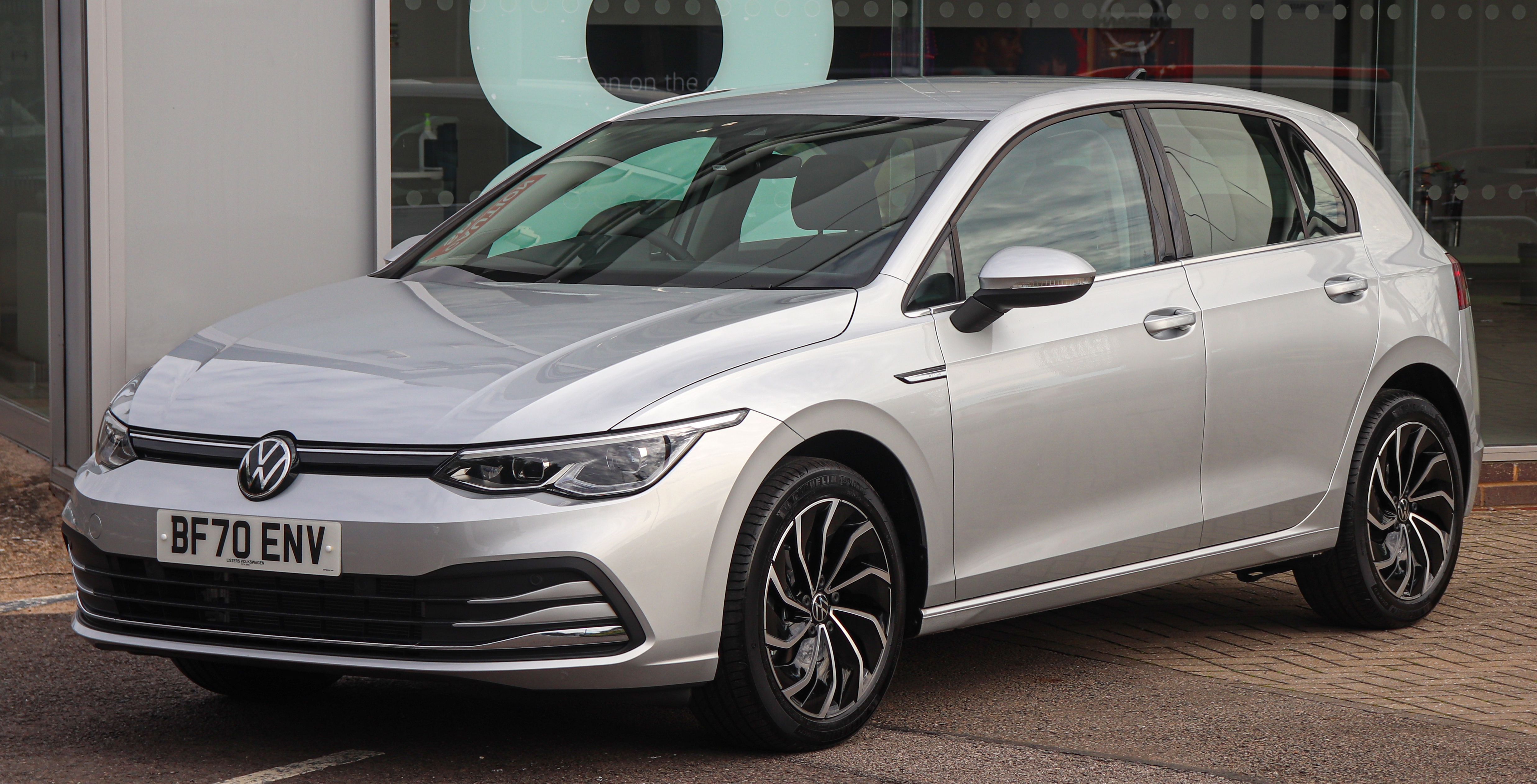
Golf R
"So David Prince, when your DSG decides to file in, what we're going to do is we're [2387.1s] going to buy a wrecked Golf R and just, just, just combine."
The Golf R is the sporty, higher-performance version of the Volkswagen Golf. Here, they’re talking about buying a wrecked one to take parts from and combine into another car.
The Volkswagen Golf R is a performance version of the Golf, built around a turbocharged engine and all-wheel drive. In this segment, it’s being used as a donor car for a drivetrain/ECU integration project, which is why it comes up in the “combine” plan.
engine management system
"There were a few little differences and there's a bit of work and getting it all working. [2401.3s] I think the actual engine management system as well was a bit of a sort of a, yeah, [2407.6s] hard thing to do, but I've got, I've got a red stripe across my grill."
The engine management system is the car’s computer that controls how the engine runs. If you swap parts between cars, you often have to get the computer and sensors working together correctly.
The engine management system (ECU and related sensors/controls) coordinates fuel, ignition, boost, and other parameters to make the engine run correctly. When swapping or combining parts from different cars, matching the right engine management setup is often one of the hardest parts of the job.
Highline Golf alloy wheels
"but I've got, I've got a red stripe across my grill. [2413.4s] So I'm halfway there and I've got the Highline Golf alloy wheels on it. [2417.4s] So it does look good with those wheels."
Alloy wheels are the common aluminum wheels you see on many cars. The speaker is saying their Golf has the nicer “Highline” wheel style.
“Alloy wheels” are wheels made from aluminum alloy, typically lighter and often more responsive-feeling than steel wheels. “Highline” here refers to a higher trim level used on some Volkswagen models, and the speaker is saying their Golf has the Highline wheel style.
lowered
"Have you got it lowered? No, no, no. It's going to get lowered. It's going to get lowered. My golf is the first thing I did. Actually, the back part is lowered."
“Lowered” means the car sits closer to the ground than stock. People do it for looks and handling, but it can reduce ground clearance for bumps and speed humps.
“Lowered” refers to reducing a car’s ride height by changing the suspension setup, typically with lowering springs or coilovers. The goal is often a lower, sportier stance, but it can also affect ride comfort and clearance.

Mazda 2
"I've seen two that the Mazda 2 ship must have come in. I've seen two brand new Mazda 2s on the road in the last week, like brand spanking, you know, a completely brand new plate that the inside the wheel arches is completely shiny and tire black still on the car."
The Mazda 2 is a small Mazda hatchback meant for everyday driving. Here, the speaker is basically saying they’ve been seeing brand-new ones recently, with very fresh-looking tires and clean wheel-arch areas.
The Mazda 2 is a small, city-focused hatchback from Mazda, known for being compact and easy to maneuver. In this segment, the host is pointing out that new Mazda 2s are appearing on the road, with fresh bodywork and tires that look recently installed.
Civic Wagon
"Yeah. My goodness, a type of civic wagon looked. Oh, God, I look good."
The Honda Civic is a popular compact car. The podcast is talking about a wagon version, meaning a Civic with more cargo space than a sedan. It’s mentioned because some people prefer that practical wagon shape.
The Honda Civic is a compact car line known for broad appeal, practicality, and a wide range of body styles over the years. The podcast context mentions a “type of civic wagon,” which highlights that Civics have been offered in wagon form in some markets. It’s brought up because wagon versions of popular models can be especially interesting for people who want practicality without giving up the Civic’s everyday strengths.
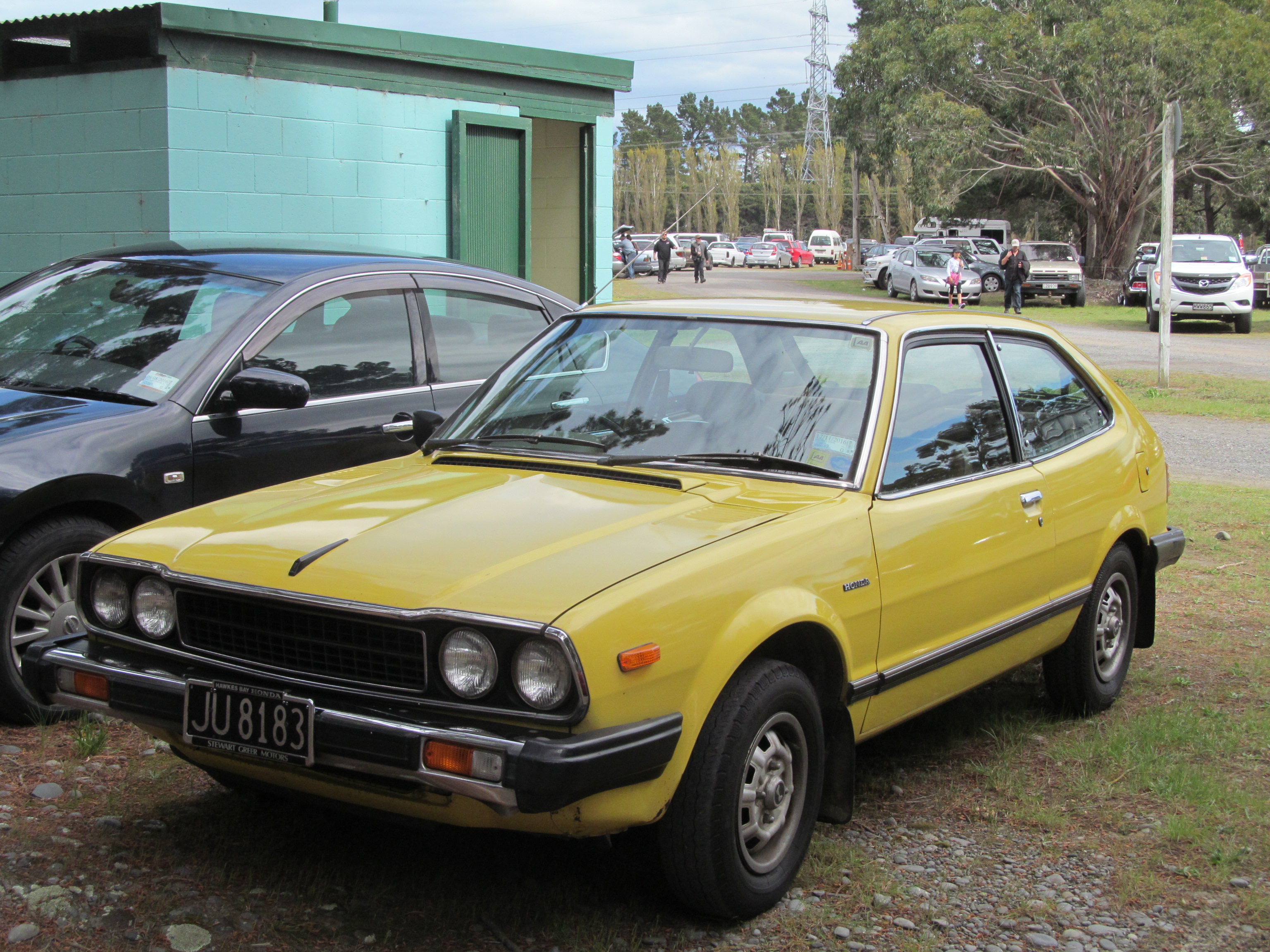
Honda Accord
"...kind of reminds me of like, uh, how they made the accord euro wagon in the, in, for the European market."
The Honda Accord is a common Honda family car. In some places, Honda also sold it as a wagon, not just a sedan. The podcast is referencing that wagon version and how it was offered for certain markets.
The Honda Accord is a mainstream midsize sedan (and in some markets, wagon) known for practicality, comfort, and long-running popularity. It’s discussed in the context of the “Accord Euro wagon,” which points to how Honda offered different body styles for different regions. That makes it a good example when talking about how the same model name can mean different cars depending on the market.

Honda Odyssey
"...for a five Cedar wagon who's going to consider an Odyssey. No, that's right."
The Honda Odyssey is a minivan, which is a family vehicle built to fit more people and gear. The podcast is mentioning it as an option people consider when they want a lot of space. It’s often brought up because it’s designed for everyday family use.
The Honda Odyssey is a minivan designed to carry families comfortably with practical seating and everyday usability. The podcast context compares it to a “wagon” alternative, which shows how people often debate minivans versus other family-car shapes. It’s typically discussed because it’s a go-to option when you need space and easy family transport.
B Y D C L wagon
"I mean, this is kind of getting off topic, but, uh, the B Y D C L wagon. I'm really into it."
BYD is a car brand (mostly known for electric cars). Here, the hosts are talking about a BYD wagon model and how good it looks—basically arguing that wagons are back in style.
BYD is a Chinese automaker known for electrified vehicles, including battery-electric and plug-in hybrids. In this segment, the host is talking about a BYD wagon model (the “CL wagon”), focusing on its design and why wagons are making a comeback.

Ford Falcon
"...fore, you know, Ford should have done it with the Falcon. Um, but they, they're like, nah, they would have..."
The Ford Falcon is a Ford car model that was sold in Australia and became well known there. In the podcast, it’s being mentioned in the context of what Ford did—or didn’t—offer using that name. It’s more about the model’s role in that market than about a specific feature.
The Ford Falcon is a model line that’s especially associated with Australia, where it became a major part of Ford’s local history. The podcast context suggests a “should have done it” idea, implying discussion about how Ford could have offered a particular concept using the Falcon name. That kind of mention usually ties to model strategy and what the Falcon represented in its market.
cannibalizing territory sales
"Um, but they, they're like, nah, they would have taken it. The same thing you said David about cannibalizing, you would have cannibalized territory sales."
This means one car choice could take buyers away from another car choice that would have been sold in the same region. So instead of growing total sales, it just shifts demand around.
“Cannibalizing territory sales” means one product (or body style) steals customers from another product that the same dealer network or region would otherwise sell. In other words, adding a wagon could reduce sales of another model in the same sales area.
SUV
"That's right. Territories are seven seeder, first and foremost. And it's an SUV."
SUV means “sport utility vehicle.” It’s the taller, more upright kind of car that many people prefer today, and the host is saying that’s why wagons don’t always get made.
SUV stands for “sport utility vehicle,” a body style built around a higher ride height and typically a more upright seating position. The host uses it to contrast wagons with the more popular crossover/SUV market.

Chevrolet Captiva
"...roved that, and they, they saw that alongside the Captiva. Proved that, you know, a wagon was, was, was ver..."
The Chevrolet Captiva is an SUV meant for carrying people and everyday gear. The podcast is mentioning it in the context of comparing different vehicle shapes that can serve similar purposes. It’s generally the kind of car people look at for family use.
The Chevrolet Captiva is a family-oriented SUV designed for practical space and everyday driving. The podcast context compares it to a wagon idea, implying discussion about body styles that offer similar utility. It’s brought up because it represents a common “people hauler” type of vehicle rather than a pure performance car.

Mustang four door
"The Mustang four door. Yeah. Yeah. They have arrived. Do you know what it was called? ... You know, I mean, they won't have a door, but there's been some renderings of a four door."
They’re talking about a Mustang with four doors. Since most Mustangs are coupes, a four-door version would be a more practical take on the Mustang idea, and they’re reacting to the fact that it never really became a real product.
A “four-door Mustang” would be a sedan-style body using the Mustang nameplate, which is traditionally a two-door coupe/convertible. The hosts are discussing renderings and whether Ford should have made a practical, family-friendly Mustang variant.
inline six
"I think Mazda now, I think we talked about this engine the other day actually, Marty, the new generation of their inline six engines."
An inline-six is an engine with six cylinders lined up in a row. People like it because it can run very smoothly. Here, they’re saying Mazda’s new inline-six could power a more exciting two-door car.
An inline-six is an engine layout where all six cylinders are in a single straight line. It’s often praised for smoothness and balanced operation compared with many other layouts. In this segment, they’re talking about Mazda’s newer inline-six family as a base for a sportier car.

Bmw M
"... that not like, you know, a super competitor or a BMW M competitor? Yeah."
The BMW M Coupe (E36) is a sporty BMW coupe made for performance. It’s part of BMW’s M performance line, meaning it’s tuned to drive more aggressively than a standard model. The podcast is talking about how it compares to other performance options.
The BMW M Coupe (E36) is a performance-focused two-door coupe from the BMW M lineup based on the E36 generation. It’s often discussed by enthusiasts because it’s a relatively rare, driver-oriented variant compared with more common body styles. The podcast context suggests a comparison about how it stacks up as a “competitor” within BMW’s own performance range.

Holden Monaro
"...I mean, if Australia can figure that out with the Monaro, you know, shortening a Commodore essentially, su..."
The Holden Monaro is a performance coupe that was made for the Australian market. The podcast is describing it as being related to the Commodore, but in a shorter coupe body style. It’s mentioned because it’s a well-known local performance car.
The Holden Monaro is a performance coupe associated with Australia, known for its muscular styling and connection to the local “muscle car” era. The podcast compares it to shortening a Commodore, which points to how the Monaro’s body style relates to Holden’s broader lineup. It’s discussed because it’s a distinctive, enthusiast-friendly model with strong regional identity.
straight six
"A Mazda three with a straight six and a bit like the BMW. Yeah."
A straight-six is an engine with six cylinders lined up in a row. It’s often described as smooth and refined because of how the engine is balanced.
A straight-six is an engine layout where six cylinders are arranged in one line. It’s known for smooth power delivery and balanced operation compared with many other layouts.
Volkswagen Golf
"Sorry. The first gen golf in America was the rabbit, but it was cool. It wa..."
The Volkswagen Golf is a small car that’s meant for daily driving. In the early years, the same kind of car was sold in the U.S. under a different name, “Rabbit.” The conversation is pointing out that naming difference.
The Volkswagen Golf is a compact car line that became a global benchmark for everyday usability and efficient driving. The podcast mentions the first generation sold in America as the “Rabbit,” which highlights how the same basic car was marketed under different names. That’s often relevant in discussions about history, branding, and what people actually mean when they say “Golf.”

Volkswagen Rabbit
"Sorry. The first gen golf in America was the rabbit, but it was cool. It was just called Volkswagen c..."
The Volkswagen Rabbit is an older Volkswagen model name that was used in America. It’s essentially the first Golf generation, just sold under a different name. The podcast is pointing out that connection so people understand what they’re looking at.
The Volkswagen Rabbit is the name used for the first-generation Golf model in the American market. The podcast mentions it to clarify that what people call a “Golf” elsewhere was marketed differently in the U.S. It’s discussed because naming differences can confuse buyers and enthusiasts when comparing older cars.

Volkswagen Caddy
"...t, but it was cool. It was just called Volkswagen caddy. Yeah."
The Volkswagen Caddy is a small van-like vehicle made for carrying people or cargo. The podcast is just pointing out the name used for it. It’s typically chosen for practicality and everyday usefulness.
The Volkswagen Caddy is a compact van/people-hauler platform that’s known for practicality and flexible use. The podcast context notes it was “just called Volkswagen caddy,” which highlights how the name and branding can be straightforward compared with other models. It’s often discussed as a utilitarian vehicle rather than a performance car.

Ford Ranger
"...in, I guess with the compensating tax of owning a Ranger or something like that, wanting to, to compensate..."
The Ford Ranger is a pickup truck, meaning it has a cargo bed for carrying things. People often consider it for practical use like work or hauling. The podcast mention suggests the cost of owning one can be affected by taxes or fees.
The Ford Ranger is a mid-size pickup truck known for being practical, capable, and widely used for work and everyday hauling. The podcast context suggests it’s being discussed in relation to taxes or cost considerations, which often come up because pickup ownership can be financially sensitive depending on local rules. That makes it a common topic when people weigh “what to buy” for utility versus expense.

Ford Maverick
"And in America, the Maverick, the new Ford Maverick's been a bit of a, [3132.7s] a success story because it's, it's like, the right size."
The Ford Maverick is a smaller pickup truck. It’s meant for people who want the usefulness of a truck, but don’t want something huge and expensive.
The Ford Maverick is a compact pickup from Ford, notable for being “the right size” for buyers who want truck utility without a full-size truck. In this segment, it’s discussed as a success in America because it fits a smaller, more youthful buyer profile while still offering real hauling capability.
one ton payload
"Like if someone wants to bring it, bring a youth back, like a car-based youth that, [3149.4s] that can haul it, haul one ton, have a one ton payload, you know,"
“One ton payload” means the truck can carry up to about 2,000 pounds of stuff. It’s basically how much weight you can put in the back without overloading it.
“One ton payload” refers to the maximum weight the vehicle can carry in addition to its own weight. It’s a key spec for pickups because it determines how much cargo, tools, or equipment you can haul safely.
dual cabutes
"whack your tools in it, be far better drive than any of these dual cabutes. [3158.5s] And we,"
“Dual cab” usually means a pickup with two rows of seats (front and back). The speaker is saying a smaller truck could be better for everyday use than the bigger double-cab style.
“Dual cabutes” appears to be a mis-transcription of “dual cabs,” which is an Australian term for a double-cab pickup with rear seats. The speaker contrasts a smaller “car-based” pickup idea against larger double-cab trucks.
utility youth
"Like that's being, how I mean being, [3185.6s] because it's a premium brand, they wouldn't offer a utility youth. [3191.0s] But like, like, I mentioned a youth three series, like."
This sounds like the host is talking about a “ute,” which is a practical pickup-style vehicle. The idea is that a premium brand might not offer that kind of practical truck.
“Utility” in this context means a pickup/ute-style vehicle (a practical cargo-focused body). “Youth” is likely a transcription error for “ute,” so the phrase is probably “utility ute,” referring to a practical small truck variant.

BMW M5
"Yeah. [3202.6s] It's an M5 too, I think it was. [3205.1s] I think there was Middle Eastern country that didn't allow Mercedes to bring in Ford or"
The BMW M5 is a fast, performance version of a BMW 5 Series. It’s made by BMW’s performance team (M) and is meant to be quick and fun to drive, not just comfortable.
The BMW M5 is a high-performance “M” division sedan built for fast road driving and track-style handling. It’s known for strong power and a chassis tuned to feel planted at speed, which is why people often talk about it as a serious all-rounder.
four by two
"And he was like, that would, that would have maybe possibly helped it. [3242.2s] Land Cruiser 70 series four by two so that it could be mini trucked, you know, [3246.3s] like, cause, cause people, you know, people like that or like a,"
“Four by two” means only two of the wheels are powered. Usually that’s the rear wheels, which can make the vehicle simpler and sometimes less expensive than a full-time all-wheel-drive setup.
“Four by two” (4x2) means the vehicle is driven by only one axle—typically rear-wheel drive—rather than all four wheels. In off-road and work-truck discussions, 4x2 is often brought up because it can be cheaper and simpler while still being useful for many non-extreme tasks.

Toyota Land Cruiser 70 series
"And he was like, that would, that would have maybe possibly helped it. [3242.2s] Land Cruiser 70 series four by two so that it could be mini trucked, you know, [3246.3s] like, cause, cause people, you know, people like that or like a,"
The Toyota Land Cruiser 70 series is a tough, off-road truck/SUV that’s been around for a long time. People like it because it’s built for rough use and can be configured for work or adventure.
The Toyota Land Cruiser 70 series is a long-running, body-on-frame off-road platform that’s especially popular in markets that want rugged, simple durability. The “70 series” is often referenced in enthusiast circles because it’s offered in multiple configurations for work and off-road use.
mini truck
"Like to mini truck as they call them. Mini truck. Mini truck."
A “mini truck” is a custom look where a car is modified to resemble a small pickup truck. The idea is mostly visual—making the car look like a tiny truck.
“Mini truck” is a custom styling term for small trucks or truck-like conversions, often involving lowering, wheel/tire changes, and sometimes body modifications to create a compact pickup look. In this segment, the host says the converted Civics look like mini trucks.
swap
"That wasn't the GTI. Um, but I always wanted to do a swap and turbo it. No, never got a chance to do it."
A swap usually means replacing the engine with a different one. People do it to make the car faster or to get a different driving feel.
An engine swap is when you replace a car’s original engine with a different one (often from another model). Enthusiasts do it to change the character of the car—more power, different torque delivery, or better aftermarket support.
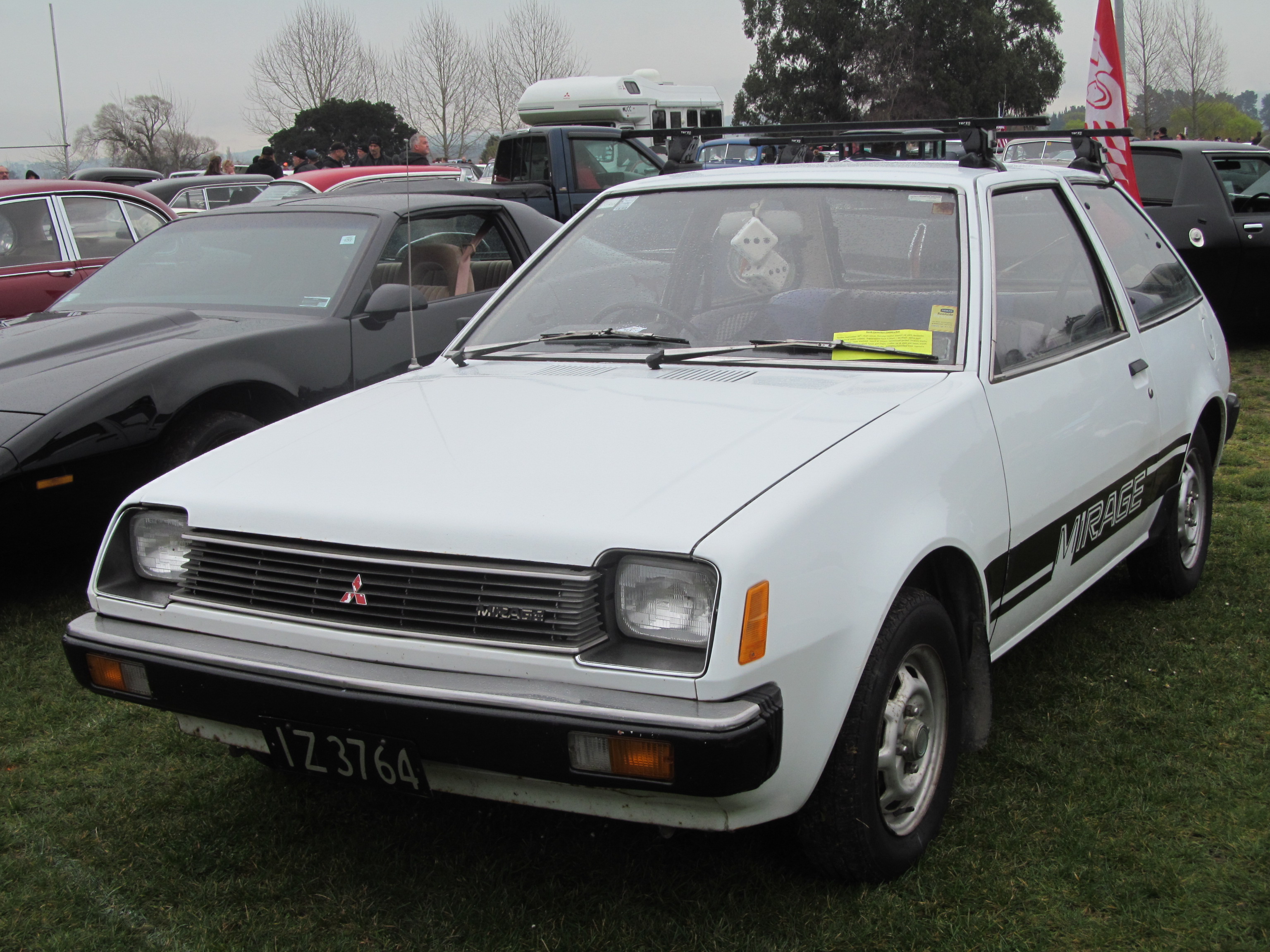
Mitsubishi Mirage
"So out of the cars, I had the Swift, I had a gets and the Mirage. I think the Swift was the best out of the three."
The Mitsubishi Mirage is a small, budget-friendly car. In this conversation it’s mainly mentioned as one of the cars the speaker owned to compare driving feel.
The Mitsubishi Mirage is a subcompact hatchback/sedan that’s typically associated with low running costs and simple, efficient transportation. Here it’s part of the speaker’s “three-car” comparison against the Suzuki Swift and another hatchback, with the Swift coming out as the better-driving choice.

Hyundai Elantra
"Okay. So I think the Swift was just a better driving car. ... they could have put a two liter from a, what's it called, an Elantra or something? Elantra."
The Hyundai Elantra is a common compact car. The speaker is talking about using its engine in another small car to make it faster and more fun.
The Hyundai Elantra is a compact car that’s often used as an engine donor in swaps because it’s widely available and comes with modern, efficient powertrains. The speaker suggests using an Elantra engine in a different car (a “hot” Swift/Swift-like idea) to make it more exciting.
valve
"It actually dropped the, the valve, the, the actual can. Perfect. Snapped and ruined the motor."
A valve is like a gate inside the engine that opens and closes to let air in and exhaust out. If a valve “drops,” it can get damaged or hit other parts, and the engine can be ruined.
A valve is a moving part inside an engine that opens and closes to control airflow and exhaust. The speaker says the valve “dropped,” which typically means it failed in a way that can cause severe internal damage.

Hyundai Sonata
"You know what would go good in that? Like a Sonata or a Elantra turbo motor, like a two liter or 1.6..."
The Hyundai Sonata is a regular family sedan, usually chosen for comfort and practicality. The podcast is talking about adding a turbo engine to make it feel more powerful. That kind of idea is about turning a normal daily car into something sportier.
The Hyundai Sonata is a midsize sedan aimed at comfort, efficiency, and mainstream value. The podcast mentions putting a turbo engine similar to those used in other Hyundai models into a Sonata, which reflects how people discuss performance upgrades for everyday cars. That’s a common topic because it shows how manufacturers can shift a family sedan toward sportier driving.

Honda Fit
"A few people are saying there's a lot of Honda things that they, they said it should have been a Honda Fit or Honda Jazz Si."
The Honda Fit is a small Honda hatchback. Here, people are saying the project should have been based on a Honda Fit (or similar) instead of the direction it took.
The Honda Fit is a small, practical hatchback known for its clever packaging and efficient use of space. In this discussion, it’s mentioned as a hypothetical “should have been” choice—basically the idea that the concept should have been built around a Honda model rather than something more exotic.

Toyota Supra
".... People said that a V8 should have appeared in a Supra. I don't know how I feel about that one."
The Toyota Supra is a sports car built for performance and driving excitement. The podcast is talking about whether it should have had a V8 engine. That’s relevant because engine choice strongly affects how a car feels and sounds.
The Toyota Supra is a performance sports car famous for its strong engine options and enthusiast status. In the podcast, the idea of a V8 appearing in a Supra is brought up as a “what if,” reflecting how fans associate the Supra with certain engine expectations. That kind of discussion usually centers on how changes to powertrains affect the car’s identity.

Lexus IS 500
"Is it IS 500? Is it? Yeah. Oh, the new ones. Is there a V8? Yeah."
The Lexus IS 500 is a faster, higher-performance IS sedan. They’re debating whether it uses a V8, and whether that matches what they’re looking at.
The Lexus IS 500 is a performance-focused version of the IS, known for bringing a more powerful V8 to the compact luxury-sedan formula. In this segment, the hosts are trying to identify the car being referenced as an IS 500 and discussing whether it has a V8.

Lexus Lc500
"[3707.2s] Oh, LC. [3707.8s] Yeah. [3708.3s] That's like spaceship looking thing. [3717.2s] Is that LC 500? [3719.8s] Oh, it's LC 500."
The Lexus LC 500 is a Lexus coupe that’s meant for comfortable, fast driving. It’s famous for its V8 and for looking really futuristic and dramatic compared to normal cars.
The Lexus LC 500 is a grand touring coupe known for its V8 power and long-hood, low-slung styling. In this segment, the hosts are comparing it to the “spaceship-looking” design and confirming the model name as LC 500.

Toyota GR GT
"I'll talk about that concept. The GR GT, whatever it's called that. Oh, that thing."
The Toyota GR GT is a name being talked about as a concept or possible performance direction. The podcast is bringing it up because it sounds like it belongs to Toyota’s GR performance family. It’s discussed more for what it could mean than for what you can buy today.
The Toyota GR GT is a concept/idea referenced in the podcast, discussed as a potential or rumored GR-branded direction. The conversation treats it as something notable enough to bring up alongside other GR models, implying it’s part of Toyota’s performance lineup strategy. Concept cars like this are often discussed for what they might signal about future production vehicles.
V8
"[3728.5s] I mean, that is a, that's a super of a V8, isn't it? [3731.4s] It is pretty much, yeah. [3732.5s] Yeah."
A V8 is an engine with eight cylinders. More cylinders usually means more power and smoother acceleration, which is why people often associate V8s with fast cars.
A V8 is an engine with eight cylinders arranged in a “V” shape. It’s commonly associated with strong power and smooth torque delivery, which is why the hosts connect it to a “super” car feel.
hardtop
"Have you seen one with a hardtop? Yeah, yeah, yeah. Bloody hell."
A hardtop is a solid, rigid roof. It’s the opposite of a soft convertible top, and it can make the car feel more “closed-in” and often quieter.
A hardtop is a rigid roof (as opposed to a convertible soft top). On cars like the Honda S2000, adding a hardtop can change the silhouette, reduce cabin noise compared to a soft top, and make the car feel more like a coupe.
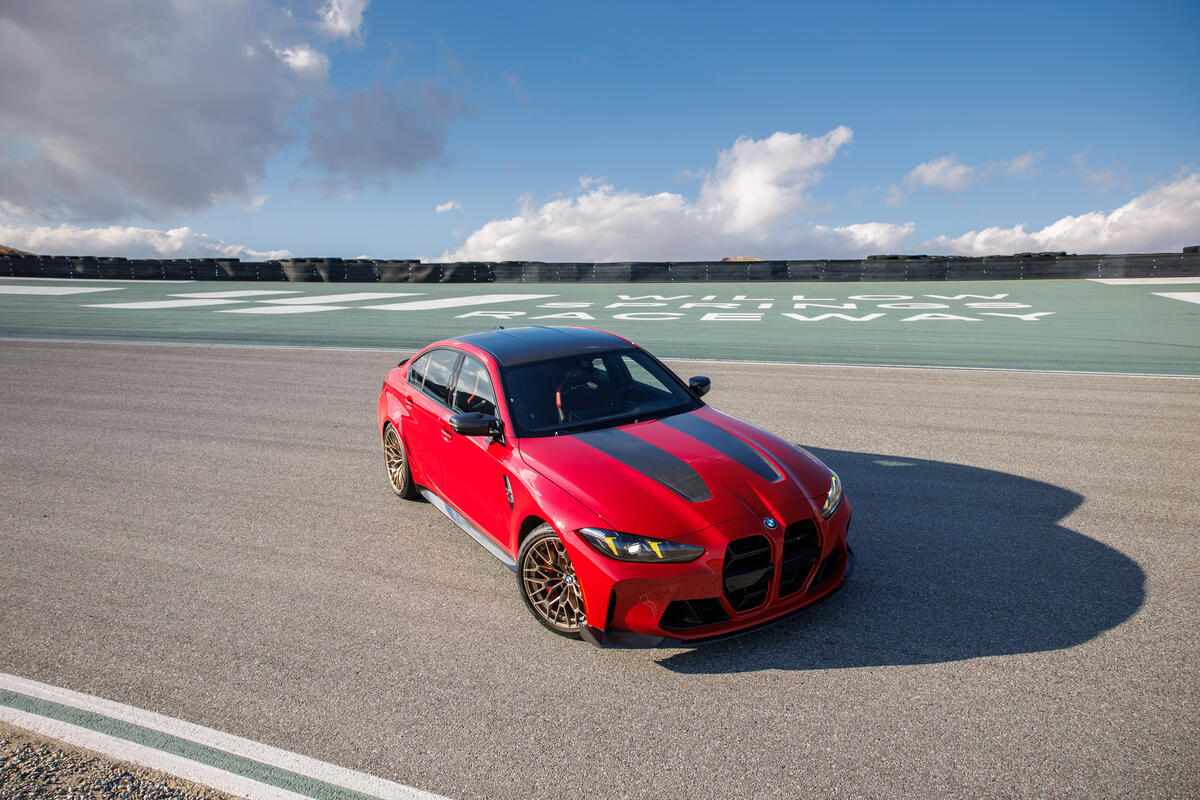
current M3 such as M4
"Another person said, the current M3 such as M4 without the stupid grill. Yeah, I think we've got some really good options."
BMW’s M3 and M4 are sporty versions of BMW cars that are meant to feel more aggressive and fun to drive. Here, the person is saying they don’t like the current styling—especially the front grille—and would rather it looked cleaner.
The BMW M3 and M4 are BMW’s high-performance “M” models built for track-capable driving with everyday usability. The speaker is criticizing the current front-end styling (specifically the grille), implying they’d prefer the look without that design element.
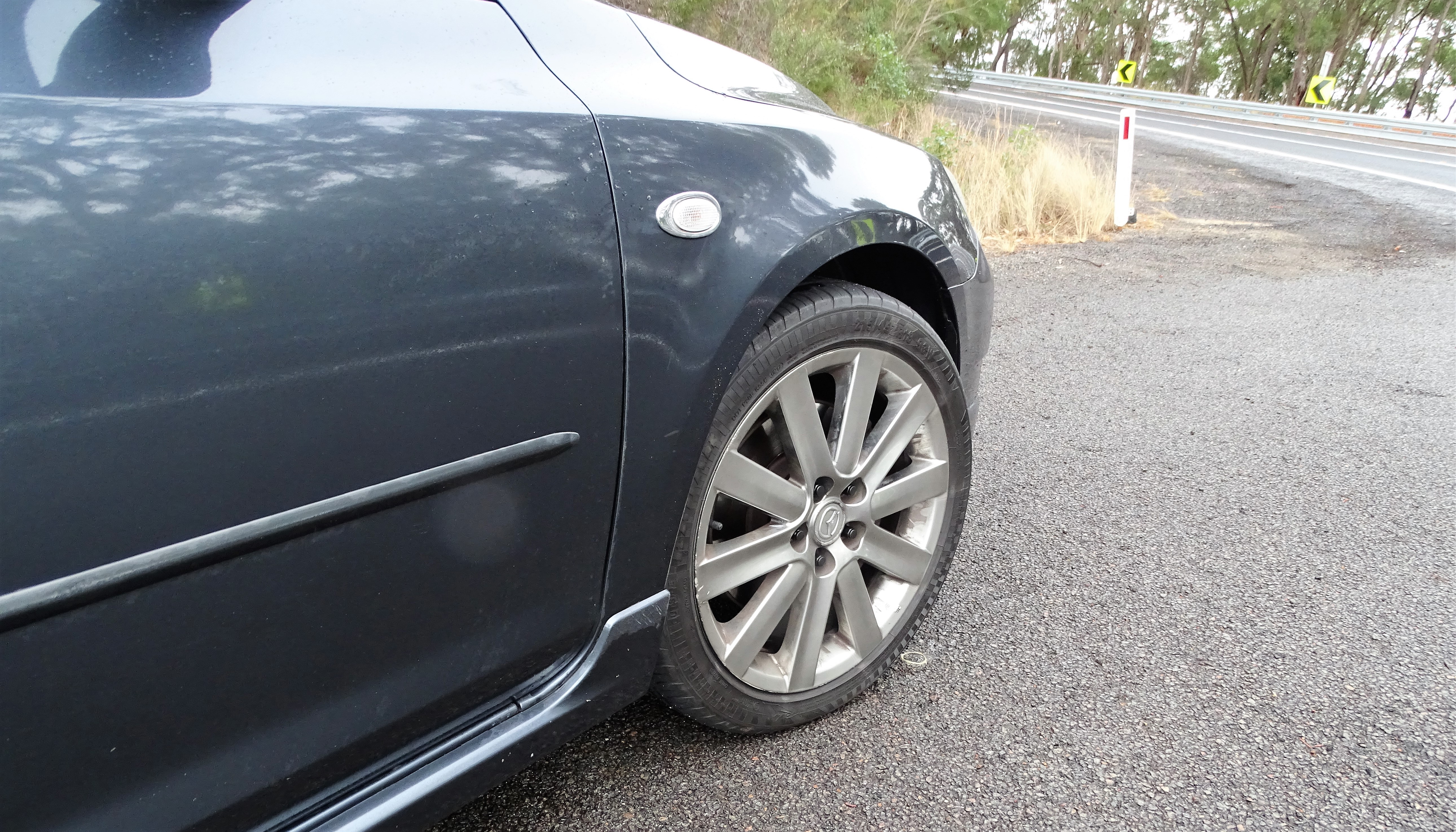
Mazda MPS
"I think Mazda need to bring back the Mazda MPS. I think their MPS range was kind of fun in their three MPS. Give them as a three some sort of recognition again,"
Mazda MPS is Mazda’s performance-focused trim line—think turbocharged, more enthusiast-oriented versions. The host wants Mazda to reintroduce that kind of “fun” model because it’s not as common anymore.
Mazda MPS refers to Mazda’s performance trim line (often associated with turbocharged, enthusiast-focused models). The host is arguing Mazda should bring it back, suggesting those cars were fun and have a strong identity compared to what’s available now.
one-off
"So the one-offs, but they never made production models. Is that right? [3984.3s] So like they had like upgraded interiors and like extra badging and stuff."
A “one-off” means there’s only one of that car. It’s usually built for a special reason, not for regular customers. Here, it’s describing custom Holden cars with unique styling and trim.
A “one-off” is a single, unique vehicle built for a specific purpose, rather than a production model that many customers can buy. In this segment, the hosts use it to describe custom Holden/Commodore-based cars with special interiors and badging. That’s why the cars are described as “quite a special thing made.”
badging
"So like they had like upgraded interiors and like extra badging and stuff. [4045.7s] With all that badging and like embossed leather and stuff."
“Badging” means the stickers/labels/logos on the car that show the model or trim. Here, the special cars had extra badging to make them look unique. It’s one of the clues that they weren’t normal production cars.
“Badging” refers to the logos, nameplates, and model/trim identifiers placed on a car’s exterior (and sometimes interior). In this segment, the hosts mention “extra badging” and “all that badging,” tying it to the custom one-off nature of the vehicles. It’s part of how these special Holdens are visually distinguished from standard trims.

Calais
"I'll give you one point for the Commodore because it was bait. [4015.5s] It was like they did a limited edition one-off one Calais."
Calais is a higher-end version (a trim level) of the Holden Commodore. A “one-off” Calais means it was built as a special single car, not something you could buy off the lot. The point is that it had extra features and styling.
Holden Calais is a trim level within the Commodore range, typically positioned as a more upscale, better-equipped variant. In this segment, the hosts discuss a limited edition “one-off” Calais, meaning a single custom-built car rather than a mass-produced model. That’s why the badging and interior upgrades are emphasized.
limited edition
"I'll give you one point for that. [4015.5s] It was like they did a limited edition one-off one Calais."
A “limited edition” car is made in a small number, usually with special features. In this conversation, it’s being used to describe a very exclusive Holden Calais that wasn’t a regular model you’d see everywhere. It’s part of what makes the car collectible.
A “limited edition” is a version of a car produced in a small quantity (or sometimes with a short run), often with distinctive styling or equipment. In this segment, it’s used alongside “one-off,” describing a special Holden Calais that was not meant to be a normal production offering. The emphasis is on exclusivity and custom badging/interior details.

Daewoo Statesman
"... guess it was probably used. It was not. It was a statesman. They did a one-off one statesman and they did a ..."
The Daewoo Statesman is a specific car model name mentioned in the podcast. The speaker describes it as a rare “one-off” kind of example, and suggests it was likely found used. It’s being brought up because it’s not a common, everyday model.
The Daewoo Statesman is a model name referenced in the podcast as a specific, likely rare or unusual vehicle example. The context mentions it as a “one-off” and “probably used,” which suggests the speaker is talking about a limited or special instance rather than a common production car. It’s discussed because oddball or rare variants are often interesting to collectors and car-history fans.
embossed leather
"With all that badging and like embossed leather and stuff. [4047.8s] So it had in 2000 Holden quietly created two custom Olympic Holdens for the prime minister's Olympic dinner."
Embossed leather is leather with a pattern pressed into it so it stands up. In this segment, it’s mentioned as part of the special interior on the custom Holden. It’s a luxury-style detail that makes the car feel more “made for an occasion.”
Embossed leather is leather with a raised pattern or design pressed into the surface, giving it a textured look and feel. The hosts mention it as part of the Statesman’s custom interior presentation, along with extensive badging. That detail supports the idea these were ceremonial/custom-spec vehicles.
supercharged
"The cars was, it was called the Holden statesman was called the Olympic dream and the supercharged Calais was called the Olympic spirit."
“Supercharged” means the engine has a device that pushes extra air in. More air usually means more power, because the engine can burn more fuel.
A supercharger is a forced-induction device that increases the amount of air entering the engine, which typically allows more fuel to be burned and produces more power. It’s different from a turbocharger mainly in how it’s driven (usually by the engine’s crankshaft).
bespoke interiors
"They got bespoke interiors embroidered seats, Olympic crests, custom clusters, satin, silver trim, Harrop brakes, unique wheels,"
“Bespoke” just means custom-made. Here it means the interior was tailored with special details instead of being a regular factory setup.
“Bespoke” means custom-made to a specific customer or purpose rather than produced as a standard option package. In this context, it refers to Olympic-themed interior work like embroidered seats and unique trim.
Harrop brakes
"They got bespoke interiors embroidered seats, Olympic crests, custom clusters, satin, silver trim, Harrop brakes, unique wheels,"
Harrop makes performance car parts. If a build has “Harrop brakes,” it usually means the brakes were upgraded to stronger, more capable parts than the standard ones.
Harrop is an aftermarket performance-parts brand, and “Harrop brakes” implies upgraded braking hardware beyond what the car would have left the factory with. That’s a common move on special builds when the goal is better stopping power and durability.

Toyota Corolla GR MN
"Question number three. Toyota has revealed the next Corolla GR MN, which is their new high performance version of the Corolla GR, which is coming to Australia next year."
Toyota’s “GR” versions are the sporty, performance-focused Corollas. This “Corolla GR MN” is a new special performance variant Toyota says is coming to Australia.
The Toyota Corolla GR is the high-performance, motorsport-inspired version of the Corolla, and “GR MN” indicates a specific next variant Toyota has revealed. The segment frames it as the next step in the Corolla GR lineup, with changes aimed at performance and positioning for Australia.
four cylinder
"And they finally put in the four cylinder in it. [4154.3s] That's incorrect."
A “four cylinder” engine has four cylinders that burn fuel to make power. People mention it because it affects how heavy the engine is and how the car delivers power.
A “four cylinder” engine means the engine has four combustion cylinders working in sequence. In performance-car context, swapping to a four-cylinder is often about packaging, weight, and efficiency, while still aiming for strong power output with modern turbocharging and engine tuning.
final edition
"When they finish them off? [4196.8s] Final edition, more power, more... [4199.4s] There you go, Chad. [4201.2s] Bigger brakes, bigger wheels or something."
A “final edition” is basically the last special version of a car before it’s replaced. Companies often make it feel more special by adding performance upgrades and sometimes removing weight.
A “final edition” is a limited or last-run version of a model, usually created to mark the end of a generation or variant. Hosts are describing the typical strategy: add performance hardware (like bigger brakes and wheels) and tune the car for more power and less weight.
bigger brakes
"There you go, Chad. [4201.2s] Bigger brakes, bigger wheels or something. [4204.5s] They're giving it more power and less weight."
“Bigger brakes” means the braking system is upgraded so it can stop the car more strongly and handle heat better. That’s especially helpful on faster, heavier-hitting versions of a model.
“Bigger brakes” usually means larger brake rotors and/or calipers, which can provide more braking torque and better heat capacity. On performance editions, that helps the car slow down harder and more consistently during spirited driving or repeated stops.
bigger wheels
"There you go, Chad. [4201.2s] Bigger brakes, bigger wheels or something. [4204.5s] They're giving it more power and less weight."
“Bigger wheels” usually means larger rims paired with shorter sidewall tires. That can make the car feel more responsive, but it can also make the ride a bit firmer.
“Bigger wheels” typically refers to increasing wheel diameter, which often comes with lower-profile tires on performance trims. That can improve steering response and grip feel, though it can also affect ride comfort and tire cost depending on the exact tire setup.
more power and less weight
"[4201.2s] Bigger brakes, bigger wheels or something. [4204.5s] They're giving it more power and less weight."
This phrase means the car is being made faster in two ways: it gets stronger power and it weighs less. A lighter car usually accelerates and handles better, and extra power makes it quicker.
“More power and less weight” is a classic performance-car recipe: increase the engine’s output while reducing mass. Less weight improves acceleration, braking, and handling balance, while more power boosts straight-line performance—together they raise overall driving “pace.”
Nurburgring
"[4217.7s] David. [4219.8s] Oh, isn't that the fastest lap of the Nurburgring? [4224.7s] Yeah, fastest SUV lap of the Nurburgring."
The Nürburgring is a very famous race track in Germany. Car companies use it to test and compare how well cars handle and how fast they can go, because it’s long and challenging.
The Nürburgring is a famous motorsport venue in Germany, best known for the Nordschleife (the long, twisty “North Loop”). Automakers use it as a benchmark because it stresses traction, braking, and stability over many different corners and elevation changes.

TRD Toyota Hilux
"[4236.9s] Question number five. [4237.8s] The TRD Hilux, which we got in Australia, was only sold for two years. [4242.4s] What were the years it was sold?"
This is a Toyota Hilux pickup that was tuned or packaged by TRD (Toyota Racing Development). They’re discussing a special version that was only sold in Australia for a short time, and they’re quizzing the exact years.
The TRD Toyota Hilux refers to a Toyota Hilux pickup modified by TRD (Toyota Racing Development). In this segment, the hosts focus on a specific market-limited production run in Australia, asking about the model years it was sold.
generations
"How many generations of the Hyundai gets were made? Oh. Generations."
A generation is a major “new version” of a car model. It’s bigger than a facelift, which is more like a refresh of the existing car.
In car terms, “generations” are major redesign cycles where the model is reworked enough to be considered a new version—often involving platform changes, updated engines, and new styling. The hosts distinguish generations from facelifts, which are smaller updates.
facelifts
"I'm not after the updates in the, in like, you know, the facelifts. I'm after how many generations of this specific gets model were made."
A facelift is when a car gets updated partway through its life. It usually means styling and feature changes (like lights, bumpers, or interior), not a completely new model.
A facelift is a mid-cycle update to a car’s design and features—often including changes to the front/rear styling, interior, and sometimes powertrain or tech. Hosts often discuss facelifts separately from “generations” because the underlying platform may remain the same.

Lexus LBX
"What does LBX mean in the Lexus LBX? ... Chad. Large Brute Crossover. ... It's a Lexus breakthrough crossover. ... it's just like it's like a luxury version of a Yaris Cross. ... The LBX is just a it's just a Yaris Cross. Isn't it?"
The Lexus LBX is Lexus’s small crossover. It’s closely related to the Toyota Yaris Cross, just with Lexus styling and features. The discussion here is mainly about what the name “LBX” stands for and why it feels like a small Yaris-based car.
The Lexus LBX is Lexus’s smallest crossover, built on a compact Toyota platform. In this segment, the hosts focus on what the “LBX” name means and how closely it relates to the Toyota Yaris Cross. It’s essentially a “badge-engineered” luxury take on the Yaris Cross formula.
manual
"Also, the cool thing with the Lexus LBX Maritsu, you could get it as a manual overseas in Japan. You can't get it"
A manual transmission is a gearbox where the driver selects gears using a clutch pedal and gear lever. In this segment, the hosts mention that the Lexus LBX (specifically the Maritsu/“Maritsu” variant they’re discussing) can be had with a manual in Japan, but not overseas. That’s a meaningful market difference for enthusiasts.

Yaris Cross
"Does that mean you can also get a Yaris Cross as a manual over there? Maybe not a hybrid version? Maybe not [4483.1s] because it's I think it's just specifically with that three because it's a three cylinder turbo."
The Toyota Yaris Cross is a small SUV. The host is talking about transmission options—specifically whether you can get it as a manual—and how the engine/drivetrain setup is tied to that choice.
The Toyota Yaris Cross is a small crossover SUV. In this segment, the host is discussing whether it can be had with a manual and notes a three-cylinder turbo drivetrain, which matters because most modern Yaris Cross variants are offered with automatic transmissions.
three cylinder turbo
"Maybe not [4483.1s] because it's I think it's just specifically with that three because it's a three cylinder turbo."
This means the car uses a small 3-cylinder engine with a turbo. The turbo helps it make more power, but it can feel different than a non-turbo engine.
A three-cylinder turbo engine uses three cylinders plus a turbocharger to increase airflow and make more power than a naturally aspirated engine of similar size. Turbocharging also changes how the engine responds, often giving stronger low-to-midrange pull but with different heat and maintenance considerations than non-turbo setups.
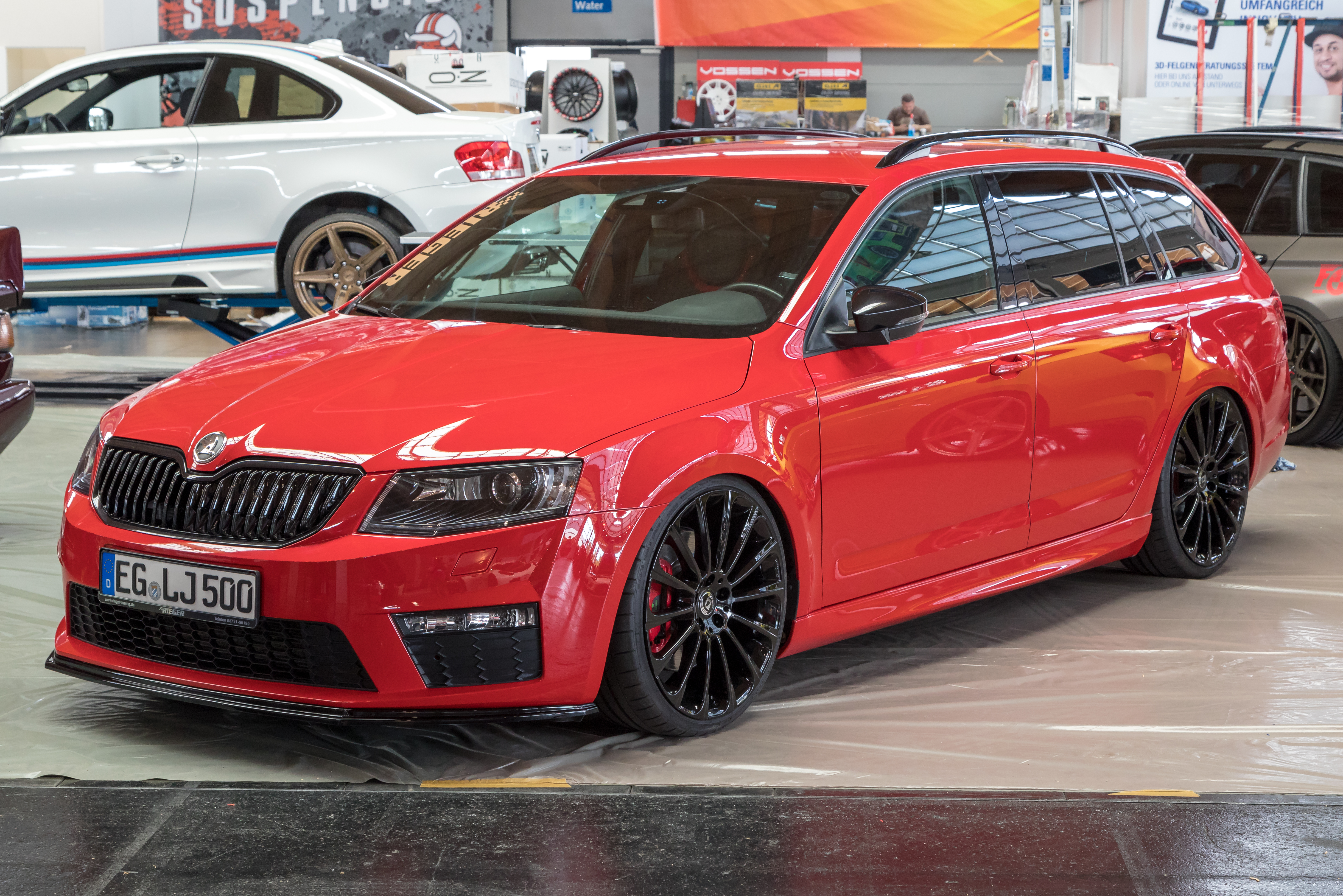
Skoda Octavia
"1965 is when they first into the Swedish rain market. [4559.6s] What the hell did they sell here? They sold the Octavia. [4563.5s] Yeah, the Skoda Octavia."
The Škoda Octavia is one of Škoda’s most important model lines, known for being practical and widely sold across Europe. Here, the host is using the Octavia as the specific car Škoda sold in Australia when they first entered the market.
Skoda S110
"And then in the mid 70s, there was the S110. Then in the late 70s, [4574.5s] there was the S120 or 120L."
The Škoda S110 is an older Škoda model. The host brings it up to explain what Škoda was selling in Australia after the Octavia.
The Škoda S110 is a classic Škoda model mentioned as part of the lineup that arrived in Australia in the mid-1970s. It’s notable here because it shows how Škoda’s early Australian offerings evolved beyond the Octavia.

Skoda 120L
"Then in the late 70s, [4574.5s] there was the S120 or 120L. I had a 120L for a while. Did you? It was a characterful car, we'll say."
The Škoda 120L is an older Škoda model. The host says it was fun/characterful and then goes on to describe how its layout made it behave differently than most cars today.
The Škoda 120L (a late-1970s/early-1980s-era model) is discussed as a characterful car the host owned. The 120L matters because it’s part of Škoda’s rear-engine, swing-axle era, which strongly affects how it drives compared with modern front-engine cars.
swing rear axle
"They're loosely based on a Renault 10. So they're rear-engined, swing rear axle."
A swing rear axle is an older rear suspension design. It can make the back of the car feel less predictable when you drive hard or when grip changes.
A swing rear axle is a type of rear suspension where the rear wheels move in an arc around a pivot. This design can make the car more oversteer-prone when pushed, especially if traction changes suddenly, because the rear geometry can become less stable under load.
passenger side
"So it worked fine in Europe because that was the passenger side. [4618.6s] But in Australia, it worked completely the opposite way."
The host is talking about driving-side differences between countries. Because some places are right-hand-drive and others are left-hand-drive, the same car design can end up opening/positioning things on the “wrong” side for the driver.
The host is contrasting how the sideways-opening bonnet worked in Europe versus Australia because of which side the passenger sits on (right-hand-drive vs left-hand-drive markets). In right-hand-drive countries, the “passenger side” is different, so the same physical design can be awkward for access.
Volkswagen Group
"They officially relaunched under the Volkswagen [4668.2s] Group in Australia in what year? Okay."
The Volkswagen Group is a big company that owns several car brands. The hosts mention it because Škoda’s relaunch in Australia happened under that ownership.
The Volkswagen Group is the parent company behind multiple car brands, including Škoda. In this segment, it’s used to explain how Škoda’s Australian relaunch was tied to the larger corporate group rather than operating independently.
four-wheel drive
"The new blank blank offers a complete four-wheel drive package, [4749.1s] which is perfect for both on-road and off-road driving."
Four-wheel drive means the car can send power to all four wheels. That helps it grip better on wet, snowy, or rough roads.
Four-wheel drive (4WD) sends power to all four wheels, improving traction when roads are slippery or uneven. The segment frames it as a system that works for both on-road and off-road driving.
two-wheel drive transfer
"The blank offers all the features, comfort, and styling of a passenger car, but with added benefits of air conditioning, push button, four-wheel drive to such two-wheel drive transfer, [4762.8s] and limited stiff differential as all standard equipment."
This is about switching the car between using two wheels and using all four wheels. Two-wheel mode can be used for everyday driving, while four-wheel mode helps when traction drops.
A two-wheel drive transfer refers to how a 4WD system can switch between driving modes—typically running as 2WD for normal conditions and engaging 4WD when extra traction is needed. This is usually managed by the drivetrain’s transfer mechanism.
limited stiff differential
"push button, four-wheel drive to such two-wheel drive transfer, [4762.8s] and limited stiff differential as all standard equipment."
A limited-slip differential helps the car avoid one wheel spinning uselessly. It shares power more effectively when traction is different from side to side.
A limited-slip differential is designed to reduce wheel spin by controlling how torque is split between wheels on the same axle. The transcript’s phrasing (“limited stiff differential”) is pointing at that kind of traction aid, which helps the car move more effectively when grip is uneven.
anti-fading
"Front ventilator disc brakes offer reliable braking, [4780.6s] and even better anti-fading. A seven-inch and eight-inch tandem brake booster generates reliable"
Anti-fading means the brakes are less likely to get weak after lots of hard stopping. It helps the car keep stopping power when the brakes get hot.
Brake fade is when braking performance drops because the brakes overheat, often due to reduced friction. Anti-fading refers to design features (like ventilated rotors) that help maintain consistent braking under heavy use.
inclinometer
"center console, voltmeter, [4815.0s] inclinometer, are just some of the standard features you feature on the blank blank sports wagon."
An inclinometer measures how tilted the car is. It can be used to tell how level the vehicle is or how steep the ground is.
An inclinometer measures the vehicle’s tilt angle relative to gravity. In cars, it’s often used for navigation/leveling cues or to support features that need to know how steep the car is.

Daihatsu Rocky
"You're all back in. It's made by Daihatsu. [4918.3s] David. Oh, Chad. Dammit. David. Rocky. The Rocky is correct. That is nice. Well played."
The Daihatsu Rocky is a small Japanese 4x4 SUV. It’s built to handle rougher use and can be set up to carry people or gear, which matches the conversation about folding seats and cargo space.
The Daihatsu Rocky is a compact Japanese four-wheel-drive SUV known for its rugged, utilitarian layout and short-wheelbase practicality. It’s the kind of model that can be configured for people or cargo, which is why it fits the “sports wagon / troop-carrier” style discussion in the segment.

Toyota Crown
"so much car talk. It's massive claims, by the way. Huge claims. It's Rob, Toyota Crown. [4977.4s] I wish I was, but it's not Rob."
The Toyota Crown is a Toyota model line that’s meant to feel more upscale and comfortable than a typical Toyota. Here, they’re describing one Crown’s features and drivetrain details.
The Toyota Crown is a long-running Japanese luxury sedan/large car line known for comfort and feature-rich trims. In this segment, the hosts are talking about a Crown with lots of “luxury features” and a specific engine and suspension setup.
traction control
"What does it feature? It features a, it features traction control, ABS brakes and [5001.2s] ABS brakes."
Traction control helps the tires grip the road when you accelerate. If a wheel starts spinning, the car intervenes to regain grip.
Traction control is an electronic system that helps prevent wheel spin during acceleration. It typically uses wheel-speed sensors and reduces engine power and/or applies brakes to the slipping wheel(s).
ABS brakes
"What does it feature? It features a, it features traction control, ABS brakes and [5001.2s] ABS brakes."
ABS is a safety system that stops your wheels from locking during braking. That helps you steer while braking hard.
ABS (anti-lock braking system) helps prevent the wheels from locking up under hard braking. By modulating brake pressure, it maintains steering control and reduces the chance of skidding.
power assisted steering
"Remote control, key entry, engine mobiliser and alarm, power assisted steering, [5008.1s] independent multi-link rear suspension, 16-inch alloy wheels, tailgate deflector on the wagon only."
Power assisted steering makes the steering wheel easier to turn. It’s especially helpful when parking or driving slowly.
Power assisted steering uses a power source (often hydraulic or electric) to reduce the effort needed to turn the steering wheel. It improves low-speed maneuverability and overall drivability.
16-inch alloy wheels
"independent multi-link rear suspension, [5008.1s] 16-inch alloy wheels, tailgate deflector on the wagon only."
“16-inch” describes the wheel diameter, and “alloy wheels” are typically lighter and more corrosion-resistant than steel wheels. Wheel size can affect ride comfort and steering feel because it changes tire sidewall height.
3.5-litre V6
"It comes with a 3.5-litre V6, 24-valves fuel-injected engine, four-speed automatic [5025.9s] David."
A 3.5-liter V6 is an engine with six cylinders arranged in a V shape. The “3.5-liter” part is how big the engine is overall, which affects how much power it can make.
A 3.5-liter V6 is an engine with six cylinders arranged in a “V” shape and a total displacement of 3.5 liters. The V6 layout is a common balance of smoothness and packaging, and displacement is one factor that influences how much air/fuel the engine can move.
fuel-injected engine
"It comes with a 3.5-litre V6, 24-valves fuel-injected engine, [5025.9s] four-speed automatic [5025.9s] David."
Fuel injection means the car uses injectors to deliver fuel in a controlled way. It helps the engine run more smoothly and efficiently than older fuel systems.
A fuel-injected engine uses electronic injectors to spray fuel into the intake or directly into the combustion process. Compared with older carburetor setups, fuel injection generally improves fuel metering, efficiency, and cold-start behavior.
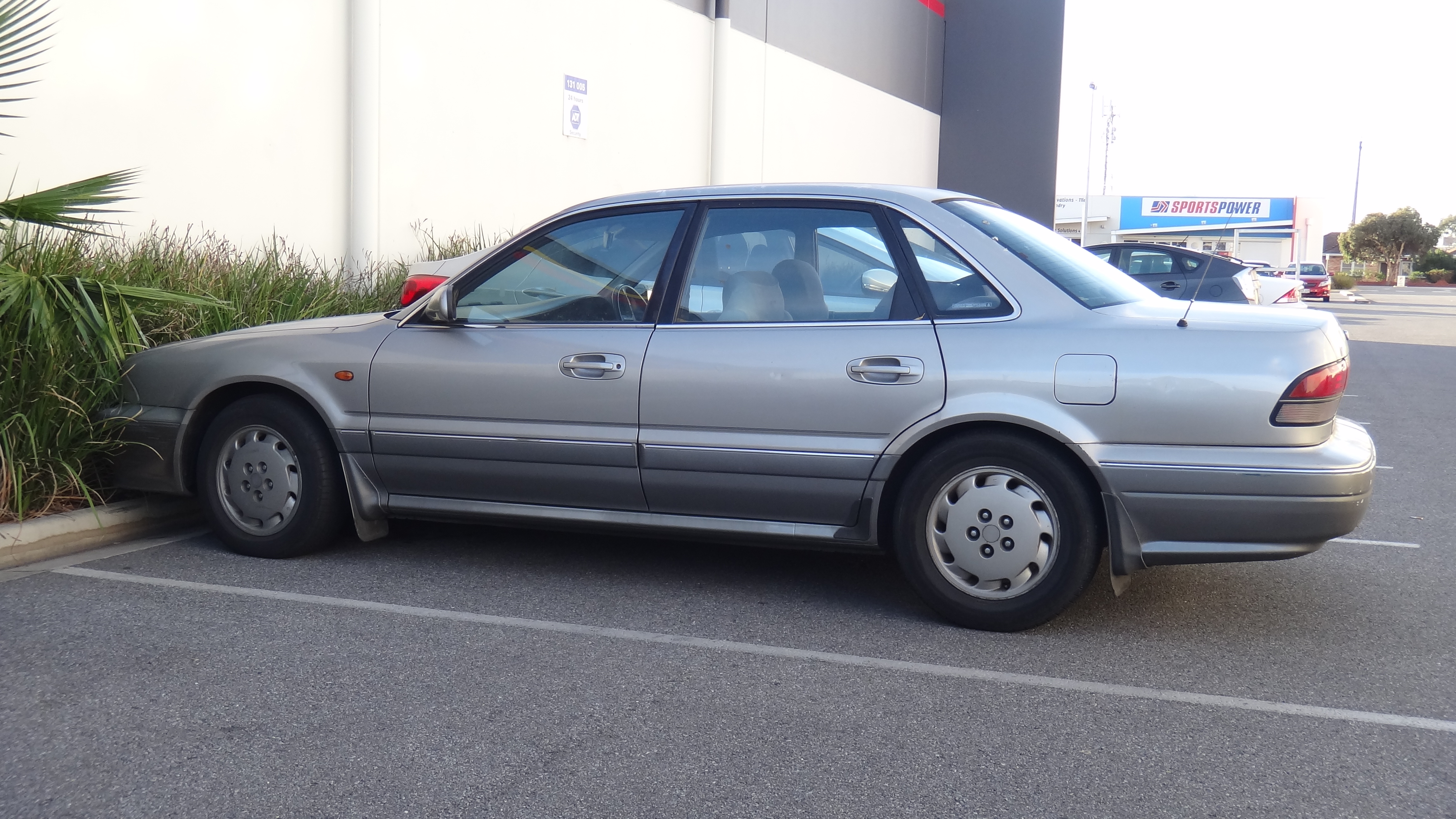
Mitsubishi Verada
"[5025.9s] David. Mitsubishi Verada. Mitsubishi Verada is correct, David Prince. Well done."
The Mitsubishi Verada is a Mitsubishi model that was aimed at comfort and “luxury” features. Here they’re describing one with a V6 engine and an automatic transmission.
The Mitsubishi Verada is a Mitsubishi luxury-oriented sedan/wagon line that was sold in Australia, known for comfort-focused features and V6 power in many trims. In this segment, the hosts list its equipment (traction control, ABS, multi-link rear suspension) and a 3.5-liter V6 with a four-speed automatic.
four-speed automatic
"24-valves fuel-injected engine, four-speed automatic [5025.9s] David. Mitsubishi Verada."
A four-speed automatic is a gearbox with four forward gears that shifts by itself. It’s an older style of automatic compared to today’s transmissions with more gears.
A four-speed automatic transmission has four forward gear ratios and uses a hydraulic/electronic control system to shift automatically. Older four-speed automatics often feel less “busy” than very early automatics, but they can be outperformed by modern multi-speed gearboxes in efficiency and smoothness.
Request an Explanation
Heard something you'd like explained? We'll add it to this episode.
Sign in to request explanations for terms you heard.
Want to learn more?
Browse our glossary for plain-English explanations of automotive terms, jargon, and concepts.
Help improve this episode
See something that's not quite right? Our annotations are AI-generated and can sometimes miss the mark. Click the flag icon on any annotation to suggest a correction.