
Controversial car opinions part 1
About this episode
A lively roundtable on “controversial car opinions” kicks off with quick updates: Volvo sales pending an RACV inspection, winter drives through Macedon and back roads, and small fixes like swapping a faulty lock and dealing with a Moke indicator issue. The big debate turns to LPG practicality—where to place LPG number-plate tags, why they’re metal and fire-relevant, and the messy realities of compliance. One host recounts a gas-tank re-stamp job that nearly cost him a wheel and left him chasing confusing fuel-level and warning messages.
On this episode of Car Torque, Matty, Ed, David, Scotty, Chad, Rob and Adrian discuss their latest updates! The boys then mention and discuss controversial car opinions! Ed is the quiz master at the end of the show!
Don't forget to subscribe, rate and review!
Please follow this show on Spotify. It really helps!
Support us and become a Patreon! https://www.patreon.com/cartorquepodcast
Check out our merch here!
https://cartorquepodcast.secure-decoration.com/
Check us out on YouTube: https://www.youtube.com/channel/UCybzrcsj4nhADsyfYKtXPzwhttps://
carloop.com.au
David and Eds Podcast Autoretro
https://open.spotify.com/show/5aOi9R8WfqOccEfnm2vslQ
#Carupdates
#2026
#controversial
#opinions
#notasupercar
RACV inspection
"I've taken a deposit on the Volvo, which is nice. [124.7s] Subject to an RACV inspection. [127.2s] Hopefully it passes that."
This is a professional check of the car before the sale is fully confirmed. The goal is to catch problems early so the buyer isn’t surprised later.
An RACV inspection refers to a pre-purchase style vehicle check arranged through RACV (Royal Automobile Club of Victoria). It’s meant to verify the car’s condition and flag issues before the buyer commits fully.

Toyota Corolla
"...at gets looked at. The girl who's buying it has a Corolla that I might purchase off her. But that hasn't be..."
A Toyota Corolla is a regular everyday car, usually a sedan, meant for commuting and getting around. People talk about it a lot because it’s generally reliable and not too expensive to own. In the episode, it’s mentioned as a car someone might buy.
The Toyota Corolla is a compact, high-volume sedan known for being practical and easy to live with. It often comes up in conversations about used-car buying because it’s typically affordable to maintain and parts are widely available. In this podcast context, it’s being discussed as a potential purchase.
hard lead lock
"to swap that hard lead lock for the... [151.8s] Matt and I are bugging around with this lock. [153.8s] And he just wouldn't go in the lock in the end."
They’re talking about a specific lock they use on the car. The first one didn’t fit or work properly, so they’re getting a replacement that will go on correctly.
A “hard lead lock” here sounds like a physical locking device/lock assembly the speaker uses on the car. They’re describing a fitment problem (it wouldn’t go in) and then a replacement so the lock can be installed correctly.

Chrysler Country Towns
"...hat was fun. We came back via some of the smaller country towns. That was a lovely drive on the way back, actuall..."
The Chrysler Town & Country is a minivan, which is a car made for carrying people comfortably. In the episode, it’s mentioned because the speakers drove through smaller towns and enjoyed the trip. It’s being used as an example of a practical vehicle for travel.
The Chrysler Town & Country is a minivan designed for family transport, comfort, and practical everyday use. In the podcast, it’s mentioned during a drive through smaller country towns, which highlights it as a vehicle used for relaxed travel rather than performance. That context makes it relevant as part of a “how it drives on a trip” type of story.
LPG tag
"So, you know, I don't know if anyone in the world of history has spent so much time deliberating on where to put a stupid LPG tag. ... How do they attach those?"
An LPG tag is a label that tells emergency crews the car has LPG fuel. It helps them find the gas system fast if there’s a crash or fire.
An LPG tag is a label used to identify a vehicle that has liquefied petroleum gas (LPG) installed. In an emergency, responders use that marking to quickly locate the LPG system and plan their approach.
LPG tank
"The emergency services know that there's an LPG tank that they need to take heat off if they're doing something fire-wise or in an accident."
The LPG tank is where the car stores its LPG fuel. In an accident or fire, it’s dangerous because it can be heated, so firefighters need to know where it is.
An LPG tank is the pressurized container that stores liquefied petroleum gas on an LPG-converted vehicle. Because it’s a fuel source, emergency responders treat it as a critical hazard and try to manage heat exposure during rescue operations.
jaws of life
"Like if you're cutting someone with the jaws of death, you don't want to hit that tank. I think they call jaws of life."
“Jaws of life” refers to the heavy-duty rescue equipment firefighters use to cut open a wrecked car. The point here is to avoid hitting the LPG fuel tank while they’re working.
“Jaws of life” is the common name for hydraulic rescue tools used to cut and spread metal during vehicle extrication. The host is emphasizing that rescuers avoid damaging the LPG tank while using these tools.
twin tanks
"No, no, that signifies it's actually got twin tanks. ... Some of them are twin tanks like my ute, but they're joined. They're not totally separate tanks."
“Twin tanks” means there are two LPG fuel tanks on the car. The host is saying the number plate may show two LPG tags when the tanks are set up as two separate tanks.
“Twin tanks” means the vehicle has two separate LPG storage tanks. The host explains that the number plate can show two LPG tags when the tanks are separate, versus a different setup when tanks are joined.

Byd Seal
"...ou know, the pressurized conditions, whatever the seals. So he came to my house to do the sedan."
The BYD Seal is an electric car in sedan form. The episode mentions seals and pressurized conditions, which relates to how the car’s systems are protected and kept working properly. It sounds like the conversation is about service work on a sedan.
The BYD Seal is an electric sedan, and the podcast mentions “seals” and “pressurized conditions,” which points to how the car’s systems are engineered and maintained. That kind of detail is often relevant for EV ownership because battery and thermal management rely on well-sealed components. In this episode, it’s discussed as part of a sedan-related service or setup.
wheel nuts
"There's no wheel nuts on the car... where are my wheel nuts? ... he came down very apologetic... and brought me a handful of nuts"
Wheel nuts are the bolts that hold your wheel onto the car. If they’re missing, the wheel can come loose and fall off.
Wheel nuts are the fasteners that clamp the wheel to the hub so the wheel stays securely attached. If wheel nuts are missing or not properly tightened, the wheel can loosen and detach—exactly what the host describes happening to the back-left wheel.
tires
"Still got to find some tires for it."
Tires are the only contact patch between the car and the road, so they strongly affect grip, braking, and handling. The host is saying the car is running fine but still needs tires, implying traction or event readiness is the remaining variable.

Acura Integra
"...in the last few days. Just picked up the drop the Integra off just for a good check over before the event c..."
The Acura Integra is a compact car that’s meant to be fun to drive, not just a basic commuter. In the episode, it’s mentioned because the car is being checked over before an event. That means it’s getting inspected to make sure it’s ready.
The Acura Integra is a compact performance-oriented car that’s known for being practical while still offering an enthusiast driving experience. In this podcast, it’s mentioned because someone picked up the Integra for a “good check over” before an event, indicating it’s being prepared or inspected. That makes it relevant as a car that’s actively maintained for performance use.
oil and filter
"New oil and filter and all that sort of good stuff."
“Oil and filter” means changing the engine’s lubricant and the small filter that traps dirt. It helps the engine stay healthy, especially if you’re driving hard or for a long time.
An engine oil change replaces the used lubricating oil with fresh oil, and changing the oil filter removes contaminants that the oil has picked up. Doing this before an event is a common way to reduce wear and keep the engine protected under sustained use.
bushes
"Needs a couple of bushes. He said it getting a little bit, you know, just age related, seeing that car's nearly 40 years old."
“Bushes” are the soft mounts in the suspension that help parts move smoothly. If they’re worn, the car can feel a bit loose or noisy, and it can affect handling.
In suspension terms, “bushes” are rubber (or sometimes polyurethane) mounts that allow controlled movement between parts while filtering vibration. When they wear out, you can get looseness, vague steering feel, and more noise—especially noticeable on older cars.
fuel injection system
"but it just died and would not restart. So good on the fuel injection system in that car."
Fuel injection is the system that sprays the right amount of fuel into the engine so it can start and run. The speaker is saying that system seemed to work well even though the car stalled and wouldn’t restart right away. It’s part of what you’d check when a car dies.
A fuel injection system is how a modern engine meters and delivers fuel to the cylinders using electronic controls and injectors. When the car “died and would not restart,” the speaker’s comment credits the fuel injection system as being “good,” suggesting it may have prevented a worse failure mode or helped it recover. It’s a key drivability system in diagnosing no-start or stalling issues.
off the road
"It's off the road and a similar thing, car that's not been driven for a long time and been reconditioned and drove fine."
“Off the road” means the car hasn’t been driven for a while. When cars sit, problems can build up, so they may need some work before they start and run normally again.
“Off the road” describes a car that’s been inactive for a long time rather than being regularly driven. Cars that sit can develop issues from stale fuel, dried seals, and corrosion, so they often need reconditioning before they run flawlessly again.
reconditioned
"car that's not been driven for a long time and been reconditioned and drove fine. And then, you know, it'll just need a few bugs."
Reconditioned means the car was put back into good working order after sitting or being neglected. It usually involves fixing the things that go bad when a car isn’t used.
Reconditioning is the process of bringing a neglected or long-stored car back to proper working condition. In this context, it likely includes addressing fuel system condition, fluids, and any components affected by sitting.
fuel pump
"I'm look, I don't know if it's something to do with fuel injection. It's got a new fuel pump. The tank had been drained."
The fuel pump is the part that pushes gas from the tank to the engine. If it’s not working well, the engine may not start right away or may run poorly.
A fuel pump moves fuel from the tank to the engine under pressure. If it’s weak or failing—especially after the car has sat—it can cause hard starts, stalling, or rough running until the system is supplied correctly.

Honda Civic
"Thank you very much. Civic Type R eats your heart out. You know, it's the new super one have heated seats."
The Honda Civic Type R is a sporty version of the Civic. It’s known for being quick and fun to drive, and here it’s being used as a comparison point to another car.
The Honda Civic Type R is a hot hatch built around a high-output turbocharged engine and a track-focused chassis. In this segment, it’s used as a benchmark for “super” hatch performance, with the speaker also comparing it to another car’s heated-seat feature.

Kia Stonic
"And I got a nice little Kia Stonic. Oh, yeah, I shouldn't add around a bit. I find that the transmission feels a bit funny."
The Kia Stonic is a small crossover. In this part, the host talks about how the car’s shifting feels, saying it can feel a bit jerky at times.
The Kia Stonic is a small crossover that’s typically offered with efficient, commuter-friendly drivetrains. Here, the speaker focuses on how the Stonic’s transmission feels—describing it as jolty and “slippy,” and suggesting it may use a DSG-style dual-clutch setup.
DSG
"It must be a DSG or something. It's just sort of really jolty, slippy. So it's like a DSG."
DSG is a type of automatic transmission that uses two clutches to change gears quickly. Some people feel it can be a little jerky when you’re creeping in traffic.
DSG stands for “Direct-Shift Gearbox,” a dual-clutch transmission used on many Volkswagen Group cars. Because it pre-selects the next gear, it can shift quickly, but some drivers perceive low-speed behavior as jerky or “jolty” compared with a traditional automatic.
stop start
"And the stop start is sort of a bit sort of clunky. Bit how you going?"
Stop-start is the system that turns the engine off at red lights and turns it back on when you’re ready to move. Some cars restart smoothly, but others can feel a bit rough or delayed.
Stop-start is an engine management feature that shuts the engine off when the car is stopped and restarts it when you release the brake. The speaker calls it “clunky,” which is a common complaint when the restart feels abrupt or delayed.

C63
"He drove his C63 to work today. Yeah, I've been driving that around."
“C63” is a high-performance Mercedes-AMG version of the C-Class. It’s the kind of car people drive when they want something more exciting than a normal commuter.
“C63” refers to the Mercedes-AMG C-Class performance model, known for its high-output V8 (in most C63 generations) and aggressive driving feel. In this segment, it’s mentioned as the car Harley drove to work.

transit
"I installed a actually diesel heater into the the transit went away for the weekend up Ballaratway was sleeping over at night."
The host is working on a Ford Transit, a popular van platform used for work and road trips. They install a diesel heater and then later troubleshoot a no-start condition, linking the heater’s power draw to the vehicle’s battery system.
diesel heater
"I installed a actually diesel heater into the the transit went away for the weekend up Ballaratway was sleeping over at night. So it's going to get a bit cold."
A diesel heater is a small heater that uses diesel fuel to warm the cabin. Even though it’s not the engine, it still needs electricity to run the fan and pump.
A diesel heater is an auxiliary heating unit that burns diesel to warm the cabin (and sometimes coolant) without needing the engine to be running. It typically has its own fan and fuel pump, so it can still draw electrical power from the battery even when the engine is off.
Red arc
"You recognize a red arc one or something like that or whatever they call it. Red arc dual battery system."
Redarc is a company that makes gear for charging and managing extra batteries in vehicles. The host is saying they’ve heard of Redarc dual-battery setups.
Redarc is a brand that makes vehicle electrical products, especially dual-battery charging solutions for vans and caravans. Here, it’s referenced as a specific type of dual-battery setup the host recognizes.

Dodge Charger
"...rc dual battery system. I basically standard BCDC charger, which is a 1225 so 25 amps going in. You can get..."
A Dodge Charger is a car that’s built for strong performance and a sporty feel. In this podcast, it’s being talked about because of how someone is charging or setting up batteries for the car. That’s why the conversation includes charging details.
The Dodge Charger is a performance-oriented sedan/coupe-style muscle car, depending on generation, and it’s often discussed for its power and aftermarket support. In this episode, it’s mentioned in the context of charging equipment and battery charging, suggesting a build or electrical setup. That makes it relevant beyond just driving dynamics.
BCDC charger
"I basically standard BCDC charger, which is a 1225 so 25 amps going in."
A BCDC charger is a device that charges a second battery from the car’s electrical system. It controls the charging so the extra battery gets power without being overcharged.
A BCDC charger (Battery Charge-to-Charge) is a smart DC-to-DC charging unit that transfers power from the vehicle’s alternator/charging source to a secondary battery. It regulates voltage and current so the auxiliary battery is charged safely and efficiently.
100 amp hour lithium
"You can get a cheap battery 100 amp hour lithium. Like that's what"
“100 amp hour” is a way to describe how much energy a battery can hold. A bigger number usually means it can run accessories for longer.
“100 amp hour” (Ah) is a battery capacity rating that roughly indicates how much energy the battery can store for a given discharge rate. A lithium battery with that capacity is often chosen for dual-battery setups because it can provide substantial runtime for accessories.
dual battery system
"Okay. So yeah, dual battery system. I've got the heater running."
It means the car has two batteries instead of one. One can be used for the car to start and run normally, and the other can power extra stuff like a fridge or heater without risking the main battery.
A dual battery system uses two separate batteries to power different loads. In practice, one battery is often for the car’s main systems while the other runs accessories (like fridges, heaters, or camping gear) so you don’t accidentally drain the main starting battery.
ESC
"Okay. So yeah, dual battery system. I've got the heater running. Had the ESC set up"
ESC is a car safety feature that helps keep the car from sliding out of control. It can slow individual wheels and reduce power when the car senses it’s losing grip.
ESC usually means Electronic Stability Control, a safety system that helps prevent skids by selectively braking individual wheels and/or reducing engine power. When the speaker says “Had the ESC set up,” they likely mean they configured or wired the system for their setup.

BMW 318
"Get it sussed out. Yeah, the BMW, I haven't started that for a couple of weeks, the 318. Yeah, that's it."
A BMW 318 is a BMW 3 Series model. Matty J is saying he hasn’t started his for a couple of weeks, like when you let a car sit and then worry about getting it going again.
The BMW 318 is a model in BMW’s 3 Series lineup, typically known for being an entry point into the brand’s rear-wheel-drive “3 Series” driving feel. In this segment, Matty J mentions having a BMW 318 that he hasn’t started for a couple of weeks, implying it’s a personal project or daily-driver situation.
starting a car after it's been sitting
"Yeah, the BMW, I haven't started that for a couple of weeks... I did go around to my parents... and I started the skyline up and it still runs perfect."
The host is basically talking about what it’s like to leave cars alone for a bit and then start them again. He checks whether they still run well and thinks about what to do next.
This segment touches on the practical reality of cars that sit for weeks and then need to be started again. It highlights the “get it sussed out” mindset and the reassurance of confirming the engine still runs properly.

Nissan Skyline
"I did go around to my parents to help out over the long weekend and I started the skyline up and it still runs perfect."
The Nissan Skyline is a well-known Japanese car that lots of car fans love. In this part, the host says he started it up and it’s still running well.
The Nissan Skyline is a long-running Japanese sports-car nameplate that’s especially famous among enthusiasts for its performance heritage. Here, the host says he started the Skyline and it “still runs perfect,” which frames it as a car he’s keeping running while it sits at his parents’ place.
manual
"What are you talking about? You can drive a manual. Yeah, yeah, I can."
A manual is a car where you change gears yourself. You use a clutch pedal and a stick to pick the right gear instead of the car doing it for you.
A manual transmission is a gearbox that requires the driver to change gears using a clutch pedal and a gear lever. The driver controls gear selection directly rather than letting the car pick gears automatically.
three on a tree
"I feel like that with the three on a tree. Alright. Oh, don't get me started on that. Good. Oh, he's getting messed up. The three on a tree."
“Three on a tree” means the gear stick is mounted on the steering column, and the car has three forward gears. The shift pattern is different from most modern cars, so it can feel weird at first.
“Three on a tree” is a classic gear-shift layout where a three-speed manual transmission is shifted via a column-mounted shifter (“on the tree”). The gear positions are arranged so first/second/third correspond to specific directions of the lever, which can feel unintuitive if you’re used to modern floor shifters.
four on the tree
"My Renault is Rob a four on the tree. Oh, four on a tree. Four on the tree. Like first, second."
“Four on the tree” means a manual car with four gears where the gear stick is on the steering column. The shift pattern is laid out differently than you might expect, especially for reverse.
“Four on the tree” refers to a column-mounted shifter for a four-speed manual transmission, again with the shift pattern defined by lever direction rather than a modern floor shifter. In this segment, the speaker contrasts the lever directions for first/second/third/fourth and reverse between two different column-shift layouts.
front lip
"What if I stuff that up and then I then I'll hit the thing in the front and I'll scrape the whole front front lip that I've"
The front lip is the lowest part at the front of the bumper. It can scrape on the ground if you’re not careful when parking or reversing.
The “front lip” is the low, protruding edge of the front bumper or splitter area that’s closest to the ground. It’s easy to scrape during tight parking maneuvers, especially on steep driveways or when the car’s nose dips.
handbrake
"They just appreciate that it's a not a Toyota because it was an old Toyota the handbrake wouldn't work."
The handbrake is the brake you use to keep the car from rolling when it’s parked. If it doesn’t work, the car might not stay still—especially on hills or uneven ground.
The handbrake (parking brake) is the secondary brake system used to hold the car stationary when parked. If it “wouldn’t work,” the car may not stay put on slopes or gravel, and it can also indicate a mechanical or cable/hydraulic issue.
gravel road
"But this is also a nice gravel road or a paddock."
A gravel road is a rough, loose-surface road. Cars grip differently than on pavement, so it can feel harder to drive smoothly.
A gravel road is an unpaved surface with loose stones, which changes traction compared with asphalt. Cars behave differently there—especially for braking, turning, and low-speed control—so it’s a meaningful context for learning or testing a car.
paddock
"But this is also a nice gravel road or a paddock."
A paddock is an area at a race event where cars are kept and worked on between runs. It’s like the team’s staging area.
A paddock is an enclosed area used in motorsport for teams to park cars, do service work, and prepare vehicles between sessions. The speaker’s use suggests a semi-track environment where driving practice and car handling feel more controlled than public roads.

Nissan Gtr
"...s, I did learn to drive manual. Yes. And it was a GTR. It's a 34 GTR. 34 GTR. Fair enough. I drove a co..."
The Nissan GT-R is a sports car built for very fast performance. In the episode, it’s mentioned because someone drove one while learning to drive manual. The focus is on the experience of driving a GT-R.
The Nissan GT-R is a high-performance sports car known for strong acceleration and all-around capability. In the podcast, it’s referenced as a specific driving experience—someone learned to drive manual and drove a GT-R (described as a “34 GTR”). That makes it relevant because it’s being discussed as a memorable performance car to drive.
stalling
"...then I was like stalling and I was just losing my temper..."
Stalling is when the engine shuts off. On a manual car, it usually happens when you let the clutch out too fast or don’t give the engine enough throttle.
Stalling is when the engine stops running because it doesn’t get enough airflow/fuel or the clutch/throttle coordination is off. In a manual car, stalling commonly happens during take-off or gear changes when the clutch is released too quickly or the engine speed drops too low.
GDI
"Here you are learning in a 34 GDI. I'm in an NX man."
GDI means the fuel is injected directly into the engine’s cylinders. It’s a modern fuel system that can help the engine run more efficiently, but it can also affect how the engine needs to be maintained over time.
GDI stands for Gasoline Direct Injection, meaning the engine sprays fuel directly into the combustion chamber instead of into the intake port. That can improve efficiency and throttle response, but it also changes maintenance considerations versus older port-injection engines.
gated shift
"The gated shift, you know, they you know which gear you're in."
A gated shift is how some manual cars guide your gear lever into the right gear positions. Instead of feeling totally free, the shifter has “slots” you can feel. It makes it harder to accidentally pick the wrong gear.
A gated shift is a manual-transmission shifter design where the lever moves through defined “gates,” one for each gear. That physical pattern helps you select the correct gear and reduces the chance of accidentally grabbing the wrong one. It’s especially noticeable in cars with a heavy, mechanical feel.
double clutch
"have synchro on first or second and so you've got a double clutch. Ask about that. What that's like."
Double clutching is a way of shifting that uses the clutch pedal twice to make the next gear spin at the right speed. It makes smoother shifts, especially on older gearboxes without helpful synchronizers.
A double clutch is a shifting technique where you press the clutch twice—first to unload the gearbox, then again to match the next gear—before moving the shifter into gear. It helps reduce gear clash when the transmission doesn’t have synchronizers (or when they’re worn).
synchro
"have synchro on first or second and so you've got a double clutch."
Synchro is the part in a manual gearbox that helps gears line up so they can slide together without grinding. If it’s not there (or not working well), shifting gets harder and you may need special clutching technique.
Synchro (short for synchronizer) is the mechanism inside a manual transmission that matches the speed of the gears before they engage. If a transmission has weak or missing synchronizers, you often need techniques like double clutching to shift smoothly.
dog clutch
"The Scams don't have any synchro on any gear. They've got dog clutch sort of but you sort of can feel it a little bit in the way through."
A dog clutch is a gearbox design where gears lock together more directly. It can be great for quick, strong engagement, but it usually needs more precise timing to shift smoothly.
A dog clutch is a type of manual gearbox engagement that uses “dogs” (projections) to lock gears together more directly, rather than relying on synchronizers. It’s common in race-focused or heavy-duty setups, but it typically makes smooth street driving harder unless you match speeds carefully.
stage 45 clutch
"the previous owner put some crazy stage 45 clutch in it. That was just not needed for its power."
A “stage” clutch is an upgraded clutch meant to handle more torque than stock. Higher stages usually grab harder, which can make the car feel jerky or difficult to drive smoothly.
“Stage” clutch ratings are aftermarket strength levels that indicate how much clamping force and friction material capacity the clutch is designed for. A very high-stage clutch can feel harsh and be difficult to modulate smoothly on the street, even if the engine’s power isn’t that extreme.
kilowatts of the wheels
"It made 330 kilowatts of the wheels and like you can run that on a pretty much a standard clutch"
“Wheels power” means the power measured where the car actually sends it to the tires. It’s usually lower than the engine’s advertised power because some power is lost inside the drivetrain.
“Kilowatts of the wheels” refers to power measured at the drivetrain output (after losses through the transmission and differential), typically on a dyno. It’s different from engine horsepower ratings, which are usually measured at the crank.

GMC Typhoon
"...e. I remember we we drove it back to back with my typhoon and my brother's like god your car's way better t..."
The GMC Typhoon is an SUV that was built to be faster and more performance-oriented than a typical family SUV. In the episode, someone compares it to another car and says the Typhoon performed better. It’s being used as an example of surprising speed.
The GMC Typhoon is a performance-focused SUV known for being unusually quick for its class. In this podcast, it’s referenced in a back-to-back comparison with another vehicle, with the speaker saying their Typhoon was “way better.” That’s why it comes up—it's used as a performance benchmark among SUVs.
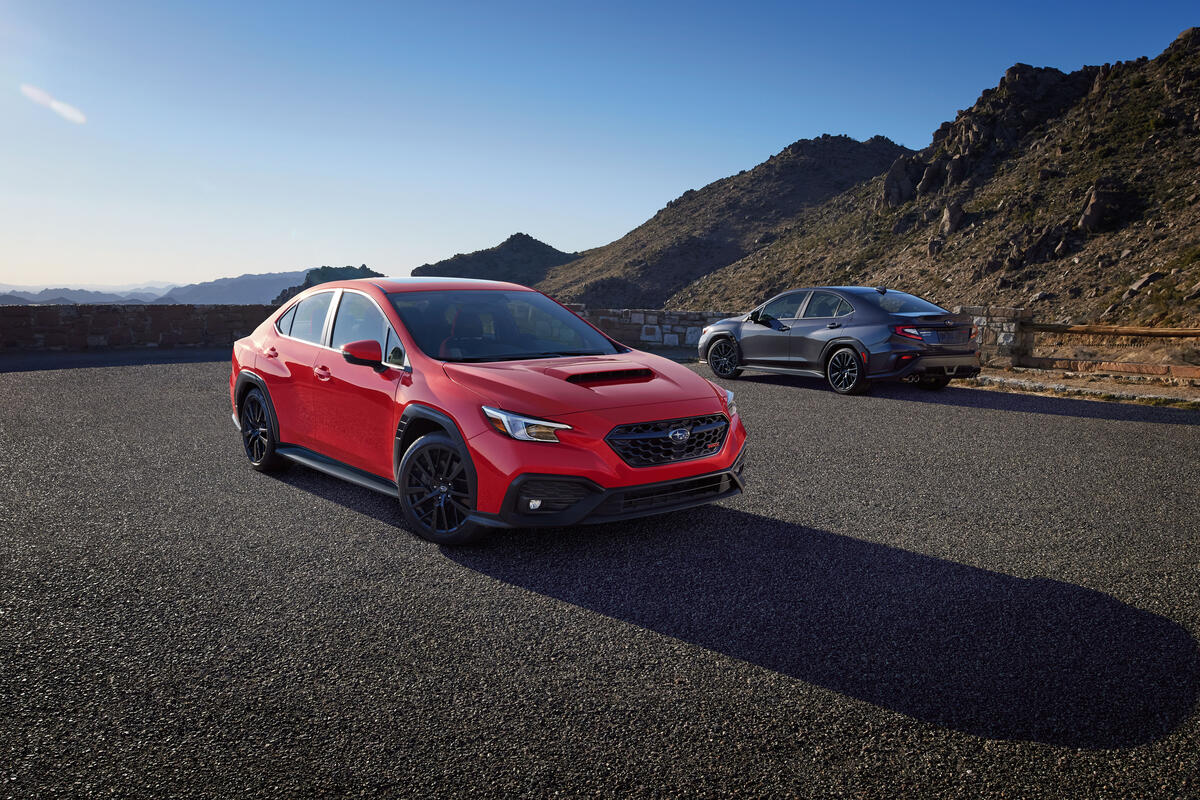
WRX
"Oh yeah. Like that too. I had to always nurse the clutch or else you'd be burning it out. All right. WRX. Yeah. [2261.4s] Subaru's are quite hard on clutches."
The Subaru WRX is a performance Subaru that many people drive with a manual gearbox. Here they’re saying it can wear out the clutch faster, so you have to be careful how you drive it.
The Subaru WRX is a turbocharged performance sedan/wagon known for rally-style driving and a manual-transmission enthusiast following. In this segment, the hosts are talking about how the WRX can be hard on clutches, especially if you’re trying to drive smoothly or if the clutch setup isn’t well matched to the car’s power and driving style.
nurse the clutch
"Oh yeah. Like that too. I had to always nurse the clutch or else you'd be burning it out."
“Nursing the clutch” means you have to be extra gentle with the clutch pedal. You’re trying to avoid slipping it too much or engaging it too abruptly.
“Nursing” the clutch means carefully and gently modulating it—usually with light pedal inputs and smooth engagement—to avoid slipping or harsh engagement. It’s a driving technique used when a clutch is prone to wear or feels too aggressive.
grabby
"They're um they're very you know uh grabby. You know I can the first one to say that. I wonder why."
“Grabby” means the clutch bites suddenly instead of smoothly. That can make the car feel jerky and harder to drive gently, especially in traffic.
“Grabby” describes a clutch that engages abruptly, grabbing the drivetrain quickly rather than smoothly. A grabby clutch can make low-speed driving and gear changes harder, and it often contributes to faster wear if you’re constantly modulating it.
all wheel drive
"But it's fun in that thing. It's a all wheel [2297.5s] drive. There's more. There's more going on. More on it off the [2301.2s] line."
All-wheel drive means the car can send power to all four wheels. That can help it grip the road better, especially when you accelerate.
All-wheel drive (AWD) sends power to all four wheels instead of just the front or rear. That usually improves traction and helps cars launch more confidently, which is why the host links AWD to “more going on” off the line.

Falcon
"What about you Chad? What's the hardest menu you've driven [2322.9s] before you get to your carpet? Well funny enough mine's also a [2326.1s] Falcon. My man's got this 450 kilowatt FG and yeah it's got [2332.3s] some hectic clutch and I like a twin plate something whatever"
A Ford Falcon is a big, powerful car from Australia. This one is a high-output FG version, and the speaker says the clutch setup makes it stressful to drive in stop-and-go traffic.
The Ford Falcon is an Australian-built muscle/performance platform, and this speaker specifically mentions an FG Falcon making 450 kilowatts. They’re describing how its clutch setup and manual driving in traffic can be difficult, which highlights how big-power Falcons often feel demanding to drive.
twin plate
"My man's got this 450 kilowatt FG and yeah it's got [2332.3s] some hectic clutch and I like a twin plate something whatever [2336.3s] the hell and um yeah just trying to get that going just"
A twin-plate clutch is a performance-style clutch with two friction surfaces. It can handle more power, but it may feel grabby or annoying to drive smoothly in traffic.
A twin-plate clutch (often used in performance cars) uses two friction surfaces to transfer torque more effectively than a single-plate setup. The tradeoff is that it can feel more abrupt or harder to modulate in traffic, which matches the host’s “hectic clutch” experience.
clutch fork
"I'm just waiting for the clutch fork to get shipped from Japan and uh we should be good."
The clutch fork is a metal lever that helps the clutch “let go” when you press the pedal. That’s what makes it possible to change gears without grinding.
The clutch fork is the lever inside a manual-transmission clutch system that moves the clutch release mechanism. When you press the clutch pedal, it pivots to disengage the clutch so you can shift gears smoothly.
super glue
"But it but it's here. It's here that I said it's working. Look super glue fixes everything. It does. We just keep it at that."
They’re using “super glue,” which is a quick-bond adhesive. It can work for small fixes, but it may not hold up well on parts that move, get hot, or see water.
“Super glue” (cyanoacrylate adhesive) is a fast-setting glue that bonds surfaces quickly. In automotive contexts it’s sometimes used for small trim or temporary fixes, but it’s not a substitute for proper repairs where heat, vibration, or moisture are involved.
right hand light
"Um the disco runs. I was having a very big issue with the right hand light just flickering like you'd be driving along and it's just hey I'm working and then no I'm not working."
They’re having a problem where the right-side light turns on and off while driving. When moving the wires changes the behavior, it usually means there’s an electrical connection or wiring issue.
A “right hand light” here refers to a vehicle lighting circuit (likely a headlight or indicator) that’s intermittently flickering. Flicker that changes when wires are moved often points to a loose connection, damaged wiring, or a failing bulb/connector rather than the light itself.
wires
"So just uh to Edwards just briefly. Well I thought you know I gotta drive the car. I had to drive it to work and I'm like it gets dark at night so at least try and rectify it and um yeah so I'm there playing with the wires like where I knew that the issue was and it wasn't doing it. No it's going on here. Then I let go of the wires and then it does it. I'm like what is"
They’re talking about the car’s electrical wiring. If the light works sometimes and stops when you touch/move the wires, it often means the connection is loose or the wire is damaged.
“Wires” in this context means the vehicle’s electrical wiring harness feeding the lighting circuit. Intermittent operation that appears/disappears when the wires are moved is a classic sign of a poor connection, broken conductor, or corroded connector pins.
electric cars
"“I think electric cars are good.” ... “Buy an EV so it keeps the petrol for us”"
An electric car runs on electricity stored in a battery, not gasoline. The point here is that the host thinks EVs are a better choice than buying a car just because it’s practical or comfortable.
“Electric cars” are vehicles powered primarily by an electric motor and a battery, rather than a gasoline engine. In this segment, the hosts argue that EVs are “good” partly as a rebuttal to people who choose boring, practical vehicles instead of prioritizing driving.

Mitsubishi ASX
"“people that drive boring cars like I don't know SUVs like Mitsubishi ASX drivers and Eclipse Eclipse Cross”"
The Mitsubishi ASX is a small SUV. The host is mentioning it as an example of a car people choose mainly because it’s practical, not because it’s fun to drive.
The Mitsubishi ASX is a compact crossover SUV from Mitsubishi. In the segment, it’s used as an example of a “boring” family-oriented vehicle that the host claims people buy for practicality rather than driving enjoyment.

Mitsubishi Eclipse Cross
"“...and Eclipse Eclipse Cross you know who you are.”"
The Mitsubishi Eclipse Cross is a small SUV. The host brings it up as an example of a car people buy because it works for everyday life, not because it’s exciting to drive.
The Mitsubishi Eclipse Cross is a compact crossover SUV positioned between smaller and larger Mitsubishi models. Here it’s name-dropped as another example of a mainstream, family-practical SUV the host says people choose for comfort and convenience over driving interest.
EVs
"that's why I think EVs are great because they can they can just [2801.5s] be given to these people um you know you can yeah take an EV [2805.4s] off you go buy buy one"
EVs are electric cars. They run on electricity stored in a battery, not petrol.
EVs (electric vehicles) use an electric motor powered by a battery instead of an internal-combustion engine burning petrol. Because there’s no tailpipe exhaust, EVs change how people experience driving and how energy costs show up day-to-day.
petrol cars
"why why do they get the [2850.2s] bloody drive you know um petrol cars you know you're you're [2854.8s] wasting it on an ASX."
“Petrol cars” are cars that use gasoline as fuel. They burn it in an engine to move the car.
“Petrol cars” are internal-combustion vehicles that burn gasoline (petrol) to make power. The host frames them as less desirable for people who don’t “appreciate” the driving experience, contrasting them with EVs.

Toyota Gr86
"...e even like the newer ones as in for instance the GR86. Yeah. Bringing that out as an electric car. That..."
The Toyota GR 86 is a sports car designed to feel fun and responsive when you drive it. In this episode, it’s mentioned in the context of future versions and what might change with the powertrain. The key point is that people are paying attention to where it could go next.
The Toyota GR 86 is a modern sports car focused on lightweight handling and driver engagement, typically with a naturally aspirated boxer engine. In the podcast context, it’s mentioned alongside the idea of bringing it out “as an electric car,” which frames it as a platform people are watching for future powertrain changes. That makes it a relevant topic for enthusiasts and buyers tracking what’s next.
MG
"But see MG hear me out and I know before before you guys just shut shut me off and completely cancel the program. They brought out they were known for their sports cars right and they haven't got a single sports car in their lineup but they've now they've"
MG is a car brand. The host is saying MG used to be known for sports cars, but now it doesn’t really have sports cars in its lineup anymore.
MG is a car brand known for sporty models in some markets, and the host is using it as an example in a debate about brand identity shifting toward electrification. The point being made is that MG no longer offers the sports-car lineup people associate with the brand.
full EV
"getting you know quite good reviews but that's a full EV. Do you know what?"
A “full EV” is a car that runs only on electricity from a battery. It doesn’t have a gas engine to help drive it.
“Full EV” means the vehicle is powered entirely by electricity from a battery, with no gasoline engine driving the wheels. In contrast, hybrids use a mix of an engine and electric motor, and plug-in hybrids still rely on an engine as well.

Toyota MR2
"...bad but yeah it's it's it's bringing out yeah the MR2 and stuff which is not gonna be electric or hybri..."
The Toyota MR2 is a small sports car that’s made to be fun to drive. In the episode, it’s mentioned when talking about whether it will become electric or hybrid. The takeaway is that the speaker doesn’t expect it to go that route.
The Toyota MR2 is a sports car known for its compact size and enthusiast-focused driving dynamics. In this podcast, it’s mentioned in the context of future electrification plans (“not gonna be electric or hybrid”), which frames it as a model people associate with a particular kind of driving experience. That makes it relevant to discussions about what might change in the lineup.
super car
"R35 is not a super car... I still believe like a 911 GT3 RS is just a very high end sports car but I don't think it gets into that category"
“Supercar” is a label people use for the most extreme, special, high-status cars. The hosts are debating where the line is between a supercar and a very high-end sports car.
“Supercar” is a category label that’s not strictly defined by one spec; it’s more about the car’s status, performance intent, and how exotic/limited it feels. This episode segment treats it as a debatable classification—whether cars like the Nissan GT-R (R35) and Porsche 911 GT3 RS qualify, versus cars like the Porsche Carrera GT and 918 Spyder.

Porsche Carrera GT
"...like if you look at the higher end ones as in the Carrera GT the 918 you know they're definitely a super car b..."
The Porsche Carrera GT is a very expensive, high-performance supercar. In the episode, it’s mentioned as an example of a top-tier car in the supercar world. The point is that it represents the high end of performance cars.
The Porsche Carrera GT refers to the Carrera GT supercar, known for its exotic performance and limited production. In the podcast, it’s mentioned alongside other high-end cars as an example of the “higher end” supercar category. That’s why it comes up—people use it to anchor what they consider truly special performance machinery.

Porsche 918 Spyder
"...k at the higher end ones as in the Carrera GT the 918 you know they're definitely a super car because t..."
The Porsche 918 Spyder is a very high-performance supercar. In the episode, it’s mentioned as part of a list of top-tier cars. The point is that it’s in the rare, expensive end of the supercar market.
The Porsche 918 Spyder is a high-end supercar known for advanced performance and its place among the most extreme road-legal cars. In the podcast, it’s grouped with other “higher end” supercars to emphasize how rare and special these vehicles are. That’s why it’s mentioned—it's a benchmark for what people consider true supercar territory.

Nissan R35 Gtr
"...ast oh yeah but anything like you gotta look at a R35 GTR yeah that that can beat a lot of cars off the lin..."
The Nissan GT-R (R35) is a fast sports car. In the episode, it’s mentioned because it can accelerate very strongly from a stop. The speaker is using it as an example of a car that performs well in quick races.
The Nissan GT-R (R35) is a modern generation of the GT-R line, widely known for quick launches and the ability to beat many cars off the line. In this podcast, it’s mentioned as something that “can beat a lot of cars off the lin,” which is a common way people talk about its real-world performance. That’s why it fits the episode’s performance-focused theme.
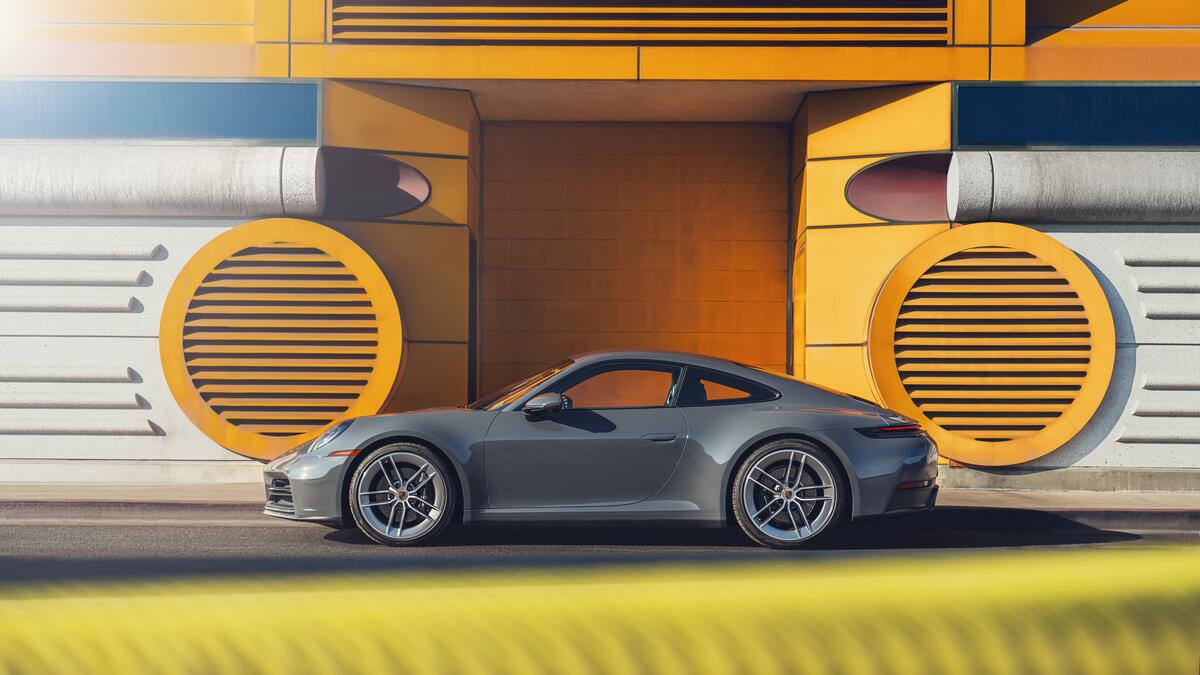
Porsche 911
"whereas like with a 911 to me it's more [3195.4s] it's that car that you want to drive on the street you know togeying and [3200.1s] you know on the track it's a hell of a car but it's just doesn't have that [3205.7s] pedigree that push of what a super car is"
The Porsche 911 is one of the most famous sports cars ever made. The host is saying it’s great to drive on the street and on a track, but it doesn’t always get the same “supercar status” vibe as some other brands.
The Porsche 911 is a rear-engine sports car with a long-running design and engineering identity, which is why enthusiasts often treat it as a “driver’s car” first. Here, the host contrasts it with Lamborghini/Ferrari by saying it’s a street-and-track car, but lacks the “pedigree push” some people associate with the supercar label.
GT3
"like you know you see them in the you know whatever that it's only like the 12 hour [3244.2s] they're 12 hours there's different classes would they on the GT3 be in a different [3249.0s] class to like a R8 Audi R8"
GT3 is a type of race category. It’s basically a set of rules for race cars based on real sports cars, so different brands can compete in the same class.
GT3 refers to a specific class of race car regulations used in endurance and sprint racing. GT3 cars are production-based sports cars built to a standardized rule set, which is why they can appear in “different classes” alongside other categories.

Audi R8
"would they on the GT3 be in a different [3244.2s] class to like a R8 Audi R8 yeah but that's an Audi R8 that's a super car [3255.0s] really like a Lambo oh okay"
The Audi R8 is a supercar from Audi, known for being fast and having a sporty, exotic look. In the episode, it’s brought up as an example of a car that should count as a supercar.
The Audi R8 is a mid-engine supercar that’s often discussed alongside Lamborghini, Ferrari, and Porsche because it competes in similar performance and prestige territory. The host uses it as an example of a car that “is a super car,” then later ties it into the racing class discussion.
hybrid
"everything's going the hybrid route it's just emissions and it's just easier to get more power hybrid yeah and it's easier than full electric that's a problem much easier"
A hybrid uses two power sources: a gas engine and an electric motor. It can use electricity to help the car move, but it still has gas as a backup.
A hybrid car uses both an internal-combustion engine and an electric motor. The electric system can help with acceleration and efficiency, and it’s often chosen because it can be easier to live with than a full electric car.
full electric
"hybrid yeah and it's easier than full electric that's a problem much easier just following the back of this um controversial opinion"
A full electric car doesn’t use gasoline. It runs on electricity stored in a battery, so you need to charge it to drive.
A full electric vehicle (EV) runs only on an electric motor powered by a battery. Compared with hybrids, EVs rely on charging infrastructure and battery capacity for range.
turning circle
"they cost ridiculous money to buy they cost ridiculous money to service they're terrible on fuel they're just see their turning circle terrible they're hard to get out of"
Turning circle is how much space a car needs to turn around. If it’s big, the car is harder to maneuver in tight spots like parking lots.
Turning circle is the size of the area a vehicle needs to make a full turn, usually measured as the diameter of the tightest turning path. Supercars often have wide tires and low-slung packaging that can make them feel awkward in tight parking situations.

Ferrari
"if a person and I know what the ends are going to be with you guys two cars in the inner car park okay there is a let's say a pagoda or a new billion dollar freaking Ferrari which"
Ferrari is a famous Italian brand that makes very expensive, high-performance cars. Here it’s being used as an example of a supercar that can be hard to deal with in normal parking situations.
Ferrari is an Italian supercar brand known for high-performance, driver-focused cars. In this segment, the host uses Ferrari as an example of an ultra-expensive supercar that’s difficult to use in everyday parking scenarios.

Bugatti Veyron
"... to maintain like we'll talk about that bloody um Veyron that Matt I was a mad Armstrong mad Armstrong yea..."
The Bugatti Veyron is a top-level hypercar, meaning it’s built for extremely high speed and performance. In the episode, it’s brought up because maintaining a car like that can be a big deal. The discussion is about what it takes to keep it running.
The Bugatti Veyron is a flagship hypercar famous for extreme performance and high operating costs. In this podcast, it’s mentioned in a discussion about maintenance, which highlights that owning one isn’t just about buying it—it’s also about ongoing upkeep. That makes it a relevant topic when the conversation turns to real-world ownership.
gearbox
"and he did it the same service with extra bits and pieces for just like 1,500 pound he fixed the whole gearbox issue with three bucks yeah it feels a fuse yeah and they said it needs a whole new gearbox yeah"
A gearbox is what helps the car shift gears so it can go slow or fast efficiently. Here, they’re saying the gearbox problem was serious enough that it needed major work.
A gearbox is the transmission system that changes gear ratios so the engine can deliver power effectively across different speeds. In this segment, the hosts focus on a gearbox issue that they claim required a full replacement, which is why the service bill is so high.
hypercar territory
"yeah but that's what they do that's what the those elite class that that's the hypercar territory it's just a glorified VW Beetle it is"
“Hypercar territory” just means the absolute top level of expensive, high-end supercars. The point here is that once you’re in that category, repairs and servicing can be brutally expensive.
“Hypercar territory” is an enthusiast term for the very top tier of supercars—cars that are priced and engineered like premium, limited-production machines. The speaker uses it to argue that these cars’ maintenance practices and costs are part of what comes with that ultra-luxury category.
Matt Armstrong
"whereas I believe Cohen saying and Ferrari have gone about it the right way they've both contacted Matt Armstrong and said here's gift packs you know we want to work with you"
Matt Armstrong is the person they’re talking about as the expert who helped solve the problem. The point is that he found a cheaper fix compared with what the official service suggested.
Matt Armstrong is referenced as a specialist who was contacted by Ferrari and (in the speaker’s framing) also involved with Bugatti-related issues. The segment uses him as the practical “fixer” behind the story of a cheaper repair versus an expensive full gearbox replacement.

Audi A5 convertible
"because it's just Audi parts been $40,000 for hounds for a bloody so what are they doing do you see the gearbox pump yeah it's an Audi A5 convertible rooftop yeah it's ridiculous the gearbox all the way yeah"
The Audi A5 convertible is a normal Audi model with a roof that folds down. They’re saying a part from that kind of car is being used in a hypercar repair, which they think is ridiculous.
The Audi A5 convertible is a specific Audi model/variant with a folding soft-top roof. The hosts use it as an example of parts they believe are being reused in a hypercar context—specifically mentioning a “gearbox pump” and implying the hypercar’s components are not as unique as buyers expect.
fully bespoke
"but also like okay if they're going to justify the car it's fully bespoke then make it fully bespoke but if you're also going to charge someone you know 4000000 times percent"
“Fully bespoke” means made specifically for that customer/car, not using off-the-shelf parts. They’re saying if the car is supposed to be totally custom, the parts shouldn’t feel like they come from regular cars.
“Fully bespoke” means a product is custom-built from the ground up rather than assembled from shared, standardized parts. The speaker argues that if a hypercar is truly bespoke, it shouldn’t rely on components they believe are shared with regular production cars.

Chevrolet Impala
"...because no one was looking at it yet there was an impala coming towards us wasn't doing anything it was ju..."
The Chevrolet Impala is a larger American car that’s known for comfort and a classic style. In the episode, it’s mentioned because the speaker saw it on the road and noticed what it was doing. It’s being used as an example from a driving moment.
The Chevrolet Impala is a full-size American car that has been offered across many generations, often known for comfort and a classic look. In this podcast, it’s mentioned in a moment of on-road interaction, suggesting it’s part of a real-world driving comparison. That makes it relevant as a recognizable car people notice and talk about.
lumpy idle
"wasn't doing anything it was just cruising along with the lumpy idle and everybody's staring at that instead yeah so it does go to show like what you're saying it's the it's all about the presence"
A “lumpy idle” means the engine sounds a bit rough or uneven when the car is just sitting still. It often happens on performance engines that are tuned for power rather than smoothness.
“Lumpy idle” describes an engine that doesn’t run smoothly at idle, often sounding rough or uneven. It’s commonly associated with performance-oriented engine setups (like aggressive cam profiles) that trade smoothness for character and power.
drag race
"if you've got here we go yeah sure be so simple if you've got two cars okay in a drag race you know one is that say super car event at all whatever it is which is a very fast car"
A drag race is a straight-line race where the goal is to accelerate as fast as possible. It’s often used to compare how different cars perform in a simple, repeatable way.
A drag race is a competition focused on acceleration over a short distance, typically with the cars staged and launched for maximum straight-line speed. In this segment, it’s used to frame the argument about whether a stock supercar should be judged against a modified car.
modified
"it's a Supra it's got been all modified and it beats the Lambo in a quarter mile drag strip are you the kind of person that goes well the Supra is like it's absolutely amazing for beating a Lambo or is it one of those things that you look at it and go"
“Modified” means the car has been changed from factory settings to make it faster. Here, the host is arguing that a modified Supra can beat a stock Lamborghini because it’s been built for speed.
In this context, “modified” means the Supra has been altered from stock—typically with performance parts and tuning—to improve acceleration and top-end power. The host’s point is that comparing a modified car to a stock supercar can be an “unfair” matchup because the prep work changes the outcome.
quarter mile drag strip
"have gone through the roof money wise but it's a Supra it's got been all modified and it beats the Lambo in a quarter mile drag strip are you the kind of person that goes well"
A quarter-mile drag race is a straight sprint over about 400 meters. It’s the kind of race where tuning and traction can matter a lot for who wins.
A “quarter mile drag strip” is a straight-line acceleration race over 1/4 mile (about 402 meters). It emphasizes traction, gearing, and power delivery—so a modified car can sometimes beat a stock supercar even if the supercar is “more exotic.”
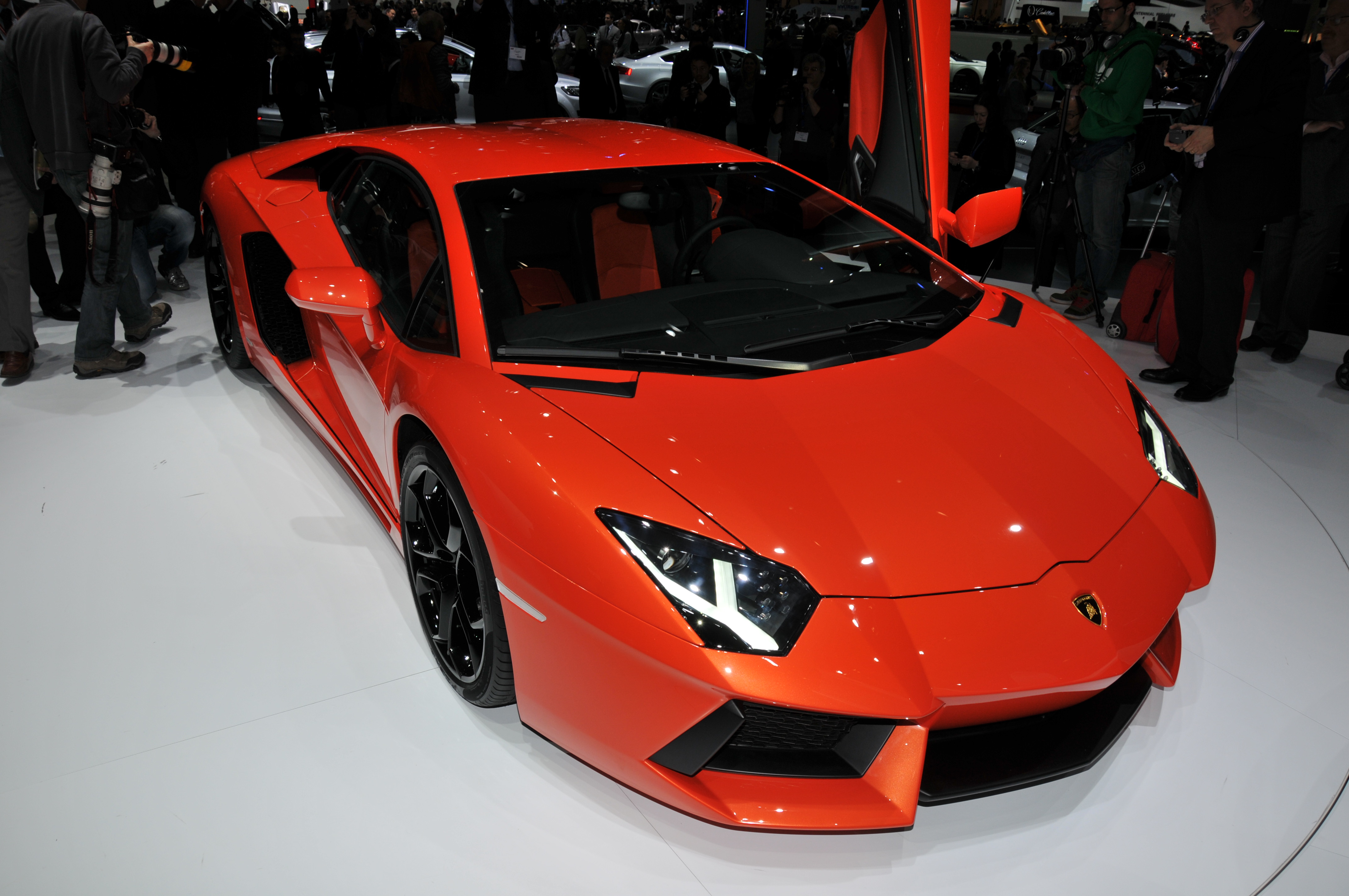
Lamborghini Aventador
"now if the Aventador had a twin turbo kit or you know it was modified and the Supra still beat it"
The Lamborghini Aventador is a very expensive, high-power supercar. Here, they’re talking about how adding a twin-turbo setup could change how it competes against a heavily modified Supra.
The Lamborghini Aventador is a flagship supercar known for its high-performance V12 engine and aggressive, track-focused character. In this segment, it’s used as the example of a car that would need a twin-turbo kit to compete fairly against a modified Toyota Supra.
twin turbo kit
"now if the Aventador had a twin turbo kit or you know it was modified and the Supra still beat it"
A twin-turbo kit adds two turbochargers to the engine. Turbos cram more air in, which usually makes the car much faster—especially for drag racing.
A twin turbo kit is an aftermarket forced-induction setup that uses two turbochargers to push more air into the engine. More air (and fuel) generally means more power, which is why it’s brought up as a way to make a supercar like the Aventador more competitive in drag-style comparisons.

Toyota Supra
"and the Supra still beat it my answer is here that's actually grass because you know you got modified against modified but if you put stock against stock that Supra won't be able to beat it"
The Toyota Supra is a popular sports car that many people modify for big power. In this segment, they’re arguing that a modified Supra can beat a stock car, but a stock Supra wouldn’t be close.
The Toyota Supra is a performance sports car that’s become famous in the enthusiast world for how well it responds to modifications. In this discussion, the Supra is the benchmark for what a modified car can do versus a stock car, including the idea that a stock Supra wouldn’t come close to a heavily modified one.

Suzuki Jimny
"it's like comparing a I don't know a Jimny to a I don't know E-wagon's E-wagon's sure let's go with that"
The Suzuki Jimny is a small off-road vehicle. They’re using it as an example of a cheaper car that can be capable, but it won’t perform like a far more expensive option.
The Suzuki Jimny is a small, off-road-capable vehicle known for its compact size and rugged, trail-focused design. In the analogy, it’s used to represent a lower-cost platform that can do similar “stuff” but won’t match the capabilities of a much more expensive vehicle.

G-Class Gwagons
"stuff but they're not gonna be one's gonna not gonna be as good as the other or something the G-wagon's not as good yeah I think I think Dan I think to add to that like you know for example it's a car they're both cars they fundamentally do the same thing take people from one point to"
The G-Class is a luxury SUV that’s built to handle rough roads and off-road conditions. In the episode, it’s mentioned while comparing it to another similar SUV and talking about how they differ. The point is that one may be better in certain ways.
The G-Class is a rugged, boxy luxury off-road vehicle known for its distinctive design and off-road capability. In the podcast, it’s discussed in relation to how it compares to another similar vehicle, with the speaker saying it’s “not gonna be as good as the other” in some way. That makes it relevant as a reference point for capability and ownership expectations.

Mitsubishi Evo
"to like a let's say a cheaply modified Evo for you know 50 grand okay you know I've seen some Evo's you know with another 50 grand in them do ridiculous eight second quarter miles"
The Mitsubishi Evo is a turbocharged performance car that’s popular with modifiers. In this segment, it’s the example of how a “cheap” car can still run quick times after spending some money on mods.
The Mitsubishi Evo (Eclipse/“Evo” lineup) is a turbocharged performance sedan/coupe that’s well known for being mod-friendly and capable of very fast quarter-mile times. Here, it’s used to illustrate a budget-modification path: spending far less than supercar money can still produce dramatic drag results.
stage 85 tune
"[3925.8s] against a mark 8 golf that's got a stage 85 tune on you know that things you know doing 10 second [3933.1s] quarter miles you stand super is not but if you go spend the same amount of money or however much"
A “stage” tune is a software upgrade that changes how the engine runs. In this case, the host is saying the car has been tuned to a higher power level that helps it accelerate very quickly in a quarter-mile race.
A “stage 85 tune” refers to an aftermarket engine calibration level (a software change) that’s typically paired with supporting hardware. The host uses it to describe how the tuned Golf can achieve quick quarter-mile times, implying more power and improved throttle/boost behavior than stock.
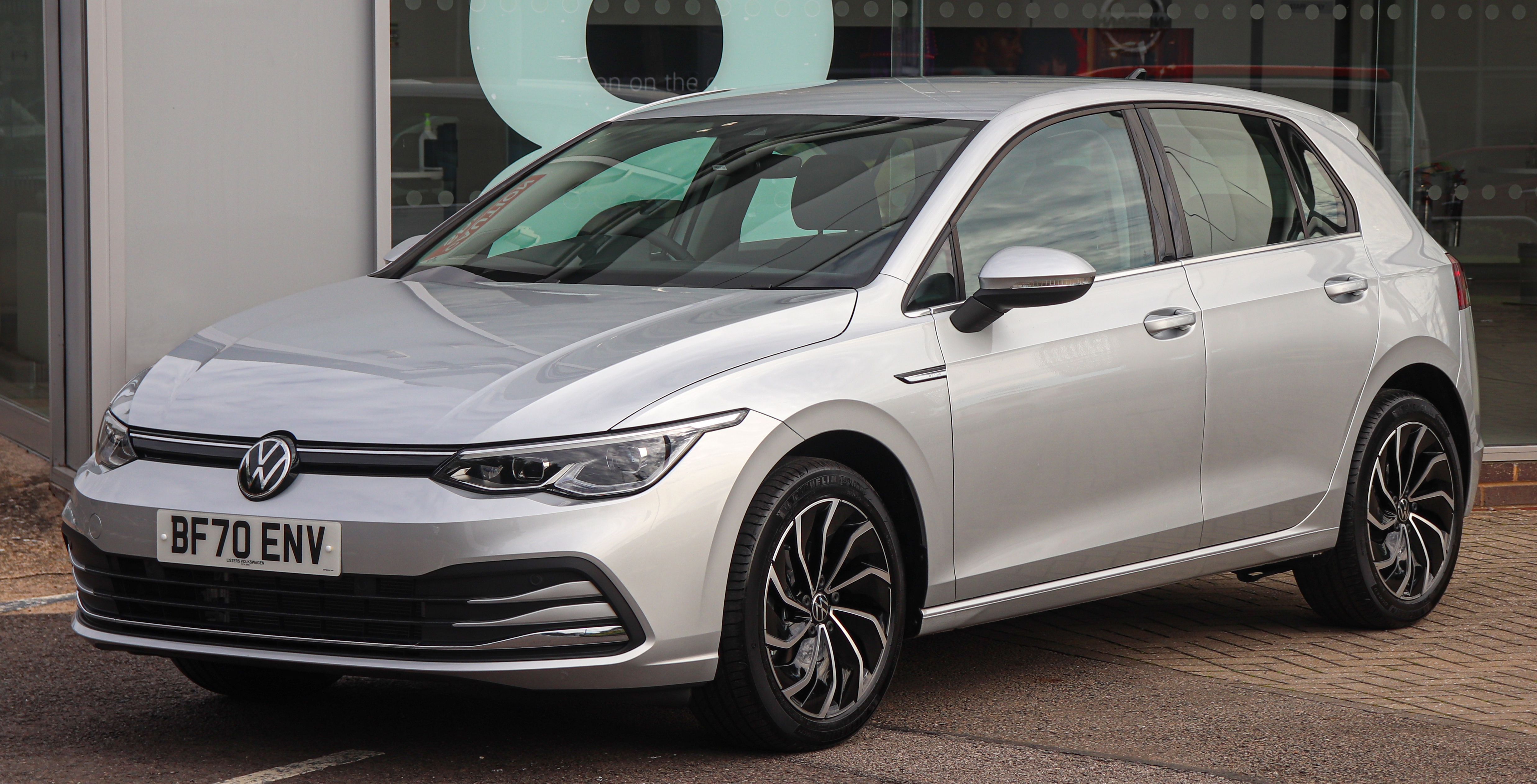
Mark 8 Golf
"[3925.8s] against a mark 8 golf that's got a stage 85 tune on you know that things you know doing 10 second [3933.1s] quarter miles you stand super is not but if you go spend the same amount of money or however much"
The “Mark 8 Golf” is a Volkswagen Golf generation that people often modify for faster acceleration. Here it’s being compared in a drag-racing context, with the host talking about tune upgrades and quarter-mile times.
A “Mark 8 Golf” is a Volkswagen Golf generation (commonly referred to as the Mk8) that can be tuned for drag racing-style performance. In this segment, it’s discussed as having a “stage 85 tune” and being capable of running roughly 10-second quarter-mile times, which is used to argue about fairness versus a more expensive build.
quarter miles
"[3933.1s] quarter miles you stand super is not but if you go spend the same amount of money or however much [3939.5s] money it is building that super up and it beats it in the quarter mile then I think that's where"
“Quarter-mile” is a common drag-racing distance—roughly 400 meters. People use the time it takes to cover it (like “10 seconds”) to compare how quick different cars are.
A quarter-mile is a drag-racing distance (about 402 meters) commonly used to compare acceleration performance. The host references “10 second quarter miles” to frame how fast a tuned car can run in a straight-line race.

Toyota Land Cruiser
"[3960.0s] controversial opinion toyota 70 series land cruisers are shit no no they're not just shit [3967.4s] they're a farm truck they're expensive they're very heavy they're slow they're incredibly thirsty [3975.5s] the ride is have a turning circle she's overpriced like anemic now nine out of the 10 things it does"
The Toyota 70 series Land Cruiser is a rugged, off-road Toyota built to handle tough conditions. Here, the host argues it’s overpriced and not very efficient, and he points to the suspension setup as part of why it doesn’t do everything people expect off-road.
The Toyota 70 series Land Cruiser is a body-on-frame, off-road-focused SUV line known for durability and heavy-duty use. In this segment, Matty J criticizes it as expensive, heavy, slow, and thirsty, and he also mentions its leaf-spring setup as part of why it can’t handle certain off-road tasks.
leaf springs
"[3985.3s] shit and the one good thing is it can go up a goat track all right off road can't even do that [3990.8s] probably because it's got leaf springs there you go wow"
Leaf springs are a suspension system used on many trucks. They can affect ride quality and how the vehicle moves over rough ground, and the host is blaming the 70 series’ setup for not doing as well on tough trails.
Leaf springs are a type of suspension that uses stacked metal strips to provide springing and, in many trucks, some axle location. The host suggests the Toyota 70 series’ leaf-spring setup limits how well it can handle a “goat track,” tying suspension design to off-road capability.

F-150 Raptor
"...absolutely not how no yeah but it's like saying a raptor a raptor is a waste of money because you can't go..."
The Ford F-150 is a pickup truck, meaning it’s designed to carry and tow things. In the episode, it’s brought up in a discussion about whether a specific kind of F-150 is a good buy. The focus is on whether the extra cost makes sense for what you want to do.
The Ford F-150 is a full-size pickup truck that’s often discussed for its versatility and wide range of configurations. In this podcast, it’s mentioned in a debate about whether certain versions (like a performance-focused variant) are worth the money. That makes it relevant because the conversation is about value and purpose in pickup buying.

magna
"how about magners are better than falcons and com at all fair point there you go ... has owned both ... the magna was better until they broke the drive shaft"
“Magna” is a Mitsubishi model that people in Australia talk about a lot. They’re saying it was better than the other car they compared it to, but it had a problem where the drive shaft broke.
“Magna” here refers to the Mitsubishi Magna, an Australian-built sedan that’s often discussed in terms of real-world durability. The host’s point is that the Magna was better—until a drivetrain failure (a broken drive shaft) happened.
drive shaft
"the magna was better until they broke the drive shaft yeah this is this is true"
The drive shaft is the part that sends power from the gearbox to the wheels. If it breaks, the car can stop driving properly and may cause extra damage.
A drive shaft transfers torque from the transmission to the differential (and ultimately the wheels). If a drive shaft breaks, the car can lose propulsion and may also cause vibration or damage to surrounding drivetrain components.
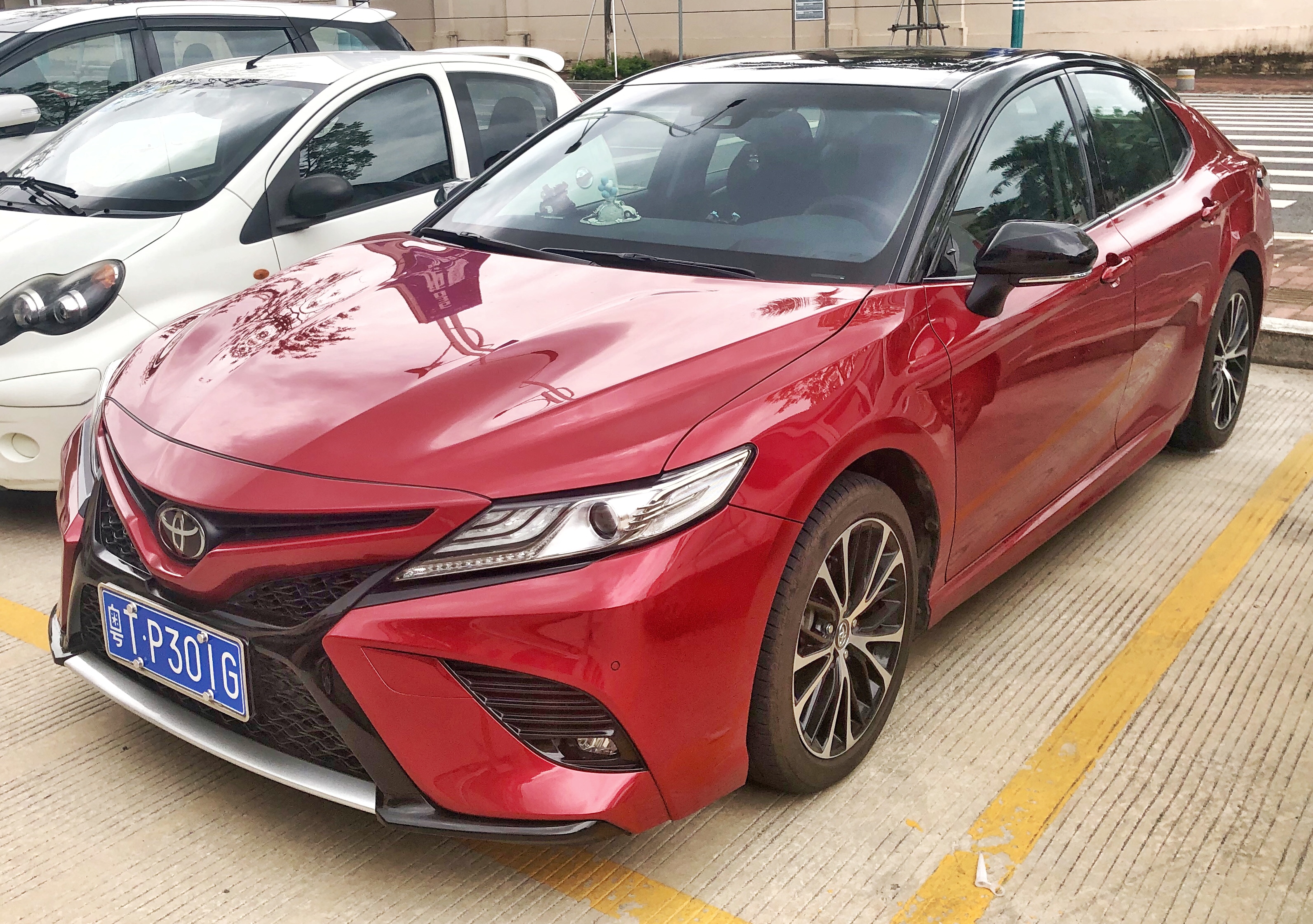
Toyota Camry
"better until they broke the drive shaft yeah this is this is true look I mean with the new Camry's they're the best what was that Rob I'm impressed with the new Camry's new Camry's are good guys they move along but really the new one the seven the seven cylinder seven cylinder one"
The Toyota Camry is a family-style car meant for comfortable everyday driving. In this episode, people talk about how newer Camrys are better and more dependable than older ones. The focus is on whether the car holds up over time.
The Toyota Camry is a midsize sedan built for comfort, reliability, and everyday practicality. In the podcast, it’s discussed in terms of improvements over time, with comments about drivetrain durability and how newer models are “the best.” That makes it relevant because it’s a common choice for buyers who want a dependable daily driver.
ute
"what was the name of the young Ford engineer who invented the ute David Lou Brent it's very I'll give it to you"
A ute is like a pickup truck, but it’s usually built for everyday driving and family use, with a cargo bed for tools or gear. They’re saying you shouldn’t buy one if you won’t use it for what it’s meant to do.
A ute (short for “utility vehicle”) is a body style that combines passenger-car comfort with an open cargo bed, common in Australia. The comment implies that buying a dual cab ute should match how it’s intended to be used.
diesel engine
"why do you think question three who invented the diesel engine uh chat yeah john diesel auto someone no but I saw a luck where you're going with this"
A diesel engine works by squeezing air very hard, which makes it hot enough to ignite the fuel when it’s injected. That’s why diesels don’t rely on spark plugs the way many gas engines do.
A diesel engine is an internal combustion engine that compresses air first, then injects fuel so it ignites from the heat of compression. It’s different from gasoline engines, which typically use a spark plug to ignite a fuel-air mixture.
Rudolf Diesel
"looking for a name right there the name the guy's surname was diesel so it's someone diesel ... rudolf diesel rudolf diesel yes and in what year did he patent"
Rudolf Diesel is the person the diesel engine is named after. The quiz is basically asking who invented it and when he patented it.
Rudolf Diesel was the inventor associated with the diesel engine concept and the related patent work. The segment is a quiz question where the host corrects the guess to “Rudolf Diesel” and then asks about the patent year.

Byd Shark 6
"...r specific or brand BYD I need make and model BYD shark six incorrect David David you said car what was t..."
The BYD Shark 6 is a specific BYD vehicle model. In the episode, the speakers are correcting the name and confirming what the car actually is. It’s mentioned because they’re trying to get the exact model right.
The BYD Shark 6 is a BYD model referenced in the podcast, with the speaker correcting the name and clarifying the make/model. That kind of mention usually happens when people are trying to identify the exact vehicle being discussed. In this episode, it’s essentially a “which car is it?” moment tied to BYD’s lineup.

Ford Ranger
"...king at it before first time ever geez okay beats Ranger that beats Hilux that beats brave you know the fu..."
The Ford Ranger is a pickup truck, meaning it’s designed to carry things and handle rougher use than a normal car. In the episode, it’s mentioned as part of a comparison between different trucks. The point is which one is better for the money and how it performs.
The Ford Ranger is a popular pickup truck known for being capable for work and versatile for everyday use. In the podcast, it’s referenced in a ranking-style comparison against other pickups, highlighting its perceived value and performance. That kind of discussion is common when people are deciding what truck to buy.

Toyota Hilux
"...first time ever geez okay beats Ranger that beats Hilux that beats brave you know the fun fact that versu..."
The Toyota Hilux is a pickup truck made for tough, everyday use. In the episode, it’s mentioned as part of a comparison between different trucks. The point is figuring out which truck is best for the job and the money.
The Toyota Hilux is a pickup truck known for durability and widespread popularity in markets where trucks do real work. In the podcast, it’s mentioned in a comparison list against other pickups, implying the Hilux is being evaluated for performance and value. That makes it relevant because truck buyers often compare these models directly.
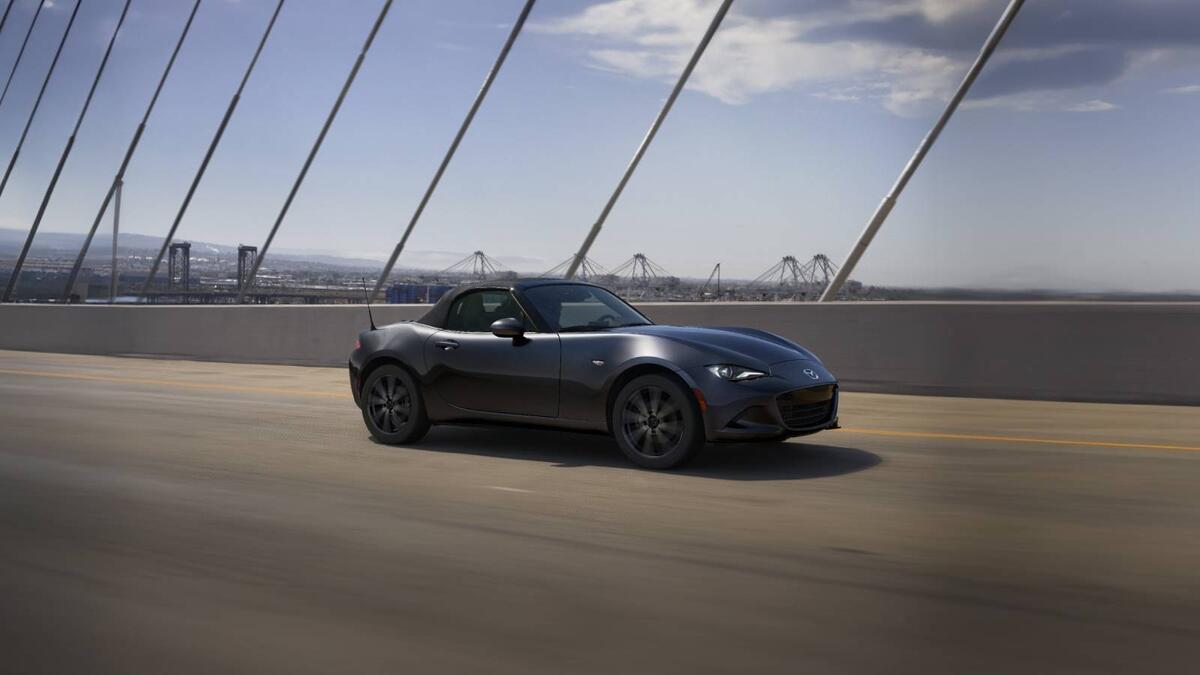
Mazda MX-5
"question five how many different exhaust note prototypes were tested in the design of the original na mx five oh that's a great question what Matthew prototype sounds"
The Mazda MX-5 is a small, fun sports car. Here they’re talking about how engineers tested different exhaust sounds to make it sound the way they wanted.
The Mazda MX-5 is a lightweight, driver-focused roadster, and this segment discusses how its original design team tuned the exhaust sound. The host references multiple exhaust note prototypes tested to get the “right” character for the car.
exhaust note prototypes
"question five how many different exhaust note prototypes were tested in the design of the original na mx five oh that's a great question what Matthew prototype sounds"
An “exhaust note prototype” is a test exhaust setup used to check how the car sounds. Engineers try different versions until they get the sound they want.
“Exhaust note prototypes” are early test versions of an exhaust system built to evaluate how the car sounds. Automakers tune things like tone and volume so the final production exhaust matches the brand’s intended character.

Renault Megane Cabriolet
"what design house penned the infamous 2001 reno mcgane cabriolet oh dad oh hang on was that Matthew or Chad no no Matthew"
This is a Renault Megane convertible model from around 2001. The hosts are quizzing who designed it, and they describe it as a car people talk about (not always positively).
The Renault Megane Cabriolet is the specific car mentioned in relation to a “2001” design-house question. The hosts call it “infamous,” implying the cabriolet’s styling or design choices were widely debated.

Peugeot 306 cabriolet
"pin in farina no they did the Peugeot 306 cabriolet yeah and a lovely job might I say [4511.8s] in a lovely job they did to a very nice job Rob yes Roman gear"
This is a Peugeot 306 cabriolet—an open-top version of the 306. It’s a French small car, and the cabriolet version is less common than the regular coupe/sedan versions.
The Peugeot 306 cabriolet is a French compact cabriolet (open-top) based on the Peugeot 306 platform. It’s notable because it’s a relatively rare factory-style open-top version of a mainstream 1990s-era model.

Ford Laser
"when I mentioned to Ed that the same engine in his mx5 features in [4540.5s] a Ford laser he was he was horrified"
The Ford Laser is a small Ford sold in some countries, including Australia. They’re saying it can share an engine design with the Mazda MX-5, which sounds odd but can happen with shared powertrains.
The Ford Laser is a compact car that was sold in various markets, including Australia. In the segment, it’s brought up because the speaker claims it uses the same engine as the Mazda MX-5, which is an unusual cross-model pairing that can surprise enthusiasts.
power steering
"thank you because you that enabled you to put um power steering on a mark one golf [4621.0s] same rack is it wow"
Power steering helps you steer with less effort. It makes turning the wheel easier, especially at low speeds.
Power steering is a system that reduces the effort needed to turn the steering wheel by using hydraulic or electric assistance. The segment mentions it in the context of fitting it to a Mark 1 Golf, implying a conversion or upgrade rather than a factory feature.
Citroen
"what was the longest running car brand ever in Australia [4632.9s] David sit down it was Citroen extra point how many years did they run Matthew Matthew"
Citroën is a French car brand. In this segment they’re talking about Citroën’s long history in Australia, including when some cars were assembled locally.
Citroën is a French automaker known for distinctive engineering and design, including unusual suspension and comfort-focused approaches. Here it’s discussed in a historical trivia context about being the longest-running car brand in Australia, including local assembly at Heidelberg for a period.
Heidelberg
"they exited in 20 24 so only a couple [4686.7s] years ago did they actually assemble them here in the early days or did they bring him complete [4690.9s] they did assemble them at Heidelberg for a while in there"
Heidelberg is a place in Australia. They’re saying Citroën cars were assembled there for a while, not just shipped in fully built.
Heidelberg refers to the Heidelberg area in Australia, where Citroën vehicles were assembled for a period. The mention matters because it ties the brand’s long Australian presence to actual local manufacturing rather than only imports.

Volkswagen Beetle
"Matthew yes Volkswagen Beetle punch buggy hundred percent correct that's a good question"
The Volkswagen Beetle is a classic car that’s known for being simple and easy to work on. It’s also one of the most famous “old-school” cars ever made.
The Volkswagen Beetle is an iconic, rear-engine, air-cooled design that became one of the most recognizable mass-market cars ever. In enthusiast circles, it’s famous for its simple, durable layout and huge aftermarket support.
made it an EV brand
"which car brand has taken one of their model names and made it an EV brand Matthew oh you can take a chat take it and chat"
This is about turning a car name into an electric-car brand. Instead of only being a single model, the name would represent a whole set of electric cars.
“Making it an EV brand” means using an existing model name or badge as the identity for a new line of electric vehicles. It’s a branding strategy that can help a company unify its electric lineup under one recognizable name.

Ford Mustang
"...l but it's not a dream it's Adrian is it the Ford Mustang the marquee whatever it is hmm made it there whic..."
The Ford Mustang is a sports car that’s famous for being fast and stylish. In the episode, it’s brought up as a well-known model people recognize. The discussion is using it as a reference for performance-car status.
The Ford Mustang is an iconic American sports car known for its performance heritage and wide range of trims. In this podcast context, it’s mentioned as a “marquee” or headline model, indicating its importance in the performance-car conversation. That’s why it comes up—people often use the Mustang as a reference point for what a classic performance car should be.
Jaguar Land Rover JLR
"it's um it's Jaguar Land Rover JLR but it's the Freelander Freelander is no longer going to be a Land Rover model"
Jaguar Land Rover (JLR) is the company group behind Jaguar and Land Rover. Here, they’re mentioned because they’re planning an EV brand strategy.
Jaguar Land Rover (often abbreviated as JLR) is the parent brand group that includes both Jaguar and Land Rover. In this segment, it’s used as the corporate umbrella behind the EV plan being discussed.

Freelander
"but it's the Freelander Freelander is no longer going to be a Land Rover model it's going to be its own EV"
The Freelander is a Land Rover SUV name. They’re talking about turning that name into an EV brand, meaning it would be used for electric cars instead of the regular SUV lineup.
The Land Rover Freelander is a compact SUV that was historically sold as part of Land Rover’s lineup. In the discussion, it’s treated as a name that JLR plans to repurpose as an EV brand, which is a branding move rather than a new model announcement.
Cherry
"but they're in bed with Cherry to do it oh classy class so it's a free cherry cherry on top"
Cherry/Chery is a car company that can team up with other brands to build or develop cars. Here, they’re referenced as the partner involved in the EV plan.
Cherry (often written as Chery in English-language coverage) is an automaker that partners with other companies for platforms, manufacturing, or EV development. In this segment, it’s mentioned as the partner behind the EV branding plan.
V8 supercharge
"he does um bms automation for mechanical services and stuff whatnot he's got a a miata with a uh a v8 supercharge v8 in it"
A supercharger forces extra air into the engine so it can make more power. If it’s on a V8-swapped car, it usually means the engine is tuned to be much faster than stock.
A supercharger is a forced-induction device that compresses air before it enters the engine, allowing more oxygen to be burned for more power. When paired with a V8 swap, it’s typically used to make the car dramatically stronger than stock.
Mazda MX-5 / Miata
"...echanical services and stuff whatnot he's got a a miata with a uh a v8 supercharge v8 in it has his first..."
The Mazda MX-5 (Miata) is a small two-seat sports car that’s built to feel light and fun to drive. In the podcast, someone mentions one that’s been heavily modified with a supercharged V8. That’s why it stands out in the conversation.
The Mazda MX-5 (Miata) is a lightweight, roadster-style sports car designed for nimble handling and driver connection. In this episode, it’s specifically mentioned as having a V8 supercharged conversion, which highlights how popular the platform is for custom builds. That’s why it’s discussed—because it can be modified in dramatic ways while still being a small, fun car.
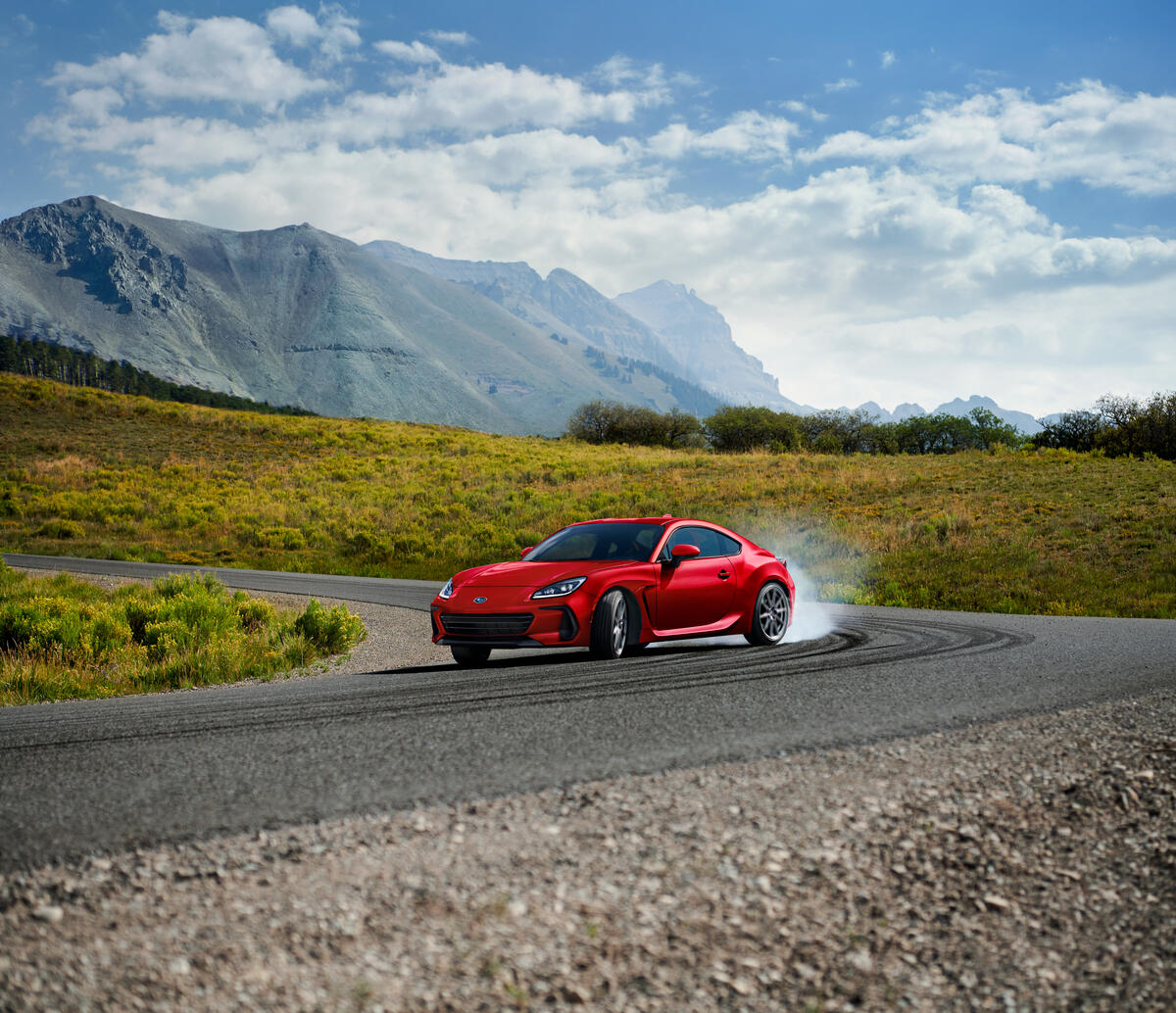
brz
"[5064.4s] and he's got a brz um that he races yeah that's a cool guy"
The Subaru BRZ is a small sports car that’s built to handle well. People often race them because they’re light and fun to drive on a track.
The Subaru BRZ is a lightweight, rear-wheel-drive sports coupe known for its balanced handling and driver-focused feel. In this segment, it’s mentioned as a race car that someone “races,” which is a common BRZ use case because it’s a popular platform for track builds.
600 horsepower
"[5070.3s] fair lane that he's just doing up he's going to have something like I don't know 600 horsepower [5074.2s] in that thing"
Horsepower is a number that tells you how strong the engine is. “600 horsepower” means the car is being built to be very powerful.
“Horsepower” is a measure of engine power—how much work the engine can do over time. When someone says they’re aiming for “600 horsepower,” they’re talking about a high-output build, typically requiring major upgrades beyond stock.
Molotov cocktails
"[5189.5s] delivering to a place near you I'm doing it uh Australia Post is setting trucks on fire [5195.4s] in a package oh whoops whoops I did just go sorry Scotty yeah it's that dangerous"
A “Molotov cocktail” is a homemade firebomb. In this podcast it’s used as a joke about something catching fire, not something you’d ever want to do.
“Molotov cocktails” is a slang term for improvised incendiary devices—essentially homemade firebombs. The speaker uses it as a joke while talking about a vehicle-related fire incident and “dangerous goods,” not as a literal recommendation.
dangerous goods
"[5195.4s] in a package oh whoops whoops I did just go sorry Scotty yeah it's that dangerous [5204.9s] dangerous goods I didn't think though that dangerous hadn't let them yet"
“Dangerous goods” means hazardous materials that can be risky to move around. The idea is that you have to package and transport them carefully.
“Dangerous goods” refers to materials that can pose risks during transport—like flammable liquids, gases, or other hazardous substances. The speaker’s point is that shipping something hazardous can be risky if it’s not handled and packaged correctly.
Request an Explanation
Heard something you'd like explained? We'll add it to this episode.
Sign in to request explanations for terms you heard.
Want to learn more?
Browse our glossary for plain-English explanations of automotive terms, jargon, and concepts.
Help improve this episode
See something that's not quite right? Our annotations are AI-generated and can sometimes miss the mark. Click the flag icon on any annotation to suggest a correction.