
The crack in Toyota's reputation
About this episode
Toyota’s reputation for reliability takes center stage as The Drivecast connects a wave of engine and transmission problems to recalls, class actions, and a shift from the older V8 era to turbo V6 and hybrid powertrains. Hosts dig into the alleged root cause—manufacturing debris (“swarf”) contaminating engines and spinning bearings—while debating whether fixes are truly working. They also weigh buyer trust, warranty coverage, and resale risk, arguing the “image” of the problem can outpace reality.
3.4-liter twin-turbo V6
"Last month, Toyota added another 44,000 vehicles to its ongoing recall of Tundra pickups and [106.8s] Lexus SUVs with the company's troubled 3.4-liter twin-turbo V6."
This is a specific type of Toyota/Lexus engine: a V6 with two turbochargers. The hosts are saying that this engine has a recall issue where debris left inside the engine during building can cause sudden, catastrophic failures.
A 3.4-liter twin-turbo V6 is an engine with six cylinders arranged in a V shape, displacing 3.4 liters total, and using two turbochargers to force more air into the cylinders. In this segment, Toyota’s 3.4-liter twin-turbo V6 is described as the source of severe failures due to metal debris left in the engine during assembly.
hybrid turbo V6 era
"When the new Tundra launched in 2022, it dropped the old bulletproof V8 and was supposed to [136.2s] move Toyota into a new hybrid turbo V6 era."
This phrase means Toyota planned to use a turbocharged V6 engine along with a hybrid system. The hosts are questioning whether that plan worked out, given the engine problems now being reported.
“Hybrid turbo V6 era” refers to Toyota’s strategy of pairing a turbocharged V6 with hybrid technology to improve efficiency while maintaining strong performance. In this segment, the hosts contrast that plan with the reality of the recall and ask whether Toyota made a mistake by moving away from the older V8.
reliability crisis
"So today, it's Toyota's reliability crisis. [154.9s] How it ended up here, what's really happening beyond the headlines, and what might be next."
A reliability crisis means people start losing confidence that a brand’s cars will keep working properly. In this episode, the hosts connect that idea to the big recall and engine failures they’re describing.
A reliability crisis is a period when a brand’s vehicles are widely reported to have serious, repeated problems that undermine trust in how dependable they are. The segment frames Toyota’s situation this way, tying it to catastrophic engine failures and a large, ongoing recall.
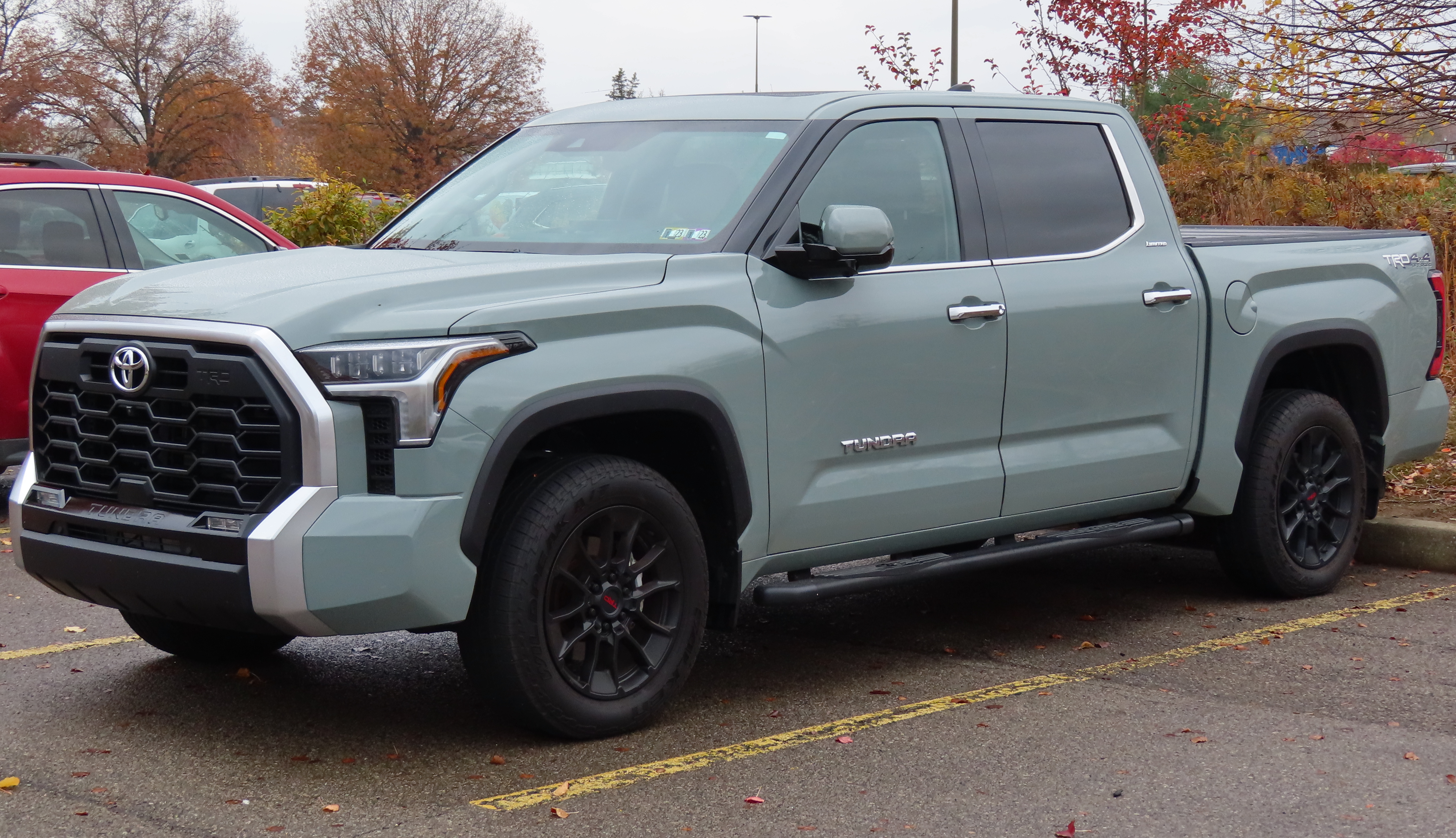
Toyota Tundra
"They just came into the fleet, the Toyota Tundra. It was that new TRD pro wave maker blue. ...So it is ironic that we're about to talk about these cars. And I just spent a week in each of these with these engines."
The Toyota Tundra is Toyota’s big pickup truck. In this segment, the host talks about how it’s set up for real truck jobs like towing, and how its engine/exhaust choices affect the driving experience.
The Toyota Tundra is Toyota’s full-size pickup truck, and this episode segment focuses on a recent generation’s shift in engine strategy. The host mentions spending time with the Tundra and highlights how it’s equipped with a TRD performance package and exhaust setup, tying it to the truck’s real-world towing use.
catback exhaust
"But the Tundra had a TRD performance package and had the the catback exhaust. [320.8s] My wife had some thoughts."
A catback exhaust is an exhaust upgrade that replaces the parts from the catalytic converter to the back of the truck. It’s mainly done to change the sound (and sometimes how freely the exhaust flows).
A catback exhaust is an aftermarket exhaust system that starts at the catalytic converter and runs back to the tailpipe. Because it changes the flow path and muffler/resonator design, it can noticeably alter sound and sometimes small performance characteristics.
TRD performance package
"But the Tundra had a TRD performance package and had the the catback exhaust. [320.8s] My wife had some thoughts."
TRD is Toyota’s in-house performance brand. A TRD performance package is a set of factory upgrades meant to make the truck feel and sound more “performance” oriented.
TRD performance package refers to Toyota Racing Development’s factory performance-oriented option group. On a Tundra, it typically bundles upgrades aimed at improving the truck’s driving feel and sound, and in this segment it’s paired with an exhaust modification.
V6
"That's a great point to dive into this because the Toyota moving to a V6, [332.1s] it can still do the truck things. ...However, it is still a lot more complex than a V8."
A V6 is an engine with six cylinders arranged in a V shape. The host is saying the Tundra is moving to a V6, and that changes things like complexity and how it sounds compared with older V8 setups.
V6 refers to an engine configuration with six cylinders arranged in a “V” shape. This segment contrasts the Tundra moving to a V6 powertrain with other brands that still offer V8s, emphasizing that the V6 can still tow but is inherently a different (and often more complex) design choice.
moving to a V6 powertrain
"That's a great point to dive into this because the Toyota moving to a V6, [332.1s] it can still do the truck things. ...Toyota made this decision to move to a V6 powertrain in the Tundra."
This phrase means Toyota changed the Tundra’s main engine type to a V6. The host’s point is that it can still tow and work like a truck, but it’s not the same as the older V8 approach.
“Moving to a V6 powertrain” describes a manufacturer changing the engine family used in a model—here, Toyota shifting the Tundra away from a V8-centric approach. The host frames it as a tradeoff: the truck can still do traditional pickup tasks, but the new setup brings different complexity and a different sound profile.
V8
"Ram just got back into the V8 game with the with the Hemi coming back and the Badger protest and all of that."
A V8 is a type of engine with eight cylinders. In trucks, it’s often chosen for strong pulling power, so when a brand moves away from V8s, people notice.
A V8 is an engine with eight cylinders arranged in a “V” shape. It’s commonly associated with smooth power delivery and strong low-end torque in trucks, which is why switching away from V8s can feel like a major change to buyers.
turbo six
"The second generation Tundra, the one that had the venerable 5.7 liter V8, which is what this turbo six replaced, that had a 14 year lifespan which is it was old enough to get bar mitzvah."
A “turbo six” is a six-cylinder engine that uses a turbocharger. The turbo helps the engine make more power without needing a bigger engine.
“Turbo six” refers to a turbocharged inline-six engine (six cylinders in a straight line). Turbocharging uses exhaust energy to force more air into the engine, allowing a smaller engine to make power closer to what people expect from larger V8s.
fully boxed frame
"We got a fully boxed frame and we got a stouter transmission. We got a turbo six instead of a V8, but it's a bigger truck."
A boxed frame is the truck’s main metal structure under the body. Making it “fully boxed” usually makes it stronger and helps it handle heavy work better.
A fully boxed frame means the pickup’s ladder frame rails are enclosed like a rectangle, which generally increases stiffness and strength. That can improve ride stability and durability under heavy loads compared with more open or partially boxed designs.
stouter transmission
"We got a fully boxed frame and we got a stouter transmission. We got a turbo six instead of a V8, but it's a bigger truck."
A “stouter transmission” means the truck’s shifting unit is built tougher. That helps it survive harder use like towing and hauling.
A “stouter transmission” means a more robust gearbox designed to handle higher torque and stress. In truck terms, that often matters because transmissions can be a weak point when engine output or towing demands increase.
composite bed
"it has composite bed now, which the composite bed can't rust. "
A composite bed is a truck bed made from materials other than steel. The benefit is it doesn’t rust the way a steel bed can.
A composite bed is a truck bed made from composite materials (not traditional steel). The big advantage mentioned here is corrosion resistance—composites don’t rust like steel beds, which helps preserve the truck’s condition over time.
trim lineup
"And it expanded the trim lineup and trim lock with off road models and all these other things."
A trim lineup is the menu of different versions of the same truck. Some trims are more basic, and others add features—like off-road gear—so more types of buyers can choose what they want.
A trim lineup is the set of different versions a vehicle is sold in, usually with different equipment levels and sometimes different powertrains. Expanding the trim lineup can broaden who the truck appeals to, including buyers looking for off-road-focused packages.
trim lock
"And it expanded the trim lineup and trim lock with off road models and all these other things."
“Trim lock” sounds like how the manufacturer bundles options into specific versions of the truck. Instead of mixing and matching everything, certain off-road features come with certain trims.
“Trim lock” here appears to mean a strategy where Toyota ties certain off-road features or packages to specific trims, so buyers get a more coherent configuration. In practice, it’s about how options are bundled rather than a single standalone feature.
rear glass of the cab
"And most importantly, it still has the rear glass of the cab that slides down fully, which is such a clutch feature."
This is a special kind of rear cab window that can slide down. It helps with airflow and makes the cabin feel more flexible for everyday use.
The “rear glass of the cab” refers to a window section in the back of the cab that can slide down. This is a convenience feature that improves ventilation and makes the truck feel more open for passengers and cargo access.
head V8s
"Three generations of Tundra's first two head V8s, bulletproof reliability. They'd rust out before they stopped working forever."
They’re talking about the V8 engine in the truck—specifically the cylinder-head part of the engine. The host’s point is that those older V8s were known for lasting a very long time.
“Head V8s” is shorthand for a V8 engine design where the cylinder heads are central to the discussion—often referring to how the engine is built and where failures can occur. In this context, the hosts are saying the earlier Tundra V8s were extremely durable.
generational changeovers
"part of what we're seeing here is that Toyota just had a convergence of model year or generational changeovers in the last four or five years."
A generational changeover is when a car gets redesigned into a new generation. New generations often bring lots of changes at once, and that can sometimes lead to early problems while everything settles in.
A generational changeover is when a model switches to a new generation, often bringing major updates to engines, electronics, and manufacturing processes. The hosts argue that overlapping model-year transitions can increase the chance of early issues as systems and suppliers get reworked.
hybrid era
"And just they made a lot of changes this time to move into the hybrid era, the V6 era, the electrification era."
“Hybrid era” means the truck is moving to a hybrid powertrain. Instead of only using gas, it uses electricity too, which can add new technology and complexity.
The “hybrid era” refers to the shift toward powertrains that combine an internal-combustion engine with an electric motor and battery. That transition can change how the vehicle behaves, how it’s engineered, and what components are new or more complex.
electrification era
"And just they made a lot of changes this time to move into the hybrid era, the V6 era, the electrification era."
“Electrification era” means the industry is shifting toward electric-powered technology. That can include hybrids and other electric-assisted systems that use batteries and electronics.
“Electrification era” is a broad term for moving away from purely gasoline power toward electric-assisted or fully electric systems. In automotive discussions, it usually includes hybrids and other electrified drivetrains that require new control software and power electronics.
five speed automatic
"Yeah, and we're talking about a company that just moved from a five speed automatic in the forerunner to what they have now"
This is the car’s automatic gearbox with five forward gears. More gears usually help the engine stay in a better spot for smoothness and efficiency.
A five-speed automatic transmission is an automatic gearbox with five forward gear ratios. Fewer gears can mean less flexibility in keeping the engine in its most efficient or responsive range compared with newer multi-speed automatics.
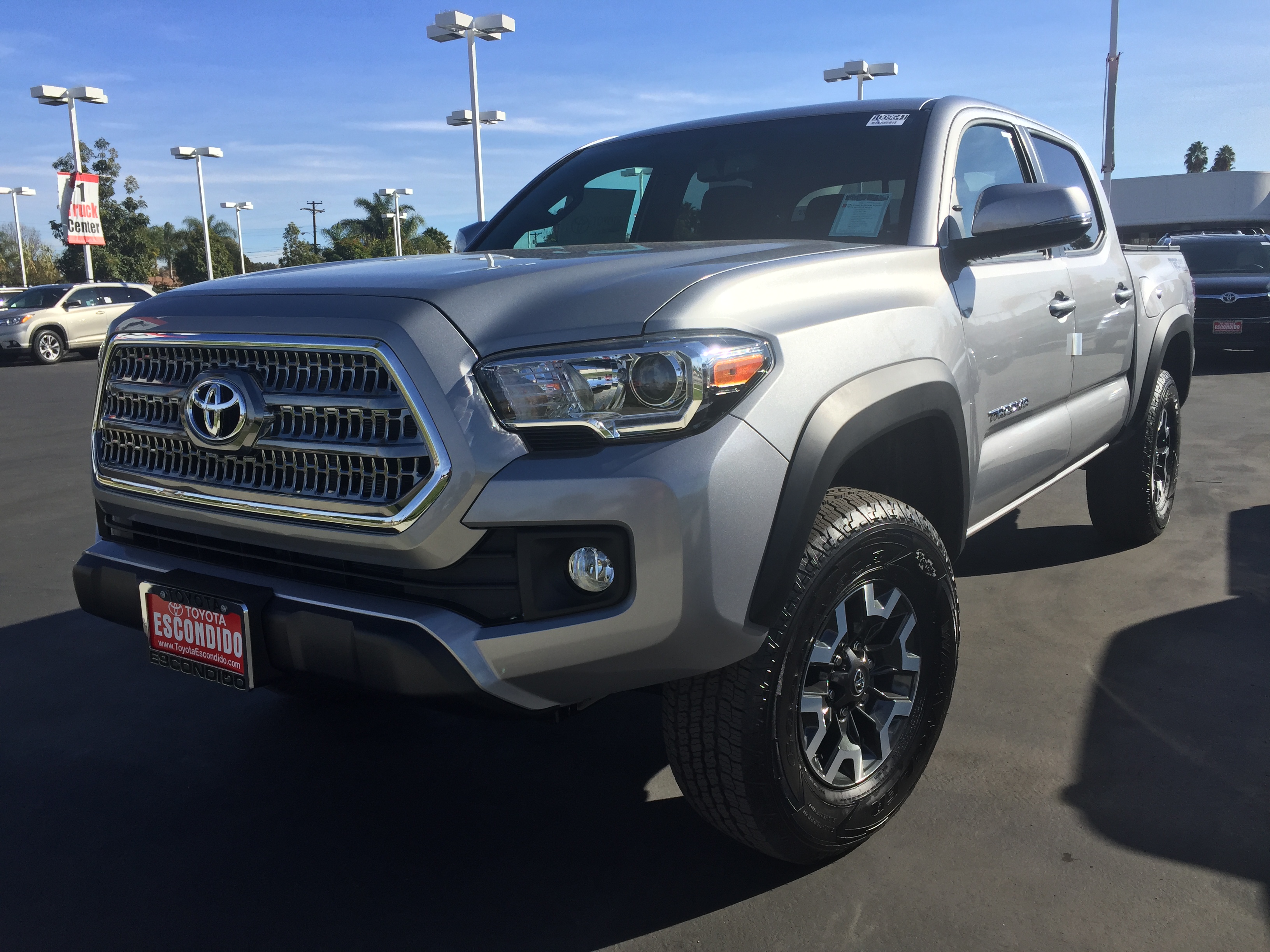
Toyota Tacoma
"automatic in the forerunner to what they have now also ditching drum brakes on the Tacoma to go to disc brakes."
The Toyota Tacoma is a popular Toyota pickup. The host is saying Toyota changed the Tacoma’s brakes from drum brakes to disc brakes.
The Toyota Tacoma is a midsize pickup truck that’s popular for durability and off-road use. The host specifically points out a braking hardware change—moving from drum brakes to disc brakes—on the Tacoma.
drum brakes
"automatic in the forerunner to what they have now also ditching drum brakes on the Tacoma to go to disc brakes."
Drum brakes stop the car using pads inside a drum. They can struggle more than disc brakes when you brake hard repeatedly, like on long descents.
Drum brakes use brake shoes that press outward against a rotating drum to slow the vehicle. They’re generally less effective at repeated hard braking and can be more prone to fade than disc brakes, which is why many modern vehicles moved away from them.
disc brakes
"ditching drum brakes on the Tacoma to go to disc brakes."
Disc brakes stop the car by squeezing pads against a spinning rotor. They usually stay more consistent when you brake a lot because they handle heat better.
Disc brakes use pads that clamp onto a rotating disc (rotor) to slow the vehicle. They typically handle heat better than drum brakes, which helps with consistent braking performance.
platform sharing
"OK, we got to figure out how to make all of this work together across different models, platform sharing."
Platform sharing means different cars are built on the same basic “parts and layout.” That can save money, but if one new system doesn’t work well, it can affect several models at once.
Platform sharing is when multiple vehicle models use the same underlying architecture (chassis, mounting points, and often shared components). It can reduce cost and speed up development, but changes like new engines, new transmissions, and new brake hardware all have to work together across many models.
eight speed transmissions
"one of the class action lawsuits they're facing right now is related to one of their new eight speed transmissions that was supposed to level up and modernize a number of cars"
An eight-speed transmission is an automatic gearbox with eight gears. It can make the car shift more smoothly and efficiently, but if something’s wrong with the design, it can cause problems across many vehicles.
An eight-speed transmission is an automatic gearbox with eight forward gear ratios. More gears can improve drivability and fuel economy, but it also increases software and mechanical complexity—so if there’s a design or calibration issue, failures can be widespread.
class action lawsuits
"And in fact, on that note, one of the class action lawsuits they're facing right now is related to one of their new eight speed transmissions"
A class action lawsuit is when lots of affected owners join together in one legal case. In car stories, it usually means many vehicles may have the same problem.
A class action lawsuit is a legal case where many people with similar claims are grouped together. In automotive contexts, it often indicates a widespread defect or failure pattern affecting multiple vehicles or components.
naturally aspirated
"People were really skeptical because you go from a naturally aspirated V8 that has been in production for a long time."
Naturally aspirated means the engine doesn’t use a turbo or supercharger to force air in. The point here is that people expected a proven V8 to be dependable, but these trucks had unexpected problems.
Naturally aspirated describes an engine that draws air in without a turbocharger or supercharger. In this segment, the hosts contrast a naturally aspirated V8’s long track record with the newer failures that triggered recalls.
left over manufacturing debris
"There was a scramble to find out exactly what was causing these failures and Toyota determined that it was left over manufacturing debris that had made its way into the engine."
This means tiny bits that shouldn’t be inside the engine ended up there during manufacturing. Toyota concluded that those bits caused the engine problems, which is why they recalled so many trucks.
Left over manufacturing debris refers to unwanted particles left from the production process that can end up inside an engine. The hosts say Toyota determined this contamination made its way into the engine, leading to failures severe enough to trigger large recalls.
independent tear down videos
"You've seen that also in independent tear down videos, right? Where mechanics will look inside."
These are videos where mechanics or reviewers take an engine apart to look for the problem. The hosts are saying you can see the contamination inside when the engine is taken apart.
Independent tear down videos are videos made by people outside the automaker that disassemble vehicles or engines to show what’s happening internally. Here, the hosts use them as evidence that mechanics can visually confirm the debris inside the engine.
spun bearing
"There's the spun bearing there for a while before the recall was officially issued."
A spun bearing is an engine part that starts slipping and rotating where it shouldn’t. When that happens, the engine can get badly damaged because the metal surfaces start grinding without proper lubrication.
A “spun bearing” is when an engine bearing loses its grip and rotates inside its housing. That destroys the oil film, causes rapid metal-on-metal damage, and can lead to debris that contaminates other engine parts.
warranty
"There were dealers taking care of these problems under warranty."
Here, “warranty” means the car maker pays for certain repairs for a limited time. The dealers are doing the work because it’s covered.
In this context, “warranty” means the manufacturer’s promise to cover certain repairs for a period of time or mileage. The speaker is saying dealers handled the recall-related work under that coverage.
recall fixes
"So it has been able to complete about 77,000 recall fixes is what they have said."
“Recall fixes” are the corrective repairs performed after a safety or defect recall is issued. The speaker is using the number of completed fixes to show how widespread the issue has been.
body separated from the frame
"pictures floating around of Toyota dealership service areas that are just full of tundras with the body separated from the frame so they can replace the entire engine."
This means the truck’s body is unbolted from its main frame to get enough access for a big repair. It’s a sign the job is more involved than a normal engine service.
“Body separated from the frame” describes a repair procedure where the pickup’s body is detached from its chassis/frame. It’s an extreme disassembly step typically done when access to major components (like the engine) requires it.
debris left in the engine
"Caleb, you were explaining to me before we started recording that this whole debris left in the engine thing, it's actually not uncommon."
“Debris left in the engine” means leftover bits from a failure inside the engine. Those bits can travel through the engine and hurt the new parts too.
“Debris left in the engine” refers to metal particles or other contaminants remaining after an internal failure. Even after replacing parts, leftover debris can circulate through the lubrication system and damage the new components.
swarf
"So the technical term for this manufacturing debris is called swarf. So there is an issue with this swarf being left over inside the engine."
Swarf is tiny bits of metal left inside the engine after manufacturing. If those bits aren’t removed, they can cause damage as the engine runs.
In engine manufacturing, swarf is metal shavings left behind from machining or grinding. If swarf remains inside an engine, it can circulate and damage precision parts under load.
cylinder pressures
"because they don't run such tight tolerances. The cylinder pressures, all those things aren't quite as high."
Cylinder pressure is how hard the gas pushes inside the engine cylinder when it’s burning fuel. Higher pressure means more force on engine parts, so leftover debris can be more dangerous.
Cylinder pressures are the combustion pressures inside each cylinder during the power stroke. Higher cylinder pressures increase the stress on engine bearings and can make debris-related failures more likely.
NHTSA recall document
"Just lay all of this out in an NHTSA recall document. So they went on to explain that they have made several attempts to fix this issue."
NHTSA is a U.S. government agency that handles vehicle safety recalls. Their recall documents explain what the problem is and which cars are involved.
NHTSA is the U.S. National Highway Traffic Safety Administration, which investigates safety issues and publishes recall information. A recall document typically lays out the defect, affected vehicles, and the technical reasoning behind the fix.
sporadically
"And that's why we're seeing it kind of sporadically. It's not every single one failing in the same way."
“Sporadically” means it doesn’t fail in the same way every time. The speaker is saying only some engines get the right kind of debris stuck in the right place, so failures show up irregularly.
“Sporadically” describes failures that don’t happen to every unit in a predictable pattern. In this case, the speaker attributes that randomness to debris only causing failure when it has a particular size/shape and adheres to a specific bearing.
tight tolerances
"That's essentially the issue is that these new engines run at such high pressures with such tight tolerances that this swarf that wouldn't have been"
Tight tolerances mean the engine parts have to be made with very precise spacing. If they’re even a little off, it can cause trouble and shorten engine life.
Tight tolerances are very small allowed gaps or dimensional variation between engine parts. When tolerances are extremely tight, manufacturing variation can cause parts to rub, overheat, or allow debris to end up where it shouldn’t.
high pressures
"That's essentially the issue is that these new engines run at such high pressures with such tight tolerances that this swarf that wouldn't have been"
They mean the engine is working under more extreme pressure than older designs. That can make tiny imperfections matter more and lead to failures sooner.
The speaker is describing engine operation at very high internal pressures. In modern turbocharged engines, higher pressures can increase wear and make small manufacturing issues more likely to cause problems.
design problem
"Again, people say, is it a design problem? Is it a manufacturing problem?"
They’re asking whether the failure is caused by the way the engine was designed, not how it was built. In other words: concept vs. production.
A “design problem” means the issue is rooted in how the engine was engineered—geometry, materials, or operating assumptions. The host contrasts this with manufacturing causes, implying the debate is whether the concept or the build process is at fault.
manufacturing problem
"Is it a manufacturing problem? So it would be very insistent that it's the latter."
They’re asking whether the failure is caused by how the engine is manufactured. That could mean the factory process leaves debris behind or doesn’t hit the required precision.
A “manufacturing problem” points to issues during production—process control, machining quality, assembly steps, or contamination. The speaker suggests the problem is likely tied to how engines are made, especially given the swarf/tolerance discussion.
tolerances and metal debris
"I don't think anyone was thinking about tolerances and metal debris getting trapped in places that it wouldn't have in the past engine."
They’re saying that when engines are built with very precise parts, tiny metal leftovers can become a bigger problem. The engine’s design and operating conditions can make that debris cause damage.
This phrase ties two manufacturing realities together: tight tolerances and the risk of metal debris (like swarf) getting trapped inside the engine. The idea is that modern high-pressure designs can make contamination and precision issues more consequential than in older engines.
100,000 failures
"And here we are with, you know, over was it 100,000 failures at this point? Probably like actually documented or at least 100,000 engines replaced."
They’re talking about a very large number of engine failures or replacements. It’s meant to show the issue is widespread, not just a rare defect.
“100,000 failures” is presented as a scale of the problem—how many engines may have failed or been replaced. In an automotive context, that kind of number usually comes from warranty claims, service records, or documented replacements.
radiators
"At one point, someone told me they had like 10 or nine radiators... I do think it has like three main cooling systems, five heat exchangers slash radiators up front."
A radiator is the part that helps cool the engine by letting heat escape into the air. More than one radiator usually means more than one system needs cooling.
Radiators are cooling components that dump heat into the air using airflow through the front of the car. The host is describing a Toyota V6 setup with multiple radiators/heat exchangers, including a primary engine radiator and additional cooling circuits.
heat exchangers
"The number of heating and cooling systems and heat exchangers and radiators that is throughout that powertrain boggles them on."
A heat exchanger is like a radiator’s “partner” that moves heat from hot fluid to cooler fluid. It helps keep different parts of the car from getting too hot.
A heat exchanger is a component that transfers heat from one fluid to another without mixing them. In a modern Toyota powertrain, heat exchangers help manage temperatures for systems like engine cooling, transmission fluid, and hybrid electronics.
transmission cooler
"There's heat exchangers, a transmission cooler. There's a hybrid inverter radiator."
A transmission cooler helps keep the transmission fluid from getting too hot. Cooler fluid usually means the transmission lasts longer and shifts more consistently.
A transmission cooler is a heat exchanger that keeps transmission fluid at a safe temperature. Cooling matters because overheated transmission fluid can accelerate wear and contribute to drivability issues.
hybrid inverter radiator
"There's heat exchangers, a transmission cooler. There's a hybrid inverter radiator. Like that thing you can even just see through the front end."
In a hybrid, the inverter is an electrical “converter” that helps run the electric parts. It needs its own cooling so it doesn’t overheat.
A hybrid inverter radiator cools the inverter, which converts electricity between battery power and the motor/generator system. Hybrid drivetrains often need dedicated cooling because inverter electronics can be sensitive to heat.
Alabama
"So they implemented these these cleaner manufacturing procedures at the plant in Alabama, where they build this engine."
Alabama is referenced as the location of the plant where Toyota builds the engine discussed in the segment. The point is that the contamination-control process was implemented at that specific manufacturing site.
five point seven liter
"Because whenever you've got a lazy old five point seven liter, it just goes and goes, right?"
“Five point seven liter” is the engine size—how much space the cylinders have. The host is saying a bigger, simpler engine setup used to be less problematic than a more complex turbocharged design.
A “5.7 liter” refers to engine displacement, meaning the total volume of all cylinders combined. The host contrasts a “lazy old” 5.7-liter approach with a twin-turbo setup, arguing that the simpler, lower-stress configuration was “never an issue before.”
two turbos
"Because whenever you have got, you know, two turbos that are feeding air in there, you've got this whole mess of parts, just like you were talking about, right?"
“Two turbos” means the engine has two turbochargers that help push more air into the engine. More turbo hardware usually means more parts that can wear out or fail, so it can be harder to keep trouble-free.
“Two turbos” means the engine uses a twin-turbo setup, typically to increase airflow and power by forcing more air into the cylinders. In this discussion, the host links twin-turbo complexity (“a whole mess of parts”) to higher likelihood of issues compared with simpler naturally aspirated or lower-boost setups.

Toyota Prius
"I wrote a story that was all about how is the Tundra hybrid different than a Prius hybrid?"
The Toyota Prius hybrid is Toyota’s famous hybrid car. The host brings it up to compare how the Prius hybrid approach differs from the Tundra hybrid, especially in terms of complexity and potential problems.
The Toyota Prius hybrid is the best-known mass-market hybrid, using a hybrid powertrain designed around efficiency and durability. Here it’s used as a comparison point for the Toyota Tundra hybrid, implying that the Tundra’s system is different enough that it may introduce more failure modes.
snowball effect
"It's not like people have stopped buying Toyotas because of this, but there is a snowball effect that they really need to pay attention to here."
A “snowball effect” means a small problem can grow bigger over time. Even if people aren’t immediately stopping purchases, the situation can still get worse and spread.
A “snowball effect” describes how one problem can lead to more problems over time—such as growing customer concern, more reported failures, and wider reputational damage. The host’s point is that even if sales haven’t stopped, the issue can still worsen and become harder for Toyota to manage.
cam housing
"So they they made a clearance change on the cam housing to hopefully reduce these pressures... OK, so that is a separate alteration... from that cam housing clearance change."
The cam housing is the part that holds the camshaft in place. If the spacing inside it is changed, the engine can run differently and parts may wear less (or more).
The cam housing is the structural cover and mounting area for the camshaft(s). Changing its internal clearances can alter oil flow and mechanical relationships, which can affect how hard components are loaded and how quickly wear develops.
clearance change
"So they they made a clearance change on the cam housing to hopefully reduce these pressures..."
Clearance is the small gap between parts. Changing that gap can change how smoothly the engine parts move and how much they wear over time.
A clearance change means adjusting the designed gap between moving engine parts (or between a part and its housing). Small clearance differences can significantly change oil film thickness, friction, and loading, which is why they’re often used as targeted fixes in recalls.
pressure stack up
"So they they made a clearance change on the cam housing to hopefully reduce these pressures and in the terminology that you see in the recall documentation is that they say it's a pressure stack up."
It means pressure inside the engine is building up more than it should. When that happens repeatedly, it can cause parts to wear out faster or fail sooner.
“Pressure stack up” is recall-documentation language for a situation where pressures in an engine subsystem build up and compound, rather than staying within expected operating limits. In practice, that kind of pressure accumulation can accelerate wear or damage in specific components.
three point four liter twin turbo V sixes
"So right now, the engines that are being produced, these three point four liter twin turbo V sixes, they have a slightly changed main bearing number one..."
It’s a V6 engine that’s 3.4 liters, and it uses two turbochargers to make more power. Turbos can make the engine run hotter and harder, so the design details matter a lot.
This describes an engine family: a 3.4-liter V6 with two turbochargers (twin-turbo). Twin-turbo setups can increase stress and heat compared with naturally aspirated engines, so recall fixes often target oiling, clearances, and bearing durability.
pinpoint exactly what they should change
"And so while I, you know, I'm no manufacturing expert, I can't pretend to know exactly how I would handle the situation. I definitely don't envy Toyota in trying to pinpoint exactly what they should change."
“Pinpoint exactly what they should change” describes the engineering challenge of identifying the root cause when failures happen in multiple ways and at different times. Automotive recalls and fixes often require separating manufacturing/quality issues from design limitations and then validating the fix across real-world use. The host frames Toyota’s difficulty as finding the single actionable lever.
main bearing number one
"Now, it seems like if they have made these changes to the main bearing number one and the engines that are being manufactured right now, maybe that's all it takes, right?"
This is a specific part inside an engine that helps hold the crankshaft in place. If that bearing wears out or fails, the engine can start running poorly or even get damaged. The host is saying Toyota may have changed this area to solve the problem.
“Main bearing number one” refers to the first main bearing in the engine’s crankshaft support set. Main bearings support the crankshaft and help control oil pressure and crankshaft movement; if they’re failing, it can lead to serious engine damage. In the context of the episode, it’s being discussed as a specific fix point Toyota may have changed.
silver bullet
"Maybe maybe that is the silver bullet all along. They had kind of had their focus misdirected just trying to get those things cleaned up, but in reality, it's even the most minor debris can cause that."
A “silver bullet” is an idea that one simple change will solve a bigger problem. Here, the host is wondering if one specific fix is enough to stop the failures.
“Silver bullet” is a metaphor for a single change that supposedly fixes a complex problem. In automotive discussions, it often means one targeted engineering update that eliminates multiple failure modes. The host is questioning whether Toyota’s changes to current production could be that one fix.
OEM level
"You've got to get in contact with all these other OEM level, you know, tier one suppliers that build parts that, that ship them, you know, across, like national borders."
“OEM level” means the supplier is making parts for the car company itself, not just aftermarket parts. Those parts have to meet the same strict standards the factory requires.
“OEM level” refers to parts and suppliers that operate at the original equipment manufacturer standard—meaning they build components that go into vehicles when they’re assembled. In practice, these suppliers have to meet strict quality, documentation, and change-control requirements, which makes switching parts or fixing issues across borders slow and complicated.
tier one suppliers
"You've got to get in contact with all these other OEM level, you know, tier one suppliers that build parts that, that ship them, you know, across, like national borders."
Tier one suppliers are the companies that directly make big parts or systems for the car maker. If something needs fixing, the car maker usually has to coordinate with them first.
Tier one suppliers are companies that directly provide major systems or modules to an automaker (the OEM). They’re typically responsible for integrating multiple subcomponents and coordinating logistics and compliance—so when a recall or fix is needed, the automaker often has to work through these tier one parties.
recalls
"The Tundra hybrids are not included in these recalls. The Tundra hybrids are not included in the recalls because technically it's not a safety issue for those trucks..."
A recall is when a car company has to fix a problem on certain vehicles. In this episode, they’re talking about why some versions are included and others aren’t.
A recall is a formal action by a manufacturer to address a defect or noncompliance that could affect safety or vehicle operation. This segment contrasts which vehicles are included versus excluded, implying the manufacturer’s decision is tied to whether the issue is considered a safety problem for that specific configuration.
60,000 mile marker
"But what happens once you get past that 60,000 mile marker, that five year"
This is talking about a specific mileage cutoff. The point is that after you pass that number of miles, warranty help may stop.
A “mile marker” is a specific mileage threshold used to determine eligibility for warranty coverage or service actions. Here, the speaker implies that once owners pass 60,000 miles, the situation may change—such as whether the manufacturer will still cover the fix.

Sequoia
"This engine is used in the Tundra. It's used in the Sequoia. Sequoia has not been included in this at all because they're all hybrids."
The Toyota Sequoia is a large SUV. In this episode, they’re saying Sequoias are left out because this group is talking about hybrid versions, which can be different from the non-hybrid cars being discussed.
The Toyota Sequoia is Toyota’s full-size SUV, and the segment notes that it’s excluded from the discussion because “they’re all hybrids.” That distinction matters because hybrid powertrains can have different components and warranty/repair pathways than the non-hybrid setup discussed for the Tundra.
hybrids
"Sequoia has not been included in this at all because they're all hybrids. Guys, there's a lot to this. Again, if our tips inbox is any indication, it's not like saying,"
A hybrid uses two kinds of power: a gas engine and an electric motor. Here, the hosts mention hybrids to explain why some Toyota models are treated differently in the warranty/fix conversation.
“Hybrid” refers to a vehicle that uses both an internal-combustion engine and an electric motor to move the car. In this segment, the hosts use “hybrids” to separate which vehicles are included in the failure/warranty discussion, implying the powertrain architecture (and likely the failure mode and fix) differs.
dealer
"That's no sure thing because the dealer is the intermediary for the warranty work. And we've gotten so many emails from people saying, my Tundra's engine exploded."
A dealer is the local shop that sells and services the car brand. In this story, the dealer is important because it’s the one involved in getting warranty repairs approved.
Here, “dealer” refers to the Toyota dealership that handles warranty claims and repairs on the customer’s behalf. The hosts argue that because the dealer is the intermediary for warranty work, owners may face delays or disputes when trying to get an engine failure fixed.
engine exploded
"And we've gotten so many emails from people saying, my Tundra's engine exploded. I went to the dealer. They said it was my fault."
“Engine exploded” means the engine failed in a very serious way, not just a small problem. The hosts bring it up to show how bad the reported failures are and why people feel the warranty process isn’t working.
“Engine exploded” is a dramatic way to describe a catastrophic engine failure—typically meaning the engine suffered severe internal damage rather than a minor issue. The segment uses it to illustrate the severity of the reported failures and why the warranty/dealer process becomes a major point of contention.
MDS for displacement
"It is because it was in some gen three option and like it has MDS for displacement. It also, it also has the, the e-torque mild hybrid 48 bolt system on it."
MDS is a system that can shut off some cylinders when you don’t need all the power. That way the engine uses less fuel during cruising.
MDS (Multi-Displacement System) is an engine technology that temporarily shuts down some cylinders to reduce fuel use when full power isn’t needed. It helps improve efficiency by running fewer cylinders under light load.
e-torque mild hybrid 48 bolt system
"It also, it also has the, the e-torque mild hybrid 48 bolt system on it. So that is a more modern engine to begin with."
This is a mild-hybrid setup that uses a 48-volt battery and a motor-generator to help the engine. It can also recover energy when you slow down, which helps fuel economy.
A 48-volt mild-hybrid system (like Ram’s eTorque) uses a belt-driven starter-generator to add assist and recapture energy during deceleration. It can improve efficiency and smoothness without being a full plug-in hybrid.
V6 tooling
"The first ones to break the news that they were dropping V8s from the lineup because we had a source inside the plant who told us they were bringing in the V6 tooling and mothballing the V8 ones."
Tooling is the specialized equipment a factory uses to build an engine. If they’re bringing in V6 tooling, it means they’re setting up the plant to make V6 engines instead of V8s.
“Tooling” here means the factory equipment and production setup needed to build a specific engine family. Switching to “V6 tooling” implies the plant was reconfigured to produce V6 engines instead of V8s.
mothballing
"because we had a source inside the plant who told us they were bringing in the V6 tooling and mothballing the V8 ones."
Mothballing means shutting something down and putting it away temporarily. Here it implies the factory stopped using the V8 production setup.
In manufacturing, “mothballing” means putting equipment or production lines into storage or inactive status rather than actively producing. In this context, it suggests the V8 production hardware was paused or shut down.
tundra hybrid
"Man, so I tested a tundra hybrid here and back when there was still snow on the ground. So at the beginning of this year, I had a friend text me..."
A hybrid truck uses a gas engine plus an electric system. In this episode, they’re talking about the Tundra hybrid specifically and whether it’s dependable.
“Hybrid” here means the Tundra uses an electric-assist system alongside its combustion engine to improve efficiency and smooth power delivery. The segment treats the hybrid as the specific setup they tested and the setup tied to the reliability/recall discussion.
bearing upgrade
"Now we don't necessarily have any reason to believe that after this bearing upgrade, that we're going to see more of the same."
A bearing upgrade refers to a change to a component that supports rotating parts inside an engine or drivetrain. In this context, the host implies Toyota made a fix (an updated bearing) to address a known failure mode, and they’re questioning whether the same issues will show up later.
used market
"But, you know, if you're looking on the used market, this latest recall goes all the way to 2024 model year, you know?"
The “used market” is the secondary market where people buy vehicles that are already owned, often years after their original sale. In this segment, it’s important because recalls and fixes can be unevenly applied, so the risk profile of a given model year depends on whether the prior owner had the remedy done.
proven track record
"But I got to tell them to look elsewhere until there is a proven track record that these fixes are working. And right now we just don't have that."
A proven track record means people have owned the cars for long enough to see whether the problem is truly fixed. The host is saying Toyota hasn’t shown that yet, so they don’t feel comfortable recommending it.
A “proven track record” means there’s enough real-world evidence over time that a fix actually works and the problem doesn’t come back. Here, the host argues that Toyota hasn’t yet demonstrated that the corrective actions are reliably solving the underlying issues.
DIY situation
"This isn't a situation where this is something that, you know, if you're handy, if you know how to wrench, like, yeah, go ahead and buy one. Like the only fix is replacing the engine."
DIY means fixing it yourself. The host is saying this isn’t the kind of problem most owners can tackle at home.
A “DIY situation” refers to whether an owner can realistically handle repairs themselves with basic tools and skills. The host says this is not one of those cases, implying the required repair is too involved for typical home wrenching.
replacing the engine
"Like the only fix is replacing the engine. So like if you can source one and you find a deal and I used one, great."
Replacing the engine is a major repair where the whole gas engine gets swapped out. The host is saying the problem is serious enough that it’s not a simple fix.
Replacing the engine means swapping out the entire powerplant rather than repairing a smaller component. The host uses this to emphasize how severe the issue is and why the vehicle may not be a good buy until the fix strategy is validated.
engine dyno
"you can simulate real world use on an engine dyno and have it run at crazy RPM for however long, but none of that is the same as real world use."
An engine dyno is a machine that runs an engine on a test stand while measuring how it performs. It can simulate certain conditions, but it’s not the same as driving because real roads add extra stresses like hills and changing loads.
An engine dyno is a test stand that measures engine output while the engine runs under controlled conditions. It can hold an engine at specific RPM and load points, but it can’t perfectly replicate real-world driving forces like grades, airflow changes, and shifting vehicle loads.
crazy RPM
"you can simulate real world use on an engine dyno and have it run at crazy RPM for however long, but none of that is the same as real world use."
RPM means how fast the engine is spinning. Higher RPM usually means more stress on the engine, so problems can show up sooner under hard use.
RPM (revolutions per minute) is how fast the engine spins. Running at very high RPM increases stress on internal components and can reveal durability issues that might not show up at lower speeds.
operating temperatures
"the repeated cycles, you know, like sometimes you get up to, you know, operating temperatures. Sometimes you don't."
Operating temperatures are how hot the engine and related parts get while driving. If parts repeatedly get very hot (and then cool down), that can cause problems over time.
Operating temperatures are the heat ranges an engine and its systems reach during use. Many failures are temperature-sensitive—repeated heat cycles can accelerate wear and expose cooling or thermal-management weaknesses.
turbo ECO V6
"You could say it for anyone, but Ford did it with their turbo ECO V6."
This is Ford’s turbocharged V6 engine used in some trucks. Turbo engines can make strong power, but they also run hotter and have more moving parts, which can matter for long-term reliability.
“Turbo ECO V6” refers to Ford’s turbocharged V6 engine used in some F-series trucks, where “ECO” indicates an efficiency-focused calibration/strategy. Turbocharging increases airflow and torque potential, but it also adds heat and complexity that can affect durability and recall risk.

Ford F150
"And let's be clear, like Ford's the number one recalled automaker in like for all time now, but, but, but like it's not specific to just F-150 and those engines and they're not having known massive issues with that specific engine."
The Ford F-150 is a large pickup truck that many people buy. The podcast talks about recalls, meaning some trucks may have safety or reliability problems that Ford has to fix. The key is that not every F-150 is affected the same way, so you should check the exact year and your vehicle’s details.
The Ford F-150 is a full-size pickup and one of the most widely sold trucks, which is why it often appears in broad recall and reliability conversations. The podcast highlights that Ford has a large number of recalls overall, but also notes that the issues aren’t limited to just the F-150 or a single engine. That kind of context matters because it points listeners toward checking specific model years and configurations rather than assuming one blanket problem.
Stalantus
"And Stalantus came out with their turbo inline six, not V6, but regardless in a truck and an SUV were approaching the two year, year mark."
“Stalantus” is the podcast mis-saying “Stellantis,” a big car company that makes brands like Ram and Jeep. They’ve put turbo engines into trucks and SUVs, and the host is talking about reliability as those vehicles get older.
“Stalantus” is a mis-transcription of Stellantis, the automaker formed from the merger of Fiat Chrysler Automobiles and PSA Group. Stellantis has used turbocharged inline-six engines in some trucks/SUVs, and the discussion is about how those platforms can develop issues as they age.
turbo inline six
"And Stalantus came out with their turbo inline six, not V6, but regardless in a truck and an SUV were approaching the two year, year mark."
A turbo inline-six is a straight-six engine with a turbocharger. The turbo helps it make more power, but it can also change temperatures and stress levels inside the engine.
A turbo inline-six is an engine with six cylinders arranged in a straight line, boosted by a turbocharger. Compared with naturally aspirated engines, turbocharging changes how the engine makes power and heat, which can influence long-term reliability and recall patterns.
wiring harness
"while I've heard the wiring harness that runs through a wagon or grand wagon here in Ram is a nightmare."
A wiring harness is the car’s main bundle of wires that connects all the electronics. If it’s poorly routed or gets stressed by heat and movement, it can cause electrical problems.
A wiring harness is the bundled set of wires and connectors that distributes power and signals to the vehicle’s electronics. Harness routing and connector design can be failure points—heat, vibration, and flexing can lead to intermittent faults or failures, especially in vehicles with complex packaging.

Dodge Ram
"... that runs through a wagon or grand wagon here in Ram is a nightmare. As far as the wiring harness, the..."
The Dodge Ram is a large pickup truck. The podcast mentions the wiring harness, which is the set of wires that connects different parts of the truck. If there’s a problem with it, the truck can act up in ways that are hard to pinpoint, so it matters for reliability.
The Dodge Ram (often referred to as the Ram pickup line) is a full-size truck line that’s frequently discussed for its electrical and wiring-related reliability topics. In the podcast, the mention of a “wiring harness” points to concerns where wiring faults can cause symptoms that are difficult to diagnose. That kind of issue is important because it can affect multiple systems and may require targeted repairs.
volume battle
"I think that Ford is so caught up in the volume battle against GM, especially as [1872.9s] Sierra and Silverado combined to really nip at the heels of Ford with the F [1877.4s] series and everything else."
It means car companies are trying to sell the most vehicles possible. When that’s the goal, they may change what they build and how they price it to move more units.
A “volume battle” is the automaker competition to sell the most units (cars or trucks) rather than focusing only on profit per vehicle. In practice, it drives decisions about model lineups, incentives, and production planning.
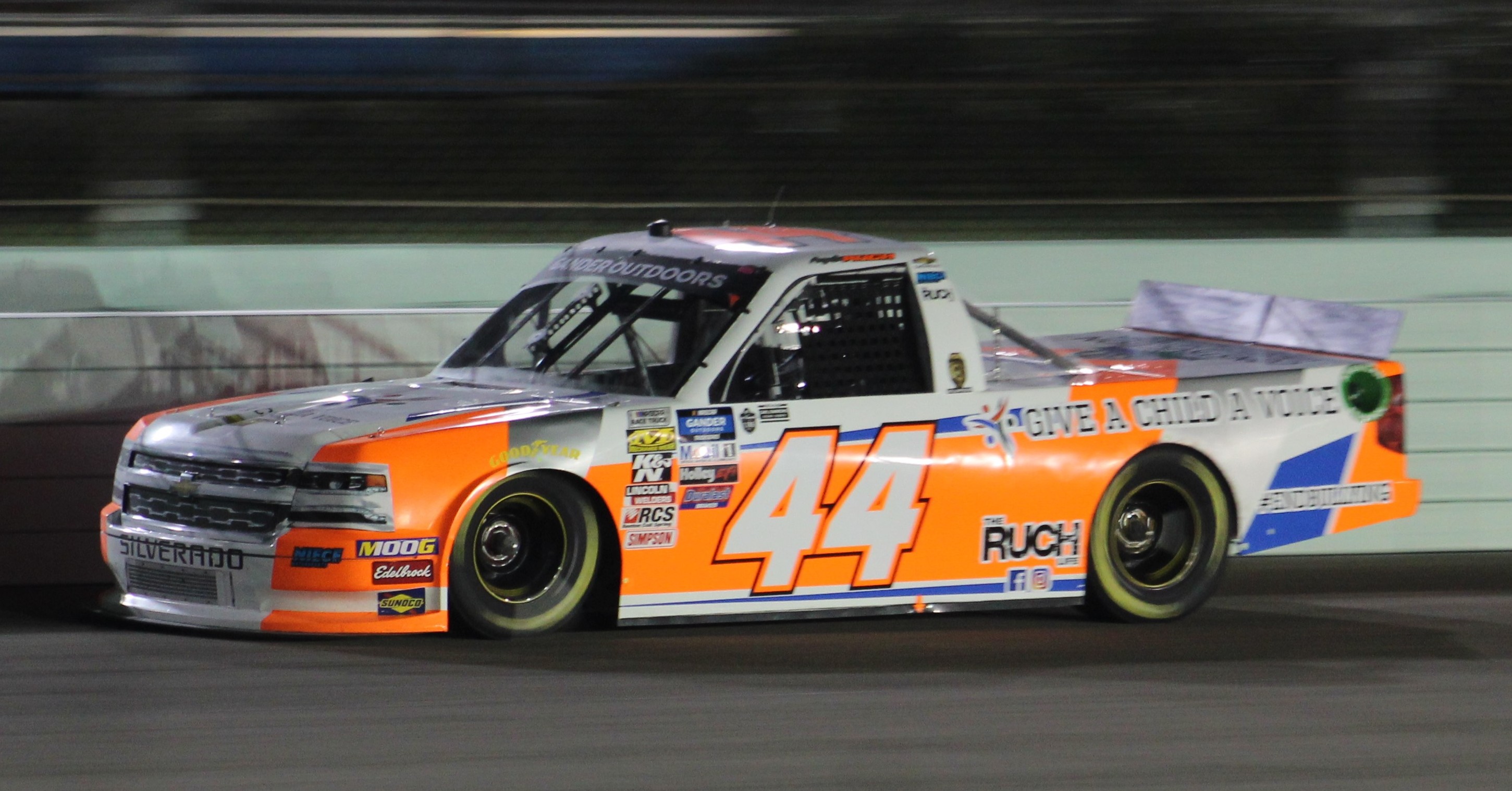
Chevrolet Silverado
"...olume battle against GM, especially as Sierra and Silverado combined to really nip at the heels of Ford with ..."
The Chevrolet Silverado is a large pickup truck. The podcast mentions it in the context of sales competition, meaning it’s one of the main trucks GM sells to challenge other popular pickups. It’s discussed because its lineup helps determine how well GM is doing in that segment.
The Chevrolet Silverado is a full-size pickup truck, and it’s often discussed alongside the Ford F-150 because they compete heavily in the same market. In the podcast, it’s mentioned as part of GM’s push to close the gap, with the Sierra and Silverado together being a major part of that effort. That’s why it shows up in conversations about sales momentum and the truck lineup’s overall competitiveness.

Sierra
"I think that Ford is so caught up in the volume battle against GM, especially as [1872.9s] Sierra and Silverado combined to really nip at the heels of Ford with the F [1877.4s] series and everything else."
GMC Sierra is one of the big full-size pickup trucks sold in the U.S. The hosts mention it because it’s part of GM’s lineup that competes hard with Ford’s trucks.
GMC Sierra is GMC’s full-size pickup truck line, positioned as a direct competitor to other U.S. truck “volume leaders.” The transcript pairs it with Chevrolet Silverado to describe how GM’s truck lineup pressures Ford’s sales.

Ford F series
"I think that Ford is so caught up in the volume battle against GM, especially as [1872.9s] Sierra and Silverado combined to really nip at the heels of Ford with the F [1877.4s] series and everything else."
The Ford F-Series is Ford’s main line of pickup trucks. It’s a big deal in the U.S. because it sells in huge numbers and often competes directly with other popular trucks.
The Ford F-Series is Ford’s flagship pickup truck lineup, and it’s historically one of the best-selling vehicle families in the U.S. The episode mentions it in the context of truck sales competition, where F-Series volume matters a lot to automakers’ reputations and market share.
Hemi
"with Ram having to kind of pivot and bring back [1887.8s] the Hemi, but, you know, the five liter never went anywhere for Ford."
“Hemi” is a nickname for an engine design where the inside of the combustion chamber is shaped like a half-sphere. It’s often used to signal a more powerful, performance-oriented V8.
“Hemi” refers to a hemispherical combustion-chamber engine design, most famously associated with Chrysler/Dodge performance V8s. The term is used here to mean Ram reintroducing that style of engine to regain appeal and competitiveness.
five liter
"the Hemi, but, you know, the five liter never went anywhere for Ford. [1892.0s] The 5.3 liter, the 6.2 liter, they didn't go anywhere for GM."
“Five liter” means the engine is about 5.0 liters in size. Bigger displacement often helps an engine make strong pulling power, and it’s a common way people talk about engine options.
“Five liter” is shorthand for engine displacement of about 5.0 liters, which is a key spec that influences torque potential and how an engine fits into a brand’s lineup. The host contrasts it with other engine sizes that “didn’t go anywhere,” implying continuity in certain displacement choices.
5.3 liter
"The 5.3 liter, the 6.2 liter, they didn't go anywhere for GM. [1895.7s] And they're working on that next generation small block."
“5.3 liter” is the engine’s size, about 5.3 liters. It’s part of how people compare truck engines—some sizes are known for strong everyday pulling power.
“5.3 liter” refers to engine displacement around 5.3 liters, a common V8 size in GM’s truck lineup. The segment uses these displacement figures to argue that certain engine families stayed in place even as the industry debated what direction to take.
6.2 liter
"The 5.3 liter, the 6.2 liter, they didn't go anywhere for GM. [1895.7s] And they're working on that next generation small block."
“6.2 liter” means the engine is about 6.2 liters. In trucks, that usually points to a bigger engine that can make more torque for towing and hauling.
“6.2 liter” is shorthand for roughly 6.2 liters of engine displacement, typically associated with higher-output V8 configurations in full-size trucks. The host groups it with the 5.3 liter to emphasize that GM kept key displacement options rather than abandoning them.
next generation small block
"The 5.3 liter, the 6.2 liter, they didn't go anywhere for GM. [1895.7s] And they're working on that next generation small block."
“Small block” is a GM nickname for a particular type of V8 engine design. Saying “next generation” means GM plans to update that engine family with newer tech.
“Small block” is an engine family nickname used by GM for its compact V8 architecture (as opposed to larger “big block” designs). Calling it “next generation” implies GM is evolving that core V8 platform—likely with updated internal design and emissions/efficiency changes.
regulation perspective
"there for a while it looked like from a regulation perspective that Toyota had [1909.3s] the right idea that we would see other manufacturers follow suit. [1913.3s] And then we did see it with Ram."
This is about how government rules on emissions and fuel economy can push car companies to change what they build. The host is saying Toyota looked like it was doing the right thing for those rules, and others were expected to copy it.
“Regulation perspective” refers to how emissions and fuel-economy rules can shape automakers’ product plans. The host suggests Toyota appeared to be taking the “right idea” under those rules, and that other manufacturers might follow—until Ram did, and then the urgency changed.
torque converter lockup
"There's six twos that are blowing up and then they've got the whole torque converter lockup issue in their HD trucks."
In an automatic transmission, the torque converter uses fluid to transfer power. “Lockup” is when it switches to a more direct connection, and if that doesn’t work right, the truck can feel rough or behave oddly.
A torque converter lockup is when an automatic transmission’s torque converter engages a more direct mechanical connection to reduce slippage. When lockup malfunctions, it can cause drivability issues like shuddering, overheating, or poor efficiency—especially noticeable in heavy-duty trucks under load.
HD trucks
"they've got the whole torque converter lockup issue in their HD trucks. So like, you know, these are very complicated powertrains even in V8 land these days..."
“HD trucks” means heavy-duty trucks—bigger, stronger pickups meant for towing and hauling. Since they’re used for tougher work, drivetrain problems can show up more clearly.
“HD trucks” means heavy-duty trucks, which are built for higher towing and payload demands than typical pickups. Because they work harder, their engines and transmissions are more complex and can expose drivetrain problems more quickly.
Request an Explanation
Heard something you'd like explained? We'll add it to this episode.
Sign in to request explanations for terms you heard.
Want to learn more?
Browse our glossary for plain-English explanations of automotive terms, jargon, and concepts.
Help improve this episode
See something that's not quite right? Our annotations are AI-generated and can sometimes miss the mark. Click the flag icon on any annotation to suggest a correction.