Norman Krauss, known as Mr. Norm, transformed the Mopar landscape from his humble beginnings at a gas station in Chicago. He pioneered high-performance sales at a time when few dared to focus on speed and muscle. The episode dives into his journey from flipping cars to becoming a Dodge dealer, where he created a performance culture that resonated with enthusiasts. Notable for his innovative marketing strategies and racing sponsorships, Mr. Norm's legacy includes the creation of iconic models like the GSS Dart and a lasting impact on the Mopar community.
Thanks to Allstate for sponsoring today’s episode! Click here [https://bit.ly/47IpOdG] to check Allstate first and see how much you could save on car insurance.
This week, when Dodge said a 383 big-block wouldn’t fit in a Dart, a Chicago car guy proved them wrong — and forced Detroit to copy him. From selling 50 Dodges in a snowstorm to building the first dealer-tuned muscle cars, Mr. Norm turned a local dealership into the birthplace of Mopar performance culture — and changed how Americans bought speed.
Learn more about your ad choices. Visit podcastchoices.com/adchoices
"We're talking about one of the most influential figures in Mopar history. And he didn't even work for Chrysler."
Mopar is a brand name that stands for Chrysler's parts and services. It's often used by car enthusiasts to talk about performance cars made by Chrysler and its related brands.
Mopar is a term that refers to the parts, service, and customer care division of Chrysler, now part of Stellantis. It is also commonly used to describe high-performance vehicles and aftermarket parts associated with Chrysler, Dodge, and Jeep brands.
"...the muscle car era. This is a really fun one. Let's get into it."
The muscle car era was a time in the 1960s and early 1970s when cars with big engines and lots of power became very popular in America. They were often fast and had a sporty look, attracting many young drivers.
The muscle car era refers to a period in American automotive history, primarily during the 1960s and early 1970s, when high-performance cars with powerful engines became popular. These cars were often characterized by their aggressive styling and affordability, appealing to a younger demographic.
"When the Krauss brothers ordered 15 426 Ram Chargers and 50 of them showed up..."
The 426 Hemi is a powerful engine made by Chrysler that was famous in the muscle car era. It has a unique shape that helps it produce a lot of power, making it popular for racing.
The 426 Hemi is a legendary V8 engine produced by Chrysler, known for its hemispherical combustion chambers and high performance. It was a key player in the muscle car era, particularly in drag racing and performance applications.
"When the Krauss brothers ordered 15 426 Ram Chargers and 50 of them showed up during a bad sn..."
The Dodge Ram is a big truck that's great for carrying heavy loads and doing tough jobs. People like it for its strength and ability to handle rough conditions, making it a popular choice for work and play.
The Dodge Ram is a full-size pickup truck known for its rugged design and strong performance capabilities. Since its introduction in the late 1980s, it has become a popular choice for both work and recreational use, often praised for its towing capacity and durability.
"...history which will forever be associated with Mopar and funny cars. From sponsoring drag racers to cooking up..."
Funny cars are special race cars that are built to go really fast in drag races. They have unique shapes and powerful engines to help them win races.
Funny cars are a type of drag racing vehicle that features a modified chassis and body, designed to be lightweight and aerodynamic. They are known for their powerful engines and are a popular category in professional drag racing events.
"everybody loves it. Chevy [clears throat] Vega. A few years into their sales hustle, the brother..."
The Chevrolet Vega is a small car that came out in the 1970s and was known for being light and easy to drive. It had some problems with reliability, but many people still remember it fondly.
The Chevrolet Vega was a compact car introduced in the early 1970s, known for its innovative design and lightweight construction. While it had a mixed reputation due to some reliability issues, it remains a notable part of Chevrolet's history and the American automotive landscape.
"...the brothers found a 1956 V8 four-speed Chevy convertible that really opened their eyes to a new market..."
A four-speed transmission is a system in a car that lets you choose from four different speeds while driving. It helps the car go faster or save fuel depending on how you drive.
A four-speed transmission is a type of gearbox that allows the driver to select from four different gear ratios. This setup can provide better acceleration and fuel efficiency compared to three-speed transmissions.
"...the brothers found a 1956 V8 four-speed Chevy convertible that really opened their eyes to a new market..."
A V8 engine is a type of car engine that has eight cylinders arranged in a V shape. It's known for being powerful and is often used in sports cars and trucks.
A V8 engine is an eight-cylinder engine configuration where the cylinders are arranged in a V shape. This design is known for providing high power and performance, commonly found in muscle cars and trucks.
"...the place to find used performance cars. In 1961, there was a phone call..."
Performance cars are special cars made to go really fast and handle well. They often have powerful engines and sporty designs that make them fun to drive.
Performance cars are vehicles designed for high speed and agility, often featuring enhanced engines, suspension systems, and aerodynamics. They are built to provide a thrilling driving experience.
"...the 62 Dart is just around the corner. I have one. Very It's ugly. Yes,"
The Dodge Dart is a small car that was made by the Dodge company. The 1962 version is one of the early models and is often remembered for its unique design, which some people found unattractive.
The Dodge Dart was a compact car produced by Dodge, known for its affordability and practicality. The 1962 model year was part of the Dart's first generation, which was introduced in 1960 and aimed at the growing compact car market.
"Uh, until the development of the Max Wedge. In the early 60s, Chrysler had been quietly cooking up something that would eventually help them make the shift into more powerful cars. Their"
The Max Wedge was a powerful engine made by Chrysler in the 1960s. It helped make their cars faster and more exciting to drive.
The Max Wedge was a high-performance engine developed by Chrysler in the early 1960s, designed to enhance the power and performance of their vehicles. It was part of a broader strategy to shift towards more powerful cars, appealing to performance enthusiasts.
"This was the 413 and the 426 Max wedges were Chrysler's performance engines in the early 60s until the late 60s... when the 426 Hemi came in with hemispherical heads."
The Chrysler 426 Hemi is a famous engine that was known for being very powerful. It had a special shape that helped it run better and faster, making it popular in muscle cars.
The Chrysler 426 Hemi is a legendary V8 engine known for its hemispherical combustion chambers, which allow for better airflow and higher performance. It became iconic in the muscle car era and was used in various Chrysler vehicles.
"Producing up to 425 horsepower. This stage 2 Max wedge wasn't just a powertrain."
Horsepower tells you how powerful an engine is. The higher the horsepower, the faster and more powerful the car can be.
Horsepower is a unit of measurement for power, commonly used to describe the output of engines. It indicates how much work an engine can perform over time, influencing a vehicle's acceleration and overall performance.
"When Norm Krauss laid eyes on the Max Wedge, that was it. The door to Dodge that had previously been closed was now wide open. The performance was undeniable."
The Dodge Max Wedge was a powerful engine used in some Dodge cars during the 1960s. It helped make those cars very fast and popular among racing fans.
The Dodge Max Wedge was a high-performance engine option offered by Dodge in the 1960s, known for its power and racing capabilities. It was part of the muscle car era, contributing to the brand's reputation for performance.
"That includes Dodge, Plymouth, Chrysler, Imperial, Dodto, and Ram trucks."
Chrysler is a car company that makes different types of vehicles like cars and SUVs. It's one of the big names in the American auto industry.
Chrysler is an American automobile manufacturer known for producing a variety of vehicles, including sedans, SUVs, and minivans. It is part of the larger Stellantis group, which includes several other brands.
"...Mopar has deep roots in racing as well. They've backed drag racers, NASCAR drivers, and Formula Drift teams."
NASCAR is a type of car racing that happens mostly on oval tracks. It's very popular in the U.S. and features cars that look like regular cars but are specially built for racing.
NASCAR stands for the National Association for Stock Car Auto Racing, and it is one of the most popular motorsport series in the United States, featuring stock car racing on oval tracks.
Formula Drift is a type of car racing where drivers try to slide their cars around corners in a controlled way. It's all about style and skill in drifting.
Formula Drift is a professional drifting series in the United States where drivers compete in drift racing, showcasing their car control and style while navigating through a course.
"...I think it was Sam Hubinette that drove uh there's the Mopar sponsored Viper in Formula Drift back in the early 2000s."
The Dodge Viper is a fast sports car with a big engine. It's famous for its racing and unique look.
The Dodge Viper is a high-performance sports car known for its powerful V10 engine and distinctive styling. It has a strong motorsport heritage, particularly in racing series like Formula Drift.
"...I think he also drove a Charger in competition, too."
The Dodge Charger is a big car that looks tough and is known for being fast. It's used in racing and is popular among car enthusiasts.
The Dodge Charger is a full-size sedan known for its muscular performance and aggressive styling. It has been a popular choice in both street and racing applications.
"...the longest running sponsorship in Drag Race history, the Mopar Mile High Nationals..."
Drag racing is a fast-paced car race where two cars go straight down a track to see who can reach the finish line first. It's usually a short distance, like a quarter mile.
Drag racing is a type of motor racing where two vehicles compete to see which can cover a straight distance in the shortest time, typically a quarter mile. It is known for its high-speed, short-distance format.
"...was the spark that Grand Spalding Auto Sales needed to make the switch to Grand Spalding Dodge."
Grand Spalding Auto Sales is a car dealership that started selling Dodge cars. They were important in the local car market.
Grand Spalding Auto Sales was a car dealership that transitioned to selling Dodge vehicles. It played a significant role in the history of Dodge dealerships in the area.
Car
Dodge 426 Ram Charger
"...at least 15 would be the new 426 Ram Chargers. They ordered from the Dodge rep who suggested they order 50 now..."
The Dodge 426 Ram Charger is a type of SUV that was popular for its strong engine and ability to go off-road. It is part of the Dodge brand and is known for its performance.
The Dodge 426 Ram Charger is a performance-oriented version of the Dodge Ram Charger, which was known for its powerful engine options and off-road capabilities. It became iconic in the muscle car era, particularly for its 426 cubic inch Hemi engine.
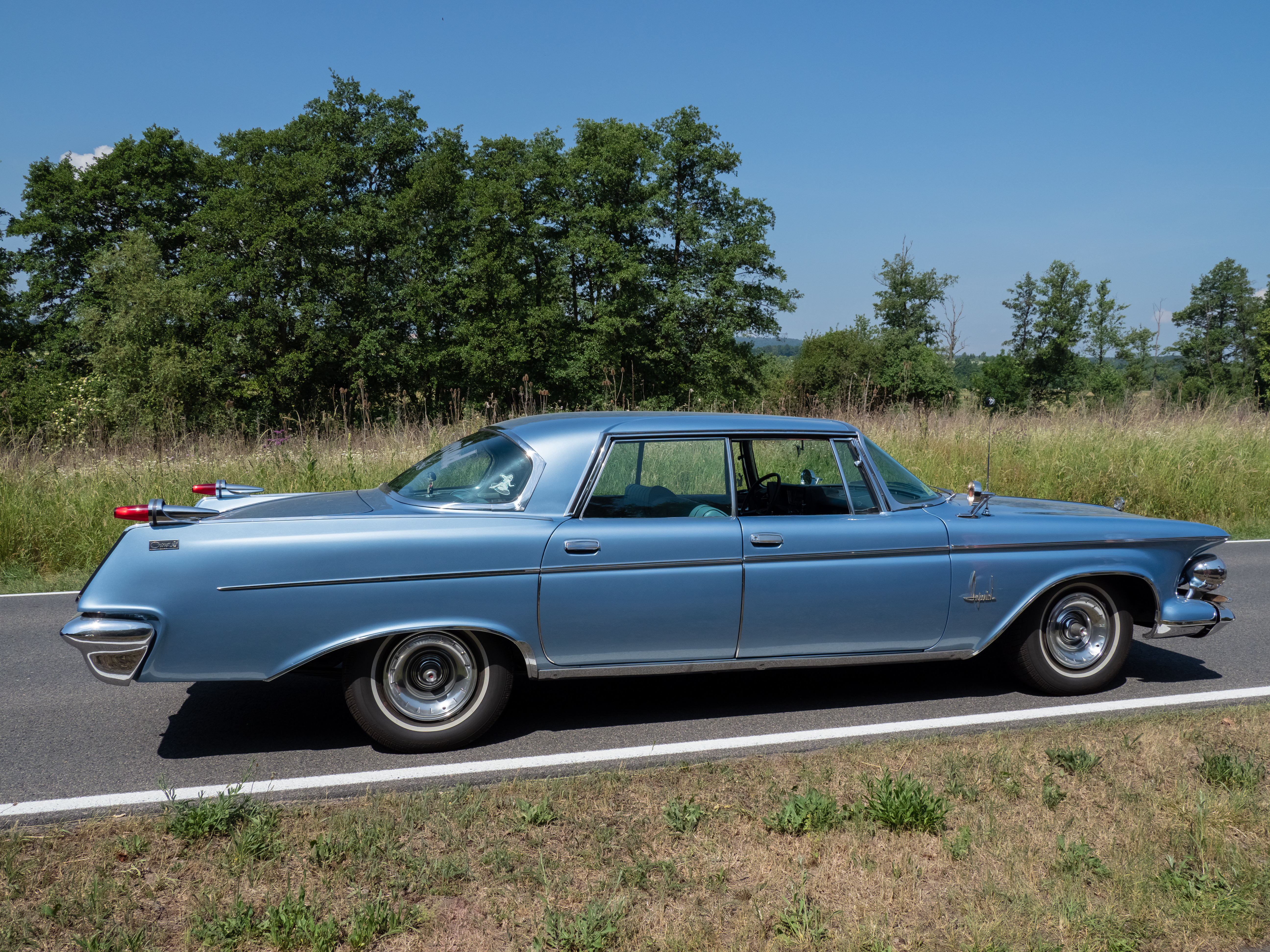
"there's like a rusting broken 52 Imperial in the background and I was like there it is."
The Chrysler Imperial is a fancy car that was made a long time ago. It was known for being luxurious and stylish.
The Chrysler Imperial was a luxury vehicle produced by Chrysler from 1926 to 1983. It was known for its elegant design and high-end features, often representing the pinnacle of Chrysler's offerings.
"...the place where performance lived, Grand Spalding Dodge. But it didn't stop there..."
Grand Spalding Dodge is a car dealership that became famous for selling high-performance Dodge cars and making them even faster with special modifications.
Grand Spalding Dodge was a well-known dealership in the Chicago area, famous for its performance vehicles and modifications. It played a significant role in the muscle car culture during the 1960s and 1970s.
"...building a finely tuned performance powerhouse. He had installed one of the industry's first dynamometers. I was going to say, what is he going to get? A dyno."
A dynamometer is a tool that measures how much power an engine produces. It helps car builders see how well their modifications are working.
A dynamometer, often referred to as a 'dyno', is a device used to measure force, torque, and power output of an engine or vehicle. It helps in tuning performance by providing accurate data on how modifications affect the car's capabilities.
"So there was they had a dyno right in the shop. They would offer free live dyno tuning right in front right in front of the customer for anyone who bought a performance vehicle."
Dyno tuning is when mechanics use special equipment to measure how much power a car's engine is producing. They can then make changes to improve the car's performance based on those measurements.
Dyno tuning refers to the process of using a dynamometer (dyno) to measure a vehicle's power output and make adjustments to optimize performance. This allows for precise tuning of the engine and other performance components based on real-time data.
"powered by a supercharged Hemi fueled with nitromemethane."
Nitromethane is a special kind of fuel that helps racing cars go faster because it has more energy than regular gas.
Nitromethane is a type of fuel commonly used in drag racing and other motorsports. It has a higher energy content than regular gasoline, allowing for greater power output in racing engines.
"By 1965, the team's uh lightweight factorybodied coronet tuned by Krauss and driven by Dyer was ripping in..."
The Pontiac Coronet is a big car from the 1960s that people liked for its speed and good looks. It was often used in races, making it a part of the exciting muscle car scene back then.
The Pontiac Coronet was a full-size car produced in the 1960s, known for its performance and stylish design. It was often used in racing and is remembered for its contributions to the muscle car culture of that era.
"Not bad, but it wasn't nearly enough to take on the Chevel and GTO's rolling off the competition's lots. And considering"
The Pontiac GTO is a powerful car that many people consider the original muscle car. It became famous for its speed and strength when it was released in the 1960s, making it a favorite among car lovers.
The Pontiac GTO, often referred to as the first true muscle car, was introduced in 1964 and is celebrated for its powerful V8 engine and performance capabilities. It played a significant role in the muscle car era, influencing many vehicles that followed and establishing Pontiac as a key player in the automotive market.
"tightening, and Dodge was forced to drop the Demon 340's compression ratio from 10 1/2:1 to 8 1/2:1. Horsepower fell to"
The BMW 3 Series is a small luxury car that people love for its fun driving experience and comfortable interior. It's known for being stylish and high-quality, making it a popular choice for those who want a nice car.
The BMW 3 Series is a compact executive car that has been in production since 1975, known for its sporty handling and luxury features. It has consistently been a benchmark in its class, appealing to those who seek a combination of performance, comfort, and prestige.
">> Yeah. >> What' you put on the uh Camaro? >> Uh that was also central vehicle. Yeah."
The Chevrolet Camaro is a sporty car that people love for its powerful engine and cool design. It was created to compete with other popular cars like the Ford Mustang and has been a favorite among car enthusiasts for many years.
The Chevrolet Camaro is a classic American muscle car introduced in 1966 as a response to the Ford Mustang. It quickly gained popularity for its performance, style, and affordability, becoming a staple in the muscle car segment and a symbol of American automotive culture.
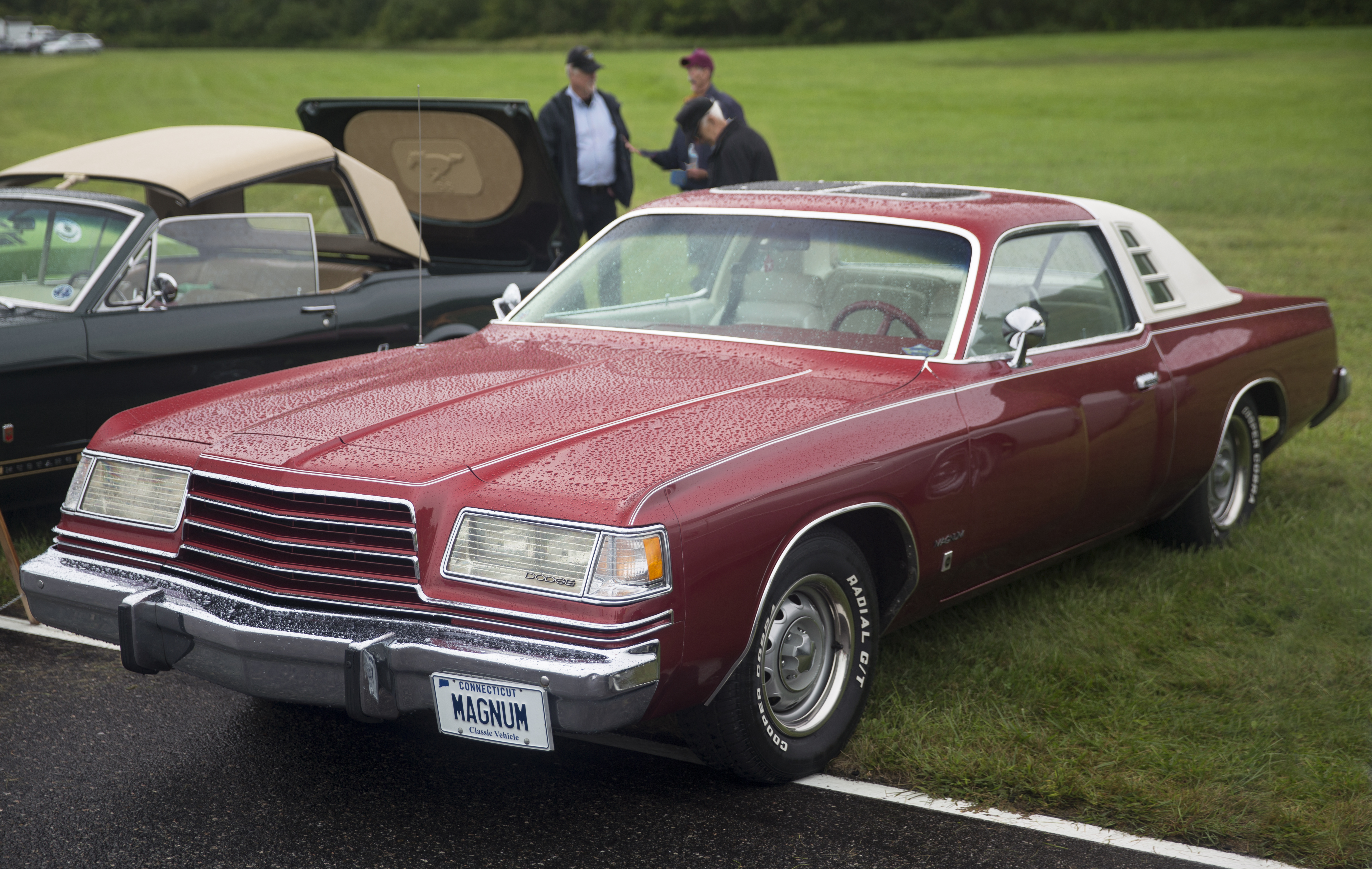
"even dynotuned police pursuit trucks with 440 Magnum engines, some of them seen in the Blues Brothers ..."
The Dodge Magnum is a car that looks like a big station wagon but has a powerful engine, making it fun to drive. It offers a lot of space for passengers and cargo, so it's good for families or anyone needing extra room.
The Dodge Magnum is a unique vehicle that combines the features of a station wagon with the performance of a muscle car, introduced in the early 2000s. Known for its powerful engine options and spacious interior, it appeals to those looking for practicality without sacrificing performance.
Select text to request an explanation
Hey, how you doing? Welcome back to Pas.
This week we're talking about one of the
most [music]
influential figures in Mopar history.
And he didn't even work for Chrysler.
We're talking about Norman Krauss, the
man who brought high-performance Mopars
to the Chicagoland area and eventually
the rest of America. It's Mr. Norm.
Norman Krauss went from pumping gas at
his dad's [music] gas station to
building some of the baddest Mopars of
the muscle car era. This is a really fun
one. Let's get into it.
When the Krauss brothers ordered 15 426
Ram Chargers and 50 of them showed up
during a bad snowstorm in Chicago, they
didn't panic and send them back. They
just rolled with it and got to selling.
Norman Krauss didn't just sell cars. He
sold speed, performance, and muscle car
culture at a time when not many other
dealers were doing it. Mr. Norm was
allin on performance [music] before it
was cool. and his bold choice to start
instead of following trends led him to
incredible success as well as a place in
history which will forever be associated
with Mopar and funny cars. From
sponsoring drag racers to cooking up
factory supercharged monsters, Norm
helped turn public opinion on
performance cars from being perceived as
a fad into a movement that's still
evolving today. So, how did a gas
station attendant become [music] the
godfather of go fast culture? What Mopar
cars was he famous for selling? and what
was his lasting legacy? Today on Pas,
we're talking about Norman Krauss, the
man, the myth, the Mopar King.
[music]
[music]
>> Hello, welcome back to the show,
everybody. My name is Nolan Sykes. I'm
joined this week by just Bart
Biddlinger.
>> Just me today.
>> Just Bart today. No, Joe. Joe is out
sick. Uh, so get well soon, Joe. Have we
ever done a a two a deuce? Dropped a
deuce on this pod.
>> I don't know.
>> Uh, yeah, we've done this. Maybe not you
and I, but I know I've done it with Joe.
>> Okay,
>> that makes sense.
>> It was horrible. So, buckle [laughter]
up. It's going to be an arduous No, it
was fun. It'll be great. You know,
>> we'll be right back after these
messages.
>> Big thanks to Shopify, guys. If you've
got a business, Shopify can help you
make money with it. [music] That's
right. With hundreds of readytouse
templates, Shopify helps you build a
beautiful online store to match your
brand style. Turn your big business idea
into
with Shopify on your side. Sign up with
your $1 per month trial and start
selling today at shopify.com/g.
Go to shopify.com/g.
That's shopify.com/g.
Start your business, baby.
Big thank you to Underdog Fantasy for
[music] sponsoring this episode. Do you
love fantasy sports? Well, you're going
to want to get Underdog. Download the
app today. Sign up with promo code GAS
to score $100 in bonus funds or entries
[music] when you play your first $5.
That's promo code GAS. G- A. Underdog.
Make Picks, win money. Must be 18 or
older, 19 or older in Alabama and
Nebraska, 19 plus in Colorado for some
games. 21 in Arizona, Massachusetts, and
Virginia. and present in a state where
Underdog Fantasy operates. Terms apply.
See assets.underdogfant
fantasy.com/web/playandgetterms_dfs_html
for details. Offer not valid in
Maryland, Michigan, New Jersey, New
York, Ohio, and Pennsylvania. Concerned
with your play, call 1800 gambler or
visit www.ncpgambling.org.
In New York, call the 247 hope line at
[music] 1878 or text467369.
Now, back to the show.
I'm pretty stoked. Uh talking Mopars
today. Uh big fan of Mopar. Yeah. As you
probably know if you listen to the show.
Uh Chicago, too.
>> Yeah.
>> That's going to be fun, huh?
>> Yeah.
>> Bart, you live in Chicago for a short
while.
>> I think this is, you know, how you get
the little badge of where you got your
car on your car or the license plate.
>> Yeah.
>> I think this would be a cool one to to
retroactively make.
>> Bring back a Krauss special. Wait.
Sorry. Abroad car sales.
>> You're from Chicago. [clears throat]
>> I lived in Chicago for about eight
years.
>> Eight years. Okay. So, not from Chicago
then. Yeah.
>> [Â __Â ]
>> It's all right.
>> Bart.
>> It's a one hell of a town.
>> I love it. I love Chicago.
>> Speak. Nice. You normally comment on my
shirts. I noticed you're wearing a one
hell of a town Oh shirt.
>> Oh shirt right now. Yes.
>> Shout out Sid. What did you do in
Chicago? I've talked about this before.
I know this. I want the audience to
hear.
>> I went up there to to do improv. and
comedy. Uh, I did some classes at Second
City. I did
>> stage stuff at uh, Improv Olympic, as it
was then called. Now it's called the IO
Theater because the Olympics sued them.
>> Oh, [laughter]
>> which which is weird. It was a copyright
issue, but it's like you care about some
>> I've heard little little
theater, you know, the Olympics.
>> I didn't know this about Second City.
the term second city.
>> Mhm.
>> I mean, they lit the
>> Chicago is called the second city
because it burnt down and what you're
living now in is the second city.
>> The second city. Yeah.
>> Cool.
>> And it was one of the first uh I
navigating that city is so easy. I think
it's I think it's helped by the fact
that the downtown is on the lake like so
you're only going west
>> whereas in LA LA's inland and it
radiates out all over the place.
>> Yeah.
>> But because of the fire they got they
were like we got to redo this so there's
not a bunch of [Â __Â ] and blood in the
streets [laughter]
>> and then uh so they made every street
has an alley. Like if you've ever want
like moving in Chicago,
>> it's a city. You're in the city, but
it's easy to like pull in the alley,
load up the truck, get out, you know,
loading, unloading. There's no one
double parking, triple parking
throughout the streets. So
>> great city. Love Chicago.
>> Great town. Great public transport.
>> Let's talk Let's talk more about the
windy city and some Mopars. Here we are.
It's Norman Krauss, the king of Mopar.
Oh, let's go. Born in 1934, Norman
Krauss grew up alongside his brother
Leonard or Len pumping gas and cleaning
windshields at their father's gas
station in Chicago.
>> You know how uh they you used to be able
to tell if the there was no automatic
shut off.
>> Oh yeah.
>> And so you'd have to listen as the gas
tank filled up and it would go
>> and then that's
>> and like you be you got to cut it off
right before as that gets that high
pitch. But you had to listen. That's why
you had people who did it as opposed to
Yeah.
>> So, the automatic ones that now shut off
every five seconds. It takes two hours
to fill my tank. Now, for some reason,
>> this is a silly thing I do, but it's
something that my dad used to do because
I guess the gas crisis programmed it.
But he'd fill, click off, click off, and
then he'd like tap to shut off so you'd
be done filling
>> and then squeeze the trigger and just
get the last little bit of gas out of
it.
>> It was those few drops.
It was hard work to earn about 3 cents
per gallon, but uh Norman and his
brother got to watch all kinds of cars
roll through the gas station. Norman and
Len were teenagers when they pulled
their earnings together to buy their
first car. This would be the first of
many more that they would service and
sell for a profit. As Norman recounted
in an interview, "We bought a bagel, a
cheap old car, cleaned it up that night
and parked it on the corner the
following morning. Someone came in and
bought it for 60 bucks. That's how it
started. What they had started at that
gas station on the corner in Chicago was
just the beginning of what would become
a car sales empire. That first bagel had
earned them $60, which in 1949 was the
equivalent to about one week's median US
family pay. That $60 was a lot of dough
from a single car sold in less than a
day with not that much work. And Norman
knew there was more they could do. While
they continued to sell gas, it quickly
became clear that what would really fuel
profit margins was flipping used cars.
Norman Len continued to buy, repair, and
flip used cars, building up enough cash
by 1951 to purchase the service station
adjacent to their gas station lot. The
two brothers worked to convert that
service station into a combined used car
lot and repair shop. This expanded their
footprint in Chicago during a time of
change in the city. The 1940s and 50s
were shaped by a generation which had
felt the effects of the Great Depression
closely followed by World War II. The
economic downturn of the Great
Depression hit Chicago hard. But the
recovery brought on by World War II
meant a population shift towards areas
where work was available. Chicago's
population reached almost 3 and a half
million people in the 1940s and grew
another 300,000 or so by the following
decade. That meant that the Windy City
was a great place to be if you were an
entrepreneur. Norman began taking full
advantage of the new prevalence of jobs
and therefore cash flow in the city. The
brothers continued to resell used cars
and business was humming along, but they
were looking for a rumble. Enter the
convertible that ushered in a
high-performance movement. Any guesses
as to what that would be, Bart?
>> The Chevy Vega. [laughter]
>> We all know what it is. You guys know
everybody loves it. Chevy
[clears throat] Vega. A few years into
their sales hustle, the brothers found a
1956 V8 four-speed Chevy convertible
that really opened their eyes to a new
market. Ever the entrepreneur, Norman
had an idea. Knowing it was more of a
high performance vehicle than their
typical sale. He advertised the Chevy in
a newspaper ad. In an era where
newspaper ads were charged by the word,
the simple phrase, "Call Mr. Norm,"
stood out. And it worked. After
receiving many phone calls overnight,
the Chevy drew multiple offers from
eager young buyers. Mr. Norm recounted
the reaction in an interview, saying,
quote, "I must have had 25 calls. By
10:00 a.m., I had already delivered it.
By 11, my brother, who was out buying
cars, called me, and I said, "Do not buy
a regular car again. Buy all four
speeds." We got an education in
performance from our customers. So, they
decided to do just that, focus
exclusively on high performance
vehicles. It was a pretty risky bet to
take in a time when fitting into the
commercially standard car mold was the
thing to do. But the newly dubbed Mr.
Norm agreed, and the brothers chose
performance over run-of-the-mill.
Despite grave predictions from other car
salesmen, the public responded to the
shift positively. While the doubters
predicted failure, Call Mr. Norm became
a signature line and the dealership
built a reputation as the go-to for V8
performance. As sales boomed, the
brothers purchased a lot directly across
from their gas pumps to expand
operations. At first, it was just an
empty sales lot. But according to Mr.
Norm himself, people in high performance
places were taking note. Quote, "We got
so wellknown in the Chicago area, that's
when Dodge came in,"
>> said, "Hey, Grand Spalding Auto Sales,
located at the corner of Grand and
Spalding Avenue, was known all around
the city as the place to find used
performance cars. In 1961, there was a
phone call and visit to the dealership's
office from some Dodge reps. They asked
the brothers if there was any interest
in making their business a Dodge
dealership. At the time, Len and Norm
were all about performance. Cars that
look cool, moved fast, and sold even
faster. With that in mind, Len and Norm
reviewed the Dodge product lineup. They
determined the cars were too ugly to
sell, and thank the Chrysler rep before
saying no to the offer. I mean, Dodge at
the time was making some pretty ugly
cars. This is uh this is the early in '
61. The 6 Okay, so the 62 Dart is just
around the corner. I have one.
>> Very It's ugly. Yes,
>> it's unique. I mean, maybe not. It's
ugly.
>> Yeah,
>> but it's also kind of
>> Chevy was doing exciting stuff and Ford
was on the cusp of doing exciting stuff
and Dodge was Chrysler was just
>> Chrysler was just doing
>> taking dragging their feet.
>> They were doing something, dude. I think
they were just uh this was what this was
the ' 60s. The summer of love is is upon
us, right? They're they're experimenting
with all sorts of compounds and
chemicals, right? I think
>> Dodge was
>> I think the Chrysler I think
>> Chrysler was was
>> I do tripping balls. I do because Ford
and Chevy, those are the
>> GM GM, they're wearing the suits,
>> you know, they're all angling for the
top, right?
>> It's all It's corporate ladder at
>> super corporate at GM. Ford pretty
>> which we know from all of the stories of
people getting blast drunk at parties
and climbing trees [laughter]
>> at at GM.
>> That's right. Who was that? That uh last
week's episode. Um, yeah. I I
>> I think I think it was going on
everywhere.
>> Everywhere. I think especially at
Chrysler though, I think they were
>> that's I mean, why else would the cars
look like that?
>> You know,
>> um, research chemicals, dude. [laughter]
>> We'll be right back after these
messages.
>> I'm coming to you live from our lobby
here at Donut Media HQ to tell you about
our sponsor this week, Shopify. I'm
looking at a dog. It's got a long neck.
That's a long dog neck. Anyway, you guys
know Shopify. You've heard of Shopify.
Shopify [music] is the commerce platform
behind millions of businesses around the
world and 10% of all e-commerce in
[music] the US. From household names
like Mattel and Gym Shark to brands just
getting started. I'm still thinking
about how long that dog's neck is. So,
anyway, I digress. Get started with your
own design studio. With hundreds of
readytouse [music] templates, Shopify
helps you build a beautiful online store
to match your brand style. Get the word
out like you have a marketing team
behind you. Shopify helps you easily
create email and social media campaigns
wherever your customers are scrolling or
strolling. That's right, real world or
digital world. Sometimes it's hard to
tell the difference between the two. But
guess what? Shopify can help you. And
best yet, Shopify is your commerce
expert with worldclass expertise [music]
in everything from managing inventory to
international shipping to processing
returns [music] and beyond. So if you're
ready to sell, you are ready for
Shopify. Turn your big business idea
into
with Shopify on your side. Sign up for
your $1 per month trial and start
selling today at shopify.com/g.
Go to shopify.com/g.
Again, one more time. Shopify.com/g.
Thank you so much, Shopify.
Some people just know they could save
hundreds on car insurance by checking
Allstate first. Like, [music] you know,
to check which side your tank is on
first before pulling into a gas station.
You know the feeling. You pull into a
crowded gas station, you finally get to
a pump only to realize the tank is on
the passenger side. Now, you've got to
somehow move your car without losing
your spot. It's miserable. Checking
first is smart. So, check All State
first for a quote that could save you
hundreds. You're in good hands with All
State. Potential savings vary subject to
terms, conditions, and availability. All
State North American Insurance Company
and affiliates, Northbrook, Illinois.
>> Now, back to the show.
>> So, Dodge is trying to shake a fairly
conservative image that just didn't
quite fit the vision of Grant Spalding.
>> That's the opposite. That's the opposite
of what just [laughter] said.
>> Uh, until the development of the Max
Wedge. In the early60s, Chrysler had
been quietly cooking up something that
would eventually help them make the
shift into more powerful cars. Their
engineers had taken the 413 cubic inch
ram charger engine, boarded out to 426
cubic in, and dubbed the beast the stage
2 Max wedge. So, for clarification, this
426 Max wedge is different than the 426
Hemi. This was the 413 and the 426 Max
wedges were Chrysler's performance
engines in the early60s until the
late60s mid to late60s 65 when the 426
Hemi came in with hemispherical heads
>> and a uh revised design. They're
different. Producing up to 425
horsepower. This stage 2 Max wedge
wasn't just a powertrain. It was more
like a declaration. a declaration that
Chrysler and by extension Dodge was
ready to break away from more mainstream
motor vehicles and enter the
high-performance arena with some serious
intent. That sounds like something Tim
Kiscus would say today. [laughter] We've
got some ill intent. When Norm Krauss
laid eyes on the Max Wedge, that was it.
The door to Dodge that had previously
been closed was now wide open. The
performance
>> called who? That's what I want to know.
>> Yeah, me too. The performance was
undeniable.
>> Hey, Norm, we got something for you.
>> Yeah, something kind of neat I think
you'd like to see. And Norm knew that
this was the kind of muscle his
customers were begging for on their
hands and knees.
Give me that max wedge. And that leads
us to a word you'll hear very closely
associated with Mr. Norm and muscle
cars. Mopar. Now, here's where it gets
interesting. Mopar, of course, is motor
and parts, but it's also much more. It
first popped up way back in 1937,
stamped on cans of Chrysler brand
antifreeze. Over the years, since the
name was catchy and easy to remember,
Chrysler started putting it on
everything related to parts and service.
By the 1950s, Mopar was a recognizable
brand within the Chrysler universe. And
by the muscle car era, it was something
much bigger. Mopar became a culture.
Today, the word Mopar is used way beyond
just factory parts. Among car
enthusiasts, it's a blanket term for
almost any vehicle made under the
Chrysler umbrella. That includes Dodge,
Plymouth, Chrysler, Imperial, Dodto, and
Ram trucks. It even extends to Jeep and
AMC after Chrysler's 1987 acquisition of
American Motors and even the short-lived
Eagle brand. And just to be clear, Mopar
is not a car brand. You won't find a
Mopar badge rolling off the line. But
what you will find are limited edition
vehicles and custom builds done up with
Mopar parts. These are typically
modified Dodge or Chrysler models like
the legendary 2013 Mopar Dodge Dart
decked out with blue racing stripes.
That's legendary.
>> Oh, so legendary. Sport. It was a joke.
Was a joke. [laughter] Uh sport tune
suspension and performance brakes. Mopar
has deep roots in racing as well.
They've backed drag racers, NASCAR
drivers, and Formula Drift teams.
>> Wasn't it also a way for when the
everybody's like, "Oh, we're getting out
of racing." Well, Chrysler wouldn't, but
Mopar could get into, you know.
>> Mhm.
>> The loophole,
>> dude. I remember uh I think it was Sam
Hubinette that drove uh there's the
Mopar sponsored Viper
>> in Formula Drift back in the early
2000s.
>> That thing was cool. I think he also
drove a Charger in competition, too.
like the first gen or not first gen but
the like the new refresh when they came
back with the charger
>> uh I think Sam
>> in FD
>> I think so
>> pull that up
>> dude Sam Hubanet Charger let's see here
oh yeah formula drift charger dude this
thing
>> let's see it
>> yeah dude
>> show me
>> that's cool
>> that is sick look at that hood
>> it's a cool hood okay [snorts] so if
you've been to any NH event you've
probably seen the Mopar name flying down
the quarter Wow. They've even had the
longest running sponsorship in Drag Race
history, the Mopar Mile High Nationals
in Denver. Uh, unfortunately, I think
Baneir Speedway is closed now.
>> Yeah, I think they're building another
track out there, though. Someone is.
Mopar started as antifreeze, but today
it's everything from factory parts to
full-blown race sponsorships, exclusive
custom cars, and a badge of pride for
generations of gear heads. But back in
1962, all that was just beginning to
build. The Max Wedge was the spark that
Grand Spalding Auto Sales needed to make
the switch to Grand Spalding Dodge. When
Norman and his brother first changed to
being a Dodge franchise in late ' 62,
there wasn't even a showroom or a
service department, just a lot, a gas
station, and doubters. The Dodge
regional manager who signed them up took
a lot of heat from the other dealers in
town. Despite the doubt, the Switch
gained momentum fast. The brothers
projected they would sell about 25 cars
a month and at least 15 would be the new
426 Ram Chargers. They ordered from the
Dodge rep who suggested they order 50
now so they could be built at the
factory and be delivered as needed to
resupply. That seemed logical enough,
but as soon as a Blizzard arrived 30
days later, so did all 50 426 Ram
Chargers, all of them at the same time.
The brothers were not happy about
accepting all 50 cars at the same time,
but they had no choice but to get them
onto and then hopefully right back off
of their lot. Of course, with the
freezing weather, none of them would
start, so they had to install 50 sets of
plugs that night in the snow. They
finally got all the cars unloaded and
into their makeshift tent, but the
problem wasn't solved. Now, they had to
sell all these cars fast.
>> Yeah. [laughter]
I mean, these are like basically racing
engines,
>> right?
>> And uh
>> and it is a cool car. It's like a a
villain's car, you know what I mean?
It's
>> Well, actually, in The Shape of Water,
remember that movie with the fish man
that falls in love with the lady?
>> Yeah.
>> Uh watch it every night.
>> The Russians in the movie, the villains,
they drive a four-door 62 dart. That's
the only time I've seen my car in a
movie.
>> Yeah.
>> I lost my mind, dude. Anytime I see the
Oldsmobile, I take note and like I'll
take a screen grab of it. But there was
one in uh The Walking Dead like an early
in the early season and it's like the
cameras coming. I'm like that's a that's
a and it was brown. It's the same. It
was like
>> I think in Westside Story, the new one
with uh that Steven Spielberg directed
in the background there's like a rusting
>> broken 52 Imperial in the background and
I was like there it is.
>> Yeah,
>> there's my car. There's another one of
my similar condition. Okay, so the next
morning after the blizzard, they're
advert. Sorry, this is another
digression. I was watching a, you know,
one of those like press junket when a
movie comes out
>> and they asked Ryan Gosling, is there
anything like you've gotten from a movie
you did that you hold on to like a
trinket?
>> And he he has his car from drive.
>> Which one? The silver one. The Chevy.
>> Yeah, the Chevy. Right. Yeah,
>> but like what a cool, you know, I was I
don't know. In my head, I'm like, how
did you get that? You don't need that.
You're rich. I want that.
>> I got to I got to have it.
>> I got to have that.
>> I wonder if he has the jacket, too.
>> I [clears throat] bet he has the jacket.
>> The next morning after the blizzard,
their advertising agent was on the job.
While the other dealers were running
sleepy ads for the same mass market cars
in the Sunday paper, Mr. Norm took his
marketing game up another notch. He ran
ads on rock and roll radio all night
long.
>> Perfect. That's what the kids are
listening to nowadays.
>> That's what they are. Back in the 60s,
Chicago's WLSAM was the largest radio
station in the US at the time. At night,
it could reach 17 states. And Mr. Norm,
he locked in an ad slot with his
signature call Mr. Norm quote every
single night from midnight to 6:00 a.m.
Nice. Why those hours? Well, it's
simple. He knew his audience. And that's
when the car guys were listening. Late
night cruisers, racers, mechanics, speed
freaks, they were all tuning in and
would hear about the latest tuned
vehicles and fastest dodges at the place
where performance lived, Grand Spalding
Dodge. But it didn't stop there. Mr.
Norm was building a performance brand,
not just an ad campaign. He brought in a
band called the Buckinghams to cut a
custom jingle for the dealership. And
just like that, Grand Spalding was on
the map.
>> Can we hear it?
>> They were on the radio, too. And then
came the events. Yeah, let's try to find
this.
[singing]
[music]
>> I listen to this pretty good. 1965
6. What is it?
>> That's cool. That's pretty good.
>> That's fun.
>> We'll be right back after these
messages.
Big thank you to our sponsor this week.
It's Underdog. Underdog fantasy, guys.
Football season is in full swing, and
Underdog is the best place to get in on
all the action. Playing on Underdog is
easy. [music] Just pick whether your
favorite players will go higher or lower
on stats like rushing yards, receptions,
touchdowns, and more. You get those
picks [music] right, and you can win up
to 5,000 times your cash. That's a lot.
Download the app today. Sign up with
promo code GAS to score $100 in bonus
funds or entries when you play your
first $5. That's promo code GAS. Gas.
Underdog. Make picks win money. Must be
18 or older. [music] 19 or older in
Alabama and Nebraska, 19 plus in
Colorado for some games. 21 in Arizona,
Massachusetts, and Virginia, and present
in a state where Underdog Fantasy
operates. Terms apply. See
assets.dogfantasy.com/web/playandet
terms_dfs_html [music]
for details. Offer not valid in
Maryland, Michigan, New Jersey, New
York, Ohio, and Pennsylvania. Concerned
with your play, call 1800gambler or
visit www.ncpgambling.org.
[music] In New York, call the 247 HOPE
line at 1878 NY or text hopey7369.
[music]
>> Now, back to the show.
>> Grand Spalding wasn't like other
dealerships. Norm Krauss,
>> no [Â __Â ] they had a rock band. And Norm
Krauss knew his customers didn't care so
much about the showroom and the coffee
and the conversation as they cared about
the car's performance. So, he was set on
building a finely tuned performance
powerhouse. He had installed one of the
industry's first dynamometers.
>> I was going to say, what is he going to
get? A dyno.
>> A dyno. Yeah. One of the industry's
first dinos right in the dealership.
when like it's like all right if you're
trying to sell performance you're either
going to have a track
>> Yeah.
>> or a dyno.
>> Yeah.
>> So there was they had a dyno right in
the shop. They would offer free live
dyno tuning right in front right in
front of the customer for anyone who
bought a performance vehicle.
>> The very first 383 cubic inch V8 tested
on that dyno would put out about 180
horsepower. Then after tuning with his
team reliably hit over 325. That'd be so
cool though for like I'm going to go to
this guy like
>> who does that now? Dealers are like if
we get a if we find out there's a tune.
>> Yeah.
>> You know,
>> avoids the warranty. [clears throat]
>> Amazing. With that kind of horsepower
happening, it's not surprising that car
enthusiasts were having a lot of fun
driving these cars somewhere off the lot
and probably after dark in early 19
>> into the Chicago River where there are
now a hundred of them.
>> Yeah. [laughter]
In early 1964, a drag racer approached
Krauss with a proposition. If Krauss
supplied spark plugs and seat belts, he
got his dealership's name on the side of
the car in the race that weekend. And by
Monday, that single sponsorship
triggered five more Dodge sales. And
that's when Norm realized racing sells
cars. He went all in and formed the
Grand Spalding Dodge racing team. He
fielded two cars, one powered with a Max
Wedge and the other with a Hemi. Sales
of the new Dodges doubled over the
previous year and continued doubling for
seven straight years. Then came one of
the foundational
>> They doubled year overyear.
>> For seven years.
>> We call that exponential.
>> Yes, that's crazy. And then came one of
the foundational moments for what would
go on to be called funny cars. Not
wanting to beat his own customers on the
strip, Norm and his mechanic/d driver
Gary Dyer built a match race car, an
altered wheelbase Dodge powered by a
supercharged Hemi fueled with
nitromemethane. We've been doing a lot
of drag racing.
>> Lot of nitromemethane.
>> Their 1964 machine is considered one of
the very first funny cars in the
country, and they were often running
lines of long-nosed gassers because
funny cars simply weren't a class yet.
By 1965, the team's uh lightweight
factorybodied coronet tuned by Krauss
and driven by Dyer was ripping in the
8.6 second range at the 1/4 mile. While
many of their competitors were still
stuck in the nines at Lion's Dragstrip
in Long Beach, they ran an 8.63 second
at over 160 mph. Good lord.
There were 25 to 30,000 fans there who
could not believe that a car from
Chicago would beat everybody from SoCal,
the hotbed of automotive innovation at
the time. Headlines followed 8.63 ET.
It's what's happening, baby.
>> That's that's marketing. You know what I
mean? Like, let's get out. Look, we've
done all we can in Chicago. Where are we
going to
>> Exactly.
>> Long Beach.
>> To your point, overnight Grand Spalding
Dodge was a household name.
>> Yeah. If your house also talked about
cars.
>> Yes, [laughter]
there's that asterisk.
>> It wasn't just racing either. This was a
branding machine. The dealership doubled
its service and sales staff. They added
a second dyno for tuning, expanded its
performance parts department, and even
hired live bands to entertain customers
on site. All marketing built around the
club and race culture that he had
created. Mr. Norm was the original Mopar
Market Agency all-in-one. The dealership
even sponsored full-blown events. One of
these was a match race night at Rockford
Dragway, branded as Mr. Norm's night.
They had the Buckinghams perform live
between races. There were free hot dogs
and sandwiches. I hope they were Italian
beef sandwiches
and a whole lot of horsepower flying
down the strip. It wasn't just a car
event. It was a Mopar movement. Mr. Norm
knew that selling high performance
machines meant creating high energy
experiences. And with radio, racetracks,
and the youth on his side, he built a
brand and culture around it. His
dealership was just as much about the
vibe as it was the vehicles. After Grand
Sping Dodge had made its name, and Mr.
Norms, very well known in Mopar circles,
there was a natural growth of their
audience and sales when they got
involved in funny car racing. In fact,
they sold more high performance Dodge
products than any other Dodge dealer out
there. And eventually, they grew to be
the top selling Dodge dealer overall
with two stores, one in Chicago and the
other located in Buffalo Grove. Turns
out the other dealerships who had
doubted the brothers had been right to
worry. It was just about their own
performance and not GR.
>> Got him.
>> Got their ass. After all, Mr. Norm had
created a performance culture. One
tuneup, one sponsorship, one dino
session at a time, he changed what it
meant to be a Dodge dealer. And with
every GSS dart, every Demon, every late
night radio spot, he proved one thing.
If the factory won't build it, Mr. Norm
will. If you visited the main Grand
Spalding Dodge dealership in the 60s,
you would have walked under a thousand
flags hanging from the ceiling to see
something nobody else had yet. Special
dealer cars. Those one-of-a-kind
performance machines became an interest
for the Krauss brothers. When the 1967
Dodge Dart came out, Dodge was hyping it
as a new performance contender. But when
Mr. Norm looked under the hood, all it
had was a 273 cubic inch small block V8.
Not bad, but it wasn't nearly enough to
take on the Chevel and GTO's rolling off
the competition's lots. And considering
Grand Spalding's customers were hauling
more than that in impromptu drag races,
it wouldn't measure up. So, Mr. Norm
called up his parts department and told
them to grab a dart and a 383 big block.
They were going to make a real muscle
car. The Dodge factory said it couldn't
be done, but Mr. Norm did it in 3 days.
They had to shave a little bit off of
the K member, add a heat shield near the
steering column, and swap out the motor
mounts, but it worked. Norm promptly
drove that car to Detroit and handed the
keys to none other than Bob Mccur, head
of Dodge at the time. Credited with
inventing the concept of cash rebates
while he was an executive at Chrysler,
Mccur was on the lookout for what was
new and different. And the car Norm
drove up to show him was definitely
that. Mccur took it for a spin and
immediately called in his engineers,
telling them to take a look at what
these kids from Chicago had done. That
car became the GSS Dart, Grand Spalding
Special, and Dodge agreed to build them
if Norm could order 50 at a time, and he
did. Yep.
>> The next year, they stuffed in a 440 Big
Block. Then came the six-pack 340 Demon
in ' 71. By 72, supercharged Demons were
leaving the lot ready to run low 13s at
the strip. That's so funny. They have
like crazy power, but because the tires
were so bad back then,
>> Yeah. 13s is all I could imagine.
>> And they're so heavy.
>> Yeah. Well,
demons are pretty they're pretty small
cars. That's a compact car by Dodge
standard.
>> By Dodge stand by to but not by today's
standard. I just mean cars in general
are heavy in the
>> And here's the catch, Bart.
>> Yep.
>> The GSS, the Grand Spalding specials,
they weren't advertised. Mr. Norm didn't
throw money into big marketing
campaigns. Instead, it became this
underground performance upgrade,
something only the real gearheads knew
about. If you were in the no, you went
to Chicago, brought your demon to Mr.
Norm, and came back with the GSS Rocket.
Then came 1972, and with it trouble for
performance fans. Emission rules were
tightening, and Dodge was forced to drop
the Demon 340's compression ratio from
10 1/2:1 to 8 1/2:1. Horsepower fell to
just 240 horsepower and Mopar fans were
bummed. But Mr. Norm saw an opportunity.
The lower compression made the engine
perfect for forced induction.
>> Yeah. So what did he do? He slapped on a
Paxton belt driven central fuel
supercharger, upgraded the fuel system,
and created an absolute monster pushing
360 horsepower. The result was a street
legal demon that looked bone stock but
could rip the 1/4 mile in the low 13s.
No factory muscle car in 1972 could
touch that. Not even close. And even
with all that, it was only $3,595
back then. That's about $28,000 in
today's money. And because it was still
technically a Demon 340, the insurance
companies didn't bat an eye. It was the
perfect stealth muscle car. Fast,
affordable, and underestimated by almost
everyone. But like many great things, it
stayed under the radar. Fewer than 200
GSS Demons were ever built in 1971 and
1972 combined. Today, they're holy
grails. One 1972 supercharged GSS
crossed the block at Mikum Indie in 2022
and sold for 165 grand.
>> Nice. Very undercover.
>> 165 grand for that though.
>> That's That's the Mikum one, huh?
>> I mean, it's cool.
>> What's the What's it look like under the
hood? I didn't know. Oh, it also has
that.
>> Yeah, let me take a look.
>> Pretty cool scoop. Very dated.
>> Oh, dang. So, it is a I was like central
fuel supercharger back then, but look at
that. There it is.
>> Yeah,
>> that's so interesting.
>> Yeah,
>> I didn't know that technology was around
back then. I thought they use like
mostly like root.
>> One of the first. No, one of some of the
first were because they're compact for
you just put it right on the belt.
>> Yeah, they fit in wings, I think, really
well.
>> Yeah,
>> the P38 Lightning.
>> Mhm. That was turbocharged and
supercharged.
>> Yeah.
>> What' you put on the uh Camaro?
>> Uh that was also central vehicle. Yeah.
Yeah.
>> Grand Spalding Dodge had solidified
itself with its reputation built on that
muscle. Their supercharger funny car won
the Coca-Cola Cavalcade of Stars
Championship, boosting their profile
even further. But as the muscle car era
began to fade, Norm Krauss pivoted the
dealership to meet new demands. The
dealership continued growing its
footprint to meet rising demands for
vans and trucks. Grand Spalding
>> I was trying to think of where they
would pivot and it wouldn't be a instead
of economy it's econo lines.
>> Yeah.
Grand Spalding purchased a massive
twostory 60,000 ft showroom across the
street complete [snorts] with a giant 75
>> I thought his gas station was across the
street. Nolan
>> I know the lots across the street you
Maybe it's like, oh yeah, across the
street, down the street. You know what I
mean?
>> Uh, complete with a giant 75 car indoor
display and bolstered fleet and leasing
options.
>> There you go.
>> They also fleet sales.
>> Fleet sales.
>> Hell yeah, brother.
>> Yeah. Hell yeah, brother. Fleet. Uh,
[laughter]
they also launched Mr. Norm's Kawasaki
motorcycle shop. With all this, they
became the number three Dodge dealership
in volume nationwide, doing quite well
for themselves. Seeing muscle subsiding,
much like myself, Norman embraced
conversion vans. He opened a dedicated
van apartment and purchased a 280,000 ft
property to house the growing inventory.
Grand Spaldon leaped number two in Dodge
sales volumes, eventually hitting number
one.
>> That's a crazy gamble to have payoff.
>> Yeah, dude. You know.
>> Yeah. Wild. Uh, the dealerships fleet
department became a massive supplying
the Chicago Police Department, the
Illinois Secretary of State, Department
of Transportation, and municipal
agencies. They got in cop cars, too.
>> They got in with the government. They
even dynotuned police pursuit trucks
with 440 Magnum engines, some of them
seen in the Blues Brothers movie. In
1977, Norm sold his share of the
dealership, and within two years, Grand
Spalding Dodge closed its doors.
Wow.
Uh he pivoted to get out on top.
>> That's crazy. He pivoted to a furniture
business on the old lot, then returned
to used car sales. Later, he licensed
the Mr. Norm brand via Performance West,
launching performance products and
making appearances at swap meets and car
shows, where his name still drew Mopar
fans who were loyal to the brand that he
had built. So, from peak performance
glory to post peak reinvention, the
trajectory of Grand Spalding Dodge under
Mr. Norm is a study in adaptability. He
didn't just ride the muscle car wave. He
helped create it, pivoted when needed,
and built a brand remembered decades
later. When he passed away at 87 years
old in Highland Park in 2021, the high
performance king left behind a legacy of
car culture and some pretty damn cool
cars. The acid dipped fuel funny car
that ran the 8.63 at Lines in California
has been lost. But the supercharger
funny car from 69 was restored and went
on display at the Loge Stamping Company
in Detroit. They build funny cars and
dragsters there. More than the cars, Mr.
Norm brought high performance culture
into the world. The Mopar King lives on
in the many groups, clubs, and events
that are still exclusively Mopar. And
that's the story of the Cross Brothers.
Dang, I want to go back to Chicago,
dude. I knew I did not know that. uh
Chicago had such strong Mopar loyalty
there.
>> I'm wondering if if part of the reason
we don't know that is because it's
Chicago and it's all salt in the winter
and [clears throat] so maybe a lot of
these regional cars just
>> if they didn't if they didn't get uh
gared
>> then they're gone.
>> Yeah. H [music]
>> Well, that was a really cool story and
now I'm like I got to get one of them
[music] 413 Max wedges just to have.
>> Yeah. Uh,
>> put in the lobby.
>> Yeah.
>> Yeah, why not? We already have some in
there.
>> Um, all right. So, thank you so much for
listening to the show, this episode. Uh,
learned a lot and and now I'm uh I have
a re reignited appreciation and
obsession with Mopars now once again.
So, thank you to our writer this week,
Margaret Swallow. Thank you to you,
Bart. Follow Bart.
>> Always good to be here with you.
>> Of course, man. That was fun. Follow
Bart at Bidsbartau on Instagram. Follow
me at NolanJS Sykes. Big [music] thanks
to our crew, Mark and Edgar behind the
camera. Joe, feel better soon, dude. Uh
even though this is going to come out
months from now when you're probably
fine and chilling.
>> You'll get to watch it and think and
remember how bad you felt.
>> Yeah.
[snorts] Get better soon, dude. All
right. Uh we will see you guys next
week. Bye.
[music]
Heat. Heat.
>> [music]
Request an explanation for:
11 cars
Scroll for more
11 cars featured
Request an Explanation
Heard something you'd like explained? We'll add it to this episode.
Sign in to request explanations for terms you heard.
Want to learn more?
Browse our glossary for plain-English explanations of automotive terms, jargon, and concepts.
See something that's not quite right? Our annotations are AI-generated and can sometimes miss the mark.
Click the flag icon on any annotation to suggest a correction.