
The Jaguar Type 01 Is Here, New Lotus V8 Supercar, the Revuelto Market is Crashing!
About this episode
Jaguar’s new electric concept, the Type 01, takes center stage—four-door speculation, “tight” shut lines, and claims of “Zero tailpipe emissions” plus roughly “1,000 horsepower.” The hosts then pivot to Lotus’s hybrid V8 supercar plans and the messy reality of transmission choices, emissions rules, and resale value. Lamborghini Revuelto pricing is “collapsing in the used market,” while Nissan Z may shift to build-to-order. The back half broadens into roadster/EV market trends and a Cars and Bids market report.
electric DV
"“This is Jaguar's concept, the electric DV, new Jaguar. It's called the Type 01.”"
“Electric DV” means an early prototype electric car. It’s built to test the electric parts and how everything fits before the final production version.
“Electric DV” refers to an electric development vehicle—an early prototype used to validate the drivetrain, packaging, and systems before a car is ready for production. In this segment, Doug DeMuro’s group is discussing Jaguar’s concept electric DV and then naming it as the Type 01.

Jaguar Type 01
"“It’s called the Type 01. Type 01 type of one now. Apparently it will be confirmed a four door, which this, I don’t know how many doors this has.”"
Jaguar Type 01 is Jaguar’s upcoming electric concept car. They’re talking about whether it’ll be a four-door and how well the doors line up with the body (the panel gaps).
Jaguar Type 01 is Jaguar’s concept car that’s positioned as an electric model, and the episode frames it as a name that’s now been confirmed. The hosts also hint at a four-door layout, and they comment on the bodywork “shut lines,” which are the panel gaps around doors and closures.
shut lines
"“Apparently it will be confirmed a four door, which this, I don’t know how many doors this has. Right. I’ll tell you what, their shut lines have gotten really tight.”"
“Shut lines” are the small gaps where a door (or trunk) meets the car’s body. If they’re “tight,” the door fits neatly and looks more precise.
“Shut lines” are the visible panel gaps and alignment lines where doors, hatches, and other closures meet the body. Tight shut lines usually indicate better fit-and-finish and can also affect how well the doors seal and how solid the body feels.
gullwing
"And also, what if the door opens like a gullwing? You know what I mean?"
A gullwing door is the kind that opens upward from the roof, instead of swinging out normally. It’s a signature feature you often see on exotic cars.
A gullwing door is a door design that hinges at the roof so it swings upward, rather than opening outward like a conventional door. It’s often associated with exotic cars because it can improve access and create a distinctive look.
horsepower
"It's going to be a four door, and it's going to be called the Type 01, and it's going to have about 1,000 horsepower and at least 960 pound feet of torque."
Horsepower is a number that describes how much power the engine can make. Higher horsepower usually means the car can accelerate harder, especially when paired with good traction.
Horsepower is an engineering measure of engine power—how quickly the engine can do work. When a car is claimed to have around 1,000 horsepower, it indicates extremely high power output that typically requires advanced cooling, fueling, and drivetrain strength.
torque
"It's going to be a four door, and it's going to be called the Type 01, and it's going to have about 1,000 horsepower and at least 960 pound feet of torque."
Torque is the engine’s twisting force. More torque generally helps a car feel quick and responsive, especially when you’re not already at high speed.
Torque is the twisting force an engine produces at the crankshaft, and it strongly influences how quickly a car accelerates, especially at lower speeds. The claim of at least 960 lb-ft suggests very strong low-to-mid-range pull and typically demands a drivetrain designed to handle that load.
zero tailpipe emissions
"[160.1s] And then 01 points forward. [162.6s] Zero tailpipe emissions and the first car of a new chapter. [165.7s] 01"
“Zero tailpipe emissions” means the car doesn’t produce exhaust smoke or gases from the exhaust pipe while you’re driving it. Electric cars do this because they don’t burn gasoline or diesel.
“Zero tailpipe emissions” means the vehicle produces no exhaust gases at the tailpipe while driving. For an electric car, that’s because it doesn’t burn fuel in an engine, so there’s no combustion-related exhaust output during operation.
electric car
"[191.4s] 27 is what they're saying. [192.5s] I want you to know that per quote, per quote from the Jaguar head, [197.3s] our engineers have achieved this with a vehicle that looks and drives [201.1s] like no other electric car. [203.2s] Unfortunately, most electric cars pretty good."
An electric car runs on electricity stored in a battery. Instead of a gasoline engine, it uses electric motors to move the car.
An electric car is powered primarily by one or more electric motors drawing energy from a battery. Compared with gasoline cars, the driving experience is often different because torque delivery and power management don’t rely on an engine’s RPM behavior.
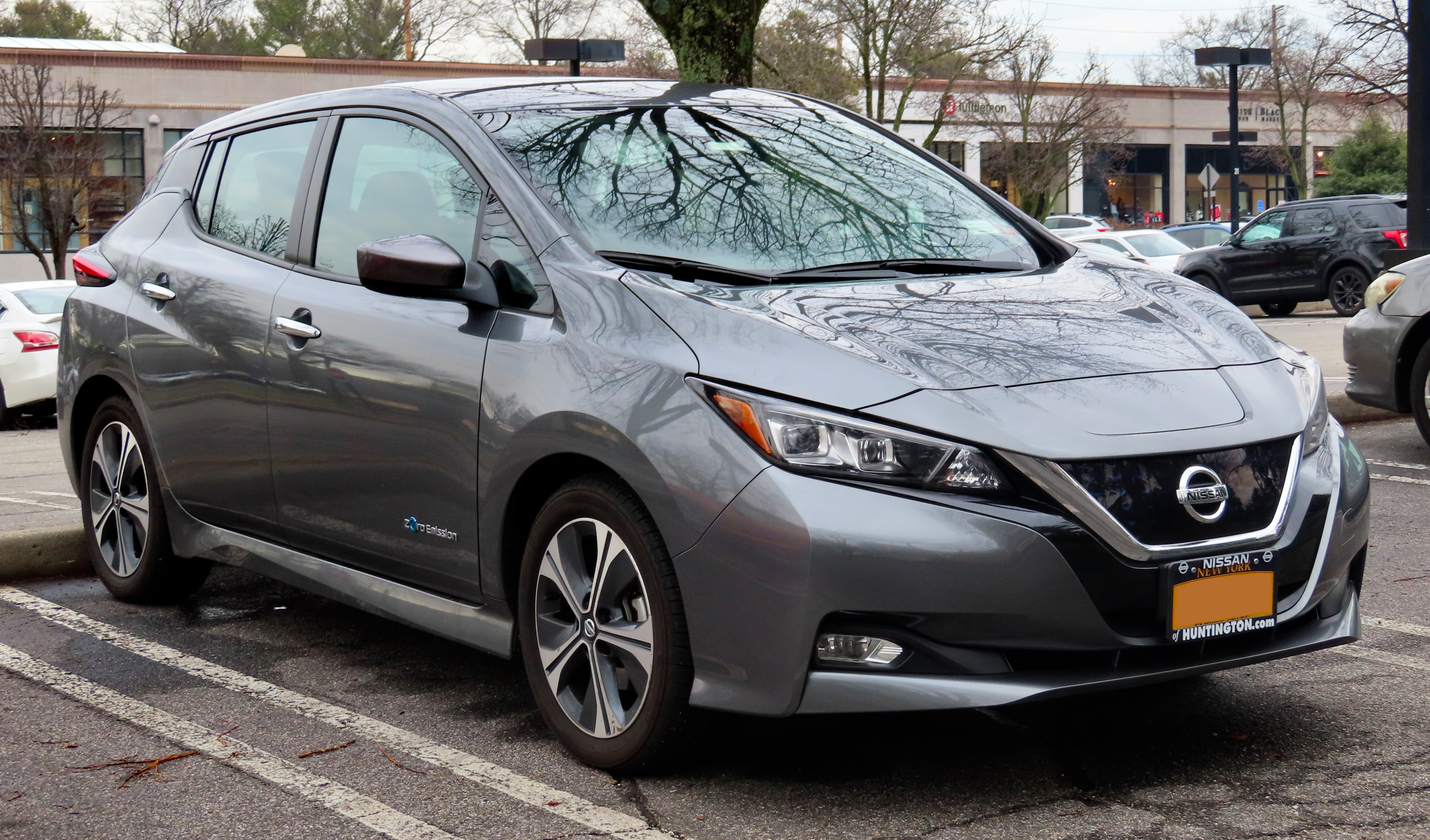
Nissan Leaf
"Like they all, every electric car I've ever driven from the Nissan Leaf to the Rimac, Nevada drove basically the same."
The Nissan Leaf is a common electric car. The hosts mention it to say that many EVs can end up feeling pretty similar to drive.
The Nissan Leaf is a mainstream electric car that the hosts use as an example of how EVs can feel similar in everyday driving. They’re arguing that if a new EV claims it will “drive like no other,” that promise may not match real-world experience.
used market
"Neither of those cars sold. Both of those cars tanked on the used market."
The used market is where people buy cars that have already been owned. When the hosts say a car “tanked,” they mean it became worth less when resold.
The used market is the resale market where buyers purchase cars that are no longer new. The hosts are claiming that certain EVs “tanked on the used market,” meaning their resale values dropped faster than expected.
spy shots
"I mean, that's well, there is now spy shots of it. And I'll tell you what, it looks like a celestic pull up."
Spy shots are unofficial photos of a car prototype taken before the company officially reveals it. People use them to guess what the final car will look like.
Spy shots are photos taken of a car prototype while it’s being tested or moved around before official marketing photos are released. They’re often used to infer design details, like body shape and glass/roof features, even though the car may still change before launch.
ultra luxury electric sedan market
"No, a rising tide, you know. The rising tide of the $400,000 ultra luxury electric sedan market."
This is the market for very expensive electric sedans. The hosts are saying that category is getting bigger, even if some specific cars don’t sell well.
The ultra luxury electric sedan market refers to the highest-end segment of battery-electric sedans, typically priced far above mainstream EVs. The hosts suggest that this segment is growing (“rising tide”), even if individual models struggle with sales or resale value.

Polestar 3
"By the way, I should note, we also now know that there's no rear window. Oh, good. Just like the Polestar 3."
Polestar 3 is an electric Polestar SUV. The hosts compare it to the Jaguar Type 01 by pointing out a similar design detail: no rear window.
Polestar 3 is a Polestar electric SUV/crossover, and the hosts use it as a design comparison. They specifically mention that it has no rear window, implying the Type 01 may use a similar glass/roof design approach.

Polestar 4
"Just like the Polestar 3. Polestar 4? Yeah, that's the one."
The Polestar 4 is an electric car. It’s shaped like a crossover but looks more sporty than a typical SUV. The podcast mentions it because it’s part of Polestar’s lineup of EVs.
The Polestar 4 is an electric crossover-coupe designed to blend SUV practicality with a more sloped, sporty body shape. The podcast references it alongside the Polestar 3, indicating they’re discussing the brand’s lineup and how models relate to each other. It’s mentioned as a newer EV model that fits into Polestar’s current strategy.
long lag
"Also, it was revealed in 2025. It's long lag. Long lag."
“Long lag” means the car doesn’t respond immediately when you press the pedal. You feel a delay before the power kicks in.
“Long lag” means a noticeable delay between when you ask for power (like pressing the accelerator) and when the car actually delivers it. In performance discussions, it’s often used to criticize throttle response or drivetrain/boost behavior that feels slow to react.
concept car
"[417.7s] The Celeste, well, it's a concept car. [419.5s] The Celeste had a front trunk. [421.8s] Okay."
A concept car is a showpiece vehicle built to preview future design directions or technologies, often without being intended for immediate mass production. Concept cars can still include real engineering ideas—like packaging features—meant to demonstrate what could come later.
front trunk
"[419.5s] The Celeste had a front trunk. [421.8s] Okay."
A “front trunk” is extra storage in the front of the car. Instead of using only the rear trunk, you get a second storage area up front.
A “front trunk” (often called a frunk) is storage space in the front of a car, typically where an engine would normally sit. It’s most common on cars with packaging that allows the engine and other components to be positioned differently, improving storage without adding length.
build to order production
"“...a leaked Nissan dealer bulletin that says the Z is going to switch to a build to order production, which means that they won't just be stock units at the dealers.” [446.1s] ...“They're going to specifically like build them in theory when a customer orders them...” [453.2s]"
“Build to order” means the car is made after someone orders it. Instead of sitting on lots, the factory waits for the order, so fewer cars may be available right away.
“Build to order” means the factory builds a car after a specific customer places an order, rather than producing large batches for dealer lots. That typically reduces inventory and can make production volumes and availability tighter, even if dealers still place some stock orders.
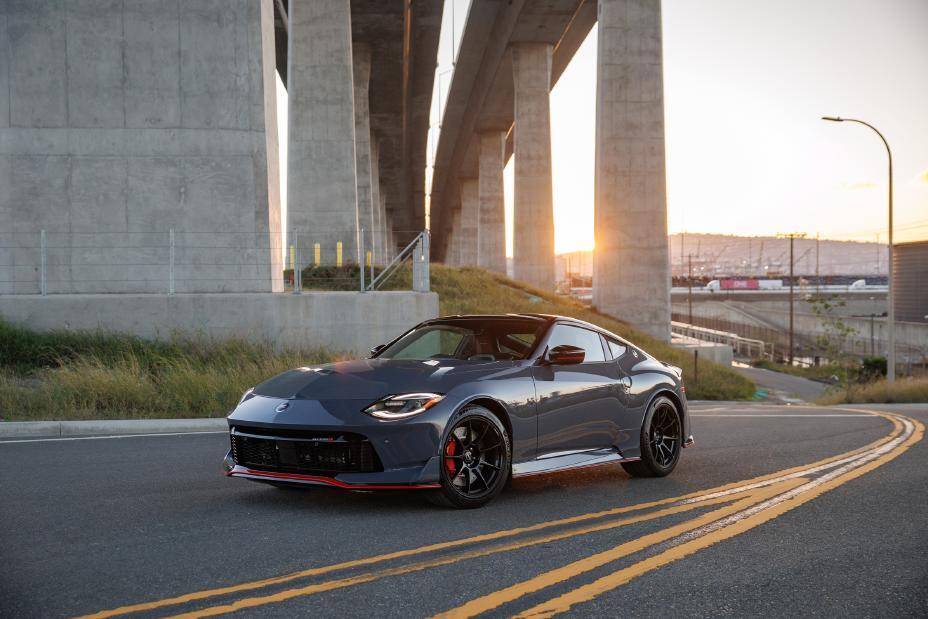
Nissan Z
"Ever since they launched the new Z, I really just don't see them. ... And so Nissan Z is becoming less common."
The Nissan Z is a popular Japanese sports car that many enthusiasts follow. Here, they’re basically saying the newer Z isn’t showing up as often anymore, likely because Nissan is limiting how many they make or how they’re distributed.
The Nissan Z is a long-running Japanese sports-car nameplate known for a traditional, driver-focused layout and a strong enthusiast following. In this segment, the hosts talk about how the newer Nissan Z has become less common in their Southern California area, implying limited availability and production constraints.
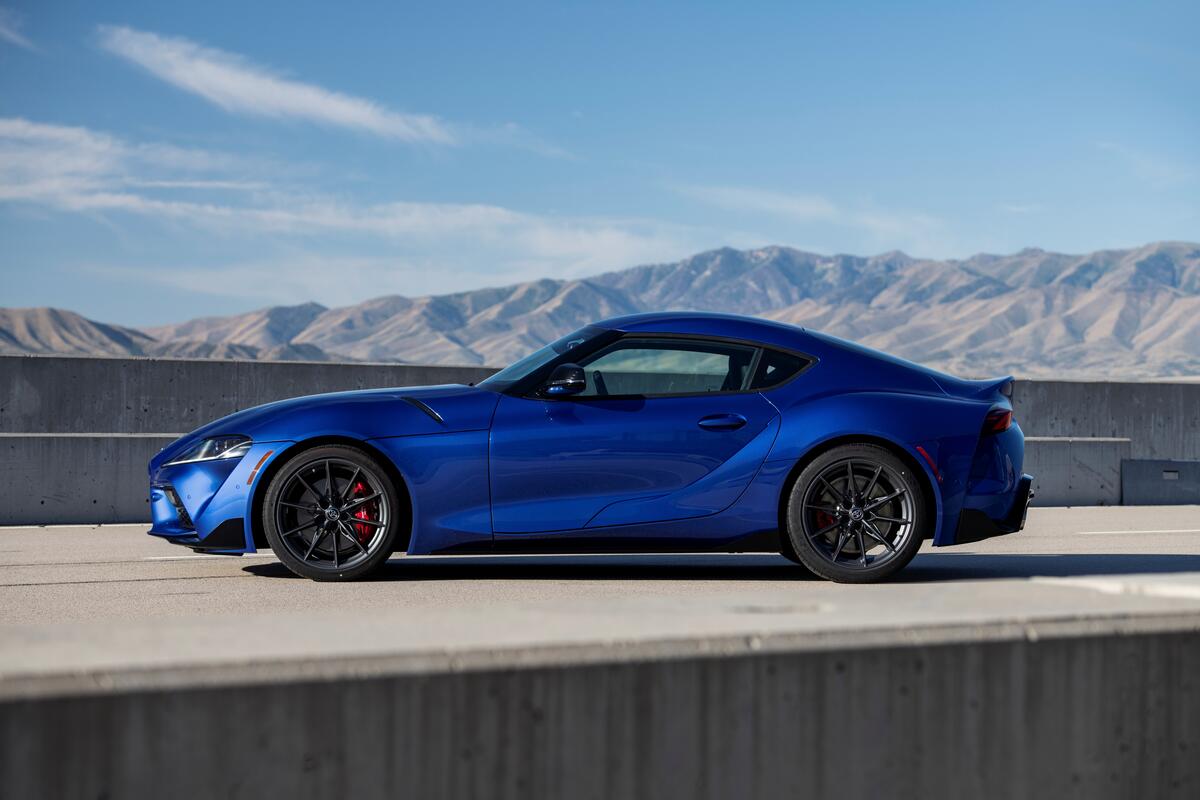
Toyota Supra
"This is going to be like the 98 Supra. ... I think what they're basically trying to say is, we're going to limit production even more than we already are. ... Supra just ended, right?"
The Toyota Supra is a famous sports car that car fans love and often modify. In this segment, they’re using it as an example of a model that became rare/ended production, and they’re comparing that situation to what’s happening with the Z.
The Toyota Supra is a performance sports car with a reputation for strong tuning potential and a long history in motorsport and enthusiast culture. The hosts compare the upcoming scarcity of the Nissan Z to the “98 Supra,” and later mention the Supra just ended, framing it as a limited-run/ending-production moment.
allocation
"My understanding, whenever car companies have more or less, whenever car companies have done build to order in the past, the building was done by the dealers, not necessarily the customers because of the way that allocation works."
“Allocation” is how car companies decide which dealers get the limited cars they build. If allocation is limited, some dealers (and customers) may not be able to get the exact car they want.
In car sales, “allocation” is how manufacturers distribute limited production cars to specific dealers or regions. When allocation is tight, dealers may receive fewer cars than demand, which can make certain trims or configurations harder to find and can reinforce scarcity.

Honda S2000
"In 2000, the S2000 came out... Then the S2000 went all the way to 09."
The Honda S2000 is a Honda sports car known for feeling sharp and revving high. In this conversation, they’re treating it as a sports car that was designed specifically for that job.
The Honda S2000 is a Japanese roadster famous for its high-revving engine and driver-focused, lightweight layout. In the segment, it’s positioned as a “purpose-built” sports car that lasted into the late 2000s.

Toyota MR2 Spider
"And in 2000, another very important Japanese sports car came out, the Toyota MR2 Spider."
The Toyota MR2 Spider is a Toyota sports car that’s built to feel light and playful. Here, it’s mentioned as another big Japanese sports-car that came out around the year 2000.
The Toyota MR2 Spider is a Japanese roadster variant of the MR2, known for being a lightweight, fun-to-drive sports car with open-top styling. In this discussion, it’s used as an example of a major Japanese sports-car launch around 2000.
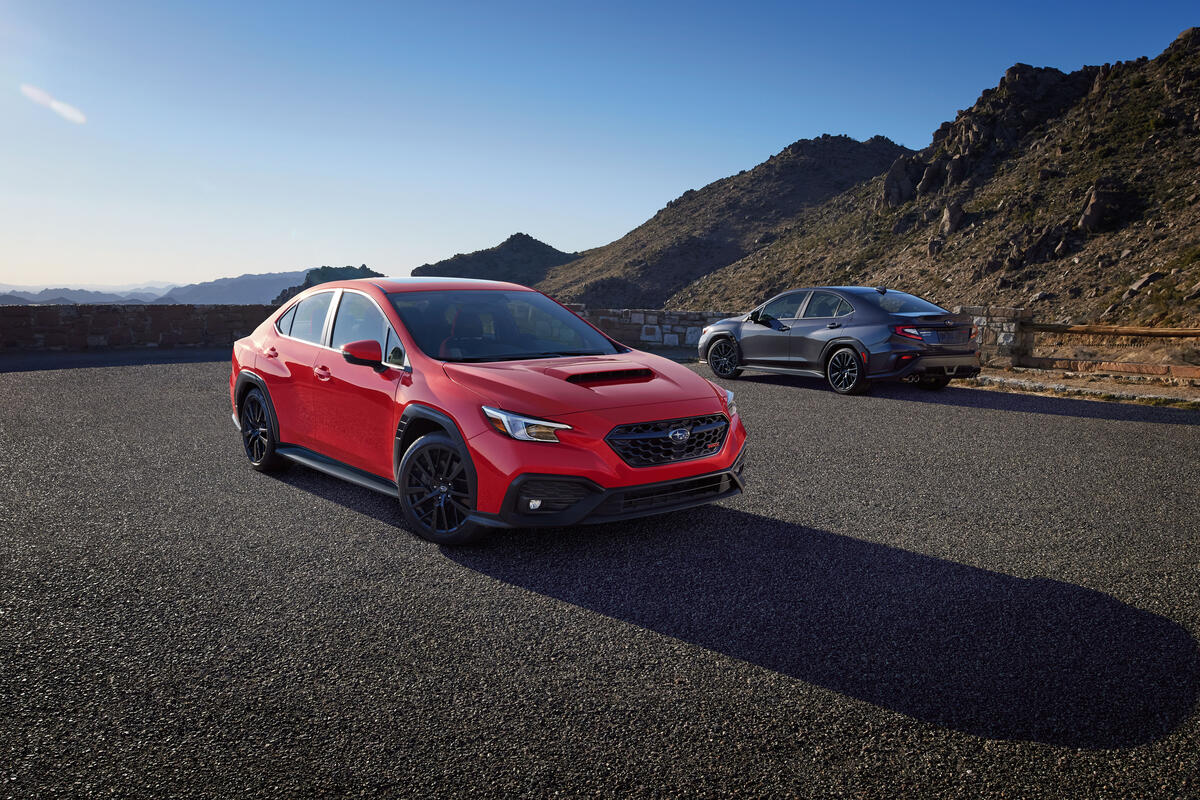
Subaru WRX STI
"And by then the WRX and the EVO and the STI were already here... There's no STI sold."
The Subaru WRX STI is the more extreme, performance-focused version of the WRX. They mention it as a car that comes from a performance version of an existing model, and then they say you can’t really buy an STI anymore.
The Subaru WRX STI is the high-performance, rally-bred variant of the WRX, typically associated with stronger turbo performance and a more hardcore chassis setup. In this segment, it’s used as an example of the “pre-existing car” performance approach—and later, they claim the STI is effectively gone from the market.

Nissan Gtr
"The GTR was already back and boom."
The Nissan GT-R is a fast Japanese sports car with a reputation for being seriously quick. Here it’s brought up as another example of Japanese performance cars showing up and sticking around.
The Nissan GT-R is a Japanese performance car known for blending everyday usability with serious track-level performance. In this segment, it’s mentioned as part of the wave of Japanese performance cars that kept the scene alive.
purpose built sports cars
"Those were not purpose built sports cars. The S2000? The S2000 was."
A “purpose-built sports car” is made specifically to be a sports car, not just a regular car that got a performance upgrade. In this segment, they’re using that idea to compare the S2000 to other performance models.
“Purpose-built sports cars” are designed from the ground up with sports-car goals—like lightweight packaging, steering feel, and performance tuning—rather than being derived from a mainstream model. The hosts use this distinction to separate the Honda S2000 from cars like the WRX/STI that are based on other platforms.
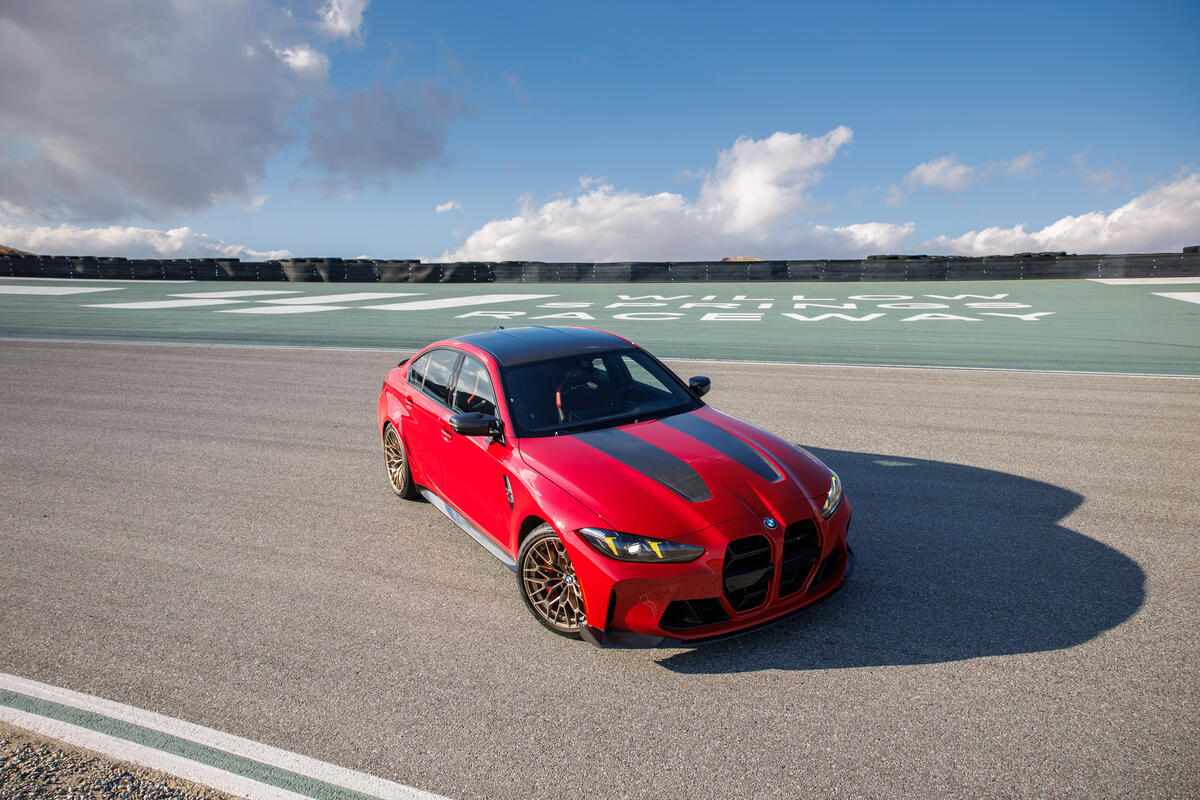
BMW M3
"But that was through. Like the M3 and the M5, those were not sports cars."
The BMW M3 is a high-performance BMW that’s based on the regular 3 Series, but tuned to be much sportier. Here it’s mentioned as an example of a performance version of an existing car.
The BMW M3 is BMW’s performance “M” model built on a regular 3 Series platform, but tuned for track-capable driving. In this discussion, it’s referenced to support the idea that some performance cars are based on existing models rather than being purpose-built sports cars.

BMW M5
"Like the M3 and the M5, those were not sports cars."
The BMW M5 is a very fast BMW sedan. They mention it alongside the M3 to make the point that some cars are performance upgrades of regular models, not purpose-built sports cars.
The BMW M5 is BMW’s high-performance version of the 5 Series, typically combining strong power with a more practical sedan body. In this segment, it’s grouped with the M3 to argue that these are performance variants rather than “sports cars” in the strict sense.
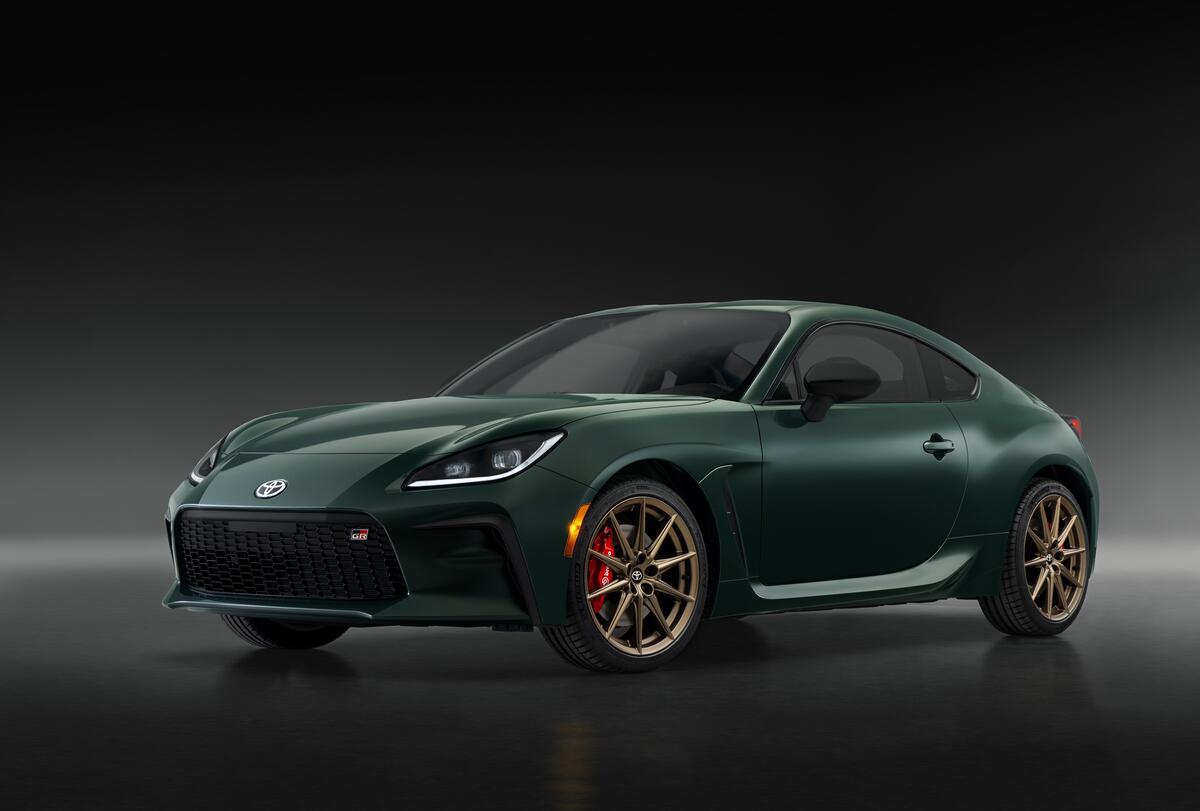
Toyota Gr86
"There is a Supra. GR86. There is a Supra, which is incredibly Japanese."
The GR 86 is a small sports car made by Toyota. It’s designed to be fun to drive, mainly because it drives the back wheels and feels lively. People talk about it because it’s a modern version of the kind of Japanese sports car enthusiasts like.
The Toyota GR 86 is a compact, rear-wheel-drive sports coupe built for driver-focused handling and an engaging driving feel. It often comes up alongside other iconic Japanese sports cars because it’s a modern, affordable alternative that still emphasizes “fun over flash.” In the podcast, it’s mentioned in the context of what makes certain Japanese cars feel especially “Japanese.”
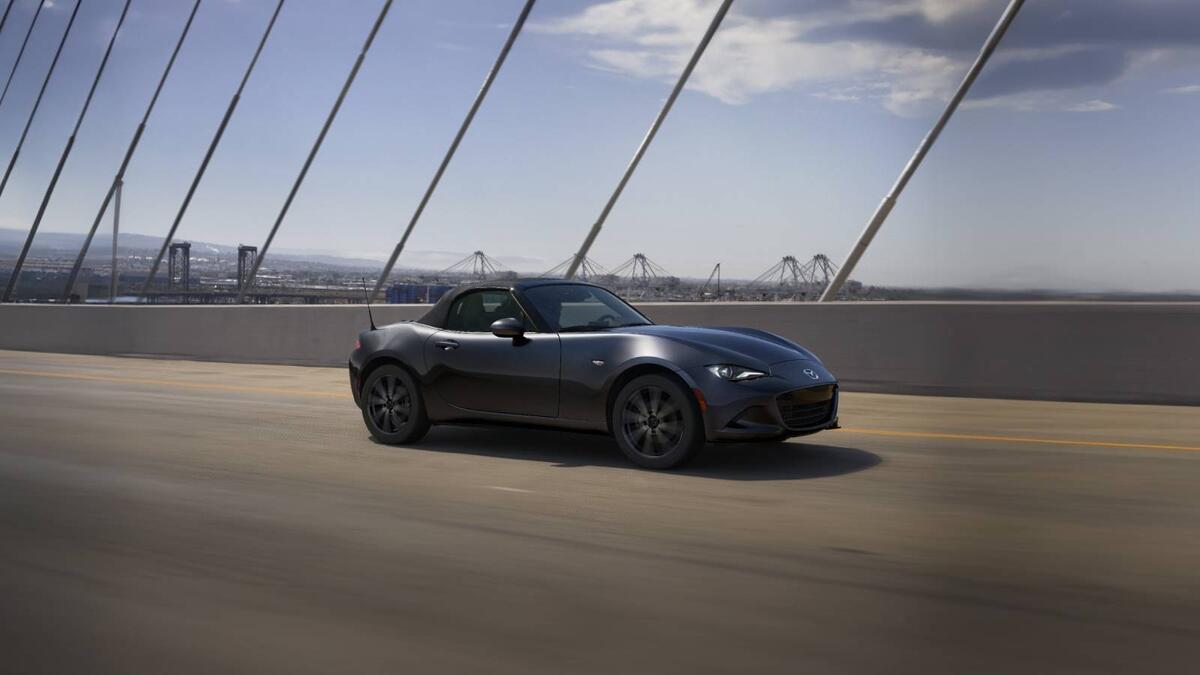
Mazda MX-5 / Miata
"Yep. The Miata is still in production. Never left by the way."
The Miata is a small two-seat convertible made by Mazda. It’s built to be light and easy to drive, especially for people who like steering and cornering. The podcast notes it’s still being made today.
The Mazda MX-5, commonly called the Miata, is a lightweight two-seat roadster known for simple, balanced handling. It’s significant because it’s been continuously produced for years, making it one of the most enduring “driver’s cars” in its class. The podcast calls out that it’s still in production, reinforcing its long-running popularity.
STEC
"If you know me, you know I'm obsessed with the details of the cars we list. [726.9s] And that includes keeping them protected with the best products available. [730.1s] I actually trust STEC for my own garage."
STEC makes protective film you apply to a car’s paint. The host is saying they trust STEC to protect their own car.
STEC is a brand of automotive protection films used to shield a car’s paint from chips, scratches, and everyday wear. In this segment, the host specifically trusts STEC for paint protection film (PPF) on a Porsche.
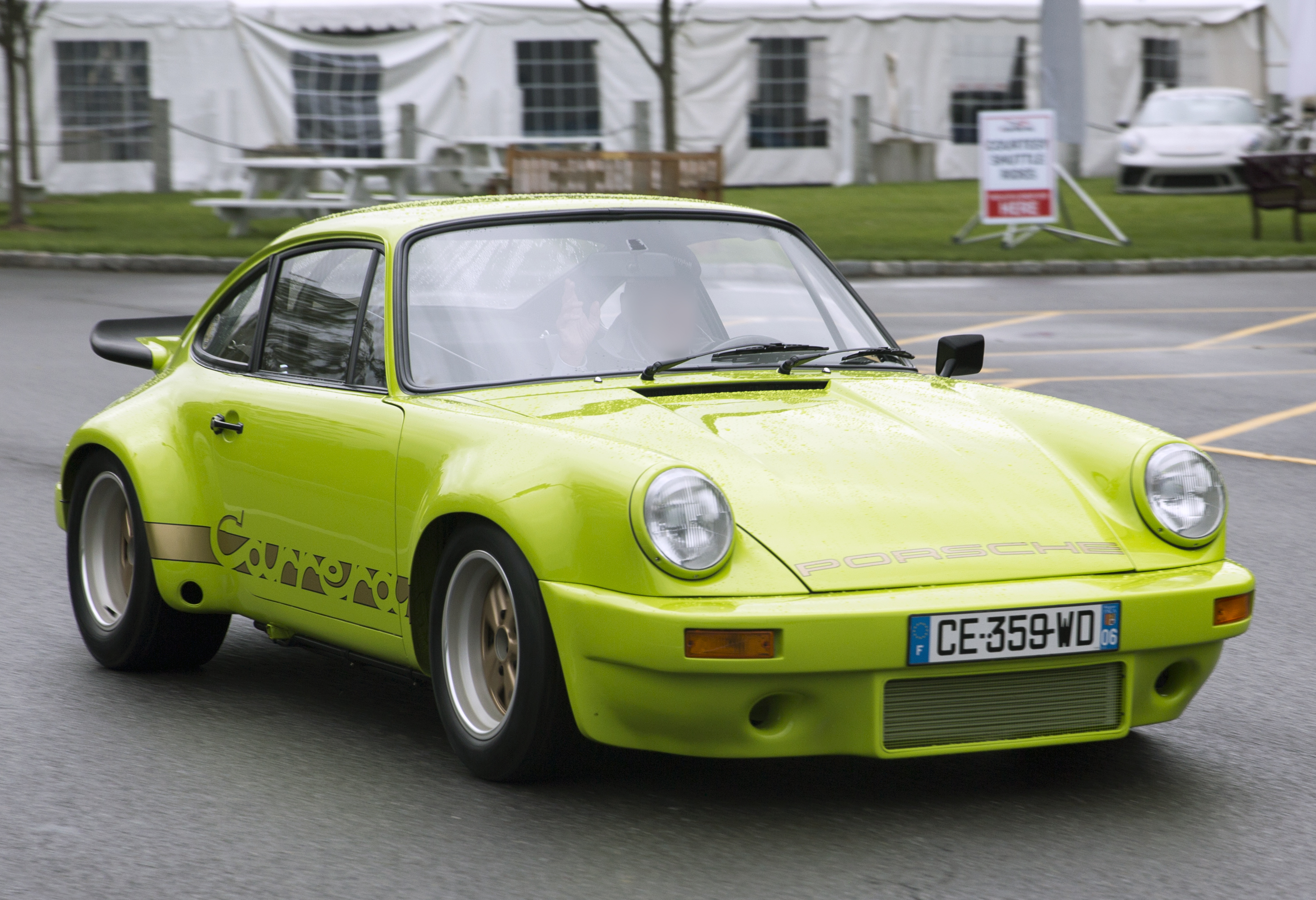
Porsche Carrera
"I actually trust STEC for my own garage. My Porsche Carrera GT is currently having its old paint protection f..."
The Carrera RS is a special, performance-oriented version of the Porsche 911. It’s designed to be lighter and more focused on driving. The podcast mentions it while talking about how people maintain and protect their Porsche cars.
The Porsche Carrera RS is a performance-focused 911 variant known for being lightweight and track-oriented compared to standard models. The podcast mentions trust in STEC for garage work and references a Carrera GT’s paint protection, which ties into how owners protect and maintain these cars. It’s brought up as part of the broader conversation about Porsche ownership and care.

Porsche Carrera GT
"My Porsche Carrera GT is currently having its old paint protection film updated with [737.3s] STEC PPF from the professionals at Elite Finish, a black label installer here in [742.3s] San Diego."
The Porsche Carrera GT is a rare, expensive supercar with an engine in the middle and a V10. Here, it’s mentioned because the host is using a protective film to keep its paint looking good.
The Porsche Carrera GT is a halo supercar built around a mid-engine layout and a naturally aspirated V10, which is why it’s so coveted by enthusiasts. In this segment, it’s used as an example of a high-end car that the host protects with paint protection film.
paint protection film
"My Porsche Carrera GT is currently having its old paint protection film updated with [737.3s] STEC PPF from the professionals at Elite Finish, a black label installer here in [742.3s] San Diego."
Paint protection film is a clear protective sheet that you put on your car’s paint. It helps stop rock chips and minor scratches from ruining the finish.
Paint protection film (PPF) is a clear, durable layer applied to a car’s painted surfaces to help prevent stone chips, light scratches, and other road damage. It’s commonly installed by professional shops and is often chosen for high-value cars.
self-healing properties
"Their Dino Shield technology is remarkably clear and it features self-healing properties [750.2s] that keep the car looking fresh even after a long drive."
Self-healing properties mean the protective film can “recover” from small scratches. After some time (often with heat from the sun), the damage becomes less noticeable.
Self-healing properties refer to PPF materials that can reduce the visibility of minor scratches or scuffs over time, typically when exposed to heat. This is a key selling point because it helps the film maintain a smoother, clearer look after daily driving.
Dino Shield technology
"Their Dino Shield technology is remarkably clear and it features self-healing properties [750.2s] that keep the car looking fresh even after a long drive."
Dino Shield is the name for STEC’s particular protective film material. The host says it stays very clear and can help small scratches fade away.
Dino Shield technology is STEC’s specific PPF formulation, described here as being very clear and having self-healing behavior. The point is that different film products can vary in clarity, durability, and how well they “heal” minor marks.
fashion films
"They also offer fashion films that allow you to change your car's color or add a carbon [759.1s] fiber look without sacrificing protection."
Fashion films are decorative wraps/overlays that change how a car looks. In this case, they can add a color change or a carbon-fiber style while still protecting the paint.
Fashion films are decorative film overlays applied to a car to change its appearance—such as color shifts or a textured “carbon fiber” look—while still providing some level of surface protection. They’re positioned here as an option for changing the car’s look without giving up the protective benefits of film.
hybrid V8 supercar
"But they've said that they're building a hybrid V8 Supercar now."
A hybrid V8 supercar is a high-performance car that uses a V8 engine plus an electric system. The electric part can help add power and make the car work more efficiently than a gas-only setup.
A hybrid V8 supercar combines a V8 engine with an electric motor/generator system to improve performance and/or efficiency. The “hybrid” part means the car can use electricity (and often blends power sources), while “V8” specifies the engine’s cylinder layout.
horse motors
"The engine is coming from horse motors. Horse motors. Does that real? Get ready. Cause we got another horse motor story here in a second. ... So horse motors for those that don't know, which is everybody is a Renault Geely joint"
“Horse motors” here is the name the hosts are using for the company supplying the engine. They’re basically saying the car’s power system comes from another manufacturer.
“Horse motors” appears to be the hosts’ shorthand for the powertrain supplier they’re referencing for the engine. In this context, it’s about where the hybrid V8 hardware is coming from, not about a generic type of motor.
Renault Geely joint
"So horse motors for those that don't know, which is everybody is a Renault Geely joint"
They say the engine supplier is a partnership between Renault and Geely. That means the two companies teamed up to build parts for cars.
The hosts describe “horse motors” as a Renault–Geely joint venture, meaning two automakers partnered to develop and supply components. Joint ventures are common in high-cost areas like advanced engines and hybrid systems.
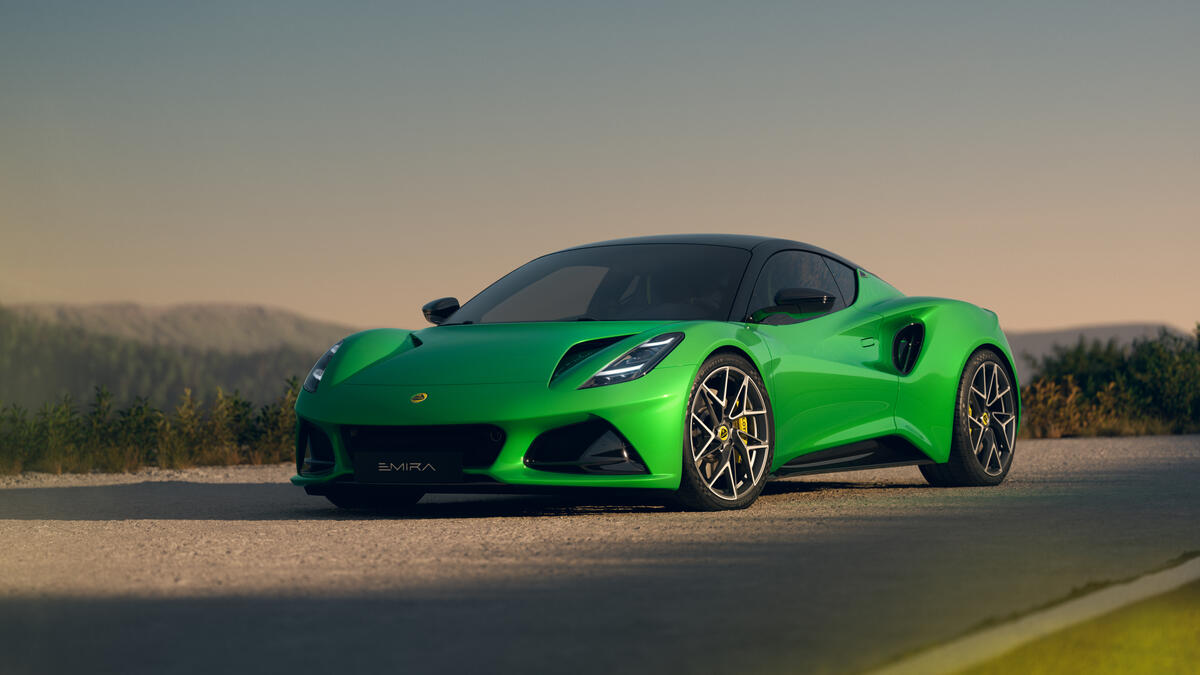
Lotus Emira
"it was announced that the Lotus Emira, which is a car that perpetually looks"
The Lotus Emira is a Lotus sports car. They mention it because the announcement just happened that it won’t come with a manual transmission.
The Lotus Emira is Lotus’s modern sports car, and it’s being used here as evidence about transmission availability. The hosts say it was announced moments before filming that the Emira won’t be offered with a manual, which directly answers the earlier question about whether the new Lotus hybrid V8 could be built with one.
Mercedes AMG Turbo 4
"And it's Mercedes AMG Turbo 4 for a new motor from horse."
Mercedes-AMG is Mercedes-Benz’s performance brand. They’re saying the Emira’s new engine is coming from that AMG performance ecosystem.
Mercedes-AMG is the performance division of Mercedes-Benz, and “AMG” is commonly used to label engines and performance components developed or tuned by AMG. In this segment, the hosts mention a Mercedes-AMG turbocharged engine as the basis for the Emira’s new powertrain direction (though the transcript wording is a bit inconsistent).
turbo three liter V6
"That engine will be a turbo three liter V6 with 540 horsepower."
This is a V6 engine that’s about 3.0 liters, but it uses a turbocharger. The turbo helps the engine make more power by pushing more air into it.
A turbocharged “three-liter V6” is an engine with six cylinders arranged in a V shape, displacing about 3.0 liters total. “Turbo” means a turbocharger forces extra air into the engine, which can raise power without needing a larger naturally aspirated engine.
automatic transmission
"However, it will only be mated to an automatic transmission."
An automatic transmission is the kind of gearbox that changes gears by itself. The hosts are pointing out that this new engine will only come with an automatic.
An automatic transmission shifts gears for you using hydraulics and electronic control, rather than requiring a clutch pedal and manual gear selection. In this context, it’s notable because the new engine is described as being paired only with an automatic.
CVT
"I'll tell you it's a CVT."
CVT means continuously variable transmission. Instead of having set gear steps, it can smoothly adjust the ratio, which can feel different than a normal automatic in how the car accelerates.
CVT stands for continuously variable transmission, a gearbox that can smoothly change the gear ratio across a wide range rather than stepping through fixed gears. The hosts call it out because CVTs are often associated with a different driving feel than traditional multi-gear automatics—especially in performance cars.
four speed automatic
"[994.6s] It is a four speed automatic. [996.6s] Four. [997.0s] What?"
A four-speed automatic is a gearbox with four gears that shifts by itself. With fewer gears than newer cars, it may not keep the engine in its best “sweet spot” as easily.
A four-speed automatic transmission uses four fixed gear ratios that the car selects automatically. Compared with modern multi-speed automatics, fewer gears can mean the engine has to work harder to stay in the right RPM range.
turbo V6
"[1008.9s] It's going to be replaced with a 540 horsepower turbo V6 made by horsepower trains which undoubtedly [1016.0s] will be just as reliable as the Toyota V6 made into a four speed automatic."
A turbo V6 is a V6 engine with a turbocharger. The turbo helps the engine make more power by pushing extra air into it.
A turbo V6 is a V6 engine that uses a turbocharger to force more air into the cylinders. That typically allows higher power output than a naturally aspirated V6 of similar size, while still using the V6’s packaging and smoothness.
overdrive
"[1025.6s] Free speed with overdrive. [1027.4s] In their defense. [1028.4s] There's no defending it."
Overdrive is a gear that helps the car cruise with lower engine RPM. That usually makes highway driving smoother and can help fuel use.
Overdrive is a higher-ratio gear (or gear mode) that lets the engine spin more slowly at cruising speeds. It’s often used to reduce RPM, improve highway efficiency, and make long-distance driving feel less strained.
V6 engine
"One is it weighs just 160 kilograms which is 10 pounds lighter than any other V6 on [1038.4s] the market. ... [1063.7s] In this press release, they say people told us that they love the V6 engine and the V6 [1069.2s] version is the best seller in the U.S. market."
A V6 is an engine with six cylinders arranged in a V shape. It’s a common sports-car engine type, and they’re talking about how this one stacks up versus other V6s.
A V6 engine is an internal-combustion engine with six cylinders arranged in a “V” shape. In this segment, the hosts compare the Emira’s V6 to other V6 options on the market and discuss why buyers prefer it.
European emissions regulations
"We were hearing about it because it's not complying with new European emissions regulations in this current form and they didn't want to redevelop it."
These are the rules in Europe about how clean cars have to be. If an engine can’t meet the new limits, the company has to change it or stop selling that version.
European emissions regulations are the rules the EU sets for how much pollution new cars can emit. When an engine doesn’t meet the latest limits, automakers may need redesign work (or discontinue the engine/variant) to stay compliant.
manual transmission vs emissions compliance
"But I wonder if there is a difficulty of meeting Euro emissions regulations with a manual transmission. I wonder if the manual transmission specifically is making it difficult to meet risk."
They’re wondering if a manual gearbox makes it tougher to pass emissions rules. The reason is that manuals and automatics can make the engine run differently during the official emissions test.
The segment raises the idea that meeting emissions regulations can be harder with a manual transmission. That’s because manuals and automatics can lead to different engine operating conditions (like RPM and load patterns), which can affect emissions results during regulatory testing.
test cycle
"I don't know what the test cycle is. I don't know what they measured out and all that stuff."
A test cycle is the official “driving routine” and measurement method used to check emissions. Different transmissions can behave differently in the test, which can change whether the car meets the rules.
A test cycle is the standardized driving and measurement procedure regulators use to determine a car’s emissions and fuel-economy results. The hosts are suggesting that the EU’s test cycle could interact differently with manual vs automatic transmissions, affecting whether a configuration can pass.
manual cars
"BMW has said that they're not really... Their ability to have higher horsepower engine in their manual cars is limited because they don't want to redevelop a full new manual for additional engines."
“Manual cars” means cars where you shift gears yourself using a clutch and gear stick. The point being made is that it can be expensive to pair new engines with a manual setup, so companies may avoid doing it.
“Manual cars” here means vehicles equipped with a manual transmission, where the driver selects gears with a clutch and gear lever. The discussion is about how automakers may limit engine/gearbox combinations for manuals because adding new engines can require engineering work for the transmission and related hardware.
Lotus Amira
"Obviously, the Amiras that are built with the manual and all that are going to be the ones that everybody wants. The four-speed auto Amiras are going to go down like the four-speed auto XJS's."
The Lotus Amira is a Lotus sports car. In this discussion, they’re saying the manual version will be the one people want, while the automatic version may not age as well with buyers.
The Lotus Amira is a modern Lotus model that’s being discussed here specifically in terms of its gearbox choice. The hosts contrast manual versions (which enthusiasts typically prefer) with an automatic “four-speed” version, implying the automatic variant will be less desirable in the used market.

Jaguar XJS
"The four-speed auto Amiras are going to go down like the four-speed auto XJS's. Nice."
The Jaguar XJS is a classic Jaguar grand tourer. Here it’s mentioned as an example of how a four-speed automatic can make a car less desirable later on.
The Jaguar XJS is being used as a comparison point for how a “four-speed auto” can hurt desirability. The speaker’s point is that when an enthusiast-oriented model is paired with an older-feeling automatic transmission, the market can sour over time.

Lotus Evora
"Forever. [1220.8s] Like, Evora's still are 60. [1223.3s] Yeah. [1224.3s] It's pretty remarkable."
The Lotus Evora is a mid-engine sports car made by Lotus. Here it’s mentioned because its resale prices are holding up—around $60k, according to the hosts.
The Lotus Evora is a mid-engine sports car from Lotus, known for its lightweight feel and sharp handling. In this segment, it’s used as a pricing example—Doug notes that Evora prices are still around the $60k range.
four-cylinder
"[1236.7s] And it was that four-cylinder auto. [1237.6s] Four-cylinder auto. [1238.8s] Despite the fact that the four-cylinder auto has exactly the same horsepower [1242.8s] as the Supercharged V6."
A “four-cylinder” engine has four working cylinders. The hosts are comparing it to a different engine type and saying the four-cylinder version makes the same power as the other one they’re talking about.
A “four-cylinder” engine has four cylinders that work together to produce power. Here, the hosts compare a four-cylinder automatic setup to a “Supercharged V6,” noting they make the same horsepower despite being different engine configurations.
Supercharged V6
"[1238.8s] Despite the fact that the four-cylinder auto has exactly the same horsepower [1242.8s] as the Supercharged V6. [1244.0s] Somehow. [1244.8s] With both 400 horsepower."
A “supercharged V6” is an engine with six cylinders where a supercharger helps push extra air in to make more power. They’re comparing another car’s engine to this one and saying the power output is the same.
A “Supercharged V6” is a six-cylinder engine with a supercharger, which forces more air into the engine to increase power. The hosts use it as the benchmark for comparison, saying the four-cylinder automatic has the same horsepower as this supercharged V6.
depreciate
"The point of this is I don't think they're going to depreciate like we thought the Elise has. That got to a $35,000 car."
Depreciation is how the car’s price tends to go down as it gets older. Some cars keep their value better than others, which is why people talk about it.
Depreciation is how much a car’s value drops over time. In enthusiast circles, people watch depreciation because it affects whether a car holds its value as supply, demand, and condition change.
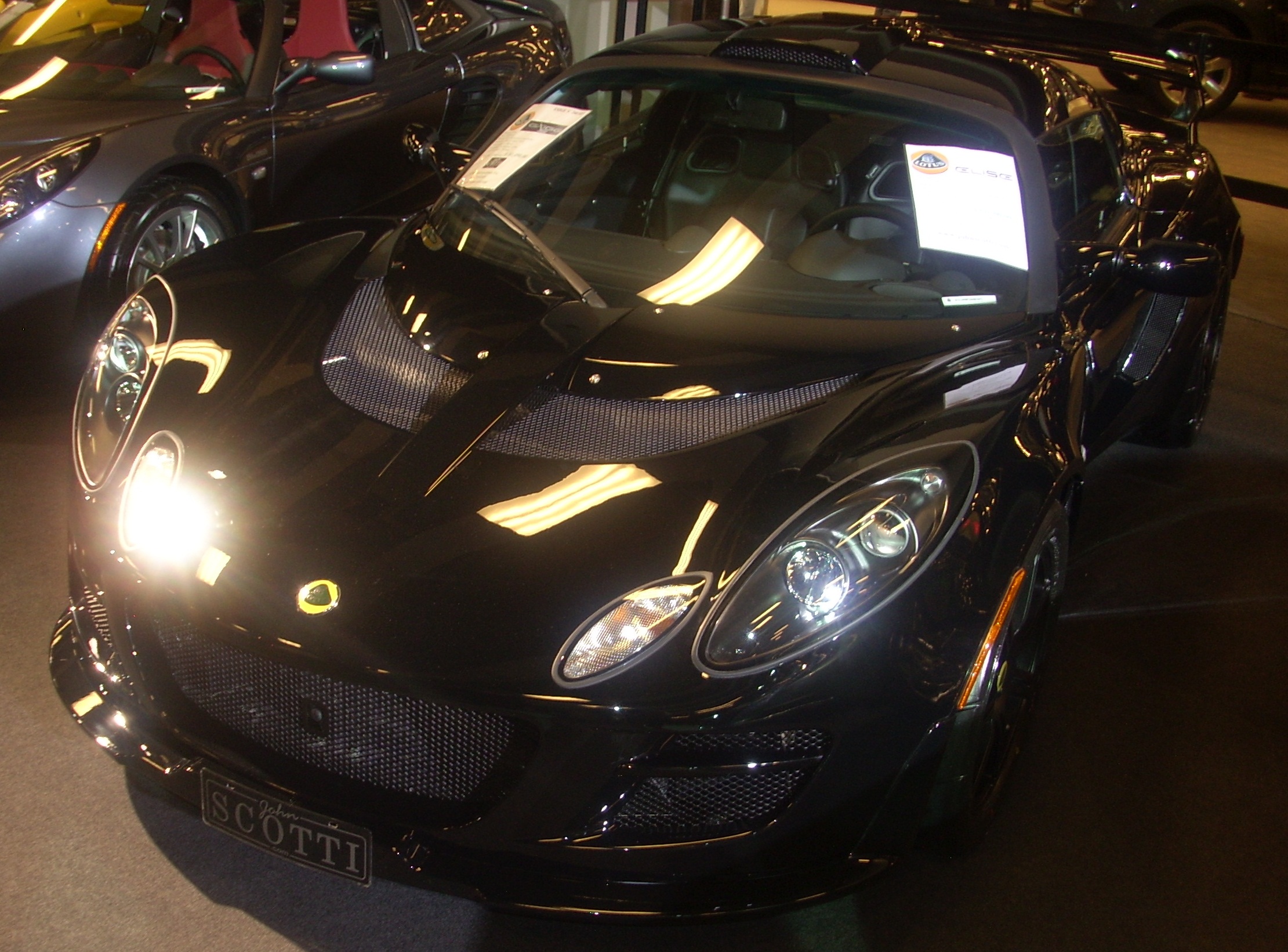
Lotus Elise SC
"We sold this Elise SC, which was 166 of 166 of these American for $65,590. They're taken back up. The nice Elise's are."
The Lotus Elise is a small, lightweight sports car that’s built to feel quick and nimble. “SC” means it’s supercharged, so it uses forced air to help make more power than the basic versions.
The Lotus Elise is a lightweight, mid-engine sports car known for sharp handling and a driver-focused layout. The “SC” on the Lotus Elise SC refers to a supercharged setup, which changes how it makes power compared with the naturally aspirated Elise variants.
Mileage
"The nice Elise's are. Mileage is a little low, et cetera. And it's an SC, obviously, but like, damn."
Mileage is how far the car has been driven. Lower mileage usually makes a car more appealing, but maintenance and overall condition are still important.
Mileage is the total distance a car has been driven, typically measured in miles or kilometers. Lower mileage often matters to buyers because it can correlate with less wear, though condition and service history still matter a lot.
Mercedes-Benz Maibach
"Mercedes-Benz Maibach would offer that paint color. And on the interior. And on the interior."
“Mercedes-Benz Maibach” is mentioned as the kind of person at Mercedes-Benz who would offer that paint color. It’s basically a reference to Mercedes’ color/design decision-maker.
Mercedes-Benz Maibach is referenced as a person/role associated with Mercedes-Benz, specifically in the context of offering a paint color. The name is used like a brand insider who would choose or approve exterior color options.
paint color
"Mercedes-Benz Maibach would offer that paint color. And on the interior. And on the interior."
Here, “paint color” means the exact exterior color choice for the car. It’s being discussed as a standout styling option.
In automotive terms, a “paint color” can refer not just to the shade, but also to the specific finish and how it’s formulated to look different under various lighting angles. The segment treats the color choice as a notable styling detail worth comparing across brands.

Mercedes-Benz GLS
"That whole segment, full-size. And GLS is came out in 20. I know."
The GLS is a large luxury SUV made by Mercedes-Benz. It’s designed to carry more people and provide a comfortable ride. The podcast mentions it when talking about the big SUV category and when it was introduced.
The Mercedes-Benz GLS is a full-size luxury SUV aimed at buyers who want maximum space and comfort. The podcast mentions it in the context of the full-size SUV segment and notes it “came out in 20,” referring to its introduction timeframe. It’s brought up as part of the discussion about large luxury vehicles.

Lamborghini Urus
"The... The Urus Plus. No, probably not."
The Urus is Lamborghini’s SUV. It’s meant to be a luxury vehicle, but it’s also built to be very fast. The podcast is talking about whether there might be an even bigger or upgraded version called “Urus Plus.”
The Lamborghini Urus is a high-performance luxury SUV built by Lamborghini, combining supercar-level performance with SUV practicality. The podcast mentions “Urus Plus” and suggests it’s unlikely, which indicates they’re discussing potential future variants or rumors. It’s relevant because the Urus is a major modern Lamborghini product that expanded the brand into SUVs.

Audi Quattro
"...ver long. And that the Q5 when you brake, it says Quattro. I was behind on the other day."
Quattro is Audi’s system that helps send power to more than one wheel. The podcast mentions seeing it show up on the car’s display while braking. It’s basically a reminder that the car is using its traction/all-wheel-drive features.
“Quattro” refers to Audi’s all-wheel-drive system, and the podcast mentions it as a message shown during braking. That’s significant because it highlights how the car’s drivetrain and stability systems communicate their behavior to the driver. In the episode, it’s used as a small detail from a recent driving experience.
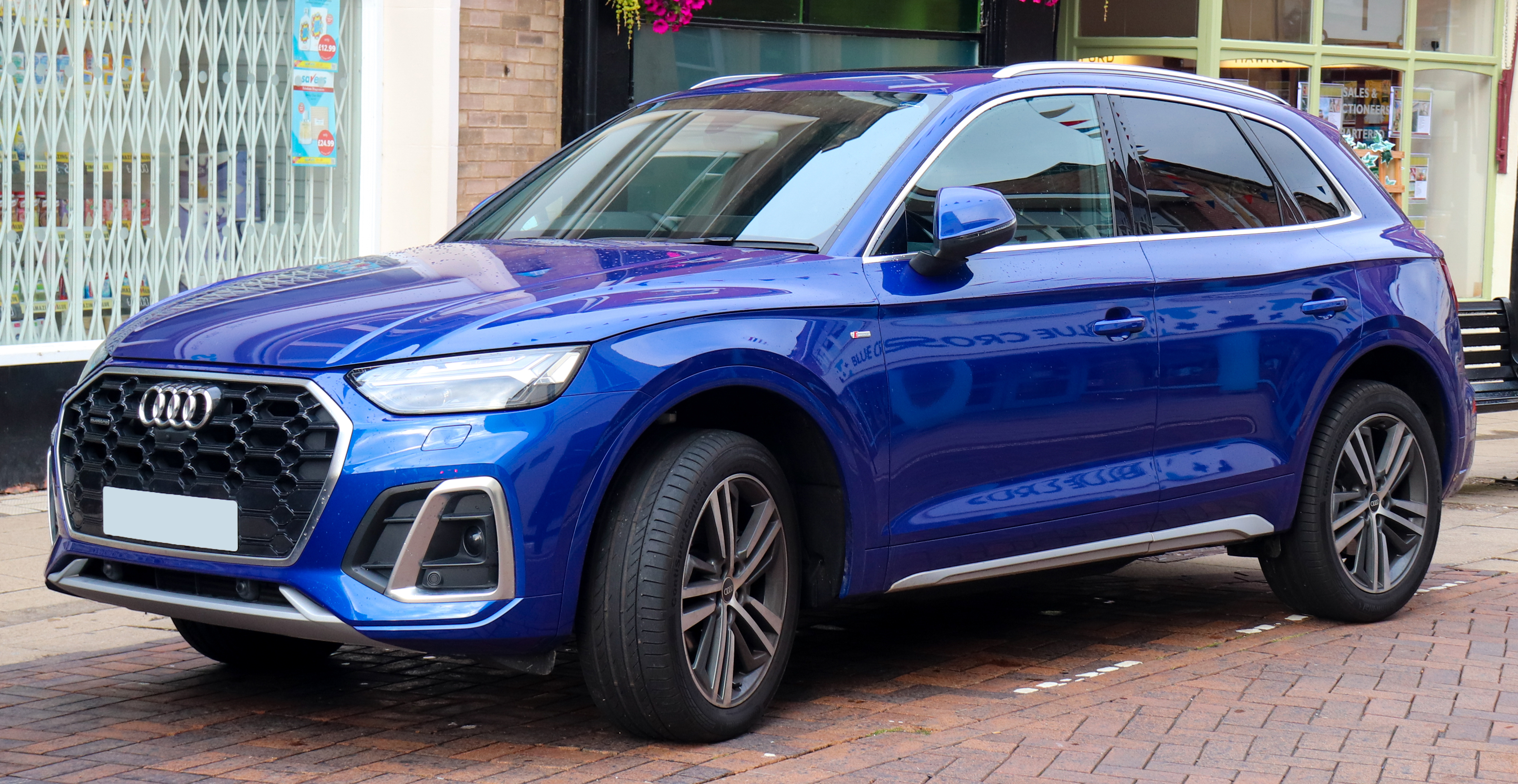
Audi Q5 Quattro
"There's Quattro. Go to Q... Audi Q5 Quattro brake light. Type that in."
The Audi Q5 is a luxury SUV. “Quattro” is Audi’s name for its all-wheel-drive setup. Here they’re talking about a brake-light design that shows “Quattro” on the rear glass when the car slows down.
The Audi Q5 is a compact luxury SUV, and “Quattro” refers to Audi’s all-wheel-drive system branding. In this segment, the hosts point out a specific design detail on the Audi Q5 Quattro: the brake-light graphic/wording that reflects onto the rear glass when you brake.
Stalantas
"And so clearly, Stalantas is going deep on, Hey, should we be bringing a $20,000 really affordable car to market?"
They’re talking about Stellantis, the big company that owns brands like Chrysler, Jeep, and Ram. The point here is whether that company will sell a very cheap car.
Stalantas appears to be a misspoken reference to Stellantis, the multinational automaker behind brands like Chrysler, Jeep, and Ram. In this segment, the host is discussing Stellantis’ strategy to bring a very low-priced car to market.

Dodge Dart
"Now, with that in mind, do you remember the Dodge Dart? [1683.9s] Do I remember that? ... [1688.9s] You know, except for the engine that had a lot of blow up issues and the transmission that also blew up and a bunch of other liabilities."
The Dodge Dart is a compact Dodge model. The hosts are saying some versions had serious engine and transmission problems, and they also mention a fun-sounding turbo/manual version.
The Dodge Dart is a compact car from Dodge that became known for specific powertrain problems in some years. In this segment, the hosts mention the Dart’s engine and transmission having “blow up” issues, and they also reference a version with a 2.4-liter turbo and a 6-speed manual.
2.4 liter turbo
"There was a version with a 2.4 liter turbo and a 16 manual, and that was a cool car."
This means a 2.4-liter engine with a turbo. The turbo helps the engine make more power by pushing extra air into it.
A “2.4 liter turbo” refers to a 2.4-liter engine that uses a turbocharger to force more air into the cylinders. That typically allows a smaller engine to make more power than it would naturally aspirated.
16 manual
"There was a version with a 2.4 liter turbo and a 16 manual, and that was a cool car."
This sounds like they meant a 6-speed manual. With a manual, you choose the gear yourself using a clutch and the shifter.
“16 manual” is almost certainly a transcription error for a 6-speed manual gearbox. A manual transmission lets the driver select gears directly, usually via a clutch pedal and a shift lever.

Toyota Corolla
"That was the last time you saw a Cavalier. I see Corollas from that era, 20 million. That's not what I aske..."
The Corolla is a very common Toyota compact car. It’s known for being practical and easy to live with. The podcast mentions it because there are a huge number of Corollas from that era.
The Toyota Corolla is a long-running compact car line known for being practical and widely sold across many markets. In the podcast, it’s brought up in a historical context—comparing older models and noting how many of them exist. That “20 million” type of remark is about how common certain Corolla-era cars are.
Stalantis
"I now take back all the bad things I've said about Stalantis because of the caliber discussion... They do build cars that last Stalantis forever."
They’re talking about Stellantis (the big car company behind brands like Jeep and Ram). The point here is whether Stellantis makes cars that hold up well over time.
“Stalantis” appears to be a misspelling of Stellantis, the automaker formed from a merger of Fiat Chrysler Automobiles and PSA. The hosts are discussing whether Stellantis builds durable cars and how its powertrains compare to other brands.
Hurricane straight six
"penistar hurricane straight six, baby... It's like a 3.5 liter v6 supercharged... Hurricane, hurricane, hurricane, straight six..."
They’re talking about an engine called the “Hurricane,” which is an inline-six design. The hosts are discussing how strong it is and how it’s planned to be used.
“Hurricane” refers to a specific engine family: a straight-six (inline-six) used across Stellantis brands. In this segment, they’re describing it as supercharged and discussing its power output targets.

Toyota Grand Highlander
"...But if Jeep offer the 20K option, can they sell a Grand Highlander? Who knows."
The Grand Highlander is a bigger Toyota SUV meant for families. It’s designed to carry more people and luggage than a smaller SUV. The podcast is talking about whether people will pay for expensive options on a vehicle like this.
The Toyota Grand Highlander is a larger, family-oriented version of the Highlander, aimed at buyers who need more space. The podcast connects it to pricing and options—specifically questioning whether a high-priced package would sell. That makes it relevant as a mainstream SUV trying to compete in the premium end of the market.

Jeep Grand Wagoneer
"They're trying to sell $100,000, sorry. Grand Wagoneer is what I meant. Sorry."
The Grand Wagoneer is a big Jeep SUV meant for comfort and lots of space. The podcast notes it’s very expensive, around $100,000. That’s why it comes up—because it’s priced like a luxury vehicle.
The Jeep Grand Wagoneer is a large, upscale SUV positioned at the premium end of the market. The podcast mentions it with a focus on its high price—“trying to sell $100,000”—which highlights how it competes as a luxury alternative rather than a budget SUV. It’s brought up as an example of Jeep’s move into more expensive territory.
extended range EV
"There will be an extended range EV Grand Wagoneer coming in. [1986.7s] With 728 miles of range. [1990.4s] Wow, that's insane."
An extended-range EV is an electric car designed to go farther than usual. It uses the battery, but it also has a backup way to keep power available for longer trips.
An extended-range EV is an electric vehicle that can travel farther than a typical battery-only EV by using an additional onboard power source. In practice, this often means a battery plus an engine/generator setup that helps keep the car moving when the battery is depleted.
plug-in hybrid
"First of all, they were the first and for a while the only people to have a plug-in [2010.0s] hybrid like SUV that wasn't like a German luxury car. [2015.4s] The only people that have a plug-in hybrid."
A plug-in hybrid is a car that has both an electric battery and a gas engine. You can charge it like an EV, and when the battery runs low it still drives like a hybrid.
A plug-in hybrid (PHEV) is a hybrid vehicle that can be charged from an external power source, not just generated by the engine. That lets it run on electricity for some distance, then switch to hybrid operation when the battery is depleted.

Jeep Wrangler
"The Wrangler 4xE, the Grand Cherokee 4xE. [2021.1s] These were like real interesting, advanced plug-in hybrid vehicles. [2026.1s] Isn't there like a Kia Sorento when all that?"
The Jeep Wrangler 4xE is a Wrangler that can plug in and use electricity. It’s still meant for off-road driving, but with a hybrid system that can run on electric power too.
The Jeep Wrangler 4xE is a plug-in hybrid version of the Wrangler built around the Wrangler’s off-road hardware and four-wheel-drive capability. The “4xE” naming indicates it’s designed to use electric drive as part of its powertrain strategy.

Jeep Grand Cherokee
"The Wrangler 4xE, the Grand Cherokee 4xE. [2021.1s] These were like real interesting, advanced plug-in hybrid vehicles. [2026.1s] Isn't there like a Kia Sorento when all that?"
The Jeep Grand Cherokee 4xE is a Grand Cherokee that you can plug in to charge. It’s also built to handle rougher roads thanks to four-wheel drive, while using a hybrid system.
The Jeep Grand Cherokee 4xE is a plug-in hybrid SUV that pairs Jeep’s four-wheel-drive capability with an electrified powertrain. It’s discussed here as part of a lineup that brought plug-in hybrid tech to non-luxury, mainstream SUVs.
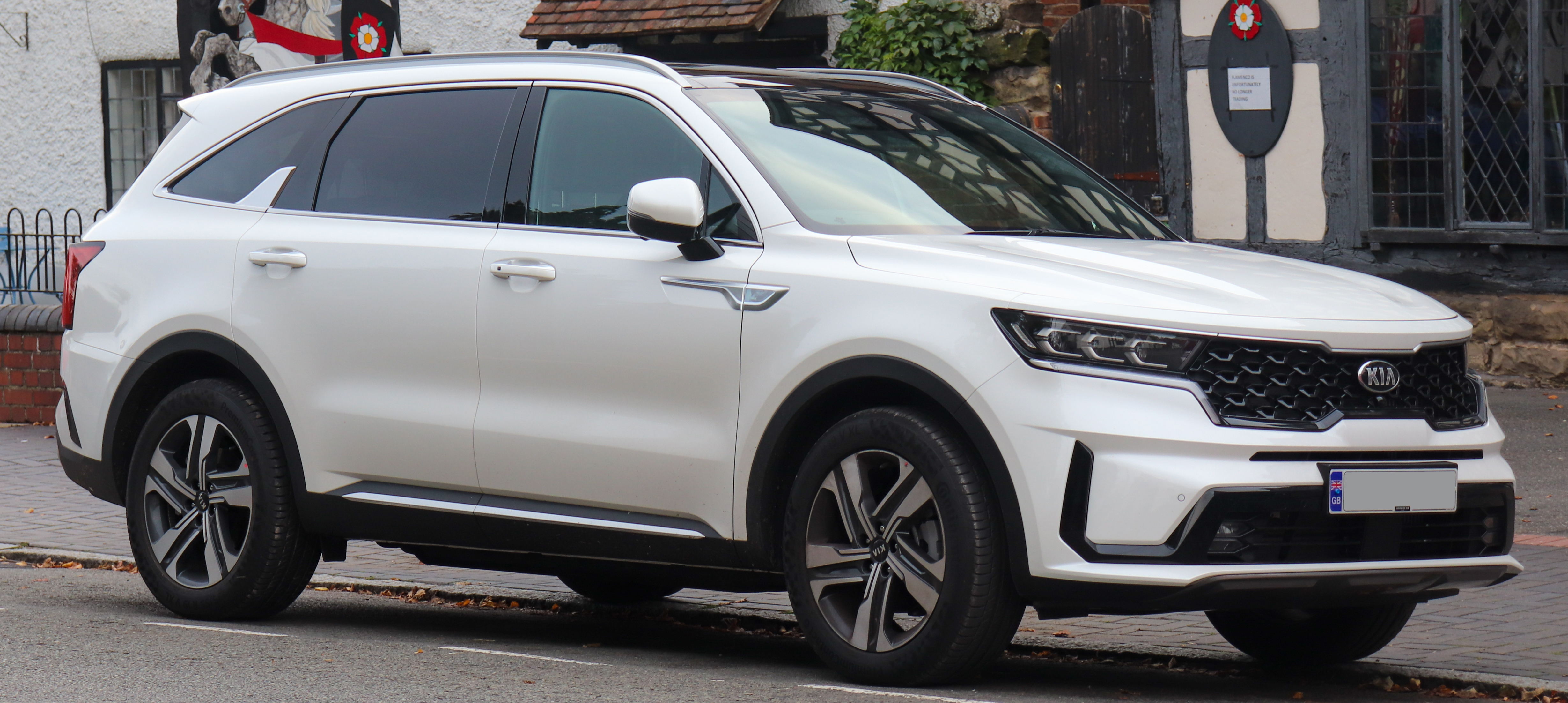
Kia Sorento
"...d plug-in hybrid vehicles. Isn't there like a Kia Sorento when all that? Oh, wait."
The Sorento is a Kia SUV for families. Depending on the version, it can be set up as a hybrid or a plug-in hybrid. The podcast brings it up while talking about which plug-in options exist in this kind of vehicle.
The Kia Sorento is a mid-size SUV that’s offered with different powertrains, including hybrid and plug-in hybrid options depending on the market. The podcast mentions it in the context of plug-in hybrid availability and pricing questions. That makes it relevant as a mainstream family SUV that can be configured for electrified driving.

Jeep Renegade
"..., Grand Cherokee, Cherokee, Grand Cherokee, Grand Renegade. Nobody knows."
The Renegade is a small Jeep SUV. It’s meant for people who want a Jeep but in a smaller size. The podcast mentions it because the model names can be confusing when you’re trying to keep track of them.
The Jeep Renegade is a compact SUV positioned for buyers who want a smaller Jeep with off-road styling cues. The podcast mentions it alongside other Jeep model names and jokes that nobody knows, which points to how easily these names can blur together. It’s discussed as part of the broader lineup conversation.
hybrid V12 power plant
"It has that same hybrid V12 power plant. This makes 1065 horsepower."
This means the car has a V12 engine and also an electric motor. The battery and electric motor can help the car move faster and sometimes reduce how much the engine has to do by itself.
A hybrid V12 power plant combines a V12 internal-combustion engine with an electric motor and battery system. The electric part can help with acceleration and can also allow certain driving modes where the engine isn’t the only source of power.
Pebble Beach
"That car came out last year. We saw that car at Pebble Beach. Now they've announced they have a convertible version of it."
Pebble Beach is a famous car event in California. When a new supercar is shown there, it usually means it’s a big deal and gets a lot of attention.
Pebble Beach is a major annual concours d’elegance and automotive event in California where new cars are often shown to collectors, media, and enthusiasts. Mentioning it signals the Revuelto-based car was presented at a high-profile venue.
quail
"Yes. At the quail. At the quail."
The Quail is another well-known car event near Pebble Beach. It’s where a lot of special car announcements and reveals happen.
“The Quail” refers to The Quail, a motorsports and luxury car event held at the Pebble Beach area. It’s known for high-end car reveals and collector-focused attendance.

Chevrolet C8
"So, I don't know. It's like the Spiker C8 kind of. No, that had a metal bar in the middle."
The Corvette is a sports car made by Chevrolet. It’s built for performance, but it’s also meant to be driven normally. The podcast brings it up while talking about how certain sports cars are put together.
The Chevrolet Corvette is a performance sports car from Chevrolet, known for combining everyday usability with serious track-capable power. The podcast compares it to the Spiker C8 in a way that suggests discussion about design or layout details. It’s mentioned as part of a broader conversation about how different cars feel and are packaged.

Mercedes-Benz Clk Gtr
"It didn't make a curve, but it's sort of like that. The CLK GT-R is also like that. I'll bet, though, when you close this, unlike the Spiker, when you close the door, it goes"
The CLK GTR is a very rare Mercedes supercar. It’s built for high performance and is closely tied to racing. The podcast mentions it while comparing how special cars feel and sound when you interact with them.
The Mercedes-Benz CLK GTR is a rare, track-focused supercar built around Mercedes’ racing heritage. The podcast compares it to the Spiker C8 in terms of how it behaves or how certain design elements work, including what happens when you close the door. It’s mentioned because it’s an extreme, unusual car with distinctive build characteristics.
depreciation
"Ravueltos are collapsing in the used market. Are they? Are they really?"
Depreciation is how a car’s value goes down after it’s been bought. They’re saying these supercars aren’t holding their value as well as people expected.
Depreciation is how much a car’s value drops over time. When the hosts say the Revuelto market is “collapsing” and that prices aren’t stable, they’re describing faster-than-expected depreciation in the used market.
Sticker
"The 12-cylindries are also selling under Sticker, even though the car has been out for like an afternoon."
“Sticker” means the official list price shown on the car’s window sticker. If they’re selling under sticker, buyers are paying less than that list price.
“Sticker” refers to the manufacturer’s suggested retail price (MSRP) printed on the window sticker. Saying the cars are selling “under Sticker” means transaction prices are below that advertised new-car price.
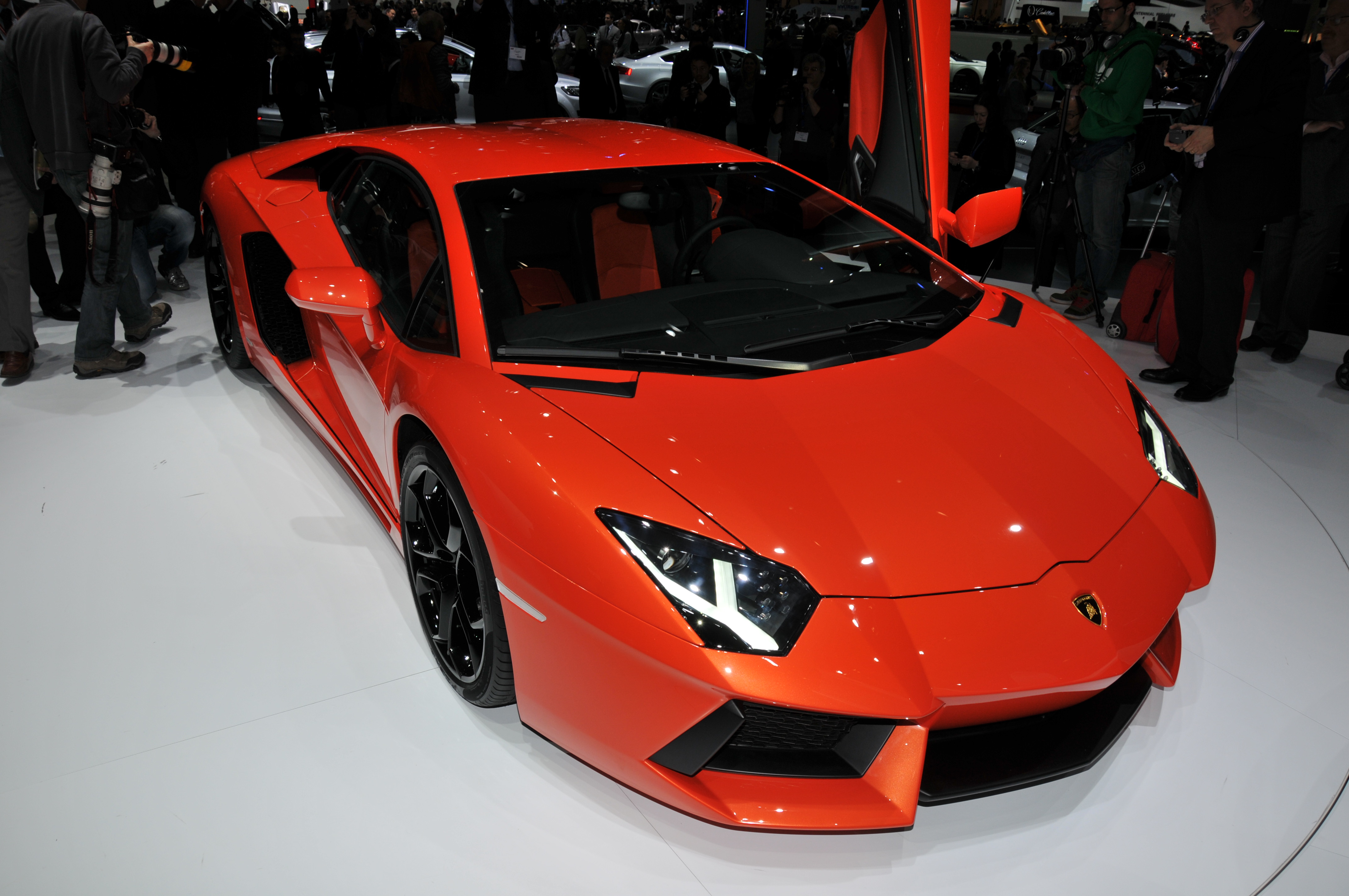
Lamborghini Aventador
"...o see SF-90 type depreciation with the Ravueltos. Aventador has held so strong. They have and they made a gaz..."
The Aventador is a Lamborghini supercar. The podcast is talking about how its price has stayed strong over time compared to some other supercars. In other words, it hasn’t depreciated as quickly.
The Lamborghini Aventador is a flagship supercar known for its high-performance character and distinctive design. The podcast claims it has “held so strong” and compares depreciation behavior to other models, emphasizing how the Aventador’s value has remained relatively resilient. It’s discussed as a supercar that has performed well in the used market.

BMW 8 Series Grand Coupe
"this would be a hatchback and like, I would imagine that's like an eight series Grand Coupe. Like that's kind of what I think it's going to be."
The BMW 8 Series Grand Coupe is a BMW with a sporty, coupe-like look, but with four doors. They’re comparing the new car’s likely shape to that kind of design.
The BMW 8 Series Grand Coupe is a four-door version of BMW’s 8 Series, combining a coupe-like body shape with a more practical rear seat layout. The hosts use it as a reference point for what the upcoming BMW Alpina car’s silhouette and body style might resemble.
Zagato
"I guess it's a Zagato thing. ... they made a standalone project based on the M4 with Zagato."
Zagato is an Italian company famous for making unique-looking cars. Here, they’re saying Zagato worked on a special project based on a BMW M4.
Zagato is an Italian coachbuilder/design house known for distinctive, often lightweight-bodied custom cars. In this segment, the hosts connect Zagato to a standalone project built on the BMW M4 platform, and they reference Zagato’s history of producing many notable designs.
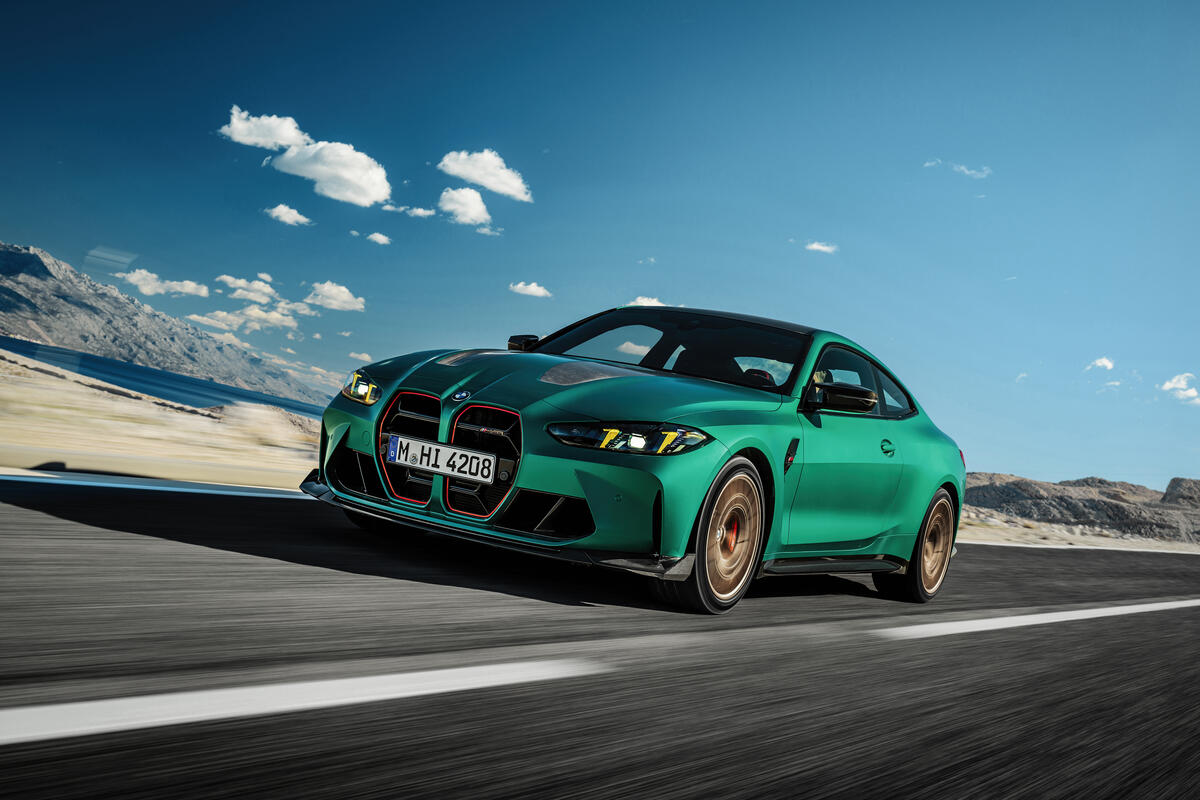
BMW M4
"..., but they made a standalone project based on the M4 with Zagato."
The BMW M4 is a faster, sportier BMW version of a regular 4 Series. It’s made to drive more aggressively than a standard model. The podcast also mentions a special project built from the M4 by another company.
The BMW M4 is a high-performance version of BMW’s 4 Series, built for strong acceleration and sporty handling. The podcast also mentions a standalone project based on the M4 with Zagato, which points to a special, coachbuilt-style derivative. That makes it relevant as both a performance platform and a base for unique one-off or limited creations.
shooting brake
"What about the, what about, oh, the vanquish shooting break? That is a good one."
A shooting brake is a car shape that mixes a sporty coupe look with wagon practicality. Think: stylish front like a coupe, but with more space behind.
A shooting brake is a body style that blends the look of a coupe with the practicality of a wagon—typically a longer rear section and a more upright tail than a traditional coupe. It’s often used for limited, design-forward variants like the Vanquish Shooting Brake.

Aston Martin Vanquish
"Okay. What about the, what about, oh, the vanquish shooting break? That is a good one."
The Vanquish is a luxury sports car from Aston Martin. The “shooting break” version is a special style that looks like a coupe but has extra cargo space like a wagon. The podcast mentions it because it’s an interesting, less common configuration.
The Aston Martin Vanquish is a luxury grand tourer built for high performance and refined comfort. The podcast specifically mentions the “Vanquish shooting break,” which is a more unusual body style that blends coupe-like looks with wagon practicality. It’s discussed because it’s a distinctive variant within a high-end lineup.

Ferrari 599 GT Z
"You ever see the 599 version? 599 GT Z? No. There is one? Yes. It's just as bad."
This is another Zagato-modified Ferrari, this time based on the 599. The hosts are reacting to how extreme the styling looks.
The Ferrari 599 GT Z is a Zagato-bodied take on the Ferrari 599, and it’s being discussed as an even uglier counterpart to the 550 GT Z. The “GT Z” naming signals a Zagato-style body conversion rather than a standard factory trim.

Aston Martin DB7 Zagato
"Wasn't it the DB Aster, the DB Road? The DB Air 1? No, it was the coupe. Wasn't it the DB7 Zagato? I think it was just DB7 Zagato. That was a beautiful car."
This is an Aston Martin DB7 that was redesigned by Zagato. They’re praising it because the Zagato styling makes it look especially good.
The Aston Martin DB7 Zagato is a Zagato-bodied version of the DB7, a grand tourer from Aston Martin. The hosts mention it as “beautiful,” highlighting how Zagato’s design language can significantly change the look of the same underlying car.

Chrysler New Yorker
"...our spin-offs that he's involved in. This week to New Yorker, last week to New Yorker has a long-form article ..."
The New Yorker is a Chrysler model name. It’s known as a comfortable, full-size car in the past. In the podcast, it’s mentioned because there’s an article or discussion about it.
The Chrysler New Yorker is a nameplate associated with classic American full-size comfort and traditional luxury positioning. The podcast references “New Yorker” as part of a longer-form article discussion, suggesting it’s being used as a topic or example rather than a technical deep dive. It’s mentioned because the name carries strong historical weight in Chrysler’s lineup.

Lamborghini Countach
"...back together. It's like, I'm trying to start the Countach, you know? And it's like..."
The Countach is a famous Lamborghini supercar. It’s known for its bold, unusual design that makes it instantly recognizable. The podcast mentions it because it’s such an iconic car to enthusiasts.
The Lamborghini Countach is a legendary supercar known for its dramatic styling and iconic place in automotive history. In the podcast, it’s referenced through the idea of “starting the Countach,” which highlights how memorable and distinctive it is. It comes up as a cultural and enthusiast benchmark for what a supercar should look and feel like.

Lexus LBX
"And it's called the Lexus LBX. [2849.0s] And it's called the Lexus LBX. [2855.4s] The Lexus LBX is a Lexus car [2857.9s] that is not sold in the United States. [2861.1s] And it's a little luxury crossover."
The Lexus LBX is a small luxury SUV/crossover that Lexus sells in some countries, but not in the United States. The conversation is basically about how obscure it is to U.S. shoppers.
The Lexus LBX is a small luxury crossover sold by Lexus outside the United States. It’s notable here because the hosts emphasize it’s not offered in the U.S., so many enthusiasts won’t have heard of it.
Request an Explanation
Heard something you'd like explained? We'll add it to this episode.
Sign in to request explanations for terms you heard.
Want to learn more?
Browse our glossary for plain-English explanations of automotive terms, jargon, and concepts.
Help improve this episode
See something that's not quite right? Our annotations are AI-generated and can sometimes miss the mark. Click the flag icon on any annotation to suggest a correction.
1 community members have helped improve this episode.