
The Secret Way Automakers SCREW Customers | Episode 1067
About this episode
Destination charges take center stage as CarEdge Live argues automakers quietly inflate the price of new cars through fees that show up on the Monroney label. The hosts explain what “destination and handling” means, how line items can be renamed or duplicated in out-the-door quotes, and why these charges can be thousands of dollars. They compare brand examples (Mercedes-Benz vs. Alfa Romeo, plus Ford/GMC/Lincoln figures), discuss negotiation and taxes, and connect destination fees to residual value and deal timing.

Toyota RAV4
"...nner. Next, we're heading to the hot springs in a RAV4. And finally, park your tundras and Tacomas aroun..."
The Toyota RAV4 is a compact SUV. It’s made for normal daily driving but can also handle weekend trips. The podcast mentions it while describing a trip to hot springs.
The Toyota RAV4 is a compact SUV that’s popular for being practical, efficient, and easy to drive. It’s often mentioned in everyday lifestyle contexts because it fits well for commuting and weekend trips. In this episode, it’s referenced as part of the “hot springs” segment, setting the scene for the outdoor theme.
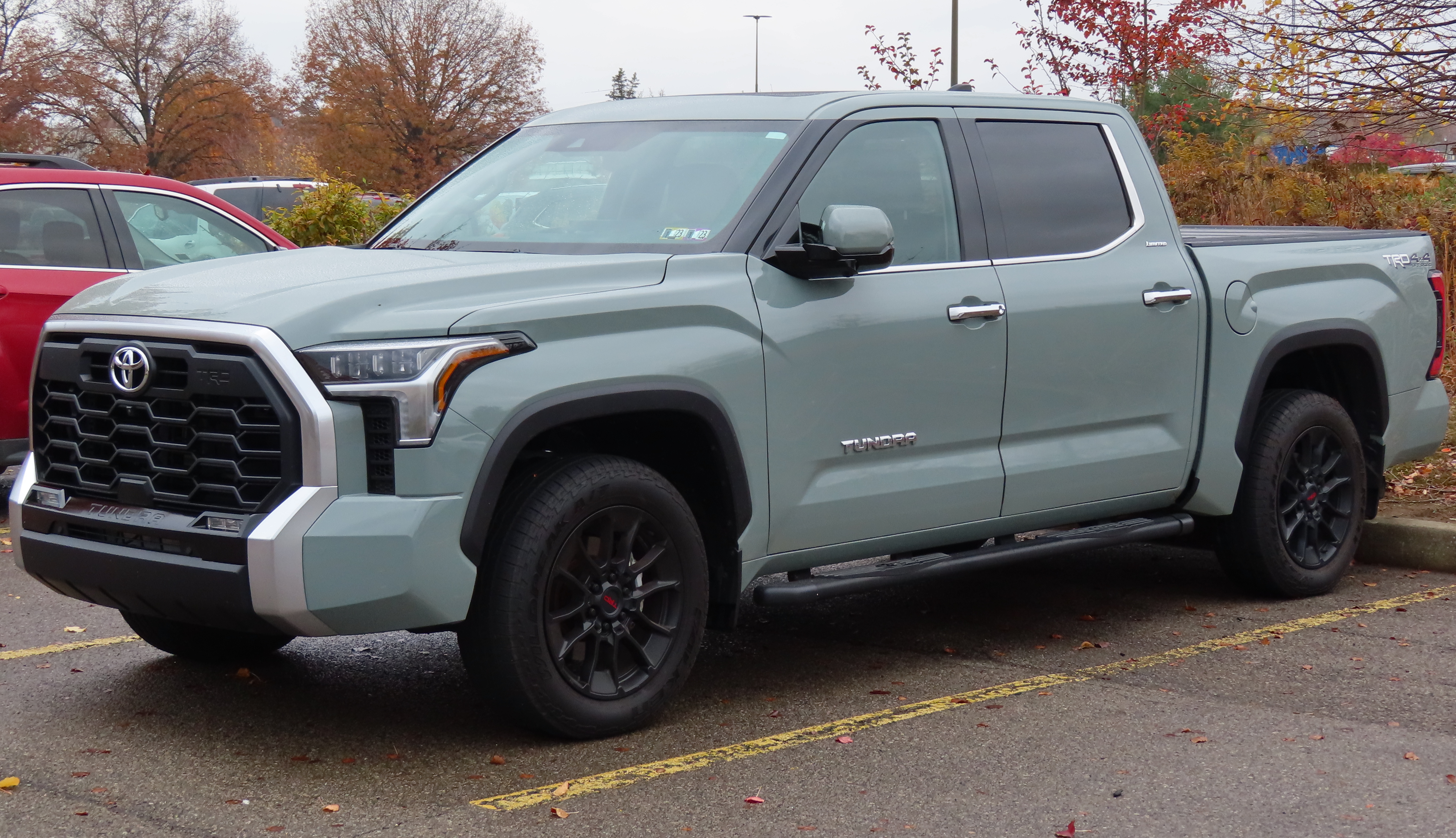
Toyota Tundra
"...the hot springs in a RAV4. And finally, park your tundras and Tacomas around the campfire because we're roa..."
The Toyota Tundra is a large pickup truck. People use it for carrying things and towing, and it’s built to handle rougher trips. The podcast mentions it because it’s the kind of truck you might bring on an outdoor weekend.
The Toyota Tundra is a full-size pickup truck built for towing, hauling, and everyday driving. It often comes up in discussions about rugged, long-distance capability—especially when people are talking about parking trucks around a campsite. In the podcast context, it’s mentioned alongside the Tacoma as part of a “campfire” lineup of trucks.
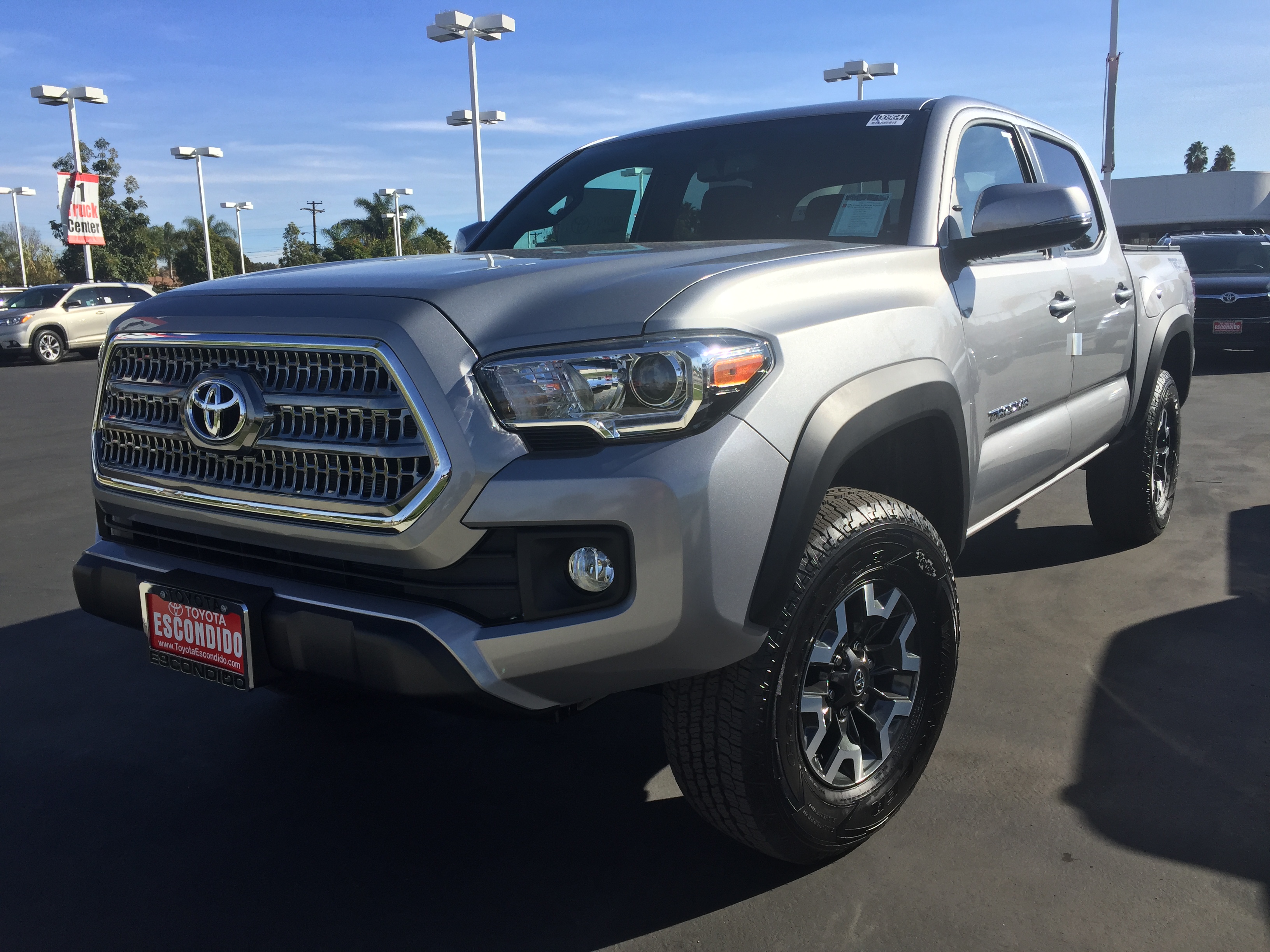
Toyota Tacoma
"...ngs in a RAV4. And finally, park your tundras and Tacomas around the campfire because we're roasting marshm..."
The Toyota Tacoma is a medium-size pickup truck. It’s designed to help you carry stuff and handle trips that go beyond normal city driving. The podcast brings it up as one of the trucks people might bring for camping.
The Toyota Tacoma is a mid-size pickup truck known for being practical, capable, and popular with drivers who want a truck that’s easier to live with than a full-size model. It’s frequently discussed in the context of outdoor use and overland-style trips. In this episode, it’s grouped with the Tundra as part of the “park your trucks around the campfire” moment.
destination charges
"Now, Dad, the big story I want to talk about this morning is a secret in the auto industry [153.5s] that we are going to turn on its head. [161.0s] We're going to be talking about today, Dad, destination charges. [164.7s] We're going to review the latest data from Consumer Reports."
A destination charge is money added to a new car’s price to pay for getting the car from the factory to the dealership. It’s a line item you’ll often see when you’re shopping for a new car.
A destination charge is a fee automakers add to the price of a new car to cover shipping the vehicle from the factory to the dealer. It’s typically shown on the buyer’s paperwork and can vary by model and brand, even when the car’s base price is the same.
Consumer Reports
"[164.7s] We're going to review the latest data from Consumer Reports. [168.1s] Destination charges are the secret way automakers are screwing car shoppers in the United States [174.9s] of America."
Consumer Reports is a group that evaluates products and publishes results to help people make better buying decisions. Here, they’re cited as the source of data for the discussion.
Consumer Reports is an independent consumer advocacy organization known for testing and rating products, including cars. In this segment, it’s being used as the source for “latest data” about destination charges.
Datsun
"and two, [182.8s] what was the destination charge on the cars you were selling back at Datsun, [186.6s] whatever the heck you were selling in the 1970s?"
Datsun was an older car brand from Japan that eventually became part of Nissan. The speaker is using it to talk about what destination charges were like back in the 1970s.
Datsun was a Japanese automaker brand that later became part of Nissan’s lineup. The host is referencing the era when they (or the guest) sold cars under the Datsun name in the 1970s.
Monroney label
"[189.4s] 12 cents. [191.0s] What was the destination fee? [193.5s] Destination charge is what the manufacturer charges on the Monroney label. [200.3s] Which is a Windows sticker."
The Monroney label is the official sticker on a new car that shows the price breakdown. It helps you see what you’re being charged for before you buy.
The Monroney label is the official window sticker required on new cars in the U.S. It lists key pricing items and specs so shoppers can compare offers more easily.
Windows sticker
"[193.5s] Destination charge is what the manufacturer charges on the Monroney label. [200.3s] Which is a Windows sticker. [201.8s] The Windows sticker, and it's the same for every dealer, whether they're [206.8s] two minutes from the factory or 3,000 miles from the factory."
The window sticker is the paper on the car that lists the price and what’s included. It’s meant to be the same information no matter which dealer you buy from.
A “window sticker” (often called the Monroney label) is the pricing/spec sheet displayed on a new car’s windshield. It’s standardized enough that the destination charge line item should be consistent across dealers for the same vehicle.
destination and handling
"[206.8s] two minutes from the factory or 3,000 miles from the factory. [212.3s] But the destination charge is, it'll say, destination and handling. [217.7s] And when I started, what was it? 1200 dollars, maybe?"
On the sticker, the destination fee may show up as “destination and handling.” It’s basically the cost to get the car to the dealer plus some extra processing costs.
“Destination and handling” is how the destination fee often appears on the window sticker, combining shipping with additional processing/handling costs. Because it’s bundled, it can be harder for buyers to tell how much is shipping versus other charges.
inland freight charge
"[286.8s] Wait a second. That was in 2005 on an MDX? 500 and 75 bucks? [294.1s] Occasionally, I've seen even on Kia, Dad inland freight charge. [298.0s] So just to be clear here, these have different names. [300.5s] Yes, they show up. They show up on the Windows sticker."
An inland freight charge is extra money for shipping the car within the country. The point here is that it can show up as a separate line item, not just one simple “destination” fee.
An inland freight charge is an additional shipping-related fee beyond the basic destination fee—often tied to moving the vehicle from a port/rail hub to the dealer region. The hosts are pointing out that these charges can appear under different names on the sticker.
handling charge
"if they add their own destination fee, destination charge, handling charge, that is separate from what's shown up on the manufacturer's Windows sticker."
A handling charge is an extra fee someone adds during the buying process, usually for paperwork or processing. The hosts are saying it can be tacked on separately from the official sticker price. So the final price can be higher than you’d think.
A handling charge is an extra dealer or transaction fee meant to cover administrative work or processing. In the context of this segment, the hosts emphasize that these charges can be added separately from the amount shown on the manufacturer’s window sticker. That distinction matters because it can make the out-the-door cost higher than what shoppers expect from the sticker.

Acura MDX
"When you showed that Windows sticker for a 2005 MDX, okay, and it was $575, that was, excuse me, 21 years ago, 21 years."
The Acura MDX is a family SUV with room for passengers and cargo. In this discussion, it’s mentioned because the hosts compare an older MDX window-sticker price to a newer one to show how destination fees have increased. It’s a real-world example of how costs add up.
The Acura MDX is a mid-size luxury SUV from Acura, known for being a family-oriented three-row option. Here it’s used as a pricing example: the hosts reference its window-sticker destination fee amount from the mid-2000s to show how destination charges have grown over time. The point isn’t performance—it’s how total pricing has changed.
destination fee
"Some vehicles that are produced in the United States get a $2,500 or more destination fee, and they only travel 15 miles from the final assembly plant to the local dealer. ... So if you need to charge on the Windows sticker $2,895, why don't you tell the truth and say it's really $1,000..."
A destination fee is money added to the car price for shipping it from the factory to the dealer. Even though dealers are sometimes close to the factory and sometimes far away, the fee is often treated like a standard charge.
A destination fee is a charge automakers add to a car’s price to cover getting the vehicle from the final assembly plant to dealerships. It’s often shown on the window sticker and can vary by model and manufacturer, even though the shipping distance can be very different for different dealers.
trucking industry
"Oh, let's say you're working with the trucking industry and you say, oh, we're expecting to produce 1.2 million vehicles in the United States that need to get shipped."
The “trucking industry” refers to commercial freight carriers that move vehicles from factories to ports, railheads, and dealerships. In the segment, it’s used to frame how shipping costs should scale with volume and negotiated rates.
invoice
"Now, the difference is that this extra profit goes directly to the manufacturer and the dealer doesn't participate in that at all because, well, on the invoice, the dealer gets charged the same destination charge as the ultimate customer."
In this context, the “invoice” is the dealer’s paperwork showing what the dealer is charged by the manufacturer for the car, including line items like destination. The host’s point is that dealers may be billed the same destination charge as the end customer, even when the real shipping cost is lower.
manufacturer year over year increases
"Yeah, I love this. This is from Jerry. Love to see you here, Jerry. Manufacturer year over year increases were typically $50 to $100 at most for the destination"
“Year over year increases” means comparing a metric (like fees or pricing) from one year to the next to see how much it has risen. The host uses it to suggest destination-related charges have been creeping upward over time.
out-the-door price
"So this is legitimately something that people need to watch out for on out-the-door price quotes. You need to watch out for two destination charges."
The out-the-door price is the final price you’ll actually pay for the car. It includes the extra fees and taxes, not just the sticker price. This is why you should check that destination fees aren’t added more than once.
The out-the-door price is the final amount you pay to buy the car, including taxes, registration, and dealer fees. It’s the number you should compare across dealers because it reflects the full transaction cost. The episode highlights that destination charges can be manipulated so they show up twice in this total.
Mercedes-Benz
"But dad, the dealers that have the, excuse me, the manufacturers that have the lowest destination charges, it's actually Mercedes-Benz. Wow. Mercedes-Benz only, you cannot believe I'm saying only, only charges $1,150 for a destination charge."
Mercedes-Benz is the brand the host says has one of the lowest destination fees right now. They’re using it as an example of how these fees can change your final price. The takeaway is to compare what each brand charges for getting the car to the dealer.
Mercedes-Benz is called out as having the lowest destination charge in the comparison being discussed. The host uses it to illustrate how manufacturer-set fees can materially affect the final out-the-door price. In this segment, the key point is that Mercedes-Benz’s destination charge is quoted as $1,150.
BMW
"I mean, just nuts. So how much is BMW? Do you think that that is a world war about the start?"
BMW is mentioned as another brand the hosts are comparing for destination fees. Even though the exact number isn’t given here, it’s part of the same message: check the final price breakdown. Different brands can charge different transport fees.
BMW is briefly brought up as part of the same destination-charge discussion, with the host asking what BMW’s number is. While no specific fee amount is provided in this excerpt, it signals the episode’s broader point: different brands can have different manufacturer transport fees that affect the out-the-door total.

Honda Civic
"...at $1,195 on the Integra, same for Honda with the Civic and Prelude, Kia with the K4 and K5, $1,195 Nissa..."
The Honda Civic is a small, everyday car. It’s made for commuting and general driving, and it’s available in different versions. The podcast mentions it because it’s being compared on price with a few other models.
The Honda Civic is a compact car that’s widely known for being efficient and easy to drive. It’s often discussed in pricing and trim comparisons because it’s a high-volume model with many configurations. In the podcast, it’s mentioned in a list of vehicles that share the same quoted price point.

Honda Prelude
"...on the Integra, same for Honda with the Civic and Prelude, Kia with the K4 and K5, $1,195 Nissan, $1,195 Su..."
The Honda Prelude is a sporty two-door car. It’s generally aimed at drivers who want a more fun driving feel than a basic commuter car. In the podcast, it’s mentioned because it’s included in a price comparison list.
The Honda Prelude is a sporty coupe that’s typically discussed as a performance-oriented alternative to more standard commuter cars. It’s brought up in the podcast as part of a group of models with the same quoted pricing. That kind of mention usually points to trim or deal comparisons rather than technical deep dives.

Acura Integra
"...heir cars and SUVs. Acura is now at $1,195 on the Integra, same for Honda with the Civic and Prelude, Kia w..."
The Acura Integra is a compact luxury car. It’s meant for drivers who want a nicer interior and a more engaging driving feel than a basic car. The podcast brings it up because it’s included in a price comparison list.
The Acura Integra is a compact luxury car positioned as a more performance-leaning alternative within the Acura lineup. In the podcast, it’s mentioned with a specific price figure, alongside other models that share the same quoted amount. That suggests the discussion is centered on pricing comparisons rather than a technical review.

Ford F-Series
"You want a Ford F-Series pickup truck, Dad? $2,595... The story is, Ford charging $2,600 as a destination fee on the F-Series pickup trucks."
The Ford F-Series is Ford’s main line of pickup trucks. In this segment, it’s used as an example of a brand charging a high destination fee.
The Ford F-Series is Ford’s flagship pickup truck lineup, and the hosts use it to highlight destination-charge pricing. They specifically claim Ford charges $2,600 as a destination fee on F-Series pickups.

GMC Sierra EV
"Ford charging $2,600 as a destination fee on the F-Series pickup trucks. GMC charging $2,600 on the Sierra EV."
The GMC Sierra EV is GMC’s electric pickup. The hosts say it also comes with a high destination charge—$2,600 in their example.
The GMC Sierra EV is an electric pickup truck, and the hosts cite it as an example of a high destination charge. They claim GMC charges $2,600 on the Sierra EV as a destination fee.

Lincoln Navigator
"GMC charging $2,600 on the Sierra EV. Lincoln charging $2,600 on the Navigator."
The Lincoln Navigator is a big luxury SUV. In this segment, the hosts say Lincoln adds a $2,600 destination charge on it.
The Lincoln Navigator is Lincoln’s large luxury SUV, and it’s included in the hosts’ list of brands with high destination charges. They claim Lincoln charges $2,600 as a destination fee on the Navigator.

Hummer EV
"the GMC up there at $2,700 for the Hummer EV. This is just price and essential."
The Hummer EV is a big electric vehicle from GMC. Because it’s so heavy, it costs more to move around, but the hosts argue the added “destination charge” is still being marked up too much.
The Hummer EV is an electric pickup/SUV-style vehicle from GMC known for its heavy curb weight and high energy use. In this segment, the hosts use it to illustrate how destination charges can feel especially inflated on expensive EVs.

GMC Sierra 1,500
"We've got $2,795, $2,800 debt from GMC for the Sierra 1,500, $2,500,"
The GMC Sierra 1500 is a big pickup truck. In this segment, it’s part of a list showing how much extra money the host says GMC adds for shipping to the dealer.
The GMC Sierra 1500 is a full-size pickup truck line (the “1500” refers to the half-ton class). The hosts mention it while listing destination-charge amounts across GMC trucks to argue these fees are being pushed upward.

GMC Yukon
"$2,500, and $3,500 Yukon and Yukon XL."
The GMC Yukon is a large SUV. The hosts mention it because they’re comparing how much extra shipping/destination fees add across different GMC vehicles.
The GMC Yukon is a full-size SUV, and the host groups it with the Yukon XL while discussing destination-charge pricing. It’s included to show the fee differences across multiple GMC nameplates.

Chevrolet Suburban
"...vy, $2,800 for the Silverado 1500, $2,500, $3,500 suburban in Tahoe, Cadillac, you are up to $2,895 on the E..."
The Chevrolet Suburban is a large SUV that can fit more people than a typical car. It’s meant for family trips and everyday use, and it can also tow. The podcast brings it up because it’s included in a price comparison.
The Chevrolet Suburban is a full-size SUV known for seating capacity and family-friendly practicality, while still offering strong towing capability. It often appears in discussions where people compare large vehicle pricing and options. In the podcast, it’s referenced with a specific price number in the same pricing sequence as other GM models.

Chevrolet Tahoe
"...or the Silverado 1500, $2,500, $3,500 suburban in Tahoe, Cadillac, you are up to $2,895 on the Escalade a..."
The Chevrolet Tahoe is a big SUV made to carry passengers comfortably. It’s useful for family trips and can handle towing when equipped for it. The podcast mentions it because it’s part of a list of vehicles with specific pricing.
The Chevrolet Tahoe is a full-size SUV focused on comfort, passenger space, and versatility. It’s commonly discussed alongside other large GM SUVs when talking about pricing and trim availability. In this episode, it’s mentioned with a dollar amount as part of the same “what it costs” comparison.

Chevrolet Silverado
"...ticker price 4%. Okay. Like Chevy, $2,800 for the Silverado 1500, $2,500, $3,500 suburban in Tahoe, Cadillac,..."
The Chevrolet Silverado 1500 is a large pickup truck. It’s built to carry loads and tow trailers, and it’s also used for regular driving. The podcast mentions it because it’s part of a list of vehicles with a quoted price.
The Chevrolet Silverado 1500 is a full-size pickup truck designed for work and everyday use, with strong emphasis on towing and hauling. It’s a common reference point when discussing truck pricing and monthly payment-style numbers. In the episode, it’s mentioned with a specific dollar figure as part of a broader pricing rundown.

Cadillac Escalade
"up to $2,895 on the Escalade and Escalade IQ."
The Cadillac Escalade is a large luxury SUV. The host brings it up because they’re comparing destination charges across different brands and price tiers.
The Cadillac Escalade is a flagship full-size luxury SUV. In this segment, it’s mentioned to show that even premium vehicles can have sizable destination charges, supporting the host’s “price pushback” theme.
sticker price
"and say, no more. I'm mad as hell and I'm not paying a $2,900 destination charge to get that vehicle from wherever you build it to my local dealership."
Sticker price is the number you see on the car’s price tag/window sticker. The host is saying the final cost can jump a lot once extra fees like destination charges are added.
Sticker price is the advertised price on the vehicle’s window sticker before taxes, registration, and financing. The host uses it to emphasize that destination charges can make the real out-the-door cost feel much higher than what shoppers expect.
Chevy Silverado 1500
"Yes. If I'm in the market for a Chevy Silverado 1500 and I want to buy a new one from a Chevy dealer, do I have to pay the $2,795 destination charge? It's part of the MSRP."
The Chevy Silverado 1500 is a popular full-size pickup. In this segment, it’s just the example truck they use to explain how dealer pricing works, especially the destination fee.
The Chevrolet Silverado 1500 is a full-size pickup truck, and it’s used here as an example of how automaker pricing is structured at the dealership level. The hosts discuss whether the destination charge applies when buying a new Silverado from a Chevy dealer and how it’s included in the MSRP.
incentives
"...between incentives and what dealers are typically willing to negotiate price-wise off of the MSRP of a vehicle."
Incentives are deals from the automaker or dealer that can lower what you pay. The hosts say you can use incentives, but the destination fee is still included in the sticker price.
Incentives are manufacturer or dealer promotions (like rebates or special financing offers) that reduce the effective selling price. The hosts contrast incentives with the destination charge, arguing there’s limited room to discount beyond what’s already built into MSRP.
window sticker
"...It is the last line item on a Monroni label on the window sticker. The last line item typically is destination, transportation, destination and handling... that's before the total."
The window sticker is the paper/label on a new car that shows the official price breakdown. They’re saying the destination fee is listed there and taxes are calculated on it too.
The window sticker is the official label on a new car that lists pricing details and line items. The hosts note that destination/transportation is typically the last line item before the total, and that taxes apply to that amount because it’s part of the sticker price.
factory installed options
"...It would almost be like for factory extras options that you think you're going to negotiate every line item on the MSRP, on the window sticker. You don't."
Factory installed options are features the car is built with. The hosts’ point is that these are already part of the sticker price, so you usually negotiate the overall price instead of each option separately.
Factory installed options are features added during vehicle production (not dealer add-ons), and they’re included in the vehicle’s MSRP. The hosts emphasize that you generally negotiate the total MSRP “bottom line” rather than trying to remove each factory option line item individually.
taxed
"If destination charges are not taxed, is that charge non-negotiable? They are taxed. It's part of the MSRP. It's part of the total window sticker price."
They’re saying the destination fee is not tax-free. Sales tax is calculated on it because it’s part of the car’s total sticker price.
In this context, “taxed” means sales tax is applied to the destination charge because it’s included in the MSRP and total window-sticker price. The hosts explicitly answer that destination charges are taxed and therefore not a separate untaxed fee you can avoid.
tariffs
"From David, our manufacturer is trying to recoup tariffs in their destination charge."
Tariffs are taxes the government adds to imported products. If car parts are imported, those taxes can raise costs, and companies may try to pass some of that cost to buyers.
Tariffs are taxes a government places on imported goods. In auto pricing discussions, tariffs can raise the cost of parts or vehicles, which manufacturers may then try to recover through fees like destination charges.

Ford Maverick
"Remembering the launch of the Maverick Advertise as below $20,000 starting price before the destination fee of $1,500."
The Ford Maverick is used to show how the advertised “starting price” can be misleading. The hosts point out that the destination fee gets added on top, so what you actually pay is higher than the headline number.
The Ford Maverick is discussed as an example of a “starting under $20,000” marketing claim that doesn’t reflect the full buyer cost once destination fees are added. The hosts emphasize that the advertised price is typically before destination charges, making the real-world price higher.

Ford F-150 Lightning
"which is the same reason when they first announced the Lightning, they said that was going to be $39,995 because it's under $40,000."
The Ford F-150 Lightning is an electric truck. The hosts use it to show that automakers sometimes promise a price like “under $40,000,” but the final real-world cost often ends up higher once fees and costs change.
The Ford F-150 Lightning is an electric pickup that the hosts reference for a pricing promise tied to staying under a $40,000 threshold. They argue that the “under $40,000” claim didn’t hold up in practice, illustrating how destination fees and changing costs can undermine headline pricing.
EV market rebound
"How long does demand in the new car market take to adjust to higher gas prices? Do you think the EV market will rebound based on current events?"
A rebound means EV sales start improving again after a slowdown. The discussion here is about what could bring buyers back—like fuel prices and incentives.
An EV market rebound refers to a recovery in EV demand and sales after a period of weaker buying. In this segment, the hosts connect it to gas prices, government subsidies, and how quickly consumer demand responds to changing costs.
government subsidies
"I don't know that without the government subsidies, I don't know that gas prices can get high enough just yet to really substantially move the needle on EV sales just yet."
Government subsidies are discounts or credits from the government that make EVs cheaper to buy. The point here is that if those incentives go away, fewer people may buy EVs.
Government subsidies are financial incentives (often tax credits or rebates) that reduce the effective cost of buying certain vehicles, like EVs. The hosts argue that without these incentives, EV prices and sales may not move as much even if gas prices rise.
residual value
"Even with terrible residuals, some of the bounced original destination fee makes it to the used price... Because the residual value is based off the total MSRP, not the base MSRP."
Residual value is what the car is expected to be worth later—often at the end of a lease. If the car’s “official price” is higher because of fees, that expected future value can go up too, which can ripple into used-car prices.
Residual value is the estimated worth of a vehicle at the end of a lease term (or sometimes the basis for depreciation assumptions). In this segment, they explain that residual value is calculated from the vehicle’s total MSRP, so fees that inflate MSRP can raise the residual and affect used-car pricing.
0% financing
"we saw in the beginning of this year more manufacturers, 0% financing offers than we did in December of last year."
0% financing means you borrow the car money without paying interest. That can make the deal cheaper overall, and it can also change what discounts and prices you see at dealerships.
0% financing is a promotional auto loan where the lender charges no interest, reducing the total cost compared with typical loans. The hosts note that more manufacturers offered 0% financing earlier in the year than in the prior December, which can affect demand and pricing.
leftover
"If you were thinking to yourself, I'm going to wait for a leftover Dodge Charger Scat Pack. Yeah. I'm going to wait till the end of this year to pick that up."
“Leftover” means the dealership still has cars sitting unsold. Dealers often discount these near the end of the year to make room for new inventory.
In car shopping, “leftover” usually means unsold inventory from the current model year that dealers are trying to move. The hosts connect this to end-of-year timing and incentives, suggesting leftover cars can be where discounts show up.

Dodge Charger Scat Pack
"We even saw yesterday on the show with Jared, for example. If you were thinking to yourself, I'm going to wait for a leftover Dodge Charger Scat Pack."
The Dodge Charger Scat Pack is a higher-performance version of the Charger. The hosts mention it as an example of a car people might wait to buy later in the year to try to get a discount.
The Dodge Charger Scat Pack is a performance-oriented trim of the Dodge Charger, aimed at buyers who want a more powerful muscle-car feel than the base models. In this segment, it’s used as an example of a model someone might try to buy at the end of the year for a better deal.
MSRP
"what was it, 30% off MSRP overnight because the manufacturer just decided that they were done."
MSRP is the “sticker price” the manufacturer lists for the car. The actual price you pay can be higher or lower once dealers and incentives get involved.
MSRP stands for Manufacturer’s Suggested Retail Price. It’s the price automakers publish as a baseline, but real-world deals often land above or below it depending on incentives and dealer pricing.
best time to buy a new car
"They just need to get rid of it at this point. When's the best time to buy a new car? I think you need to watch the market."
The “best time to buy” is when deals are strongest—usually when dealers have lots of cars to sell or manufacturers are offering bigger incentives. That’s when you’re more likely to get a lower price.
The “best time to buy” idea is about timing incentives, inventory pressure, and market conditions so you can negotiate a lower effective price. When automakers or dealers need to move inventory quickly, discounts versus MSRP can spike.
depreciation rankings
"We work for you, not car dealers, to learn more. Back at caredge.com. You can use the car search. You can use our car buying service. We have all sorts of research tools like depreciation rankings, maintenance costs, insurance estimator, check what your vehicle's worth, and so much more."
Depreciation rankings compare how quickly different vehicles lose value over time. They help shoppers estimate future resale value and total cost of ownership, since faster depreciation generally means a bigger hit when you sell later.
maintenance costs
"We have all sorts of research tools like depreciation rankings, maintenance costs, insurance estimator, check what your vehicle's worth, and so much more."
Maintenance costs are what you’ll likely spend to keep the car running over the years. It’s more than just the initial price—things like service visits and wear items add up.
Maintenance costs are the expected expenses for routine upkeep and wear items over time (like scheduled service and common replacements). They’re useful for estimating total cost of ownership beyond just the purchase price.
insurance estimator
"We have all sorts of research tools like depreciation rankings, maintenance costs, insurance estimator, check what your vehicle's worth, and so much more."
An insurance estimator helps you guess what your insurance might cost for a specific car. Since different cars can cost more or less to insure, it’s a useful comparison tool.
An insurance estimator predicts how much you might pay for auto insurance based on factors like the vehicle and driver profile. It helps compare cars using a more realistic monthly/annual cost rather than assuming insurance will be similar across models.
vehicle's worth
"insurance estimator, check what your vehicle's worth, and so much more. Dealer reviews as well, dad."
“Vehicle’s worth” means what the car is likely worth in today’s market. Knowing that helps you judge whether the price you’re being offered is actually a good deal.
“Vehicle’s worth” refers to an estimate of the car’s current market value, often used to gauge resale value or trade-in value. Accurate valuation matters because it affects how good a deal is relative to what you could sell the car for later.
Request an Explanation
Heard something you'd like explained? We'll add it to this episode.
Sign in to request explanations for terms you heard.
Want to learn more?
Browse our glossary for plain-English explanations of automotive terms, jargon, and concepts.
Help improve this episode
See something that's not quite right? Our annotations are AI-generated and can sometimes miss the mark. Click the flag icon on any annotation to suggest a correction.