TMCP #650: Ask Rick – Father’s Day Car Shows, Summer Cruise Nights, and Patriotic Auction Temptations
About this episode
June’s TMCP #650 blends racing, car-show logistics, and the business side of collecting. Rick Schmidt shares how to plan a Father’s Day show, what makes it fun (and not salesy), and why awards, parking windows, and weather can make or break the day. The conversation then shifts to late-model racing—spotters, grip changes, and finding the line of speed—plus how sponsorship and networking shape results. Finally, they dig into reproduction body sourcing, vetting, and legal/ethical pitfalls.
Father's Day is right around the corner, and on this month's Ask Rick, Rob Kibbe welcomes National Parts Depot CEO Rick Schmidt for a wide-ranging conversation covering everything from car show planning to collector car buying strategy. Drawing from more than twenty years of experience producing NPD's legendary Silver Springs Ford and GM shows, Rick shares what makes a great event, why most car shows overcomplicate things, and how creating an experience for the entire family is often more important than the cars themselves.
The discussion also dives into the evolving world of reproduction bodies and restoration parts. Rick offers an insider's perspective on the quality improvements seen in replacement Camaro and Firebird bodies, the challenges of manufacturing and licensing, and why some projects help preserve the hobby while others raise serious questions. If you've ever wondered what goes into bringing reproduction sheet metal and complete bodies to market, this segment is packed with fascinating insight.
Of course, no Ask Rick episode would be complete without auction picks. This month Rick evaluates six vehicles ranging from a 1968 El Camino SS 396, 1969 Mercury Cougar Convertible, and 1962 Chrysler 300, to a modern Shelby GT350R Heritage Edition, a stunning 1950 Oldsmobile 88 Convertible, and a 1969 Dodge Charger R/T. Along the way he reveals which cars he'd happily cruise all summer, which ones he'd avoid entirely, and why some of the hobby's most interesting opportunities aren't always the most obvious choices.
The post TMCP #650: Ask Rick – Father’s Day Car Shows, Summer Cruise Nights, and Patriotic Auction Temptations first appeared on The Muscle Car Place.
four chassis race car
"So it's a four chassis race car. And then you've got what are they called bump stops? I mean on the suspension."
This means it’s a race car built from the ground up for racing. The frame/chassis is made to handle hard driving and racing parts, not just normal street use.
A “four chassis race car” is describing a purpose-built race car with a chassis designed for racing, rather than a street-based platform. In practice, it usually implies a dedicated racing frame and mounting points optimized for suspension geometry and safety equipment.
bump stops
"And then you've got what are they called bump stops? I mean on the suspension. Yeah."
Bump stops are like safety limits for the suspension. They stop the suspension from compressing too far when you hit bumps or load the car hard in turns and braking.
Bump stops are suspension components that limit how far the suspension can compress. On race cars, they’re tuned so the car doesn’t bottom out under hard cornering or braking, which helps keep handling consistent and protects the suspension.
V8
"You've got a V8 with probably like 400 more horse than a legend car. Big old racing slicks on it."
A V8 is an engine with eight cylinders arranged in a V shape. More cylinders usually means smoother power and often stronger pulling power.
A V8 is an engine with eight cylinders arranged in a “V” shape. Compared with smaller cylinder counts, it typically delivers strong low-to-midrange torque and a distinctive sound, which is why many muscle and racing cars use V8s.
racing slicks
"Big old racing slicks on it. Super low to the ground. It's super fast."
Racing slicks are special tires made for dry track driving. They have no tread, so they can grip harder on a race surface, but they’re not meant for wet weather.
Racing slicks are tires with no tread pattern, designed to maximize the contact patch for grip on dry track surfaces. They’re typically used in racing because they provide more rubber-on-road area than street tires, but they can be unsafe or ineffective in rain.
Super low to the ground
"Big old racing slicks on it. Super low to the ground. It's super fast."
This means the car sits very low. A lower ride height can help it feel more stable and stick better when you’re turning hard.
“Super low to the ground” usually refers to a very low ride height, which reduces the car’s center of gravity and can improve handling. On race cars, lowering the suspension also helps manage aerodynamic airflow and reduces body motion during cornering.

Ford Mustang
"...od recipe with our Silver Springs all forward and Mustang roundup and then those always happen in January."
The Ford Mustang is a sports car made by Ford. It’s popular with car fans because it comes in many versions and has been around for a long time. When people talk about a “Mustang roundup,” they’re usually gathering Mustangs and the people who like them.
The Ford Mustang is a classic American pony car known for its long-running popularity and performance-focused lineup. It’s often discussed in enthusiast circles because it has a huge variety of generations, trims, and engine options. In a “Mustang roundup” context, it’s the kind of car that brings people together at events and shows.
dash plaques
"It was expensive to do a car show you know the right way since mine was free dash plaques no because more than half the people throw those away anyhow."
A dash plaque is a small award/label you get at a car show. People usually put it on the dashboard while they’re there, and then some keep it as a souvenir.
Dash plaques are small commemorative plates given to participants at car shows, typically mounted on the dashboard during the event. They’re meant to identify the car as having attended and to serve as a keepsake for the owner.
best-of-class award
"back then so you could literally win a best-of-class award which was really hard to do at a show where there's 1,100 cars and we're only giving away 30 awards and that includes the best ofs the best Ford the best Mustang all inclusive"
A best-of-class award means your car was judged the best in its category at the show. Instead of being compared to every car, you’re compared to cars in the same group.
A best-of-class award is given to the top car within a specific category (like year, body style, or vehicle type) at a show. It’s usually harder to win than a general “best of show” because you’re competing against a narrower group first.
participation award
"not like a lot of other car shows you go to where everybody gets a participation award here's your cheap press board wooden plaque everybody gets one just for showing up"
A participation award is something you get just for attending. It’s usually not based on being the best—more like a “thanks for coming” prize.
A participation award is a low-effort prize given to most or all attendees just for showing up. Enthusiasts often view them as less meaningful because they don’t reflect competitive judging or a standout result.
press board wooden plaque
"here's your cheap press board wooden plaque everybody gets one just for showing up I never dug that I used to go to shows and I'd get my little plaque"
A press board wooden plaque is a low-cost award typically made from compressed fiberboard (often called pressboard) that’s shaped and finished to look like wood. It’s used for mass participation awards because it’s cheap to produce.
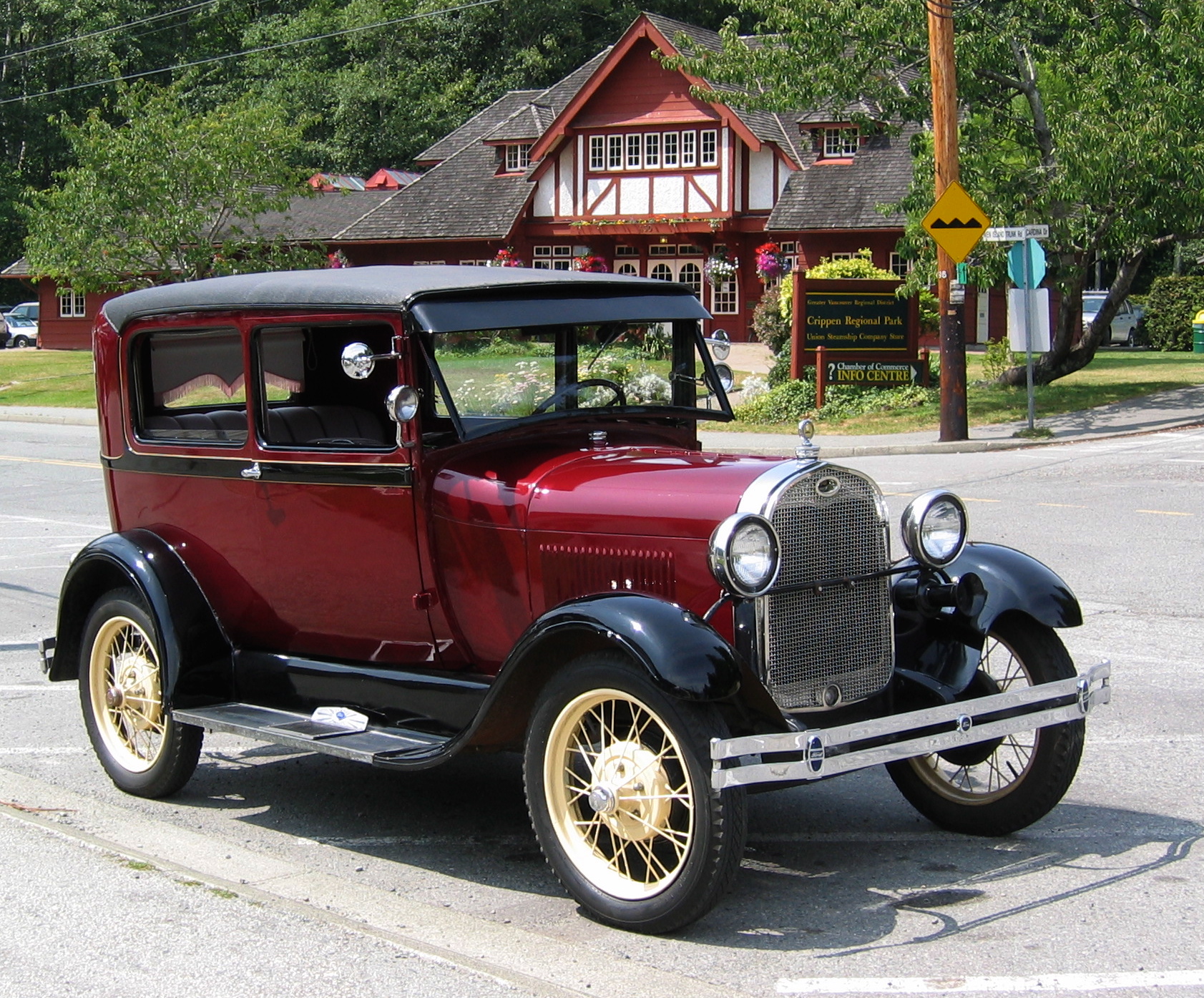
Ford Super Ford
"...zines Dobbs Publishing back at the time which was Super Ford and Mustang Monthly I brought them into the fold ..."
The Ford Super Duty Lariat Tremor is a heavy-duty pickup truck. It’s meant for towing and rough roads, and the Tremor package adds off-road-focused features. The podcast is bringing it up as part of Ford’s lineup that gets attention in enthusiast media.
The Ford Super Duty Lariat Tremor is a heavy-duty pickup built for work and off-road capability, with the Tremor package aimed at tougher terrain. The podcast mentions it in the context of Ford and Mustang-related publications, which suggests it’s part of the broader “Super Ford” era of coverage. It’s discussed because the Super Duty line is known for towing and durability, while Tremor adds off-road hardware.
vinyl
"somebody who just had barely had vinyl on their seats you know they had towels all over everything and just that had never been able to get around"
Vinyl is a man-made material used for car seat covers and interior trim. It can look like leather, but when it ages it can crack or get ugly—so it’s often a sign an interior needs refreshing.
In classic car interiors, “vinyl” usually refers to synthetic leather-like upholstery material. It’s common on older seats and door panels because it’s durable and easier to maintain than cloth, but it can crack or look worn over time.

Renault Wind
"...ables four long rows and each of those rows would wind up being sometimes in the middle of the day easil..."
The Renault Wind is a small car from Renault that can be driven with the top down. It’s designed to be practical for everyday trips, not just for show. The podcast is describing how it can fit people and work during normal driving.
The Renault Wind is a small, compact convertible designed for easy, everyday driving with open-air fun. The podcast context talks about how the car’s layout and seating can work well for passengers in real-world use. It’s discussed because it’s a distinctive, practical take on a convertible rather than a large performance drop-top.

Chevrolet Camaro
"...ment bodies and I'm gonna say they were first gen Camaros maybe from real deal steel or dynacorn we've chan..."
The Chevrolet Camaro is a sports car from Chevrolet. Early Camaros are older models that many collectors look for. People may talk about them a lot because they’re a big part of muscle-car history.
The Chevrolet Camaro is another iconic American muscle/pony car, famous for its styling and performance history. The podcast context points to first-generation Camaros, which are especially sought after by collectors. They’re discussed because early models are closely tied to the era’s “real steel” and restoration/replica conversations.
crash parts
"if I did my own googling I could figure out that that company's background is in crash parts they have the resources to have CNC and presses and all the stuff"
“Crash parts” are components used to repair a vehicle after damage—typically body panels, structural pieces, and other parts that restore the car’s original shape and safety performance. The speaker is saying the company’s background is in making these repair parts, which affects how you’d judge their ability to produce new replacement bodies.
presses
"background is in crash parts they have the resources to have CNC and presses and all the stuff "
Presses are machines that shape sheet metal into the right form. For car body panels, that shaping needs to be accurate so the part matches the car’s original lines.
Presses are industrial machines used to form sheet metal into specific shapes, often via stamping or forming dies. For body panels, press-forming is a key step because the panel’s shape and contours must match the original vehicle.
CNC
"background is in crash parts they have the resources to have CNC and presses and all the stuff "
CNC is a way factories use computers to control machines that cut and shape metal very accurately. It can help replacement parts fit correctly because the measurements are consistent.
CNC (computer numerical control) is a manufacturing method where software controls machine tools to cut or shape parts precisely. In the context of replacement bodies, CNC capability can matter for achieving accurate dimensions and repeatable fitment.

Dodge Charger
"how would you vet a company that one in particular they're planning to release a 68 69 charger body as part of their line they don't just make 240 z's in Toyota 86's how would you vet"
They’re discussing replacement body panels for a 1968–1969 Dodge Charger. In other words, it’s about the outer metal parts that make the car look right and fit together properly.
The speaker is talking about making replacement sheet-metal for a 1968–1969 Dodge Charger. Those years are iconic for the Charger’s muscle-car styling, so a “body” here means the outer metal panels that define the car’s shape and fitment.
replacement body
"anybody that's bringing you a new replacement body that's very complicated there's a lot of questions that would have to be answered that go beyond whether or not the body's a quality piece"
A “replacement body” means new bodywork meant to replace damaged exterior parts on a specific car. It’s not just about looking good; it has to fit correctly and be made to the right specs.
A “replacement body” in this context means aftermarket or newly manufactured bodywork intended to restore a specific car’s exterior and structure. The speaker emphasizes that vetting such parts goes beyond surface quality—it includes fitment, manufacturing accuracy, and legal licensing issues.
licensing departments
"does Stellantis or GM or Ford do these bodies need to be licensed with them or maybe they don't need to be licensed then are they still going to sue you into oblivion to make it so "
Licensing departments are the legal teams that decide whether someone is allowed to copy or sell certain car designs and parts. The speaker is saying companies may need permission, or they could get sued.
“Licensing departments” refers to the legal/rights teams at automakers or IP holders that control permission to reproduce designs, tooling, or branded components. The speaker’s point is that replacement body makers may need permission, and without it they could face legal action that makes business difficult.
Stellantis
"does Stellantis or GM or Ford do these bodies need to be licensed with them or maybe they don't need to be licensed then are they still going to sue you into oblivion to make it so"
Stellantis is a big car company. Here, it’s mentioned because the speaker is talking about whether companies need permission to make replacement body parts.
Stellantis is a major automaker formed from the merger of Fiat Chrysler Automobiles and PSA Group. In this segment, it’s mentioned as one of the companies whose licensing rules could affect whether replacement body parts can be produced and sold.
GM
"does Stellantis or GM or Ford do these bodies need to be licensed with them or maybe they don't need to be licensed then are they still going to sue you into oblivion to make it so"
GM stands for General Motors, a large car manufacturer. In this segment, it’s brought up as another company whose legal licensing rules could apply to replacement parts.
GM is the common abbreviation for General Motors, a major automaker. The speaker mentions it in the context of whether replacement body parts need licensing and whether legal enforcement could affect aftermarket manufacturers.

Tesla Semi
"...ne you know ratio and fenders those go out by the semi truck loads probably every day body purchases is ..."
The Tesla Semi is a large electric truck used to move freight. Instead of using gasoline or diesel, it runs on electricity. The podcast is mentioning production scale and how quickly parts and components can be made.
The Tesla Semi is an all-electric heavy-duty semi truck designed for long-haul freight. The podcast context focuses on how parts and bodies are produced “by the semi truck loads,” pointing to the scale of manufacturing and supply. It’s discussed because it represents a major shift toward electric power in commercial trucking.
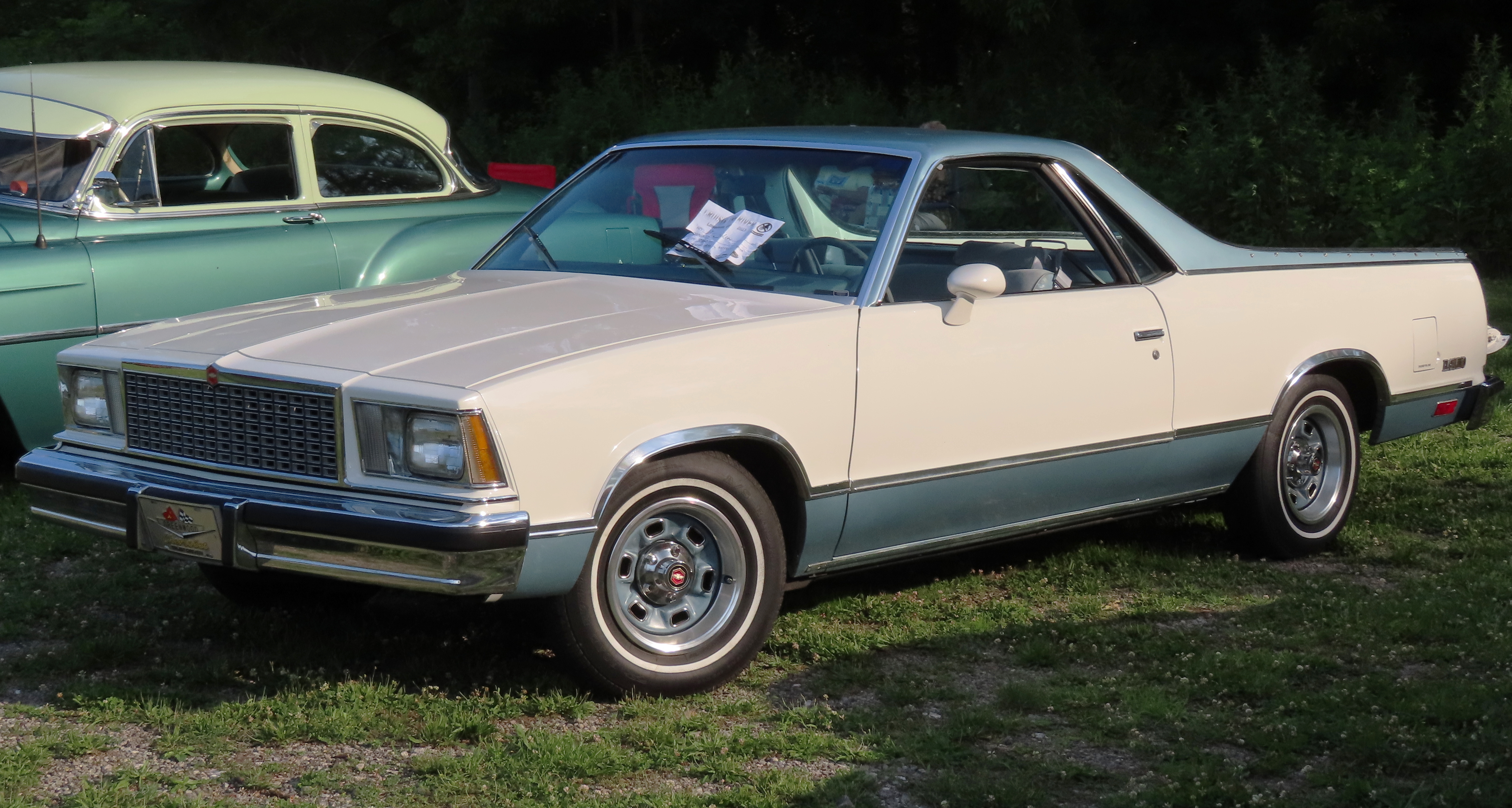
red 1968 Chevy El Camino
"what do we have for car number one it is a red 1968 Chevy El Camino says it's an ss 396 it's sitting on what looked to be some aftermarket variant of what's looking like a rally wheel but they look like they're 17 inches with low profile black wall tires on it true honest verified big block el caminos have become so high dollar"
The Chevy El Camino is a classic muscle-era vehicle that looks like a car but has a truck bed. This specific one is a 1968 model that the seller says is an SS 396, which is a higher-performance big-engine version—real ones are especially valuable to collectors.
The Chevrolet El Camino is a classic American “car-based pickup” that blends muscle-era styling with a truck bed. This one is a 1968 Chevy El Camino claimed to be an SS 396, which is a big-block V8 performance package that enthusiasts watch for because real SS 396 cars can be worth far more than lookalikes.
ss 396
"it is a red 1968 Chevy El Camino says it's an ss 396 it's sitting on what looked to be some aftermarket variant of what's looking like a rally wheel but they look like they're 17 inches with low profile black wall tires on it true honest verified big block el caminos have become so high dollar"
“SS 396” is a performance version of a Chevy that’s associated with a big 396-cubic-inch engine. Since some cars get modified over time, people try to confirm it’s the real deal, not just a car that’s been dressed up to look like one.
“SS 396” refers to a Chevrolet El Camino (or Chevelle/other GM models) performance package built around the 396 cubic-inch big-block V8. Because many cars are modified or misrepresented, enthusiasts often verify whether it’s truly an SS 396 rather than just having the look or badges.
concourse level
"I would be cynical that this truck was born as an ss 396 otherwise it would be done more to a stock or concourse level this is kind of restomod slash hot rotted but it does look pretty original under the hood I'll give that for it is this a body style you like"
“Concourse level” means a car is restored to be perfect for car shows. It’s not just running and looking good—it’s meant to be extremely correct and pristine.
“Concourse level” describes a car restored to an extremely original, show-quality standard—correct details, finishes, and presentation as if it’s ready for a top-tier judging event. The host uses it to say the El Camino doesn’t look like it was built to that highest originality standard.

Cupra Born
"...igh dollar I would be cynical that this truck was born as an ss 396 otherwise it would be done more to a..."
The Cupra Born is an electric car shaped like a hatchback. It runs on electricity instead of gasoline. The podcast is basically saying not to expect it to match the performance story of older muscle cars.
The Cupra Born is an electric hatchback from the Cupra brand, built around everyday usability and electric power. The podcast context questions whether a specific “SS 396” comparison makes sense, which highlights how people sometimes compare performance expectations across very different eras and powertrains. It’s discussed because the Born is part of the modern electric-hatch conversation.
restomod
"otherwise it would be done more to a stock or concourse level this is kind of restomod slash hot rotted but it does look pretty original under the hood"
A “restomod” is an older car that’s been fixed up and improved, often with some modern upgrades. It’s usually meant to keep the classic look while making it nicer to drive.
A “restomod” is a classic car that’s been restored but also modernized—typically with updated mechanicals, drivability improvements, or refreshed components. The host is using it to describe a car that’s not fully stock, but also not a totally new build.
hot rotted
"otherwise it would be done more to a stock or concourse level this is kind of restomod slash hot rotted but it does look pretty original under the hood"
“Hot rotted” is a casual way of saying the car has been changed a lot in a hot-rod direction. The host is basically saying it doesn’t look like a careful, original restoration.
“Hot rotted” is slang for a car that’s been heavily modified in a hot-rod style, often with a rougher or less-original approach. In this context, it’s contrasted with a more stock/concours-level restoration.
m code
"we're talking this is a 69 cougar mercury cougar convertible and it's an m code which means it's a"
An “M code” is a factory label that tells you which specific engine or build option a car had when it was new. Collectors care because it helps confirm what the car really is, not just what it looks like now.
An “M code” is a factory option/engine designation used on certain 1960s Mercury Cougars to identify a specific engine configuration. Because it ties to how the car was built from the factory, it’s important for authenticity and collector value.
four barrel
"four barrel that's a 351 winster four barrel it's already bid to higher money than the El Camino was people don't typically fake m code winster cougars so you don't have to worry about"
“Four-barrel” describes a fuel system on older V8s that uses a carburetor with four separate openings. More openings can mean more fuel delivery when you press the gas hard.
A “four-barrel” refers to a four-barrel carburetor setup, which meters fuel through four throttle openings. It’s a common muscle-era upgrade/identifier because it typically supports stronger airflow and higher power potential than smaller carburetor configurations.

Mercury Cougar
"like I am with the El Camino that it was not born as a big block it's a secretly good looking car [2488.8s] 79 is arguably my favorite year for the mercury cougar I just love the horizontal chrome front [2496.2s] grille that goes from side to side with the pop-up hidden door headlamps"
The Mercury Cougar is a classic Ford-family muscle car with a stylish, sporty body. In this part, the host talks about a 1979 example and how it looks—especially the grille and hidden pop-up headlights—and notes it seems solid and rust-free.
The Mercury Cougar is a personal-luxury muscle car from Ford’s Mercury brand, known for its long hood, aggressive styling, and V8 options. The host highlights a specific model year (1979) and points out distinctive design features like the horizontal grille and pop-up hidden headlamps, plus the car’s California rust-free condition.
big block
"like I am with the El Camino that it was not born as a big block it's a secretly good looking car [2488.8s] 79 is arguably my favorite year for the mercury cougar I just love the horizontal chrome front"
“Big block” means the car originally had a bigger, stronger V8 engine. The host is saying the El Camino they’re talking about didn’t start life with that larger engine.
“Big block” is muscle-car slang for a larger-displacement V8 engine family, typically associated with higher power output and heavier-duty components. In this segment, the host says the El Camino “was not born as a big block,” meaning it wasn’t originally equipped with the larger engine.
pop-up hidden door headlamps
"[2488.8s] 79 is arguably my favorite year for the mercury cougar I just love the horizontal chrome front [2496.2s] grille that goes from side to side with the pop-up hidden door headlamps I like the side body line I"
These are headlights that hide in the car’s body and pop out when you turn them on. The host likes this look because it makes the front end cleaner and more distinctive.
Pop-up hidden headlamps are headlights that retract into the bodywork when not in use, then rise for illumination. This was a popular styling cue on some late-1960s/1970s cars because it cleaned up the front appearance while still providing conventional headlight function.
rust free
"it's got clean looking interior this looks like a good honest car again it's not a show car it's just [2550.7s] a cruise around and enjoy a type of car but boy it's nice and dry and rust free underneath too [2556.2s] there are very few cars I love with kreger ss's but this is one of them"
“Rust-free” means the car doesn’t have corrosion underneath, which is a big deal on older vehicles. Less rust usually means fewer expensive repairs later.
“Rust-free” is a major buying/ownership indicator on older cars because corrosion can mean expensive repairs to floors, frame sections, and body structure. The host emphasizes that this car is “clean” and “dry and rust free underneath,” suggesting it’s in better-than-average condition for its age.
Kreger ss's
"[2556.2s] there are very few cars I love with kreger ss's but this is one of them I like that that's a nice [2562.0s] look on that car yeah what do we have for car number three again"
“Kreger ss’s” appears to refer to a specific wheel/tire setup (likely a wheel brand/model) that the host personally likes on this car. Because the transcript doesn’t provide enough detail to confirm the exact product name, it’s best treated as a wheel reference rather than a widely standardized automotive term.
no pillars
"of course it's not a convertible but it is a two-door hard top with [2588.3s] no pillars the 62 is a really good year it's really good looking handsome car"
“No pillars” means the car’s side windows look like they flow without the usual vertical support posts. That’s why the car can look more open and sleek.
“No pillars” describes a pillarless hardtop look, where the side windows and roofline create an uninterrupted visual opening. It’s a body-style feature that affects how the car looks (and sometimes how it feels structurally) compared with a conventional coupe with fixed B-pillars.

Chrysler 300
"hi I'm right there with you and of course this year of Chrysler 300 has an absolutely dynamite futuristic space age instrument cluster and dashboard whereas the mercury is kind of a big snore in comparison"
The Chrysler 300 is a big, classic American car that often came with strong V8s and flashy styling. The host is mainly talking about the dashboard and gauges—saying the Chrysler’s looks more futuristic than the Mercury’s.
The Chrysler 300 is a full-size American performance/flagship model known for big-engine options and bold styling. Here, the host contrasts the Chrysler 300’s “space age” instrument cluster and dashboard design against the Mercury’s interior, emphasizing how different the cabins feel.
Mustang Shelby GT350R heritage edition
"it's only got 458 original miles on it's a Mustang Shelby GT350R heritage edition very collectible I can probably guess that the car is going to sell for more than what it's stickered for"
This is a special, high-performance Mustang from Ford’s Shelby line. The “heritage edition” is a limited-style version, and the host is saying it’s the kind of car people pay extra for because it’s rare.
The Ford Mustang Shelby GT350R is a high-performance track-focused variant of the Mustang, and the “heritage edition” is a special trim that’s typically tied to styling and collectibility. In this segment, the host is treating it as a modern collectible that could sell for more than its original sticker price due to rarity.
original miles
"it's only got 458 original miles on it's a Mustang Shelby GT350R heritage edition very collectible"
This means the car has very low mileage—how much it’s been driven. Collectors often like low-mile cars because they tend to be in better shape.
“Original miles” refers to the car’s mileage as it sits today, with the implication that it hasn’t been driven much since new. In collector-car talk, low original mileage is often used as a proxy for condition and desirability.
NPD
"whether that's going to exist for these classic that the old cars you know that I'm in business for whether or not the support system of say an NPD puts out there for parts whether that's going to exist for these"
NPD is a company that sells replacement parts for older cars. The host is wondering if similar parts support will still exist for today’s modern cars in the future.
NPD is an aftermarket parts supplier that’s known for supporting older classic cars with reproduction and replacement components. The host is using it as an example of whether the “support system” for parts will exist for modern cars decades from now.

Challenger Hellcats
"...ng all my slots for classic stuff stuff like this Hellcats demons the Shelby Mustangs Z01 Corovettes ZR1 Cor..."
The Dodge Challenger is a muscle car, meaning it’s built for strong performance. The podcast mentions it with other famous performance cars, which shows it’s a popular choice for car fans. People often talk about it because it’s recognizable and has a lot of enthusiast interest.
The Dodge Challenger is a muscle car known for its powerful engines and classic, retro-inspired styling. In the podcast, it’s mentioned alongside other iconic performance models, which signals it’s part of a lineup of “classic” enthusiast targets. It’s discussed because certain Challenger variants are especially sought after by collectors and fans of the muscle-car era.
AACA winner
"it's an AACA winner from long ago in 1994 but you know what that tells you is a national award winner too but it still looks great which means the restoration held up"
An “AACA winner” means the car has been recognized by the Antique Automobile Club of America (AACA), which runs judging at concours and shows. For buyers, an AACA award is a signal that the restoration and presentation were evaluated and met a high standard.
body filler
"sometimes an older restoration is a very solid buy because you know what you're getting all the body filler isn't going to crack and bubble on you a year from now because the restoration is only"
Body filler is a repair material used to fill dents and make the car’s body smooth before painting. The host is saying that if the restoration is solid, the filler shouldn’t crack or bubble after a year.
Body filler (often fiberglass or polyester putty) is used in collision repair and restoration to smooth out dents and reshape panels before paint. The host’s point is that a well-done restoration should not develop cracking or bubbling over time, which can happen when filler wasn’t applied or cured correctly.
seller's reserve
"30 years ago yeah if the seller's reserve was only a little bit more than this like 50,000 I would snatch this thing up in an instant so much more appeal for me than just buying a brand new Shelby GT 350 which I can do any day of the week but you're not going to find a car like this very frequently okay we should keep track and see if this thing ever shows up"
A seller’s reserve is the lowest price the seller will take. If the auction bids don’t hit that number, the car doesn’t get sold.
A seller’s reserve is the minimum price the seller is willing to accept at auction. If bids don’t reach the reserve, the car won’t sell—even if there’s active bidding.

Shelby GT 350
"okay we should keep track and see if this thing ever shows up or shows up somewhere yeah at 43.5 it did not sell meet reserve I don't blame them for not selling them yeah why would you you got to be pretty desperate seller to let that go for that price what do you think is a very fair price to pay for this car and still own it for a couple three months and let it go see now I'm just worried that I don't know where the market is right now but I can't imagine that this car wouldn't bring easily low end 50 to high end 70 okay car number three now it's way under $50,000 right now seven days to go but I have a feeling it'll get close to that"
A Shelby GT 350 is a special, high-performance version of the Ford Mustang made by Shelby. The point here is that it’s easier to buy than the older, more unique car they’re discussing.
The Shelby GT 350 is a high-performance Mustang variant from Shelby American, best known for its track-focused V8 and classic muscle-car heritage. In this segment, the host contrasts it with a rarer car he’s watching at auction, saying he could buy a new Shelby GT 350 any day but wouldn’t easily find this other car.
Shelby Gt350
"snatch this thing up in an instant so much more appeal for me than just buying a brand new Shelby GT 350 which I can do any day of the week but you're not going to find a car like this very frequently okay we should keep track and see if this thing ever shows up or shows up"
A Shelby Mustang is a special, performance-focused version of the Ford Mustang. Shelby cars are usually more powerful and more collectible than regular Mustangs. The podcast is talking about how hard it can be to find one of these cars compared with buying something new.
A Shelby Mustang is a high-performance Mustang developed with Shelby’s performance and tuning focus, making it one of the most collectible versions of the Mustang name. The podcast highlights the appeal of finding a specific Shelby car rather than buying a brand-new Shelby GT 350, emphasizing rarity and desirability. It’s discussed because Shelby models often carry strong collector interest and distinct performance heritage.
meet reserve
"very frequently okay we should keep track and see if this thing ever shows up or shows up somewhere yeah at 43.5 it did not sell meet reserve I don't blame them for not selling"
“Meet reserve” means the bidding got high enough for the seller to accept the deal. If it doesn’t meet reserve, the seller usually won’t sell at that price.
“Meet reserve” means the auction bids reached (or exceeded) the seller’s minimum acceptable price. When a car doesn’t meet reserve, it’s effectively “passed” and the seller can choose not to complete the sale.
69 Dodge Charger RT
"what do we have for this one we have a 69 Dodge Charger RT 68 69 Dodge Charger has long been on my wish list and I've just never found the right car I don't know if this is the right car"
A 1969 Dodge Charger RT is a classic muscle car from the late 1960s. In this segment, they’re talking about whether this specific Charger RT is a good buy and how its condition and modifications change the price.
The 1969 Dodge Charger RT is a late-’60s muscle car trim known for its performance-oriented options and strong enthusiast following. Here, the host says it’s on his wish list and discusses how the car’s paint and parts (including aftermarket performance items) affect what it’s worth and whether it’s “the right car.”
numbers matching
"this is a real rt xs means rt xp would be a standard car but this is a true rt I'm not familiar enough with the description to know if it's a numbers matching car it's got a lot of uh aftermarket performance engine parts in it"
“Numbers matching” means the important parts on the car are the original ones it left the factory with. People usually like it because it’s more authentic, and it can make the car worth more.
“Numbers matching” means the car’s major components (like engine and drivetrain parts) are the original ones that correspond to the vehicle’s identification numbers. Enthusiasts often pay more for numbers-matching cars because it suggests originality and can affect collectability and value.
aftermarket performance engine parts
"this is a real rt xs means rt xp would be a standard car but this is a true rt I'm not familiar enough with the description to know if it's a numbers matching car it's got a lot of uh aftermarket performance engine parts in it atlebrock intake manifolds"
Aftermarket performance parts are upgrades made by other companies to make the engine breathe better or feel stronger. They can be good, but they also make it harder to judge the car’s “original” value.
Aftermarket performance engine parts are components made by companies other than the original manufacturer, designed to improve power, airflow, or responsiveness. In this segment, the host notes the Charger has aftermarket performance parts, which can raise performance but also complicate valuation if the upgrades aren’t documented or period-correct.
atlebrock intake manifolds
"it's got a lot of uh aftermarket performance engine parts in it atlebrock intake manifolds so included the sale is original wheels and tires exhaust manifolds and intake manifold"
Edelbrock is a company that makes popular engine upgrade parts. An intake manifold helps air get into the engine, so using an Edelbrock one usually means the car was modified for better performance.
Edelbrock (spoken here as “atlebrock”) is a well-known aftermarket parts brand, especially for intake manifolds that improve airflow to the engine. Intake manifolds are a key part of how an engine breathes, so an Edelbrock-style upgrade often signals a performance-oriented build.
exhaust manifolds
"so included the sale is original wheels and tires exhaust manifolds and intake manifold yeah there's certain things to like here what I don't like is knowing how much I would have to pay to uh repaint the whole day in car colors"
Exhaust manifolds are parts that collect the engine’s exhaust gases and send them down the exhaust system. If they’re upgraded, it can help the engine breathe and make more power.
Exhaust manifolds collect exhaust gases from the engine’s cylinders and route them into the exhaust system. Performance exhaust manifolds can improve flow and help power, which is why they’re called out when discussing a modified muscle car.
concourse restoration
"and then once I started peeling the layers off [3160.3s] the onion and tipping the dominoes over I would find myself in a full tear down and rebuild [3165.9s] concourse restoration which would be great when it was done but that's not our goal"
A concourse restoration is the highest level of restoration, where the goal is to make the car look like it just rolled out of the factory. That usually means taking the car apart completely and rebuilding it carefully so every detail is right.
A concourse restoration is an “as-new” rebuild aimed at winning at concours events, where cars are judged down to exact factory-correct details. It typically involves a full tear-down, correct parts, and meticulous finishing rather than just making the car look good enough to drive.
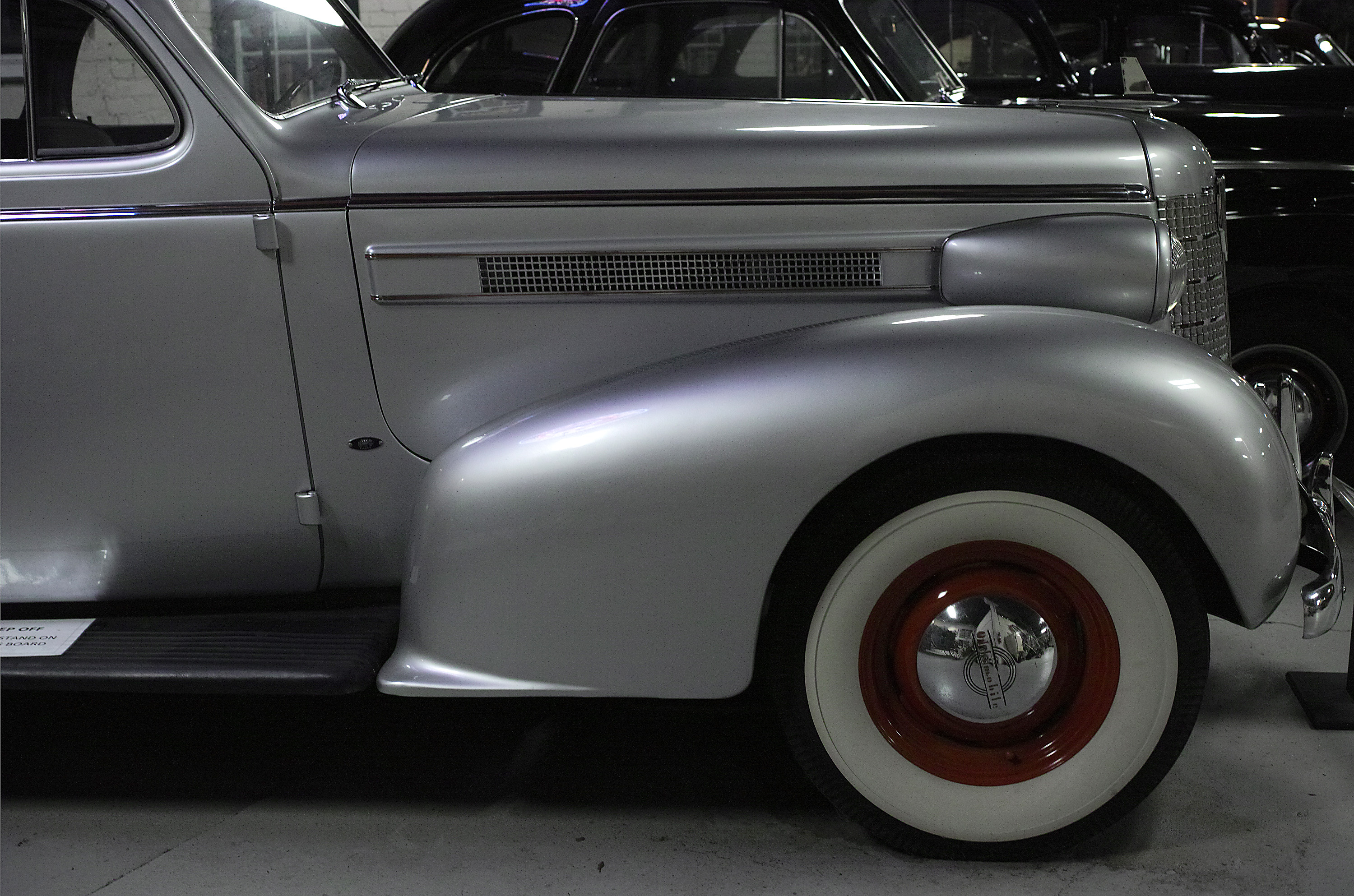
Oldsmobile
"goal sounds like the Oldsmobile is your winner if we can just find the right price yep yeah that [3178.0s] Oldsmobile see that's a blue chip car is it a real rt 69 charger no but it's blue chip in the [3185.3s] condition and the detail of the restoration and just the overall you can just tell all the [3191.8s] bright trim on it a collector of quality vehicles would be in the market for this Oldsmobile"
They’re calling an Oldsmobile a “blue chip” classic, which basically means it’s the kind of car collectors really want. The idea is that if it’s restored well and looks right, it holds value better than more questionable projects.
The host is talking about an Oldsmobile as a “blue chip car,” meaning a desirable, high-demand classic that collectors actively seek. In this context, the value is tied to restoration quality and visible details like bright trim and overall presentation.
blue chip car
"Oldsmobile see that's a blue chip car is it a real rt 69 charger no but it's blue chip in the [3185.3s] condition and the detail of the restoration and just the overall you can just tell all the [3191.8s] bright trim on it a collector of quality vehicles would be in the market for this Oldsmobile"
A “blue chip car” is a collector term for a classic that lots of buyers want. The host is saying this Oldsmobile is valuable because it’s in great condition and restored really well.
“Blue chip car” is collector slang for a classic vehicle that’s consistently in demand and tends to hold value better than more niche or questionable cars. Here, the host uses it to describe an Oldsmobile based on restoration quality and condition rather than just the model’s name.
Request an Explanation
Heard something you'd like explained? We'll add it to this episode.
Sign in to request explanations for terms you heard.
Want to learn more?
Browse our glossary for plain-English explanations of automotive terms, jargon, and concepts.
Help improve this episode
See something that's not quite right? Our annotations are AI-generated and can sometimes miss the mark. Click the flag icon on any annotation to suggest a correction.