TMCP #651 – Rick Love on 50 Years of Vintage Air, Hot Rod Innovation & the Future of the Hobby
About this episode
Rick Love from Vintage Air joins TMCP to talk about 50 years of vintage A/C innovation, from early hot-rod culture to today’s Gen 5 Sure-Fit kits. They cover how Vintage Air grew from “28 people” to “close to 160,” how kits are engineered using 3D scanning/printing and unified electronics, and why fitment matters—like adapting Gen 5 for early S-10s. The conversation also swings through modern industry news, including Corvette hybrid performance and Mustang refresh rumors, plus a late-model racing update.
Vintage Air is celebrating its 50th anniversary, and in this special episode, Robert Kibbe welcomes Vintage Air President Rick Love for an in-depth conversation about the company's remarkable journey from a small hot rod air conditioning supplier to an industry leader. Rick shares how a chance meeting with founder Jack Chisenhall in the early 1980s led to a friendship, collaboration, and eventually a career helping shape one of the most respected brands in the automotive aftermarket. Along the way, he reflects on the family-oriented culture that has helped Vintage Air grow from fewer than 30 employees to nearly 160 today.
The discussion explores how technology has transformed both the company and the hobby itself. Rick explains how 3D scanning, CAD design, rapid prototyping, and Gen V climate control systems have dramatically improved product development while making modern air conditioning easier than ever to integrate into classic cars. From Tri-Five Chevys and Camaros to Japanese imports, Broncos, Scouts, and custom one-off builds, Vintage Air continues expanding its offerings to meet the evolving needs of enthusiasts.
Rick also shares his thoughts on AI, tariffs, SEMA's ongoing legislative efforts to protect automotive enthusiasts, and the growing market for reproduction vehicles and low-volume production cars. Whether you're restoring a classic, building a pro-touring machine, or simply enjoy hearing stories from one of the hobby's most respected leaders, this episode offers a fascinating look at where the automotive aftermarket has been—and where it's headed next.
The post TMCP #651 – Rick Love on 50 Years of Vintage Air, Hot Rod Innovation & the Future of the Hobby first appeared on The Muscle Car Place.
Vintage Air
"This week, Rick Loved from Vintage Air is here for the summer special... keeping you cool. Vintage Air has a Gen 5 system."
Vintage Air makes aftermarket air-conditioning kits for older cars and trucks. The host is talking about their newer “Gen 5” system and how it can be installed in classic vehicles.
Vintage Air is an aftermarket company known for modern air-conditioning systems that fit into classic cars and trucks. In this episode, they’re discussed as having a “Gen 5” AC system and as supplying AC solutions for multiple makes.
AC systems
"or the fact that they have AC systems for Porsche and BMW... But we will talk about here keeping you cool. Vintage Air has a Gen 5 system."
“AC systems” means the full air-conditioning setup you install in a car, not just one component. The episode is about how Vintage Air builds kits that fit different classic vehicles.
“AC systems” here means complete aftermarket air-conditioning setups (not just a single part) designed to be installed in classic vehicles. The discussion focuses on fitment and packaging, including different modules sized for specific platforms like the S-10.

Lucid Air
"...we will talk about here keeping you cool. Vintage Air has a Gen 5 system. It is plentiful."
The Lucid Air is an electric car, meaning it runs on electricity instead of gasoline. The episode talks about cooling, which is about keeping the cabin comfortable. It also mentions an air-conditioning system setup that can help with that.
The Lucid Air is an electric luxury sedan designed to deliver strong performance while focusing on comfort and efficiency. The podcast’s mention of “keeping you cool” and “Vintage Air” points to climate-control systems and aftermarket solutions for comfort. That makes it relevant in a muscle-car podcast because EVs still need effective heating and cooling, especially for daily drivability.
Gen 5 system
"Vintage Air has a Gen 5 system. It is plentiful. It is available for most every popular Muscle Car platform and classic truck option out there..."
“Gen 5” means the newest generation of Vintage Air’s air-conditioning kit. Newer generations are usually designed to fit better in older cars, especially where space under the dash is tight.
“Gen 5” refers to Vintage Air’s fifth-generation design of their aftermarket AC system. The key idea is that newer generations are typically more compact and easier to package into tight classic-car dash areas while improving fitment and functionality.
module
"And the Magnum that we use in so many of our shirt fit kits is too large a module for that package area that's available in that S10."
A “module” is a grouped set of AC parts that come together as one unit. They’re saying the usual Magnum unit is too big for the S-10’s available space, so they use a smaller one.
A “module” is a self-contained assembly within the AC kit—essentially a packaged unit that includes key HVAC components. The host explains that the Magnum module is too large for the S-10’s available package area, so they switch to a more compact Gen 5 unit.
package area
"And the Magnum... is too large a module for that package area that's available in that S10."
“Package area” means the space inside the truck where the AC parts have to go. If that space is too small for a certain AC unit, you need a different (smaller) setup.
“Package area” refers to the physical space in the vehicle where the AC components must fit (often under the dash or in the engine bay). Fitment problems happen when a module is too large for that available space, forcing a different kit configuration.
compact
"So we're using a Gen 5 compact. This is the Muscle Car Place online podcast..."
“Compact” here means a smaller air-conditioning module. They need it because the S-10 has limited space where the AC components have to fit.
In this context, “compact” describes a smaller AC system module chosen to fit within the limited available package area of the S-10. It’s a packaging constraint issue: the larger module used in other kits won’t fit the space available in that truck.
blueprint engines
"I was looking at blueprint engines for something and he has one. He put one in his G-body Monte Carlo."
A “blueprint engine” is a carefully built engine where the builder measures everything to match a precise plan. It’s meant to run smoothly and consistently because the parts are made and assembled to very tight tolerances.
A “blueprint engine” is an engine that’s built to very tight, measured tolerances based on a detailed factory-style specification. The goal is consistency—so parts fit and perform predictably—often using careful machining and assembly practices beyond a typical rebuild.

Chevrolet Monte Carlo
"I was looking at blueprint engines for something and he has one. He put one in his G-body Monte Carlo. That's his daily driver."
A “G-body Monte Carlo” is a specific generation of the Chevrolet Monte Carlo. It’s a popular car for hot rodding, and here it’s mentioned because Rick Love put a special “blueprint” engine into his as a daily driver.
The Chevrolet Monte Carlo in the “G-body” generation is a classic American platform from the late 1970s through the early 1980s, known for its strong hot-rod and restoration community. In this segment, the host says Rick Love installed a blueprint engine into his G-body Monte Carlo, which frames it as a real daily-driver build rather than a one-off project.

Chevrolet Corvette
"... Chevy is coming. What that is for anything but a Corvette, I don't know but here's the news on the Corvette..."
The Corvette is a high-performance sports car from Chevrolet. It’s designed to be fast and handle well, and it’s one of the brand’s most important performance models. The episode is bringing up news about what’s happening with the Corvette.
The Chevrolet Corvette is a performance sports car built by Chevrolet, famous for its speed, handling, and status as a flagship enthusiast car. It’s frequently discussed in muscle-car conversations because it represents the brand’s top-tier performance and often signals where engineering priorities are headed. The podcast’s “here’s the news on the Corvette” indicates it’s covering recent updates or developments.
LS6
"Chevy has brought back the LS6 engine name to their credit. [282.5s] They just keep finding new ways to make a new small block and the new small block is the old name LS6..."
LS6 is a performance engine name from Chevrolet. In this segment, it’s being used for a new Corvette setup that combines a V8 with electric power.
LS6 is an engine name Chevrolet has used historically, and here the host says Chevrolet “brought back the LS6 engine name.” In this context, LS6 refers to a specific performance small-block V8 designation used as part of the Corvette’s hybrid powertrain naming.
Chevy Corvette Grand Sport
"They have a new Corvette called the Grand Sport but it's really the new name for the primarily called E-Ray. [295.4s] ... [303.0s] So the powertrain here for the Grand Sport is a 535 horse, new LS6."
The Corvette Grand Sport is a special version of the Chevrolet Corvette. In this episode, they’re talking about a new engine plus an electric motor, which helps it launch extremely fast.
The Chevrolet Corvette Grand Sport is a Corvette variant that’s being positioned here as a hybrid-style performance car. In this segment, the host ties it to a new LS6 engine name and an electric front motor, making it an all-wheel-drive setup aimed at very quick acceleration.
E-Ray
"They have a new Corvette called the Grand Sport but it's really the new name for the primarily called E-Ray. [322.1s] ...that's more than the E-Ray had..."
E-Ray is Chevrolet’s name for a Corvette hybrid. It means the car uses both a gas engine and an electric motor working together.
E-Ray is Chevrolet’s name for a Corvette hybrid system that combines a combustion engine with electric drive. The host says the Grand Sport is “really the new name” for what was primarily called the E-Ray, and compares their combined output and acceleration.
all-wheel drive instant front-wheel torque
"But they're both all-wheel drive instant front-wheel torque. [332.5s] The 0 to 60 is the killer here, 2.5 seconds."
Electric motors can send power to the wheels almost immediately. When the car is all-wheel drive, that quick electric push helps it launch faster.
“Instant front-wheel torque” describes how an electric motor can deliver twisting force to the front wheels immediately, without waiting for engine revs. Combined with all-wheel drive, that instant torque helps the car achieve very fast acceleration times.
0 to 60
"The 0 to 60 is the killer here, 2.5 seconds. [336.8s] That ain't bad."
“0 to 60” is how fast a car gets from stopped to 60 miles per hour. It’s a simple way to compare acceleration between cars.
“0 to 60” is a common performance metric that measures how quickly a car accelerates from a standstill to 60 mph. The host highlights it as the key advantage, citing a 2.5-second figure for the discussed Corvette setup.
C8 Corvette
"The design and styling, I don't love the nose of the C8 Corvette. [350.2s] I frankly don't."
The C8 Corvette is the current-generation Corvette. In this part of the show, they’re talking about how they feel about the car’s front styling.
The C8 Corvette is the eighth-generation Chevrolet Corvette, known for moving the layout to a mid-engine design. Here, the host is specifically commenting on the C8’s front-end styling and how it compares to the rest of the car’s look.

Ford Mustang
"And the S650 Mustang is going to get a refresh here body-wise. I think the car itself isn't changing too much."
The S650 Mustang is the newest generation of the Ford Mustang. They’re saying Ford will refresh the look of the car, even if the mechanical changes aren’t as big.
The Ford Mustang S650 is the current generation of the Mustang (the “S650” code refers to the platform/generation). The host says it’s getting a body refresh, implying styling updates while the underlying car changes less.
hybrid assist
"I know that there's some rumors that it would have some type of hybrid assist. That could mean the same thing the Corvette has."
“Hybrid assist” means the car has an electric motor that helps the gas engine. It’s not necessarily a full-time electric car—more like extra push when you need it.
“Hybrid assist” here means a hybrid system where the electric portion helps the car’s performance rather than replacing the gasoline engine entirely. The host compares it to the Corvette’s setup—an electric motor mounted on one axle.
electric motor sitting on one axle
"That could mean the same thing the Corvette has. Just an electric motor sitting on one axle."
That phrase means the electric motor only drives one set of wheels—either the front or the rear. It can help the car grip and accelerate better by adding extra power to that axle.
An electric motor “sitting on one axle” describes an axle-specific hybrid layout, where the electric drive powers only the front or rear wheels. This can improve traction and acceleration by adding torque where the system is designed to deliver it.

Ford Mustang GTD
"I couldn't find any details on that. The Mustang GTD, that thing is kicking ass. People are taking mor..."
The Ford Mustang GTD is a special, high-performance version of the Mustang. The episode says they couldn’t find many details, but people are talking about it because it performs very well. It’s mentioned as a standout Mustang variant.
The Ford Mustang GTD is a high-performance Mustang variant discussed as “kicking ass,” indicating it’s being treated as a serious performance machine. The host also says they couldn’t find details, which suggests the episode is reacting to limited information or early impressions rather than a full technical breakdown. In a muscle-car podcast, that kind of mention usually centers on performance reputation and what the model represents.
Mustang Dark Horse SC
"The Mustang Dark Horse SC is currently the next model up. I've seen a lot of those out in the wild now."
The Mustang Dark Horse SC is a more powerful version of the Dark Horse. “SC” means it uses a supercharger to boost power, and the host says they’re seeing a lot of them lately.
The Ford Mustang Dark Horse SC is a performance Mustang variant, where “SC” indicates a supercharged setup. The host describes it as the next model up and says they’ve seen many of them on the road.
uncork the exhaust
"And those things are always running around. [447.3s] Ford rented the track for a performance driving experience. [447.3s] And those things are always running around. [449.8s] They must be able to uncork the exhaust."
It means making the exhaust louder and freer. Many cars use valves to stay quieter normally, then open up when you’re driving hard.
“Uncork the exhaust” is enthusiast slang for opening up an exhaust system that’s been restricted, usually by valves. The goal is to let more exhaust flow and increase sound (and sometimes responsiveness) when you want it.
electrically
"They must be able to uncork the exhaust. [451.8s] And I think that's available on the car electrically. [454.3s] Because when they are running wide open on the back stretch,"
The car can control the exhaust valves with electronics. That means it can open up the sound automatically instead of you doing anything by hand.
Here, “electrically” refers to exhaust valve actuation using an electronic control system. Instead of a manual setup, the car can open or close exhaust passages based on driving conditions or driver input.

Dodge Charger
"Dodge has not announced a V8 in the charger. [470.5s] If that's what you're waiting for is it's not a thing. [472.9s] Except they did."
The Charger is a Dodge car model. The host is saying Dodge hasn’t announced a V8 version of it yet, at least not in the way some people might be expecting.
“Charger” refers to the Dodge Charger model, and the host is saying Dodge has not announced a V8 for the Charger. The discussion is about whether a V8-powered Charger is coming, and the host claims it’s not in the Charger lineup.

Dodge Ram
"...8 charger, you can. But it's going to be called a Dodge RAM. Let's go to Jay Leno's garage."
The Dodge Ram is a pickup truck, meaning it’s built to haul things and handle tougher jobs. The episode mentions it by name, likely because it’s part of a larger topic or story. It’s a common, well-known model in the truck world.
The Dodge Ram is a full-size pickup truck line known for work-focused capability and broad availability in different configurations. In the podcast context, it’s referenced alongside “Dodge RAM,” suggesting a discussion about the truck’s identity or naming, possibly in relation to a specific story or feature. Jokes aside, it’s being used as a recognizable example of a major Dodge model.
6,000 pound pickup truck
"Featuring the unretired Tim Kaniscus for a breakdown on the new RAM models. [493.9s] 6,000 pound pickup truck. [495.7s] Got the aerodynamics of a brick."
That’s just saying the truck weighs around 6,000 pounds. A heavier truck usually feels bigger and needs more effort to move quickly.
This is a weight reference: a “6,000 pound pickup truck” is describing the vehicle’s mass. Heavier trucks tend to feel less agile and require more power to accelerate briskly.
aerodynamics of a brick
"[493.9s] 6,000 pound pickup truck. [495.7s] Got the aerodynamics of a brick."
It’s a joke meaning the truck doesn’t cut through the air very well. That can make it less efficient on the highway.
“Aerodynamics of a brick” is a colorful way to say the vehicle has poor airflow efficiency. That usually means higher drag, which can hurt fuel economy and make highway speeds feel less efficient.

Challenger Hellcat
"...e rumble bees they called. This one's got the big Hellcat engine. This is a 27 model."
The Challenger is a muscle car, meaning it’s built for strong acceleration and performance. The episode mentions one with a Hellcat engine, which is a very powerful engine option. It’s being discussed as a high-performance example of the model.
The Dodge Challenger is a muscle car known for powerful engines and a classic, aggressive design. In the podcast context, it’s specifically described as having a “big Hellcat engine,” which points to a top-tier performance configuration. That’s why it fits the show’s theme—people discuss it for its straight-line power and enthusiast appeal.

Chevrolet Express
"... this. Because all the way back to the Little Red Express truck, which was an awesome truck, every single v..."
The Chevrolet Express is a large van that can be used to carry people or cargo. The episode mentions it in connection with another vehicle called the “Little Red Express truck,” suggesting they’re talking about a related story or history. It’s being brought up as part of that broader topic.
The Chevrolet Express is a full-size van used for hauling people or cargo, and it’s part of Chevrolet’s work-vehicle lineup. The podcast connects it to the “Little Red Express truck,” implying a discussion about a particular theme, model history, or a shared design/branding idea across vehicles. That makes it relevant when the episode is covering vehicles beyond just passenger cars.

Plymouth Roadrunner
"...rt of like back in my day in the 60s, you had the Roadrunner. You can give the GTX or the Hemi in it, or for a..."
The Plymouth Road Runner is a classic muscle car from the 1960s. People often talk about it because it was built for speed and performance. The episode mentions it while comparing it to other famous cars from that same era.
The Plymouth Road Runner is a 1960s-era muscle car known for its straightforward, performance-first approach. The podcast references it as “back in my day in the 60s,” and mentions options like the GTX or Hemi, which highlights how these cars were often discussed by engine and trim. It’s a key nameplate for anyone interested in classic American muscle history.

Plymouth GTX
"...the 60s, you had the Roadrunner. You can give the GTX or the Hemi in it, or for another $1,500 last, wh..."
The Plymouth GTX is a classic muscle car from the 1960s. People talk about it because it was offered with different performance engine options. The episode brings it up while comparing it to other famous cars from that time.
The Plymouth GTX is a 1960s muscle car that’s often discussed alongside other Mopar performance models from the same era. The podcast mentions it in the context of choosing between options like “the GTX or the Hemi,” which reflects how buyers and fans often focused on engine choices and trim levels. It’s included because it’s part of the classic muscle-car lineup people compare and collect.
strip model
"You get the Roadrunners, which was kind of a strip model, but it had the performance and the handling of the..."
A “strip model” is basically a car made with drag racing in mind. It’s focused on going fast in a straight line, like at a drag strip.
“Strip model” refers to a car configured for drag racing—optimized for straight-line acceleration rather than road-course balance. In muscle-car talk, it usually means the car’s setup (and marketing intent) is aimed at the drag strip.

Beetle Vw Bug
"I'm thinking like a 2002 VW bug but I'm not that creative. [979.6s] I can't think of anything that looks like a scoop of ice cream."
A “VW bug” is the Volkswagen Beetle. People often customize them with body changes like scoops and different looks, so it’s a common reference point for hot-rod styling ideas.
The 2002 VW Bug refers to the Volkswagen Beetle, a compact, air-cooled design that’s become an icon in hot-rodding and custom scenes. Its rounded shape is a common starting point for creative bodywork, including hood scoops and “ice cream scoop” style styling cues.
scoop of ice cream
"I can't think of anything that looks like a scoop of ice cream. [982.8s] If you have an idea, I'm all ears."
They’re jokingly describing a hood scoop, which is a raised opening on the hood. It can help feed air to the engine, and it also looks like a performance upgrade.
“Scoop of ice cream” is a casual description of a hood scoop—an intake opening on the bodywork used to route air toward the engine or improve airflow. In hot-rod styling, it’s also a visual cue that signals performance modifications.
late model race
"So first of all, last Saturday I should say he ran his first late model race. [1057.4s] And if you don't know a lot about late models, I'm not the best teacher for you, [1061.3s] but here's the gist of it."
A “late model” race is a type of stock-car racing. The cars are built for that class, usually based on the look of newer-style cars, and they race on short tracks with class-specific rules.
A “late model” race is a category of stock-car racing where the cars are purpose-built for short-track competition and typically resemble production sedans/coupes. The key point is that it’s a specific racing class with its own rules and car setups, not just “a race in a late-model car.”
NASCAR
"It's a car that looks like a NASCAR. There's a whole lot of flavors of that kind of car."
NASCAR is a major American stock-car racing series. The host is using it as a comparison so you can imagine the style of race car these late-model classes are based on.
NASCAR is a stock-car racing organization/series known for purpose-built race cars that resemble production models. The host uses it as a reference point for how these late-model cars “look like” NASCAR and how the “pro late model” can be more like traditional old-school NASCAR-style setups.
pro late model
"So Dallas is running what would be called a pro late model. And a pro late model is lower in the ranking of things than a late model stock."
“Pro late model” is a type of race car class. It’s a step below “late model stock,” and the cars can look very similar, so you often need to notice details (like spoiler differences) to tell them apart.
“Pro late model” is a specific racing tier/class within late-model stock-car racing. The host says it ranks below “late model stock,” and that the cars can look similar side-by-side, with differences like spoiler sizing and details that are easier to spot if you know what to look for.
late model stock
"And a pro late model is lower in the ranking of things than a late model stock. And a late model stock is closer to like a Bush series car, an O'Reilly series car now,"
“Late model stock” is a higher tier of late-model racing than “pro late model.” It’s described as more like traditional stock-car setups, including a full-frame construction and more traditional hardware.
“Late model stock” is another named class/tier in short-track racing, positioned above “pro late model” in the host’s ranking. The host describes it as being closer to NASCAR-style “stock” cars, including a full frame (compared to the pro late model’s look-alike bodies) and steering/underpinnings associated with traditional GM-style cars.
full frame
"but that has a full frame like a Chevelle or a GM car. It has a recirculating ball steering."
“Full frame” means the car has a real structural frame underneath, and the body is mounted to it. The host is using this to explain that some race cars are built more like traditional cars/trucks underneath.
A “full frame” vehicle uses a separate ladder frame (or equivalent) that the body mounts to, rather than relying on a unibody structure. The host contrasts this with other late-model race cars that may share similar body shapes but differ in underlying construction.
Chevelle
"but that has a full frame like a Chevelle or a GM car. It has a recirculating ball steering."
The Chevelle is a classic Chevrolet model. Here it’s mentioned as an example of the traditional, more “frame-based” kind of car that some late-model stock race setups resemble underneath.
The Chevrolet Chevelle is referenced as an example of a traditional full-frame GM car. In this context, it’s used to help listeners picture the kind of underlying construction associated with “late model stock” race cars.
recirculating ball steering
"It has a recirculating ball steering. It's got truck arms."
Recirculating ball steering is a type of steering system used in some older trucks and cars. It uses balls inside the steering box to help turn the wheels, and it’s mentioned here as a clue to the car’s underlying design.
Recirculating ball steering is a steering mechanism where a gearbox uses ball bearings to move the steering linkage. It’s common in older, truck-based and full-frame vehicles, and the host uses it to distinguish the “late model stock” setup from other look-alike race cars.
truck arms
"It's got truck arms. It'll be it. It's more like a traditional old school NASCAR."
“Truck arms” means the suspension arms that connect the wheels to the car’s frame. The host is saying the race car uses a more traditional, truck-style suspension layout.
“Truck arms” refers to suspension control arms (the linkages that locate the wheels) in a truck-like, traditional configuration. The host uses it as part of the “late model stock” description to emphasize that these cars use more conventional, full-frame-style suspension hardware.
crate motor
"We'll use a crate motor in this case. We use a Chevrolet or sets or racing uses a Chevrolet crate motor."
A crate motor is an engine you buy as a complete unit, like it’s shipped ready to install. Racers use them to keep things consistent and predictable, and sometimes to meet rules without extra penalties.
A crate motor is an engine sold as a complete, ready-to-install package by an engine builder or manufacturer. In racing, people use crate motors to standardize power and simplify sourcing, and they may choose non-modified versions to avoid rules-related penalties.

Chevrolet crate motor
"We use a Chevrolet or sets or racing uses a Chevrolet crate motor. I think it's a Chevy 410 maybe is what it's called."
They’re talking about a Chevrolet engine that comes as a ready-to-install package. In racing, that can make it easier to keep cars comparable and follow the rules.
The speaker is referring to a Chevrolet crate motor—an engine package built for easy installation and common in racing. They mention using a Chevrolet crate motor (and possibly a specific displacement) as a baseline for competition rules and setup.
weight penalty
"But if you use a crate motor that isn't modified or doesn't have an upgrade for performance, that means you don't have a weight penalty on the car."
A weight penalty means the rules force a car to add extra weight. It’s used to make racing fair when one car has an advantage, like a more powerful or modified setup.
A weight penalty is a handicap used in racing rules: the car is required to carry extra weight to reduce the advantage of certain modifications or engine configurations. The speaker says using an unmodified crate motor avoids that penalty.
coil over shocks
"It runs coil over shocks, front and rear. It's more of a modern setup."
Coil-over shocks are suspension parts that combine the spring and the shock together. Racers like them because they can adjust the car’s setup to improve handling.
Coil-over shocks are suspension units that combine a coil spring and shock absorber into one assembly. They’re common in modern race setups because they’re adjustable and can help tune ride height and handling for front and rear grip.
limited late model
"Here in the Midwest, they have a version of that called a limited late model, which is the same car just with a treaded eight inch wide Hoosier tire down south,"
It’s a type of late-model race where the rules limit how much teams can change. That usually makes the racing more about driving and careful tuning instead of unlimited budget upgrades.
A “limited late model” is a spec-focused version of late-model stock car racing where rules restrict modifications to keep competition closer. The goal is to reduce spending and emphasize driver skill and setup within tighter limits.
Hoosier
"which is the same car just with a treaded eight inch wide Hoosier tire down south, where he's racing now it's a 10 inch wide Hoosier slick."
Hoosier makes race tires. Here they’re talking about different Hoosier tire types—one with tread and one slick—for different racing conditions.
Hoosier is a well-known racing tire brand used in grassroots and professional motorsports. In this segment, the speaker contrasts Hoosier treaded tires for one region/format versus Hoosier slicks for another.
rear end toe
"The speed was mostly there, but the rear bite was just a little off. Brandon figured out he was able to adjust to make the rear end toe like he wanted it to, but it was a little off."
Toe is a wheel-alignment setting that changes how the tires point relative to the car. Changing rear toe can make the car feel more stable or more eager to turn, depending on what the driver needs.
“Toe” is the alignment angle of the wheels relative to the car’s centerline; it affects tire wear and how the car turns and stabilizes. Adjusting the rear toe can help the car’s traction balance—especially how it behaves at corner entry/exit.
restart
"He ran third and fourth. Most of the race needed a restart to get kind of caught back up, let his tires cool down, and he was going for a second."
A restart is when the race pauses and then starts again with cars bunched up. It can change tire grip because the tires cool down and the track situation resets.
In racing, a “restart” is when the field is re-formed and racing resumes after a caution or interruption. Restarts can reset tire temperatures and track conditions, which can strongly affect grip and strategy.
Carolina Pro Series
"And then he finished fifth. The Carolina Pro Series is where he's racing."
This is the name of the racing series the driver is competing in. Think of it like a league for stock-car races in that region.
The “Carolina Pro Series” is a regional stock-car racing series mentioned as the place where the driver is racing now. It’s the context for the competition level and the type of cars/fields involved.
Cars Tour
"The Carolina Pro Series is where he's racing. If you've heard of the Dale Jr. download, you've probably heard of the Cars Tour."
The Cars Tour is a racing series. The host is saying it used to be easier/cheaper to get into, but it’s grown and now costs more to compete.
The “Cars Tour” is a racing series referenced as something listeners may have heard about through the “Dale Jr. download.” The segment frames it as having grown from an entry-level opportunity into a more popular and more expensive competition.
Dale Jr.
"If you've heard of the Dale Jr. download, you've probably heard of the Cars Tour."
Dale Jr. is a famous NASCAR driver. Here, the host is saying his podcast/media helped people notice the Cars Tour series.
“Dale Jr.” refers to Dale Earnhardt Jr., a prominent NASCAR driver whose media presence is referenced here via the “Dale Jr. download.” The speaker credits his involvement with helping raise awareness and participation in the Cars Tour.
Legends Cars
"So Legends Cars is what is running all summer here. And Lexani Turbo Tires and Rolling Big Power Tires are on the side of his Legends car"
Legends Cars are a type of race car used in a popular racing series. They’re designed to be relatively affordable, so more people can race and compete on driving skill.
Legends Cars are a spec-racing series built around affordable, standardized race cars that resemble classic American coupes. The idea is to keep costs down and make racing more about driver skill and setup within tight rules.
Lexani Turbo Tires
"And Lexani Turbo Tires and Rolling Big Power Tires are on the side of his Legends car [1399.8s] and will be on his new suit whenever that shows up."
Lexani Turbo Tires are the brand/model of tires on the race car. Tires are a big deal because they control how much traction the car has.
Lexani Turbo Tires refers to a tire line/brand used on the Legends car. In racing, tire choice affects grip, wear rate, and how consistently the car turns and accelerates.
Rolling Big Power Tires
"And Lexani Turbo Tires and Rolling Big Power Tires are on the side of his Legends car [1399.8s] and will be on his new suit whenever that shows up."
Rolling Big Power Tires is another tire brand sponsoring the race car. Sponsors often put their name on the car and the driver’s gear to get exposure.
Rolling Big Power Tires is another tire brand mentioned alongside Lexani. Tire branding like this is common in grassroots racing, where sponsors help fund the team and get visibility on the car and driver suit.
summer shootout
"But the summer shootout is an eight week, 10 race series. [1409.6s] Yes, I said that right."
The “summer shootout” is a racing series that runs for most of the summer. It’s made up of many races, so you have to do well repeatedly to win overall.
The “summer shootout” is described as an eight-week, 10-race series. It’s a structured season format, so points and consistency across multiple races matter as much as any single win.
Charlotte Motor Speedway
"At the Charlotte Motor Speedway. [1412.7s] And it's for Legends Cars and Landeleros."
Charlotte Motor Speedway is a famous race track in North Carolina. It’s the kind of place where lots of different racing series go to compete.
Charlotte Motor Speedway is a major NASCAR-era oval track in Charlotte, North Carolina. It’s known for high-speed racing and is a common venue for multi-class events and series like Legends Cars.
Landeleros
"And it's for Legends Cars and Landeleros. [1415.1s] You know what?"
Landeleros sounds like another racing class that runs at the same event as Legends Cars. It’s probably a different group of race cars with its own rules.
Landeleros appears to be a class name used in the same event as Legends Cars. It likely refers to another spec-style racing category with its own rules and eligible cars, but the exact definition isn’t clear from this excerpt alone.
AC
"And when I got to San Antonio, having AC in a hot rod was pretty important. And again, got to be friends with Jack."
AC means air conditioning. For older cars and hot rods, adding A/C can be a big comfort upgrade because it helps keep the inside cool. It also takes some extra work to install properly.
AC here means air conditioning, specifically the system needed to cool the cabin of a hot rod. In classic-car builds, adding A/C is often a major usability upgrade because it requires packaging, airflow/ducting, and electrical integration. The speaker frames it as “pretty important,” highlighting how it affects day-to-day drivability.
underdash AC unit
"And I had bought an old underdash AC unit at a swap meet. And I was living on peanut butter sandwiches and jelly at that point."
It’s an air-conditioning system that sits under the dashboard instead of being built into the car from the factory. Hot rods often need this kind of setup because the original cars didn’t have A/C. It’s meant to cool the cabin while keeping the install relatively compact.
An underdash AC unit is an aftermarket air-conditioning system that mounts inside the car’s cabin, typically under the dashboard. It’s designed to fit hot rods and older cars where a factory-style A/C system isn’t available or would be too hard to install. The key idea is compact packaging and ducting to cool the interior.
wiring
"But there was something about doing AC and doing wiring that scared a lot of these guys. [2062.3s] So I started doing that, started selling Vintage Air and installing Vintage Air systems [2066.2s] and wiring the cars."
“Wiring” means the electrical work needed to make the aftermarket AC system work. It’s more than a simple connection—you have to route and connect the right wires so the AC controls and components function correctly.
“Wiring” here refers to the electrical integration work required to make an aftermarket AC system function properly in an older hot rod. That typically includes routing power/controls and ensuring the system components communicate and operate safely.
refrigerant
"In fact, my 39, I guarantee it was the first hot rod in the country to have one 34A refrigerant. [2084.8s] I'm sure it was. [2085.8s] I had different condensers and different ways of doing things"
Refrigerant is the substance inside the AC system that actually cools the air. They’re saying they experimented with refrigerant and parts like the condenser to get good cooling on the road.
Refrigerant is the working fluid inside an air-conditioning system that absorbs heat and releases it elsewhere. The speaker mentions using a specific refrigerant and experimenting with condensers to make it work effectively for street driving.
condensers
"[2085.8s] I had different condensers and different ways of doing things [2088.9s] to make that refrigerant work really well in a street ride."
A condenser is part of the AC system that helps dump heat outside the car. They tried different condensers to make the AC cool better for everyday street use.
A condenser is a key AC component that rejects heat from the refrigerant to the outside air. The speaker says they tried different condensers and setups to make the chosen refrigerant perform well in a street hot rod.
underdash units
"And a lot of guys were pulling maybe like a knee knocker, [2188.7s] you know, the old underdash units out of a Mustang [2190.5s] or something like that in a junkyard"
Underdash units are small air-conditioning or heater systems that mount under the dashboard. They’re used in older cars and hot rods because there’s often limited space to install modern climate control.
Underdash units are compact heating/air-conditioning systems mounted beneath the dashboard. They’re popular in hot rods and vintage cars because they fit in tight spaces while still providing climate control.
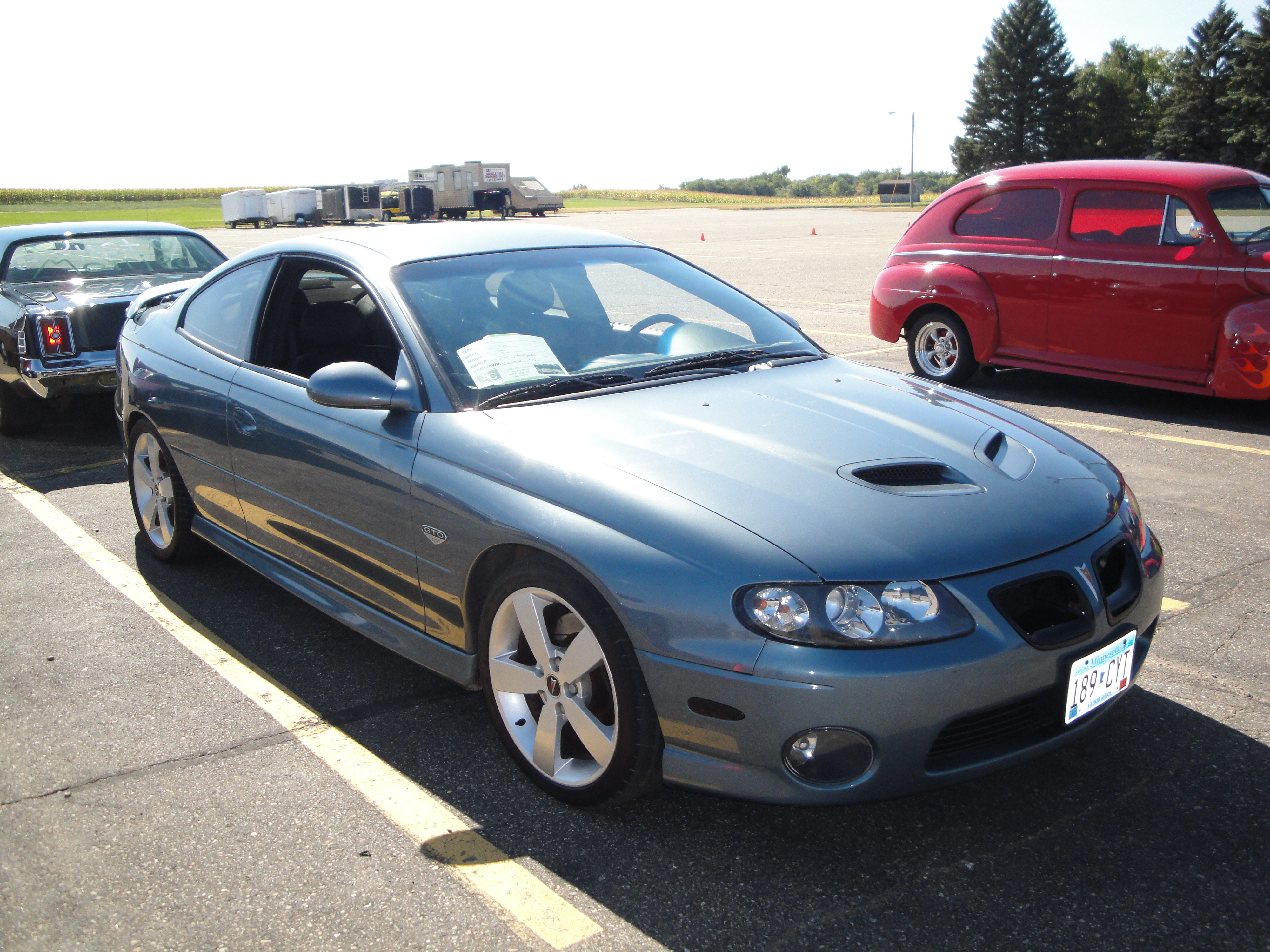
1974 GTO
"You know, I had a 74 GTO when I was a senior in high school [2224.3s] and took the AC out of it because it was Robin Horsepower [2227.8s] and it was weight and all of that."
A GTO is a famous Pontiac muscle car. This one is a 1974, and the point here is that the speaker removed the air conditioning to save weight and make the car feel less heavy.
The Pontiac GTO is a classic American muscle car, and the 1974 GTO is from the late-’60s/’70s era when these cars became a mainstream hot-rod platform. In this segment, the host mentions removing the A/C to save weight and improve how the car feels and responds.
Robin Horsepower
"and took the AC out of it because it was Robin Horsepower [2227.8s] and it was weight and all of that."
The speaker is joking that the air conditioning “takes away” some power from the engine. When the AC is running, it can make the car feel a little slower because the engine has to work harder.
“Robin Horsepower” appears to be a humorous way of saying the A/C system “steals” engine power. Air conditioning loads the engine (via the compressor), which can reduce acceleration and throttle response, especially on older cars.
3D scanning
"And I'll bet you're doing this, 3D scanning. So the ability to 3D scan something that you don't have drawings of"
3D scanning is a way to digitally “copy” the shape of something using special equipment. Instead of measuring by hand and guessing, you can capture the exact geometry and turn it into computer files.
3D scanning uses sensors (like lasers or structured light) to capture the exact shape of a car part or vehicle surface. In hot-rod kit development, it helps engineers create accurate drawings when no original factory documentation exists.
3D printing
"is using 3D scanning and 3D printing. I was curious about the Sure-Fit kit,"
3D printing is making a real object from a computer design, one thin layer at a time. It’s useful for test-fitting parts so they line up correctly on the car.
3D printing is the process of building physical parts layer-by-layer from a digital model. For Sure-Fit kit development, it’s often used for prototypes and fitment checks so mounting points and clearances match the vehicle.
CAD
"I mean, everything we do is in CAD, so you can do a CAD design for a bracket"
CAD is computer software that lets engineers design parts digitally. It helps them get the shape and fit right before making the physical piece.
CAD (computer-aided design) is software used to create precise 2D/3D models of parts before anything is built. In this context, it lets the company design brackets digitally and then move quickly into fabrication.
laser
"and send it down to our laser. You can have that bracket within an hour to try on this"
A “laser” in this context is a machine that cuts parts very accurately. It can make brackets faster because it follows the digital design.
Here, “laser” refers to laser-based fabrication used to cut or form parts from material based on the CAD design. Using laser cutting can speed up prototype and bracket production compared with traditional manual fabrication.
Gen 5 Sure-Fit kits
"Let's talk about the Gen 5 Sure-Fit kits. [2546.1s] Is there anything left to update from Gen 4 to Gen 5"
This is a specific updated version of Vintage Air’s air-conditioning kit. “Gen 5” means the newer electronics and controls are designed to work the same way across many different cars, so installs are more predictable.
“Gen 5 Sure-Fit kits” refers to a specific generation of Vintage Air’s Sure-Fit HVAC/air-conditioning installation kits. The “Gen 5” label indicates an updated electronics/control platform compared with earlier generations, aiming to make installs more consistent and easier to integrate across different vehicles.
electronics platform
"So, we have one electronics platform [2564.1s] that's across the board for all our systems now."
An “electronics platform” just means the same basic computer/controls are used across different parts of the system. That way, the kit behaves consistently even if the rest of the hardware changes.
An “electronics platform” is a shared set of control electronics used across multiple systems. Here, the speaker says Vintage Air moved to one common electronics platform so the same controls can be used regardless of which evaporator is installed.

S10s
"We're just fixing to release a system for the S10s, for the early S10 pickups."
“S10” is a Chevrolet pickup model people often modify. They’re talking about making the A/C system parts fit that truck’s dashboard area.
“S10” refers to the Chevrolet S-10 pickup platform, which is a common hot-rod base. The host is discussing under-dash A/C fitment and how the Sure-Fit system is being adapted for early S-10 pickups.
control platform
"But still, we can use the same control platform across that that we use in all the other Sure-Fit kits."
The “control platform” is the part of the A/C system that handles how you operate it—basically the shared control setup. It’s helpful because it stays the same even if the physical A/C unit size changes.
A “control platform” is the shared set of controls and interfaces that manage the A/C system (how the unit is commanded and how it communicates with the rest of the kit). Using the same control platform across different vehicle fitments helps keep the retrofit experience consistent even when the hardware module changes.
under Dash assembly
"if you want to change the evaporator, the whole under Dash assembly, you could do that."
The “under dash assembly” is the A/C hardware mounted under the dashboard. It’s usually a bundled set of parts, so upgrading it can be easier than changing individual pieces.
The “under Dash assembly” is the packaged A/C hardware located beneath the dashboard, typically including the evaporator and related ducting/mounting. Retrofit kits often treat this as a system-level unit because the fitment and hose routing depend heavily on the vehicle’s interior space.
compressor
"you could retain your compressor and take a couple different fittings on your hoses."
The compressor is the pump of the A/C system—it moves refrigerant around so the system can cool. They’re suggesting you may not need to replace it when upgrading the under-dash unit.
The compressor is the A/C component that pressurizes the refrigerant and circulates it through the system. The host is saying you might be able to keep your existing compressor while changing other parts (like fittings and the under-dash module).
Gen 5 Magnum Max
"The airflow out of the new Gen 5 Magnum Max, like we use in the new Chevelle kit, it's about 20% higher than that Gen 4 system you have in your Chevelle."
Gen 5 Magnum Max is a specific Vintage Air heating/AC unit. They’re saying the newer version moves more air and lets you fine-tune temperature better than the older one.
“Gen 5 Magnum Max” refers to Vintage Air’s fifth-generation Magnum Max HVAC unit. The host claims it delivers about 20% higher airflow than the previous Gen 4 system and offers improved temperature adjustability.
Gen 4
"it's about 20% higher than that Gen 4 system you have in your Chevelle. So there are some improvements there."
Gen 4 is the older version of the same Vintage Air HVAC system. They’re using it to show how much better the newer Gen 5 performs.
“Gen 4” is the previous generation of the Magnum Max HVAC system being compared against Gen 5. The host uses it as a baseline for airflow and temperature control improvements in the newer Vintage Air kit.
Dakota Digital
"We worked with Dakota Digital and the Dakota Digital KISS system. They have a Gen 5 and Gen 4 compatible controller for that,"
Dakota Digital is a company that makes aftermarket car electronics. Here, they helped create the controller system that can support auto climate features with Vintage Air kits.
Dakota Digital is an aftermarket electronics company known for vehicle instrumentation and control modules. The host says they worked with Dakota Digital on a Gen 5/Gen 4 compatible controller and the Dakota Digital KISS system for Vintage Air auto-climate functionality.
thermistors
"and you put the thermistors in line to measure your air inlet"
Thermistors are temperature sensors. They change their electrical signal based on how hot or cold the air is, so the system can adjust the HVAC settings automatically.
Thermistors are temperature-sensitive sensors whose electrical resistance changes with temperature. The host says you install thermistors in line to measure the air inlet temperature so the controller can manage temperature more accurately.
ECU
"A harness to go to the ECU from the control panel, any mounting assemblies or anything like that. That would be the biggest difference between a control panel kit and just the control panel itself."
ECU means the car’s computer. It reads sensor info and tells different parts what to do. In this case, the control panel kit needs wiring to talk to that computer.
ECU stands for engine control unit (or electronic control unit). It’s the car’s computer that receives signals from sensors and controls systems like fuel, ignition, and—depending on the setup—aftermarket electronics such as climate control and gauges.
billet housing
"We've got a new control panel kit upgrade for the 6768 Camaro, and it's a billet housing and really cool."
“Billet” means the part is carved/machined from a solid piece of metal. A billet housing is the fancy metal cover that holds/protects the control panel components.
A billet housing is a cover or enclosure machined from a solid block of metal (often aluminum). In aftermarket gauge or control-panel kits, it’s used to create a more premium, custom-looking mounting and protection around the electronics.
RGB
"The board for it, the PC board, is RGB."
RGB is a lighting system that uses red, green, and blue LEDs. By mixing them, it can produce different colors for the panel’s lights.
RGB refers to red, green, and blue light used to create many different colors by mixing those three channels. Here, the control panel’s PC board uses RGB lighting so the display/backlighting can be set to different colors.
slaves
"That basically slaves with the Dakota Digital, [2781.7s] so it will match the color of the Dakota Digital gauges."
“Slaves” here means one device controls the other. So when you change the gauge lighting color, the matching lights change along with it.
In this context, “slaves” means the lighting controller is linked to another system so it follows the same color/setting changes. It’s a control relationship: one module drives the look, and the other mirrors it.
LED
"you mentioned earlier that all our panels were LED, [2790.2s] which is true in the past, [2791.8s] and with some of them now, there's still the white LEDs"
LED stands for light-emitting diode, a type of lighting that’s efficient and long-lasting compared with older incandescent bulbs. The segment contrasts earlier LED gauge setups with newer RGB options that can better mimic factory lighting.
incandescent light mimicking
"But with the RGB, you've got the ability [2798.1s] to also do an incandescent light mimicking, [2801.2s] so which is cool."
This is when modern LED lights are adjusted to look like the older warm glow from traditional light bulbs. It helps aftermarket gauges match the original vintage style.
Incandescent light mimicking is when LED-based lighting is tuned to visually resemble the warm, amber glow of older incandescent bulbs. The goal is a more “factory” look for gauge illumination, especially on vintage interiors.
cable converters
"[2861.5s] Yeah, your factory controls, [2862.7s] and we use the cable converters, [2864.0s] our patented cable converters [2865.3s] that convert that mechanical operation [2867.0s] to electronic operation."
A cable converter is a gadget that turns a “cable pull” control into an electronic signal. That way, you can still use the old-style controls, but the car can run newer electronics.
Cable converters are aftermarket devices that translate a mechanical control input (like a cable-operated switch) into an electronic signal. In vintage cars, this lets you keep using the original-style factory controls while powering modern electronic components.

Chevelles
"The Chevelles, the 64, 65 Chevelles, still use the cable converters."
The Chevrolet Chevelle is a classic muscle car. Here, they’re talking about older Chevelles that still use cable-style controls, and how you can update them with newer kits.
The Chevrolet Chevelle is a classic muscle car line, and this segment focuses on how certain model years (like the 64 and 65) still use older cable-based control panel components. The host is describing aftermarket support to modernize those factory controls.
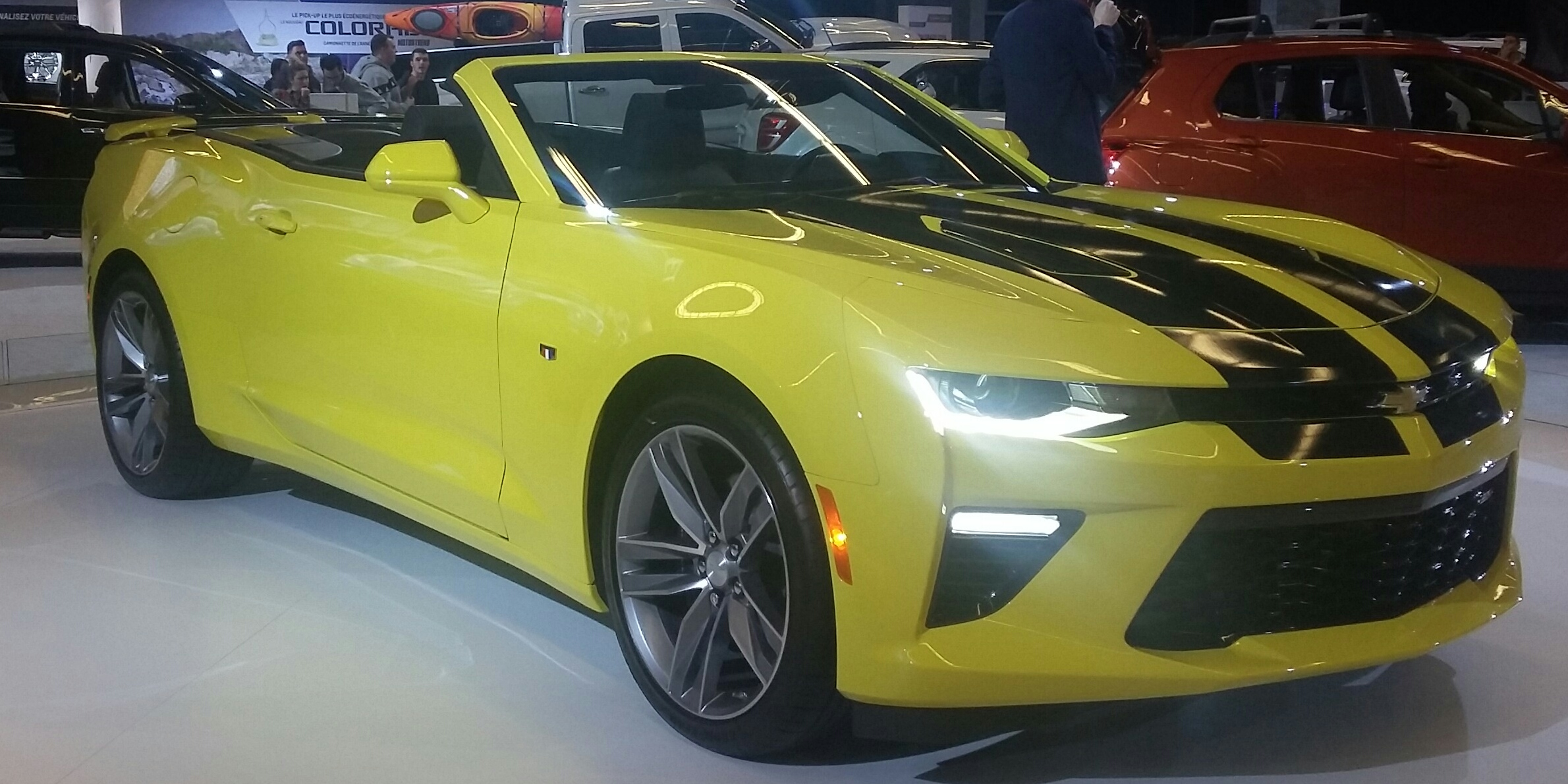
Camaro
"Same way with the 67, 68, 69 Camaros. The standard kit will allow you to convert your factory control panel over to electronic operation."
The Camaro is a classic Chevrolet muscle car. In this part, they’re saying that some late-60s Camaros use older factory control setups, and there are kits to modernize them.
The Chevrolet Camaro is being referenced for late-60s model years (67, 68, 69) that also use the older factory control panel approach. The segment then explains kits that convert those factory panels to electronic operation.
electronic operation
"The standard kit will allow you to convert your factory control panel over to electronic operation."
“Electronic operation” here means converting a factory control panel from older cable-based actuation to an electronic control system. That typically improves integration with modern components while letting you retain the original look of the dash/controls.
upgrade kits
"And we also offer upgrade kits with a newer looking panel, depending on what the theme of your interior is."
An “upgrade kit” is an aftermarket set of parts you install to improve or modernize something. In this case, it’s used to update the control panel so it looks right and works with the newer setup.
“Upgrade kits” are aftermarket packages that replace or update parts—here, the factory control panel—to work with the newer electronic setup. The host also notes these kits can be chosen to match the interior’s theme and styling.
air conditioning
"nor was there any air conditioning ever available in that originally like this, from some 60s application."
Air conditioning is what cools the inside of the car and helps remove humidity. This matters here because the car originally didn’t have it, so someone has to add it later.
Air conditioning (A/C) is a climate-control system that removes heat and humidity from the cabin. The host is emphasizing that the vehicle they’re discussing didn’t originally have A/C, so any modern system would be a retrofit.
heat calc
"Because my engineering brain says, I want somebody to have done the heat calc for me, so that I don't have to just buy three of them and guess?"
A heat calc is basically a calculation of how much heat the car’s cabin will pick up. It helps the installer choose the right parts instead of buying a few and hoping one works.
A “heat calc” (heat calculation) is an engineering estimate of how much heat the cabin will gain under real-world conditions. It helps size the HVAC components so the system can cool or heat effectively without guessing.
package space
"The first part of the process is always seeing what kind of package space you have available behind the dash."
Package space means how much room there is to fit the HVAC parts. On older cars, the space behind the dash can be tight, so the installer has to plan around it.
“Package space” refers to the physical room available to fit HVAC components in a specific vehicle. For vintage-car A/C installs, the dash area and the space behind it determine what parts can be mounted and how the system can be routed.
behind the dash
"seeing what kind of package space you have available behind the dash."
Behind the dash is where the car’s heating and cooling parts usually go. The installer checks that area first to see what can fit before doing the retrofit.
“Behind the dash” is the area where HVAC components (like evaporators, heater cores, and ducting) are typically mounted in many cars. The host is describing how installers start by checking this space before removing or relocating existing factory heater hardware.
factory heater
"So if the vehicle has a factory heater in it or something like that, you want to get that taken out."
A “factory heater” is the original heating system installed by the automaker. When retrofitting A/C, installers may remove it to free up space and to integrate the new HVAC components cleanly.
evaporator
"the first thing I tell people in seminars is you want to use the largest evaporator you possibly can inside the vehicle... So the larger evaporator, the larger coil heat exchanger you have, the more capacity you have to remove heat from the air."
The evaporator is the part of the A/C system that actually “soaks up” heat from the air inside the car. Bigger evaporator coils can absorb more heat, so the A/C can cool the cabin more effectively.
In an automotive air-conditioning system, the evaporator is the heat-exchange coil where refrigerant absorbs heat from the cabin air. As air is pulled across the evaporator, the refrigerant boils and carries that heat away, which is why evaporator size affects how much heat the system can remove.
coil heat exchanger
"So the larger evaporator, the larger coil heat exchanger you have, the more capacity you have to remove heat from the air."
Think of the coil heat exchanger as the A/C’s “heat transfer surface.” Air passes over it, and the refrigerant inside helps move the heat out of the cabin.
A coil heat exchanger is the finned coil surface that transfers heat between two fluids—in this case, between cabin air and refrigerant. In A/C, the evaporator coil heat exchanger determines how effectively the system can pull heat out of the air.
radiator core size
"Measure your radiator core size, [3043.3s] and then you're going to want to use"
That means measuring the radiator’s main heat-exchange area. It matters because the A/C condenser has to fit in front of it.
The “radiator core size” refers to the physical dimensions of the radiator’s heat-exchange section. In vintage A/C installs, that size determines how much space you have in front of the radiator for the A/C condenser.
Request an Explanation
Heard something you'd like explained? We'll add it to this episode.
Sign in to request explanations for terms you heard.
Want to learn more?
Browse our glossary for plain-English explanations of automotive terms, jargon, and concepts.
Help improve this episode
See something that's not quite right? Our annotations are AI-generated and can sometimes miss the mark. Click the flag icon on any annotation to suggest a correction.