
Toyota Seriously HAS NO MORE CARS | How Did This Happen? (UPDATE) | Episode 1094
About this episode
Toyota’s inventory crunch takes center stage as the hosts and guest dealer Tyler Baker from Ackerman Toyota explain why demand is outpacing supply—especially for the redesigned, all-hybrid 2026 RAV4. They connect long waits (around four months), limited production downtime, and dealer allocation rules to why customers can’t even test-drive. The conversation also covers transparent pricing, how some dealers use add-on “packages,” and how Toyota’s allocation system can penalize dealers when cars aren’t sold to actual customers.
Toyota starts RAV4 production in the US
"First, I'll read the headline. [102.2s] Toyota starts RAV4 production in the US [103.8s] to answer overwhelming demand for all hybrid crossover."
They’re talking about Toyota making more RAV4s in the U.S. because people want them, especially the hybrid versions.
This is about Toyota increasing production capacity in the United States for the RAV4. The episode frames it as a response to demand—specifically for hybrid crossovers—so it’s a supply-and-demand story rather than a technical deep dive.
hybrid crossover
"Toyota starts RAV4 production in the US [103.8s] to answer overwhelming demand for all hybrid crossover."
A hybrid crossover is an SUV that uses both gas and electricity. The car can use the gas engine, the electric motor, or both to help it use fuel more efficiently.
A hybrid crossover is a crossover SUV that uses both an internal-combustion engine and an electric motor. The “hybrid” part is about how the powertrain can blend or switch between power sources to improve efficiency compared with a purely gas vehicle.

2026 RAV4
"Demand for Toyota's redesigned 2026 RAV4 is huge"
The Toyota RAV4 is a popular SUV. In this episode, they’re talking about the redesigned 2026 version and how many people want it—especially as a hybrid.
The Toyota RAV4 is a compact crossover SUV, and the 2026 model is the redesigned version being discussed here. This segment ties the redesign to strong hybrid demand, implying Toyota is ramping production in response to customer interest.
waiting list
"with a waiting list exceeding 800 customers at one dealership. Toyota doesn't have enough cars to go around."
A waiting list happens when lots of people want the same car, but the dealership can’t get enough cars in stock. The episode suggests Toyota’s production isn’t matching demand right now.
A waiting list is a dealer practice used when demand for a specific model exceeds available inventory. Here, the hosts connect the waiting list to production constraints—specifically that Toyota can’t keep up with production of the redesigned, all-hybrid RAV4.

Toyota Land
"..., the lay of the land theory. What is going on in Toyota land? Yeah, the RAV4s are the high on item."
The Toyota Land Cruiser is a large SUV built to handle rough roads and off-road trails. It’s designed for people who want a vehicle that can go long distances and still work reliably. It may be mentioned when someone is talking about Toyota’s overall lineup and what different buyers want.
The Toyota Land Cruiser is a full-size, body-on-frame SUV known for serious off-road capability and long-distance durability. It often comes up in discussions about “what’s going on in Toyota land” because it represents the brand’s rugged, expedition-focused side. In a podcast, it’s a useful reference point when talking about Toyota’s lineup and demand for different types of vehicles.
hybrids
"They're all hybrids. They're fantastic in every way."
A hybrid uses two power sources: a gas engine and an electric motor. The car can use one or both depending on driving conditions, which often helps with fuel economy.
A hybrid vehicle uses both an internal-combustion engine and an electric motor. In practice, that can improve efficiency and help smooth out stop-and-go driving, which is one reason hybrids have become especially popular in high-demand models like the Toyota RAV4 mentioned here.
turnaround
"We have about a four-month turnaround probably right now, but that is its building."
In this context, turnaround refers to the estimated time from ordering to delivery (how long it takes to get a customer their car). The speaker estimates about a four-month turnaround, tying it to production lag and supply shortages.
changing the lines over
"They didn't make any RAV4s for six weeks, which I assume when they were changing the lines over for the redesign, which contributed to that."
This means the factory was switching to build the redesigned version of the car. During that switch, production can slow or stop briefly, which can cause shortages and longer customer waits.
“Changing the lines over” refers to retooling or switching an assembly line to build a redesigned vehicle. The hosts suggest that during the RAV4 redesign transition, Toyota paused production for about six weeks, contributing to the shortage and longer waits.
markups
"We love the fact that y'all have never done markups, never do added, never do, must have this product, that product..."
A “markup” means the dealer charges extra money on top of the normal price. When cars are hard to find, dealers may raise prices. The speaker is saying they don’t do that.
A “markup” is when a dealer charges more than the vehicle’s typical selling price (often above MSRP) due to demand and limited supply. During shortages, markups can become common because buyers have fewer alternatives. This segment praises a dealer for not applying markups.
added
"We love the fact that y'all have never done markups, never do added, never do, must have this product, that product..."
“Added” here means extra dealer charges or add-ons that increase what you pay. Some dealers tack on extra stuff you didn’t ask for. The guest is saying they don’t do that.
In dealer-speak, “added” refers to extra charges or add-ons tacked onto a vehicle purchase beyond the base price. These can include accessories or mandatory dealer-installed items that raise the out-the-door cost. The speaker contrasts this with dealers who avoid markups and added fees.
production's ramped up
"should they be waiting until next year to buy one once production's ramped up? Give us the lowdown on what you're seeing because Toyota is hot, man."
“Ramping up production” means the factory is making more cars. If there aren’t enough cars available right now, making more can help cars show up sooner. They’re asking if that will make buying easier next year.
“Production ramped up” means automakers increase manufacturing output to build more vehicles. When a brand is supply-constrained, ramping production can shorten wait times and reduce the market pressure that drives up prices. The question here is whether waiting for higher production would help RAV4 buyers.
out-the-door price
"[501.2s] Over 50 verified out-the-door price quotes [504.0s] have been supplied to car edge in the past year"
Out-the-door price is the final total you pay at the dealership. It includes the car price plus the fees and taxes, so it’s the number you can compare between dealers.
An out-the-door price is the total amount you pay to buy the car, including the vehicle price plus required fees and taxes. It’s useful because it lets you compare dealers on the real final number, not just the sticker price.
add-ons
"[507.1s] and they score 100 out of 100. [509.4s] We've never seen add-ons show up."
Add-ons are extra items the dealer tries to sell on top of the car. They can make the final price higher, so it’s important to check what’s included.
Dealer add-ons are extra products or services added to a deal—often after the base price is set. They can include things like protection packages, accessories, or other dealer-installed items that raise the total cost.
dock fee
"[511.3s] The dock fee's always been $299, which is $215 below the Missouri average. [517.4s] You can come down here and you can see all the quotes."
A dock fee is a dealer charge tied to moving or handling the vehicle when it arrives (often at a port or receiving facility). It’s one of the common line-item fees that can vary by region and dealer.
Trade-in
"Trade-in customers, service customers, Toyota customers because of what's going on right now?"
A trade-in is when you bring your current car to the dealer and use it to help pay for the next one. The host is talking about different types of Toyota customers in this situation.
A trade-in is when a buyer gives their current vehicle to the dealer and applies its value toward the purchase of a new car. The host is contrasting trade-in customers with service customers and Toyota customers amid supply/availability issues.
service customers
"Trade-in customers, service customers, Toyota customers because of what's going on right now?"
Service customers are people who mainly use the dealership for things like maintenance and repairs. The host is saying Toyota has to deal with different customer groups, not just new-car buyers.
Service customers are people who primarily interact with a dealer through maintenance and repairs rather than buying a new vehicle. In the segment, they’re grouped with trade-in and sales customers to discuss how Toyota’s current situation affects different customer types.
cross-shopping
"And what's the message to prospective customers who are maybe cross-shopping a Mazda, a Subaru, those competitive brands?"
Cross-shopping means comparing different brands before buying. Here, it’s about people who might switch to another brand if Toyota cars aren’t available quickly enough.
Cross-shopping is when a buyer compares multiple brands/models before deciding. The host uses it to describe shoppers who might consider Mazda or Subaru if Toyota inventory or delivery timing is worse.
car towed out
"Whether you can lose a customer to the fact that there's a car sitting on someone else's lot, that can absolutely happen. And it's going to happen in situations where someone has a car towed out and their rental's up"
If someone’s car gets towed, it usually means it’s not driveable anymore. That can push them to buy quickly, even if they can’t get their first choice.
A car being towed out implies the buyer’s current vehicle is no longer usable, forcing them to find transportation quickly. The host is describing how sudden timing pressure can make shoppers accept whatever car is available in the right segment.

Toyota Corolla Cross
"...they need. Certainly, if there's something like a Corolla Cross or a Highlander or something that might be more r..."
The Toyota Corolla Cross is a small SUV. It’s meant to be practical for everyday driving, with a bit more space and higher seating than a typical sedan. It’s mentioned as an option for people who want something in the crossover category without going too large.
The Toyota Corolla Cross is a compact crossover SUV built on the Corolla platform, targeting buyers who want SUV-style space with a smaller footprint. It’s relevant in your context because it’s being grouped with other Toyota models that might better match what shoppers are looking for. In podcasts, it often comes up when discussing which vehicles fit specific needs like size, practicality, and budget.

Highlander
"Certainly, if there's something like a Corolla Cross or a Highlander or something that might be more readily available or in a shorter time frame,"
The Toyota Highlander is a bigger family SUV that can fit more people. They’re saying it might be easier to get sooner than some other Toyota models.
The Toyota Highlander is a midsize three-row SUV (often compared to other family-focused crossovers). In this segment, it’s mentioned as another Toyota option that could be more readily available in a shorter time frame.
EV
"a dear friend of mine who's in the market for a car, loves EVs, [649.8s] but his condition in life is such that he's getting older"
EV means electric vehicle. It’s a car that runs mainly on electricity from a battery, not gasoline.
EV stands for electric vehicle, meaning the car is powered primarily by an electric motor and a battery rather than a gasoline engine. In this discussion, the host is contrasting EVs with hybrid options because the buyer finds it painful to get in and out of the EV they currently drive.
miles to the gallon
"They get 38 miles to the gallon, which is actually only if you drive them kind of hard."
Miles to the gallon (MPG) tells you how far the car can go on one gallon of gas. Higher MPG means you spend less on fuel for the same distance.
“Miles to the gallon” (MPG) is a fuel-economy measure that tells you how far a vehicle can travel on one gallon of fuel. The host notes the Signia can reach about 38 MPG, but only when driven in a way that keeps consumption under control.
EVs
"but you don't have the practicality shortcomings of the current EVs as far as charging time,"
EVs are electric cars that run on a battery instead of gas. The host is saying that charging can take time, which can be less convenient than hybrid or gas cars.
EVs means electric vehicles—cars that are powered primarily by an electric motor drawing energy from a battery. The host’s point is that, compared with a hybrid, today’s EVs can have practical downsides related to charging time.
MSRP
"You're probably not getting anything off of MSRP, [761.7s] but on something like the Crown [762.8s] ... [771.4s] It's going to be anywhere from 0% to 6% off of MSRP. ... [784.4s] because there's a wait for the car. ... [790.5s] So a deal is going to be MSRP and it's going to be plus $299."
MSRP is the price on the car’s window sticker—the “official” starting price. The host is saying many Toyotas aren’t discounted much right now, so the deal is often close to that sticker price.
MSRP (Manufacturer’s Suggested Retail Price) is the sticker price a carmaker recommends dealers sell a vehicle for. In this segment, the host explains that many Toyota models are selling at or near MSRP due to supply constraints, while some deals may be a small discount off MSRP.

Toyota Crown
"You're probably not getting anything off of MSRP, [761.7s] but on something like the Crown [762.8s] or maybe even some other examples, if you don't mind, Tyler."
The Toyota Crown is a Toyota model that’s usually harder to find than the most popular ones. The host is saying it might be easier to get a better price on it if you can find one.
The Toyota Crown is a premium-leaning Toyota model that’s typically less common than mainstream nameplates like the RAV4. Here, the host suggests you may find better pricing on the Crown than on other Toyotas, depending on availability and timing.

Tesla By Model
"... the Toyota market today. It really depends model by model. It's going to be anywhere from 0% to 6% off of M..."
administrative EV
"It'll never be above an administrative EV will be $299. [779.6s] But most of the hybrids, it's going to be just MSRP"
Even if the car’s price is close to the sticker price, dealers may add a small extra fee. In this segment, the host says that add-on is often about $299.
“Administrative EV” appears to be the host’s shorthand for an administrative fee (the “EV” is likely a transcription error or local phrasing) that gets added to the sale price. The key point is that even when a car is priced at MSRP, there can be an extra fixed add-on fee (quoted here as $299).
service you get, both when you buy the car and after you buy the car
"So a deal is going to be MSRP and it's going to be plus $299. [794.3s] And the real deal here is going to be the service you get, [797.8s] both when you buy the car and after you buy the car."
The host is saying the best deal isn’t just the price you pay upfront. It’s also how the dealer treats you and helps you after you’ve bought the car.
This is a “total ownership” mindset: the host argues that the best deal isn’t only the purchase price, but also the quality of service before and after the sale. In practice, that can mean how responsive the dealer is, how warranty/service work is handled, and how easy it is to get maintenance done.
buyers market
"Maybe buyers market on the truck side, fingers crossed. ... Yeah, no, you can absolutely, yeah."
A buyers market means it’s easier for shoppers to get a deal because sellers are competing for your business. The host is hoping truck prices are in that kind of situation.
A buyers market is a market condition where shoppers have more leverage—often because supply is higher than demand—so sellers may need to offer discounts or incentives. The host uses it to suggest truck pricing could be favorable right now.
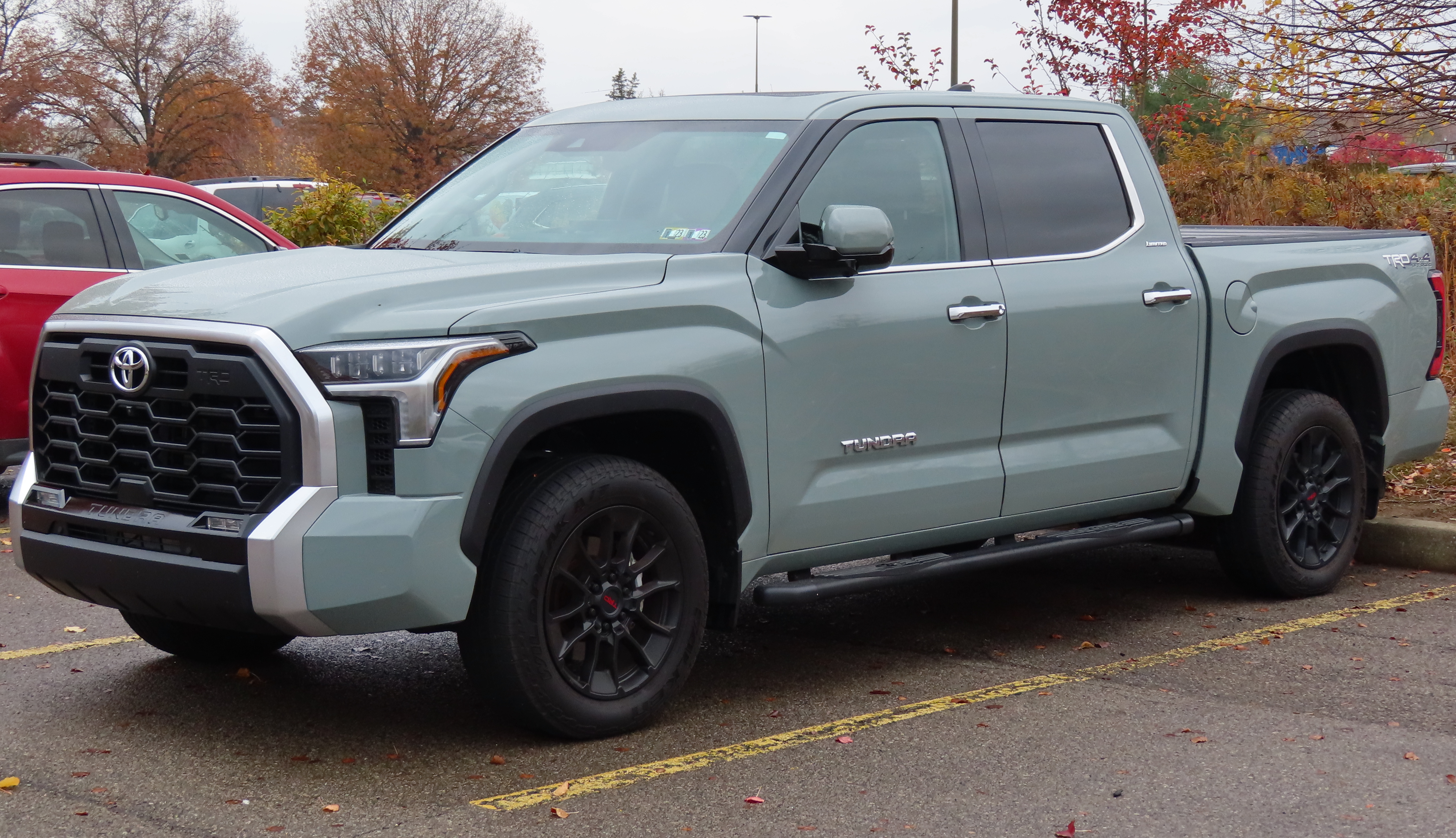
Toyota Tundra
"You can get a discount on a Tacoma or a Tundra. ... There are rebates on the Tundras as well. ... The Tundras had, for Toyota, a giant problem. Okay, they had a giant problem with the engines. ... Toyota replaced those engines with brand new engines, just free of cost, right?"
The Toyota Tundra is Toyota’s big pickup truck. In this episode, they’re talking about an engine problem that affected only a tiny number of trucks, and Toyota reportedly replaced the engines for free.
The Toyota Tundra is Toyota’s full-size pickup truck, and this segment focuses on a specific reliability controversy tied to its engines. The hosts say Toyota replaced affected engines with brand-new units at no cost, which is a major customer-impacting response for a truck model.
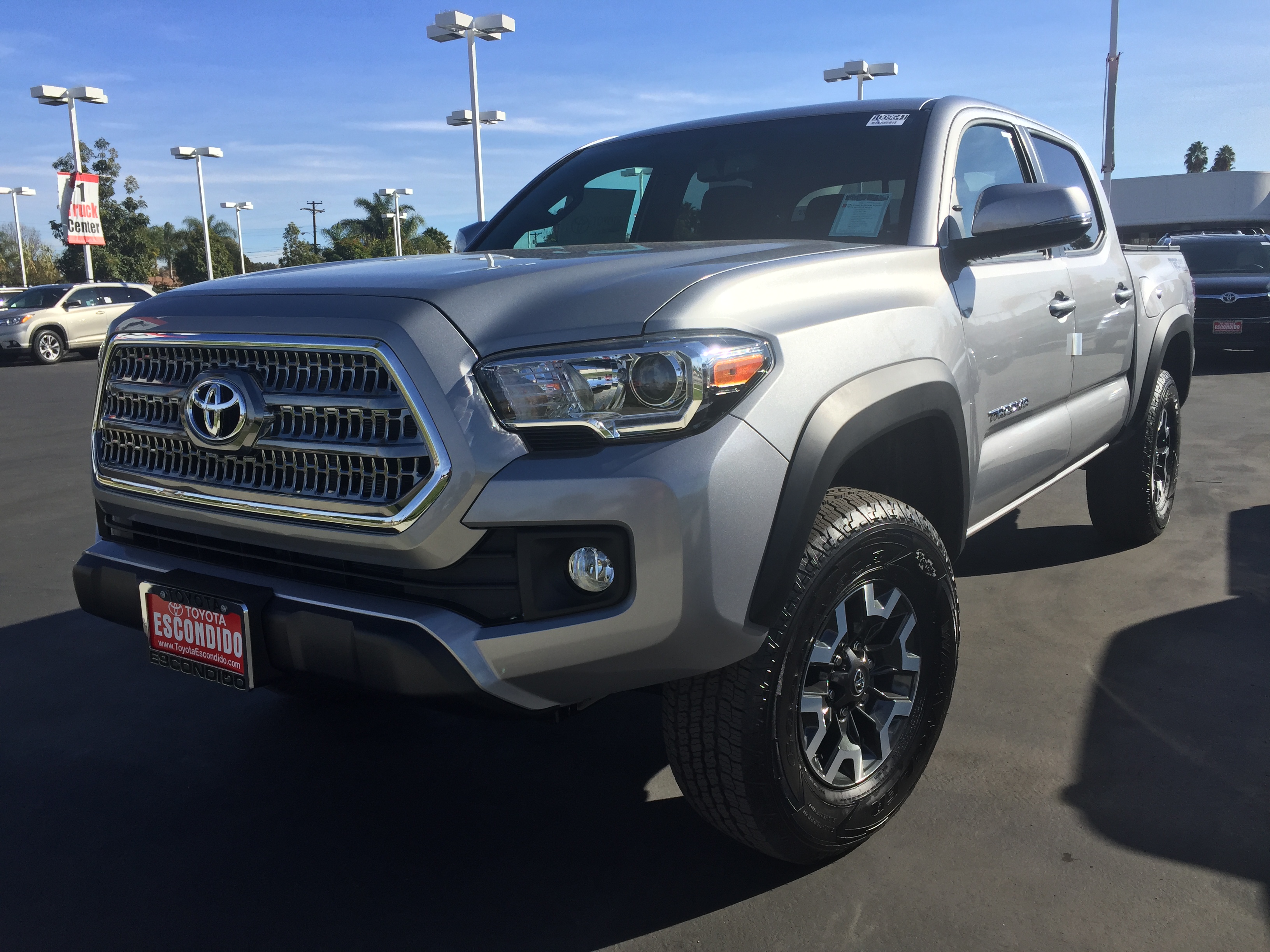
Toyota Tacoma
"You can get a discount on a Tacoma or a Tundra. ... I do have both of those in stock."
The Toyota Tacoma is Toyota’s smaller pickup truck compared to the Tundra. They mention it because you can get discounts on it right now.
The Toyota Tacoma is Toyota’s mid-size pickup truck, mentioned here in the context of current pricing and incentives. The host contrasts Tacoma and Tundra discounts, implying the truck market conditions are influencing what buyers pay.
rebates
"There are rebates on the Tundras as well. [874.4s] They did have issues."
A rebate is money back from the manufacturer that lowers the price you pay for the car. Here, they’re saying the Tundra has rebates available.
Rebates are manufacturer-funded discounts that reduce the purchase price of a vehicle, usually tied to specific models, trim levels, or time windows. In this segment, rebates are discussed alongside discounts on the Tundra, suggesting incentives are part of the current sales strategy.
reliability issue
"and this is probably the biggest deal as far as the reliability issue with Toyota. ... even when you have an issue that affects a very, very, very small percentage of the car,"
A reliability issue means something can go wrong with the car more than you’d expect. They’re saying Toyota had an engine problem on the Tundra, but it only affected a small number of trucks.
In automotive context, a reliability issue is a problem that causes unexpected failures or defects over time, rather than just cosmetic or short-term annoyances. The host frames the Tundra engine problem as the biggest reliability concern for Toyota, even though it affected a very small fraction of trucks.
recalled
"Dad, I remember when Toyota went ahead and they recalled [944.0s] and replaced those engines on over 100,000 vehicles, [950.1s] you came out and you commended them."
A recall is when the carmaker admits there’s a problem and asks owners to bring the car in for a fix. It’s usually done because the issue could affect safety or reliability.
A recall is when a manufacturer notifies owners that a safety-related (or emissions/major defect) problem requires a fix, typically at no cost. The hosts reference Toyota recalling and replacing engines on over 100,000 vehicles, framing it as a major event that affected trust and brand perception.
replaced those engines
"Dad, I remember when Toyota went ahead and they recalled [944.0s] and replaced those engines on over 100,000 vehicles, [950.1s] you came out and you commended them."
Replacing the engine means the fix is a full engine swap, not just a minor adjustment. That’s a big deal because it’s expensive and takes more work than most recall repairs.
Engine replacement in a recall means the manufacturer’s remedy is not just a software update or small part swap—it’s swapping the powerplant to eliminate the underlying defect. That’s a costly, high-impact fix, and the hosts emphasize it as an expensive proposition compared with smaller repairs.
Yahino Motors
"that led to a little bit of build-up, [975.9s] Yahino Motors, I think it was the company that was tied up in that. [980.8s] But, Dad, I remember you praising them,"
The hosts mention “Yahino Motors” as a company connected to the broader Toyota problems they’re talking about. It’s brought up to explain that the issue may have involved a related organization, not just Toyota itself.
Yahino Motors is referenced as a company tied to the Toyota situation the hosts are discussing. The context suggests it was involved with subsidiary-related issues, which the hosts connect to how problems can spread through corporate supply/operations.
frame issues
"but the frame issues on old foreigners and Tacomas from the early 2000s,"
“Frame issues” means there’s a problem with the truck’s main metal structure. If the frame is corroded or cracked, it can be unsafe, so Toyota may offer to replace the frame or pay you to address it.
“Frame issues” refers to problems with the truck’s body-on-frame structure—typically corrosion or cracking in the frame rails. Because the frame is the main structural backbone, damage can affect safety and the vehicle’s long-term integrity, which is why manufacturers sometimes offer frame replacements or special payouts.
frame payout
"because they'd want to buy that car to get the frame payout from Toyota,"
A “frame payout” is compensation offered by the manufacturer when the vehicle’s frame has a covered defect. Instead of (or in addition to) repairing the car, Toyota would pay owners—often based on a formula—so the owner can replace the frame or otherwise address the issue.
book value
"but Toyota would also offer payouts on it, and the payouts were such a high percentage over what the book value of the car was."
Book value is the value of the car on paper—usually based on depreciation. The point here is that Toyota’s payout was higher than that paper value, so people got more money than you’d expect from the standard valuation.
Book value is an accounting estimate of a vehicle’s worth, often tied to depreciation schedules rather than what the car sells for today. Here, the speaker says Toyota’s payouts were a high percentage above book value, meaning owners (or buyers) could receive more than the car’s “paper” value.
XSE
"You can get all, I assume that's an all wheel drive, XSE probably with every option possible under the sun on it."
XSE is a higher trim level on the Camry. Trim levels are basically packages of features, so an XSE usually includes more equipment than the base version.
XSE is a trim level on the Toyota Camry that typically sits above the base models and adds more features. Here, the host is pointing out that you can get an AWD XSE with many options, which helps explain why the price can climb.
all wheel drive
"You can get all, I assume that's an all wheel drive, XSE probably with every option possible under the sun on it."
All-wheel drive means power goes to all four wheels. It can help with traction, especially on wet or slippery roads.
All-wheel drive (AWD) sends power to all four wheels instead of just the front or rear. The host is using AWD as part of the example of how a modern Camry can be configured with more capability and options than earlier versions.
LE
"if you look at a basic, so just take a basic LE Camry without floor mats on it now, and you look at a basic LE Camry in 1992 without floor mats."
LE is a trim level on the Camry. It usually means a simpler, more basic version compared to higher trims.
LE is a Camry trim designation that generally represents a lower or entry-level configuration compared with higher trims. The host uses “basic LE” to set up a comparison between what a stripped-down Camry used to include versus what a modern base Camry includes.
floor mats
"so just take a basic LE Camry without floor mats on it now, and you look at a basic LE Camry in 1992 without floor mats."
Floor mats are the removable mats that protect the carpet where your feet go. They’re mentioned here because the host is trying to compare what’s included in different years.
Floor mats are removable coverings for the vehicle’s footwell area. The host mentions them to illustrate how even small accessories can affect the “what you get” comparison between older and newer cars.
airbags
"forget the fact that that car had two airbags, and this car has 10"
Airbags are safety cushions that pop out during a crash. They help protect you by reducing how hard you hit the inside of the car.
Airbags are supplemental restraint devices that deploy rapidly during a crash to help reduce injury. The host contrasts the older Camry having “two airbags” with the modern Camry having “10,” emphasizing how safety equipment has expanded over time.
Gulf States Toyota
"JM&A, if I'm not mistaken, owns Gulf States Toyota or has a relationship. Yeah, something's true here."
Gulf States Toyota is a Toyota dealer/distribution organization in the Gulf States area. The discussion suggests that the way they handle add-ons can raise the final price you pay.
Gulf States Toyota is mentioned as a Toyota distributor/dealer group in the Gulf States region. The speaker links it to JM&A and uses that relationship to explain how distributor-installed options can affect the final “out-the-door” price.
JM&A
"JM&A, if I'm not mistaken, owns Gulf States Toyota or has a relationship. Yeah, something's true here."
JM&A is a company mentioned as being connected to Toyota distribution. The point here is that distribution companies can influence how add-ons are added and how much the car ends up costing.
JM&A is referenced as a company involved in Toyota distribution in the Gulf States region, with a relationship to “Gulf States Toyota.” In this context, the speaker is tying distribution/distributor behavior to how add-on options and pricing are handled.
port installed options
"Yeah, they just add $3,000 of port installed options, distributor installed options like Jerry's saying here. That also is a little bit why the prices have been inflated, and that is a Toyota specific thing."
These are extra features added after the car ships in, usually by the dealer/distributor. Since they’re not built into the car at the factory, they can add cost and make the car more expensive than you’d expect.
“Port installed options” are add-ons installed after the vehicle arrives at the port (typically by the distributor/dealer supply chain), not during Toyota’s factory build. Because they’re dealer/distributor-controlled, they often come with extra cost and can inflate the final price compared with factory-installed equipment.
distributor installed options
"Yeah, they just add $3,000 of port installed options, distributor installed options like Jerry's saying here."
These are extra features added by the distributor/dealer network instead of the factory. They can make one car cost more than another even if the base model looks the same.
“Distributor installed options” are add-ons installed by the distributor/dealer supply chain rather than at the factory. They’re closely related to port-installed options and can be a major driver of price differences between listings that look similar on paper.
factory option
"There’s a factory option and a port installed option, and the delineation between those two is a port installed option. ... a factory option is something that you can change from the factory..."
A factory option is a feature that the car maker builds into the car during production. It’s usually part of the car from the start, not something added later by a dealer.
A “factory option” is equipment ordered and built into the vehicle at the manufacturer’s plant. Since it’s part of the original production process, it’s generally easier to verify and compare across listings, and it typically doesn’t carry the same “dealer-added” markup dynamics as port-installed items.
Toyota regions
"So there's 10 Toyota regions. We're in the Kansas region. And the Southeast Toyota, yeah, with Jam and A, they're completely different. If someone has a lease... if they lease through any one of the nine regions that's not Southeast Toyota, we can do it..."
Toyota organizes dealers into different geographic areas. This can change how financing and lease rules work, so a dealer in one area may not be able to handle a lease that was set up in another area.
“Toyota regions” refers to how Toyota and its dealer network are organized into geographic territories that can have different policies and programs. In this segment, the host claims that financing and lease handling differ between regions (Kansas vs Southeast), which can affect whether a dealer can process a lease return or transfer.
lease
"If someone has a lease, if they lease through any one of the nine regions that's not Southeast Toyota, we can do it, they can turn their lease in or we can do whatever we normally do if they were local here."
A lease is like renting a car for a fixed time with payments, and you usually return it at the end. This segment says lease returns can be restricted depending on which Toyota region set up the lease.
A “lease” is a financing arrangement where you pay to use a vehicle for a set period, with the option to return it at the end rather than owning it outright. The host connects lease handling to regional Toyota programs, explaining why some leases can’t be transferred or unwound across regions.
option their cars
"And how they option their cars, how they build their cars too. [1342.0s] Like we'll get sometimes when someone trades in a car"
“Options” are the factory add-ons you choose when ordering a car, like certain tech features or trim levels. Different cars can come with different option combinations even if they’re the same model.
“Options” are factory-installed equipment packages (like infotainment, driver-assist features, or interior trims) that can be ordered in different combinations. When the host says Toyota “option their cars,” they mean the factory builds cars with specific option sets that can vary by region and dealer ordering patterns.
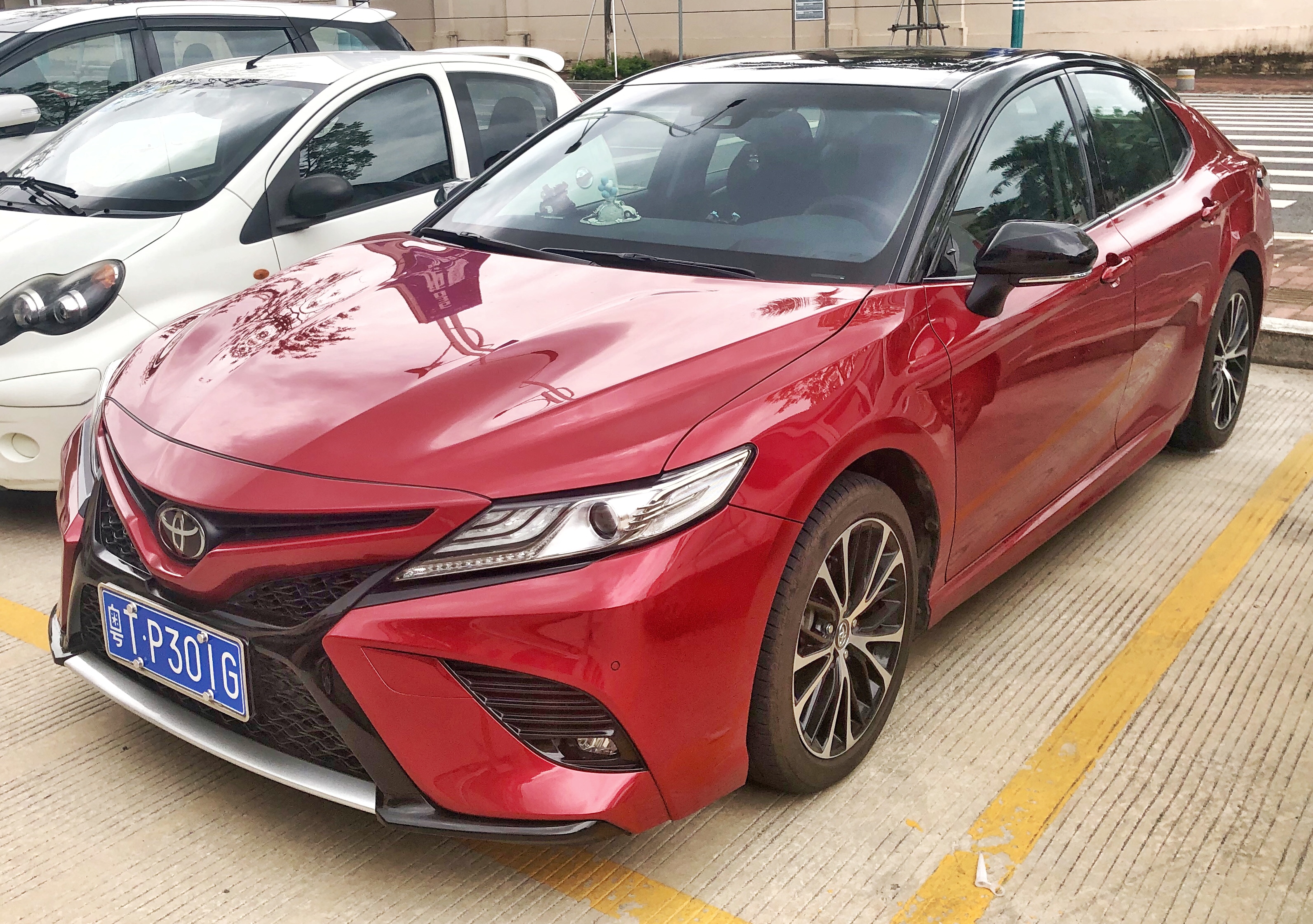
Camry
"Like we'll get sometimes when someone trades in a car [1342.0s] and it has a three-year-old Camry, whatever it might be."
A Toyota Camry is a very common, everyday family sedan. The host is using it as an example of how used cars can have different option packages depending on where they were originally sold.
The Toyota Camry is a mainstream midsize sedan that’s especially common in rental fleets and used-car markets, so it often shows up in trade-ins. In this segment, the host uses a “three-year-old Camry” as an example of how different trim/option packages can appear depending on where the car was sold.
Florida
"with Earl Stewart Toyota down in Florida [1378.6s] are down in the state of Florida, Georgia."
Florida is one of the states the host brings up as an example of where certain Toyota dealers are located. They’re using it to explain why cars from different regions can show up with different option packages.
Florida is mentioned as a key region where the host’s example dealership (Earl Stewart Toyota) operates. The broader point is that cars sold in certain states can end up with different option combinations due to regional ordering patterns.
Georgia
"are down in the state of Florida, Georgia. [1382.2s] And it's just a friendly reminder to people watching this video,"
Georgia is mentioned alongside Florida as part of the same regional example. The host is using these locations to explain why cars from different areas can have different factory options.
Georgia is paired with Florida as part of the region where the host says certain Toyota dealers are located. This supports their argument that cars can be “mixed” across regions, affecting what option combinations you see in local trade-ins.
primary marketing area
"The manufacturer is called from PMA's primary marketing area. [1390.6s] You'll outside your primary marketing area"
A primary marketing area is basically the region a car brand expects a dealership to sell to. If you’re outside that region, you might find cars with different option packages than what you usually see nearby.
A primary marketing area (PMA) is a manufacturer-defined region where a dealer is expected to sell and market vehicles. The host is arguing that cars can be “mixed” across regions—so if you’re outside the PMA, you may see option combinations that are less common locally.
F or D-rated dealers
"if you're in one of these regions where you just flood it [1392.3s] with kind of like what we would call F or D-rated dealers [1394.5s] because they're not transparent"
The host is talking about a dealership rating system where dealers can get low grades like “F” or “D.” They’re using it to explain why certain areas might have different buying/selling behavior than others.
“F or D-rated dealers” refers to a dealer grading/rating system used by the hosts (and/or their organization) to score dealerships on criteria like transparency. The point here is that some regions have dealers with worse ratings, which the host links to how cars and option mixes show up in trade-ins.
short supply high demand
"or are taking advantage of a short supply high demand. [1403.4s] Obviously, this is why we love the relationship we have with y'all."
It means there are fewer cars available than people want. When that happens, sellers can often charge more or push extra charges because buyers feel they have fewer choices.
“Short supply, high demand” describes a market imbalance where not enough vehicles are available while buyers want them badly. That imbalance often leads to dealers and distributors finding ways to earn more per sale, such as through markups or add-ons.

Corolla
"Toyota has two of the most affordable, [1459.5s] most sought after vehicles out there, the Camry and the Corolla. [1464.0s] Is there or have you seen a commitment from Toyota"
The Toyota Corolla is a very common, budget-friendly sedan. The hosts are wondering if Toyota will make more of them because lots of people want to buy one, which can affect overall pricing.
The Toyota Corolla is a compact sedan that’s long been associated with low cost of ownership and strong mainstream demand. Here it’s mentioned alongside the Camry as one of Toyota’s most affordable, sought-after cars—raising the question of whether Toyota will increase production to help affordability.
allocated
"You can't sell more Corollas than anybody else [1539.3s] if you're not allocated more Corollas than anybody else. [1543.0s] Right, exactly."
“Allocation” means the factory decides how many cars it will send to each dealership. If your dealership doesn’t get enough Corollas, you can’t sell more than other dealers that do get more cars.
In automotive retail, “allocation” refers to how a manufacturer assigns limited production units to specific dealers or regions. If a dealership isn’t allocated enough Corollas, it can’t sell more Corollas than competitors even if local shoppers want them.
Ackerman Toyota
"for the Midwest, when we're in the St. Louis market, we have to produce more Corollas for Ackerman Toyota"
Ackerman Toyota is a car dealership. They’re using it as an example of how Toyota’s supply decisions determine what cars that dealer can stock and sell.
Ackerman Toyota is a Toyota dealership referenced as the local seller in the St. Louis market. The hosts use it to illustrate how regional supply planning affects what inventory a specific dealer can sell.
allocations
"when you talk about those 10 different regions, it's the allocations work to the region and then to the dealer, as far as my understanding is."
Allocations are how car companies decide which dealerships get the limited cars they can build. If a dealer has a bigger allocation, they’ll have more cars to sell.
In auto retail, “allocations” are how a manufacturer distributes limited production to regions and then to individual dealers. When demand exceeds supply, allocations determine which dealers get more cars and which get fewer, directly shaping local inventory.
Damon Rose
"literally hear our quotes from Damon Rose, the vice president of sales for Toyota North America."
Damon Rose is a Toyota executive in charge of sales for Toyota North America. The hosts quote him to explain how Toyota is handling car supply and getting cars to dealers.
Damon Rose is identified here as the vice president of sales for Toyota North America. His quote is used to support the discussion about how Toyota is managing supply and dealer allocations during a period of constrained inventory.
Toyota North America
"the vice president of sales for Toyota North America. It's so hot, we're counting inventory in our supply right now, not days."
Toyota North America is Toyota’s organization that handles sales and distribution for the region. Here, it’s mentioned because the quote is from a Toyota sales leader in that organization.
Toyota North America is the regional organization responsible for Toyota’s sales and distribution across the continent. In this segment, it’s the context for Damon Rose’s role and the supply/allocation decisions being discussed.
inventory in our supply right now, not days
"It's so hot, we're counting inventory in our supply right now, not days. So my sense here, dad, just reading that one quote,"
This refers to how automakers track supply constraints: instead of talking about “days” of inventory, they’re counting how many vehicles are available in the pipeline. It’s a way to communicate that the bottleneck is current supply volume, not just how long existing stock will last.
inventory turnover
"the fact that they're turning their RAV4 inventory, they're turning almost 97% of their RAV4 inventory on a monthly basis."
Inventory turnover means how fast a dealership sells its cars. If it’s turning nearly all of its stock every month, that usually means there aren’t many cars sitting on the lot for shoppers to choose from.
Inventory turnover is how quickly a dealer sells through its stock over a set period. When the hosts say they’re turning almost 97% of RAV4 inventory monthly, they’re highlighting extreme sales velocity that leaves little available for customers to test-drive or buy immediately.
deposits
"if Longo Toyota in El Monte, California has 800 deposits for incoming RAV4s, and that's a Penske store, and I know how hard it is to keep track of incoming deposits."
A deposit is money you pay to reserve a car that’s coming in. Here, the host is saying there can be hundreds of people waiting with deposits, so the dealer can’t satisfy everyone at once.
In car retail, deposits are payments customers put down to reserve an incoming vehicle allocation. The host’s example—800 deposits for incoming RAV4s—illustrates how many buyers can be waiting before cars even arrive at the dealership.
El Monte, California
"Oh, I don't, if Longo Toyota in El Monte, California has 800 deposits for incoming RAV4s,"
El Monte, California is the city the host mentions for a specific Toyota dealership example. They’re using it to show how tough it can be to manage incoming car orders.
El Monte, California is where the host places the example dealership (Longo Toyota) to explain how deposits and incoming supply can be hard to track. It’s a real-world dealer location used to ground the inventory and demand discussion.
Penske store
"and that's a Penske store, and I know how hard it is to keep track of incoming deposits."
A “Penske store” is a dealership that’s part of a larger dealership group. The point here is that even big, organized dealers can struggle when demand is extremely high.
A “Penske store” refers to a dealership operated under Penske’s dealership group umbrella. The host uses this to suggest the dealership has enough volume and process to manage large numbers of incoming deposits, yet still struggles with tracking and availability.
Request an Explanation
Heard something you'd like explained? We'll add it to this episode.
Sign in to request explanations for terms you heard.
Want to learn more?
Browse our glossary for plain-English explanations of automotive terms, jargon, and concepts.
Help improve this episode
See something that's not quite right? Our annotations are AI-generated and can sometimes miss the mark. Click the flag icon on any annotation to suggest a correction.