
What a 1928 Model A Ford and McPherson College's Restoration Program Taught Students About Classic Car Culture
About this episode
Exploring the rich world of classic car culture, this episode features guests from McPherson College's renowned Automotive Restoration Program. Chris, an instructor, and Cash, a student, share insights on restoring vintage cars, including a 1928 Model A Ford. They discuss the program's unique approach to teaching students about automotive history and hands-on restoration techniques. Listeners will learn about the significance of classic cars in today's society and hear personal stories about their own automotive journeys, including dream cars and the importance of preserving automotive history.
Click here to share your favorite car, car story or any automotive trivia!
Ever daily drive a car from 1928? Cash does. And his golden retriever rides in the rumble seat.
Doug and Christian sit down with Cash and Chris from McPherson College's automotive restoration program, and what starts as a conversation about classic car education becomes something much deeper. There's a reason Cash bought his 1928 Model A sport coupe right after high school and made it his everyday driver. There's a reason everyone fights over who gets to sit in the rumble seat on 500-mile road trips. And there's definitely a reason Chris has seen hundreds of incredible cars but still stops dead in his tracks when he sees a Duesenberg.
Want to know what "car camp" really means? Curious why the rumble seat is actually the best seat in a Model A? Wondering what it's like to restore vintage cars while learning the craft at one of America's most prestigious automotive restoration schools?
This episode takes you inside McPherson College's renowned restoration program through the eyes of a student and instructor who live and breathe vintage car culture every single day. Cash and Chris share what makes McPherson's summer restoration institute special, why students travel from across the country to attend, and what it really takes to become a restoration expert.
Want to Learn more about McPherson College's Automotive Restoration program? Listen to our episode with McPherson alum, Mason Ball - https://www.buzzsprout.com/2316026/episodes/17426714-record-speed-model-t-build-to-wayne-carini-mcpherson-grad-s-path
Visit https://carsloved.com for full episodes. Rate & review to keep automotive storytelling running strong.
*** Your Favorite Automotive Podcast - Now Arriving Weekly!!! ***
Listen on your favorite platform and visit https://carsloved.com for full episodes, our automotive blog, Guest Road Trip Playlist and our new CAR-ousel of Memories photo archive.
Don't Forget to Rate & Review to keep the engines of automotive storytelling—and personal restoration—running strong.
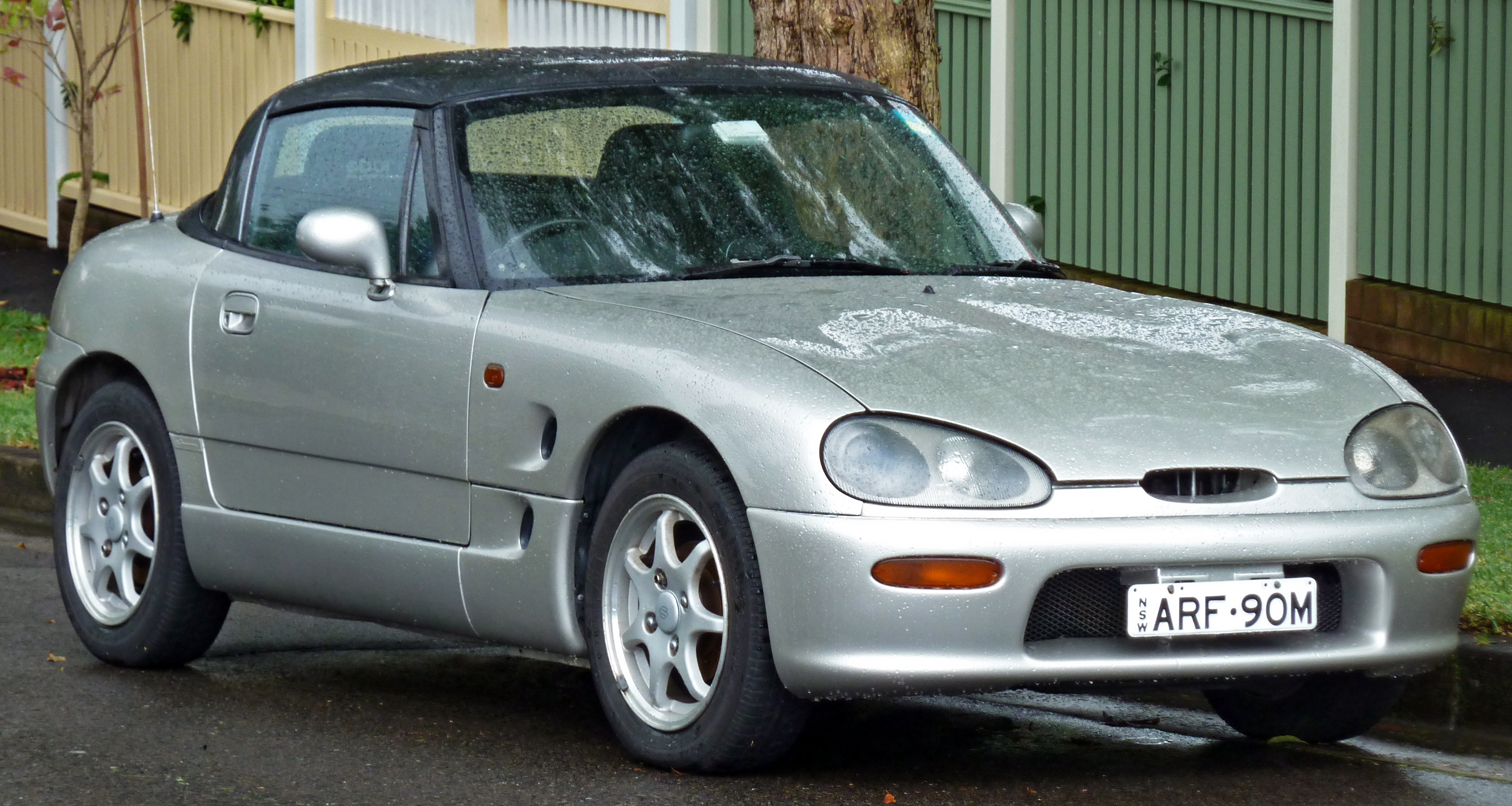
Suzuki Cappuccino
"...e second one I've driven, but this one was a 1992 Suzuki Cappuccino, and it wasn't as nice as in the pictures, unfort..."

Nissan 300ZX
"I think I'm going to change my focus back to my 9300ZX and get that painted. Hopefully our friend Matt is going to paint it."
The Nissan 300ZX is a sporty car that many people like for its speed and unique look. It was made by Nissan from the early 1980s to the year 2000.
The Nissan 300ZX is a sports car that was produced by Nissan from 1983 to 2000. It is known for its performance and distinctive styling, particularly in the Z32 generation, which is highly regarded among enthusiasts.
K-Class
"Yeah, so it falls into what the Japanese call a K-Class, K-E-I, which was a car limited in size, weight, horsepower, limited to about 63 horsepower, 64, and engine displacement..."
K-Class cars, also known as Kei cars, are tiny cars from Japan that have specific rules about how big they can be and how powerful their engines can be. They are great for city driving because they are small and easy to park.
K-Class, or Kei cars, are a category of small vehicles in Japan that are limited in size, weight, and engine displacement. They are designed to be economical and practical for urban driving.
turbo
"...but this Suzuki had a turbo. Comparatively the muscle car, yes."
A turbo is a part that helps the engine get more air, which makes it more powerful. It's like giving the engine a boost so it can go faster.
A turbocharger is a device that forces more air into the engine's combustion chamber, allowing it to burn more fuel and produce more power. This is especially common in smaller engines to enhance performance.

Mazda Miata
"...ings, so it's a really neat car, it's like a mini Miata. But we're just going to go with, we're going to ..."
The Mazda Miata is a small sports car that is really fun to drive. It’s known for being light and easy to handle, which makes it great for people who love driving.
The Mazda Miata, introduced in 1989, is a lightweight two-seater sports car known for its agile handling and fun driving experience. It has become a beloved icon in the automotive world, often praised for its simplicity and affordability, making it a popular choice among driving enthusiasts.
K-car
"There's a huge thing with the Japanese K-car culture in this country, or any JDM cars..."
K-cars are tiny cars from Japan that are made to be small and efficient. They have special rules about their size and engine to save money on taxes.
K-cars are a category of small vehicles in Japan that are limited to specific dimensions and engine sizes to qualify for tax and insurance benefits. They are known for their compact size and efficiency.
JDM
"There's a huge thing with the Japanese K-car culture in this country, or any JDM cars..."
JDM means Japanese Domestic Market. It refers to cars and parts that are made for Japan and might be different from what you find in other countries.
JDM stands for Japanese Domestic Market, referring to vehicles and parts that are made specifically for the Japanese market. These cars often have unique features and specifications not found in models sold elsewhere.

Honda Beat
"...Honda Beat. Oh yeah, that was another one, that was another one. There's one for sale at the interesting lot down the road for me..."
The Honda Beat is a small, lightweight car made by Honda. It's designed to be fun to drive and is part of a category of cars in Japan called kei cars, which are compact and economical.
The Honda Beat is a kei car produced by Honda from 1991 to 1996. It's known for its lightweight design and fun driving experience, making it a popular choice among enthusiasts of small cars.

Honda Prologue
"...e old, old automobiles, today's theme by way of a prologue is what is the future of history? What is the fut..."
The Honda Prologue is a new electric SUV that Honda is planning to release. It will be a roomy car that runs on electricity instead of gas, making it better for the environment.
The Honda Prologue is an upcoming all-electric SUV that represents Honda's commitment to electrification and sustainability. It aims to provide a spacious and versatile option for consumers looking to transition to electric vehicles while maintaining Honda's reputation for reliability and practicality.
McPherson College
"Sure, so the McPherson College Automotive Restoration Program, this is our 49th year, we're getting ready to celebrate our 50th anniversary next year."
McPherson College is a school that teaches students how to fix and restore old cars. They have been doing this for a long time and are well-known for their program.
McPherson College is known for its automotive restoration program, which trains students in the skills needed to restore classic cars. The program has a strong reputation and has been running for nearly 50 years.
automotive restoration
"Sure, so the McPherson College Automotive Restoration Program, this is our 49th year, we're getting ready to celebrate our 50th anniversary next year."
Automotive restoration is when people fix up old cars to make them look and work like they did when they were new. It can include fixing the engine, body, and interior of the car.
Automotive restoration refers to the process of repairing and restoring classic or vintage cars to their original condition. This can involve mechanical repairs, bodywork, and interior restoration, often requiring specialized skills and knowledge.
engine rebuilding
"...the more interesting ones. Okay, engine rebuilding, drive tech train restoration, sheet metal restoration, fundamentals of woodworking."
Engine rebuilding is fixing an old engine by taking it apart and replacing broken parts. It's important for keeping older cars running well.
Engine rebuilding involves disassembling an engine, inspecting its components, and replacing or repairing parts to restore it to optimal working condition. This process is crucial for maintaining the performance and longevity of vintage cars.
drive train restoration
"...drive tech train restoration, sheet metal restoration, fundamentals of woodworking."
Drive train restoration means fixing the parts that help the car move, like the transmission and driveshaft. It's important for making sure the car runs properly.
Drive train restoration refers to the process of repairing or replacing components of a vehicle's drive train, which includes the transmission, driveshaft, and differential. This is essential for ensuring the vehicle's power delivery and overall performance.
sheet metal restoration
"...drive tech train restoration, sheet metal restoration, fundamentals of woodworking."
Sheet metal restoration is fixing the metal parts of a car's body. It's important for making the car look good and keeping it safe to drive.
Sheet metal restoration involves repairing or replacing the metal body panels of a vehicle, which is crucial for both aesthetics and structural integrity. This process is often necessary for vintage cars that have suffered from rust or damage.
barn find
"Barn Find Hunter video where he donated a car to the college and I remember looking at my mom and I was like, well, scratch that."
A 'barn find' is an old car that someone finds after it has been hidden away for a long time, usually in a barn. People often get excited about these finds because they can be worth a lot and can be fixed up to look nice again.
A 'barn find' refers to a classic or vintage car that has been discovered in a dilapidated state, often stored away in a barn or garage for many years. These cars can be valuable due to their rarity and the potential for restoration.
upholstery
"You're talking upholstery. It has to be pulled apart. Any springs in the upholstery, the chassis, the wood, all that kind of stuff."
Upholstery is the fabric and padding that covers the seats and interior of a car, making it comfortable and visually appealing.
Upholstery refers to the materials used to make a soft covering for furniture, including cars. It typically includes fabric, leather, padding, and other materials that provide comfort and aesthetic appeal.
chassis
"...the upholstery, the chassis, the wood, all that kind of stuff. So you really have to start from there."
The chassis is the main structure of a car that holds everything together, like the body, wheels, and engine. It's like the skeleton of the vehicle.
The chassis is the base frame of a vehicle, which supports the body and other components. It includes the frame, suspension, and sometimes the engine and drivetrain.
Pebble Beach
"That was to compete to win at Pebble Beach, which some people scoffed at."
Pebble Beach is a famous car show in California where people display and compete with classic and luxury cars. Winning at this event is a big deal in the car world.
Pebble Beach is a prestigious automotive event held annually in California, known for showcasing classic and luxury cars. Competing at Pebble Beach is a significant achievement for car manufacturers and restorers.

Mercedes 300S Cabriolet
"...we found this 1953 Mercedes, 300S Cabriolet, which looked like a pretty good, solid old car and we took it down..."
The Mercedes 300S Cabriolet is a fancy old car from 1953 that you can take the roof off. It's known for being stylish and powerful, making it a classic among car lovers.
The Mercedes 300S Cabriolet is a classic luxury convertible produced in the early 1950s, known for its elegant design and powerful performance. It features a six-cylinder engine and is part of Mercedes-Benz's prestigious lineup during that era.

Mercedes-Benz 300S Cabriolet
"And we went out and we found this 1953 Mercedes, 300S Cabriolet, which looked like a pretty good, solid old car a..."
The Mercedes-Benz 300 S Cabriolet is a fancy old convertible car that looks very elegant. It’s known for being well-made and is a favorite among collectors of classic cars.
The Mercedes-Benz 300 S Cabriolet, produced in the early 1950s, is a classic luxury convertible known for its elegant design and powerful performance. This car is highly regarded among collectors and enthusiasts for its craftsmanship and historical significance in the luxury automotive market.
Triumph
"...I don't know, Triumph, yeah, Austin Healey's. So we've got..."
Triumph is a British car brand that used to make popular sports cars and motorcycles.
Triumph is a British automotive brand known for its sports cars and motorcycles, particularly popular in the mid-20th century.
Austin Healey
"...I don't know, Triumph, yeah, Austin Healey's. So we've got..."
Austin Healey is a British car brand famous for making classic sports cars that are loved by enthusiasts.
Austin Healey is a British sports car manufacturer known for its classic models, particularly the Austin Healey 3000, which is celebrated for its performance and design.

Volkswagen Beetle
"So Cash, your first car was a... 1970 Volkswagen Beetle, bright yellow. Bright yellow, bright yellow."
The Volkswagen Beetle is a famous small car with a unique round shape. It was very popular in the past and is known for being easy to recognize.
The Volkswagen Beetle is an iconic compact car known for its distinctive rounded shape and rear-engine layout. Originally designed in the 1930s, it became one of the best-selling cars in history, especially popular during the 1960s and 1970s.

Hyundai Elantra
"...my mom had a 2011 Hyundai Elantra, just one of her random cars and she goes,..."
The Hyundai Elantra is a small car that is popular for being dependable and good on gas. The 2011 version is known for being a solid choice for new drivers.
The Hyundai Elantra is a compact car known for its reliability and fuel efficiency. The 2011 model is part of the fifth generation, which features a more refined design and improved technology compared to earlier models.
pre-war
"...and now I'm in a pre-war and all that. Nice."
'Pre-war' means cars made before World War II. They are often old and have unique styles that many people find interesting.
The term 'pre-war' refers to vehicles manufactured before World War II, typically characterized by their classic designs and engineering methods. These cars often have historical significance and are sought after by collectors.

MGB
"...My first daily driver was a 1976 MGB, blue, so it wasn't the bright yellow of a Volkswagen, but it was still slow."
The MGB is a small sports car made by MG, popular in the 1970s. It's known for being fun to drive, even though it wasn't very fast compared to modern cars.
The MG MGB is a classic British sports car that was produced from 1962 to 1980. Known for its lightweight design and responsive handling, the MGB became a symbol of 1960s motoring culture.

Ford Model T
"...I started restoring a 1914 Model T. Both about 15 years old, the Model T took me a couple of years to restore..."
The Ford Model T is one of the first cars that many people could afford. It was made by Ford and is very important in car history because it changed how cars were built and sold.
The Ford Model T is a historic automobile produced by Ford Motor Company from 1908 to 1927. It is often credited with revolutionizing the automotive industry by introducing assembly line production methods, making cars affordable for the average person.
Winton
"No, but Wintons, they were built in Cleveland, Ohio from the late 1800s into the 1920s."
Winton was a car company that made some of the first cars in America. They were based in Ohio and were active from the late 1800s until the 1920s.
Winton was an early American automobile manufacturer based in Cleveland, Ohio, known for producing some of the first gasoline-powered cars in the early 1900s.
history of the automobile
"but we have classes such as history of the automobile, history of automotive design, things like that. So you learn all of it."
The history of the automobile is about how cars were invented and changed over time, including important milestones and famous cars.
The history of the automobile covers the development and evolution of cars from their inception to modern times, including key innovations and influential models.
history of automotive design
"history of automotive design, things like that. So you learn all of it."
The history of automotive design looks at how cars are designed, including their shapes and features, and how this has changed over the years.
The history of automotive design focuses on the artistic and functional aspects of vehicle design, including styling trends, aerodynamics, and ergonomics throughout different eras.
orphaned cars
"is orphaned cars, cars that are no longer in business, they're companies. So now I own two of them, Marvin and a Franklin, who are lost to the Depression."
Orphaned cars are cars made by companies that have gone out of business. This means it's harder to find parts for them, but they can be interesting to collect because of their history.
Orphaned cars refer to vehicles produced by manufacturers that are no longer in business, making parts and support for these cars harder to find. Collectors often seek these vehicles for their historical significance and unique designs.
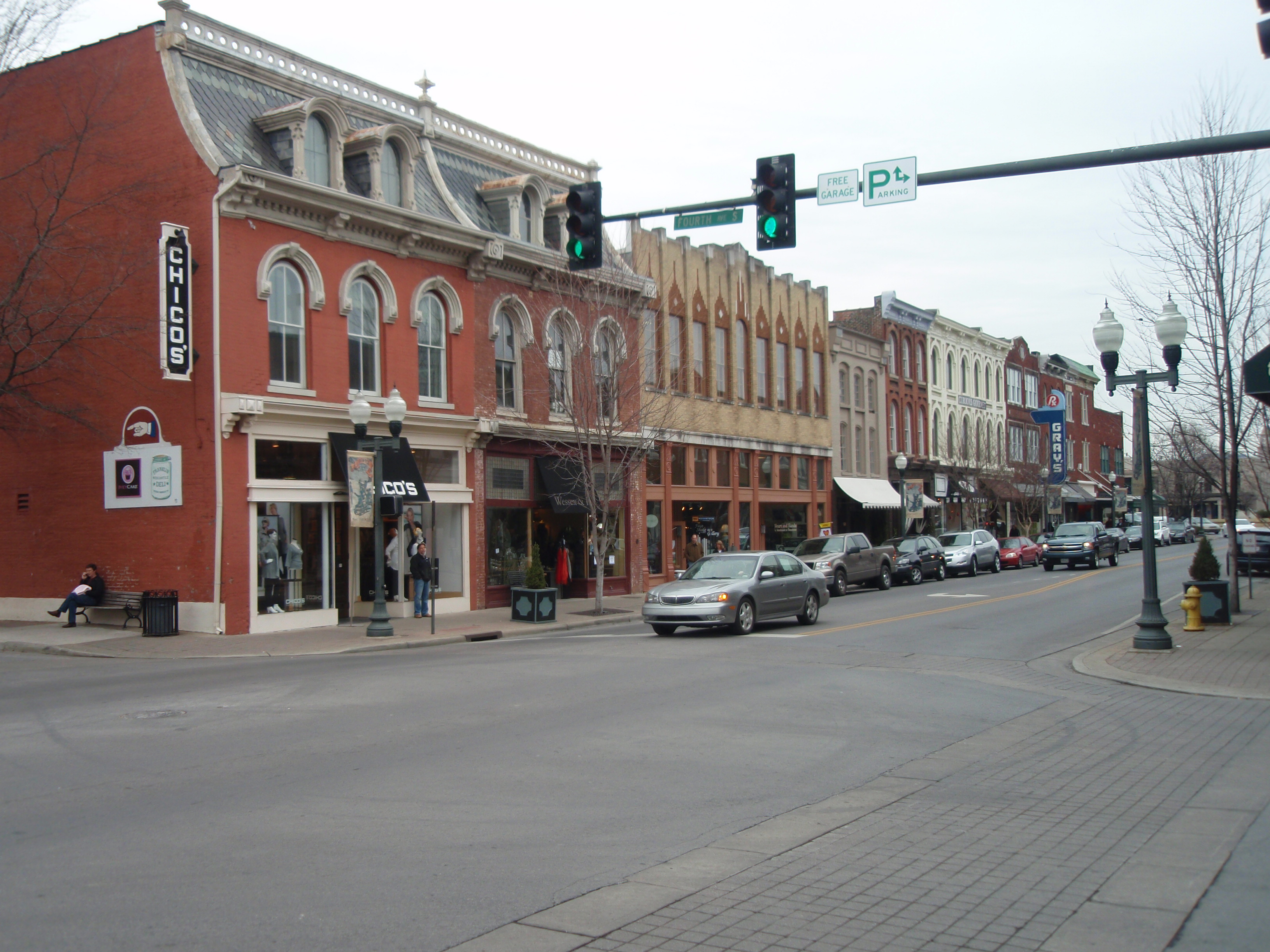
Franklin
"So now I own two of them, Marvin and a Franklin, who are lost to the Depression. And so you learn all of it."
Franklin is a brand of car that was made a long time ago but is no longer in business. They are known for unique features like air-cooled engines.
Franklin was an American automobile manufacturer known for its air-cooled engines and innovative designs. The company ceased production in the 1930s, making its cars collectible among enthusiasts today.

Ford Mustangs
"... coincidence, but your second cars were both Ford Mustangs. Purely coincidence, yeah."
The Ford Mustang is a popular American car known for its speed and sporty look. It’s been around for a long time and is loved by many people for its powerful engines and fun driving experience.
The Ford Mustang, first launched in 1964, is a classic American muscle car that has become a symbol of freedom and performance. Its combination of powerful engines, distinctive styling, and cultural significance has made it a staple in the automotive industry and a favorite among car enthusiasts.

Saab 900
"... own because I have to work on it, is a 1994 Saab 900. That's Turbo Cabriolet."
The Saab 900 is a unique car that was made for many years and is known for its turbo engine, which gives it extra power. It has a different look compared to other cars, which makes it special to its fans.
The Saab 900, produced from the 1970s to the 1990s, is a compact executive car known for its unique design and turbocharged engines. It has a loyal following due to its quirky character and innovative features, making it a memorable choice in the automotive landscape.

Tesla My Model
"...time, my freshman year of college, where we drove my Model A and Model T from Colorado to here, 500 miles."
The Tesla Model Y is a modern electric SUV that runs on batteries instead of gas. It’s known for being very efficient and has lots of cool tech features, making it a great choice for people who want an eco-friendly car.
The Tesla Model Y is an all-electric compact SUV that offers impressive range, performance, and advanced technology features. It is part of Tesla's lineup of electric vehicles, which are known for their innovative design and sustainability, making it a popular choice for environmentally conscious consumers.
Request an Explanation
Heard something you'd like explained? We'll add it to this episode.
Sign in to request explanations for terms you heard.
Want to learn more?
Browse our glossary for plain-English explanations of automotive terms, jargon, and concepts.
Help improve this episode
See something that's not quite right? Our annotations are AI-generated and can sometimes miss the mark. Click the flag icon on any annotation to suggest a correction.