Hosts dig into real-world public transit costs, then debate whether cities should fund buses and specialized services—or lean on ride-hail and even self-driving concepts for things like after-school transportation. They compare per-ride estimates (about “two to three dollars per ride”) against ride-hail pricing (“an Uber driver ain't doing anything less than fifteen dollars”). The discussion broadens into who pays for mobility through tolls, taxes, and vehicle assessments, with a few detours into how people game costs and how luxury branding can add big markups.
The Volkswagen Bus is a van designed to carry multiple people. It can be used like a people-transport vehicle, such as for groups or school-bus-type routes. The question in the podcast is basically about whether it was meant for that kind of use.
07:24
Term
self driving car
A self-driving car is a car that can drive itself. It uses sensors and computers to understand where it is and what’s around it.
07:24
Brand
Weymo
Waymo is a company that works on self-driving cars. They test autonomous vehicles and try them in real-world situations.
08:33
Term
LPR
LPR sounds like a special sign or program code for certain rides. The idea being discussed is that the government helps pay for transportation for people who need it, like trips to doctor appointments.
12:02
Concept
property taxes
Property taxes are recurring taxes assessed based on a vehicle’s taxable value, which in many places is tied to an official valuation method. Here, the discussion is about how the taxable base can lag behind real-world value—especially for modified or restored cars.
12:30
Term
blue book value
“Blue book value” is an estimate of what a car is worth, based on pricing guides. The point here is that taxes may be based on that estimate, not on what the car ends up being worth later.
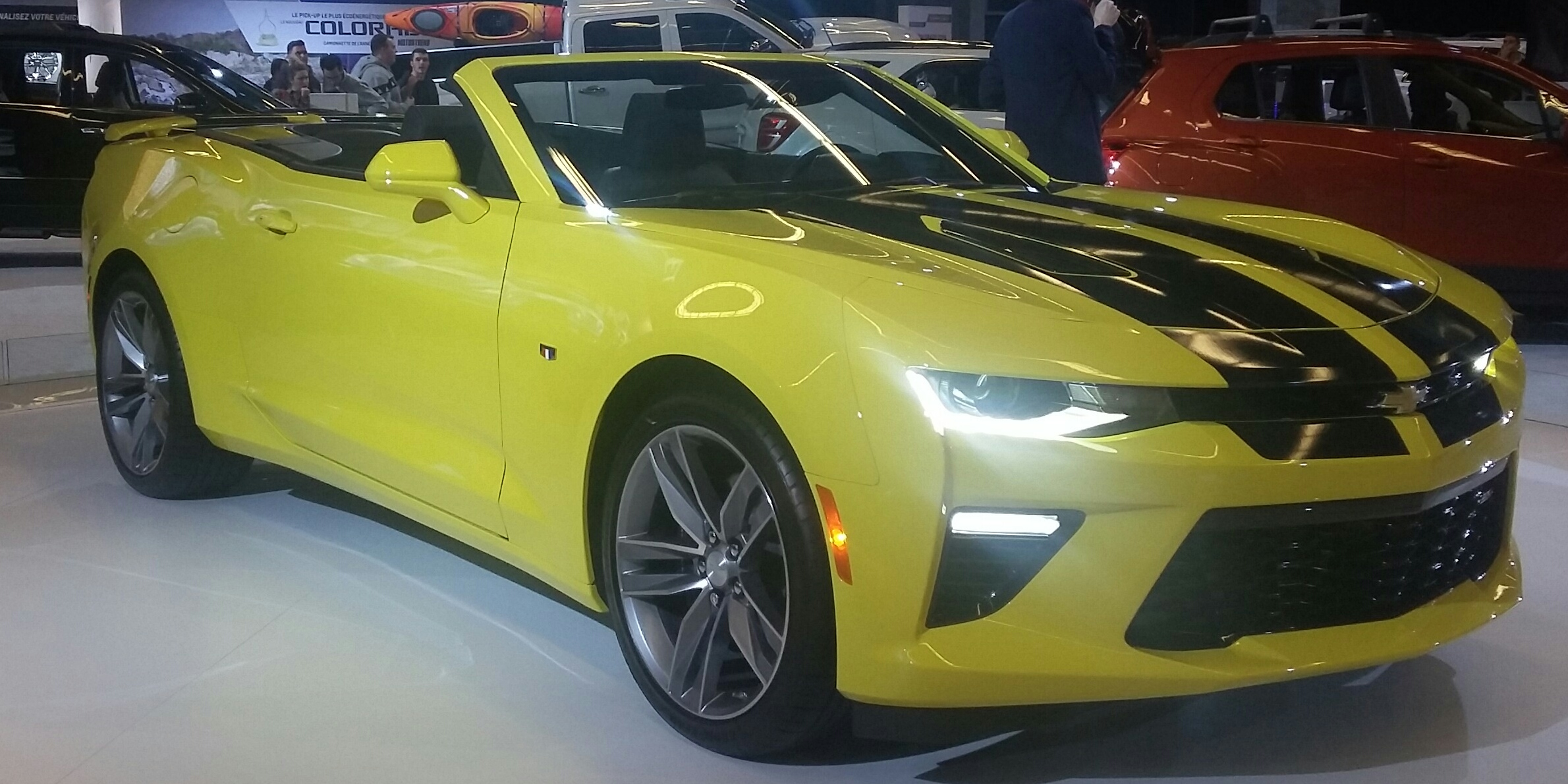
A 1971 Camaro is a classic Chevrolet muscle car. The speaker is using it as an example of how taxes might be based on an old pricing estimate, even if a really clean, restored one is worth much more.
The Geo Metro is a very small, inexpensive car that was meant for basic commuting. In this episode, it’s mentioned as a cheap car someone owned before switching to a newer Toyota.
The Chevy Spark is a small, budget-friendly car. The host is comparing it to the Geo Metro to show how stripped-down the Metro was back then.
19:53
Term
five speed, you know, manuals
A five-speed manual is a car where you shift gears yourself using a clutch. The host is pointing out that the Geo Metro was a very basic setup, even if it looked nicer inside than you’d expect.
20:00
Term
power windows
Power windows are car windows you control with buttons instead of turning a hand crank. They’re a convenience upgrade people often look for when buying or modifying a car.
20:03
Term
power locks
Power locks let you lock and unlock the doors using buttons or switches instead of manually turning a lock. It’s a convenience feature that can be added depending on the car’s options.
20:06
Term
AC system
The AC system is the car’s air conditioner. They’re saying the car’s AC was upgraded or modified so it cooled much better than it did when it left the factory.
20:10
Term
blower motors
A blower motor is the fan that moves air through the car’s heating and air-conditioning system. If someone installs a bigger one, the cabin can cool faster or feel colder.
The Toyota Corolla is a regular, everyday car made for commuting and errands. People talk about it a lot because it’s usually dependable and not too expensive to maintain. It’s often chosen as a safer, more reliable step up from an older car.
Talk Cars Radio is sponsored in part by NAPA Car Care Centers, BDG Auto Group, by Liberty Transmissions in Virginia Beach, and by Bob Barnum and the Perfect House Team. Here's
the host, So Let's Talk Cars Radio. Dave Polage, Happy Saturday, America.
Speaker 2: You're listening Let's Talk Cars Radio and w KQA Freedom Radio.
I'm your host, Big DAVP hanging out with Camera Chaos and AVB. It is Saturday. We are in the studio
hanging out. Hey guys, if you have not got a
chance to pay attention, we have been hitting a lot of car shows and we have been very very busy, a lot of invites to even more car shows. So
if you want to see what we're up to, when you want to play the did we Spot You game, make sure you, guys, go on to any of the platforms that we're posting on and check it out. You
see pictures and you can see, hey, did we spot you or not? And if we did, maybe there's a
picture of you, maybe there's a picture of your car.
But definitely go check it out. This week though I'm
gonna rolling stuff just a little different, just just a little tiny different.
Speaker 3: So.
Speaker 2: Cameron will remember. This goes back. I think when Cameron
first entered the show, we were talking about flashback, Fred, Flashback.
I talked to Fred too, by the way, nice today, I sure did, Old man Fred. If you guys do
not know, Oh man, Fred's been a long time listener of this show, and he checks in with us every once in a while. And I actually did hear from
the other day. So, but no, a lot of different
topics come my way. They are like just a little different,
right right, So, and this one was a little weird the way that it went and how it came to me.
So everybody understands that self driving cars, Ubers, Lift, whatever the company is, the other twenty eight names that are out there. As I told you guys, if you guys
don't know, there's a lot of transportation companies out there, like like Uber and Lyft and stuff that exists you guys have just never heard of. So we've talked about
that before. Right, Do you guys have any idea to
a certain degree the cost of like public transportation, like and how much that physically cost.
Speaker 4: Like like you're talking about like buses and stuff like that, or are you talking.
Speaker 2: Okay, let me let me I'll break it in there.
It goes into that. Yes, it goes into buses. Okay,
I'll give you one look. And the fan can look
up the cost alone of just moving kids around for school.
Speaker 4: Oh, just for school, I'd probably say two point three million a year.
Speaker 2: Okay, and I'm not sure the exact cost. Look up
the cost crazy number.
Speaker 3: Transportation as in a whole is probably a ten million dollar industry.
Speaker 2: Okay, So what brought it up? If somebody sent me,
uh a article and they were talking about it, like have you ever looked at the cost like the general cost of like public transportation, And there's they're particularly talk about, like school bus near estate. Just do a city, a
city of Virginia beach, what is it? What's the school?
What's a school bus costs? What's what's the budget for
school buses? And you know for transportation kids and all
that kind of stuff. So somebody has sent me that
the article and they're like, it's astronomical the amount of money that it costs to move people around. Rather it's
getting kids to school from the school to different events, maybe mass transit, even though a lot a little bit of that's you know in some areas.
Speaker 3: So on in Virginia says the transportation and logistics industry is one hundred and twenty four billion billion dollars.
Speaker 2: Is that for like public transportation and school bus and all that stuff? Is that broken?
Speaker 3: Assuming it's just all transportation has to do with sales and supports more than five or sixty five thousand dollars.
So it's global trade, free forwarding truck sprawling, multi MODELRU infrastructure.
I don't know, yeah, public transportation.
Speaker 4: Yeah, so I got the real numbers goed up from from the site. So it was four point five eight
million to four point nine to six million per year for the standard.
Speaker 2: Local bus routes. It was two.
Speaker 4: Point seven three million to two point eight seven million per year for specialized door to door services for passengers with disability, you know, the HRGT will come pick you up.
And then one point one eight million. Actually, man, I
just gave you the number action of asses one point one eight million to one point two four million just for the what do.
Speaker 2: You think that's for? What do you think that's for?
Speaker 1: Maybe?
Speaker 4: No, just for the ocean front trolleys at the ocean front is one point two.
Speaker 2: Four million dollars. The reason why this was I think
sent to me and somebody sent me the article. I
can't remember whoever sided to do you thank you. Some
of the article asked me the question, and it was talking about, what if you used money through the city system to employ and fund more or like Uber and lyft drivers to do some of those services, would the city would be able to save money that way because they you know, it's somebody else's vehicle, it's not the city.
They don't have the maintenance on the vehicle, all that kind of stuff. And I stopped and I went, I
don't know how that will And then as I started kind of putting paper to pen or pen to paper, O way.
Speaker 4: No, because when I was doing the research, it was talking about that it would be about two to three dollars per ride, no talk, no talking about like two dollars or three dollars per ride to keep that those buses going basically, you know, and the per person that's gonna be purpose going, yeah, per person, right, Okay, So I'm like, I mean, an Uber driver ain't doing anything less than fifteen dollars.
Speaker 3: No, no sign drive okay, but regardless of price, you guys are forgetting the point that we have buses in the first place. Oh, the transport A lot of people
mass transit for cheap. You know, Ubers don't do it.
It's more Uber's convenience. It's not a you know, it's
not a benefit. I mean, it's a benefit in some places.
Speaker 2: But it's not a massing on how to recreate transportation.
I kind of think that's what somebody was sending me.
They're like, is there a way to revamp mass transportation?
So it makes more sense? And it's the reason the
reason why I came up was and I don't do political just so you guys know, so this isn't you know, even though I love I know people always try to like poke me to go into a political side of things.
This was the cost increase every year for moving people around stuff like that. So what really their their main
focus on the conversation was was school buses. That's kind
of what opened the conversation up. And I remember, like
I said, as I started saying, and you'll remember, because we had this there was a program that they were developing which is like kid Uber yep. And there was
a lot of interesting and it was already being used on the West coast. They were already testing that program
and it's basically for parents stuff. Remember it was for
parents that kids so like me and that was and soccer and all that kind of stuff, And they are creating this program to move those kids around for after school programs.
Speaker 4: When because we talked about people and taxis already, they like kids already.
Speaker 2: Take certain taxis they're doing.
Speaker 4: Everybody's like we want that's when, yeah, and then that's when we started going into the conversation about uberfer.
Speaker 2: I think it was wasn't the one family was testing like Weymo or something like that. It was moving the
family around by self a self driving car had no driver in it, and it was already move but it was taking the kids' soccer and stuff and that kind of thing that's were brought around and I went, Okay, maybe something on that if you maybe you could reduce the footprint of cost if you use a service like that versus you know, moving kids to after school activities and stuff like that, versus running a whole bus system and all that kind of stuff. Like there's a bus
and I.
Speaker 3: Mean you can enter Twina though you could just do self driving, you know, buses. I mean, I know, it's
not really a big topic for the fact.
Speaker 2: That it's the cost, right, it's a lot of it's more cost fact. I think it came down to the
cost increase. In this article they were sending to me,
it was gonna be like four hundred thousand dollars more just for moving the kids around after school stuff and all that kind you know. So it was like, okay, well,
for four hundred thousand dollars, could that more because I don't even know what the original cost was, but for like four hundred thousand dollars more, could you take that money and move kids around to after school program stuff using like a private car service. And before you answer,
there's a company out there, and I can't remember what the name is, like PDR or something like that. That yeah,
the safe.
Speaker 4: Kid that that that's the little sign LPR.
Speaker 2: They're moving on people like doctor's appointments. They thought this
driver something.
Speaker 4: Yeah, it's that little sign that you see.
Speaker 2: Yeah all the time. And somebody told me that that
and I haven't done all the reek, but somebody told me that that's a government assists program that like individuals can own the car service or something like that, and the government pays to help move people, uh like to doctor's appointments or whatever. Stuff like that. You look at look
it up. But that's what I was told was for.
I was like, and I was like, I was like, I was like, so, I was like, if that already exists doing that, why couldn't you use it in that realm.
I'm not I'm not against mass transportation by by any means, guys, just you know, I just I think some of our ways are outdated, and I think the cost is getting crazy.
No different than you can have the conversation with you guys with tolls. Tolls is such. As far as I'm concerned,
it's just a very outdated system the way we do that.
I don't think it's governed right, I don't. I just
think it's a it's a cash grab to a certain degree.
I understand we need to pay for the roads and things that have been built and all that kind of stuff, But there's federal funding for a lot of that stuff.
So why does that get pushed back onto drivers? Why
does that get pushed back on people paying for mass transit? Now,
as I had this conversation over the week, and then, like I said, I've inforums, I'm talking with people. People
kept on pushing the narrative of will in New York's trying to get free mass trends at free mass trends.
And I've once get not a political person, but yes, I've seen the news or problem or in the media.
We get media reports and everything. Yes, I know that
there's been a big push for that. I don't think
that they're ever going to be able to develop that in the way that.
Speaker 3: Yeah, I think the idea is great, right, but I think you know, it works for when you have that many people. I think for smaller you know, societies and
you know, smaller neighborhoods, it probably doesn't work as well trying to give you know, freedom transportation.
Speaker 2: It's like free I mean, be nice, but no, no, I don't. I don't disagree that it would be I
just I get where people are coming from. It seems
like this year has been the biggest focus when it comes to automobiles, transportation, roads, tolls, taxes, stickers on your vehicle, you name it. It's been a big conversation this year,
more than I can ever remember. In a very long time.
It all stirc around the money. You know, where does
all this money go? And you know, and how to
just that. The numbers are astronomically large when it comes
to all these different money that's paid out for all this stuff. And I think maybe because it's been a
little bit tougher a year this year, with everything that's going on and gas prices being hih, maybe that's why everybody's focused on money. But I've had more conversations at
different car shows and forum, car forms and stuff like that all geared around money and the expenses and stuff for all these different services we have. I can honestly
tell you, I think that a lot of the taxes you pay on your car or if you do in whatever states you're at, and how that is, I think is absolutely insane.
Speaker 3: The amount you're telling you're telling me like now, I'm just like I was doing the math the day you pay for the car. It was like, I'm ready like
five grand into like taxes on a brand new.
Speaker 2: Car that you paid taxes now bought it. Yeah, I
mean what I get it.
Speaker 3: I chose to get the brand new car. You know,
woes me. But still, you know, to a certain point,
it's like it's a pretty good fraction of what the vehicle worth. Well, it's almost you know. Really it made
me reconsider of, like, you know, maybe I shouldn't got a brand new car for the fact of just you know, how much you do pay property.
Speaker 2: It doesn't matter though. It doesn't matter if it's if
it's it doesn't matter if it's new or if it's old.
It really doesn't matter because it's based on the value of cars. I believe about a car that was four
years the money value is still how you still pay taxes.
Speaker 3: Right, But I can buy a cheap car, right and for the money that I save in property taxes, I could let it. I could junk it and then go
get a different one with the propery tax money I saved over the years.
Speaker 2: Let me go in a different route, right, hot roud Guys, we tend to circumnavigate that a little bit because we buy a car that the blue book value only shows x amount of dollars on right, right, and then we build it and it's worth a lot more money. But
I'm only paying taxes on the blue book value of it.
So could we go in that direction of some things?
Maybe you gotta pay more. No, no, no, you you pay,
you pay less than taxes because the cars old and the blue book value shows it's worth three grand. But
you might have I mean, pull up the value right the second of I don't know, go into a seventy one Camaro. The book value probably on it's a couple
You're not paying tax on a fifty thousand dollars car.
You're paying taxes on the on the Yeah, blue book value of it. That's what I'm training. Is that a
trend we can move towards. Like I told you.
Speaker 3: Guys, what isn't that? What isn't that? What it does?
It does it by blue belk it for property tax.
It's not what you bought off of, right.
Speaker 2: But you're not listening to me. I could. That's how
we escape. Like you went and bought a brand new
hot rod, right, and you pay brand new hot rod taxes on it, and I can have an old hot rod who is just as cool and just as fast as your car, and I can put all the modern day conveniences like.
Speaker 3: Your car, right, Yes, that's where you're leaning analysis, right, I'm kind of regretting that I should have went down that path a little bit.
Speaker 2: It should have went down that bad Yeah, but you enjoy you enjoyed daily driving that car though you want to park it.
Speaker 3: Yeah, one'er saying. And it's nice to have all the
new fee is in the cool tech. But when you
do think about just the extra costs that come with it, sometimes, you know, you do kind of look back. You're like, well,
I could I put that money towards you know, a project car.
Speaker 2: Right, and then bought myself a transportation not so as much as we call them beaters, but they're not always beer.
It's not like the Winner car, you know what I mean.
You guys never saw that episode, go watch it. But
but I understand you could have went and bought a cool muscle car, old muscle car, and then bought yourself a daily same money, and then not had to pay the taxes like you're paying right now. That makes sense.
Maybe there there's an avenue to that, And I can tell you and you guys remember, I know you guys know the story, but I don' can't remember if I told you guys the story. So let me take quick
commercial break. When I come back, we'll research this a
little bit more. I'll be right back.
Speaker 1: You're listening to Dave Plach on Let's Talk Cars Radio.
Dave will be right back. Nobody remembers the name JF.
Witlow and Sons Incorporated until you need them. But when
you have a toilet problem, drains back up, pipes freeze, your heater, air conditioning stops working, then you remember JF.
Whitlow and Sons. Don't forget the phone number. Three nine
nine one seven one four. That's three nine nine one
seven one four. Air Conditioning and heating and all plumbing. JF.
Witlow and Sons have been serving Hampton Roads since nineteen forty nine, residential and commercial. You could always count on JF.
Witlow and Sons to get to you fast and get the job done right the first time. Located in Portsmouth
and serving all of Hampton Roads. Those who know called JF.
Witlow and Sons. Call them at three nine nine one
seven one four. That's three nine nine one seven one four. JF.
Witlow and Sons Incorporated.
Speaker 5: Something really cool happened in nineteen seventy five, and no it wasn't the beginning of the Disco era Congress past the Magnuson Moss Act. So you don't have to take
your vehicle back to your dealer to keep your vehicle manufacturer's warranty and effect. Our NAPA Autocare Center uses the
proper replacement parts and procedures to keep that warranty valid.
Visit our independently owned NAPA Autocare Center today.
Speaker 2: Hey guys, you asked for it and I delivered. Check
out our all star team of automotive specialists at NAPA BDGHRVA dot com. That's NAPA BDGHRVA dot com. Talk to
you soon.
Speaker 6: Hey, Dave what?
Speaker 2: Hey, Dave what? I've got a secret? What are you? Twelve?
Speaker 6: No, I'm just excited to announce ce Liberty Transmission is headed to the.
Speaker 2: Future m by Adlian. Did you no?
Speaker 6: But we did get a brand new building. That's right, people,
Liberty Transmission is moving to thirty forty one Holland Road to better serve the community. Check out our website for
updates or give us a call at seven five seven two three three thirty one thirty one. That's right, two
three three thirty one thirty one and remember my name is on every transmission.
Speaker 1: There's no place like home. Home is where the heart is,
Podcasters are embedding Car Curious to show their listeners every car, term, and reference
FIRST EMBED PARTNER
To All The Cars I've Loved Before
"B-roll for audio"
— Doug Kay, Host
Every episode is someone's relationship with a car they've owned. Doug and his co-hosts have covered hundreds of cars across decades of automotive culture.
A twisting force that causes rotation. More torque = quicker acceleration.
Horsepower
Power output
Rev limiter
Engine protection
Coming Soon
Learn on the go
Get real-time explanations while you listen. Our mobile app shows annotations exactly when they're mentioned, so you never miss what they're talking about.
Get notified when the app launches. No spam, ever.
We use cookies to keep you logged in and remember your preferences.
See our Privacy Policy for details.