
#2647: Service With a Smile
About this episode
A Swinburne Institute device that “fits under your car” uses microwaves to heat exhaust and claims to turn carbon into industrial diamonds, then the show pivots to real-world service stories. One caller’s 1996 Honda Accord LX seems “cursed” after routine work, followed by an oil seal, clutch/flywheel/master cylinder, starter motor, and a suspected failing fuel pump. The hosts also explain how intermittent “boom-boom” jolts can come from repeated engine misfires, and they compare the cost of repairs versus payments. Later, a Cars.com puzzler contest and a “Stump the Chumps” mystery about a Ford Explorer’s smoke and rising oil.
See pcm.adswizz.com for information about our collection and use of personal data for sponsorship and to manage your podcast sponsorship preferences.
NPR Privacy Policy
changes the emissions of your car
"It fits under your car and changes the emissions of your car."
They’re talking about reducing or transforming what comes out of the car’s exhaust. The device is meant to make the exhaust less polluting by changing what’s in it.
This refers to altering exhaust emissions—pollutants leaving the tailpipe—by modifying the exhaust’s chemical composition. The segment frames the device as converting carbon particles into a different form after heating the exhaust.
microwave emissions converter
"It is a microwave emissions converter and heats up the exhaust to 5,000 degrees Kelvin."
It’s a device that tries to clean a car’s exhaust using microwave energy. The idea is to change the exhaust gases so they become less harmful.
A microwave emissions converter is an emissions-treatment device that uses microwave energy to change what comes out of a car’s exhaust. In this case, the host describes it as heating the exhaust to extremely high temperatures to alter exhaust chemistry.
5,000 degrees Kelvin
"It is a microwave emissions converter and heats up the exhaust to 5,000 degrees Kelvin."
Kelvin is a scientific way to measure temperature. 5,000 Kelvin means the exhaust gets heated to an extremely high temperature.
Kelvin is an absolute temperature scale used in science, where 0 K is absolute zero. Saying the exhaust is heated to 5,000 K emphasizes how extreme the thermal conditions are inside the converter.
industrial grade diamonds
"The carbon particles are put into the exhaust pipe where the carbon is changed to industrial grade diamonds."
These are diamonds meant for industrial tools, not for jewelry. The claim here is that the exhaust carbon could be turned into diamond material.
“Industrial grade diamonds” are diamonds intended for industrial uses (like cutting and grinding), not jewelry. The host claims the device converts carbon particles in exhaust into diamonds as a byproduct.
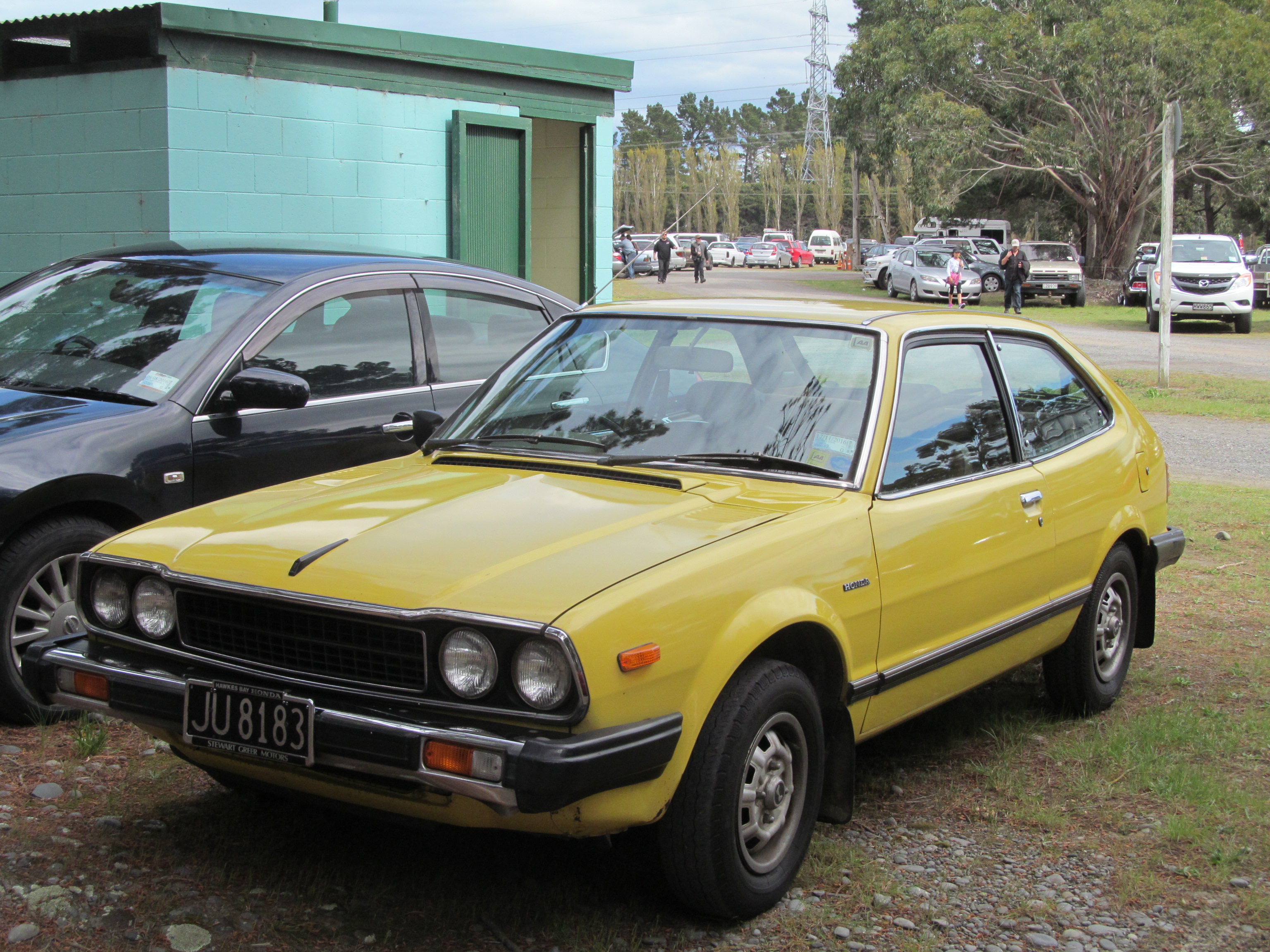
Honda Accord
"And I'll tell you why. I have a 1996 Honda Accord LX with 116,000 miles on it. A month ago, I went ..."
The Honda Accord is a regular passenger car meant for everyday driving. The podcast mentions a 1996 Accord LX with over 100,000 miles, which is a lot of use for a car. Stories like this usually focus on what happens as the car gets older and how it holds up.
The Honda Accord is a mid-size sedan (and sometimes wagon in earlier years) known for practical everyday driving and long-term ownership. In the podcast context, a 1996 Accord LX with 116,000 miles is being discussed, likely as an example of how these cars can keep running and what issues can show up as they age. It’s a common “real-world” car to talk about because many owners rack up high mileage over time.
engine miss
"I think it's likely to be an engine miss where you have for a period of time you have a spark plug that's misfiring. And when that happens, the engine will shake."
An engine misfire means the engine doesn’t ignite the fuel in a cylinder the way it should. When that happens, the engine can shake and the car may feel like it’s jerking. If it keeps happening, it can also cause loud noises or strong vibrations.
An “engine miss” here means an engine misfire—when one or more cylinders fail to ignite properly. Misfires can make the engine shake and can also change how the car accelerates moment-to-moment, creating jerking or bump-like sensations. The host describes how repeated misfires can even transmit loud “boom” impacts through the exhaust system.
spark plug
"I think it's likely to be an engine miss where you have for a period of time you have a spark plug that's misfiring. And when that happens, the engine will shake."
A spark plug is what makes the gasoline engine “light off” the fuel at the right moment. If it’s not sparking properly, the engine can run unevenly and feel like it’s shaking or jerking. That uneven running can also make the car feel like it’s getting nudged or lurching.
A spark plug is the small ignition component that creates the spark needed to ignite the air-fuel mixture in a gasoline engine. If a spark plug is misfiring, the engine doesn’t burn the fuel consistently, which can cause shaking and a “boom-boom” feel. In this segment, the host links misfire behavior to noticeable bumps and jerks.
misfiring
"I think it's likely to be an engine miss where you have for a period of time you have a spark plug that's misfiring. And when that happens, the engine will shake."
Misfiring is the condition where a cylinder fails to ignite during its power cycle. Because the engine’s torque output drops during the misfire and returns when it fires correctly again, the car can feel like it’s being nudged or surging. In the segment, the host ties misfiring to repeated “boom, boom” bumps and a jerking sensation.
exhaust system
"And if you have the same plug that misfires five times in a row, it can shake enough to cause even the exhaust system to hit the floor of the car or just enough to cause a boom, boom, boom, boom, boom."
The exhaust system is the set of parts that carries the engine’s fumes out of the car. If the engine is shaking a lot, those vibrations can travel to the exhaust parts under the car. That can make loud bangs or booming noises.
The exhaust system routes burned gases out of the engine and includes components like pipes and mufflers. The host suggests that enough vibration from repeated misfires could cause the exhaust system to hit the floor or otherwise create loud “boom” sounds. This is a description of how engine roughness can transmit into the car’s body and underbody.
crankshaft
"And then when it fires correctly on the next rotation of the crankshaft, it picks up speed. So if I had it tuned up like two months ago, which I did."
The crankshaft is the main rotating part inside the engine that turns the pistons’ motion into the motion that drives the car. When the engine misfires, the power delivery changes from one crankshaft cycle to the next. That’s why the car can feel like it’s jerking or surging repeatedly.
The crankshaft is the rotating shaft in an internal-combustion engine that converts the up-and-down motion of the pistons into rotational motion. The host mentions “the next rotation of the crankshaft” to explain how the engine’s firing returns on the following cycle after a misfire. That cycle-to-cycle change is what they say causes the car to slow, then pick up speed again.
clutch
"An hour after I've been sitting in this kind of traffic, when I let out the clutch to move forward, it goes clack, clack as I'm letting it out. I have to give it a lot of gas and really get the RPMs up there and let the clutch out really slowly, almost like I feel like I'm hurting it and burning out the clutch or something"
The clutch is the pedal/part you use to smoothly start moving in a manual car. If it makes clacking noises when you let it out, something in the clutch or drivetrain may be worn or not adjusted right.
A clutch is the mechanical connection between the engine and the transmission in a manual gearbox. When the speaker releases the clutch to move forward and hears “clack, clack,” it can indicate worn clutch components, improper adjustment, or driveline issues that show up during low-speed starts.
RPMs
"I have to give it a lot of gas and really get the RPMs up there and let the clutch out really slowly, almost like I feel like I'm hurting it and burning out the clutch or something"
RPMs tell you how fast the engine is spinning. They’re saying they have to rev the engine higher than normal to get the car moving without the clunking noise.
RPMs (revolutions per minute) measure how fast the engine’s crankshaft is spinning. The speaker says they have to raise RPMs and release the clutch slowly, which points to a low-speed drivability problem where the engine needs more revs to get the car moving smoothly.
stall
"And if you, if you didn't rev it up to 2500 RPM, what would happen? It would stall. Yeah, I believe so."
A stall is when the engine dies and the car stops running. Here, if you don’t give the engine enough revs before letting out the clutch, it can’t keep turning and it shuts off.
A stall is when the engine stops running because it can’t maintain enough RPM under load. In this context, not revving enough before clutch engagement causes the engine speed to drop too far, so the engine shuts off.
engine misfire
"I think you have maybe like an engine misfire. Yeah, it's not the clutch."
An engine misfire means the engine doesn’t burn fuel correctly in one or more cylinders. The result can be rough running or hesitation, like the car feels like it’s not pulling smoothly.
An engine misfire is when one or more cylinders fail to ignite properly during the combustion cycle. That can cause rough running, hesitation, and sometimes a check-engine light, especially under load or during transitions like clutch engagement.
running very rich
"I think the stop and go driving is causing the engine to load up, you know, and it's running very rich. This is a technical term though, I brother just made up."
Running rich means the engine is getting too much fuel compared to the air. That can make the engine run rough and burn dirty, and it can be triggered by certain driving situations.
Running rich means the engine is using more fuel than the ideal air-fuel mixture for efficient combustion. That can happen during certain driving conditions (like stop-and-go) and may cause roughness, fouled plugs, or poor emissions—though the exact cause needs diagnosis.
running too rich
"Yeah. Well, it's, it's, it's running too rich and it's fouling the, it's probably fouling the plugs."
It means the engine is burning too much fuel compared to how much air it’s taking in. When that happens, the spark plugs can get dirty (fouled), and the car may run rough. The car tries to fix it automatically, but sometimes the sensors can make it worse.
“Running too rich” means the engine is getting more fuel than it needs for the amount of air. That can foul spark plugs and cause rough running or poor fuel economy. Modern cars use sensors and engine control to correct this, but if the feedback is wrong, it can stay rich.
fouling the plugs
"Well, it's, it's, it's running too rich and it's fouling the, it's probably fouling the plugs."
Spark plugs can get dirty from combustion byproducts. When they’re dirty, they don’t ignite the fuel-air mixture as well, so the engine can run poorly. Excess fuel can cause this.
“Fouling the plugs” refers to spark plugs getting coated with deposits (often from excess fuel). When plugs foul, they can misfire or spark less effectively, leading to rough idle, hesitation, and poor combustion. It’s a common symptom of an overly rich air-fuel mixture.
oxygen sensor
"And what's probably happening is the, the oxygen sensor is correcting and leaning out the mixture too much because it's, it's getting too rich a signal."
The oxygen sensor checks what’s coming out of the exhaust and helps the car decide how much fuel to add. If it’s reading incorrectly, the car may add too much fuel (or too little), which can make the engine run badly. That’s why a bad sensor can cause mixture problems.
An oxygen sensor (often called an O2 sensor) measures how much oxygen is left in the exhaust. The engine control unit uses that information to adjust the air-fuel mixture toward the ideal ratio for efficient combustion and emissions. If the sensor reports the wrong signal, the car can “correct” in the wrong direction and run too rich or too lean.
leaning out the mixture
"And what's probably happening is the, the oxygen sensor is correcting and leaning out the mixture too much because it's, it's getting too rich a signal."
Leaning out means the car is trying to use less fuel for the same amount of air. The computer does this to keep the engine running cleanly. If the sensor is wrong, it can lean the mixture too much and cause problems.
“Leaning out the mixture” means reducing fuel relative to air so the air-fuel ratio becomes leaner. Engine computers do this based on sensor feedback to hit the target mixture for efficiency and emissions. If the oxygen sensor signal is off, the computer may lean it too far, worsening drivability.
tune up
"But maybe a tune up would help. Right. And it's 38,000 miles now, so it's about time for a tune up anyway."
A tune-up is a service meant to get the engine running right again. It often includes things like checking or replacing spark plugs and making sure key sensors and settings are correct. Mechanics suggest it when the car starts running rough or acting up.
A “tune up” is a general service aimed at restoring proper engine operation—often involving checks or replacement of ignition and maintenance items like spark plugs and related components. In modern cars, it may also include diagnostic work to confirm sensor readings and engine control behavior. It’s not a single fixed procedure, but it’s commonly suggested when drivability issues show up.
38,000 miles
"Right. And it's 38,000 miles now, so it's about time for a tune up anyway."
They’re using the car’s mileage to say it’s about time for routine maintenance. Some parts wear out gradually, and around this kind of mileage a tune-up may be due. It’s more of a “when to check” clue than a diagnosis by itself.
The speaker uses “38,000 miles” as a rough service interval marker, implying that scheduled maintenance (like a tune-up) is due. Mileage itself isn’t a technical fault, but it can correlate with wear items such as spark plugs and ignition components. It’s presented as timing for when the problem might start showing up.

Ford Explorer
"Peter had a magic Ford Explorer. It shrouded itself in blue smoke and made transmission fluid disappear."
A Ford Explorer is a popular SUV. Here, the story is about the transmission fluid vanishing and the car acting like it’s slipping, which usually means something is wrong in the transmission system—either a leak or an internal problem.
The Ford Explorer is a long-running midsize SUV from Ford, known for being a common family vehicle and a frequent subject of “mystery” drivability and maintenance stories. In this segment, it’s notable because the caller describes transmission fluid disappearing and slipping behavior, which points to a drivetrain leak or internal failure rather than a simple service issue.
transmission fluid
"It shrouded itself in blue smoke and made transmission fluid disappear. I've been putting transmission fluid in it because it seemed like it was slipping a little bit."
Transmission fluid is the liquid that helps the transmission work smoothly. If it keeps running out, the car may shift poorly or slip, and it can also mean the fluid is going somewhere it shouldn’t be.
Transmission fluid is the hydraulic fluid used by an automatic transmission (and many other drivetrain systems) to lubricate moving parts and to apply pressure for gear changes. If it “disappears” without visible leaks, it can indicate a leak into another system or internal transmission damage.
blue smoke
"Peter had a magic Ford Explorer. It shrouded itself in blue smoke and made transmission fluid disappear."
Blue smoke usually means the engine is burning oil. That’s a clue something is worn out or leaking internally, not just a normal exhaust smell.
Blue smoke from an exhaust often suggests oil is being burned in the combustion process. That can happen when oil control components wear out or when there’s a fluid cross-contamination issue that ends up introducing oil into places it shouldn’t be.
oil
"But the strange thing is that I noticed that my oil was getting higher and higher and higher. And I know it sounds totally crazy, but when I changed my oil, it completely overflowed."
Oil is what keeps the engine parts from grinding against each other. If the oil level keeps rising by itself, it can mean something is mixing into the oil—like another fluid leaking into the engine.
Engine oil is the lubricant that reduces friction and carries heat away from internal engine parts. In this story, the caller says the oil level kept rising and then overflowed after an oil change—an unusual sign that another fluid (often from the transmission or cooling system) may be getting into the engine oil.
transmission cool line
"I thought Peter had two problems. Get this, a leak in the transmission cool line. And a cracked block."
Automatic transmissions use fluid to work. Some cars route that fluid through a small cooler to keep it from overheating, using lines/hoses. If a line leaks, the fluid can end up where it shouldn’t.
A transmission cooler line is a hose/pipe that carries transmission fluid to and from a heat exchanger (the transmission cooler). If that line leaks, transmission fluid can escape and potentially contaminate other areas of the engine bay.
crank case
"And that's how the stuff was getting into the crank case. You got a cracked block already."
The crankcase is the lower part of the engine that houses the crankshaft and collects oil. If something like transmission fluid gets into the crankcase, it can dilute the engine oil and cause lubrication problems.
cooler tube
"Well, I'll tell you, actually, when I called the mechanic, they guessed exactly what you had guessed, which was, which they said the cooler tube coming, you know, coming out of the tranny."
A cooler tube is a line that helps move transmission fluid through a cooler so it doesn’t get too hot. If it corrodes or leaks, you can get smoke and transmission problems.
A cooler tube is part of the transmission’s cooling system, carrying transmission fluid to and from a heat exchanger (often a radiator or dedicated cooler). If the tube corrodes or fails, fluid can leak, and the transmission may overheat or produce smoke.
corroded
"And they said it sounded like it corroded. And then when I brought it in and told them about the smoke, the guy said, oh, head gasket,"
Corroded means the metal is rusting or breaking down from chemicals and moisture. If a transmission line corrodes, it can start leaking and cause smoke.
Corroded means the metal has been chemically degraded by moisture, road salts, or other contaminants. In a transmission cooler tube, corrosion can weaken the line and cause leaks that lead to smoke and driveline issues.
head gasket
"And then when I brought it in and told them about the smoke, the guy said, oh, head gasket, which was what your final suggestion was to me to get a head gasket test."
The head gasket is a seal that keeps different engine fluids and gases from mixing. If it fails, you can get smoke and other serious engine problems that usually need a mechanic to fix.
The head gasket is the seal between the engine block and the cylinder head that keeps combustion gases, coolant, and oil from mixing. When it fails, you can get symptoms like smoke, overheating, or coolant/oil contamination—often requiring a costly repair.
vacuum modulator
"It's the modulator. [2030.9s] Vacuum modulator. [2032.1s] Vacuum modulator. [2033.7s] How could we have done that?"
On some older automatic cars, a vacuum modulator helps the transmission shift smoothly using engine vacuum. If the inside diaphragm breaks, transmission fluid can leak where it shouldn’t, which can cause smoke and missing transmission fluid.
A vacuum modulator is a device used on some older automatic transmissions that uses engine vacuum to help control shift behavior and transmission operation. If its diaphragm fails, transmission fluid can leak into the wrong place, causing smoke and fluid loss.
tranny fluid
"Well, he said that the oil was, the tranny fluid was getting sucked into this thing. [2048.1s] And there was a hole in the diaphragm or something. [2050.8s] Yes, that's right. [2051.8s] That would account for the smoke."
Tranny fluid is the special fluid an automatic transmission uses to do its shifting. If it leaks out, you can get smoke and you’ll notice the transmission fluid level dropping.
Tranny fluid is the hydraulic fluid used in an automatic transmission to apply clutches and operate the gearbox. When it leaks—such as from a failed vacuum modulator diaphragm—it can lead to smoke and a drop in transmission fluid level.
dipstick
"Peter, you still have a mystery on your hands. [2064.9s] Yes. [2065.3s] One of these days, you're going to pull that dipstick out for your motor oil, and it's [2068.9s] going to be five quarts overfilled."
A dipstick is a simple tool you pull out to check how much fluid is in the engine. If it’s overfilled, there can be too much oil, which may cause smoke and other problems.
A dipstick is the removable stick used to check fluid levels, such as engine oil. Overfilling—like being “five quarts overfilled”—can cause excess oil to be pushed into places it shouldn’t be, potentially leading to smoke and other issues.
Request an Explanation
Heard something you'd like explained? We'll add it to this episode.
Sign in to request explanations for terms you heard.
Want to learn more?
Browse our glossary for plain-English explanations of automotive terms, jargon, and concepts.
Help improve this episode
See something that's not quite right? Our annotations are AI-generated and can sometimes miss the mark. Click the flag icon on any annotation to suggest a correction.