037 | Why Ford Killed Shelby + My Nissan 370Z Suspension Nightmare
About this episode
Hot-rod culture kicks things off with a local cruise/show-and-shine format, then the conversation pivots to Ford’s Mustang branding shift away from Shelby toward “Dark Horse.” The hosts also tour the Shelby shop in Vegas and talk about modern restomods, forced induction, and badge culture. Later, Chris gets real about his Nissan 370Z suspension nightmare—aftermarket coilovers, harsh overdamping, and a plan for shop adjustment/alignment—plus a detour into Z crash/salvage-title concerns.
🔥 Welcome back to Cool Cars with Chris — the ultimate automotive podcast for car enthusiasts, muscle car fans, JDM lovers, hot rod builders, and performance car addicts.
In this episode, Chris and Courage dive deep into the legendary Temecula Hot Rod Run, one of Southern California’s coolest classic car cruise nights packed with vintage hot rods, classic Mustangs, custom muscle cars, V8 builds, restomods, and old-school American horsepower.
Then the guys tackle one of the biggest Mustang topics in the car world right now:
Ford is moving away from the legendary Shelby GT500 branding and replacing it with the new Mustang Dark Horselineup. Chris and Courage break down the REAL reason Ford dropped the Shelby name, the future of Ford Performance, Carroll Shelby’s legacy, GT350 vs GT500 history, Cobra Mustangs, and whether the Dark Horse can truly replace Shelby performance Mustangs.
Chris also shares the ongoing battle with his heavily modified Nissan 370Z suspension setup, discovering the car has expensive Fortune Auto coilovers installed and trying to solve one of the roughest sports car rides imaginable on rough Southern California roads.
🎙️ Produced by Podtastic Audio
Want to start your own podcast but don’t know where to begin?
Check out Podtastic Audio — helping creators launch, grow, and sound professional with podcast production, editing, coaching, and audio services. https://forms.gle/jh2G7bRQpaT4TqCc6
🎧 Whether you’re starting your first podcast or leveling up your current show, Podtastic Audio can help you create a podcast that sounds great and stands out.
📘 Grab your FREE copy of The Podtastic Playbook and start podcasting today.
🌐 Follow Cool Cars with Chris
🚗 Website: https://coolcarswithchris.com/
📸 Instagram: https://www.instagram.com/cool_cars_with_chris619/
▶️ YouTube: https://www.youtube.com/@CoolCarswithChris619
🔥 Follow Courage
📸 Instagram: https://www.instagram.com/thedrivendad22/
▶️ YouTube: https://www.youtube.com/@TheDriveNDad22
00:00 🚗 Intro – Shelby Is Dead?! + Nissan 370Z Problems
01:28 🎥 New Podcast Video Setup & Car Talk Begins
03:13 🔥 Temecula Hot Rod Run Explained
05:24 🏁 Cruising Classic Hot Rods Through Old Town
07:10 ✨ Show & Shine Car Show Highlights
08:18 💪 Restomod Mustangs & Supercharged V8s
09:30 🎬 Eleanor Mustang & Gone in 60 Seconds Memories
11:05 🐍 Touring Shelby American in Las Vegas
14:07 ⚔️ Roush vs Shelby vs Hennessey Builds
15:14 🚚 The “Mexican GT-R” Ford F-150 Explained
16:35 🔊 Why Ford’s Coyote V8 Is So Popular
22:09 🐎 Why Ford Killed the Shelby Mustang Name
24:11 🏎️ Cobra Mustangs, Retro Cars & Car Culture
28:05 🌑 Mustang Dark Horse vs Shelby GT500
30:09 💰 The Real Reason Ford Dropped Shelby
34:41 🔧 My Nissan 370Z Suspension Nightmare
36:22 ⚙️ Fortune Auto Coilovers & Rough Ride Problems
40:37 👀 Rare Nissan Z Sightings in the Wild
41:52 💥 Crashed Nissan Z & Salvage Title Debate
47:42 ⛽ California Gas Prices & Car Guy Problems
52:10 🤔 Are Salvage Title Sports Cars Worth Buying?
55:00 👋 Final Thoughts & Outro
🎙️ Subscribe to Cool Cars with Chris for weekly automotive podcast episodes covering muscle cars, JDM culture, exotic cars, hot rods, racing, modified cars, car reviews, automotive news, and real car enthusiast stories.
#FordMustang #ShelbyGT500 #MustangDarkHorse #Nissan370Z #HotRods #MuscleCars #CarPodcast #CoolCarsWithChris #JDM #FordPerformance #CoyoteV8 #CarCulture #TemeculaRodRun #MustangGT500 #370Z #ShelbyMustang #AutomotivePodcast #CarEnthusiast #Restomod #SportsCars
Temecula
"you know, courage, he lives up there in Temecula. So in Temecula, he went to the Temecula hot rod run."
Temecula is a city in Southern California. The host is talking about a local hot-rod event there, where car people cruise and show off their cars.
Temecula is a city in Southern California where car events like the Temecula hot rod run happen. For enthusiasts, local hot-rod cruises are often where you see a mix of classic builds and modern restomods in the same community.
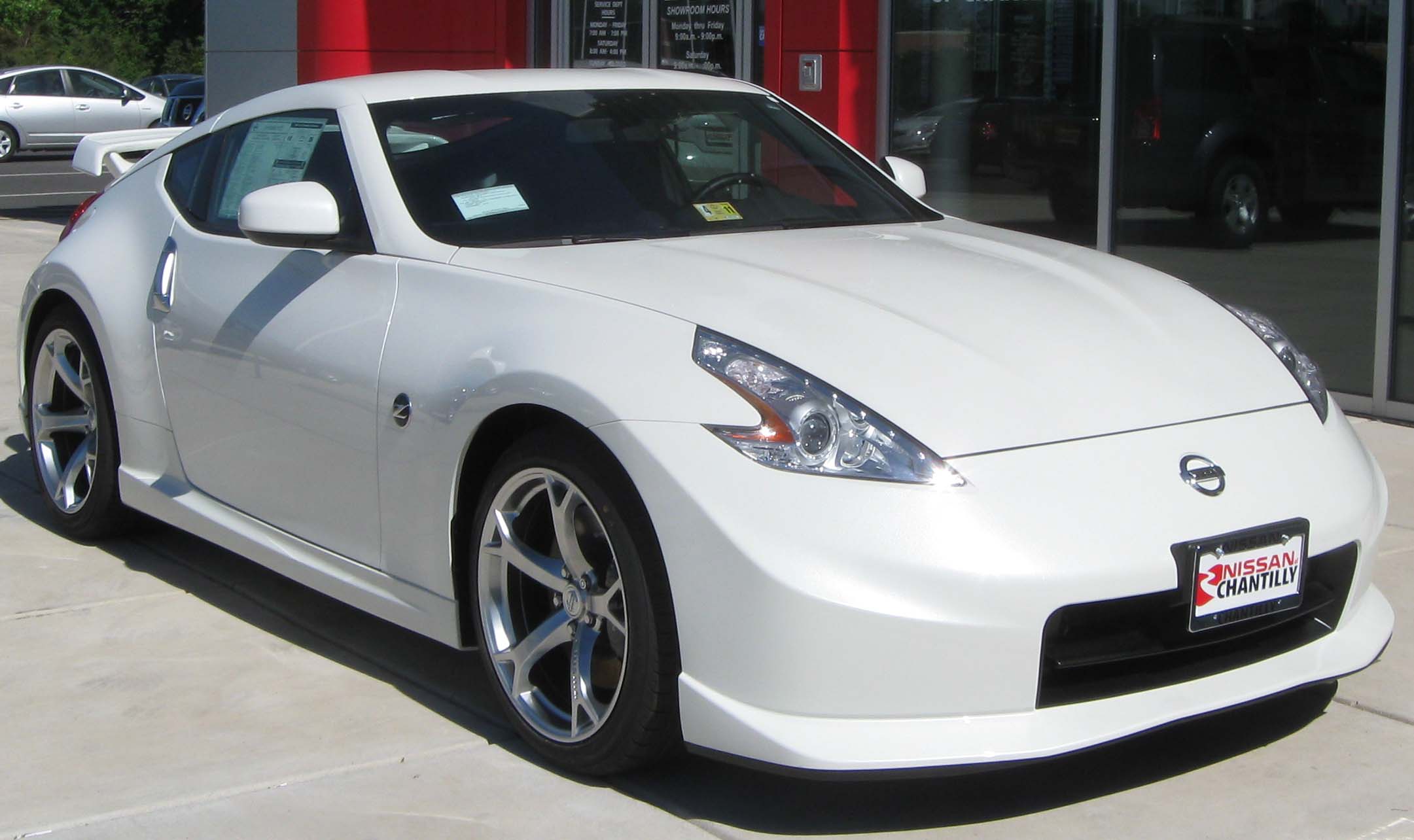
Nissan 370Z
"topping it off. You know, I have my Nissan 370Z. Well, it's had some issues with the suspension and I found out that it's got a aftermarket suspension system on the car."
The Nissan 370Z is a sports car that many people modify. Here, the host says his 370Z has had suspension trouble and that it has aftermarket suspension parts, which can sometimes cause problems if they weren’t set up right.
The Nissan 370Z is a rear-wheel-drive sports coupe known for its enthusiast-friendly driving feel and aftermarket support. In this episode, the host specifically mentions suspension problems and an aftermarket suspension system, which is a common area where owners can run into fitment or setup issues.
aftermarket suspension system
"Well, it's had some issues with the suspension and I found out that it's got a aftermarket suspension system on the car."
Aftermarket suspension means the suspension parts were replaced with non-factory parts. That can improve handling, but it can also cause ride or alignment problems if the parts don’t match the car or weren’t installed correctly.
An aftermarket suspension system is suspension hardware made by companies other than the vehicle’s original manufacturer. It can include components like springs, shocks/struts, and control arms, and it often changes ride height and handling—sometimes requiring careful alignment and setup to avoid issues.
rod run
"We had the Temecula rod run this weekend. [202.4s] What is a rod and what is a run? They put it together with rod run. What is that?"
A “rod run” is a car meet or event for hot rods. Hot rods are older cars that people modify for style and fun.
In this context, “rod run” refers to a car event built around hot rods—typically a gathering where owners drive and show modified classic cars. The “rod” part is shorthand for hot rod, not a literal rod.
hot rod
"[206.1s] Yeah. So rod can mean a lot of different things, but in this context, hot rod. So, you know, [212.4s] nice, nice. Yeah. Now we say hot rod. What, what defines your definition of a hot rod?"
A hot rod is an older car that someone has modified to be more fun to drive. People often associate it with big engines and a loud, aggressive sound.
A “hot rod” is a modified classic car culture category—usually an older American car updated for driving enjoyment. In the discussion, the host defines it as the muscle/pony-car vibe: big engines (often V8s) and a distinctive sound.

Plymouth Prowler
"...ike an old VA kind of muscle. So not the Plymouth prowler. Well, I was going to say though, there are some ..."
The Plymouth Prowler is a sports car with a very distinctive, retro hot-rod style. It’s not just about speed—it’s also about the look. The episode mentions it because it’s one of those cars people remember for its unusual design.
The Plymouth Prowler is a retro-styled sports car known for its hot-rod look and low, wide stance. The podcast mentions it in the context of other “cool” and unusual vehicles, which fits because the Prowler is remembered as a design-forward throwback. It’s often discussed as a quirky modern interpretation of classic street-rod styling.

Buick Grand National
"...e some exceptions, like a Buick, like GNX, like a grand national, like the, because those had the, the six cylinde..."
The Buick Grand National is a performance car from Buick. The episode highlights the GNX and mentions it has a six-cylinder engine. It’s brought up because it’s a well-known turbo performance model with a specific engine setup.
The Buick Grand National (including the GNX variant) is a performance-focused Buick from the 1980s known for its turbocharged six-cylinder setup. The podcast specifically mentions “GNX” and notes the “six cylinder” detail, which is a key part of what makes these cars notable. That’s why it comes up when discussing memorable performance cars with specific engine configurations.

Buick GNX
"there are some exceptions, like a Buick, [231.4s] like GNX, like a grand national, like the, because those had the, the six cylinders, [236.2s] like that, that still qualifies as a, as a, you know, as a hot rod to me"
The Buick GNX is a special, high-performance version of the Grand National. Even though it’s not a V8, it’s still considered a serious hot-rod/muscle-car because of how fast and punchy it is.
The Buick GNX is a performance variant of the Grand National, known for its turbocharged V6 and strong reputation in the muscle-car world. In the episode, it’s used as an example of a non-V8 that still “qualifies” as a hot rod.
muscle car
"it kind of fits in that like pony car, [252.1s] muscle car kind of realm that that's, that's where my mind goes when I think hot rod."
A muscle car is an American-style performance car known for having a big, powerful engine. In this conversation, it’s used to describe the kind of hot rod he thinks of.
A “muscle car” is an American performance category defined by strong engine output and a focus on straight-line acceleration. Here, it’s part of the speaker’s mental checklist for what makes a hot rod feel right.
pony car
"it kind of fits in that like pony car, [252.1s] muscle car kind of realm that that's, that's where my mind goes when I think hot rod."
A “pony car” is a type of American performance car that’s usually smaller and sporty, with a powerful engine. The episode uses it to describe the vibe of the hot rods he likes.
A “pony car” is a specific American performance-car category—smaller, stylish, and built around a powerful engine, often with a long hood and short deck. The speaker groups hot rods into the pony car/muscle car lane based on the big-engine, aggressive character.
chop roof
"I think of like 30s, like, you know, what's it called chop roof, like fenders gone. [256.4s] I think of like 30s, like, you know, what's it called chop roof, like fenders gone."
A “chop roof” is when someone lowers a car’s roof by cutting and reshaping it. It’s a common hot-rod style trick to make the car look lower and meaner.
“Chop roof” refers to a custom body modification where the roofline is lowered by cutting and reshaping the upper body. It’s a classic hot-rod styling cue that changes the car’s proportions to look more aggressive.

Mustang Fox Body
"...k anything from the eighties. Maybe it was like a Fox body that's got the fenders removed and you got the en..."
The Mustang is a sporty car model made by Ford. The episode mentions the “Fox body,” which is a particular older Mustang style. It also sounds like they’re talking about how people modify these cars to look and perform differently.
The Mustang is Ford’s iconic pony car line, and the episode’s reference to “Fox body” points to a specific Mustang generation known for its simple, mod-friendly platform. The mention of “fenders removed” and other visual changes suggests a discussion about how these cars are often customized. That’s why the general “Mustang” topic fits alongside hot-rod and enthusiast culture.
cruise hot rock culture
"[390.8s] where it's like, you really do feel like you're kind of transported to, you know, the 60s, the 70s [395.6s] of like that kind of, you know, cruise hot rock culture."
It’s basically talking about an old-school car scene—people cruising around together, showing off their cars, and enjoying loud music. Here, it’s more about the vibe and era than a specific car part.
“Cruise hot rock culture” is a shorthand for the mid-to-late-20th-century car-culture vibe where people would drive around in groups, show off their cars, and enjoy loud, rock-and-roll–style soundtracks. In this context, it’s describing the feel of 1960s/1970s cruising scenes rather than a specific mechanical feature.
show and shine
"[409.3s] show and shine today, but, you know, I still had a show and shine. So that's basically just a car [414.6s] show."
A “show and shine” is a car meet where people park their cars, clean them up, and let others look them over. It’s more about how the cars look than racing.
A “show and shine” is a car event format where vehicles are cleaned up and displayed for attendees to walk around and admire. It’s typically less about racing and more about presentation, styling, and sometimes judging.
suicide doors
"[458.6s] like a group of these, like those, uh, those Lincoln Continentals, the, you know, the, the flat body Continentals with the suicide doors, like came rolling in,"
“Suicide doors” are doors that hinge at the back instead of the front. They’re called that because, on older designs, they can feel like they’d be easier to open unintentionally.
“Suicide doors” are doors that open from the rear-hinged side (hinges at the back of the door), historically associated with older cars. Because the door’s opening direction can make it feel less secure than modern front-hinged designs, the term is both a styling descriptor and a nod to older engineering.

Lincoln Continentals
"[458.6s] like a group of these, like those, uh, those Lincoln Continentals, the, you know, the, the flat body Continentals with the suicide doors, like came rolling in,"
Lincoln Continentals are older luxury cars made by Lincoln. The speaker is pointing out a specific look—long, classic styling and doors that hinge in a distinctive way.
Lincoln Continentals are classic luxury cars from Lincoln (Ford’s luxury brand), and this mention is specifically about the older “flat body” Continentals with suicide doors. Their long, formal styling and distinctive door design are part of why they stand out at a cruise-style car event.
Resto mod cars
"[498.3s] You get some, there, there were some Resto mod cars there that, you know, you were, there was one"
A restomod is an older car that’s been updated with newer parts. It tries to keep the classic look, but make it drive and perform more like a modern car.
A “restomod” (resto-mod) is a car that keeps the classic look of an older model but is updated with modern mechanicals, electronics, or performance upgrades. The speaker is using it to describe modified cars at the event that blend old styling with newer tech.
pro-charged
"[504.1s] there was one Mustang that was, I believe it was pro-charged, but it was definitely packing a newer V8 than was [511.3s] in that, than that Mustang stock."
“Pro-charged” means the engine has a supercharger. That device forces more air into the engine, which usually makes it faster.
“Pro-charged” here means the car has a supercharger system (often a brand like ProCharger, but the key idea is forced induction). A supercharger compresses intake air so the engine can make more power than it would naturally aspirated.
crate coyote engine
"[511.3s] in that, than that Mustang stock. Like it was probably a crate, a crate coyote engine there."
A “crate engine” is a new engine you buy ready to install. “Coyote” is a nickname for a modern Ford V8, and the speaker thinks this Mustang had one swapped in.
A “crate engine” is a brand-new engine sold as a complete unit (often with accessories) that you can install without sourcing a used donor. “Coyote” refers to Ford’s modern V8 engine family (commonly associated with the Mustang), and the speaker is suggesting the Mustang likely had one installed as a replacement.
Resto mob builds
"And so you had some guys that had, yeah, those full on Resto mob builds. And this one guy, when he came in, like, you know, we heard it."
A restomod is an older car that’s been updated with newer parts so it drives better than it did originally. The host is saying some people build Mustangs to look classic, but make the engine behave more like a newer one. That’s why the rev sounds “modern.”
“Restomod” (often said like “resto mob”) describes a car that keeps the classic look of an older model but is modernized with updated mechanicals and electronics. The host is using it to describe builds that blend old-school styling with newer engine behavior. In this context, it’s about why the car’s rev tone sounds more modern than a mid-1960s Mustang.
Pro charger
"And, you know, you heard the, the pro charger and I don't think it was twin turbo charged cause I've seen some guys do that."
A ProCharger is a type of supercharger that helps the engine make more power by pushing extra air in. The host thinks the car had that kind of setup because of how it sounded. They also mention it was hidden under the hood instead of sticking out where you’d easily see it.
A “ProCharger” is a brand of centrifugal supercharger used to force more air into an engine for more power. Unlike some setups where the supercharger is very visible, the host says this one was concealed under the hood. They’re using the sound to identify the type of forced-induction hardware.
twin turbo charged
"And, you know, you heard the, the pro charger and I don't think it was twin turbo charged cause I've seen some guys do that."
Twin-turbo means the engine uses two turbochargers to add extra air and make more power. The host is guessing based on the sound that it probably wasn’t set up that way. Different turbo setups can feel and sound different.
“Twin-turbo” means using two turbochargers instead of one to pressurize the engine’s intake air. The host is comparing possibilities based on sound and says they don’t think it was twin-turbocharged. That distinction matters because different forced-induction setups can have different spool/response and sound characteristics.

Shelby GT500
"You sent me a picture today. Was that the one you're talking about? No. So that was a different. Yeah. That was, that was, yeah, you're talking about the GT GT 500 Eleanor itself in the movie gone in 60 seconds. It was one of my favorite car movies. I mean,"
The Shelby GT500 is a very powerful version of the Ford Mustang made by Shelby. The episode mentions it because the “Eleanor” car from a movie is based on a 1967 Shelby GT500. It’s a famous performance car name people recognize.
The Shelby GT500 is a high-performance Mustang variant from Shelby, built to deliver serious power and performance. The podcast references the “GT500 Eleanor” connection from the movie “Gone in 60 Seconds,” which is why the GT500 name comes up in a pop-culture context. That makes it a recognizable performance icon even for people who aren’t deep into model numbers.
67 Shelby GT 500
"But the, but the chase scene at the end of the movie featuring the Eleanor car, which is a 67 Shelby GT 500. It ran around LA, you know, and the classic ridiculous jump on the bridge at the very end of the movie."
A Shelby GT 500 is a special, high-powered version of the Ford Mustang made by Shelby. Here, the host is talking about the movie “Eleanor,” which they say is a 1967 Shelby GT 500. The big deal is that it sounds awesome and looks instantly recognizable in the chase scene.
The Shelby GT 500 is a high-performance Mustang variant from Ford’s Shelby program, and the “67” refers to the 1967 model year. In this segment, the host is talking about the movie car “Eleanor,” which is presented as a 1967 Shelby GT 500. It’s known for its aggressive V8 sound and iconic styling, which is why the chase scene is so memorable.

GT 40s
"And of course I was like, I think I'd spent like 300 bucks. That's right then. I like t-shirts and stuff like that, hats or whatever. And they've got this museum where you can look, look around and see like GT 40s, Cobras, some newer stuff too."
The GT40 is a famous Ford race car from the 1960s. It’s known for winning big endurance races, and the host is saying they saw GT40s in the museum.
The Ford GT40 is a legendary endurance-racing car known for winning the 24 Hours of Le Mans in the 1960s. In the Shelby shop museum context, “GT 40s” refers to examples of that race-bred lineage on display.

Cobras
"And they've got this museum where you can look, look around and see like GT 40s, Cobras, some newer stuff too. Some, some race cars that were like dedicated race cars that were not street cars at all."
Cobras are iconic high-performance cars associated with Shelby. The host is saying the museum has examples of those classic cars to look at.
“Cobras” usually refers to the Shelby Cobra, a roadster built for racing and famous for its big V8 power and lightweight feel. The host mentions them alongside GT40s in the Shelby shop museum, pointing to classic performance icons rather than modern street cars.

Ford F-150 Raptor
"I saw some F one fifties. They were doing some Shelby stuff to them. Like your Raptors. Like you take a Raptor and take it in there and they do whatever they do to them."
The Ford F-150 Raptor is a special off-road version of the F-150 pickup. In the conversation, it’s mentioned as a truck people take in for performance/tuning work.
The Ford F-150 Raptor is a high-performance off-road pickup built on the F-150 platform, known for its suspension and rugged capability. The host uses it as an example of a truck you can bring to a performance shop for brand-specific upgrades.
Roush
"I mean, I know you're, you got the Roush treatment on yours. I was kind of wondering if like Roush and Shelby don't like each other."
Roush is a company that makes performance upgrades for certain Fords. The idea here is that there are different tuning brands, and the host is wondering how they relate to Shelby.
Roush is a performance brand known for upgrading Ford Mustangs and trucks with engine, suspension, and appearance packages. The host brings it up in the context of whether Roush and Shelby are competitors in the same customer “tuning” space.
Velociraptor
"Hennessey, there's a black widow, something or other. There's Velociraptor. Have you seen that one? Velociraptor. Yeah. That, I think that isn't that a Hennesse."
Velociraptor is a named tuning package for a Ford Raptor truck. It means the truck has been modified by that tuner into a specific performance version.
Velociraptor is a performance package name associated with Hennessey for Ford Raptor trucks. It’s used like a model/trim label for a specific tuned configuration rather than a generic description.
Hennessey
"a Hennessey build version of Velociraptor. Yeah. I see. I see like a Shelby Hennessey."
Hennessey is a company that upgrades cars and trucks after they’re built. People go to them when they want more power than the factory version.
Hennessey Performance is an American tuning company known for taking production cars and trucks and upgrading them for higher horsepower and performance. In this context, it’s referenced as the builder behind a “Velociraptor” truck.
Mexican GTR
"Oh, talking about like the, the, it called the Mexican GTR. Yeah. I just, I never knew about that until recently."
“Mexican GTR” is slang for a pickup that looks boring like a work truck, but can actually be quick. The idea is “looks normal, drives fast,” similar to how people talk about a Nissan GT-R.
“Mexican GTR” is a slang nickname for a certain kind of fast, stealthy pickup—typically a Ford F-150 with a performance engine and drivetrain setup that makes it feel like a sports car from a stop. In this segment, the speaker explains it’s basically an F-150 that looks like a plain work truck but can be fast.
four wheel drive
"The reason why they're getting it in four wheel drive is so they have the all wheel drive. So it's like a GTR."
Four-wheel drive means power goes to all four wheels, which helps the truck grip the road better. It can change how the truck launches and accelerates.
Four-wheel drive (4WD) sends power to both the front and rear axles, improving traction compared with two-wheel drive. The speaker connects it to launching/acceleration behavior, noting they haven’t tested their truck in 4WD to see what it can do.

Nissan Gtr
"...out, without getting that's dues. But the Mexican GTR is just so funny that that's like, you know, I've..."
The Nissan GT-R is a high-performance sports car made by Nissan. It’s known for being fast and capable in real driving, not just on paper. The episode mentions it because it’s a well-known performance model.
The Nissan GT-R is a performance sports car known for blending everyday drivability with serious speed. The podcast’s mention of “Mexican GTR” appears to be a humorous aside, but the core point is that the GT-R is a recognizable name associated with high performance. That makes it a frequent subject in car conversations about fast cars and tuning culture.
cylinder shut off
"but the latest version has that stupid cylinder shut off. And mine doesn't have that. [1018.6s] So the cylinder shut off, I guess it shuts off four cylinders."
Some engines can “turn off” part of the cylinders when you’re cruising. That saves gas, but the engine still has moving parts, so people sometimes worry about long-term wear.
Cylinder shut-off (often called cylinder deactivation) temporarily stops fuel and spark to some cylinders to reduce fuel use. The engine still moves those cylinders internally, but they aren’t doing the power-producing work.
cylinder deactivation
"So the cylinder shut off, I guess it shuts off four cylinders. We got the freeway or whatever, [1022.7s] deactivates cylinder deactivation."
Cylinder deactivation is the tech that stops some cylinders from working when you don’t need full power. It helps with fuel economy, but it adds extra systems that can be harder to maintain.
Cylinder deactivation is the system that disables selected cylinders under light-load driving. It’s designed to improve fuel economy, but it can add complexity that may affect drivability or long-term durability depending on the engine design.

Chevrolet Corvette
"Yeah. I mean, it's, it's interesting because I know that Chevy's had it for a while. Like that was that's how like the Corvette's like have always like had crazy, crazy great gas mileage is because they've been using that for a while on those. And I haven't, you know, I'm not in that world,"
The Chevrolet Corvette is a sports car from Chevrolet. It’s built to go fast, but the episode is saying it can also be efficient with fuel. That’s why it stands out in a conversation about driving and ownership.
The Chevrolet Corvette is a sports car known for strong performance and long-running engineering development from Chevrolet. The podcast notes “crazy, crazy great gas mileage,” which is a point of interest because Corvettes are often associated with performance rather than efficiency. That contrast is likely why it’s being mentioned in the discussion.
auto start. Stop
"Maybe, you know, just like there is the mode to shut off the auto start. Stop. Your car [1093.6s] probably doesn't have it cause it sticks you up, right?"
Auto start/stop turns the engine off when you’re stopped and turns it back on when you’re ready to go. It’s meant to save fuel, but some people don’t like how it feels.
Auto start/stop automatically shuts the engine off when the car is stopped (like at a light) and restarts it when you lift off the brake. It’s mainly for emissions and fuel economy, and some drivers disable it if it feels intrusive.
DCT
"Because I, I've driven the first, but I, before I bought my car, I drove a DCT [1109.8s] version of mine and, and it didn't have it. It's got all the other like lane departure, [1114.1s] you know, where you actually have to hold it and, but it didn't have, it didn't have auto shut off."
DCT means a dual-clutch automatic transmission. It shifts fast because it pre-selects the next gear, but some cars with DCT still may not have auto start/stop.
DCT stands for dual-clutch transmission, which uses two clutches to shift quickly and keep power flowing with minimal interruption. Some DCT-equipped cars also pair with features like auto start/stop, but not every DCT application includes it.
lane departure
"it didn't have it. It's got all the other like lane departure, [1114.1s] you know, where you actually have to hold it and, but it didn't have, it didn't have auto shut off."
Lane departure is a safety feature that watches the road lines. If you start drifting, it can warn you or help correct it, depending on the system.
Lane departure systems monitor lane markings and can warn you or intervene if the car drifts out of its lane. Some versions require driver input (like holding the steering wheel) while others provide more active correction.
air conditioning
"And so it was kind of quiet. And so it did turn off. I didn't even turn off at the radio going, whatever, you know, turned off, but the air conditioning kind of felt kind of weird because it, don't forget the air conditioning now."
They’re talking about how the A/C can still use power from the battery. If the car is shutting off at a stop, that extra power draw can feel “weird” or cause symptoms.
The host is describing how the air conditioning system can affect electrical load when the engine is off. In modern cars, the A/C may run via the vehicle’s electrical system (or compressor control strategy), which can draw down the battery.
sport mode
"Especially when you're getting like in like that sport mode, it gets really loud. I think it's a really nice sound."
Sport mode is a button that changes the car’s behavior to feel more aggressive. In this case, it also makes the exhaust sound louder.
Sport mode is a driving setting that changes how the vehicle responds—often including throttle mapping and transmission behavior, and sometimes exhaust sound. The host specifically links it to the exhaust getting much louder.
coyote V eight
"And those coyotes sound great too. And I know that I think I sent you a video saying that like there was a video where another podcast or show was saying how the coyote V eight is like the"
“Coyote” is a nickname for a Ford V8 engine. They’re saying it sounds really good and they’ve seen videos comparing it to other V8s.
“Coyote” is Ford’s nickname for its modular V8 engine family (commonly referred to as the 5.0L Coyote in Mustangs). The host is comparing how that V8 sounds and performs versus other engines, and mentions it as sounding great.
super charge
"throw boost and the thing and, and super charge a thing and whatever to the thing, you know, [1237.6s] and it makes a lot, lot of power out of the box."
A supercharger forces extra air into the engine. More air helps the engine make more power.
“Super charge” refers to using a supercharger to force extra air into the engine. Like turbocharging, it’s a forced-induction method that can boost power, but the supercharger is driven mechanically rather than by exhaust gases.
boost numbers
"Like, [1242.4s] and it makes a lot, lot of power out of the box. And I mean, I'm, I'm sure you can [1242.4s] break it. It's aluminum. It's an aluminum motor. So you probably can, that's the thing. Like, [1247.9s] when you start getting crazy boost numbers, you really have to have like an iron block"
“Boost numbers” are how hard the turbo or supercharger is pushing air pressure into the engine. More boost can mean more power, but it can also stress the engine more.
“Boost numbers” refers to the amount of pressure the forced-induction system is adding to the engine. Higher boost increases power potential, but it also raises stress on internal engine parts, so stronger components may be needed.
aluminum motor
"It's aluminum. It's an aluminum motor. So you probably can, that's the thing. Like, [1247.9s] when you start getting crazy boost numbers, you really have to have like an iron block"
An “aluminum motor” means the engine is built with aluminum parts, which usually makes it lighter. But when you push it with big turbo/supercharger power, it can be less tolerant than iron.
An “aluminum motor” indicates the engine block (or major engine structure) is made from aluminum. Aluminum is lighter, but in high-boost situations it can be more sensitive to cylinder pressure and heat than cast-iron blocks.
iron block
"when you start getting crazy boost numbers, you really have to have like an iron block [1251.5s] like, like the, like the, you know, the two Jay-Z or maybe the two Jay-Z so popular with [1256.6s] boost and getting crazy numbers."
An “iron block” means the main engine block is made of cast iron. It tends to handle high-stress, high-power setups better than aluminum.
An “iron block” means the engine’s cylinder block is made from cast iron. Cast iron is generally more resistant to the heat and cylinder pressure associated with high-boost builds than aluminum blocks, which is why enthusiasts often prefer it for big power.
F 150
"about the, when Ford was talking about doing their eco boost engines, especially the 2.7 for the [1293.4s] F 150, they were bragging about how it has a cast iron block and the like five O's aluminum [1298.6s] and things like that."
The Ford F-150 is a popular pickup truck. Here, they’re talking about its turbo engine design and why the engine’s materials matter when you push it with boost.
The Ford F-150 is a best-selling pickup that’s been offered with turbocharged EcoBoost engines. In this segment, the host focuses on the engine’s internal materials—specifically a cast-iron block—because that matters when you’re running boost.

Ford Gt Ford
"... of course the 500, of course. And was the actual GT Ford GT GT, was that called Shelby? You know? No. So t..."
The Ford GT is a very high-performance sports car made by Ford. It’s meant to be fast and exciting to drive, not a regular daily car. The episode mentions the name “Shelby” because people often connect Ford’s performance models and branding.
The Ford GT is a high-performance supercar from Ford, designed to deliver serious track-level performance. The episode references the “GT” name and also brings up “Shelby,” which is relevant because Ford’s performance branding and model naming often get discussed together. That’s why the Ford GT shows up in a conversation about iconic performance cars.
Saline
"[1441.0s] I remember those. Yeah. I remember those. And they kind of, the saline version of the car looked [1444.9s] something like that too. Had a whip crazy. That was another one actually, another of the tuning [1448.4s] companies. Yeah. Saline, I kind of forgot all about them."
Saline is a company that modifies cars—especially Mustangs. In this episode, they’re mentioned as another builder that made a version with a similar wild, standout style.
Saline is an aftermarket tuning and coachbuilding company known for modifying Mustangs and other cars. The host mentions a “Saline version” that resembles the SVT Cobra’s look, highlighting how specialty builders can create distinct takes on classic performance styling.

Chrysler 300
"Remember mid 2000s where everything was like coming retro, like the Chrysler 300 and like, of course the, what else was there?"
The Chrysler 300 is a big American sedan with a distinctive, old-school-inspired style. The host is using it as an example of cars that looked more “retro” in the mid-2000s.
The Chrysler 300 is a full-size American sedan known for its bold, retro-styled look and V8 options in many model years. The host mentions it as part of the mid-2000s “coming retro” design trend.

Chrysler PT Cruiser
"...hat else was there? They had like the, it was the PT Cruiser, I think the PT Cruiser. Yeah. The SSR, you remem..."
The Chrysler PT Cruiser is a small car from Chrysler. It’s known for its retro, old-school styling. In the episode, it’s mentioned as one of the memorable, unusual cars people remember from the past.
The Chrysler PT Cruiser is a compact car with a retro-styled design that became well known for its distinctive look. The podcast mentions it alongside other “cool” or unusual vehicles, which fits because the PT Cruiser is often remembered more for its personality and styling than for being a hardcore performance machine. That’s why it comes up in a casual car-history conversation.

Chevy SSR
"The SSR, you remember those? The Chevy SSR... I posted a video a while back where I saw, I saw three SSRs in one day, just unironically, like just driving around..."
The Chevy SSR is a weird, retro-looking vehicle that mixes pickup and roadster vibes. The host is saying it’s uncommon to see one just driving around.
The Chevrolet SSR is a retro-styled pickup/roadster hybrid that was marketed with a throwback look. The host discusses seeing multiple SSRs in everyday driving and calls it a rare sight outside of car shows.
rest of mods
"it was an interesting era where we were doing some, some pretty interesting rest of mods for sure."
This is the idea of modifying a car after you buy it. People add changes to make it look cooler or drive better than it did from the factory.
“Rest of mods” here refers to aftermarket modifications—changes owners make to improve looks, sound, or performance beyond stock. The host frames it as part of the mid-2000s era when retro-styled cars were getting enthusiast treatment.

Shelby Cobra
"And I think that's like that kill cobra I thought was going to come out was it was a, was a show, was a Shelby Cobra replica or not replica of Shelby Cobra, like flashback retro modern looking Cobra kind of had that same vibe... AC Shelby Cobra."
The Shelby Cobra is a famous old-school sports car. People love it because it looks tough and has a big engine, and the name “Cobra” is strongly tied to classic American performance.
The AC Shelby Cobra is a classic American sports car built around a big V8 and a lightweight roadster layout. In the transcript, the host connects it to a “flashback retro modern” idea, using the Cobra name as a design and heritage reference.

Dodge Magnum
"It kind of reminded me of something you see from like, like a mixture of, of the Dodge Magnum kind of styling, you know, where it's kind of like these weird lines and kind of like boxy door handles..."
The Dodge Magnum is a Dodge wagon that had a bold, boxy look. The host is saying the styling reminds him of that kind of design language.
The Dodge Magnum is a wagon-based performance model known for its distinctive, boxy styling and “muscle” attitude. The host compares the proposed “Cobra” concept’s lines and styling cues to the Magnum’s look.
replicas
"Most of them, if not like 99% of them you see are all replicas, [1630.3s] but they're nice. So two, they put like modern engine, like a coyote or something in there."
A “replica” is a car that’s made to look like a well-known classic. People build them so they get the classic look, but with parts that can make the car easier to drive and maintain.
In this context, “replicas” means cars built to look like a famous classic (like a Cobra) but assembled using modern parts and/or different components than the original. Replica shops often focus on making the car look authentic while improving drivability and safety.
modern braking
"And they've got, it's got modern braking and modern suspension and it just, and they, and they [1638.9s] be able to like, you know, newer paint to make it look great."
“Modern braking” means the car uses newer brake parts than the original. That usually helps it stop better and feel more predictable.
“Modern braking” refers to using newer brake hardware and control systems (like better calipers, rotors, and brake lines) rather than the original vintage setup. The goal is typically stronger stopping power and more consistent pedal feel.
modern suspension
"And they've got, it's got modern braking and modern suspension and it just, and they, and they [1638.9s] be able to like, you know, newer paint to make it look great."
“Modern suspension” means the car uses newer shock/strut and suspension parts. It can make the car handle better and feel smoother than older designs.
“Modern suspension” means the replica build uses updated suspension components and geometry instead of the original vintage layout. That can improve ride quality, steering response, and how well the car stays composed over bumps.
GT 500-ish type car
"but it was, it was pretty cool that they were [1747.4s] kind of making this like not overly crazy, you know, GT 500-ish type car, but because that was"
The “GT 500” is a high-performance Mustang made under the Shelby name. Here, the host is saying the car they’re talking about was inspired by that vibe, but not as extreme.
The Ford Mustang Shelby GT 500 is the top, high-power Shelby-badged version of the Mustang. In this segment, the host uses “GT 500-ish” to describe the general idea of a Shelby-style performance package without going to the absolute highest power level.
Voodoo engine
"even though they had two different motors. They're the Voodoo engine. So the, the Rs did, [1773.2s] the Rs had the, the Voodoo, the flat plane crane, the, just the GT 350 alone still had"
The “Voodoo engine” is Ford’s special V8 used in the GT 350 and 350R. It’s built to rev and sound a certain way, and that’s a big part of why people like these cars.
“Voodoo engine” is a nickname for Ford’s flat-plane crank V8 used in the Mustang Shelby GT 350/GT 350R. A flat-plane crank changes how the engine fires and how it sounds/feels, and it’s part of why these cars are known for a rev-happy, track-oriented character.
flat plane crane
"the Rs had the, the Voodoo, the flat plane crane, the, just the GT 350 alone still had [1780.0s] like a version of the coyote. But yeah, people loved them for that reason, just that they were,"
This is about the engine’s internal crankshaft design. The “flat-plane” layout changes how the engine fires, which affects the sound and how the engine feels when you rev it.
The host is referring to a “flat-plane crank” (transcribed here as “crane”), which is the crankshaft design used in Ford’s “Voodoo” V8. Flat-plane cranks typically produce a different firing order and engine sound than the more common cross-plane V8 layout.
dark horse
"And you know, the dark horse definitely fit into that. And I think for a while, a lot of people [1801.8s] have been wondering like, when are we going to see another Shelby?"
The “Dark Horse” is a Mustang performance model that’s meant to be more serious than a regular GT. In this segment, it’s used as the modern example of that middle ground.
The Ford Mustang Dark Horse is a newer Shelby-adjacent Mustang performance model positioned between the standard GT and the more extreme GT 500. The host uses it as an example of how Ford has continued the “more track-focused than GT, but not GT 500-level crazy” idea.
pay a bunch of money just to use the name
"And what came to the, the Shelby name is that Ford themselves had to pay a bunch of money [1833.2s] just to use the name on the car. Like that's all really was to it."
This is basically about branding rights. The host is saying Ford had to pay to use the Shelby name, so it’s not just a free partnership where the name automatically shows up on every new car.
This is about trademark/licensing economics: Ford paying to use the “Shelby” name on its cars. The host argues that the Shelby branding became so tied to the models that it changed how future “Shelby” releases would happen.
Carl Shelby
"is that, you know, so no, we no longer have Carl Shelby with us anymore. [1873.1s] And you know, there's the RIP Carl Shelby, the, the, the, the mad man he was just like, you know,"
Carl Shelby was a famous performance-car guy tied to Ford. The host is saying Ford is using the Shelby name because it carries a lot of racing history.
Carl Shelby (often referred to as Carroll Shelby) was a legendary American motorsports figure and performance-car builder associated with Ford-era Shelby models. In this segment, the host is explaining why Ford’s relationship to the Shelby name matters to the brand’s history and identity.
EcoBoost
"People put like, you know, I know people who had the V six Mustang before [1992.3s] what EcoBoost, they had a 3.7."
EcoBoost is Ford’s name for turbocharged engines. A turbo helps a smaller engine feel more powerful without using as much fuel as a bigger engine.
EcoBoost is Ford’s branding for turbocharged engines. The idea is to use a smaller engine with a turbo to make power closer to a larger naturally aspirated engine while improving fuel economy.
up badging
"Well, just up, up badging cars, like in general, like I'm saying, I'm saying like, [2002.7s] you're like, you know, it is a 3.7."
Upbadging means putting on badges that make the car look like a better or faster version than it really is. It’s basically “badge pretending.”
“Upbadging” is when someone adds badges or emblems to make a car look like a higher-performance or higher-trim version than it really is. It’s often done for appearance or status, but it can mislead people about what the car actually has.
coil over
"So, so I'm peeking in there and I can see that the, I see some shock absorber or coil over. I look, [2154.3s] I can see on there, I can see some riding on the coil over."
Coilovers are suspension parts that combine the spring and the shock into one package. They can often be adjusted so the car rides the way you want instead of feeling too bouncy or too harsh.
A coilover is a suspension setup that combines a coil spring and a shock absorber into one unit. Because the spring and ride height are adjustable on many coilovers, they’re often used to tune ride quality and handling for a specific car.
fortune auto
"I'm like, what brand is that? I'm looking [2158.0s] at it and says fortune auto. Okay."
Fortune Auto makes aftermarket suspension parts, especially coilovers. The important part here is that the host found the same brand on multiple corners of the car.
Fortune Auto is an aftermarket suspension brand known for coilover systems. In this segment, the host identifies the brand on both the front and rear corners, which matters because mismatched suspension can cause uneven ride behavior.
matched up
"I looked at the ones that are real, the rear, [2163.3s] and I looked at the ones at the front, I can see they're both the same brand. So these, [2165.8s] they got a matched up."
He’s saying the suspension parts are the same on multiple corners. That helps the car react more evenly over bumps instead of feeling weird from side to side or front to back.
“Matched up” here means the suspension components are the same brand/model on both the front and rear (and likely intended to be set up consistently). When suspension isn’t matched, the car can feel rough or unpredictable because each corner may respond differently over bumps.
clapped out
"So they had like some, some my hodgepodge, you know, clapped out system [2170.0s] where it's kind of like different shocks at every corner or whatever kind of thing."
“Clapped out” just means beat up and worn. He’s basically saying the suspension setup didn’t seem properly put together or maintained.
“Clapped out” is slang for worn-out or poorly maintained parts. In this context, he’s describing a suspension setup that’s been mixed and likely degraded, which can contribute to harsh, rough behavior over road imperfections.
adjust
"as record this to see it, ask them if they can help me fix these and adjust it. [2205.0s] Cause they know they should be billed, be adjusted and they are adjustable, but I don't know what"
With adjustable coilovers, you can change how stiff the suspension feels and how high the car sits. If it’s set wrong, the ride can feel too rough over bumps.
On adjustable coilovers, “adjust” refers to tuning settings such as ride height and damping (how fast the shock compresses and rebounds). Incorrect settings can make the ride harsh or cause the car to bounce over bumps.
alignment
"Cause they know they should be billed, be adjusted and they are adjustable, but I don't know what [2209.3s] I'm doing. And I don't have the tools or the space to like put on a lift and do all the alignment [2214.4s] and all that kind of stuff."
Alignment is the process of setting the suspension geometry—like camber, toe, and caster—so the tires track correctly. After coilover changes or adjustments, alignment is often required to prevent uneven tire wear and to restore predictable steering and ride behavior.
lift kits
"They specialize in lowered cars and coilover kits and lift kits. It's not, it's like I went to like, you know, I don't know, Jiffy Lube or whatever kind of place."
Lift kits are suspension modifications that raise a vehicle’s ride height, often to fit larger tires or improve ground clearance. The speaker mentions them alongside lowered-car coilover work, implying the shop specializes in ride-height changes and related setup.
dampening
"I'm like, you know, I drive around pretty much with like the, the car in like full in mode, like my car with like, the stiffest, like dampening and suspension because here, like rows, they're like, pretty great."
Dampening is how the shocks control the car’s bounce after you hit a bump. Stiffer dampening makes the ride feel tighter instead of wiggly.
Dampening (damping) is how quickly a shock absorber controls spring movement after hitting a bump. More damping typically makes the suspension feel firmer and less bouncy, which is why the speaker runs the car in a stiffer setting.
softest setting
"But when we go down to San Diego, like instantly, like I'm like, it has to be in the softest setting. Cause like, you know, bumps and things, like you,"
Some cars let you choose how stiff or soft the suspension feels. The softest setting makes the car soak up bumps instead of feeling every jolt.
This refers to an adjustable suspension setting that changes how much the shocks/struts resist movement. A “soft” setting lets the suspension move more easily over bumps, reducing harshness.
overdamped
"And so I can, I can definitely kind of attest to that, to where like, if you're, if you're dampening off and, and you're really overdamped, I think like one inch of travel, probably in the rear, it feels like one inch of travel,"
Overdamped means the suspension is set too stiff. Instead of moving smoothly over bumps, it resists motion and the car can hit its limits, making the ride feel jarring.
Overdamped suspension means the damping is set too high, so the suspension responds sluggishly to bumps. That reduces usable suspension travel and increases the chance of contacting bump stops, which can feel like sudden jolts through the chassis.
bottoms out
"I think like one inch of travel, probably in the rear, it feels like one inch of travel, which is basically nothing. And so every, every single, like a bottoms out or whatever it does, like hits the bump stops"
Bottoming out means the suspension runs out of room to move. When that happens, the car hits its limit and the ride feels very harsh.
“Bottoming out” is when the suspension compresses to its limit, often right before or at the bump stops. It usually happens over sharp bumps or when the suspension setup doesn’t have enough travel for the conditions.
bump stops
"And so every, every single, like a bottoms out or whatever it does, like hits the bump stops or whatever it was on there, it hits it. And you feel it jarring"
Bump stops are like the suspension’s safety limit. If the suspension compresses too much, it hits these stops and you feel a hard jolt.
Bump stops are rubber or foam limits that prevent the suspension from compressing too far. When the suspension is overdamped or the road is rough, the car can reach the bump stops, causing harsh impacts and rattles.
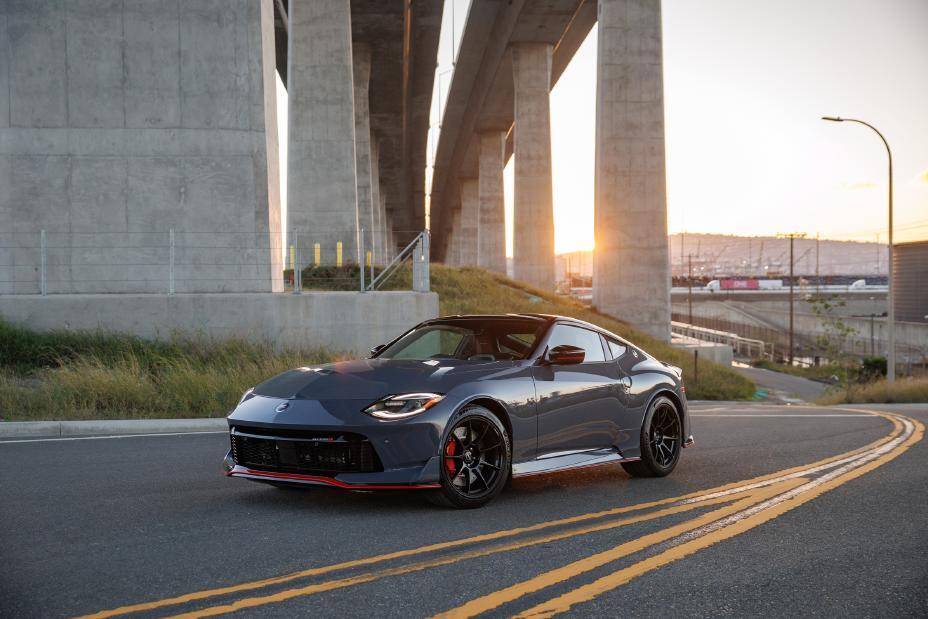
Z's
"but yeah, hopefully get that worked on coming up soon and speak of the Z's. You know, you said that, and I've said this, but you said that it's very rare."
“Z’s” means Nissan’s Z sports cars. They’re popular with enthusiasts, so seeing a newer one can feel like a rare sight.
The “Z” refers to the Nissan Z line, which is known for its sporty, driver-focused layout and classic long-hood styling. In this segment, the host is talking about seeing newer Nissan Z cars on the road and how rare they feel locally.
airbags
"the airbags were deployed and it crashed out. Looks like it [2528.7s] did, according to what the police were saying, it looks like they were based on the tire skin marks"
Airbags are safety cushions that pop out during a crash to help protect your body. If they deployed, the car’s sensors decided the impact was serious enough to trigger them.
Airbags are supplemental restraint devices that inflate extremely quickly during a crash. When they deploy, it’s a strong clue that the car’s crash sensors detected a significant impact on a particular side or angle.
tire skin marks
"Looks like it [2528.7s] did, according to what the police were saying, it looks like they were based on the tire skin marks"
Those are the marks tires leave on the road when the car slides. Police can look at them to figure out how the car moved and when it lost control.
“Tire skin marks” refers to skid marks left by tires during braking or loss of control. Investigators use these marks to estimate vehicle path, speed changes, and where traction was lost.
donuts
"that it looks like they were doing donuts in the street, lost control or something like that. [2538.5s] And then just slid into like the side section of the road"
“Donuts” are when someone spins the car around in place, usually by spinning the tires. It can be risky because the car can slide into the curb or hit something nearby.
In car talk, “donuts” means spinning the car in a tight circle, usually by applying throttle while the tires break traction. It’s a common stunt that can quickly lead to loss of control and impacts with curbs or roadside barriers.
Odomen rollback
"When I saw my car facts has all the checklists on their like Odomen rollback, airbags, deployed salvage title, that kind of stuff."
Odometer rollback means someone lowered the car’s recorded mileage to make it look like it has fewer miles. That can hide how much wear the car really has.
Odometer rollback is fraud where a vehicle’s mileage reading is reduced to make the car appear less used. It’s commonly flagged on vehicle-history reports because it can distort maintenance history and resale value.
VQ
"And a lot of the Zs, unfortunately the VQ Zs, a lot of them are salvage title."
VQ is Nissan’s name for a type of V6 engine used in some Z cars. The host is mentioning it because those specific Z cars seem to be getting salvage titles often.
VQ refers to Nissan’s VQ engine family, best known for its V6 configuration used in many Z and Infiniti models. In this context, the host is saying that many VQ-powered Z cars are showing up with salvage titles.
salvage title
"I got to get somebody on here to ask them about like how, how is it like, what's the procedure like to get a salvage title car like usable, you know, like to be able to use it on the street or whatever."
A salvage title means the car was once considered a “total loss” by an insurance company. Even if you fix it and it looks good, the paperwork still shows it was totaled before. That can make it harder (and sometimes more expensive) to register and insure.
A salvage title is a legal status given to a vehicle that an insurer has declared a total loss. Even if the car is later repaired, the title branding usually stays, which can affect registration, insurance, and resale value. The key point is that “salvage” is about the car’s legal history, not necessarily how bad the damage looks after repairs.
Willow Springs
"Like I would, if you're going to build like, like say a Z track car, like this one's just stop at Willow Springs."
Willow Springs is a race track in California where people drive cars for track days. In this conversation, it’s used to illustrate that some cars might be built mainly for track use. That connects to the question of whether salvage cars can still be used on public roads.
Willow Springs refers to a motorsports complex in California that hosts track days and racing events. It’s the kind of place where people might run a dedicated track car, which is why it comes up in a discussion about whether salvage-title cars are “track only” or can be street-registered. Track use can change how people view damage history and legal requirements.
frame elated
"it just might have just been something that yeah, it just went, it was more than the value of the car. It's still a simple fix, but they just totaled it out because of that. And so yeah, you might have an instance where it's a good car all around... not necessarily even like frame elated or something."
“Frame-related” means the damage is to the car’s main structure, not just panels or bodywork. Repairs to the structure are more serious and can affect safety. That’s why these cars often need extra inspections before they can be driven legally.
“Frame-related” (the transcript sounds like “frame elated”) refers to damage to the vehicle’s structural frame or unibody structure. This matters because structural repairs are harder to verify and can affect safety and alignment. Even when a car is repaired, frame-related damage is often what triggers stricter inspection and title branding.
structural damage
"if it was sideswiped or has like massive frame damage to somebody trying to repair, like anything is like structural, like damage type stuff where, you know, I mean,"
Structural damage means the car’s main safety structure is damaged. That’s more serious than dents or scratches because it can affect how the car protects you in a crash. Repairs can be harder to do correctly and harder to prove are done right.
Structural damage is harm to the car’s load-bearing components (like the frame rails or unibody sections). Because these parts control crash safety and alignment, structural repairs are more complex than cosmetic bodywork. In salvage-title discussions, structural damage is often the difference between “it looks bad” and “it’s actually unsafe or hard to restore correctly.”
range anxiety
"And so coming back as I'm like, it's night, you know, it's dark outside and I'm like, [2986.0s] I only got 30 miles of range and it says it's 50 miles back home. So I'm like, okay, I gotta, [2997.5s] I gotta find a shot or a gas station somewhere. And there was a good point where I didn't see anything. Like I was like, okay, this is, this is getting a little hairy, but you got the range anxiety in the car, the car and the gas car was kicking in for sure."
Range anxiety is when you’re worried you won’t have enough fuel to get where you need to go. It usually happens when the car says you only have a short distance left.
“Range anxiety” is the fear of running out of fuel before you can reach a gas station. In this story, it’s triggered by the car’s estimated remaining miles and the darkness/remote route, making the situation feel urgent.
gas tanks are like literally like barrels on a stand
"Yeah. You gotta be worried. [3024.9s] The ones where the gas tanks are like literally like barrels on a stand and the guy's got a garden hose. It's like, I screw my parents actually got gas at a place like that."
They’re describing a basic, old-school gas station setup where the fuel is stored in big containers up on stands and you pump it with a hose. The point is that it feels sketchier than a modern station.
This describes an older or improvised fueling setup where fuel is stored in elevated tanks and dispensed with a hose/nozzle. It matters because the speaker is contrasting it with modern stations and expressing concern about what might be in the fuel.
10 gallon tank
"I know [3066.3s] that your car does have a very small tank. So I can see where like range anxiety for me would come in good kick in a lot. I mean, it's like a 10 gallon tank in a thing, 11 gallon tank. [3075.1s] 12, yeah. 12, 12.9 or 12.5 or something like that."
The size of the fuel tank determines how many miles you can drive before you need gas. A smaller tank means you run out sooner, so it’s easier to get worried.
Fuel tank size (here, roughly 10–12.9 gallons) directly affects how far you can drive between fill-ups. Smaller tanks can make range anxiety more likely because the remaining-fuel estimate drops quickly.
fuel pump
"And I mean, idiot, you know, ran out of gas. And I also heard that it's probably, better for your fuel pump. If you keep, if you keep the car, like at least half a tank."
Your fuel pump is what sends gas from the tank to the engine. Keeping more gas in the tank helps the pump because it doesn’t have to work as hard to pull fuel from the very bottom.
The fuel pump is the component that moves gasoline from the tank to the engine. When the tank is low, the pump can run with less fuel around it, which can increase stress and heat because it has to pull fuel from the bottom rather than being surrounded by a larger supply.
fuel filter
"Yeah. But, but most there's, there's filters, fuel filter on your car. There's filters on the pumps too."
A fuel filter is like a screen for your gas. It helps keep dirt and junk from getting into the engine.
A fuel filter is a service part that traps dirt and debris before fuel reaches the engine. The speaker also notes that filters exist in the fuel system beyond just the tank, helping prevent contaminants from circulating.
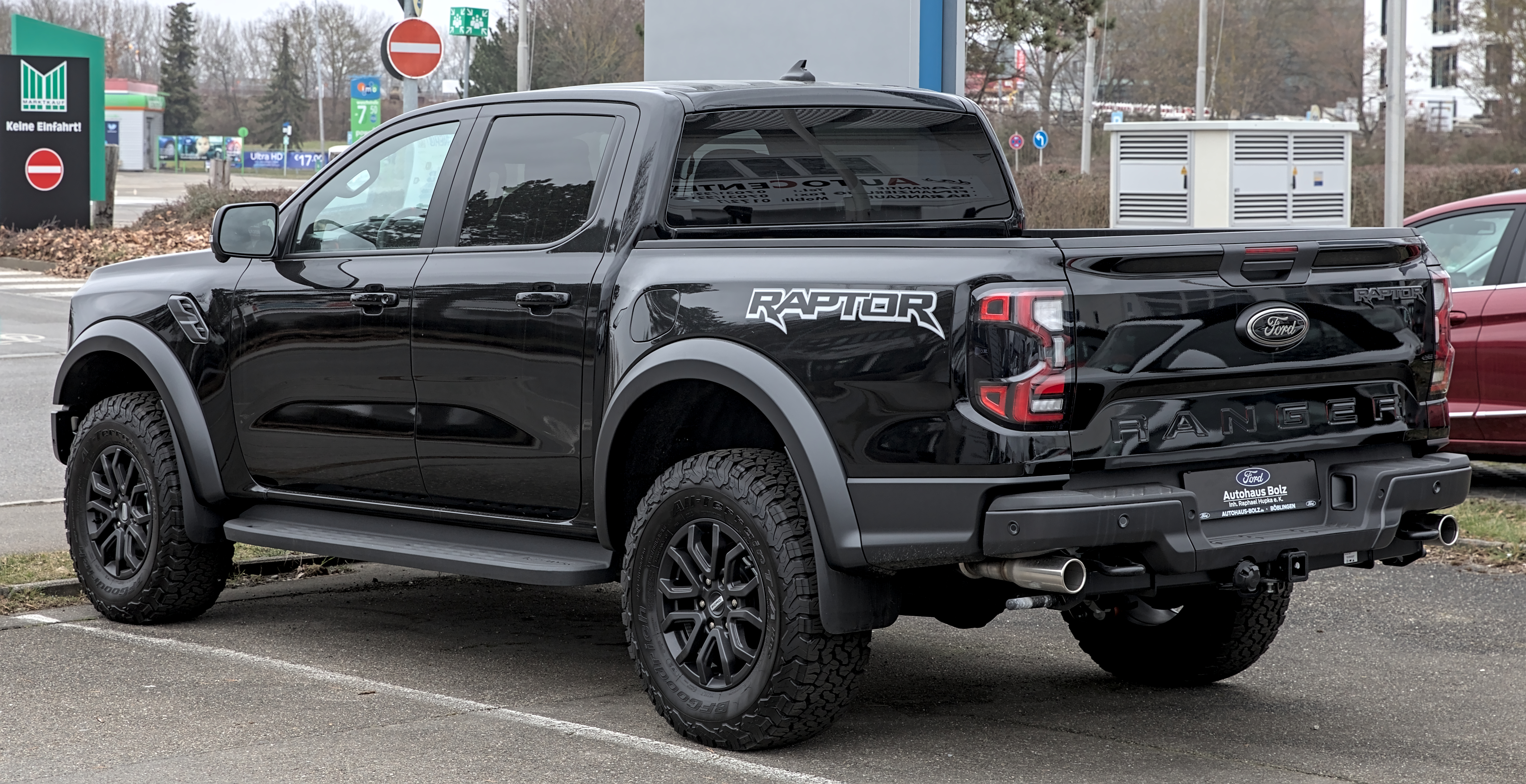
Ford Raptor
"And the guy posted this thing today showing a Ford Raptor is a 20, it was a 2018 Ford Raptor, but the shocking thing he had a crack and like it was all crack. The engine was cracked."
The Ford Raptor is Ford’s rugged off-road truck. Here it’s brought up because a 2018 example reportedly had a cracked engine at surprisingly low miles.
The Ford Raptor is Ford’s high-performance off-road pickup built for tough terrain and durability. In this segment, the host discusses a 2018 Ford Raptor case where the engine had a serious crack, highlighting how extreme failures can happen even on relatively low-mileage trucks.
F-150 Raptor
"...nd the guy posted this thing today showing a Ford Raptor is a 20, it was a 2018 Ford Raptor, but the shock..."
The F-150 is Ford’s pickup truck. It’s made for hauling and towing, but it can also be used like a normal daily truck. The episode mentions a Raptor version, which is a more off-road-focused F-150.
The F-150 is Ford’s full-size pickup truck line, widely chosen for work use, towing, and daily driving. The podcast references a “2018 Ford Raptor” and suspension/shock talk, which connects to the idea that some F-150 variants are built for tougher off-road use. That’s why the F-150 name comes up in a driving and vehicle setup discussion.
swap that engine
"And people are saying like in the comments, including myself, just like swap that engine"
An engine swap is when you remove a broken engine and put in a different one. People suggest it when the damage is too big to fix cheaply.
An engine swap means replacing a failed engine with another engine (often from a donor car or a rebuilt unit). It’s a common repair path when the original engine has major internal damage and a full replacement is more practical than rebuilding.
Request an Explanation
Heard something you'd like explained? We'll add it to this episode.
Sign in to request explanations for terms you heard.
Want to learn more?
Browse our glossary for plain-English explanations of automotive terms, jargon, and concepts.
Help improve this episode
See something that's not quite right? Our annotations are AI-generated and can sometimes miss the mark. Click the flag icon on any annotation to suggest a correction.