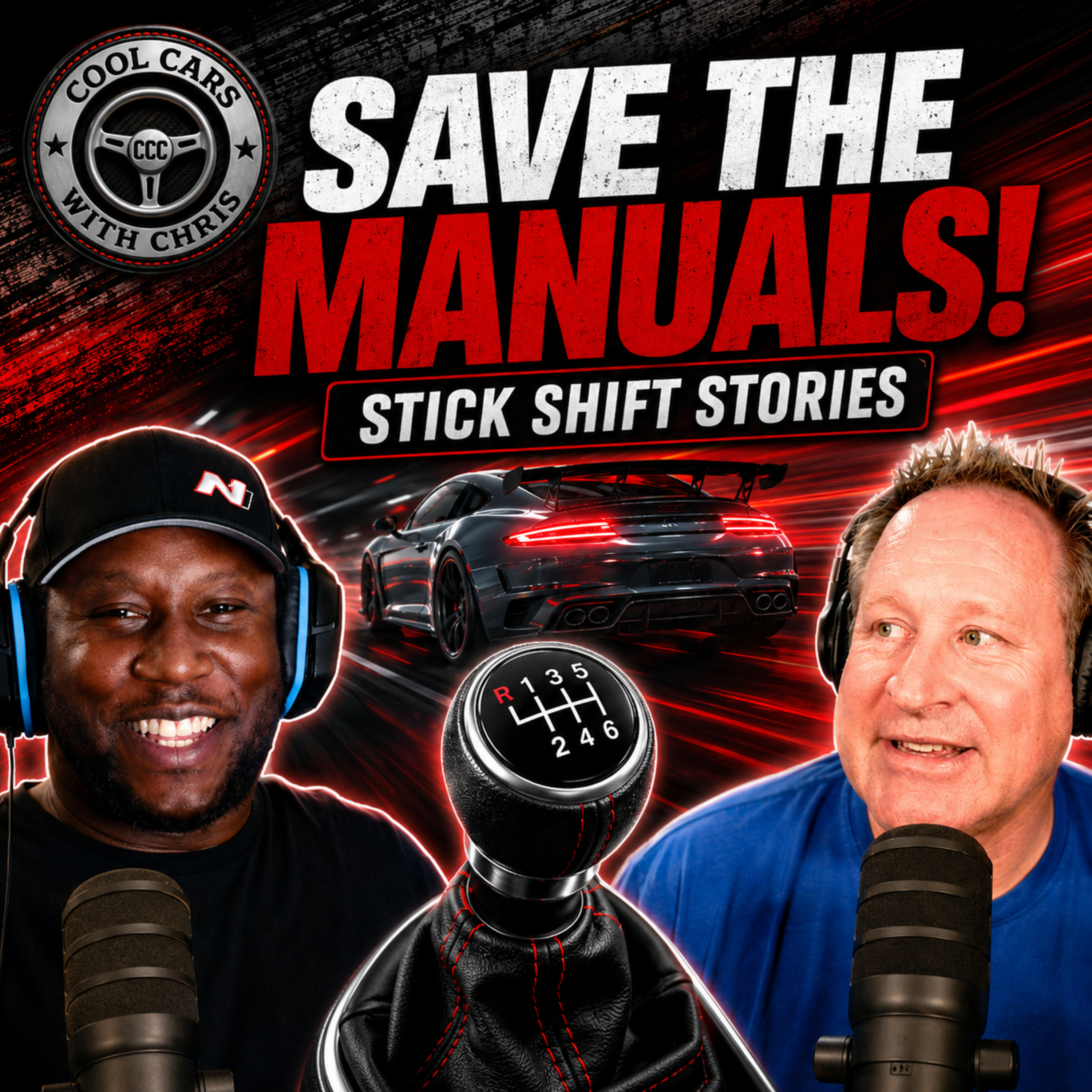
045 | Are Manual Transmissions Dying? The Best Stick-Shift Cars to Buy
About this episode
Manual transmissions may be “a dying thing,” but the hosts dig into why the stick-shift experience still matters: clutch feel, engagement points, and the muscle memory that makes switching to automatics feel awkward. They share how they learned—stalling, finding “where it grabs,” and using RPM cues—plus real-world buying realities like manuals being “a unicorn” at dealerships. The episode also weighs practical alternatives (Miata/86, F-body value, even EV simulated gears) and reminds listeners that clutch care and maintenance are part of ownership.
Are manual transmissions disappearing—or are they becoming more desirable than ever?
Chris is joined by Courage from The Driven Dad for a full conversation about learning to drive stick, teaching beginners how to use a clutch and why manual cars create a driving experience that even the fastest modern automatic cannot completely replace.
Chris shares stories from learning in a bare-bones Mitsubishi Mighty Max, owning manual Ford, Mercury and Nissan vehicles, and returning to a six-speed Nissan Z after years of driving an automatic truck. Courage explains how he teaches first-time manual drivers, including a simple clutch-control exercise that can help beginners get moving without immediately burning up the clutch.
They also discuss why manuals went from being the inexpensive “standard” transmission to a rare enthusiast option, whether driving stick still makes sense in heavy traffic and how modern paddle-shift, dual-clutch and 10-speed automatic transmissions have changed the argument.
Later, Chris and Courage explore some of the new and used manual cars enthusiasts should consider, including the Nissan Z, Mazda Miata, Toyota GR86, Ford Mustang, Pontiac Solstice, Saturn Sky, Camaro, Firebird, Jaguar F-Type, BMW M3, Dodge Viper, Hyundai Elantra N, Nissan 350Z and Nissan 370Z.
The conversation wraps up with a bigger question: Do drivers really need more screens, apps and electronic features—or do they need a car that is simply fun to drive?
In this episode:
• How Chris and Courage learned to drive manual
• The secret to understanding clutch engagement
• Teaching a beginner without destroying your clutch
• Why fewer people know how to drive stick
• Could manual-driving lessons become a side hustle?
• Manual versus automatic transmissions in daily traffic
• New cars that still offer a manual transmission
• Affordable used performance cars with stick shifts
• Why modern automatics are faster but sometimes less engaging
• The appeal of analog sports cars
• Why the 350Z and 370Z remain popular enthusiast choices
• Driving experience versus technology and luxury features
Follow for More
Love cars, horsepower, road trips and real automotive conversations? Follow Cool Cars with Chris and Courage for new podcast episodes, YouTube videos, car reviews, event coverage and behind-the-scenes content.
🌐 Cool Cars with Chris Website:
https://coolcarswithchris.com
▶️ Cool Cars with Chris on YouTube:
https://www.youtube.com/@CoolCarswithChris619
📸 Cool Cars with Chris on Instagram:
https://www.instagram.com/cool_cars_with_chris619/
▶️ Courage — The DriveN Dad on YouTube:
https://www.youtube.com/@TheDriveNDad22
📸 Courage — The DriveN Dad on Instagram:
https://www.instagram.com/thedrivendad22/
00:00 Welcome and social media talk
03:51 Are manual transmissions dying?
04:12 Learning to drive stick
10:01 Chris’s history with manual cars
16:00 Valet drivers and stick shifts
19:31 Teaching beginners to drive manual
22:12 Manual-driving lessons as a side hustle
26:05 Manual versus automatic transmissions
33:08 New cars still available with manuals
39:06 Modern automatics and paddle shifters
44:51 Finding and selling a manual Nissan Z
48:12 Affordable used manual sports cars
57:34 Technology versus driving experience
1:05:32 Elantra N and modern enthusiast cars
1:12:54 Are the 350Z and 370Z still good buys?
1:17:46 The Driven Dad and closing thoughts
#ManualTransmission #StickShift #SaveTheManuals #ManualCars #CarPodcast #AutomotivePodcast #CarEnthusiast #SportsCars #PerformanceCars #NissanZ #Nissan370Z #Nissan350Z #MazdaMiata #ToyotaGR86 #FordMustang #HyundaiElantraN #ManualVsAutomatic #HowToDriveStick #AnalogCars #CoolCarsWithChris
five speed manual
"It was a five speed manual, no power steering, by the way. It had a custom AC that was installed after the fact."
A five-speed manual means you shift gears yourself using a stick and a clutch pedal. Learning it is usually the hardest part of driving a manual car.
A "five speed manual" transmission uses a clutch pedal and a gear shifter so you choose the gear yourself. It’s a key part of learning to drive a stick because you have to coordinate clutch engagement, throttle, and shifting.
power steering
"It was a five speed manual, no power steering, by the way. It had a custom AC that was installed after the fact."
Power steering helps you turn the wheel with less effort. If a truck doesn’t have it, steering feels much heavier, especially when you’re stopped or going slowly.
"Power steering" is a system that reduces the effort needed to turn the steering wheel, usually by using a pump and hydraulic assist or an electric motor. A car without it feels heavier at low speeds and requires more arm strength when parking or maneuvering.
aftermarket
"It had a custom AC that was installed after the fact. By the way, when you have to after, after market your air conditioning, you know, it's like a bare bones like vehicle."
Aftermarket parts are things added to a car after it leaves the factory. Here, they’re talking about adding air conditioning after the truck was already built.
An "after market" (aftermarket) part is made and sold by companies other than the original manufacturer, and it’s installed after the vehicle is built. In this story, it’s used to describe the truck’s air conditioning being added later.
clutch movement
"cause that, uh, we get into it, but that's like, I've started to kind of, you know, when people ask me about it, like what's the kind of the trick is like, you really kind of understand the clutch movement, you know, that, that like takes care of most of it."
The clutch is the pedal you use to connect and disconnect the engine from the transmission. “Clutch movement” means how you let the pedal back up—smoothly and at the right moment—so the car starts moving without stalling.
The clutch movement is how you physically release the clutch pedal as you shift. The key is timing and smoothness: releasing too fast can stall or jerk, while releasing too slowly can make the car feel sluggish.
balance between throttle and clutch
"once you get comfortable, understand like the balance between throttle and clutch and, and how to accelerate faster and different things like that."
With a stick shift, you’re controlling two things at once: the gas (throttle) and the clutch pedal. The “balance” is getting them timed so the car moves smoothly instead of jerking or stalling.
On a manual transmission, throttle (engine revs) and clutch release must be coordinated. If you add too much throttle while releasing the clutch too quickly, the car can jerk; too little throttle can cause the engine to lug or stall.
where it grabs
"if you really understand the clutch of the particular car you're driving and like where it grabs and how, you know, how fast or slow you need to let it out when it starts to grab, like that's, that's the biggest part of the battle."
When you let out the clutch, there’s a moment where the car finally starts to pull forward. “Where it grabs” is finding that exact moment so you can take off smoothly.
“Where it grabs” refers to the clutch engagement point—the spot in the pedal travel where the clutch starts transferring torque to the drivetrain. Knowing that point lets you release the clutch at the right speed for smooth launches.

Nissan stanza
"my, I, I didn't learn first on a, on a manual. I kind of wish I did, but, um, I, I had been driving for like probably six or seven months, like when my learners permit and my aunt, she had a, um, a Nissan stanza."
The Nissan Stanza is an older Nissan sedan that could be had with a manual transmission. Here it’s the car the speaker learned to drive a stick in, so it’s a real-world example of practicing clutch control.
The Nissan Stanza is a compact, boxy-era sedan that was offered with a manual transmission in some markets/years. In this story, it’s used as the speaker’s first real stick-shift learning car, which highlights how clutch feel varies by vehicle.

Nissan Maxima
"Or if you remember like the maximas of that generation, they were also like really boxy. I actually really love the look of those, but, uh, the stanza was"
They’re saying the Nissan Maxima from that era had a similar boxy look. It’s just being used as a comparison to help picture what the Stanza looked like.
The speaker mentions “maximas” as another boxy, late-1980s-era sedan that looked similar to the Nissan Stanza. This is a styling comparison rather than a deep dive into a specific Maxima generation.
stall it out
"let me stall it out."
To “stall” is when the engine shuts off. With a manual car, it usually happens when you release the clutch too fast or don’t give enough gas while starting.
To “stall it out” means the engine stops running because it doesn’t have enough power while the clutch is being released. In a learning context, stalling is common when the clutch is let out too quickly or the throttle isn’t matched to the clutch engagement.
manual transmission
"like learning how to drive manual. And the first time taking off, I'm just nervous, palm sweaty."
A manual transmission is a car where you choose the gears yourself. You use the clutch pedal and the shifter, so you have to learn the timing to make it smooth.
A manual transmission is a gearbox where the driver selects gears using a clutch pedal and a gear shifter. It requires coordinating engine speed with gear changes, which is why learning it can feel awkward at first.
shifter
"you either reach for the clutch or reach for the shifter or there's no shifter because it's not automatic or whatever"
The shifter is the stick you move to pick the gear in a manual car. If you’re used to driving manual, you might accidentally reach for it when you get into an automatic.
A shifter is the lever you move to select gears in a manual transmission. When you switch between manual and automatic cars, your muscle memory may make you reach for it even when there isn’t one.

Mercury Cougar
"And then I got the Mercury Cougar, which was the coupe. Like there was a five speed."
The Mercury Cougar is a car model from the Mercury brand. In this story, it’s notable because it had a manual transmission with five gears.
The Mercury Cougar is a personal-luxury coupe/pony-car from the Mercury brand, and this mention highlights that it was offered with a manual “five speed.” That’s notable because many coupes of the era were more commonly associated with automatics.
hot rod
"the guy was telling me, you know, careful. It's like a hot rod, you know, because it has a VQ VQ engine in there"
A “hot rod” is a vehicle that’s set up to feel fast and fun. Here, the host is saying the pickup drove more like a performance car because of the engine and stick shift.
A “hot rod” is a car (often an older one) modified or configured to feel fast and exciting, typically by improving the engine and drivetrain. The host uses it to describe a pickup that, thanks to a VQ V6 swap and manual gearbox, delivers car-like acceleration rather than typical truck behavior.
VQ engine
"because it has a VQ VQ engine in there, the VQ out of the Z. What's it? Four liter version and the six speed, you know"
A VQ engine is Nissan’s V6 engine design. The host is saying the truck had one installed, and that’s a big reason it had surprisingly strong power for a pickup.
The VQ engine refers to Nissan’s V6 engine family (the VQ series), known for smooth power delivery and strong aftermarket support. In this segment, the host says the truck had a VQ engine swap, specifically describing it as a “VQ out of the Z,” which is why it felt like a hot rod.
four liter version
"because it has a VQ VQ engine in there, the VQ out of the Z. What's it? Four liter version and the six speed, you know"
“Four liter” means the engine is roughly 4.0 liters in size. Bigger displacement often helps an engine make more power, which is part of why the truck felt fast.
“Four liter version” refers to the engine’s displacement being about 4.0 liters, which is a key spec that correlates with how much air/fuel the engine can move and therefore how much power it can make. In this context, it’s used to pinpoint which VQ variant the truck had.
king cab
"It's like mid size ish, you know, it was like F 150 size, which is kind of funny. It was real well drive though. Well, yeah, it's a pickup truck."
“King cab” is a pickup body style designation used by some manufacturers for an extended-cab layout—typically with smaller rear seating than a full crew cab. The host contrasts King cab with other cab sizes to explain the truck’s overall size and why it felt more like a compact hot rod than a big full-size truck.

Ford F 150
"And might I remind you that the Ford F 150 at the time in their V eight didn't have that kind of power. And so that's why I was like, wow."
The Ford F-150 is a popular pickup truck. Here, the host is saying that the VQ-powered truck he bought had more horsepower than the F-150’s V8 options at the time, which made it feel like a “hot rod.”
The Ford F-150 is a full-size pickup truck known for being offered with a wide range of engines and transmissions over the years. In this segment, the host compares its V8 power to the VQ-powered truck he bought, highlighting how unusual that horsepower figure was for an F-150 at the time.

Ford F
"... a smaller truck. And might I remind you that the Ford F 150 at the time in their V eight didn't have that..."
The Ford F-100 is an older Ford pickup truck model. It’s smaller than the newer F-150 trucks people are used to today. The podcast brings it up while comparing older truck options and what was available back then.
The Ford F-100 is an older, smaller-generation Ford pickup compared with the modern F-150. In the podcast, it’s mentioned in the context of truck sizing and how certain engines or features differed “at the time.” It’s discussed because older F-series trucks are often part of conversations about classic Ford ownership and how the lineup has evolved.
VQ platforms
"And that's why I kind of fell in love with the VQ platform because even back then it was making, it was cranking great numbers, like V eight kind of numbers out of a V six."
“VQ platform” here basically means the Nissan V6 engine family and how it performs. The host is saying that engine made strong power, which is why they liked it so much.
“VQ platform” is shorthand for the VQ engine family and its ecosystem—how the engine design and related components behave and can be tuned. The host uses it to explain why they became attached to the truck: the VQ V6 was making strong power figures even when paired with a manual transmission.
gearing ratio
"whatever, but it was a stick shift. And so, but it had a weird gearing ratio. I remember because [787.0s] it felt like it was very highly geared."
Gearing ratio is how the car’s gears change the engine’s power to the wheels. Different ratios can make the car feel like it pulls harder or wants to keep going in first gear.
Gearing ratio refers to how the transmission’s gear teeth multiply engine speed and torque. A “highly geared” setup can make first gear feel like it wants to keep pulling, while also changing how much torque you feel at low speeds.
torque
"So when you put it in first, it felt like it was wanting to keep on going before you shifted. If that makes sense. It didn't want to feel like a lot of torque at the low end."
Torque is the engine’s pulling force. More low-end torque usually means the car feels stronger right when you start moving.
Torque is the twisting force an engine produces, and it strongly affects how quickly a car accelerates from low speeds. The speaker is describing how the car didn’t feel like it had “a lot of torque” at the low end.
RPM gauge
"And so, but um, but yeah, like there's more Revy than it was. Yeah. I don't [801.2s] think it had an RPM gauge either. I think it was just regular."
An RPM gauge tells you how fast the engine is spinning. If a car doesn’t have one, it can be harder to know when to shift gears.
An RPM gauge (tachometer) shows engine speed in revolutions per minute. The speaker notes the car felt “basic” because it likely didn’t have a tachometer, which makes it harder to judge when to shift.

Nissan 350 Z
"...ll shifters are the same. I remember I drove that 350 Z. It was very notchy and very like, like it feel l..."
The Nissan 350Z is a sports coupe from the Z lineup. The podcast talks about how the shifter feels, saying it’s “notchy,” which usually means it has a more defined, mechanical feel. It’s mentioned because people often remember the 350Z for how it drives.
The Nissan 350Z is an earlier Z-car generation known for its enthusiast appeal and straightforward, driver-focused feel. The podcast describes the shifter as “notchy,” which is a common way people talk about the transmission’s mechanical character. It’s discussed because many drivers remember the 350Z as a fun, engaging sports car to drive.
notchy
"It was very notchy and very like, like it feel like it, I guess notchiness is really the word I can think of when I put it into gear."
“Notchy” means the gear lever feels like it has distinct steps. When you move it into gear, it doesn’t feel smooth—it feels more like it clicks into place.
“Notchy” is enthusiast slang for a shifter that feels more mechanical and segmented, with a noticeable “click” or resistance as you move it into each gear. It often comes from how the linkage and synchronizers are tuned, and it can be either satisfying or annoying depending on the driver.
valet
"So who do you know those are the people you avoid driving your car? Well, dude, I'll check this out. So I was going to the airport one time and the Uber driver was said he worked valet at the casino."
Valet is when a worker parks your car for you. Here, they’re saying you might want to avoid giving your manual car to someone who can’t drive it.
Valet is a service where an attendant parks and retrieves your car for you. In this context, the hosts are talking about the risk of handing a manual-transmission car to someone who may not be comfortable driving it.
engine and exhaust sound
"[1122.9s] They take off with it and they hear the sound of the engine and the exhaust and all that. Like, it sounds pretty cool."
They’re talking about the noises you hear when the engine starts and when the car drives away. Car people often pay attention to those sounds because they can tell you how the car is running.
The speaker is emphasizing the audible feedback from the engine and exhaust during a valet departure or shop start. For car enthusiasts, these sounds are part of the driving “feel” and can also indicate how the exhaust system is behaving after work is done.
battery issue
"[1135.2s] I remember a couple of times I had that battery issue and they pulled it into the shop and I could hear it..."
A battery issue means the car’s battery or charging system isn’t working right. That can make the car start poorly or not start at all.
A battery issue means the car’s electrical system isn’t functioning normally, which can cause hard starts, no-start situations, or intermittent behavior. In modern cars, battery problems can also trigger warnings and affect starting even if the engine itself is fine.
exhaust bay
"[1140.8s] even when they pulled it out of the exhaust bay and doing the exhaust work on it, [1144.4s] could hear it there..."
An exhaust bay is a workshop spot where mechanics work on the car’s exhaust system. They’re saying they could hear the car start while it was being worked on.
An exhaust bay is a service area in a repair shop where exhaust-related work is performed, such as removing, replacing, or welding exhaust components. The speaker is describing hearing their car start while it’s in that specific shop area.
manual driving
"So the two, the two that I've had recently, they have no prior experience of manual driving. You are brave, man."
“Manual driving” means driving a car with a stick shift. You have to coordinate the clutch and shifter so the car starts smoothly and doesn’t stall.
“Manual driving” refers to operating a car with a manual transmission, which requires coordinating the clutch pedal, gear lever, and throttle. The key skill is smoothly engaging the clutch so the car moves without stalling or jerking.
rev
"But then there's a point where it starts to grab and the, the revs actually kind of bump up a little bit because it's, it's trying, trying to avoid stalling"
“Rev” means how fast the engine is spinning. When you’re learning a stick shift, watching for RPM changes helps you know when the clutch is starting to take hold.
“Rev” is short for engine RPM (revolutions per minute), which indicates how fast the engine is spinning. In a manual car, RPM changes are used as feedback for when the clutch is about to grab and the car is about to move.
audible
"they'll kind of hear that audible"
Here “audible” means you can hear something. The car makes sounds that can tell you when the clutch is starting to take hold so you can move smoothly.
In this context, “audible” refers to sound cues from the engine and drivetrain that help a learner judge clutch engagement. These noises can indicate when the clutch is starting to grab and the car is ready to move.
clutch is grabbing
"where the revs start to come up. And I tell them that means that the clutch is grabbing. So now slowly let it out."
On a stick shift, the clutch pedal connects the engine to the wheels. When the clutch starts “grabbing,” the car begins to move because power is finally transferring to the drivetrain.
In a manual transmission, the clutch “grabs” when the clutch disc starts transferring torque from the engine to the drivetrain. That’s the moment you feel the car begin to move as you release the clutch pedal and the engine revs stabilize.
feather on the throttle
"because you're not getting a situation where somebody's going to burn your clutch because they don't know how to feather the throttle, but not like, you know, keep the, keep the clutch down."
Feathering the throttle means gently pressing the gas in small amounts. It helps you move smoothly while you’re also releasing the clutch.
To “feather the throttle” means to apply small, controlled amounts of throttle while you’re coordinating with the clutch. The goal is to keep engine revs and drivetrain load smooth so you don’t stall or jerk the car.
clutch engagement
"I was learning on a video game. But I don't think you quite the same feel. You don't get the same kind of clutch engagement"
Clutch engagement is how the clutch connects the engine to the wheels when you let the pedal out. A good engagement feels smooth and predictable, while a worn clutch can feel jerky or unpredictable.
Clutch engagement is how smoothly and predictably the clutch connects the engine to the transmission as you release the pedal. Different cars (and different clutch wear conditions) can change how quickly the engagement happens and how much “feel” you get.
driving classes
"And I don't want that to be worth charging. I mean, my son is going through driving classes [1456.5s] right now. And for a two hour session, I just paid a hundred and 75 dollars."
Driving classes are lessons with an instructor to help you learn how to drive safely. If you’re learning a manual, they can teach you how to use the clutch and shift gears.
Driving classes are structured instruction sessions, often including behind-the-wheel practice and sometimes classroom theory. In the context of learning a manual, they may focus on clutch control, gear changes, and safe low-speed driving.
driving with one of us
"We just did the individual lessons because he's required to get like a minimum [1490.7s] two hour lesson before he even can drive with one of us. I didn't know that. I thought he [1494.7s] could drive right away, but I guess not."
This means the learner practices driving while someone more experienced is there to supervise. It’s the real-world practice part of learning to drive.
This refers to supervised driving practice with an instructor or experienced driver. The key automotive detail is that the learner is practicing real vehicle control rather than only studying or using simulators.
parking lot thing
"And you probably do the parking lot thing like you're doing or whatever. Like lesson one is like 200 bucks and you got to circle the parking lot a bunch of times or whatever."
It sounds like practicing driving in an empty parking lot. It’s where new drivers learn basic control before dealing with real traffic.
This refers to beginner driving practice in a controlled area, typically used to build basic clutch/gear control for manual cars or low-speed handling skills for any car. It’s mentioned as an early “lesson” before more complex driving.
standard equipment
"They call it standard because that was like, this is standard equipment automatic was what you were paying extra for it."
“Standard equipment” means it comes with the car by default. You don’t pay extra for it like you would for an option.
“Standard equipment” means features included as part of the base trim, not added as options. In the transcript, it’s used to explain why manuals were once the default and automatics cost extra.
traffic
"If you get older, I wonder if going automatic makes more sense from like a usability standpoint, you know, like traffic and like just, just put it in D and just like,"
Here, “traffic” means lots of stop-and-go driving. In that situation, some people find automatics easier than manual cars.
In the context of transmission choice, “traffic” refers to stop-and-go driving where frequent gear changes (manual) or frequent engagement of drive modes (automatic) can affect driver fatigue and convenience. The transcript frames it as a usability factor favoring automatics.
put it in D
"Like traffic and like just, just put it in D and just like, or it was around and not to like think about it and stuff."
On an automatic, “D” stands for Drive. When you put the car in D, the car handles the shifting for you.
“Put it in D” means selecting the Drive range on an automatic transmission. In Drive, the transmission manages gear selection for you as you accelerate and slow down.
dual clutch transmissions
"you know, look towards, you know, the automatics. And now, I mean, we have like these dual clutch, [1663.8s] you know, transmissions that. Well, the automatic, they're automatic though."
It’s an automatic gearbox that uses two clutches instead of one. Because it’s always ready with the next gear, it can shift faster than a typical manual.
A dual clutch transmission uses two separate clutches to pre-select the next gear. That lets it change gears very quickly, which is why people compare it to (and sometimes say it beats) manual shift speed.
plus and minus
"Hell, even my truck can do that. My truck, my truck doesn't have a dual clutch transmission, [1683.8s] but it's got a plus and minus. And I can literally, my other, my other truck did the same thing."
Some automatics let you shift using buttons labeled “+” and “-”. “+” tells it to go up a gear and “-” tells it to go down.
“Plus and minus” refers to the shift buttons (or selector positions) that command upshifts and downshifts in an automatic transmission. It’s a manual-style control method without a clutch pedal.
seven speed automatic
"And I can [1737.8s] see why people just, just get the automatic. Even the Z version of my car has a seven speed [1743.0s] automatic, which sounds nuts."
This just means the automatic gearbox has seven different gear ratios. More gears can help the car stay in the right engine speed for smoother driving and efficiency.
A “seven-speed automatic” is an automatic transmission with seven forward gear ratios. More gears can help keep the engine in a more efficient RPM range and can make shifts feel more frequent or seamless depending on calibration.

Hyundai Veloster
"but there's no more Veloster. And there's no more Veloster. And what else did you guys have?"
The Hyundai Veloster is a small hatchback. Some versions were sold with a manual transmission, which is why it comes up in a discussion about whether manual cars are going away.
The Hyundai Veloster is a compact hatchback that was offered with a manual transmission for certain model years. In this segment, it’s mentioned as one of the last “manual cars” available from Hyundai, which is relevant to the episode’s question about whether stick shifts are disappearing.

Hyundai Elantra
"really in terms of, in terms of manual cars that they offered, it was only the Veloster and, and the Elantra and"
The Hyundai Elantra is a popular compact car (a sedan). Some versions have been available with a manual transmission, which is why it’s mentioned in a stick-shift discussion.
The Hyundai Elantra is a compact sedan that has historically been offered with a manual transmission in some markets and model years. Here, it’s grouped with the Veloster as one of the remaining manual options, reinforcing the “manuals are dying” theme.
simulated gear shifts
"it does have those simulated gear shifts of like having like a red line that you can bounce off of."
Simulated gear shifts are fake gear changes made by the car’s computer. They’re meant to copy the feeling of shifting in a gas car, even though the EV doesn’t work the same way.
Simulated gear shifts are software-driven “gear” changes that imitate the behavior of a multi-gear transmission, even when the vehicle doesn’t have conventional gears (common in EVs). The hosts describe how the car uses a digital rev/redline feel to mimic the sensation of shifting in an ICE car.
red line
"of like having like a red line that you can bounce off of. And, but even though your red line is actually digital though"
The red line is the engine’s maximum safe speed range, where the car warns you not to exceed it. In an EV with simulated “rev” behavior, the red line becomes a digital cue to mimic when you’d normally hit the top of the rev range in a gas car.
downshift resistance
"it even like when you downshift, say, if you were like going full speed and you start downshifting and before you should, like it'll actually start to give you that resistance that it does if you go into the wrong gear in a manual car."
Downshift resistance is the feeling that the car doesn’t want you to shift into a gear that would be wrong. The host says the EV tries to mimic that protective feel when you downshift.
Downshift resistance is the physical or simulated “hurdle” you feel when a transmission prevents an incorrect downshift. The host compares the EV’s behavior to a manual car, where trying to shift into the wrong gear can feel resistant or blocked to protect the drivetrain.
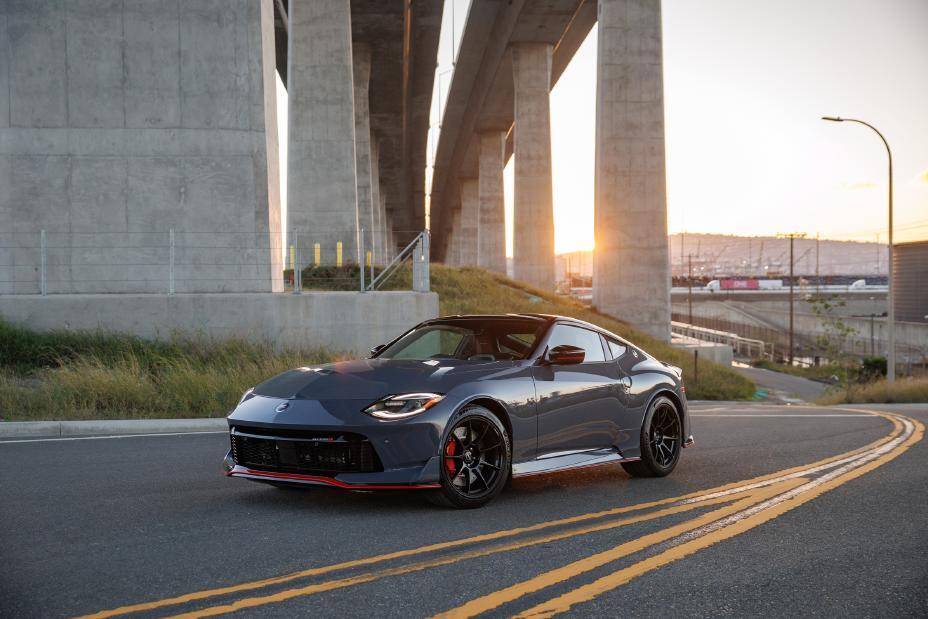
Z Cars
"...l automatics. If you look, if you look online for Z cars in the area at the local dealerships, then yeah, ..."
“Z” in this context means Nissan’s Z-series sports cars. The podcast is talking about what kinds of Z cars you can find at dealerships nearby. It’s mentioned because people often shop for specific versions, like certain transmission types.
In the podcast context, “Z” refers to Nissan’s Z-car lineup, which includes models like the 370Z and 350Z. The discussion about what you can find at local dealerships points to how these cars are searched for by enthusiasts, especially when looking for specific transmission types. It’s brought up because the Z name is strongly associated with a particular kind of sports-car driving experience.
turbo tech
"lean more towards the 370 because of the organic field to the engine and the whole car versus like the more modern like turbo tech of the new one."
Turbo tech means the engine uses a turbocharger to push extra air in. That can make the car feel stronger in a different way than older naturally aspirated engines.
“Turbo tech” refers to turbocharging, where a turbocharger forces more air into the engine to make more power. The speaker contrasts this with the older “370” Z’s more naturally aspirated character, implying the driving feel changes with forced induction.

Toyota Gt86
"So you got the, one of the big ones though, the Yada's and BRZ GT 86, whatever those, those are like in terms of performance cars with the manual, like rear wheel drive, like those ticks, so many, even the Supras, like they,"
The Toyota GT 86 is a small sports car that many people like specifically because it can be had with a manual transmission. It’s also rear-wheel drive, which helps make it fun to drive.
The Toyota GT 86 (and its Subaru twin, the BRZ) is a compact sports car that’s strongly associated with manual transmission enthusiasts. In this segment, it’s grouped as a “performance car with the manual” and described as rear-wheel drive, which is a key part of why it appeals to stick-shift buyers.
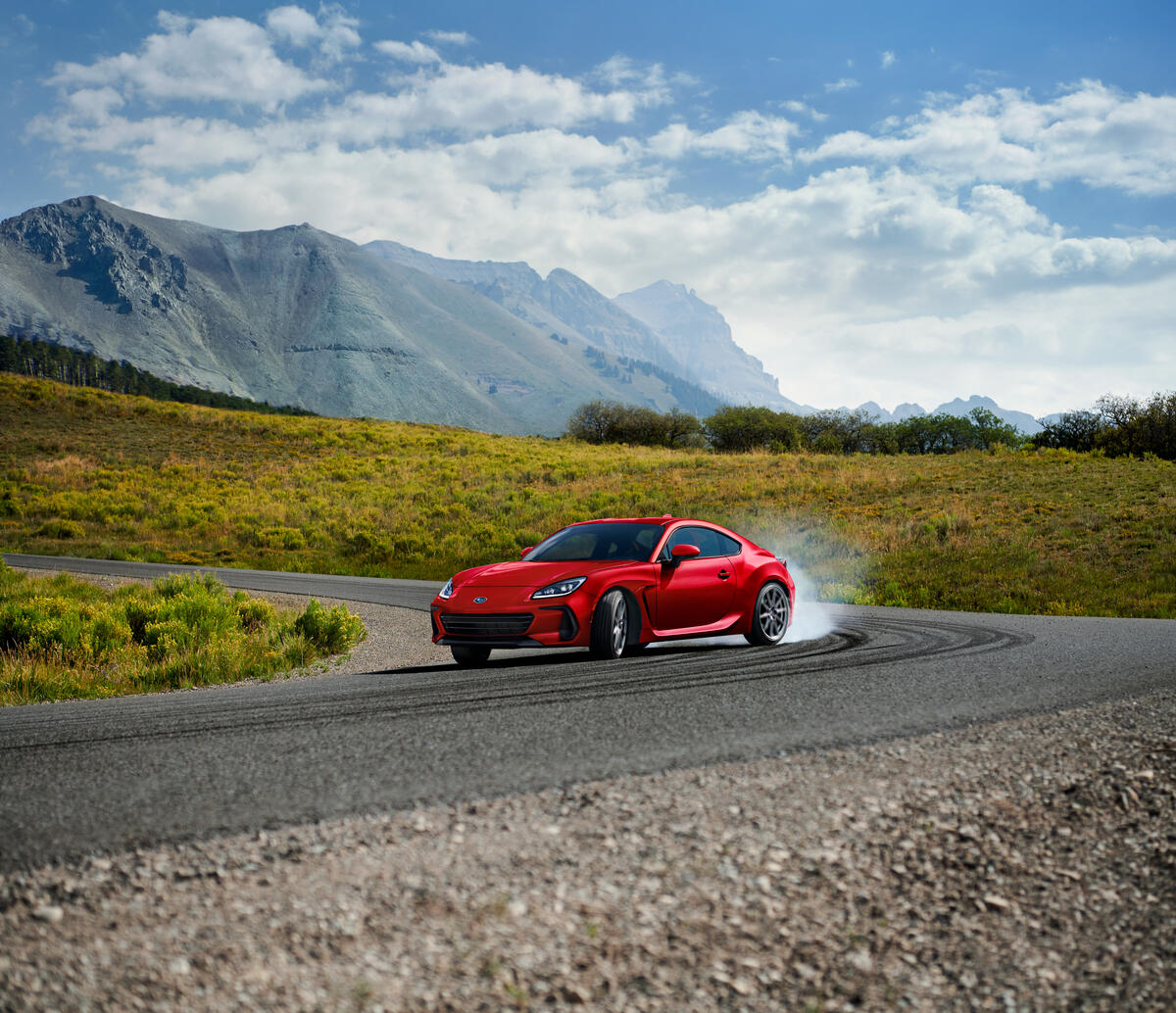
BRZ
"the Yada's and BRZ GT 86, whatever those, those are like in terms of performance cars with the manual, like rear wheel drive, like those ticks, so many, even the Supras, like they,"
The Subaru BRZ is a small sports car that’s known for being rear-wheel drive and available with a manual. The speaker is basically saying it’s one of the cars people look at if they want a stick shift.
The Subaru BRZ is a compact rear-wheel-drive sports coupe that’s popular with drivers who want a manual transmission. Here it’s mentioned alongside the GT 86 as one of the “big ones” for stick-shift buyers, emphasizing the rear-wheel-drive + manual combination.
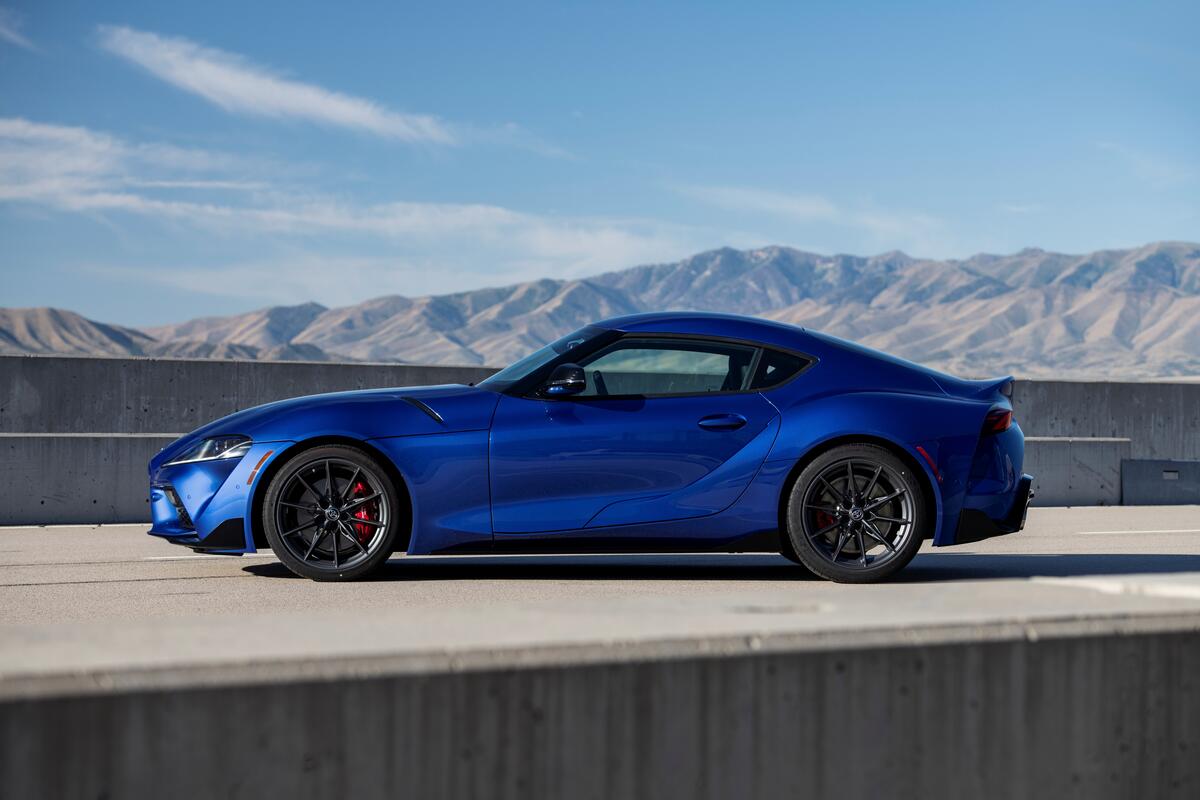
Supras
"even the Supras, like they, I'm sure you can get anything in automatic, but I haven't, I haven't, you can get automatic GT 86."
The Toyota Supra is a well-known performance sports car. The point here is that you can get it with an automatic, but the speaker is wondering how common manual versions are when you shop locally.
The Toyota Supra is a performance sports car that can be found with either manual or automatic transmissions depending on generation and market. This segment uses it as another example of a performance car where automatics exist, but the speaker is focused on how many manual options are actually available at dealerships.
rear wheel drive
"those are like in terms of performance cars with the manual, like rear wheel drive, like those ticks, so many,"
Rear-wheel drive means the power goes to the back wheels. Many sports cars use it because it can feel more fun and responsive when you drive.
Rear-wheel drive (RWD) means the engine sends power to the back wheels. It’s often associated with a more “classic” sports-car driving feel and is commonly paired with manual transmissions in enthusiast-focused models.

Ford Mustang GTD
"...rd the Mustang, one of them, one of the years the Mustang GT came out and they had an automatic version. I thi..."
The Ford Mustang GTD is a high-performance version of the Mustang. The podcast talks about it in terms of whether it was available with an automatic transmission in certain years. It comes up because transmission choice matters to people who want a specific driving feel.
The Ford Mustang GTD is a performance-focused Mustang variant mentioned in the podcast in the context of transmission availability, including an automatic option. The discussion suggests the GTD name is tied to specific years and configurations of the Mustang GT line. It’s brought up because enthusiasts often care about which versions were offered with manual versus automatic transmissions.
fuel economy
"[2387.1s] 40 or whatever, you know, it is. So it's like, it kind of goes through. It's probably more for like [2392.8s] towing and fuel economy. That's probably why I got, it's funny. Speaking of fuel economy, [2399.4s] my truck got literally one mile better per gallon versus my last 5.0 V eight and this one,"
Fuel economy is how many miles you can drive on a gallon of gas. Better fuel economy means you spend less money to go the same distance.
Fuel economy is how efficiently a vehicle uses fuel, usually measured as miles per gallon (MPG) in the U.S. Higher fuel economy means you can drive farther on the same amount of gas.
10-speed
"[2407.3s] like one mile per gallon. And I think it has to do with a 10 speed. That 10 speed gave it one more [2410.9s] mile per gallon than before or whatever. But that helps. But no, I mean, it's the one thing I was [2418.1s] going to say about that is they, they, they shift so like they've really been able to tune"
A “10-speed” transmission is an automatic gearbox with ten gear ratios. More gears can help the engine run more efficiently, which can mean better gas mileage.
A “10-speed” automatic transmission has ten forward gear ratios. More gears let the engine stay closer to its most efficient operating range during different driving conditions, which can improve fuel economy.
dual clutch automatic
"[2418.1s] going to say about that is they, they, they shift so like they've really been able to tune [2423.2s] automatic, like not even dual clutch automatics, but just regular torque converter automatics. [2428.0s] They've really started to be able to tune those because obviously you remember old automatic,"
Dual-clutch automatics use two clutches to switch gears quickly. That can make the car feel more responsive than some older automatic transmissions.
Dual-clutch automatics use two separate clutches—one for odd-numbered gears and one for even-numbered gears—so gear changes can happen with very little interruption. They’re often associated with quick, crisp shifts compared with older torque-converter automatics.
rim hang
"[2428.0s] They've really started to be able to tune those because obviously you remember old automatic, [2432.9s] especially old GM automatics where you would shift, you know, it would just take days for it to go [2440.4s] safe from like second to third. Like you would, you would get that rim hang of as it's shifting [2445.1s] through gears kind of thing."
“Rim hang” is a way people describe a weird delay during an automatic shift. The car can feel like it’s stuck between gears for a moment before it finishes the shift.
“Rim hang” describes a delayed or awkward transition during an automatic’s shift where the engine speed and driveline don’t match smoothly. It can feel like the car hesitates or “hangs” in the middle of shifting between gears.
skip gears
"[2472.5s] it's like we need to get to the 10th gear right away because we're cruising on the highway now, [2476.1s] but we're going to go through all the gears really quick. I don't, you know, I don't, [2478.9s] I don't know if it's skip gears or not. I haven't really paid that close attention. It might, [2482.8s] but I don't think it does."
“Skip gears” means the transmission can jump over a gear instead of going step-by-step. That can help the car shift faster and keep the engine in the right range.
“Skip gears” refers to an automatic transmission changing from one gear to a non-adjacent gear (for example, going from 6th to 8th) instead of stepping through every intermediate ratio. This can reduce shift time and keep the engine in a better speed range.

Toyota Ae86
"...t much. Like he watches Initial D and he likes to AE86 and stuff like that. But he's not, you know, he's..."
The Toyota Corolla is a compact car meant for everyday use. In the podcast, it’s mentioned because some people associate certain older Corolla models with racing and driving shows. That’s why the name comes up even though most Corollas are regular commuter cars.
The Toyota Corolla is a compact car best known for being practical and widely available. The podcast references the AE86 specifically through “Initial D,” which ties the Corolla name to a performance-focused enthusiast story. It’s discussed because people often connect the Corolla line to motorsport-inspired versions and driving culture.

Mustangs
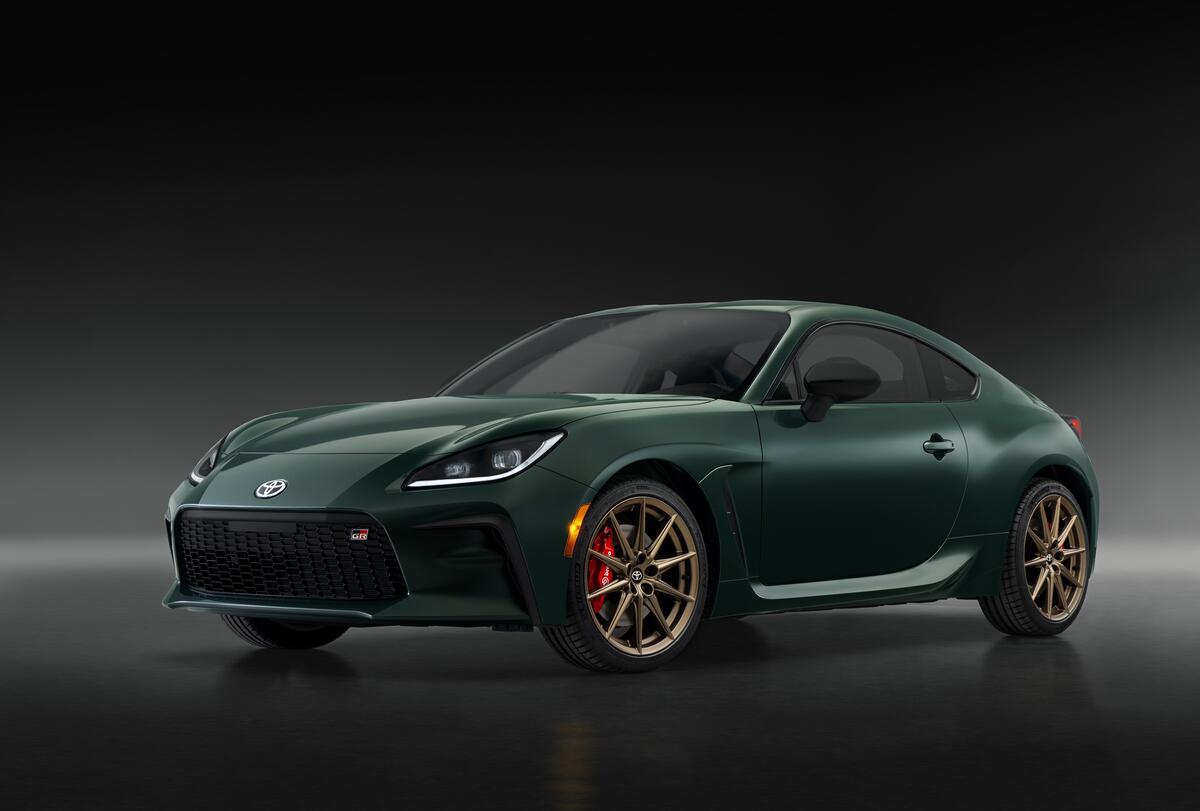
"so far as newer cars, you got the, the Newsy, the Miata's, the Toyota 86 is the Mustangs, Camaro's gone."
The Ford Mustang is a popular American sports car. The host is using it as an example of a model where you can still sometimes get a stick shift.
The Ford Mustang is a long-running American sports car that has offered manual transmissions on many trims and model years. In this segment, it’s mentioned as one of the newer-car options where you can still find a manual (at least on some configurations).

AMG
"How about AMG, Mercedes? That, I don't think so. Like I, because the AMG, like the GTs, like there's sports cards and so I don't think you can get, you can't get those in the manual. Those are automatic only."
AMG is Mercedes’ performance division. The host is saying that, in their experience, AMG cars like the GT are not offered with a manual transmission.
AMG refers to Mercedes-AMG’s performance models, and the speaker claims that AMG GTs are automatic-only. That’s used to illustrate how some performance brands have largely stopped offering manuals.
unicorn
"if you were to see a, you know, see any of those specced as a manual, that's like a unicorn amongst what they're probably ordering."
“Unicorn” is slang for something that’s very hard to find. In this case, the host means a manual-equipped car is rare at dealers.
In car shopping, “unicorn” is slang for something extremely rare—here, a dealer-ordered manual configuration. The speaker uses it to emphasize that manual-spec cars are uncommon compared with automatic builds.
automatic version
"Obviously, that's their business. And they know that like, if, if nine out of 10 people [2640.7s] are going to buy the automatic version of said car, chances are they're going to order more [2645.8s] automatics."
An “automatic version” is a car that shifts gears by itself. The episode is saying that because most people buy automatics, there are fewer manual cars available.
An “automatic version” means the car is equipped with an automatic transmission, which shifts gears without the driver operating a clutch. The host uses this to explain why manufacturers sell more automatics and therefore stock fewer manuals.
manual version
"Maybe pay a surcharge or upchar or whatever they charge, you know, or something just to get the [2651.9s] a manual version of say like the Z, you probably have to go through like special ordering or something. [2659.8s] Maybe pay a surcharge or upchar or whatever they charge, you know, or something just to get the [2665.8s] basic, it's going to be the base car or whatever kind of thing to get the, get the benefit of"
A “manual version” is a car you drive with a stick shift. You choose the gears yourself, and the episode is saying those cars are getting harder to find.
A “manual version” means the car is equipped with a manual transmission, where the driver selects gears using a clutch and gear lever. The episode frames manuals as increasingly rare, so buying one can involve ordering from the factory or paying extra.
special ordering
"[2651.9s] a manual version of say like the Z, you probably have to go through like special ordering or something. [2659.8s] Maybe pay a surcharge or upchar or whatever they charge, you know, or something just to get the"
“Special ordering” means you don’t just pick what’s already sitting at the dealership—you request the exact setup you want. Here, it’s how you might get a manual when there aren’t many available.
“Special ordering” is when a dealer or buyer requests a specific configuration (like a manual transmission) that isn’t readily available on lots. In this episode, it’s presented as a workaround for the shrinking availability of stick-shift cars.
surcharge
"[2659.8s] Maybe pay a surcharge or upchar or whatever they charge, you know, or something just to get the [2665.8s] basic, it's going to be the base car or whatever kind of thing to get the, get the benefit of"
A “surcharge” is an extra charge you pay on top of the normal price. In this case, it’s mentioned as a possible extra cost to get a manual setup.
A “surcharge” is an extra fee added on top of the base price for a particular option or configuration. The host suggests manual cars may come with a surcharge because they’re less common and may require special ordering.
wide body fenders
"But I had like these weird fender grill aftermarket fenders that [2719.7s] paint didn't match on the front, you know, I'm talking about how the front fenders, how they [2723.7s] take them off and make input kind of wide body fenders, but not really that wide body."
“Wide body fenders” are aftermarket parts that make the car’s front or rear look wider around the wheels. They’re often used to fit wider tires, and the host says the paint didn’t match on the example they saw.
“Wide body fenders” are aftermarket body panels that widen the wheel arches to give the car a broader stance and often allow for wider tires. The host is using them as an example of a modified look that didn’t match the paint color properly.
flared fenders
"Oh, they kind of doing the, the flared fender kind of thing where it's like, [2736.2s] but I had, I had like these like cut slit vents, like grill, like gills kind of like in the,"
A “flared fender” is a fender that sticks out more around the wheel. It’s a common look on modified cars, especially when people want a wider stance.
A “flared fender” is a fender shape that bulges outward around the wheel opening. It’s commonly used in styling and wide-tire setups, and the host compares it to the flared look of the aftermarket parts they saw.
cut slit vents
"[2736.2s] but I had, I had like these like cut slit vents, like grill, like gills kind of like in the, [2742.2s] in there on top of it. But the thing is the color didn't match, a paint didn't match."
“Cut slit vents” are narrow openings cut into body panels for a vented look. The host is describing a custom styling detail on the modified car they considered.
“Cut slit vents” are aftermarket vent openings shaped like narrow slits in bodywork. In this episode, they’re part of a custom fender/grille modification described as having mismatched paint.
registration
"out of state, but I didn't want to go out of state because the smog and the registration and all [2771.8s] that headache, like I didn't want to deal with that."
“Registration” is the legal process of recording a vehicle with the state so it can be driven on public roads. When moving cars between states, registration requirements often include proof of compliance with local emissions rules.
smog
"out of state, but I didn't want to go out of state because the smog and the registration and all [2771.8s] that headache, like I didn't want to deal with that."
“Smog” is dirty air from vehicle exhaust. Some states require cars to pass an emissions test before you can register them.
“Smog” refers to air pollution, and in car ownership it usually means emissions regulations and emissions testing. In places like California, cars may need to pass a smog check to be legally registered and driven.

Pontiac Solstice
"Do you remember like the Pontiac solstice in the, in the Saturn skies? I just saw it when I did double take."
The Pontiac Solstice is a small two-seat roadster that you could get with a stick shift. The host brings it up because it’s a fun manual car that many people forget about when they think “cheap stick-shift roadster.”
The Pontiac Solstice is a compact roadster from Pontiac that was offered with a manual transmission, making it a more “enthusiast” alternative to many budget convertibles. In the transcript, it’s paired with the Saturn Sky as a manual-equipped GM-era roadster that’s easy to overlook compared with the Mazda Miata.

Miata
"I thought like, this is where Miata needs to be. Like, like this is like what Miata needs to do... I still really want like a, the let the last gen like Miata, like the RF, the one with the hard top removable, uh, convertible."
The Mazda Miata is a famous small roadster known for being fun to drive, especially with a manual transmission. Here, the host is basically saying that some lesser-known cars (like the Solstice/Sky) feel like what the Miata “should have been,” and they also mention the Miata RF hardtop version as a dream car.
The Mazda Miata is a lightweight, driver-focused roadster that became the benchmark for affordable manual fun. In this segment, the host compares the Miata’s styling and evolution (including the pop-up headlight era and later “chiseled” look) to the Pontiac Solstice/Saturn Sky, and then calls out a specific Miata variant: the RF hardtop convertible.
pop-up headlights
"I don't know the trash models, but I do know that like, yeah, early the first gen had the pop of headlights for a while. Then they kind of went away from that."
Pop-up headlights are headlights that pop up from the front of the car when you turn them on, and then go back down. The host mentions them to describe how the Miata’s look changed over time.
Pop-up headlights are headlamps that rise out of the front of the car when activated, then retract when off. The host uses this as a styling-era marker for early Miatas, contrasting the older pop-up look with later, more fixed “slick chiseled” front-end designs.
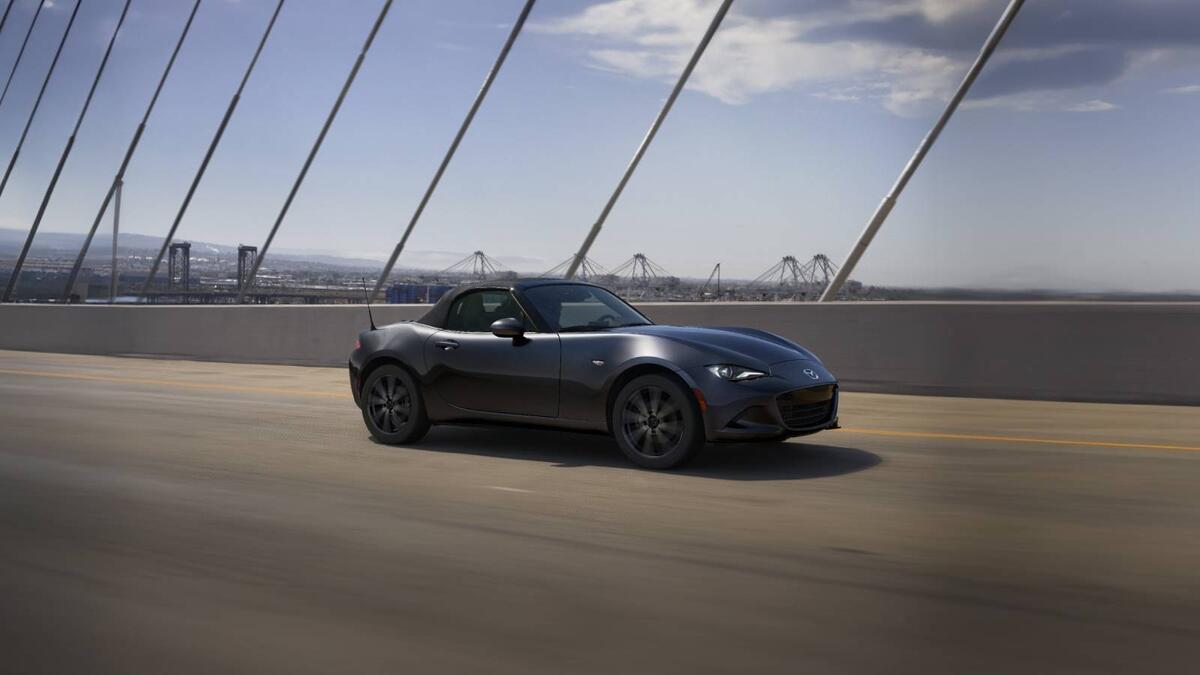
Miata
"it offered a lot of, you know, wasn't as dynamically, you know, sound as like the Miata, like it probably didn't handle as well, but it had way more power than the Miata because everybody always says about Miata's that they're great."
The Miata is a small, light Mazda roadster. Because it’s light, it feels nimble and handles well, but some people say it doesn’t have as much power as bigger cars.
The Miata is Mazda’s lightweight roadster, known for being fun to drive largely because of its low weight. In this segment, the host contrasts its handling reputation with the idea that it can feel underpowered compared with cars that have more horsepower.
power to weight
"because the weight ratio really makes a difference because you got a hundred horsepower pushing around 2000 pounds versus a hundred horsepower pushing around 50 pounds or 150 or whatever it is. So, well, power to weight becomes a thing."
Power to weight compares engine power to how heavy the car is. A lighter car with similar power usually feels faster because there’s less weight to push around.
Power to weight is the relationship between how much power an engine makes and how much the car weighs. Higher power-to-weight generally means quicker acceleration and more responsive performance because the engine has less mass to move.

WS six Firebirds
"the later gen, you know, Camaros and then the WS six fire birds, uh, or trans Am's those cars are a lot of power for, for the money."
WS6 is a performance version of the Firebird. The host is basically saying these are strong, powerful cars that can be a good value—especially if you want a manual.
The WS6 is a performance package associated with the Pontiac Firebird, typically aimed at boosting handling and overall performance. Here, the host groups WS6 Firebirds with other stick-shift F-body options as cars that deliver a lot of power for the price.
Nissan Z
"So I just remember when the Z came out, it was in a six speed. It was kind of unique. I didn't really heard about a six speed before until I kind of jumped into the Nissan world, but"
The Nissan Z is a sports car that’s famous for being fun to drive, especially with a manual transmission. Here, the host is pointing out that the Z was offered with a six-speed gearbox, which helps it feel more “connected” when you’re shifting.
The Nissan Z is a long-running sports-car line known for offering a driver-focused manual-transmission option. In this segment, the host notes that when the Z “came out,” it was offered with a six-speed, which is part of why enthusiasts like the Z’s stick-shift feel.
six speed
"So I just remember when the Z came out, it was in a six speed. It was kind of unique. I didn't really heard about a six speed before until I kind of jumped into the Nissan world, but"
A “six-speed” means the car has six different gear ratios you can shift through. Having more gears can help the engine stay in the right RPM range, and it can make highway driving feel less strained.
A “six-speed” transmission means the gearbox has six forward gear ratios. More gears can help keep the engine in a better rev range for acceleration and can reduce engine RPM at highway speeds compared with older fewer-gear setups.
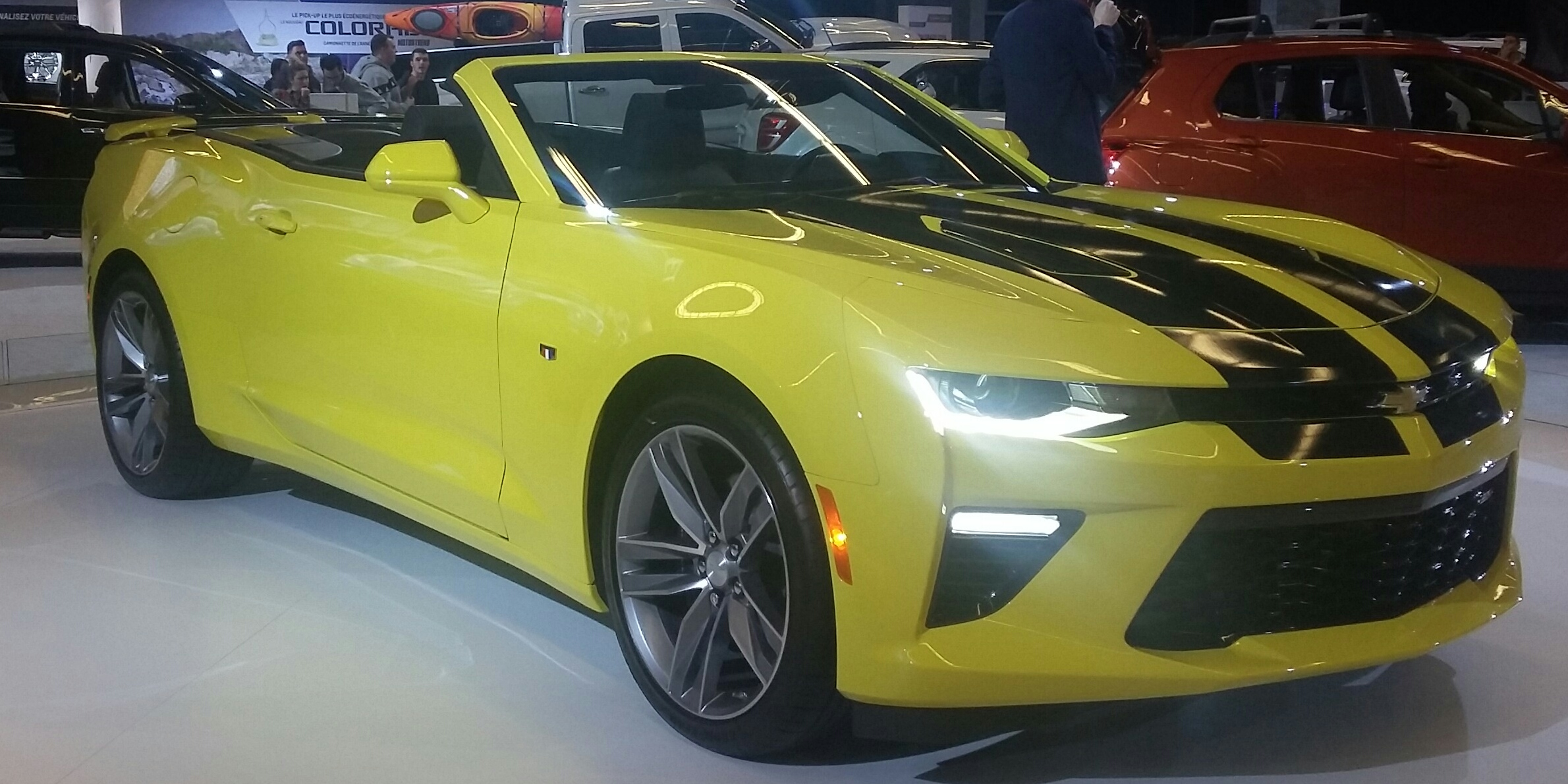
Camaro
"Yeah. Uh-huh. Like you can, my favorite, because I still personally, I like the, I liked the Camaro because I felt like it was a lot more subtle. It was still very different from anything that GM made in the past, very different from anything they made after it."
The Camaro is a popular American sports car/muscle car from Chevrolet. The host is comparing its driving feel to the Nissan Z and saying it has its own personality—just a bit more “subtle” than some other options.
The Chevrolet Camaro is a classic American muscle-car platform known for multiple performance eras and drivetrain/gearbox choices. Here, the host compares the Camaro’s character to the Nissan Z, saying the Camaro felt “more subtle” while still being distinct from other GM cars.
T-tops
"The rear wheel drive manual, you had T tops, and those you can definitely get for, you know, so even like around 10 to 12 grand"
“T-tops” are roof panels you can remove to let more air in. They’re a classic feature on some sports cars, giving you an open-air feel without fully converting to a convertible.
“T-tops” are a removable roof panel design where the roof is split into sections, typically with two removable panels and a center support. It’s a distinctive styling and open-air feature that can also affect how the car feels structurally and acoustically.
four-speed automatic
"Cause you, I'd say you don't really want to get an automatic and nose either. They, they had four speed automatics and four speed automatics. Yeah. They were, they were something for sure. Four speed automatics."
A “four-speed automatic” is a car that shifts automatically using four forward gears. Older four-speed automatics can feel like they keep the engine revving more on the highway than newer multi-gear automatics.
A “four-speed automatic” is an automatic transmission with four forward gears. Compared to modern multi-speed automatics, it often means fewer gear ratios to choose from, which can lead to higher engine RPM during cruising and less refined shifting.

Ford Maverick
"I mean, we drove, I drove my, my dad inherited a Ford Maverick, the car, not the truck. Yeah. And it had a three speed automatic"
The Ford Maverick is a Ford vehicle. The host’s point is that the one they drove had a three-speed automatic, and that affects how the car feels—especially how it behaves when you’re cruising.
The Ford Maverick is a compact vehicle line from Ford, and in this segment the host specifically mentions inheriting one. The key detail here is the transmission: they say it had a three-speed automatic, which they use to explain how older automatics can feel busy on the road.
three-speed automatic
"Yeah. And it had a three speed automatic and that thing. So you're going one to two and two kind of feels like it's power gear. And then three, it's kind of like cruising on the freeway."
A “three-speed automatic” means the car only has three forward gears. That can make the engine spin faster at highway speeds because there aren’t as many gears to keep it in the sweet spot.
A “three-speed automatic” is an automatic transmission with only three forward gears. With fewer gear ratios, the engine often runs at higher RPM for a given speed, which can make highway cruising feel louder or less relaxed than in cars with more gears.
tachometer
"I hadn't really experienced a car that like didn't have a tachometer until like years after I had like been driving a whole bunch of different cars."
A tachometer is a gauge that shows how fast the engine is spinning (RPM). When you drive a stick shift, it helps you know when to change gears.
A tachometer measures the engine’s RPM (revolutions per minute). In a manual transmission car, it helps you choose the right time to shift by showing how fast the engine is spinning.

Ford Ranger
"Okay. I was like, I never even knew that was the thing. Like the baseball, my Ford Ranger had no tack either. And I would just, I would just run that engine out."
The Ford Ranger is a pickup truck. Here it’s mentioned because the example Ranger didn’t have a tachometer, so the driver had to shift by listening to the engine and watching speed.
The Ford Ranger is a compact pickup truck that, in some older configurations, may have been offered with simpler instrument clusters. In this segment, it’s used as an example of a truck that lacked a tachometer, forcing the driver to shift using sound and speed instead of RPM.
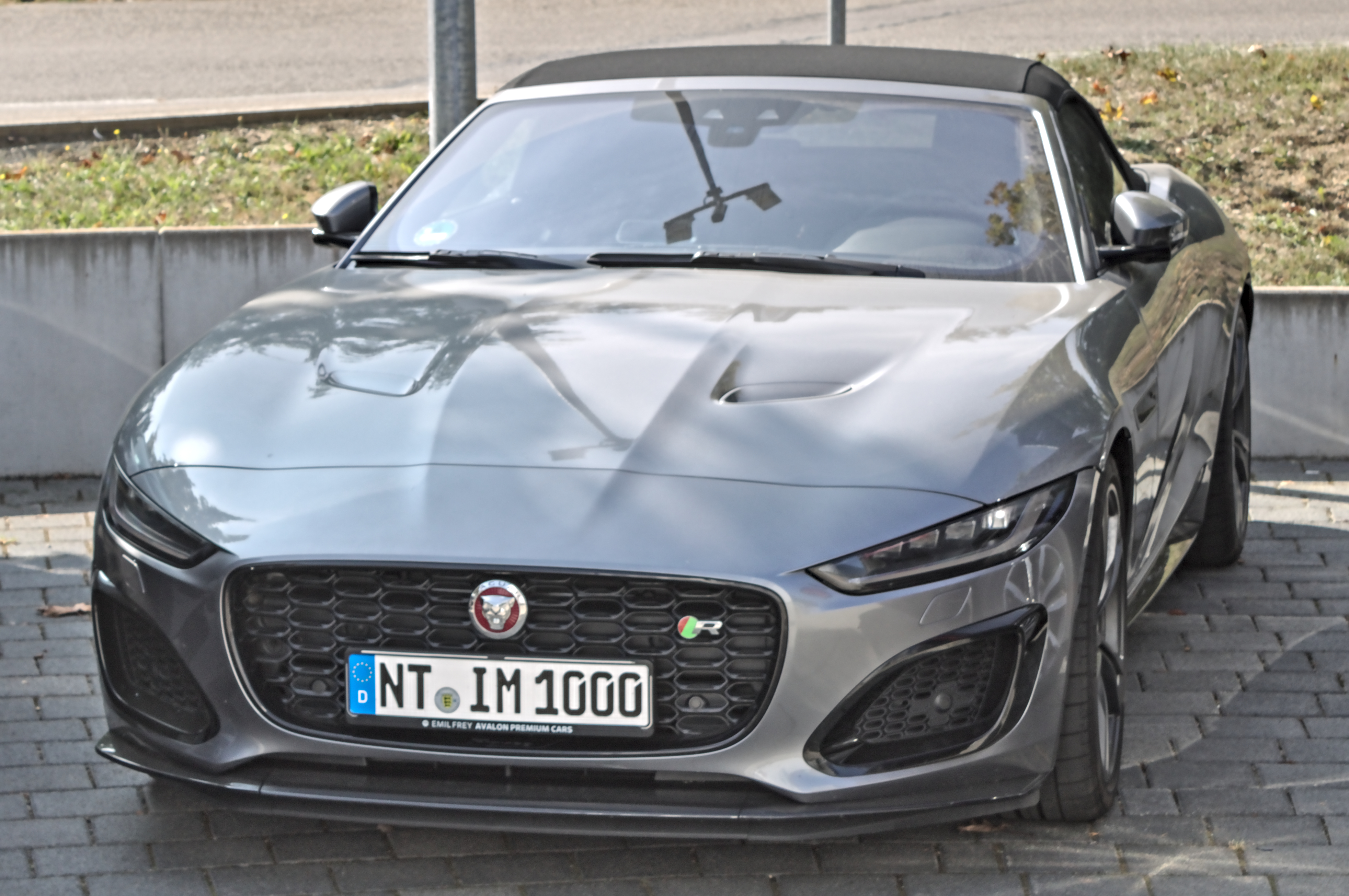
Jaguar F Types
"But do you remember, you remember the Jaguar F types, right? Yeah. So like the V six versions of those actually, you can get pretty cheap and they came in a manual."
The Jaguar F-Type is a sports car. Here it’s brought up as one of the stick-shift cars you can still buy, and the host specifically mentions V6 versions (including convertibles) that can be cheaper than many other Jaguars.
The Jaguar F-Type is a sports car known for offering manual transmissions on certain trims and model years. In this segment, the host points to the V6 versions as stick-shift options that can be found at relatively lower prices, including convertible configurations.
backup camera
"backup camera, you can add that in there. I mean, other than like Apple Car, like, okay, [3411.3s] if you're going to add quote, tech to a car that was pretty basic, what would you do?"
A backup camera shows you what’s behind your car when you go into reverse. It helps you park and avoid hitting things you can’t easily see.
A backup camera is a rear-facing camera that displays what’s behind the vehicle when you shift into reverse. It helps reduce blind-spot risk during parking and low-speed maneuvers.
Apple CarPlay
"The Apple CarPlay? What else would you do? That's really it. Like if you got Apple CarPlay and, [3421.2s] you know, maybe you can up in a backup camera."
Apple CarPlay lets you connect your iPhone to your car so you can use certain apps on the car’s screen. It’s mainly for things like maps, music, and calls without grabbing your phone.
Apple CarPlay is a smartphone integration system that mirrors selected iPhone apps and controls onto the car’s infotainment screen. It’s commonly used for navigation, music, calls, and messages while keeping your phone functions accessible through the dashboard.
air conditioning (AC)
"Like those are the two things really that I care about. Like, air conditioning and like the power windows, but hopefully, yeah. Yeah. [3432.0s] but there's some bare bones."
Air conditioning cools the inside of the car and helps keep it comfortable. It’s a basic comfort feature that many people don’t want to give up.
Air conditioning (A/C) is the climate-control system that cools and dehumidifies the cabin. In many “basic” trims, A/C is one of the first comfort features people expect.
automatic parallel parking
"my Tesla can do this. And he's like, hands off the wheel and it's like, it's like doing the automatic [3467.9s] parallel parking or whatever kind of thing. Like most kind of cars can do that these days."
Automatic parallel parking is a feature that helps the car park between two cars. You still have to follow the prompts, but the car does much of the steering work.
Automatic parallel parking is a driver-assistance feature that steers the car into a parallel parking spot using sensors and control algorithms. The driver may still need to manage speed, braking, or confirm prompts depending on the system.
traction control
"If you do it wrong. Yeah. I heard those don't have traction control either. I heard they're pretty."
Traction control helps prevent the wheels from spinning when you accelerate on slippery pavement. It can automatically reduce power so the car doesn’t lose control.
Traction control is a driver-assist system that reduces wheel spin when the tires lose grip. It typically works by cutting engine power and/or braking individual wheels to help the car stay controllable.

Dodge Viper
"Yeah. That's the car you're going to buy. I do a Dodge Viper. That was kind of like my dream car for a long time, like posters and, you know, that kind of stuff, you know, when they're kind of a new thing."
The Dodge Viper is a loud, old-school sports car famous for a huge engine and a very direct driving experience. The host is saying the Viper (especially early ones) feels unique compared to other cars.
The Dodge Viper is a hardcore American sports car known for its big-displacement V10 engine and raw, analog driving feel. In this segment, it’s brought up as a “dream car” and as something with a distinct early-model character compared with later versions.
V10
"And I think for me back then, I think it was, it was like, you didn't hear about a V10 that much, you know, that was the lore."
A V10 is an engine with ten cylinders, shaped like a V. Cars with V10s are known for making strong power and having a special sound.
A V10 is an engine with ten cylinders arranged in a “V” shape, usually with two banks of five cylinders. In performance cars, a V10 often provides strong high-rpm power and a distinctive sound, which is part of why the Viper’s V10 is discussed as “lore.”
turn signal
"Yeah. So you got like the, and I, this was one thing that actually was talked about. There was, there was BMWs in general and like the M cars aren't underrated... but I never, I've never seen them use a turn signal."
A turn signal is the blinking light you use to show you’re turning or changing lanes. The speaker is joking that they don’t see BMWs using them.
A turn signal is the vehicle’s indicator light used to communicate your intended direction to other drivers. The host is using it as a humorous example of how certain BMW “M cars” are perceived in terms of driver behavior or styling cues.
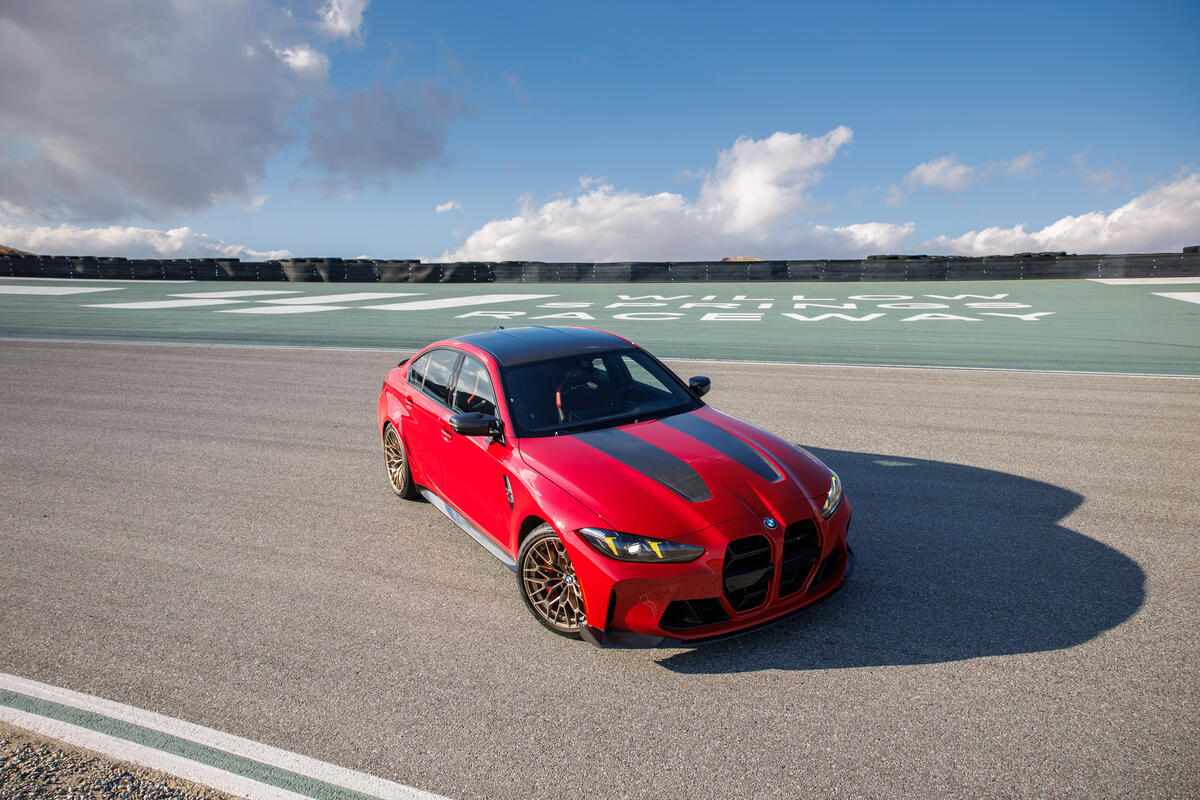
M threes
"is that the, is that the M cars, particularly like the M threes and stuff like that, they, the convertibles usually get overshadowed because enthusiast tend to think that, oh, well, those aren't like the performance ones."
They’re talking about BMW’s performance 3 Series, often known as the M3. The discussion is about why the convertible versions don’t always get the same respect as the hardtop versions.
The speaker is referring to BMW 3 Series “M” models (commonly called M3s), which are the performance versions of the 3 Series line. They’re specifically discussing how BMW M convertibles can get overlooked by enthusiasts who assume the convertible isn’t “real” performance.
hard top manual
"Like if I'm going to get an M three, I got to get, you know, the hard top manual, you know, something I was thinking like something you can race with."
They mean a car with a normal fixed roof and a manual gearbox. They’re saying some people think that’s the only real “serious” enthusiast setup compared with a convertible.
“Hard top manual” describes a coupe/sedan-style car with a fixed roof (not a convertible) paired with a manual transmission. The speaker contrasts this with a convertible, implying the hardtop manual is seen as the more “track-capable” enthusiast choice.
Request an Explanation
Heard something you'd like explained? We'll add it to this episode.
Sign in to request explanations for terms you heard.
Want to learn more?
Browse our glossary for plain-English explanations of automotive terms, jargon, and concepts.
Help improve this episode
See something that's not quite right? Our annotations are AI-generated and can sometimes miss the mark. Click the flag icon on any annotation to suggest a correction.