
122 - The all-electric Ute? This landscaper owns one!
About this episode
Range anxiety, charging access, and dealership experience all come up as callers and hosts trade real ownership stories. A buyer ranks “price” then “range,” while another says they expected “range anxiety” but it never arrived. The charging debate turns into a practical one—home “granny charger” versus fast charging, and what happens when you don’t have off-street parking. The episode’s standout is a landscaper’s all-electric ute choice, weighing EV-mode range, towing, solar, and fuel-cost timing.
UNIDEN
"…thanks to our UNIDEN smart dashcams. Very important that when you're driving along you've got yourself a dashcam… make sure you get the one with the R that's the rear camera…"
UNIDEN makes dashcams. In this episode, they’re recommending one that includes a rear camera so you have video evidence from behind too.
UNIDEN is a consumer electronics brand best known here for smart dashcams. The hosts specifically recommend choosing a model with a rear camera (the “R”), because rear-end crashes are common.
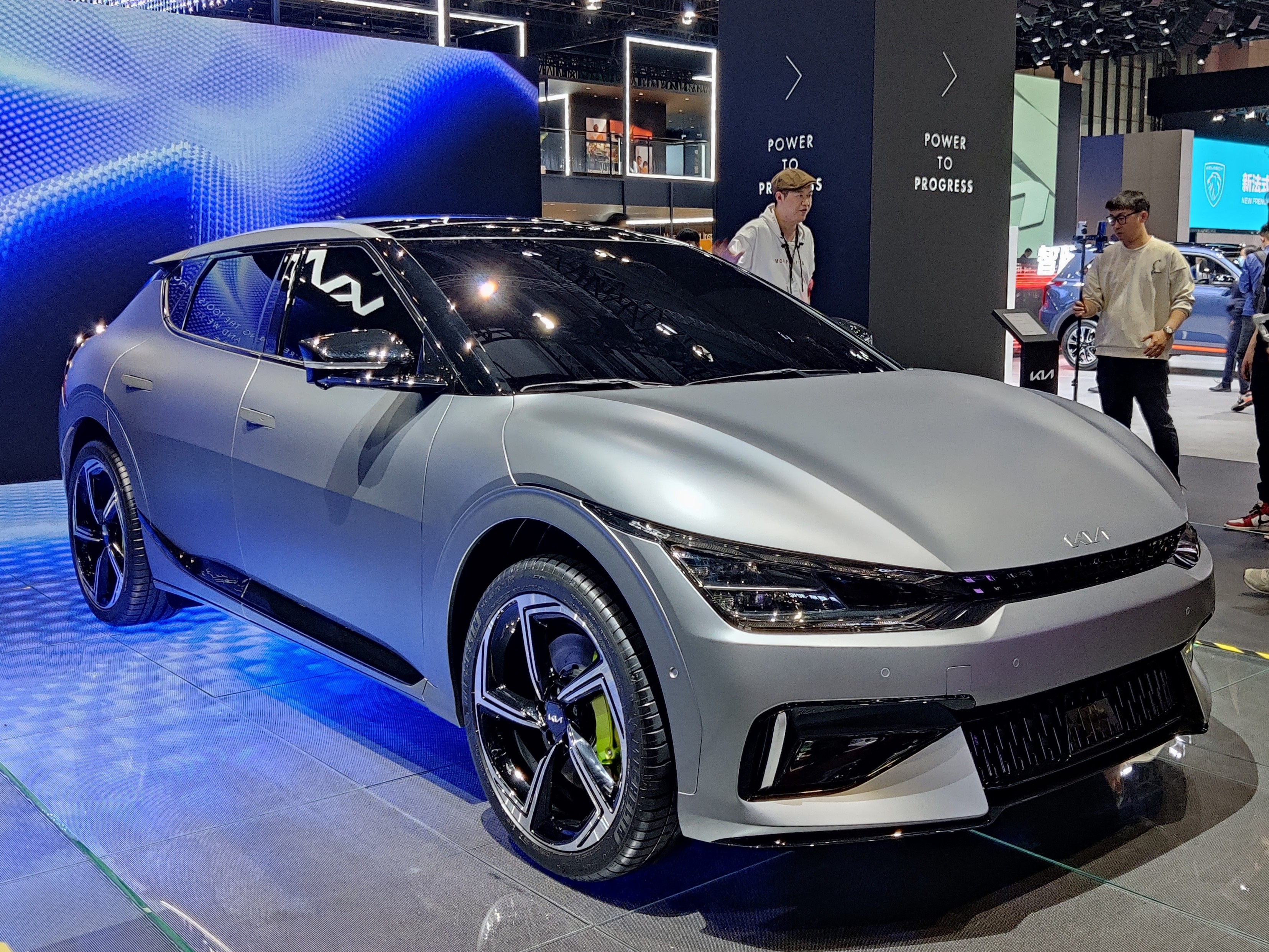
Kia EV6
"...long you've got yourself a dashcam. Gary who owns EV6 we've talked before he started the EV owners grou..."
The Kia EV6 is a fully electric SUV, meaning it runs on electricity instead of petrol. The episode mentions it because an owner talks about their experience and being part of an EV owners group. That usually relates to practical things like charging and daily driving.
The Kia EV6 is an all-electric crossover designed for everyday comfort with modern tech and fast charging capability. It’s brought up because an EV owner (Gary) is mentioned as having one and participating in an EV owners group, which points to real-world ownership experience. That makes it a good example for discussions about charging, usability, and living with an EV.
dashcam
"…Very important that when you're driving along you've got yourself a dashcam. Gary who owns EV6…"
A dashcam is a small camera that records your drive. If there’s an accident, it can provide video proof of what happened.
A dashcam is a camera mounted in a vehicle that records what’s happening on the road. The hosts argue it’s especially useful for documenting incidents like rear-end collisions, which they say are among the most common crash types.
rear camera
"…make sure you get the one with the R that's the rear camera last week we discovered rear end accidents are the most common accidents…"
A rear camera is an extra camera on the dashcam that films what’s behind you. It helps if someone hits you from the back, because you’ll have footage from that direction.
A rear camera is the second camera on a dashcam system that records traffic behind the car. The hosts recommend it because rear-end accidents can be hard to fully capture from the front view alone.

Alpina B10
"...ow you doing mate really good you're a leap motor b10 owner mate tell us about that decision well it's ..."
The Alpina B10 is a performance-focused luxury sedan. It’s meant to be faster than a standard version while still feeling comfortable. In the podcast, the B10 name comes up as part of a discussion about why someone chose their car.
The Alpina B10 is a high-performance version of a BMW 5 Series–based sedan, tuned by Alpina for stronger power and a more refined driving feel. It’s discussed because the guest is a Leap Motor B10 owner and wants to talk about their decision, which suggests the “B10” name is central to the conversation. The episode is using the B10 as a prompt for ownership and choice, even though the context may be about a different “B10” model.

Mazda Cx5
"...st one that we had the last one that we had was a cx5 and we went to get it uh service which cost us tw..."
The Mazda CX-5 is a small SUV meant for everyday driving and family use. The podcast mentions it because someone had to get it serviced and the cost came up. That’s useful if you’re trying to estimate what owning one might cost over time.
The Mazda CX-5 is a compact SUV that’s popular for practical everyday use and relatively efficient driving. It’s discussed here because the hosts mention taking one in for service and the cost, which is a common ownership topic. That makes it relevant for listeners thinking about running costs and maintenance planning.
ev range
"started looking at [176.3s] different uh cars and um started looking at the ev range and then went yeah let's go look at um [186.0s] a leap motor"
EV range is how far an electric vehicle can drive on a full charge (or under specific conditions). The hosts say it was a top criterion after price, which is a core part of EV shopping because it determines how practical the car is for trips.
byds
"a leap motor and i said well what the hell's that you know after looking at uh byds and um [194.0s] kias and all the other bits and pieces"
BYD is a company that makes electric cars. The hosts mention it because the buyer was comparing different EV brands.
BYD is a major EV and battery manufacturer mentioned as part of the comparison set. Here it’s used to show the buyer was looking at multiple EV brands before settling on one that met their criteria.
kias
"after looking at uh byds and um [194.0s] kias and all the other bits and pieces um there was a few criterias"
Kia makes electric cars too. They’re mentioned as one of the brands the buyer looked at before choosing.
Kia is an EV manufacturer referenced as another brand the buyer considered. In this segment it’s part of the “compare a bunch of EVs” phase before narrowing down based on price and range.
test drive
"brett the uh the dealer there said yeah you can take it over the weekend if you want and um that's what yeah here that's it how good's that um and well we didn't [230.7s] take it over the weekend we just took it for a test drive and both the wife and i were like blown [235.7s] away by uh the speed the comfort the quietness"
A test drive is when you drive the car briefly to see if you like it. For an EV, it’s also a chance to feel how fast it is and how quiet it is while driving.
A test drive is a short, hands-on drive to evaluate how a car feels and performs in real conditions. In EV context, it often includes checking acceleration, cabin noise, comfort, and—critically—how the car behaves at speed and in everyday driving.
granny charger
"we've got two adult um kids that we we've been driving regularly every weekend up to shepardom [315.2s] which is a two hour drive um and so you know at home we have the granny charger i'm just gonna [321.8s] you know quickly whip off all the bits and pieces that we got"
“Granny charger” is a nickname for a slower, everyday way to charge your EV at home. It’s the kind of charger you use regularly, while faster public chargers are for longer trips.
“Granny charger” is a slang term for a basic, lower-power EV charging setup—typically a portable charger or a standard home charger. The speaker contrasts charging at home with using a public fast charger on the road.
nrma um super charger
"and then we go up to shepardom and hit the nrma um super charger up there and that that does [333.8s] that pumps it up to like you know gives us another 50 in 20 minutes or something or 15"
A “super charger” is a fast public charger for EVs. It can recharge the battery much quicker than home charging, which helps on longer drives.
A “super charger” refers to high-power DC fast charging that can add significant battery capacity in a short time. The speaker describes using an NRMA fast-charging site on a road trip, then estimating how much extra range they get in minutes.

Mazda 2
"…we even to the point that we still have one mazda we have a six not a six we have a mazda two a ginkgo which is the same year like 2016…"
They say they still have a Mazda 2, which is the petrol car they’re thinking about getting rid of. It’s mentioned mainly to explain what they’re comparing against their EV. The conversation is about switching from petrol to electric.
The speaker mentions they still have a Mazda 2, a compact car they describe as a “petrol one” they may replace. In this context, it’s used as the contrast to their EV ownership and charging habits. The key takeaway is that they’re considering moving from a small petrol car to a used EV.
battery health
"…some of the episodes of um the pickles guy getting on there talking about battery health on second hand we're thinking of getting rid of the little petrol one…"
Battery health is how good the EV battery still is after time and use. People worry it can wear out, so it matters when buying a used electric car. The speaker mentions it because they’re considering a second-hand EV.
Battery health refers to how well an EV’s battery can store and deliver energy over time, often discussed in terms of capacity retention and degradation. The speaker brings it up via a friend’s advice about buying a used EV, implying that battery condition is a key consideration for second-hand EVs. The transcript suggests they’re thinking about switching from their petrol car to a used EV.
trickle charge
"…the trickle charge you know we have it set midnight to six o'clock you know the cheapest kind of rate…"
A trickle charge means charging the car slowly, usually over many hours. They set it to run overnight when electricity is cheaper. The idea is to keep costs down without disrupting daily life.
A trickle charge is a low-power method of charging an EV, typically used for overnight or long-duration charging. The speaker says they set charging from midnight to 6 a.m. to take advantage of cheaper electricity rates. This is presented as not significantly affecting their overall routine or “build” (their ownership experience).
word of mouth
"do that be like brixie okay if it's good enough for valentino word of mouth that's good enough for the two bikes all right two bikes story electric cars we'd love to hear from you now"
Word of mouth is when people tell friends what they think based on what happened to them. With EVs, that kind of firsthand recommendation can be especially helpful.
Word of mouth is when people recommend something based on their own experience rather than advertising. In EV communities, it matters because charging, range, and day-to-day usability are hard to judge from specs alone.
BYD Tuggera
"which was titled what does what tesla does best in the ion v review caller greg from the central coast had dropped into byd tuggera and this was at the height of the everything's bad at byd lots of paul was saying it was negative so greg had obviously come on and go main it's actually not all negative experience he went to byd tuggera without a booking"
BYD Tuggera is a BYD car dealer location. The episode talks about what it was like for someone to visit and drive a car there, which affects how people feel about the brand.
BYD Tuggera refers to a BYD dealership location in Australia. The hosts discuss how a visitor (Greg) was allowed to drive a car without a booking, highlighting the dealership experience as part of how BYD is perceived by real customers.
everything's bad at byd
"this was at the height of the everything's bad at byd lots of paul was saying it was negative so greg had obviously come on and go main it's actually not all negative experience he went to byd tuggera without a booking"
This phrase describes a negative narrative or sentiment about BYD that the hosts say was circulating at the time. They contrast that with Greg’s experience, using it to emphasize that real-world dealership interactions can differ from online or media-driven impressions.
dealer conversion
"we sent a um uh like we did a little compile of all the kind of caller conversations over the first four months of this year and [724.8s] the number one topic was dealer conversion and the dealer experience yeah we sent that to all the car companies this weekend"
Dealer conversion is basically how well a dealership turns people who are curious into people who actually buy. The hosts are saying dealership experience is a big factor in whether customers commit to a purchase.
Dealer conversion is the process of turning showroom interest into actual sales. In this segment, the hosts say they compiled listener/caller feedback and found this was the top topic, meaning dealership interactions strongly influence whether people buy.
dealer experience
"the number one topic was dealer conversion and the dealer experience yeah we sent that to all the car companies this weekend said listen just so you know guys yeah this is what people are saying [734.5s] this is what real people what the customers are talking about"
Dealer experience is what it’s like to deal with a car dealership as you’re shopping. The hosts say it really affects how likely people are to buy, and they want to hear both good and bad stories.
Dealer experience is how customers are treated during the buying journey—things like whether staff are helpful, how easy it is to arrange a test drive, and how transparent the process feels. The hosts argue that dealership experience matters whether the feedback is positive or negative.
charging
"yeah i uh was looking at the the current discussions around the um the demand almost from people to to say hey why aren't these eb manufacturers putting in to to build the infrastructure and i thought [836.1s] well really i've never been to a forward motor company petrol station or or never driven a shell [841.6s] car yeah why is it up to to those yeah"
Charging is how you power up an electric car’s battery. If there are lots of chargers in convenient places, it’s easier to own an EV without worrying about running out of power.
In EV talk, “charging” means replenishing the battery by plugging into a power source. The key detail is that charging speed and availability (how many chargers exist where people drive) strongly affect whether EVs feel practical day-to-day.
Tesla
"that's a good point and uh i think we'll see you know what it all started though with tesla [853.1s] because you know the first 21 of the first tv's that it was in and available in australia [857.2s] was a tesla well first mass market eb right and what did they do they had a whole network of charges"
Tesla is one of the biggest electric-car companies. They also pushed charging infrastructure, which made it easier for people to feel confident buying an EV.
Tesla is an EV brand that helped popularize the idea of building its own charging network alongside selling cars. In this segment, the hosts credit Tesla with creating a “field of dreams” effect: more chargers made EVs feel easier to own, which then increased EV adoption.
Zika
"if if [895.5s] a hundred percent valid one of the reasons is firstly we're kind of um we're we're tesla has [902.6s] ruined it for us by by creating that conversation but also yeah someone's got to do it and if if [908.2s] byd for example geely zika leap motor whoever you want to talk about if they want to sell cars [914.8s] they have to give some sense of surety to the buyers don't they"
This sounds like a brand name that got misheard in the transcript. The main idea is that some EV companies need to help make charging available so people don’t feel stuck.
“Zika” appears to be a transcription error for a Geely-related EV brand mentioned alongside Leapmotor and others. The hosts are listing EV makers that would need to ensure charging availability to support sales.
Leapmotor
"if if [908.2s] byd for example geely zika leap motor whoever you want to talk about if they want to sell cars [914.8s] they have to give some sense of surety to the buyers don't they"
Leapmotor is an electric-car company from China. They’re mentioned because the discussion is about whether EV makers should also help build charging so buyers feel confident.
Leapmotor is a Chinese EV manufacturer named in the context of the charging-infrastructure debate. The caller’s argument is that EV brands can’t just sell cars—they also need to help ensure charging is dependable for buyers.
Geely
"and so i don't know [921.2s] car before the horse chicken and egg i just feel like you know my concern today is that we're selling [927.1s] so many evs that the number of evs on the road is not keeping up with the number of charges"
Geely is a car company from China. In this conversation, it’s brought up as one of the EV makers that may need to help make charging easier so buyers feel confident.
Geely is a Chinese automaker group mentioned as one of the EV manufacturers that might need to help build charging infrastructure. The point being made is that EV brands need to provide “surety” (confidence) to buyers that charging will be available when they need it.
chicken and egg
"and so i don't know [921.2s] car before the horse chicken and egg i just feel like you know my concern today is that we're selling [927.1s] so many evs that the number of evs on the road is not keeping up with the number of charges"
It’s the classic problem where two things depend on each other. You need enough EVs to justify chargers, but you also need chargers to make people want EVs.
The “chicken and egg” idea here is that EV sales and charging infrastructure depend on each other. If there aren’t enough chargers, people hesitate to buy EVs; but if there aren’t enough EVs on the road, charging providers may not invest.
peak times
"available charges at peak times because governments can can hand out money to charging companies even [939.0s] nrma motoring group and uh ev and tesla they all get funding from the governments"
“Peak times” are the busiest hours for electricity use. If lots of EVs charge at the same time, it can slow things down or make charging harder.
“Peak times” are the hours when electricity demand is highest, so charging many EVs at once can stress the grid and charging network. That’s why charging availability and speed can vary depending on when you plug in.
NRMA Motoring Group
"[939.0s] nrma motoring group and uh ev and tesla they all get funding from the governments to do different [944.8s] sites but the fact is those extra plugs i don't think are keeping up with the demand for cars"
NRMA is an Australian motoring organization. Here it’s being mentioned because it’s involved in EV charging efforts that can receive government support.
NRMA Motoring Group is an Australian motoring organization that engages in road safety, member services, and EV-related advocacy. In this segment, it’s mentioned as part of the ecosystem receiving government funding for EV charging initiatives.
per capita
"[962.2s] maybe yeah i think that's absolutely true i feel that um if you look at the per capita [968.8s] numbers and i haven't got them with me but um like before evs versus uh versus overseas we are"
“Per capita” just means “per person.” The host is using it to compare how much EV progress a place has, compared to other countries.
“Per capita” means measured per person, which is a common way to compare EV adoption or infrastructure coverage between regions. The host uses it to argue that the country is behind on EV-related metrics relative to overseas.
infrastructure
"[980.5s] they obviously have got to have to future proof themselves anyway and i think [998.6s] ampullet to some degree is already doing some of that as well but um yeah well if you go down the"
Here, “infrastructure” means the real-world stuff that makes EVs practical—especially where charging stations are located. The point is that petrol companies already have a lot of sites on highways.
In this EV context, “infrastructure” means the physical network that supports charging—like charging stations, their locations, and how well they match where drivers travel. The host contrasts highway charging availability with what’s already in place for petrol.
Ampol
"[998.6s] ampullet to some degree is already doing some of that as well but um yeah well if you go down the [1003.6s] here highway for example the the new ampullet pheasant's nest is a pretty shining light of"
Ampol is an Australian fuel company. The hosts are using Ampol stations as examples of EV charging expansion on highways.
Ampol is an Australian fuel brand. The host points to Ampol’s highway sites as examples of how service stations could be rebuilt or expanded to include more EV charging capacity.
Caltex
"if you go down the [1003.6s] here highway for example the the new ampullet pheasant's nest is a pretty shining light of [1008.5s] of how a service station of the future could look because it's a it's a they knocked down it used to [1012.9s] be a caltex uh it was a 711 they knocked it down"
Caltex is a fuel brand. The host is using it as a reference point for a highway station that got rebuilt into a more EV-ready setup.
Caltex is a fuel brand that historically operated service stations in Australia. The host mentions a site that used to be Caltex before being rebuilt, illustrating how highway stations are being modernized for EV charging.
711
"they knocked down it used to [1012.9s] be a caltex uh it was a 711 they knocked it down and both sides of the highway just brand new the [1018.3s] whole thing so it's a big more like the old traditional roadhouse"
7-Eleven is a convenience store brand. The host is describing a rebuilt highway stop that combines food/convenience with multiple EV charging spots.
7-Eleven (spoken here as “711”) is a convenience-store brand commonly found at fuel stations. The host contrasts the rebuilt “roadhouse” style site—convenience food plus EV charging—against older stations with minimal EV hardware.
EV parking spots
"but out the front lots of bowsers and i'm going to say [1029.8s] six ev parking spots whereas down the road at bp marul and you know it's a traditional old [1035.7s] service station with one charger thrown in"
“EV parking spots” are the dedicated spaces for charging EVs. More spots usually means more cars can charge at the same time, so fewer people have to wait.
“EV parking spots” refers to the number of dedicated spaces at a charging site where EVs can queue and plug in. More spots generally means higher throughput—more cars can charge at once—reducing wait times.
BP
"whereas down the road at bp marul and you know it's a traditional old [1035.7s] service station with one charger thrown in i think the new build is interesting i think bp is normally [1040.7s] putting in two chargers with four plugs these days in their sites"
BP is a fuel station brand. The hosts are comparing BP stations with different numbers of EV chargers to show why highway charging needs to scale up.
BP is a global fuel brand with service stations that are being upgraded to include EV chargers. The host compares BP sites with different charger counts to argue that highway stations need more charging capacity than some current builds.
two chargers with four plugs
"[1040.7s] service station with one charger thrown in i think the new build is interesting i think bp is normally [1040.7s] putting in two chargers with four plugs these days in their sites i i think in a metro area so i've [1048.5s] seen them at at our tarman"
A “charger” is the charging equipment, and “plugs” are the actual connectors you plug the car into. Two chargers with four plugs can mean multiple cars can charge at once even if the equipment looks similar.
A “charger” can have multiple “plugs,” meaning more than one vehicle can connect to the same charging unit. The host uses this to explain how site design affects total charging throughput (how many cars can charge simultaneously).
phase it
"why isn't why on the highway you should be putting six or eight of [1067.5s] the bloody things they're gonna phase it they'll sort of"
“Phase it” means doing the rollout in steps over time. The host is basically saying charging upgrades will come gradually, but highways need more capacity now.
“Phase it” means rolling out charging upgrades gradually in stages rather than all at once. The host suggests that charger expansion will happen over time, but argues highway sites should be scaled up sooner.
Elon
"show this that's elon's biggest asset is the scale of that network is worth so much money"
They’re talking about Elon Musk, who’s strongly tied to Tesla. The point here is that Tesla’s charging network is so big it’s valuable.
The host is referring to Elon Musk, who is closely associated with Tesla. In this context, they’re talking about Tesla’s charging network scale as a major business asset.
brake calipers
"i powder coated the wheels black to make those orange brake calipers pop a little bit"
Brake calipers are the parts that clamp down on the brake pads to help the car stop. In this case, they’re talking about the calipers’ color because it’s visible through the wheels.
Brake calipers are the clamping components in a disc-brake system that squeeze brake pads against a rotor to slow the car. The speaker is highlighting their visible color (orange) as part of the car’s look.
powder coated
"i powder coated the wheels black to make those orange brake calipers pop a little bit"
Powder coating is a way to paint parts using a special powder that hardens in an oven. It’s often used to make the finish tougher and more durable.
Powder coating is a finishing process where a dry powder is applied to a part and then baked to form a durable colored layer. Here, they’re using it to change the wheel color so the orange brake calipers stand out.
static batteries
"and certainly for companies like tesla or byd where they've got their own static [1411.7s] batteries that they make and that sort of translates across they've already got some sort of building"
They’re talking about batteries that stay in one place—used to power charging stations. The point is that some EV companies already have experience building energy/battery systems, so charging is easier for them to roll out.
In this context, “static batteries” refers to stationary battery systems used by a company to support charging infrastructure (as opposed to the EV’s onboard battery). The idea is that companies with their own battery/energy systems can more easily scale charging-related infrastructure.
forward motor company
"whereas uh forward motor company they would know nothing about building [1421.5s] chargers so they have to be buying stuff at um you know"
They mention a company that doesn’t already have charging infrastructure, so it has to rely on outside providers. The discussion is about how that affects what customers can realistically expect.
“Forward motor company” is referenced as a company that would need to buy charging equipment/infrastructure rather than build it from scratch. The point is about how charging infrastructure capability can differ between EV brands.
Mercedes
"but the other thing do you remember early days i remember going to like Mercedes and Audi car [1450.2s] launches where they were launching their EVs and things"
Mercedes is a car brand the hosts mention as an example of EV launches that included charging perks. The idea was to make EV ownership feel less stressful and cheaper to run.
Mercedes-Benz is referenced as an example of a traditional automaker that launched EVs with bundled charging incentives. The hosts use it to illustrate how early EVs tried to reduce charging uncertainty by including free/paid charging time.
Audi
"i remember going to like Mercedes and Audi car [1450.2s] launches where they were launching their EVs and things"
Audi is another car brand mentioned as an example of early EV marketing that included charging perks. They’re pointing out that those incentives helped reduce worries about charging.
Audi is mentioned alongside Mercedes as a traditional automaker that, during early EV launches, offered charging included for a period. The hosts use these examples to show how charging incentives were used to address customer concerns.
anxiety
"they used to come with like 12 months [1453.8s] charge fox or 12 months yeah they kind of they were throwing in charging because they wanted [1458.7s] to take that not just the anxiety but the the philosophy of it costing money to charge away"
They mean the worry that you might run out of charge or not find a place to charge. Early EVs often came with free charging to make that fear go away.
“Anxiety” here is shorthand for range/charging anxiety—worry that you won’t be able to find a charger or complete your trip. The hosts connect it to how early EV marketing included charging credits to reduce uncertainty and make ownership feel simpler.
home charger
"apart from the fact that now some will either throw in or incentivize the purchase of a home [1480.1s] charger and things like that other than that the public charger thing is pretty much separated"
A home charger is a charging box installed where you live. It lets you charge your EV conveniently at home instead of depending only on public chargers.
A “home charger” is an EV charging unit installed at a residence, typically enabling faster and more convenient charging than relying only on public stations. It often changes the economics of charging by letting owners charge on their own schedule.
public charger
"and things like that other than that the public charger thing is pretty much separated from the [1484.3s] from the retail buyer network you made a good point that you know they're selling a lot more EV"
A public charger is a charging station you use outside your home. It can be convenient, but it may be slower or less reliable than charging at home.
A “public charger” is a charging station available to anyone outside the owner’s home, usually found along roads, in shopping areas, or at workplaces. Public charging can be more variable in availability, speed, and pricing than home charging.
app
"we've got we've we've got the best chargers we've got a great app you know they need to back [1540.3s] themselves and go you know what no matter where you drive if you see a bp we've got you covered"
In EV charging, the “app” is the software used to locate chargers, check availability, start/stop sessions, and handle authentication/payment. It’s part of the charging experience and can affect how reliable and convenient a network feels.
kilowatts
"you need to put in the course you need grades and the wiring [1575.1s] that says we can deliver 300 kilowatts of power to this little box but that will top it up though"
Kilowatts are a way to say how much electrical power a charger can deliver. More kW usually means faster charging, but the car also has limits on how fast it can accept power.
Kilowatts (kW) are a measure of electrical power. In EV charging, higher kW generally means the charger can deliver more power to the vehicle, which can translate to faster charging (though the car’s onboard charging limits still matter).
green energy only
"you at home can go i can tick a box and go i want [1610.3s] to use green energy only and i'll pay a higher rate the charging companies are choosing to buy [1614.9s] green energy only which is why they can say that it's it's powered by green energy"
“Green energy only” usually means the charging company buys electricity from renewable sources to cover your charging. It doesn’t necessarily mean the power at that exact moment comes straight from a solar panel, but it’s still tied to renewables.
“Green energy only” refers to a program where a charging provider purchases electricity from renewable sources (like wind/solar) to match the energy used for charging. Even if the physical electricity on the grid isn’t literally “solar electrons,” the provider can claim renewable sourcing via contracts/credits.
regional chargers
"whole other [1620.0s] debate around the regional chargers that are powered by diesel because they need to be because [1624.5s] there's no other power anywhere"
Regional chargers are chargers in less-developed areas. The discussion here is that some may use backup power like diesel if they can’t get enough electricity from the grid, which affects the “green” story.
“Regional chargers” are EV charging sites located outside dense urban areas, often where grid power is limited or expensive to extend. The hosts discuss a controversy where some of these chargers may rely on backup generation (e.g., diesel) because there isn’t sufficient alternative power available nearby.
EV ute
"you got an all-electric ute i do talk me through it i mean i i think ldv had one that sold in very small numbers"
An EV ute is an electric work truck/pickup. The caller is basically asking: can it handle real jobs like towing, even though EVs are still new in their area?
An EV ute is an electric version of a utility pickup/truck, aimed at buyers who need towing and cargo capability but want electric power. This segment focuses on whether an EV ute can realistically handle work use in an area where EVs are only just becoming more common.
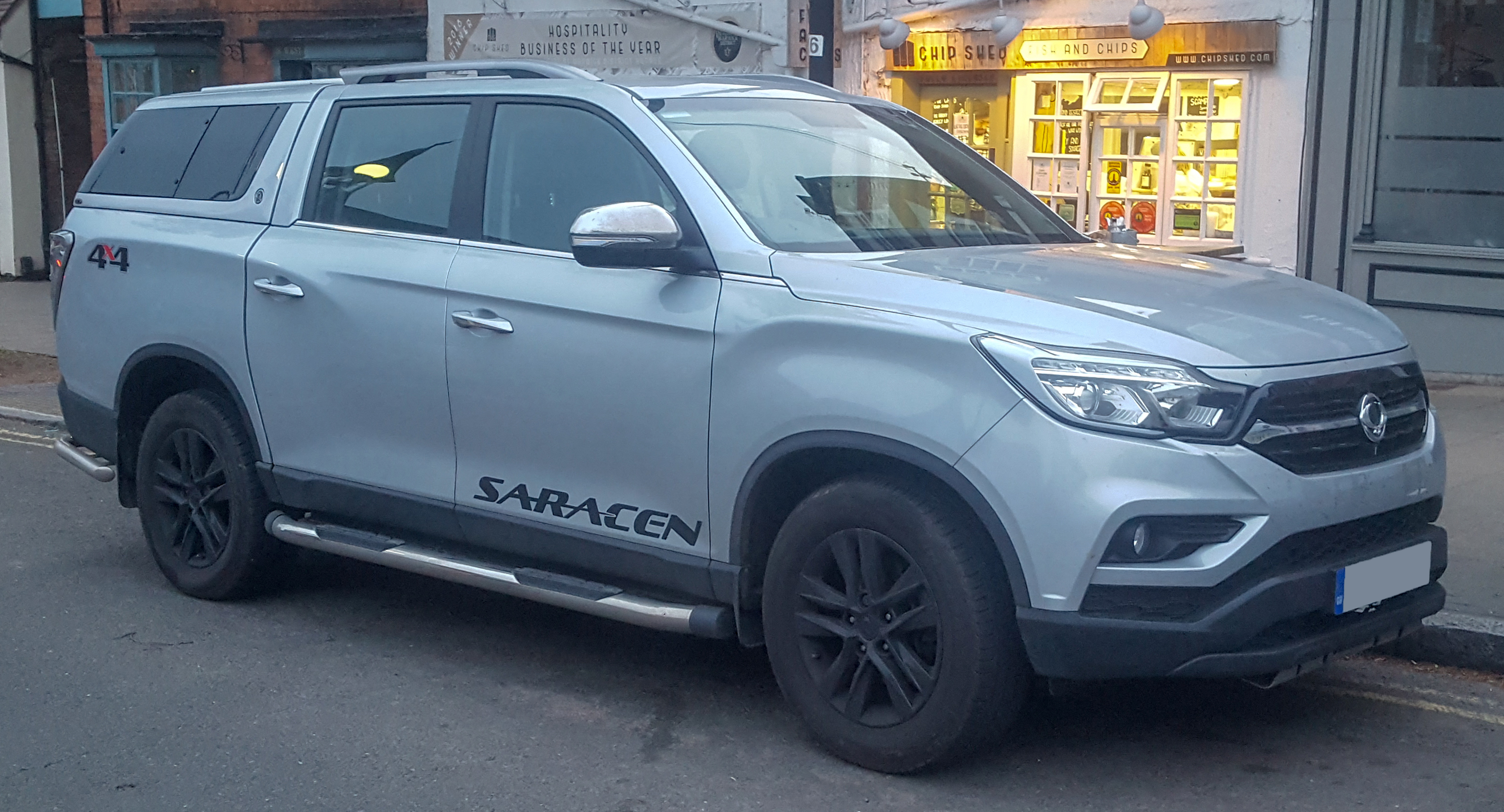
Ssangyong Musso
"...and it was like 90 000 but you've got the kgm the musso yeah the ev musso the all-wheel drive version um ..."
The Ssangyong Musso is a ute-style vehicle, and the podcast mentions an EV version. It also notes an all-wheel-drive setup. The discussion is mainly about what you get for the money and how the drivetrain is configured.
The Ssangyong Musso is a ute-style vehicle, and the episode specifically references an EV version with all-wheel drive. It’s mentioned in the context of pricing and drivetrain choice, which is often what listeners want to understand when comparing EV options. This makes it relevant for anyone looking at an EV that can still handle more rugged or work-oriented use.

KGM Musso EV
"but you've got the kgm the musso yeah the ev musso the all-wheel drive version um and i'm just currently waiting for the tow pack and the hard lid to come in"
The KGM Musso EV is an electric pickup/ute. The caller owns one and is using it for work, including towing, and they’re waiting for parts to make it more usable.
KGM Musso EV is an all-electric version of the Musso ute, positioned here as an all-wheel-drive business vehicle. The caller specifically describes it as the EV ute they own and are waiting on accessories for, tying it directly to real-world towing and daily range needs.
all-wheel drive
"the ev musso the all-wheel drive version um and i'm just currently waiting for the tow pack"
All-wheel drive means the car can send power to all four wheels. That can help it grip better, especially when roads are wet or when you’re carrying/towing heavy loads.
All-wheel drive (AWD) means power is sent to all four wheels, improving traction on loose, wet, or uneven surfaces. For an EV ute used for towing and work, AWD can help maintain grip when hauling loads or driving off the usual road conditions.
tow pack
"um and i'm just currently waiting for the tow pack and the hard lid to come in so i'm still using the old d max"
A tow pack is an option package that equips a vehicle for towing—typically including hardware and calibration needed to safely pull trailers. On an EV ute, it’s especially relevant because towing increases energy use and can reduce range.
tandem trailer
"having a pretty decent trailer a tandem trailer so maybe a thousand kilos of towing and then when you've got your ride on as well"
A tandem trailer is a trailer with two sets of wheels. It’s used for heavier loads, and that’s why it matters for how much battery an EV uses when towing.
A tandem trailer has two axles (often in a tandem arrangement) to spread the load and improve stability when towing heavier weights. The caller uses it to describe the kind of work hauling they do, which directly impacts how much the EV’s battery range is consumed.
excise
"and with the the security of the diesel not being [1848.2s] available and when july 1st comes the the excise is going to be waxed back on and [1855.7s] a lot more pain"
Excise is a tax the government adds to certain products, like fuel. The host is saying that when that tax changes, fuel gets more expensive, which makes EVs more appealing.
Excise is a government tax charged on specific goods—here, fuel. The host says the excise is scheduled to be “waxed back on,” which would raise fuel costs and pressure businesses to switch to EVs.

Byd Shark 6
"...he whole industry and i ask was uh was the uh byd shark ever in consideration uh and if so no why so why ..."
The BYD Shark 6 is an electric vehicle. In the podcast, someone asks whether it was considered when choosing an EV. The point is to understand what people look at when deciding which EV to buy.
The BYD Shark 6 is an EV that the hosts discuss in terms of whether it was considered as a purchase option. The conversation focuses on why it may or may not have been on the shortlist, which is useful for listeners trying to understand how people evaluate EVs. It’s mentioned as part of a broader “what did you consider and why” style decision-making discussion.
ev mode
"but um yeah the [1885.6s] to run it in ev mode is like about a hundred kilometers arranged that yeah the to then actually [1894.9s] tow"
EV mode means the car is using electricity only, not its engine. The host says that in EV mode the range is only around 100 kilometers, so it may not work for longer or towing-heavy days.
EV mode means the vehicle is running purely on its electric drivetrain rather than using a combustion engine. The host uses it to estimate range—about 100 kilometers—when the BYD Shark is driven electrically, which affects towing feasibility.
hybrid
"for that kind of and the hybrid was just never going to be an option you either go you're only [1907.7s] you're only or nothing yeah yeah the the more so kgm"
A hybrid uses both electricity and a fuel engine. The host is saying they didn’t consider it because it wouldn’t fit their needs as well as going fully electric (or fully not).
A hybrid vehicle uses both an electric system and a combustion engine. The host says the hybrid option “was just never going to be an option,” implying they didn’t want a setup that might not meet their daily EV/towing needs.
dual cab
"but still juke dual cab it's a very good looking car i actually i'm flicking on the [1925.6s] website flicking through the colors"
Dual cab means the ute has two rows of seats, so it can carry more people than a single-cab work ute. It’s the more practical “family + work” ute shape.
Dual cab is an Australian ute body style with two full rows of seats (four or more seats total) and a longer cabin than a single-cab. The host uses it to describe the KGM ute’s practical, family/work layout.

Nissan Juke
"... style ute kind of low at the front end but still juke dual cab it's a very good looking car i actually ..."
The Nissan Juke is a small crossover that’s designed to look different from typical family cars. In the podcast, the speaker talks about how it looks, including the front end. It’s being mentioned mainly for style and the way it’s presented.
The Nissan Juke is a small crossover known for its distinctive styling and compact size. It’s mentioned in the episode as a “dual cab” style ute, with the host commenting on its front-end look and overall appearance. That kind of discussion is typically about how the car looks and fits into everyday use.
Collingwood
"well i'm a collingwood member so i actually got you get abn um pricing anyway but [1959.9s] yeah it's being a collingwood member i got that extra bit off as well so happy days so how is [1966.6s] collingwood are they sponsoring collingwood or something like"
Collingwood is mentioned because the host says there’s a sponsorship/partnership that might help with discounts. It’s not about the car’s mechanics—more about pricing.
Collingwood is referenced as a sports club with sponsorship ties that the host believes could affect pricing/discounts on a KGM purchase. Here it’s about a consumer partnership rather than vehicle engineering.
BorgWarner
"[1996.7s] yeah well i used to actually be a factory electrician in the borg warner automatic transmission [2004.0s] factory in lavington and we produced the transmissions for san jong back then"
BorgWarner is a company that supplies parts to car makers. Here, it’s mentioned because the speaker used to work in a factory that made automatic transmission parts.
BorgWarner (spelled “BorgWarner” in the transcript) is an automotive supplier that makes components for transmissions and other driveline systems. In this segment, the speaker says he worked at a BorgWarner automatic-transmission factory, which ties the discussion to real-world transmission manufacturing experience.
OVO
"[2072.8s] okay and we're with ovo so we get that four and a half [2079.2s] cents a kilowatt overnight charging me too yeah that's good good call very nice"
OVO is the electricity company the speaker uses. They mention it because it gives them a cheaper electricity rate for charging overnight.
OVO is an electricity provider referenced as the service the speaker uses for EV charging. The key point is that their electricity plan enables a cheaper overnight charging rate.
KGM Torrez
"[2091.1s] and they were looking at the hybrids that's at half uh go straight to electric he only joined 50 to 100 [2098.1s] and um yeah so they're looking at the the kgm torrez uh is a the suv one you've got them on"
The KGM Torrez is an SUV model the family is looking at. In this conversation it’s discussed in the context of going electric rather than sticking with hybrids.
KGM Torrez is mentioned as the electric SUV the mother-in-law is considering. The speaker frames it as an “SUV one,” and the context suggests it’s part of the brand’s electric lineup rather than a hybrid.
utes
"when it comes to utes and suvs oh look i think it's a very narrow field right now with utes"
“Utes” are a type of vehicle common in Australia—basically a pickup/utility car with a cargo tray. People are now comparing electric versions of these for daily driving and work.
“Utes” is an Australian term for utility vehicles—typically pickup-style vehicles with an open cargo area. In EV context, it refers to battery-electric pickups/utility variants being considered for work and everyday use.
suvs
"when it comes to utes and suvs oh look i think it's a very narrow field right now with utes"
“SUVs” are bigger, taller cars that are built for versatility—often with more space and a higher driving position. In EV talk, size and weight can affect how quickly the battery is used.
“SUVs” are sport utility vehicles—typically taller, heavier vehicles designed for comfort and versatility. The hosts are using it to compare how EV range and energy use play out across different vehicle sizes and shapes.

Hyundai Ioniq
"they're going to Ioniq nine um they'll handle a hill no dramas you just got to remember that it's the opposite fuel economy"
The Hyundai Ioniq 9 is an electric SUV the hosts mention as being able to manage hills. They’re saying uphill uses more battery, but downhill can help because the car can recharge a bit when slowing down.
The Hyundai Ioniq 9 is discussed here as a large EV SUV that can handle steep hills. The key point the hosts make is that climbing uses more battery, while descending can improve the situation thanks to regenerative braking.
fuel economy
"they'll handle a hill no dramas you just got to remember that it's the opposite fuel economy you're going to use lots and lots of battery going up the hill"
In EV discussions, “fuel economy” is commonly used to mean how efficiently the vehicle uses electricity—often expressed as energy per distance (like kWh/100 km). Going uphill typically increases energy use, while downhill can improve it via regeneration.
regenerate
"but you're probably going to use bug or all if any going down because you'll you'll actually regenerate on the way down"
Regeneration is how an EV “gets some energy back” when you slow down. When you brake or go downhill, the car uses the motor to help slow you down and recharge the battery a bit.
Regeneration (often called regenerative braking) is how an EV recovers energy when slowing down. Instead of wasting that energy as heat, the electric motor works like a generator, sending power back to the battery.
P plate driver restriction
"and i'm also told the council has said that there's some sort of consultant doing a reporting to [2730.7s] specifically this matter like this whole austrian no off street parking situation [2737.6s] and that's coming out in july or something like that so i think i'll wait and see what sort of car [2743.5s] are you looking at that the p plate provision is is an issue for you mate well pretty much every"
In Australia, “P plates” are for newer drivers who are still on a probationary license. The rules can limit what cars they’re allowed to drive, so it can affect which EVs a family can buy.
“P plate” refers to a probationary/learner driver licensing stage (common in Australia) with extra rules. In this segment, the hosts discuss how those rules can restrict what EVs (and other cars) a P-plater is allowed to drive, affecting family purchasing decisions.
Cupra
"because like i've got a [2752.8s] cupra i wouldn't even call it a hot hatch but completely fine under the under the regulations [2758.1s] well it's interesting i was looking at a volvo for anything um slightly new one which will come"
Cupra is a car brand that makes sportier versions of Volkswagen-group cars. In this conversation, it’s brought up because the speaker claims a Cupra model is allowed for P-platers.
Cupra is a performance-focused brand within the Volkswagen Group, known for sporty versions of mainstream platforms. Here it’s mentioned as an EV option that the speaker says is allowed under the P-plate regulations, even if it’s not what they’d call a “hot hatch.”

EX60
"well it's interesting i was looking at a volvo for anything um slightly new one which will come out later this year an ex 60 yeah nice um which is definitely looks looks like a really nice car obviously but um it you it's definitely banned at the volvo ex 30 even the single motor tiny one"
The EX60 is an electric car that the podcast says will be coming out later in the year. The host mainly talks about how it looks and that it seems appealing. It’s mentioned as something people are watching for before buying an EV.
The EX60 is an upcoming electric vehicle mentioned as being similar in interest to a Volvo option, with the host saying it “looks like a really nice car.” The episode frames it as a model that will come out later in the year, so the discussion is about anticipation and first impressions rather than long-term ownership. That makes it relevant for listeners tracking what new EVs are about to arrive.
power output limitation
"there's cars that even though lower than that power output limitation which obviously is a bit [2802.9s] historical so really that rule needs updating too um don't get me started on rules that need [2808.8s] updating okay i'll tell you the p plate"
This means there’s a rule that limits how powerful a car can be for certain drivers. The speaker thinks the rule is outdated, especially as EVs and their classifications change.
A “power output limitation” refers to rules that restrict certain drivers from driving cars above a specified power level. The speaker says the limitation is outdated because it doesn’t reflect how EVs are regulated and categorized in practice.
CarPlay
"okay i'll tell you the p plate i'll tell you the p plate rule that needs to be updated [2812.5s] and i'm pretty strong on this it's not related to electric cars is the use of carplay and [2816.5s] Android order i think it's dangerous that p players can't have a map running to see where"
CarPlay is Apple’s system that lets you use your iPhone through the car’s screen. They’re discussing whether P-platers should be allowed to use it for navigation while the car is stopped or moving.
CarPlay is Apple’s in-car interface that mirrors a compatible iPhone’s navigation, music, and messaging onto the vehicle’s infotainment screen. The hosts argue that P-platers should be allowed to use navigation while parked, but not while driving.
Android order
"it's not related to electric cars is the use of carplay and [2816.5s] Android order i think it's dangerous that p players can't have a map running to see where [2821.7s] they're going because the rule the rule i think the rules should be updated that p players can't"
This sounds like “Android Auto,” which is Google’s system for using your Android phone through the car’s screen. The hosts are talking about whether new drivers should be allowed to use navigation while driving or only when parked.
“Android order” appears to be a transcription error for Android Auto, which is Google’s in-car interface for compatible Android phones. In this segment, it’s mentioned alongside CarPlay as part of the debate over whether P-platers should be allowed to use navigation displays.

Tesla Rs Model
"...ed um they're obviously the sport models like the rs model um but of the thing is i don't even want a fast c..."
sport mode
"my kv9 is very fast off the line very fast if you put it in sport mode and it's allowed"
Sport mode is a selectable driving setting that typically sharpens throttle response and changes vehicle control behavior to make the car feel more responsive. The host says their car is “very fast off the line” when put in sport mode, and that it’s allowed under the rules they’re discussing.
p-plate mode
"it should be like as a parent it should be on putting in p-plate mode or this key is a p-plater so carplay works but you can't touch the screen while it's driving"
A “P-plate mode” is a setting for new drivers that limits how powerful the car can be. The idea here is to keep the car safer while still letting the driver use features like CarPlay.
“P-plate mode” refers to a driver-restriction setting used for new drivers (often called P-platers) that limits how the car can be driven. In this segment, it’s proposed as a way to enable phone/infotainment features while preventing full throttle access.
throttle
"can't touch the screen while it's driving and throttle is limited to you know x percent that's not rocket science"
Throttle is the driver’s control input that regulates how much power the car delivers (for EVs, it directly influences motor torque). Here, the host proposes limiting throttle to a percentage for P-platers to reduce the risk from sudden acceleration.
Request an Explanation
Heard something you'd like explained? We'll add it to this episode.
Sign in to request explanations for terms you heard.
Want to learn more?
Browse our glossary for plain-English explanations of automotive terms, jargon, and concepts.
Help improve this episode
See something that's not quite right? Our annotations are AI-generated and can sometimes miss the mark. Click the flag icon on any annotation to suggest a correction.