
169 Genuine Certified Predetermined Collectibles, Theoretical Rallies
About this episode
Collectors and enthusiasts get deep on how “genuine” cars are verified: Shelby Mustang naming trivia leads into VIN-based authenticity checks, then into certification reports, COAs/Kardex records, and even concerns about swapped-in parts during inspections. The conversation widens to rare, track-only Porsche Wrensport cars and a 935 auction, then pivots to vintage racing culture—Top Fuel dragsters, theoretical go-kart rallies, and drum-brake rally rules—before ending with event plans and track-day talk.
This week, Alex and Beck open with bathroom strategies for New Mexico's Philmont Scout Ranch, and then discuss long movies that are off-limits due to parenthood; how the GT350 really gots is name; Colin Comer, Howard Pardee, and the other special go-to guys for specific car models; the seedier habits of owners looking for car certification; why recent photos are the end-all, be-all for "correctness"; and when Shelby may have signed his own car.
The pair move on to talk about their watchlists, in the process covering some great muscle on BaT, a refreshingly clean Porsche, and predetermined collectibility. They also touch on what prompts conservation in general, lament today's commitment levels for cross-country driving, expand on the idea of the Drum Brake Rally, and hint at a new kind of BaT event to come later in 2026.
Follow along! Links for the listings discussed in this episode:
5:29 Ex–Carroll Shelby 1967 Shelby Mustang GT500 4-Speed
6:26 Shelby Mustang Fifty Years by Colin Comer
20:52 c.1968 Supercharged Hemi-Powered AA/FD Top Fuel Dragster
24:55 1962 Plymouth Savoy 2-Door Sedan Super Stock Max Wedge 3-Speed
26:36 2024 Porsche 911 GT3 R Rennsport
27:21 2019 Porsche 935
30:44 3k-Mile Supercharged 2005 Acura NSX-T 6-Speed
35:11 57-Years-Family-Owned 1962 Austin Mini Beach Car
48:48 The Snowball Rally
49:02 20th Motherlode Rally June 19-21, 2026
49:18 Tour De Del Rally 2026
51:52 1956 Mercedes-Benz 300SL Gullwing
52:47 1965 Aston Martin DB5
54:24 Delaware BaT Meet-Up—May 16 with McQueen Classics!
Got suggestions for our next guest from the BaT community or an idea for our next game episode? Let us know at [email protected]!

Cadillac Cimarron
"...M-O-N-T. Okay. I love it. It's a great name. Near Cimarron, New Mexico. Is that with the caverns? Is that li..."
The Cadillac Cimarron is a Cadillac model that’s smaller than many other Cadillacs. In the podcast, people talk about the name and where it comes from. That’s why it stands out in the conversation.
The Cadillac Cimarron is a compact luxury car from Cadillac’s lineup, known for its name and place in Cadillac history. The episode’s mention focuses on the name and geography (“near Cimarron, New Mexico”), which shows how the car’s identity and branding can be part of the discussion. It’s brought up as a distinctive model rather than a mainstream choice.
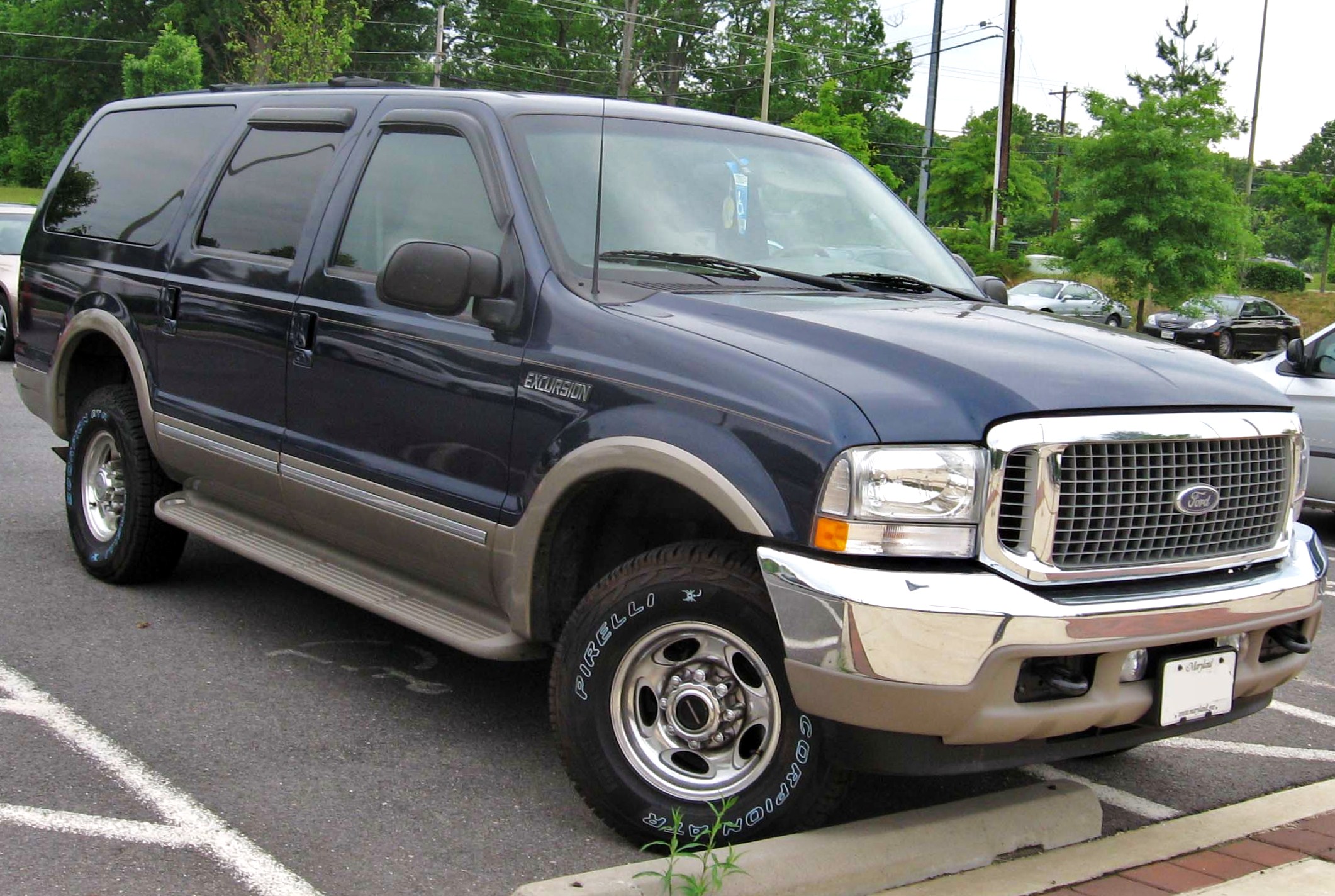
Ford Excursion
"...ving and they're about to go out for the two-week excursion. And thousand scouts who look dirty and grizzled ..."
The Ford Excursion is a very large SUV made by Ford. It’s known for being big enough to carry a lot and handle heavy use. The podcast mentions it as part of a story because it’s such a standout, oversized vehicle.
The Ford Excursion is a large, body-on-frame SUV known for its big size and towing/hauling capability. The episode uses it as a reference point in a broader story, which is typical when discussing vehicles that are memorable because of their scale. It’s often discussed by enthusiasts because it’s unusual and practical in a very specific way.

Shelby GT500
"... Do you know where the name for the GT350 and the GT500 came from? It has never occurred to me in all my ..."
The Shelby GT500 is a performance version of the Ford Mustang made by Shelby. It’s designed to be faster and more powerful than a standard Mustang. The podcast is discussing where the GT350 and GT500 names originate, which is part of understanding what makes these cars special.
The Shelby GT500 is a high-performance Mustang variant from Shelby, built to deliver serious power and track-ready capability. The episode asks where the GT350 and GT500 names come from, which shows how even the naming history is part of the enthusiast appeal. That kind of detail matters to collectors because it ties to the car’s identity and lineage.
dyno
"And Richard Hammond puts his GT350 [256.9s] on a dyno. It obviously doesn't put out... It was like a 65 or 66?"
A dyno is a test machine that measures how strong a car’s engine is. Instead of guessing from the badge number, they test it on the dyno to see what it really produces. That’s why it matters to their argument.
A dyno (dynamometer) is a machine used to measure how much power and torque an engine produces. In this segment, they use the dyno to challenge the idea that the Ford GT350’s “350” badge directly equals a horsepower rating. The dyno reading is presented as evidence that the actual output was closer to the low-300s.

Jensen Interceptor
"...h, yes. And then I was like, these are 428 police interceptors, so it's not the cubic inches. It's not the HP. C..."
The Jensen Interceptor is a classic car meant for comfortable, fast driving. In the podcast, it’s mentioned in connection with engine and “interceptor” talk, which is about what kind of power it had and how it was described. That’s why it’s part of the conversation.
The Jensen Interceptor is a classic grand touring car known for its big-engine character and distinctive styling. The episode mentions “428 police interceptors,” which suggests a discussion about engine sizing and how certain cars were used or configured. It comes up because it’s a memorable, story-rich classic that collectors often compare by specs and history.
police interceptor
"And then when it came time for the 500, they're like, what's a bigger number? Because it's a police interceptor, 428 in the 500."
A police interceptor is a car setup made for police work—built to handle demanding driving. Here it’s mentioned as part of the story about engine/numbering used for a specific model.
A police interceptor is a vehicle configuration built or marketed for police use, typically with durability and performance traits suited to high-mileage, high-stress driving. In this segment, the hosts mention a “428 in the 500” context tied to a police-interceptor variant.
VIN
"He was like, well, what's the VIN? And I'll share it with him. And obviously, he won't tell me what it's supposed to be, right? The stampede on the block, but he'll just tell you if it's right or wrong."
VIN means Vehicle Identification Number. It’s like a car’s unique ID number, and it helps people verify that the car is really what it claims to be.
VIN stands for Vehicle Identification Number, a unique 17-character code assigned to a specific car. Registrars and collectors use VINs to verify a car’s identity and confirm whether details match what the VIN indicates (for example, build correctness).
numbers matching
"And obviously, he won't tell me what it's supposed to be, right? The stampede on the block, but he'll just tell you if it's right or wrong."
“Numbers matching” means the car’s important parts still have the original identification numbers they left the factory with. Collectors like it because it helps prove the car is authentic.
“Numbers matching” refers to the idea that key components (like engine and drivetrain identifiers) correspond to the original factory numbers for that specific car. Collectors care because it supports authenticity and can strongly affect value.

Shelby Cobra
"...ion that you can go through. I think probably the Cobra Club for Shelby's, but there are a few other indi..."
The Shelby Cobra is a classic sports car that’s known for being fast and exciting to drive. It’s also the kind of car that has dedicated owner groups and clubs. That’s why people talk about it when discussing Shelby-related cars.
The Shelby Cobra is a legendary American roadster associated with high performance and motorsport heritage. The episode references Cobra clubs and the broader community around Shelby cars, which is why it comes up in collector-focused talk. It’s a car where provenance, ownership history, and correctness matter a lot to enthusiasts.
Cobra Club
"I think probably the Cobra Club for Shelby's, but there are a few other individuals out there like David Wise, Jerry McNish..."
The “Cobra Club” is mentioned as a group that helps keep track of certain Shelby cars. The point here is that some clubs maintain records, while others rely more on individual experts.
The “Cobra Club” is referenced as an example of an organized group that likely maintains records and documentation for Shelby-related cars. In this segment, it’s brought up as a counterpart to other individuals who provide certifications and reports.
McNish
"And then you come, they or you pay for them to fly out to you and they certify your car... I also like the McNish ones where it specifically gives out a whole sheet of all the problems."
“McNish” is the name of a person who does car checks and certification reports for collectors. The hosts like that his paperwork clearly lists issues instead of just saying the car is fine.
“McNish” is used here as the name of an individual who provides collector-car certifications and detailed documentation. The hosts specifically praise McNish-style reports for listing known problems on a sheet, which helps future owners understand the car’s current state and history.
car certification
"And then you come, they or you pay for them to fly out to you and they certify your car... I also like the McNish ones where it specifically gives out a whole sheet of all the problems."
Car certification is when an expert checks a collectible car and writes up what’s correct and what’s wrong. The goal is to document the car so the next owner has trustworthy information.
In the collector-car world, “car certification” is a process where an expert verifies a car’s authenticity and condition against known standards. The segment describes paying specialists to fly out and certify the vehicle, and keeping documentation (including problem lists) that can be passed to future owners.
chassis numbers
"People learn new stuff about chassis, yeah, chassis numbers and stuff."
Chassis numbers are unique ID codes for a car. Collectors use them to make sure the car being certified is the exact one they think it is.
Chassis numbers are vehicle identification codes used to uniquely identify a car’s build and history. In collector-car certification, they’re important for confirming the car you’re looking at matches the documented identity.
Shelby inspection
"There's one sneaking issue with all this that I have heard rumors of, and I'm sure it's true actually, is with Shelby inspection specifically, when they go to win awards, they'll be very rare original parts that they'll rent out to..."
This is an inspection/certification process tied to Shelby cars. The worry being discussed is that the car might be “set up” with special original parts just for the inspection or award, instead of showing what’s actually on the car all the time.
“Shelby inspection” refers to an inspection/certification process associated with Shelby-branded vehicles, where authenticity and condition are evaluated for awards or collector verification. In this segment, the hosts discuss concerns that the inspection process could involve swapping in rare original parts for judging rather than reflecting the car’s true day-to-day configuration.
original parts swapping for awards
"when they go to win awards, they'll be very rare original parts that they'll rent out to... Because you don't actually want to run it day to day because it's actually maybe not a very good part."
They’re talking about a potential tactic where special original parts get put on a car just for judging. That could make the car look more authentic than it really is when you’re not looking at it for the inspection.
The hosts describe a practice where rare “original parts” may be rented or swapped onto a car specifically for inspections or award judging. This matters because collector certifications are supposed to reflect the car’s true configuration, and swapping can create a misleading record of originality and condition.
certification report
"Then the certification report with that list of what's wrong doesn't show it, but then those parts come right back off of it."
A “certification report” is the written document produced during a collector-car authentication process, typically listing findings and issues. The hosts’ concern is that the report may not reflect parts that are later removed after the inspection, which can undermine trust in what the certification actually represents.

Porsche 912e
"did, they took it down to bare metal, which wouldn't make any sense for a $9,000 912e in 1999. We also bought it from the second owner."
The Porsche 912e is a specific older Porsche model. Here it’s mentioned because the hosts are talking about whether the car’s paperwork and numbers match what it should have from the factory.
The Porsche 912e is a late-1960s/early-1970s-era 912 variant that was built to be a more affordable entry into the 911 family. In this segment, it’s used as an example of how costly, low-mileage cars can still have documentation and originality questions—especially around what engine/chassis numbers match.
COAs
"That was when they switched from COAs to whatever the newer product is. Now there's an even newer product. So there's a classic technical certificate and a PPS."
COAs are authenticity documents. They’re basically paperwork that helps confirm what a car was originally built with, including the numbers that identify the chassis and engine.
COAs here refers to Porsche “Certificates of Authenticity,” which are documents used to verify a car’s build details. The hosts say Porsche changed from COAs to newer documentation products, and that these documents can be used to understand what chassis and engine numbers should be.
PPS
"So there's a classic technical certificate and a PPS. They're trying to get you to do the Redbook thing though, right?"
PPS is another type of Porsche paperwork. The point is to help confirm what the car is supposed to be, based on factory records.
PPS is mentioned as a newer Porsche documentation product that’s intended to provide build/originality information. In the segment, it’s contrasted with older COAs and “classic technical certificate” offerings, and it’s tied to how buyers verify chassis/engine number correctness.
Redbook
"They're trying to get you to do the Redbook thing though, right? They want you to take it to a center and pay a fortune."
“Redbook” is referenced as a verification/valuation-style process that involves taking the car to a center and paying a fee. The hosts imply it’s used to validate authenticity/originality, but they’re skeptical about the cost and whether it addresses the underlying issue.
engine number
"documentation that shows what the chassis number was and what the engine number is supposed to be, when instead now-"
An engine number is a stamped ID on the engine itself. Here it matters because the hosts are talking about whether the engine in the car matches the engine number that the paperwork says it should have.
An engine number is a factory-stamped identifier on the engine block used to track which engine belongs to which vehicle. The segment focuses on how documentation may specify the expected engine number, and how that creates concerns about re-stamping or altered markings when engines are replaced.
re-stamp
"Which allows you to then re-stamp. Re-stamp, which is tough with an aluminum block. How are you really going to do it?"
Re-stamping means putting the identifying numbers back on an engine (or changing them). The worry is that someone could make a replaced engine look like it’s the original one by matching the numbers.
Re-stamping is the process of re-creating stamped identifiers (like engine numbers) on a component. The hosts note it can be difficult on an aluminum block, but they’re concerned because documentation that specifies the “correct” numbers could make it easier to alter markings after an engine replacement.
aluminum block
"Re-stamp, which is tough with an aluminum block. How are you really going to do it?"
An aluminum block means the engine’s main housing is made of aluminum. The hosts bring it up because it’s harder to redo stamped numbers on aluminum compared to other materials.
An aluminum block is an engine block made from aluminum alloy rather than cast iron. The hosts mention it because aluminum is harder to re-stamp cleanly, so altered engine-number markings can be more difficult to do convincingly.
KD engines
"We've definitely seen blank motors. We've seen motors with extra little stampings on them, which maybe indicated a replacement engine. KD engines. Yeah, right."
“KD engines” is a shorthand the hosts use while speculating about why some engines have unusual markings. The key idea is that replacement or differently-sourced engines can make the stamped numbers look “off.”
“KD engines” is mentioned as a possible explanation for engines with different or additional markings, implying a scenario where engines were supplied/handled in a way that could lead to non-standard stamping. The hosts treat it as speculation (“Yeah, right”), but it’s tied to the broader theme of how replacement engines can show up with confusing documentation/markings.
Porsche production specification sheet
"Now you can get a Porsche production specification sheet. It's like $100."
This is an official-looking Porsche document that lists how a particular car was built. The hosts mention it as a relatively affordable way to check the car’s details against factory records.
A Porsche production specification sheet is a factory-style document listing what a specific car was built with, including the numbers and originality details. The hosts say it costs about $100 and can be useful when engine originality isn’t the main concern—or when you want a clearer paper trail for what the car should be.
water cooled
"So basically, I would say 996 and later, all your water cooled. So that's what"
“Water cooled” means the engine uses coolant (liquid) to keep it from overheating. The hosts are using it to explain a big difference between older and newer Porsche 911 engines.
“Water cooled” describes an engine cooling system that uses liquid coolant circulated through passages in the engine and radiator to manage temperature. The hosts use it to distinguish later Porsche 911s (996-era and newer) from earlier air-cooled designs.
996 and later
"It's probably worth it for any car that engine originality is not a concern for. So basically, I would say 996 and later, all your water cooled. So that's what"
“996 and later” is a Porsche 911 generation reference. The hosts are saying that from that point onward, the 911s use water cooling instead of the earlier air-cooled setup.
“996 and later” refers to the Porsche 911 generation that began with the 996-era and continued into subsequent generations. The hosts connect this to “water cooled” engines, implying that later 911s use a different cooling architecture than earlier air-cooled cars.
CTC
"Also calls it the Kermit car. Yes. The other one, the classic technical certificate CTC. That one is like, it's a red book light."
CTC is a type of official certificate for classic cars. It’s meant to confirm details about the car—like whether key parts match what the car originally had.
CTC here refers to Porsche’s Classic Technical Certificate, a modern authentication/verification document for classic cars. It typically includes checks like whether the engine is original, and it’s issued through Porsche-approved classic certification channels.
water infiltration
"Yeah, they do a full maintenance inspection and tell you, because you don't want that to show up, that your brake fluid was at 3% water infiltration."
Water getting into brake fluid is bad because it can make the brakes less effective when things get hot. It can also cause corrosion in the brake system over time.
Water infiltration in brake fluid is a serious issue because water lowers the fluid’s boiling point and can lead to brake fade under hard use. It can also contribute to corrosion inside the brake system, which is why inspection results like “brake fluid was at 3% water” matter to enthusiasts.
brake fluid flush
"You don't want that on your CTC, right? So you got to get your brakes flush now."
A brake fluid flush is when the old brake fluid is replaced with new fluid. It helps keep the brakes working consistently and reduces moisture-related problems.
A brake fluid flush replaces old brake fluid with fresh fluid and removes contaminated fluid from the hydraulic system. It’s commonly recommended when fluid absorbs moisture (water infiltration), which can lower boiling point and accelerate corrosion.
engine original
"That one does the thing where it just says, is the engine original? It was a checkbox and just"
“Engine original” means the engine is the same one the car started with. Certificates try to check this using engine numbers and records.
“Engine original” refers to whether the engine currently in the car matches the engine that was originally installed when the car was built. Collector certificates often try to verify this using numbers and documentation, and a missing/blank engine confirmation can reduce confidence in originality.

Porsche 356
"And then there's issue for older cars from 356s all the way until I want to say 1969, [963.3s] is you can get the original Kardex."
The Porsche 356 is an early Porsche model from the company’s classic era. Here it matters because the discussion is about old Porsche records that can help verify what a car was built with.
The Porsche 356 is the early, pre-911 model that helped establish Porsche’s identity and engineering reputation. In this segment, it’s mentioned because Porsche’s historical paperwork (like the Kardex) is tied to cars from the 356 era.
Kardex
"is you can get the original Kardex. And that is what the original COAs were all based off of, [969.2s] was that they were just basically going to Germany and pulling the Kardex for it. Kardex [973.3s] looks literally like card stock."
A Kardex is Porsche’s old internal paperwork that records how a car was originally built. It’s useful to collectors because it helps confirm the car’s original options and history.
A Kardex is Porsche’s internal production record card system used to log how a car was built—especially the options and configuration. In the segment, the host explains that these records can be used as evidence for what the car originally left the factory with.

Ferrari 308
"But when people were building Ferraris and Porsches in the 60s, [1024.8s] they were like, this car is going to get used up and thrown away. [1027.0s] Sure. You're 308."
The Ferrari 308 is a well-known older Ferrari model. In this segment, it’s used to illustrate that back in the 1960s, people didn’t always keep the same kind of detailed records collectors rely on today.
The Ferrari 308 is a classic V8-era Ferrari model known for its mid-engine layout and collector appeal. The host uses it as an example of how, in the 1960s, builders didn’t necessarily document cars the way they do now—because they expected them to be used up rather than preserved.

Ford GT350
"So super disappointing on the GT350 thing. You already knew that."
The Ford GT350 is a famous Shelby Mustang from the 1960s that collectors really care about. Here, they’re talking about something disappointing they learned about a GT350.
The Ford GT350 is a classic Shelby-era Mustang variant known for its racing heritage and collector demand. In this segment, the hosts are discussing documentation/authenticity expectations around a GT350-related situation.

Ford GT500
"Do you like 500s? I actually like this car in Greece a lot... owned by him... modified... When Carroll Shelby gets out of a GT500, does he have a Carroll Shelby signature in it also?"
The Ford GT500 is a top, high-performance Shelby Mustang. They’re debating whether Carroll Shelby would have signed something on the car while he owned it.
The Ford GT500 is the higher-performance Shelby Mustang, typically associated with big power and strong collector interest. The hosts are specifically discussing whether Carroll Shelby’s signature would appear on a GT500 when he owned it, which ties into authenticity and provenance.
Carroll Shelby
"not owned by Carroll Shelby in period, owned by him, bought around 2000... When Carroll Shelby gets out of a GT500, does he have a Carroll Shelby signature in it also?"
Carroll Shelby was a famous racing driver and the person behind Shelby cars. Here, they’re talking about whether his signature would show up on a car he owned, which matters for proving the car’s history.
Carroll Shelby is the legendary American racing driver and automotive entrepreneur whose name is strongly tied to Shelby Mustangs. In this segment, his ownership and signature are treated as provenance signals—evidence that can affect how collectors value and authenticate a car.
flash in the pan
"And I would say the pinnacle of it is 67, which is so interesting. It's almost like the Beatles and it's such a flash in the pan. We think about the Shelby timeline."
“Flash in the pan” means something was around for a short time. In this conversation, they’re saying that era of these cars felt brief but important.
“Flash in the pan” is a metaphor meaning something was brief and didn’t last long, even if it was memorable. Here, it’s used to describe how quickly the Shelby-era performance-car moment (and its market impact) came and went.

Ford GT40
"Oh, wait, that's it. It's such a short. And the GT40s are in there. The GT350, yep. They're all in ther..."
The Ford GT40 is a famous race car made by Ford. It’s known for being very low and short compared to many road cars. The podcast mentions it alongside other classic Ford performance cars because they’re all part of that racing history.
The Ford GT40 is a legendary race car built to compete at the highest level, especially in endurance racing. The episode highlights how short the car is and groups it with other classic performance Fords, which points to how these cars are often discussed together as part of a racing heritage. It’s a major collector icon because of its motorsport significance.

Ford Mustang GT350
"And I think they brought out like the GT350 replaced basically."
The Ford Mustang GT350 is a special, track-oriented version of the Mustang. The hosts are saying it’s one of the most important “Shelby-era” Mustangs to look for.
The Ford Mustang GT350 is a high-performance Shelby-tuned Mustang known for its track-focused setup and enthusiast following. In this segment, the hosts treat it as a key replacement/iteration in the “most important Mustang” conversation, implying it’s a standout collector choice.
four speed
"A four speed and a fun color would be perfect. ... This is also a four speed, which I like."
“Four speed” means the car has four forward gears. People often like it because it can make the car more fun to drive than an automatic.
“Four speed” refers to a transmission with four forward gears, which changes how the car accelerates and how it feels on the road. In collector talk, a four-speed manual is often preferred because it’s more engaging and can be rarer than automatics.
automatic
"they wanted a huge displacement, they wanted an automatic."
An “automatic” is a gearbox that changes gears by itself. The hosts are saying that, for some buyers, automatics were what they wanted most.
An “automatic” transmission shifts gears for you, rather than requiring the driver to select gears manually. The hosts mention buyer preference for automatics versus manual “four speed,” highlighting how transmission choice affects desirability in the collector market.
huge displacement
"they wanted a huge displacement, they wanted an automatic."
“Displacement” is basically the engine’s size. When someone says “huge displacement,” they mean a big engine, which many buyers associate with classic muscle-car character.
“Displacement” is the engine’s total cylinder volume (how much air/fuel the engine can move per cycle), and “huge displacement” implies a large, typically V8-heavy engine. The hosts connect it to what customers wanted, reflecting how engine size has historically driven muscle-car appeal and collector demand.
period front engine dragster
"The period front engine dragster, did I show that to you? I've been talking about wanting one of these forever."
This is a drag-race car where the engine is mounted in front of the driver. “Period” means it’s the older, classic style from that era.
A front-engine dragster is a drag-racing layout where the engine sits at the front of the car, ahead of the driver. “Period” here means the late-1960s/early-1970s style, which is visually distinctive and differs from later dragster packaging.
topolino body
"You know, a buddy and I were talking about buying that one that has the topolino body on it. This is a 68 top fuel dragster."
“Topolino” is a custom body style that takes inspiration from the Fiat Topolino. On a dragster, it’s mainly about the look—how the car’s shape is styled.
“Topolino” refers to a body style inspired by the Fiat Topolino (a small Italian car), adapted into a dragster bodywork theme. In drag racing, these custom bodies change the silhouette and are part of what collectors mean by “aesthetic” or “period-correct” presentation.
68 top fuel dragster
"This is a 68 top fuel dragster. Oh my God. I know, it's so dope."
A Top Fuel dragster is a race car built to go as fast as possible in a straight line. The “68” means it’s from the late-1960s era, when these cars had a very recognizable look.
A Top Fuel dragster is a purpose-built drag-racing car that uses a nitromethane-fueled engine to produce extreme acceleration over a short straight. The “68” in the name points to a 1968-era Top Fuel dragster, which is known for its distinctive front-engine layout and period-correct chassis details.
wings in front of the rear wheels
"It has the wings in front of the rear wheels, which I like, the little stub wings."
Those “stub wings” are small fins on the car. They help the car stay stable at speed and they’re also part of the classic look.
The “stub wings” are aerodynamic appendages mounted near the rear wheels. On dragsters, they help manage airflow and stability at high speed, and they’re also a big part of the classic visual identity of period cars.
cackle fests
"It's been at cackle fests. Obviously like blown hemi. It's super, super cool."
A “cackle fest” is an event where people show off loud drag-racing engines. The cars get fired up so spectators can hear them and see them run briefly.
“Cackle fests” are events where drag cars—especially Top Fuel and Funny Car-style machines—are started and run briefly for the crowd. The “cackle” comes from the engine’s aggressive exhaust note and the way these engines behave under load, often with heavy fuel/air combustion noise.
blown hemi
"Obviously like blown hemi. It's super, super cool."
A “blown hemi” is a V8 engine known for its design, and it’s boosted with forced induction (like a supercharger). That boost helps it make much more power for racing.
A “blown hemi” is a Hemi V8 engine (the Chrysler “Hemi” design) that’s supercharged or otherwise forced-inducted (“blown”) to make far more power than naturally aspirated. In drag racing, forced induction is common because it helps generate the massive torque needed for quick acceleration.
differential's right in between your legs
"These are the front engine dragsters where the differential's right in between your legs. I love these."
On this kind of dragster, the differential (the part that lets the wheels turn at different speeds) is packaged unusually close to the driver. That’s part of the distinctive layout of these cars.
In some front-engine dragster designs, the drivetrain packaging places the differential very close to the driver. That’s unusual compared with most street cars, and it’s part of why these dragsters feel so different in layout and ergonomics.
nitro
"And you can do these cackle fest things where you fire them up and you have to wear the, you know, the respirator mask because you're behind all the nitro pouring out of the motor."
“Nitro” means nitromethane, a special racing fuel. It helps these dragsters make huge power.
“Nitro” is shorthand for nitromethane, the fuel used by Top Fuel dragsters. It allows the engine to release more energy per unit of fuel than gasoline, which is why these cars can make extreme power for drag racing.
respirator mask
"And you can do these cackle fest things where you fire them up and you have to wear the, you know, the respirator mask because you're behind all the nitro pouring out of the motor."
A respirator mask is worn to protect your breathing. The host mentions it here because the fumes from these race cars can be harmful.
A respirator mask is protective equipment used to reduce inhalation of hazardous fumes. In the context of Top Fuel “cackle fests,” it’s mentioned because the exhaust and fuel vapors can be irritating or unsafe to breathe.

Dodge Nitro
"...my mechanic because I, I'm not going to work on a nitro motored car. And he's already got his dad's alcoh..."
The Dodge Nitro is an SUV made by Dodge for regular driving. The podcast mentions it because someone doesn’t want to work on a car with a certain kind of engine setup. That’s a common ownership topic—who can maintain the vehicle and what it’s like to service.
The Dodge Nitro is a compact SUV that was designed for everyday driving with a more rugged, SUV-like feel. The episode mentions not wanting to work on a “nitro motored car,” which indicates the conversation is touching on maintenance or ownership realities. That makes it relevant because SUVs like this often come up in discussions about upkeep and who can service them.
alcohol front engine
"And he's already got his dad's alcohol front engine. It's actually like a Roadster has like a Model T body on the back dragster that he maintains."
In racing, “alcohol” means the car uses alcohol-based fuel instead of regular gas. It needs different tuning, but it’s popular in drag racing because it can help the engine make strong power.
“Alcohol” in drag racing usually means the engine runs on alcohol-based fuel (commonly methanol or similar blends). Alcohol-fueled engines are tuned differently than gasoline engines and are common in certain classes because they can support high power and consistent combustion under racing conditions.
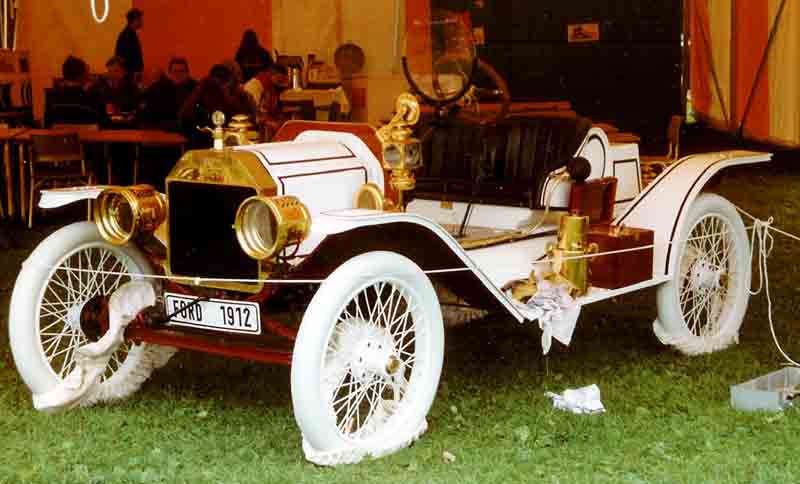
Ford Model T
"It's actually like a Roadster has like a Model T body on the back dragster that he maintains."
The Model T is an old Ford. Here, the speaker is saying the dragster uses a Model T-style body, mostly for the look and classic vibe.
The Model T is Ford’s early mass-market car, and using a “Model T body” on a dragster is a classic hot-rod styling choice. In this context, it’s describing a front-engine dragster that’s visually built around period-correct bodywork.
no cooling systems
"We went to one me and him at Famoso down in Bakersfield where the way they would start these cars, you don't have starters, they don't have cooling systems, right?"
They’re describing a race-only setup that doesn’t use a normal cooling system. The car is only run for a short time, so it doesn’t need to stay cool like a daily driver would.
“No cooling systems” suggests these cars are built for very short runs, where the engine is not expected to idle or run for long periods. Many drag-only builds rely on brief operation and careful fuel/air management rather than a full-time street-style cooling setup.
no starters
"We went to one me and him at Famoso down in Bakersfield where the way they would start these cars, you don't have starters, they don't have cooling systems, right?"
The speaker is saying these old race cars may not have a normal electric starter. Instead, they use a different way to get the engine running for the race.
Some older drag cars don’t use a conventional electric starter motor, so they must be started by alternative methods. That’s a sign of a purpose-built race setup where weight, packaging, and reliability under racing conditions matter more than convenience.
quarter mile
"Okay. So there's the quarter mile. They're actually like a half mile because you have the shutdown in place."
Drag races are often measured in a “quarter mile,” which is about 400 meters. It’s a standard distance people associate with drag racing.
The “quarter mile” is the classic drag-racing distance (about 402 meters) used for many eliminations and records. The speaker contrasts it with a longer distance in this specific event due to how the track’s shutdown area is laid out.
shutdown
"They're actually like a half mile because you have the shutdown in place. And then you exit and there's a return road in between usually the bleachers and the strip."
The “shutdown” is the extra stretch after the finish where drivers slow down safely. So the track might be longer than the race distance you hear about.
In drag racing, the “shutdown” is the extra distance after the finish line where cars slow down safely. Because of the shutdown area, the total run length can be longer than the headline race distance.
tow vehicle
"And the way they would apparently start these old front engine cars back in the day is your tow vehicle, like a lot of times a woody wagon or a pickup truck, would have a plate on the front like for Bonneville"
A tow vehicle is the vehicle used to move the drag car around the track. In this story, it also plays a role in how the car gets started for the run.
A “tow vehicle” is the car or truck used to move the dragster into position and, in some vintage setups, to assist with starting procedures. The speaker describes a method where a tow vehicle helps initiate the run before the car turns back for the burnout and pass.
Bonneville
"would have a plate on the front like for Bonneville and there's a little bar on the back of the dragster and about halfway down the return road, you'd push startup"
Bonneville is a famous place for speed records. The speaker is saying the tow vehicle had a plate associated with that speed-record world.
Bonneville typically refers to the Bonneville Salt Flats, famous for land-speed records. Mentioning a “plate…for Bonneville” suggests the tow vehicle or setup is associated with that speed-record culture and branding.
burnout
"And then they'd make a turn, do the burnout, do the run."
A burnout is when the driver briefly spins the tires to warm them up. That can help the tires grip better when the car launches.
A “burnout” is when the driver spins the tires briefly to heat them up and improve traction for the launch. On drag strips, it’s a common pre-run ritual that helps the car hook up better when the race starts.

62 Plymouth Savoy
"but this is a 62 Plymouth Savoy, which is like this kind of standard looking thing, but this is a max wedge three speed. So it's got, look at this motor."
This is a Plymouth Savoy from 1962, and the cool part is that it’s been set up for drag racing. The host points out special engine parts and a big V8 that make it stand out from a normal Savoy.
The Plymouth Savoy is a mid-century Mopar (Chrysler brand) model, and this specific one is notable because it’s built around a drag-racing-focused “Max Wedge” setup. The speaker highlights the Max Wedge V8 and the period-correct hardware, which is what makes this Savoy interesting to collectors and drag-racing fans.
max wedge
"but this is a 62 Plymouth Savoy, which is like this kind of standard looking thing, but this is a max wedge three speed. So it's got, look at this motor."
“Max Wedge” is a special drag-racing performance setup from the early 1960s. It usually means the engine and intake/exhaust were built to make strong power for racing in a straight line.
“Max Wedge” refers to a factory drag-racing performance package associated with Chrysler’s big-block V8s in the early 1960s. It’s known for high-output tuning and a purpose-built intake/exhaust setup aimed at straight-line racing.
cross-ramps
"This is like basically for drag racing with cross-ramps. I know. It's really hard to take. Yeah. Well, that's cross-ramps."
“Cross-ramps” describes a special intake design used on drag-racing engines. Instead of a normal intake, the air paths are shaped to help the engine breathe better for racing.
“Cross-ramps” (as used here) refers to a distinctive drag-racing intake arrangement that routes intake runners across the engine to feed the cylinders efficiently. It’s associated with high-performance, competition-focused setups rather than typical street intakes.
four barrel
"So there's a four barrel under each one of those with long runners running into each side. That's got a three speed manual transmission."
A “four-barrel” carburetor is a type of fuel system that can supply a lot of fuel when you floor it. Drag-racing engines often use this because they need strong fuel delivery at full throttle.
A “four-barrel” carburetor has four throttle openings (two barrels per side) that can deliver a lot of fuel/air for high-power operation. In drag-racing builds, carburetion is tuned to provide the right mixture under wide-open-throttle conditions.
long runners
"So there's a four barrel under each one of those with long runners running into each side. That's got a three speed manual transmission."
“Long runners” are the tubes inside the intake system that carry air to the engine. Their length can help the engine make better torque in the RPM range you care about for racing.
“Long runners” are intake manifold passages that lengthen the airflow path from the carburetor to the intake ports. Longer runners can improve cylinder filling and torque in certain RPM ranges, which is useful for drag racing where the engine spends time in a targeted speed band.
three speed manual transmission
"That's got a three speed manual transmission. I mean, look at it in period."
This car uses a manual gearbox with three forward gears. The driver uses a clutch and shifts by hand, which can help keep the engine in the right power range for racing.
A “three speed manual transmission” is a gearbox with three forward gears operated by a clutch. In drag-racing setups, fewer gears can be intentional to keep the engine in the power band for the short run, and manual control helps the driver time shifts.
headers
"I mean, look at it in period. I mean, with the headers and everything, it was just an absolute monster, like, you know, stock class drag racer."
Headers are a performance exhaust part that helps gases get out of the engine more efficiently. They’re commonly used on race-focused cars to support stronger power.
“Headers” are aftermarket or performance exhaust manifolds that route exhaust gases through individual tubes rather than a single cast manifold. They can reduce exhaust restriction and improve flow, which helps performance—especially on engines tuned for racing.
stock class drag racer
"with the headers and everything, it was just an absolute monster, like, you know, stock class drag racer."
A “stock class” drag racer is built to race under rules that restrict modifications. It’s meant to be closer to what you could call “stock,” compared to the most extreme race builds.
“Stock class drag racer” means a car intended to compete in a class with rules that limit how much the car can be modified compared to open competition. The point is that the car’s performance is achieved with a more constrained, rules-based approach.
drag racing package
"Or I don't know if it's drag racing package specifically, but you're getting kind of a standard stripper street car."
A drag racing package is a set of upgrades meant for straight-line races. The idea is to help the car launch harder and run faster more reliably for drag racing.
A drag racing package is a factory or dealer option set up to help a car perform in straight-line acceleration events. It often includes drivetrain and cooling upgrades, plus gearing and traction-focused choices that make launches and high-speed runs more consistent.
stripper street car
"Or I don't know if it's drag racing package specifically, but you're getting kind of a standard stripper street car."
A stripper street car is a basic, stripped-down version of a performance car. It’s meant to be lighter and cheaper, while still being legal to drive on the road.
A stripper street car is a lightly equipped, minimal-options version of a performance model. The goal is to reduce weight and cost while keeping it street-legal, which can make it more competitive when you later add bigger performance components or use it for racing.
powertrain
"But then you put the biggest medius powertrain and rear end and manual transmission into it and take it drag racing."
Powertrain is the set of parts that makes the car move—like the engine and the gearbox and how that power gets to the wheels. Bigger powertrain usually means stronger/ more capable mechanical setup.
Powertrain refers to the car’s main mechanical drive components—typically the engine, transmission, and drivetrain parts that deliver power to the wheels. When someone says they put the biggest powertrain into a car, they mean the most capable engine/transmission/drivetrain combination.
rear end
"But then you put the biggest medius powertrain and rear end and manual transmission into it and take it drag racing."
“Rear end” is the back axle area of the car, including the gears that send power to the rear wheels. For drag racing, the rear gears can make the car launch and accelerate better.
In car talk, “rear end” usually means the rear axle assembly, including the differential and final-drive gearing. Those parts strongly affect acceleration and traction, which is why drag racers pay close attention to rear-end ratios and differential behavior.
Barrett-Jackson
"We saw one at Barrett Jackson. That was when we were in. We were in Scottsdale."
Barrett-Jackson is a big auction where people buy and sell collectible cars. The hosts are saying they saw this car at that kind of event.
Barrett-Jackson is a major collector-car auction brand where rare and enthusiast-focused vehicles change hands. The hosts mention seeing the “Thunderbolt” there, tying the car to the auction/collectibles world.
Hurst shifter
"Hurst shifter in this. [1583.9s] I mean, just a rad car. [1585.1s] I have like another hot rod thing too, but tell me a little bit about what's on your list."
A Hurst shifter is a popular aftermarket gear shifter. People like it because it can make shifting feel more precise and fun.
A Hurst shifter is an aftermarket manual-transmission shifter brand known for a more direct, “mechanical” feel than many stock setups. In enthusiast circles, it’s often associated with older muscle-car style driving and track-friendly shift action.
2024 GT3 R Wrensport
"but this is a 2024 GT3 R Wrensport. [1599.0s] Oh yeah. [1599.8s] Howard was talking about this. [1600.4s] School me on this."
This is a Porsche track car based on the GT3. The important part here is that the version they’re talking about is meant for track days only, not normal street driving.
Porsche’s GT3 R is a track-focused race-bred variant built around the GT3 platform, but this specific “Wrensport” version is being discussed as a special event car rather than a typical league racer. In this segment, the host frames it as a track-day-only “toy” that’s not street legal, which is the key difference from cup/series cars.
twin turbo
"It was the twin turbo 991 track car. [1626.9s] So it's not a GT3 cup car."
“Twin turbo” means the engine has two turbochargers. They help the car make more power by pushing extra air into the engine.
“Twin turbo” means the engine uses two turbochargers to force more air into the cylinders. That typically helps produce strong power and torque for a track car, especially across a wider range of engine speeds.
GT3 cup car
"So it's not a GT3 cup car. [1630.4s] It's not a car that's meant to be raced in a league. [1632.5s] It's purely a track day toy, not street legal."
A “GT3 cup car” is a race car built for organized competition. The point here is that the Wrensport car they’re talking about isn’t meant for that kind of league racing.
A “GT3 cup car” refers to a GT3-spec race car prepared for one-make or series competition rather than casual track-day use. The host contrasts that with the Wrensport car being discussed, emphasizing it’s not intended for a racing league.
street legal
"It's purely a track day toy, not street legal. [1634.8s] We've listed a couple of those, right?"
“Street legal” means the car is allowed to drive on public roads. They’re saying this one isn’t—it's meant for track days instead.
“Street legal” means a vehicle is approved for public-road use under the relevant regulations (typically requiring emissions equipment, lighting, safety equipment, and compliance testing). The segment highlights that the Wrensport car is not street legal, reinforcing that it’s intended for controlled track environments.

Porsche 935
"They did do 935 was shot there. This is obviously not the original 935. But they look like it."
The Porsche 935 is a legendary race version of the 911. Here, they’re saying the car they’re discussing looks like a 935, but it’s not the original one.
The Porsche 935 is a famous 1970s-era race car based on the 911 platform, known for its purpose-built endurance racing roots. In this segment, the hosts are talking about a modern-looking car that resembles the 935, but isn’t the original.

Porsche 911 GT2 RS club sport
"It's essentially a GT2 RS club sport with even less, all the street legal parts pulled out of it and then no requirements for engine tuning."
The Porsche 911 GT2 RS is a very track-oriented 911. The “club sport” version is even more stripped down for track use, and the hosts say this build removes street parts and lets the team tune the engine freely.
The Porsche 911 GT2 RS is a high-performance 911 variant, and the “club sport” version is a track-focused trim that removes or simplifies street equipment. In the segment, they describe a 935-style project as essentially a GT2 RS club sport with street-legal parts removed and no constraints on engine tuning.
engine tuning
"all the street legal parts pulled out of it and then no requirements for engine tuning. They can do whatever they want."
Engine tuning means adjusting the car’s engine settings so it runs the way you want. Here, they’re saying the rules don’t limit how you tune it.
Engine tuning is the process of changing how an engine runs—often by adjusting fuel/air delivery, ignition timing, boost control, and related settings. When the hosts say there are “no requirements for engine tuning,” they mean the team can modify calibration to suit the car’s setup and goals.
cup series
"And in fact, Porsche supported it by doing a GT2 RS club sport slash 935 racing support series, similar to cup series. They did that ahead of, I want to say, a few F1 races in Europe."
A “cup series” is a type of racing where the cars are more similar to each other and the rules keep things fairly even. They’re comparing Porsche’s support series to that kind of setup.
A “cup series” is a racing format where cars are typically standardized or closely regulated, so competition focuses more on driver skill and team execution than on wildly different machinery. The hosts use it as a comparison for how Porsche’s support series was structured.
flat six
"This is going to be just a normal naturally aspirated, but 4.2 liter flat six. I like how clean the design of it is."
A flat-six is an engine with six cylinders arranged in a sideways layout. The hosts say this car uses a 4.2-liter flat-six, which is a classic Porsche-style engine design.
A flat-six is an engine layout where six cylinders are arranged in two banks lying opposite each other, like a “boxer” configuration. Porsche is well known for using flat engines in the 911 family, and the hosts specifically call out a 4.2-liter flat-six for this GT3 R-based direction.
naturally aspirated
"This is going to be just a normal naturally aspirated, but 4.2 liter flat six. I like how clean the design of it is."
Naturally aspirated means the engine makes its power without turbos or a supercharger. They’re saying the next car uses that kind of engine.
Naturally aspirated engines make power without forced induction (no turbochargers or superchargers). The segment uses this to explain that the GT3 R-based direction is “naturally aspirated,” paired with a 4.2-liter flat-six.
air foils
"I like how clean the design of it is. It doesn't have a ton of air foils everywhere. There's no, like, Nacoducks every five inches."
Air foils are wing-shaped parts that help control airflow over the car. They can help the car stick to the track, and the hosts say this one is less cluttered than typical RS aero.
“Air foils” refers to aerodynamic wing-like surfaces used to manage airflow and generate downforce. The hosts comment that this car doesn’t have “a ton of air foils everywhere,” implying a cleaner aero package than some other RS-style builds.
Nacoducks
"It doesn't have a ton of air foils everywhere. There's no, like, Nacoducks every five inches. It's actually less busy than an RS in some ways."
“Nacoducks” is a nickname for small air-duct shapes on cars. They’re often used to bring cooling air to parts like brakes, and the hosts say this design has fewer of them.
“Nacoducks” is a nickname enthusiasts use for small NACA-style ducts—shallow, teardrop-shaped openings that feed air to brakes, cooling systems, or other components. The hosts are saying this car avoids lots of those little duct features compared with an RS.
track day car
"high end of a track day car. Are they looking at drivers who don't want to be bothered with all of those things as much?"
A track day car is a car people bring to a race track for fun driving. It’s usually set up to handle faster driving and more stress than a normal commute.
A track day car is a street-legal (or sometimes semi-street-legal) vehicle set up to be driven hard on a racetrack for recreational events. Compared with a normal daily driver, it’s typically prepared for repeated high-speed laps—often with more durable tires, brakes, and cooling, plus safety and comfort tradeoffs.
hammering miles
"So, like, clearly you're planning on, hopefully, like, hammering miles and someone's coming in and dropping some gas on you."
“Hammering miles” just means driving a lot, usually pretty aggressively. Here it suggests the car might be used for serious track-style mileage.
“Hammering miles” is enthusiast slang for putting lots of distance on the car quickly—often in the context of track use or frequent driving. It implies the car is expected to be used hard rather than treated as a fragile display piece.
livery
"This has a really good livery on it, too. For sure. It's basically a red light blue. A little bit of a martini-esque."
Livery is the car’s paint scheme and graphics—its “look.” Collectors care because it can match the car’s racing style or history.
Livery refers to the car’s painted graphics and overall visual theme—colors, stripes, numbers, and sponsor-style artwork. In racing and collector auctions, livery matters because it signals the car’s identity and can reflect a specific era, team, or build intent.
white glove car
"That's a white glove car? White glove car, yeah. Rollins are doing that one."
A “white glove car” usually means a super high-end collector car that’s been carefully checked and handled. Think “premium, well-documented, ready to show,” not a rough or mystery car.
“White glove car” is collector slang for a top-tier, concierge-level purchase—typically a car that’s been vetted, documented, and presented as exceptionally clean and original. In auction/collector circles, it implies a premium buying experience and often higher confidence in condition and provenance.
pre-determined collectibility
"I don't know if I love the predetermined collectibility of a car era that we're living in now."
This phrase is about the idea that some cars are treated like collectibles ahead of time. Instead of being special because of what they are, they’re valued because people expect them to be valuable later.
“Pre-determined collectibility” refers to the idea that certain cars (or configurations) are treated as future collectibles almost by default—based on market narratives, limited availability, and early hype. The discussion suggests this can lead to “smoke and mirrors” around what’s truly special or authentic.
speculation
"I don't know if I love the predetermined collectibility of a car era that we're living in now. Oh, yeah, the speculation."
Here, “speculation” means people buying cars hoping they’ll be worth more later. It’s more about future money than enjoying the car now.
In this context, “speculation” means buying collectible cars primarily to profit from future price increases rather than for regular use. The hosts are questioning how much of today’s collector-car value is driven by hype and resale expectations.
theoretical rallies
"What do you think was the first speculated car? Meaning people bought it. I have a very strong opinion about it."
They’re talking through a hypothetical idea about which car started the whole collectible/speculation trend. It’s more of a debate than a factual report.
This segment is about what might have been the first “speculated” collectible car and how dealer marketing helped create that hype. It’s framed as a hypothetical discussion rather than a specific event or confirmed history.
collector's edition
"they weren't going to call it a collector's edition, but they were like, this is going to be an important car someday."
A “collector’s edition” is basically a special version of a car that’s marketed as limited and likely to be valuable later. The hosts are saying dealers wanted to sell that idea without using the exact phrase.
“Collector’s edition” is a marketing label used to signal that a car is limited, special, or intended to become desirable over time. In this discussion, dealers allegedly tried to avoid that exact label while still positioning the cars as future “important” collectibles.

Honda S2000
"I bet people did the same with S2000s. 1865.7s I'm sure there are cars that are earlier than the GNX"
The Honda S2000 is a fun, lightweight roadster that’s known for revving high. People also sometimes buy them and keep them with very low miles.
The Honda S2000 is a lightweight, high-revving roadster best known for its naturally aspirated engine and enthusiast-focused driving feel. Because it’s a modern “end of an era” type of car, it’s also a common target for low-mileage collector behavior.
Porsche 930
"but would somebody have bought an E9, 930 1874.2s and just left it in their showroom?"
The Porsche 930 is an older 911 that came with a turbo. It’s a classic, collectible version of the 911 that many enthusiasts still talk about today.
The Porsche 930 is the turbocharged 911 variant from the classic G-Series era (1970s–1980s). It’s famous for its distinctive turbo setup and for being a highly collectible “driver’s” 911 that people often treat as a long-term investment.

Acura NSX
"Because a lot of the NSXes, they're like, oh, this is the end. 1889.9s Right, so it was like Z8s."
The Acura NSX is a famous mid-engine supercar from Acura. Here it’s mentioned as an example of a car people thought was ending, which can drive collectors to buy and hold them.
The Acura NSX is a mid-engine supercar that became a modern benchmark for everyday usability and engineering. In this discussion, it’s used as an example of a car whose end-of-production timing created “last chance” collector behavior.

BMW Z8
"Right, so it was like Z8s. 1892.0s Right, people knew that was a one-off."
The BMW Z8 is a rare BMW roadster with a very distinctive, classic look. In this segment, it’s brought up as a car people knew wouldn’t be replaced.
The BMW Z8 is a limited-production roadster known for its classic styling and for being a modern throwback to BMW’s earlier sports-car heritage. Because it was produced in small numbers and had a clear “one-off” feel, it’s often discussed in the same breath as other cars that collectors buy and keep.





Request an Explanation
Heard something you'd like explained? We'll add it to this episode.
Sign in to request explanations for terms you heard.
Want to learn more?
Browse our glossary for plain-English explanations of automotive terms, jargon, and concepts.
Help improve this episode
See something that's not quite right? Our annotations are AI-generated and can sometimes miss the mark. Click the flag icon on any annotation to suggest a correction.
1 community members have helped improve this episode.