A Bankruptcy That Will Affect You, Plastic EV - Shift & Steer EP567
About this episode
Garage-to-guest-house plans and wheelchair door sizing kick things off, then the conversation drifts through a packed world of stored classics, lifts, and collector provenance. A big thread centers on brake trouble—everything from a caliper/pad explosion and brake-by-wire code headaches to why EVs can keep friction brakes fresher thanks to regen. The hosts also unpack how a Chapter 11 parts supplier can ripple into availability and pricing, tying it to real-world travel and fuel costs.
This is Shift and Steer, your quick-hit automotive news podcast.
On this episode #567:
• Save The Chevelle EPISODE 4 on YouTube @TheBradFanshaw Channel
• First Brands BK Will Affect You!
• Little Tykes EV
• bonspeedStreetWear.com & drinkbravago.com
Let us know your thoughts about our shows; hit us up on Instagram @ShiftSteerMedia or [email protected].
VISIT US ONLINE: https://www.shiftandsteer.com/
FOLLOW US IN INSTAGRAM: @ShiftSteerMedia
@Bradley_Fanshaw
@bonspeed_Street_Wear
@Motorator
@AaronHagar
Hosted by Simplecast, an AdsWizz company. See pcm.adswizz.com for information about our collection and use of personal data for advertising.
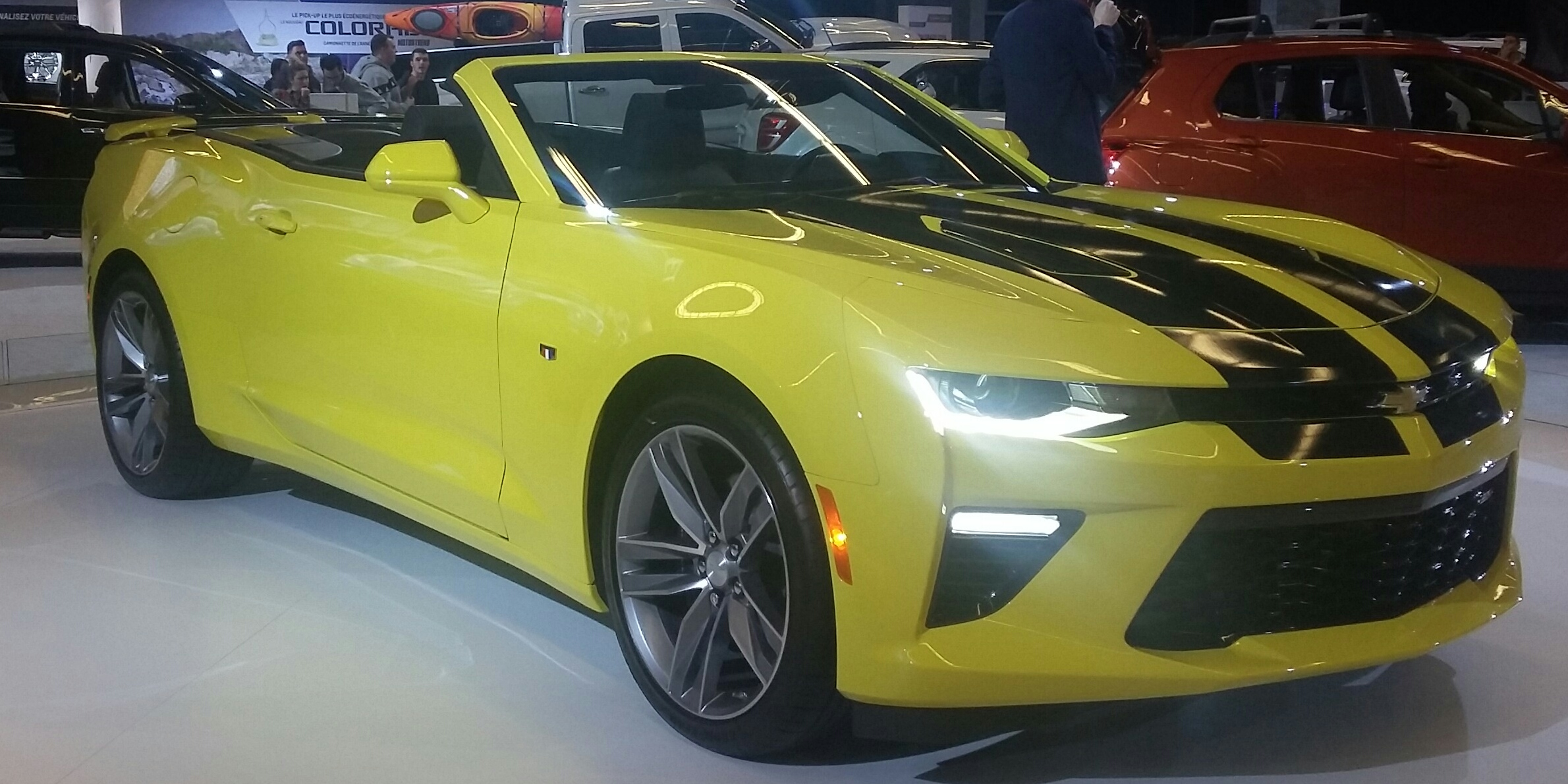
Chevrolet Camaro
"[427.6s] Oh yeah. [428.0s] I've got my Mercedes in there. [429.9s] I got my 69 Camaro in there."
“69 Camaro” means a 1969 Chevrolet Camaro. It’s a classic muscle car, and the speaker is saying they have one stored there.
“69 Camaro” points to a 1969 Chevrolet Camaro, a classic American muscle car. The Camaro is especially known for its V8 performance options and its strong enthusiast following, and this is the specific vintage the speaker says they keep in their garage.

Chevrolet Chevelle
"Was your Chevelle in there? No, the Chevelle's here."
A Chevrolet Chevelle is a classic American muscle car from Chevrolet. Here it’s just being referenced as one of the cars the person has in storage.
The Chevrolet Chevelle is a classic American muscle car from Chevrolet’s mid-size lineup, best known for its V8 performance options and 1960s–1970s styling. In this segment it’s mentioned as a specific car the host owns/has stored.
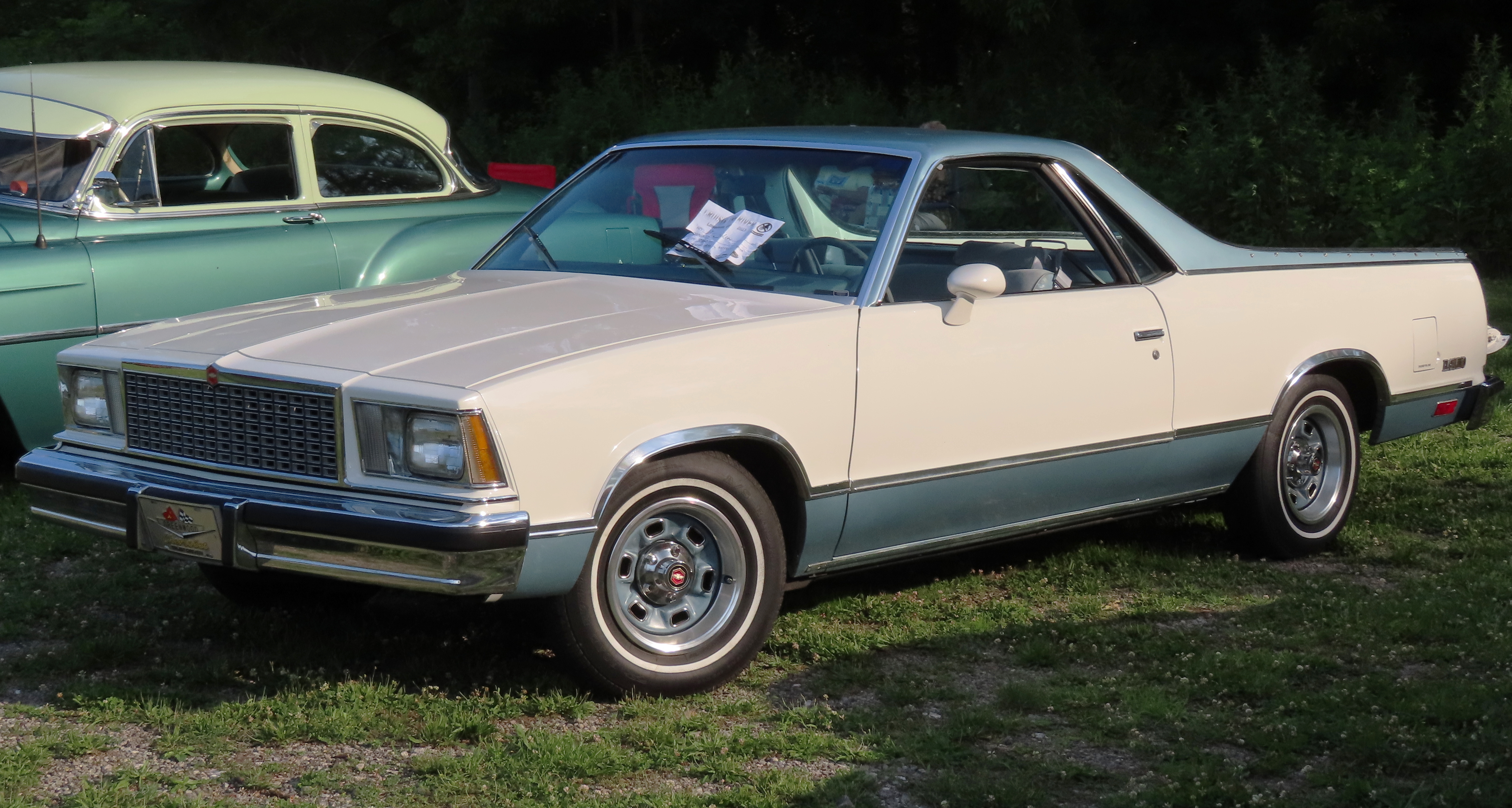
Chevrolet El Camino
"The El Camino. The El Camino is at the museum with the bag."
The Chevrolet El Camino is a classic that looks like a car but has a truck bed. Here it’s mentioned as a specific vehicle the host has stored/relocated.
The Chevrolet El Camino is a unique American vehicle that blends a car’s front end with a pickup-style bed, making it popular with classic-car builders. In this segment, the host says their El Camino is at a museum and references moving it.
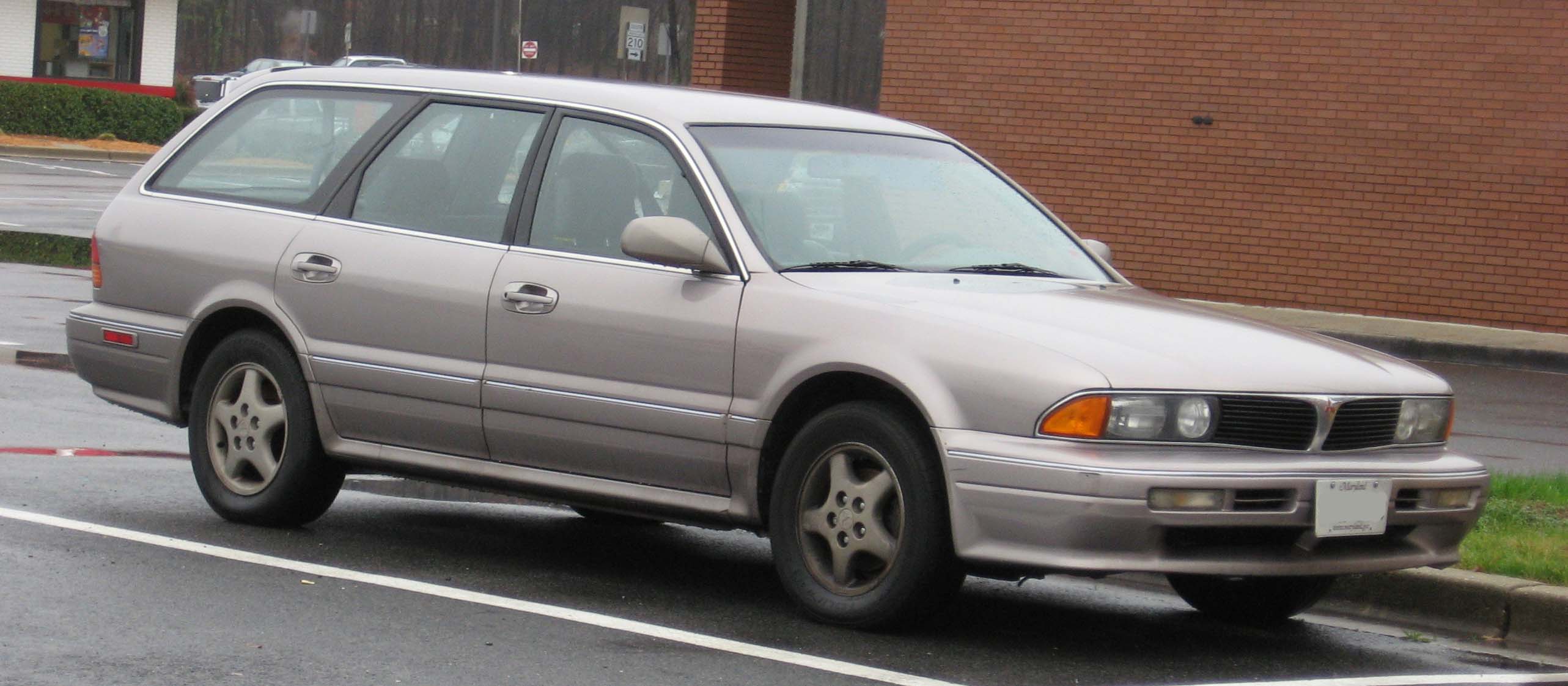
Mitsubishi Diamante
"I've got the lift and I keep the OBS Tahoe in there and the Mitsubishi Diamante that we built at Hot Rods by Boyd."
The Mitsubishi Diamante is a mid-size sedan. Here it’s mentioned because the host had one built up as a project car.
The Mitsubishi Diamante is a mid-size sedan that’s known for being a more “luxury” alternative in Mitsubishi’s lineup during the 1990s and early 2000s. In this segment, it’s specifically called out as a build the host had done at Hot Rods by Boyd.
12 bolt rear end
"And underneath on the lower part of that is more junk, you know, like, you know, like a 12 bolt rear end."
A “12 bolt rear end” is the back axle assembly from a car, and the “12 bolts” describes how it’s built. People mention it in car projects because it’s often a sturdy rear-end upgrade or spare part.
A “12 bolt rear end” refers to a rear axle assembly that uses a 12-bolt cover pattern, commonly associated with stronger, more durable GM rear ends used in muscle-car and hot-rod builds. In this segment it’s mentioned as part of the “junk” stored under the lift, indicating it’s a spare or project component.
garage lift
"Have you ever seen those lifts? ... they drop down like this, put them in your garage and they're about three foot tall."
A garage lift is a shop device that raises a vehicle off the ground so you can work underneath. The host describes a compact lift that “drops down” and raises the car only a few feet, which is a common style of low-profile or platform lift for home garages.
tilt lift
"It's kind of like having a, you know, it's like a Cesar left, but it's a tilt. It's a tilt."
A “tilt lift” is a lift that can change the angle of the platform to raise the car. The host is basically trying to describe the lift’s movement so listeners understand how it works.
A “tilt lift” (as described here) is a type of vehicle-lifting setup where the lift platform can tilt or pivot to position the car for access. The host compares it to a “Cesar left” (likely a mishearing of “scissor lift”), then clarifies it’s a tilt, indicating the mechanism matters for how the lift is used in a garage.
car up on the lift
"But the dragster is like up in the air. It's on a lift. I've got a lift. So I got a lift here with a car up on the lift and more junk."
A lift is a garage tool that raises a car off the ground. It lets you work on the bottom of the car more easily.
A vehicle lift is shop equipment that raises a car so the underside can be accessed for maintenance, repairs, or storage. In this segment, the speaker uses it to describe where the dragster is positioned.
compressor
"A bunch of wheels and two mo to two Kawasaki motorcycles and a big compressor that I got to get rid of. Anybody need a compressor? I got a big ass compressor. I got to get rid of."
A compressor is a machine that makes compressed air. Shops use it to power air tools and other equipment.
A compressor is an air system component that pressurizes air for tools and equipment in a garage or workshop. The speaker is trying to get rid of a large compressor, implying it’s part of their shop setup.

Kawasaki motorcycles
"A bunch of wheels and two mo to two Kawasaki motorcycles and a big compressor that I got to get rid of."
Kawasaki makes motorcycles. The speaker is saying they also have a couple of Kawasaki bikes stored along with the cars.
Kawasaki is a motorcycle brand, and the speaker mentions having two Kawasaki motorcycles as part of the stored “junk.” This is relevant because it shows the collection includes both cars and bikes.

Ford GT40
"He's got his motor coach. He's got his GT 40. Yeah."
The Ford GT40 is a special sports car made by Ford that became famous for racing. It’s the kind of car people collect because it’s rare and has a big history in motorsports. The podcast mentions it as part of someone’s car collection.
The Ford GT40 is a legendary mid-engine sports car built by Ford, famous for its racing success in the 1960s. In the podcast, it’s brought up as part of a collection, which highlights its status as a highly desirable, historically significant performance car. It’s discussed because owning or talking about a GT40 signals a serious connection to motorsport history.

Land Rover Range Rover
"I think he got rid of his Range Rover. The Nomad."
A Range Rover is a luxury SUV from Land Rover. People often talk about them because they’re nice to drive but can be more complicated to maintain than simpler cars.
The Range Rover is Land Rover’s luxury SUV line, known for a comfortable ride and off-road capability. In enthusiast circles, it’s also a common platform for modifications and maintenance stories because it mixes daily usability with complex systems.
Barrett Jackson
"Did he buy the Nomad at Barrett Jackson a few years ago? Yeah. I was there for that."
Barrett-Jackson is a famous auction where collectors buy and sell cars. If someone bought a car there, it’s usually a serious collector vehicle.
Barrett-Jackson is a major collector-car auction company known for selling high-end classics, muscle cars, and custom builds. Buying a car there is often a signal that it’s a notable collector piece.
front to back
"He sent it back to Troy Japanier to go through it front to back. And then another time he sent it over to."
“Front to back” means they checked and worked on the whole car, not just one small problem area.
“Front to back” here means a comprehensive inspection or service across the whole vehicle—typically covering the engine bay, drivetrain, suspension, brakes, and underbody. It’s a way of saying the car wasn’t just patched; it was gone through thoroughly.
Troy Japanier
"He sent it back to Troy Japanier to go through it front to back. And then another time he sent it over to."
Troy Japanier is the person they sent the car to for a detailed check and work. Think of it like a specialist mechanic.
Troy Japanier is referenced as the person the car was sent to for a thorough “front to back” go-through. In this context, he functions like a specialist mechanic/inspector handling detailed evaluation and work planning.
Chip's
"So he sent it over to Chip's and Chip is doing maintenance on it. And I got to build a new set of wheels for it."
“Chip’s” is the shop they sent the car to for maintenance. It’s basically the mechanic’s place doing the work.
“Chip’s” is mentioned as the place handling maintenance on the car. It likely refers to a specific local mechanic or shop, and the context suggests they’re doing ongoing work rather than a one-off repair.

hot rod
"And I got to build a new set of wheels for it. So. And then he's got the hot rod that."
A hot rod is a classic car that’s been modified to be more fun to drive. It’s usually built with upgrades and personal customization.
A hot rod is a modified classic car built for driving enjoyment—often with engine, suspension, and brake upgrades, plus custom body and interior work. In this segment, the hosts treat the “hot rod” as a specific enthusiast build that’s been maintained and customized over time.
Boyd's
"It was a car that we had traded in at Boyd's. ... And so he's had a number of hot rods by Boyd cars."
“Boyd’s” sounds like a car dealer or marketplace where cars get traded in. In this story, it’s where the hot rods came from and where trades happened.
“Boyd’s” is referenced as the place where the car was traded in and where the person had multiple hot rods. That suggests a dealer or auction-style marketplace that the shop uses for sourcing and trading cars.
fiberglass
"And they're like, no, you know, no, it's all hand form."
Fiberglass is a man-made material made from glass fibers mixed with resin. In car talk, it often means the body parts are made from fiberglass instead of the original metal, which collectors care about.
Fiberglass is a composite material made from glass fibers held together with resin. In car collecting, calling something a “fiberglass one” usually implies a body or panel made from fiberglass rather than original steel, which affects authenticity and value.
hand form
"And they're like, no, you know, no, it's all hand form. But they're nice."
“Hand form” means the car’s body parts are shaped by hand instead of being stamped out by machines. People mention it to signal more careful craftsmanship.
“Hand form” refers to shaping bodywork or panels manually rather than using mass-production tooling. In the context of classic-car replicas or custom builds, it’s often used to suggest higher craftsmanship and closer fit/finish than cheaper, pre-molded approaches.

Mini Cooper
"The Mini Cooper, the Mini Cooper went down for a minute, had a leaky brake caliper and they were on the side of the road"
A Mini Cooper is a small, sporty car. Here it’s brought up because it had a brake problem on the road and they had to fix it quickly to keep going.
The Mini Cooper is a compact car line from Mini (a BMW-owned brand) that’s popular for its go-kart-like handling and small size. In this segment, it’s mentioned because it had a brake-related roadside issue that required quick service to get back on track.
brake caliper
"had a leaky brake caliper and they were on the side of the road"
The brake caliper is the part that clamps the brake pads onto the spinning brake disc. If it’s leaking, the brakes can lose pressure, so the car may not stop as well.
A brake caliper is the clamp that squeezes brake pads against the rotor to slow the car down. If a caliper is leaking, hydraulic fluid can escape, reducing braking force and potentially causing air to enter the brake system.
bleed the brakes
"top off the fluid and bleed the brakes and get back out there."
Bleeding the brakes means getting trapped air out of the brake fluid lines. Air can make the brakes feel weak or spongy, so bleeding restores proper brake pressure.
Bleeding the brakes removes air from the brake hydraulic lines. Air in the system makes the brake pedal feel soft and can reduce braking effectiveness, so bleeding is often needed after a leak or when components are opened.

08 Sierra
"Did I tell you what happened to my orange truck, my 08 Sierra? ... well, I mean, it was Charlotte's truck and I started driving it when my gray truck started where I couldn't get it re-registered"
A GMC Sierra is a big pickup truck. “08 Sierra” means it’s a 2008 model, and the speaker says they had trouble getting it re-registered.
The GMC Sierra is a full-size pickup truck, and the “08” indicates the 2008 model year. In this segment, it’s the speaker’s truck that they couldn’t get re-registered, which is why they’re driving a different vehicle.

Chevrolet Tahoe
"So I was driving home the other night ... one of the reasons I'm driving the OBS Chevy Tahoe this week is because I was driving home on Friday night"
“OBS” is a nickname for an older body style. The Chevrolet Tahoe is an SUV, and the speaker is using this older-style Tahoe while their other truck is sorted out.
The “OBS” in “OBS Chevy Tahoe” refers to the older-body-style generation of the Chevrolet Tahoe. In this segment, the host says they’re driving it temporarily because their other truck has registration issues.
OBS
"one of the reasons I'm driving the OBS Chevy Tahoe this week is because I was driving home on Friday night"
“OBS” means “old body style.” People use it to tell you they’re talking about an older generation of the same vehicle.
“OBS” is shorthand for “old-body-style,” a fan term used to describe an earlier generation’s exterior design. It’s commonly used in the truck/SUV world to quickly distinguish older styling from newer facelifts or generations.
pedal goes to the floor
"I go to put on the brakes for the red light and pedal goes to the floor. And there's traffic. And I'm like, oh crap."
When the brake pedal suddenly feels like it drops to the floor, it usually means the brakes aren’t working right. That can make it much harder to slow down in time.
“Pedal goes to the floor” is a symptom where the brake pedal loses resistance, often indicating a major hydraulic or vacuum assist problem. In practice, it can mean the brakes aren’t building pressure properly, so stopping distance increases quickly.
pumping the brakes
"I start pumping the brakes really as hard as and fast as I could. And I got a little bit of pedal and I was able to slow it down..."
“Pumping the brakes” means pressing the brake pedal repeatedly. People do this when the brakes don’t feel right, hoping to get some stopping power back.
Pumping the brakes means repeatedly pressing and releasing the brake pedal to try to restore braking effectiveness when pedal feel is abnormal. It’s sometimes used when there’s concern about pressure loss, though modern cars may handle braking differently with ABS and brake assist.
front caliper
"So I pull over in this parking lot and now I walk around and I'm looking a little closer and I go to that wheel over there because that's where it pulled. And the front caliper had exploded."
The brake caliper is the part that squeezes the brake pads against the spinning brake disc. If it fails, the brakes can act weird fast—like making noise, pulling, or not stopping normally.
A brake caliper is the clamp that squeezes the brake pads against the rotor to slow the car. If the caliper or its pad assembly fails violently, you can get sudden noise, pulling to one side, and reduced braking.
brake pads
"And the front caliper had exploded. And that's the only way I can describe it because it, it was still bolted together, but the, the brake pads had literally exploded inside and they were sticking out the sides."
Brake pads are the replaceable pads that clamp onto the brake disc to create stopping power. If they break apart, braking can become uneven or suddenly ineffective.
Brake pads are the friction material inside the caliper that press against the rotor. When brake pads “explode” or break apart, they can jam or contaminate the braking surfaces, causing uneven braking and steering pull.
brake lock-up
"it kind of just wedged it and like totally locked it up for just a split second when I put on the brakes."
Brake lock-up is when the wheel stops turning because the brakes are gripping too hard or something is stuck. The speaker says it happened for a moment when they pressed the brakes.
Brake lock-up is when the brake system prevents a wheel from rotating, which can happen if a component binds or clamps too aggressively. In the transcript, the speaker describes the brakes “totally locked it up” briefly after applying them.
aftermarket brakes
"So, you know, I had aftermarket brakes on it. [1171.3s] They were not bears."
Aftermarket brakes are brake parts you buy from a company other than the one that made your car. People swap them in to change how the brakes feel or how they perform versus the factory parts.
Aftermarket brakes are brake components made by companies other than the vehicle’s original equipment manufacturer (OEM). Enthusiasts often choose them for different pedal feel, braking performance, or rotor/pad options compared with stock parts.
Willwood
"They were not bears. They were not will woods."
Wilwood is a company that makes aftermarket brake parts for cars and trucks. The host is mentioning it as a possible brake brand they’re not using (or not using in the way he described).
Willwood (often spelled Wilwood) is an aftermarket brake brand known for performance brake kits, including calipers and rotors. The speaker is comparing their brake setup to that brand while explaining why they blame the aftermarket parts.
stock calipers
"I'm actually just going to go back to stock calipers and stock rotors and stuff like that"
A brake caliper is the clamp that squeezes brake pads against the rotor to slow the vehicle. “Stock calipers” means the original factory calipers, which the speaker is choosing to replace their aftermarket setup.
stock rotors
"I'm actually just going to go back to stock calipers and stock rotors and stuff like that"
Rotors are the metal discs that the brake pads press against to slow the car down. “Stock rotors” are the factory discs that originally came with the truck.
Brake rotors are the discs that the brake pads clamp onto to create friction and stop the vehicle. The speaker is planning to revert to factory “stock rotors” after an issue while running aftermarket brakes.
billet brakes
"Like there was a handful of companies that were popping up and making their own kind of like billet brakes and stuff like that."
“Billet” usually means the part is cut and machined from a solid metal block. When someone says “billet brakes,” they mean aftermarket brake parts made that way, often for a nicer finish and precise fit.
“Billet” refers to machined metal made from a solid block, rather than cast. “Billet brakes” typically means aftermarket brake components (often calipers) machined from billet aluminum, which enthusiasts associate with tight tolerances and a more premium look.
SEMA cars
"He did a bunch of SEMA cars and all that stuff, but it was never good quality."
SEMA is a big car show in the U.S. that’s mainly about aftermarket upgrades. “SEMA cars” usually means cars built to show off parts and mods.
SEMA is a major U.S. trade show focused on aftermarket parts and modified vehicles. When someone says they did “SEMA cars,” they usually mean build projects intended to showcase styling and components to the industry.
monoblock
"It wasn't as they say monoblock, right? Right."
“Monoblock” means the brake caliper is made as one solid piece instead of being built from multiple sections. The goal is usually a stronger, more rigid caliper.
In brake hardware, “monoblock” typically refers to a caliper design machined as a single piece (or one-piece-style casting) rather than assembled from multiple parts. The idea is that fewer joints can improve stiffness and reduce the chance of movement or loosening under load.
thread lock
"It's like, is, was there a thread lock on it?"
Thread lock is a product you put on bolt threads so they don’t loosen over time from vibration. It helps keep the fastener tight and in place.
Thread lock is a chemical adhesive (often a medium- or high-strength anaerobic compound) applied to bolt threads to prevent them from backing out due to vibration. It’s commonly used on brake and suspension fasteners where loosening can cause parts to separate.
ARP bolts
"Should he drill out those Allen heads or something or put some sort of like, get rid of the Allen heads, use ARP bolts, wire them down so they don't back out."
ARP makes aftermarket bolts that are designed to be stronger than typical hardware. Here, they’re being suggested as a more secure replacement for the bolts that might be loosening.
ARP bolts are aftermarket high-strength fasteners known in the performance world for being made from tougher materials and often used where OEM hardware may not be ideal. In this context, the speaker is suggesting replacing the problematic Allen-head fasteners with stronger, more secure bolts.

Ford F-150 Lightning
"My 22 Ford Lightning. So when I had it at SEMA, I think two years ago, I reached out to Brembo and I was like, can we do brakes on them?"
The Ford Lightning is Ford’s electric pickup. The host is talking about their own Lightning and how a similar brake hardware problem might have happened.
The Ford Lightning is the electric pickup truck from Ford, and it’s become a common platform for aftermarket brake and performance upgrades. The speaker mentions their own Lightning in the context of brake caliper/hardware concerns, tying the earlier discussion to a real ownership situation.
Brembo
"So when I had it at SEMA, I think two years ago, I reached out to Brembo and I was like, can we do brakes on them?"
Brembo is a well-known company that makes performance brakes. The host contacted them to see if they could make brake upgrades for the Lightning.
Brembo is a brake-focused brand known for performance brake calipers and systems used in motorsport and on many enthusiast cars. The speaker reached out to Brembo to ask about doing brake upgrades for the Ford Lightning.
brake by wire
"So what, but it turns out these trucks, like a lot of new cars have, they're still hydraulic [1321.9s] brakes, but there's a brake by wire feature. [1325.5s] Like if you're doing your blue cruise or the, any sort of like cruise control and it has"
Brake-by-wire means the brake pedal isn’t directly controlling the brakes the old-fashioned way. Instead, computers read what you’re doing (and what the car is detecting) and then command the braking system.
Brake-by-wire replaces the direct mechanical/hydraulic link between your brake pedal and the braking action with electronic control. The vehicle uses sensors and an electronic control system to command braking functions such as adaptive cruise or automatic braking.
cruise control
"Like if you're doing your blue cruise or the, any sort of like cruise control and it has [1331.1s] the sensor and it'll apply the brakes when you get up on a car."
Cruise control keeps the car at a chosen speed. Some systems also slow the car automatically if traffic ahead requires it.
Cruise control is a driver-assist feature that maintains a set speed. In this context, it’s tied to automatic braking behavior when sensors detect a slower vehicle ahead.
ABS brakes
"Turn it on. [1351.7s] It throws a bunch of brake codes, ABS brakes or, you know, braking issue and all this stuff."
ABS is the system that helps keep your wheels from locking up when you brake hard. If the car thinks something’s wrong with braking, it can show ABS-related brake codes.
ABS (anti-lock braking system) prevents wheel lockup during hard braking by modulating brake pressure many times per second. When ABS detects a fault or abnormal braking behavior, it can trigger warning codes and limit certain braking assist functions.
brake pressure
"So what we figured out was that auto braking system has sensors in it to monitor brake [1367.4s] pressure and probably fluid volume or maybe they're doing it with brake pressure."
Brake pressure is how hard the brake system is pushing hydraulic fluid to slow the car. Some newer safety systems watch that pressure to know what the brakes are doing.
Brake pressure is the hydraulic pressure generated in the brake system when you press the pedal. Modern driver-assist and brake-by-wire features may use sensors that monitor brake pressure (and/or fluid behavior) to decide when to apply braking automatically.
brake fluid
"So the truck is throwing errors thinking it's low on fluid... but I have to go back to stock caliper on it to turn off all of those errors... maybe it was very much closer... for fluid, like discrepancy... for fluid."
Brake fluid is the fluid that helps your brake pedal push the brakes to stop the car. If the car thinks the fluid level is low, it can show errors even if the brakes feel okay.
Brake fluid is the hydraulic fluid that transfers force from the brake pedal to the calipers. Many vehicles use a brake-fluid level sensor, so changes in caliper design, pad wear, or fluid displacement can trigger “low fluid” errors even if the brakes still stop normally.
six piston caliper
"but I got a giant Brembo six piston caliper on there and so yeah, doesn't, doesn't work."
A six-piston caliper is a brake clamp with multiple pistons that squeeze the pads. Because it’s a different design than stock, it can change how the brake system behaves and sometimes trigger warnings.
A six-piston caliper uses multiple pistons on each side to clamp the brake pads more evenly and with higher clamping force than simpler designs. More pistons can also mean different fluid displacement and hardware geometry, which can affect how brake-fluid level sensors interpret the system.
regenerative braking
"They're basically going to be brand new because EVs don't really use a lot of the braking... for the most part, like the EVs just kind of use their own right. They just use their motors to slow them down."
Regenerative braking is how an EV slows down using the motor instead of only using the brake pads. That usually means the regular brakes don’t get used as much day-to-day.
Regenerative braking is when an EV uses its electric motor to slow the car and convert some of that motion back into electricity to recharge the battery. Because it relies less on friction brakes for everyday slowing, brake pads and rotors often wear more slowly—though you still need the hydraulic brakes for hard stops, traffic, or towing.

Mustang Fox Body
"...g break issues. But yeah, did you see that Celine Fox body that was up for sale on bring a trailer right no..."
The Mustang is a sports car from Ford. In the podcast, they’re talking about a particular Mustang that may have had problems with its brakes. That kind of issue is important to know before buying any older car.
The Mustang is Ford’s long-running performance model, and the podcast context suggests discussion around a specific Mustang listing and potential issues (the transcript mentions “break issues,” likely referring to brake-related problems). Mustangs are frequently talked about because they’re common enough to find in the used market, but they also have many variations and can have age-related maintenance needs. That’s why a particular car’s condition and known problems matter in these conversations.
Bring a Trailer
"did you see that Celine Fox body that was up for sale on bring a trailer right now?"
Bring a Trailer is a website where car enthusiasts buy and sell cars through auctions. It’s known for showing detailed listings and attracting collectors.
Bring a Trailer (BaT) is an online auction site focused heavily on enthusiast cars, where listings often include detailed photos and ownership history. That makes it a common place for collector cars—especially unusual or provenance-heavy examples—to surface.
Vortech V3 supercharger
"in 2023, he took it in and had a Vortech V3 supercharger installed onto it."
A supercharger is a device that forces extra air into the engine. More air usually means more power, so the car feels quicker than stock.
A Vortech V3 is a specific model of supercharger, a forced-induction device that increases engine air pressure so you can make more power. Compared with naturally aspirated setups, it typically adds boost across a wider RPM range, changing how the car accelerates.
air bypass kit
"the power pipe, the air bypass kit and it did a little bit of exhaust work on it."
An air bypass kit helps control how air flows to the supercharger. That can make boost feel smoother and protect the system when you change throttle.
An air bypass kit routes intake air around the supercharger under certain conditions (like throttle lift or low-load operation). This helps manage boost pressure and can improve drivability and reduce stress on components during transitions.
ram clutch
"It's got a ram clutch, aluminum drive shaft, but everything else is pretty nice."
A ram clutch is a stronger clutch meant for higher power. It can make the car handle the extra torque, but it may feel different than the original clutch.
A “ram clutch” typically refers to a performance clutch setup designed to handle higher torque from forced induction. These clutches often have different friction materials and engagement characteristics than stock, which can change pedal feel and shift behavior.
aluminum drive shaft
"It's got a ram clutch, aluminum drive shaft, but everything else is pretty nice."
The drive shaft is the part that transfers power to the wheels. Using aluminum can make it lighter, which can help the car feel more responsive.
An aluminum drive shaft replaces the driveshaft material to reduce rotational mass. Lower mass can help the drivetrain respond more quickly, though it also depends on design and balancing for durability.
engine mods
"These early salines didn't really have, unless it was some sort of specialism, they didn't really have like engine mods. It's kind of a stock motor."
Engine mods are changes made to the engine to make it perform differently—usually to make more power or change how it runs. Here, they’re talking about the supercharger and related upgrades.
“Engine mods” refers to aftermarket changes that alter how the engine breathes or makes power, such as superchargers, ECU tuning, and intake/exhaust upgrades. In this segment, the hosts contrast earlier cars that were closer to stock with later cars that received forced-induction and supporting hardware.
Ford Mustang
"How could somebody get their their Mustang into the Ford design studio?"
The Ford Mustang is a famous American sports car. Here, they’re talking about a Mustang that was modified and brought to Ford’s design people.
The Ford Mustang is a long-running American muscle car known for its V8 heritage and strong aftermarket support. In this segment, it’s specifically mentioned in the context of being brought into Ford’s design studio, implying a custom build.
ground effects
"So, you know, when you think ground effects, some suspension and wheels and tires and some stickers, that's that's that's a lot of money for that car."
Ground effects are parts on the car that help it interact with the air near the ground. They can make the car feel more planted, but they usually cost a lot.
Ground effects are aerodynamic body features designed to manage airflow close to the road. They can increase downforce (pushing the car toward the ground) and improve stability, but they’re often expensive because they involve specialized bodywork and tuning.
suspension
"So, you know, when you think ground effects, some suspension and wheels and tires and some stickers, that's that's that's a lot of money for that car."
Suspension is what connects the wheels to the car and helps control how the car rides. Better suspension can improve handling, especially when you add other performance parts.
In this context, suspension refers to the car’s components that control ride height, wheel movement, and handling. Upgraded suspension parts can change how the car responds in corners and over bumps, and they’re often priced alongside other performance mods.
maximum motorsports
"[1742.4s] He's got a maximum motorsports suspension on it. [1745.7s] So he's he's done he's done quite a few mods on it."
Maximum Motorsports is a company that makes aftermarket suspension parts for Mustangs. Using their parts usually means the car’s handling setup is more performance-oriented than stock.
Maximum Motorsports is an aftermarket brand known for Mustang suspension components. In this segment, it’s referenced as the source of upgraded suspension parts, implying a focus on improved handling and ride control compared with stock.
torque arm
"Yeah, it doesn't have like maximum motorsports control arms on the suspension, [1808.3s] but it does have the torque arm in the rear and the Panard bar."
A torque arm is a suspension piece that helps keep the rear axle from moving around too much when you accelerate or slow down. That can make the car feel more planted and easier to control.
A torque arm is a rear suspension link that helps control axle movement under acceleration and braking. On a Fox Body Mustang, adding a torque arm can improve traction and stability by reducing unwanted axle wrap compared with simpler stock setups.
Panard bar
"but it does have the torque arm in the rear and the Panard bar. [1812.2s] But in the front, it's a stock K member."
A Panhard bar is a rear suspension link that helps keep the back axle from shifting left or right. That can make the car track straighter and feel more controlled.
A Panhard bar (often misspoken as “Panard”) is a lateral link that locates the rear axle side-to-side. It helps keep the axle centered and reduces side-to-side movement, which improves steering feel and stability.
K member
"[1812.2s] But in the front, it's a stock K member. [1815.1s] So it's mostly rear suspension, maximum motorsports."
The K-member is a structural part at the front of the car that holds up the suspension. If it’s “stock,” it means the front suspension structure is still the factory setup.
A K-member is the front suspension crossmember that supports components like the control arms and steering linkage. Saying it’s a “stock K member” implies the front end hasn’t been upgraded, while the rear has more performance-oriented suspension geometry.
aftermarket parts
"It's got some aftermarket parts. Like for me, it's actually kind of the perfect Fox Body that I would buy."
Aftermarket parts are upgrades made by companies other than the car’s manufacturer. People use them to improve the car or customize it, and sometimes they make the car more valuable to buyers.
Aftermarket parts are components made by companies other than the original automaker, often to upgrade performance, appearance, or reliability. In enthusiast circles, aftermarket parts can increase a car’s desirability—especially when they’re well-matched to the platform.

De Tomaso Pantera
"Now, does this thing pop like his Pantera did? Because the Pantera went about a 100000 over over the current values"
The De Tomaso Pantera is a classic Italian supercar. Here it’s mentioned as an example of a rare, desirable car that sold for a lot because of who owned it and the attention it got.
The De Tomaso Pantera is an Italian supercar known for its mid-engine layout and V8 power. In this segment, it’s used as a reference point for how a specific celebrity-owned car can affect auction demand and resale pricing.

Ac Cobra
"Does it get the value of his AC Cobra? You know, I mean, probably not."
The AC Cobra is a famous classic sports car known for its small, lightweight body and powerful engine. The hosts are using it as a benchmark for how much certain Cobra versions can be worth.
The AC Cobra is a legendary British-American sports car, famous for its lightweight roadster body and big V8 engine. In this discussion, “AC Cobra” is used to compare how different Cobra variants might appreciate in value after a high-profile sale.
auction premium
"So I think they're probably looking for 50 or 60 thousand for this car. But we'll see. I mean, you'd be paying a pretty high premium"
An auction premium means the car sells for more than you’d expect. Here, the host is implying that attention and hype around the car can make people bid it up.
An auction premium is the extra amount buyers pay above what the car might sell for under more typical market conditions. This segment suggests that celebrity/provenance and platform exposure can push bids higher than “current values.”
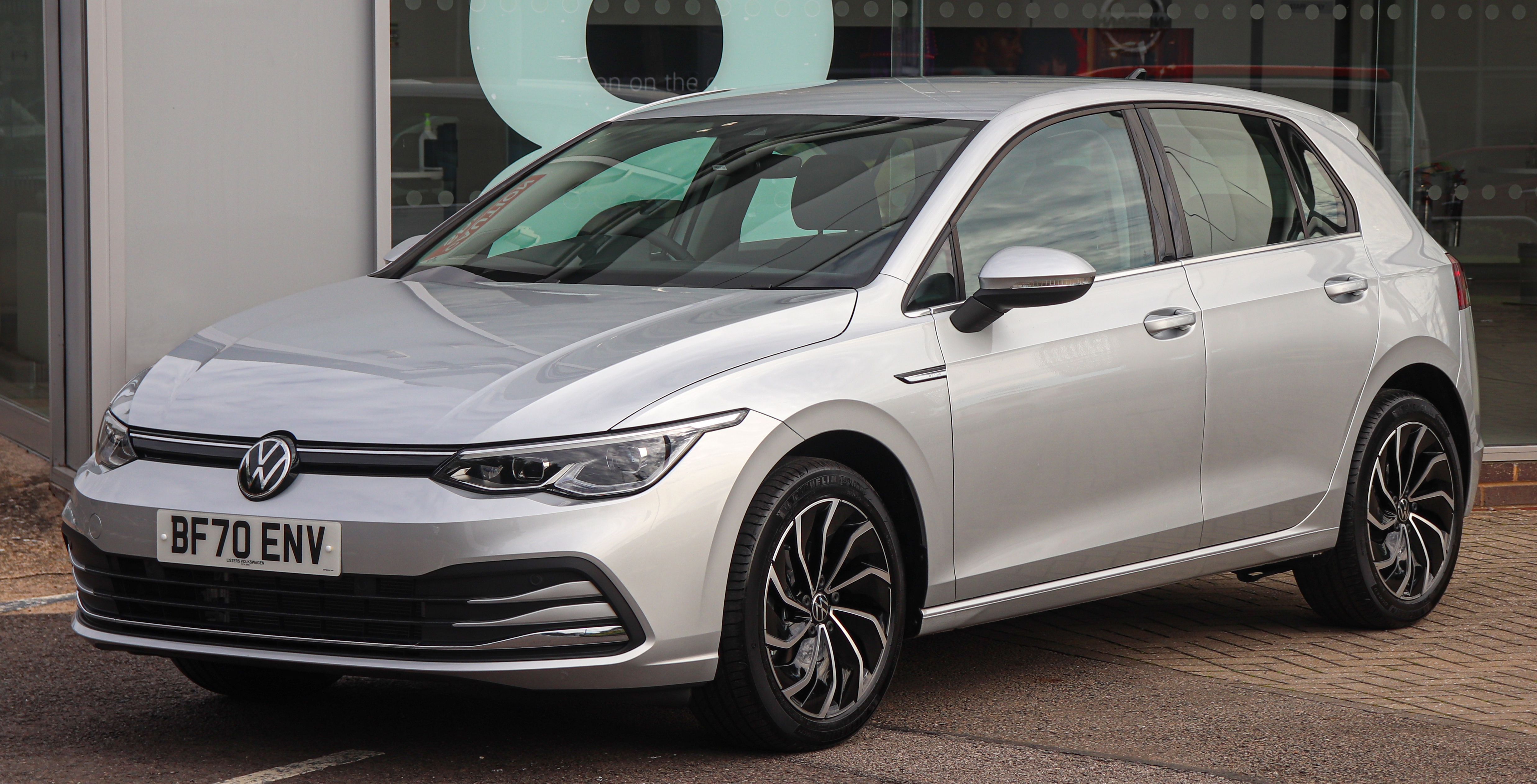
Golf Gtd
"...t to you for 31500 If he'd sell if he'd sell me a GTD for 31500 dollars, I'd pay him fifty grand."
The Golf is a compact car that’s made in many versions. In the podcast, they’re talking about a “GTD,” which is a more performance-oriented version. The main point is the price they’re willing to pay for that specific car.
The Golf is a compact car line known for being practical and widely used, with performance versions that can be tuned or upgraded. In the podcast, it’s mentioned in the context of pricing and a potential deal for a “GTD,” which indicates they’re discussing a specific trim/variant rather than just the general model. It comes up because buyers often compare what they can get for the money in the used market.

Audi V8
"...making some cool cars. And I think it had like an Audi V8 engine in it. And it was cool."
An Audi V8 is an Audi car that has a V8 engine, which is a type of engine with eight cylinders. In the podcast, they mention it because it makes the car more powerful and interesting. The key idea is that it’s a V8-powered Audi.
An Audi V8 refers to an Audi model equipped with a V8 engine, meaning it uses eight cylinders arranged in a V shape for smooth power delivery. In the podcast, it’s mentioned as part of a description of a cool car and engine swap or engine presence, which is why it stands out. V8-powered Audis are often discussed because they combine everyday usability with stronger performance.
private equity
"And maybe that was enough to fuel interest from some sort of investor [2221.0s] or private equity or something."
Private equity is a group of investors putting money into a company. They usually want to help it turn around and become profitable again.
Private equity is when investors pool money to buy or fund companies, often with the goal of restructuring them and later selling for a profit. In automotive contexts, it can show up when a struggling brand or supplier gets capital to restart operations.
stampings
"I don't think you can ramp up the whole production line [2247.7s] and design from scratch and do stampings. [2252.6s] I'm like, maybe carbon fiber bodies, unless they've got all this tooling"
Stampings are metal pieces made by pressing sheet metal into a specific shape with a machine. If you don’t already have the molds/dies, it can be expensive and slow to start making them.
Stampings are metal parts made by pressing sheet metal into shape using dies in a stamping press. Restarting a car program often depends on having the right stamping dies and production capacity, which is why “design from scratch and do stampings” is a big hurdle.
carbon fiber bodies
"I don't know if they've been in stealth mode for a couple of years, [2233.0s] but they're saying we're back and we're going to have a car to debut [2237.4s] at the quail and moderate this year. ... [2250.3s] and design from scratch and do stampings. [2252.6s] I'm like, maybe carbon fiber bodies, unless they've got all this tooling"
Carbon fiber bodies are car body panels made from a strong, lightweight material. They can make the car lighter, but building them usually takes special equipment.
Carbon fiber bodies use carbon-fiber composite panels instead of traditional steel or aluminum. They can reduce weight and improve stiffness, but they require specialized manufacturing processes and tooling.
V8
"They said V8, they said no EV, no hybrid. [2275.3s] It's going to just be, you know, good old fashioned gas engine."
A V8 is a type of engine with eight cylinders arranged in a V shape. It’s known for strong, smooth power—especially compared to smaller engines.
A V8 is an engine with eight cylinders arranged in a “V” shape. It’s commonly associated with smooth power delivery and strong low-end torque, and it’s a key part of the performance identity when a brand explicitly rejects EV/hybrid plans.
Big block Chevy
"They said V8, they said no EV, no hybrid. [2275.3s] It's going to just be, you know, good old fashioned gas engine. [2279.8s] Big block Chevy, man. That's what they're I mean,"
“Big block Chevy” means a large, old-school Chevrolet V8 engine. People mention it to say they’re going for a classic, powerful gas engine feel.
“Big block Chevy” refers to Chevrolet’s large-displacement V8 engine family (commonly associated with classic muscle-car-era power). It’s a shorthand enthusiasts use to signal a traditional, high-cubic-inch gas engine rather than a modern small turbo setup.
crate engines
"I mean, but these days, I mean, there's so many good mod motors and crate engines and and I mean, it doesn't really matter to me."
A crate engine is an engine you buy already assembled, like a kit in a box. People use them to swap engines or replace one without hunting for parts one-by-one.
A crate engine is a complete engine sold as a packaged unit (often with accessories) that you install into a vehicle. Enthusiasts like them because they can simplify sourcing an engine for swaps or repairs, and they’re commonly sold with performance options.
LS engines
"They give us kind of an LS motor, LS engines and an LTE engine."
“LS” is a GM engine family that a lot of car builders like for engine swaps. It’s popular because there are lots of them around and lots of parts and tuning options.
“LS” refers to General Motors’ LS-series V8 engines, which became popular for swaps because they’re compact, plentiful, and have strong aftermarket support. When someone says “LS engines,” they’re usually talking about that GM engine family rather than a single specific model.
LTE engine
"They give us kind of an LS motor, LS engines and an LTE engine."
“LTE” sounds like a specific engine name the hosts are using, like how they said “LS.” The exact meaning isn’t fully spelled out in this clip, but it’s clearly another engine option for swaps.
“LTE” here appears to be shorthand for another GM engine family used in swap/mod contexts, similar to how “LS” is used for GM’s LS V8s. Because the transcript doesn’t spell out what LTE stands for, the listener should treat it as a specific engine designation the hosts are referencing rather than a generic term.
supercharged
"and dress them up, supercharged, not supercharged."
A supercharger is a device that forces extra air into the engine. More air generally means more power, especially when people modify an engine.
A supercharger is a forced-induction device that increases engine power by pushing more air into the cylinders. In mod discussions, “supercharged” usually means the engine has been upgraded to use that boost system.
Fram
"They they own brands like Trico, Fram, Ray, Ray Bestis, Auto Light."
Fram is a well-known car-parts brand, especially for filters. The hosts mention it because it’s one of the brands owned by the company they’re discussing.
Fram is an automotive parts brand, commonly known for filters. The hosts mention it as part of a portfolio of brands owned by a private-equity roll-up, which can affect how parts are marketed and distributed.
Trico
"They they own brands like Trico, Fram, Ray, Ray Bestis, Auto Light."
Trico is a brand that makes car parts. In this segment, it’s brought up because the hosts are listing brands owned by a bigger company.
Trico is an automotive parts brand mentioned as one of the companies owned by a larger private-equity group. It’s typically associated with vehicle components (like wiper-related products), so brand ownership can matter for sourcing and supply-chain continuity.
Ray Bestis
"They they own brands like Trico, Fram, Ray, Ray Bestis, Auto Light."
“Ray Bestis” sounds like a parts brand name the hosts are listing. It’s likely related to brake or friction parts, since that’s what this brand is known for.
“Ray Bestis” appears to be a transcription of “Raybestos,” an automotive parts brand associated with brake and friction products. The hosts are listing owned brands, so the takeaway is that this company’s portfolio includes well-known wear-part suppliers.
Auto Light
"They they own brands like Trico, Fram, Ray, Ray Bestis, Auto Light."
Auto Light is a car-parts brand. In this clip, it’s mentioned as one of several brands owned by the company the hosts are talking about.
Auto Light is an automotive parts brand mentioned as part of the private-equity-owned portfolio. Brands like this are often tied to lighting and electrical components, so ownership can influence product availability and branding.
Chapter 11
"they filed for chapter 11. [2403.4s] But unfortunately, because of a lot of things that have come to light..."
Chapter 11 is a type of bankruptcy where a company tries to reorganize instead of shutting down immediately. If it can’t fix the finances, parts of the business may get sold off.
Chapter 11 is a U.S. bankruptcy process that lets a company keep operating while it restructures its debts. In practice, it often leads to asset sales or liquidation of parts of the business if the company can’t be turned around.
creditors are liquidating
"it looks like the creditors are liquidating a lot of their companies. [2421.4s] And that's not good because, you know, companies like Auto Light..."
Liquidation is when a company sells its stuff to pay people it owes. If that company makes car parts, those parts can become hard to find afterward.
Liquidation means selling off a company’s assets to pay back creditors. When this happens to parts suppliers, it can disrupt availability of replacement components and tooling for older vehicle platforms.
reproduction parts
"we've all bought reproduction parts [2456.9s] for our muscle cars or mustangs or whatever. [2459.7s] And they just don't quite fit quite right..."
Reproduction parts are replacement pieces made to look like the original ones. Sometimes they don’t fit or match perfectly because they’re made differently than the old factory parts.
Reproduction parts are aftermarket components made to mimic original equipment (OEM) parts for older cars. Even when they’re intended to be “correct,” tolerances and fitment can differ, so they may not line up exactly or match original specifications.
federal law requiring parts availability for 10 years
"It used to be a federal law that if you built a new car, [2474.3s] you had to keep parts in your parts department... [2486.3s] And I think at one time it was... but it was 10 years."
The speaker is talking about a rule that required car makers to keep replacement parts available for a long time. That made it easier to repair older cars instead of parts disappearing.
The speaker is referring to a U.S. requirement that automakers keep replacement parts available for a set period after production. The point is that older “legacy” brands had to maintain inventories for years, which helped keep restoration and repairs possible.
tooling
"and, you know, Ray Bestis and people like that that would go, OK, now we'll buy your tooling [2502.2s] and then we'll become the supplier of those parts."
Tooling is the special equipment factories use to make parts. If a company goes bankrupt, that equipment may be sold or lost, which changes how fast parts can be made again.
In manufacturing, tooling refers to the specialized equipment and molds/dies used to make parts. In a bankruptcy, tooling can be sold to other suppliers, which affects how quickly production can restart.
liquidation
"So there were companies like Fram... [2508.8s] We know what happens there. [2510.1s] A liquidation, they just get lost."
Liquidation is when a bankrupt company sells its stuff to pay debts. The concern here is that the equipment used to make parts may not stay available for making those parts.
A liquidation is a bankruptcy outcome where a company’s assets are sold off to pay creditors. The hosts connect liquidation to what happens to manufacturing tooling—often it gets dispersed or lost rather than continuing production.
ramp up time
"And then how quickly are they going to be able to ramp up? [2561.8s] You have to kind of look at how much product has already been produced, either [2566.9s] on the shelves or retail stores or in warehouses ready to go out to retail stores."
Ramp up time is how long it takes a new company to get production going at normal levels. If it takes too long, stores may run short on parts even if the tooling was bought.
Ramp up time is how long it takes a new supplier to start producing at full volume after taking over tooling and supply. The hosts frame it as a key factor in whether parts availability returns quickly after a bankruptcy.
inventory
"You have to kind of look at how much product has already been produced, either [2566.9s] on the shelves or retail stores or in warehouses ready to go out to retail stores. [2571.9s] And then if you have two months of inventory and this bankruptcy sells off"
Inventory just means parts that are already made and sitting in storage or stores. If a bankruptcy sells all the inventory quickly, there may be a gap before new production ramps up.
Inventory is the stock of finished goods (or parts) already produced and sitting in warehouses, stores, or on shelves. The segment uses inventory to estimate how long parts availability can last after a bankruptcy sells everything off.
NAPA
"And then your Napa, your advanced auto, your pet boys, whatever, they can't get those parts because they've been sold in bulk to some liquidator."
NAPA is a store/brand that sells car parts. The discussion is about how bankruptcy can affect what they can get and how much it costs.
NAPA is an automotive parts retailer/brand network that sells replacement parts to consumers and shops. The segment describes how, after parts are sold in bulk to a liquidator, NAPA may not be able to source those items normally and customers can end up paying more.
Advanced Auto Parts
"And then your Napa, your advanced auto, your pet boys, whatever, they can't get those parts because they've been sold in bulk to some liquidator."
Advanced Auto Parts is a chain that sells car parts. The point here is that liquidation can make parts less available at stores like this.
Advanced Auto Parts is a major automotive parts retailer. The hosts use it as an example of a store that may lose access to certain parts if inventory is bought up in bulk during liquidation.
AutoZone
"bad deal unless something something interesting happens in like an auto zone or a Napa. Those are the companies that buy up some of the tooling and then just becomes their white label brand, you know, like, like for instance, like if you wanted."
AutoZone is a car-parts store. The discussion says some stores can keep selling by buying the equipment and using their own brand.
AutoZone is an automotive parts retailer mentioned as a place that may still have access to parts or tooling. The segment suggests some retailers buy tooling and then sell products under their own branding.
white label brand
"Those are the companies that buy up some of the tooling and then just becomes their white label brand, you know, like, like, for instance, like if you wanted. Fram oil filters or auto light spark plugs, then you would just get them at Napa because Napa owns it all now."
White label means a store sells a product under its own brand name, even if it’s made or sourced elsewhere. Here, it’s used to explain how parts might still be sold after a supplier collapses.
A white label brand is when a retailer sells products made by someone else (or produced using acquired tooling) under the retailer’s own name. In the segment, that’s presented as a workaround when original parts supply is disrupted by bankruptcy.
spark plugs
"Fram oil filters or auto light spark plugs, then you would just get them at Napa because Napa owns it all now."
Spark plugs create the spark that starts the engine in a gas car. The episode uses them as an example of a common part that could change where you buy it or how much it costs.
Spark plugs are ignition components that create the spark needed to ignite the air-fuel mixture in gasoline engines. The segment cites spark plugs as another example of maintenance parts that could be affected by liquidation and retailer white-label strategies.
oil filters
"Fram oil filters or auto light spark plugs, then you would just get them at Napa because Napa owns it all now."
An oil filter is a service part that removes contaminants from engine oil to help protect engine wear. The segment mentions oil filters as an example of items that could become harder to source or shift to a retailer’s own branding after supplier liquidation.
Auto-Lite
"Fram oil filters or auto light spark plugs, then you would just get them at Napa because Napa owns it all now."
Auto-Lite is a brand that makes spark plugs. The point is that parts brands can get tied up with retailer supply and branding when companies go through bankruptcy.
Auto-Lite is a brand associated with ignition components like spark plugs. The hosts mention it to show how a retailer could control distribution and potentially sell similar products through its own branding after acquiring tooling or supply.
Carlisle tools
"You know, like Napa owns Carlisle tools. That's the brand that they make."
Carlisle is a tool brand. The hosts are saying retailers can end up owning the brand and selling those tools under their own distribution.
Carlisle is a brand name used for tools and related automotive equipment. The segment claims NAPA “owns Carlisle tools,” using it to illustrate how retailers can consolidate brands after buying tooling or assets.
maintenance parts availability
"It's scary because, yeah, if this all goes south, even more than it already has, then, you know, we're all going to be left without much maintenance parts"
The worry is that if suppliers collapse, it may be harder to find the parts needed to keep cars running. That can make repairs more expensive or inconvenient.
The segment’s takeaway is that bankruptcy and liquidation can reduce access to maintenance parts, which can raise costs or force buyers to switch brands/retailers. For car owners, that can mean longer waits or fewer options when it’s time to service a vehicle.

GMC 3500
"I've got a buddy who's got a diesel GMC 3500 that he bought to tow his 40 foot fifth wheeler."
GMC 3500 is a big truck that’s built for hauling and towing. The point here is that towing a large trailer can make gas costs really painful.
The GMC 3500 is a heavy-duty pickup line (from General Motors’ GMC brand) commonly used for towing. Here it’s mentioned because the host’s buddy bought it specifically to tow a large fifth-wheel trailer, which makes fuel costs and “fill-up” frequency a big deal.
Request an Explanation
Heard something you'd like explained? We'll add it to this episode.
Sign in to request explanations for terms you heard.
Want to learn more?
Browse our glossary for plain-English explanations of automotive terms, jargon, and concepts.
Help improve this episode
See something that's not quite right? Our annotations are AI-generated and can sometimes miss the mark. Click the flag icon on any annotation to suggest a correction.