A Big-Budget Garage, An EV Might Be Perfect, Taking The Family | Episode 1,045
About this episode
Wet-track racing chatter (including Max Verstappen’s Fuji test and Nürburgring plans) gives way to a deep dive on Brembo’s fully electric, per-wheel electronically controlled braking and how it changes brake feel. The hosts then pivot to practical garage upgrades with Powerstop brake kits, followed by a wide-ranging family-and-budget car strategy: manual sports cars, adventure SUVs for unpaved roads, and used EV value debates—ending with more listener Q&A on wrenching and driving feel.
Max Verstappen's next racing chapter
"All right. Okay. And the first one to talk about is Max Verstappen... I'm actually intrigued by what this guy's next chapter is... So he's trying out the 24 hours of Nurburgring... Maybe maybe it's the triple crown."
They’re talking about what Max Verstappen might do next in racing. The hosts connect his test results to the idea that he could succeed in other types of races too.
This segment focuses on Max Verstappen’s potential next steps beyond Formula 1, including testing in other racing categories. The discussion ties his wet-track test performance to the idea that he could dominate other series as well.
wet running (wet track test run)
"Of course, it's Red Bull livery. If you're seeing it right now, this is him running in the wet at Fuji Speedway. Okay. They gave him a test run. Let him run it in the wet. And he proceeded to beat the fastest lap time..."
“Wet running” just means the track is wet from rain. Cars grip less, so it’s harder to drive fast—so doing well in the wet is impressive.
“Wet running” means driving on a rain-soaked track, where reduced tire grip and changing traction make car control much harder. Lap times often drop, so beating a fastest-lap benchmark in the wet is a strong indicator of driver skill and setup.
fastest lap time
"And he proceeded to beat the fastest lap time of the hot shoe that runs in this series in this car."
A “fastest lap time” is the quickest one-lap result in a session. It’s a simple way to show who was quickest at their best moment.
A “fastest lap time” is the quickest single lap completed during a session or race. It’s commonly used as a headline performance metric because it reflects peak pace, not just average speed over the whole event.
24 hours of Nürburgring
"Yes. He's trying out the 24 hours of Nurburgring. Yes. He's trying this out. It wouldn't shock me to see him trying a bunch of other different series."
That’s a famous endurance race at Nürburgring that lasts 24 hours. Instead of just one fast lap, it tests whether the car can keep going and whether drivers can stay consistent for a long time.
The “24 hours of Nürburgring” refers to the Nürburgring 24-hour race, a grueling endurance event where cars must run continuously for a full day. It’s a major test of durability, driver consistency, and team strategy (stints, pit stops, and car management).
triple crown
"Maybe he's a traveling helmet. Maybe he decides on a different series and goes and dominates that and then dominates. Maybe maybe it's the triple crown. Many drivers have done the triple crown throughout the years."
A “triple crown” is a big motorsport achievement where someone wins three major races. It’s considered a huge deal because it’s hard to do across different events.
In motorsport, the “triple crown” usually means winning three major races in a particular sequence or set. The hosts treat it as a rare career milestone, because it requires adapting to different cars, tracks, and race formats.
Brembo
"The other one in the category of, well, yeah, that makes sense is Brembo's news. You see this, their first fully electric braking system is headed to market."
Brembo makes brake parts for lots of cars, including performance models. Here they’re working on a brake system that uses electronics instead of hydraulic fluid to control braking.
Brembo is a well-known brake and braking-systems supplier to performance and racing cars. In this segment, they’re described as developing a fully electric braking system that removes hydraulic fluid from the braking process.
fully electric braking system
"You see this, their first fully electric braking system is headed to market. This is removing hydraulic fluid from braking."
Normally, brakes use hydraulic fluid to squeeze the pads. A fully electric braking system uses electronics to control braking instead, which can make the response more adjustable.
A fully electric braking system replaces the traditional hydraulic actuation with electronic control. Instead of pressurizing brake fluid to move the calipers, the system uses electronics to command braking response more directly and precisely.
electronic brake feel
"My problem with it is it has electronic brake feel. The C8 has electronic brakes, which I actually like in the C8 much more than doing the quadrifoglio."
Electronic brake feel refers to how the brake pedal’s resistance and feedback are generated and calibrated by electronics rather than purely by hydraulic pressure. Because the pedal-to-brake response can be mapped in software, some drivers may find it different from a conventional hydraulic setup.
four wheel brakes that are pushed electronically only
"they haven't said which car but they've had their first actual two market application of four wheel brakes that are pushed electronically only. That means that each of the four brakes individually can apply a different amount of brake pressure"
This means the car can control braking at all four wheels using electronics instead of hydraulic pressure. That makes it easier to fine-tune braking wheel-by-wheel.
This describes an electronically controlled braking architecture where all four brakes are actuated via electronics rather than hydraulic pressure. The key advantage is per-wheel control, enabling different brake pressures at each corner for stability and traction management.
torque vectoring with your brakes
"That means that each of the four brakes individually can apply a different amount of brake pressure based on speeds. Talk about torque vectoring with your brakes."
Torque vectoring is about sending power (or in this case braking force) to different wheels to help the car turn and stay stable. If the car can brake each wheel differently, it can “steer” the car using braking.
Torque vectoring is the idea of distributing drive torque to help the car rotate and stay stable. Here, the host applies the concept to braking: if each wheel’s brake pressure can be controlled independently, the car can create different braking forces at each corner to influence yaw/rotation.
AI sport
"Try the brakes for the infinity braking. I don't know what it is. There you go. AI. AI sport. That's terrifying. It knows where I am."
“AI sport” is basically a fancy driving mode where the car uses its computer to adjust how it drives. The host is saying it could even use GPS and track knowledge to help with braking and cornering.
“AI sport” here is used as a shorthand for an advanced driving mode where the car’s control systems adapt based on sensors and software logic. The host’s point is that the car may use location/track context and predictive programming to adjust braking behavior.
GPS
"So it knows where I am. It knows what corner because it will have GPS. Of course it will. So it knows what track I'm on"
GPS is the system that tells a car where it is using satellites. On a track, it can help the car know what corner you’re approaching.
GPS is a satellite-based navigation system that provides location and timing information. In a performance context, it can help a car recognize where it is on a track so driver-assist or control software can anticipate upcoming corners.
electronic brakes
"…every car driven with electronic brakes. I feel like there is a little bit of something lost…"
Instead of the pedal directly pushing brake fluid through the lines, the car can translate what you do with your foot into electronic commands. That can make the brake feel different, especially when you’re trying to brake smoothly.
“Electronic brakes” usually refers to braking systems where the driver’s pedal input is converted into electronic signals that control the brake actuators, rather than relying purely on hydraulic pressure. The feel can change because the system can manage braking force very precisely and blend it with other controls.
modulation
"…it's that modulation thing where we brush the brakes. I feel like that's where to this point in my experience, I've struggled with that brake interaction."
Modulation just means how smoothly you can control how hard the brakes are working. Good modulation makes it easier to brake gently or gradually instead of on/off.
In braking, “modulation” is the ability to smoothly vary brake pressure/force as you approach and during a stop. Enthusiasts often care about modulation because it affects how predictable the car feels when you’re “brushing” the brakes or trail-braking into turns.
individual four wheel braking
"…Or is the fact that you can have individual four wheel braking? Is that such a boon that we don't care?"
This means the car can brake each wheel separately instead of all wheels getting the same braking force. It helps the car stay stable when the road grip changes.
“Individual four wheel braking” means the car can control braking force at each wheel independently. That enables more precise stability control and traction management, especially when grip is uneven (like rain, snow, or mixed road surfaces).
brake kits
"For all our adventures this year we've upgraded our cars with brake kits from Powerstop Brakes."
A brake kit is a set of brake parts sold together, usually including things like pads and rotors (and sometimes calipers). People upgrade them to make the brakes work better than the factory setup.
A “brake kit” is an aftermarket package that typically includes multiple brake components together—commonly calipers, rotors, and pads—so the system is matched. Upgrading to a brake kit is often done to improve braking feel, reduce fade, or increase stopping power compared with stock parts.
Powerstop Brakes
"For all our adventures this year we've upgraded our cars with brake kits from Powerstop Brakes."
Powerstop Brakes makes aftermarket brake parts. The hosts say they upgraded their cars with Powerstop brake kits.
Powerstop Brakes is an aftermarket brake brand that sells brake kits intended to improve stopping performance and/or reduce fade. The hosts mention upgrading their cars with brake kits from Powerstop Brakes.
brake finder
"go to Powerstop.com and fill out their brake finder. You'll be matched to complete kits and components to fit your car and your driving needs."
A brake finder is a website tool that helps you pick the correct brake parts for your exact car. Instead of guessing, it helps you get the right kit that fits.
A brake finder is an online tool that helps match the right brake components to your specific vehicle. It typically uses your car’s details to recommend complete brake kits and compatible rotor/pad combinations.
drilled and slotted rotors
"Their drilled and slotted rotors keep brake temperatures low and carbon fiber ceramic pads give improved stopping power with less brake dust"
Drilled and slotted rotors are brake rotors with holes (drilling) and grooves (slots) machined into the surface. The slots help channel away gases and debris from the pad surface, which can improve braking consistency, especially under repeated hard stops.
carbon fiber ceramic pads
"and carbon fiber ceramic pads give improved stopping power with less brake dust and Powerstop is a long-term supporter of our show"
Carbon fiber ceramic brake pads are made from a special friction material blend. They’re intended to stop well and usually make less brake dust than many standard pads.
Carbon fiber ceramic pads are a type of brake pad material blend designed to improve braking performance and reduce dust compared with many conventional pad compounds. They’re often marketed for better pedal feel and more consistent friction during spirited driving.
Laguna Seca
"We've got our Laguna Seca adventure that is actually happening later this week... We will be at Laguna Seca May 16th and Sunday May 17th."
Laguna Seca is a well-known race track in California. The hosts are going there for an event and bringing their cars.
Laguna Seca is a famous road course in California used for motorsports events and driving experiences. The hosts are describing their upcoming Laguna Seca adventure and attending with their cars.
Shenandoah circuit
"Shenandoah circuit is happening with our northeast guys. That's the exact same week... Shenandoah is where we first drove the GR Supra."
Shenandoah Circuit is a race-track event location the hosts are talking about. They describe it as a shorter, technical track with lots of changes in elevation.
Shenandoah Circuit is a track configuration/venue referenced by the hosts as part of their northeast-region event. They also connect it to Summit Point in West Virginia and describe it as shorter with lots of ups and downs and technical sections.
Summit Point
"it's the shorter track at Summit Point in West Virginia and so we like that track a lot."
Summit Point is a race-track venue in West Virginia. The hosts use it to explain where the Shenandoah track is and what it’s like.
Summit Point is a motorsports facility in West Virginia that hosts multiple track layouts and events. The hosts mention it to give context for where Shenandoah Circuit is located and why they like that layout.
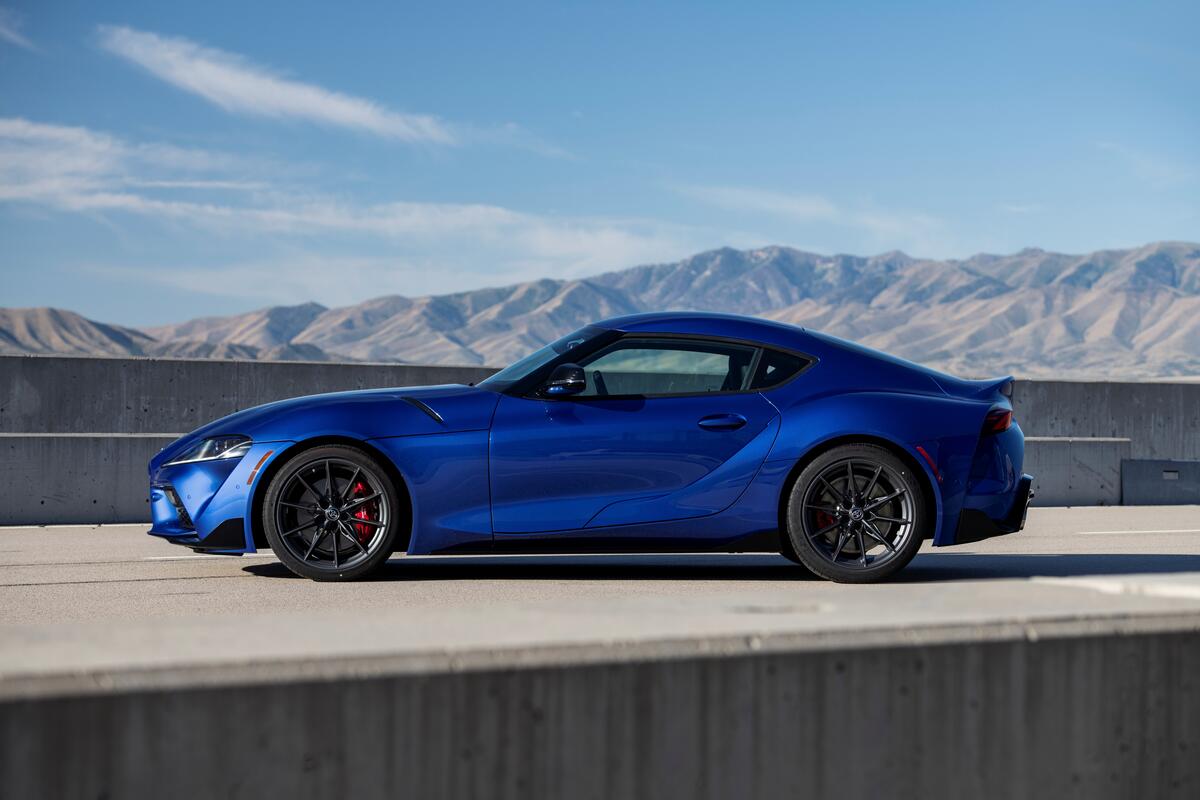
Toyota Supra
"Shenandoah is where we first drove the GR Supra. That was where the press launch was at and it's the shorter track at Summit Point in West Virginia"
The Toyota GR Supra is a performance sports car. The hosts mention it because they first drove it at Shenandoah Circuit during a press event.
The Toyota GR Supra is a modern sports coupe known for its performance-focused engineering and track-capable character. In this segment, it’s specifically tied to the press launch at Shenandoah Circuit, highlighting its role as a notable “event car” for enthusiasts.

Pontiac Fiero
"...ng. I also feel like by the time we reached Space Fiero all the folks that were inspired by Fast and Furi..."
The Pontiac Fiero is an older sports car that’s known for being fun and different. The podcast mentions “Space Fiero,” which refers to a specific fan or themed version people remember. It’s discussed because it has a strong following and recognizable history.
The Pontiac Fiero is a classic American mid-engine sports car that’s remembered for being an affordable, enthusiast-friendly platform. The podcast references “Space Fiero” and connects it to people inspired by the Fast and Furious franchise, showing how the car became part of pop-culture fandom. That kind of legacy discussion often comes up when debating what makes certain cars special beyond performance.

2017 Dodge Challenger RT Scat Pack
"He went straight to the Americana dream when he finally moved to the U.S. he bought a 2017 Dodge Challenger RT Scat Pack with a manual transmission."
The 2017 Dodge Challenger RT Scat Pack is a V8-powered muscle car. The host highlights that it was a manual transmission, which is the kind of choice car people often look for.
The 2017 Dodge Challenger RT Scat Pack is a modern muscle car built around a big V8 and classic rear-wheel-drive feel. In the segment, it’s specifically notable because the listener bought it with a manual transmission, which is a key enthusiast detail.
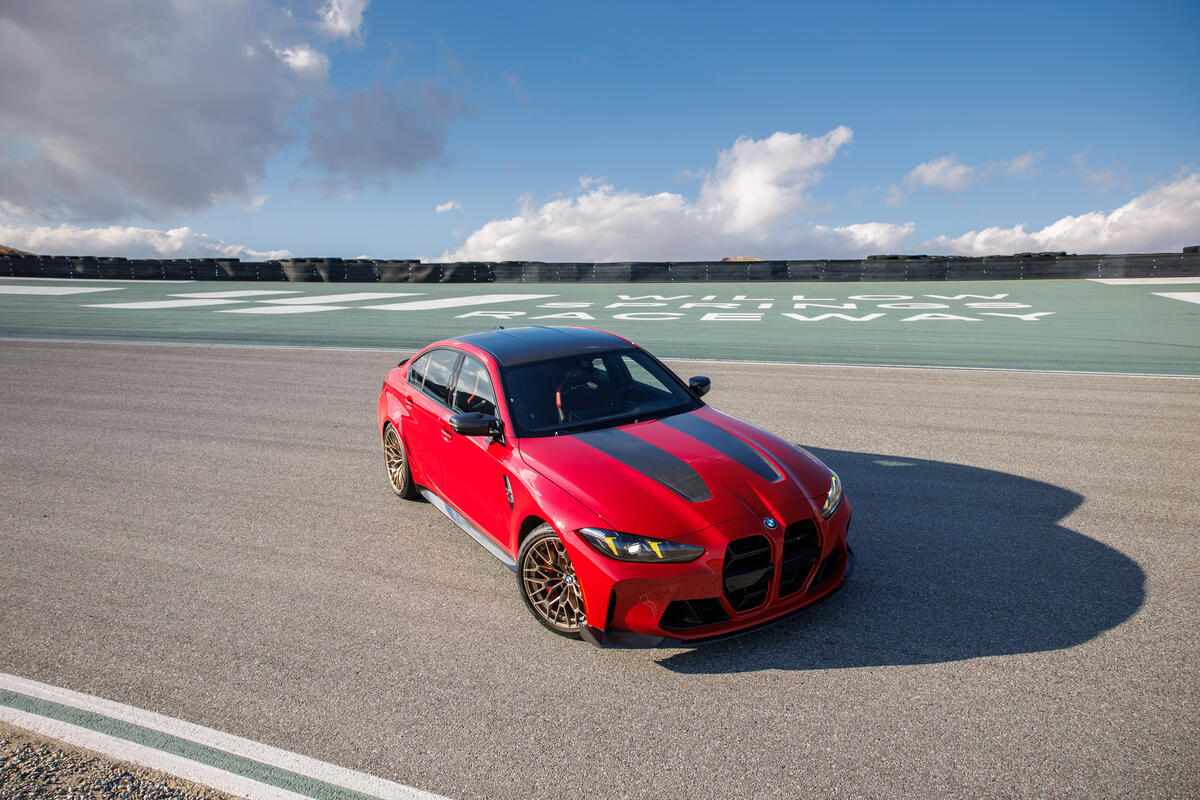
2022 BMW M3
"But since then the stable has grown and changed. He moved into a 2022 BMW M3"
The 2022 BMW M3 is BMW’s performance-focused sports sedan. The host brings it up as the newer car the listener moved into after owning a muscle car.
The 2022 BMW M3 is a high-performance version of BMW’s 3 Series, known for its track-capable chassis and M-tuned driving dynamics. In this episode, it’s mentioned as the next step after the Challenger, showing how the listener’s garage evolved toward a more performance-focused German sports sedan.

Dodge Charger Hellcat Red Eye
"competition and for a year even lived with his brother's 2022 Dodge Charger Hellcat Red Eye"
The Dodge Charger Hellcat Red Eye is a very powerful muscle car. It has a big engine and is meant to feel exciting to drive.
The Dodge Charger Hellcat Red Eye is a high-performance muscle car built around a supercharged V8, tuned for strong straight-line acceleration. In this segment it’s mentioned as a car someone lived with, setting context for what the family is used to driving.
Challenger Hellcat
"... even lived with his brother's 2022 Dodge Charger Hellcat Red Eye Jailbreak. All the words. Can we add anot..."
The Challenger is a performance muscle car. The podcast mentions it while talking about other very powerful cars in the same family of models. It comes up because people are comparing what these high-power cars feel like and why someone would want one.
The Dodge Challenger is a muscle car known for powerful engines and a long-running performance lineup. In the podcast context, it’s mentioned alongside a 2022 Charger Hellcat Red Eye Jailbreak, indicating the conversation is comparing high-performance Mopar models and their appeal. That’s why it appears in a debate about what “big power” cars are like in real life.
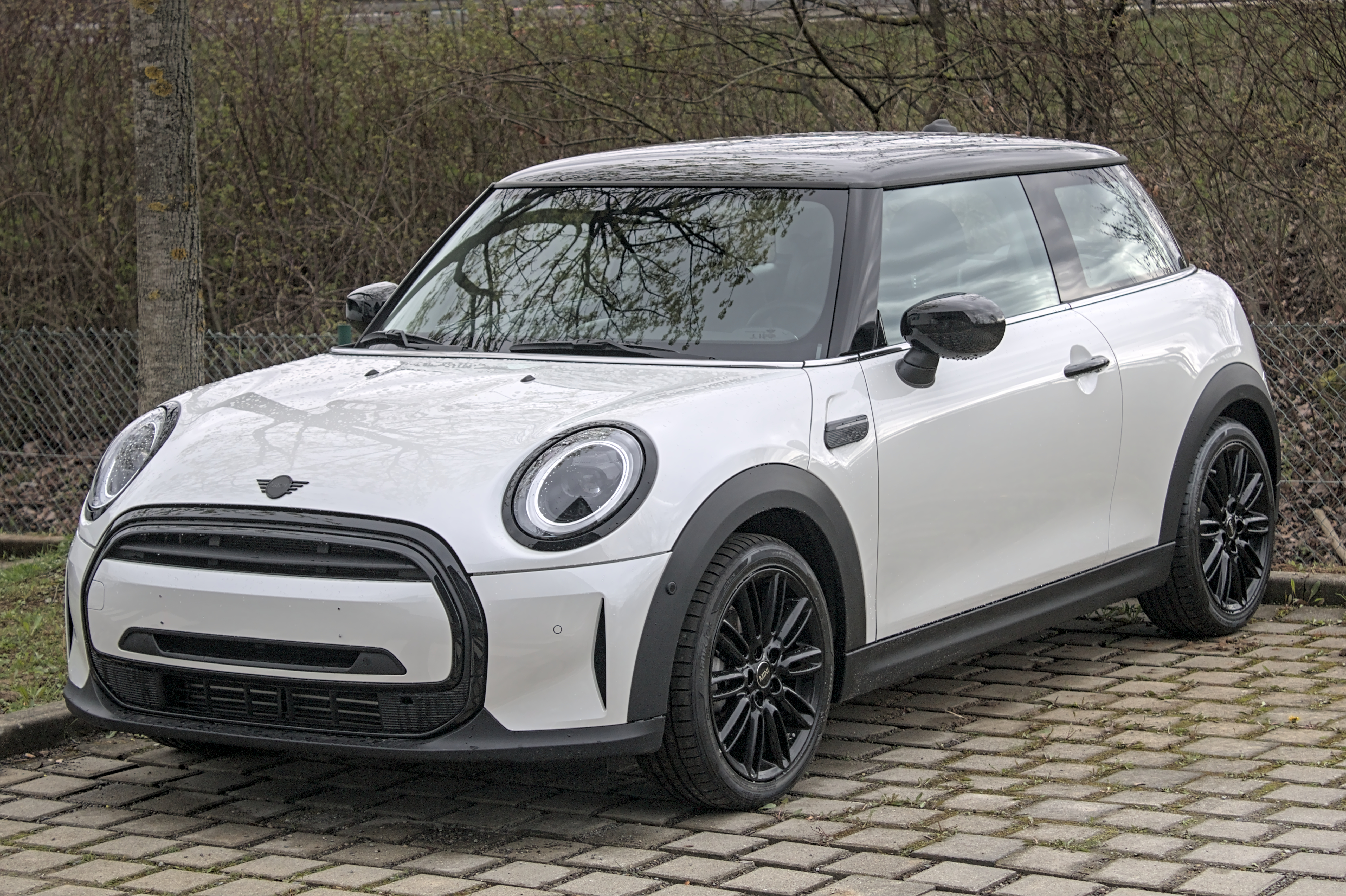
Mini Cooper S
"When his wife decided to learn to drive they added a 2014 Mini Cooper S to the mix. Love it."
The Mini Cooper S is a small car that’s tuned to drive more sporty than a typical compact. In the story, it’s the car they added for learning to drive.
The Mini Cooper S is a compact performance-oriented version of the Mini, typically known for its sporty handling and go-kart-like feel. Here it’s part of the family’s driving lineup when Ashreet’s wife learned to drive.
unpaved roads
"Bureau of Land Management land because neither of their current cars can handle unpaved uncertain roads they always end up in rental SUVs."
Unpaved roads are dirt or gravel instead of smooth pavement. They can be rough on a car, so you often need something with better clearance and tougher tires.
Unpaved roads are surfaces like dirt, gravel, or rough tracks that can be harder on tires, suspension, and ground clearance than normal pavement. The hosts use this as the reason their current cars can’t handle their road-trip “car camping” routes and they keep renting SUVs instead.

Ford Bronco Sport Badlands
"First is the Adventure SUV. They would like this to be new. They like the looks of the Bronco Sport Badlands seems to be a capable companion that can actually be had in a standout color and the budget for this first category is $50,000."
The Ford Bronco Sport Badlands is a small SUV made for rougher roads. In this segment, it’s the kind of vehicle they want for dirt/gravel trips.
The Ford Bronco Sport Badlands is an adventure-oriented compact SUV trim aimed at handling dirt/gravel better than typical crossovers, with an emphasis on off-road capability. The hosts are considering it as their “Adventure SUV” to replace cars that struggle with unpaved roads.
engine cooling
"He needs the reliable engine cooling and brakes the M3 provided but with the sole and fizz that the BMW was missing."
Engine cooling is how the car keeps the engine from getting too hot. On a track, the engine works harder for longer, so good cooling helps prevent overheating.
Engine cooling is the system that removes heat from the engine so it can operate within safe temperature ranges. On track, sustained high load can overheat engines, so having reliable cooling is a key requirement for consistent performance and avoiding thermal stress.

Toyota Gt86S
"...nts? There you go. I could buy a plenty. A couple GT86s. $180,000 I would have I don't know where I'd put..."
The Toyota GT 86 is a small sports car built to be fun and easy to drive. The podcast talks about buying a couple of them, which shows they’re seen as enjoyable cars to own. It’s mentioned as a practical way to get sports-car fun without going to something extreme.
The Toyota GT 86 (often referred to alongside the GR 86) is a lightweight sports coupe designed for affordable, engaging driving. The podcast mentions the idea of buying multiple GT86s, emphasizing how appealing it is as a fun car to own. That’s why it fits an everyday-driver debate focused on enjoyment and practicality.
turbo two-liter
"and I like that you love the Bronco Sport Badlands that is the four-cylinder 250 horsepower out of the turbo two-liter and it's got good power good torque"
A turbo 2.0-liter engine is a smaller engine that uses a turbo to make more power. The turbo helps it feel stronger, especially when you need acceleration.
A “turbo two-liter” refers to a turbocharged 2.0-liter engine. Turbocharging forces more air into the cylinders, which can improve power and torque compared with a naturally aspirated engine of the same size.
body on frame
"but that's just it this is still an SUV that is not body on frame. True. This is still unibody"
Body-on-frame means the car’s body is mounted on a separate frame, like many trucks. It’s often chosen for durability on rough roads, but it can feel different from more car-like SUVs.
Body-on-frame is a vehicle construction where the body sits on a separate ladder-like frame. It’s common in trucks and some off-road SUVs because it can handle rough terrain well, but it often feels less “car-like” than unibody designs.
unibody
"True. This is still unibody and there's many out there from many manufacturers and they're just starting to taste this off-road market"
Unibody means the body and frame are basically one integrated structure. It’s common on modern SUVs because it can be lighter and feel more like a car to drive.
Unibody construction integrates the body and frame into a single structure. It’s typically lighter and more rigid in a way that can improve ride/handling, which is why many modern crossovers use it even when they’re marketed for light off-roading.

Honda Pilot
"Honda is doing this with the pilot so the trail sport trim are doing the same thing but the problem with these"
The Honda Pilot is a family SUV. In this segment it’s used as an example of Honda offering a more trail-capable trim for people who want light off-roading without buying a full off-road truck.
The Honda Pilot is a family-oriented SUV that’s referenced as another example of a brand offering off-road-ish trims. Here, the hosts mention the Pilot’s trail-oriented “TrailSport” style trim approach as similar to the Bronco Sport Badlands concept.
low range
"but none of these are as capable as a body on frame a true 4x4 something with low range ... looking at all-wheel drive and nothing has low range or true 4x4"
“Low range” is an off-road gear setting that makes the vehicle move slowly but with more pulling power. It helps when you need control—like climbing a steep hill or driving through deep mud. It’s a feature you typically want for serious trails.
“Low range” refers to a low-geared setting in a 4x4 transfer case that multiplies torque for slow, controlled off-road driving. It’s used for steep climbs, deep mud, and rock crawling where you need maximum traction at low speeds. The hosts are implying that many mainstream AWD crossovers lack this capability.
4x4
"but none of these are as capable as a body on frame a true 4x4 something with low range ... if you think that having that capability is something you're going to want"
“4x4” means the car can drive all four wheels at the same time. That usually helps it grip better on slippery or uneven ground. It’s especially useful when you’re going off-road rather than just driving on normal roads.
“4x4” means power is sent to all four wheels, improving traction on loose surfaces like mud, snow, and rocks. In the context of this segment, it’s being contrasted with typical sedans that can get through mud but aren’t designed for sustained off-road conditions. It also ties into the discussion of low-range gearing for crawling.
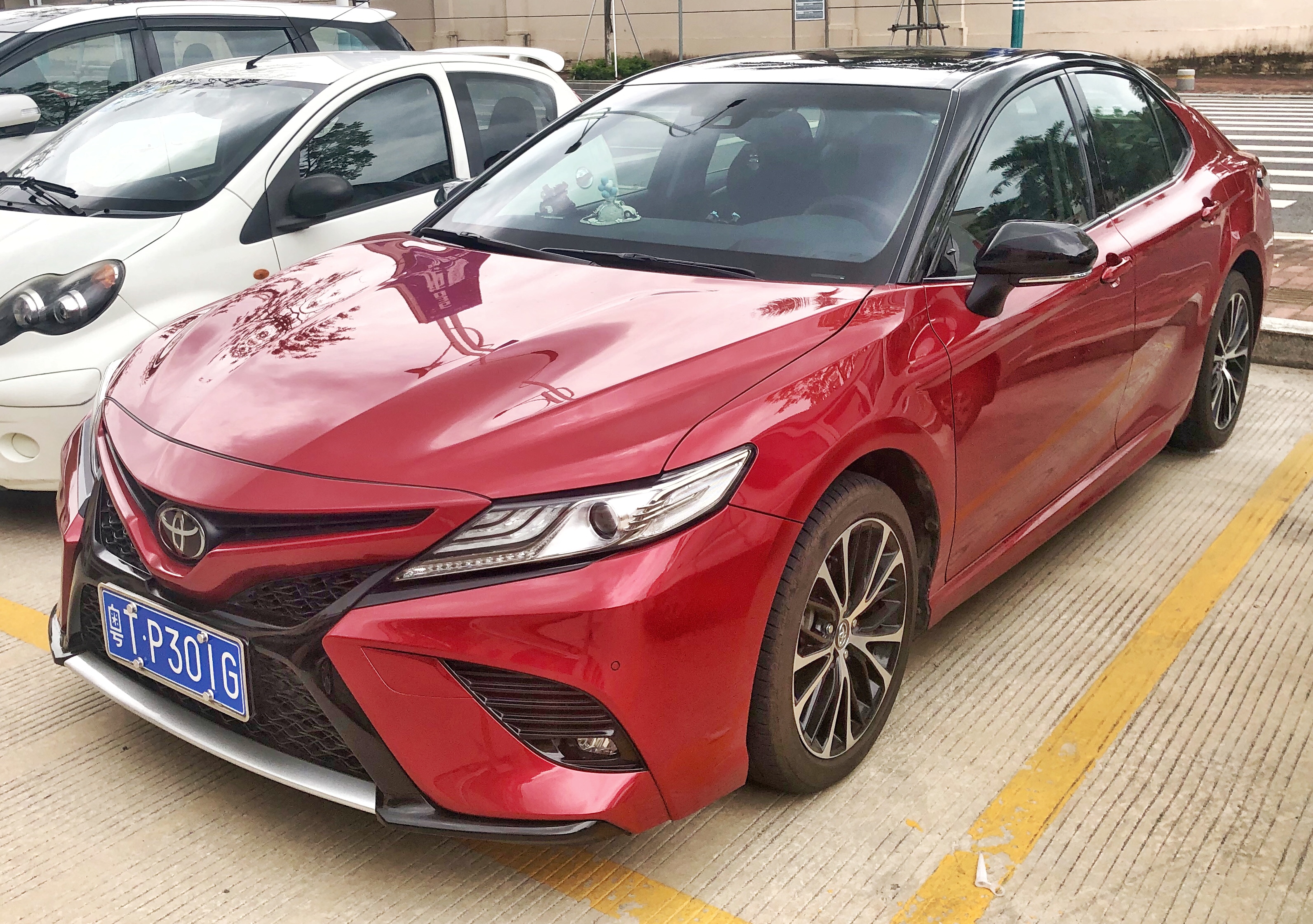
Toyota Camry
"I mean a Corolla could splash through the mud a Camry could do in that shot yes so it's I mean it looks rugged and and outdoors-ish"
The Toyota Camry is mentioned as another normal car that can get through mud in a photo or short situation. But it’s not the same as a real off-road 4x4 built for trails. The hosts are basically saying “don’t confuse passing a puddle with real capability.”
The Toyota Camry is referenced alongside the Corolla as another everyday sedan that can handle a brief muddy moment. The speaker uses it to illustrate that sedans may get through, but they’re not equipped with the off-road drivetrain features associated with true 4x4 capability. It’s part of the broader argument for choosing the right vehicle for trail use.

Toyota Corolla
"you know we want to try a different kind of a trail and not just I mean a Corolla could splash through the mud a Camry could do in that shot"
The Toyota Corolla is mentioned as a regular car that might get through a muddy spot. But it’s not designed for the kind of off-road driving where you need special 4x4 features. The hosts are contrasting “getting through” with “being built for it.”
The Toyota Corolla is used as an example of a mainstream sedan that can “splash through the mud,” but it’s not the same as a purpose-built off-road 4x4. The speaker’s point is that while everyday cars can get dirty and damaged, they don’t offer the same low-range and traction advantages for serious trails. It’s a capability comparison, not a recommendation for off-roading.

Ford Bronco
"if you look at the Toyota portfolio and again [962.4s] I like that you love the the Bronco but I want you to go drive others and especially the body on frame"
The Ford Bronco is an SUV designed for off-road driving. The hosts mention it because the listener likes it, but they want them to test other SUVs that are built for trails in a similar way. They’re comparing how capable and how comfortable they feel on and off the road.
The Ford Bronco is a modern off-road-focused SUV built around 4x4 capability and trail-oriented hardware. In this segment, it’s referenced as something the listener “loves,” but the hosts push for driving other body-on-frame 4x4 options too. The point is to compare real off-road traits like low-range gearing and ride tradeoffs.

Toyota 4Runner
"might I throw my hat in the ring for a four-runner for you this was $60,600 that's what I paid ... easily spend 50 grand here do you want to talk about SUVs"
The Toyota 4Runner is an SUV built for off-road use, not just paved roads. It’s designed to handle trails better because it has the kind of 4x4 system that can crawl slowly when needed. The tradeoff is that it may ride differently on regular roads than more car-like SUVs.
The Toyota 4Runner is a body-on-frame 4x4 SUV known for off-road hardware like low-range gearing and strong trail capability. In this segment, it’s positioned as a serious alternative to AWD-only options because it can handle rough trails and mud with the right drivetrain setup. The hosts also discuss how its ride quality can differ from more road-focused SUVs.

Toyota Land Cruiser
"we've done a serious off-road bash with with two forerunners new and old alongside a Land Cruiser ... the forerunner especially the new one was driving that was the reason that I bought this one"
The Toyota Land Cruiser is a rugged SUV that’s known for being able to handle tough off-road conditions. In this discussion, it’s mentioned as the reference point while they compare other 4x4s. That’s meant to show what “serious off-road” looks like.
The Toyota Land Cruiser is a long-running, body-on-frame 4x4 that’s famous for durability and serious off-road capability. Here, it’s used as a benchmark during an off-road comparison with multiple 4Runners, emphasizing that the vehicles being discussed can be evaluated against a proven trail platform. The mention reinforces the “true 4x4” criteria like low range and traction.
Ford Bronco Sport
"I'm going to show you the Ford page here for the Bronco Sport because you're right with your $50,000 you have options... it's enough if it's this light off-roading with some style it is actually kind of hard to beat the Bronco Sport that's a... road vehicle and it has some good off-road style"
The Ford Bronco Sport is a small SUV that’s meant to handle rougher roads than a normal commuter car. The hosts are saying it’s a good balance if you want some off-road style without going full off-road.
The Ford Bronco Sport is a compact SUV built with a more rugged, off-road-inspired look than typical crossovers. In this segment, it’s framed as a practical way to get “light off-roading” capability while still being a road vehicle.
Auto Tempest
"I actually looked on Auto Tempest dot com slash every day I looked at the used ones 20 25 grand you can get a really nice kind of loaded out few year old used one"
Auto Tempest is a website that helps you search for used cars by pulling together listings from different places. It’s mentioned here as a tool for finding good deals within a certain price range.
Auto Tempest is a used-car search website that aggregates listings from multiple sources. The hosts use it to compare used Bronco Sport options against the idea of buying new at a higher budget.
off-road
"it's enough if it's this light off-roading with some style... it has some good off-road style... you have the off-road so but I've got the SR5 the sport the off-road and the TRD sport"
Off-road means driving on rough terrain instead of smooth pavement. The hosts are talking about which SUV can handle at least some dirt trails without needing a full hardcore off-road setup.
“Off-road” refers to driving on surfaces that aren’t normal paved roads, like dirt trails, rocks, mud, or uneven terrain. In this segment, the hosts use it to compare how different SUVs handle “light off-roading” versus more serious trail use.
TRD
"there she is to the TRD sport like Paul has that is 53 9 to start before extras and taxes and you have the off-road so but I've got the SR5 the sport the off-road and the TRD sport"
TRD is Toyota’s brand for more performance- and off-road-focused versions. When you see TRD on a Toyota SUV, it usually means it’s been set up to handle rougher driving than the standard trim.
TRD stands for Toyota Racing Development, Toyota’s in-house performance and off-road branding. On vehicles like the 4Runner, TRD trims typically indicate more rugged hardware and tuning than the base models.
Rubik Kyan
"I got to use the Rubik Kyan as a camera vehicle which is also really fun but anyway you fell back in love with it... part of the reason I love the Rubik Kyan is because it's not worth anything"
The transcript mentions a “Rubik Kyan” as a camera vehicle, but the name doesn’t look right. It sounds like the host is talking about a specific car they used for filming, though the exact make/model is unclear.
“Rubik Kyan” appears to be a mis-transcription of a specific vehicle name used as a camera vehicle. The context suggests it’s a particular car the host used for filming, but the exact model/brand isn’t clear from the transcript.

Chevy Colorado
"to the Chevy Colorado this gets overlooked this is a very good truck yeah and I feel like it's almost always this the runner up in thinking behind the Tacoma which gets all the press yeah"
The Chevy Colorado is a mid-size truck. Here, the host says it’s a good choice if you want to buy smarter than the Tacoma and still have enough options to set it up for camping.
The Chevrolet Colorado is a midsize pickup that’s being discussed as an overlooked alternative to the more hyped Toyota Tacoma. In this segment, the host highlights that Colorado deals and trim variety make it easier to build a camper-ready truck setup.
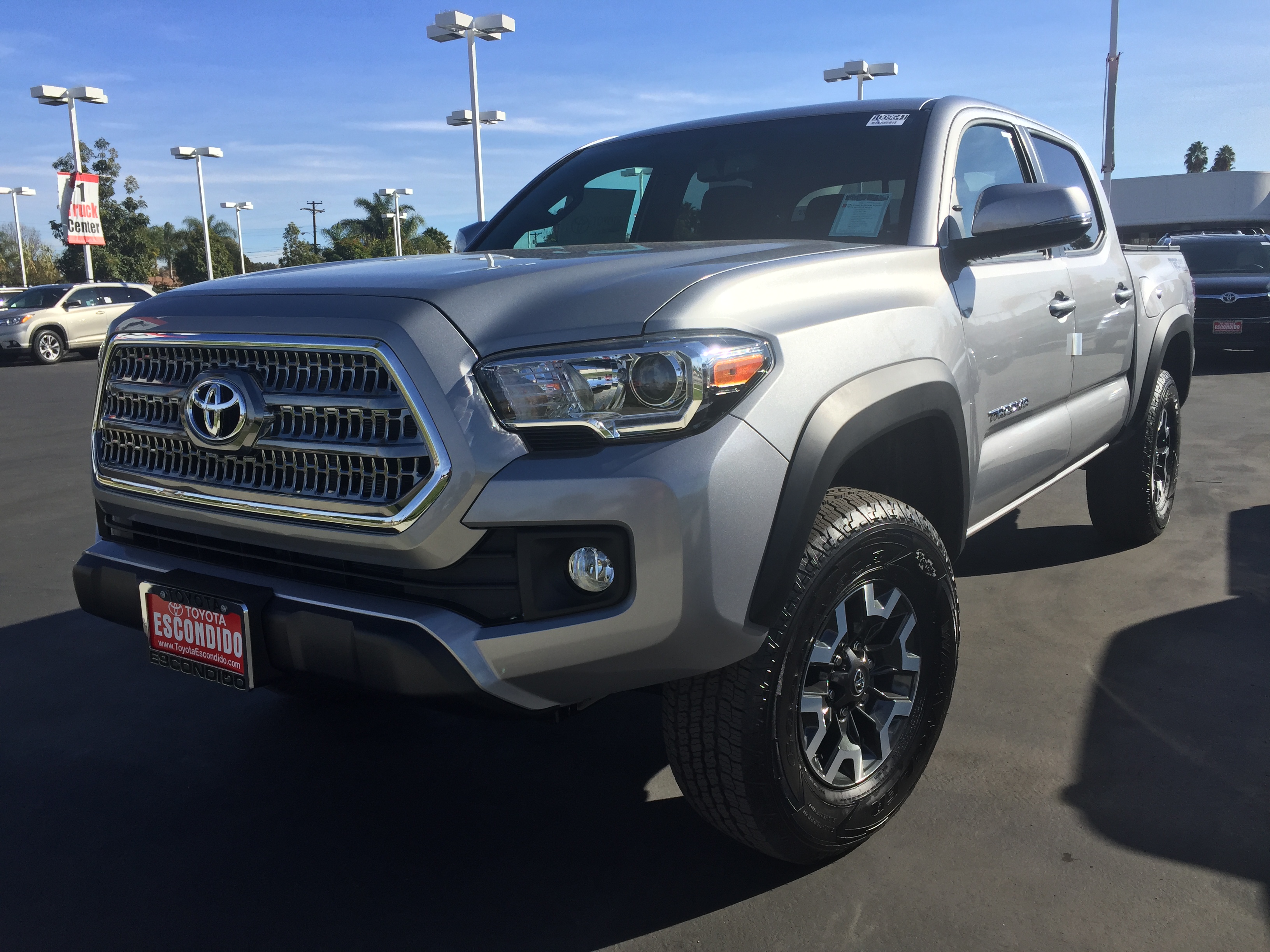
Toyota Tacoma
"... always this the runner up in thinking behind the Tacoma which gets all the press yeah you can find deals ..."
The Toyota Tacoma is a midsize pickup truck. It’s often chosen by people who want something tough that can handle daily driving and occasional hauling. The podcast mentions it because it’s a strong option even if it doesn’t always get the most hype.
The Toyota Tacoma is a midsize pickup truck known for its durability and popularity with buyers who want a truck for everyday life and light work. The podcast mentions it as a “runner up” that often gets less attention than other options, even when deals are available. That kind of comparison is typical in everyday-driver debates.
four-wheel drive
"the trail boss full four-wheel drive starting at 43 grand and going up"
Four-wheel drive means the truck can send power to all four wheels. That helps it grip better on rough or slippery ground, which matters for off-road camping.
Four-wheel drive (4WD) sends power to both the front and rear axles, improving traction when roads get slippery or uneven. It’s especially useful for off-road camping setups where you might encounter mud, sand, or steep grades.
factory lift
"this is the first one of the lineup that actually has their two inch factory lift so it does have 18 inch rim 32 inch tires"
A factory lift is when the truck’s suspension is raised by the manufacturer. That gives more clearance under the truck, which helps when you’re driving off-road.
A factory lift is suspension height increase engineered by the manufacturer, typically to improve ground clearance and off-road capability. In this segment, the host says the Trail Boss has a two-inch factory lift, which pairs with larger wheels and tires for a more rugged stance.
rooftop tent
"plus you can do the rooftop tent thing especially on the top of the forerunner"
A rooftop tent is a tent that sits on top of your vehicle. You can open it up to sleep up high, which can be convenient for camping.
A rooftop tent is a camping tent mounted on the vehicle’s roof, designed to deploy quickly and provide a raised sleeping platform. The host mentions it as an accessory option for the truck/SUV lifestyle, especially when you want to camp without setting up a ground tent.
automatic transmission
"but the problem is the cs is only available with an automatic transmission cannot buy it with a manual yeah I do want to show you those seats"
An automatic transmission shifts gears for you using hydraulic/electronic control, rather than requiring a driver to operate a clutch and gear lever. In this segment it matters because the BMW M2 CS is described as only being available with an automatic, not a manual.
manual transmission
"cannot buy it with a manual yeah I do want to show you those seats that I want you to buy"
A manual transmission is the “stick shift” where you choose the gears yourself and use a clutch. They’re using it to explain which M2 versions you can buy with a stick.
A manual transmission requires the driver to select gears and operate a clutch, giving more direct control over engine speed and shift timing. Here, the hosts contrast it with the BMW M2 CS’s automatic-only availability and discuss where you can still get a manual M2.
M Drivers Package
"manual transmission version of that make sure to get the m drivers package and you've got 473 horsepower 406 pound feet of torque"
The M Drivers Package is an add-on option on some BMW M cars. The hosts are saying it’s part of the spec you should choose to get the performance setup they’re talking about.
The M Drivers Package is an option/package on certain BMW M models that typically adds performance and track-oriented features beyond the base car. In this segment, they tie it to the BMW M2’s output figures and the ability to spec the car the way they want.
bucket seats
"you can go backwards one generation to the f87 m2 you can get the manual in the cs there you've got the bucket seats here they're not the carbon buckets but these are still also very very good and very comfortable quite supportive"
Bucket seats are sport seats with extra side support to keep you from sliding around. They’re describing them as supportive and comfortable, even if they’re not the lightweight carbon version.
Bucket seats are deeply contoured seats that hold you in place with pronounced side bolsters, improving support during hard cornering. The segment notes that the BMW M2 CS uses bucket seats (not carbon buckets), emphasizing how supportive they feel.
track car
"so you can expect more of this at coda this year very fun since you track a street three to four times a year so here is your track car it's brilliant as a gt car it's very comfortable as a cruiser"
A track car is a car that’s meant to be driven hard on a race track. They’re saying this one can still be comfortable for normal driving and even family errands.
A “track car” is a vehicle set up to handle repeated high-speed driving on a circuit, typically with firmer suspension, better cooling, and tires/brakes suited for track use. The hosts contrast that with using the same car as a comfortable daily driver and family vehicle.
GT car
"so here is your track car it's brilliant as a gt car it's very comfortable as a cruiser"
A GT car is built for long drives—more comfortable than a pure track-only car, but still fun to drive. They’re saying it works both for cruising and for track use.
A GT car (“grand tourer”) is designed for long-distance driving with a balance of comfort and performance. In the segment, they describe the car as a GT that’s comfortable as a cruiser but still capable enough to be used for track days.
residual value
"so I highly suggest driving that but I do have a wild card for you okay $130,000 budget track three"
Residual value is what a car is expected to be worth later, after you’ve had it for a while. It can affect the total cost of owning or leasing a car.
Residual value is the estimated worth of a vehicle at the end of a lease or financing term. It matters in budgeting because it affects how much you effectively pay over time, especially for higher-end cars.

Acura Nsx
"because we reviewed the Acura NSX and Todd's Amirah and a Ferrari I went shopping for Ferraris"
The Acura NSX is a supercar with its engine placed toward the middle of the car. Here, the hosts mention it as one of the cars they reviewed in a comparison episode.
The Acura NSX is a mid-engine supercar that’s known for blending everyday drivability with real performance. In this segment, it’s used as part of a “triple car” comparison set, alongside other enthusiast favorites.

Ferrari 360 Modena
"I just wanted an excuse to go shop for 360 Modnes sure many of them as street are spiders yes but I did find you one check this out hard top"
The Ferrari 360 Modena is a mid-engine Ferrari known for being exciting and very “old-school” in how it drives. The hosts are talking about finding one and potentially converting it to a manual transmission.
The Ferrari 360 Modena is a V8 mid-engine Ferrari that’s famous for its classic supercar drama and analog driving feel. In this segment, it’s the basis of the “manual swap” idea—finding a hardtop example and converting it to a manual to keep it within a stated budget.
hard top
"but I did find you one check this out hard top it's got a little bit higher miles for Ferrari"
“Hard top” means a fixed roof (as opposed to a convertible/“spider” style). For Ferraris, the hardtop vs convertible choice affects rarity, pricing, and what you can realistically find for a specific build.
manual swap
"it is the manual you could find any spider or any of these that are the old F1 style transmission and do the conversion it'll cost you $20,000 to $30,000 for the conversion"
A “manual swap” means changing a car so it can be driven with a manual transmission instead of an automatic. The hosts are saying it’s expensive, but it can still fit the overall budget.
A “manual swap” is converting a car that didn’t come with a manual gearbox into one that does. This usually involves more than just the shifter and transmission—there can be supporting parts and calibration work—so the hosts estimate a significant cost to do it properly.
F1 style transmission
"you could find any spider or any of these that are the old F1 style transmission and do the conversion"
“F1 style transmission” is a gearbox that shifts like a race car using paddles, but it’s not the same as a traditional manual you control with a clutch pedal. The hosts are saying you could convert that to a real manual.
“F1 style transmission” refers to a paddle-shift, automated manual gearbox setup (often branded by manufacturers) that mimics Formula 1-style shifting. The hosts mention it as the kind of transmission you’d find on many Ferraris, and they’re contrasting it with a true manual swap.
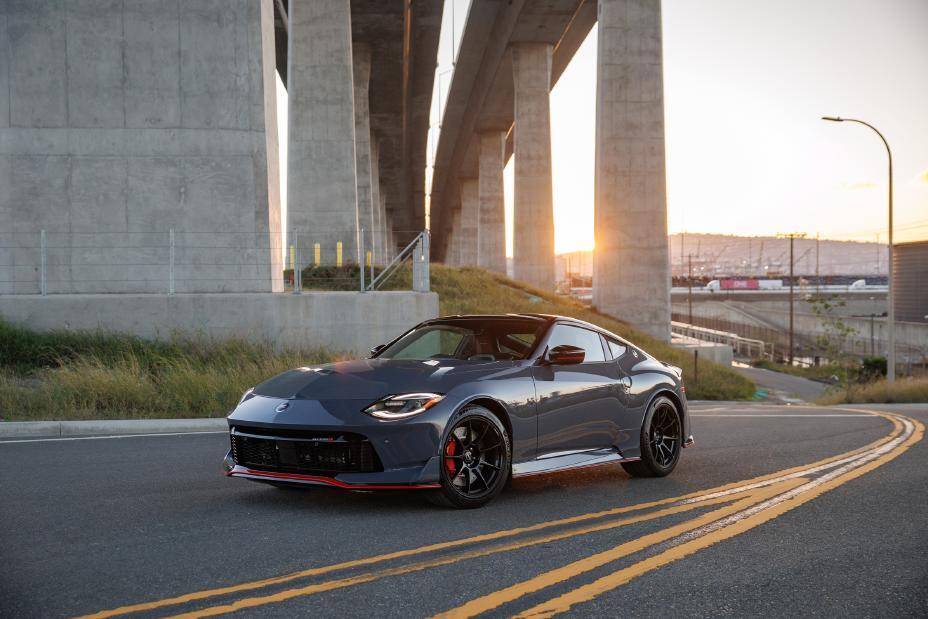
Nissan Z
"you could get the new Nismo Z comes in manual the GR Supra comes in manual and have money left over"
The Nissan Z is a sports car that’s meant to be fun to drive. They’re saying the newer one can come with a manual transmission, which many car people prefer.
The Nissan Z is a modern, enthusiast-focused sports coupe that’s known for offering a traditional manual transmission. In this segment, they’re pointing out that the new Nissan Z can be had with a manual, which makes it more appealing if you want a driver’s car rather than an appliance.
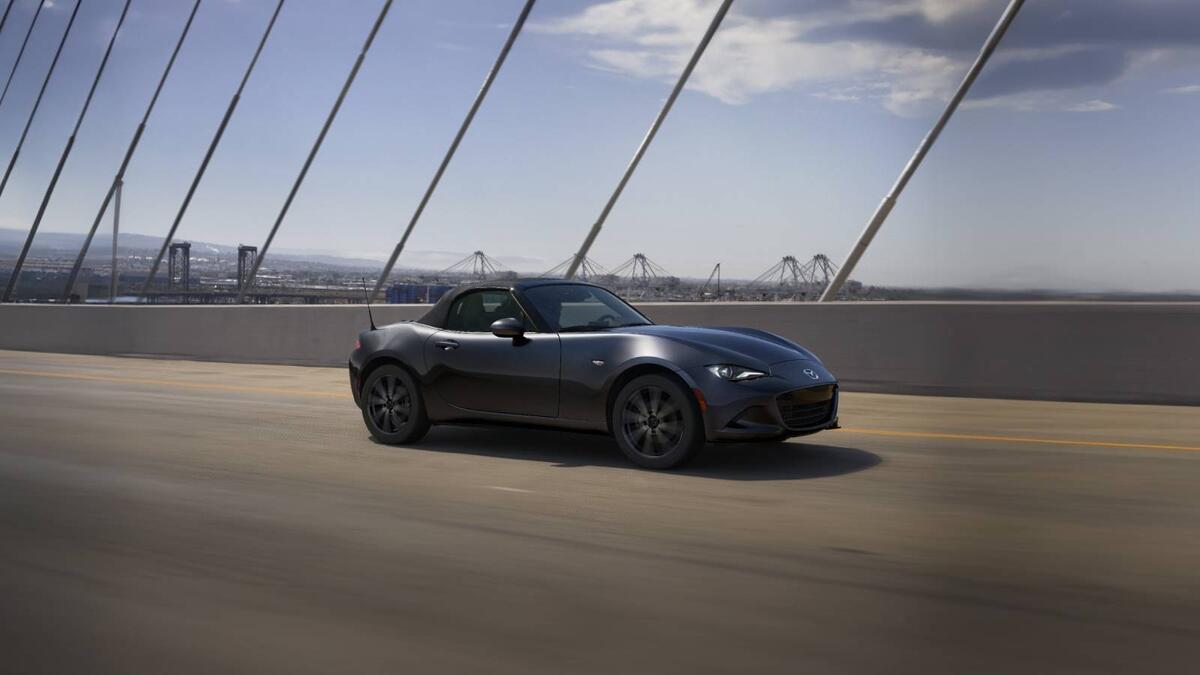
Mazda MX-5 / Miata
"for an ND3 Miata in manual that you can just make a track car still spend less you're right fair"
The Mazda Miata is a small, lightweight sports car that’s fun and popular for track days. They’re saying you can get one with a manual and still keep costs down.
The Mazda Miata is a lightweight, rear-wheel-drive roadster that’s famous for being easy to drive fast and for being a popular platform for track use. The hosts mention an “ND3 Miata in manual,” which is a reference to the ND-generation Miata, emphasizing that it can serve as a track car while still fitting into a budget.
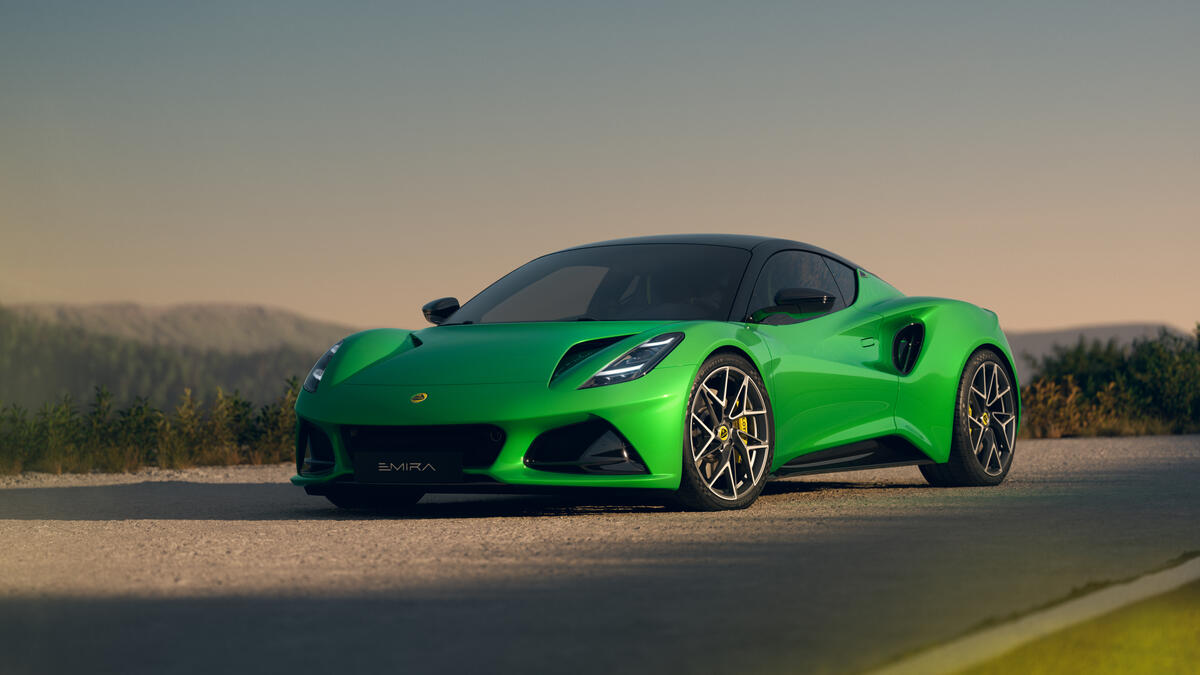
Lotus Emira
"let's start here $130,000 Paul's already mentioned it but I had to show it to you in a green they should have offered when when they first sold the car the updated green that is offered on the Lotus Amira"
The Lotus Emira is a sporty Lotus with a V6 engine. They’re talking about a version that comes with a manual transmission and saying it can work as both a daily car and a track car.
The Lotus Emira is Lotus’s modern sports car, built around a driver-focused feel and offered with a V6 powertrain and manual gearbox. In this segment, the hosts highlight a specific updated green color option and the fact that it’s a V6 manual—positioning it as both a daily driver and a capable track car.
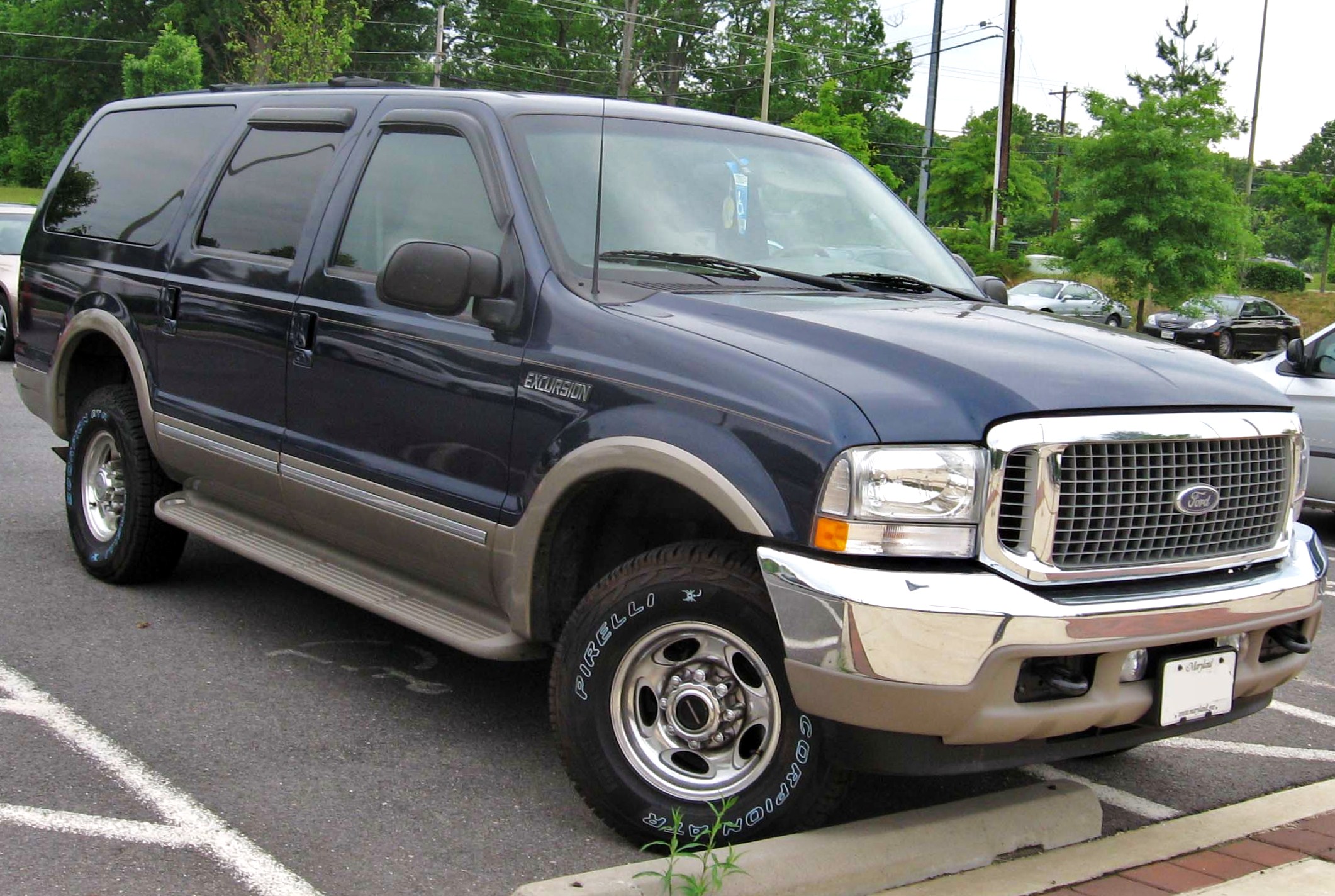
Ford Excursion
"... a quick photo I'll show that photo from from our excursion yes so this is $126,000 right now this is the v6 ..."
The Ford Excursion is a very large SUV. The podcast mentions one with a specific price and engine type, which is about what older big SUVs cost. It’s brought up because it can be a practical option if you need lots of room.
The Ford Excursion is a large, full-size SUV known for its big size and capability, often chosen by people who need lots of space. The podcast mentions a specific Excursion price point and a V6, which suggests they’re discussing value and what you can buy for the money in older, larger SUVs. That makes it relevant to everyday-driver debates about practicality and budget.
consideration list
"this is $126,000 right now this is the v6 manual this needs to be on your consideration list because it works as a daily"
A “consideration list” is just the short list of cars you’re seriously thinking about. They’re saying the Lotus Emira deserves a spot on that list.
A “consideration list” is the shortlist of vehicles a buyer is actively thinking about before making a final decision. The hosts use it like a decision tool: the Lotus Emira should be on your consideration list because it can serve multiple roles.

Porsche 718 Cayman GTS 4.0
"while we're talking 130 grand the street you thought up and you brought up a great option which is the Cayman 718 the gts4o yeah and I want to stop on this car real quick because I have one I found 646 miles on a 200 in 2025 this is a cpo 646 miles in gray unfortunately but it is manual transmission it is the gts4o they're wanting 132,500"
This is a specific Porsche Cayman version. It’s known for being fun to drive and for having a bigger, naturally aspirated engine than some other Cayman trims. The hosts are comparing it to other “do-it-all” exotic options based on how it fits their budget and use case.
The Porsche 718 Cayman GTS 4.0 is a Cayman variant built around a naturally aspirated 4.0-liter engine, aiming for a more engaging “driver” feel than many turbo-focused trims. In this segment, it’s discussed as a premium alternative to an Aston Martin “Amira” (likely the Aston Martin Vantage) for someone shopping for an all-conditions exotic.
CPO
"I found 646 miles on a 200 in 2025 this is a cpo 646 miles in gray unfortunately but it is manual transmission"
CPO means “certified pre-owned.” It’s a used car that a dealer has checked and usually offers extra coverage or guarantees versus buying a random used car.
CPO stands for “Certified Pre-Owned.” It means the car is used, but the dealer has inspected it and typically backs it with an added warranty or certification program compared with a regular used-car sale.
do-it-all exotic sports car
"and I think if you're trying to buy a do-it-all exotic sports car the Amira does it better but if you're trying to buy a car where fizz is out front in the Cayman lineup gt4 does it better"
“Do-it-all” means a car you can use for more than one thing—like commuting and weekend fun—without it feeling too extreme or impractical. They’re comparing which exotic fits that lifestyle best.
“Do-it-all” refers to an exotic that can handle multiple roles—daily driving, long trips, and spirited weekend use—without feeling like it’s only good for one narrow purpose. The hosts use this idea to compare which car best balances usability versus pure track-focused character.
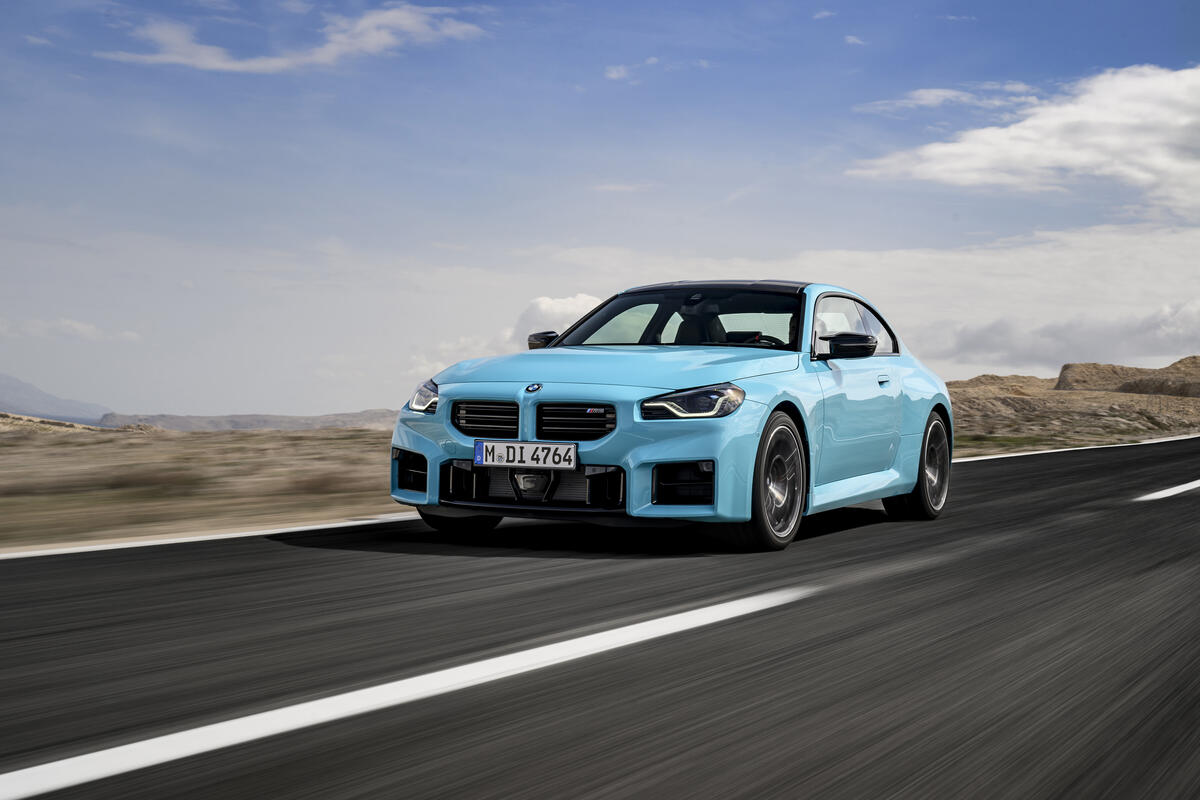
BMW M2
"Paul talked about the m2 I just want to point out the fact that the current m2 you can get for 70 grand yeah spend half it's crazy 5000 miles on this one from 2024 unfortunately I just don't find this car attractive but it cannot be denied in performance"
The BMW M2 is BMW’s smaller, sportier performance car. Here, they’re talking about how different M2 versions feel and what you can pay for one.
The BMW M2 is a compact, performance-focused coupe built around BMW’s sporty “M” engineering. In this segment, the hosts discuss pricing and how the car’s driving feel changes across different M2 versions, including a newer 2024 example.

Lotus Evora GT
"one of which Paul's already talked about and that is the Evora GT base you want a color I found bright yellow my friend that is this is a nuclear 2021 fantastic solar yellow $90 000 okay let me let me separate it out as an owner here the Evora GT is a sharper better track car"
The Lotus Evora GT is a sports car designed to feel more “track ready.” They’re saying it’s more focused and harder-core than the other Lotus they’re comparing it to.
The Lotus Evora GT is a mid-engine sports car tuned for sharper, more track-focused driving. Here, the hosts describe it as a “sharper better track car” than an Elise/Amira setup, and they also mention a specific 2021 color and price point.
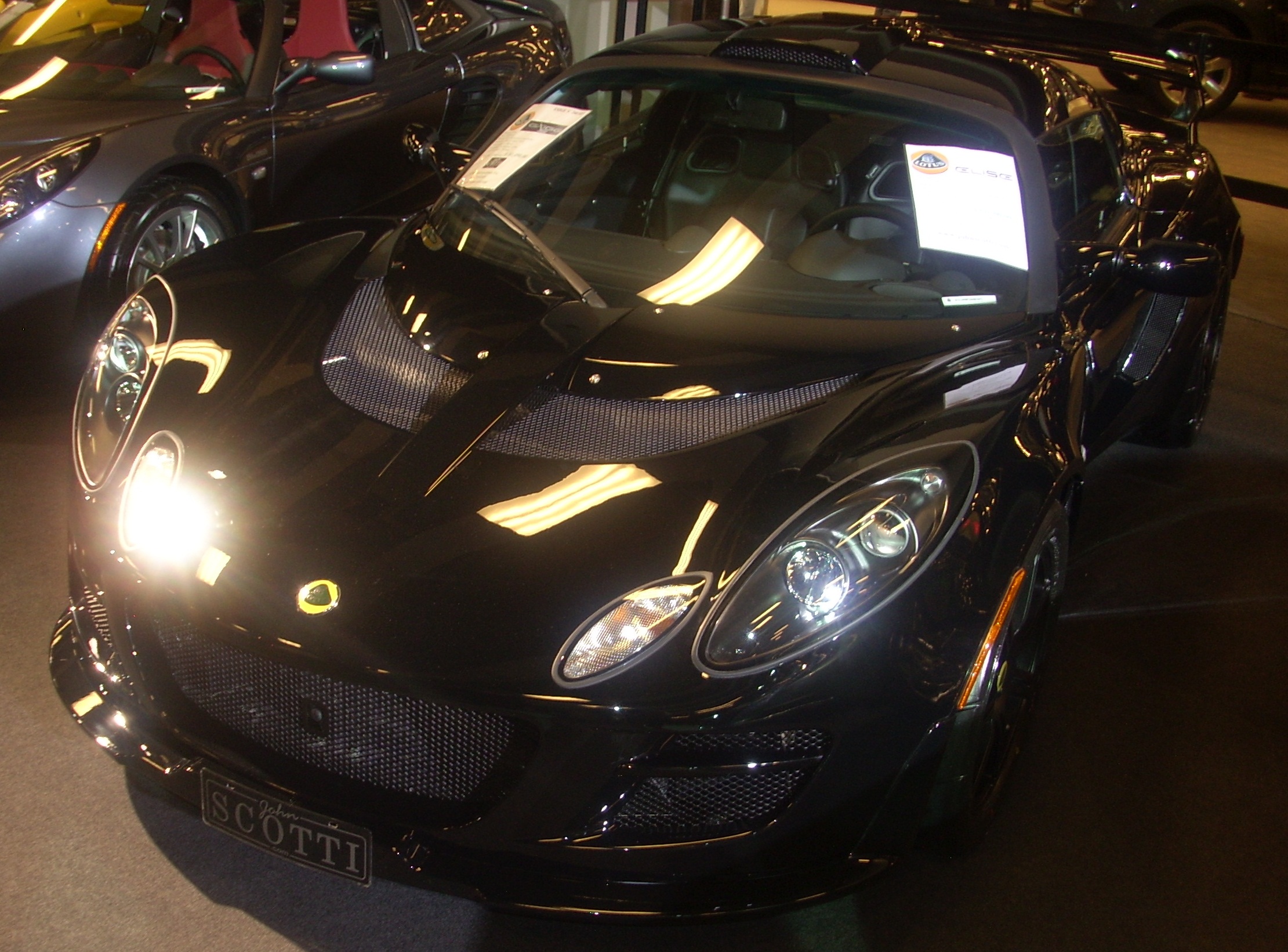
Lotus Elise
"but again I have a sharp car a car that is super focused in my Elise I didn't need to duplicate that I needed to get away from that a little bit"
The Lotus Elise is a lightweight, agile sports car known for its driver-focused handling. In this segment, it’s used as a reference point for how “super focused” one car can be, which is why the speaker didn’t want to duplicate that exact level of focus with another Lotus.
track dates
"you want it to be a good engine reliable manual transmission you want to use it for track dates but also for other stuff"
“Track dates” are days where you drive your car on a race track with other drivers, usually in timed sessions. It’s harder on the car than regular driving, so people pick cars that can handle it.
“Track dates” are organized events where drivers take their cars onto a closed circuit for timed sessions or open-lapping. It’s a different use case than normal street driving, so cars are often chosen for braking, cooling, tires, and chassis stability.
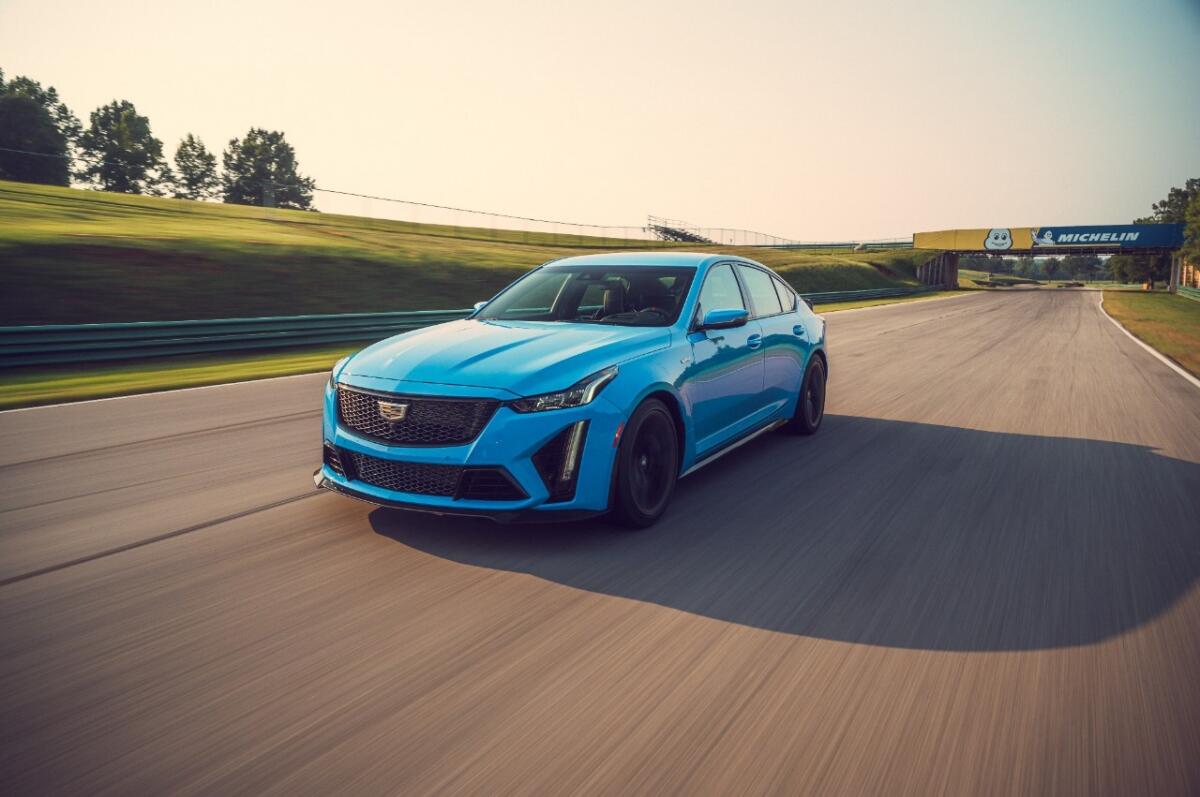
Cadillac CT5-V Blackwing
"but also for other stuff you have a history of BMWs my friend CT5 black wing it comes in colors and it comes in manual manual blue yellow this fun green this is out there for"
The Cadillac CT5-V Blackwing is a high-performance version of the CT5 sedan. They’re bringing it up as a surprising choice that still has the right basics for driving hard and even doing track days.
The Cadillac CT5-V Blackwing is a performance sedan built for enthusiasts, with a focus on driver engagement and track-capable capability. The hosts mention it as a “wild card” option that can still check boxes like fundamentals, reliability, and offering manual transmission.
analog feel
"the slightly more analog feel that BMWs used to be haloed for yeah the five the threes and the fives"
“Analog feel” means the car feels more like it’s responding directly to you, not like it’s being managed by lots of electronics. Enthusiasts often prefer this kind of response.
“Analog feel” is enthusiast shorthand for a driving experience that feels less mediated by electronics. It usually points to more natural steering/throttle response and fewer “computer-tuned” sensations.

Lotus Esprit
"...black wing and I'm landing there that's fantastic Esprit thank you for writing really appreciate you follo..."
The Lotus Esprit is a sports car model with a long history and a strong fan base. The podcast mentions it with specific styling details, like a “black wing,” to highlight what makes it recognizable. It’s brought up because it’s an iconic kind of sports car.
The Lotus Esprit is a classic British sports car known for its distinctive styling and enthusiast following. The podcast references the Esprit in a celebratory way, including a “black wing” detail, which suggests it’s being discussed as a memorable or iconic model. That makes it a natural topic when the conversation turns to cars with strong identity.
front-wheel drive
"they own a 2012 Volvo XC73.2 in front-wheel drive in front-wheel drive yes there was a generation of cross-country models that were available without all-wheel drive"
Front-wheel drive means the front wheels do the work of both steering and moving the car. It’s common because it can be efficient and easy to live with for daily driving.
Front-wheel drive (FWD) means the engine’s power is sent to the front wheels, which handle both steering and traction. It’s often chosen for packaging efficiency and fuel economy, especially in everyday commuting.
all-wheel drive
"yes there was a generation of cross-country models that were available without all-wheel drive he says ask me how I found out"
All-wheel drive (AWD) sends power to all four wheels, improving traction when conditions are slippery or uneven. The host notes that some cross-country-style models were offered without AWD.
straight six
"anyway yeah comfortable reliable without just over 101,000 miles smooth quiet straight six noises and the car is efficient easy 28 to 32mpg"
A straight six is an engine with six cylinders lined up in a row. People like it because it tends to run smoothly and sounds a certain way.
A “straight six” is an inline six-cylinder engine layout where all six cylinders are in a single line. It’s often praised for smoothness and a distinctive sound compared with many smaller or multi-cylinder configurations.
mpg
"easy 28 to 32mpg on the highway at 70 to 75 miles an hour that's impressive that's really good"
MPG tells you how many miles you can drive on one gallon of gas. Higher MPG generally means you spend less on fuel.
MPG (miles per gallon) is a fuel-economy measure that tells you how far the car can travel on one gallon of fuel. The segment uses it to compare highway efficiency at specific speeds.

Hyundai Ioniq 5
"he would love an EV6 he would love the Ioniq 5 he said he hears they're good but he doesn't love cars designed with a speed square and a pair of scissors that is the Ioniq 5 description for sure"
They’re talking about the Hyundai Ioniq 5 as another EV option the buyer wants. They also mention that its styling is a big part of why they either like it or don’t.
The Hyundai Ioniq 5 is an electric SUV/crossover that’s specifically discussed as a favorite candidate. The hosts also comment on its design language, and they compare it to other EVs in terms of practicality for a family.
lift over
"it's got to be a wagon form factor she is allergic to minivans the lift over in the hatch has to be low comforts priority along with reliability"
“Lift-over” is how high you have to lift something to get it into the trunk or cargo area. A lower lift-over makes loading easier, especially with heavy or bulky items.
“Lift-over” refers to the height and effort required to move items over the opening edge (like a hatch lip) when loading. The hosts say the lift-over in the hatch has to be low, which directly affects how easy it is to use the car as a family hauler.
used EV market
"what else should they be looking at on the used EV market Prius bees might have a consideration a few years ago but they're hard to find"
“Used EV market” means buying electric cars that have been owned before. The hosts are focusing on what you can realistically find for the money.
The “used EV market” refers to buying electric cars that are no longer new, where pricing, availability, and prior ownership history matter. The hosts treat it as the key place to find EVs that fit a tight budget.

Toyota Prius
"what else should they be looking at on the used EV market Prius bees might have a consideration a few years ago but they're hard to find"
They mention the Toyota Prius as something they considered before. But they say it’s not as available, which pushes the conversation toward EVs instead.
The Toyota Prius is referenced as a prior consideration, but the hosts say it’s hard to find in the relevant context. This frames the shift from older hybrid thinking toward a used EV search.
consideration set
"Prius bees might have a consideration a few years ago but they're hard to find so if we put together a strong enough pitch he's going to be able to extricate her from the Volvo"
A “consideration set” just means the few cars you’re seriously thinking about. It’s the shortlist before you pick one.
A “consideration set” is the shortlist of options a buyer is actively thinking about before making a decision. Here, the hosts use it to describe which cars are on the family’s EV/hybrid shortlist.

Genesis GV60
"but did you know on the very same platform designed by Genesis in a completely different form factor completely different styling that might appeal is the gv60 with boost mode especially in the performance the ISR on shifter it's got all the familiar shapes"
They suggest the Genesis GV60 as another electric car to consider. It’s described as having a more futuristic look and being available for relatively low prices on the used market.
The Genesis GV60 is introduced as an EV alternative that shares a platform lineage with other EVs, but in a different body style and styling direction. The segment also calls out the GV60’s Boost Mode and positions it as a potentially appealing used-market value.
Boost Mode
"is the gv60 with boost mode especially in the performance the ISR on shifter it's got all the familiar shapes"
Boost Mode is a driving setting that makes the electric car feel quicker for a short time. It’s like pressing a “more power” button when you want extra acceleration.
Boost Mode is an EV performance setting that temporarily increases power/response for stronger acceleration. The hosts mention it specifically on the Genesis GV60 to highlight that it can feel more “performance” oriented than a typical commuter EV.
mileage on an EV
"does it matter does the mileage on an EV matter that might be a topic Tuesday but does anybody care if they're just running and they go and you change the tires and the brakes"
They’re asking whether the number of miles on an electric car really matters. With EVs, some parts wear slower than on gas cars, so mileage alone may not tell the whole story.
The hosts are debating whether EVs are “mileage-sensitive” the way many gas cars are. For EVs, the big question is how wear items (tires, brakes) and battery health change with use, not just the odometer number.
used EV value vs wear items
"does anybody care if they're just running and they go and you change the tires and the brakes and you don't even have to do the brakes you just go through tires yep you're gonna row through tires but otherwise consumable wise they're really low"
They’re saying electric cars can be cheaper to run because some parts wear out more slowly. Tires still wear, but brakes may last longer than you’d expect.
The hosts argue that EVs have lower “consumable” wear than many gas cars, because regenerative braking can reduce brake wear. They still expect tire wear (“row through tires”), but the overall ownership-cost logic is that used EVs can be a smarter buy if you’re mainly commuting.

Tesla Model S
"and here's that low load floor of the back of the Tesla Model S without the jump seat... here's a 2013... 38,000 miles for 183... 2018 Model S 75d so range is a little bit less smaller battery pack but 67,000 miles for 18 grand"
The Tesla Model S is an electric car that’s built for longer trips, not just short errands. Here, they’re talking about buying used ones and how mileage and battery size affect the deal.
The Tesla Model S is a full-size electric sedan known for its large battery pack and long-range focus, plus a practical hatchback-style rear opening. In this segment, the hosts compare used Model S examples by mileage and price, including a 2013 and a 2018 with different battery sizes.
used EV shopping by mileage and price
"we can continue to choose and look at used Model S's here's a 2013... 38,000 miles... practically undriven... 2018 Model S 75d... 67,000 miles for 18 grand... you’ve got choices in your EVs"
They’re basically talking about how to pick a used electric car: look at how many miles it has, how old it is, and what it costs. They also consider things like battery size and whether the car looks newer.
This segment is an example of how enthusiasts shop for used EVs by comparing mileage, age, and purchase price to find the best value. They treat low-mileage examples as “practically undriven” and discuss how different battery sizes and refresh styling can make one used car feel more modern or more cost-effective.
battery pack
"2018 Model S 75d so range is a little bit less smaller battery pack but 67,000 miles for 18 grand"
A battery pack is the large set of lithium cells inside an EV that stores electrical energy. In this segment, the host notes that the 2018 Model S 75d has a “smaller battery pack,” which affects range compared with higher-capacity versions.

Ford Edge
"... the Ioniq 5 was a little too quirky and straight edge for you well if you like this here's the thing I ..."
The Ford Edge is a crossover SUV meant for everyday use. The podcast brings it up while talking about whether certain cars feel too quirky or too plain. It’s part of the conversation about choosing a car that matches your taste.
The Ford Edge is a midsize crossover SUV aimed at mainstream buyers who want comfort and practicality. In the podcast, it’s mentioned as part of a comparison set while discussing what kind of personality or “quirk” different cars have. That makes it relevant when people debate whether they want something straightforward or more distinctive.

Volkswagen ID.4
"edge for you well if you like this here's the thing I will say to you the ID4 is not good enough [2600.1s] it's not we drove it in a comparison years ago and it's just it's not good enough"
The Volkswagen ID.4 is an electric SUV. The hosts are saying it didn’t impress them enough for what they want in an everyday EV.
The Volkswagen ID.4 is an all-electric compact SUV from Volkswagen, aimed at being a practical daily driver. In this segment, the hosts argue it isn’t “good enough” compared with other EVs they’ve evaluated.
Request an Explanation
Heard something you'd like explained? We'll add it to this episode.
Sign in to request explanations for terms you heard.
Want to learn more?
Browse our glossary for plain-English explanations of automotive terms, jargon, and concepts.
Help improve this episode
See something that's not quite right? Our annotations are AI-generated and can sometimes miss the mark. Click the flag icon on any annotation to suggest a correction.