A Corny Cliffhanger
About this episode
The hosts dig into a 1974 Rolls-Royce Corniche inspection, weighing Hagerty values against a long list of faults, low mileage, and expensive repairs. From there, the conversation widens into pre-purchase inspections, rarity and production numbers, and the realities of classic-car ownership. A big second thread is fuel: rising petrol prices, practical economy tips, and even longer-term ideas like synthetic fuels or electric conversions.
It's the resolution to the world's least exciting cliffhanger ever from the last Tyre Kickers episode - will Max finally buy a Rolls Royce? Plus with petrol prices still painfully high, Max and Matt offer up some fuel saving tips to help keep your costs down. Oh, and Matt's had a sweaty dream involving a Stag and a hot radiator. These boys need to get out more!
Follow us on Instagram: @thetyrekickersuk
Facebook: The Tyre Kickers
Finalist - Independent Podcast Awards 2024 & 2025

Rolls-Royce Corniche
"Max is fresh from inspecting a Rolls-Royce Corniche. ... This time though, it was a classy looking Blue Rolls Corniche from 1974. Now Corniche thinks Silver Shadow, but the two-door coupé version instead."
The Rolls-Royce Corniche is a classic luxury car from Rolls-Royce. It’s the kind of car people buy for comfort and style, but older versions can be expensive to run—so the episode is basically asking if it’s a smart choice.
The Rolls-Royce Corniche is a luxury grand tourer built by Rolls-Royce, best known for its long-hood, elegant bodywork and classic V8-era refinement. In this episode, the hosts focus on a 1974 Rolls-Royce Corniche and whether an older, high-consumption car is a good match for the buyer’s needs.

Rolls-Royce Rollsroyce Corniche
"British Leyland went on strike. This time around, Max is fresh from inspecting a Rolls-Royce Corniche. But is an old, tired, outdated and thirsty relic a good fit for that car?"
The Rolls-Royce Corniche V is a luxury older car, usually a two-door, designed for comfortable driving. It’s the sort of classic that can cost more to run and maintain than smaller cars. In the episode, it’s being considered as a fit for a specific purpose.
The Rolls-Royce Corniche V is a luxury two-door grand tourer based on the Rolls-Royce Silver Shadow platform, built for comfort and style. It’s discussed in the podcast as a potential match for a particular role, with attention to whether an older, thirsty classic is practical. That kind of question is common with big Rolls-Royce models because ownership typically involves higher costs and careful upkeep.
classic car inspections
"Plus, we talk about classic car inspections. Are they worth it or should you trust your own judgment?"
A classic car inspection is a careful look at a used classic before you buy it. The hosts are debating whether it’s worth paying someone to do that, or if you can spot the important stuff yourself.
Classic car inspections are pre-purchase checks (often by an expert) to uncover issues like hidden rust, worn mechanical components, or past repairs before you commit to buying. The episode frames the question as whether inspections are worth paying for or whether a buyer can rely on their own judgment.
petrol pain
"Also coming up, petrol pain. Prices are still really high. So what can we do to steer around the crisis?"
“Petrol pain” just means gas prices are hurting your wallet. Older classic cars can use more fuel, so the episode is talking about ways to deal with that.
“Petrol pain” is a colloquial way to describe the financial sting of high fuel prices, especially noticeable for older classics that may not be as fuel-efficient as modern cars. The segment sets up a discussion on how to cope with that cost pressure.
fuel saving tips
"We have some top fuel saving tips to make your classic go further."
Fuel-saving tips are things you can do to use less gas. The episode is promising practical ideas to help your classic cost less to run.
Fuel-saving tips are driving and maintenance practices aimed at reducing fuel consumption, which matters more for classics that can be “thirsty.” In this episode, the hosts connect the idea to stretching how far a classic can go amid high petrol prices.

Rolls-Royce Silver Shadow
"Well, any listener who's got a bingo card will have ticked off Silver Shadow, Rolls-Royce, and Corniche about 30 times. Yeah, about the same amount of time as stag and overheating. Well, that's true, yeah, but at least I bought it. You've looked at loads of Silver Shadows, you continue to keep looking at Silver Shadows."
The Rolls-Royce Silver Shadow is a classic, high-end Rolls-Royce sedan. People like it because it feels very smooth and comfortable, and it’s a recognizable “classic Rolls” model.
The Rolls-Royce Silver Shadow is a classic luxury saloon from Rolls-Royce, known for its smooth ride and late-1960s/early-1970s refinement. It’s a popular “classic Rolls” because it combines traditional styling with more modern comfort and engineering for its era.
test drive
"Well, to be honest, we're still negotiating three weeks on, and the owner's quite difficult to get hold of. I mean, if you listened to the episode before this one, we did a test drive,"
A test drive is a short drive where you check whether the car feels right. It helps you catch problems before you buy.
A test drive is when a buyer drives the car to evaluate how it feels and behaves in real conditions. For classic cars especially, it’s often used to spot issues like poor idle quality, overheating, or drivetrain quirks before committing.
car history
"But the problem with this car is I went through the history, and it's done basically 800 miles in the last eight years."
A car’s history is the record of how it’s been owned, serviced, and maintained over time. For classic cars, “history” often matters because it can reveal whether the car was regularly used and properly repaired, or whether problems were deferred.
brake discs are warped
"So for example, the tyres are more than 25 years old, the brake discs are warped, some of the seat motors are stuck,"
Warped brake discs are when the brake rotor isn’t straight anymore. It can make the brakes feel shaky or less smooth, especially after the car hasn’t been driven.
Warped brake discs (rotors) mean the metal surface is no longer perfectly flat. That can cause vibration or uneven braking, and it’s a common issue on cars that sit for long periods.
tyres are more than 25 years old
"So for example, the tyres are more than 25 years old, the brake discs are warped,"
Old tires can look okay but still be unsafe because the rubber ages. They can lose grip and become more likely to fail.
Tires that are decades old can harden and crack even if tread looks acceptable. That increases the risk of poor grip and blowouts, especially as rubber ages and the tire’s internal structure degrades.
carb floats were stuck
"the brake discs are warped, some of the seat motors are stuck, the carb floats were stuck as well, we did get that going."
In a carburetor, the float helps control how much fuel is inside. If the float gets stuck, the engine can struggle to run correctly because it won’t get the right fuel amount.
Carburetor float(s) control the fuel level inside a carburetor’s bowl. If the floats stick, the engine can run poorly because the carb may flood (too much fuel) or starve (too little fuel).
Haggerty price guide
"So I've been using the Haggerty price guide, which is basically a fair car is 18,000,"
The Hagerty price guide is a reference that estimates what classic cars are worth. It groups cars into condition levels so you can compare prices more consistently.
The Hagerty price guide is a classic-car valuation tool that assigns typical market values based on condition tiers like “fair,” “good,” and “excellent.” It’s widely used by enthusiasts and dealers to estimate what a car is worth without relying on one-off listings.

MG MGB
"..., so the little bits that need doing, it's not an MGB, is it? Or it's not an MG Midget, it's not a few ..."
The MG MGB is an older British sports car. People talk about it a lot because many cars from this era still run, but they often need small repairs and regular upkeep. It’s a common example when discussing what classic car ownership is like.
The MG MGB is a classic British sports car, best known for its simple, fun-to-drive layout and its popularity as an affordable entry into classic motoring. It often comes up in conversations about “little bits that need doing” because many surviving examples are older and will need ongoing maintenance. In a podcast about classic cars, it’s a natural reference point for what ownership can involve.
main dealer service
"Yeah, definitely, because the owner of this car had it serviced at a main dealer, which is a very odd decision, putting a classic car through a main dealer, because main dealers plug cars into a computer these days,"
A main dealer service is when you take the car to the official brand dealership for maintenance. Older cars may not work with the dealership’s modern diagnostic tools, so it can be a mismatch.
A “main dealer service” means taking a car to the brand’s authorized dealership for maintenance. The hosts are highlighting that classic cars often can’t be fully diagnosed or serviced the same way because modern dealer tools rely on electronic systems that older cars may not have.
main dealers plug cars into a computer
"which is a very odd decision, putting a classic car through a main dealer, because main dealers plug cars into a computer these days, and obviously you couldn't do that with this one."
Dealers often connect a computer to the car to look for problems. With many classics, that computer connection may not work the same way, so you can’t rely on it to catch everything.
Modern dealerships use diagnostic computers to read fault codes and sensor data from a car’s electronic control units. The point here is that a classic car may not have compatible onboard diagnostics, so the dealership process can’t “see” the same issues.
main faults
"My inspector said, well, hang on, and we've got four pages of, you know, admittedly minor faults, but they still add up to four pages of faults."
“Faults” means problems the inspector found. Even if each one seems small, having lots of them can still make the car cost more to fix and be worth less.
“Faults” here refers to issues found during inspection—things that may be minor individually but indicate overall condition. The host’s argument is that multiple small faults can still reduce value because they imply time and money to fix.
Hagerty price guide
"So for me, it's that Hagerty price guide good at 32,000, minus the cost of doing all those faults."
The Hagerty price guide is a tool people use to estimate what classic cars are worth. In this story, they use it as a starting price and then adjust downward for needed repairs.
The Hagerty price guide is a classic-car valuation resource that estimates what cars are worth based on condition categories and market data. The host uses it as a reference point, then subtracts the cost of fixing faults to estimate a more realistic “buy” number.
123,000 miles
"So for me, it's that Hagerty price guide good at 32,000, minus the cost of doing all those faults. And also it's 123,000 miles, it's leggy,"
Mileage is how far the car has been driven. Higher mileage usually means more wear, so the car may need more work later.
Mileage is a key factor in classic-car valuation because it affects wear items, maintenance history, and how much future work a buyer may need. In this segment, the host calls the car “leggy,” implying higher use than a buyer would want for the asking price.
12 miles to the gallon
"And also it's 123,000 miles, it's leggy, plus there's an oil crisis going on, and it's a car that does 12 miles to the gallon."
“Miles to the gallon” (MPG) is a fuel-economy measure that tells you how many miles the car can travel per unit of fuel. The host uses a low MPG figure to argue the car is expensive to run, which can hurt buyer demand and value.
right hand drive
"they only made 365 right hand drive, and 274 left hand drive."
Right-hand drive means the steering wheel is on the right side of the car. They’re using it to explain how many were made for different markets, which changes how easy (or hard) it is to find one.
Right-hand drive (RHD) means the steering wheel is on the right side of the car, which is common in the UK and several other countries. The hosts break down production rarity by RHD versus left-hand drive, because that affects availability and collector demand.
left hand drive
"they only made 365 right hand drive, and 274 left hand drive. So that is quite a small total..."
Left-hand drive means the steering wheel is on the left side of the car. They’re comparing LHD versus RHD production to show how few of these cars exist.
Left-hand drive (LHD) means the steering wheel is on the left side of the car, typical of many markets outside the UK. In this segment, the LHD count is used to quantify how rare the Series 1 Cornish Saloons are overall.
full histories
"but those are really nice cars with full histories, you know, 30, 40,000 miles on it."
A “full history” means there are records showing how the car was looked after. The hosts are saying that cars with good paperwork tend to cost more.
A “full history” in classic-car buying usually means documented ownership and maintenance records (service invoices, receipts, and prior work). In the segment, the hosts imply that cars with full histories command higher prices because buyers trust their condition and provenance.

Porsche 912
"taking on a project Porsche 912, which I thought would be quite a small number of fixes, and turned out to be quite a lot of small number of fixes, plus a few big ones as well."
A Porsche 912 is an older classic Porsche with an engine mounted at the back. When people call one a “project,” it usually means it needs repairs, and fixing one problem can lead to more.
The Porsche 912 is a classic rear-engine Porsche from the early 1960s era, known for being a more affordable entry point into the 911 family look and feel. In a “project” context, it’s the kind of car where small issues can snowball into a lot of work, which is why the hosts talk about it as a risky undertaking.
project car
"So a project car is a bit risky. That's kind of why I had this one inspected, just to make sure that I knew what I was kind of getting into."
A project car is a car you buy because it needs fixing. The tricky part is you might not know how much work it really needs until later.
A “project car” is a vehicle you buy specifically because it needs work—repairs, refurbishment, or upgrades—rather than being ready to drive as-is. The key risk is that the true scope of problems often isn’t obvious until you inspect it closely or start fixing things.
Rolls Royce specialist
"You actually had an inspection done on this, didn't you, by a Rolls Royce specialist. So, I mean, it does ask the question, it begs the question, was it worth having that done?"
A Rolls-Royce specialist is a person or shop that mainly works on Rolls-Royce cars. The hosts are basically asking whether that kind of expert inspection is worth the money.
A “Rolls Royce specialist” is a specialist shop or individual who focuses on diagnosing and repairing Rolls-Royce cars. In this conversation, the point is that the inspection was done by someone with deep brand-specific experience, which can be useful when assessing a classic purchase.
negotiate harder
"having laid out for this inspection, does it put your mind at peace that you can negotiate harder on it, or not, or does it make you more doubtful?"
Negotiating harder means trying to get a better price. In classic cars, inspection results can give you leverage because they show what work the car likely needs.
“Negotiating harder” in a classic-car context usually means using inspection findings—like needed repairs or evidence of poor prior work—to push the price down. The hosts frame inspection as a tool that can either increase confidence to negotiate or make you more cautious about the deal.
pre-purchase inspection (PPI)
"Now, that's the first inspection I've ever had on a car... So, I thought, I'll get an inspection, and they are expensive to fix... So, it opened my eyes to what the car needed."
A pre-purchase inspection is when a mechanic checks a car before you buy it. It helps you find problems you might not notice and avoid surprise repair bills.
A pre-purchase inspection (PPI) is a professional check of a car before you buy it, aimed at finding hidden problems and estimating repair needs. It’s especially valuable on complex, expensive-to-repair cars because it can reveal issues that aren’t obvious during a casual look.
steering to lock
"turned the steering to lock, [621.8s] to see if the engine would stall, [623.4s] to see if the engine's relatively healthy"
Turning the wheel all the way over puts extra strain on the car’s steering system. If the engine struggles when you do that, it can be a clue that something isn’t healthy.
“Steering to lock” means turning the steering wheel all the way to its end stop. It loads the power steering system and can reveal issues like a weak idle or a tendency for the engine to stall under load.
engine stall
"to see if the engine would stall, [623.4s] to see if the engine's relatively healthy, [624.8s] and I thought, well, that's quite a good tip"
An engine stall is when the engine shuts off by itself. If it happens during simple checks, it can mean the car isn’t maintaining a steady idle.
An engine stall is when the engine stops running unexpectedly, usually because it can’t maintain idle speed. In a pre-purchase context, it often points to problems with idle control, vacuum leaks, fuel delivery, or electrical/charging issues.
smoke out of the rearview mirror
"I normally go on a test drive, [627.6s] see if it's blowing smoke out of the rearview mirror, [629.6s] and then think, oh, that's okay."
Looking for smoke behind you helps catch exhaust problems early. If the car is burning or not burning fuel correctly, you may see smoke while driving.
Checking for smoke in the rearview mirror is a quick way to spot exhaust issues while driving. Visible smoke can indicate problems like worn engine components, incorrect fuel/air mixture, or failing emissions-related systems.
brake tests
"there were techniques he was using, [632.4s] and brake tests were quite interesting, [634.8s] because he picked up the walk discs"
Brake tests are ways to check that the brakes work properly while you’re driving. They can show if something is wearing out or not working evenly.
Brake tests are controlled checks to evaluate how the brakes behave under load. They can reveal issues like uneven pad or rotor wear, brake fade, or problems with hydraulic balance.
walk discs
"because he picked up the walk discs [636.4s] just from driving the car."
“Walk discs” sounds like a nickname for a brake problem you can notice when braking. The transcript doesn’t make the exact meaning crystal clear, but it’s likely about something moving or not running true.
“Walk discs” appears to refer to brake/rotor-related behavior where the disc or rotor movement causes a noticeable effect during braking. The exact term is unclear in the transcript, but it’s likely an enthusiast shorthand for a symptom you can feel or observe.
cross struts
"I did get under the car, but there was a little bit of rust on one of the cross struts."
Cross struts are structural members that help brace and stiffen the chassis/body, often tying components together across the car. Rust on cross struts matters because it can compromise rigidity and, in severe cases, structural integrity.
surface rust
"They called something on the Stag... it's a little bit surface rust, but I kind of didn't see it when I got under it."
Surface rust is rust that’s mainly on the outside of the metal. It can still get worse over time, so it’s worth investigating rather than ignoring.
Surface rust is corrosion that’s mostly on the outer layer of metal rather than fully eating through. Even when it seems minor, it can spread—especially on classic cars—so it’s often a sign you should check nearby seams and structural points.
MOT
"it did have an MOT on, but MOT doesn't really cover everything, does it?... I'm entirely sure how this passed an MOT."
MOT is the UK safety/roadworthiness test. A car can pass, but it doesn’t mean everything is perfect—some issues (like hidden rust) can still be missed.
MOT is the UK’s periodic roadworthiness test for vehicles. Passing an MOT doesn’t guarantee the car is free of issues—especially not hidden corrosion or problems that aren’t part of the test scope—so a car can still have problems despite being MOT’d.
temperature gauge
"But the temperature gauge normally sits sort of still, ...but it was just going bonkers. ...the gauge was like absolutely jammed to the right."
The temperature gauge tells you how hot the engine coolant is getting. If it suddenly shoots to the far right, that’s a warning the engine may be overheating.
A temperature gauge on a car is the dashboard indicator for engine coolant temperature. When it “sits still” but then suddenly “jams to the right,” it usually means the engine is running hotter than normal—often due to a cooling system fault.
heater trick
"And I had to, you know, you did the old heater trick, where you just put it on full blast."
The “heater trick” means turning the cabin heater up to full power when the engine is running hot. The heater helps pull some heat away from the cooling system while you drive to safety.
The “heater trick” is an emergency driving practice: turning the cabin heater to full blast can help draw heat out of the engine’s cooling system. It uses the heater core as an extra heat exchanger, which may reduce overheating long enough to get to safety.
overheating
"having had a dream about my Triumph Stag overheating. ...there was steam coming off the engine and stuff."
Overheating means the engine is getting too hot. When that happens, the temperature gauge can spike and you might see steam coming from the engine.
Overheating is when an engine’s cooling system can’t keep temperatures within a safe range. For a car like the Triumph Stag (as discussed here), overheating can show up as a pegged temperature gauge and visible steam from the engine area.
coolant level
"Until I thought, do you know what? I'll just check the coolant level. And I looked in the expansion bottle, it was a little bit low."
Coolant is the liquid that helps keep the engine from getting too hot. If the level is low, the engine can overheat more easily.
The coolant level is how much liquid is in the cooling system to carry heat away from the engine. If it’s low, the engine can run hotter than intended and may overheat, especially under load.
expansion bottle
"And I looked in the expansion bottle, it was a little bit low. It's supposed to be up to about halfway."
The expansion bottle is a small tank that stores extra coolant when the engine gets hot. When things cool off, it pulls the coolant back in so the system stays topped up.
An expansion bottle (often called the coolant reservoir) is where excess coolant goes as the system heats up and expands. When the engine cools down, coolant is drawn back in to maintain the correct level.
topping up the cooling system
"So it was a little bit low. So I thought, well, I'll top that up. ... Two liters later, it was up to the top. So it was just a bit thirsty."
Topping up the cooling system means adding liquid back so the engine stays properly cooled. If it was a little low, adding the right fluid can help the engine run normally again.
Topping up the cooling system means adding coolant (or water in limited situations) to restore the correct fluid level. The goal is to prevent overheating and maintain stable engine temperatures, especially if the system was slightly low.
radiator
"And then I thought, oh, I'll just look in the actual radiator. So I unscrewed that and I got some deionized water."
The radiator is what helps cool the engine by moving heat into the air. If coolant is low, the radiator can’t do its job as well.
The radiator is the heat exchanger that dumps engine heat into the airflow. Checking it (or topping the system) matters because low coolant can reduce heat transfer and raise operating temperatures.
deionized water
"So I unscrewed that and I got some deionized water. And I thought, I'll just give it a little bit of a drink."
Deionized water is water with minerals removed. Using it can help prevent buildup and corrosion, but you still want the cooling system to have the right coolant mixture.
Deionized water has had dissolved minerals removed, which helps reduce scale and corrosion when added to a cooling system. It’s sometimes used for topping up, but the correct coolant mix still matters for freeze protection and corrosion inhibitors.
Drive It Day
"And Drive It Day, did you do anything for Drive It Day? I think you went to the classic motor hub, didn't you?"
Drive It Day is an enthusiast event that encourages people to take their cars out and drive them rather than keeping them parked. In this segment, it’s treated as a community activity with stickers/plaque participation and a noticeable turnout difference versus a normal Sunday.
tracking
"So I need to get my tracking done. That's on the list. Can I just, what's the problem with the tracking?"
“Tracking” means getting your wheels aligned so the car goes straight. If it’s off, the tires can wear unevenly and the steering can feel weird.
“Tracking” is short for wheel alignment (specifically toe alignment). It adjusts how the wheels point relative to each other so the car drives straight and doesn’t scrub the tires unnecessarily.
camber
"So do you think it might be the fact that the tyres are quite new and maybe following the camber of the road a bit more?"
Camber is how much the tire leans in or out at the top. If it’s not set right, the tire can wear unevenly and the car may not handle straight.
Camber is the tilt angle of a tire relative to vertical. If camber is off, the tire can wear unevenly and the car may feel like it follows road crown or pulls during cornering.
tyre size
"I think it just needs doing. The tyre, the tyre size has changed. My steering wheel isn't straight."
If you change tire size, the car can sit and roll differently. That can make the steering feel off and can affect how the tires track on the road.
Changing “tyre size” (diameter/width) can alter the effective rolling radius and how the car sits, which can affect alignment settings and steering feel. Even if the car is aligned, a different tire size can make the steering wheel no longer sit centered and can change how the car responds to road camber.
crabs out a bit at the back
"And it's doing my cars doing that stag thing where it sort of crabs out a bit at the back. So I want to get that looked at."
“Crabbing” is when the car’s back end seems to slide sideways instead of following straight. If it happens when you’re just driving normally, it can be a sign the wheels or suspension need checking.
“Crabbing” describes a sideways, offset movement where the rear of the car shifts laterally rather than tracking straight behind the front. When it happens at low speeds or during straight driving, it often points to alignment issues, worn suspension components, or incorrect rear toe/camber settings.

Ford Zodiac
"So there was a Ford Zodiac which I had. We went camping in with all my mates."
The Ford Zodiac was a popular Ford family car in the UK a few decades ago. In this story, it’s one of the cars the host grew up around.
The Ford Zodiac is a UK-market Ford saloon from the 1960s–1970s era, known for being a common family car and a frequent sight in classic-car circles. It’s notable here because the host remembers it as one of the cars from their childhood era.

Porsche 944
"Golf GTR Mark II, Porsche 944, Porsche 924 which burst into flames on the M42."
The Porsche 944 is a classic Porsche sports car from the late 1980s/early 1990s era. The host mentions it because something dramatic happened with it on the road.
The Porsche 944 is a front-engine, rear-transaxle sports car that’s famous for its near-50/50 balance and for being a more approachable entry point into Porsche ownership than many other models. It matters in this segment because the host specifically recalls a Porsche 944 incident involving a fire on the M42.

Porsche 924
"Golf GTR Mark II, Porsche 944, Porsche 924 which burst into flames on the M42."
The Porsche 924 is another classic Porsche sports car from the same general era as the 944. The host brings it up because it was involved in a scary roadside incident.
The Porsche 924 is an early Porsche sports car built around a front-engine layout and known for its classic, lightweight feel and strong enthusiast following. In this segment, it’s paired with the Porsche 944 and tied to the host’s memory of a dramatic failure—bursting into flames—on the M42.

Jaguar XJS
"There's a Jaguar XJS. There's another Porsche that I got nicked in"
The Jaguar XJS is a classic Jaguar grand tourer—basically a car made for comfortable long drives. The host lists it among the cars they remember from growing up.
The Jaguar XJS is a grand tourer (long-distance style) Jaguar from the 1970s–1990s, known for its distinctive styling and V12-powered versions. It’s mentioned here as part of the host’s childhood lineup of cars they encountered.
Ford Cortina
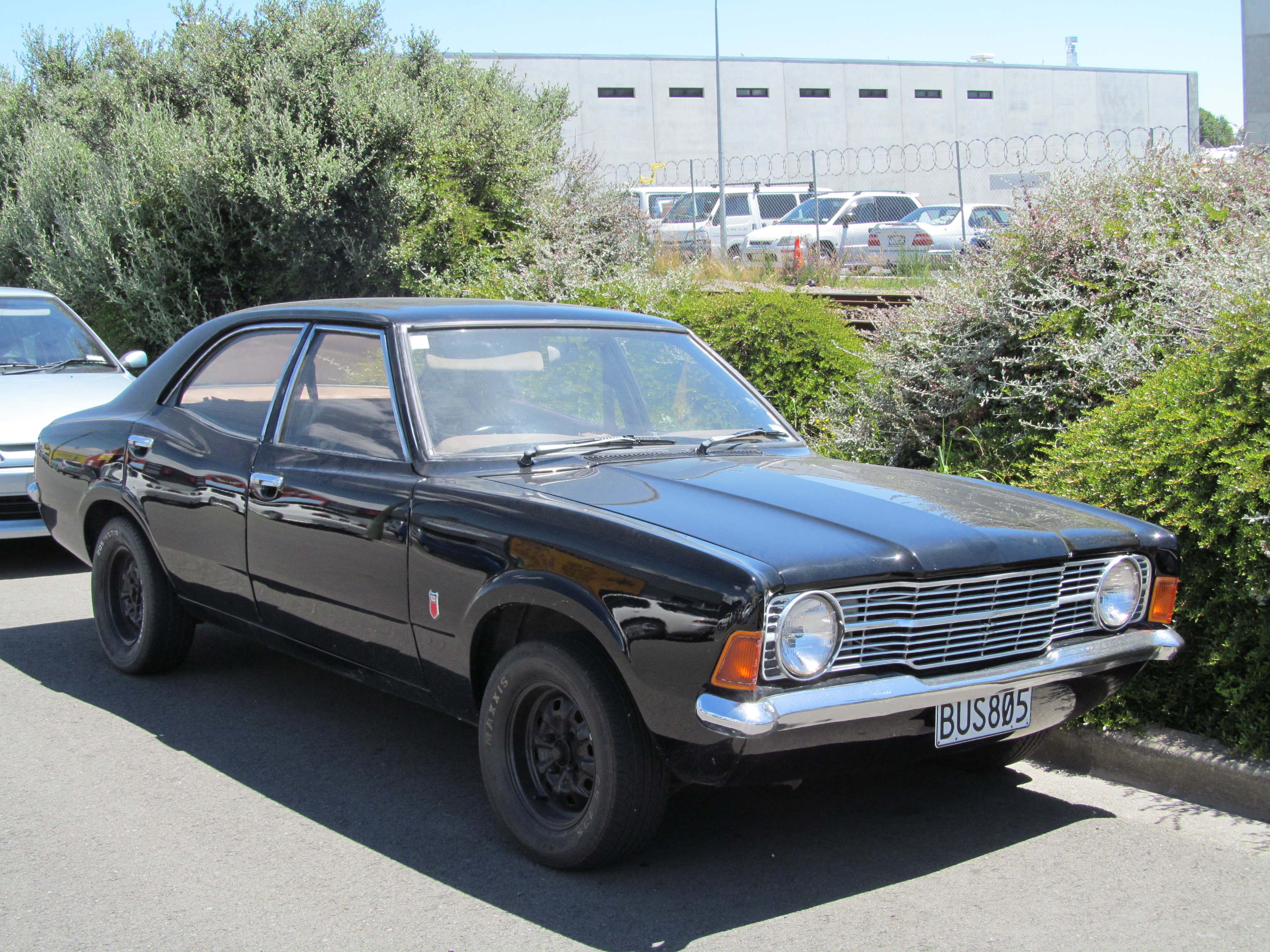
"and then mysteriously, they'd buy a Cortina off him. So it's a very different kind of car sales experience"
The Ford Cortina is a well-known classic British car. People still talk about it today because it’s common in the UK and relatively easy to get parts for compared with rarer classics.
The Ford Cortina is a classic British compact car that became especially popular in the UK and across Europe. In enthusiast circles, it’s often discussed as a simple, approachable platform that’s easy to find in classic-car collections and on the used market.
dragging brakes
"He says, check how well the car is running. Dragging brakes, for example, waste fuel."
Dragging brakes is when your brakes don’t fully let go. The wheels keep getting slowed by the brake rubbing, which makes the car use more fuel and can wear the brakes out faster.
“Dragging brakes” means the brakes aren’t fully releasing, so the pads or calipers keep rubbing the rotors while you drive. That creates extra friction and resistance, which wastes fuel and can overheat brake components.
air filter
"Fuel filter, that's important, plugs, and also clean your air filter. That's going to help get the air through, and your air fuel mixture will be better."
The air filter helps keep dirt out of the air going into the engine. If it’s dirty, the engine can’t breathe as well, which can make fuel burn less efficiently.
The air filter keeps dust and debris out of the intake. A clogged or dirty air filter restricts airflow, which can reduce how well the engine mixes air and fuel and can lower efficiency.
fuel filter
"Fuel filter, that's important, plugs, and also clean your air filter."
A fuel filter cleans the fuel before it goes to the engine. If it gets clogged, the engine may not get the right amount of clean fuel, so it can run poorly and waste fuel.
A fuel filter traps debris and contaminants before they reach the fuel system. If it’s clogged, fuel delivery can become uneven, which can hurt combustion efficiency and make the engine run worse.
air fuel mixture
"That's going to help get the air through, and your air fuel mixture will be better."
The air-fuel mixture is how much air and fuel the engine mixes before burning it. If that mix isn’t right, the engine wastes fuel and may run rough.
The air-fuel mixture is the ratio of air to gasoline (or other fuel) that the engine burns. If it’s off—too rich or too lean—combustion becomes less efficient, which can increase fuel use and affect drivability.
cold air is more dense
"Drive early in the morning or late at night when it's cool. The cold air is more dense, so it gets more bangs for your butt."
Cold air is packed with more oxygen than hot air. More oxygen can help the engine burn fuel more effectively, so it can feel like it runs better when it’s cool.
Cold air is denser, meaning it contains more oxygen per volume than warm air. That can improve combustion (more oxygen available), which is why some engines—especially carbureted ones—can feel stronger in cooler conditions.
carbs
"That's why I always think cars run better in the evening or in the morning, because you get a lot more dense cold air through the carbs."
“Carbs” are carburetors, which mix fuel and air for the engine. Since they’re more old-school than modern fuel injection, the engine can respond differently when the air is colder and denser.
“Carbs” are carburetors, which mix fuel and air mechanically before it enters the engine. Because carburetors don’t automatically compensate for changes in air density the way modern fuel injection systems can, cooler, denser air can noticeably change how the engine runs.
Triumph Herald
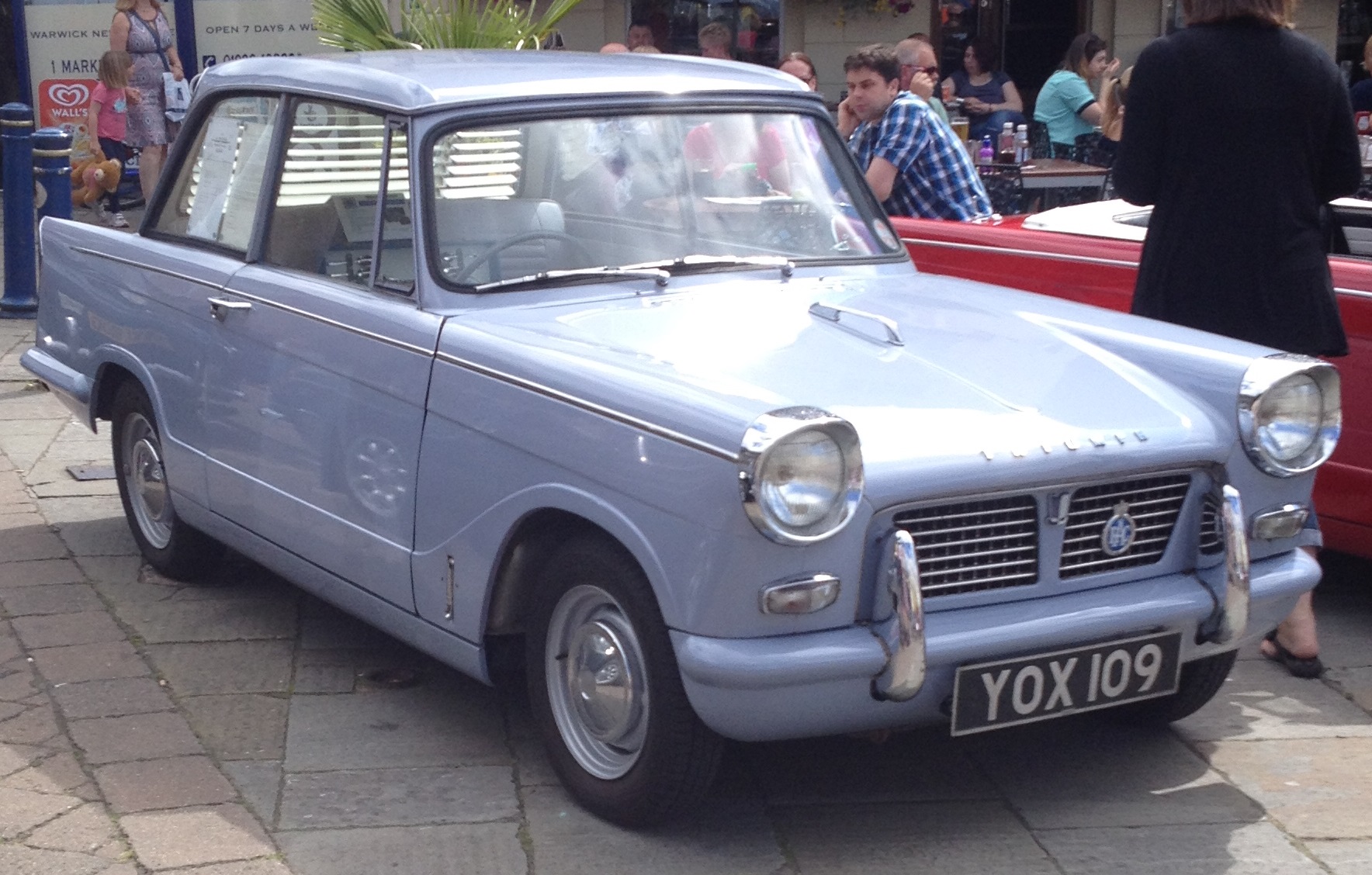
"He sent us a picture of his Triumph Herald in pieces [1684.3s] being restored, and just says, [1686.6s] pull your car to bits so it can't drive anyway."
A Triumph Herald is an older British classic car. The hosts are talking about restoring one by taking it apart so it can’t be driven while work is happening.
The Triumph Herald is a classic British car from the 1950s–60s era, known for its simple, easy-to-work-on design. In the segment, it’s mentioned “in pieces” during restoration, which highlights how these older cars are often taken apart for refurbishment.
engine off-coasting
"What about engine off-coasting? [1713.0s] I mean, this is only for older classics [1714.9s] without power steering or servo brakes, [1716.5s] because you don't really want to deactivate those."
Engine off-coasting is the practice of turning the engine off while the car rolls, then restarting when needed. The hosts frame it as something that only makes sense on older classics that don’t depend on engine-driven systems like power steering and brake boost.
power steering
"I mean, this is only for older classics [1713.0s] without power steering or servo brakes, [1716.5s] because you don't really want to deactivate those."
Power steering is a system that makes the steering wheel easier to turn. The hosts are saying this tip is only for older cars that don’t rely on power steering.
Power steering uses a helper system (hydraulic or electric) to reduce the effort needed to turn the steering wheel. The hosts mention older classics without power steering because turning effort and feel change a lot if you disable or remove the assist.
servo brakes
"I mean, this is only for older classics [1713.0s] without power steering or servo brakes, [1716.5s] because you don't really want to deactivate those."
Servo brakes are brake-assist systems that help you stop with less effort. If the engine is off, that help may go away, so braking can feel much heavier.
“Servo brakes” refers to brake assist that uses engine vacuum or a booster to make braking require less pedal force. If you turn the engine off, the booster may stop working, so braking can become much harder—hence the caution for older classics.
fuel gauge
"As you say, just keep an eye on that fuel gauge. [1794.7s] What about short shifting?"
The fuel gauge is the dashboard meter that tells you how much gas is left. It helps you know when you’ll need to stop for fuel.
A fuel gauge is the dashboard indicator that estimates how much fuel is left in the tank. It’s useful for planning refueling and avoiding running low, especially when discussing driving habits that affect consumption.
short shifting
"What about short shifting? [1796.8s] Driving economically, you know, [1797.8s] changing up before you have to?"
Short shifting means shifting gears sooner, before the engine is revving too high. People do it to save fuel.
Short shifting means upshifting earlier than you normally would, so the engine spends less time at higher RPM. The goal is usually to improve fuel economy by keeping engine speed—and pumping losses—lower.
don't warm up the car
"Also, another big thing, [1800.7s] and this is my thing, [1801.6s] is don't warm up the car. [1803.0s] Don't leave it sitting on the drive, [1804.4s] ticking over for 10 minutes, warming up. [1806.4s] Because one, it doesn't do the car any good"
They’re saying you shouldn’t just let the car idle for a long time to “warm up.” Instead, it’s usually better to drive gently so the engine warms up while you’re moving.
The speaker argues against idling to warm up the car, meaning they don’t want the engine left running on the driveway for several minutes. Modern engines generally reach operating temperature quickly while driving, and long idle time can waste fuel and increase wear without providing much benefit.
gentleman driver technique
"[1809.5s] Hyper mile, or the gentleman driver technique [1811.7s] is another thing that you can do. [1813.7s] Smooth throttle, anticipate, you coast,"
The “gentleman driver technique” basically means driving smoothly and calmly. The goal is to avoid sudden acceleration and braking so you waste less fuel.
The “gentleman driver technique” is an informal label for a smooth, conservative driving approach aimed at efficiency and reduced wear. In practice, it overlaps with hypermiling ideas like gentle throttle inputs and anticipating traffic so you don’t waste fuel with unnecessary speed changes.
hyper mile
"[1807.8s] until you're just wasting fuel. [1809.5s] Hyper mile, or the gentleman driver technique [1811.7s] is another thing that you can do."
“Hyper mile” is slang for hypermiling—driving in a way that tries to get the most miles out of a tank of gas. It usually means driving smoothly and avoiding hard acceleration.
“Hyper mile” refers to hypermiling, a driving style focused on maximizing fuel economy. It typically involves careful speed management, minimizing unnecessary acceleration, and using vehicle momentum to reduce fuel use.
throttle
"[1813.7s] Smooth throttle, anticipate, you coast, [1815.9s] you freewheel, wear thinner shoes [1818.1s] so you can feel the throttle."
Here, “throttle” means the gas pedal. Using it smoothly helps you avoid sudden speed changes that waste fuel.
In this context, “throttle” means the accelerator input that controls engine power. For fuel-economy driving, smooth throttle application helps avoid unnecessary acceleration and keeps the engine operating more efficiently.
freewheel
"[1813.7s] Smooth throttle, anticipate, you coast, [1815.9s] you freewheel, wear thinner shoes [1818.1s] so you can feel the throttle."
“Freewheel” means the car is rolling without the engine actively pushing it. Depending on the car, it can reduce how much fuel the engine uses while you’re slowing down or cruising.
“Freewheel” describes a condition where the drivetrain isn’t actively driving the wheels, so the car rolls with reduced engine braking and fuel use. Some vehicles have a true freewheel mode; in everyday talk, it can also describe coasting with the transmission disengaged (like in certain manual or older automatic setups).
thinner shoes
"[1815.9s] you freewheel, wear thinner shoes [1818.1s] so you can feel the throttle. [1819.9s] Is that actually a thing?"
The idea is that thinner shoes help you feel the gas pedal more precisely. That can make it easier to drive smoothly, which can save fuel.
“Thinner shoes” is a technique for improving pedal feel—reducing the cushioning between your foot and the accelerator. Better pedal sensitivity can make it easier to apply smooth throttle inputs, which matters for efficiency-focused driving.
Flintstones
"[1822.1s] get a project car with rusty floor pans [1824.2s] and some running shoes, [1825.5s] just like the Flintstones,"
This is a reference to the cartoon “The Flintstones.” It’s being used as a joke, not as a real car method.
The “Flintstones” reference is a joke about using a prehistoric-style method to move through the “rusty floor” scenario. It’s not an automotive technique—more of a comedic comparison to emphasize the absurdity of the Rust Collector’s suggestion.
synthetic fuels
"I mean, what about synthetic fuels? Now, I know at the moment, they're really expensive. I did look up the synthetic fuel cost, and I think a gallon of unleaded is about seven quid."
Synthetic fuels are man-made fuels that aren’t pulled straight from crude oil. People talk about them because they could help the environment while still letting cars run on liquid fuel.
Synthetic fuels are fuel made from non-petroleum feedstocks (often using captured CO₂ plus hydrogen) rather than being refined directly from crude oil. In car terms, they’re discussed as a way to reduce lifecycle emissions while still using liquid-fuel engines and existing fuel infrastructure.
electric
"I mean, the other one is, you know, we shouldn't really bring this up, because it almost caused a punch up last time we mentioned it, but swapping to electric."
“Swapping to electric” means switching from petrol or diesel cars to cars that run on electricity stored in a battery. It’s a bigger change than just buying a different car—it also affects charging and energy costs.
When the hosts say “swapping to electric,” they mean moving from gasoline or diesel cars to battery-electric vehicles (BEVs). The big discussion points are cost, infrastructure, and how the power is generated—especially for long-term planning.

SD1 Rover Sd1
"...lking classic cars in pop, like the Human Leagues Rover SD1, and did the Beatles use a Beetle."
The Rover SD1 is an older British family-style car, made to be comfortable for everyday driving. People bring it up because it’s recognizable and has shown up in popular references. In the podcast, it’s used as an example of classic cars that people talk about beyond car circles.
The Rover SD1 is a classic British executive car from the late 1970s and early 1980s, known for its role in the era’s “big saloon” market. It’s mentioned in the podcast alongside other pop-culture references, which helps explain why it sticks in people’s minds. In a classic-car episode, it’s a useful example of how mainstream media and everyday familiarity can shape interest in certain models.
Request an Explanation
Heard something you'd like explained? We'll add it to this episode.
Sign in to request explanations for terms you heard.
Want to learn more?
Browse our glossary for plain-English explanations of automotive terms, jargon, and concepts.
Help improve this episode
See something that's not quite right? Our annotations are AI-generated and can sometimes miss the mark. Click the flag icon on any annotation to suggest a correction.