
Car Market DISASTER: Record LOW Inventory Crushed Car Buyers | Episode 1058
About this episode
Record-low used-car inventory is crushing buyer leverage, and the hosts lay out the numbers and show it in real listings. They compare used vs new “days supply,” noting used is at a 2019-or-earlier low (about 1.95M cars, ~37 days). With demand high and supply tight, dealers pay more at auction and pass it on—sometimes even pushing 1-year-old Toyotas above original MSRP. Live searches for used F-150s, RAV4s, and even a Lexus GX highlight how low-mileage “deals” are gone, while new cars can be the better value if you can wait. They also discuss extended warranties, regional inventory differences, and the possibility that selling now could net near-neutral results thanks to unusual residuals.

Toyota Grand Highlander
"Dear Crew, it's Toyota. With an adult-sized third row, everyone's welcome in the Grand Highlander."
This is Toyota’s bigger family SUV with three rows of seats. The key idea is that the back seats are meant to be comfortable enough for adults, not just kids.
The Toyota Grand Highlander is a larger three-row SUV built to fit more passengers than a typical midsize SUV. The “adult-sized third row” is a selling point because many three-row vehicles have cramped rear seating.

Toyota Sienna
"Sink back in the Sienna with an available rear seat entertainment system."
The Toyota Sienna is a family minivan. Here they’re highlighting that it can come with entertainment screens for the back seats.
The Toyota Sienna is a minivan known for family-focused features and comfort. In this segment, the focus is on an available rear seat entertainment system, which is designed to keep passengers occupied on longer trips.
available all-wheel drive
"Slip into the RAV4 with available all-wheel drive and let's go!"
All-wheel drive helps the car stay grippy by sending power to multiple wheels. “Available” means you might need to pick a specific version of the car to get it.
All-wheel drive (AWD) sends power to more than just the front wheels, improving traction when conditions are slippery or uneven. When the transcript says “available,” it means AWD isn’t standard on every RAV4 configuration.
CarEdge.com
"Today's show, folks, is brought to you by CarEdge.com. If me, my dad and our incredible team can help you out with our car buying service, please go to the website and learn more."
CarEdge.com is the company sponsoring this part of the show. They’re offering help with buying a car, including connecting you with dealers.
CarEdge.com is presented as the sponsor and as the platform behind the car buying service mentioned in the segment. The service is positioned as connecting buyers with dealers and streamlining the process.
removes hidden fees
"CarEdge contacts dealers for you, removes hidden fees and handles every step of the car buying process, saving you time and money."
Sometimes car dealers add extra charges that aren’t clear at first. The claim here is that the service helps prevent those surprise add-ons so you can see the real total price.
“Hidden fees” typically refers to extra charges added during the dealership process that aren’t obvious upfront, such as certain add-ons or administrative costs. Services that claim to remove them aim to make the out-the-door price more transparent.
handles every step of the car buying process
"CarEdge contacts dealers for you, removes hidden fees and handles every step of the car buying process, saving you time and money."
They’re describing a service that helps manage the car purchase for you. Instead of you doing all the back-and-forth, they help coordinate it so it’s less stressful.
This describes a concierge-style buying service that coordinates with dealers and manages parts of the purchase workflow. For buyers, the value is usually reduced hassle—less time spent negotiating and coordinating paperwork.
record low inventory levels
"[113.0s] Now, dad, on the show today, we're going to be talking about the used car market [116.2s] and the fact that we have record low inventory levels. ... [173.5s] Okay, so use those as a barometer."
“Record low inventory” means there aren’t many cars available to buy. When that happens, dealers don’t have to discount as much, so buyers often pay more.
“Record low inventory levels” means there are unusually few cars available for sale compared with recent history. When supply is tight, buyers face higher prices, fewer choices, and less discounting—especially in the used-car market.
days supply of inventory
"[141.4s] What do you think the day's supply was? [142.8s] How many days supply of inventory do you think the used car market had? ... [173.5s] Okay, so use those as a barometer."
It’s basically a way to measure how many days’ worth of cars are sitting on lots. If that number is low, it means cars are selling faster than new ones are coming in, so prices usually stay high.
“Days supply of inventory” is a market metric that estimates how long current inventory would last if sales continued at the same pace. In practice, lower days-supply means fewer cars available, which tends to push prices up and reduce buyer negotiating power.
new car market
"[155.9s] Now, for context here, we're actually going to start things off with the new car market. [160.9s] Why? To help juxtapose the difference between new car and used car dynamics. ... [173.5s] Okay, so use those as a barometer."
The new car market is about brand-new cars that dealers have (or can get quickly). If new cars are scarce, it often pushes people toward used cars, affecting used-car prices too.
The “new car market” is the supply of brand-new vehicles sitting at dealers and in the pipeline. The episode uses new-car inventory and days-supply as a “barometer” to explain how new-car shortages can spill over into used-car pricing and availability.
day supply of inventory
"On the used car side of things, we had 2.22 million, and we had a 44-day supply... It was 79 versus 44 two years ago... We are under 2 million used cars in inventory, 1.95 million and a 37-day supply of inventory."
Day supply tells you how long the current stock of cars would last if sales keep going at the same rate. If it’s low, there aren’t many cars available, so prices tend to stay higher.
“Day supply” is a market metric that estimates how many days it would take to sell the current inventory at the current sales pace. A lower day-supply number usually means tighter supply, which can push prices up and make deals harder to find.
used car inventory
"On the used car side of things, we had 2.22 million, and we had a 44-day supply... We have hit the lowest level of used car inventory since at least 2019."
Used car inventory is just the number of used cars dealers have available to sell. When that number gets low, it’s harder to find the exact car you want and prices can firm up.
“Used car inventory” refers to how many pre-owned vehicles are currently available for sale in the market. When inventory drops, buyers face fewer choices and often less negotiating leverage.
V-Auto data set
"That's as far back as the V-Auto data set goes. We are under 2 million used cars in inventory, 1.95 million and a 37-day supply of inventory."
They’re citing a specific tracking database (V-Auto) that collects market data. That matters because it lets them compare today’s inventory levels to earlier years using the same measurement source.
The “V-Auto data set” is a reference to a specific industry dataset used to track vehicle availability and inventory trends over time. Using a consistent dataset helps compare current conditions to prior years.
leverage
"It means realistically, you have very little leverage. The dealers are turning their inventory so quickly that they're not really interested in hearing what you have to say when it comes to the type of the discount you would like off the prices they're asking."
Leverage is how much power you have to negotiate. If dealers have plenty of cars to choose from, they’ll bargain more; if cars are scarce, they don’t need to offer big discounts.
Buyer leverage is the ability to negotiate price or terms because the seller has alternatives or inventory that isn’t moving. In a low-inventory environment, dealers can sell cars quickly, so they’re less motivated to discount.
trade-ins
"whatever used cars become available to dealers either via trade-ins or outright purchases or through auctions, they're paying more for because they can't afford to lose getting another used car for their lots at the moment"
A trade-in is when you bring your current car to the dealer and use it toward the next purchase. When used cars are hard to find, dealers rely on trade-ins to restock lots, so they may pay more for them.
Trade-ins are when a customer turns in their current vehicle to a dealer as part of the purchase of another car. In a tight used market, trade-ins become a key supply channel for dealers, and dealers may pay more at auction or for trade-ins because they can’t afford to run out of inventory.
wholesale market
"We're seeing some Toyotas, dad, used Toyotas, one-year-old used Toyotas, sell for more than their original MSRP on the wholesale market right now and obviously to retail customers."
Wholesale is the “dealer-to-dealer” pricing world. If dealers are paying more to buy cars, they usually have to charge more when they sell to you.
The wholesale market is where dealers buy vehicles from other dealers, auctions, or remarketers—typically at prices different from retail. When wholesale prices rise, retail prices often follow because dealers’ acquisition costs increase.
beginning of the pandemic
"That is eerily reminiscent of where we were at the beginning of the pandemic in some ways that the used car market today to your point screwing customers reminds me of where we were back. What was it? 2021 maybe?"
The “beginning of the pandemic” refers to the early COVID-era disruptions that caused supply constraints and demand shifts across both new and used vehicles. Those conditions helped drive rapid used-price increases, and the hosts say today’s situation feels similar.
chip shortage
"...scheduled to have been built globally during the pandemic and after the pandemic because of the chip shortage that were never built."
Modern cars need computer chips to work. When there aren’t enough chips, car companies can’t build as many cars, so there are fewer vehicles available for sale.
The “chip shortage” refers to a global shortage of semiconductors used in modern vehicles. When automakers can’t get enough chips, they can’t build cars, which reduces supply and pushes both new and used prices up.
dealer inventories
"...it means there's none of those potential vehicles that would have been built and would have been sold coming back into dealer inventories today, which is why we have such a shortage of pre-owned cars."
“Dealer inventories” are the cars sitting on dealer lots (and in their pipeline) ready to be sold. If fewer cars were built and sold earlier—because of supply issues—dealers have less stock now, which contributes to the used-car shortage.
pre-owned cars shortage
"...which is why we have such a shortage of pre-owned cars. Something I predicted five years ago."
A used-car shortage means there aren’t many secondhand cars for sale. When that happens, sellers can charge more because buyers have fewer options.
A “pre-owned cars shortage” means there are fewer used vehicles available than buyers want. With limited supply, used-car pricing can stay high even if demand is normal, because there aren’t enough cars to meet it.
two or three-year-old used car
"The old adage to get a good value, get a two or three-year-old used car. It's already depreciated."
Buying a car that’s a couple years old can be cheaper because it already took the biggest drop in value. You’re often paying less while still getting a relatively recent vehicle.
The idea of buying a “two or three-year-old used car” is that it’s past the steepest depreciation curve. New cars typically lose value quickly in the first couple of years, so used buyers can often get a better price for similar features and reliability.
financing versus leasing
"...it was comparing financing versus leasing a new car."
Financing means you’re paying to own the car eventually. Leasing means you’re paying to drive it for a few years, then you usually return it—so the costs and rules can be different.
“Financing versus leasing” is the comparison between paying to own a car over time (financing) and paying to use it for a set period (leasing). The best choice depends on factors like total cost, mileage limits, expected resale value, and how long you plan to keep the vehicle.
record low used vehicle inventory
"Here is the past five years of used vehicle inventory. It is the lowest it has ever been. At the same exact time, Dad, look at this chart and you're looking at the dark blue line right here."
Inventory refers to how many used vehicles are available for sale. “Record low inventory” means the supply of used cars is at its smallest level in the last five years, which typically pushes prices up.
buying a two- or three-year-old depreciated used car
"The old adage, I just again want to call it the old adage. You get a better value when you buy a two- or three-year-old depreciated used car. It does not make sense in today's market and that needs to be shouted from the rooftops."
The “depreciated used car” idea is that a car loses value in its first few years, so buying slightly used can be a better deal than buying new. The hosts argue that this traditional value strategy is failing when used prices rise faster than expected.
supply and demand
"The first law of economics holds true at the moment. That's the law of supply and demand. The supply of quality used cars, pre-owned cars, one, two, three, four-year-old,"
Supply and demand means: if there are fewer cars than people want, prices go up. If there are lots of cars and not many buyers, prices usually go down.
Supply and demand is the basic economic rule that prices move based on how much of something is available (supply) versus how badly people want it (demand). In this segment, low supply of quality used cars combined with high demand is driving “astronomical” prices.
one-year-old Toyotas
"in many cases, one-year-old Toyotas are selling used for more than what their MSRP was when they were new. You know, I remember, it's like summer reruns."
They’re using “one-year-old Toyotas” to show how crazy the market is—people are paying more for a nearly new used Toyota than it cost when it was new.
The hosts cite “one-year-old Toyotas” as an example of used cars selling for more than their original new-car price. That’s a sign of extreme demand and limited supply in the used market.
fear of missing out on a vehicle
"People, there was that fear of missing out on a vehicle and people were paying more for pre-owned ones than you could have bought a brand new one for if you could have found the brand new one."
FOMO is when you feel like you’ll lose your chance to buy if you don’t act now. When car inventory is tight, that pressure can make people pay more than they expected.
The “fear of missing out” (FOMO) is when buyers rush to purchase because they think inventory or pricing will get worse. In a tight market, that urgency can push people to accept higher prices, especially on used cars.
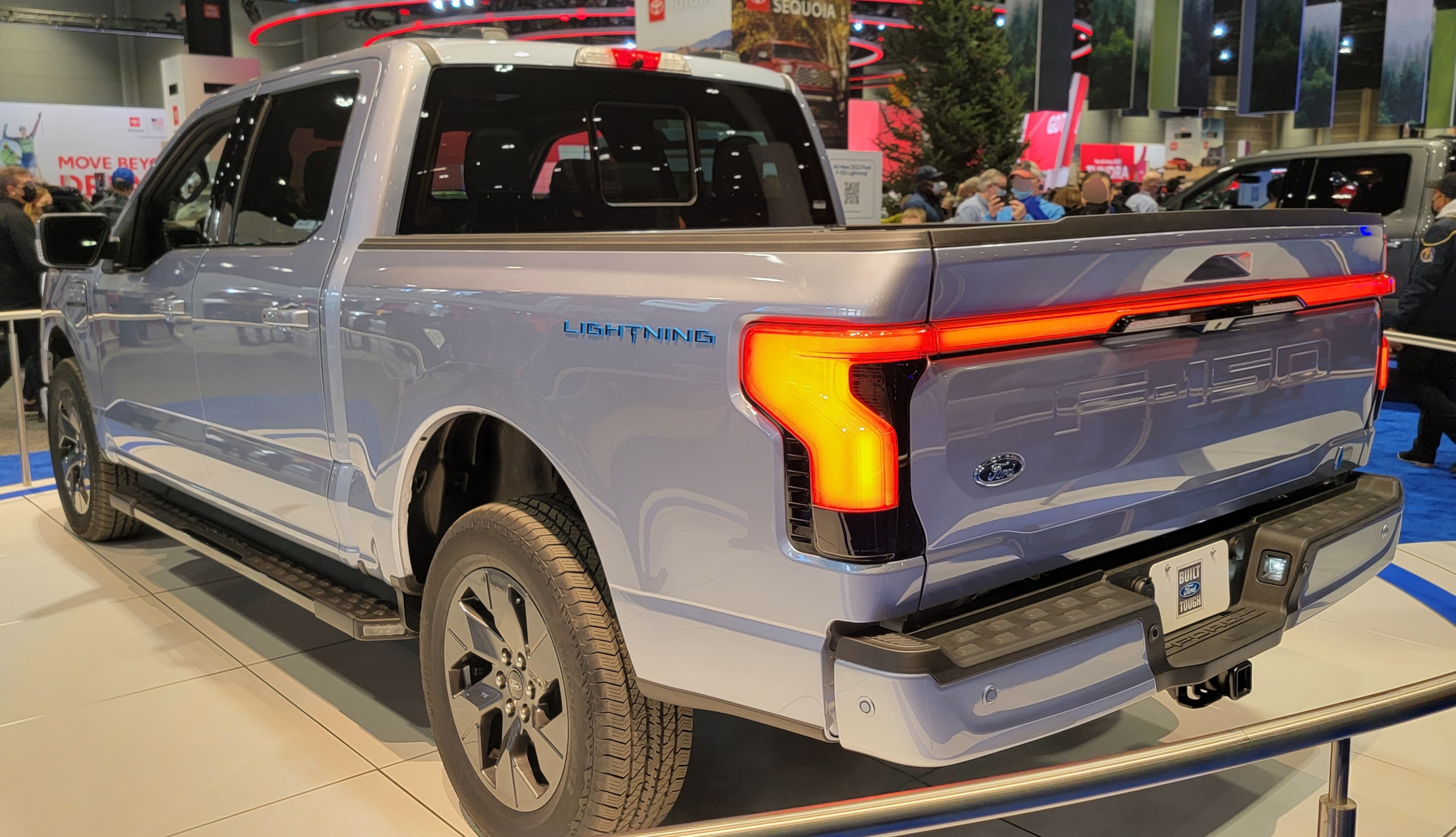
Ford F150S
"I've come to the CarEdge CarSearchStad and I've toggled for nationwide Ford F-150s and I just have used selected up here."
The Ford F-150 is a popular full-size pickup. They’re using it to show what happens in the market when you can’t easily find the newer, lower-mileage trucks you want.
The Ford F-150 is a full-size pickup truck that’s often one of the most searched-for vehicles in the U.S. In this segment, it’s used as the example to show how limited inventory can shift buyers toward higher-mileage used trucks.
price versus mileage matrix
"Let's go to our new little price versus mileage matrix. Let's take a little peek here."
This is a chart-style comparison that looks at two things together: how much the car costs and how many miles it has. It’s useful because it shows what you can realistically buy for your budget.
A “price versus mileage matrix” is a way to compare listings by both cost and odometer readings. It helps illustrate how, when inventory is constrained, the available options within a budget may skew toward higher-mileage vehicles.
certified pre-owned
"Let's show certified pre-owned. They're not certified pre-owned. They're not factory certified pre-owned because A, they're too old and B, they have too many miles."
Certified pre-owned usually means a used car got inspected and comes with extra coverage compared to a regular used car. Here, they’re saying these trucks don’t qualify for that “certified” status.
Certified pre-owned (CPO) is a program where a dealer (or manufacturer) inspects a used vehicle and offers extra benefits, often including warranty coverage. In the segment, the hosts argue these listings aren’t truly CPO because the cars are too old and have too many miles.
dealer website
"Let's take a peek at the dealer website then. Could they be third party CPO, which means nothing? Yes, that they could be."
The dealer’s website is where you can find the listing details for a specific car. It’s also where you can check whether it qualifies for certified programs and what perks come with it.
The dealer website is where listings and eligibility details are often posted, including whether a vehicle qualifies for CPO status and what benefits are included. In this segment, they’re checking the listings to see what the cars are actually eligible for.
third party CPO
"Could they be third party CPO, which means nothing? Yes, that they could be."
Sometimes a dealer will call a used car “certified” using a company other than the car brand. The problem is the rules and warranty can be different, so you should verify what you’re actually getting.
“Third party CPO” refers to vehicles that are marketed as certified by an outside company rather than the automaker’s official CPO program. These programs can vary widely in inspection standards and warranty coverage, so the “certified” label may not mean the same thing as factory CPO.
140,000 miles
"It had 140 something thousand miles. 141,000 miles. And it's 11 years old."
Mileage tells you how much the vehicle has been driven. Around 140,000 miles usually means more wear, so it’s notable when the price is still very high.
Mileage is a key factor in used-car pricing because it correlates with wear and the likelihood of needing maintenance. The hosts call out a Ford F-150 with around 140,000 miles to illustrate how high used prices can be even for heavily used trucks.
11 years old
"141,000 miles. And it's 11 years old."
Older cars usually cost less because they’ve been used for a long time. The hosts are pointing out that this one isn’t getting the “older car discount” because the market is still tight.
Vehicle age affects depreciation and expected condition, and older vehicles typically cost less than newer ones. In this segment, the hosts highlight that an 11-year-old truck can still command a surprisingly high price due to market conditions.
map view
"Now let's go to the map view... I see a lot more green when I'm looking at the new car market."
Map view is just a way to look at car listings or prices by location. It helps you see where cars are cheaper or where inventory is better.
“Map view” refers to using a geographic visualization to compare inventory, pricing, or market conditions by region. The hosts use it to show that some states (like Utah) may have different used-truck pricing dynamics than others.
buyer's market
"There is not a single state, I guess Utah is the one state where it's a buyer's market for used Ford F-150s."
A buyer’s market is when there are enough cars for sale that sellers have to compete. That usually makes it easier to find better prices.
A buyer’s market means there’s more supply than demand, so shoppers have more leverage and prices tend to be lower. The hosts contrast that with the broader situation where used trucks like the Ford F-150 aren’t seeing much price relief.
out-the-door price (OTD)
"I feel bad for somebody that's about to spend almost $22,000 or over $22,000 with fees on an 11-year-old 140,000 mile pickup truck."
The out-the-door price is the final total you pay, not just the advertised price. It includes the extra stuff like fees and taxes.
Out-the-door price is the total you pay to buy the car, including taxes and dealer/registration-related fees. This segment emphasizes that the buyer’s cost can jump once fees are included, making a high-mileage used truck feel even more overpriced.
definition of insanity
"I mean, you know, you want to talk about the definition of insanity. I mean, that right there is, how?"
It’s a dramatic way of saying, “Why would you keep doing this if it doesn’t make sense?” The hosts are basically calling out how buyers are getting stuck paying too much.
“Definition of insanity” is a rhetorical phrase meaning doing the same thing repeatedly while expecting different results. Here it’s used to emphasize the frustration of paying high prices for used vehicles despite the obvious mismatch between age/mileage and cost.
recalls
"It's probably had 15 or 20 recalls done in those 11 years. Okay, so from a recall perspective, all the crap that was banned with it might have been fixed by now."
A recall is when the maker says, “This car has a problem—bring it in and we’ll fix it.” Even if recalls were done, it still doesn’t mean the car will be trouble-free forever.
A recall is when a manufacturer (or regulator) requires a vehicle to be repaired because of a safety or emissions issue. The fact that “15 or 20 recalls” were done suggests multiple fixes may have been applied over the vehicle’s life, but it doesn’t automatically guarantee the car is problem-free now.
financing an 11-year-old vehicle
"But to have to pay that much for an 11-year-old vehicle with those type of miles, that is just, and let's face it, that person more than likely is not walking in and paying cash. So that person has to look for a way to finance that 11-year-old vehicle with 141,000 miles."
The hosts are highlighting how buyers often can’t pay cash for an older, high-mileage vehicle, so they rely on auto loans. Longer loan terms can make the monthly payment “comfortable,” but they also increase total interest paid and can affect affordability.
Blue Advantage
"Ford certified pre-owned, excuse me, Blue Advantage is up to 10 years old and under 150,000 miles. We've seen a proliferation, excuse me, of manufacturers extend what had previously been pretty stringent requirements for certified pre-owned programs and make them quite extended."
Blue Advantage is Ford’s CPO-related coverage/benefit branding mentioned here as part of the certification program. The hosts use it to illustrate how manufacturers set (and sometimes expand) the eligibility window for certified used vehicles.
warranty
"A one-year 12,000 miles worth of warranty of some type of warranty? What does it actually get you? But whatever, I suppose it's a good selling point."
They’re asking what the warranty actually covers and for how long. A warranty can be helpful, but you want to know the details, not just that it exists.
The discussion questions what CPO “gets you,” specifically whether it’s just a limited warranty period and mileage allowance. Warranty value depends on coverage terms (what’s covered, exclusions, deductibles) and how long it lasts relative to the vehicle’s age and miles.
MSRP
"We know that is a market where some of the used vehicles are selling above MSRP. ... What's one that might be selling above MSRP?"
MSRP is the “sticker price” the manufacturer suggests. If a car sells above MSRP, it means you’re paying more than that sticker price, usually because the car is hard to find.
MSRP (Manufacturer Suggested Retail Price) is the price a manufacturer recommends a dealer sell the vehicle for. When the hosts say some used vehicles are selling above MSRP, they mean buyers are paying more than the official starting price due to limited inventory and strong demand.
low mileage
"You're not finding low mileage, sub-$20,000 RAV4s... You want a RAV4 for $15,000. You're looking right here, Dad. You're at 80 to 100,000 miles on it."
Low mileage just means the car has been driven fewer miles than average. Buyers usually pay more for that because it can mean less wear. Here, though, low mileage isn’t bringing the price down like it used to.
“Low mileage” is a buyer shorthand for a vehicle that has been driven relatively little, often making it more desirable and—during shortages—more expensive. The hosts are contrasting typical expectations (cheap, low-mileage) with what’s happening now (low-mileage still costs a lot).
used car prices vs new car availability
"Here's another one, CarMax, $51,000 and it's got 2,800... Well, because you can't get a new one... Sounds crazy, but the new is a better value maybe."
If new cars are hard to get, people often turn to used cars—even if used prices are high. Sometimes the smartest move is still buying new, because the used premium can be worse than the difference.
This segment highlights a market dynamic: when new cars are hard to find, buyers may accept inflated used prices. The hosts suggest that, in some cases, the “better value” can be the new car because it avoids the premium being charged on scarce used inventory.
CarMax
"Here's another one, CarMax, $51,000 and it's got 2,800, like the market for certain used cars right now."
CarMax is a company that sells used cars. In this segment, they’re mentioned because one of their listings shows how high some used prices are right now.
CarMax is a large used-car retailer that often lists inventory online with pricing that can reflect current market conditions. Here, it’s used as an example of a specific used listing price being “out of whack” compared to what the car originally cost.
consideration set
"The uneducated consumer will pay more for a product than an educated consumer... won't take in the consideration any of the information that's available to them that might suggest... Go get a new one."
Your consideration set is the list of cars you’re willing to think about before you buy. If someone only focuses on one option and ignores alternatives, they may end up paying more than they need to.
A consideration set is the shortlist of options a buyer mentally includes when deciding what to purchase. The hosts argue that some buyers don’t expand their consideration set to include alternatives (like buying new), which can lead them to overpay for a specific used listing.

Lexus Gx
"What about a Lexus GX? ... So this is a relatively new one. Yes. It's a 2026."
The Lexus GX is a luxury SUV. It’s built to feel more like a rugged truck than a typical family crossover, and here they’re using a 2026, low-mileage example to talk about what buyers can actually find right now.
The Lexus GX is a midsize luxury SUV known for body-on-frame construction and a more traditional, rugged feel compared with many unibody crossovers. In this segment, the hosts are discussing a specific example listed as a 2026 GX with low mileage, using it as a case study for what’s available in today’s market.
filtered right here
"Now we're talking about a GX and again, we've got this filtered right here. ... The more expensive under 20,000 miles."
They’re talking about using the website’s search filters to only show cars that match what they want, like low mileage and a certain price range. When inventory is tight, filtering is how you quickly find the limited options that are out there.
“Filtered right here” refers to using search filters on a dealer or listing site to narrow inventory by criteria like mileage and price. In a low-inventory market, these filters become a practical way to find the few matching cars that are actually available, even if you have to compromise on timing or selection.
BMW Rockville store
"Go to the dealer website. This is being sold at BMW Rockville store."
“BMW Rockville store” indicates the dealership location where the vehicle is being sold. Even though the car discussed is a Lexus GX, the listing can be hosted or managed through a dealership group or website that also sells BMW, which is common in multi-brand retail operations.
Carfax
"So Carfax is saying this is a fair value."
Carfax is a service that looks up a car’s history using records from different places. If it says the price is “fair,” it means the report thinks that asking price matches what similar cars with similar history usually cost.
Carfax is a vehicle history report service that compiles data from sources like DMV records, insurance events, and service/inspection entries. When the hosts say “Carfax is saying this is a fair value,” they’re referring to the report’s valuation or market assessment based on the vehicle’s history and comparable sales.
AutoNation
"BMW of Rockville today is owned by AutoNation. Yes, it is."
AutoNation is a big company that owns and runs many car dealerships. If your local dealer is part of a larger group, pricing and inventory strategies can be influenced by that parent company.
AutoNation is a large automotive retailer/dealership group. When a dealership is owned by a bigger company like AutoNation, it may have broader purchasing power and standardized pricing practices across locations.
dealer orders
"We have a few partners that we work with at CarEdge. They'll do orders. You'll get a vehicle at MSRP or below even in some cases that are very tricky vehicles."
“Dealer orders” refers to placing a request for a specific vehicle configuration rather than buying whatever is already sitting on the lot. In low-inventory conditions, ordering can help buyers avoid markups and sometimes secure pricing closer to MSRP, depending on the dealer and availability.
inventory in a 79 day supply
"This is the current new car market dynamic. Almost 3 million vehicles and inventory in a 79 day supply..."
“Days’ supply” is a market metric that estimates how long current vehicle inventory would last if sales continue at the current pace. A low days’ supply typically signals scarcity, which can drive dealer markups and make it harder to find the exact trim you want.
new car day supply
"Almost 3 million vehicles and inventory in a 79 day supply, which go watch our other show earlier this week talking about the new car day supply."
They’re talking about a market statistic that estimates how many days of new cars are available. The hosts argue the real situation may be even tighter than the headline number.
“New car day supply” is the episode’s referenced metric for the new-vehicle market’s inventory tightness. It’s discussed as part of the broader debate about whether the official numbers reflect the real buying experience.
used car market
"This is two years ago what the used car market looked like. This is last year what the used car market looked like. This, don't hold your breath for it."
The used car market is what happens to prices and availability for cars people have already owned. If new cars are hard to find, more buyers turn to used cars, and prices can go up.
The “used car market” refers to pricing and availability for pre-owned vehicles, which can move differently than new-car pricing. In periods of low inventory, used prices can rise because shoppers can’t get new cars quickly, turning the used market into a seller-favored environment.
GX550
"We've proven it now a handful of times with whether it's an F-150 or a RAV4, or in that case, the GX550, which is going to be the most egregious example possible."
The Lexus GX 550 is a luxury SUV. If new ones are hard to get, people end up paying more for used ones because there’s no easy alternative.
The Lexus GX 550 is a newer, high-demand luxury SUV, and the hosts cite it as an “egregious” example of how buyers can get squeezed in a shortage. When new supply is constrained, used prices can jump close to (or even above) what shoppers expect to pay for a new one.

Nissan Versa
"That doesn't exist in the new car market except for the Nissan Versa."
The Nissan Versa is a low-cost new car. The point here is that when used cars are overpriced, the cheapest new cars can sometimes be the better deal.
The Nissan Versa is referenced as one of the few new cars that can still fit under very low price thresholds. In a low-inventory market, the “value” conversation often shifts to the cheapest new options because used prices can be inflated.
seller's market
"Keep me honest that even though the market has changed and now is very much on the used car side, a sellers market, which we should cross on in a bit more detail here in a second, it still goes back to the informed and educated shopper will be the better off financially"
A seller’s market means there are more buyers than cars for sale. That usually pushes prices up and makes it harder to find a deal.
A seller’s market is when demand is high and supply is limited, giving sellers more leverage on price. In that situation, buyers often face less negotiation room, higher “out-the-door” costs, and fewer truly discounted listings.
informed and educated shopper
"it still goes back to the informed and educated shopper will be the better off financially"
The idea is that doing your homework helps you avoid overpaying. Instead of buying on impulse, you compare options and understand what the market is doing.
The hosts emphasize that shoppers who understand pricing dynamics and market conditions tend to make better financial decisions. In practice, that means comparing total costs, being realistic about inventory constraints, and not overpaying due to urgency or hype.
dealer trade
"They'll dealer trade, they'll find a CPO, they'll do whatever. It's a really used one."
A dealer trade is when your dealer finds the car at another dealer and arranges to swap it over for you. It’s one way dealers try to get you what you want when local inventory is limited.
A dealer trade is when one dealership arranges to move a vehicle from another dealer to satisfy a customer request. In tight inventory conditions, this can be a common tactic to get you a specific model or trim faster than waiting for new stock.
$15,000 Delta
"We're talking about a $15,000 Delta. Yes."
A “delta” is just the difference in money. They’re saying the price gap could be huge—like $15,000—if you don’t shop carefully or negotiate.
A “delta” here refers to the difference in price—implying a potential $15,000 gap between what a buyer expects to pay and what they might end up paying. In market-stress situations, that gap can come from add-ons, markups, or being pushed into a less ideal vehicle to get it quickly.
pay whatever it takes / overpaying for scarce inventory
"So I get why people sometimes act stupid... and just say, well, I got to have it this second and I'll pay whatever it takes... So I'll pay $15,000 more..."
When something is hard to find, people sometimes pay a lot more just to get it right away. That’s what the “pay whatever it takes” story is about.
The hosts describe a “scarcity pricing” behavior: when a desirable item (here, a car) is hard to get, buyers may pay a large premium immediately rather than waiting. The “$15,000 more” example illustrates how market tightness can push prices beyond what’s financially sensible for many buyers.
record-low inventory (market tightness)
"But you know what, more power to those people. Is it important though with the platform we have to educate as many people as possible"
“Record-low inventory” refers to an unusually small supply of vehicles available for sale. When supply is tight, buyers compete for the same cars, which can raise prices and reduce negotiating power.
Penske
"Listen, I remember having an area vice president for the Penske Granization tell me that an extra $50,000 a year won't impact your life."
Penske is a major automotive and logistics company, and it also operates dealerships and related services. Mentions like this usually come up in discussions about pricing, inventory, and how industry leaders view consumer affordability.
negative equity
"...the average amount of negative equity on vehicles traded in today is nearly $7,200. So, the vast majority of people could never afford that $15,000..."
Negative equity means your current car is worth less than you still owe on it. When you trade it in, the difference usually gets added to your new car loan, so you end up paying for that “underwater” amount too.
Negative equity is when the amount you still owe on your current car is higher than what it’s worth at trade-in time. That gap gets rolled into the new loan, which can make the new car payment and total cost much higher.
inventory (market supply)
"...the map shows you kind of red or green, red being parts of the country"
Inventory means how many cars dealers have available to sell. If there are fewer cars around, it’s harder to shop around and you may have less power to negotiate.
Inventory refers to how many cars are available for sale in a given area. When inventory is low, buyers often have fewer choices, less negotiating leverage, and may face higher prices or less favorable trade-in outcomes.
Regional supply vs. demand map (inventory heat map)
"that are really low supply and high demand for a particular vehicle, and green being areas of the country which are low or higher supply and lower demand... Looks like South Dakota maybe has a slightly higher... Vermont, you got a little bit of a better shot."
The hosts describe a map that categorizes areas by relative supply and demand for a specific vehicle. “Green” indicates lower supply/higher demand (or vice versa depending on the legend), while “orange/red” indicates higher supply/lower demand, helping explain why prices and availability vary by region.
Used-car days on the lot (days sitting)
"We got one that's been sitting for 104 days. Otherwise, these cars are 28 days on the lot, 26 days on the lot. Now, I mean, these used vehicles are turning over quick."
“Days on the lot” is a measure of how long a used vehicle sits at a dealership before it sells. Lower days-on-lot usually means higher demand or tighter supply in that area, while higher days can indicate weaker local demand or more inventory.
CarAge.com
"We have a calculator back at CarAge.com. Go to CarAge.com slash warranty and you can get an estimate for what a warranty cost would be."
They mention CarAge.com as a website with a warranty-cost estimate tool. The idea is to use that number to negotiate better at the dealership.
CarAge.com is referenced as a place to estimate warranty costs using a calculator. Tools like this can help you set a target price before negotiating at a dealership.
residual values
"So, it defies what people say about residuals... residual values do defy logic right now."
A residual value is what the car is expected to be worth at the end of a lease. If that number is too low or too high compared to what the market is really paying, it changes whether it’s smart to buy the car or return it. They’re saying the numbers don’t match reality right now.
Residual value is the estimated value of a car at the end of a lease term. It strongly affects lease pricing and whether buying the car at lease-end makes financial sense. In this segment, the hosts say residual values are behaving unexpectedly versus the actual market value.
net out neutral
"Now is probably as good a time as ever to sell your used car and buy a new one... because you're kind of going to net out neutral."
They mean that after you add up the money you get for your old car and the cost of the new one, the difference might be close to zero. It’s basically saying the swap may not cost you much overall. They’re tying it to how strong used-car prices are.
“Net out neutral” here means the overall cost of switching from a used car to a new one can be close to break-even when you factor in the sale price of the trade-in and the purchase price of the new vehicle. It’s a practical way to think about total transaction economics rather than focusing on monthly payment alone. The hosts imply this is more likely when used-car values are strong relative to new-car pricing.
negotiate
"To be clear here, you're going to have to negotiate... You shouldn't just take the first off or anyone gives you."
They’re saying don’t just accept the first offer you’re given. You can usually do better by negotiating—trying to get more money for your current car and paying less for the new one. The key is to take a few steps instead of rushing.
Negotiation refers to actively bargaining on the sale/trade value of your current vehicle and the price/terms of the new one. In a market where residuals and used-car values are moving, the “best” deal often comes from maximizing what you receive for your trade and minimizing what you pay for the new car. The hosts caution against accepting the first offer without steps to improve the outcome.
lease returns
"We saw that earlier this decade when the market value for so many of those lease returns... residual values were 25%, 30%, 35% below what the market value was."
When a lease ends, the car gets returned—those are called lease returns. What the car is actually worth in the real market matters a lot. If it’s worth more than the buyout price, it can be a great deal to buy it instead of returning it.
Lease returns are the cars that lessees hand back to the leasing company/dealer at the end of the lease. Their market value determines how attractive it is for the next buyer and whether the original residual value was realistic. The hosts reference a prior period when lease returns were worth more than the stated residuals.
buying a leased car at the end of the lease
"...it would have made great sense for you to purchase it at the end of the lease rather than turn it back into the dealer."
At the end of a lease, you can often buy the car for a pre-set price. If the car is worth more than that price, buying it can be cheaper than buying a similar car elsewhere. They’re saying this could be a good move again if the market stays strong.
Many leases include a purchase option (often called a buyout) that lets the lessee buy the car at lease-end for a set price. If the car’s market value is higher than that buyout, buying can be financially advantageous compared with turning the car in. The segment highlights that this scenario happened earlier in the decade and could happen again.
market update
"Give us a market update for what's going on with Toyota. So, tune in for that."
A market update is basically a quick report on what’s happening in the car-buying market. It helps you understand whether cars are easy or hard to find and whether prices are going up or down.
A market update in this context usually means a dealer-informed look at inventory levels, pricing pressure, and how quickly vehicles are moving. For buyers, these updates help translate broader headlines into what you’ll actually experience at dealerships.

Toyota RAV4
"We're going to talk about the RAV4, Toyota RAV4 experiment... Slip into the RAV4 with available all-wheel drive."
The Toyota RAV4 is a popular compact SUV. Here, they’re talking about pricing quotes and also noting that you can get it with all-wheel drive.
The Toyota RAV4 is Toyota’s compact SUV, and it’s known for being practical and widely available. In this segment, the hosts mention an “experiment” involving requesting out-the-door quotes from Toyota dealers and also highlight the RAV4’s available all-wheel drive.
out-the-door quotes
"Where we requested out-the-door quotes from 100 Toyota dealers."
An out-the-door quote is the final price you pay at the dealership. It includes the car price plus things like taxes and fees, so you can compare deals more fairly.
“Out-the-door” (OTD) quotes are the total price you’d pay to buy the car, including the vehicle price plus taxes, registration, and dealer fees. It’s a useful way to compare offers because it reflects the final number rather than just the sticker price.
rear seat entertainment system
"sync back in the Sienna with an available rear seat entertainment system."
Rear seat entertainment is a system with screens or media for passengers in the back seats. It helps keep people occupied on longer drives.
A rear seat entertainment system provides screens and audio/video inputs for passengers in the back row. It’s a convenience feature that can make long trips easier, especially for families with kids.
Request an Explanation
Heard something you'd like explained? We'll add it to this episode.
Sign in to request explanations for terms you heard.
Want to learn more?
Browse our glossary for plain-English explanations of automotive terms, jargon, and concepts.
Help improve this episode
See something that's not quite right? Our annotations are AI-generated and can sometimes miss the mark. Click the flag icon on any annotation to suggest a correction.