
Car Repair Tips Live On The Air Do You Need TPMS and How To Fix
About this episode
Listeners are treated to a lively discussion on car maintenance and repair tips, focusing on issues like tire pressure monitoring systems (TPMS) and the importance of proper winter car care. The hosts, along with callers, share personal anecdotes and practical advice, such as avoiding drastic temperature changes on car windows and the significance of timely repairs. They also delve into the nuances of maintaining diesel engines and CVT transmissions, providing insights on additives and maintenance schedules. The episode is filled with humor and engaging stories, making it both informative and entertaining.
1. How to fix 17 Buick Enclave TPMS? 2. How much and when to use diesel fuel additive on cold days? 3. Should I change my new Subaru CVT trans fluid? 4. How to fix 93 F250 Gauges? 5. Why does my Honda CR-V battery go dead? 6. Help me get my 04 Silverado started. 7. Why does my 17 Denali truck suspension bounce?
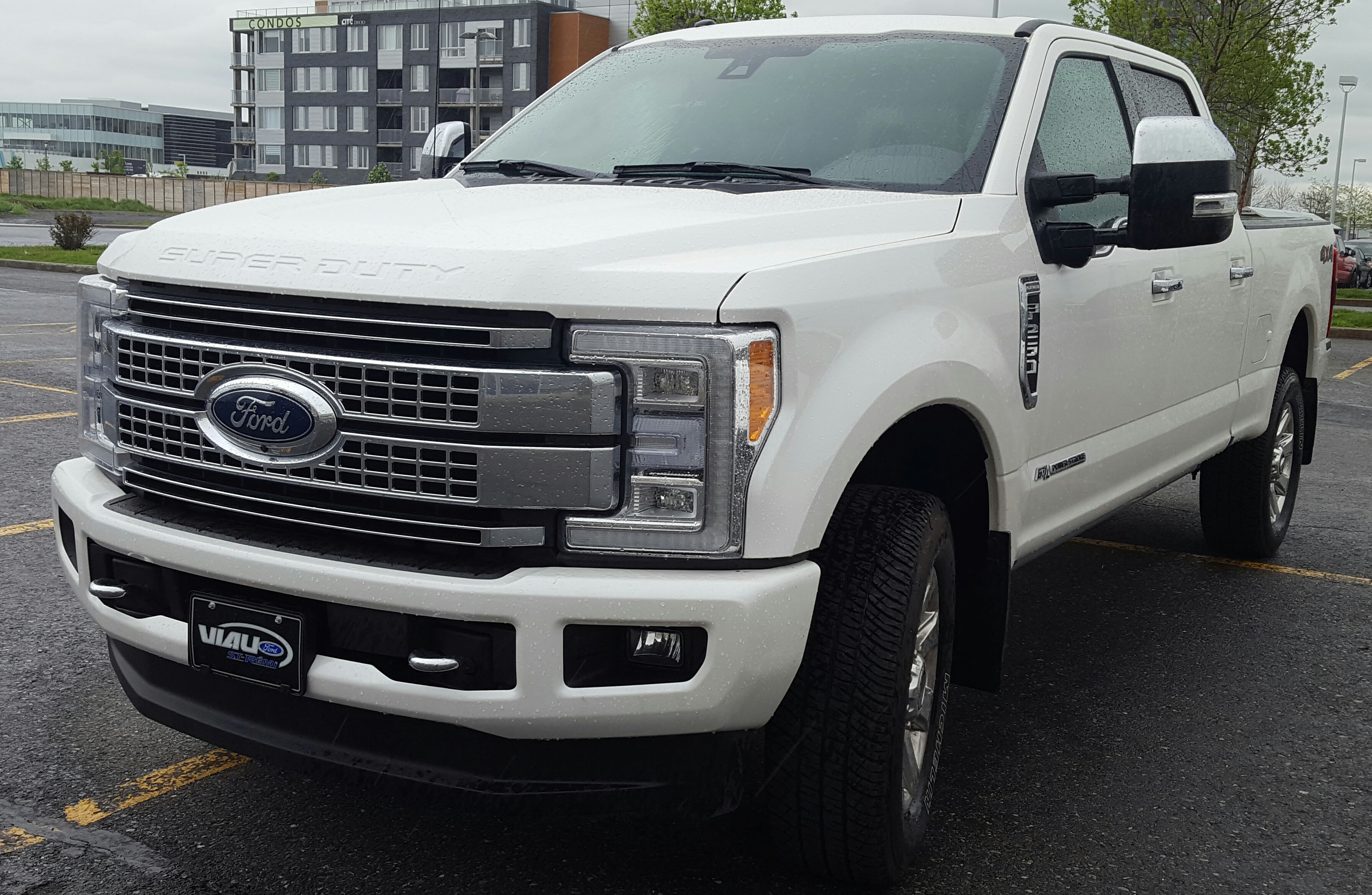
Ford F-250
"...I got a 93 F-250 and that I got to share with you. So about two years ago,..."
The Ford F-250 is a strong pickup truck that can carry heavy loads and is often used for work. It's built to handle tough jobs better than regular trucks.
The Ford F-250 is a heavy-duty pickup truck known for its towing capacity and ruggedness. It's part of Ford's Super Duty line, which is designed for more demanding work compared to standard light-duty trucks.
alternator
"...my alternator went out, tried my battery and a couple of internals in my instrument cluster...."
The alternator is a part of the car that helps generate electricity while the engine is running. It keeps the battery charged and powers things like the lights and radio.
An alternator is a crucial component in a vehicle's electrical system, responsible for converting mechanical energy into electrical energy to power the car's electrical systems and recharge the battery.
speedometer
"...my speedometer. I ended up trying two resistors and I figured that out..."
The speedometer tells you how fast your car is going. It's the dial on your dashboard that shows your speed in miles per hour or kilometers per hour.
The speedometer is a gauge that displays the current speed of the vehicle. It is an essential instrument for drivers to monitor their speed while driving.

Buick Enclave
"Thanks. I have a 2017 Buick Enclave that the other day, one of the little notices came on the dashboard that the tire monitoring system needs service."
The Buick Enclave is a large SUV that can fit many passengers and has a lot of room for cargo. It's designed for families and is known for being safe and comfortable.
The Buick Enclave is a mid-size SUV that offers a spacious interior and a comfortable ride. It is known for its family-friendly features and safety ratings, making it a popular choice among larger vehicles.
tire pressure
"one of the things that said to do was check all the tire pressures. But is this something I have to go to a dealership for?"
Tire pressure is how much air is in your tires. Keeping the right amount of air helps your car drive safely and saves fuel.
Tire pressure refers to the amount of air inside a tire, measured in PSI (pounds per square inch). Proper tire pressure is crucial for vehicle safety, fuel efficiency, and tire longevity.
TPMS
"Most any name brand tire store anymore is going to have the equipment to handle TPM. The industry calls it TPMS problems."
TPMS is a system that checks your tire pressure. If your tires are low on air or if there's a problem with the sensors, it will let you know.
TPMS stands for Tire Pressure Monitoring System. It is a technology that monitors the air pressure inside the tires and alerts the driver when the pressure is too low or if there is a malfunction with the sensors.

Ford F350
"...and it goes away. Second question, I have a 2013 F350 diesel. It's a 6.7. Russ, I know you've mentioned..."
The Ford F-350 is a really big truck that can carry heavy loads and tow trailers. It's great for people who need to do tough jobs or want to take their toys, like boats or campers, on adventures.
The Ford F-350 is a heavy-duty pickup truck that is part of the F-Series lineup, known for its exceptional towing and hauling capabilities. The 6.7-liter diesel engine provides impressive power and torque, making it ideal for both work and recreational use.
diesel additive
"You would use, on BG products, you would use the anti-gel in the winter and you use the diesel additive in the summer."
Diesel additives are special liquids you mix with diesel fuel to help the engine run better. They can keep the fuel from getting thick in cold weather and help the engine stay clean.
Diesel additives are chemical products added to diesel fuel to improve performance, prevent fuel gelling in cold weather, and clean the engine. They can enhance fuel efficiency and reduce emissions.
cetane
"...helps with cetane, helps keep the injection system clean. In the summer, you use the diesel supplement and that is to help prevent..."
Cetane is like a score for diesel fuel that shows how quickly it will ignite in the engine. Higher numbers mean the fuel will start burning faster, which is better for engine performance.
Cetane is a measure of the ignition quality of diesel fuel, similar to how octane measures gasoline. Higher cetane numbers indicate that the fuel ignites more easily and burns more efficiently in diesel engines.
internal combustion engine
"...extra diesel fuel supplement, whatever passes by the piston rings and gets into the crankcase, that's a problem because extra anti-gel..."
An internal combustion engine is a machine that makes cars go by burning fuel inside it to create energy. It's the type of engine found in most vehicles.
An internal combustion engine is a type of engine where fuel is burned inside the engine itself to create power. This is the most common type of engine used in cars today.
CVT transmission
"CV transmissions. You've had it before. I've listened, but kind of let it go in one year and out the other because then thought, well, never own one."
A CVT is a type of car transmission that doesn't have fixed gears like regular automatic transmissions. Instead, it can adjust smoothly to provide better fuel efficiency and acceleration.
A CVT, or Continuously Variable Transmission, is a type of automatic transmission that can change seamlessly through a continuous range of effective gear ratios. This allows for smoother acceleration and improved fuel efficiency compared to traditional automatic transmissions.

Subaru Outback
"But now I'm thinking about a Subaru Outback. And I just wanted to know if you have any output or any input as to what kind of problems a Subaru has with their CVs."
The Subaru Outback is a type of car that looks like a mix between a wagon and an SUV. It's great for driving in different conditions and is popular for people who like outdoor activities.
The Subaru Outback is a crossover SUV that combines the features of a station wagon with the capabilities of an SUV. It's known for its all-wheel drive, rugged design, and versatility, making it popular for both urban and outdoor adventures.

Nissan Rogue
"...a lot of people that have said, hey, I got a Nissan Rogue or whatever with a CVT and I changed that fluid like at 5, 6,000 miles..."
The Nissan Rogue is a popular small SUV that has a lot of space inside and is good on gas. It often uses a CVT, which helps it drive smoothly.
The Nissan Rogue is a compact crossover SUV known for its spacious interior, comfortable ride, and good fuel efficiency. It typically features a CVT, which enhances its performance and efficiency.
EcoBoost turbo
"An 87-spectrum turbo is not a 2026 Ford EcoBoost turbo. They're not the same. It's a turbo, yes, but only in name."
EcoBoost is a type of engine made by Ford that uses a turbocharger to make the car more powerful while using less fuel. A turbocharger helps the engine get more air, which improves performance.
EcoBoost is a line of turbocharged engines developed by Ford that aims to provide better fuel efficiency and performance. The term 'turbo' refers to the turbocharger that forces more air into the engine, allowing for more power.
voltage regulator
"...it's got a bad voltage regulator. That voltage regulator keeps it, I want to say it keeps it like at 11 volts constant. So even if the alternator gets down as low as 11, you're safe. If it gets as high as 14, you're safe..."
A voltage regulator helps keep the electricity in your car at a steady level. This is important because if the electricity gets too high or too low, it can harm the car's parts.
A voltage regulator is an electrical component that maintains a constant voltage level in a vehicle's electrical system. It ensures that the voltage supplied to the battery and electrical components remains stable, preventing damage from voltage fluctuations.
Garmin GPS
"...they make just a Garmin GPS put on the dash plug it in the cigarette lighter..."
A Garmin GPS is a device that helps you find your way while driving. Some models can also show your speed, which can be helpful if your car's speedometer isn't working.
Garmin GPS devices are portable navigation systems that provide location tracking and route guidance. They can also display speed, making them a useful alternative to traditional speedometers when needed.
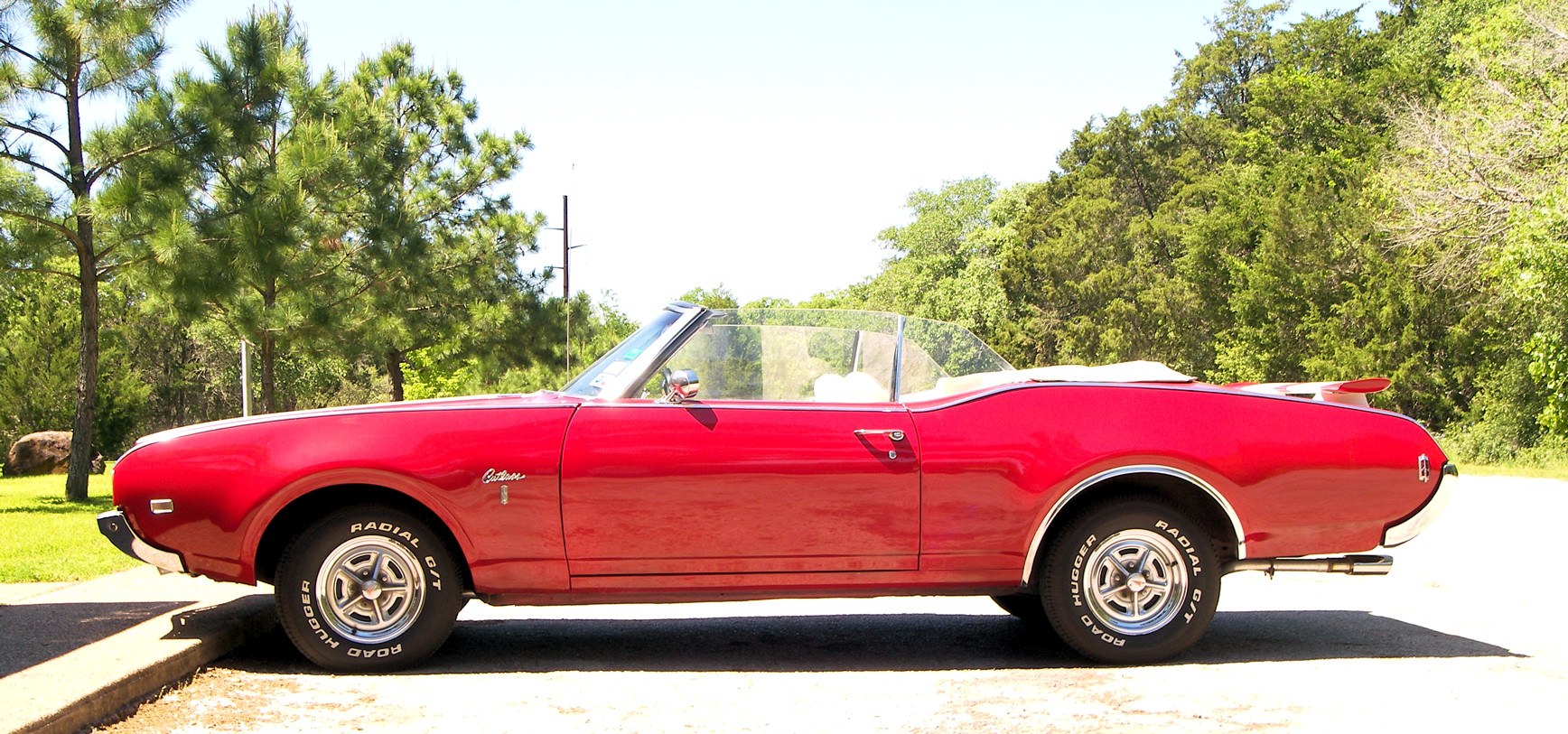
Oldsmobile Cutlass
"... know that. Was it Chris? It was Chris's car, his cutlass. I totally forgot about that. He was, his was th..."
The Oldsmobile Cutlass is an older car that many people remember fondly. It was popular for being comfortable and stylish, and now it's a classic that some collectors really love.
The Oldsmobile Cutlass is a classic American car that was produced from the 1960s until the early 1990s, known for its comfortable ride and stylish design. It played a significant role in the muscle car era and remains a nostalgic favorite among classic car collectors.

Honda Crv
"...I got a 2007 Honda CR-V with 225,000 miles and picked up a battery with a data manufacturer..."
The Honda CR-V is a type of vehicle called an SUV, which stands for Sport Utility Vehicle. It's designed to be practical and reliable, making it a popular choice for families.
The Honda CR-V is a compact SUV known for its reliability and practicality. The 2007 model is part of the second generation, which was produced from 2002 to 2006, and is popular for its spacious interior and fuel efficiency.
jump box
"...put a jump box on it and started the car up..."
A jump box is a small device that can help start a car when the battery is dead. You connect it to the battery, and it gives the car enough power to start up again.
A jump box, also known as a jump starter, is a portable device used to start a vehicle with a dead battery. It provides a quick boost of power to the battery, allowing the engine to start without needing another vehicle.
state of charge
"It gives you the state of charge and state of health and cranking amps, what it's rated for, and all that checked out good on the old battery."
State of charge tells you how much power is left in a battery. It's like checking how full your phone battery is before you use it.
State of charge refers to the current charge level of a battery expressed as a percentage of its total capacity. It indicates how much energy is left in the battery and is crucial for understanding its ability to start a vehicle.
cranking amps
"It gives you the state of charge and state of health and cranking amps, what it's rated for, and all that checked out good on the old battery."
Cranking amps tell you how much power a battery can give to start a car's engine, especially in cold weather. The higher the number, the better it can start the engine.
Cranking amps refer to the amount of current a battery can provide to start an engine at a specific temperature, usually 0°F. It's an important measurement for assessing a battery's starting power.
multimeter
"I checked the voltage on it when it tried to start the car, put a multimeter on it and looked at it."
A multimeter is a tool that helps you check how much electricity is in a battery or circuit. It's used to find out if something is working properly or not.
A multimeter is a versatile tool used to measure voltage, current, and resistance in electrical circuits. It's essential for diagnosing electrical issues in vehicles, including battery health.
10.8 volts
"...went to start the car, and once again it's down to 10.8 and won't start the car on the second battery."
10.8 volts means the battery doesn't have enough power to start the car. A good battery usually has around 12.6 volts or more when it's fully charged.
10.8 volts is a low voltage reading for a car battery, indicating that the battery is not providing sufficient power to start the engine. A healthy car battery typically has a voltage of around 12.6 volts or higher when fully charged.
starter
"that thing is drawn too many amps, like the bad starter or the engine is dragon."
The starter is a part of the car that helps start the engine. If it's not working, the engine won't turn on.
The starter is an electric motor that initiates the engine's operation by turning it over when the ignition is engaged. A faulty starter can lead to starting issues.
battery cables
"Battery cables would be a source of resistance, so it would be less voltage pulled out of that"
Battery cables are wires that connect the battery to the car's electrical parts. If they're damaged, it can make it hard for the car to start.
Battery cables connect the battery to the vehicle's electrical system, allowing current to flow. Damaged or corroded cables can cause starting problems due to increased resistance.
charging system
"...they can test it and go, oh, it's charging good, cranking amps are low, you got a bad battery. We got to do something about it. That's their assurance to know that it's"
The charging system keeps the car battery charged and powers everything electrical in the car when the engine is running. If it doesn't work, the battery can die quickly.
The charging system in a vehicle includes the battery, alternator, and voltage regulator, working together to maintain the battery's charge and power the electrical systems while the engine is running. A properly functioning charging system is essential for the reliability of a vehicle.
trickle charger
"...I put my trickle charger on it. I've got a nice float, float charger maintainer"
A trickle charger slowly adds power to a battery to keep it charged without damaging it. It's great for batteries that aren't used often, like in classic cars or motorcycles.
A trickle charger is a device that charges a battery at a low rate, allowing it to maintain a full charge without overcharging. It's particularly useful for keeping batteries in good condition during long periods of inactivity.
float charger
"...I've got a nice float, float charger maintainer"
A float charger keeps a battery fully charged by giving it just a little bit of power all the time. It helps ensure the battery is always ready to go without overcharging it.
A float charger is a type of battery charger that maintains a battery at its full charge level by supplying a small amount of current. It is designed to prevent overcharging while keeping the battery ready for use.
sealed battery
"...a long time since I bought a battery that was not a sealed battery. Yeah. Oh yeah. Well, a lot of them are sealed."
A sealed battery is a car battery that doesn't need any maintenance, like adding water. It's designed to be safe and easy to use.
A sealed battery is a type of lead-acid battery that is designed to be maintenance-free and does not require the addition of water. They are often used in modern vehicles for convenience and safety.
AGM battery
"...most of them are going to AGMs and those who aren't popping any, no, no, you're not popping a lid off any of those."
An AGM battery is a special kind of car battery that is very strong and doesn't need much care. It's often used in fancy cars because it lasts a long time.
AGM stands for Absorbent Glass Mat, a type of lead-acid battery that is known for its durability and resistance to vibration. AGM batteries are often used in high-performance and luxury vehicles due to their reliability and maintenance-free nature.
battery maintainer
"...just get a battery maintainer. If you've got power out there, plug that thing in and just leave it plugged in..."
A battery maintainer is a tool that helps keep your car's battery charged when you're not using the car often. It makes sure the battery doesn't run out of power and can start the car when you need it.
A battery maintainer is a device that keeps a vehicle's battery charged without overcharging it. It is particularly useful for vehicles that are not driven regularly, ensuring the battery remains in good condition and ready to start the vehicle when needed.
Request an Explanation
Heard something you'd like explained? We'll add it to this episode.
Sign in to request explanations for terms you heard.
Want to learn more?
Browse our glossary for plain-English explanations of automotive terms, jargon, and concepts.
Help improve this episode
See something that's not quite right? Our annotations are AI-generated and can sometimes miss the mark. Click the flag icon on any annotation to suggest a correction.