This is a score GM uses to judge how well a dealership sells cars to regular customers. The point here is that even if a dealer sells most of what it gets, the score can still look bad depending on the formula.
STMI is a name for a dealer inventory pool that the regional managers control. It can affect which dealership gets cars and how predictable that supply is.
Term
tiered consensus algorithm
This is a multi-level decision system that helps determine outcomes like who gets what inventory. In this case, it’s being accused of helping larger dealerships more than smaller ones.
Recall volume is how much recall work a company has—basically how many cars are being recalled and how often. Ford is saying the bulk of that recall activity is older cars, not the newest ones.
A vehicle architecture is the car’s underlying “platform” design. Ford is saying many recalls are tied to cars built on older platform designs, not brand-new ones.
“Find and fix” means you wait until a problem shows up, then you repair it. Ford is saying it’s trying to prevent issues earlier instead of reacting after the fact.
Warranty costs are the money a car company spends fixing problems that are covered by the warranty. Ford is using this as evidence that newer cars are having fewer costly issues.
Motor Trend is an automotive magazine/website that gives awards to cars and trucks. The host is mentioning that it named the Maverick Truck of the Year.
J.D. Power is a company that surveys car owners and publishes quality rankings. In this context, it’s being used to support Ford’s claim of strong early quality.
The Ford Maverick is a small pickup truck. Here it’s mentioned because it won a major “Truck of the Year” award, which supports Ford’s claim that its newer lineup is doing better.
Michael Katone is a car-industry executive. In this episode he’s focused on how financing and dealer communication can confuse customers, based on his experience with Subaru’s finance side and earlier work at Volvo.
Subaru is the car brand being discussed here, specifically through its financing arm. The point is that the way financing offers are presented can affect whether customers feel clear or confused.
A captive finance company is a car brand’s own lending arm. It helps create financing deals (like loans or leases), so it can influence what customers see as the “real” price or offer.
It means the price or offer a customer sees online or in ads doesn’t match what they hear elsewhere. That mismatch can make the buying process confusing and stressful, and it can even trigger complaints or investigations.
FTC stands for the U.S. Federal Trade Commission. It’s the government agency that can investigate and challenge misleading advertising, including when car prices or offers don’t match what customers expect from ads or websites.
“Single message” here refers to coordinating marketing and offer details so customers see the same deal/incentive story across OEM sites, dealer sites, and third-party aggregators. When the message is consistent, it reduces confusion about what offers are actually available.
Retention figures are basically a report card on how many customers keep coming back. Here, they’re saying Subaru’s communication and deals help bring people back to buy again.
Leasing is like renting a car for a few years with set payments. At the end, you can usually return it (or sometimes buy it). The hosts say leasing can help people upgrade more often and helps dealers plan their used-car supply.
Residual value is what the car is expected to be worth at the end of the lease. If that expected value is higher, the monthly payment is often lower. That’s why leasing companies pay close attention to it.
“84 months” means paying for the car over 7 years. A longer loan can make the monthly payment easier to manage, but it usually costs more overall. The speaker is saying one dealer avoids that long-term setup.
“72 months” means the loan is paid off in 6 years. Compared with 7-year loans, it can reduce how long you pay interest. In the story, it’s the alternative the dealer wants their managers to use.
Lease returns are the cars that get handed back when the lease ends. Dealers can then sell them as used cars. The hosts say having more lease returns helps dealers stock used cars.
Customer retention means getting customers to come back again instead of moving on. The hosts say leasing can make that more likely because the dealer expects the customer to return when the lease ends. That helps both sales and used-car planning.
This is how a car salesperson gets paid—usually a mix of salary and commission. The “pay plan” can reward the whole store’s results, not just what one person sold.
This is the dealership’s repair shop and maintenance team. It’s where customers go for things like routine service and repairs, and it can strongly influence whether they keep coming back.
Absorption is basically how much of the available service business your dealership is capturing. Higher absorption means more of the local customers’ repairs and maintenance are going to that store.
This just means the dealership’s business selling pre-owned cars. The point is that used cars can be very profitable, so the dealership can’t ignore that part of the business.
“Pre-COVID” is used here to compare dealership used-car market dynamics before the pandemic disruptions. The host is pointing out that used-car dealer ratios shifted over time, implying that profitability strategies need to adapt to market conditions.
JP Morgan Chase is a large financial company. In this part of the podcast, it’s mentioned because the speaker is talking about relationships and how they work in business.
Honda is mentioned as an example of an OEM that does captive leasing well. The point is comparative: some automakers manage leasing competitiveness and market strategy better than others.
Supply and demand is the basic idea that if there are too many cars available, prices tend to drop, and if there aren’t many, prices tend to hold up. The speaker is saying OEMs have to manage both production and pricing to keep values steady.
Customer-facing incentives are the deals you see advertised to get you to buy or lease—like discounts or low-rate financing. The idea here is that too many of them can train buyers to wait for deals and can hurt pricing.
Rental markets are the big fleets of cars used by rental companies. If a lot of cars go into rentals, more of them eventually show up as used cars, which can lower prices.
Term
values down
“Values down” means the cars are worth less in the market. The idea is that if too many cars are available at once, buyers have more choice and prices fall.
An “incentive structure” is the system of bonuses or goals that pushes dealers to sell certain cars or manage inventory a certain way. It’s basically how the brand motivates the dealers.
CAFE requirements are government rules in the U.S. that push car companies to make their overall lineup get better gas mileage. If they don’t, they can face penalties, so companies change their plans.
Term
$7,500 credit
The “$7,500 credit” is a tax incentive that can lower the price of certain plug-in cars. The host says it helped drive more people to lease EVs and plug-in hybrids.
Plug-in hybrids are cars that can be driven using electricity, but they also have a gas engine if you need it. They’re mentioned because they behave similarly to EVs in incentives and leasing.
The “Strait of Hormuz” is an important shipping route for oil. If it’s disrupted, oil and gas prices can rise, and that can change what people expect EVs to be worth.
“Coming off lease” means a car’s lease is ending and the car is getting sold or returned. When lots of cars do this together, it can change how many used cars are available and what they cost.
“Mannheim numbers” are a set of market indicators dealers use to understand used-car prices. They’re based on auction/wholesale activity, so they help predict whether prices are rising or falling.
“Outsource” means paying another company to do the work instead of doing it at your own shop. The concern is that it can make the customer experience less consistent.
Chase Auto is a finance company mentioned here as Subaru’s partner for car financing. The point is that their leasing approach can influence how quickly customers switch vehicles.
“Ownership cycle” means how long people keep a car before they trade it in for a newer one. The point is that leasing can make that timing happen sooner and more consistently.
This means dealers are buying used electric cars at auction. The host says there’s been a spike, which suggests EVs are showing up in the used-car market more quickly.
MMRs are auction-based price benchmarks used to estimate what used cars are worth. When someone says MMRs are up, they mean used-car prices at auctions are trending higher.
Chris Skinner is mentioned as someone on the sales team. The segment credits him with a strategy that uses service appointments to start conversations with customers about upgrades.
Charging stations are places where you plug in and recharge an electric car. The speaker is saying facilities need this infrastructure to handle used EVs properly.
Electrification here means getting a shop or auction facility ready for electric cars. That includes things like charging and the right equipment so EVs can be handled safely.
A lift is the equipment used to raise a car for inspection or service. Because EVs can weigh more, the facility needs lifts rated to safely support them.
Here, “integration” means getting two software systems to work together. Instead of dealers using separate tools, the data connects so the customer experience can be improved.
First-party data is customer information the dealer collects directly itself (not from an outside data broker). The idea is that using that “own data” helps the software tailor messages and experiences better.
Cox is a company that provides software and services to car dealerships. Here, they’re buying another company (Fullpath) to improve what their dealerships can do.
A customer data platform is a system that gathers customer information from different places and puts it together. The goal is to help dealerships know what shoppers are doing earlier in the buying process.
CRM is the dealership’s system for tracking leads and customer conversations. The point here is that instead of waiting for someone to show up as a lead, the dealership can react to signals sooner.
A lead is basically a potential buyer the dealership can contact. The point here is that the dealership can identify interest sooner instead of waiting for someone to officially submit a request.
This means the system can message people right away with offers or info that match what they seem interested in. It’s personalized instead of generic, and it happens before they even contact the dealership.
Real-time data means the information is current, not delayed. The advantage is that dealerships can respond quickly with offers that match what the shopper is thinking right now.
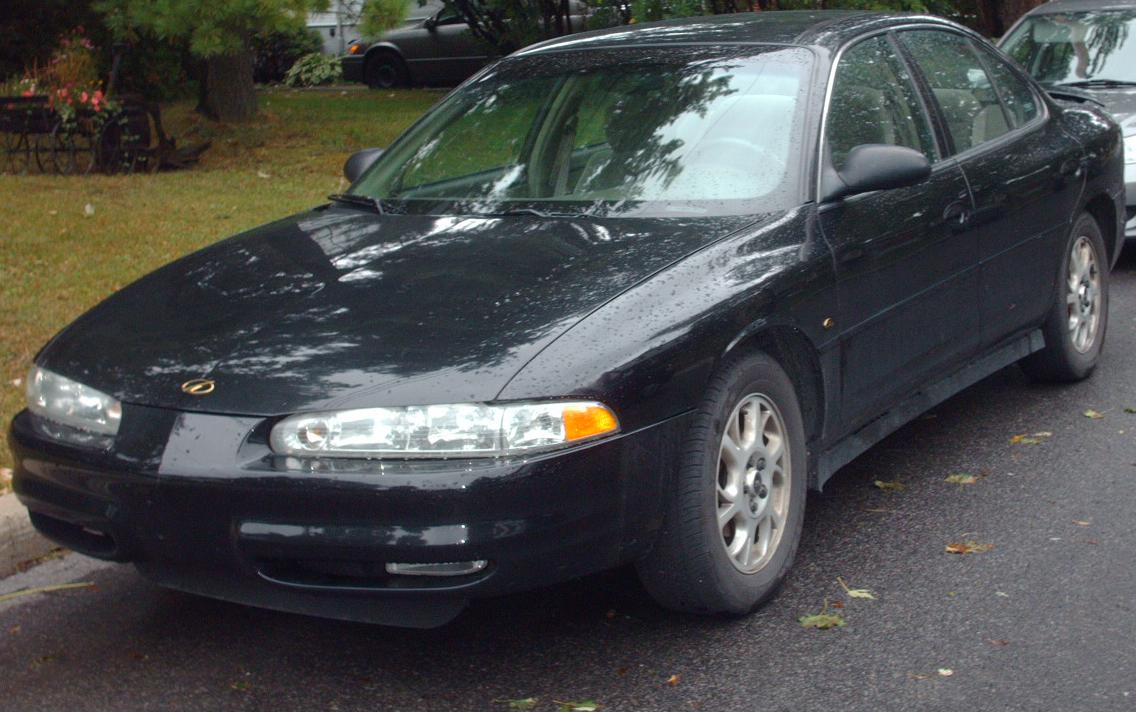
The Oldsmobile Intrigue is a mid-size car (a sedan) that was made by Oldsmobile. It’s not a current model, so it’s mainly something you’d hear about when talking about older cars or past lineups. It’s typically discussed as part of Oldsmobile’s history.
Third-party data is information coming from outside sources (not the dealership’s own records). Here it helps the dealership notice when someone starts shopping, even if the dealer didn’t see it before.
“In market” means the person is actively shopping for a car right now. The dealer’s system didn’t think they were shopping until the new signals came in.
Term
AI
AI is computer software that can look at patterns in data and make a decision. In this case, it helps the system figure out that a customer is now shopping, so the dealership reaches out quickly.
SMS outreach means texting someone to get in touch. The point is that the dealership contacts the shopper quickly when the system thinks they’re ready to buy.
The customer journey is the path a person takes from “thinking about a car” to “actually buying one.” The idea here is that better data helps the dealership understand where the shopper is in that process.
DMS platforms are the main software systems dealerships use to manage day-to-day operations. If other tools integrate with the DMS, the dealer can share information more easily.
An “open network” means the software is meant to work with other companies’ systems too. A “closed network” would be more like a walled garden where you can’t easily connect other tools.
CDP means Customer Data Platform. It’s software that gathers customer information from different places so a dealership can understand the shopper and market to them more accurately.
Kelley Blue Book is a familiar car-shopping and pricing brand. In this discussion, it’s treated as a place where shoppers generate activity that can be used by dealerships.
Retargeting is when ads follow you after you’ve visited a site or shown interest. They’re saying better data integration can prevent dealerships from paying for ads to people who already bought.
Ziggler Auto Group is a dealership group used as an example. They’re showing that this kind of software/data connection isn’t just theoretical—it’s being used by dealers.
A “golden record” is a single, cleaned, authoritative customer profile created by merging and deduplicating data from multiple systems. The goal is to avoid conflicting or duplicate customer details so downstream tools (like marketing automation or analytics) work reliably.
A data lake is like a big storage area where you dump lots of data in its original form. It can be useful for analysis, but you usually still need tools to clean it up and turn it into something you can act on.
Anthropic is an AI company. They’re mentioned as an example of how fast new AI features are showing up and what those tools can do.
Term
Mythos Fable
“Mythos Fable” is the name of an AI thing Anthropic released. They’re bringing it up to make the point that AI tools are getting more capable and available quickly.
“AI native” means the software was built to use AI as a core part of how it works. The argument is that this can be more effective for dealerships because it’s designed around their actual workflow.
Concept
integrated
Here, “integrated” means the new software has to connect with the dealership’s existing systems. The goal is for customer and deal information to flow through the whole process instead of getting stuck in one app.
The “deal desk” is where the dealership finalizes the numbers for a car deal. The point here is that new software has to deliver the right info to that step, not just store data somewhere else.
“Customer sat scores” refers to customer satisfaction metrics collected after sales or service interactions. The speaker links improvements in these scores to better dealer performance and a more profitable, customer-friendly dealership operation.
Aaron Horowitz is a co-founder and CEO tied to Fullpath. He’s being thanked for joining the discussion about dealership technology and customer experience.
The Chrysler Saratoga is an older Chrysler car name. It’s usually something you’d hear about in historical or context-based mentions rather than as a current model you can buy new. The podcast reference may be using the “Saratoga” name as part of a broader story.
LIVE
Hey
everybody, welcome back to another episode of the Daily Dealer Live. I'm your host, Sam
Darkin. Thanks for choosing to be here with us on this Wednesday, June the 10th. We got a show for
you today. Michael Katon, head of Subaru Motors Finance at Chase Auto, former CEO Volvo USA in
Canada. He's a guy who sat on both OEM and captive side joining to share his perspective on why the
service drive may be the most underused sales tool in your store and why our used car strategy
better gets smart on EVs before the least turn in wave hits. Plus, we've got Katie Gattusko,
Duncan, GM of Mohawk Chevrolet joining on why she stopped chasing traffic and started fixing the
leaks in the traffic she already had. We'll talk process ownership, leadership development,
retention, what she's doing at the store level and why it's working. But here's the big one.
Several weeks ago, we told you Cox Automotive was acquiring full path. That deal is now closed. I
think it finished up June 1st and dealers have been comparing notes in CDG circles and across
automotive ever since. What's the sentiment? Well, there is genuine excitement about what
auto trader Kelly Blue Book data flowing into a CDP could mean. And we've also sent some genuine
concern about what happens to support pricing and open access when an independent tool joins a giant
joining daily dealer today, Steve Raleigh, president of Cox Automotive and Aaron Horowitz,
CEO of full path. They're both here. We're not doing the PR deck today. We're asking the questions
you'd ask. And as a reminder, we're streaming live across all CDG social media or CDG social
platforms. Post your comments in. We'll bring them into today's show. Your questions, your
perspectives, your insights make this show elite. But first, let's dive into today's automotive industry
headlines. Up first today, a Long Island dealership has filed a $15 million lawsuit against General
Motors and the allegations, well, they're worth paying attention to. Well, beyond New York, Sun GMC
in Wata, I better say this right, Wanta filed the complaint June 3rd in federal court,
alleging General Motors had systemically starved the store of inventory for years in what the
dealer's attorney's described as a de facto termination strategy, setting unachievable sales
goals while only supplying half the vehicles needed to meet those objectives. Last year,
GM set a target, for example, of 1000 units, but they only invoiced 501. The dealer was then rated
unsatisfactory on GM's retail sales index, even in years when it sold nearly everything it received.
The suit targets two specific mechanisms, a tiered consensus algorithm that allegedly favors
larger dealers and a discretionary inventory pool called STMI that regional managers control
without clear rules. The attorney on this case, Leonard Bolivia, who also represented the Volkswagen
dealer plaintiffs in the scout lawsuit said if discovery proceeds, GM will have to reveal its
full allocation formula, something he says no manufacturer has ever done voluntarily. For dealers
who have suspected similar patterns with their own OEMs, this case could set meaningful precedent.
Next up and also this week, Ford pushed back on the narrative around its elevated recall volume.
A Ford spokesperson told CDG News that more than 90% of its safety recall volume through May
involves 2021 and older vehicles built on architectures engineered in 2019 or earlier.
The company says it has shifted from reactive, quote, find and fix to preventative focused
strategy and that early life recall volumes on its newest products are significantly lower than
previous generations. Warranty costs, for example, fell roughly $500 million in 25 versus 24.
Ford also ranked highest in 15 years on JD Power's initial quality study and earned motor
trend truck of the year for the Maverick. The message from Ford is that the legacy quality
hangover is real, but the current product lineup, well, it's a different story. So Ford, as an aside,
editorial may out punt the most recalled OEM coming up very soon. Back to the news. Speaking
of Ford, the company announced a $5 million joint investment with Bloomberg Philanthropies
to train more than 300 automotive technicians in Detroit over the next three years. The program,
modernized classrooms with diagnostic equipment, help students earn credential for graduation,
supports educator training on new vehicle technology,
and application assistance to remove access barriers. The backdrop is a technician shortage
that isn't getting better. NADA estimates the industry needs to out of roughly 76,000 technicians
annually. And Ford has said as many as 5,000 positions in its dealer network could go on
build. That's a big story. We continue to watch the potential looming technician
shortage and closing with a market shift worth keeping an eye on. JD Power reports that Texas
is on pace to overtake California. Get this, as the largest new vehicle market in the U.S.
Texas's share of national life vehicle retail sales, it's grown from 9.3% to 10.8% since 2019,
while California has fallen from 12.5% to 11.4%, narrowing a three-point gap to just
six-tenths of a point. Texas has already led the nation in new vehicle dollars spent for three
consecutive years. What makes Texas interesting beyond the volume is what dealers are actually
earning there. FNI revenue per vehicle runs about $2,200 in Texas versus roughly $1,800 in
California. And the state's tax structure makes leasing comparatively expensive. So 69% of buyers
come in with cash or outside financing and average loan terms run six weeks longer. Pickups are only
27% of the Texas market. So the other three quarters is a broad mix, broader mix than most people
might assume. What's the bottom line here on this story? The center of gravity in the United
States auto retail, it's shifting a tad and Texas might be where it's shifting too. And that, folks,
is a wrap on today's auto industry headlines. The technician story is fascinating. Last week,
we had a representative from NADA dealer in Wisconsin come on and talk about this 70,000
technicians that will be retiring. It's a massive gap that needs to be filled. Props to Ford for
working on that. Props to NADA for working on it. And as an aside, I did a dark debrief to my
personal social media. There was something like 40 or 50,000 impressions on that single post talking
about what dealers are doing to try to fill the gap. And by the way, not all of them were nice.
At some point, Hannah, I would love to get a panel around table of technicians on this show,
because that comment was overwhelming in the chat. Give technicians a voice. What are they looking
for? What would pull technicians in the automotive? What is the career path?
My own experience has been that technicians are less likely to go on camera, but actually,
I'm not sure that's true. So let's test that a little bit. Ken74 says, well, we got a ton of
comments coming into the chat today. Dan C says, love to hear some perspectives on right to repair
potential legislation. That is definitely a topic in the technician piece. Lauren Klein,
WooDec is stacked today. Happy Wednesday all. Let's dive into our first guest, Michael Katone,
head of Subaru Motor Finance and Chase Auto and former CEO of Volvo. Welcome to the show, Mike.
Hi, Sam. Hey, long time listener, first time caller. So I'm excited to join you.
I love it. Thanks for being on here. So it's interesting. You have, you've spent time both
on the OEM side of Volvo. You've had a long career with them. Now you're with Chase. I think you
and I may have met at the CEO summit. I've done that two years in a row. It's an incredible place
to go for great perspectives. That gives you a view. Most people in this space don't have.
What's the disconnect you keep seeing between what dealers think the customer experience looks like,
speaking of your Subaru finance experience and what it actually looks like in reality, Mike?
What's the gap? Well, great question. I think every OEM, every captive finance company, every
retailer is trying to solve this. And I think one of the biggest issues becomes that you have three
different voices. You have the OEM, you have the retailer, captive finance company,
and then you have other vendors that are going in to help support things left and right. And it
really takes a strong relationship between the retailer, the OEM, to really coordinate what
all the messages are. And some brands do that a lot better than others. And I think the one thing
that you always got to recognize is there's a customer at the end of that who's listening to
all of these things and may just get confused by what offers are out there. And I think that's
really, really important to get all that coordination together.
By the way, that's ground zero for some of the FTC challenges in the letter that went out several
months ago is fragmented or disparate or different messages relative to advertised price.
That's creating a challenge with all these different websites and bulletins and plugins
and offers and things that are going on out there, right? And the customer is kind of left
confused in a high friction process. Correct. And then of course, you've got all these AI tools
out there that are starting to scrub the information and pulling things from different sites. And
you know, at the end of the day, they're pulling the information that you put out there as a retailer,
as the OEM puts out there, and they're aggregating it for you. So I mean, the consumer I could see
could become, I don't want to say disenfranchised, but it can become a little confusing for them.
What is the actual offers that are sitting out there? And I said, it takes a really tight OEM
retailer relationship on what the offers are going to be, what the highlights are going to be.
This is the lane we're going to look at from an OEM standpoint. Retailers, this is where you go,
and vice versa, right? Making sure all the swim lanes are covered.
All right. So I'm going to put you on the spot and I'm going to say, all right,
we're going to concede that Subaru is the best at this. But given your experience with OEMs
and in the captive finance world, what OEMs are winning in this space of aligning well with a
captive finance and OEM and customer and dealer to deliver a single message? And then who is
struggling? Who could do better, Mike? That's a really good question. Obviously, I'm very biased,
but I think the numbers are proving on owner loyalty, return to retailer loyalty for Subaru.
They do an incredible job. In fact, I was attending a regional advisory board meeting where we're
having those exact discussions about what are the offers? What's the communication message?
When are we going to put that out there? I think that's a really good process that they have going.
I think you can see that in the retention figures. When you see customers returning to the brand,
that's a message of, hey, we're communicating on the right thing. We're giving you a good
customer relationship, and then they're coming back and they're buying a new car with that brand.
All right. I want to bring up a topic we had last show. Monday, we had Brian Benstock on,
Paragon, Honda, and Acura. We talked about affordability. Affordability is a big issue for
consumers, or at least it's a perceived issue. Actually, so I've had a great conversation with
Cliff, I forget his last name, but Hannah, text me, Cliff's last name. Anyway, had a great conversation
with him about affordability, and he says, look, Sam, affordability isn't as big an issue in automotive
as we think because the consumers continue to buy vehicles. As I see the average payment go up,
I'm challenged with that. We talked about it. Brian Benstock and I did. He said, look,
we need to shorten the cycle, the ownership cycle. He said leasing is a great way to do that.
Honda and Acura, they do a great job with leasing. I think Subaru does a great job with leasing as
well. Not every OEM can with residual values where they are, but he did something else. He prohibits
his finance managers from taking the easy button, which is 84 months. It's prohibited. If they do
72 months, he halves their commission. What do you think of that as a solution, what Brian did,
and then what's your take on leasing as an affordability prong to help consumers buy
and shorten that trade cycle? I think leasing is an incredible option. I mean,
when I was on the Volvo side, that OEM, like luxury, that's always been a big piece is leasing,
but it has to come with a really strong use car base to help manage your residual values
through the life cycle of the car. Cliff Banks, by the way, Cliff Banks.
Cliff Banks. All right, good.
But what's really happening is, I think a lot of it, and I applaud Paragon on their 84-month
stance and how they're working on commissions, because mostly what we see is those longer terms
add more product to it, and there's a higher level of the amount financed on the vehicle.
But really, when you think about leasing, you're really not selling the customer one car. You're
controlling that experience, and you're likely going to get them back again for another lease
and for another car. And then for the retailer, it's a huge benefit, because now you kind of control
the cycle of that used car as well. So when we talk about affordability in the marketplace right now,
this is why used cars are on such an increase right now, because those are a bit of the
cheaper volume cars. They have a good number of lease returns coming back. So if you balance
those two things well, your new car inventory, offers, along with a strong used car
portfolio, that's the key to retailer profitability, and that's the key to customer retention.
All right, let's transition into the service department. You've talked about the service drive
as being an area of opportunity that a lot of dealers don't capitalize on. Tell us what you
mean by that. What is waiting in the service department that maybe we're not thinking about
in June of 26? The service department is your number one lead source. Every single day you have
people coming onto your service drive that are coming into the dealership. And usually what
happens is they're sent out directly in a service loan or they're sent out into your
sitting in your waiting room waiting for their physical car to come back. Yet you've spent
all this money on these wonderful showrooms and having all this new car inventory that there's
that opportunity to help start engaging the consumer and getting them back into the new car
cycle. And for me, the best dealerships, I was on the OEM side, I called on dealers for over half
of my career. And that's where I saw the best of the best had a great touch point between service
and sales every single day. They really understood where their customers were in terms of their
ownership cycle, where they were on mileage, where they were in terms of the amount of money
that the customer may have to pay at that day and really to owe that back to sales. They're not two
different departments, it's one. Yeah, why do a lot of dealerships shy away from doing a meeting
like that? A daily meeting, what's the topic in that meeting? What's discussed in that meeting?
I work with a bunch of our stores, 41 stores, I know the best ones do some sort of a huddle
like that to have that conversation, but others don't do it just because it takes intentionality
in their departments typically that would compete sometimes. Why do some not do it and what should
be included in that conversation, Mike? I think some don't do it just because they don't have
that overall connection. They create these different, they're just different departments
instead of one big store. And then sometimes I've seen at a lot of stores, sometimes pay plans
can drive that, right? The service manager is really focused on what's going on in their service
department. The use card manager is focused on the use cars and getting the cars in right,
and the new car is focused on that. At the end of the day, it's one big baton pass across, right?
Put the customer first. And if you give that great experience and you put that customer
in mind and say, hey, you're going to have to spend X amount of dollars today on new tires and
brakes, I can get you into a new car, lease. We can talk about all the warranties.
So every chance that they walk into the store is a chance for a conversation.
Yeah. Yeah. You've talked about advisor pay planes being tied to whether the dealer captured
the value, not just the individual. How many stores get that wrong when you talk about pay?
And what does it cost them when they do? I think the overall cost is retention. And the overall
cost is you might have a really good, strong service department that is doing great absorption
in the 70s and 80s percent. But if you see your retention numbers that are sitting low,
you're costing yourself new car sales. And at the end of the day, to me, you're costing yourself
on the use car side very, very much because those are gold today. Use cars are absolute gold.
I mean, if you went back pre-COVID, the use car, you would see that the ratio for the dealers were
a little up and down. You had really good use car dealers and you had some that were kind of into
the game. Now, in order to be super profitable, use cars is that angle today. You have to be
engaged on that side. Yeah. Dan C comes into the chat and says something interesting. I think
Chase and Subaru, they've had a relationship for over 25 years. So clearly, things have been working
for both on both sides. And I know you're not on today necessarily to give your perspective on
Chase and the relationship between Chase and Subaru. But I know Subaru also has a really heavy
focus on the customer exchange and being present for the customer and the service drive. Some of
our best stores, you mentioned, you know, Kyle Feynman at our Lafayette store, they are heavily
engaged in that. Brian Broody at our Fort Wayne store. What does Chase get right about Subaru
back and forth that has allowed that relationship to endure for 25 years that maybe some of the
other OEMs could learn from? Yeah, you know, we have such a great relationship. So today is my
my one year anniversary with with Chase and Subaru. And thank you. Thank you. But I've really seen
and I saw it from the outside of a really strong OEM retailer relationship at Subaru. And now I'm
getting to experience it. And then I joined a company, JP Morgan Chase, and that has a very
similar great culture, great company to work for, which is really hard to do with over 300,000
employees globally. But the culture is there. And that is embedded into it. So when you look at
Subaru and their customer satisfaction rankings, and then you look at Subaru Motors Finance,
we are leading the charts to and that is with strong collaboration, that is making sure that
we put that customer first, right? It's not the transaction. It's focused on the customer is
really what Subaru and Subaru Motors Finance is focused on. Let's get that right and then
everything else falls in place. So to be fair, when you talk about shortening the life cycle and
creating greater opportunity and leasing to sort of capture that customer for life, create a longer
term, like an OEM has to have a great relationship with a lender, right? What else needs to be there
for more OEMs to get on board with leasing? So Honda does a great job, I would argue right now,
but Brian advocated for that. I think there's some other OEMs like Toyota, Subaru does a good job.
What do other OEMs need to get right to be able to provide captive leasing that's very competitive?
I joke about this in my previous life and now it's like the laws of supply and demand are undefeated
since 1776 when Adler Smith wrote The Wealth of Nations, right? You have to make sure that you're
building the right product, that you're building, that you're pricing it correctly and making sure
that stays in the market. And what the commonality that you see between all those brands is you
typically see a low day supply, you typically see very, very few customer-facing incentives,
and you don't see a lot of cars going into the overall rental markets. And what they're really
doing, they're controlling the ecosystem and they're keeping everything Subaru through the
Subaru network, right? They're making sure that all the cars come back to them, they come back to
the retailers and they control their own destiny. If you take that long game and that long approach,
it always works. I'm not going to ask you this. I want to ask, does Chase ever have to sit down
with Subaru and say, hey, slow down production a little bit because we need, because truly to your
point, and Brian and I talked about this, quality is a component, OEM controls that, but supply to
your point is another. So over supplying the market with product brings the values down at
lease end and that creates a problem, and you can't lease. So you've got to have that balance
between production, obviously quality, and having discipline to make leasing work for a lender,
right? Yeah. And I would say Subaru has that internal discipline, like no one I've ever seen.
They have that culture of, let's get the inventory right first, then chase a target. And I think
that works, has worked for decades now for them, even back into the Tom Dole days. That is exactly
how they have really worked with their dealer body and really worked with their incentive
structure to build that over time, because that's the key. We're going to get Jeff Walters. Jeff
Walters came to a couple of our open houses. He's like, I'd love to come on the show. We're going
to have him on at some point. Maybe we can get you back to be. I'll see him tomorrow. I'll put a
bug in his ear. Do it. Do it. Say, hey, you know what? It wasn't that tough. All right. Last topic
before we go, and then we got to bounce. You say, hey, you got to watch out for EVs. EVs are a great
affordability opportunity and automotive, because there's going to be a ton of EVs coming off lease
here shortly. I'm going to challenge that assertion, because I think everybody sees a cliff coming.
And I'm going to tell you, Mike, I think that's the cliff that doesn't fully end up materializing.
What's your take on the EV opportunity that potentially could exist over the next couple
of years? It's been an absolute roller coaster for EVs. And I worked with a brand that was moving
very fast down that full electrification strategy. And basically in the last year, you've seen pretty
much every single brand pivot, because they didn't have the CAFE requirements. But if you go to the
three years before that, we came out of COVID and we came out of the supply change shortage, and
leasing was very low. It was below traditional levels, and it slowly crept back up. But if you
look into the details of it creeping back up, it's been pushed up more by electric vehicles
and plug-in hybrids, because it had the $7,500 credit. So if you look at how the lease returns
are going to come back over the next few, probably the next 18 to 24 months, there is a
higher mix of EVs than there are. But with the Strait of Hormuz closed and with gas prices
attacking five bucks a gallon, I think everybody expected values of EVs to drop off a cliff,
because there were so many coming off lease. That's not going to happen, Mike, is it?
Well, they've already, they fell big time. So now they're starting to creep back up.
So and I think I saw a tweet yesterday from the car dealership guy that the Mannheim numbers are
up like 11% over the last few months. And let's see how long, because we definitely see that gas
prices and EVs kind of go hand in hand. You see that mix. But again, we're talking for the next
18 to 24 months that these cars are going to be coming back off of lease gas prices,
I think we all hope get back to where they were pre the closure of Strait of Hormuz.
So where I look at it is you're looking for an affordable car right now. And if you're looking
for an affordable car, and you're looking for used cars, affordable used cars are going to be
predominantly EVs over the next few years. So if you thought you didn't have to sell them on the
new car side, because your manufacturer was bringing them down, they're going to be there
in your used cars that all day long. Yeah. So your seven day action plan for dealers coming
out of today's show is build your used car fixed and fixed op strategy around EVs, don't outsource
tires, don't outsource brakes and windshields on these EVs have a strategy in the service department.
And I agree, I think there could be some opportunity, but I think potentially there could be less
because of demand. Yeah. And I think I agree with you on that. And really where I'm going
around this and talking about it is we talked about customer satisfaction and taking care of
your customer. The more you put vendors on the outside to take care of your customer,
the more chance you are going to let them control the customer experience. Bring that
in house, every car needs windshields, tires, brakes,
make sure that's in house to carry, whether it's an EV or not.
Yeah. Yeah. Well, Mike Katone, we absolutely appreciate you coming on the show. Tell Jeff,
we'd love to have him. So tell him to sign up. I'll shoot him a note. And we appreciate your
perspectives on all things opportunity and automotive, including shortening that trade
cycle, some of the cool things Subaru's doing to help dealers with that. And then also this focus
on EVs. Michael Katone, head of Subaru Motors Finance at Chase Auto. Thanks for being on today's
show. Thanks a lot, Sam. Have a great day. Thank you. It's a fun conversation. Brian Benstock,
let's hear what you think about that, right? I think Subaru is a good example of shortening
that ownership cycle and doing it by leasing. And that 25-year relationship between Subaru and Chase
kind of is proof of that. I have a tough time. It's funny, used cars. Everybody thinks they're
going to fall off a cliff at one point. I remember that coming into the COVID years,
and it just never, ever materialized. And I worry that in the EV space, it may not as well.
Let's talk Experian. Today's episode is brought to you by Experian. Smarter marketing data drives
smarter growth with Experian Automotive reach in-market shoppers, boost loyalty and service
revenue, and activate powerful automotive audiences across 30-plus platforms. Props to
Experian for supporting today's content, including that conversation with Mike Katone,
head of Subaru Motors Finance on the EV opportunity that's coming up, shortening trade
cycle, and some of the things Chase is doing in partnership with Subaru to deliver the best to
customers everywhere. Props to you, Experian. If you want to learn more, you can scan the QR
code. I guess it's on this side today. Scan the QR code for more information. Thanks to Experian.
All right. Let's dive straight. Actually, you know what? A ton of great comments.
Igor Kay's coming in talking about MMRs are up at auctions across the board. He says dealers are
buying EVs right now. There's a spike in used EV acquisition at auctions. And then Chris Skinner,
our sales team maximizes leads through service by sending a salesperson to speak with every service
customer, whether they just bought or are due for an upgrade as well. We sell eight. And by the way,
that strategy for Mike, a daily meeting, service, fixed ops, used, new car manager,
that is elite. If all of Automotive did that, I think we could truly deliver a better product
to our customers. Next up, Iron Horowitz, CEO of FullPath and Steve Rowley, President Cox Automotive.
Thanks for joining the show. Hi, Sam. Thank you. Thank you both for being here. So, Steve,
you have a unique perspective on EVs through Mannheim. I know Mannheim has done a lot to
update their capabilities to make sure that they're able to service this influx of used EVs.
I know it's not the reason you're on the show today, but do you have any thoughts on this cliff
that some people say might be coming? Well, look, about 70% of the EVs that are getting
auctioned are going through Mannheim right now. And quite frankly, you've got some very,
very expensive EV vehicles sitting there that are very valuable, a great value, a great value.
Great opportunity. Frankly, I am seeing the opposite. I see the EV market, I see the EVs
going up. We're seeing that at Mannheim and some of the stats prove that out to be true.
You know, look, for me, it's always been about the network for charging is a big point and
affordability. So half of that gets restructured. How did Mannheim end up, you say 70% of the
used EV marketplace goes through Mannheim auctions? How did that come to be? Is it just the least
trade-in contract? Just a lot of it has to do with you have to have the facilities prepared
for electrification. You've got to have charging stations. You've got to have lifts that can hold
the weight there. There's a host of reasons why. And that will change over time. We're fully aware
of that. But we've made that a big presence and we have a whole mobility division that we've spent
a lot of time with OEMs and working on their respective call-ins and things of that nature.
So a lot in that space. All right, Steve, let's go off EVs in Mannheim. Let's talk about the big
update since we last spoke. The deals closed between Cox and Fullpath. What should dealers,
Steve, know now that you're beginning to integrate Fullpath and Cox Automotive now that that's
happening? Well, look, I've done just a lot of acquisitions in my career, a ton of them.
So when you say integration, that has a whole history of certain elements. For me and for Fullpath,
integration means this, getting data into Fullpath. They are a phenomenal, phenomenal technology,
innovative product. Now it's getting the most first-party data into Fullpath so we can delight
our customers like they've never been delighted before. And that's what's special about it.
And that's what integration means for me today because we want to keep the fuel and the secret
sauce of speed, innovation, nimbleness alive for Iran. And Steve, for our audience who wasn't
here for your first interview, why did Cox see Fullpath as a great opportunity for acquisition?
What does Fullpath give Cox in terms of capabilities? Aaron Ziegler, 41 stores,
we use Cox across all of our stores. How do we benefit in this transition?
Well, there's a lot. There's a lot there. But the central part, it's a central data system. It's
a customer data platform that sits there. Think of it like the old days of the stock market. You
used to watch the tick or take come across and you wait for your stock. That could be 10 minutes.
That's what the auto industry has been built on. We have to wait till we get that lead finally in
the CRM, which we are a part of. Instead of that, you now are seeing what is that consumer doing?
What are they doing in AutoTrader? What are they looking at? What are they willing to finance?
What are they thinking about? You now have all of that information way before they even create a
lead or even come into your dealership. Now all of that stuff is being driven and you've got agents
that are 24-7 sending instant notices to them that are personalized. You haven't been in the
market for two years. We know what your car is worth. We say, Sam, we can buy your car for you
and here's the car of choice for you. It's speed. It's real-time data. It is a game changer.
So, Aaron, to that point in CDG circles, just getting a little sense of the pulse of what's
going on, a ton of excitement and intrigue and interest around all of this new data that will
flow into full path from all the different elements that Cox has. How does that strengthen and benefit
current full path customers and what's done and what is yet to be done from that standpoint, Aaron?
Yeah, thanks for the question, Sam. Great to be here again with you.
Yeah, welcome back.
I guess I'll relate a little bit to what you and Steve were just discussing. I think
as someone who's not done a lot of acquisitions, this is my only acquisition.
I could not have been more just surprised but also just inspired and energized by the way that
the Cox team has received us. Number one, they've really been focused on letting us operate and
letting us run. Number two, they've been so fast at making data and elements of the technology
available for our teams. So, it's just been incredible. It's like suddenly we received this
like amazing new wind at our sales and I could not be happier with how it's been over the past
few weeks as we've started this. Now, I'll say in terms of the customers, if you grew up like
myself in the 90s, we'd all play those games, Civilization, those video games where you'd like
to discover the map, remember that? So, what happened through this integration between the
KBB Auto Trader data and more data to come, there's endless data over at Cox. It is truly
incredible. We're just revealing new squares on the map for every single dealer that is in our
customer base. So, suddenly a dealer that really could only see what was happening in their first
party data is now getting signals from third party data, from KBB, from Auto Trader. I'll give you
an example. A Honda dealer that I was just spending some time with on the phone, they had a dealer that
had been in their CRM, excuse me, a customer for five years. Based on the data signals from their
first party, nothing was going on, not in market, not shopping. Suddenly a hit comes in from Auto
Trader and they know or their system knows, their AI knows that this is now a shopper in market.
Instant email is sent, SMS outreach and that person becomes a sales lead and is now talking to that
dealership. So, that level of connectivity is pretty unprecedented in the market and I'd argue
right now that this combination now and through the next couple steps we're going to take will be
most sort of, will have the most visibility of the customer journey period in the industry.
Wow. And is that part of the reason for the acquisition, Steve? Is that what you're wanting
to do to be able to give clients and folks in the industry better kind of signal data than any
other platform? And with this acquisition, does this give Cox and its partners a leg up in the
industry in running towards that customer that shows signals of buying in a way that we haven't
had the ability to do in the past? Yeah, look, I've talked about, I spent 30 years in technology.
I've talked about technology and we need to have the dealers become more technical and
the problem is that Cox, I don't know if we need to look in the mirror. It's like we've got to make
sure we're helping the dealers. We've got to be their technology advisor. We feel like they're
trusted advisor so much. We've got to bring the technology at the forefront for the dealers. So
absolutely. This is about bringing technology to the dealers that they haven't had before.
The dealerships by nature, they're just awesome people that are doing the right thing for the
customers and this now changes the game. When that dealer walks into the dealership now,
you know so much about that consumer. You know exactly what they want and you're not spending
a half hour, 45 minutes to try to figure out what you want, what color you want and all that good
stuff. So this is about speed. This is about profitability, though, and efficiencies. You
know AI in the future of dealerships is getting more profitable, doing it at a faster rate.
Things aren't going at days and weeks and months now. They're going by minutes and we've got to
make sure that our product set and the capacity and take advantages of the data that we have.
It's been very expensive to put that together. It's been a long time coming,
but that first-party data is a powerhouse for our customers and we're just really excited to
be able to put that on display. Now just talking with dealers, Steve, we hear a concern. It's so
much data. It's so much information. You're able to run towards the customer in a way that other
companies aren't able to do. Now that full path is inside Cox, does it truly stay open to non-Cox
CRMs, websites and DMS platforms? I know full path has Reynolds integrations. There's been some
concern as we kind of get the pulse of the auto industry. Will those integrations continue to
remain or will Cox kind of wall off and try to create an empire within the Cox empire?
Well, you look, as I said, in technology a long time, I've never seen more of an open network
than at Cox. I mean, that's what we built this company on. We were a house of brands that
connected with anybody who was willing to connect and we wanted to help our customers. So
absolutely not. We are not a closed network. We're not going to hold this in.
The one thing we will do is we will make sure that we are being good stewards of that data
so it's equitable for all dealers and that dealers have proprietary data as well. We have to guard
that and so the T's and C's and the rules of the contract making sure that data is used the same
way everywhere is critical to us. But as far as an open network, my goodness, we connect with
everybody today. We integrate with everybody today and by no means would we want to hold that back
by anyway. And I think there's precedents elsewhere outside the Cox network. There's precedents
elsewhere within Automotive where people would try to create a challenging network in that.
So and it is interesting, Aaron, as we think about Cox owns that auto trader, Kelly Bluebook,
that shopping activity flowing directly into the CDP and out to a dealer CRM. As you described,
it is a game changer. There's no more spending ad dollars retargeting someone who bought from
any one of those products. How real is that vision and how quickly will we start to see benefit
from it? The Ziggler Auto Group is an example, right? We use it within Vauto and elsewhere.
Yeah, it was kind of interesting. We had a small customer gathering in Miami last week and
How did I miss that, Aaron? Come on, man. You got to give me an invite. Others can't have the
bit. I need a leg up on this. Come on. You're coming to the next one, Sam. We'll get you there.
All right. Very good. It was so incredible because as I was doing a Q&A on the Cox acquisition,
because naturally everyone's very curious, suddenly customers started seeing notifications
in their dashboard and their full path dashboard that the new data was flowing into their CDP.
And we rolled it out obviously in tranches, right? You don't want to do that. So some of the
dealers in the room had it and instantly it started spinning up advertising, marketing campaigns,
and the dealers were, I mean, their draws hit the floor. And there was just such inspiration from
seeing what it looks like to A, connect data that was not connected and give the customers,
the consumers, the shoppers a better experience and B, to see that what we sort of promised
in that show we did with you and in the initial moments that we were able to deliver on day one.
It was actually day one. It was almost hour one. We were able to deliver value. So we're just going
we're just going to continue down that path of finding great integration opportunities in order
to bring more value to the customers. And that'll go both ways. We hope that that'll flow to
customers of Cox that are not full path and obviously to the full path customers.
And you create that CDP as part of the service through the Cox and-
Correct. Yeah. The CDP is, we have hundreds of integrations as you pointed out. I'd actually be
more, even more emphatic than Steve that Cox has so far helped us speed up some of our integration.
Aspirations with outside parties. They've been very good at helping us meet people and get some
things done that we were having a hard time doing. So we have all these integrations and
the data is just formed into this, you know, cleansed single kind of golden record for each
shopper. And off of that, you can do anything. So Aaron, I think there's a lot of dealers sitting
on the sidelines. CDP, data lakes, all these things have been buzzwords over the industry in the last
12, 24 months. And a lot of groups have waited to press the trigger on this. We at Ziggler
are included in that. And I talk to many dealers daily who say, you know what, we're engaged in it,
we're getting quotes, we're trying to figure out how to do it. We just don't, like, we're not confident,
comfortable that the moment from a technology standpoint has arrived where it's there. What would
you say to those dealers that are sitting our own kind of on the sidelines? When is that time? And,
I mean, I'd say two things. Number one, I understand why a dealer, especially, you know,
a large enterprise group sees it as a risk to work with a small startup, let's say. And I think
that there is always risk there. And, you know, you're looking to invest in data infrastructure.
And want to know that that data, the value of the data infrastructure
compounds the longer you stick with it, right? The worst thing you could do is rip out a CDP.
It's starting from zero. And so I'd actually say for those dealers, Cox choosing to acquire us and
give us what we need to scale up and to build at a different level is a huge signal. And it
should give them a lot of confidence and comfort that, A, we're going to be around and B, we're
going to be able to build tremendous value and features for them. And B, on the cutting edge
of what a CDP needs to be. The second thing I would say is just look at the broader technology
world. I mean, yesterday, Anthropic dropped Mythos Fable that the... I know. I've played with it.
It's fun. Yeah. It's over the web today. You just see what the capabilities of AI are. And as Steve
mentioned, you know, the auto industry needs a flag, needs flagship big tech platforms with
big data, with huge engineering resources to help dealerships advance with AI. And so I think
what you have here is another starter gun. If you need it, that AI is coming. It's going to be very
core. And Cox is clearly making very big moves on that front. And that should also give you a lot
of confidence in the roadmap if you're a large enterprise dealership. Yeah. Steve, any thoughts
you would add to that? I do think from our auto group standpoint, we prefer to do business with
larger companies where we have a relationship at a higher level. And it has given us pause
kind of these smaller startup AI driven companies that have kind of leapt in without...
I mean, they've got resources. They're trying to raise funding and then trying to sell eventually.
But Steve, thoughts about doing business in a CDP with larger company? Well, look,
you bring up a great point. I remember sitting across the table from your boss and he was saying,
where is this? What is this? We need something like this. So I get... I think there's something
lost here, though. The one thing I would really tell you, though, and Aaron's being very, very
humble here. We didn't just start looking for a CDP. We've been at this for two years, two and a
half years, looking at it. Is it a bill? buy? partner? And full path was the
right company for it. They were an AI native, but they were also an auto first company. You've got
to understand the sales process and the dealership process of how a car is bought. And you've got to
make sure that's integrated. So building one of these things is not easy because you've got to
get it to flow to the deal desk. You've got to get it to work inside the DMS. And it's just
something that's very difficult. People will do it faster than ever today because of AI technology.
But you've got to have the ecosystem in mind. And you've got to make sure that you can integrate
with other parts that feed, that will feed full path. Steve, when you talk about full path being
nimble, last time you were on the show, you said, hey, we're buying a Ferrari. You're not going to
drive the Ferrari at 35 miles an hour in traffic. So dealers have seen nimble companies get absorbed
and slowed down. Innovation plays playing it safe inside the big suite. What structurally,
in the way this acquisition has worked, keeps full path nimble and innovative because that is,
you know, as I talked to other dealers our own, you guys are credited with being super nimble,
agile. You respond very quickly from your reps, your call center, everybody across the board.
What within this acquisition, Steve, keeps full path nimble and full speed inside Cox?
For me at the highest level, we bought a lot of products, technology. They weren't a company,
they were products. Full path is a company. Aaron's supporting advisors are some of the best
minds in AI. They're technology advancements. They are a company. They've got a sales team.
They've got a, you know, they've got a CFO. They're looking at the business from an enterprise
view, not a slot. So, you know, we're here to support this and bring this in and continue to
make this part of the Cox family in a very, very, very special way. And look, I want to go faster.
I want to do it right. I want to delight the customer. I want to really, really do something
special for the industry as it relates to AI. I think this is something that is a game changer.
I mean, it is a game changer to the bottom line. I was a little surprised candidly when I saw in
the show notes today, Aaron Horowitz CEO full path. So he retains the title, retains the position,
presumably retains a lot of the team. So I think that's an interesting message to the industry
that that structure remains in place though, under the Cox family. Yeah, no, absolutely. I mean,
once you get to meet his team, you'll know why it's, it's, it's an easy decision when it comes
to that. And, you know, we have so much to offer as a company from a customer perspective and support
our performance managers are the best in the business. And, you know, having that more support
out in the field and driving that is going to be, be special. So Aaron, a couple
questions we get as we wrap up a lot of independent and non-cockstores run lean on full path as a
standalone version of its product. Will there always be a modular standalone fairly priced
version of full path? Or does the long, long term play kind of bring it more into the enterprise
bundle? You know, we've communicated to the market is that everything is staying the same,
you know, right now. And again, the world always is a long work, but we really feel
committed to continuity and innovation. And that's what Steve's charged us with. And when I first
met him, you know, he said, we need you to be nimble, we need you to be fast, and we need you
to make technology decisions that have impact on the dealership. So, you know, enabling us to keep
things the same while feeding us with, with more assets and assisting in our, you know,
in solving issues for us that frankly, as a, a company out there without some of the,
the muscle that, that a Cox has are difficult to solve is what we need. That's the fuel. So,
so we're, we're just like focused on executing for the dealers, delivering on,
continuing to deliver on our roadmap, bringing integrations and just creating a lot of value
for customers. Yeah, yeah. Well, I'll tell you, Steve Rowley, President Cox Automotive,
our own Horowitz co-founder and CEO fully of full path. Great perspective today. And as we wrap,
Steve, a final question for you as you think about the growing family of Cox and how you're
going to market in automotive, and you look two years down the road, then five years, what's your
vision in automotive about how Cox engages in this space to help change the way we serve our
customers and, and the role that full path plays. It's a big, big question. You can go wherever you
want on that one. Yeah, look, I kind of gave up on five year plans. I'm really in the three year
plan. I like that. That's right. I honestly believe that this is about the customer and this is about
technology. For us, our vision is technology first, really driving that, continuing to have
the best support people we can have in business. We, you know, on the sales and support side,
and really driving innovation. I mean, this is a, this is getting to be an innovation world.
I want to make sure that our dealers are sitting in there creating the experience that no one else
has seen in related industries and doing it in a way that meets the customer's needs. And we're
going to see those customer sat scores go up. We just are. And we're going to see probabilities for
the dealers go up. That's the future because once you have more profitable dealers and you have happy
customers, you know, there's, there's a lot, there's a lot you can do.
Aaron Horowitz and Steve Rowley, thank you both for being on the show,
sharing your perspectives on this acquisition and congratulations on the close.
Thank you. Thanks for having us.
Thank you, Dan.
Yes, Sam.
Thank you.
A lot of comments coming in from the text, you know, Paul Solzman, all the buzz around technique,
techion, but it's a distant number four and DMS market share. Interesting. So
a lot of convo on techion and how some of the other larger players or growing players in the
marketplace, how will they respond to this? You know what? There's so many comments to the producers.
You can put a few up if you want. I can't go read them all. Otherwise, I'll lose track on where we
are today, but appreciate Aaron and Steve coming back on the show, sharing their perspectives
on this acquisition. I know it was something hard fought for on both sides. So next up,
let's continue the momentum. We turn to Katie Gattusco, Katie Gattuso, Duncan,
general manager of Mohawk Chevrolet. Katie, welcome to the show.
Thank you for having me.
Thank you. So you are, tell us who you are, where you're located and how's business June of 2026,
Katie?
I'm located in upstate New York outside of Albany, like kind of by Saratoga Springs. I'm the general
manager of Mohawk Chevrolet and business has been really great. We just closed out a really awesome
May and June's been off to a good start as well.
Nice. Congratulations. And you are fully involved in all things digital, retailing, AI, tech, all
the things. Are you a customer of either Cox on one of their platforms and or full path? Do you
have a take on this acquisition? We have have some Cox products in the past. We did look at full
path in the past, but definitely something that I think we might look more into with what's going
on. Do you have a CDP? Have you guys, have you moved forward with CDP data cleansing and kind
of targeting customers more specifically in that realm? Yeah, I think it's something that we need
to get into more. You know, I think what they were talking about enhancing the customer experience
is what we're all about at the dealership level. So anything that can help us to do that better,
I think we need to look at seriously.
All right. So that transitions us into the topic of the day, right? You've made a deliberate shift
away from chasing more traffic and toward doing more with the customers you already have, which
sounds familiar from our prior guest. Walk us through what triggered that change. What made
you say, Hey, we need to focus on the customers rather than getting new prospects. And what are,
what were you seeing in your stores that made you say we need to fix this first?
I mean, I think everyone in our business has a tendency to be looking for more leads, more this,
more that, and we need to do a better job of looking at what we already have. I think our
dealership has really dedicated to putting together cohesive marketing and advertising and
looping social media into that. And we do have a plethora of leads at our store. And it's just a
matter of maximizing on what we already have. And we also have our current customer base too. So
rather than looking outward, I think we need to look inward at how we can convert better on what
we're already doing. Yeah. So tell us about these pictures we're seeing right now. What are these
videos from? So these are just some of our social media posts and activity. I just recently myself
have gotten involved in it. Just to kind of show our team, if I'm going to do it, you guys can do
it too. But social media is free, you know what I mean? We can get on TikTok, Instagram, Facebook
and be posting and get organic search and organic traffic from that. We had one of our sales managers
posted a video literally yesterday just doing a walk around on a car and someone immediately
commented, Hey, I need a car, right? Like, yeah, it's so powerful. And you know, we're just kind
of starting to scratch the surface of it on the individual level. And that's just another way
to increase closing percentage because you're bringing in people that want to buy from you.
They asked for you. They know you and yeah. So you're you're you're asking your salespeople,
your leaders and others to go out and engage in the social media world. What are you specifically
telling them to do? And is there any type of AI or technology that you're engaging with to
execute on that? So I'll give a shout out to Russ flips whips. I'm sure you've you've heard of him.
He talked to our group. Yeah. And gosh, what a guy he's got a ton of energy, right? Like, I don't
know where he does a lot of coffee in the morning. Exudes passion. But so he you know, I followed him
just because of being on TikTok and you know, start seeing his content. And it's one of those
things when I was a salesperson, social media was newer and they were pushing us at the time to get
on there. But I never had like a blueprint on how to do it. And I wasn't super comfortable just
taking a video talking and didn't really know where to start. And that was the thing I really
liked about Russ, his training was he does blueprint like, Hey, this is how you can get
your start, how you make your your platforms and whatnot. So we've rolled that out to our team.
And, you know, even with the blueprint, it's hard to get people to put themselves outside of their
comfort zone to do it. So that's why yeah, I've definitely challenged myself and our leaders
to start getting involved as well. And, you know, the more I do it, I'm so passionate about I love
this business and love what we do and how we do it. And you see so much hate online towards our
business and what we're doing. And that's just kind of fired me up even more to keep doing it.
Because, you know, I do believe in what we do. And I believe there are great dealers out there
that are transparent and care about customer experience. And I just want to keep spreading
that message. So you've talked a lot about training and development. You mentioned Russ
Flipwhips and you've done some training there blueprint provided. You know, it's something
that everybody talks about and a few actually execute on well, what does your training look
like in practice? And then how do you quantify that back to ROI in sales or customer experience
or employee experience or satisfied? How do you quantify that? I mean, I definitely think you see
training a lot in your survey scores, you know, manufacturers all are tracking. NPS is the big
score for general motors now. And I think a well trained staff results in high reviews and high
survey scores. You know, these are the people that are on the front line interacting with our
customers. And just what we talked about, we pay a lot of money to acquire customers. So we want
to take care of them when we when we have them. So just challenging our managers to be consistent
with training. And, you know, it's not something you can do once and then set it forget it, you
have to continue doing that continuing education and, you know, asking sales consultants questions
in a morning meeting rather than just talking about what we're getting for lunch, like quiz on,
you know, different topics that we've trained on and same for service advisors, parts, everyone.
And what's the one thing most people get wrong, June of 26 about training and dealerships
and connecting the training to results after? I think a lot of people don't do it, you know,
and I think that we're all in this business similar in personality and that, you know,
what's right in front of us is exciting and we're doing that really well. But
training isn't always the most exciting thing because it's a long term play, right? Like you
might be training a new hire and it clicks to them six months down the road, but it took the six
months of training to do it. And, you know, I think that our stores done a lot of, you know,
growing employees from within. And to me, that again, it shows over time, but it's the long
term play in investing in your employees. And I think it shows an ROI because you do have repeat
customers. They're not coming back to a new salesperson every single time they come to a
dealership because high turnover and same in service advisor, you know, they know the person
they're seeing. And I think that that just is better all around. Yeah. You know, I saw you
on the social media clips, I saw, I think dealer of the year, 2025, Mark Chevrolet, how did you get
as we wrap up today? How did you get into automotive? You're obviously passionate about it. What
brought you into this path and why automotive? It's not the easiest path. No, a lot of people,
I feel like have a similar story. I just stumbled into it. I was working in an outside sales job and
I was planning on going back to school, wanted to go to law school, just graduated college. I was a
college athlete, played basketball and I literally walked into a dealership to try to sign them up
and got offered a job and then started working and have just kind of worked my way up through the
ranks. And I'm super passionate about talking to prior athletes because I think that that is a
really transferable skill. You get competitive, driven people and this business is tailor made
for it. So I fell in love with it really quickly and obviously haven't left and never planned to.
Yeah. What message would you give to anybody considering an automotive path,
such as yourself? You know, you had a law degree, you know, any regrets not going back and doing
the law piece? Has this been a, have you found a home in automotive and what advice would you give
to anyone else considering it? Just to consider it, you know, consider, I always say I felt such
pressure when I graduated college. My sister was a pharmacist. I felt like I needed to have one of
those jobs. I needed to be a lawyer, a doctor, a pharmacist in, you know, I think this business
isn't often thought of, but there's so much room for career growth and development, the
income. I mean, it's changed my life and I'm so happy to be able to help bring along people under
me to show that there's possibilities. I mean, I'm 33, a general manager of a store. That could
be anybody, you know what I mean? If you're working hard and you care about the business and whatnot,
but there's just so much opportunity in automotive and I'm very passionate about that.
I see you're a CDG circles member. What's one thing, what's one takeaway you've gotten out
of the CDG circles conversations? Um, geez, I don't even know. I don't know if you are or not.
So a lot of people watch, listen. Oh, yeah, definitely. Yeah, yeah. I mean, just even today,
like, I think the conversation around EVs is, is fascinating to listen to and what the future of
that looks like. Um, you know, I mean, there's, everyone has a little tidbit of something. I know
they were talking about service to sales and just that huddle even earlier today, like a daily huddle
to connect everyone together. Um, I, I think it's so fun to hear from different minds and automotive
always because there's always something to learn from anyone. Yeah. All right, Katie, good too.
So Duncan, general manager, Mohawk Chevrolet. Thanks for coming on Daily Deal Live. Share
your strategies on social media, training and development and your career path into automotive.
Thanks so much, Katie. Appreciate you being on today. Thanks.
What a show today. And by the way, the comments are up a light. I can't even bring them all in. If
the producers want to review through a few of them, they are more than welcome to, but props to Mike
Katon for coming on head of Subaru Motor Finance. I thought his call to action on that daily service
manager, use car, new car, uh, meeting within the store. If stores would do that, that, that is a
golden nugget. And then to Steve Rowley and our own Horowitz for coming back on to talk more in depth
about the acquisition now that it's final June 1st, I'm going to be super interested to see,
you know, again, CDPs or something automotive has talked long about and I talked to a lot of
dealers that are just kind of on the sidelines still trying to figure out how do we engage with
that a bigger company like Cox with so many related properties and all the integrations,
that's good. That gives them a leg up in the automotive industry and props to them
also for coming on a show like this to talk about how they are going to preserve those
other integrations and allow that data to flow into other entities as well. So great show today
to you, our Daily Deal listening audience. Thanks for watching Daily Deal Live. We break down the
biggest moves in the car business as they happen. Don't forget, we're here live every Monday,
Wednesday. We'll be back this Friday, one PM Eastern for fixed ops Friday. So if this is your
world hit like and subscribe, turn on those notifications. You never, ever miss a beat.
And thanks for being here. We appreciate you. We'll see you next episode.
About this episode
Used-car strategy and EV readiness set the stage, then the show pivots to industry friction: a Long Island GM lawsuit over alleged inventory starvation and Ford’s defense of recall-volume narratives. Technician shortages and dealer staffing plans come next, followed by a practical playbook for retention—service-to-sales coordination, tighter advisor pay plans, and repeat-customer focus. The biggest thread is Cox Automotive’s Fullpath integration: earlier, real-time shopper signals feeding a CDP and CRM, with “golden record” data cleansing and open compatibility across dealer systems.
Today's show features:
- Michael Cottone, Head of Subaru Motors Finance at Chase Auto
- Steve Rowley, President of Cox Automotive
- Aharon Horwitz, Co-Founder and CEO of Fullpath
- Katie Gattuso Duncan, General Manager at Mohawk Chevrolet
This episode is brought to you by:
Experian – Experian Automotive helps marketers identify and engage high-value auto shoppers, strengthen customer loyalty, grow service revenue, and activate 1,100+ automotive audiences across 30+ advertising platforms. Learn more here: https://carguymedia.com/3RTNi9H
Chase Auto – Chase Auto is a leading provider of auto financing with a portfolio of more than $89 billion in assets and relationships with two-thirds of U.S. franchised automotive dealers. One of the largest bank dealer commercial services providers nationally, Chase Auto provides lending and/or depository solutions to more than 2,000 dealerships. Our experienced bankers offer financial expertise and a complete range of banking products. Learn more at https://autofinance.chase.com/.
Check out Car Dealership Guy’s stuff:
CDG Circles ➤ https://cdgcircles.com/
CDG News ➤ https://news.dealershipguy.com/
CDG Jobs ➤ https://jobs.dealershipguy.com/
CDG Recruiting ➤ https://www.cdgrecruiting.com/
My Socials:
X ➤ https://www.twitter.com/GuyDealership
Instagram ➤ https://www.instagram.com/cardealershipguy/
TikTok ➤ https://www.tiktok.com/@guydealership
LinkedIn ➤ https://www.linkedin.com/company/cardealershipguy/
Threads ➤ https://www.threads.net/@cardealershipguy
Facebook ➤ https://www.facebook.com/profile.php?id=100077402857683
Everything else ➤ dealershipguy.com