
Dialed In Podcast: May 29th, 2026
About this episode
Suspension and tire fitment take center stage as the host shares specific camber targets and wheel-spacing tweaks for Tesla Model S/Model 3 handling, plus foam-cannon and rinseless-wash setup details. The conversation widens to detailing tools (cordless vs corded), air-scrubber filtration, and even garage-flooring and pump specs. Midway, Tesla hardware-buying strategy and long-term ownership concerns come up, then the guest gets personal about vasovagal syncope and rebuilding driving confidence with exposure therapy and Full Self-Driving.
tow camber
"I was working on the Model S and getting the suspension aligned and doing the tow camber and then putting the wheels back on."
Camber is how tilted your wheels are when you look at them from the front. The host is saying they adjusted that setting as part of the alignment. The goal is better grip in turns and less uneven tire wear.
Camber is the inward/outward tilt of the wheel relative to vertical, and it strongly influences cornering grip and tire wear. “Tow camber” here appears to mean setting camber as part of the alignment process (often along with toe and other angles). Getting these angles right is how you tune a car to reduce understeer or improve turn-in.
coilovers
"You could just buy a set of coilovers or a set of springs, put those wheels on. They're fricking unbelievable."
Coilovers are suspension parts that let you adjust how high or low the car sits. They also help you tune how the car rides and handles. The host is saying you could use coilovers (or springs) to get a similar setup.
Coilovers are adjustable suspension units that combine a coil spring with a shock absorber, letting you change ride height and often damping characteristics. They’re commonly used to fine-tune handling and stance, and they can also affect alignment targets by changing suspension geometry. The host suggests coilovers as an alternative path to the same wheel-and-alignment goals.
springs
"You could just buy a set of coilovers or a set of springs, put those wheels on."
Springs are what support the car and help it absorb bumps. If you change them, the car can sit differently and handle differently. The host is suggesting springs as another way to get the look and feel they want.
Springs support the vehicle’s weight and determine ride height and how the suspension compresses over bumps and during cornering. Changing springs (especially with different rates or heights) can alter alignment geometry indirectly and change how much the tires load in turns. The host groups springs with coilovers as a way to pair suspension changes with wheel fitment.
TPMS
"So there's what 6,800 plus [160.9s] TPMS is another 300 bucks. So there's 7,200 plus shipping and tax and all that stuff."
TPMS means a system that checks your tire pressure. It uses sensors in the wheels and warns you if a tire isn’t inflated correctly. If you change wheels, you may need new sensors too.
TPMS (Tire Pressure Monitoring System) uses sensors in the wheels to measure tire pressure and alert you when a tire is under- or over-inflated. On many cars, the sensors are specific to the wheel/tire setup, so swapping wheels can add cost.
mountain balance
"because I get a discount on a lot of stuff because I have a wholesale account, [179.4s] plus I mountain balance myself. So say 5,500 bucks shipped and I'll just order another set"
Mount and balance means putting the tire onto the wheel and then adjusting it so the tire spins evenly. If it’s not balanced, you can get vibration while driving. Some people do this themselves if they have the tools.
“Mount and balance” is the shop process of installing tires onto wheels and then balancing them so they spin smoothly at speed. Doing it yourself can save labor cost, but it requires the right equipment and careful setup.
10 mil spacer
"but now I need like a 10 mil spacer on the front to kind of get it right. And I really [200.1s] would like to run a little wider tires as well."
A wheel spacer is a thin piece that goes between the wheel and the car’s hub. It pushes the wheel outward a little so it lines up better and clears parts. “10 mil” is just a very small thickness measurement.
A wheel spacer is a thin adapter placed between the wheel and hub to move the wheel outward for clearance or fitment. A “10 mil” spacer means 10 thousandths of an inch, which is a small change often used to dial in wheel/tire position.
five-inch polishers
"once you get feedback at the marketplace. Hopefully there's a little bit of room to go on the balance [299.6s] with multiple types of pads, but they're really good. It's not America, but, you know, the small [307.4s] five-inch polishers, a great finishing polish or tons of torque."
A five-inch polisher is a paint-cleaning machine that uses a five-inch pad. The pad size changes how the polish works and how easy it is to cover the paint evenly. It’s a common size for car detailing.
A “five-inch polisher” refers to the pad size used on a dual-action or rotary detailing machine. Pad diameter affects how the polish spreads, how much area you cover, and how the machine behaves on different paint surfaces.
manual trigger lock
"They have a manual trigger lock. They're the right size, the right battery life, [312.4s] They have a manual trigger lock. They're the right size, the right battery life,"
A manual trigger lock is a safety feature on a power tool. It helps prevent accidental starts and can keep the tool running without you constantly holding the trigger.
A manual trigger lock is a switch feature that keeps the polisher’s trigger engaged or prevents accidental activation. It’s a safety and convenience control used on power tools during extended detailing sessions.
Bosch
"But the Bosch is a little bit of vibration translation into your arms, which I don't love."
Bosch is a well-known maker of power tools. Here they’re talking about Bosch’s cordless polisher and how it feels in use, like whether it vibrates too much.
Bosch is a power-tool brand known for cordless and corded tools, including polishers and grinders. In this segment, the host is comparing Bosch’s cordless three-inch polisher to other options based on vibration and comfort.
three inch polisher
"Matt, looking at a three inch polisher, what are your thoughts between a bar jack three inch or the Bosch three inch cordless?"
A three-inch polisher is a small polishing machine. The smaller pad helps you reach and control polishing in tight spots on a car.
A “three inch polisher” refers to a paint-polishing machine with a roughly 3-inch backing plate/pad size. Smaller pads are often chosen for tighter areas (like edges, trim, and smaller panels) because they’re easier to control than larger machines.
bar jack
"Well, bar jack is junk. It's just Chinese junk."
Bar Jack is a tool brand being discussed for a small polisher. The host doesn’t think it’s very good and compares it to other low-cost tools made overseas.
Bar Jack appears to be a power-tool brand the host is evaluating for a three-inch polisher. The host’s take is that it’s low quality (“Chinese junk”) compared with better-known detailing-tool brands.
shine mate
"They're in the same category as the shine mate and the, you know, actually the shine mate stuff is probably better."
Shine Mate is another brand of car detailing tools. The host is saying it might be a step up from the Bar Jack option.
Shine Mate is a detailing-tool brand the host groups with other lower-cost options. The host suggests Shine Mate may be better than Bar Jack, implying differences in build quality or performance.
Griot's corded
"Unless you go corded and then you would go back to like, you know, Griot's corded or something like that."
Griot’s Garage makes car detailing tools. They’re saying that if you don’t want cordless, a corded Griot’s polisher is a good choice.
Griot’s Garage is an automotive detailing brand that sells car-care tools, including corded polishers. The host suggests that if you go corded instead of cordless, Griot’s (or similar) is a better route.
Rupes corded
"or Rupes cord, Rupes corded would be the way to go."
Rupes makes car detailing machines, like polishers. The host is saying Rupes is the kind of brand you’d pick if you choose a corded polisher.
Rupes is an automotive detailing tool brand, especially known for dual-action polishers and other paint-correction equipment. The host frames Rupes corded as a strong option if you’re not going cordless.
Mirka
"I would do the Mirka, if you can swing it, Bosch, if you can't."
Mirka is a brand that makes car finishing products and tools. They’re saying Mirka is the better pick if the budget allows.
Mirka is a detailing and abrasives brand best known for sandpaper and also for polishers and other finishing tools. Here, the host recommends Mirka if you can afford it, otherwise Bosch as the fallback.
GD4RS
"Brian said, do you get a chance to drive the GD4RS? If so, is that all you hoped it would be?"
GD4RS sounds like the name/model of a tool being discussed. The host says they only tried it briefly, so they’re still judging whether it’s as good as they hoped.
GD4RS appears to be a specific model of a detailing/polishing machine the host is asked about. The host responds that they only drove it one lap around “Moon China,” suggesting they tested it briefly and are evaluating whether it met expectations.

Plymouth Cuda
"[585.0s] I mean, I'd probably do like a 70 CUDA or something like that, but it's, you know, [590.3s] RestoMod version."
The Plymouth 1970 Cuda is a classic American muscle car from 1970. The host is talking about a modified “restored but modernized” version instead of a completely original one.
The Plymouth 1970 Cuda is a late-’60s/early-’70s muscle car icon known for its aggressive styling and big V8 potential. The speaker specifically calls out a RestoMod version, meaning it would be updated with modern upgrades rather than kept stock.
RestoMod
"[585.0s] I mean, I'd probably do like a 70 CUDA or something like that, but it's, you know, [590.3s] RestoMod version. Or, you know, maybe like a vintage Bronco would be kind of cool."
RestoMod means “restore and modify.” It’s when you keep the classic car’s character, but upgrade it with newer tech so it drives better and feels more modern.
RestoMod is a restomod approach: you restore a classic car’s body and look, but modernize key systems (often the engine, suspension, brakes, and electronics) for better drivability and reliability. It’s contrasted here with buying a vintage car that’s kept more original.

Ford Bronco
"[590.3s] RestoMod version. Or, you know, maybe like a vintage Bronco would be kind of cool. [600.7s] But I have like no desire for any of that. So it wouldn't go well."
The Ford Bronco is a classic American SUV with a reputation for off-road capability. The host thinks an older one would be cool, but they’re not interested enough to buy one.
The Ford Bronco is a classic American SUV known for its off-road heritage and rugged, boxy styling. The host mentions a vintage Bronco as a cool idea, even though they ultimately say they have no desire for it.
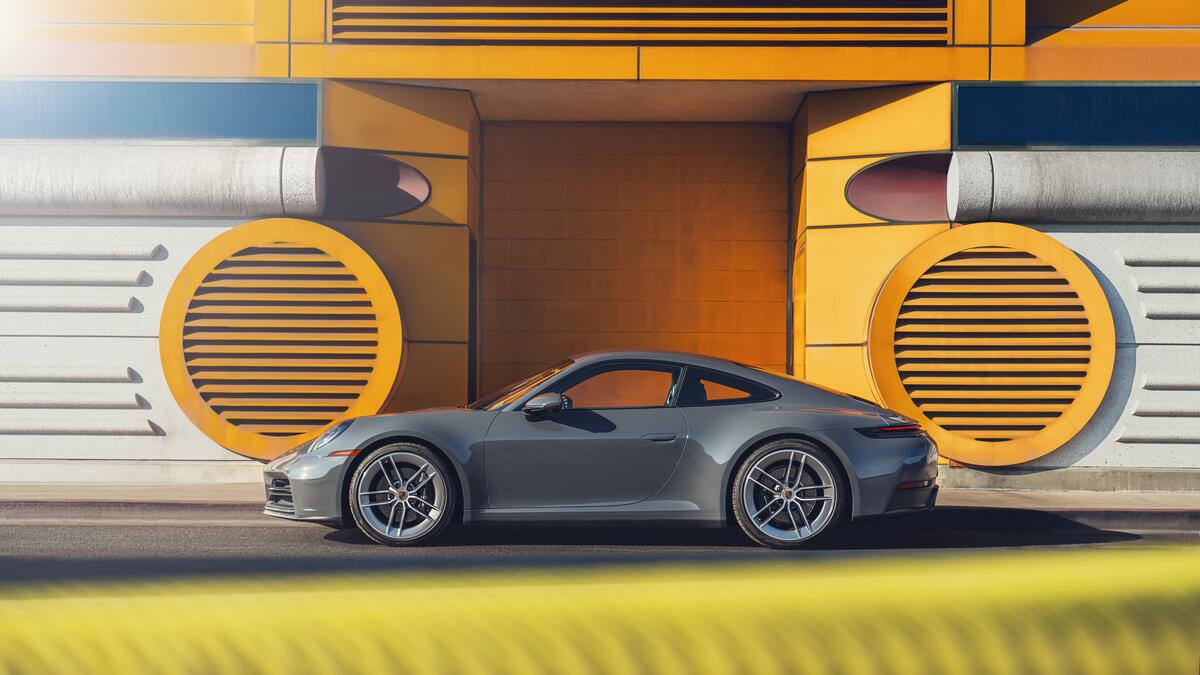
Porsche 911
"[600.7s] But I have like no desire for any of that. So it wouldn't go well. Or, you know, if I did like a [608.3s] 70, so what I do is like a 70s or era of the 80s, 911. I don't know if you'd classify that as vintage [614.0s] but that's what I would do."
The Porsche 911 is a famous sports car from Porsche, known for its distinctive shape and rear-engine layout. The host says an older 911 is the kind of vintage car they’d actually go for.
The Porsche 911 is known for its rear-mounted flat-six engine layout and long-running sports-car identity. Here, the host says they’d prefer a 1970s/1980s-era 911, which they’d consider as their vintage choice.

Audi RS 6
"[621.6s] I don't like the BMW wagons. The only wagon I like is the RS6, which I think is cool. But, [628.5s] you know, I'm going to hate it because of the, you know, all the drive understeer, you know,"
The Audi RS 6 is a fast, performance version of the RS 6 wagon. The host likes the idea of it, but thinks it may not feel as fun to drive as they want.
The Audi RS 6 is a high-performance wagon built around Audi’s performance-focused engineering and typically comes with all-wheel drive. The host says it’s the only wagon they like, but they expect it to disappoint them due to how it drives.
understeer
"[628.5s] you know, I'm going to hate it because of the, you know, all the drive understeer, you know, [633.0s] those cars, steering's pretty numb on them."
Understeer is when you turn the steering wheel but the car doesn’t rotate into the turn the way you expect. It feels like the front end is “pushing” straight instead of turning.
Understeer is when a car turns less than the driver intends—typically the front tires lose grip first, so the car pushes toward the outside of the corner. The host links this to their expectations about how the RS 6 drives.
steering's pretty numb
"[633.0s] those cars, steering's pretty numb on them. I haven't driven the RS6, but, you know, I've had [638.0s] several Audi's and driven many Audi's and they always, I always think they look so good and"
When someone says steering feels “numb,” they mean it doesn’t give much feedback. You don’t feel the road and the car’s grip clearly through the wheel.
“Numb” steering is enthusiast shorthand for steering that feels low-feedback—inputs don’t translate into clear changes in grip and direction. It usually points to calibration choices (assist level, steering ratio, or front-end compliance) that reduce driver feel.
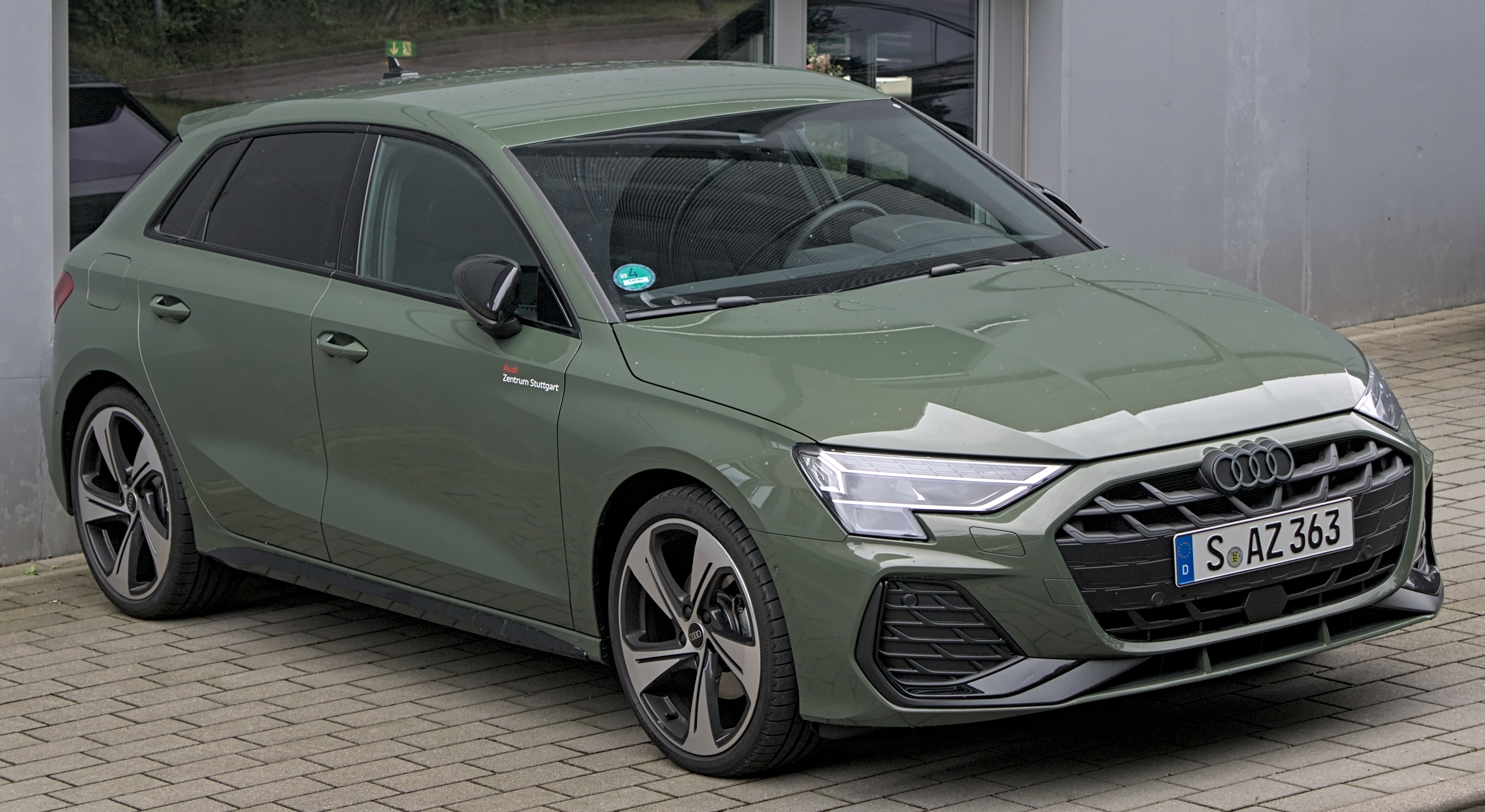
Audi
"[638.0s] I haven't driven the RS6, but, you know, I've had [638.0s] several Audi's and driven many Audi's and they always, I always think they look so good and"
Audi is the car brand the host has owned and driven before. They’re saying Audi cars can look and sound nice, but they don’t always feel very fun or connected while driving.
Audi is the German brand the host references while talking about prior ownership and driving experience. They say Audi cars look good and sound okay, but they feel less engaging to drive.
orifice
"What orifice did you end up using in your AR635 setup to get acceptable foaming? It's the 1.5 millimeter on any foam cannon."
An orifice is basically the opening in the nozzle. Its size affects how the soap comes out—too small or too large can lead to poor foam.
An orifice is the small opening/nozzle passage that controls the flow rate and spray characteristics of a foam cannon. In detailing, the orifice size (here, 1.5 mm) can make the difference between acceptable foam and a weak spray.
foam cannon
"It's the 1.5 millimeter on any foam cannon. So 1.5 millimeters fine."
A foam cannon is a tool you attach to a pressure washer that sprays soap as thick foam. Changing the nozzle size can change how foamy (and how well) it sprays.
A foam cannon is an attachment used with a pressure washer to mix car-wash soap with water and spray it as thick foam. The nozzle/orifice size affects how much foam you get and how consistently the mixture atomizes.
rinseless wash
"Will you be testing or getting PHBH build hammer, Fat Newt? ... It's really interesting. The concept where you, so this is a rinseless wash that you could spray on"
A rinseless wash is a way to clean your car with little to no water rinsing. You spray the cleaner on the paint and wipe it off, which helps when you can’t easily wash and rinse.
A rinseless wash is a car-cleaning method where you spray a specially formulated product onto the paint and then wipe it off, typically without using a traditional rinse step. It’s designed to reduce water usage while still lifting dirt, especially when conditions make full washing difficult.

Tesla Model S Plaid
"So Model S, the Tesla Model S, the Plaid came out in 2021. So you have 2021, 2022, 2023, half of 2023 were hardware three cars."
The Tesla Model S Plaid is the fast, high-performance version of Tesla’s Model S sedan. The host is talking about how newer Plaids tend to have newer “hardware” inside, and that changes what you get. They also use that to explain why newer cars cost more.
The Tesla Model S Plaid is Tesla’s high-performance version of the Model S sedan, known for very strong acceleration and track-capable tuning. In this segment, the host discusses how the Plaid’s production years map to different hardware generations, which affects what features you get. They also compare pricing between newer and older Plaid cars based on that hardware timeline.
hardware three
"the Plaid came out in 2021. So you have 2021, 2022, 2023, half of 2023 were hardware three cars."
“Hardware three” is the host’s way of saying there are different versions of the car’s internal electronics. Tesla may update those parts during production, so two cars with the same name can have different capabilities. In practice, newer hardware can mean better features or performance of the car’s tech.
“Hardware three” refers to an internal Tesla hardware generation used in the Model S (and other models) for systems like driver-assistance and related computing. The host uses it to explain that early Plaids (2021–part of 2023) have one hardware generation, while later cars have newer revisions. This matters because Tesla often changes components during production rather than waiting for a formal refresh.
constantly making changes to cars as they're produced
"And the Tesla's kind of like built Hamburg where they don't like always announce a refresh or like a different model. They're just constantly making changes to cars as they're produced, which is awesome."
The host is saying Tesla updates cars during production, not only at big refresh moments. So a newer car can have different internal parts even if the model name stays the same. That’s why they prefer later production years.
This describes Tesla’s approach of running continuous mid-production updates rather than waiting for a traditional “refresh” with a clear model-year change. For buyers, that means two cars that look similar on paper can have different internal components and capabilities. The host uses this to argue that later-built Model S cars tend to be better equipped.
hardware four
"So I was in search for a hardware four car. So mid 2023 or 2024, I don't think there really are many model year 2025."
“Hardware four” means a newer version of the car’s internal electronics. The host is trying to find a newer Model S so it has the latest tech version. That’s why they focus on certain model years and mileage.
“Hardware four” is the next internal Tesla electronics generation the host is specifically trying to buy. They’re treating it like a meaningful cutoff for the car’s tech capabilities, and they’re searching for a Model S Plaid from mid-2023/2024 onward to get it. The implication is that later production cars have updated computing/feature support.
depreciate substantially in value
"And then we'll see, do those depreciate substantially in value? And if they do, then maybe I'll upgrade if I really like the car."
They’re talking about how much a car’s price might drop over time. Their plan depends on whether the newer 2026 cars make the older ones get cheaper quickly.
“Substantially depreciate in value” refers to how quickly a car’s resale price drops after a newer model year arrives. The host’s strategy is to wait and see whether the 2026 versions cause the current/previous cars to lose value faster than expected.
lift
"Bob says, what was the point in putting tile down around the lift? One, I needed somewhere to test out the argolith tiles."
Here, “lift” means the machine that raises the car off the ground so you can work underneath it. They want the floor around it to be tiled so spills and fluids are easier to manage.
A “lift” in a garage context usually means a vehicle hoist used to raise the car for maintenance. The host is planning to install tile around it to make the area easier to clean and better suited for fluid spills.
argolith tiles
"One, I needed somewhere to test out the argolith tiles. These are the tiles I found in at SEMA last year and fell in love with them."
Argolith tiles are a type of flooring tile the host wants to try in their garage. They’re testing how well the tiles work around a car lift and for handling things like spills.
“Argolith tiles” appear to be a specific type of garage-floor tile the host discovered at SEMA. The host is treating them as a product material they can evaluate for durability and usability around a lift, especially for fluid-related messes.
SEMA
"One, I needed somewhere to test out the argolith tiles. These are the tiles I found in at SEMA last year and fell in love with them."
SEMA is a big trade show where companies show off aftermarket parts and custom-car products. The host saw the tiles there and decided to try them at home.
SEMA is the Specialty Equipment Market Association’s annual trade show, where aftermarket parts and custom-car products are showcased. Here, the host references finding “argolith tiles” at SEMA and wanting to test them in their garage.
underdrive
"So set of a single line array of LEDs, it's four, four rows of LEDs, which means we can underdrive them, which means we'll get more lumens per watt."
Underdrive means powering the LEDs a bit less than their maximum. That usually makes them run cooler, last longer, and can be more efficient.
To “underdrive” LEDs means running them at a lower electrical power than their maximum rating. That typically reduces heat and slows degradation, which can increase efficiency (lumens per watt) and extend service life.
lumens per watt
"which means we can underdrive them, which means we'll get more lumens per watt. So they'll be more efficient, they'll last longer, that you know, LED lot life is an issue."
It’s a way to measure how efficient the lights are. Higher lumens-per-watt means you get more brightness without using as much electricity.
“Lumens per watt” is a measure of lighting efficiency: how much visible light (lumens) you get for each unit of electrical power (watt). Higher lumens-per-watt generally means the lights produce more usable brightness while using less power.
LED lot life
"So they'll be more efficient, they'll last longer, that you know, LED lot life is an issue. The LEDs run all the way to the edge, the transition, they're just, they're great."
It’s basically how long those LED lights are expected to last. Over time, LEDs can get dim or fail, so “lot life” is the lifespan expectation.
“LED lot life” refers to how long an LED product is expected to keep working reliably before its brightness drops or it fails. In practice, it’s tied to heat management and the LED driver’s operating conditions.
bed liner
"And Martinez says, Hey, Matt, I just had a spray and bed liner down on my Ram 1500. Any tips on keeping the matte finish of the bed liner over time? I have a hard roll up bed cover as well."
A bed liner is the protective coating inside a truck bed. It helps prevent damage, and if it’s matte, you have to use the right products so it doesn’t get shiny or uneven over time.
A “bed liner” is a protective coating or insert applied to a pickup’s cargo bed to resist scratches, dents, and corrosion. A matte bed liner finish can be sensitive to cleaners and dressings, so maintenance products matter for preserving the look.
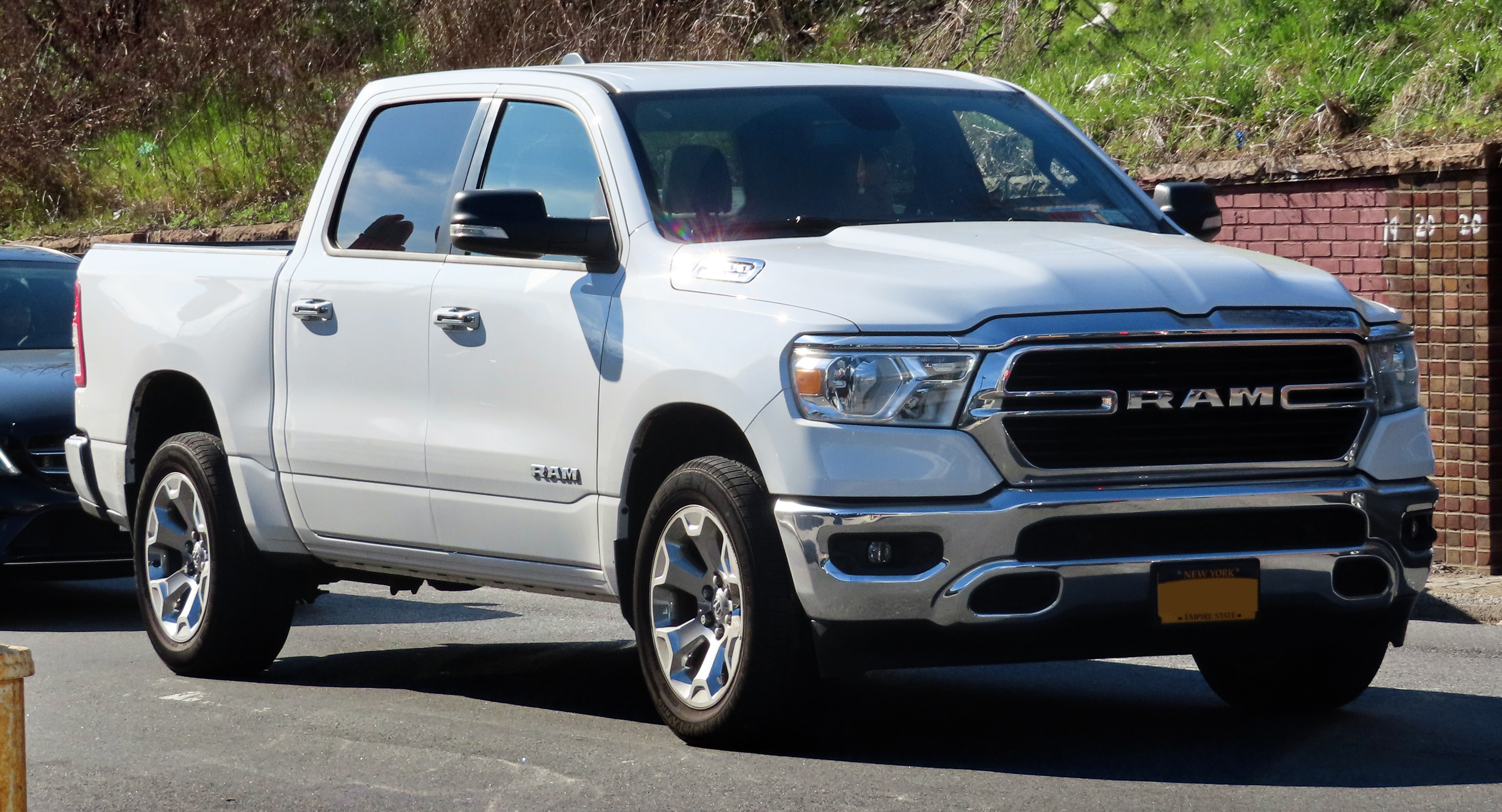
Ram 1500
"And Martinez says, Hey, Matt, I just had a spray and bed liner down on my Ram 1500. Any tips on keeping the matte finish of the bed liner over time?"
The Ram 1500 is a popular full-size pickup truck. Here it’s being used as an example of a truck bed that got a spray-on liner and a roll-up cover, which changes how you keep the finish looking good.
The Ram 1500 is a full-size pickup from Ram (Stellantis) known for its widespread aftermarket support. In this segment it’s specifically mentioned as the truck that received a spray-on bed liner and a hard roll-up bed cover, which affects how the matte finish is maintained.
hyperdressing
"The only thing I've found to work on a bed liner is the is hyperdressing, but then it does get a little slick. So I'd hyperdressing and let it air dry, just like I would on the engine bay."
Hyperdressing is a type of protective coating product. The idea is to make the matte liner look good again, but the host warns it can make things a little slippery.
“Hyperdressing” here refers to a specific type of dressing product used to treat coated surfaces (like a matte bed liner) to restore appearance and protect against drying or fading. The host notes it can make the surface a bit slick, so it’s not a perfect solution.
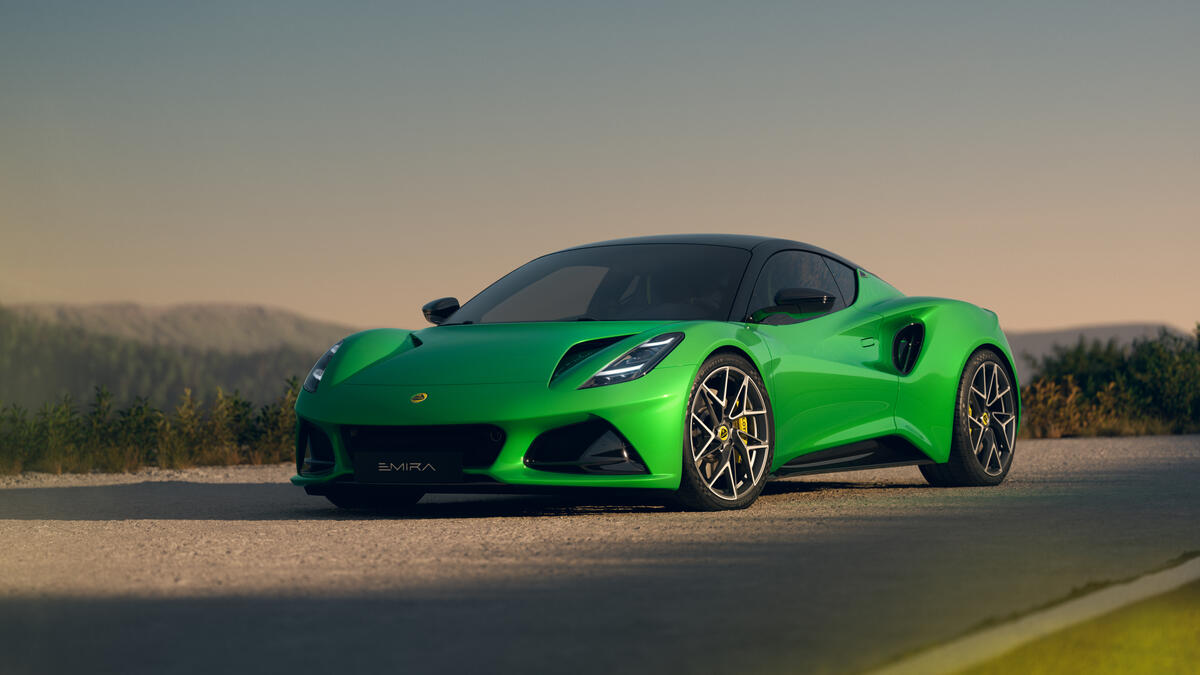
Lotus Amira
"... you're building a car collection, we get another Amira. Funny, I was just thinking about that, because a..."
The Lotus Emira is a sports car made for driving enjoyment. It’s the kind of car people buy when they want something light and fun rather than a family-focused vehicle. In the episode, it’s mentioned because someone is adding one to their collection.
The Lotus Emira is a modern sports car from Lotus, built to deliver a lightweight, agile driving experience. It’s discussed in the context of a car collection, which highlights how it fits into an enthusiast lineup. In this podcast, the Emira is mentioned as another addition to a collection.

Porsche Carrera T
"...s telling me no. I, I canceled my order of the, a Carrera T, but I think the next car I get will probably hav..."
plugged in nonstop
"Uh, I'm real curious how the battery perform after being plugged in nonstop for several years. I think, uh, from what everybody told me, they were yelling at me before is that"
Leaving an EV plugged in continuously is a common ownership question because it affects battery temperature and charge state. The hosts are specifically wondering how the battery performs after years of nonstop connection, which relates to how EVs handle long-term charging management.
smartness of charging
"I think, uh, from what everybody told me, they were yelling at me before is that as long as you leave it plugged in, the plug, the plug in, the smartness of charging it, um, and keeping it, it manages itself really better and so it should be good."
“Smart” charging refers to the car’s battery management and charging-control logic that optimizes how power is delivered to the pack. The idea is that leaving the car plugged in for long periods lets the system manage charge levels and reduce stress on the battery.
Model S
"Uh, Model S has discontinued. Uh, there won't be a hardware five Model S built. Right. I know that. Um, uh, Model S has been outdated for like five years. I don't think so."
The Tesla Model S is an electric car. Here they’re talking about whether Tesla is stopping production and what that could mean for the car going forward.
Tesla Model S is an all-electric luxury sedan known for long range and early adoption of advanced EV tech. In this segment, the hosts discuss its discontinuation and whether any new hardware will be produced, which is relevant to how the car’s platform and future support may change.
NPD
"Hey Matt, I met with Rick Schmidt owner of NPD in Ocala. I'm not sure what that is."
NPD is the name of a business the host met with in Ocala. The transcript doesn’t explain exactly what the company does, but it’s connected to the host’s world.
NPD is mentioned as the owner’s business (“Rick Schmidt owner of NPD in Ocala”). In this segment it’s treated as a local retailer/dealer relevant to the host’s interests, though the transcript doesn’t clarify what NPD stands for.
radar detectors
"Matt, I've noticed you moved away from unit and radar detectors. What's your current recommendation?"
A radar detector is a gadget that listens for police radar signals. When it detects them, it alerts you so you can slow down.
A radar detector is an electronic device that listens for police radar signals and alerts the driver. It’s commonly used to warn about speed enforcement, especially on highways.
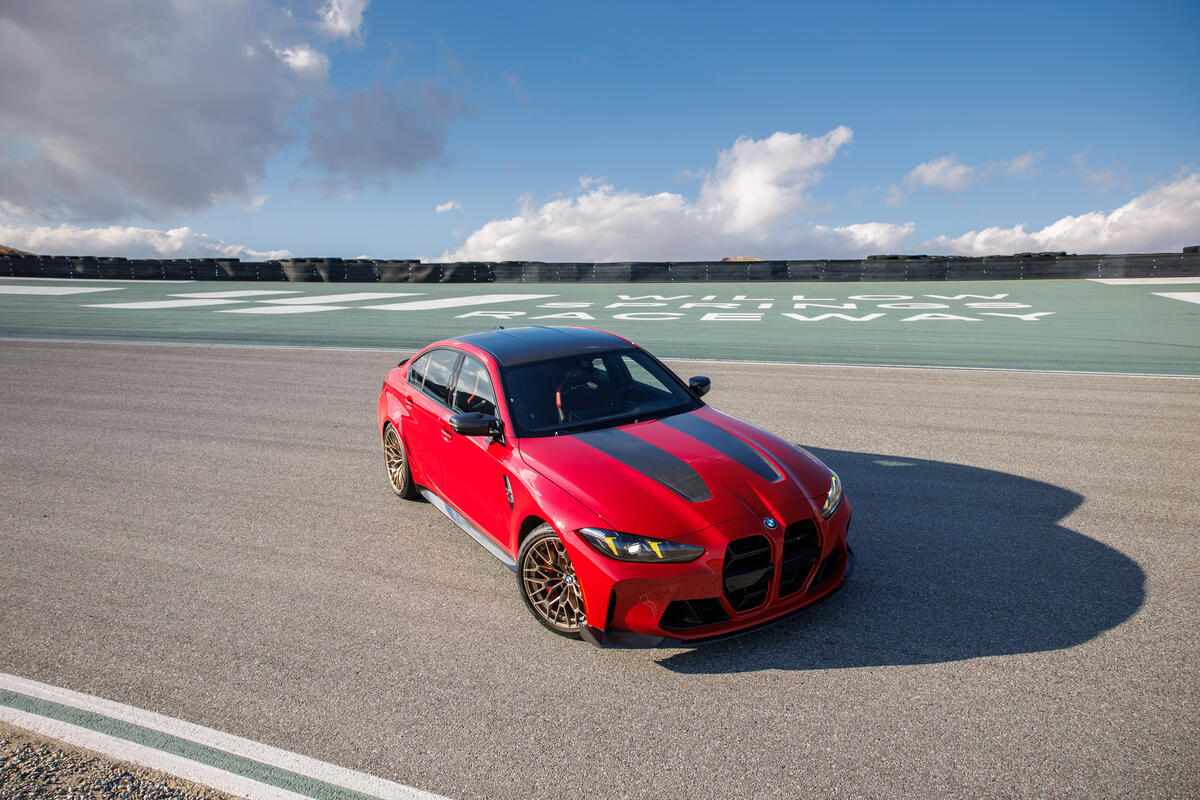
BMW M3
"Matt, I've noticed you moved away from unit and radar detectors. What's your current recommendation? I'm looking to install one of my G 80 for highway driving. So I think the unit then R eight is what aerial, I mean, I would just go with whatever vortex radar suggests. The reason"
The BMW M3 is a performance-focused version of the BMW 3 Series. It’s designed to be quicker and more driver-oriented than the regular model. Here, it’s mentioned because the owner is planning to install a highway driving safety/electronics add-on in their M3.
The BMW M3 is the high-performance version of the 3 Series, built to deliver stronger acceleration, braking, and handling than the standard model. It’s the kind of car that owners often personalize with accessories and electronics for highway driving. In this podcast, it’s specifically mentioned as the vehicle the speaker wants to install a radar/laser detection unit in for highway use.
Vortex radar
"So I think the unit then R eight is what aerial, I mean, I would just go with whatever vortex radar suggests."
“Vortex radar” sounds like a radar-detector recommendation source. The host is saying they’d follow what that source suggests.
“Vortex radar” is referenced as a source for what radar detector to buy. In this context, it’s treated like a recommendation/testing authority for detector performance.
aerial
"So I think the unit then R eight is what aerial, I mean, I would just go with whatever vortex radar suggests."
Here, “aerial” likely means the antenna part of the radar detector. It’s what picks up the radar signals before the detector alerts you.
In radar-detector context, “aerial” likely refers to the detector’s antenna system that receives radar signals. The host is discussing setup details while choosing a unit for highway use.
red line 360
"The reason why I keep buying the red line 360, it's, you know, he highly rates that it tests really well."
“Red line 360” is a particular radar detector model. The host likes it because it performs well in tests and is easy to standardize across multiple cars.
“Red line 360” refers to a specific radar detector model line that the host says they keep buying. They mention it “tests really well,” implying strong real-world detection performance based on testing.

BMW E46
"And let's see any update on the E46 and the GT3 RS. So the type R is with Jose getting painted... Um, and the E46 brakes just got here. Um, so I'm going to put the brakes on. I'm still waiting on the exhaust and the suspension."
A BMW E46 is a specific generation of the BMW 3 Series (from the late ’90s/early 2000s). The host is talking about working on one—especially the brakes—and waiting for other parts to finish the job.
The BMW E46 is the 3 Series generation from the late 1990s to early 2000s, and it’s a favorite platform for enthusiasts because of its strong aftermarket support. In this segment, the host mentions E46 brakes and waiting on other parts, which signals a hands-on build or refresh.

S2000
"So I'll be working on the E46 here, uh, because the S2000 is about to sit idle for a little while."
The Honda S2000 is a sporty Honda roadster. The host is basically saying they’ll pause work on it for a bit and focus on another car first.
The Honda S2000 is a lightweight, high-revving roadster known for its naturally aspirated performance and enthusiast tuning culture. Here, the host mentions it will sit idle temporarily while they focus on the BMW E46 project.

1M
"and so the E46 and the 1M, I'll start getting back on those projects in the, in the coming weeks."
The BMW 1M is a special, limited BMW meant for driving fun. The host is saying they’ll get back to working on it soon.
The BMW 1M is a limited-production, rear-wheel-drive performance variant of the 1 Series, built for enthusiast driving and modding. The host groups it with the E46 as a project they’ll return to after other work is done.
exhaust header
"So we're going to do the tuning and suspension and exhaust header and air box."
An exhaust header is part of the exhaust system that collects the exhaust gases from the engine. Upgrading it can help the engine breathe better and can change performance.
An exhaust header is the set of pipes that collects exhaust gases from the engine’s cylinders and routes them toward the rest of the exhaust system. Swapping or tuning headers is a common performance mod because it can improve exhaust flow and change how the engine breathes.
air box
"So we're going to do the tuning and suspension and exhaust header and air box."
The airbox is the part that holds the air filter and helps route air into the engine. Modifying it can change how the engine gets air.
An air box (airbox) is the housing that manages airflow into the intake system, often including the air filter and ducting. Changes to the airbox can affect intake airflow characteristics and how the engine responds.
GT3 RS
"once I get the suspension, the brakes, the exhaust, all that stuff done, then Jose is going to paint that after my GT3 RS."
The Porsche 911 GT3 RS is a high-performance, track-oriented 911. They’re talking about timing a paint job relative to that car.
The Porsche 911 GT3 RS is a track-focused 911 variant known for its high-performance naturally aspirated engine and aggressive aero. The host mentions a paint job being done after their GT3 RS, indicating it’s a current priority car in their shop schedule.

Model Y performance
"I'm trying to decide if OG plate frame would look good on my new Model Y performance since the plate is at the bottom now."
The Tesla Model Y Performance is a faster, sportier version of the Model Y. They’re talking about how a license-plate frame would look on it.
The Tesla Model Y Performance is a performance-oriented version of Tesla’s Model Y crossover, tuned for quicker acceleration and sharper driving feel than the standard trims. The host is discussing cosmetic details (a plate frame) and mentions the plate location changing, which affects how the accessory looks.
OG plate frame
"I'm trying to decide if OG plate frame would look good on my new Model Y performance since the plate is at the bottom now."
An “OG plate frame” just means a particular style of license-plate holder the host likes. They’re deciding if it will look good on their car.
“OG plate frame” is shorthand for an original/old-style license-plate frame accessory. It’s not a technical automotive component, but it’s a specific enthusiast customization detail that affects how the car’s front/rear plate area looks.
destination of G
"Good to see behind the wheel again. We stayed at destination of G with our plan X while it's no Porsche. It was still fun with the Tesla."
This sounds like a named driving event or plan the host uses. They’re debating whether to do it again and how they’d want to personalize it.
“Destination of G” appears to refer to a specific driving/track-day style event or route plan (likely a branded “destination” experience) rather than a standard automotive term. In context, the host is talking about whether they want to do it again and whether it would be “theirs,” suggesting a recurring experience or membership-style plan.
Resonix sound deadening
"Matt, you really need to look into Resonix sound deadening. Nick is sort of like you. And he doesn't care much about what other's opinions gives straight out straight with data."
Resonix is a product used to quiet the car. It helps reduce annoying noises inside by damping vibrations in the body panels.
“Resonix sound deadening” refers to an aftermarket acoustic treatment product used to reduce cabin noise and vibration. It’s typically applied to panels to damp resonances and improve perceived sound quality.

Model 3
"I think you need to get wider tires for the Model 3 to get rid of some of that stretch. I agree and fill out the front fenders."
They’re talking about a Tesla Model 3. They think wider tires will help with how the tire sits (less “stretch”) and likely improve traction and stability.
The Tesla Model 3 is an electric compact sedan, and the host is discussing tire fitment to change how it looks and how it grips. They suggest wider tires to reduce “stretch,” which is when the tire sidewall is pulled tight by a wheel width that’s wider than the tire’s ideal range.
stretch
"I think you need to get wider tires for the Model 3 to get rid of some of that stretch. I agree and fill out the front fenders."
“Stretch” means the tire sidewall looks pulled tight because the tire is mounted on a wheel that’s a bit wider than what the tire normally likes. People change tire sizes to reduce that look and feel.
In tire fitment talk, “stretch” describes mounting a tire on a wheel width that makes the sidewall sit taut and angled inward. It changes ride feel and can affect grip and wear, so enthusiasts often adjust wheel/tire sizes to control it.
rub
"I'm nervous that if I go too much, then I'm going to rub. But yeah, I would like to go to a 305 in the rear and a 265 in the front."
“Rub” refers to tires contacting nearby suspension components or the wheel well during steering or suspension travel. When increasing tire width, rubbing is a key fitment risk that can force changes to wheel offset, suspension height, or tire size.
305
"But yeah, I would like to go to a 305 in the rear and a 265 in the front. And that would make the tires a little less stretched, but then they may not fit"
“305” is the tire width in millimeters. A wider rear tire can help with grip and the look, but it can also cause clearance problems.
“305” is shorthand for a tire width of 305 mm, commonly used when planning staggered setups (different widths front vs rear). Wider rear tires can improve traction and help the car’s stance and wheel-to-fender fill, but they also increase the chance of rubbing.
265
"But yeah, I would like to go to a 305 in the rear and a 265 in the front. And that would make the tires a little less stretched, but then they may not fit"
“265” is the tire width in millimeters for the front. It’s part of a plan to run different tire widths front and rear to change grip and the tire’s shape.
“265” is shorthand for a tire width of 265 mm, typically used here as the proposed front tire size. Paired with a wider rear (like 305), it’s part of a staggered fitment plan that can affect handling balance and how much the tire sidewall “stretches.”
stance
"And that would make the tires a little less stretched, but then they may not fit at the stance that I wanted to fit. So yeah, I mean, continue to chase."
“Stance” is how the car sits—how low it looks and how the wheels line up with the fenders. They’re worried that bigger tires might mess with that look or cause rubbing.
“Stance” is the enthusiast term for how low and how flush the car sits relative to the wheels and fenders. Fitment choices like tire width and wheel offset are often balanced against the desired stance to avoid rubbing while keeping the look.
Request an Explanation
Heard something you'd like explained? We'll add it to this episode.
Sign in to request explanations for terms you heard.
Want to learn more?
Browse our glossary for plain-English explanations of automotive terms, jargon, and concepts.
Help improve this episode
See something that's not quite right? Our annotations are AI-generated and can sometimes miss the mark. Click the flag icon on any annotation to suggest a correction.