
About this episode
Dwight Mitchell shares his passion for Porsches, particularly the 1971 911, discussing its unique features and his racing experiences. He recounts a harrowing story of a racing injury and the challenges he faced while still pursuing his passion for driving. The conversation also touches on the importance of coaching in racing, the nuances of different Porsche models, and the balance between performance and safety. Mitchell's insights into the Porsche community and his personal anecdotes make for an engaging and heartfelt discussion.
Dwight Mitchell is known in Porsche circles for his dominance in PCA AX and as a 5 time SCCA Champion. 2 ASP Solo 2 National titles. 2 Class SPI Pro Solo Championships.
In this episode we talk about:
-Horror stories he saw in racing.
-Favorite tracks.
-Crossroad of going pro.
-Regrets in racing.
-Advice with driving better.
Send questions and suggestions to [email protected]
https://www.circuitsixfour.com/
https://www.instagram.com/circuit6four/https://mail.google.com/mail/u/0/#inbox
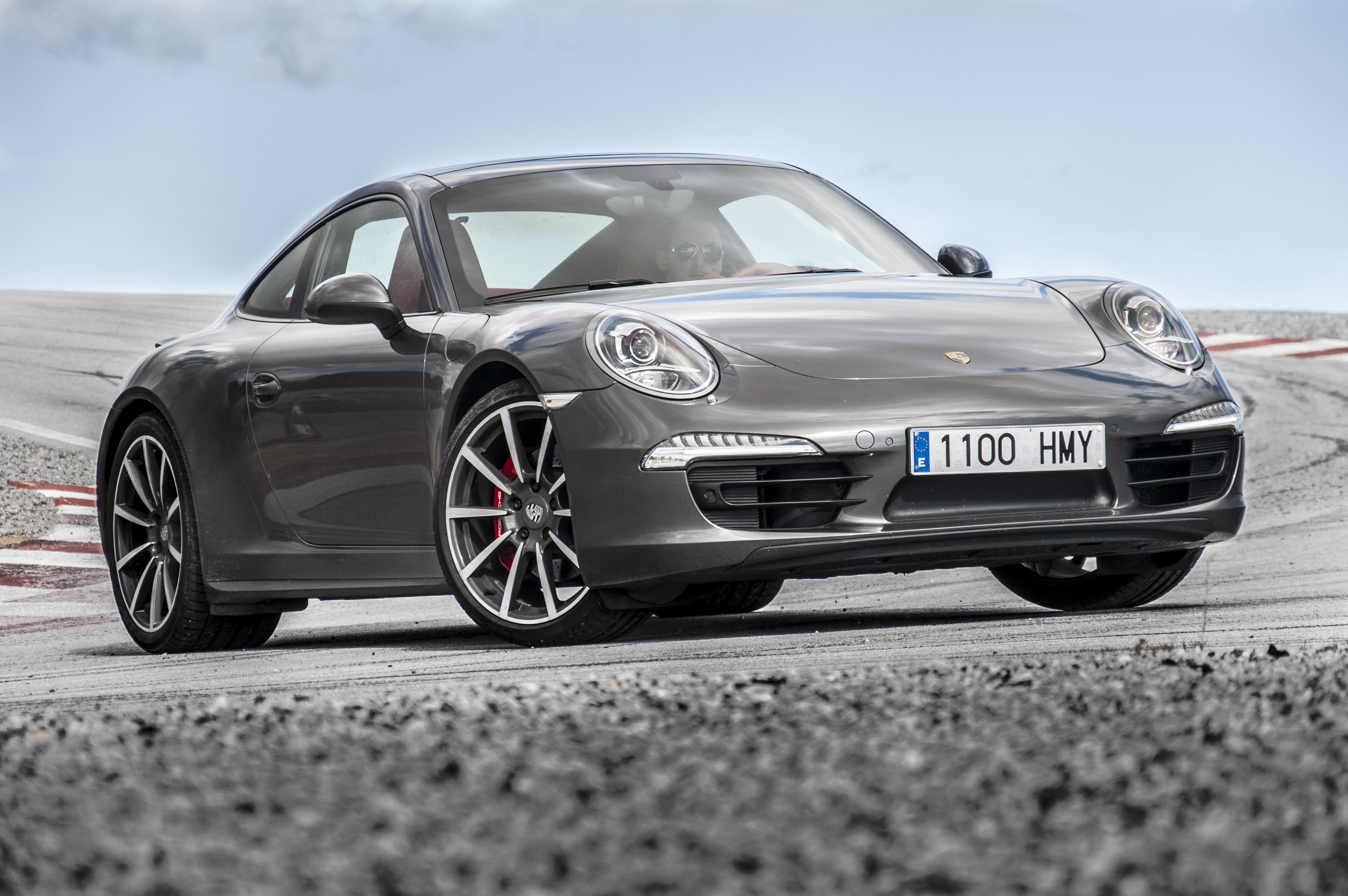
Porsche 911
"he says like his favorite model is like a 71 911. But when he's saying that, I'm thinking, well, why couldn't it be a 70? As you see later in the interview, he says he likes the long wheelbase more than the short wheelbase."
The Porsche 911 is a famous sports car known for its distinctive shape and performance. Models made between 1969 and 1973 are special because they have a longer body, which some people prefer for better handling.
The Porsche 911 is a classic sports car that has been in production since 1964. The models from 1969 to 1973 are particularly noted for their long wheelbase and are often favored by enthusiasts for their driving dynamics and classic design.
2.2
"I mean, 70 and 71 are the same. They're both 2.2s. And there's a lot that I'm not going to get into about why the 2.2 people prefer that over the 2.4."
The '2.2' is a measurement of the engine size in liters. In this case, it means the car has a 2.2-liter engine, which some people think is better because it offers a more traditional driving experience.
The '2.2' refers to the engine displacement of 2.2 liters in the Porsche 911 models produced between 1969 and 1971. This engine is often regarded as a more 'pure' version compared to later models with larger displacements.
horsepower
"they were adding horsepower just to overcome things that like regulations on, I don't even remember. And then 69 is a two liter."
Horsepower is a way to measure how powerful an engine is. The more horsepower an engine has, the faster and stronger it can make a car go.
Horsepower is a unit of measurement for power, commonly used to quantify the power output of engines. It indicates how much work an engine can perform over time, with higher horsepower typically translating to better performance.
2.2 liter
"And then 69 is a two liter. So you can say, oh, I'm a 2.2 liter person. Actually, there was more"
A liter is a way to measure the size of an engine. A 2.2 liter engine is one that can hold 2.2 liters of air and fuel in its cylinders, which helps determine how powerful it is.
The term 'liter' refers to the engine displacement, which is the total volume of all the cylinders in an engine. A 2.2 liter engine has a displacement of 2.2 liters, affecting its power and efficiency.
pole clutch
"...he prefers 71 specifically. The clutch release mechanism was improved to a pole clutch in 71 only. Also, the 71 model was the last year of the 901 transmission."
A pole clutch is a part of a car's transmission that helps the engine connect to the wheels. It works by pulling to make the car go and can feel smoother than older types.
A pole clutch is a type of clutch mechanism that uses a pulling action to engage and disengage the clutch. This design can improve the feel and responsiveness of the clutch pedal compared to older designs.
901 transmission
"...the last year of the 901 transmission."
The 901 transmission is a special gearbox used in older Porsche 911 cars. It helps the driver change gears and was used until it was updated to a new version in later models.
The 901 transmission is a type of manual transmission used in early Porsche 911 models. It was known for its distinctive design and was replaced by the 915 transmission in later models.

Porsche 915
"...weighed a lot less than the 915, which came in 72..."
The Porsche 915 is a type of transmission that helps the car change gears. It's known for being strong and reliable, especially in sports cars.
The Porsche 915 is a five-speed manual transmission used in various Porsche models from the early 1970s. It is known for its durability and performance, making it a popular choice among enthusiasts.
autocross
"...decided to run an autocross on Sears Point Raceway and she came a couple of corners down..."
Autocross is a type of car racing where you drive through a course marked by cones. You compete against the clock, trying to get the fastest time without hitting any cones.
Autocross is a timed competition where drivers navigate one at a time through a defined course on either a sealed or unsealed surface. It's a great way to test driving skills and car handling in a controlled environment.

Chevrolet Corvettes
"...including all the Corvettes in Mile 911. I was all fine and got written up in the SCCA magazine..."
The Corvette is a popular sports car made by Chevrolet. It's known for being fast and having a cool design, making it a favorite among car lovers.
The Chevrolet Corvette is a high-performance sports car known for its powerful engines and sleek design. It has been a symbol of American automotive performance since its introduction in 1953.
SCCA
"...got written up in the SCCA magazine, blah, blah, blah. And I got a call in the morning from this lady in the office of SCCA..."
SCCA stands for Sports Car Club of America, which is a group that organizes car racing events and competitions. They help car enthusiasts participate in motorsports safely and fairly.
The Sports Car Club of America (SCCA) is a non-profit organization that promotes motorsports and organizes events like autocross, road racing, and rallying across the United States.
Sears Point
"...I probably would say Sears Point. If I'd driven on Laguna Saca with the new course..."
Sears Point is a race track in California where cars race. It's known for being fun to drive on because it has a lot of turns but isn't too dangerous.
Sears Point, now known as Sonoma Raceway, is a road course located in Sonoma, California. It is known for its challenging layout and has hosted various racing events, including NASCAR and sports car racing.
Laguna Seca
"...If I'd driven on Laguna Seca with the new course, I probably would have said that..."
Laguna Seca is another well-known race track in California. It has a famous turn called the Corkscrew that makes it exciting for drivers.
Laguna Seca is a famous racetrack located in Monterey, California, known for its unique features, including the Corkscrew, a challenging downhill turn. It hosts various motorsport events and is popular among racing enthusiasts.
Sebring
"...and drive in it and figure if you spin out, you spin out, you're not going to hit anything."
Sebring is a race track in Florida that is famous for long car races. It's known for being a tough track for drivers because of its unique layout.
Sebring International Raceway is a road course located in Sebring, Florida, known for its long history in endurance racing, including the 12 Hours of Sebring. It features a mix of public roads and a dedicated racing circuit.
air-cooled car
"...it was an air-cooled car. So I get to take all the cylinder heads and everything on the upper end of the car and just set it aside..."
Air-cooled cars don't use water or antifreeze to keep the engine cool. Instead, they rely on air flowing around the engine to keep it from overheating, which is common in some classic cars.
An air-cooled car uses air to cool the engine instead of a liquid coolant. This design is often found in older models, particularly from brands like Porsche, and can lead to lighter weight and simpler maintenance.
paddock area
"...put everything back in the car and got back in the paddock area by about seven o'clock in the morning..."
The paddock area is like a garage at a racetrack where drivers and their teams get ready for races. They fix cars and make plans there.
The paddock area is a designated space at a racetrack where teams set up their equipment and vehicles before and after races. It's where mechanics work on cars and drivers prepare for their events.

Porsche 914
"...And I can remember when I was driving the 914, I remember driving down the road. I came to a theoretical fork in the road..."
The Porsche 914 is a small sports car made by Porsche that was popular in the 1970s. It was designed to be fun to drive and is known for its unique look and handling.
The Porsche 914 is a mid-engine sports car produced by Porsche between 1969 and 1976. It was known for its lightweight design and agile handling, making it popular among driving enthusiasts and amateur racers.
cam carrier
"there's a component in the 911s called a cam carrier. The racing versions had four bearing carriers."
A cam carrier is a part of the engine that helps hold another part called the camshaft in place. The camshaft is important because it helps the engine work properly.
A cam carrier is a component that supports the camshaft in an engine. It is crucial for maintaining proper alignment and function of the camshaft, which controls the opening and closing of engine valves.
lap times
"Pick a target. Pick the guy that is the fastest guy in your class in the same kind of car and compare your lap times to his lap times."
Lap times show how fast a car can go around a track. Drivers often compare their times to see who is faster.
Lap times refer to the amount of time it takes for a car to complete a lap on a racetrack. Comparing lap times is a common practice in racing to gauge performance against competitors.
amateur racing
"But back in the days, amateur racing, there were no computers in cars, although I have a funny story to tell you about that too..."
Amateur racing is when regular people race cars for fun, not for money. It's a way for enthusiasts to enjoy racing without being professionals.
Amateur racing involves non-professional drivers competing in races, often in events that are less formal and more accessible than professional racing leagues.
computer programmer
"...John, at the time, was a computer programmer for Lockheed and he ran across some old old computer..."
A computer programmer is someone who makes computer programs. They can help create tools that help racers understand their performance better.
A computer programmer is a person who writes code to create software applications. In racing, programmers can help develop systems for data analysis and performance tracking.
water-cooled
"...So are you air-cooled or water-cooled? I'm an air-cooled guy. I sold the business before the water-cooled came out."
Water-cooled engines use liquid to keep the engine cool. This is a common design in most modern cars, including newer Porsches.
Water-cooled engines utilize a liquid coolant to absorb heat from the engine, which is then dissipated through a radiator. This design is prevalent in modern vehicles, including newer Porsche models.
PDK
"...PDK or manual? Well, it depends on why you go faster, have fun."
PDK is a type of transmission used in Porsches that helps the car shift gears faster. It makes driving more fun and efficient.
PDK stands for Porsche Doppelkupplung, which is a dual-clutch transmission that allows for faster gear changes and improved performance compared to traditional automatic transmissions.
heel-toe downshifting
"You go faster in PDK and you have more satisfaction doing heel-toe, heel-and-toe downshifting. Another true story. When I had this Triumph TR3..."
Heel-toe downshifting is a way to change gears while braking, using your heel and toe to press two pedals at once. It helps keep the car stable and smooth when slowing down.
Heel-toe downshifting is a driving technique used to match the engine speed with the wheel speed during a downshift. This technique helps maintain vehicle stability and control while braking and shifting gears simultaneously.

Triumph TR3
"Another true story. When I had this Triumph TR3, I would sit in my garage and practice rotating my right foot..."
The Triumph TR3 is a small sports car from the 1950s and 60s that many people love for its fun driving experience and stylish look.
The Triumph TR3 is a British sports car produced from 1955 to 1962. It is known for its classic styling, lightweight design, and spirited performance, making it a popular choice among enthusiasts.
widow makers
"The later cars, like the turbos, of course, the early turbos were called widow makers."
Widow makers is a nickname for some early Porsche turbo cars that were hard to handle and could be dangerous to drive if you weren't careful.
The term 'widow makers' refers to early turbocharged Porsche 911 models that were known for their challenging handling characteristics, which could lead to dangerous situations for inexperienced drivers.

Porsche 914-6
"I owned some 914-6s that I bought in the shop just to make a little bit of money on."
The Porsche 914-6 is a version of the 914 that has a stronger six-cylinder engine, making it faster and more powerful than the regular 914.
The Porsche 914-6 is a variant of the 914 that features a six-cylinder engine, providing more power and performance compared to the standard four-cylinder models.
Singer Vehicle Design
"what's the name of the guy that builds all the multi-million dollar conversions? Singer."
Singer Vehicle Design is a company that takes old Porsche 911 cars and makes them look and perform better. They create custom cars that are very expensive and unique.
Singer Vehicle Design is a company known for its high-end restorations and modifications of classic Porsche 911s. They focus on creating bespoke vehicles that blend modern performance with vintage aesthetics.
Request an Explanation
Heard something you'd like explained? We'll add it to this episode.
Sign in to request explanations for terms you heard.
Want to learn more?
Browse our glossary for plain-English explanations of automotive terms, jargon, and concepts.
Help improve this episode
See something that's not quite right? Our annotations are AI-generated and can sometimes miss the mark. Click the flag icon on any annotation to suggest a correction.