
Flushing coolant and tackling DIY automotive tasks take center stage as the hosts answer listener questions about maintenance and repairs. From cleaning a rusty cooling system in a 1995 F-150 to addressing air pockets in a 2000 GMC Topkick, the episode is packed with practical advice. Listeners also learn about the importance of matching tire tread depths in all-wheel drive vehicles and the challenges of replacing engines and vacuum pumps. The hosts share their expertise and personal anecdotes, making complex topics accessible for DIY enthusiasts.
How to flush coolant at home yourself with Dehumidifier water Ford Truck How to fill coolant and avoid air pockets GMC Top Kick How to remove a stuck rear hub 14 Caravan Do I have to replace all 4 tires on an AWD car? 22 Lexus 16 Mitsubishi Outlander or 13 Equinox which is a better vehicle? Buying a used engine off of the internet 16 Tacoma used engine install questions
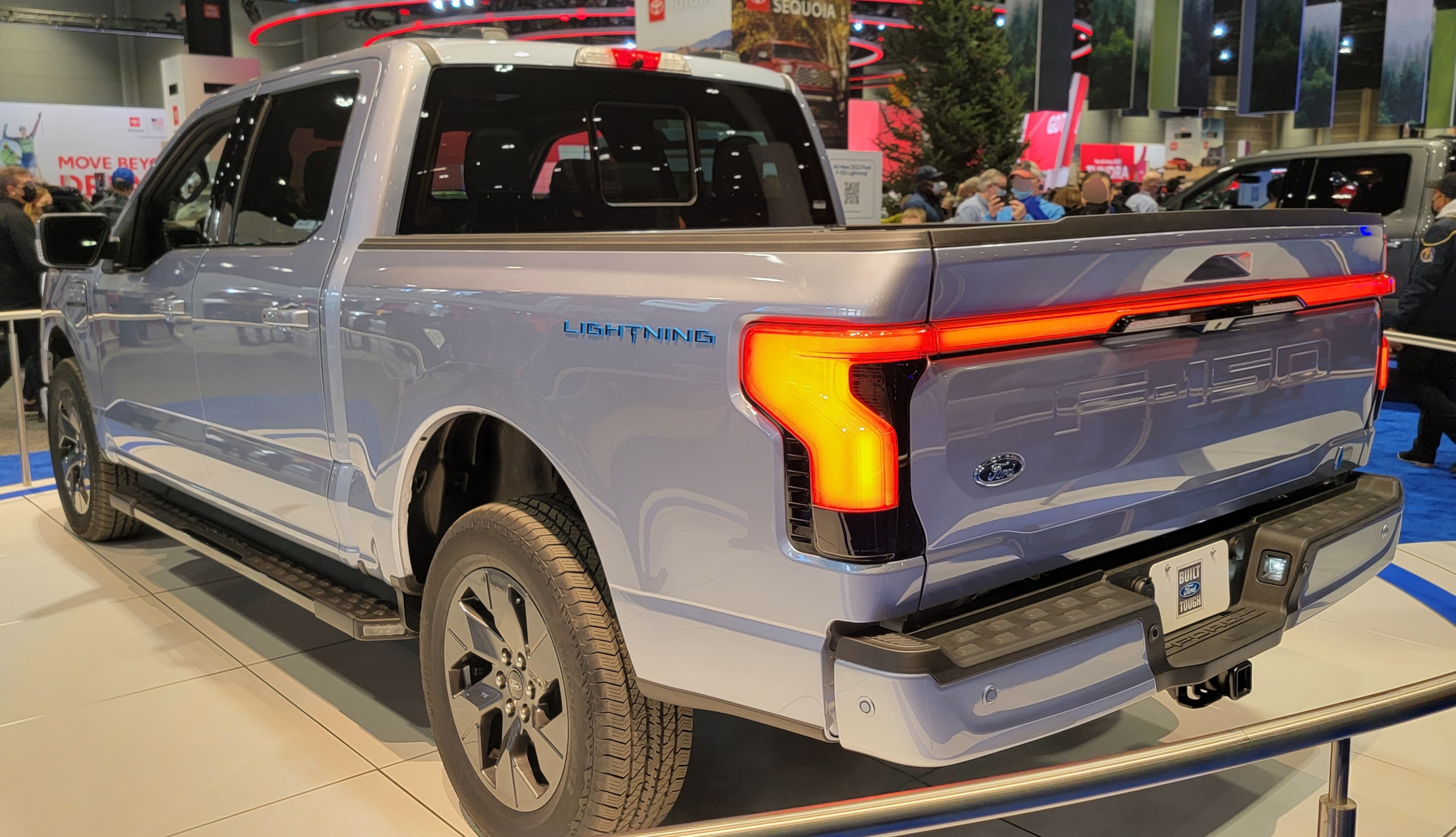
"Well, Chris, I got a couple of questions on my 95 F-150. I've got very rusty, brown-colored coolant."
The Ford F-150 is a big truck that people use for work and everyday driving. The 1995 version is known for being tough and reliable.
The Ford F-150 is a full-size pickup truck known for its durability and versatility. The 1995 model is part of the ninth generation of the F-Series, which has been a popular choice for both work and personal use.
"Our partner Justice Brothers has a cooling system cleaner. You can put in there."
A cooling system cleaner is a special liquid you add to your car's cooling system to clean it out and keep it working properly.
A cooling system cleaner is a chemical product designed to remove contaminants and buildup from a vehicle's cooling system, helping to maintain optimal performance and prevent overheating.
"You're going to want to put it in with the antifreeze, run it probably like an hour with their cleaner..."
Antifreeze is a liquid that helps keep your car's engine from freezing in winter and overheating in summer.
Antifreeze is a fluid used in a vehicle's cooling system to lower the freezing point and raise the boiling point of the coolant, preventing engine overheating and freezing in cold weather.
"...take the thermostat out of the block, put it back, put the cap back on the thermostat housing..."
The thermostat helps keep your engine cool by controlling the flow of coolant. If it gets stuck or fails, your engine could overheat or run too cold, affecting performance.
The thermostat is a crucial component in a vehicle's cooling system that regulates the flow of coolant to maintain the engine's optimal temperature. It opens and closes based on the engine's temperature, ensuring efficient operation and preventing overheating.
"...pull off the lower radiator hose on the bottom."
Radiator hoses are tubes that help move coolant around your engine and radiator. If they wear out or leak, it can cause your engine to overheat.
Radiator hoses are flexible tubes that carry coolant between the engine and the radiator. They are essential for maintaining the engine's temperature by allowing coolant to flow to and from the radiator for cooling.
"...our partner Peak makes lots of different coolants. So they've got premixed."
Peak is a company that makes products for cars, like coolants that help keep the engine from getting too hot.
Peak is a brand known for producing automotive fluids, including coolants and antifreeze. They offer a variety of products designed to maintain engine temperature and prevent overheating.
"Test the coolant with the cap off. Test it and make sure that that coolant is the proper strength."
Coolant is a special liquid that helps keep your car's engine from getting too hot. It moves around the engine to absorb heat and then cools down in the radiator.
Coolant is a fluid used in vehicles to regulate engine temperature and prevent overheating. It circulates through the engine and radiator, absorbing heat and dissipating it to maintain optimal operating conditions.
"Uh, what tranny fluid needs to go back in or if I need to add some, just the regular Ford tranny fluid, or does that rebuilt company suggest something else?"
Tranny fluid is the oil that helps your car's automatic transmission work properly. It keeps everything running smoothly and prevents overheating.
Tranny fluid, short for transmission fluid, is a lubricant used in automatic transmissions. It helps to keep the transmission cool and ensures smooth operation by providing hydraulic pressure for shifting gears.
"Otherwise, whatever the owner's manual says in, in that vehicle, whether it's a merc on or a merc on LV or whatever that one is."
The owner's manual is like a guidebook for your car. It tells you how to take care of it and what kind of fluids or parts you should use.
The owner's manual is a book that comes with your vehicle, providing important information about its operation, maintenance, and specifications. It typically includes details on the type of fluids and parts suitable for your car.
"...I just was changing to do a coolant change on a 2000 GMC Topkick with a 454 running propane. I pulled the lower hose to the radiator and got, no, I felt a good amount out of it..."
The GMC Topkick is a tough truck that can handle heavy loads. It has a strong engine and is often used for work, like towing or transporting goods.
The GMC Topkick is a medium-duty truck known for its durability and versatility, often used for commercial purposes. It features a range of engine options, including the powerful 454 cubic inch V8 engine, which is capable of running on propane.
"Or take the uppermost heater hose off the one that goes to the top of the intake air. Take that off and fill it until it comes out."
A heater hose is a tube that moves hot coolant from the engine to the heater inside the car, helping to keep the engine cool and warm up the inside of the car.
A heater hose is a part of the vehicle's cooling system that carries coolant to and from the engine and the heater core. It helps maintain the engine's temperature and provides heat to the cabin when needed.
"This truck and many other GM vehicles, it seems like not for a Chrysler."
GM stands for General Motors, a big company that makes cars and trucks. They own several popular car brands like Chevrolet and GMC.
GM, or General Motors, is one of the largest automobile manufacturers in the world, known for producing brands like Chevrolet, GMC, Cadillac, and Buick. They have a long history in the automotive industry and are involved in various vehicle technologies.
"This truck and many other GM vehicles, it seems like not for a Chrysler."
Chrysler is a car company that makes different types of vehicles, like cars and SUVs. They are known for their stylish designs and family-friendly minivans.
Chrysler is an American automobile manufacturer known for producing a range of vehicles, including sedans, SUVs, and minivans. They are part of Stellantis and have a reputation for innovation and design in the automotive industry.
"...n, it says, is it propane or is it gas? Or is it flex fuel? They made a bunch of them."
The Ford Flex is a big car that looks a bit different from other SUVs because of its square shape. It has a lot of room inside for people and their things, making it a good choice for families. It can run on regular gas or a special type of fuel that includes some corn, which is what makes it flexible.
The Ford Flex is a full-size crossover SUV that was produced from 2008 to 2019, known for its boxy design and spacious interior. It offers a unique blend of style and practicality, catering to families and those needing extra cargo space. The mention of its fuel options highlights its versatility, as it can run on regular gasoline or flex fuel, which is a blend of gasoline and ethanol.
"...it says, is it propane or is it gas? Or is it flex fuel?"
Flex fuel vehicles can use different types of fuel, like regular gasoline or a mix of gasoline and ethanol. This means you have options when filling up your tank.
Flex fuel refers to a type of vehicle that can run on more than one type of fuel, typically a combination of gasoline and ethanol. This allows for greater flexibility in fuel choice and can help reduce emissions.
"Yes, I did, guys. I did rear wheel bearing hubs on a 2014 Dodge Grand Caravan. And I was wondering if there's any other trick or better way than a slide hammer to try to pop the hubs off that vehicle."
The Dodge Grand Caravan is a family minivan that has a lot of space for passengers and cargo. The 2014 version has features that make it safe and fun for families to travel.
The Dodge Grand Caravan is a minivan known for its spacious interior and family-friendly features. The 2014 model includes various safety and entertainment options, making it a popular choice for families.
"I was wondering if there's any other trick or better way than a slide hammer to try to pop the hubs off that vehicle."
A slide hammer is a tool that helps pull off stuck parts in a car. You use it to get things like wheel hubs off when they're really stuck.
A slide hammer is a tool used in automotive repair to remove parts that are stuck or corroded. It works by creating a pulling force to dislodge components like hubs or bearings.
"Yeah, we use a air chisel, impact chisel and knock them off that way. Where do you push from?"
An impact chisel is a tool that hits hard and fast to break or shape metal. It's useful in car repairs for getting through tough materials.
An impact chisel is a tool that delivers rapid, powerful blows to break apart materials. It's typically used in automotive applications for cutting or shaping metal components.
"Yeah, we use a air chisel, impact chisel and knock them off that way. Where do you push from?"
An air chisel is a tool that uses air pressure to help cut or break apart metal. It's often used in car repairs to remove parts that are stuck or rusty.
An air chisel is a pneumatic tool that uses compressed air to drive a chisel or cutting tool. It's commonly used in automotive repair for tasks like removing rusted or stuck parts.
"Between, we go right between where the hub spins and the spindle itself, not between the knuckle on the vehicle."
The hub is the part of the wheel that connects it to the car. It helps the wheel turn and keeps it stable while driving.
The hub is a central part of a wheel assembly that connects the wheel to the vehicle's axle. It allows the wheel to rotate while providing support and stability.
"Between, we go right between where the hub spins and the spindle itself, not between the knuckle on the vehicle."
The spindle is a part of the car that helps hold the wheel in place and allows it to turn. It's important for steering and keeping the car stable.
The spindle is a component of the suspension system that supports the wheel hub and allows for steering and rotation. It's crucial for the vehicle's handling and stability.
"not between the knuckle on the vehicle. Yeah, because you'll mar that up."
The knuckle is a part that connects the wheel to the car's suspension. It helps the wheels turn and supports the weight of the car.
The knuckle is a part of the suspension system that connects the wheel hub to the control arms. It plays a key role in steering and supporting the weight of the vehicle.
"Honda is one of the companies that were genius when they drilled two holes in all their brake rotors and drums and threaded them so that when they corroded later in life..."
Honda is a car company that makes many popular vehicles. They are known for being smart about how they design their cars to make them last longer and easier to fix.
Honda is a well-known automotive manufacturer recognized for its innovative engineering and reliable vehicles. They have implemented various design features to enhance vehicle maintenance and longevity.
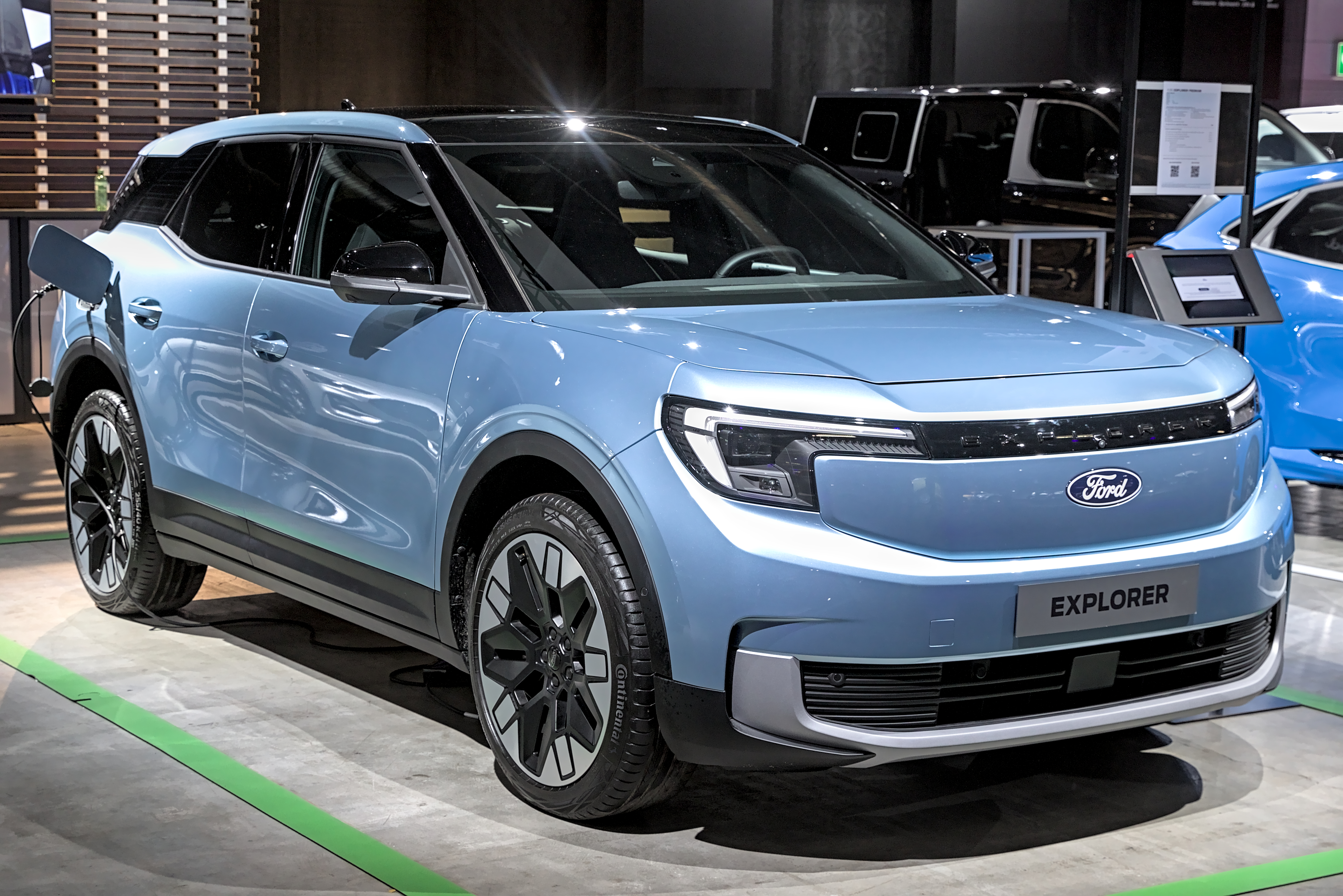
"... is the problem. Ford knows the problem with the explorers if they kept making those models, which caravan ..."
The Ford Explorer is a large vehicle that can carry many passengers and their stuff, making it great for families. It has been around for a long time and is known for being useful for trips and adventures. Some older models have had problems that people should be aware of when thinking about buying one.
The Ford Explorer is a mid-size SUV that has been a staple in Ford's lineup since its introduction in 1990. Known for its spacious interior and versatility, it has been a popular choice for families and outdoor enthusiasts alike. However, certain model years have faced reliability issues, particularly concerning transmission and engine problems, which is why it may be a topic of discussion.
"Hey guys, I got a 2022 Lexus GX460. It's got 35,000 miles on it."
The Lexus GX460 is a luxury SUV that can handle off-road driving while providing a comfortable ride. It's equipped with a strong engine and four-wheel drive, which helps it drive on rough surfaces.
The Lexus GX460 is a luxury midsize SUV known for its off-road capabilities and comfort. It features a powerful V8 engine and a robust four-wheel drive system, making it suitable for both urban and rugged terrains.
"And this car's got full-time four-wheel drive. My wife drives this, so she got a NAL in the passenger front."
Full-time four-wheel drive means that the car's power goes to all four wheels all the time. This helps the car grip the road better, especially in bad weather or off-road situations.
Full-time four-wheel drive means that all four wheels of the vehicle receive power from the engine at all times. This system provides better traction and stability, especially in challenging driving conditions.
"And just kind of asking, is there a difference between all-time four-wheel drive and all-wheel drive?"
All-wheel drive means that the car can send power to all four wheels, which helps it grip the road better, especially in slippery conditions. It's often used in cars that are driven on highways and city roads.
All-wheel drive (AWD) is a system that distributes power to all four wheels of a vehicle, but it can vary in how it engages the front and rear wheels, often automatically adjusting based on traction needs. This system is commonly found in cars designed for on-road use and can enhance handling and stability.
"And just kind of asking, is there a difference between all-time four-wheel drive and all-wheel drive?"
All-time four-wheel drive means that all four wheels of the car are powered all the time, which helps with grip and control, especially in tough driving conditions like snow or mud.
All-time four-wheel drive refers to a drivetrain system that powers all four wheels of a vehicle continuously, providing better traction and stability in various driving conditions. This system is often used in off-road and performance vehicles to enhance handling and control.
"...the first one is a 2006, 2016, I'm sorry, a Mitsubishi Outlander at 54,000 miles."
The Mitsubishi Outlander is a type of SUV that is good for families because it has a lot of space and is comfortable to drive. It's a popular choice for people who need a reliable vehicle.
The Mitsubishi Outlander is a compact crossover SUV that offers a balance of space, comfort, and versatility. It is known for its practicality and has been a popular choice for families and individuals alike.
"And then the other one will be an Equinox, a Chevy Equinox 2015 at 30,000 miles. Both vehicles seem really nice except the Chevy has some sign of rust underneath by the tires."
The Chevrolet Equinox is a type of SUV that is good for families and has a lot of space inside. The 2015 version has different engine options and is known for being comfortable to drive.
The Chevrolet Equinox is a compact SUV known for its comfortable ride and spacious interior. The 2015 model features a choice of engines and various technology options, making it a popular choice in its class.
"Is that a CVT in that one, Russ? Or is that a... I don't think so. I'm trying to remember which... It might be. But either way, either way, that's something I would be concerned about."
A CVT is a special kind of automatic transmission that helps the car change gears smoothly without noticeable shifts. It can make driving feel more fluid and can help save on gas.
CVT stands for Continuously Variable Transmission, a type of automatic transmission that can change seamlessly through a continuous range of gear ratios. This allows for smoother acceleration and improved fuel efficiency compared to traditional automatic transmissions.
"...with basically a blown head gasket. And I looked into it and I took y'all the, and I've already pulled the engine out..."
A blown head gasket means that a part of the engine that keeps fluids separate has failed. This can cause serious problems like overheating and can damage the engine if not fixed.
A blown head gasket is a serious engine problem where the gasket that seals the engine block and cylinder head fails. This can lead to coolant leaking into the engine or oil leaking into the coolant, causing overheating and potentially severe engine damage.
Select text to request an explanation
Thanks for joining us on the Under the Hood Show podcast. We've had a lot of people ask
if we are doing the show live on the Internet every time. If you go check and subscribe
to our YouTube page and you go like the Facebook page and get your notifications there, you'll
see when we are in our new studio doing the show live. We would love to have you do it.
We still do it Thursday mornings from 9 to 11. And who brings us the podcast?
Berkeley won classics. Your key to collector car insurance.
And road ready wheels. Replica OEM wheels add huge savings. Use the offer code hoody for even more.
And by car dash part, over 200 million used parts ready to ship to you fast.
Here is the Under the Hood Show podcast. Thanks for listening.
This is Under the Hood.
Welcome to the Under the Hood Show. We are glad to have you with us. Russ Evans is here to
answer your automotive questions. Thanks for joining us under the hood.
Shannon Nordstrom is here to do the same.
Welcome, hoodies. Thanks for tuning in so we can help you tune up.
I'm Chris Carter here to answer your calls at 866-594-4150. 866-594-4150.
Reminder, you can call that number 24 hours a day. We are live in the studio Thursday mornings.
And if it's not Thursday morning, you can leave a message. We'll call you back.
You can watch the show on our social media feeds. And if you miss an episode,
you can always listen to the podcast wherever you get your podcasts.
Yeah. How about that?
I'm down with that.
I think we should take that little recording and just use that. That was solid.
Thank you. Producer Doug, mark that. However, you do that with audio.
The thing, you know the thing.
866-594-4150. We've got calls coming in, so let's get right to them.
Let's talk to Dean. You're on the end of the hood.
Show Dean, what can we do for you?
Well, Chris, I got a couple of questions on my 95 F-150.
Okay.
I've got very rusty, brown-colored coolant.
I'd like to know what's the best way to clean the cooling system,
including the inside of that block.
You're doing this yourself at home?
Yep.
All right. Well, you can...
You don't want to make sure it's full.
You don't want to get it too hot.
You get that thing too hot.
You're going to have an issues with hurting yourself,
but there's many different products that can be used for that.
Our partner Justice Brothers has a cooling system cleaner.
You can put in there.
It's made to run a while, flush the system out.
The main thing is that you get everything out.
You're going to want to put it in with the antifreeze,
run it probably like an hour with their cleaner,
and then you will drain it.
You want to flush it very well,
and then fill it back with antifreeze.
Now, you don't want to flush that block with water
unless you have the block plugs out of the side of it
because you got to drain it all out
to get the right blend of coolant and antifreeze and the water.
Because if you just pour premixed in there,
it's going to be too light for this climate and the rust protection.
So there's a couple things that can be done there.
If you can't get the block plugs out and it's a 95,
I'm not optimistic that they will come out.
Oh, I don't even think I'll try.
Yeah, I think that could lead to bigger problems.
So I would say I would put the cleaner in it, run it an hour,
and then I would say, wow, this is really dirty.
Let's flush this really good.
We're going to take the thermostat out of the block,
put it back, put the cap back on the thermostat housing,
put it back on, but then flush the heck out of this thing
with regular, you know, with water, tap water.
And then, well, you're going to have to have it draining
while you're filling because you want to really flush that block.
Well, I would pull off the lower radiator hose on the bottom.
You know, it leaves the thermostat off.
Take the lower hose off the water pump, take the thermostat out,
stick the hose in the top, and just flush the heck out of that thing.
Really well, just until it's completely clean,
put it in their both directions, whatever you can.
Have a bucket on the bottom, right?
You have a 5-gallon bucket on the bottom for your,
right, off your lower hose.
No, do you just leave it run at a night?
No, no, no, no, no, no.
Turn it off, turn it off.
It's going to be warm, but not hot.
And remember, you've already ran that cleaner through there before.
Right.
Hopefully to release some of that scale and help get this process
to bring some stuff free.
And once you've got that flushed out where you're confident nothing's
coming out, but clear water, our partner peak makes lots
of different coolants.
So they've got premixed.
They've got all makes, all models.
They've got colored, whatever it is for your vehicle.
But they also have a non-premix, a non-deluded type.
That is what you're going to need in this,
because you're going to need to make sure you get that blend right.
You can start, once you get it drained out as well as you can,
put the lower hose back on it and the upper hose.
Fill it with premixed, but not all the way.
Make sure you leave yourself probably a gallon of room in there,
which will be down about four inches in the radiator.
Then test it.
Run it for 10, 15 minutes.
Test the coolant with the cap off.
Test it and make sure that that coolant is the proper strength.
If it still is good, it's good to 30 below, you're fine.
Fill it the rest of the way with that peak premixed.
But if you find that it's 10 above, that's when you want the peak 100%
straight coolant to go in there.
And you top it off with that and blend it until you get the right mixture of coolant in there.
That's the important thing to do is make sure you get that right.
Now, you are using, because of your situation where it's already so rusted,
we have to flush it.
And the only way you can flush it at home is going to be with your garden hose.
And because of that, you're going to have a non-distilled water in there.
It's tap water, but peak coolant provides rust protection.
They know a lot of people are going to be doing this.
They're going to, people just use tap water in a lot of cases.
If you have it completely drained, you always want to fill it with distilled water and the
bottled water, you know, Evian, Aquafina, not sparkling water from a humidifier.
If you save that, that's better.
Oh, you're a genius.
There you go.
That's a, that's distilled.
It's right there.
All right.
Use that, save it.
You can get five gallons out of one of those pretty quick.
I'm a dehumidifier.
Yeah.
I've never thought about that.
Not a humidifier.
That's a, that's a new one for me, but I like these.
I like the way you do that for years.
Yeah.
All right.
We'll add that to our list.
It gets plenty humid up here.
So get that filled, make sure you top off the key though, as you, it does have rust protection
and peak coolant.
You just want to make sure that it is full with the right freeze protection.
Yep.
Okay.
Um, the other question I have, you put a new, or rebuilt tranny in it for me about a month and
a half ago.
Uh, what tranny fluid needs to go back in or if I need to add some, just the regular Ford
tranny fluid, or does that rebuilt company suggest something else?
No, it should say on the stick what kind of fluid is in there.
Otherwise, whatever the owner's manual says in, in that vehicle, whether it's a merc
on or a merc on LV or whatever that one is.
I don't remember for sure, but that's the one you want to use.
Usually it says on the stick.
Okay.
Okay.
Well, thanks a lot.
There you go.
Thanks, Dean.
Yeah, you bet.
Today's had a flush that was in with the transmission.
And if you wanted, you call back to Russ and he can double check the service records and see
what's supposed to be in there just exactly.
So if you don't see it on the stick, sometimes somebody's throwing a aftermarket stick in
there and there's nothing written on it.
You never know what you're going to get after that 1995 has been through the market a little bit.
A little bit, I would assume.
Yeah.
Get my water out and flush my voice.
You're doing pretty good.
866-594-4150.
That's the number to reach us here at the end of the hood show.
Let's go to Pennsylvania and talk to Art.
You're on the end of the hood show.
Art, what can we do for you?
Thanks for taking my call.
You bet.
Hopefully the cell phone connection stays okay here.
I just was changing to do a coolant change on a 2000 GMC top kick with a 454 running propane.
I pulled the lower hose to the radiator and got, no, I felt a good amount out of it,
but also too, I took one of the heater hoses off and blew through it to kind of flush that out
and more water came out.
I said, okay, good.
I put that hose on, put the lower radiator hose back on.
When filling it, I get two gallons to any freezing radiator and no more.
So I'm worried I got an air pocket.
Is there some trick or secret that I don't know about to get that to fill up?
Definitely takes more than that.
It probably takes six.
Take the thermostat out of the engine and fill that radiator up until it comes out
the thermostat and then stick the thermostat back in it.
You could also take a heater hose out of the air pocket.
Right.
Or take the uppermost heater hose off the one that goes to the top of the intake air.
Take that off and fill it until it comes out.
That'd be easier than a thermostat.
Just pull that hose off of there and fill it until it comes out.
Should hear air coming out of that when you're filling it, filling the radiator.
You should hear coming out of that, put your thumb over it even.
But yeah, fill it until it's completely full.
We use a vacuum in our shop, not a shop bag.
So I could have done a vacuum system on that.
Yeah, we have a coolant vacuum, pulls it down, sucks 100% of the coolant into it,
works pretty slick.
You can buy those things for about 60 bucks, but you probably don't need one unless you're
doing it on a lot of cars.
Is that a by chance?
I actually have one, but didn't think to use it.
Is that by chance an old Schwann's truck?
No.
Okay, we had so many in our market that were
propane Schwann's trucks that got repurposed into other vehicles after they were
done in their fleet use.
And that's why I reacted and asked that question.
The propane shouldn't make any difference on the coolant question,
just for others that are listening.
When we enter this truck in our Mitchell system.
I just wanted to give you guys as much information as I could.
Oh, no, no, but just we have other people listening.
I just let them know that doesn't matter for the cooling system.
This truck and many other GM vehicles, it seems like not for a Chrysler.
But when we put it in, it says, is it propane or is it gas?
Or is it flex fuel?
They made a bunch of them.
So it must be a factory option, although some of Schwann's are not factory.
They're built at the factory for them, but they're not an everyday option for everybody.
Did you have another question, Art?
Yes, I did, guys.
I did rear wheel bearing hubs on a 2014 Dodge Grand Caravan.
And I was wondering if there's any other trick or better way than a slide hammer
to try to pop the hubs off that vehicle.
They're corroded so bad.
As long as there's another trick I didn't know about or should know about for the future.
Call the Hulk.
Have him grab a hold of it one handed.
Right off that thing.
Yeah, we use a air chisel, impact chisel and knock them off that way.
Where do you push from?
Between, we go right between where the hub spins and the spindle itself,
not between the knuckle on the vehicle.
Yeah, because you'll mar that up.
You'll dig a hole in it.
I've seen a lot of them come in with 10 marks where they've been cut.
I'm like, why do you do that, people?
Just bang on the bearing.
You're going to throw it away anyways.
So yeah, we hammer on the bearing.
Yeah, I tried putting an old bolt.
I started putting a used bolt in the bolt hole the wrong way and put an air chisel on it and it
didn't budge.
So I was like, okay.
I did the slide hammer method because I figured it's not going to hurt.
I'm just throwing it away.
Honda is one of the companies that were genius when they drilled two holes in all their brake
rotors and drums and threaded them so that when they corroded later in life,
they knew it would happen from other models.
You just thread a bolt in it, it pushes it out like a press.
It would be very easy since Dodge knows that this is the problem.
Ford knows the problem with the explorers if they kept making those models,
which caravan they did forever, but they could have just drilled two holes in the face of that
and threaded them and they would have always come off.
But I don't think they're thinking that far ahead.
I mean, they don't need to.
And you might try some very nice amounts of PB Blaster before you start the project,
but it's still, that's a hard one.
That's, we're talking about the physically removed, but if you want it to be physically,
you know, easier removing, if you put the, if you have time
and you really want them to come off like butter, if you start putting PB Blaster on
there and you can do it for a couple days while it's sitting there and you're doing other stuff,
they'll come right off.
But if in the fast way we do it is you spray it, you tap on it with a hammer,
spray it some more, tap on it with a hammer and that vibration will get it to go in.
It's like, it's like throwing something in a lake.
It doesn't matter how well it's sealed.
It'll find its way in there eventually and then it'll come apart.
So blast it.
All right.
Thanks very much for the call.
I'm so torn on these most recent calls because my instinct is to say, just bring it in.
But then if they did that, we wouldn't do this.
You know what I mean?
866-594-4150.
Let's go to North Carolina and talk to Dustin.
You're on the end of the hood show.
Dustin, what can we do for you?
Hey guys, I got a 2022 Lexus GX460.
It's got 35,000 miles on it.
And this car's got full-time four-wheel drive.
My wife drives this, so she got a NAL in the passenger front.
So I went and got that tire replaced.
And then I was listening to an episode and Russ said something about, you know,
different tread depths can cause issues with the differential and the transfer case.
And so that made me nervous.
So I went and got another tire replaced and put it on the same axle on the driver's front.
And just kind of asking, is there a difference between all-time four-wheel drive
and all-wheel drive?
And does this car have some good leniency in that?
Or do I really need to replace all the tires?
Because, you know, they're like $300 a piece.
Yeah, they're expensive.
I'd like to stay away from that if I can.
How many miles, just to kind of give us a little perspective,
how many miles were on the tires when this NAL went in and ruined it?
Probably 30,000 miles on the tires.
They were the new, the first ones that came with it.
Yeah, so they're measured, you know, I took a quarter and dropped it in there.
And it was about a half-inch kind of a tribe difference in the new tire and the original tire.
If you rolled that half-inch out over a parking lot,
it would scare the heck out of you on how much difference of rotation that is.
Yeah, if you put a piece of masking tape on that new tire and the back tire
and then roll them next to each other for 100 feet,
it'd be probably more than three turns difference between the two,
which means your all-wheel drive unit, one half of it's turning three turns,
and the other half is not turning at all, which means it would be dragging and destroying it.
So if you have a turn-on, turn-off four-wheel drive system,
like a old Chevy truck with a lever on the floor or forward dodge,
well, you do that and it's just going to grind the tires.
They're going to rrrrrrr and tear the rubber off them until they're even.
But if you have an all-wheel drive system where it's got clutches,
it's thinking that you're stuck.
It thinks that it's slipping and it's going to be trying to engage it,
and it's going to be eating clutches up.
They all have to match.
Tire stores, if they're smart and don't want the liability of having to buy a transfer case,
will tell you, no, we will not install two tires.
You bring your two in, we'll put tires on them, you can carry them out,
we don't care what you do with them.
But if that car is on our hoist, it's getting four tires that match or no tires.
Now, if you've still got good tread on the other two and you feel that they would be usable to
somebody, put them on Facebook, Marketplace or eBay or something and sell those other two,
you know, the tire store is not going to buy them because they rarely have a use for that exact.
They want to have an exact brand, you know, but you definitely have to have four tires that match.
And 30,000 miles on a set of original factory tires is probably more like 40 or 50,000 miles
on a set of aftermarkets you had installed because the factory ones typically have less tread on them
than the same one if you buy it after the new sale and that's intentional.
They have a little less tread, it costs the manufacturer a little less money,
and also then you can get whatever you want on the car down the road.
We know that from talking to tire tire people and some brands that may,
that may not be universal across every brand, but we do know that is across some.
But I would definitely, when you talk, when you felt a half inch, that's just too much.
I think we've had people we've talked to before and you get into that eighth inch range,
you know, there's some tolerance there, but when you start getting that much difference,
I would be very concerned, especially with a sophisticated vehicle like that.
It has a very high end four wheel drive system on it and you don't want to,
you don't want to mess with that. So where are they now? What did they do now?
Buy two more tires. Buy two more tires. Yep. Gotta have all four matching.
How long, Dustin, how long has it been since this work took place? How many miles on the car?
Um, probably like three, four hundred miles, I would say.
Perfect. Yeah, don't waste any more time. I mean, it stinks,
but you're going to have to budget for that as soon as you can.
And, uh, you know, and then right now we don't have any and keep them rotated.
Yeah. And we don't have any slippery driving right now. I mean, anywhere in the country,
it's maybe a little rain here and there, maybe you take it off and go to the gravel road,
give you some slippage, but, uh, as a rule, if you're on hard surfaces,
this is something you got to pay attention to.
So they're okay. There might be okay for, I mean, they might be okay to fix this.
I, I'd sue, I'd do it sooner than the writer because we've, you know, not, not, not on this
kind of vehicle, but we've actually had customers that have, we saw a ton of remanufactured transfer
cases for pickups, um, good old pickups and we'll have people burn out multiple transfer cases.
And the rebuilders like, this is not a warranty issue. There is something happening here. Have
them check their tires. Have them check their tires. All my tires are fine. They check their
tires and they're like, Oh, you got, you're ruining these units.
And some think fine is I've got a quarter inch of tread on the back. So it's not worn out.
And I've got a half inch on the front. So it's not worn out. My tires are fine.
Well, they're fine, but do they measure all the same within a 30 seconds of each other?
And they're, Oh no, what does that have?
That reminds me, I need to get mine rotated.
And I would have thought I, my impression has always been that if you do that, I mean, by the
time they drove out of the shop, they were, that transfer case would be ripped up that all wheel
drive. No, it's just, it's just putting a lot of stress on it. I think there'd be a little bit of
forgiveness in this unit, but don't, don't push it. Don't wait on it.
Dustin, thanks very much for the call. Good luck.
The end of the hood show podcast is brought to you by exclusive sponsors like Berkeley one
classics, celebrating 50 years, your key to collector car insurance and by car dash part.com
with over 200 million parts. Find them online at car dash part.com and by road ready wheels,
OEM replica wheels at a huge savings road ready wheels.com. Thanks for listening to the under
the hood show podcast. We want to tell you about our partner at road ready wheels. Road ready wheels
has the very best aftermarket OEM replica wheels available with a direct fit of the factory center
caps and TPMS sensors. So you don't need special caps and sensors simply transfer yours over when
you replace the wheel with near perfect ratings on Google, Amazon and eBay consumers like you are
extremely satisfied when it comes to road ready wheels. Maybe your wheels leak air or maybe you
want to upgrade from an old rusty steel wheel. Road ready wheels has both aluminum alloy and
new steel wheels to fit many cars on the road today. They stock thousands of wheels ready to
ship and have free returns and shipping plus save 10% more when you use the code hoodie at checkout.
Aftermarket wheels can be very expensive and it's so hard to choose what you want. With road ready
wheels, you get an OEM looking wheel that fits like it should, but costs much less. Save money
today and get yours at roadreadywheels.com. Special discounts apply for large quantities
and dealers and they have a special electronic data feed and online portal waiting for you.
Find out more by going to roadreadywheels.com where you can use their online vehicle selection tool
to find your road ready wheels today. That's roadreadywheels.com. When I got my first special
decar, I called up my agent and had him put it under my regular auto policy and had very minimal
coverage, even dropping coverage in the storage months to keep the costs down. That was before
I met the professionals at Berkeley One Classics. I'm Shannon Nordstrom, host of the Under the Hood
show with Russ Evans and Chris Carter. Berkeley One Classics ensured me with an agreed value policy.
That means if you suffer a loss, there's no haggle over the value of your vehicle. They also
show me that I could insure my vehicle for what it was really worth and keep my coverage year
round and still save money. I did not know that my homeowners policy did not cover my car when it
was stored in my garage for the winter. For 50 years, Berkeley One Classics has ensured a wide
range of vehicles from sports cars and rare exotic cars to antique vehicles including cars,
trucks, tractors, and motorcycles. Berkeley One Classics makes it easy to get a quote. Just visit
them on the web at BerkeleyClassics.com and use their online quote tool or give them a call
1-800-603-3330. That's 1-800-603-3330. When you need parts for your car, finding them is half
the battle and we have a great source for you to find those parts you need at great prices.
If you need parts, whether it be for a brand new car or going back about 20 years, it doesn't matter,
check out car-part.com. It's fast and it's easy. Over 200 million parts strong all across North
America. Over 4,000 recyclers to choose from, giving you the largest selection available.
Whether it's an engine, transmission, doors, seats, or wheels, you can find them on car-part.com.
We even let you know what parts from other models and years fit your car. Many recyclers supply
pictures of their parts too. We even have a mobile app. Search US and Canada or buy from
your local independent recycler. Whichever you choose, buying recycled is good for the environment
and good for your wallet. If you're a repair shop, there is a professional version available for you
at no charge. That's car-part.com. Car-part.com. Check it out today. Welcome back everybody.
It's time to get back under the hood with our motor medics. 866-594-4150. Don't forget,
you can watch the show on our social media channels. You can catch the podcast if you miss
an episode and if you subscribe to the YouTube channel and join the Hoodie Fan Club at under
the hoodshow.com. You could win a hoodie. Like Bill Kemp. Congratulations everybody here from
under the hood and our friends over at Berkeley One Classic celebrating 50 years of collector
car coverage and Universal Technical Institute, UTI.edu. We suggest them, if you're wanting to
know more about auto mechanics, they can get you fixed up. And we had a great chance to hang out
with some folks from Berkeley One and we'll be talking about that too as we go through here.
866-594-4150. Let's go to New York and talk to Vanessa. Vanessa, you're on the
end of the Hood Show. What can we do for you? So I have two questions and we got to two vehicles.
The first one is a 2006, 2016, I'm sorry, a Mitsubishi Outlander at 54,000 miles.
And then the other one will be an Equinox, a Chevy Equinox 2015 at 30,000 miles.
Both vehicles seem really nice except the Chevy has some sign of rust underneath by the tires.
So I wanted to know, in your opinion, because I'm a little, I don't know, I'm excited.
Everyone keeps giving me mixed signs like the Chevy's are not good, the Mitsubishi's are terrible.
Let's, let's get into this. Let's get into this. So this is a choice potentially between these two?
Yeah, I don't make a choice. Is there another choice?
No, there's no other choice. That's the only choice. The two choices
were the budget that we are working with. On the 2013 Equinox,
is it a four-cylinder engine or a six-cylinder engine?
Four. And the 2016, 2015 Chevy Equinox.
And you said, it does, I don't think it matters, 13, 15, I think it's the same engine.
And the Outlander, that is a, is that a four-cylinder or a six-cylinder?
I think that's a four-cylinder or a wheel drive 2016.
Do you know if there's any history on the Equinox of anything being done with the engine?
If you look at like maintenance records or car faxes, have you got access to any of that stuff?
Well, I have to go in today to the dealership. The dealership are the ones who have the vehicles.
So they're basically saying, the lady, the sales rep, basically told me that the Mitsubishi
is cleaner than the Equinox. But when I drove to show the Equinox, to me it sounded
rough. I already have a Mercedes-Benz, but this is a secondary car. To me it sounded very rough.
I didn't like the, and it's a front wheel drive. It's not an all-wheel drive.
And the Outlander is an all-wheel drive?
Yep. Okay, I'm going to kind of zero in here on my feelings at least. The Equinoxes, I've got
friends, employees that drive Equinoxes and they just drive the wheels off of them.
They, they are a little rougher around the edges. They're not going to be as refined probably as
your Mercedes that you're used to. But the historic problems we see with the engine that's in those
makes me really nervous. They, they would burn oil. They would have problems with, I don't know,
we just, we've just put literally hundreds and hundreds of engines in those vehicles.
And we sell hundreds and hundreds of remanufactured engines for those vehicles.
That's the only thing that makes me nervous about the Equinox. The transmission will seem
like they'll go forever. You can buy parts as affordably as anything. If you have like a wheel
bearing go out, almost any general repair shop will take that Equinox in and work on it. You're
not going to get turned away by too many people. Whereas the Mitsubishi, some of your repair shops
are going to be a little less eager to work on it. And your parts prices are going to be a little
more expensive. They have a transmission that can fail from time to time. And when they do,
they sometimes are more expensive to replace than the vehicle almost.
That's what makes me nervous about the Outlander. That's just from our experience of when I'm in
the dismantling business and selling parts, I see the worst of the worst. And I have to preface
that with saying there is a million Equinoxes on the road. They sell a ton of Mitsubishi Outlanders
and they're not all dead. No, right. But I would definitely want to make sure that I knew the
maintenance history of either one of those vehicles and that Outlander is right at the point where it
should have a transmission fluid change if it hasn't had it done already. Because that would be a...
Is that a CVT in that one, Russ? Or is that a... I don't think so. I'm trying to remember which...
It might be. But either way, either way, that's something I would be concerned about. The Mitsubishi
is probably going to give you a little more of a refined feel, more like your Mercedes,
to a certain extent. Russ has given me... More like not an Equinox.
Compared to the Equinox. Yeah, it's in between there. Russ has given me the eyebrows. I deserve
the eyebrows on that one. It's going to feel more like not a Chevy Equinox. If you would have left
off Mercedes at the end. Well, I was trying to connect more refined vehicle than she had.
Than the Equinox. More like a smoother vehicle than the Equinox. Yeah. And an Equinox can be
a smooth vehicle. But in this case, which got... I'm leaning with Shannon. If you've got an Equinox,
it's starting to rust. It's in that New York rust belt. It's a two-wheel drive. And you get some
snows up there. I think it looks like the prediction for this winter is pretty nasty.
That's going to go nowhere in the snow. And if it's already feeling like it's kind of rough,
that makes me a little nervous with what I've seen on some of these. But that Mitsubishi,
it's a very capable all-wheel drive vehicle when they're working correctly. And like Shannon said,
there are hundreds of thousands of those out on the road. But not everyone is perfectly running,
but more of them are running than not. So I would say if you're looking at it for a second car,
primary car, we'd probably be maybe going a different direction. But secondary car,
I think I might get the 16. I had a neighbor that put 180,000 miles on a 15 or 16 outlander.
And then they sold it. They traded it in. And it was still going. They never... I said,
oh boy, you're going to be putting a transmission or something in that. And they never did. They
didn't take care of it. So... One thing you might ask on the outlander, if you do go that direction,
is just say, hey, what service records do you have? Has this transmission been serviced?
They should be a car fact shop. Yeah. And maybe say, well, you know what? I think I'd buy this,
but I want you to inspect and service the transmission first. The transmission, yeah.
I mean, because I looked it up on YouTube and they said that the most reliable Mitsubishi so far
year supposed to be as long as you keep up with the vehicle, you know, getting the transmission,
oil change breaks, et cetera, et cetera. So that was my main question on that. But I will call
them and ask them for the information. Yeah. Well, we appreciate your calling. It just, yeah,
it's hard to go sometimes against the 30,000 miles. But in this case, like Russ said, if it's showing
some rust, you don't know where that 30,000 miles was acquired at. Probably some
heavier in town driving to keep it that low with that age in your area. The 16 that had a few more
miles put on it, you're getting a couple, a few or three more model years of technology that has
improved. And you're looking at a few more miles, but I think it might be a good trade-off.
Vanessa, thanks very much for the call. When we, quick reminder, when we talk about, there's times
when we've said, you know, if the transmission needs to be serviced, whatever, and you can negotiate,
say it's going to be, you know, if that service is $700 or $500 or $400 or whatever, you go in
and negotiate that on the price and get it lower. Remember that. Because three years later, if you
don't do it and it breaks, you're going to go, ah, it's junk. Oh, wait. Oh, wait. I was supposed to
cover. They did give me the discount. I just forgot about that because you'll forget about that.
I just asked them to do it when it comes up. If it's a full service dealership, if it hasn't been
done, I would just say, hey, I'm interested in this and already maybe having your pocket,
what it costs for a transmission service, so you know how much you're negotiating.
Or they'll say, no, we did it. Look here. It happened two months ago.
Two questions. The simpler the two questions is, is when looking at buying a used engine or transmission,
how do I know that the yard salvage facility that I'm buying it from is reputable and going to,
you know, there is an issue. You're going to stand behind the warranty. Is there some type of
way to know that they're a good place to do business at? I don't know. Is there anybody
who could ask in this room? Listen, Michael, I'm not, I'm not accusing you of being a plant,
but there is no, I don't know if there's a radio show that would be better to call
than this one to answer this question. I mean, is there somebody that might be the president of
the Automotive Recycling Associations of the United States of America next Friday? I don't know.
Who could ask you? Is that Friday already? It is. No, hey, thanks for asking the question, Michael.
And I've got some, you know, I could go on and on, but I got some quick advice I can give you.
I have an easy one that I think. What's their warranty? Yeah. Well, what does it mean?
Just like any other warranty. Yeah, what does it mean? And I just want to ask a leading question
here. What kind of vehicle are you looking for an engine for? So I actually called, I don't know,
month or two ago about a 2013 kind of country with basically a blown head gasket. And I looked
into it and I took y'all the, and I've already pulled the engine out and I'm just going to
put in a replacement engine. Similar mileage or lower mileage replacement engine. Good idea.
That's a great vehicle for that. And the reason I ask is sometimes I'll get folks that will ask
this question and they're trying to find an engine for a 94 something. And the reality is,
escort. Yeah, the reality is there's not a lot of them out there that are, that are not worn out.
So it's hard to find that sort of thing. This one. But in this particular case, the simple
cues that I would do, you know, we have our partner's car dash part that are on, you know,
the internet searches in the world. And on that search, you can see the credentials of the yard.
Like in our case, I'm just going to use Nordstrom's as an example from the salvage side of what we do.
We are a certified auto recycler with gold seal credentials. And the gold seal has to do with
the customer assurance and quality assurance. The certified auto recycler piece has to do with
how the facility is set up. What, what kind of bricks and mortar do they have behind them? If
somebody has that designation, they've got some good bricks and mortar behind them. So if something
does come up when it comes into warranty, you ask the questions. Now there are a lot more places
that are willing to sell you a warranty. That's including labor with certain parameters. We are
just getting ready to redo our warranty system around here. But in some cases, they'll sell you
like a block of warranty. They'll say for this much money, you can get this many dollars in
labor coverage if something happens. Or it can be a percentage of the value to get you a limited
allowance at $60 an hour or $50 an hour if it goes to a professional repair shop. There's
different things like that. Or if you're doing it yourself or your labor, you hate to lose it
if something doesn't work out. But like in our case, we give a standard six month warranty on
everything that we sell. As far as that goes, it's 199 days, we've always said, but it's basically
six months. That's the way you got to just ask those questions and see how they handle it.
So those certifications of the facility are going to help you a lot. And Carv-part lists a lot of
those certification symbols right on the listings. When it comes down to picking a unit to buy,
you can sort by price. You can sort by miles. You can sort by different locations when you're
out there. But the reality is, is make sure that the vehicle that you're going to get the vehicle
out of the source vehicle can be clearly defined. There should be a stock number on the engine.
This is universal in people that are dismantling vehicles themselves. The stock number on the
engine needs to match the stock number of a vehicle that they're showing as the source.
And if they're doing things well, you're going to see the image of that dashboard with the
miles lit in. There might even be a YouTube video like we do, a two minute YouTube video
to show the vehicle running when we inventoried it. So you can see that source vehicle exactly.
I would warn you to watch out for brokers. And I do know some very, very good brokers that are
of high integrity. But for every one of them, there are 20 people on Facebook trying to get
your attention in the marketplace with pictures of engines and racks that they don't own. And
they're just basically calling people up on the phone and trying to source an engine for
wherever they can. And they'll tell you whatever you want to know to get you to buy that engine.
And I've just seen too many horror stories like that. And we've had, we've been the recipient of
those horror stories when people call us and say, Hey, I didn't get my engine. I gave, I gave you
$1,200 and I didn't get my engine. And our salesman will be like, Well, we can't find the sale.
And here it was somebody who was spoofing our good name, sending them a credit card link
to get to pay for an engine that didn't ever existed. And they used our imagery and stuff to
do it. And that has happened a lot in the industry. So certified facility, I would prefer you buy it
directly from a facility, get the VIN number. And here's the final trick. If you're spending a
bunch of money and you're really concerned, get the source VIN number, run a car fax on it.
And that can be your true serum, just like buying a used vehicle to see where that came from,
what its life was, are the miles legit? If it's not listed. And I'll tell you that with the 3.6
that you need for this van, you're going to see engines priced anywhere from 250 to probably $2,000
different prices. Gotcha. And some people have had a lot of transmissions. They want to sell out
engines. And other people just got a bunch of high mileage stuff. They might have got from a fleet.
I know I got one fleet. If I pulled the motor out of with 150,000 miles, I wouldn't worry about it
one bit. I got another fleet. If I pulled it out, I'd say, this one might be done. And so that's
where our testing processes come in. And to be clear, you're talking to Michael and folks who
want to put an engine in themselves. If you have a shop that if I buy an engine from you, I don't
have to worry about any of this. Right. Cause it's got a year warranty and your car is parts
and later with unlimited mileage. That's unique to what you do. I had a gentleman this morning
that called me and I could tell he was worried and upset because he said, Hey, I put this in in
January this year. So it's a number of, you know, 10 months ago, but he said it just, I think it
just exploded. What, what am I going to do? It's a lot of money. I said, don't worry about it.
As long as that engine failed, you were covered 100% parts and labor, you know, unless like you
ran over a deer and ripped the radiator out of it, you're covered. So find a facility to
that maybe does both. And if you're purchasing it from them,
one, one last quick thought. If you see the pictures of the vehicle, I'd much rather buy it out of a
traffic accident vehicle that has an obvious accident than something that's not wrecked.
Right. Driven to the wreck. 866-594-4150. Let's go to Wyoming and talk to Albert.
You're on the end of the hood show. Albert, what can we do for you?
Thank you for taking my call. I got that 2016 coma, had a dead cylinder on it,
um, verified it was a valve spraying. So decided to order an engine from car-part.com.
Um, specifically asked for an engine without the vacuum pump on it. And
guess what shows up? The engine with the pump. Um, living in a pretty remote place. I'm just
trying to make this thing work. The guy I've been working with is really good to really willing to
work with me on it. So I'm trying to figure out how to get rid of that vacuum pump the proper way.
Here's what I found out so far is that your removed vacuum pump is driven off the back of
the camshaft. And there is an oil passage in the camshaft that needs to be blocked off.
Um, I understand. Tell you, it just uses a little ball. It's probably about an
eight millimeter ball that goes in the end of that camshaft from that oil passage.
My question is, can I do that with the cam mounted in the engine just by pulling the,
pulling the pump off and going in there with a brass grip and pounding that ball in there?
Have you seen this or done this before? No, I've seen those engines come in and somebody's left
the vacuum pump on it. They've, they've left it on there. The problem is they, they make some noise
when they're not connected to a tubing system. So you, you'd want it connected somewhere where
the tubing, even if you ran both the hoses from that up to your air cleaner box, just so they're
muffled, you'd be fine there. I would probably trust that more than putting in the brass ball
myself. I'm just not sure how solid that's going to be because Toyota does it with a press.
They have the cam, they manufacture it, they put the ball in it and push it in with a press that's
pushing it in there at a couple of thousand pounds and it's gripping the cam the right way.
Tap it on that. There's some risks, but typically when you buy an engine, let's say
your engine is falling into a category we call 300 dash and then a number. So when you're purchasing
one, if you look it up with and without vacuum pump, it'll say A and B, like 300, one, two,
three, four, A and B. We see that in our system. You don't see that when you're on car dash part.
Then when you're looking, you see the choices. As a seller, it'll say A interchanges with B,
B interchanges with A. The difference is switch the exhausted intake manifolds,
oil pan, and vacuum pump, something like that. It'll tell you what the difference is.
Sometimes it's a difference of just the fuel injectors. So we change all those things. In our
shop, we have not run into the instance where we needed to change to take a vacuum pump off
and plug that hole. I'd be more concerned with trying to add a vacuum pump if it didn't have
one because I'd have to drill out that cam and I don't want to do that at all. But with yours,
if you can't find on YouTube where someone has plugged off that vacuum pump hole successfully
and it's worked well, I'm a little leery of it. And if you ask them for one without the pump,
they should send you one without, you know, find you a different one. If they have one in their
stock or at least make it good to get it back. I know we, you know, if we do that, we record
every phone call here and we have Skype and a lot of written things so we can verify. Now,
if we go back to that call and you said, Oh, I need one with a vacuum pump. No problem. I'll
make it work. Well, that's on you. But if you said I must have one without it, and we sent you one
with and there wasn't a way to change it. Now they'd call me and see if there was a way to verify.
How can we do this? Russ, let's find, let's find something to get him going faster. And if we can't
do that, then in the worst case, we're going to make it right with you. We're going to get you the
right part. But I think something can be done with this. You're just trying to remove a vacuum
pump and whether that's to leave the pump on, which is always run and just quiet it down by
running those hoses somewhere. Even if you put go to the hardware store and get an air compressor,
air filter, they make little filters for your home air compressor, put that on the inlet site. So
it's not sucking dirt in there. You'll be fine. You don't have to worry about the air coming out.
It's the air coming in. It makes a little bit of noise. And you may not hear it under the hood
of that vehicle. It's not super quiet under there. It's got a lot of Did you consider that idea?
You know, I did. And after listening to you discuss it, I think that's probably the way I'm
going to go. I'll only see one hose coming out of this vacuum pump. That's the suction.
That's the suction. Yeah, I would want to put some sort of little filter on that and
or rout it up to the air cleaner, like you say, and just let it go. I would. I would because
it's lubricated by the engine. So you're fine there. It'll run all day long. You're not pulling
any vacuum on it. I think you'd be fine. I mean, you put a little filter on it, put a hose on it,
run it into the cab, use it to vacuum your carpet, a little canister to keep the dirt out.
Passengers can vacuum while you're driving. Keep it clean, man. I left the vacuum pump on my diesel
truck, even though it has no vacuum. Yeah, you switched it over to an electric hydraulic brake
system. It just, it just runs there. Yeah. And the vacuum for the waste gate is gone. It's all
mechanical. So I didn't need it while I left it. I'm not taking it off. It requires a different
belt routing and all that. I'm just not going to do it. You've got a lot better thing here. Albert,
thanks very much for the call. Good luck. That might be my new favorite fix. Leave it. Just leave
it and try and quiet it down. Otherwise, it doesn't matter. Like wind chimes. I don't want to take
that thing out of the ceiling. Just tape them up. That'll do it for this hour of the under the hood
show. And don't forget you can go to our YouTube channel and watch the show live while we're doing
it and anytime you want on YouTube. With Russ Evans, this is Shannon Nordstrom thanking you for
tuning into the Nordstrom's Under the Hood Show. Have a great day and remember PTLA. The opinions
heard on this program based on the many years of experience of Russ and Shannon are offered for
entertainment value only and as a guide to your repair needs. No claim to repair or cause is given
or implied. Always consult with your own certified technician and follow all safety procedures before
attempting any repair. To be a part of the show call 866-594-4150. Find out more by visiting
undertheshow.com. Under the Hood is produced by Prairie House Productions. All content is the
property of Nordstrom's Automotive Incorporated and may not be used without our permission.
Copyright Nordstrom's Automotive, Inc.
Request an explanation for:
6 cars
6 cars featured
Request an Explanation
Heard something you'd like explained? We'll add it to this episode.
Sign in to request explanations for terms you heard.
Want to learn more?
Browse our glossary for plain-English explanations of automotive terms, jargon, and concepts.
See something that's not quite right? Our annotations are AI-generated and can sometimes miss the mark.
Click the flag icon on any annotation to suggest a correction.