
How to Save Money on Car Repairs: Advice from Auto Experts
About this episode
Russ Evans and Shannon Nordstrom field a string of real-world repair questions focused on saving money and avoiding expensive misdiagnoses. A 2015 F-150 radio/audio issue turns out to be hacked wiring and missing OEM harness/amp modules, with advice to source the correct pigtails and modules from car-dash-part.com or use a stereo shop to keep factory integration. Other calls cover Honda timing chains vs belts, flex-fuel “rich” codes from improper fuel blending, TPMS sensor failures and why they’re usually tire-mounted, and an overheating Buick where temperature-drop and head-gasket checks come first. Practical tips and “fix it once” guidance throughout.
We have the expert advice! Call our show live and get help on the live show. Looking to save money on car repairs? Tune in to our latest episode of Under The Hood for practical automotive advice that can help you avoid costly repairs. Here are today's callers. 1. 15 F150 Aftermarket Stereo was cut out and wires damaged 2. 15 Honda Civic should I change belts? 3.09 Impala why do I have high alcohol content with normal fuel? 4. 01 Chevy truck Remote Battery Disconnect switch 5. 15 Enclave TPMS problems 6. 08 Elantra should I use cheap suspension parts? 7. 15 Enclave overheats
Klarna
"Klarna. Klarna lets you decide whether to pay now, pay later, or spread payments over time. All managed right in the Klarna app."
Klarna is an app that helps you pay for things in installments. Instead of paying everything at once, you can choose a plan that spreads the cost out.
Klarna is a payment service that lets you split purchases into multiple payments or defer payment. In an automotive-repair context, it’s sometimes used to manage cash flow when you’re paying for parts and labor.
Lowe's
"Spring into deals for seasonal savings. Shops select one pint annuals for just two dollars, plus get a free additional cobalt 40 volt 2 amp hour battery. When you buy, select cobalt 40 volt trimmer and blower combo kit. Our best lineup is here at Lowe's."
Lowe’s is a store where you can buy tools and supplies. They were talking about a sale on items like batteries and tool kits.
Lowe’s is a major home-improvement retailer that sells tools and some automotive-adjacent items. The segment mentions a seasonal promotion tied to power tools/batteries, which can matter if you’re doing DIY maintenance.
cobalt 40 volt trimmer and blower combo kit
"plus get a free additional cobalt 40 volt 2 amp hour battery. When you buy, select cobalt 40 volt trimmer and blower combo kit. Our best lineup is here at Lowe's."
Cobalt makes cordless tools. The “40 volt” part means the battery is part of a specific tool system, so you may be able to use the same battery in different tools.
Cobalt is a power-tool brand, and the “40 volt” refers to the battery system voltage used across compatible tools. Battery ecosystems matter for cost savings because you can reuse the same battery across multiple tools.
Berkeley won classics
"We have some podcast sponsors. Berkeley won classics. Your key to collector car insurance."
This sponsor is about insurance for classic/collector cars. Classic-car insurance can be set up differently than regular car insurance, especially for cars that aren’t driven every day.
“Berkeley won classics” appears to be a sponsor for collector car insurance. Collector-car insurance is different from standard auto insurance because it often accounts for agreed value and limited-use driving patterns.
car dash part
"And by car dash part, over 200 million used parts ready to ship to you fast. We'd love to have you join us there."
This sponsor is a place to buy used car parts. Buying used parts can cost less, but you should double-check that the part will fit your exact vehicle.
“car dash part” is a sponsor for a used-parts marketplace, described as having over 200 million used parts ready to ship. Used parts can reduce repair costs, but buyers typically need to verify fitment and condition before ordering.
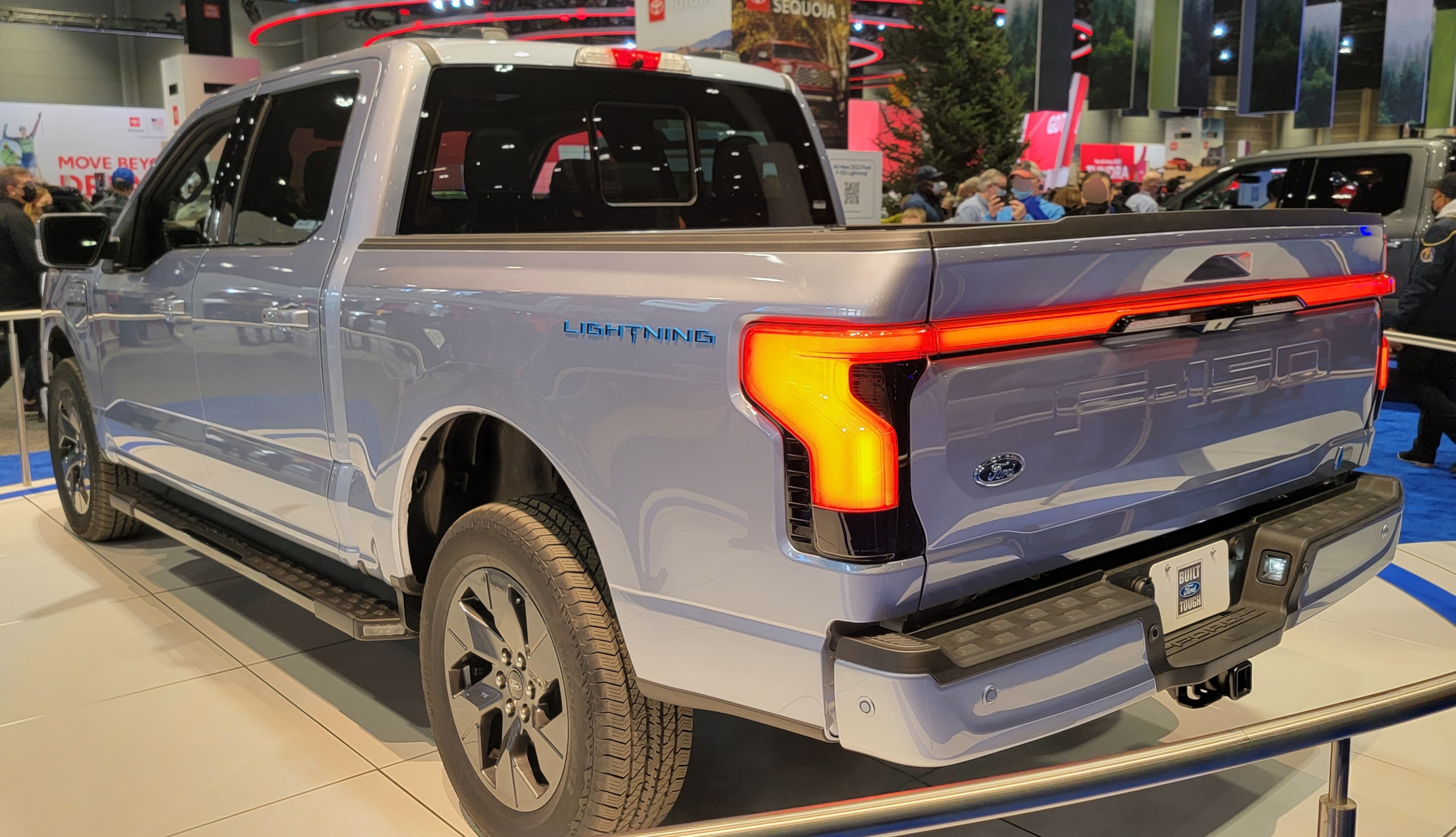
Ford F150
"But I bought a 2015 F-150 here in Charlotte, and everything seemed to be all right other than the radio didn't work. I said there was no sound."
This is a Ford F-150 pickup from 2015. The speaker’s truck had a radio/audio problem—no sound—and they had to figure out what was wrong with the wiring and parts behind the seats.
The Ford F-150 is a full-size pickup, and in this case the 2015 model’s audio system stopped working. The host discusses diagnosing a “no sound” problem that turned out to be caused by damaged wiring from the previous owner.
wiring issue
"I figured it'd be something simple as a small wiring issue or something a fuse or so I go at home and I get to digging into it a little more and a little more. Yeah, it's a it's a wiring issue."
A wiring issue means the wires that carry power or audio signals aren’t connected correctly. In this case, someone cut the wires behind the seat, so the radio can’t work until the connections are restored.
A wiring issue in a vehicle’s audio system often means the power/ground or signal wires were cut, shorted, or left disconnected. Here, the previous owner removed equipment behind the seat and cut the wires instead of unplugging connectors, which can cause complete loss of sound.
fuse
"I figured it'd be something simple as a small wiring issue or something a fuse or so I go at home and I get to digging into it a little more and a little more."
A fuse is like a safety switch for the electrical system. If too much current flows, it “blows” to prevent damage, and that can stop things like a radio from working.
A fuse is a safety device that breaks the circuit when current is too high, protecting wiring and components. When a radio has no sound, a blown fuse is a common first thing to check before deeper wiring or connector damage.
pigtail
"My problem is now I'm trying to find their original equipment, but I also need a pigtail that is OEM connection back to an OEM receiver and all the other hardware."
A pigtail is a short wiring harness section with the correct connector on one end and bare leads on the other. It’s commonly used to splice into a vehicle’s factory wiring without cutting the main harness, making repairs and upgrades cleaner.
aftermarket radio and receiver
"And their suggestion is to go to an aftermarket place and see if they could either build me one or just change the whole system out to an aftermarket radio and receiver and sub and module and whatever else I need."
An aftermarket radio is a replacement stereo that isn’t the original factory one. If the factory wiring parts are hard to find, you may need adapters or extra pieces so the new stereo fits and works correctly.
An aftermarket radio/receiver is a non-factory head unit installed to replace the original. When OEM harnesses are discontinued, shops may recommend an aftermarket system, but it can require additional modules, adapters, and wiring changes to make everything work together.
VIN number
"They have all kinds of receivers and parts on their list when I put the VIN number in, but I can't, I can't seem to find a contact number."
The VIN is like your truck’s unique ID number. Parts sellers use it to figure out exactly what your vehicle needs so you don’t buy the wrong connector or module.
The VIN (Vehicle Identification Number) is a unique 17-character code that can be used to look up exact vehicle configuration and compatible parts. Using the VIN helps ensure the receiver/harness parts match the specific wiring and options on that F-150.
data bus
"…the radio is, is, is on the, is on the data bus and it's communicating with other stuff. So you need all that OEM stuff to work together…"
Modern cars don’t run each gadget separately. Instead, many computers in the car talk to each other through a shared network. If that network setup isn’t right, the radio and other electronics can malfunction.
A vehicle “data bus” is the network that lets electronic modules (like the radio, infotainment, and other control units) communicate with each other over shared wiring. When parts of the system don’t match or aren’t programmed correctly, the radio and related electronics can act “choppy” or fail to function as expected.
OEM
"So you need all that OEM stuff to work together, or you have to get an aftermarket kit that allows you to convert it properly."
OEM just means the exact parts made for your car by the original manufacturer. With newer cars, using the right parts (or a kit meant for your exact setup) helps everything communicate correctly.
OEM means “original equipment manufacturer”—the parts and software the car maker designed for that specific vehicle. With modern integrated electronics, using the correct OEM components (or a properly engineered aftermarket conversion kit) is often necessary for the system to work together reliably.
aftermarket kit
"…or you have to get an aftermarket kit that allows you to convert it properly. So now, having said that…"
An aftermarket kit is a set of parts made by a company other than the car maker to make upgrades work. It’s especially important in newer cars because the electronics may need special adapters to communicate properly.
An aftermarket kit is a third-party solution designed to adapt or replace factory electronics so they can function in the vehicle. In integrated systems, the kit often includes wiring interfaces and sometimes programming/compatibility components to make the new radio or modules work with the car’s existing network.
truck that went through an auction
"…usually what it ends up being is a truck that went through an auction. This is my, my best case scenario. It's a truck that went through an auction that had been used as a job truck…"
Auction trucks can have a sketchy past. If they were used for work, someone may have removed parts (like seats) and later tried to put things back, but not everything gets restored correctly.
Vehicles sold through auctions—especially “job trucks”—often have unknown histories and may have been modified for work use. Common issues include missing or removed interior components (like seats) and incomplete reinstallation, which can lead to expensive electrical or fitment problems later.
retrofit
"…sometimes they'll put things back there and then somebody will retrofit it and put it back to an interior again."
A retrofit is when you add parts to a car after it’s already been built. Sometimes people make it look right, but the underlying wiring or electronics may still be incomplete.
A retrofit is when someone adds or re-installs equipment to a vehicle after it left the factory configuration. In this context, retrofitting an interior can make the truck look normal again, but it may not restore all the electronics or wiring needed for proper operation.
amplifier
"…if you look up somebody that has the proper amplifier, there might be a module associated with that system, but I would more go for the amplifier because I believe that's what sits back in that back corner…"
An amplifier is the part that makes the audio loud and clear by powering the speakers. If the wrong amplifier (or missing audio hardware) is installed, the sound system can act up even if the radio itself looks fine.
In car audio, an amplifier boosts the signal to drive the speakers with enough power and control. If the vehicle’s audio system is integrated with other modules, the correct amplifier (and sometimes its associated module) may be required for the radio/audio to work properly.
harness
"...to go out and get you the harness or cut it off as you need. Sometimes the cutting off part is not the best option..."
A harness is basically the car’s wiring bundle—wires that connect everything together. If someone cuts it or removes parts, you may need the right wiring pieces to make the system work correctly again.
An automotive wiring harness is a bundled set of wires and connectors that carries power and signals to different components. When audio or electronics are removed or cut, replacing or repairing the correct harness can be the difference between a clean fix and ongoing electrical problems.
coax
"...some of these run a little bit of digital, some run coax. It's not as easy to splice that stuff. Russ, go ahead. There's parts you can buy to splice coax."
Coax is a specific kind of cable used for certain signals. It’s not always as easy to splice as regular wires, so a bad splice can cause audio problems.
Coax (coaxial cable) is a type of signal wire commonly used for certain audio/video or antenna-related connections. Coax can be more difficult to splice cleanly than typical twisted-pair wiring, so repairs may require specialized parts or careful technique to avoid signal loss or noise.
digital
"...some of these run a little bit of digital, some run coax. It's not as easy to splice that stuff..."
“Digital” here means the audio signal is sent in a more computer-like way. If the wiring is cut or spliced incorrectly, it can be harder to get the signal working cleanly again.
In car audio wiring, “digital” typically refers to digital signal paths (as opposed to purely analog audio). Digital signals can be more sensitive to wiring quality and splicing, which is why some repairs are harder than others.
aftermarket sub
"...somebody properly cut the wires. They installed an aftermarket sub back there, maybe a different amp..."
An aftermarket sub is a non-factory speaker for bass, usually added with extra wiring and an amp. If it was removed later, the wiring behind it might be damaged or cut.
An aftermarket subwoofer is an audio subwoofer installed outside the factory system, often with its own amplifier and wiring. When a previous owner installs one and later removes it poorly, it can leave cut or spliced wires that are hard to restore to factory function.
modules
"...while I'm buying that, I want to buy all the modules that were plugged into it..."
Modules are electronic control units that plug into the vehicle’s wiring harness to manage functions (in this case, likely audio-related components). When buying harness sections, you may also need the matching modules that were originally connected, otherwise the system may not function as expected.
factory stereo vs aftermarket audio repair choices
"...your two choices like Shannon said, car dash part. ...the second option is get it into a car stereo repair shop... keep the head unit... but get yourself an amp and speakers... put a sub behind the seat... third option is just take it all out..."
They’re basically saying you have three ways to fix a messed-up factory audio system: keep the factory stereo by repairing the wiring, keep the factory head unit but upgrade the speakers/amp/sub, or rip it all out and install a new in-dash system. Which is best depends on what you want to keep and how bad the wiring damage is.
The hosts outline a decision tree for fixing a damaged audio setup: (1) replace the relevant dash wiring/harness pieces to keep the factory stereo, (2) use a car stereo repair shop to retain the factory head unit while upgrading speakers/amp/sub, or (3) remove the factory system entirely and install an in-dash aftermarket solution. The “best” option depends on how much of the factory interface (like navigation) you want to keep and how much wiring damage exists.
head unit
"...they might be able to do what the previous owner had, keep the head unit, the dash with navigation, whatever you had..."
The head unit is the main screen/radio in the dash. If you keep it, you can often preserve features like navigation while upgrading the speakers and sub.
The head unit is the main control module for the audio system—typically the radio/touchscreen/navigation interface. Keeping the head unit matters because it often controls factory features and interfaces with the rest of the vehicle’s audio wiring.
sub behind the seat
"...get yourself an amp and speakers put in back there, they'll put a sub behind the seat..."
A “sub behind the seat” is a compact subwoofer location used in many vehicles to save space while still adding bass. If the wiring for that sub was cut during removal of an aftermarket setup, restoring the correct connections is often necessary to get bass back without rattles or distortion.
car stereo shop
"so I think if you get into a car stereo shop, they would be able to look at it and probably get you hooked up with an amp in there."
A car stereo shop is a place that installs and repairs car audio. They can help figure out what’s wrong with the sound system and what parts you actually need.
A car stereo shop specializes in installing and diagnosing audio systems, including head units, amplifiers, and wiring. They can often identify whether an audio component is missing or miswired and recommend cost-effective fixes.
key fob
"...I went yesterday to get a key because I only had one fob and so it's a push button. So I was going to get another fob programmed at a locksmith..."
A key fob is the remote transmitter used to lock/unlock and often start a vehicle with push-button ignition. Programming a key fob typically requires the vehicle to communicate with its receiver/immobilizer system, so missing components can block the process.
push button
"...it's a push button. So I was going to get another fob programmed at a locksmith..."
Push-button start means you start the car by pressing a button, usually with the fob nearby. If the car’s keyless system isn’t working right, programming a new fob can fail.
“Push button” refers to push-button start, where the car uses a proximity/keyless system rather than a traditional key cylinder. These systems rely on communication between the fob and the vehicle’s receiver, so faults or missing receiver hardware can prevent key programming.
programmed
"...he goes out plugs into it, but it won't, it won't program the key... till you fix that problem, I can't, I can't get a key programmed because it won't communicate with the truck."
Programming means setting up the new remote so the car recognizes it. If the car can’t communicate with the key system, the remote won’t get accepted.
“Programming” a key fob means teaching the vehicle to recognize a specific fob’s electronic code. If the vehicle’s receiver/communication path is damaged or missing, the locksmith’s programming tool can’t complete the pairing process.
communication port
"...if the communications down, if the information's already in there, think about it like a home computer that used to have a CD drive... if somebody opens that door and rips the CD drive out, you can't put anything new in it."
Think of it like a computer missing a plug-in port. Some things might still work, but you can’t add new devices or make new connections until the missing link is restored.
The host compares the truck’s key system to a computer: if you remove the “communication port,” existing software may still run, but new devices can’t connect. In vehicles, this maps to missing or broken modules/links that prevent pairing or programming.
clone key
"...you could just go down to ACE hardware, have a clone key made of your key... it thinks it's got two of the same key in it and not two separate keys."
A clone key is basically a copy of your existing key that the car already recognizes. It can be an easier workaround when programming a brand-new key fob isn’t working.
A “clone key” is a duplicate key made to match the existing key’s code so the vehicle treats it as the same authorized key. The idea here is that cloning can bypass the need for full fob programming when the receiver/communication path is compromised, because the truck already “trusts” the original key’s identity.
ACE hardware
"...you could just go down to ACE hardware, have a clone key made of your key. And then that would work on the truck..."
ACE Hardware is mentioned as a place that can cut and clone keys. While key-cutting services vary by location and key type, the episode’s point is that a physical key duplicate may be cheaper and faster than full electronic reprogramming.

Honda Accord
"Jim, what can we do for you? Well, I was listening last week when you were talking about the timing belt or the belt partner on a Honda Accord, I think it was. Right. We were talking about the external belt that runs the alternator and the, you know, power steering on cars and air conditioner and all that."
They’re using the Honda Accord as an example to explain what parts you might need to replace. Some cars use a timing belt or timing chain, and there’s also a separate belt that runs things like the alternator and power steering.
The Honda Accord is being used as an example of how timing components and accessory belts are maintained. The discussion distinguishes between the timing belt/chain and the external belt that drives accessories like the alternator and power steering.
external belt
"Right. We were talking about the external belt that runs the alternator and the, you know, power steering on cars and air conditioner and all that."
This is the belt on the outside of the engine that powers things like the alternator and air conditioning. If it starts squealing or slipping, it can affect multiple systems, so replacing it promptly helps prevent bigger problems.
The external belt (often called the accessory or serpentine belt) drives multiple engine accessories such as the alternator, power steering pump, and air conditioning compressor. Wear or squeaking usually means it’s time to replace the belt and often related components like the tensioner and idler.
replace the whole system at once (belt kit approach)
"And we were talking about the Daco complete belt kit, which allows you to replace the whole system at once instead of just one piece... it needs a belt and it needs a tensioner and the idler as a kit. And it's cheaper to get it all together."
Rather than replacing only the belt, the idea is to replace the belt and the other parts that make it run correctly. That way, you’re less likely to have the same squeak or problem come back soon.
This is a “replace the related wear items together” strategy: instead of swapping only the belt, the shop replaces the belt plus the tensioner and idler that commonly contribute to noise and premature failure. It can reduce comeback visits because the squeak/slip cause is often in the tensioning or pulley components, not just the belt.
Daco complete belt kit
"And we were talking about the Daco complete belt kit, which allows you to replace the whole system at once instead of just one piece... At that point, what we suggest is the belt kit that Daco has. And we use those in our shop... it needs a belt and it needs a tensioner and the idler as a kit."
A complete belt kit means you replace the belt plus the other parts that help it stay tight and run smoothly. Doing it all together can be cheaper and prevents the problem from coming back if the tensioner or idler is worn.
A “complete belt kit” bundles the accessory belt with the components that commonly wear alongside it, such as the tensioner and idler. The speaker recommends doing the whole kit at once to avoid repeat labor and to address squeaks that may come from worn tensioner/idler parts, not just the belt.
timing chain
"That was the timing. That was the other one. That was the timing chain. What's your thoughts on that? Well, I'm just inquiring about a 2015 Honda Civic... Well, there's no maintenance on either one. If everything's working well for, so like on the timing chain side, if there's no noise when you start it, the chain is meant to last the life of the engine."
A timing chain performs the same job as a timing belt—keeping crankshaft and camshaft timing synchronized—but it’s typically designed to last much longer. The speaker notes that if it’s quiet and maintained, it can last for the life of the engine, though noise like rattling can be an early warning sign.
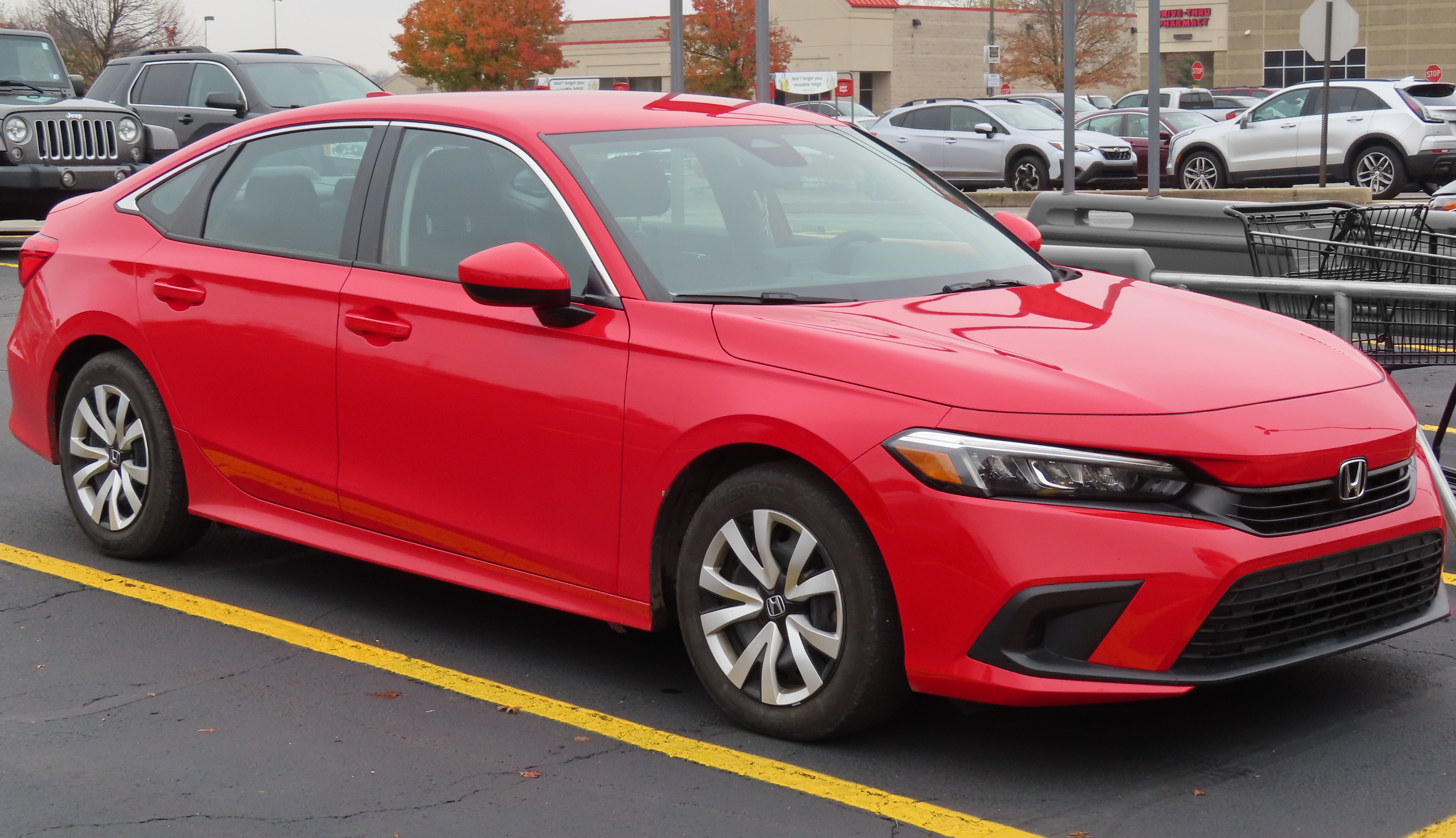
Honda Civic
"Well, I'm just inquiring about a 2015 Honda Civic. I assume that has to have the same changes made or maintenance on that. Well, there's no maintenance on either one. If everything's working well for, so like on the timing chain side, if there's no noise when you start it, the chain is meant to last the life of the engine... But as far as the belts go, when it does come time to replace a belt... you're 11 years old already in the Civic, so it's getting real close to belt time."
They’re talking about a 2015 Honda Civic and what usually needs replacing as it gets older. The timing chain is often expected to last a long time, but the belts that run accessories can wear out and may need a full kit when they start making noise.
The host is advising about a 2015 Honda Civic’s timing system and accessory belt replacement strategy. The key point is that timing chains (on many Civics) are designed to last a long time, while accessory belts and their tensioners/idlers are typically replaced when they wear or start squeaking.
oil changes
"And with proper maintenance to the vehicle, you know, three months, 3000 mile oil changes on this specific car, longer drives, they'll typically last a very long time."
Oil changes are used here as a proxy for proper engine maintenance that helps timing chains last longer. Clean, correctly maintained oil reduces wear and helps the engine run quietly, which the speaker ties to timing chain longevity.

Honda Crvs
"...g. They've got 300,000 miles on these Civics and CRVs and things. So they're fine. But as far as the be..."
The Honda CR-V is a small SUV made for everyday driving and family use. The podcast is pointing out that CR-Vs can last a long time, even with very high mileage. That’s usually a sign it’s a dependable vehicle to own.
The Honda CR-V is a compact SUV known for practical everyday use and long-term durability. In the podcast context, it’s mentioned alongside high-mileage Civics and CR-Vs to highlight that these vehicles can rack up very high mileage with proper care. That kind of longevity is often a key reason people discuss the CR-V on maintenance and ownership topics.
tensioner
"Okay, well, you didn't tell me it's squeak. We had squeaks sometimes in the morning. Okay, well, it needs a belt and it needs a tensioner and the idler as a kit."
A belt tensioner keeps the accessory belt tight and properly aligned as it stretches and wears. If the tensioner is weak or failing, a new belt can still squeak or slip, which is why shops often replace the tensioner as part of a belt kit.
idler
"Okay, well, you didn't tell me it's squeak. We had squeaks sometimes in the morning. Okay, well, it needs a belt and it needs a tensioner and the idler as a kit."
An idler pulley helps guide the accessory belt and reduces friction and misalignment. Like the tensioner, an idler can wear out and cause noise (squeaking) or belt tracking issues, so replacing it with the belt kit can fix the root cause.
dry belts
"If your car is running good and it's quiet, enjoy that smooth run in Honda and keep an eye on your dry belts just like any other car"
“Dry belts” refers to accessory drive belts (like serpentine belts) that can wear, crack, or become noisy when they dry out. Belt condition matters because a failing belt can affect multiple systems (alternator, water pump on some engines, power steering on others).

2009 Chevy Impala
"Here's my issue. I got a 2009 Chevy Impala with 125,000 miles. I got a P0 172, which is a rich code. I've owned this car for about three years. It is a flex fuel vehicle."
A 2009 Chevy Impala is a car model from Chevrolet. Yours is described as a flex-fuel version, which means it can run on gasoline or ethanol blends, and that’s why the computer is tracking “alcohol content.”
The 2009 Chevrolet Impala is a full-size sedan that can be offered as a flex-fuel vehicle, meaning it’s designed to run on gasoline or ethanol blends. In this segment, the host discusses how flex-fuel systems behave and why certain diagnostic codes and alcohol-content readings can recur.
P0 172
"Here's my issue. I got a 2009 Chevy Impala with 125,000 miles. I got a P0 172, which is a rich code. I've owned this car for about three years."
P0172 is a check-engine code that usually means the engine is running “too rich,” or using more fuel than it should. On a flex-fuel car, ethanol blend changes can make the computer’s fuel calculations more sensitive.
P0172 is an OBD-II diagnostic trouble code commonly associated with “system too rich” (the engine control module sees more fuel than expected). That matters on flex-fuel cars because ethanol content changes fuel strategy, and the computer may respond by adjusting fueling and triggering rich-related codes.
flex fuel vehicle
"It is a flex fuel vehicle. I've never run E85 in it. Get the same top tier gas from the same station all the time. In February of 25, I had a high alcohol content at 78%."
A flex-fuel car can run on different mixes of gasoline and ethanol. The car’s computer has to figure out what blend you’re using so it can adjust how much fuel to inject.
A flex-fuel vehicle is designed to run on different ethanol/gasoline blends (like E85) as well as regular gasoline. Instead of measuring ethanol directly with a dedicated alcohol sensor in every design, many systems infer fuel composition from engine behavior and sensor feedback, then adjust fueling accordingly.
E85
"It is a flex fuel vehicle. I've never run E85 in it. Get the same top tier gas from the same station all the time."
E85 is a fuel that’s mostly ethanol. Since it’s not the same as regular gas, the car has to change how it runs to make it work correctly.
E85 is a high-ethanol fuel blend (about 85% ethanol) used in flex-fuel vehicles. Because ethanol has different energy content than gasoline, the engine control system must adjust fuel delivery and ignition strategy, which can affect diagnostic readings like “alcohol content.”
alcohol content
"In February of 25, I had a high alcohol content at 78%. The fix at that time was to reset the computer and it went back to normal. I've got same problem. This month, alcohol content shows 54%."
“Alcohol content” is the car’s estimate of how much ethanol is in the fuel. Even if you don’t have an alcohol sensor, the computer can still guess based on how the engine is running.
“Alcohol content” here refers to the flex-fuel system’s estimate of ethanol percentage in the fuel. The host explains that the system may not rely on a dedicated alcohol detector sensor, so readings can still change based on how the engine and other sensors respond.
reset the computer
"In February of 25, I had a high alcohol content at 78%. The fix at that time was to reset the computer and it went back to normal. I've got same problem."
Resetting the computer means clearing the car’s stored fault info so it can start fresh. It can make the problem seem gone for a bit, but it doesn’t fix the cause if the issue keeps happening.
Resetting the computer typically means clearing codes and/or resetting the engine control module (ECM/PCM) so it relearns fuel trims and operating parameters. On flex-fuel cars, a reset can temporarily mask a recurring rich/mixture issue until the system re-detects the underlying condition.
flex fuel systems don't use a sensor
"So the systems don't use a sensor. When they use the sensor, the only problem they would ever encounter was that sometimes the sensor would fail."
The host is saying the car may not directly measure ethanol with a special sensor. Instead, it figures out the fuel blend indirectly, so the readings can still shift even without a sensor being present.
The host claims the flex-fuel system in this case doesn’t use a dedicated alcohol sensor, and instead relies on other inputs to infer fuel blend. That’s why the “alcohol content” can still change and why sensor failure isn’t the usual culprit—when sensors are used, failures are described as rare but expensive.
run that tank of fuel all the way down to less than a quarter, like an eighth of a tank
"They have the parts on the car already to do it. Most of them are working pretty good, but the problem is when you run in flex fuel, you need to run that tank of fuel all the way down to less than a quarter, like an eighth of a tank,"
The advice to run the tank low is about getting a representative sample of the current fuel blend into the system. In flex-fuel diagnostics, if the tank still contains older fuel, the car’s inferred ethanol percentage can lag and keep reporting inconsistent “alcohol content” until the new blend dominates.

BMW E30
"...change it to something else. If you're going E85, E30, anything but E20 and below, you need to do that..."
The BMW 3 Series is a luxury car that comes in different body styles, most commonly a sedan. The podcast is talking about using certain types of fuel with higher ethanol content, and it’s warning that not all ethanol blends are appropriate. Using the wrong blend can cause problems if the car isn’t set up for it.
The BMW 3 Series is a compact luxury sedan (and wagon in some markets) that’s often discussed for performance tuning and fuel compatibility. The podcast mentions E85/E30 and specifically warns against using E20 and below, which suggests the conversation is about matching fuel type to the car’s setup. That’s significant because ethanol content can affect how the engine and fuel system are calibrated.
fuel gauge / tank fill percentage change
"...your fuel gauge is going at least a certain percentage of it, it's about 60%, I think 60 to 80%. If it sees that much of a change when you restart the car, it knows you refueled it."
When you refuel, the car notices the tank level jump. Then it watches how the oxygen sensor readings change to figure out what kind of fuel it’s now burning. If the change is messy (like topping off with a different blend), the car may not interpret it correctly.
Many modern cars use a “fill event” strategy: when the tank level changes significantly after a refuel, the ECU assumes new fuel has been added. It then compares oxygen sensor behavior before and after that event to infer whether the fuel’s composition changed. That’s why partial top-offs when switching blends can confuse the system.
oxygen sensor
"...it looks at the oxygen sensor now compared to the oxygen sensor before that change occurred... it sees, whoa, we're really lean, we must have increased the alcohol content. Let's dump more fuel... should I change the oxygen sensors?"
The oxygen sensor tells the computer whether the engine is burning fuel “too rich” or “too lean.” If the readings change a lot after refueling, the computer tries to correct the fuel mixture. If the sensor is worn out, it can give misleading information.
An oxygen sensor (often called an O2 sensor or upstream sensor) measures how much oxygen is left in the exhaust, which indicates whether the engine is running rich or lean. When the ECU sees a big shift in oxygen sensor readings after a refuel, it may conclude the fuel blend changed (e.g., higher alcohol content) and adjust fueling. Faulty or aged sensors can also cause incorrect fuel control.
mass airflow sensor (MAF)
"...dirty air system, air intake system in the car. Mass airflow sensor dirty? ...the mass airflow sensor is the biggest... we did to fix these other two cars was a new mass airflow sensor..."
The mass airflow sensor measures how much air is going into the engine. The computer uses that number to decide how much fuel to inject. If the sensor is dirty or wrong, the car can add or subtract fuel in the wrong way.
The mass airflow sensor measures how much air the engine is ingesting so the ECU can calculate the correct fuel amount. If the MAF is dirty or inaccurate, the ECU may compensate by adjusting fuel trims, which can mimic problems caused by fuel blend changes. In the segment, the MAF is described as the biggest factor to check/replace.
CRC emission system cleaning kit
"...we did to fix these other two cars was a new mass airflow sensor and a CRC emission system cleaning kit, which cleans the..."
This is a cleaning product made by CRC for emissions-related parts. The idea is to remove buildup that can affect how the engine runs and how the sensors read. In the story, it helped after they also fixed the airflow measurement.
A CRC emissions system cleaning kit is an aftermarket product used to clean components related to emissions control and combustion efficiency. In the segment, it’s paired with a new mass airflow sensor and a reset to resolve fuel-control behavior. The key takeaway is that cleaning plus sensor correction can restore proper ECU adaptation.
throttle body cleaner
"...we used to clean the mass airflow sensor, we use the throttle body cleaner to clean the throttle body. And we use the injection system cleaner in the tank to clean the engine."
The throttle body controls how much air gets into the engine. Over time, carbon buildup can make it less responsive or affect airflow. Using throttle body cleaner helps remove that buildup.
Throttle body cleaner is used to remove carbon deposits from the throttle plate and bore so airflow readings and throttle response are more accurate. In this segment, it’s mentioned as part of a cleaning routine used to address drivability/emissions issues. Cleaning can help if buildup is causing incorrect airflow control.
injection system cleaner (in the tank)
"...we use the injection system cleaner in the tank to clean the engine. And then we reset everything and we're good."
This is a fuel additive you put in the gas tank to help clean the fuel system. It can reduce gunk that affects how the injectors spray fuel. It’s usually used as maintenance or as part of a troubleshooting plan.
Injection system cleaner added to the fuel tank is intended to reduce deposits in the fuel system and help maintain proper injector spray and combustion. The segment frames it as part of a broader reset-and-clean approach after replacing the MAF and using an emissions cleaning kit. It’s not a guaranteed fix, but it can improve fuel control when deposits are contributing.
fuel trims
"...I can instantly see what's going on with the fuel trims, because the first thing I did, I looked and I said, here we go, we got high alcohol content... So I reset that. And then I took it for a drive."
Fuel trims are the car’s “corrections” to make the mixture run right. If the trims move a lot, it can mean the car is compensating for something—like dirty sensors or different fuel. Monitoring trims helps confirm what’s really going on.
Fuel trims are the ECU’s short- and long-term adjustments to injector pulse width to keep the air-fuel mixture at the target ratio. Large or persistent fuel trim changes can indicate sensor issues, intake/airflow problems, or fuel composition differences. The host references using fuel trims to confirm the alcohol content effect after resetting.
zirconium
"...they've got zirconium in them, which wears as the sensor runs, it's made to dissipate. That's how part of the way the sensor works."
Zirconium is a material used inside many oxygen sensors. It helps the sensor “sense” oxygen in the exhaust and send a signal to the computer. Over years of heat and use, that sensing material can wear out, so the sensor becomes slower or less accurate.
The speaker mentions zirconium because many oxygen sensors use zirconia-based materials that generate a voltage signal based on exhaust oxygen concentration. As the sensor operates, the sensing element can wear and degrade, leading to slower response and less accurate readings. The analogy to spark-plug wear is meant to convey end-of-life behavior rather than a direct mechanical similarity.
injectors
"...and also injectors because it had three of the injectors that were, they were starting to leak. So as you go, things pile up."
Fuel injectors are the parts that spray fuel into the engine. If they start leaking or don’t spray correctly, the engine can run rough and may misfire. Over time, that can make other problems show up too, so repairs can “pile up.”
Fuel injectors deliver pressurized fuel into the engine’s intake system. When injectors leak or degrade, they can cause poor combustion, misfires, and worsening drivability as the problem compounds with other worn components. The speaker describes a case where multiple injectors were bad enough to start leaking, contributing to the overall repair stack.
diagnostic trouble codes (slow response)
"...you'll get a slow response code in them that if it's not caused by something else like a mass air flow or a vacuum leak, yeah, you can get that. So it's, it's probably time to replace them..."
Cars store warning codes when sensors don’t behave the way they should. A “slow response” code can mean the oxygen sensor is getting old, but it can also happen if something else is wrong (like air leaks or a bad air sensor). Good diagnosis checks the likely causes before swapping parts.
When an oxygen sensor responds slowly, the vehicle’s diagnostics can flag it with a “slow response” style code. However, the speaker emphasizes that these codes aren’t always caused by the oxygen sensor itself—issues like a mass air flow problem or a vacuum leak can also lead to similar symptoms. This is an important diagnostic concept: confirm root cause rather than replacing parts blindly.
vacuum leak
"...you'll get a slow response code in them that if it's not caused by something else like a mass air flow or a vacuum leak, yeah, you can get that."
A vacuum leak is like a small air leak in the engine system. It can make the engine run with the wrong fuel/air mix, which can trigger warning lights. That’s why mechanics consider vacuum leaks when they see certain sensor codes.
A vacuum leak is an unintended air leak in the engine’s intake/vacuum system that disrupts the air-fuel mixture. Because it changes how the engine breathes, it can cause misfires and can also lead to oxygen-sensor-related diagnostic codes. The speaker notes vacuum leaks as an alternative cause to consider when diagnosing slow oxygen sensor response codes.
car-part.com
"check out car-part.com. It's fast and it's easy. Over 200 million parts strong all across North America... Whether it's an engine, transmission, doors, seats, or wheels, you can find them on car-part.com."
Car-part.com is a website where you can buy used car parts from junkyards. It can help you find parts that fit your specific car, which can save money versus buying new.
Car-part.com is an online marketplace for used auto parts from salvage yards/recyclers. It helps you find replacement parts (like engines, transmissions, doors, seats, and wheels) and often shows cross-compatibility by model year and fitment details.
buying recycled
"Whichever you choose, buying recycled is good for the environment and good for your wallet."
Recycled parts are used parts from cars that were taken apart. They often cost less than new parts and are better for the environment because they don’t require making everything from scratch.
Buying recycled parts means using components pulled from salvage vehicles instead of brand-new OEM parts. It can reduce repair costs and also lowers environmental impact by reusing existing materials.
Berkeley One Classics
"For 50 years, Berkeley One Classics has ensured a wide range of vehicles from sports cars and rare exotic cars to antique vehicles... They also have discounts for car club members."
Berkeley One Classics is an insurance company that specializes in classic and specialty vehicles. They’re pitching coverage and discounts for people who own cars that may not fit standard insurance categories.
Berkeley One Classics is an insurance provider focused on collector and specialty vehicles. The segment emphasizes coverage for a wide range of vehicle types (including rare exotics and antiques) and highlights discounts for car club members.
Road ready wheels
"Road ready wheels has replacement wheels for many OEM manufacturers at substantial cost savings. These wheels look and perform like OEM wheels so save money and go with road ready wheels when you need a replacement."
Road ready wheels is a company selling replacement wheels for your car. They’re being marketed as a lower-cost option when your wheels are damaged, leaking air, or corroded from road salt.
Road ready wheels is a replacement-wheel brand/company being promoted as a cheaper alternative to OEM wheels. The segment ties the product to common wheel-related repair scenarios like leaks and corrosion damage, and also suggests using spare wheels with snow tires in winter.
snow tires
"Maybe that person is you or maybe you want a set of spare wheels that you can install on your vehicle over the winter months with snow tires to avoid damaging your nice summer wheels."
Snow tires are tires made for winter weather so your car grips better on snow and ice. Using a separate set (often on spare wheels) helps keep your regular summer wheels from getting beat up.
Snow tires are winter-focused tires designed to maintain traction in cold, snowy, or icy conditions. The segment suggests swapping to snow tires on spare wheels to protect summer wheels from winter damage.
corrosion
"Are you tired of needing to add air to your tires every few days because your wheels have been eaten away by road salt and corrosion?"
Corrosion is rust or metal breakdown caused by things like road salt and moisture. In winter, it can damage wheels and lead to leaks or other wheel problems.
Corrosion is the deterioration of metal due to chemical reactions, commonly accelerated by road salt in winter. The segment connects corrosion to wheels being “eaten away,” leading to problems like air leaks and the need for replacement wheels.
factory steel wheels
"of road ready wheels will stop the leaks. Do you have factory steel wheels and have shopped in the seemingly endless and expensive aftermarket wheel scene not knowing what to get but you want a better look?"
Steel wheels are the basic wheels your car came with from the factory. They’re usually tough and not too expensive, but they can be heavier than nicer alloy wheels.
Factory steel wheels are the original wheel type that comes on many vehicles. They’re typically heavier than alloy wheels, but they can be durable and inexpensive to replace.
aftermarket wheel scene
"Do you have factory steel wheels and have shopped in the seemingly endless and expensive aftermarket wheel scene not knowing what to get but you want a better look?"
Aftermarket wheels are wheels you buy that aren’t the ones your car came with. The tricky part is making sure they fit correctly and work with your car’s sensors.
The aftermarket wheel scene refers to the large market of non-factory wheels and related accessories. Fitment, wheel material (steel vs alloy), and compatibility with sensors and caps can make shopping confusing and expensive.
TPMS sensors
"These wheels are a direct fit so your factory caps and TPMS sensors will fit. Find out more and or yours at RoadReadyWheels.com."
TPMS sensors are little parts that monitor your tire pressure. If you change wheels, you need sensors that will work with your car so the tire-pressure warning doesn’t stay on.
TPMS sensors are tire-pressure monitoring components that alert the driver when tire pressure is too low. When changing wheels, the sensors must be compatible so the system continues to read pressures correctly.

2001 Chevy pickup
"Let's talk to Dale. You're on the end of the hood show. Dale what can we do for you? I talked with you guys last week. I had that 2001 Chevy pickup that was losing electricity overnight."
They’re talking about a 2001 Chevrolet pickup that had an electrical problem. The story is used to explain how to diagnose the issue instead of guessing.
The host is referencing a 2001 Chevrolet pickup that was having an electrical issue overnight. This is the specific vehicle used to discuss troubleshooting and cost-saving repair strategies.
battery disconnect
"Yes. And you had talked you know about well you got to run down all the circuits and everything and find out what you said as an alternative to just put a battery disconnect."
A battery disconnect is a way to fully turn off power from the battery. People use it when they suspect something is draining the battery, but they haven’t fixed the root problem yet.
A battery disconnect is a switch or device that cuts power to the vehicle’s electrical system. It’s sometimes used as a quick way to stop a battery drain while you track down the real cause.
battery drain diagnosis vs quick fix
"Yes. And you had talked you know about well you got to run down all the circuits and everything and find out what you said as an alternative to just put a battery disconnect."
They’re basically saying: don’t just use a temporary trick to stop the problem—find out what’s actually causing the battery to drain. Otherwise, the real issue could still be there.
The discussion contrasts proper diagnosis (checking circuits to find the source of an overnight electrical draw) with a quick workaround (battery disconnect). This matters because the disconnect can prevent symptoms but doesn’t fix the underlying fault.
circuits
"Yes. And you had talked you know about well you got to run down all the circuits and everything and find out what you said as an alternative to just put a battery disconnect."
Circuits are the car’s wiring routes that carry electricity to different parts. Checking circuits helps find what’s pulling power when the car is supposed to be off.
In automotive diagnostics, “circuits” refers to the wiring paths that power specific systems and components. Running down circuits helps locate where current is being drawn when it shouldn’t be (like an overnight battery drain).
remote battery shutoffs
"Well I called you know like one of your sponsors is what that you know that does remote starts and stuff. I called them well do you have remote battery shutoffs. No they didn't and I called around a little bit"
Remote battery shutoffs let you turn off the car’s battery power without going to the battery. It can help stop battery drain when the car isn’t being used.
Remote battery shutoffs are devices that let you cut power to the car’s battery from a distance. They’re often used for theft deterrence or to prevent battery drain when a vehicle sits.
negative side
"take your battery loose and on the negative side they send a post that you turn in to your battery you know so your looms can hook onto it"
A car battery has two terminals: one is the negative and one is the positive. The negative terminal is connected to the car’s ground, and disconnecting it first is a safer way to start electrical work.
The “negative side” is the battery terminal connected to the car’s chassis ground. When doing electrical work, disconnecting the negative terminal first helps reduce the chance of short circuits and sparks.
interrupter
"you know so you got an interrupter there and the other side the positive you just put another wire from the that little brain"
An “interrupter” here sounds like a switch that turns power on and off. People use this kind of thing to stop the battery from draining or to control when an electrical system gets power.
An “interrupter” is being used as a switch-like device in the wiring path to control when power is delivered. In car electrical setups, interrupting power can prevent a drain or allow a module to run only under certain conditions.
positive
"you know so you got an interrupter there and the other side the positive you just put another wire from the that little brain"
The positive terminal is the battery’s main power output. If you connect something there, it can get power—but you have to be careful so you don’t create a dangerous wiring situation.
The “positive” terminal is the battery connection that supplies power to the car’s electrical system through fuses and wiring. Adding a wire to the positive side can power an accessory or module, but it must be done carefully to avoid overloads or unsafe bypasses.
illuminated grill emblems
"yeah so your emblem would light up when you oh wow listen to that gotta go fancy so okay just bottom line"
An “illuminated grill emblem” is a badge on the front of the car that lights up. It usually needs wiring and a secure mount so it works reliably and doesn’t get damaged by moisture.
“Illuminated grill emblems” are aftermarket or custom badges in the front grille that light up when powered. They’re typically wired into the car’s electrical system and may require a controller or proper mounting to avoid water ingress and electrical shorts.
hack
"okay just bottom line thank you for the return call on that but it's you're you're using it and you're battery's not dead anymore it's obviously this is a hack it's not not a fix it's a hack to make it not have the problem"
In this context, a “hack” means a workaround that temporarily avoids a problem without addressing the root cause. It can be useful to restore functionality, but it may be unreliable, unsafe, or create new issues over time.
battery storage
"well you because there are there are things in there they're gonna rely on that's battery storage that are gonna be affected here and there but"
Your car battery isn’t just for starting—it also keeps certain electronics powered. If you mess with how the battery is connected or isolated, some things may forget their settings, like the clock.
“Battery storage” refers to using the car battery as an energy buffer for systems that need power even when the engine isn’t running. If you interrupt or modify battery power, those systems may lose memory or settings, like clocks or electronic modules.
fuel tank
"...I kind of touched on some things um I try to keep my alcohol content zero percent but what I put in the fuel tank is a little questionable because I'm cheap..."
The fuel tank is where your gas goes. The caller is basically saying they might be using something in the gas that isn’t ideal, and that can sometimes cause problems that show up later.
The fuel tank is where the car stores gasoline, and what you put in it can affect fuel system performance. In this segment, the caller hints that the fuel quality or additives may be “questionable,” which can be relevant when diagnosing drivability or sensor-related complaints.

Buick Enclave
"...nt camera potentially to add on to my 2015 Buick enclave that embeds into that hollow spot in the Buick g..."
The Buick Enclave is a larger SUV with three rows of seats, made for families or groups. The podcast is discussing adding a camera option to a 2015 model. That kind of upgrade usually involves fitting the camera hardware and making sure it works with the vehicle’s display system.
The Buick Enclave is a midsize three-row SUV designed to carry more passengers and provide family-focused comfort. The podcast context mentions adding a camera feature to a 2015 Enclave, specifically related to integrating it into an existing opening. That’s significant because it’s about factory-style options and how certain accessories are installed or supported.
AC Delco warranty
"...maybe replacing it for me underneath the AC Delco warranty for like the third time..."
ACDelco is a GM parts brand. If you have an AC Delco warranty, it may cover repairs or replacements, which can save money when something like a TPMS sensor keeps failing.
ACDelco is GM’s parts brand, and the “AC Delco warranty” typically refers to coverage tied to those parts or GM-approved service. Warranty coverage can strongly affect repair cost—especially for repeat issues like a TPMS sensor.
tire pressure monitor sensor
"...they calibrate it I don't know how that works so yeah you need to tell me you're having problems with one... if your light's on just wait until you need tires... clean the wheel off as it gets in the sensor portion of the tire pressure monitor sensor..."
Cars use sensors in the tires to keep track of tire pressure. If a sensor is dead or can’t communicate, the car warns you with a light and the readings can be wrong or missing.
A tire pressure monitor sensor (TPMS) is a small device mounted on each wheel that measures tire pressure and sends that data to the car. When one sensor fails or can’t transmit, the dashboard TPMS light can come on and the car may stop showing accurate pressure readings.
calibrate
"...if it gets relocated to a different tire but they'll calibrate it I don't know how that works..."
Calibration is the car learning the new tire sensors after a tire/sensor change. Without it, the car might not show correct pressure or might keep warning you.
TPMS calibration is the process of teaching the car which sensors are installed (especially after replacing sensors or wheels). Some cars require a relearn procedure so the receiver recognizes the new sensor IDs and updates the dash display correctly.
replacing sensors while tires are already off
"...then they come back to me and they get the tires done and we put in sensors it's so much cheaper to do it while the tires are already off the car..."
The host recommends doing TPMS sensor replacement during a tire change because the wheel is already dismounted. This reduces labor time and cost versus removing the tire twice, and it ensures the sensor is installed with proper cleaning and fitment.
low battery
"...we put four sensors in that because they were all showing low battery and on cold days it would give you bars across the dash and not read the sensor at all..."
Many TPMS sensors are battery-powered and can report a low-battery condition before they fully fail. As the battery weakens—often more noticeable in cold weather—the sensor may transmit inconsistently, leading to missing or incorrect readings.
stop leak
"...there's nothing that the tire can do to cause a sensor to go bad except for stop leak fix a flat you put that in the tire you're going to probably ruin the sensor..."
Some tire sealants can get into the sensor area and cause problems. The host is warning that if you use stop leak, you may end up needing a new tire sensor.
Stop leak and similar tire sealants can damage or contaminate TPMS sensors because they can enter the sensor’s mounting area. The host’s point is that sealing a tire with stop leak may ruin the sensor, requiring replacement later.
fix a flat
"...except for stop leak fix a flat you put that in the tire you're going to probably ruin the sensor..."
“Fix a flat” is a common aerosol/sealant product used to temporarily seal punctures. The host claims it can ruin TPMS sensors because the sealant can reach the sensor portion of the tire/wheel assembly, making replacement necessary.
scanner
"...there's nothing that could be happening on the car wise causing that sensor to fail the sensor's actually bad and they can read it when they hand out scanner they go around and read it..."
A scanner is a device the shop plugs in to check what the car is seeing. It can tell whether the tire sensor is actually sending data or if that sensor isn’t working.
In this context, a scanner is a diagnostic tool used to communicate with the car’s TPMS receiver and read sensor status. It helps the technician determine whether the car is failing to receive a specific sensor (sensor dead) versus a broader vehicle issue.
valve stem
"...it's 100% self-contained it's just connected right onto the valve stem there..."
The valve stem is where you put air in the tire. Some TPMS sensors are attached right to that valve area, so if they fail, it’s usually the sensor itself.
The valve stem is the part of the wheel where you add air, and many TPMS sensors are built into or attached directly to it. Because the sensor is mounted at the valve stem, the technician can often determine the sensor itself is the problem if it’s not transmitting.
400 megahertz
"...there's two sensors you've got a 315 megahertz and the 400 range megahertz on all cars..."
TPMS sensors use radio signals, and there are different common frequencies. If the sensor’s frequency doesn’t match what the car expects, the tire warning system may not work properly.
The host also references a second common TPMS radio frequency band: 400 MHz. Using the wrong frequency sensor can prevent the car from recognizing the sensor, so shops need to match sensor specs to the vehicle.
Autel
"...we have a handheld alt autel device and we have boxes of these sensors that we can program per car..."
Autel makes tools that mechanics use to diagnose cars and program certain parts. Here, they’re using an Autel tool to set up tire sensors so the car can recognize them.
Autel is an automotive diagnostic and service-tool brand. In this segment, the host references an Autel handheld device used to program TPMS sensors for specific vehicles.
315 megahertz
"...i think your car is 315 megahertz but you pre-program it and then you just put it in..."
315 MHz refers to the radio frequency TPMS sensors transmit on. Different regions and vehicle platforms use specific frequencies, so using the correct frequency sensor is important for the car to receive the signals.
relearn on the car
"...you just put it in and then you do the relearn on the car and then it'll work... and i do the hit the relearn on the steering wheel and i program each one of these sensors..."
A TPMS “relearn” (or reset) is the process of teaching the vehicle which sensor IDs are installed. Even if sensors are physically installed, the car may still need a relearn procedure—often via the steering wheel controls—to start reading them correctly.
ready sensors
"...they call them like ready sensors that's another brand... if you go to advanced auto parts... ask them what brands they have behind the counter..."
Some tire sensors come pre-set, so you can install them without special programming equipment. You may still need to reset the car’s tire system so it knows the sensors are there.
“Ready sensors” are TPMS sensors that are pre-programmed (often with a known sensor ID/frequency) so they can be installed without using a programming tool. The car still typically needs a relearn step, but the sensor itself is already set up.
hit the relearn on the steering wheel
"...so i just shake them and then i do the hit the relearn on the steering wheel and i program each one of these sensors..."
The car can be reset to recognize new tire sensors using the controls on the steering wheel. The steps depend on the car, but it’s usually a menu option or a button sequence.
Many vehicles perform TPMS relearn through a procedure using the steering wheel buttons or infotainment menus. This is a common DIY step after installing sensors, but the exact button sequence varies by make/model.
Request an Explanation
Heard something you'd like explained? We'll add it to this episode.
Sign in to request explanations for terms you heard.
Want to learn more?
Browse our glossary for plain-English explanations of automotive terms, jargon, and concepts.
Help improve this episode
See something that's not quite right? Our annotations are AI-generated and can sometimes miss the mark. Click the flag icon on any annotation to suggest a correction.
1 community members have helped improve this episode.