
Midweek Motorsport s21 e18
About this episode
Hosts kick off a Nürburgring pit-walk with trackside vehicles and set expectations for cold, wet conditions. The paddock tour turns into a deep dive on tires, open-tyre rules, and how qualifying format and track position shape strategy. Between garage logistics for multi-class entries and a wet-weather class created “just to stay out of the wet,” they also unpack RCN regularity rules and why rain changes everything. The episode then broadens into rally Portugal’s gravel-and-weather chaos and a quick motorsport/tech round-up.

BMW 325Is
"I've just jumped off the pit wall. One of the BMW 325i's has just gone past me."
A BMW 325i is a BMW 3 Series model. It’s a popular car for track events because it handles well and is easy to support with parts.
The BMW 325i is a 3 Series variant (the “325” refers to the engine size class, and “i” indicates a fuel-injected petrol engine). It’s a common platform in motorsport and track events because it’s relatively balanced and parts are widely available.
Nürburgring Track Operations
"While the Nurburgring Track Operations car is an EV Kia and we've got all of the cupras that we had here last year"
That’s the Nürburgring’s operations team. They use vehicles to help manage and run the track during the event.
This refers to the Nürburgring’s operational team that runs the circuit’s day-to-day activities. In the context of the episode, they’re associated with an EV Kia used for track operations.

Ford Falcon
"...o 140 for the past couple of three seasons. Black Falcon 123 for actually five cars in the first occupied ..."
The Ford Falcon is a car model that’s often used in racing. The podcast is saying it’s been running for several seasons with a team called Black Falcon. That’s why it’s mentioned—because it’s a recurring race car.
The Ford Falcon is a performance-oriented model associated with touring-car style racing history. The podcast mentions Black Falcon entries and references the Falcon’s presence over multiple seasons, indicating it’s been used consistently in competition. It’s discussed because the Falcon can be a strong platform for endurance and touring-car events.
open tyre formula
"Your car runs on Goodyear tyres, open tyre formula here. What do you reckon for the weekend?"
“Open tyre formula” means teams have more freedom to choose tires (within the rules). Since tires affect grip, teams can pick what they think will work best for the weather and track.
An “open tyre formula” means the teams aren’t restricted to a single tire supplier or a single fixed tire spec; they can choose from approved options. That choice can be a big performance lever because teams select compounds and tire setups to match expected weather and track conditions.
Goodyear tyres
"Your car runs on Goodyear tyres, open tyre formula here. What do you reckon for the weekend?"
Goodyear makes racing tires. Tires are a huge part of how fast and how safely a car can grip the road, especially in wet or cold conditions.
Goodyear is a major tire manufacturer, and in racing it matters because tire construction and compound strongly influence grip, wear, and lap times. When the hosts say their car runs on Goodyear tyres, they’re pointing to the specific tire brand used for that entry/series.
GC3
"because especially as a team, you have to do two top GC3 cars, and then eight other cars in smaller classes."
GC3 is a racing category that groups cars together. The team has to manage a couple of the top cars in that category, plus other cars in different categories.
GC3 appears to be a race class/category used for grouping cars with similar performance characteristics. The speaker says they have to run “two top GC3 cars” plus additional cars in smaller classes, which highlights how endurance/sprint teams plan staffing and car preparation by class.

Porsche Cayman
"... competitive. It doesn't matter if Cup 2 GT4, the Cayman GT4, everything is well organised and well prepar..."
The Porsche Cayman is a sports car made by Porsche. Some versions are built for racing, and the podcast is talking about how those race cars are set up and run in competitions. It’s mentioned because the Cayman has a strong presence in track events.
The Porsche Cayman is a mid-engine sports car from Porsche, known for its balanced handling and track-focused variants. In the podcast context, it’s being discussed alongside GT4 and other race-prepared Cayman models, highlighting how well-organized and prepared the racing entries are. It comes up because the Cayman GT4 is a common choice for competitive customer racing.
Cup 2 GT4
"It doesn't matter if Cup 2 GT4, the Cayman GT4, everything is well organised and well prepared, so it's a big job from the team."
“GT4” refers to a class of race cars based on production models, typically with regulations that keep costs and performance closer than higher classes. “Cup 2” in this context sounds like a specific sub-category or cup structure within GT4, affecting which cars are eligible and how they’re prepared for the event.
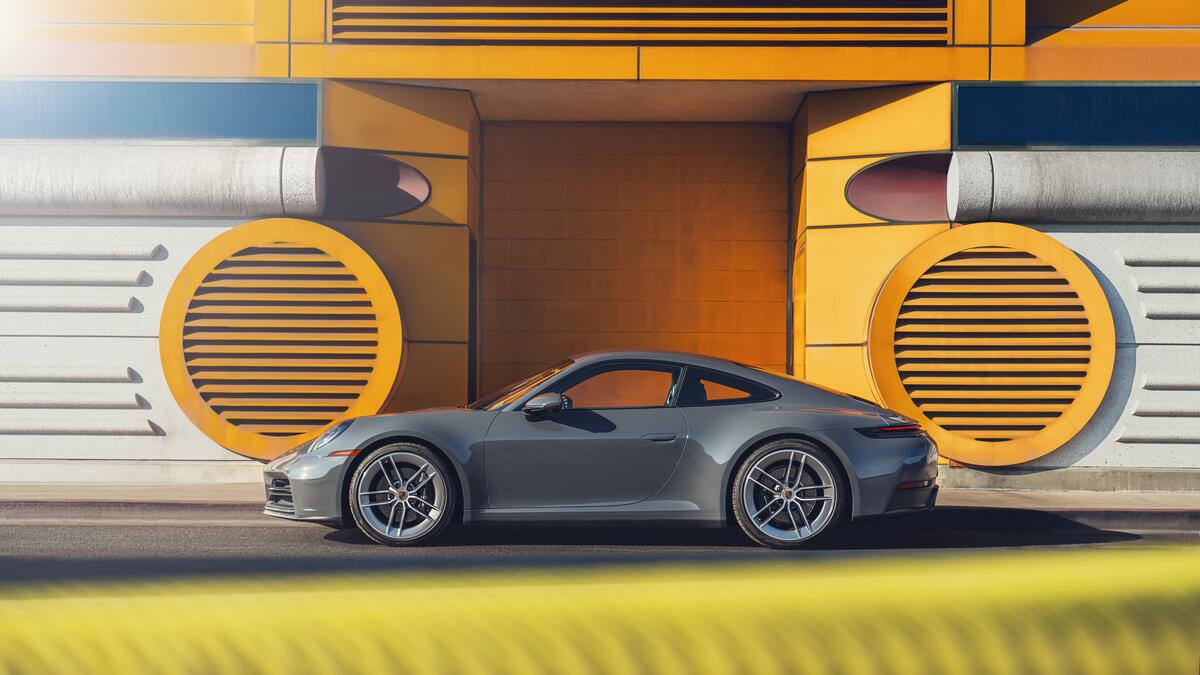
911 Porsche Gt3
"...d, another three Black Falkland cars, Caymans and Porsche GT3 Cup, and a couple of, ah, it's the bio concept ca..."
The Porsche 911 is Porsche’s most famous sports car. The podcast is talking about it as part of the event lineup, with multiple Porsche cars in the mix. It comes up because the 911 is a major name in racing.
The Porsche 911 is the brand’s iconic sports car, known for its distinctive design and long-running engineering evolution. In the podcast, it’s mentioned alongside other Porsche race cars and entries, indicating multiple 911s are part of the event’s lineup. It’s discussed because the 911 is a central platform in Porsche racing and track culture.
bio fuel
"Oh yeah, I can smell the bio fuel as well in there,"
Bio fuel is a type of fuel made from renewable materials. The speaker is saying they can smell it, implying the garage includes cars running on that kind of fuel.
“Bio fuel” means fuel made from renewable biological sources rather than only fossil crude. Motorsport uses it to test sustainability goals and sometimes to comply with event-specific fuel rules, which can affect how teams prepare cars and manage performance.
race car engineering classes
"A fantastic guide, the classes by race car engineering, [608.1s] that we tweeted out, we'll tweet that out again. [611.4s] Click the Sichering.de team here with another Cup car, [614.7s]"
In racing, “classes” are categories that sort cars into groups that are meant to be comparable. That way, cars with similar setup and rules compete against each other.
“Classes” in racing are groupings of cars that compete under similar rules—often based on vehicle type, performance balancing, or homologation. The hosts mention “classes by race car engineering,” framing it as a structured way to organize entries for the event.
Cup car
"Click the Sichering.de team here with another Cup car, [614.7s] the Opel Corsa from Beta Falken, 44 Porsche, [619.6s] and the Dunlop car as well."
A “Cup car” is a race car entered in a particular racing series (“cup”). The rules usually make the cars more similar so competition is tighter.
A “Cup car” typically refers to a race car built for a specific cup series or one-make-style competition, where rules standardize key parts and performance. In this segment, it’s used as a category for the entries the hosts are highlighting.

Porsche 44 Porsche
"...another Cup car, the Opel Corsa from Beta Falken, 44 Porsche, and the Dunlop car as well."
The Porsche 944 is an older Porsche sports car. The podcast mentions it in the context of race cars, meaning it’s being used for competition. It’s included because it’s a well-known model in racing circles.
The Porsche 944 is a classic Porsche sports car from the 1980s and 1990s, known for its front-engine, rear-drive layout and strong enthusiast following. In the podcast, it’s mentioned alongside other “Cup” and race cars, implying it’s being used in a competition context. It’s discussed because the 944 has a long history in club and cup racing.
Dunlop
"Now, Falken and Dunlop, that's the same team, [627.5s] so they have, oh, they've got the Conrad car in here as well, [631.2s] ... supplemented this year [645.1s] by the bright yellow and black of the Dunlop number 17 car, [648.3s]"
Dunlop is a tire brand. Here, they’re pointing out Dunlop’s distinctive race-car colors on one of the entries.
Dunlop is a major tire brand with a long history in motorsport sponsorship. In this segment, the hosts describe Dunlop’s “bright yellow and black” livery on a specific race car number, highlighting how tire sponsors influence what you see on track.
Falken
"Now, Falken and Dunlop, that's the same team, [627.5s] so they have, oh, they've got the Conrad car in here as well, [631.2s] ... The good news is we still have the Falken colours, [641.7s] but they are supplemented this year"
Falken is a tire brand. In racing, they often sponsor cars and teams, and their name shows up through the car’s livery colors.
Falken is a tire brand known for motorsport involvement, often sponsoring race teams and supplying competition tires. The hosts discuss “Falken colours” and a Falken-associated car entry, which is a typical way tire brands show up in racing through livery and team partnerships.

Lamborghini Huracan
"...t the Conrad car in here as well, the Lamborghini Huracan as well, the number seven, so this is an interest..."
The Lamborghini Huracán is a high-performance supercar made by Lamborghini. The podcast is mentioning a specific Huracán that’s entered in the event. It’s included because it’s a well-known, fast car used in competition.
The Lamborghini Huracán is a mid-engine supercar designed for high performance and track-capable dynamics. The podcast mentions a Huracán entry with a specific car number, placing it among other notable cars in the event. It’s discussed because the Huracán is a prominent modern supercar that often appears in competitive lineups.
class conceived specifically for this race
"That was a class, basically, just to stay out of the wet. [724.0s] That was a class that was conceived specifically for this race, [729.1s] and the M2 is effectively BMW M's entry level."
In racing, a “class” is like a category of cars that race together under the same rules. Here, the hosts are saying this category was created just for this particular event.
A race “class” is a grouping of cars that compete under shared rules (often based on car type, performance level, or homologation). When the hosts say the class was “conceived specifically for this race,” they mean the organizers tailored the rules and eligibility to fit the event’s conditions and entry list.
stay out of the wet
"That was a class, basically, just to stay out of the wet. [724.0s] That was a class that was conceived specifically for this race, [729.1s] and the M2 is effectively BMW M's entry level."
“Stay out of the wet” means avoiding driving when the track is wet and slippery. Wet conditions make cars harder to control, so the race setup can separate or limit what runs when it’s raining.
“Staying out of the wet” refers to choosing a driving/competition strategy that avoids wet-track conditions, which can drastically change grip and braking. In racing, this can be about scheduling, class separation, or rules that reduce risk when weather makes the circuit slippery.

Audi Tt
"...Mandarin Chinese, not great, obviously. In Box 8, Audi TT, Max Croiser Racing, with the other four cars in ..."
The Audi TT RS is a sportier, higher-performance version of the Audi TT. The podcast is talking about a race-prepared TT RS entry in a competition. It comes up because it’s used as a serious racing car.
The Audi TT RS is a performance-focused version of the TT, built for strong acceleration and track-capable driving. The podcast references an Audi TT in a specific box and mentions “TT RS” alongside “LMS” and TCR context, indicating a race-prepared setup. It’s discussed because the TT RS has been used in competitive motorsport formats.
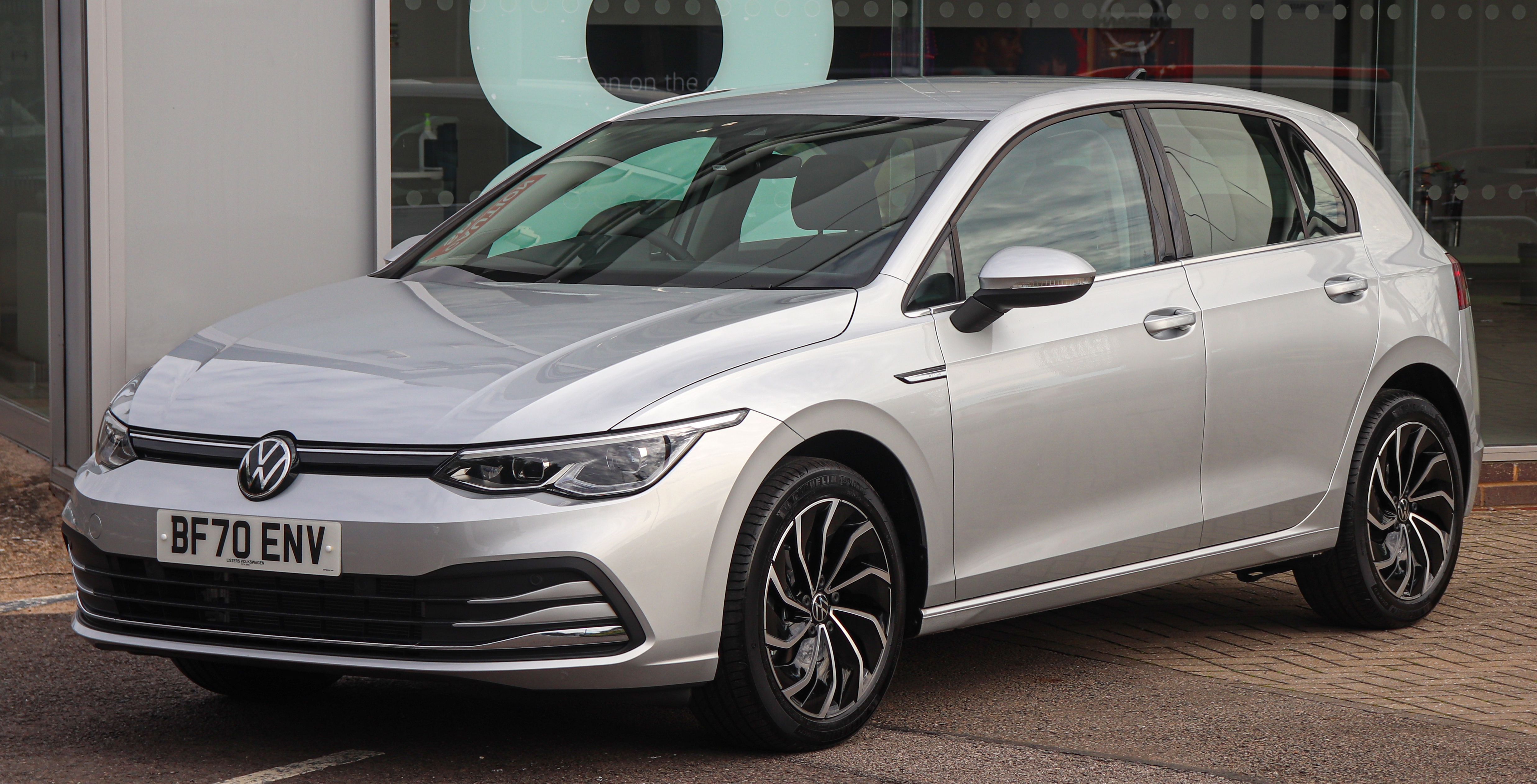
Volkswagen Golf
"... the other four cars in there, with VW, Audi, VW, Golf GTI, 50th anniversary of GTI, next year, then it'..."
The Volkswagen Golf is a common compact car. The Golf GTI is the sportier version, and the podcast mentions a 50th anniversary model. It’s brought up because it’s a well-known performance car that shows up in events.
The Volkswagen Golf is a compact car line that’s widely used in everyday driving and motorsport. The podcast specifically references the Golf GTI and a 50th anniversary GTI, which points to a special edition celebrating the model’s performance heritage. It’s discussed because these cars often appear in racing and track events due to their popularity and support.

Audi S3
"...s Engineering, family team. Their little red Audi S3 is in with a BMW 330i, a Mercedes-AMG and a coupl..."
The Audi S3 is a sporty version of the Audi A3. The podcast is describing a specific team’s red S3 that’s competing alongside other cars. It’s mentioned because it’s a performance car used in events.
The Audi S3 is a performance compact hatchback that’s designed to feel quick and sporty while still being practical. The podcast mentions a “little red Audi S3” in a team lineup, placing it among other performance cars in the event. It’s discussed because the S3 is a common choice for racing and track-oriented builds.

Audi Rs3
"...ürburgring. So in garage 10 Sharky racing in that RS3 LMS, this is a TCR car, of course, from Wheel Dri..."
The Audi RS 3 is a fast, performance version of the Audi A3. The podcast is talking about an RS3 that’s been prepared for racing in a touring-car format. It comes up because it’s part of the event’s competitive entries.
The Audi RS 3 is a high-performance compact car built for strong acceleration and track use. The podcast references an “RS3 LMS” in a garage context and describes it as a TCR car, meaning it’s prepared for touring-car style racing. It’s discussed because the RS 3 platform is used in competitive racing categories.
TCR car
"So in garage 10 Sharky racing in that RS3 LMS, [946.2s] this is a TCR car, of course, from Wheel Drive,"
A “TCR car” means the race car is built to the TCR rules. It’s a touring-car class that tries to make racing competitive without everyone spending unlimited money.
A TCR car refers to a touring-car racing category (TCR) designed to keep competition relatively affordable and standardized. Cars in TCR are built to a rule set that balances performance across different manufacturers.
sequential gearbox
"this is a TCR car, of course, from Wheel Drive, [950.1s] sequential gearbox."
A sequential gearbox is a race-style transmission where you shift step-by-step through the gears. It’s designed to make shifting quicker and easier during hard driving.
A sequential gearbox lets the driver shift up or down in order (typically with paddle shifters or a lever), rather than using an H-pattern. It’s common in race cars because it can make gear changes faster and more consistent.
HWA EVO
"The three HWA EVOs are in here, [958.2s] along with a Porsche from Hancock as well."
HWA EVO is the name of a specific race-car setup from HWA. They’re saying there are three cars of that EVO type in the garage.
HWA EVO refers to a race car platform associated with HWA, a motorsport engineering and racing brand. In this segment, “the three HWA EVOs” indicates multiple entries using that EVO-spec car.
Gazoo Racing
"Moving further down to the Gazoo Racing and KCMG and more Sharky racing cars, BMWs, and some of the top-class cars, the Mercedes-AMG GT3 is the number 47, which is that KCMG car."
Gazoo Racing is Toyota’s racing brand. If you see it on a race car, it generally means Toyota is involved in the program.
Gazoo Racing is Toyota’s motorsport brand, used for Toyota-backed racing programs and team entries. When you see it on a grid, it usually indicates a Toyota factory-supported effort rather than an independent privateer.
KCMG
"Moving further down to the Gazoo Racing and KCMG and more Sharky racing cars, BMWs, and some of the top-class cars, the Mercedes-AMG GT3 is the number 47, which is that KCMG car."
KCMG is a racing team that runs cars in competitions. Here, they’re associated with the Mercedes-AMG GT3 entry the speaker points out.
KCMG is a racing team/brand that fields customer GT and endurance cars in series around the world. In this segment, the speaker links the Mercedes-AMG GT3 “number 47” to the KCMG entry.

Mercedes-AMG GT3
"I saw on the circuit TV with those HWA EVOs. Moving further down to the Gazoo Racing and KCMG and more Sharky racing cars, BMWs, and some of the top-class cars, the Mercedes-AMG GT3 is the number 47, which is that KCMG car."
The Mercedes-AMG GT3 is a Mercedes race car made for a popular class called GT3. It’s built so different teams and brands can race each other fairly, with rules that limit big performance gaps.
The Mercedes-AMG GT3 is a GT3-spec race car built for customer endurance and sprint racing. In GT3, cars are designed to be close in performance using balance-of-performance rules, so teams compete on setup and driving rather than raw factory specs.
TCR DSG
"There's a Cupra Leon competition TCR and the Cupra TCR DSG. The 577 is what you can probably hear just ticking over."
“DSG” is a type of automatic gearbox that shifts gears very quickly. In racing, that can help the car keep the engine in the right power band.
“DSG” is Volkswagen Group’s dual-clutch transmission system. In TCR racing, DSG can be used to deliver faster, more consistent gear changes than a conventional automatic, which helps maintain momentum out of slow corners.
wet weather Goodyear Eagle
"Here's another car, actually, on a set-up tyre at the moment, on a wet weather Goodyear Eagle. And again, a reminder, we'll go through this at the weekend"
They’re talking about rain tires from Goodyear (Eagle). Rain tires are made to grip better on wet roads by moving water out of the way.
“Wet weather” tires are specifically designed for reduced grip conditions, using tread patterns and rubber compounds that help channel water and maintain traction. “Goodyear Eagle” indicates the tire brand and model line the car is running, which can affect how quickly the car builds confidence and grip in the rain.
set-up tyre
"Here's another car, actually, on a set-up tyre at the moment, on a wet weather Goodyear Eagle. And again, a reminder, we'll go through this at the weekend"
A “set-up tyre” is a tire used to help the team fine-tune the car. It’s more about getting the car working right than squeezing out the absolute best lap time.
A “set-up tyre” is a tire used primarily for testing and dialing in the car’s setup rather than for maximum race performance. Teams often use these tires to check baseline grip, balance, and adjustments before committing to the race tire strategy.
open-tire formula
"And again, a reminder, we'll go through this at the weekend when we've had the full list. This is an open-tire formula,"
An “open-tire formula” means teams can choose tires rather than being forced to use one brand. Different tires can feel different, so teams may pick what works best for the track and weather.
An “open-tire formula” means teams aren’t restricted to a single tire supplier or fixed tire spec. That can lead to more variation in grip characteristics and tire management strategies, since different brands/models may suit different track conditions and car setups.
RCN runstrecken-challenge Nürburgring
"The RCN is for its runstrecken-challenge Nürburgring. You have to set a time and have to repeat this in one lap and the other laps are sprint for sprinting. You have to push, push. So the competition is against the clock,"
RCN (runstrecken-challenge Nürburgring) is a Nürburgring event format built around setting a time and then repeating that performance across laps. The hosts describe a structure where you establish a reference lap, then other laps function more like sprints, with the overall competition against the clock.
Nürburgring Nordschleife permit
"Yes, I think you have to raise three or four races to take a permit for the Nürburgring Nordschleife to drive the three-hour RCN race and after you can get your permit for 24 hours."
Driving the Nürburgring Nordschleife isn’t just “show up and go.” You usually have to earn a permit by proving you can handle the track safely, often by doing required events first.
To drive the Nürburgring Nordschleife, you typically need a permit that’s earned through prior track experience and qualifying-style requirements. The hosts describe needing to complete several races to obtain permission for the Nordschleife, then progressing to longer access (like 24-hour permission).
regularity test
"RCN effectively is what we would say in English, a regularity test. You've got to be consistent."
In a regularity test, you’re not racing to be the absolute fastest. Instead, you try to drive at a steady, repeatable pace so your lap times stay consistent.
A regularity test is a motorsport format where the goal is to be consistent with your target pace rather than simply going as fast as possible. The hosts use it to explain RCN’s emphasis on repeating a time and staying within a performance window.

Bmw M
"This is Box 15. The BMW M2 ring is in here from BMW M Motorsport resplenden..."
The BMW M Coupe (E36) is an older BMW performance coupe. The podcast mentions it as part of the event’s lineup in the paddock. It’s included because it’s a distinctive, track-capable classic BMW.
The BMW M Coupe (E36) is a rare, performance-focused coupe from the E36 generation, known for its compact size and M division engineering. The podcast references it in a specific “Box” entry, indicating it’s part of the organized race paddock. It’s discussed because the E36 M Coupe is a classic BMW enthusiast and track favorite.
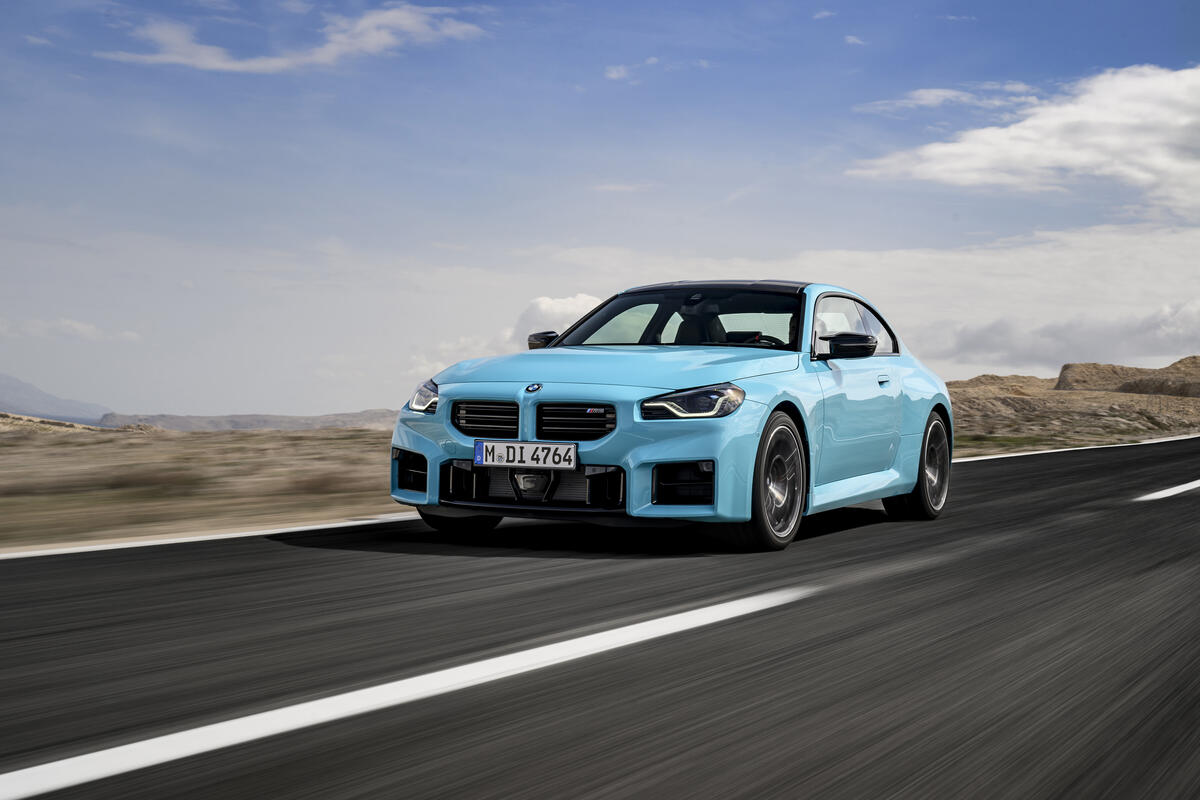
BMW M2
"The BMW M2 ring is in here from BMW M Motorsport [1299.2s] resplendent in its new colorways."
The BMW M2 is a sporty BMW made by BMW’s performance arm (M). It’s the kind of car teams can race or build up for track events.
The BMW M2 is a compact performance coupe from BMW’s M division, built to feel agile and driver-focused. In motorsport contexts, it’s often used as a platform for racing teams and spec/GT-style series entries.
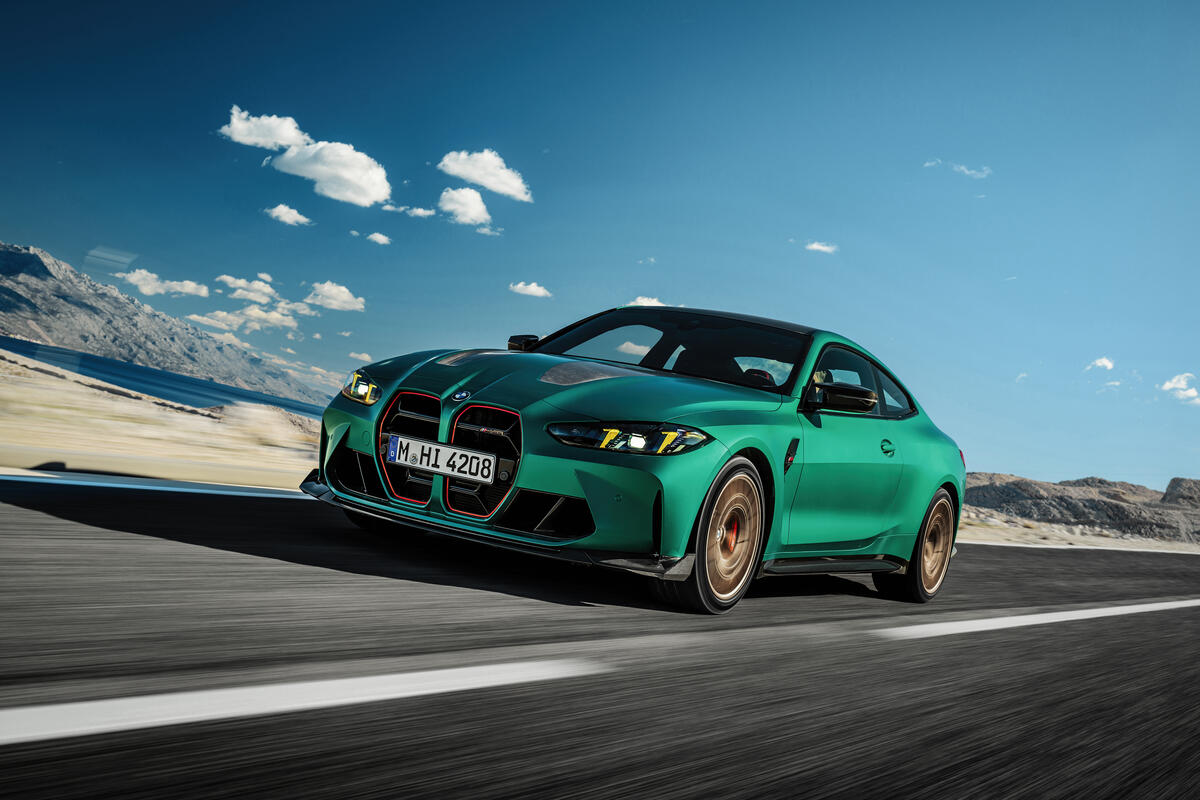
BMW M4
"Showbath Motorsport has got a BMW GT3 A4, the M4. [1319.3s] And the Crossport is in here from Reitner Engineering as well."
The BMW M4 is a high-performance BMW made by BMW’s M division. When it’s mentioned with GT3, it means a race-prepped version built for GT racing.
The BMW M4 is BMW’s performance coupe/track-focused platform from the M division. In racing-team talk, “BMW GT3” usually signals a GT3-spec race car based on the M4’s architecture and styling cues.
Haupt Racing (HRT)
"This is Haupt Racing with two Mustangs. Three Mustangs, excuse me. 64, 65, and 67... You're with Haupt, obviously, HRT."
Haupt Racing (HRT) is a racing team. Here, they’re running several Ford Mustangs, and the guest says he’s driving one of them this weekend.
Haupt Racing (often shortened to HRT) is a motorsport team that fields race cars in endurance events. In this segment, they’re associated with multiple Ford Mustang entries, and the guest identifies himself as running a specific car number for Haupt Racing.

Ford Mustang
"This is Haupt Racing with two Mustangs. Three Mustangs, excuse me. 64, 65, and 67."
The Ford Mustang is a famous American sports car. Here, it’s being raced by Haupt Racing, with multiple Mustangs competing under different car numbers.
The Ford Mustang is a long-running American sports car that’s also been used in various forms of racing. In this segment, Haupt Racing (HRT) is running multiple Mustangs, identified by car numbers (64, 65, 67), which is typical of endurance paddocks where teams run several entries.
Nürburgring 24 hours
"Can you ever prepare enough and totally for the Nurburgring 24 hours?"
The Nürburgring 24 hours is a long endurance race at a tough German track. Since it runs for a full day, teams have to plan for reliability and keep drivers performing for hours.
The Nürburgring 24 hours is a famous endurance race held at the Nürburgring circuit in Germany. Because it lasts a full day, teams focus heavily on preparation, reliability, driver stints, and managing fatigue and traffic over many laps.
on-boards
"But in the end, it came together and I'm here and I tried to prepare as much as possible with Sim and watching on-boards and so on."
On-boards are recordings from inside the car. People watch them to learn where to brake and how to drive the track.
On-boards are in-car camera recordings (often mounted on the driver’s viewpoint or dashboard) used to study racing lines, braking points, and throttle application. The host mentions using Sim and watching on-boards as preparation, which is a common way to learn a circuit and car behavior before race day.
Sim
"But in the end, it came together and I'm here and I tried to prepare as much as possible with Sim and watching on-boards and so on."
“Sim” means a racing video game or simulator. It helps drivers practice the track and car behavior before they get on track for real.
“Sim” refers to racing simulation software used to practice driving, learn braking zones, and build familiarity with track layout. In this context, the host used Sim alongside on-boards to compensate for limited real-world preparation.
ABS package
"And these cars, okay, it has the ABS package on because it's a longer race."
ABS (anti-lock braking system) prevents the wheels from locking up during hard braking. A “package” here implies the car is configured with ABS as part of its race setup for longer events, where braking stability and driver confidence matter over many laps.
downforce
"But still, these are quite difficult cars to drive because there's not that much downforce."
Downforce is the air pressure effect that presses the car down onto the road. Less downforce usually means less grip, so the car can feel harder to control in turns.
Downforce is the aerodynamic force that pushes the car’s tires into the road, increasing grip—especially in corners. The host says these cars have “not that much downforce,” which makes them harder to drive because the tires have less grip available, even if the car can still be fast in a straight line.
high commitment corners
"The high commitment corners, yeah. And you know, the high commitment corners, I believe it comes with experience here."
“High commitment corners” are corners where you have to go in with confidence and accuracy. If you’re too cautious or too late, you lose time—or you can get unsettled.
“High commitment corners” are turns where you must commit to a high speed and a precise line, with little margin for error. In racing, they typically demand strong confidence in grip and braking/turn-in timing, especially in cars with lots of downforce.
paddle shift
"It just came, it swapped from the sequential gearbox to the paddle shift."
Paddle shift means you change gears using buttons on the steering wheel. It helps you keep steering while shifting, which can be quicker on track.
A paddle shift uses buttons on the steering wheel to command upshifts and downshifts. Compared with a traditional shifter, it keeps your hands on the wheel and can make gear changes faster and more repeatable in racing.
Grand Prix Strecker
"is when you roll out on Thursday at your first laps around the Grand Prix Strecker and then out on the North Slover."
This is the race track where they’ll do the first laps. Different tracks make the car feel different, especially in fast corners.
This is the track the speaker mentions for the first laps, setting the scene for when the driver will start learning the car’s behavior. Track layout strongly affects how downforce and corner commitment translate into lap time.
North Slover
"around the Grand Prix Strecker and then out on the North Slover."
This sounds like another part of the track they’ll drive on after the first laps. The layout affects how the car behaves in corners.
“North Slover” appears to be another circuit section or configuration the driver will run after the initial laps. Different track sections can change braking points, corner speeds, and how much the car’s downforce is used.

Porsche 918 Spyder
"Fantastic stuff. 918 is the car number for Michelle Gatting. Pure raci..."
The Porsche 918 Spyder is a very high-end supercar made by Porsche. It uses a hybrid system and is designed to be extremely fast. The podcast mentions it because it’s a special, notable car in the event.
The Porsche 918 Spyder is a limited-production supercar known for its advanced hybrid powertrain and high-performance engineering. In the podcast, it’s highlighted with a specific car number tied to Michelle Gatting, emphasizing its presence in the event. It’s discussed because the 918 Spyder is a standout, top-tier machine even in a lineup of race cars.
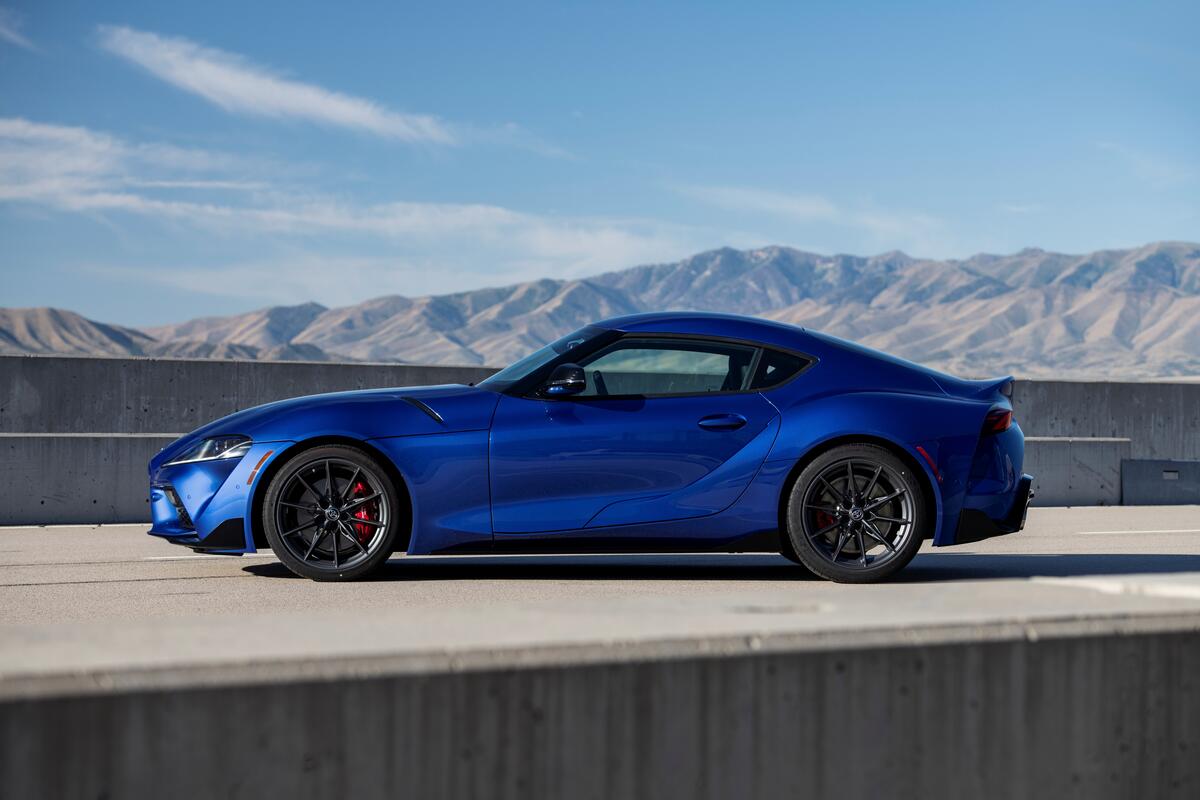
Toyota Supra
"...rs in Box 19. They're sharing with the two Toyota Supras, Toyota Tires and Ravanault Japan."
The Toyota Supra is a sports car made by Toyota. The podcast is talking about Supras being used in a race team, along with other support items like tires. It comes up because it’s a recognizable performance car in racing.
The Toyota Supra is a performance sports car known for its strong track and tuning reputation. In the podcast, two Toyota Supras are referenced as part of a racing setup, including shared logistics like tires and support. It’s mentioned because the Supra is a frequent and credible choice in competitive racing categories.
pit lane
"I'm getting down towards the end of the pit lane now. And what you will hear me say is a team"
The pit lane is the area next to the track where race teams pull in during the race. That’s where they do things like tire changes and other service work.
The pit lane is the restricted roadway alongside the track where teams enter to service the car during a race. It’s where you’ll see pit stops for driver changes, tire swaps, and refueling (depending on the series rules).
hourly updates
"And what you will hear me say is a team that will be mentioning a lot in the hourly updates for the classes."
In endurance racing, “hourly updates” are periodic reports that summarize how each class is doing as the race progresses. They typically cover positions, gaps, and any incidents that affect the running order.

Cupra Leon
"We've got a couple of Cupra Leons from Young Motorsport and the 145 BMW."
Cupra Leon is a sporty version of the Leon hatchback. The fact they have a couple of them means the team is running multiple similar cars to race as a group.
Cupra Leon is a performance-focused version of the Volkswagen Group’s compact hatchback platform, commonly used in touring-car style racing. Mentioning multiple Cupra Leons from Young Motorsport highlights how the team is fielding several similar cars for consistent pace and strategy.
Porsche 911 (992)
"Mantai with the E-Fuel Grace Man, the 992 car. Also the 911. They had all the Grello cars out"
“992” is the Porsche 911’s newer generation. It’s the same famous 911 shape, but with more modern tech that helps it behave better on track.
“The 992 car” refers to the Porsche 911’s 992 generation. This generation is known for modern aerodynamics and electronics compared with earlier 911s, which matters in racing because setup and traction control behavior can be more sophisticated.

Dacia Logan
"And we've got the Dacia Logan back as well. The Oleskali Garage Racing"
The Dacia Logan is a budget-friendly compact sedan/hatchback platform that sometimes appears in lower-cost racing classes or endurance grids. Its presence alongside higher-profile brands is a reminder that many series include cars built for affordability and durability.
Nurburgring Special Editions
"This is one of the new Kirtram 7 340 Nurburgring Special Editions which is in the pit there."
This is a special racing event/edition connected to the Nürburgring. They’re saying the car they’re looking at belongs to that Nürburgring special edition group.
“Nurburgring Special Editions” refers to a special event or edition of racing at the Nürburgring. In this segment, it’s used to describe the specific Kirtram 7 340 configuration that’s present in the pit.
Dürer Motorsport
"Dürer Motorsport, Kugman Racing and Open Motorsport, JS Competition as well. So this is an interesting garage as well because Dürer, of course, have got the two McLarens."
Dürer Motorsport is a racing team. They’re mentioned as having multiple cars in the same garage area.
Dürer Motorsport is a racing team mentioned as part of the garage lineup. The hosts also note Dürer has two McLarens, which frames Dürer as an active multi-car operation in the paddock.
Kugman Racing
"Dürer Motorsport, Kugman Racing and Open Motorsport, JS Competition as well."
Kugman Racing is another racing team mentioned in the same group. It suggests they’re participating in the event too.
Kugman Racing is listed alongside other teams as being part of the garage/pit grouping. That implies they’re fielding a car in the same event context as the Kirtram 7 340.
Open Motorsport
"Dürer Motorsport, Kugman Racing and Open Motorsport, JS Competition as well."
Open Motorsport is a racing team mentioned with the others in the garage. They’re part of the same event setup.
Open Motorsport is named as one of the teams in the pit/garage lineup. In this segment, it’s part of the set of teams associated with the car(s) present.
JS Competition
"Open Motorsport, JS Competition as well."
JS Competition is a racing team mentioned in the same pit/garage lineup. It indicates they’re participating in the event.
JS Competition is another racing team named in the same garage context. The hosts group multiple teams together while discussing what’s in the pit area.

Mclaren Artura
"The Artura Trophy is the number 59 car."
The McLaren Artura is a McLaren sports car. “Artura Trophy” here means a competition version, and they’re saying the Artura Trophy is the car with number 59.
The McLaren Artura is a modern McLaren sports car, and “Artura Trophy” refers to a trophy/race-spec version used for competition. The hosts tie it to race car number 59, identifying which entry is the Artura Trophy in this garage.
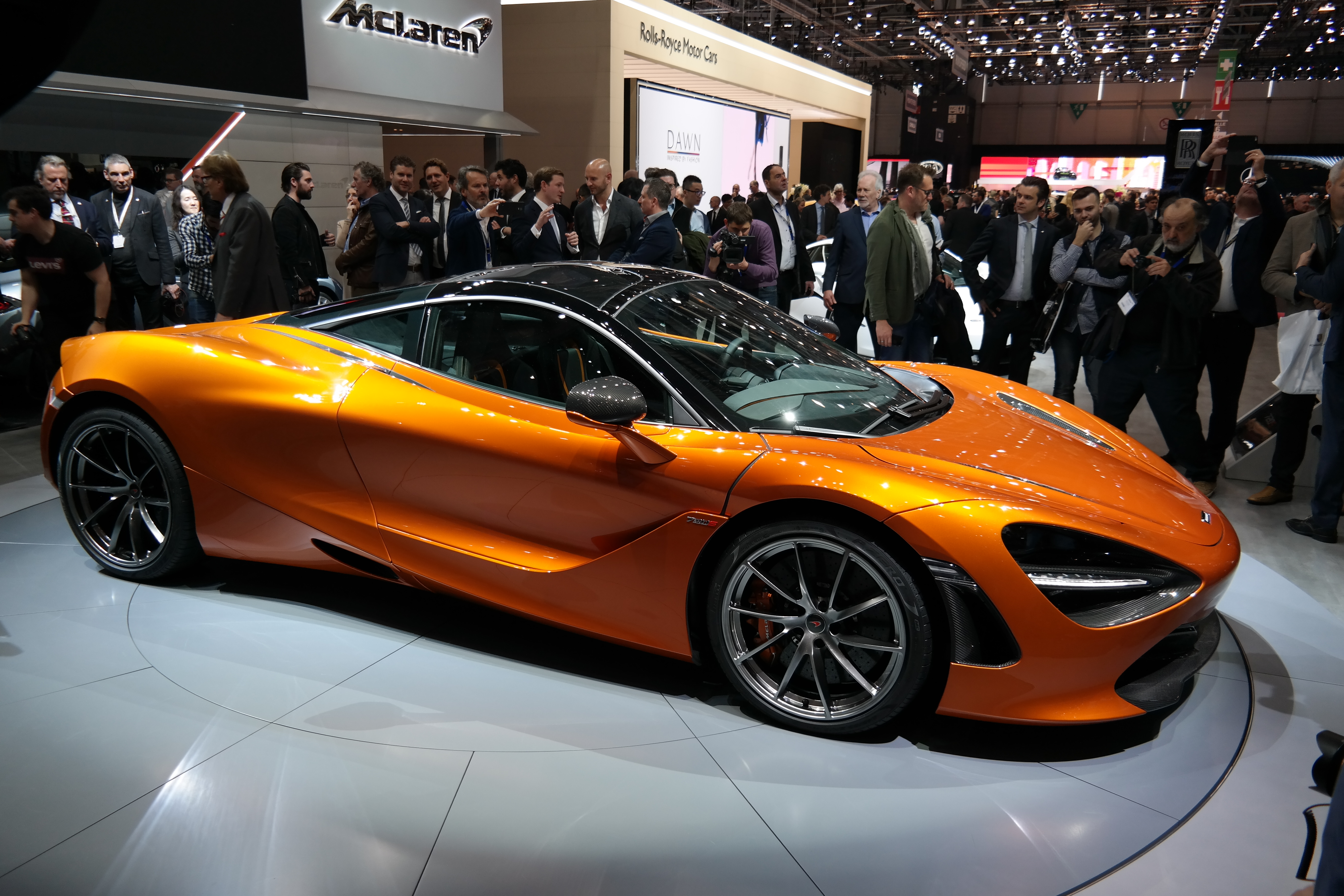
Mclaren 720S
"And then the very lovely blue, [2098.9s] white and Bitburger coloured [2101.9s] McLarens 720S GT3. [2104.2s] That is an absolute piece. [2105.7s] That is going to be a fan favourite"
This is a McLaren race car version of the 720S, made to compete in GT3 racing. GT3 is a common racing category that tries to keep cars from different brands fairly matched.
The McLaren 720S GT3 is a track-focused race car built around the McLaren 720S platform, adapted for GT3-spec competition. GT3 rules standardize key elements like aerodynamics and balance so different brands can race on relatively even terms.
Hyundai Motorsports
"[2114.9s] I'm surprised. [2116.2s] You can still hear me all the way down here. [2118.0s] Hyundai Motorsports. [2119.6s] Now, this is interesting [2121.4s] because Hyundai, with the 3 or 2"
Hyundai Motorsports is Hyundai’s racing team. They’re involved in testing a new car that’s still disguised.
Hyundai Motorsports is Hyundai’s racing program, running factory-backed entries in various series. In this segment, they’re testing or competing with a new car under camouflage.
camouflage colours
"[2119.6s] Now, this is interesting [2121.4s] because Hyundai, with the 3 or 2 [2124.1s] and the 3 or 3 [2126.1s] in the [2128.5s] sort of camouflage colours"
Camouflage colors are a disguise used during development or testing to hide the final bodywork and aerodynamic details. Teams do this so competitors and photographers can’t easily identify the car’s exact shape and design direction.
underneath the bonnet
"[2132.3s] in [2135.2s] SP40 [2135.6s] I think it is [2136.8s] and they're running [2139.0s] underneath the bonnet. [2140.0s] I can't see that."
“Bonnet” means the hood. “Underneath the bonnet” is the engine area where the car’s main mechanical parts live.
“Bonnet” is the UK term for the hood, and “underneath the bonnet” means the engine bay area. When a team says they’re running something “under the bonnet,” they’re usually referring to the powertrain or engine-related components.
testing ground
"But what they're doing here is they're using the Nurburgring as a testing ground"
They’re using the Nürburgring like a proving ground. The idea is to stress the car in real track conditions so problems show up early.
When teams call a place like the Nürburgring a “testing ground,” they mean they use it to validate real-world behavior—things like cooling, traction, and durability—under demanding conditions. It’s essentially track time used to de-risk development before production.
camouflage bonnet
"because the engine underneath that bonnet that camouflage bonnet with the big shell decal on it as well"
A camouflage bonnet is a cover on the car’s hood used during testing. It’s meant to make it harder for people to see the real design changes.
A “camouflage bonnet” is bodywork covered with patterns or decals to hide the car’s true shape during testing. It helps prevent competitors and photographers from accurately measuring styling changes and aerodynamic details.
Hyundai NR&D
"which is where the Hyundai NR&D comes from and there's a prototype engine road car engine underneath the front of that"
Hyundai NR&D is Hyundai’s research and development group. They’re the part of the company responsible for engineering and testing new technology.
Hyundai NR&D refers to Hyundai’s research and development organization. In this context, the hosts connect the “N” naming to Nürburgring and explain that Hyundai NR&D is involved in developing/testing the prototype engine.
prototype engine
"and there's a prototype engine road car engine underneath the front of that that they are testing out."
A prototype engine is a “test” version of an engine. It’s built to see how the design works before the final production engine is ready.
A prototype engine is an early version of an engine used to validate design choices before a final production specification exists. Testing prototypes helps engineers find issues with durability, cooling, and drivability under real track loads.

Hyundai Elantra
"They've got a full TCR car as well. That's the Nr. 830 Elantra which is just ahead of it."
The Hyundai Elantra is a regular production car model from Hyundai. Here it’s being used in a racing/development context as a TCR-style car.
The Hyundai Elantra is Hyundai’s compact sedan that’s commonly used as a base for racing and development programs. In this segment, the hosts mention a specific “TCR car” and identify the car as the Elantra, tying it to touring-car-style testing.
driving the GT3 around the Nürburgring
"have you driven the GT3 around here yet? two laps excellent that's all you need mate"
They’re talking about how the GT3 feels on the Nürburgring after just a couple of laps. It’s a track where even early driving helps you figure out how to drive it well.
This segment is about getting seat time in a GT3 car on the Nürburgring and evaluating how it feels after only a couple of laps. The Nürburgring’s layout and pace demands make early laps especially useful for understanding grip, braking points, and overall rhythm.
Nordschleife in the rain
"I've never driven the Nordschleife in the rain so it's just the same only slightly slow yeah probably a lot more slippy ever yeah"
The Nordschleife is a very twisty Nürburgring track. When it’s wet, tires don’t grip as well, so the car can slide more and you have to drive more carefully.
The Nürburgring Nordschleife is a long, twisty track where wet conditions dramatically change how the car behaves. In the rain, less tire grip and more unpredictable traction make the lap feel slower and “slippier,” so drivers must adapt their braking, steering, and throttle inputs.
grip
"you just got a feel for the grip mate this is where you bring out your inner rally driver"
“Grip” is how well the tires can stick to the road. More grip means the car feels more controllable and less likely to slide.
In car talk, “grip” means how well the tires can hold the road surface. More grip lets you brake later, turn in harder, and apply throttle sooner without losing traction.
roll out
"who did the roll out? [2796.5s] who did the majority of the work [2797.5s] in the roll out? [2798.2s] yeah so we had"
A “roll out” in motorsport is an initial on-track shakedown or first driving session where the car is taken out to verify basic setup and systems. It’s often used to confirm the car is ready for further testing or race preparation.
driver development program
"obviously he's been [2824.1s] in our McLaren driver development program [2826.3s] and he was racing with"
A driver development program is a structured pathway where a motorsport brand or team trains and evaluates drivers over time. It typically includes coaching, simulator work, testing, and race opportunities so the driver can build skills and earn higher-level seats.
Unidore Sports
"and he was racing with [2828.7s] Unidore Sports last year [2829.8s] in the McLaren in LMGT3"
Unidore Sports is a racing team. They’re mentioned because the driver previously raced with that team before joining the McLaren-related program.
Unidore Sports is a racing team/organization. The hosts mention it as the team that a driver raced with “last year,” which helps listeners understand the driver’s motorsport background and where the car program sits.
LMGT3
"[2829.8s] in the McLaren in LMGT3 [2831.5s] so someone who's been close"
LMGT3 is a type of race class for GT3-style cars. It’s basically a category of competition used in endurance racing where cars follow specific rules so they can race fairly.
LMGT3 refers to a GT3 racing class used in endurance-style events, where cars are prepared to GT3 specifications. It’s a category that emphasizes close competition among similarly prepared customer/race cars rather than one-off prototypes.
homologation
"that you've got to make [2979.4s] or is this kind of fine tuning [2980.1s] and proving things in the real world [2984.9s] before homologation [2986.0s] before you set the specification of the car"
Homologation is the “official approval” step for a race car. Before the car can be used in competition, the team has to prove it meets the rules and specs.
Homologation is the formal approval process that a race car (or its key components) must pass so it’s eligible to compete under a series’ rules. Teams use real-world testing and engineering validation before homologation to lock in the car’s specification and avoid rule non-compliance.
CFD
"it's been produced to go testing [2999.4s] so we've got it from CFD [3000.8s] to wind tunnel [3001.4s] and the aeroside"
CFD is a computer simulation of how air flows around the car. It helps engineers predict aerodynamic behavior before they test it physically.
CFD (computational fluid dynamics) is computer simulation used to predict how air and fluids flow around the car. It’s commonly used early in development to estimate aerodynamic performance before building hardware for wind-tunnel and track testing.
wind tunnel
"so we've got it from CFD [3000.8s] to wind tunnel [3001.4s] and the aeroside [3002.0s] now we track test and validate that"
A wind tunnel is a lab where they blow air past a car shape to measure how it affects speed and grip. It’s a way to test aerodynamics without waiting for track results.
A wind tunnel is a test facility where a car model or component is exposed to controlled airflow to measure aerodynamic forces like drag and downforce. It’s used to validate and refine CFD predictions and to tune aero details before track testing.
aeroside
"to wind tunnel [3001.4s] and the aeroside [3002.0s] now we track test and validate that [3003.3s] if it correlates"
“Aeroside” sounds like another kind of aerodynamic test setup. The idea is that engineers use more than one method to make sure their aero predictions are correct.
“Aeroside” appears to refer to an aerodynamic testing setup or facility used alongside CFD and wind-tunnel work. In development programs, teams often use multiple aero test methods to cross-check results and reduce uncertainty before track validation.
correlates
"now we track test and validate that [3003.3s] if it correlates [3004.1s] I'm in a great place fantastic [3005.3s] if we need to go back to drawing board"
In engineering, “correlates” means the results from simulations and controlled tests match what the car does on track. Good correlation builds confidence that the aero/engineering models are accurate, reducing the risk of surprises later in development.
highside
"which is what he injured in this massive highside he had in the sprint race"
A highside is a motorcycle crash where the bike slides and then suddenly flips back upright. The rider can be thrown off hard, which is why it can be so dangerous.
A highside is a motorcycle crash where the bike suddenly snaps back upright after the rear wheel loses traction. The rider gets thrown upward and outward, often causing serious injuries.
sprint race
"which is what he injured in this massive highside he had in the sprint race"
A sprint race is a shorter race than the main one. Riders still race aggressively because it affects results and where they start next.
In MotoGP, a sprint race is a shorter race format run over fewer laps than the main Grand Prix. It’s used to determine starting positions and awards points, so riders push hard even though it’s not the full-length race.
stabilise his disc
"when they decide to stabilise his disc to hit his shoulder"
This sounds like surgery to help keep an injured disc stable. The idea is to limit painful motion so the body can heal properly.
“Stabilise his disc” suggests surgery to make a spinal disc (or disc-related structure) more stable after injury. Stabilization typically aims to reduce painful movement and protect the area while healing.
screws
"they put some screws in to stabilise the ligament"
“Screws” means small metal hardware used to hold the injured area in place. It helps keep things aligned while the body heals.
“Screws” here refers to orthopedic hardware used to hold injured tissue or bone in the correct position. In racing injuries, this is often part of stabilization so healing can occur without the area moving too much.
ligament
"to stabilise the ligament"
A ligament is a strong band that helps hold a joint together. If it’s injured, stabilizing it helps the joint move more safely again.
A ligament is tough connective tissue that connects bone to bone and helps joints stay stable. Stabilizing a ligament after injury is aimed at restoring joint control and reducing the risk of re-injury.
World Rally Championship
"the 6th round of the World Rally Championship for 2026 and Rally Portugal is an event"
The World Rally Championship is the biggest rally racing series in the world. Cars race against the clock on special stages in different countries, and drivers earn points across the whole season.
The World Rally Championship (WRC) is the top international series for rally racing, run across multiple countries on timed special stages. Drivers accumulate points over each round, and the championship is decided by total season performance rather than a single race.
Rally Portugal
"and Rally Portugal is an event that has been part of the very fabric of the World Championship for generations now"
Rally Portugal is a rally race held in Portugal that’s part of the World Rally Championship. People remember it for famous stages, especially around Fafe.
Rally Portugal is one of the long-running rounds on the World Rally Championship calendar. It’s known for iconic stages in the Fafe area, which is why rally fans often associate Portugal with specific “classic” rally footage and eras.
Group B cars
"you think back to those crazy videos of the group B cars flying between seas of people"
Group B was a rally class from the 1980s known for being incredibly fast and dramatic. The cars were powerful and light, and they became famous for the kind of footage rally fans still talk about.
Group B was a high-performance rally car category from the early 1980s that became famous for extreme power, lightweight construction, and spectacular on-stage behavior. It’s remembered as a “wild” era of rallying, and the cars’ speed and drama are why you still see iconic crowd-and-flight footage.
Group A days
"and Colin McCray in the group A days"
Group A was another rally era after Group B. It focused more on cars that were closer to what manufacturers sold, so the racing felt different even though it was still very intense.
Group A was a rally homologation era that followed Group B, with rules that generally emphasized production-based cars and more controlled performance. When the hosts mention “Group A days,” they’re referring to that earlier generation of rally competition and its distinct car character.
World Rally Car days
"and into the early World Rally Car days doing exactly the same thing"
“World Rally Car” is the name for the rally car rules used in the WRC era that came after the older Group categories. It helped shape how rally cars were built and raced in later years.
“World Rally Car” refers to the modern WRC car formula that replaced earlier categories like Group A/B. These cars were designed specifically for rallying under WRC rules, and they’re part of why the sport’s look and engineering evolved into the era most fans recognize today.
crowd control
"luckily safety wise we're in a different era than we were back then and crowd control is a lot more advanced than it was in those days"
Crowd control means keeping spectators safely positioned during the race. Rally stages can be dangerous, so modern events use better barriers and rules than older times.
In rallying, crowd control refers to the safety measures and physical management used to keep spectators in approved areas near fast, unpredictable stages. The hosts contrast today’s more advanced crowd control with the less regulated conditions of earlier eras.
sealed surface
"particularly on sealed surface but on loose surface we wondered"
Sealed surface means the road is paved. Paved sections usually grip more consistently than loose gravel or dirt, so the car and tires behave differently.
A sealed surface is a paved road section (as opposed to gravel or dirt). In rallying, sealed surfaces typically provide more consistent grip, which affects braking points, cornering behavior, and tire compound selection.
loose surface
"but on loose surface we wondered if Hyundai would strike back"
Loose surface means the road is not paved and the surface can move around, like gravel. That makes it easier to lose traction, so tires and driving have to be adjusted.
A loose surface is an unpaved surface like gravel or dirt where traction can vary and the car can lose grip more easily. Rally teams adjust driving style and setup to manage sliding, and tire choice becomes even more critical.
stages
"with 23 stages in total the overall kilometers not overly different but the number of stages really kept the crews on that their toes"
A stage is one timed part of a rally. Drivers try to be fastest in each stage, and having lots of stages means small mistakes can add up.
In rallying, a stage is a timed section of the route where drivers compete for the fastest time. More stages (like the 23 mentioned) mean more opportunities to gain or lose time, and they increase the importance of consistent pace and setup.
tire choice
"trying to get that tire choice right it kicked off on Thursday with three stages and it was super super tight on Thursday afternoon"
Tire choice means picking the right tires for the road conditions. If the tires don’t match the grip level or surface, the car won’t handle as well and you can lose time.
Tire choice in rallying is selecting the correct tire type and compound for the expected grip and surface conditions. Because rally routes can include both sealed (paved) and loose surfaces, the wrong tire can cost time through reduced traction or faster wear.

Daewoo Statesman
"bunch and the very next stage the elder statesman of the Hyundai World Rally team not an old"
The Daewoo Statesman is a sedan model made by Daewoo. The podcast mentions it in a list of cars, using it as part of a naming reference. It’s included because it’s one of the models being talked about.
The Daewoo Statesman is a sedan model associated with Daewoo’s lineup, and the podcast context suggests it’s being compared or grouped with other “elder statesman” type references. The mention appears to be about naming/identity within a team or category rather than performance details. It’s discussed because it’s part of the set of cars being referenced in the episode.
final stage
"after an agonizing loss of a win on the final stage in Croatia and a brutally difficult Rally is less canary he was determined to strike back"
A “stage” is one timed part of the rally. The “final stage” is the last timed part, so it can still decide who wins.
In rallying, a “stage” is a timed section of the event, and the “final stage” is the last such section that can still change the overall result. Rally strategy often revolves around how much risk to take late in the event.
Request an Explanation
Heard something you'd like explained? We'll add it to this episode.
Sign in to request explanations for terms you heard.
Want to learn more?
Browse our glossary for plain-English explanations of automotive terms, jargon, and concepts.
Help improve this episode
See something that's not quite right? Our annotations are AI-generated and can sometimes miss the mark. Click the flag icon on any annotation to suggest a correction.