
Mike Brewer: Building Wheeler Dealers, Restoring Cars For Profit & Why He Sold His Entire Collection
About this episode
Mike Brewer breaks down what it really takes to be a “wheeler dealer,” from reading the market and staying detached to the risk of restoring and flipping cars for profit. The conversation moves through dealer culture and TV reality—how shows condense work and hide the hard bits—plus practical deal math like “flow turnover.” Brewer also shares vivid stories: a sliced-in-half Jaguar arrival, auction-focused restoration choices, and why he sold his entire collection at the COVID peak, ending with 22 cars funding a major roof repair.
wheeler dealer
"So a true wheeler dealer is understanding the market, reading the customer really well, buying a car at the right price, selling at the right price, but more importantly making sure the customer is happy."
A “wheeler dealer” is basically a car flipper/reseller. They buy cars, sell them for more, and try to do it in a way that keeps customers happy.
A “wheeler dealer” is an automotive reseller who buys used cars, fixes or reconditions them as needed, and sells them for a profit. The key is managing market pricing and risk—buying at the right price and selling at the right price—while also keeping the customer satisfied.
risk element
"Yes, the risk element of what say Carl does is, I couldn't sleep at night because Carl's dealing in 100,000 pound cars all the time, 200,000 pound cars. I'm dealing in stuff that's 20, 30 grand, you know."
“Risk element” here means how much trouble or money loss you could face if something goes wrong with a car deal. More expensive cars usually mean bigger potential losses.
In car dealing, the “risk element” refers to how much financial exposure you have if a car doesn’t sell as expected or if repairs/unknown issues cost more than planned. Higher-priced cars typically increase downside risk because a mistake ties up more money and can be harder to absorb.
restoring a car
"I've got 100,000 pound cars and 200,000 pound cars. I'm currently restoring a car that's going to be a 300 grand car personally at the moment and that's a worry."
“Restoring a car” means taking a vehicle that isn’t in its best condition and bringing it back toward original (or better) condition through repairs and refurbishment. In a profit-focused context, restoration is a major variable in cost and timing—unknown issues can turn a planned budget into a loss.

Buick Grand National
"..., it's like I don't gamble. I don't gamble on the Grand National. I don't gamble on Wimbledon, I don't gamble."
The Buick Grand National is a performance car made by Buick. It’s known for being quick. It’s mentioned because the speaker is talking about not taking chances when buying certain cars.
The Buick Grand National is a performance car known for strong acceleration and a reputation among enthusiasts. In the podcast context, it’s mentioned as something the speaker chooses not to “gamble” on, implying uncertainty around value, condition, or risk. That makes it a useful example when discussing how some desirable cars can still be risky purchases.

XJSs
"and we were buying XJSs and, you know, [448.1s] Granada Gear X-Packs and that kind of stuff for the dealership"
XJS is a Jaguar model. In this context, they’re talking about buying those cars for a dealership.
“XJS” refers to the Jaguar XJS, a long-running grand tourer from Jaguar. It’s a common name in UK used-car culture because many were bought and sold over decades, and they’re also a frequent restoration subject.

Ford Granada
"and we were buying XJSs and, you know, [448.1s] Granada Gear X-Packs and that kind of stuff for the dealership [450.7s] that we had in Tutin at the time."
This sounds like a particular version/package of the Ford Granada that people would recognize when shopping for cars. The exact meaning of “X-Packs” isn’t fully clear from the snippet alone.
“Granada Gear X-Packs” sounds like a specific trim/option or dealer package associated with the Ford Granada. In the transcript it’s mentioned alongside other cars being sourced for a dealership, suggesting it was a recognizable variant people sought out.
Tom Hartley
"And even back then, I'm talking over 40 years ago, [461.9s] back then, that's Tom Hartley, that is, that's Tom Hartley. [464.8s] And he was like, I don't want to say it was like the George Cole,"
Tom Hartley is mentioned as a well-known car dealer from decades ago. The speaker is describing him as someone who was very influential in buying and selling cars.
Tom Hartley is identified in the segment as a major figure in the used-car dealership world “over 40 years ago.” The host frames him as a top-tier car dealer who would source cars from around London and then move them quickly through a dealer pipeline.
George Cole
"And he was like, I don't want to say it was like the George Cole, [468.4s] you know, the minder, if you like."
George Cole is brought up as a comparison, referencing a famous TV character. It’s basically a way of saying Tom Hartley was a big, recognizable name.
George Cole is referenced as a comparison point—likened to “the minder” (a well-known UK TV character). The speaker uses the analogy to convey that Tom Hartley was seen as a dominant, recognizable figure in car dealing.
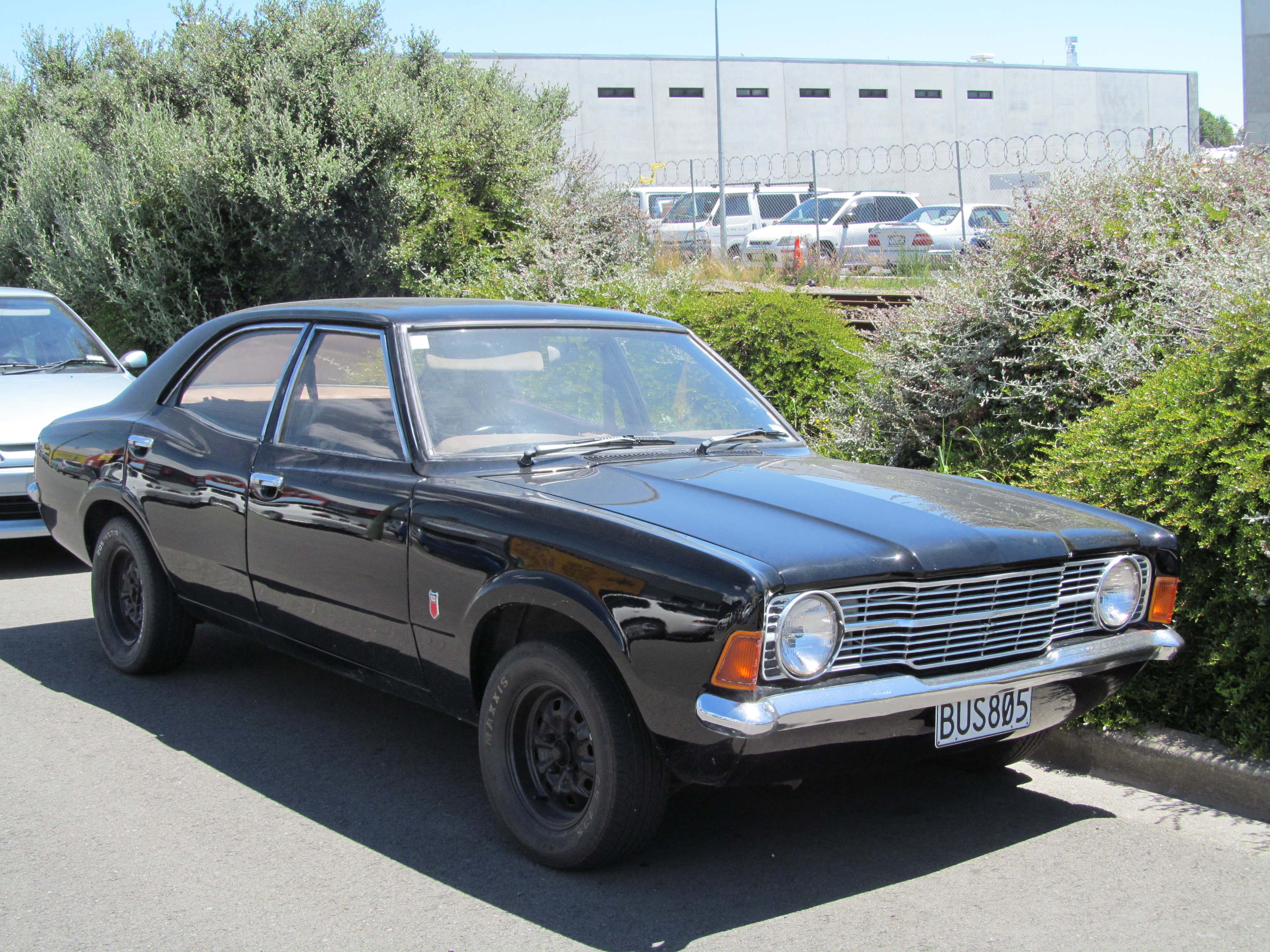
Mark III Cortina
"they did a deal with a guy, Joe, it might have been Joe Bays, [497.4s] and it was a Mark III Cortina in bronze. [502.7s] And they said, take that."
This is a Ford Cortina, a popular British car from the late 1960s. The “Mark III” just means a specific generation/version of that model.
The Ford Cortina (Mark III) is a classic British family car from the late 1960s/early 1970s era. It’s notable because it was one of the most common “everyday” cars in the UK, which made it a frequent target for used-car dealing and restoration back when these were still relatively new.
Warren Street
"and this is Warren Street in the centre of London and I'm with, the site was in Tooting."
Warren Street is a real street in central London. The speaker mentions it to explain where they were driving while dealing with the car problem.
Warren Street is a street in central London, used here as a real-world navigation reference while the speaker drives back toward the job site. It’s not a car feature, but it anchors the story’s route and timing.
Tooting
"and this is Warren Street in the centre of London and I'm with, the site was in Tooting. And he said, get it back to the site."
Tooting is a part of London. The speaker says the job site was there, so you understand why they were driving back and forth.
Tooting is an area in south London, referenced as the destination “site” the speaker needed to get back to. It provides context for the driving route and why the steering problem was so noticeable during the trip.
north circular
"which was, I literally had to spy on my way out of London on a north circular to get back down towards Tooting."
The North Circular is a big road around London. The speaker mentions it to describe the route they took out of the city.
The North Circular is a major road route around London. Mentioning it helps listeners picture the speaker’s route leaving central London and heading back toward Tooting.
low loader
"And I'm standing in this low loader pulled up outside on Tooting High Street, which was blocking the high street, this low loader."
A low loader is a flatbed trailer that sits low to the ground. It helps you load cars more easily, including cars that are too damaged or low to drive onto a normal trailer.
A low loader is a specialized flatbed trailer designed to sit very close to the ground. That low height makes it easier and safer to load and unload cars, especially damaged vehicles or cars with low ground clearance.
dollies
"And me and Morris, the car cleaner, it was on dollies. And me and Morris, the car cleaner, got it into the dealership."
Dollies are little wheeled carts or platforms. They let you move a car around without starting or driving it.
Dollies are small wheeled platforms used to move a car without driving it. In restoration or dealer settings, they’re often used to roll a vehicle around the lot or into a workshop when it can’t be safely operated under its own power.
car cleaner
"And me and Morris, the car cleaner, it was on dollies. And me and Morris, the car cleaner, got it into the dealership."
A “car cleaner” is the person who cleans and preps cars for the showroom or sale. They help make the car look good and ready to be sold.
In a classic dealership workflow, a “car cleaner” is a staff member responsible for preparing vehicles—washing, detailing, and getting them presentable for sale. It’s part of the operational side of flipping/restoration businesses, where appearance and readiness affect how quickly a car can be sold.
Austin Healy BJ7
"I bought a Austin Healy BJ7 that I bought in Oregon. And at the time I remember it was $35,000."
Austin-Healey BJ7 is a classic British sports car. It’s the kind of car collectors love because it looks great and drives with a lot of personality. Here, the host is explaining how he bought one and planned the restoration to sell it at auction.
The Austin-Healey BJ7 is a classic British sports car, best known for its big, characterful inline-six engine and old-school roadster feel. In this segment, Mike Brewer is talking about buying one and restoring it with an eye toward selling it for profit. The BJ7 is a specific model within the Austin-Healey lineup, which matters because values and buyer expectations differ by model and condition.
auction block
"But if you're putting it on an auction block, people are sat back from it, they're remote from it, so they can't touch and feel it."
An auction block is the stage/area where vehicles are displayed and sold at auction. Brewer contrasts it with the consumer market: at auction, bidders are farther away and can’t inspect the car closely, so the car needs to look and “read” well from a distance. That changes what details matter most in a restoration.
Oxford Red Blood Lever Interior
"So it needed to pop. I put Oxford Red Blood Lever Interior inside the car. And the cheeky little thing that I did is I made Ant turn the exhaust."
This is a specific interior color/trim choice Brewer picked for the car. When you’re trying to sell a restored car, the interior matters a lot because it’s one of the first things people notice and it looks great in photos. He’s using it to make the car stand out to buyers.
“Oxford Red Blood Lever Interior” refers to a specific interior color/trim combination Brewer chose for the car. In restorations aimed at resale, interior presentation can strongly affect buyer perception because it’s highly visible and photographs well. The exact color choice is part of creating an auction-ready “package,” not just making the car functional.
side draft exhaust
"Because it's six and I made him turn the exhaust to a side draft exhaust. Because it's six and I made him turn the exhaust to a side draft exhaust. exit outside towards the audience."
A side-draft exhaust means the exhaust pipe exits on the side of the car. In this context, it’s done to make the car more noticeable and exciting to look and listen to, especially for people watching from the auction area. The goal is to create a stronger “wow” impression.
A side-draft exhaust routes the exhaust outlet to the side of the car rather than exiting straight out the rear. Brewer is describing a styling/sensory change—he has the exhaust turned so it exits toward the audience—because auction buyers can’t touch the car, so sound/visual cues become part of the pitch. It’s a common hot-rod/restoration tweak to make the car feel more dramatic.
Oxblood interior
"[746.0s] It looked incredible because of the Oxblood interior. [750.4s] But better than that, it sounded incredible"
“Oxblood” is a dark reddish-brown color, usually for leather or seats. It matters because it can make the car look more premium and attractive to buyers.
An “oxblood” interior refers to a deep, dark reddish-brown color—often used for leather or upholstery. In car flipping/restoration, interior color can strongly affect how the car looks under showroom lighting and how buyers perceive value.
exhaust was facing out towards the audience
"[750.4s] But better than that, it sounded incredible [753.0s] because the exhaust was facing out towards the audience"
That means the exhaust tips were aimed toward the people watching. It can make the car sound and look more exciting, which helps when you’re trying to sell it.
“Exhaust facing out towards the audience” describes an exhaust outlet orientation that directs sound and visual presence toward viewers during a sale or display. It can make the car seem more dramatic and “alive,” which can influence how buyers react at auction.
make 100% out of the car
"[757.5s] And we sold it for $75,000. [760.8s] So that was showing you how you can make 100% out of the car"
He means he turned the car into a profit equal to the original price—basically doubling his money. In car flipping, that’s a big win.
“Make 100% out of the car” means doubling the money—turning the initial purchase price into a sale price that’s about twice as high. In car flipping, this is a shorthand for return on investment (ROI) driven by condition, presentation, and buyer demand.

RS Cosworth
"[770.6s] I made some good money out of a RS Cosworth, [775.8s] which was an Escort Cosworth that we did on Wheel of Dealers."
The RS Cosworth is a special, fast version of the Ford Escort. It was built to be a rally-style performance car, and people still really chase them today.
The Ford RS Cosworth is a high-performance version of the Escort, built around the Cosworth-developed turbocharged engine. It’s a rally-bred “hot hatch” that became a cult classic, especially in the UK, and it’s known for its sharp handling and turbo punch.
Wheel of Dealers
"[783.4s] See, Wheel of Dealers is not like Carlsworld. [786.5s] Wheel of Dealers is a world where the audience"
Wheel of Dealers is a show where the host buys a used car and tries to sell it for more money. The idea is to flip cars in a way that the viewers can understand and copy.
Wheel of Dealers is a TV format where the host buys used cars within a budget and sells them for profit, often by improving presentation and making smart choices about what the audience will want. This segment contrasts its approach with other car shows.

Ferrari 275
"But I remember one car that sticks in my mind was a classic Ferrari, 275, and we bought the car, [921.4s] and it had been restored earlier in its life [925.0s] and made a long nose when it was really a short nose."
Ferrari 275 is a classic, very collectible Ferrari from the 1960s, famous for its V12 engine and looks. In this episode, they’re describing a 275 that was restored once, but the restoration changed its front-end shape in a way that wasn’t right, so it had to be fixed again later.
The Ferrari 275 is a famous mid-20th-century Ferrari model line known for its classic V12 sound and collectible status. In this story, Mike Brewer is specifically talking about a 1960s-era Ferrari 275 that had been restored before and then needed restoring again because its bodywork was changed incorrectly (a “long nose” conversion).
long nose
"and it had been restored earlier in its life [925.0s] and made a long nose when it was really a short nose."
“Long nose” is a nickname for a particular front-end shape on some classic Ferraris. If a car is supposed to be the shorter-nose version but someone converted it to the long-nose look, collectors may value it less because it’s not the correct original style.
“Long nose” refers to a specific front-end bodywork configuration used on some Ferrari 275 variants. In collector-car terms, the difference between a “long nose” and the correct “short nose” for that car’s original specification can strongly affect authenticity and value.
short nose
"and it had been restored earlier in its life [925.0s] and made a long nose when it was really a short nose."
“Short nose” means the car’s front-end shape is the shorter version. In this story, the Ferrari 275 should have been the short-nose look, but it was changed to the long-nose look during an earlier restoration.
“Short nose” is the contrasting front-end bodywork configuration to the “long nose” on certain Ferrari 275 variants. Brewer’s point is that the car was altered during a prior restoration, so it no longer matched the correct original appearance—an issue that matters a lot in classic-car valuation.
car vertical
"Now, car vertical, for me, is the most thorough check [1103.7s] you can do on a car. [1104.8s] Explains how many owners the car's had,"
They’re talking about a detailed car-history report. It’s supposed to tell you who owned the car, where it’s been, and whether it had accidents or other serious issues.
“Car vertical” here refers to a car-history check/reporting product that’s meant to be more thorough than basic checks. The host describes it as covering ownership count, where the car’s been, accident damage history (with pictures), and even whether it was repossessed.
repossessed
"where the car's been in its previous life, [1109.0s] has it had any accident damage, has it ever been repossessed, [1111.7s] all kinds of stuff like this."
Repossessed means the car was taken back by the bank or lender because payments weren’t made. It can be a red flag when you’re trying to judge the car’s past.
A repossessed car is one that was taken back by a lender after the owner failed to make payments. That history can be a warning sign for how the car was handled financially and sometimes how it was maintained.
accident damage
"If the car has had accident damage, [1114.3s] it shows you pictures of the accident damage. [1116.1s] It gives people peace of mind to know"
Accident damage is prior crash-related damage that can affect a car’s structure, safety, and long-term reliability. The host notes that the report can include pictures of the accident damage, which helps buyers judge severity and repair quality.

Aston Martin DB5
"Back in the 1980s, and I'm lent up against the bonnet of a Aston Martin DB5, finished in like a bronze metallic with a tan leather interior, and it's got the old-fashioned stickers on the glass, on the windscreen, and it's marked up for 9995."
The Aston Martin DB5 is a famous British sports car, especially because it shows up in James Bond movies. People collect them, so the exact version and condition can really matter for what it’s worth.
The Aston Martin DB5 is a classic British grand tourer best known for its role in James Bond films. It’s a highly collectible 1960s-era sports car, so even small details like color and interior trim can strongly affect its desirability and resale value.
marked up
"and it's got the old-fashioned stickers on the glass, on the windscreen, and it's marked up for 9995. So that car was marked up five pounds under 10,000 pounds."
“Marked up” just means the car had a price tag on it for sale. He’s saying the Aston Martin was listed at a specific amount.
“Marked up” in a car-sales context means the vehicle is priced or tagged for sale at a specific amount. Here, the speaker is describing the Aston Martin DB5’s advertised price on the lot.

Volvo 240 GLT estate
"I swapped that car for a Volvo 240 GLT estate, and I got a bonus for that from my boss because we had the Aston Martin for quite a while,"
The Volvo 240 GLT estate is a station wagon version of the Volvo 240, with a nicer trim level. It’s generally seen as a tough, practical car—so it’s a very different choice than an Aston Martin DB5.
The Volvo 240 GLT estate is a Swedish wagon variant of the Volvo 240 line, with the GLT trim aimed at a sportier, better-equipped setup than the base models. It’s often remembered as a practical, durable “workhorse” Volvo, which makes it a notable swap against a collectible exotic like the Aston Martin DB5.
wheelie dealer
"I'm the guy that swapped the Aston Martin DB5 for a Volvo 240 GLT estate, and yet I'm famous for being a wheelie dealer."
A “wheelie dealer” is just a car trader who buys cars and sells them again. The idea is that they try to make money by finding deals and reselling at the right time.
“Wheelie dealer” is a slang term for a car trader who buys, fixes, and resells cars—often aiming to profit from price differences. In this segment, it frames Mike Brewer’s business model as active trading rather than long-term holding.
actively trading company
"My losses are because we're an actively trading company. ... Because we're an active trading company, your losses are never going to be astronomical"
This means the business sells cars quickly instead of keeping them for a long time. Brewer is saying that quick selling helps limit how bad losses can get if car prices change.
An “actively trading company” is one that turns inventory over quickly—buying and selling cars rather than holding them for years. Brewer uses this to argue that losses won’t become “astronomical” because cars aren’t sitting long enough for big value swings to compound.
future values of cars
"Yeah, don't count the future values of cars because you wouldn't keep them for years, would you?"
This is about what a car might be worth in the future. The point is that you shouldn’t assume you can predict future prices perfectly when buying and selling.
“Future values of cars” refers to how much a car is expected to be worth later, based on market demand and collectible status. The speaker warns not to rely on those forecasts when you’re trading cars, because you can’t predict the market reliably.

Land Range Rovers
"these cars should not be making this money. Range Rovers were selling for 20 grand over this. Oh, yeah."
The Range Rover is a large luxury SUV made by Land Rover. It’s designed to be comfortable for everyday driving and capable on rough roads too. It comes up in value discussions because some of them can sell for more than you’d expect.
The Land Rover Range Rover is a luxury SUV known for comfort, off-road ability, and high-end interior features. In a discussion about car values, it’s mentioned because these vehicles can sometimes sell for surprisingly high prices relative to what people expect. That makes it a notable example when talking about how certain cars “shouldn’t” be making that kind of money.
buy and sell, sell
"“But to get there to this car, I've had to, you know, buy and sell, sell.”"
He’s describing the common car-flipping/restoration approach: buy a car, sell it, and use that money to help pay for the next one. It’s basically how he funds the bigger, more expensive project.
This describes a “flip” style workflow: buying cars, then selling them to fund the next project. In restoration-and-resale circles, that cycle is often used to manage cash flow while building toward a more valuable target car. The key idea is that the Porsche project is being financed through prior transactions.

964 Turbo
"“Is this a 964 Turbo?”"
This means a Porsche 911 Turbo from the 964 generation. Turbo models use a turbocharger to boost power. The question is basically: “Is that the 964 Turbo?”
“964 Turbo” refers to the Porsche 911 Turbo built on the 964 generation platform. The 964 is known among enthusiasts as a key evolution of the air-cooled 911 era, and the Turbo version adds forced induction for stronger performance. Here, the host is confirming the exact model Mike is restoring.
out-the-box thinking
"I went there because of their sort of out-the-box thinking."
It just means thinking in a creative, non-standard way instead of doing things the usual way. Here, it’s about finding clever ways to handle car projects and make the show work.
“Out-the-box thinking” is a business phrase meaning unconventional problem-solving rather than following the usual playbook. In the context of a car TV/dealing/restoration show, it implies creative approaches to finding, fixing, and selling cars.
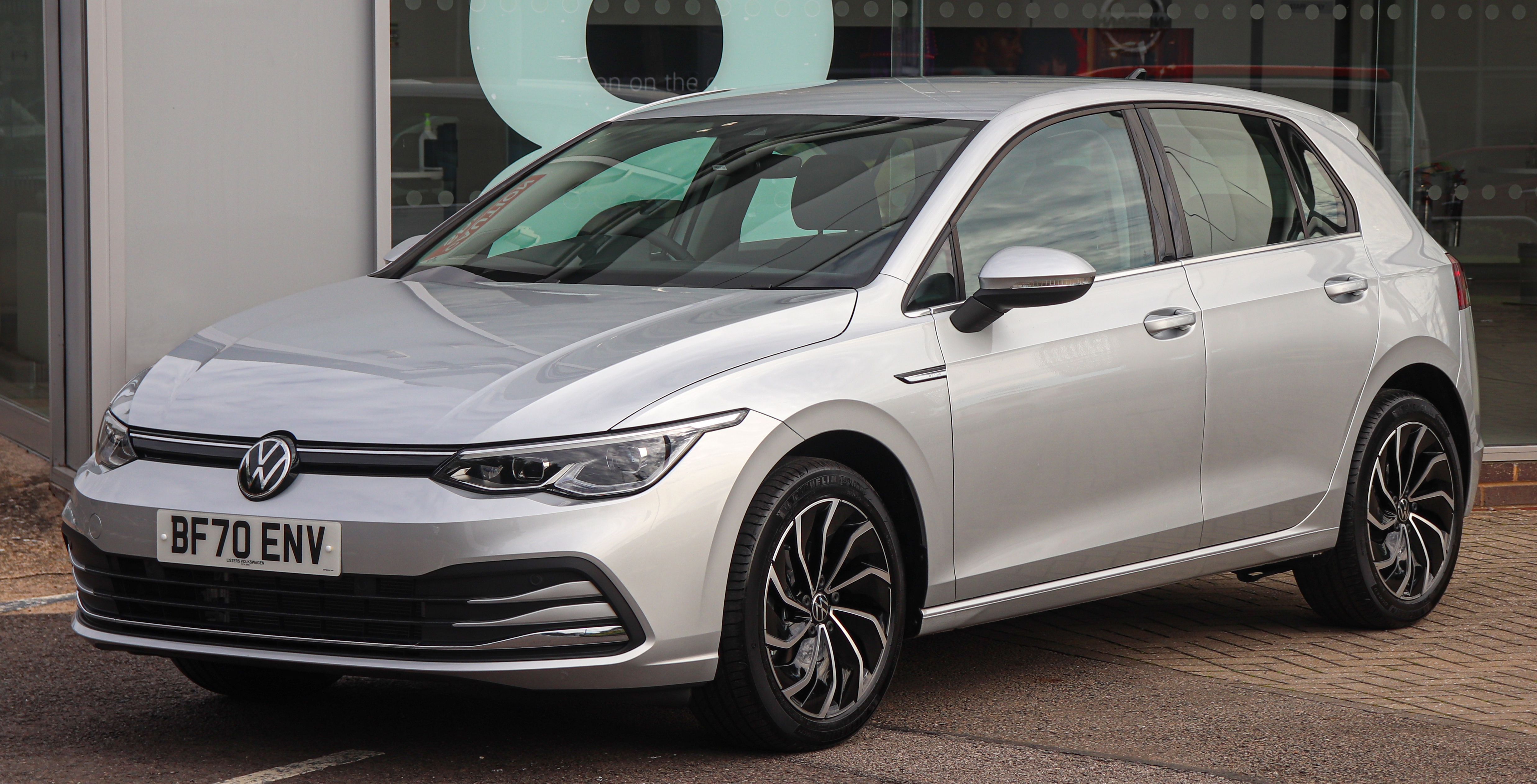
Volkswagen Golf Gti
"... you know, a Fiesta XR2 one week, and that Mark I Golf GTI the second week, you know. So I could be in anyth..."
The Volkswagen Golf is a compact car that Volkswagen makes in many different versions. Some versions are designed to be more sporty, like the GTI. It’s mentioned because the speaker talks about having different Golf-related cars over time.
The Volkswagen Golf is a widely known compact car that comes in many versions, including performance trims like the GTI. In the podcast context, it’s used as an example of variety—switching between different models and generations. That makes it relevant to discussions about what people buy and how preferences change over time.
shortcuts
"but in terms of the restoration in our show, the truth is you don't, you know, there's, there's shortcuts to everything, you know,"
“Shortcuts” means skipping steps to finish faster. In car restoration, that can mean doing things the easy way instead of the correct way.
In restoration contexts, “shortcuts” means taking faster or cheaper paths that may skip proper steps. Brewer is setting up the idea that car TV often hides how much work and process matter, and that real restoration can involve temptation to cut corners.

Hindustan ambassador
"I've been in India and seen a Hindustan ambassador and gone, I'm going to buy one of them. I'm going to take it home."
The Hindustan Ambassador is a long-running car model made in India, often seen as a practical, everyday vehicle. The host brings it up because he’s talking about buying one there and taking it back to England.
The Hindustan Ambassador is an Indian-built version of a classic British car platform, produced for decades and known for its taxi and everyday-use history in India. In this segment, it’s used as an example of a car Mike Brewer wants to buy and import back to England.

Morris Oxford
"Because it's an old Morris Oxford. And it looks great. So I want to get one out of the country."
A Morris Oxford is an older British car model. Here, it’s being mentioned because the host wants to buy one from another country and bring it home.
The Morris Oxford is a British family car line made by Morris (part of the wider British car industry). In the context of the story, it’s notable because Mike Brewer is talking about sourcing an older Oxford from abroad—specifically to bring it back to England.
Rob and Singer
"And it's only because I've lived in California for six years. I'm surrounded by Rob and Singer."
Singer is a famous company that builds and restores high-end Porsche 911s. The speaker is saying that in California they kept seeing that kind of custom Porsche work.
Singer is an aftermarket/restoration brand known for highly curated, restomod-style Porsche 911 builds. When the speaker says they’re “surrounded by Rob and Singer,” they’re referencing the California scene where Singer-style projects and similar high-end restorations are common.
DLS lightweight study
"there was another DLS lightweight study put in front of me on a plimp that looked like a Gucci Ambag."
They’re talking about a lightweight Porsche concept/build called “DLS.” The idea is to make the car lighter so it drives better.
“DLS lightweight study” appears to reference a specific lightweight Porsche study/build concept associated with the DLS name. Lightweight studies like this are typically about reducing mass and reworking bodywork and components to improve performance and handling.
restorer
"and I'd stand there and stare at it and go, and I'm a car restorer."
A “restorer” is someone who fixes up an older car to bring it back to a better condition, not just do normal upkeep.
In this context, “restorer” means someone who takes an older car and brings it back to a desired condition—often by repairing worn parts, restoring original details, and sometimes updating mechanical components. It’s different from routine maintenance because the goal is a full return to a specific standard.
Rest-o-modded
"[1964.8s] Rest-o-modded. [1965.4s] Rest-o-modded 964s."
“Rest-o-modded” means you bring an older car back to good condition, but you also add modern upgrades. It tries to keep the classic style while making the car nicer to live with today.
“Rest-o-modded” describes a restomod approach: taking a classic car and restoring it, then upgrading it with modern parts or improvements. The goal is usually to keep the original look/feel while making it more usable, reliable, or driveable than a purely original restoration.
eyelets
"[1986.7s] And the eyelets that are in the seats and the basket weave lever. [1991.3s] And you're just thinking to yourself,"
In upholstery and interior trim, “eyelets” are metal rings or reinforced holes used to finish or secure fabric/leather details. Brewer is pointing out that even small interior construction details—like eyelets in the seats—can be part of what makes a high-end restoration feel special.
basket weave lever
"[1986.7s] And the eyelets that are in the seats and the basket weave lever. [1991.3s] And you're just thinking to yourself,"
“Basket weave” is a woven-looking pattern, usually in leather or trim. Brewer is saying the lever has that fancy pattern, and it’s the kind of detail most people wouldn’t notice until they see it.
A “basket weave” pattern refers to a woven-texture design used in leather or trim, often for a more premium look and feel. Here, Brewer is describing a lever (likely a shifter/trim lever) finished with that basket-weave style, emphasizing how custom interior details can become part of the obsession.

Citroen SM
"I had a Concord De Elegance Citroen SM, you know, a Maserati Citroen SM, [2120.1s] which was a stunning car used on Top Gear and the Grand Tour."
The Citroën SM is a rare, stylish French car that’s known for having a special Maserati-built V6 engine. It’s the kind of classic that stands out even today, and it was popular on big car TV shows.
The Citroën SM is a distinctive French grand tourer known for its sleek styling and unusual engineering for its era. It’s especially famous for its Maserati-developed V6 engine and advanced high-speed touring character, which is why it showed up on major TV car shows like Top Gear and The Grand Tour.

MG MGA
"...d that was my car. I had the most incredible 1959 MGA that I restored that was just to another level of..."
The MG MGA is an older sports car made by MG. The 1959 model is one specific year of that car. It’s mentioned because the speaker had one that was restored to a very high standard.
The MG MGA is a classic British sports car, and the 1959 example mentioned is part of the MGA’s well-known production era. It’s brought up as a personal, restored car that the speaker describes as exceptionally well done. In a money/value conversation, classic restorations like this are often discussed because quality restoration and originality can strongly affect both enjoyment and resale value.
Daytona Lever
"Ferrari 360 Spider in Tour de France Blue with Daytona Lever [2147.8s] that was a really lovely looking car."
“Daytona Lever” is a name for a specific interior/shift-lever style on some Ferrari 360 Spiders. It’s basically a factory option that makes the car’s cabin look more special.
“Daytona Lever” is a trim/option name tied to the Ferrari 360 Spider’s interior controls, commonly referring to a distinctive gear/shift lever design associated with Ferrari’s Daytona styling cues. It’s the kind of factory option that collectors care about because it changes the car’s look and spec.

Ferrari 360 Spider
"Ferrari 360 Spider in Tour de France Blue with Daytona Lever [2147.8s] that was a really lovely looking car."
The Ferrari 360 Spider is a mid-engine Ferrari with the top down. It’s famous for being a real, usable supercar—not just a showpiece.
The Ferrari 360 Spider is a mid-engine Ferrari known for combining everyday usability with supercar performance. The “Spider” refers to the open-top convertible version, and it’s especially associated with the 360’s high-revving V8 character and classic Ferrari styling.

Jaguar Mark I
"that was a really lovely looking car. Mark I Transit Van, you know, long wheelbase Mark I Tran..."
The Jaguar Mark I is an older car made by Jaguar. The speaker mentions it because it looks especially nice. It’s brought up as part of a discussion about classic vehicles and what makes them desirable.
The Jaguar Mark I is a classic Jaguar model, and the podcast mentions it alongside a “Mark I Transit Van,” highlighting the Mark I naming across different vehicles. The speaker calls out the Mark I as a lovely-looking car, emphasizing its visual appeal. In value discussions, classic Jaguars like this often come up because styling, condition, and collectability can drive prices.

Mark I Transit Van
"[2151.8s] Mark I Transit Van, you know, long wheelbase Mark I Transit Van. [2156.3s] How cool is that?"
The Ford Transit Mark I is an older generation of Ford’s famous van. A “long wheelbase” version has a longer frame, usually giving you more space for cargo or passengers.
The Ford Transit Mark I is an early generation of Ford’s long-running van platform, known for being a simple, durable workhorse. “Long wheelbase” (mentioned right after) means more space between the front and rear axles, which typically translates to more cargo room and a different driving feel than shorter versions.
classic car market going, whey, I went, I'm going to sell all the cars
"But my brain is one of those brains that goes [2165.4s] at the, during that period of COVID. [2168.0s] And I could see the classic car market just going,"
He’s talking about how the prices for collectible cars changed during COVID. He felt the market was getting hot, so he decided it was the right time to sell his cars.
This is describing a classic car market cycle—during COVID, prices and demand for certain collectible cars surged, making it a good time to sell. In collector terms, it’s essentially timing the market: buying with the expectation of later resale value.
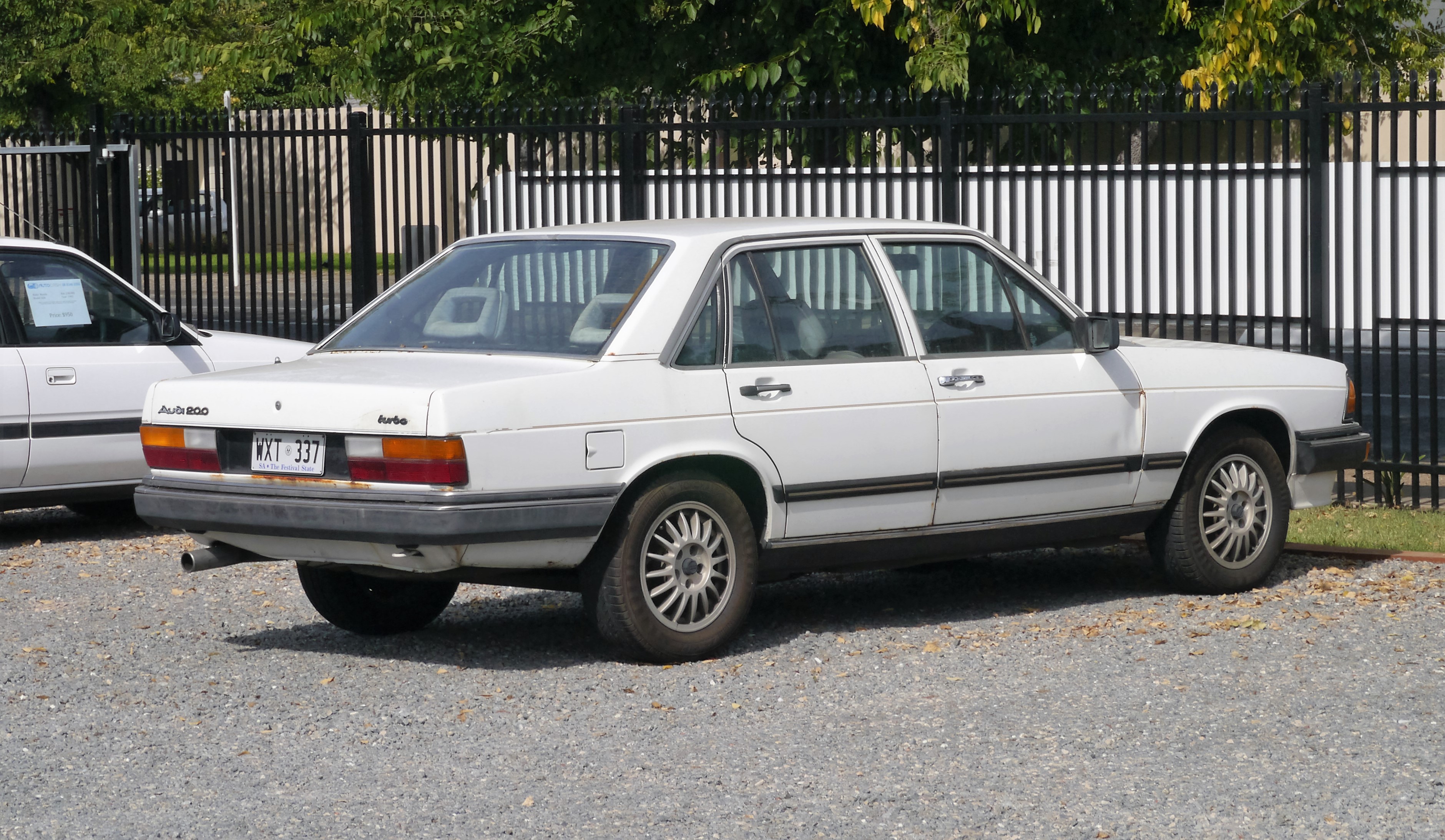
Audi 200
"...ks. We have an audience, global audience of maybe 200 million people. The World Tour series that we've ..."
The Audi 200 is an older Audi model. It’s mentioned in the context of a larger event or tour. The key point is that it’s a specific car model being referenced, not a general category.
The Audi 200 is an older Audi model that’s notable enough to be referenced in a broader discussion about events and audiences. In this context, it’s likely being used as an example of a specific car that appeared or was discussed during a tour or series. That makes it relevant to how certain cars show up in real-world appearances rather than just spec sheets.
gearbox
"Fuller in, you know, YouTubers like Mark McCann, seeing him scam that, that gearbox is quite hilarious, the way that he's turned that into content."
A gearbox is the part of the car that changes gears. It helps the engine work efficiently, and repairs can be costly, which is why it can show up in scammy stories.
A gearbox is the transmission system that selects different gear ratios to match engine speed to driving conditions. When someone says a “gearbox” is being used as content, they’re usually talking about a specific mechanical component that can be expensive to repair or replace—so scams can exploit that cost.
due diligence
"Yeah, we had, you know, we did all that due diligence. We had a Volkswagen Golf GTI advertised."
Due diligence just means “do your homework” before buying. For a used car, it means checking the details and making sure the seller and the car are real before you send money.
Due diligence is the process of verifying a used-car deal before you commit—checking the seller, the car’s history, and making sure the listing matches the vehicle. In scam situations, doing due diligence helps catch red flags like identity mismatches, fake paperwork, or payment requests that bypass normal safeguards.

Rolls-Royce Rolls Royce Ghost
"So I had a half a car, as you would describe, a Rolls Royce Ghost, like a 2012 Rolls Royce Ghost. And a half a car,..."
The Rolls-Royce Ghost is a luxury car made by Rolls-Royce. It’s designed to feel very comfortable and upscale. It’s mentioned because the speaker is describing their experience with a 2012 model.
The Rolls-Royce Ghost is a luxury sedan from Rolls-Royce, known for a high-end ride and premium interior. The podcast context mentions a “2012 Rolls Royce Ghost,” describing it as “half a car,” which suggests the speaker is emphasizing how impressive or substantial it felt. It’s relevant to money discussions because ultra-luxury cars are often tied to high purchase prices and strong resale/value dynamics depending on condition.
high mileage
"And a half a car, really bitty, really high mileage, but it was cheap."
“High mileage” just means the car has been driven a lot. More driving usually means more wear, so it may need more repairs or maintenance.
“High mileage” means the car has been driven a lot, which increases wear on components and can raise the odds of maintenance issues. In used-car deals, mileage often affects both price and how much work a car may need before it’s ready to sell.
bonnet
"it needed the bonnet painted, it needed the wings painted, it needed the wheels doing, it needed the service, it needed the tires, like it needed all sorts."
The bonnet is the front hood of the car. If it “needs painting,” it usually means it’s scratched, damaged, or faded and needs a repaint.
The bonnet is the front hood of a car (the panel you open to access the engine bay). Brewer says the Ghost needed the bonnet painted, implying bodywork damage or cosmetic repainting to restore its appearance.
wings
"it needed the bonnet painted, it needed the wings painted, it needed the wheels doing, it needed the service, it needed the tires, like it needed all sorts."
“Wings” are the panels on the sides of the front of the car, above the wheels. If they need painting, that usually means they’re damaged or scratched and need a fresh coat.
In UK usage, “wings” are the front fender panels over the wheels. Brewer notes the Ghost needed the wings painted, which typically points to cosmetic damage or corrosion that requires bodywork and repainting.
paint shop
"So took him to see the car in the paint shop, signed the contract in person, in the car, everything was fine,"
A paint shop is where the car gets repaired and repainted. Brewer is showing the buyer the car while it’s being worked on so they can see the progress.
A paint shop is where a car’s body panels are prepped and repainted, often after repairs. Brewer takes the buyer to see the car in the paint shop, suggesting the restoration work was underway and the condition was being verified in person.

Audi Rs6
"Guys turned up to see an Audi RS6. [3199.5s] I mean, he looks the part, it seems the part. [3202.4s] Gone for a test drive."
An Audi RS6 is a very fast, performance version of an Audi A6. It’s basically a practical wagon/estate that’s tuned to drive like a sports car.
The Audi RS6 is a high-performance version of the Audi A6, built for fast, confident driving with a strong powertrain and performance-focused tuning. In enthusiast circles, the RS6 is known as a “super wagon” because it combines family-car practicality with serious speed and grip.
trade plate
"The car's got no number plates on. [3207.5s] We've got a trade plate."
A trade plate is a temporary license plate used by car dealers to move vehicles legally while they’re being stored, inspected, or transported. It’s typically tied to the dealer’s authorization rather than the specific customer’s car registration.
M42
"So he's got out. [3227.8s] Stop funny now. [3230.1s] As he's got out and closed the car, obviously, [3233.5s] the M42, he's gone."
M42 is the name BMW gave to a particular 4-cylinder engine used in some older BMWs. Saying “the M42” means they’re talking about that specific engine.
M42 refers to BMW’s M42 engine family, a 4-cylinder powerplant used in certain 1980s–1990s BMW models. When someone mentions “the M42,” they’re usually pointing to that specific engine’s layout and characteristics rather than talking about the car in general.
Star City
"[3296.6s] look, I know who's done it and know where the car is. [3301.6s] He wants three grand and he's going to leave the car at Star City."
Star City is a place in Birmingham where people go for entertainment and shopping. The speaker says the car will be left there.
Star City is a well-known entertainment and shopping complex in Birmingham, England. In the segment, it’s where the car is reportedly going to be left for pickup.
Birmingham
"[3306.9s] Yeah, Birmingham. [3307.6s] Birmingham."
Birmingham is a large city in England. The speaker is saying this is where Star City (and the car) is located.
Birmingham is a major city in England, and it’s referenced here as the location for “Star City.” This grounds the story geographically for listeners following the car recovery attempt.

Chevy 210 dressed up like a Bel Air
"It was a Chevy 210 dressed up like a Bel Air. Now, if anyone in the world doesn't know what a 1957 Chevrolet"
He’s saying it was a basic 1950s Chevy 210, but someone made it look like a fancier Bel Air. Bel Air is the nicer-looking trim level, so the difference is often mostly styling and trim.
This is a Chevrolet 210 that’s been styled to look like a Chevrolet Bel Air. In the 1957 Chevrolet lineup, the 210 was the more basic trim, while the Bel Air was the more upscale look—so “dressed up” usually means cosmetic upgrades like trim and badging rather than a different platform.

Chevrolet Bel Air
"Now, if anyone in the world doesn't know what a 1957 Chevrolet would be like, let me explain. They are the simplest of cars."
He’s talking about a 1957 Chevrolet, an older car from the late 1950s. He’s using it as an example of how simple the car is to understand and repair compared to newer vehicles.
The 1957 Chevrolet is known for its simple, straightforward mechanical layout compared with many modern cars. Brewer uses it to illustrate how easy (and sometimes risky) older cars can be to work on—he even describes basic tools and the car’s wiring simplicity.
wiring loom
"They are the simplest of cars. You know, there's probably only six wires in a wiring loom. There's a crosshead screwdriver, a flathead screwdriver,"
A wiring loom is just the car’s main bundle of wires. It’s how the electrical system is organized so everything can be connected neatly.
A wiring loom is the bundled set of electrical wires in a vehicle, typically routed and secured as one harness. Older cars like a 1957 Chevrolet often have fewer circuits, which is why he says there are “probably only six wires” in it.
crosshead screwdriver
"You know, there's probably only six wires in a wiring loom. There's a crosshead screwdriver, a flathead screwdriver, and probably a box spanner."
A crosshead screwdriver is a Phillips screwdriver—the kind with a cross-shaped tip. He’s pointing out that the car uses simple screws you can remove with common tools.
A crosshead screwdriver is a Phillips-style screwdriver, named for the cross-shaped tip that fits matching screw heads. Brewer mentions it to emphasize how the car’s fasteners and assembly are simple and familiar to basic hand-tool work.
flathead screwdriver
"There's a crosshead screwdriver, a flathead screwdriver, and probably a box spanner. You know, three different imperial nut sizes"
A flathead screwdriver is the simple screwdriver with a straight, single blade tip. He’s using it to show the car can be taken apart with basic tools.
A flathead screwdriver is used for screws with a single-slot head. Brewer lists it alongside other basic tools to highlight that older cars can be disassembled with straightforward, widely available hardware.
box spanner
"There's a crosshead screwdriver, a flathead screwdriver, and probably a box spanner. You know, three different imperial nut sizes"
A box spanner is a wrench that fully wraps around the nut or bolt head. It helps you turn fasteners more securely than an open-ended wrench.
A box spanner is a wrench with enclosed “box” ends that grip the nut or bolt head on multiple sides. Brewer mentions it to underline that the car’s hardware is simple and serviceable with basic tools.
imperial nut sizes
"You know, three different imperial nut sizes and you can probably take the whole thing apart. They are very simple cars."
Imperial nut sizes mean the bolts and nuts are measured using inches instead of millimeters. That matters because you need the right wrench or socket sizes to fit.
Imperial nut sizes refer to fasteners measured in the imperial system (like inches and fractions) rather than metric. Many older British and American cars used imperial hardware, which affects what socket/wrench sizes you need.
spontaneously combusted
"It caught fire as I was driving it down the Everglades road. It just spontaneously combusted and that was the first moment I thought, oh, this car don't like me very much."
He means the car caught fire suddenly, seemingly on its own. With cars, that usually suggests something like a fuel leak or an electrical problem that ignited.
“Spontaneously combusted” describes a sudden, self-starting fire without an obvious external ignition source. In car terms, this often points to an underlying issue like fuel leaks, electrical shorts, or overheating—especially on older restored vehicles with aged wiring or fuel components.
Mark 1
"I very much think that the, that's on the ascent now are good Mark 1 Audi TTs, especially a Mark 1 225 Audi TT."
“Mark 1” just means the first generation of that car model. It’s a quick way to tell which version you’re talking about, since later versions can be quite different.
“Mark 1” is shorthand for the first generation of a model line. In car talk, it helps distinguish early cars from later redesigns that may have different engines, interiors, and common issues.
Audi Tts
"...hat the, that's on the ascent now are good Mark 1 Audi TTs, especially a Mark 1 225 Audi TT."
The Audi TTS Coupe Competition Plus is a more performance-oriented version of the TTS. It’s a coupe, meaning it’s a two-door style, and it comes with sportier features than the basic trim. It’s mentioned because some early versions may be worth considering if you can find a good example.
The Audi TTS Coupe Competition Plus is a sportier trim of the TTS, aimed at buyers who want more performance and equipment than a base model. In the podcast context, it’s grouped with “Mark 1” TT models, implying the discussion is about which early cars are currently attractive to buy. That makes it relevant for value-focused listeners looking at specific trims and model years.
rear spoiler
"If you can get a pre Peter Stevens, a silly rear spoiler one, that's the,"
A rear spoiler is a small wing-like piece on the back of a car. It changes how air flows around the car, and here it’s being used to help spot which version of the Audi TT someone should look for.
A rear spoiler is an aerodynamic add-on at the back of the car that can help manage airflow and, on some models, improve stability at speed. Brewer is using it as a visual clue to identify an early TT variant—specifically mentioning a “silly rear spoiler” example.

Audi Tt
"...hat the, that's on the ascent now are good Mark 1 Audi TTs, especially a Mark 1 225 Audi TT. If you can get..."
The Audi TT RS is a high-performance version of the Audi TT. It’s meant to be quicker and more exciting to drive than the regular TT. It’s brought up because some early TT RS models can be good deals if you find the right one.
The Audi TT RS is a performance-focused version of the Audi TT, designed to deliver stronger acceleration and sportier driving than the standard model. It’s mentioned alongside other “Mark 1” TT references, suggesting the conversation is about which early versions can be good buys. That makes it relevant to discussions about value and what to look for in specific model years.
Peter Stevens
"If you can get a pre Peter Stevens, a silly rear spoiler one, that's the,"
Peter Stevens is a car designer tied to the Audi TT’s look. Mike is using him as a reference point to describe which TT versions have the earlier styling details.
Peter Stevens is the designer associated with the Audi TT’s original styling direction. Brewer uses “pre Peter Stevens” as a shorthand to separate earlier TT design/trim cues from later updates.
tumbled in price
"Anything like, you know, more modern sort of sports car is going to be good news as well, because they've tumbled in price so much."
“Tumbled in price” just means the car got a lot cheaper in the used market. When that happens, it can be a good time to buy if the car is still a good one.
“Tumbled in price” describes a sharp drop in market value over time. In car terms, it usually means the used-car market has cooled for that model, which can create buying opportunities for people who know what they’re looking at.

Jaguar F Type
"And I'm talking about Jaguar F type, you know, they've tumbled in price down to a level now where they're mid late 20s that you can go and find the car."
The Jaguar F-Type is a Jaguar sports car. Here, the host is saying it’s gotten cheaper, so you can buy one for less money than you might expect for a sports car.
The Jaguar F-Type is Jaguar’s modern sports car, known for its stylish design and performance-focused driving feel. In this segment, Mike Brewer is talking about how the F-Type has dropped in price into the mid-to-late 20s, making it a relatively affordable way to get into a “real” sports car.
get away with for free
"So you could think, you know, I never think in terms of, you know, what's the next big thing where can I earn the money? I always think, what can you get away with for free?"
He’s describing a strategy where you buy a car cheaply enough that you can sell it later for about the same money. So the hobby feels “free” because you’re not really losing money.
This is a car-market strategy idea: buying a car at the right price so you can hold it and later sell it without losing money (or even profit). Brewer frames it as “free” because the purchase price is effectively recovered when you sell.
sit on it for 123 years
"You know, we can always get away with, I've, almost every classic car I've ever owned, it's not cost me a penny, because if you buy it at one price and you know what you're buying at the right price, you'll sit on it for 123 years, enjoy it, go out, have fun in it, and you'll always get your money back if not a profit."
“Sit on it” means keep the car for a long time instead of selling right away. He’s saying that with the right purchase price, you can often recover your money later.
“Sit on it” means holding a car in your possession rather than flipping it quickly. Brewer’s point is that if you buy at the right price, time can work in your favor—eventually you can sell for your money back (or more).

SL 55
"And the engine that it's got is like an early 2002, 2003, 2004 SL 55. Yeah, brilliant car. What a car that is. Well, a CL 55, an SL 55, a 5.5 litre proper V8 engine, like a good engine."
The Mercedes-Benz SL 55 is a fancy Mercedes with a strong V8 engine. The hosts are saying it’s a car people respect because the engine is really good, but it can still cost a lot to keep running. If you find a well-maintained one, it’s not as scary as it sounds.
The Mercedes-Benz SL 55 is a performance-focused luxury roadster/GT from Mercedes-AMG, known for its big V8 and effortless high-speed cruising. In this segment, they’re specifically talking about the early-2000s SL 55 era with a 5.5-liter V8, and how it can be expensive to maintain but still holds up well if you buy a good example. It’s also framed as a “great engine” that’s considered one of Mercedes’ best.
5.5 litre proper V8 engine
"Well, a CL 55, an SL 55, a 5.5 litre proper V8 engine, like a good engine. The car do 200 mile an hour, like it's a good engine."
“5.5 litre” is how big the engine is, and “V8” means it has eight cylinders arranged in a V shape. Bigger V8 engines usually feel powerful and smooth, especially in a luxury car. Here, they’re saying this engine is a big part of why the car is so good.
“5.5 litre” refers to engine displacement: the total volume of all cylinders combined. A “V8” is an engine with eight cylinders arranged in a V shape, which typically delivers strong smooth power for a heavy luxury car. The hosts are emphasizing that this specific large V8 is a major reason the SL 55/CL 55 is memorable.

CL 55
"Well, a CL 55, an SL 55, a 5.5 litre proper V8 engine, like a good engine. The car do 200 mile an hour, like it's a good engine."
The Mercedes-Benz CL 55 is the AMG-badged version of Mercedes’ flagship coupe, paired here with the same 5.5-liter V8 family they mention for the SL 55. The key point in the discussion is that both cars share a reputation for having a strong, historically notable V8 engine. They’re using the CL 55/SL 55 comparison to explain why the “money” can make sense if you choose the right car.
psychology thing
"So this is interesting, Rob, because what Carl's just said, and it's very true. This is free. Okay. So you have to try, it's a psychology thing."
They’re talking about how people react when something feels “free.” Even if there’s still a cost somewhere, the way the deal is presented can change how people judge it. It’s about how buyers think, not about car parts.
The hosts are describing a “psychology thing” around the idea that something is “free,” meaning people’s decisions and perceived value can change when they think they’re not paying. In car terms, this often shows up as buyers overestimating or underestimating costs based on how the deal is presented, not the actual ownership expense. It’s a mindset/behavior concept rather than a technical automotive one.
four litre turbo
"[3864.5s] The engine in that car is better than the four litre turbo. [3866.9s] Yeah."
“Four litre turbo” means an engine around four liters in size that uses a turbocharger to make more power. In this conversation, it’s being compared to the SL 55’s engine.
A “four litre turbo” refers to an engine with a displacement of about four liters that uses a turbocharger to increase air intake and boost power. The host is using it as a comparison point against the SL 55’s engine, suggesting the turbo setup isn’t as good as the SL 55’s newer configuration.
ceramic brakes
"[3883.0s] They brought out a pack you could get, which was the pace car that had the, [3886.2s] the air intake for the ceramic brakes and stuff like that."
Ceramic brakes are a type of brake system that uses ceramic friction material. They can be great for braking performance, but when you need new parts, they usually cost more than normal brakes.
Ceramic brakes use ceramic brake pads/rotors (depending on the system) instead of traditional metal-based friction material. They’re often chosen for reduced brake dust and good fade resistance, but they can be expensive to service or replace compared with conventional brakes.
pace car spec
"[3904.8s] Yeah. [3905.0s] But not all of them have that. [3907.0s] So that's only the pace car spec."
A “pace car spec” is a special version of a car with event-inspired features. Here, the host is saying only certain SL 55s have that exact package.
“Pace car spec” means a special trim/package inspired by (or directly associated with) a pace car used for an event. In this segment, the host says only some versions have that package, which includes features like the air intake tied to the ceramic brakes.
Silverstone
"iconic auctions at Silverstone, there was Stirling Mosses SL 55 AMG."
Silverstone is a famous racing track in the UK. The hosts are mentioning it because auction events there can strongly influence what rare cars sell for.
Silverstone is a major UK motorsport circuit that also hosts high-profile auctions and collector-car events. In this segment, it’s used as the setting for auction results involving classic and performance Mercedes-AMG cars.
SL 55 AMG
"there was Stirling Mosses SL 55 AMG. Probably made 13 grand. Do you know what? I think the guide price on it was 25 grand, it got to the guide price."
The Mercedes-Benz SL 55 AMG is a high-performance Mercedes roadster made by AMG, the brand’s performance team. The hosts are talking about how much one can sell for at an auction and whether it’s a “good deal” at certain prices.
The Mercedes-Benz SL 55 AMG is a performance version of the SL roadster, built by AMG (Mercedes’ in-house performance division). In this segment, it’s discussed in the context of iconic auction results at Silverstone, highlighting how rare/valuable certain AMG variants can be.
guide price
"I think the guide price on it was 25 grand, it got to the guide price."
A guide price is the auction’s guess at what a car should sell for. If the bidding reaches the guide price, it means the market agreed with that estimate.
A “guide price” is the auction house’s estimate or expected selling range for a lot, meant to set expectations for bidders. In the segment, the host notes the car reached the guide price, implying it sold at the auction’s predicted level.

Ford Gt
"...d, I couldn't believe it. I was driving, we had a Ford GT there that was parading around. And I'm just abou..."
The Ford GT is a very fast, special-edition sports car made by Ford. It’s designed for performance and is produced in limited numbers. It’s mentioned because it’s the kind of car that stands out immediately when you see it.
The Ford GT is a high-performance supercar built by Ford, known for its track-focused engineering and limited production. It’s referenced in the context of someone being surprised while driving around with one present, highlighting how special and rare it is. In a money discussion, it also represents a car category where demand and exclusivity can strongly affect value.
naturally aspirated
"And the enjoyment that you will get out of an SL55, 5.4 litre V8, naturally aspirated Mercedes. Fuck me."
Naturally aspirated means the engine doesn’t use a turbo or supercharger. It breathes in air normally, and that’s what the host is pointing out about the SL55’s V8.
Naturally aspirated means the engine makes power without a turbocharger or supercharger; it relies on atmospheric pressure and engine design to draw air in. The host specifically calls out the SL55’s 5.4-liter naturally aspirated V8 as part of why it’s enjoyable.
de-restricted
"so them cars are limited to 155 miles an hour. But you could get them de-restricted, and they basically just took the chip out the ECU."
“De-restricted” refers to removing factory electronic limits—most commonly speed limiters—so the car can reach higher speeds. Here, the host claims the SL55 was limited to 155 mph, but could be de-restricted to around 200 mph via ECU changes.
Request an Explanation
Heard something you'd like explained? We'll add it to this episode.
Sign in to request explanations for terms you heard.
Want to learn more?
Browse our glossary for plain-English explanations of automotive terms, jargon, and concepts.
Help improve this episode
See something that's not quite right? Our annotations are AI-generated and can sometimes miss the mark. Click the flag icon on any annotation to suggest a correction.
1 community members have helped improve this episode.