
Never Build a Whole Car: Autopian's David Tracy and Griffin Riley
About this episode
Autopian’s David Tracy and Griffin Riley join The Smoking Tire for a chaotic, highly creative hangout that blends car culture with DIY experiments. The conversation kicks off with Autopian clothing collabs—blazers/hoodies and a “Stain-O-Flash” shirt concept made from movie-theater carpet to hide grease stains. Tracy then shares his wild past: dying clothes with used motor oil, including a hilarious “before/after” and a disastrous rain-soaked party story. The episode also teases Autopian-style builds and offbeat driving adventures, keeping the tone playful while still rooted in real automotive tinkering.
David Tracy built a Willys Jeep from scratch and Griffin filmed the whole damn thing. David ordered a new body from overseas and sourced every single part on Ebay. Every part. Wires, grommets, pedals, and more. This might seem like a dream but as you'll hear it is a lot harder than one would imagine. Some parts don't fit. Parts arrive broken or get broken during assembly. There are snags and fitment challenges and he forgets things and makes errors and FINALLY when it's done his first real test drive is a 900-mile journey to Easter Jeep Safari in Moab, UT.
The man is a smiling, inspiring ball of knowledge and his story will make any of your tasks seem easy. He also drove the SLATE truck and dyed a shirt with motor oil on purpose. All that and so much more.
Patreon questions too!
Recorded July 2, 2026
https://www.theautopian.com/i-bet-my-company-on-an-impossible-jeep-build-then-a-miracle-happened/
Watch David build the Willys https://www.youtube.com/watch?v=_oT7xSOcmmo
Show Notes
Fitbod
Get 25% off your subscription or try the app FREE for seven days at Fitbod.me/TIRE.
Avants
https://avants.com/tst use code TST for 10% off your membership!
Use Off The Record! and ALWAYS fight your tickets! For a 10% discount on your first case go to https://www.offtherecord.com/TST
Want your question answered? Want to watch the live stream, get ad-free podcasts, or exclusive podcasts? Join our Patreon: https://www.patreon.com/thesmokingtirepodcast
Instagram:
https://www.Instagram.com/thesmokingtire
https://www.Instagram.com/therealzackklapman
Enter to WIN our AMAZING 2025 Porsche 911 Turbo S!! https://www.dreamgiveaway.com/tickets/porsche?promo=SMOKINGTIRE
Promo Code Offer: Get 4X bonus tickets with any donation of $25 or more. With every donation you are helping benefit some wonderful veterans' and children's charities.
Podcast Promo Code: SMOKINGTIRE
Want your question answered? Want to watch the live stream, get ad-free podcasts, or exclusive podcasts? Join our Patreon: https://www.patreon.com/thesmokingtirepodcast
Use Off The Record! and ALWAYS fight your tickets! Enter code TST10 for a 10% discount on your first case on the Off The Record app, or go to http://www.offtherecord.com/TST.
Watch our car reviews: https://www.youtube.com/thesmokingtire
Tweet at us!
https://www.Twitter.com/thesmokingtire
https://www.Twitter.com/zackklapman
Instagram:
https://www.Instagram.com/thesmokingtire
https://www.Instagram.com/therealzackklapman

Citroen 2CV
"...it 900 miles to Moab and also they lapped Citroën 2CV around Lime Rock with a grand fly of the clock in..."
The Citroën 2CV is a small, unusual-looking car. It was designed to be simple and to handle rough roads. The podcast mentions it because it did surprisingly well in a race setting.
The Citroën 2CV is a quirky, lightweight French car known for its simple design and ability to handle rough roads. It’s often discussed in motorsport and rally contexts because it has a reputation for durability and surprising capability. In the podcast context, it’s mentioned as being lapped around Lime Rock, highlighting its unexpected performance in a fun, competitive setting.
ATF
"you can wear it out and people don't know you've got freaking ATF and 15w40 on them"
ATF means automatic transmission fluid. It’s a special oil used inside many automatic gearboxes to help them shift smoothly.
ATF stands for automatic transmission fluid. It’s the specialized fluid used in many automatic transmissions to provide lubrication and hydraulic pressure for shifting.
15w40
"you can wear it out and people don't know you've got freaking ATF and 15w40 on them"
15W-40 is a type of engine oil. It tells you how the oil behaves when it’s cold and when the engine is hot.
15W-40 is an engine oil viscosity grade. The “15W” indicates cold-weather flow behavior, while “40” indicates the oil’s thickness at operating temperature.
Land Rover
"you're marketing exclusively to Land Rover and Willie's owners"
Land Rover is a car brand that makes SUVs. They’re saying the shirt is aimed at Land Rover owners who do their own wrenching.
Land Rover is a British SUV and off-road vehicle brand. In this segment it’s used to describe the target audience for the “Stain-O-Flash” shirt—owners who work on their vehicles and get stains from fluids.
Axe body spray
"we need to get in touch with Axe body spray yeah I think that's what it is yeah we need to get in touch with Axe body spray"
Axe is a brand that makes body spray and deodorant. They’re joking about using something like that to cover up the smell from working on cars.
Axe is a consumer personal-care brand known for body sprays and deodorants. Here it’s referenced as a humorous stand-in for a product that would mask the smell of car fluids.
hydrophobic
"like a duck yeah he was very hydrophobic it was incredible this is crazy anyway the stainless"
Hydrophobic means “water-repelling.” So instead of water soaking into the material, it tends to bead up or roll off—helpful for keeping a dyed finish looking right.
Hydrophobic means water-repelling. In the context of the shirt, it suggests the material or finish resists water soaking in, which helps keep the dye/color effect from being ruined by moisture.
stainless flash
"stainless flash is a better solution yeah I know I know you were thinking you would go this route"
“Stainless flash” sounds like a named finish or coating that changes how a surface looks. They’re saying it’s a better way to get the final appearance they want.
“Stainless flash” here appears to be a specific finish/technique name for a coating or surface treatment that gives a particular look. The hosts compare it as a “better solution,” implying it’s an alternative to another method for achieving the final color/appearance.
motor oil
"actually at the finish the finished color speaks for itself dude I just spent a lot of money on a shirt that looks exactly and you just need a motor oil that's all you needed"
Motor oil is the fluid that lubricates an engine so metal parts don’t grind against each other. In this segment they’re joking about using it for clothing, but it’s still the same engine fluid.
Motor oil is the lubricant used in internal-combustion engines to reduce friction and wear, carry heat away, and help keep engine parts clean. The hosts use it as a “dye” for a shirt, but they also reference oil properties and “used oil” vs “new oil.”
hydrolocked
"it's oil inspired what oil did you use because the shirt I was expecting the shirt to be like dark gray oh you see the engine right there I just hydrolocked that jeep engine while off-roading"
Hydrolocked means water (or another liquid) got into the engine where it shouldn’t. Since liquid can’t compress like air/fuel, the engine can get damaged if it tries to run.
Hydrolocking is when liquid (like water) gets into an engine cylinder and prevents the piston from compressing it. That can cause severe internal damage because engines are designed to compress gases, not incompressible liquids.
spy photos
"so we went down to long beach for that and uh took these spy photos and wrote a couple of articles about it"
Spy photos are pictures of cars taken before the company officially shows them. People snap them while the car is out testing, and then journalists use those pictures to guess what’s coming next.
“Spy photos” are images captured of vehicles before they’re officially released, usually while they’re being tested or transported. Enthusiasts and journalists use them to infer design changes, body shapes, and sometimes powertrain details.
electronics
"they're like talking about how they consolidated all these electronics they got all this cast structure in their body"
In modern EVs, “electronics” usually refers to the vehicle’s control systems—computer modules, power electronics, sensors, and wiring that manage propulsion and charging. The speaker is describing how one company “consolidated” these systems to simplify integration.
cast structure
"they consolidated all these electronics they got all this cast structure in their body the slate thing was like listen this is very conventional"
A “cast structure” is a body or structural component made by casting molten metal into a mold, rather than assembling it from many stamped or welded pieces. Casting can improve stiffness and reduce part count, but it depends heavily on design and manufacturing quality.

Honda Element
"crank windows it's very is it kind of just like a Honda element that's electric"
The Honda Element is a boxy, practical Honda SUV. The host is saying the electric car feels similar in shape and straightforwardness.
The Honda Element is a boxy, practical compact SUV known for its utilitarian design and easy-to-live-with packaging. The speaker compares the (electric) vehicle’s vibe and shape to the Element to describe its conventional, no-frills character.

Nissan Versa
"and dumb and dumber exactly that's the fourth stage so how how um how low rent is it to sit in [1146.3s] like are the seats like the seats compared to a Nissan Versa how are the seats the seats are cloth"
The Nissan Versa is a low-cost everyday car. Here, they’re using it as a reference point to talk about how the other car’s seats feel compared to a typical cheap commuter.
The Nissan Versa is a budget-friendly compact car known for being inexpensive to buy and easy to live with. In this segment, it’s used as a baseline to compare seat comfort and materials.
solid axle
"yeah yeah it's got a very weird suspension uh it's a um it's [1168.2s] a diddy on tube solid axle it's very bizarre"
A solid axle connects both wheels with one rigid bar. That can make the ride feel different from cars where each wheel moves independently, especially over bumps.
A solid axle is a suspension design where the left and right wheels are connected by a single rigid beam. It can be durable and good for rough use, but it often rides differently than independent suspension—sometimes with a “bouncy” or less-isolated feel.

Jaguar Xk
"i haven't heard diddy on used in any fucking thing since [1176.4s] like a jaguar xk or something since i drove that alpha like off-roading yeah they're engineers"
The Jaguar XK is a classic Jaguar sports car line known for its vintage grand-touring character. Here it’s referenced as an example of a car with a similar “old-school” feel to the unusual suspension setup being discussed.
drum brakes
"like a jaguar xk or something since i drove that alpha like off-roading yeah they're engineers [1183.7s] they were like we were actually considering drum brakes on this car we were considering leaf [1189.0s] springs i think most people ditched drum brakes because they became more expensive than disc brakes"
Drum brakes use brake pads/shoes that push against the inside of a drum to slow the car down. Many modern cars use disc brakes instead because discs tend to handle heat better.
Drum brakes are a braking system where brake shoes press outward against a rotating drum. They were common historically, but many modern cars switched to disc brakes because discs are generally easier to cool and can offer more consistent performance under repeated heavy braking.
leaf springs
"they were like we were actually considering drum brakes on this car we were considering leaf [1189.0s] springs i think most people ditched drum brakes because they became more expensive than disc brakes [1193.6s] yeah isn't it just cheaper to make a you can't get it's hard to get them now yeah yeah and more"
Leaf springs are a type of suspension made from stacked metal strips. They flex to smooth out bumps, and they’re often used on trucks and work-focused vehicles.
Leaf springs are a suspension system using stacked metal strips that flex to absorb bumps. They’re common on older trucks and some off-road setups because they’re tough and can handle load well, but they can feel less refined than modern independent suspension.
wooden wheels
"a leaf sprung solid axle that's what was so weird about it we considered [1207.4s] you know wooden wheels pretty much yeah really uh we were looking at uh easy go for inspiration"
Wooden wheels are wheels made of wood instead of rubber tires and metal rims. They’re mentioned here as a quirky, old-fashioned idea the engineers looked at.
Wooden wheels are a throwback concept that can appear in discussions of unusual vehicle designs or “inspiration” builds. In this context, it’s part of a list of old-school ideas the engineers considered for the project.

Infiniti QX4
"by a pathfinder that's like 230 000 miles on it do not ever insult the infinity qx4 like that oh [1253.0s] that is no pathfinder my friend i think he called it a pathfinder that is infinity that's cool qx"
The Infiniti QX4 is an older SUV that was meant to be a practical, everyday vehicle. They mention it because they’re joking about how you shouldn’t insult a high-mileage SUV like that.
The Infiniti QX4 is an older compact luxury SUV built on a truck-like platform, known for being a practical, rugged-ish option in its era. In the segment, it’s used as a humorous comparison point when they talk about not insulting a high-mileage “pathfinder” SUV.
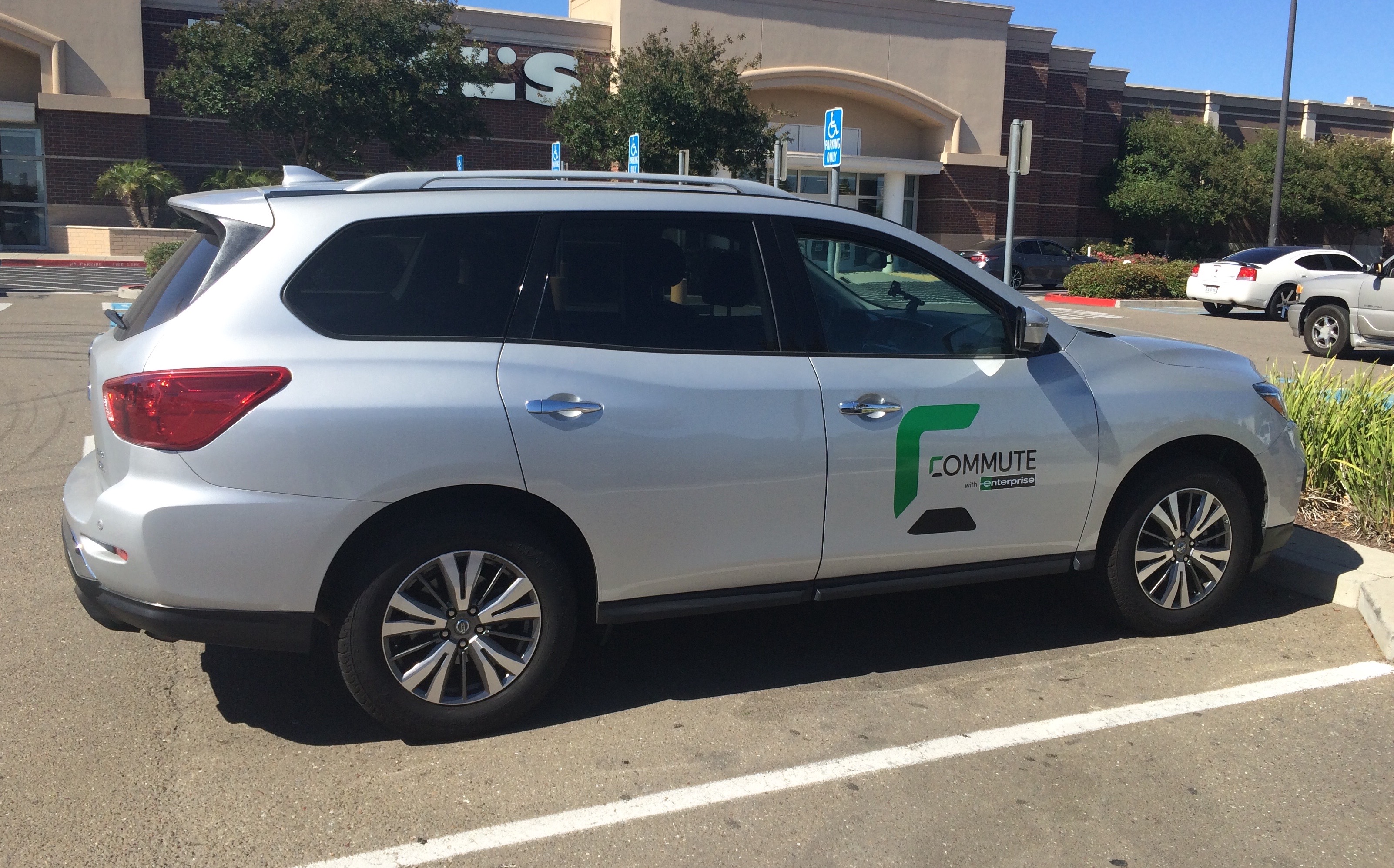
Nissan Pathfinder
"by a pathfinder that's like 230 000 miles on it do not ever insult the infinity qx4 like that oh [1253.0s] that is no pathfinder my friend i think he called it a pathfinder that is infinity that's cool qx [1259.2s] my fucker i don't think i've seen one either way for someone i think the question like i have with"
The Nissan Pathfinder is a popular family SUV. They bring it up as a mix-up—then correct themselves that the car in question is actually an Infiniti QX4.
The Nissan Pathfinder is a family SUV known for being a mainstream, utility-focused option. In this segment, it’s mentioned as the vehicle the speaker initially thought they were talking about before correcting it to an Infiniti QX4.

Ford Maverick
"...also at consumers who would buy this instead of a maverick for like a runabout pickup or is it really just f..."
The Ford Maverick is a small pickup truck. It’s meant to be useful for hauling or carrying things, but still easy to drive and park like a regular car. The podcast mentions it as an option for people who want a pickup for everyday use.
The Ford Maverick is a compact pickup truck aimed at buyers who want truck utility without the size and cost of a full-size pickup. It’s often discussed as a practical “runabout” truck alternative, especially for people comparing it to other small vehicles. In the podcast context, it’s brought up as the kind of purchase someone might choose instead of another model.
destination
"here's a weird thing about it it's 25 grand plus destination"
Destination is the extra charge for shipping the car to the dealer. So “$25 grand plus destination” means you’ll pay more than $25,000 at checkout.
Destination is the shipping fee added to a car’s base price to cover transporting it from the factory to the dealership. When someone says “$25 grand plus destination,” they mean the final price is higher than the sticker base number.
modularity
"…it's if it were just a boring car with no features 25 grand would be outrageous yeah but it's a truck it's got a cool factor to it i don't know…"
Modularity here means the car is set up so you can add or change features more easily. The point the hosts are making is that the car is still very basic, and the “modular” idea is being used to justify the price.
In automotive marketing, modularity means the vehicle is designed so certain features or components can be swapped, added, or configured in different ways. The hosts are criticizing how this is used as a selling point even when the base car is stripped down.
crank windows
"…people do have like a minimum here especially in the states like crank windows are gone for a reason like people don't want them really…"
Crank windows are the old-school kind you roll up and down by hand. The hosts are saying that in the U.S., many buyers expect power windows, so crank windows can hurt sales.
Crank windows are door windows operated manually with a hand crank instead of power motors. The hosts treat them as a “minimum standard” feature in the U.S., implying most buyers consider them undesirable.
no radio
"…it's a little bit higher than like no radio i think it's a little bit higher than no paint…"
“No radio” means the car doesn’t come with a built-in AM/FM audio system. The hosts are using it to argue the car is missing basic convenience features.
“No radio” means the vehicle lacks an integrated audio head unit for AM/FM playback. In this segment, it’s used as an example of how the car is being sold as customizable/feature-light while charging a high base price.
bluetooth speaker
"…do they have speakers does it have a bluetooth no speakers no yeah so what it is is it either has like a uh a place for you to mount your bluetooth speaker…"
A Bluetooth speaker is a wireless speaker you pair with your phone. The hosts are saying the car basically expects you to bring your own speaker rather than having built-in speakers and a radio.
A Bluetooth speaker is a portable audio device that connects wirelessly to a phone or other source. The hosts describe a setup where the car provides a mount/holder so you can use your own speaker instead of having a traditional in-dash audio system.
shrinkflation
"…for 150 it's just shrinkflation being cleverly marketed to us as modularity see i don't know make it your own by you know giving you nothing…"
Shrinkflation is when you get less for the same money. The hosts think this car is doing that by removing features from the base and charging you to add them back.
Shrinkflation is when a product’s size, quantity, or included features are reduced while the price stays the same or increases. Here, the hosts argue the car’s “modularity” is really a way to sell fewer features in the base vehicle and charge extra for them.
EV truck
"…thinking about the ford uh ev truck i mean in theory these are like a similar market… and then it's 200 miles of range versus like 300 miles of range targeted… i like the idea of a small truck let alone a u uh an ev truck…"
An EV truck is a pickup that runs on electricity. Instead of buying gas, you charge it, and the main things you think about are range and charging.
An EV truck is a pickup truck powered by an electric powertrain instead of a gasoline or diesel engine. The big practical difference is how it’s fueled (charging) and how its range and efficiency are managed.
range
"…there's so many things that make them on the surface similar but i feel like because ford is ford… and then it's 200 miles of range versus like 300 miles of range targeted…"
Range is how far the car can go before it needs charging. The number you hear is a target, and real driving can change it.
In EV discussions, range means how far the vehicle can drive on a full charge under specified conditions. It’s often quoted as a target figure, but real-world range can vary with speed, temperature, and driving style.
four doors
"…i buy the ford because i need four doors and everyone needs four doors and you have a family but i don't…"
“Four doors” means the truck has rear doors too, so passengers can get in and out more easily. It’s usually the more practical choice for families.
“Four doors” refers to a crew-cab style layout where rear-seat access is easier and the cabin is more practical for families. It’s contrasted here with two-door body styles that tend to be less usable day-to-day.
Wrangler four door
"…two doors don't sell at all i mean look at the like when the wrangler four door came out it the two doors just became irrelevant…"
The Wrangler four-door is the Jeep Wrangler with rear doors. The point here is that when more people wanted the extra practicality, the two-door version became less relevant.
The Wrangler four-door is the Jeep Wrangler configuration with rear doors, commonly called the “Unlimited” in Jeep lineup language. The host is using it as an example of how the market can shift away from two-door variants once the four-door becomes popular.
avance
"…because our friends at avance are back in the house you guys love avance… avance is an organization that helps enthusiasts save money and enjoy their passion more…"
Avance is a group for car enthusiasts. They help members save money and connect through events and a magazine.
Avance is an enthusiast-focused organization that offers member discounts and events. In this segment, it’s used as an example of how enthusiasts can save money on purchases like tires and get access to community events.

Porsche Career Gt
"...i like i just got the new avance it's got the the career gt on the cover it's quite sweet the photography is ..."
The Porsche Carrera GT is a very expensive, rare supercar. It’s made for high-speed performance and is mainly aimed at enthusiasts. The podcast mentions it because it’s a car people admire and collect.
The Porsche Carrera GT (often referred to as the Carrera GT) is a rare supercar built for extreme performance and driving feel. It’s known for its exotic design and for being a limited-run model that enthusiasts actively seek out. In the podcast context, it’s mentioned because someone has a book or imagery featuring the car, highlighting its appeal to collectors and fans.
Discount Tire
"…for instance tires right avance members get 10 off at discount tire plus an additional 10 off when you buy michelin and bf…"
Discount Tire is a tire shop chain mentioned for member discounts. It matters because tires are something you buy regularly.
Discount Tire is referenced as a retailer where Avance members get a discount on tires. It’s relevant because tires are a major ongoing cost for enthusiasts and EV owners alike.
bf
"…plus an additional 10 off when you buy michelin and bf…"
“BF” here is referring to a tire brand (BFGoodrich). They’re talking about extra discounts when you buy those tires.
“BF” is mentioned alongside Michelin in the context of tire discounts, likely referring to BFGoodrich tires. BFGoodrich is a performance/off-road tire brand, commonly chosen for grip and durability depending on the vehicle.
Michelin
"…avance members get 10 off at discount tire plus an additional 10 off when you buy michelin and bf…"
Michelin is a well-known tire brand. The segment is mentioning it because members get extra savings when buying Michelin tires.
Michelin is a major tire brand mentioned as part of a discount deal for Avance members. Tire brand choice can affect ride comfort, wet grip, and tread life—important for both EV and gas vehicles.
Goodridge
"goodridge so if you spent 1500 bucks on a new set of michelin pilot sports uh you save $300"
Goodridge is a company that makes car parts, especially brake upgrades. They’re often used by enthusiasts who want better feel or performance than stock parts.
Goodridge is an aftermarket automotive brand best known for brake-related products like braided brake lines. In this segment it’s mentioned in the context of buying parts and discounts, implying a performance/enthusiast-oriented upgrade path.
solving the wrong problem
"it solves the wrong problem we kind of tend to find out when we do the math on like inflation and shit"
They’re saying people are focusing on the wrong cause. Instead of tackling the real issue (like wages not rising), the conversation goes in a different direction.
“Solving the wrong problem” is a critique of how people interpret pricing and affordability: instead of addressing the underlying wage/inflation issue, they focus on the wrong lever (like blaming the existence of cheaper trucks). The hosts use this to frame their argument about what actually needs to change.
inflation and wages not keeping up
"we kind of tend to find out when we do the math on like inflation and shit that like at the entry level like it for a maverick ... it's actually just the wages are not keeping up"
They’re saying car prices don’t feel like they match what people earn. The idea is that wages haven’t grown as fast as prices, so “affordable” cars become less affordable over time.
The hosts argue that “entry level” vehicle pricing can stay high because wages haven’t risen as fast as prices (a mismatch often discussed as inflation outpacing earnings). Their point is that the market isn’t just “charging more for no reason”—it’s reflecting broader economic pressure.
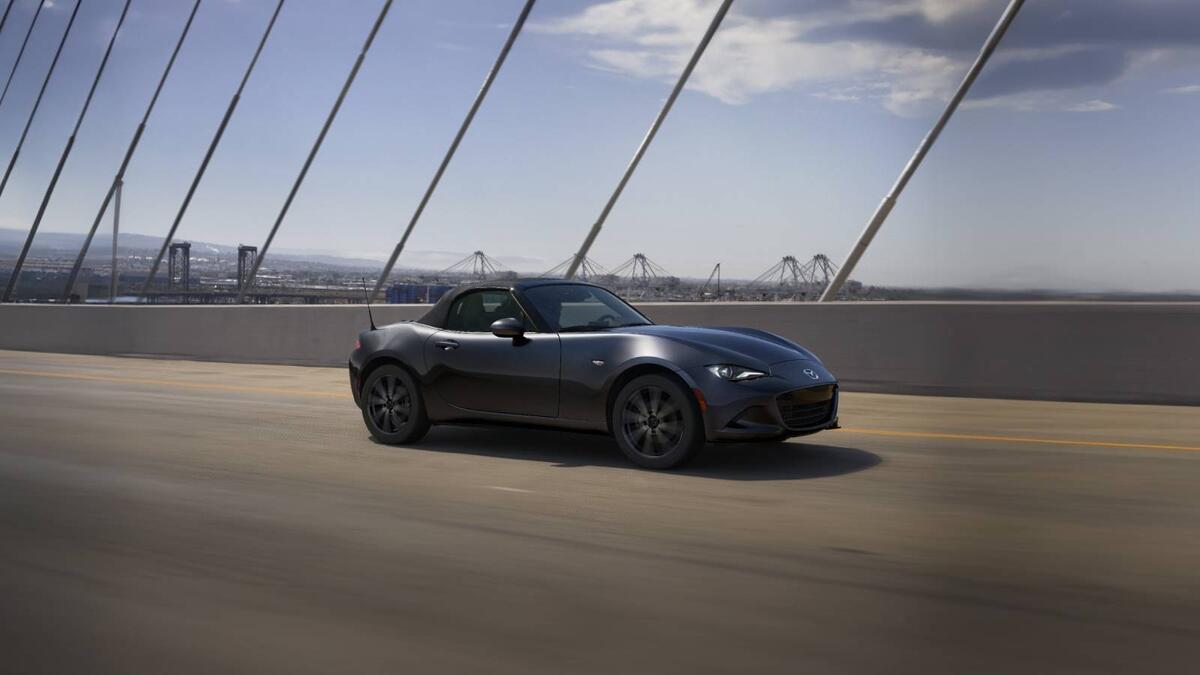
Mazda MX-5 / Miata
"... that like maverick say or like we talk about the miata a lot just because the math works out like those ..."
The Miata is a small two-seat sports car made to be fun to drive. It’s lighter than many other sports cars, which helps it feel quick and easy to handle. The podcast mentions it because it’s often a good deal for what you get.
The Mazda MX-5, commonly called the Miata, is a lightweight two-seat roadster designed for fun, balanced driving. It’s frequently discussed because its simple, lightweight formula makes it easy to enjoy and relatively affordable compared with many sports cars. In the podcast context, it’s referenced as a car where “the math works out,” meaning the value and driving experience often add up well.
nantucket
"so now it's gonna be grand we're gonna see him in uh nantucket so that's a nantucket car"
Nantucket is a place in Massachusetts, and it’s known as a popular, upscale vacation spot. They’re joking about where the truck might end up being used.
Nantucket is an island in Massachusetts, known for being a seasonal, affluent destination. The hosts use it as a humorous “where you’d be seen” reference for the truck’s end-use.
electric truck
"i wrote a take on the utopian and it was controversial because this is an evie truck my take was if this were a gas truck then it would be more of a people's truck"
An electric truck runs on electricity stored in batteries. Instead of stopping for gas, you charge it like a big version of an EV.
An electric truck is a pickup or light truck powered by an electric powertrain instead of a gasoline engine. The big practical difference is that energy comes from charging batteries rather than refueling at gas stations.
naturally aspirated
"i've got a little 1.6 in it naturally aspirated five speed or okay give me a four speed auto whatever"
Naturally aspirated means the engine pulls air in by itself, without a turbo or blower. It makes power through its normal design instead of boosting it with forced air.
Naturally aspirated describes an engine that draws air in without a turbocharger or supercharger. It typically relies on engine displacement and internal tuning for power rather than forced induction.
five speed
"i've got a little 1.6 in it naturally aspirated five speed or okay give me a four speed auto whatever"
A five-speed is a manual gearbox with five forward gears. More gears can help the engine stay in the right rev range more often.
A five-speed refers to a manual transmission with five forward gears. Gear count affects how the engine operates across speeds, including how often it needs to rev to stay in the power band.
four speed auto
"naturally aspirated five speed or okay give me a four speed auto whatever for if it's cheap enough"
A four-speed auto is an automatic transmission with four gears. It can shift less smoothly or feel less flexible than newer automatics with more gears.
A four-speed auto is an automatic transmission with four forward gears. Older four-speed automatics often feel less responsive than modern multi-speed units, especially during acceleration and highway cruising.

Kia Rio
"...a good review have you guys heard of this company rio out of its i don't know if it's a real company so..."
The Kia Rio is a small car meant to be affordable and easy to drive. It’s typically used for regular commuting rather than performance. The podcast mentions it as a possible budget option.
The Kia Rio is a small, budget-oriented car designed for everyday commuting and affordability. It’s the kind of vehicle people often mention when talking about whether a cheaper, simpler option makes sense. In the podcast context, it’s brought up as a “real company” question, suggesting the speaker is unsure about the brand or model being discussed.
car company
"anyone can make something that looks like a car company online nowadays you can vibe code something to have like a nice silhouette of a trunk"
Here, “car company” means a real business that can actually build cars, not just a website or logo. The host is warning that some things online might look legit but aren’t.
In this context, “car company” is being used to distinguish a legitimate automaker from something that only looks like one. The host argues that online branding and silhouettes can be created without a real product plan or manufacturing capability.
reservations
"reservations are open for 25 dollars holy shit and then they'll figure out how to build it reservations open before this is this most silicon yeah"
“Reservations” here means people put down money or sign up before the product exists. The host is basically saying that early sign-ups don’t guarantee the car will ever be built.
“Reservations” refers to customer deposits or sign-ups collected before a product is actually built. The host is using it to critique how early money can be raised for a project that may still be uncertain.
Poly market
"let's do uh i would say like vegas odds but let's say the more contemporary poly market"
Polymarket is a website where people bet on what they think will happen. The host is using it like a “odds” comparison to talk about risk.
Poly market (Polymarket) is a prediction-market platform where people place bets on outcomes. The host uses it as an analogy for comparing the odds of a real, established automaker’s success versus a speculative new venture.

Tesla Roadster
"...ikely what money is more likely to return a car a tesla roadster purchased in full in 2017 or throwing five dollar..."
The Tesla Roadster is a sports car that runs on electricity instead of gasoline. It was one of the early, well-known electric performance cars. The podcast brings it up while talking about what happens to the value of a car over time.
The Tesla Roadster is an all-electric sports car that was produced starting in the late 2000s/early 2010s and is often discussed as a high-profile early EV. It’s significant in EV history because it helped prove that electric performance cars could exist. In the podcast context, it’s mentioned in a conversation about money and return on investment for a specific purchase scenario.
self-driving van
"once referred to this like self-driving van thing which i think is a zoosk now i don't remember"
It’s a van that’s supposed to drive itself using cameras, sensors, and computer software. Even when it’s working, a person usually still has to be ready to take over if the system gets confused.
A “self-driving van” refers to a vehicle that uses sensors and software to drive with little or no human input. In practice, these systems often require supervision and can struggle with edge cases like construction zones, unusual road markings, or unexpected obstacles.
vaporware
"he referred to it as vaporware horseshit and you know what the company did"
“Vaporware” means something that’s talked about a lot, but doesn’t really exist in a usable form yet. It’s like a big promise that keeps getting delayed.
“Vaporware” describes a product or technology that’s heavily marketed or promised, but isn’t actually available or functional in real life. In automotive contexts, it often gets used for self-driving or EV claims that take longer than expected to deliver.
Zoosk
"zoosk he referred to it as vaporware horseshit and you know what the company did ... they're a real thing now"
Zoosk is the name the hosts use for a company they’re talking about. They’re basically saying it went from “promises” to something that’s actually happening in the real world.
Zoosk is mentioned here as the name of a company tied to the “vaporware” discussion. The hosts are using it as a shorthand for a real-world entity that, in their view, has moved from hype to operating vehicles.

Citroën 2CV
"thing is one of our readers bought a grandfather clock because there was an old citron 2cv ad ... there was a citron 2cv and a work truck"
The Citroën 2CV is a small, weird-looking French car that’s famous for being simple and practical. People love it because it’s surprisingly roomy, so you’ll hear stories about fitting all kinds of crazy items inside.
The Citroën 2CV is a quirky, lightweight French car known for its simple engineering and famously utilitarian design. It’s often used in enthusiast culture and oddball “fit anything” stories because the cabin and packaging are so roomy for its size.
Nürburgring
"this is like a tourist day at the nirmergring there was a citron 2cv and a work truck and was there like a harley and also a gt3"
The Nürburgring is a legendary race track in Germany. It’s so famous that car people travel there for track days, so you’ll sometimes see all kinds of unusual cars running around.
The Nürburgring is a famous motorsport venue in Germany, best known for the Nordschleife (the long “North Loop”). It’s a common place for performance-car testing and enthusiast track days, so you often see unusual vehicles showing up for laps.
radial engine
"let me talk about this willies jeep with you for a minute i know you and then later hard agree was like here dude and like yeah slipped me on someone uh the banks by the time we're done with this podcast the banks might be back oh it's coming back today let's go on with it with me it was getting uh many upgrades because it's you know a stupid radial engine and uh so they are i'm doing the engineering development with them so it has many upgrades"
A radial engine is a type of engine where the cylinders are arranged in a circle around the center. It’s common in aircraft, and it has a very distinctive sound. The hosts are pointing out that this engine makes the car feel and sound like an airplane.
A radial engine is an aircraft-style piston engine where cylinders are arranged in a circle around the crankshaft. Because of that layout, it can produce a distinctive sound and firing order feel compared with inline or V engines. In the segment, it’s tied to why the car’s startup and sound are so “airplane-like.”
engine behavior and startup ritual
"any equivalent like like what's the closest in terms of engine like behavior is there anything that i would have driven that's similar in the way it behaves once you start it and do the little stupid oil purge not stupid it's very fun and awesome that sounds cool airplane style oil purge thing to do to do the startup it drives exactly like a regular engine"
They’re talking about what it feels like when you start the engine and how it behaves right away. They mention a special startup step and the unusual sound. The point is how the car drives day-to-day versus what makes it weirdly cool.
This segment focuses on how the engine behaves once started, including the distinctive startup procedure and sound. The hosts compare the feel to a “regular engine” while emphasizing the unique radial-engine characteristics. It’s essentially a drivability-and-startup discussion.
oil purge
"do you know laura uh that porsche girl on instagram i think i do lovely lovely woman she sent me a video of this of my car just like ripping by her on the pch in orange county yesterday she was like is this you and i was like no max is having a really good time so that is there any equivalent like like what's the closest in terms of engine like behavior is there anything that i would have driven that's similar in the way it behaves once you start it and do the little stupid oil purge not stupid it's very fun and awesome that sounds cool airplane style oil purge thing to do to do the startup it drives exactly like a regular engine"
An oil purge is a step at startup where the engine gets oil moving through the system. The goal is to make sure lubrication is established before you drive normally. Here, they’re treating it like a satisfying, purposeful part of starting the engine.
An oil purge is a startup procedure where oil is circulated or expelled to ensure proper lubrication before normal operation. With an aircraft-style radial engine, the process can be part of getting oil to the right internal passages quickly. The speaker frames it as “very fun” and emphasizes it’s part of the engine’s startup ritual.
linear power band
"it drives exactly like a regular engine it just sounds funny it red lines at 6800 it's got a really nice linear power band and it sounds like a biplane which is just awesome you should you should drive you love it oh it's fun it's the greatest thing you can ever imagine dude wow it's 1580 pounds and it's 175 horsepower wow it's fucking rips"
A linear power band means the engine’s power builds in a smooth, steady way as you rev it. Instead of “all the power at one RPM,” it’s more predictable across a wider range. That makes the car easier and more fun to drive.
A linear power band describes how engine power increases smoothly and predictably across a range of RPMs, rather than spiking only in a narrow band. That feel is important for drivability because it makes throttle response easier to meter during acceleration. The speaker links it to why the engine is enjoyable once it’s running.
independent reservoir shocks
"it's got Porsche steering Porsche brakes like shocks developed by like king of the Hammers guys like no independent reservoir shocks yeah it's a good time it's like really fun it's the most seriously it's the most fun i'm gonna be driving the shit of it all weekend"
Independent reservoir shocks are shocks with a separate “extra chamber” for the shock fluid. That can help the shocks stay consistent when you’re driving hard and they get hot. The speaker is noting this car doesn’t use that specific shock style.
Independent reservoir shocks are a type of shock absorber where the fluid reservoir is separated from the main shock body. This design can help with heat management and consistent damping during repeated hard use. The speaker says “no independent reservoir shocks,” implying the setup uses a different shock design, which can affect how the suspension behaves under load.
king of the Hammers
"it's got Porsche steering Porsche brakes like shocks developed by like king of the Hammers guys like no independent reservoir shocks yeah it's a good time"
King of the Hammers is a very tough off-road race where cars and trucks take brutal punishment. When someone says “King of the Hammers guys,” they mean suspension builders who know how to make parts survive and work well in extreme terrain. That’s why the shocks are being praised.
King of the Hammers is a famous off-road desert-racing event in the U.S., known for extreme rock crawling and high-stress suspension setups. Mentioning shocks “developed by like king of the Hammers guys” is a way of saying the suspension hardware comes from people experienced in very tough off-road conditions. It’s used here to justify why the shocks feel capable and fun.
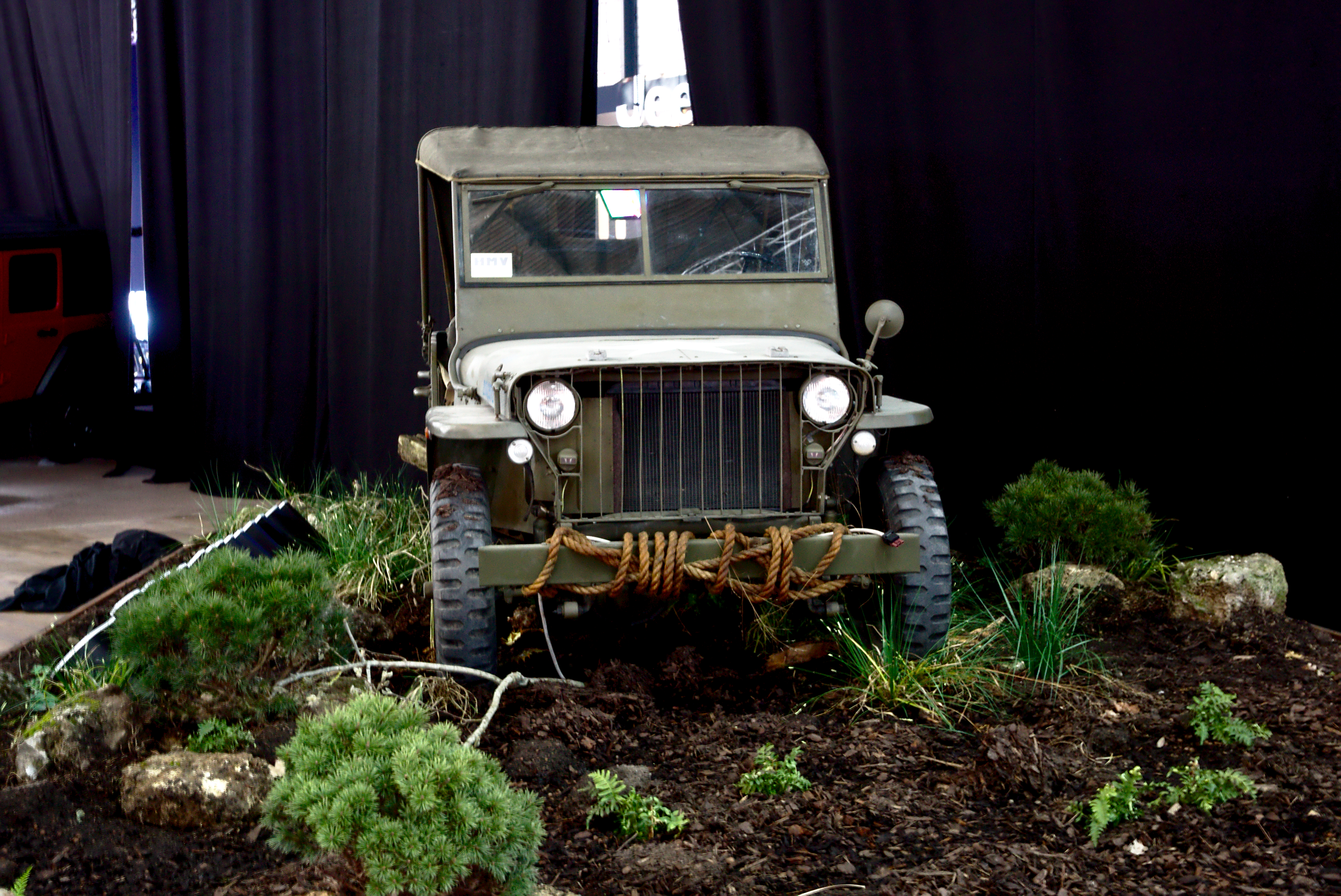
Willies jeep
"[2437.4s] love a willies jeep do you love a willies jeep griffin uh i love willies just period just like"
They’re talking about the Willys Jeep, a famous World War II military vehicle. People love it because it’s a big part of Jeep history and it’s a popular car to restore or build for off-roading.
“Willies jeep” is referring to the Willys Jeep, the World War II-era military light utility vehicle made by Willys. It’s famous in automotive history because it became the template for the modern Jeep brand and is a common base for restorations and off-road builds.
stockholm syndrome
"[2464.0s] yeah my daily's a c-6 but you got stockholm syndrome into liking this because you were dragged for [2469.4s] 900 miles in a week yes"
“Stockholm syndrome” is a real psychological idea where someone starts to feel attached to the person who’s hurting them. In this podcast, they’re using it as a humorous way to say “you ended up liking it even though it was miserable.”
“Stockholm syndrome” is a psychological term for when someone develops sympathy for their captor. Here it’s used as a joke to describe how the speaker ended up liking something unpleasant or difficult after being exposed to it.

Chevrolet C6
"have uh i have my over wrangler yeah so you're in the zone yeah and i grew up off-roading so yeah yeah my daily's a c-6 but you got stockholm syndrome into liking this because you were dragged for 900 miles in a week yes from precisely watching this madman drive all over the roads of the southwest"
The Chevrolet Corvette is a sports car made for fast driving. Some people use them as daily cars because they’re comfortable enough for regular trips. In the podcast, it’s mentioned as a personal daily example.
The Chevrolet Corvette is a long-running American sports car known for strong performance and a wide range of model generations. In the podcast context, it’s referenced as someone’s daily driver (a C6), and it’s tied to the idea of being “dragged” into liking it—suggesting the Corvette’s appeal can be personal and experiential. Corvettes often come up because they balance everyday usability with track-capable performance.
service manual
"[2510.6s] horrible yeah you actually have nothing to go on you don't even know what you [2517.3s] need you don't know do i need a little spacer here or like a bolt here or so i'm just like there [2522.5s] isn't a manual somewhere like a sufficient service manual that's what i was i was reading through"
A service manual is like the car’s official repair book. It shows you what parts you need and how to do the work correctly, step by step.
A “service manual” is a detailed repair guide published for a specific vehicle or platform. It tells you how to diagnose problems and perform repairs step-by-step, including torque specs, part numbers, and procedures—especially important when building or restoring something from scratch.
spacer
"[2510.6s] horrible yeah you actually have nothing to go on you don't even know what you [2517.3s] need you don't know do i need a little spacer here or like a bolt here or so i'm just like there"
A spacer is a small piece that goes between parts to make them fit right or leave the right amount of space. It’s often used to fix alignment during a build or repair.
A “spacer” is a small component used to create extra clearance or correct alignment between parts. In vehicle builds, spacers can be used to adjust fitment, wheel/tire positioning, or mounting geometry so bolts and brackets line up correctly.
bolt
"[2510.6s] horrible yeah you actually have nothing to go on you don't even know what you [2517.3s] need you don't know do i need a little spacer here or like a bolt here or so i'm just like there"
A bolt is a threaded screw used to hold parts together. In a build, getting the right bolt size is important so everything lines up and stays tight.
A “bolt” is a threaded fastener used to clamp parts together. In the context of a scratch build, the exact bolt type/length matters because the wrong size can prevent proper fitment or cause weak clamping.
engine block
"i had to order the engine and it was just a bare engine block brand new engine block they still cast"
The engine block is the big metal foundation of the engine. It’s where the cylinders are, and it’s the part you build the rest of the engine around.
An engine block is the main metal casting that houses the cylinders and provides mounting points for many engine components. When someone buys a “bare engine block,” they’re starting from the core structure and then sourcing the internal parts needed to make it run.
conrod pistons
"the crank the everything conrod pistons put that all together they won't will they sell you the kit"
A connecting rod connects the piston to the crankshaft. The piston pushes up and down, and the rod transfers that motion to make the crankshaft spin.
“Conrod” is short for connecting rod, which links each piston to the crankshaft. Pistons move up and down in the cylinders, and the connecting rods transmit that motion to the crankshaft to create power.
build from scratch
"you could theoretically build a whole world war two jeep from scratch and they came back to me like you want to do that"
“Build from scratch” means you’re making the car yourself using parts, not just buying a ready-made vehicle. It usually takes a lot of planning and finding the right parts.
“Build from scratch” here means assembling a complete vehicle using individual components rather than buying a finished car or complete kit. It highlights how much sourcing, measuring, and part-to-part compatibility work is required to create a whole car starting from major subassemblies.
bill of materials
"i had to build like a bill of materials my friend helped me help with that and i had to figure out how to build all of it from nothing"
A bill of materials is basically a checklist of all the parts you need, and how many of each. It helps you plan a build so you don’t miss anything.
A bill of materials (BOM) is a detailed list of every part and quantity needed to build something. In a car build-from-parts scenario, a BOM is what turns “I need to assemble an engine” into an organized shopping/assembly plan.
grind my body
"like not perfectly no no no a lot of a lot i had to you know grind my body sucked a lot right i had to yeah hammer grind drill"
This is basically trimming or reshaping metal so parts line up. It usually happens when the car isn’t built from one perfectly matched kit.
This describes metal-fitment work during a custom build—modifying body panels or mounting points so parts from different sources line up. It’s a sign that the build isn’t a perfect “bolt-on” system, especially when components come from different origins and eras.
validation test
"so the validation test of the thousand new parts on this was the trip it was the 900 mile trip to utah"
A validation test is a way to make sure the car works the way you planned. Instead of just assembling it, you drive it and see if everything holds up.
A validation test is a real-world check to confirm a build meets its intended requirements. In this context, the trip is used to prove that all the newly sourced parts actually work together under load.
differentials
"like some of the it was all new parts but like the differentials you bought were not new"
A differential is what allows the wheels on the same axle to spin at different speeds when you turn. Without it, the car would fight for traction and handling would feel wrong.
A differential is the drivetrain component that lets the left and right wheels rotate at different speeds while still receiving engine torque. That’s crucial for turning, and it’s why differential parts can be a major fitment/compatibility concern in a custom build.
axles
"like the axles they don't make them new"
Axles are the parts that connect the drivetrain to the wheels. They help deliver power so the wheels can move the car.
Axles are the shafts that transmit rotational power from the drivetrain to the wheels. In a build like this, axle availability (new vs not available) affects how much of the car can be fully refreshed and how well everything can be made to fit together.
transmission cases
"the transmission the all the guts are brand new but you can't buy the cases so so that's an original case"
The transmission case is the outer shell of the gearbox. It’s where the internal parts live, and sometimes you can’t easily replace the shell even if you can replace the inside parts.
The transmission case is the housing that contains the transmission’s internal gears and shafts. The speaker’s point is that some parts (the internal “guts”) can be sourced new, but the case itself may be an original or harder-to-replace component.
QC
"or because of qc and manufacturing did they also have to like adjust things or is this because"
QC means quality control—basically, how a factory checks that parts are made correctly. The question here is whether the parts were consistent enough to bolt together cleanly.
QC stands for quality control, the process manufacturers use to ensure parts meet specs consistently. The speaker is asking whether the original manufacturing quality (or remanufacturing quality) would require adjustments during assembly.
remanufactured
"or is this because they're it's all remanufactured from somewhere this is what i tell myself"
Remanufactured parts are used parts that get rebuilt and refreshed. They may not match brand-new parts perfectly, so you might need extra fitting work.
Remanufactured parts are rebuilt using a mix of reused components and replacement parts to restore them to a usable condition. The speaker suggests that remanufacturing can lead to small fitment differences, requiring grinding or adjustment to make everything work together.
tolerance stack
"“...by one percent the thing is a tolerance stack up was a real problem because you've got tolerance in every part and now you've got you know 10 parts working together all with their own tolerance...”"
Cars are made with tiny measurement “wiggle room.” A tolerance stack is when the wiggle from lots of different parts adds up, so the final assembled fit can be off even if every single part was made correctly.
A tolerance stack is how small manufacturing variations in multiple parts add up when they’re assembled together. Even if each part is “within spec,” the combined effect can cause fitment problems, especially when many components all have their own tolerances.
cutting discs
"“...you have to fabricate half this stuff you know you have to break out the cutting discs the grinder the drill the the dremel...”"
Cutting discs are the spinning wheels used to slice through metal. They’re the kind of tool you use when you can’t just bolt everything together and need to modify parts.
Cutting discs are abrasive wheels used to cut metal or other hard materials during fabrication. They’re part of the “shop work” needed when a build requires custom fitment rather than bolt-on parts.
grinder
"“...break out the cutting discs the grinder the drill the the dremel...”"
A grinder is a tool that grinds/sandpaper-like removes material from metal. It’s commonly used to trim and smooth parts so they fit better.
A grinder is a power tool used to remove material—typically with an abrasive wheel or flap disc—to shape parts and smooth edges. In fabrication, it’s often used for trimming, deburring, and final fitment.
Dremel
"“...the drill the the dremel everything the welder...”"
A Dremel is a small handheld tool that can cut or grind with high precision. People use it for detailed “make it fit” modifications.
Dremel is a brand of compact rotary tools used for precise cutting, grinding, and shaping. It’s often used for small clearancing work during custom fabrication.
welder
"“...everything the welder and it that was the hard part...”"
A welder is what you use to join metal pieces together permanently. If parts don’t line up, welding can be used to modify or build the needed mounting points.
A welder is equipment used to join metal parts by melting and fusing them. In a build that needs custom fabrication, welding is often required to create brackets, mounts, or structural modifications.
reproduction engines
"“...that new engine if you read online about like reproduction engines usually there are problems usually and so this first like 20 30 miles...”"
A reproduction engine is a newer engine made to copy an older design. Even though it’s built to be “like the original,” it can still have early problems until everything settles in and any bugs are worked out.
Reproduction engines are newly built units intended to replicate an older engine design, often for classic restorations or replica builds. They can have teething issues because modern manufacturing, materials, and tolerances may differ from the original.
break-in period
"“...and so this first like 20 30 miles that i was just waiting for the shoe to drop yeah waiting for something but it just just it just sang right...”"
Break-in is the first early driving period after a new or rebuilt engine. The goal is to let moving parts “settle in,” and it’s when people often watch for problems before things fully stabilize.
A break-in period is the early mileage window after an engine is rebuilt or replaced, when components seat and wear in. Many builders expect minor issues or monitoring during the first tens of miles, especially with fresh or reproduction parts.
off-road
"“...and when we took it off-road it was unbelievable that's fantastic the crazy thing about off-road”"
Off-road means driving on rough ground like dirt trails or uneven paths. It tests whether the car’s suspension and traction can handle bumps and loose surfaces.
Off-road describes driving on unpaved or uneven terrain where traction, suspension travel, and durability matter more than on-road comfort. It’s often used to evaluate whether a build can handle real-world stresses beyond smooth pavement.

world war two jeep
"the great thing about off-road capability is that it doesn't really care about all of your modern gadgets... like geometry and torque at the wheels and this world war two jeep... it's the most unbelievable story i think it's the next ford versus ferrari movie"
The “World War II Jeep” is the early Jeep design made for the U.S. military during World War II. It became a model for later off-road SUVs and trucks because it was built to handle rough terrain without needing fancy modern features.
The “World War II Jeep” refers to the original military Jeep platform developed during World War II. It’s famous in automotive history because it became the blueprint for later off-road vehicles, emphasizing ruggedness and low-speed capability over modern comfort or electronics.
geometry
"the great thing about off-road capability is that it doesn't really care about all of your modern gadgets it's all about the simple things like geometry and torque at the wheels"
“Geometry” here means how the car’s shape helps it clear obstacles. If the angles and ground clearance are good, the wheels can reach the terrain instead of the bumper or body getting stuck.
In off-roading, “geometry” usually means the vehicle’s shape-related clearance angles—how well it can approach, climb, and descend obstacles without the body or bumpers getting hung up. It’s a big deal because it determines whether the tires can stay in contact with uneven ground.
torque at the wheels
"it's all about the simple things like geometry and torque at the wheels and this world war two jeep"
“Torque at the wheels” means how much pulling force the tires actually get. More wheel torque helps the vehicle move slowly and steadily over rocks, ruts, and steep bumps.
“Torque at the wheels” is the twisting force delivered to the tires after it passes through the drivetrain. Off-road vehicles often rely on high wheel torque (especially at low speeds) to crawl over obstacles and maintain traction.
reconnaissance vehicle
"the government put this thing out saying hey we're looking for a reconnaissance vehicle and they designed what was it basically this machine in 45 days"
A “reconnaissance vehicle” is basically a scout vehicle. It’s meant to travel through difficult areas to check what’s ahead, so it needs to be tough and mobile.
A “reconnaissance vehicle” is a vehicle designed to scout ahead—gather information and move through hostile or uncertain terrain. Military requirements like this often drive design toward reliability, mobility, and easy operation in rough conditions.

Toyota Land Cruiser
"by the way this isn't just like a off-road vehicle this became the blueprint for every yeah every if you look at the toyota land cruiser they copied this"
The Toyota Land Cruiser is a famous off-road SUV built to handle rough terrain. The host is saying it took inspiration from the early Jeep design for how to be capable off-road.
The Toyota Land Cruiser is a long-running off-road SUV known for durability and low-speed traction. In the segment, it’s referenced as a modern example that copied the World War II Jeep’s “blueprint” approach to off-road capability.
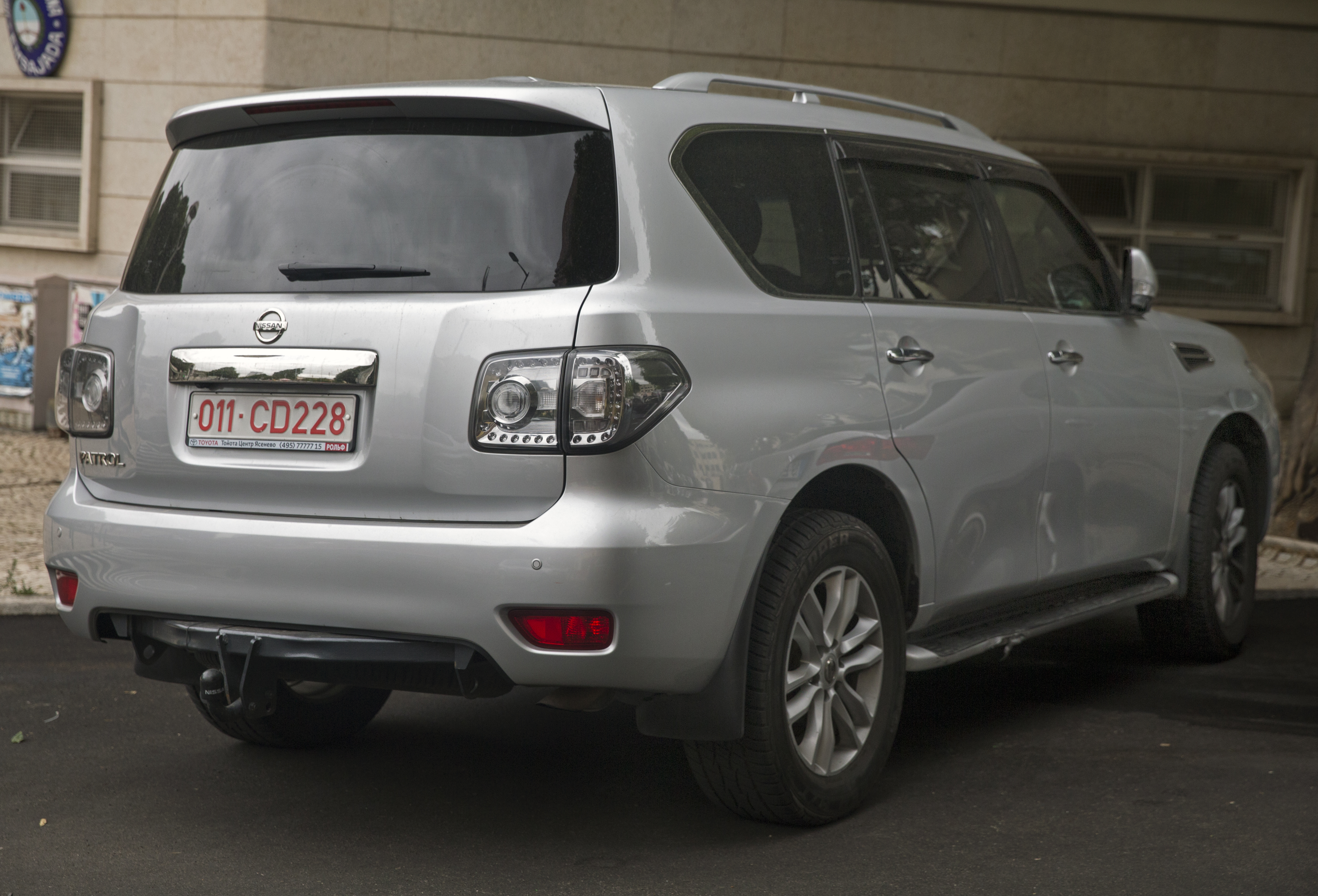
Nissan Patrol
"if you look at the toyota land cruiser they copied this you look at the nissan patrol like fj the land the land rover copy this"
The Nissan Patrol is a big SUV that’s known for off-road ability. Here it’s mentioned as another vehicle that followed the early Jeep “blueprint” idea.
The Nissan Patrol is a full-size SUV with a strong off-road reputation, especially in markets where it’s used for serious terrain. The segment groups it with other vehicles that were influenced by the World War II Jeep’s off-road design principles.
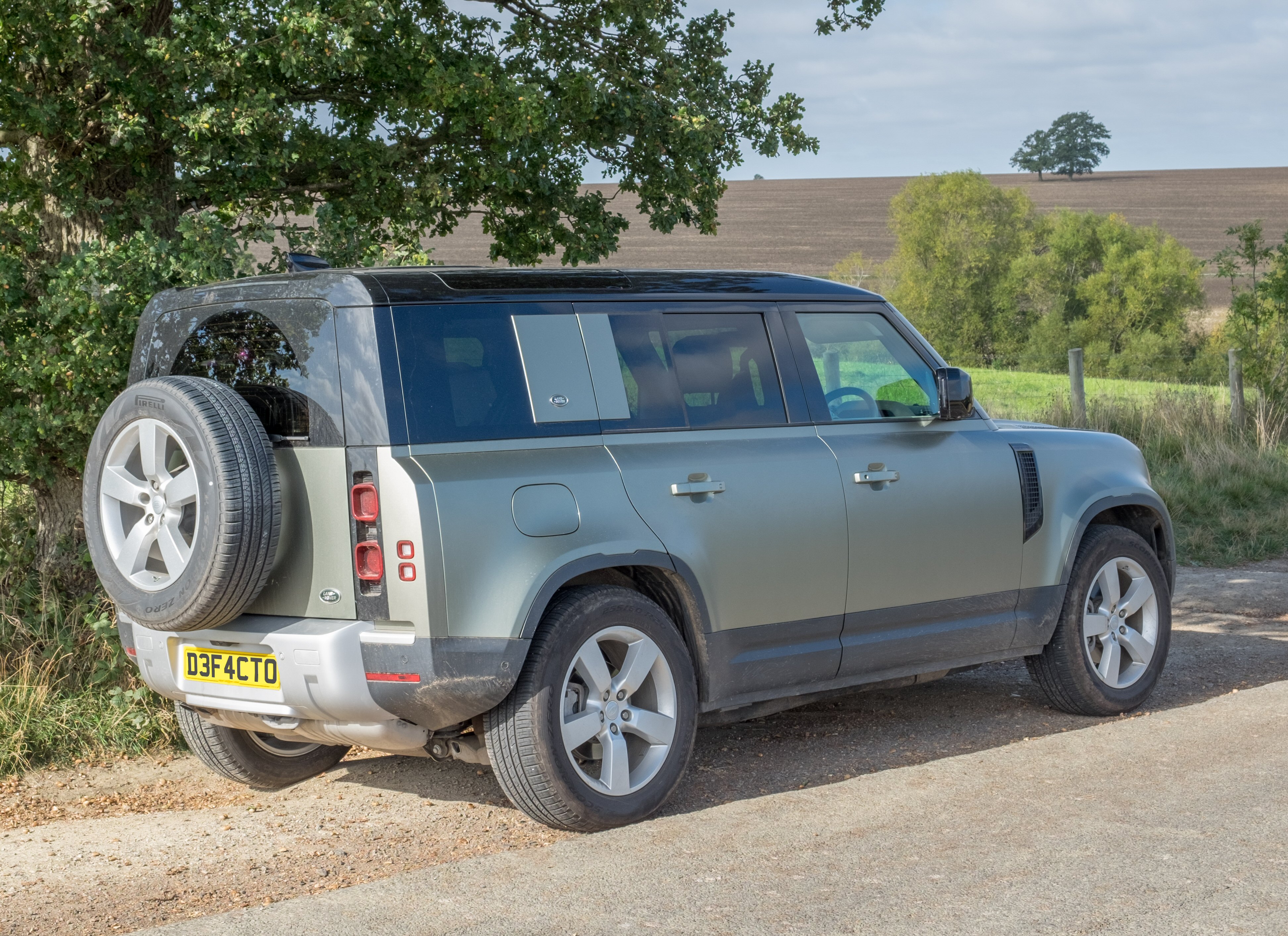
Land Rover
"you look at the nissan patrol like fj the land the land rover copy this"
Land Rover is a car brand famous for off-road vehicles. The host is saying it took inspiration from the original Jeep’s approach to handling rough terrain.
Land Rover is the British brand known for building off-road-focused vehicles. In this segment, it’s cited as another manufacturer that copied the World War II Jeep’s off-road “blueprint.”
front bumper
"i mean sure there was like one or two points that uh maybe like we hit your front bumper on a shelf but that would have happened in a modern jeep too"
The front bumper is the part at the very front meant to protect the car. Off-road, it can hit rocks or ledges and stop the vehicle from going further.
The “front bumper” is the vehicle’s front impact/clearance structure, and in off-roading it can be a limiting factor when climbing over shelves or obstacles. If it contacts the ground, it can prevent the vehicle from continuing even if the tires have traction.
horsepower
"how much power does that engine make like 50 60 60 horsepower i think and then it weighs like 1500 pounds"
Horsepower is a number that describes how much power the engine can make. For off-roading, the vehicle’s gearing and the pulling force at the wheels matter a lot more than peak horsepower.
“Horsepower” is a measure of engine power—how quickly the engine can do work. It’s often quoted for road cars, but off-road crawling depends more on low-speed gearing and wheel torque than peak horsepower.
geared so low
"it does but it's geared so low the townspeople is 40 so"
“Geared so low” means the car has ratios that make it easier to move slowly with strong pulling force. That’s useful for climbing over rocks or crawling through rough terrain.
“Geared so low” means the drivetrain ratios are set to multiply torque at low speeds, allowing slow, controlled crawling. Low gearing helps overcome obstacles even with modest engine power.

Ford F150
"it was the cozy thing ever radar cruise control i'm sure he's fine yeah i was doing well i put it on blue cruise the entire time and you know it was great as a camera car because of it i could go hands off for a second get some great shots and then go back to driving it was fantastic what i thought was amazing that when you're offering it is the pace you're carrying up like you know these foot tall ledges and uh i've seen a lot of people that have you know a new wrangler rubicon"
This is a special version of the Ford F-150 pickup made for rough roads. They’re talking about using it for a long trip and how it behaves when cruising at a steady speed.
The Ford F-150 Tremor is a pickup-truck trim focused on off-road capability, typically with upgraded off-road suspension tuning and all-terrain oriented hardware. In this segment, they’re using it as a “camera car” for a long 900-mile drive at steady speeds.
radar cruise control
"it must be well but it was the cozy thing ever radar cruise control i'm sure he's fine yeah i was doing well i put it on blue cruise the entire time"
It’s cruise control that can “read” the distance to the car in front using a sensor. If traffic slows down, it slows too, and then resumes when the road opens up.
Radar cruise control is an adaptive cruise system that uses a radar sensor to maintain a set distance from the car ahead. Instead of just holding speed, it can automatically slow down and speed back up as traffic changes.
blue cruise
"yeah i was doing well i put it on blue cruise the entire time and you know it was great as a camera car because of it i could go hands off for a second get some great shots"
BlueCruise is Ford’s system that can help drive for you on certain roads. In this story, it lets the driver take their hands off the wheel for a moment while still staying in control.
BlueCruise is Ford’s hands-free driver-assistance system that can steer and manage speed under certain mapped conditions. Here, they’re praising it for enabling hands-off driving briefly during the long trip.
Request an Explanation
Heard something you'd like explained? We'll add it to this episode.
Sign in to request explanations for terms you heard.
Want to learn more?
Browse our glossary for plain-English explanations of automotive terms, jargon, and concepts.
Help improve this episode
See something that's not quite right? Our annotations are AI-generated and can sometimes miss the mark. Click the flag icon on any annotation to suggest a correction.