
Road Rage; ZF Autos get a Clutch Pedal??; Crown Vic Race; Acadia Review
About this episode
Road rage stories kick things off, from a brake-check crash to a “palm dale 500” warning about double-yellow passes and blind corners. The hosts also connect racing details to real driving—track limits at COTA, splitter scraping that turns into a jump, and how spotters and contact rules shape incidents. Between travel and track-day logistics, they dive deep into ZF transmission “hacks,” including a fake clutch pedal that lets an automatic do clutch-kick style moves.
Matt Farah witness road rage; the GMC Acadia has a very confusing feature; we're officially racing in the Cleetus McFarland New England 900; someone hacked the ZF 8-speed auto to give it a, uh, clutch pedal?
Patreon questions include:
- Why don't SUVs have sliding doors?
- Should your turn signal flash to the beat of your music?
- Why the Terminator is better than the S197 GT500
- Which watch maker should build a car?
- What new cars sound good?
- Last chance to buy a Mustang GT350R?
- Stop my used German sedan bad ideas!
- How do people feel about the Honda CR-Z?
- Wha should Chevy do with the next Camaro?
- Why do we get Vinfast but not BYD?
- Should luxury watch-makers have configurators like car companies?
- What current Ferrari is worth buying a Luce for?
- Shoes for road trips
- Jaguar XKR
- Is shorter gearing worth it?
Recorded May 13, 2026
Road & Track Experiences
https://experiences.roadandtrack.com/
Give your ZF 8-speed a third pedal?
https://www.turbolamik.us/turbolamik-1/
The New England 900!
Fitbod
Join Fitbod today to get your personalized workout plan. Get 25% off your subscription or try the app FREE for seven days at https://fitbod.me/TIRE
Bluechew
Right now, when you buy two months of BlueChew Gold, you get the third for FREE with promo code TIRE. Visit https://BlueChew.com for more details and important safety information
DeleteMe
Get 20% off your DeleteMe plan when you go to https://joindeleteme.com/tire/ and use promo code TIRE at checkout.
Enter to WIN a 2025 Porsche 911 Turbo S!
Podcast Link: https://www.dreamgiveaway.com/tickets/porsche?promo=SMOKINGTIRE
Get 4X bonus tickets with any donation of $25 or more. With every donation you are helping benefit some wonderful veterans' and children's charities. Use Podcast Promo Code: SMOKINGTIRE
Promo Code Offer: Get 4X bonus tickets with any donation of $25 or more. With every donation you are helping benefit some wonderful veterans' and children's charities.
Want your question answered? To listen to the episode the day it's recorded? Want to watch the live stream, get ad-free podcasts, or exclusive podcasts? Join our Patreon: https://www.patreon.com/thesmokingtirepodcast
Use Off The Record! and ALWAYS fight your tickets! For a 10% discount on your first case go to https://www.offtherecord.com/TST
#cars #comedy #podcast
Instagram:
https://www.Instagram.com/thesmokingtire
https://www.Instagram.com/therealzackklapman
Click here for the most honest car reviews out there: https://www.youtube.com/thesmokingtire
Want your question answered? Want to watch the live stream, get ad-free podcasts, or exclusive podcasts? Join our Patreon: https://www.patreon.com/thesmokingtirepodcast
Use Off The Record! and ALWAYS fight your tickets! Enter code TST10 for a 10% discount on your first case on the Off The Record app, or go to http://www.offtherecord.com/TST.
Watch our car reviews: https://www.youtube.com/thesmokingtire
Tweet at us!
https://www.Twitter.com/thesmokingtire
https://www.Twitter.com/zackklapman
Instagram:
https://www.Instagram.com/thesmokingtire
https://www.Instagram.com/therealzackklapman
splitter
"Yeah, and the splitter was so low [529.1s] It it dug up all of the sod made a mound and then created a jump that the car then went off itself and"
A splitter is a low front add-on on a race car that helps it stay planted. If it’s too low and the ground is uneven, it can scrape or tear things underneath the car.
A splitter is an aerodynamic extension on the front of a race car that sticks out below the bumper. Because it sits low to the ground, it can dig into soft surfaces, damage the underbody, and upset airflow when the car hits uneven terrain.
undertrend
"Ripped off the entire undertrend. I did it it I [540.2s] Don't know if ever before has a race car built its own jump in real time build a jump and then taking the jump right"
They’re talking about the car’s bottom panel area. If it gets ripped off, the car can lose its aerodynamic “smooth bottom” and can also get damaged underneath.
“Undertrend” appears to be a transcription error for “undertray” or “underbody.” The undertray/underbody is the underside of the car that’s shaped to manage airflow and protect components; when it’s ripped off, the car can lose aerodynamic efficiency and be mechanically exposed.
NASCAR truck series at The Glen
"I saw on TV on the road trip. I was on with Hannah the truck series the NASCAR truck series [575.8s] It was on in a bar that Hannah and I were in on this trip and I was like, oh shit [580.6s] They're at the Glen and I was like look at their fucking lines."
They’re talking about a NASCAR Truck Series event at Watkins Glen and what the racing lines looked like. It leads into a discussion about how drivers use the track.
The hosts discuss watching the NASCAR Truck Series at Watkins Glen (“The Glen”) and how the racing lines looked unusually wide. This is used as a jumping-off point for talking about how track surface and enforcement affect driving behavior.
track limits
"They really care about the track limits like specifically a Kota because all the run-offs are paved [601.5s] And so if you have to in when it's all just paved and you could sort of theoretically just drive anywhere"
Track limits are the rules about how far you’re allowed to go on the track. If people can go outside the marked area without penalties, they can take faster shortcuts.
Track limits are the boundaries of a race circuit that define where drivers are allowed to go. If officials don’t enforce them, drivers can cut corners or take shortcuts (like going off-line through turns), which can change lap times and overall fairness.
Jensen Button
"We talked to Jensen Button about this because he raced there and he said the only place they enforced it was the s's [623.6s] Yeah, the rest of it."
Jenson Button is a well-known race driver. The hosts are using his experience to explain how track rules were enforced at that circuit.
Jenson Button is a former Formula 1 driver who raced at Circuit of the Americas and shared how track-limit enforcement worked there. His perspective is used to support the hosts’ point about where officials actually police boundaries.

Nissan Gtr
"...eah It's got a front splitter like I don't know a GTR. It's huge And you know, I'm gonna show and displ..."
The Nissan GT-R is a high-performance sports car. It has an aggressive front design, including parts like a front splitter that help it look and perform more like a race car. The podcast is pointing out those features while talking about the car.
The Nissan GT-R is a performance sports car famous for its advanced engineering and strong real-world speed. The podcast mentions details like a front splitter, emphasizing its aggressive aerodynamic look. It’s also discussed as a car that can be shown and displayed—highlighting its popularity among enthusiasts.
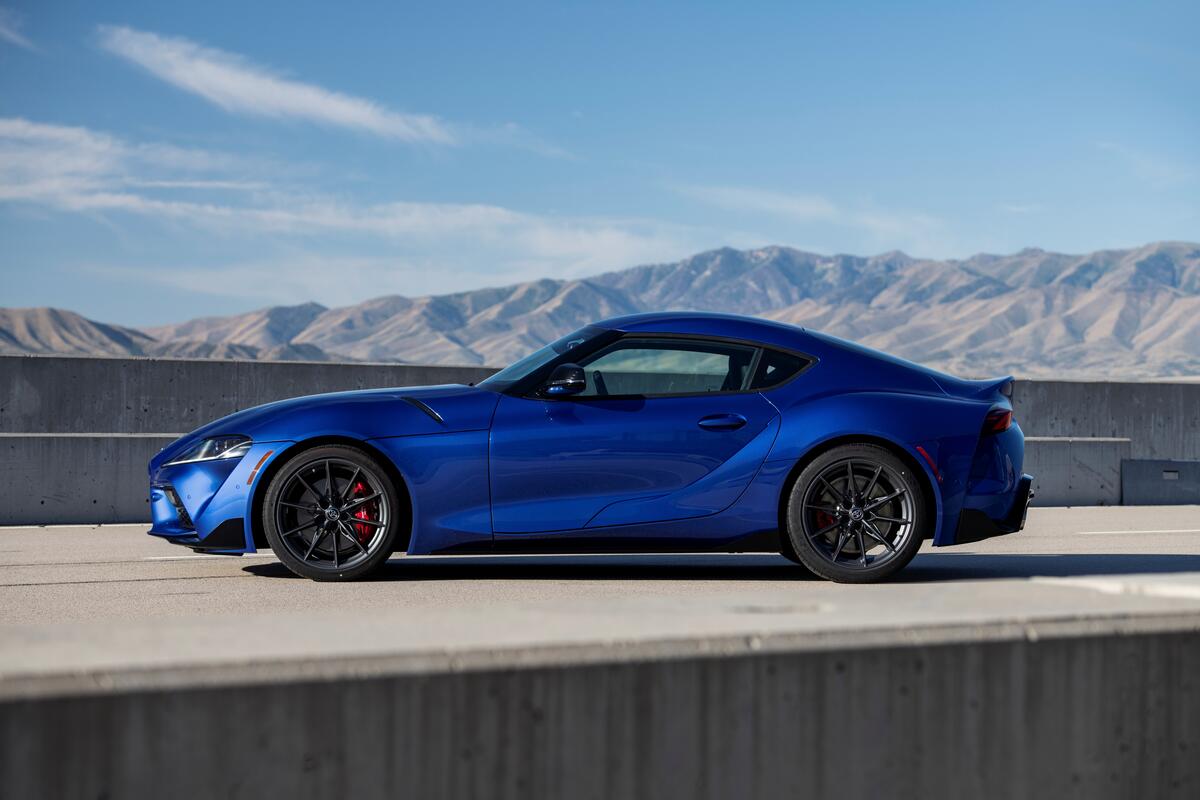
Toyota Supra
"Imagine like look at the camera. Okay, imagine the lower the lower nose of a Toyota Supra"
The Toyota Supra is a well-known performance sports car. Here it’s just being used as a comparison to describe how low and sharp the truck’s front looks.
The Toyota Supra is a famous sports coupe known for its performance-focused tuning culture and, in many generations, turbocharged power. In this segment it’s used as a visual reference for how low and aggressive the semi’s front end looks.
negative camber
"Four degrees of negative camber if not more and for people listening the whole truck is gold"
Camber is how a tire is tilted. Negative camber means the tire leans inward at the top, which can help the tire grip better when the vehicle is turning.
Camber is the tilt angle of a wheel relative to vertical. Negative camber means the top of the tire leans inward toward the car, which can improve cornering grip and steering response by keeping the tire more square to the road under load.
three-row midsize SUV
"And you wanted to rent a three row [1212.4s] Midsize suv [1214.3s] Smaller than a Tahoe [1216.2s] But hold three row. This is a lovely vehicle"
A three-row midsize SUV is a family car with extra seating in the back. It’s usually heavier than smaller SUVs, so it can feel less quick when you’re trying to accelerate or drive aggressively.
A three-row midsize SUV is a larger family vehicle with seating for up to seven (or sometimes six) people and a bigger footprint than smaller crossovers. Because these vehicles are heavier, they often feel slower or need more gear changes when accelerating or climbing hills.

Chevrolet Tahoe
"Midsize suv Smaller than a Tahoe But hold three row. This is a lovely vehicle"
The Tahoe is a large SUV that can seat three rows of passengers. People talk about it because it’s meant for carrying a lot of people and gear comfortably. It’s the kind of vehicle you’d use for road trips or family trips.
The Chevrolet Tahoe is a full-size three-row SUV built for family hauling and long-distance comfort. It’s often discussed because it offers a lot of interior space and practicality in a single package. In the podcast context, it’s being compared to a smaller three-row SUV that still aims to feel roomy.
downshifting
"And just just nothing just a lot of fucking nothing [1259.4s] And uh, and it required a lot of downshifting hunting for gears things like that [1266.0s] The 2.5 liter turbo four by the same engine we had in the blazer probably in montana"
Downshifting is when the car drops to a lower gear so the engine can speed up for more power. The host is saying the Acadia needs to do this a lot to keep up.
Downshifting is when an automatic or manual transmission selects a lower gear to get the engine spinning faster. It’s commonly used to regain acceleration, but in heavy vehicles it can happen often—making the driving feel busy or less smooth.
2.5 liter turbo four
"The 2.5 liter turbo four by the same engine we had in the blazer probably in montana [1271.5s] That was a pretty nice car. That's a good job [1273.6s] This thing probably weighs 800 pounds more than that. Wow, you know and so also"
This means the Acadia uses a 4-cylinder engine with a turbo to help it make more power. The host is saying that, because the SUV is so heavy, the engine still doesn’t feel strong enough in real driving.
A “2.5 liter turbo four” refers to a 2.5-liter engine with four cylinders that uses a turbocharger to increase the amount of air (and therefore fuel) it can burn. In this segment, the host argues that even with turbocharging, the engine feels underpowered for the Acadia’s weight, leading to frequent downshifts.
paddle shifters
"Wow, you know and so also [1279.9s] steering wheel with paddle shifters [1283.3s] right, okay"
Paddle shifters are little levers on the steering wheel that let you tell the car to change gears. They’re meant to give you more control, especially when you want quicker response.
Paddle shifters are controls behind the steering wheel that let you manually command gear changes without using a clutch. They’re often paired with an automatic transmission, giving the driver more control when the car otherwise “hunts” for the right gear.

BMW M5
"... Barring some kind of miracle. I'll be driving an m5 touring Which um is a good car for a road trip ad..."
The BMW M5 is a fast version of a BMW sedan. It’s made for drivers who want strong acceleration but still want a comfortable car for longer trips. The podcast is highlighting it as a practical road-trip option.
The BMW M5 is a high-performance sedan from BMW’s M division, known for combining everyday usability with serious power. It’s frequently discussed in enthusiast circles because it’s designed to be fast in a straight line and still usable for longer drives. The podcast mentions an M5 Touring specifically as a good road-trip choice.
dual carriageway
"Hugs not drugs is to immediately to our right down a what you'd call a dual carriageway two lane road In front of us is a uh, fairly crappy"
A dual carriageway is a road with separated lanes for each direction, usually with a divider in the middle. It affects how much room there is to swerve or change lanes to avoid a crash.
A dual carriageway is a road layout with two separate carriageways (typically separated by a median), usually carrying traffic in opposite directions. In this segment, it matters because it defines the space available for lane changes and evasive moves.
moose test maneuver
"does a What do you call it a moose test maneuver? Into the other lane Sort of you might say"
The “moose test” is a common safety test idea: you suddenly swerve to avoid something in the road and then steer back. It’s basically a way to see how well the car handles a fast, scary avoidance move.
The “moose test” is a real-world style of emergency-avoidance scenario where a driver swerves quickly to avoid an obstacle, then returns to the original lane. It’s used to evaluate vehicle stability and driver control during sudden lane-change inputs.
brake check
"Jams on the brakes Fuck in one of the hardest brake checks I've ever seen that results in hugs not drugs Smashing into his back bumper"
A brake check is when someone taps or slams the brakes on purpose to make the car behind slow down. It’s risky because the driver behind might not be able to stop quickly enough.
A brake check is when a driver deliberately brakes hard to force the driver behind to slow down, often to “send a message.” In traffic, it can easily trigger a rear-end collision if the following driver isn’t expecting it or can’t react in time.
double yellow passes
"In the worst cars imaginable with terrible tires and doing like crazy double yellow passes ... Do not do into blind corners."
Double yellow lines usually mean you’re not supposed to pass there. The hosts are talking about people trying to overtake anyway, which is risky because you can’t always see what’s coming.
“Double yellow passes” refers to overtaking on roads marked with double solid yellow lines, which typically means passing is illegal or strongly discouraged because it reduces sight distance and increases head-on crash risk. The hosts connect it to the “palm dale 500” where drivers attempt aggressive passes in worst-case conditions.
blind corners
"Do not do into blind corners. Yeah, like the shit we see up."
“Blind corners” are turns where you can’t clearly see oncoming traffic or the road ahead until you’re already committed to the turn. That makes any aggressive passing or late braking especially dangerous because drivers have less time to react.
apex
"You know because because there's a car in the apex ... So they actually go to the outside right later and then turn in"
The apex is the inside point of a turn. It’s where a driver aims to get closest to the curb/inside line before steering back out.
The “apex” is the point in a turn where the vehicle gets closest to the inside of the corner. The hosts use it to describe how drivers time their line—going outside later and then turning in—when there’s a car in the apex.
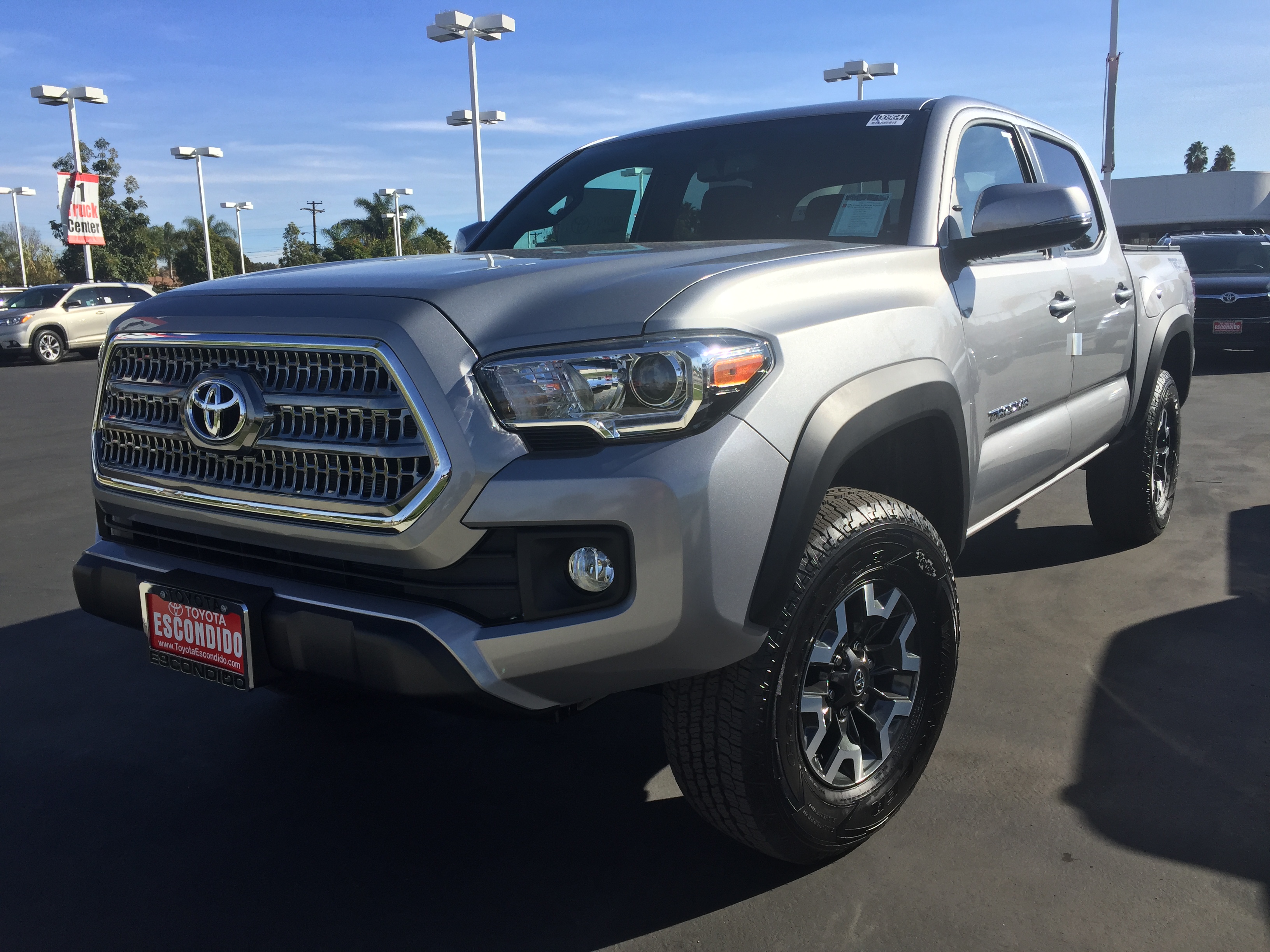
Toyota Tacoma
"So they actually go to the outside right later and then turn in it is truly crazy box trucks ... old Tacomas"
The Toyota Tacoma is a popular pickup truck. The hosts are saying even older Tacomas get involved in the risky driving they’re describing.
The Toyota Tacoma is a midsize pickup known for being common and durable, which is why it shows up in lots of “commuter” and “work truck” scenarios. In this segment, the hosts mention older Tacomas as part of the mix of vehicles doing aggressive passes.
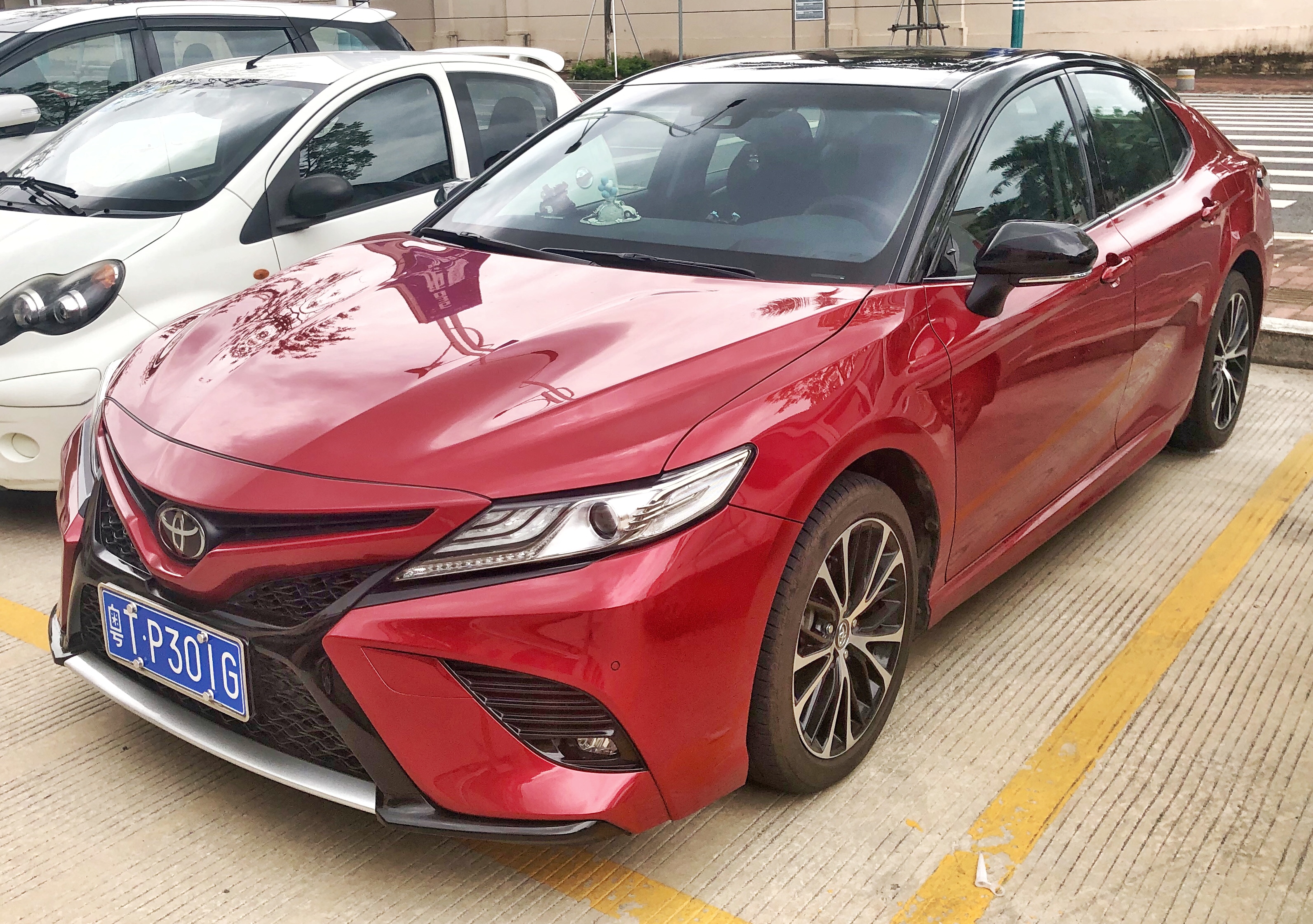
Toyota Camry
"old Tacomas ... camry's whatever like a lot of economy boxes"
The Toyota Camry is a common everyday sedan. The hosts are listing it as one of the regular cars people drive while doing the risky stuff they’re talking about.
The Toyota Camry is a mainstream midsize sedan that’s typically used as a commuter car rather than a performance vehicle. Here, it’s mentioned as part of the “economy boxes” showing up in the hosts’ “palm dale 500” traffic chaos.
ZF gearbox
"Did you know that the um The the eight speed ZF gearbox The eight hp 70 or whatever it's called, right?"
ZF is a company that makes car transmissions. Here they’re talking about an eight-speed transmission and a software trick that can change how it shifts.
“ZF gearbox” refers to a transmission made by ZF, a major supplier of automatic and dual-clutch gearboxes. In this context, they’re talking about an eight-speed ZF transmission and a software “hack” that changes how it behaves.
hack for it
"There is like a hack for it now That can essentially make it An on-demand manual"
They’re describing an aftermarket trick that changes how the transmission’s computer behaves. It’s usually done through electronics/software rather than replacing major parts.
A “hack” here means an aftermarket electronic/software solution that alters gearbox control behavior. Instead of changing hardware, it typically intercepts or reprograms how the transmission decides when to shift.
on-demand manual
"That can essentially make it An on-demand manual So there's there's a thing that they sell"
An “on-demand manual” means you can make an automatic transmission act more like a manual when you want to. Instead of the car choosing shifts, you can force the gear changes.
An “on-demand manual” setup lets you command gear changes like a manual transmission, even though the car uses an automatic/automated gearbox. The idea is to override the normal automatic shift logic so the transmission behaves more like it’s under your control.
ZF
"The zf gearbox inside has a torque converter still right? It's an automatic but with this hack ... You can put you can then install a clutch pedal"
ZF is a company that makes transmissions. In this story, a ZF automatic gearbox is being modified so it can act more like it has a clutch pedal, even though it’s still an automatic underneath.
ZF is a major transmission supplier, and the segment is specifically about a ZF automatic gearbox being modified to accept a clutch-pedal-like control. The key idea is that the gearbox remains an automatic (with a torque converter), but the computer can be hacked to control clutch behavior more like a manual.
torque converter
"The zf gearbox inside has a torque converter still right? It's an automatic but with this hack"
In an automatic transmission, the torque converter is like a fluid-based connector between the engine and the transmission. It helps the car start moving smoothly without you needing a clutch pedal.
A torque converter is the fluid coupling in many automatic transmissions that connects the engine to the gearbox. It lets the car move smoothly from a stop without a traditional clutch pedal, because it transfers torque using transmission fluid instead of a friction clutch.
clutch pack
"Like a manual there's a bunch of clutch packs that are for different gears within the it opens those"
Inside an automatic transmission, a clutch pack is a set of friction parts that can lock and unlock to change gears. This “fake clutch” idea targets those internal clutch packs to mimic manual-style behavior.
A clutch pack is a set of friction plates and clutches inside an automatic transmission that can engage or disengage to select gears. In this modification, the system uses the computer to control those clutch packs so the automatic behaves more like a manual’s gear selection and disengagement.
clutch kick
"Okay, so basically you can clutch kick the car using an automatic which is ... Opening the clutch is for purposes of clutch kicking, right?"
A clutch kick is when you quickly let the clutch out to make the car lose traction on purpose. Drifters use it to help the car start sliding and turning.
A clutch kick is a driving technique where you rapidly release the clutch to upset the drivetrain and provoke wheel slip. In drift setups, it’s used to help the car break traction and rotate more easily, even if the car isn’t a traditional manual.
swap kits
"It offers what the 8hp? Swap kits are ... with these swap kits you can these this this website is to swap the 8hp into other cars"
Swap kits are packaged components and instructions used to install a drivetrain or major component into a different vehicle than it originally came with. In this context, the kit is used to put an 8HP gearbox into other cars and control it with an aftermarket controller.
Turbo lamik
"the transmission controllers are called the turbo lamik or the max ecu Turbo lamik offers the most comprehensive features including launch mode and virtual clutch control."
Turbo lamik is a company/software setup mentioned here that helps control an automatic transmission. The host says it can add features that make an 8-speed automatic behave more like a drift-focused setup.
Turbo lamik is referenced as the name of a transmission controller used in swap kits to adapt an 8HP gearbox for other cars. In this segment, it’s described as providing features like launch mode and virtual clutch control.
virtual clutch control
"Turbo lamik offers the most comprehensive features including launch mode and virtual clutch control. So that's what it's called"
Virtual clutch control is software that makes an automatic transmission act more like it has a clutch. That can enable drift-style clutch-kick behavior without converting the whole car to a manual.
Virtual clutch control is an aftermarket control strategy that emulates clutch behavior electronically for an automatic transmission. The goal is to let the system behave like it has a clutch pedal (for techniques like clutch kicking) even though the transmission is fundamentally automatic.
launch mode
"Turbo lamik offers the most comprehensive features including launch mode and virtual clutch control. So that's what it's called"
Launch mode is a setting that helps the car get moving more effectively from a stop. It usually changes how the transmission and engine manage power so you get better launches and less wheelspin.
Launch mode is a transmission/ECU feature that changes shift and torque-management behavior to optimize starts. It typically aims to reduce wheelspin and keep the drivetrain in a more effective operating range during hard acceleration.
ZF 8-speed
"I mean, yeah, if if you can just go to the junkyard get a zf8 speed. Yeah, or you buy a car that already has one"
ZF 8-speed means a transmission with eight gears made by ZF. It’s popular for swaps because it’s modern and can be controlled electronically to work with different setups.
“ZF 8-speed” refers to an eight-speed automatic transmission made by ZF. In swaps, people target the ZF unit because it can be controlled electronically and paired with different engines/chassis setups, including performance builds.
DCT clutch simulator remote
"Um, yeah, there's the dct clutch simulator remote. Oh, this is I yeah There's one of the things but all you know"
A DCT clutch simulator remote is a gadget that tricks the car into acting like the clutch is being pressed. It’s used to do clutch-kick style moves without adding a real clutch pedal.
A DCT clutch simulator remote is a device that helps mimic or trigger clutch behavior on a dual-clutch transmission (DCT) so you can perform “clutch kick” style actions without a traditional clutch pedal. The idea is to let the car behave like it’s getting a clutch input at the right times for launches, kicks, or other driving tricks.
Porsche
"Yeah, there's the dct clutch simulator remote. Oh, this is I yeah There's one of the things but all you know Porsche sort of did this with a d with the dct right in the gt cars where if you tug the paddles together you can go to"
Porsche is mentioned because the company has done something similar on some GT cars with dual-clutch transmissions. They’re using the car’s controls to trigger clutch-like actions.
Porsche is referenced here for using DCT-based “clutch kick” style behavior in its GT cars. The point is that Porsche has already implemented a similar paddle/timing approach, showing it’s a real, production-level concept—not just an aftermarket hack.
drifting
"But there will be times like you know if you're drifting and you need to you know Clutch kick mid-corner and the wheel is turned in the pad where the paddles right now"
Drifting is when a driver intentionally drives with the car angled sideways while still controlling it. The hosts are saying clutch-kick timing can be tougher during that kind of driving.
Drifting is a motorsport driving style where the car is intentionally kept at an angle relative to its direction of travel while maintaining control. The segment highlights that clutch-kick timing is harder when you’re mid-corner and steering input is changing rapidly.
sequential transmission
"I mean this is definitely cheaper than buying a sequential box like [3059.6s] Like what's the cheapest, you know sequential transmission cost?"
A sequential transmission is a racing-style gearbox. Instead of moving a shifter to different slots, you basically go to the next or previous gear in order.
A sequential transmission is a gearbox where you shift in order (next/previous gear) rather than using an H-pattern. It’s common in racing because it can make gear changes faster and more consistent under load.
ZF eight-speed swap
"He's yeah, he's been very interested in the the zf eight speed swap into [3084.6s] What do you send me someone put one in an e 92?"
A “ZF eight-speed swap” means putting a modern 8-speed gearbox from ZF into a different car. It can make an older car drive better, but it’s not a simple bolt-in job.
A “ZF eight-speed swap” refers to installing a ZF-sourced 8-speed automatic or dual-clutch transmission into a different car than it originally came with. The appeal is that it can add modern shift behavior and gearing to older platforms, but it usually requires custom wiring, mounts, and calibration.

BMW E30
"The guy at pikes peak has the e had the e 30 with the bmw dct in it. [3106.2s] 2j. Yeah, 2jz with a fucking bmw dct in an e 30."
The BMW E30 is an older BMW 3 Series that people love to modify. In this segment, it’s mentioned in connection with a crazy swap build for hillclimbing.
The BMW E30 is a classic 3 Series generation that’s a favorite platform for extreme swaps because it’s lightweight and has a huge enthusiast support base. Here, it’s specifically tied to a wild hillclimb build using a BMW DCT (dual-clutch transmission) and a Toyota 2JZ engine, showing how far people will go to make an E30 competitive.
2JZ
"[3106.2s] 2j. Yeah, 2jz with a fucking bmw dct in an e 30. [3110.0s] Yeah in a wide-body."
2JZ (often referring to the Toyota 2JZ-GTE) is a legendary Toyota inline-six engine known for its strength and tuning potential. In this segment, it’s paired with a BMW DCT inside a BMW E30, which is a notable example of cross-brand drivetrain engineering.
wide-body
"Yeah in a wide-body. [3114.7s] Yeah, I was fucking nuts psychotic hillclimby 30s"
A wide-body is a body modification where fenders and wheel arches are widened to fit larger tires and improve stance and clearance. It’s commonly used on drift and hillclimb builds to allow more tire grip and better control during aggressive driving.
slushbox
"because because now you don't have to turn it into [3154.5s] A manual you could fucking get it throw out whatever slushbox is in there"
“Slushbox” is slang for an automatic transmission. People say it when they think the automatic feels a bit less fun or less responsive than a manual.
“Slushbox” is a slang term for an automatic transmission, often used to imply it feels less direct or less engaging than a manual. In the segment, it’s used to contrast keeping an automatic in JDM cars versus converting them to manual.
swaps
"for the swaps [3170.6s] Um, no go back to the f8 the f aq's. Where were those? Oh"
A “swap” is when someone replaces a car’s original drivetrain parts with different ones. In this context, they’re talking about swapping transmissions into other cars.
In car culture, an engine or transmission “swap” means installing a different drivetrain component than what the car originally came with. People do swaps to chase performance, parts availability, or to fit a stronger transmission into a different platform.

Challenger Hellcats
"...e strong ones, right? Because they're in like the hellcats and stuff. Whoa cool. So yeah Need, huh? Yeah, th..."
The Challenger is a performance coupe made by Dodge. It’s known for having very powerful versions, including models that are built for maximum speed and acceleration. The podcast is talking about that kind of power and what people expect from it.
The podcast’s “Challenger” reference is about the Dodge Challenger, a performance coupe known for strong engine options and a muscular stance. It’s mentioned in a context that connects it to high-power variants like the Hellcat, emphasizing how these cars can deliver big performance. The discussion is likely focused on how powerful versions of the Challenger are perceived and used.
final gear swap
"Um, I did I had an s2000 did a rear end final gear swap and felt like I was having to shift too much [3445.5s] Which made the car actually slower"
A final gear swap changes the rear gearing that affects how the car accelerates. It can make the car feel punchier, but it can also make you shift more often, which may slow you down if the engine isn’t in its best RPM range.
A final gear swap changes the final drive ratio (the gear reduction between the transmission and the differential). Shorter ratios multiply torque more at the wheels, but they also raise engine RPM sooner, which can force more frequent shifting and sometimes reduce overall acceleration if you fall out of the power band.

Honda S2000
"... don't mind the the oe gearing Um, I did I had an s2000 did a rear end final gear swap and felt like I wa..."
The Honda S2000 is a small sports car designed to be fun to drive. It’s known for revving high and feeling responsive. The podcast is talking about changing the gearing so it can feel better for acceleration or highway speed.
The Honda S2000 is a lightweight, rear-wheel-drive sports car known for its high-revving engine and engaging driving feel. It’s often discussed by enthusiasts because it’s relatively simple and rewards driver input. The podcast mentions gearing changes—like a rear-end final gear swap—highlighting how owners tailor it for how they want it to accelerate and cruise.
final drive ratio
"Here's the thing [3455.9s] You're really not [3458.3s] It's not that much shorter first first first. It's not the final drive ratio is different because it shortens your your [3465.5s] All the gears the same amount"
Final drive ratio is the rear-gear setting that changes how the car’s speed and engine RPM relate. If you change it, the car can rev higher sooner, which changes how the whole gearbox feels.
The final drive ratio is the overall reduction from the transmission to the wheels, determined by the differential gearing. Changing it can make the car’s RPM climb faster and effectively “shorten” the gearing feel across all gears, even if the individual gear ratios stay the same.
gear sets
"The gear set in the spiders at least the there's a there's different gear sets you can get"
A gear set is the set of different gear ratios inside the transmission. Different gear sets can change how the car pulls in each gear and whether you have to shift a lot.
A gear set refers to the specific set of internal transmission gear ratios available in a given gearbox. The host notes that the spiders (at least some variants) can have different gear sets, meaning the spacing between gears can change how the car accelerates and how often you need to shift.
gear ratios
"And in between it it changes the ratios [3486.0s] individually in a way that is just more optimized so in the canyons"
Gear ratios are how the transmission “multiplies” the engine’s speed to the wheels. If you change them, the car can feel like it accelerates and shifts more the way you want.
Gear ratios are the numerical relationships between gears that determine how the engine speed (RPM) changes as the car moves. Changing ratios can make the car feel more responsive in the corners by keeping the engine in a better RPM range.
gearing
"It's not like that. No, it just makes it the gearing more like a normal car. Yeah, like [3512.9s] Uh, I feel like it makes the gearing what it would be"
Gearing is how the car’s drivetrain is “set up” to match engine speed to road speed. The right gearing helps the engine stay in the power band when you drive hard.
In this context, gearing refers to how the car’s transmission and differential ratios translate engine RPM into vehicle speed. The speaker is arguing that stock gearing can be too tall/slow to shift into the right RPM range for spirited driving.
light flywheel
"They love it. They love it if they do the gears a light flywheel and like the planum in the exhaust like [3550.5s] You're 60 of the weight of the engine honestly in terms of like actual enjoyment"
A light flywheel is a lighter part connected to the engine that helps the engine speed up and slow down faster. That usually makes the car feel more responsive when you press the gas.
A light flywheel reduces rotational mass in the engine’s crankshaft assembly. Less mass lets the engine rev up and down more quickly, which can improve throttle response and the “feel” of acceleration.
sound deadening
"Sound deadening my car so no one can hear me cry. Why does nobody put sliding doors on an suv?"
Sound deadening is stuff added to the car to keep noise from getting into the cabin. If you remove or reduce it, you’ll hear more engine and exhaust sound.
Sound deadening refers to materials and insulation used to reduce cabin noise and vibration. In performance builds, reducing or relocating it can make exhaust and mechanical noises more noticeable.
sliding doors on an SUV
"Sound deadening my car so no one can hear me cry. Why does nobody put sliding doors on an suv? They do in like europe [3566.6s] Uh"
Sliding doors are common on minivans because they’re easier to use in tight spots. The discussion here is about why SUVs don’t usually get them—more about how they’re perceived than how useful they are.
Sliding doors are typically associated with minivans because they make it easier to access the cabin in tight parking spaces. The speaker argues that SUVs usually skip them due to branding and “image” rather than practicality.
ingress egress
"Oh, it's definitely easier ingress egress for sure ... It's it's it's easier to get things in and out of a back seat if that door is slidding out of the way"
Ingress/egress just means getting in and getting out. They’re saying the sliding rear door makes it easier to reach the back seat and move things in and out.
Ingress and egress are terms for getting into and out of a vehicle. The hosts are pointing out that a sliding rear door can improve access to the back seat by widening the usable opening.

Volkswagen Id Buzz
"um ID buzz couldn't really do it and that's about the best w..."
The Volkswagen ID. Buzz is an electric van. It’s designed to be roomy like a bus, but powered by electricity. The podcast is saying it didn’t work out for what they wanted.
The Volkswagen ID. Buzz is an electric version of a modern interpretation of the classic VW bus. It’s often discussed because it tries to combine spacious van practicality with an electric powertrain. In the podcast context, they’re saying it “couldn’t really do it,” implying it didn’t meet their expectations for a particular goal.
MPV
"Yeah, let's say the 26 carnival ... They call an mpv not a yeah, it looks kind of like an suv, but it's got a sliding door"
MPV means a multi-purpose vehicle—usually built to carry people comfortably and handle lots of everyday use. They often have sliding doors to make getting in and out easier.
MPV stands for Multi-Purpose Vehicle, a vehicle type focused on carrying people and flexible interior space. In many markets, MPVs are sold with sliding doors and are positioned as practical alternatives to SUVs.
minute repeater
"Grand and petite sonnery, that's a chiming mechanism minute repeater with chime on three classic gongs strike work mode display now"
A minute repeater is a watch feature that can chime the time out loud. You press a button and it sounds the minutes (and sometimes hours) for you.
A minute repeater is a watch complication that audibly chimes the time on demand. Instead of showing the time only on a dial, it strikes chimes for minutes (and often hours) when you activate it.
power reserve indication
"movement and strike work power reserve indication so it has two barrels of power one for the the movement to actually tell the time"
Power reserve indication tells you how much “charge” is left in the watch. It helps you know when it’s getting low so you don’t run out of timekeeping.
Power reserve indication tells you how much energy is left in the watch’s mainspring before it needs winding. On complex watches, it can be shown for different functions or gear trains.
perpetual calendar
"Instantaneous perpetual calendar so that does the day the date the month and the year for the net until the year 2100 so it knows leap years"
A perpetual calendar is a watch feature that keeps the date correct automatically. It handles things like different month lengths and leap years so you don’t have to keep adjusting it.
A perpetual calendar is a watch complication that automatically accounts for different month lengths and leap years. The goal is that you only need to set it very rarely—often until a far-off year—because it keeps the correct date without manual correction.
moon phase
"Day date on both dials month and leap year by the hands four digit year display moon phase"
Moon phase is a watch feature that shows what phase the moon is in right now. It’s usually displayed on a small dial.
Moon phase is a watch complication that displays the current phase of the moon (like new moon, full moon, etc.). It’s typically shown on a sub-dial and follows the lunar cycle.
What new cars under $50k sound good
"Uh unpimp your auto, uh, you've mentioned some new cars that sound bad [4269.1s] But what new cars stand out as sounding good anything under 50k? [4274.5s] Mustang gt ..."
They’re talking about which newer cars under $50,000 have the best sound. Then they explain that the engine’s intake/exhaust setup is a big reason why.
This segment is a listener-style question and answer about which newer cars are especially pleasing to hear within a $50k budget. The hosts then explain why some cars sound better than others, focusing on intake/exhaust/induction-related factors.

Mustang GT
"But what new cars stand out as sounding good anything under 50k? [4274.5s] Mustang gt [4276.0s] Mustang gt. Absolutely."
The Ford Mustang GT is a sporty Mustang with a more performance-oriented engine. Here, they’re basically saying it sounds good compared to a lot of other cars in the same price range.
The Ford Mustang GT is a performance-focused version of the Mustang line, known for its V8 sound and easy aftermarket support. In this segment, it’s brought up as one of the new cars under $50k that “sounds good,” tying the appeal to how the engine note comes through.

Ford Mustang GTD
"...rs stand out as sounding good anything under 50k? Mustang gt Mustang gt. Absolutely. You know any any dodge ch..."
The Ford Mustang GTD is a very performance-focused version of the Mustang. It’s meant to be faster and more track-oriented than regular Mustangs. The podcast is mentioning it while talking about which Mustangs are worth considering for performance and cost.
The Ford Mustang GTD is a track-focused, high-performance Mustang variant designed to deliver extreme performance while still being Mustang-based. In the podcast, it’s brought up alongside other Mustangs when discussing what sounds good and what might be available under a certain budget. That makes it a topic for enthusiasts comparing performance tiers and value.
Dodge Challenger
"...ng gt. Absolutely. You know any any dodge charger challenger. Well, I'm not anymore. Um I think the gr corolla..."
The Dodge Challenger is a two-door performance car. It’s made to be fast and to look like a traditional muscle car. In the podcast, it’s mentioned as another option in the same performance category.
The Dodge Challenger is a performance coupe that’s known for its classic muscle-car look and strong engine options. It often comes up in discussions because it’s a direct alternative to other modern muscle cars, with a focus on straight-line performance and style. The podcast mentions it as part of that same comparison set.

Dodge Charger
"...gt Mustang gt. Absolutely. You know any any dodge charger challenger. Well, I'm not anymore. Um I think the..."
The Dodge Charger is a car that’s designed to feel powerful and exciting to drive. It’s a sedan, but it’s built with performance in mind. The podcast brings it up when comparing it to other similar muscle cars.
The Dodge Charger is a performance-oriented sedan known for its muscular styling and available high-output engines. It’s commonly discussed alongside other performance muscle cars because it offers a blend of power and everyday practicality. The podcast references it in a comparison of different muscle-car options.
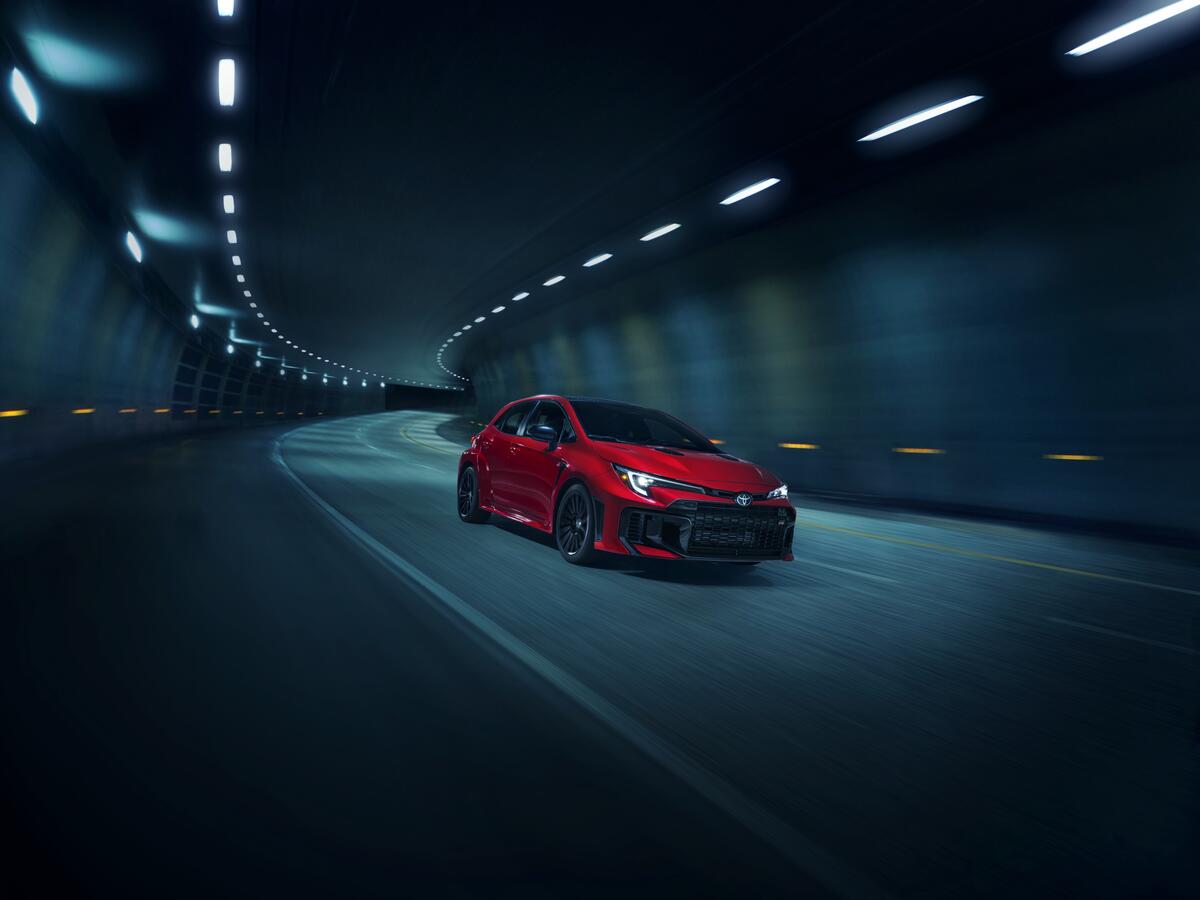
Toyota GR Corolla
"I think the gr corolla sounds pleasant. I think the civic the civic type bar [4288.0s] Absolutely sounds pleasant as does the integra type s."
The Toyota GR Corolla is a sporty Toyota hatchback. In this discussion, they’re saying it sounds good for the money, and that tuning/intake choices can make a big difference.
The Toyota GR Corolla is a hot hatch built for enthusiast driving, and it’s specifically mentioned here for its sound. The hosts connect that “pleasant” sound to how engine and intake/exhaust choices affect what you hear, especially on smaller, modern engines.

Civic Type R
"I think the gr corolla sounds pleasant. I think the civic the civic type bar [4288.0s] Absolutely sounds pleasant as does the integra type s."
The Honda Civic Type R is the sporty, performance-focused Civic. They’re mentioning it because it has a good-sounding engine note compared with many other cars under $50k.
The Honda Civic Type R is a high-performance version of the Civic, and it’s cited here as sounding “pleasant.” The point isn’t lap times—it’s that the Type R’s engine/induction character can still be satisfying even when it’s not “mind-blowingly great.”

Acura Integra
"Absolutely sounds pleasant as does the integra type s. I think they sound pleasant."
The Acura Integra Type S is a sportier version of the Integra. They’re saying it sounds good, even if it’s not the absolute best-sounding car ever.
The Acura Integra Type S is a performance trim of the Integra, and the hosts include it among cars that “sound pleasant.” Their broader argument is that modern stock cars often don’t deliver the same soundtrack as older enthusiast setups, but some models still manage a satisfying tone.
itb's
"a lot of things that make cars sound really good is that make small engines sound really good [4300.4s] Um are not included with stock cars like itb's and shit like that, you know, like you kind of have to like"
“ITB’s” are individual throttle bodies—separate air valves for each cylinder. They can make an engine sound more exciting and feel more responsive, but most normal stock cars don’t come with them.
“ITB’s” means individual throttle bodies—separate throttle valves feeding each cylinder. They’re often associated with sharper, more mechanical throttle response and a distinctive intake sound, which is why the hosts say stock cars typically don’t include them and you may need tuning to get that sound.
induction
"Yeah, put an intake on it. It's something here the induction. Yeah, um"
“Induction” here means the air-intake path that feeds the engine. If you change the intake (like adding an intake), it can change the sound you hear from the engine bay.
In this context, “induction” refers to the intake system and how air flows into the engine. Changes like an intake can alter the sound you hear (often more intake roar/whistle), which is why the hosts connect it to making a car sound better.
lift-off oversteer
"Uh, reeducation through snap lift off oversteer very good [4363.2s] Is now the last chance to get a gt 350 before they go absolutely bonkers jason fensky ball one"
Lift-off oversteer is when you let off the gas and the back of the car starts to swing outward. It’s caused by the car shifting weight and the tires losing grip in a different way than before.
Lift-off oversteer is when a driver lifts off the throttle and the car’s rear end starts to rotate outward. It happens because the engine braking and weight transfer change the balance of grip between the front and rear tires.

Ford GT 350
"[4363.2s] Is now the last chance to get a gt 350 before they go absolutely bonkers jason fensky ball one [4371.0s] He did why are they about to go absolutely bonkers? Why would that be? [4375.1s] Maybe are they just the last corner people haven't they maybe they haven't risen someone said below further down"
The Ford GT 350 is a special, track-oriented version of the Mustang. Here they’re talking about it as a car whose price is rising fast, especially for low-mile examples.
The Ford GT 350 is a high-performance Mustang built for track-focused driving, known for its sharp handling and enthusiast appeal. In this segment, it’s discussed as a limited-buy opportunity before prices “go absolutely bonkers,” tying the car to collector-market behavior rather than just driving impressions.
residual value
"[4407.2s] like a gt 350 [4409.8s] Not talking about maintenance, but money and money out [4412.2s] Is is a safe place to park money presuming it works."
Residual value is basically how much the car is worth after you’ve owned it for a while. They’re saying some cars can hold their value well, so buying them isn’t as risky as it sounds.
Residual value is what a car is worth later—often discussed as the resale price compared to what you paid. The hosts frame the GT 350 as a “safe place to park money” if it holds value, even if you’ll spend on consumables like tires and brakes.

Audi S8
"Uh, 2017 Audi s8 a 2018, uh, bmw m7 60 [4503.8s] Uh, or alpina b7 and an 8 2018 s 63 are all [4508.2s] About the same price right now. How fucked would it be..."
The Audi S8 is Audi’s big, upscale sedan in a higher-performance trim. In this discussion, the host is basically warning that replacement parts may become harder to find for a 2017 model.
The Audi S8 is the performance flagship version of the A8 full-size luxury sedan line, typically powered by a high-output V8. Here it’s mentioned in a shortlist of late-2010s German sedans, and the host adds a parts-support concern, saying parts for a 2017 S8 will be discontinued soon.

Alpina B7
"Uh, 2017 Audi s8 a 2018, uh, bmw m7 60 [4503.8s] Uh, or alpina b7 and an 8 2018 s 63 are all"
The Alpina B7 is a BMW 7 Series that’s been tuned and upgraded by Alpina to feel more performance-focused. The host is comparing it to other German sedans and saying the Porsche is the better pick.
Alpina B7 is a performance-oriented version of the BMW 7 Series, built by Alpina with its own tuning and upgrades. In this segment, the host groups the Alpina B7 with other late-2010s German performance sedans as being roughly similar in price, then argues the Porsche Panamera Turbo S is the better driving choice.

Porsche Panamera Turbo S
"The panamera turbo s is the fucking used german sedan you want [4526.0s] Full fucking stop does handle it drives way better than all of those it does"
The Porsche Panamera Turbo S is a fast, performance-focused luxury sedan from Porsche. The host is saying that, compared with other expensive German sedans, it drives better and feels more solid as a used buy.
The Porsche Panamera Turbo S is a high-performance version of Porsche’s large luxury sedan, built around a turbocharged V8 and tuned for strong acceleration and confident high-speed stability. In this segment, it’s recommended as the best “used German sedan” choice because it’s described as handling, braking, and steering better than the Audi/BMW alternatives.

Honda CR-Z
"racing bulls on parade says, uh, what are your thoughts on the honda c r z now [4573.6s] Since they've come back into view lately as a somewhat as a forgotten gem or cult classic"
The Honda CR-Z is a small sporty-looking hybrid hatchback. Someone asks if it’s underrated, and the host says it was boring when new and still hasn’t changed much.
The Honda CR-Z is a compact hybrid sports hatchback that was designed to feel more like a sporty driver’s car than a typical economy hybrid. In this segment, the host responds to a listener asking whether the CR-Z is a “forgotten gem” or was judged too harshly, and the answer is that it was dull when new and hasn’t become more interesting over time.
press car
"I'd have to drive it with because we drove one when they were new and I was so new to press cars"
A press car is a car that the media gets to borrow so they can test it and write about it. They’re comparing those borrowed cars to their own car.
A press car is a vehicle provided to journalists or reviewers to drive and evaluate before or around its release. The speaker is contrasting how they felt about press cars versus their own Miata.
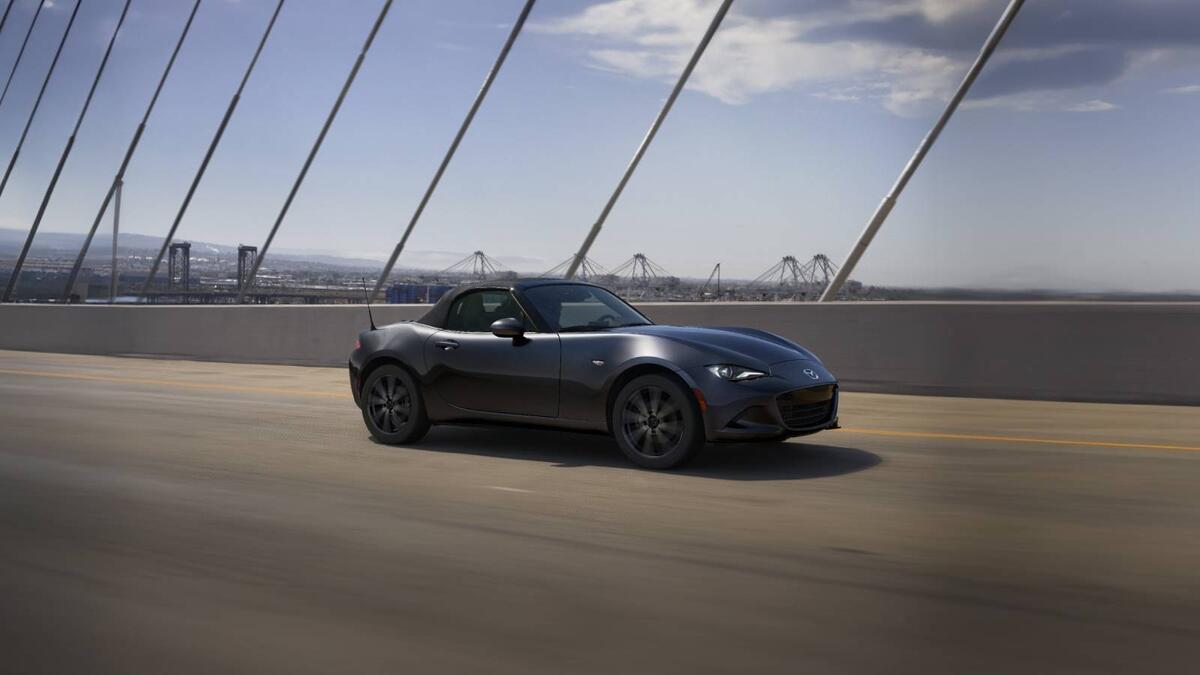
Mazda MX-5 / Miata
"You thought any press car was cool and exciting because I was driving my shitty miata. Yeah, it it was not it was slow"
The Mazda Miata is a small, light sports car that’s famous for being fun to drive. Here, it’s mentioned as the speaker’s own car to compare against other cars they were given to drive.
The Mazda Miata is a lightweight, front-engine, rear-wheel-drive roadster known for being fun and easy to drive. In this segment, it’s used as the speaker’s personal baseline for comparing how “press cars” feel.
hybrid
"And it was a hybrid did nothing. I mean they had an opportunity shelf which was weird"
A hybrid uses both a gas engine and an electric motor. The speaker is saying that, in this case, the hybrid setup didn’t make the car feel any better or faster.
A hybrid vehicle uses more than one power source—typically an internal-combustion engine plus an electric motor—to improve efficiency. The speaker criticizes the hybrid’s real-world impact here, saying it “did nothing,” implying the system didn’t feel quick or responsive.

Honda CRX
"Tried to smash cut a crx and an insight. And it ended up just being an insight"
The Honda CRX is a small Honda that people often associate with a sporty, lightweight look. In this clip, it’s used as a reference point for how another car was styled.
The Honda CRX is a compact, sporty hatchback/coupe from Honda’s lineup that became known for its lightweight feel and enthusiast following. The speaker compares another car’s shape to a CRX, suggesting it was trying to look like that classic Honda style.

Honda Insight
"Tried to smash cut a crx and an insight. And it ended up just being an insight"
The Honda Insight is a Honda hybrid, known for trying to be efficient. The speaker is basically saying the car ended up looking like an Insight instead of the sporty CRX vibe.
The Honda Insight is Honda’s hybrid model line, best known for being an early mainstream example of a fuel-sipping hybrid. Here, the speaker says a new design ended up looking like an Insight rather than the more classic CRX shape they were aiming for.
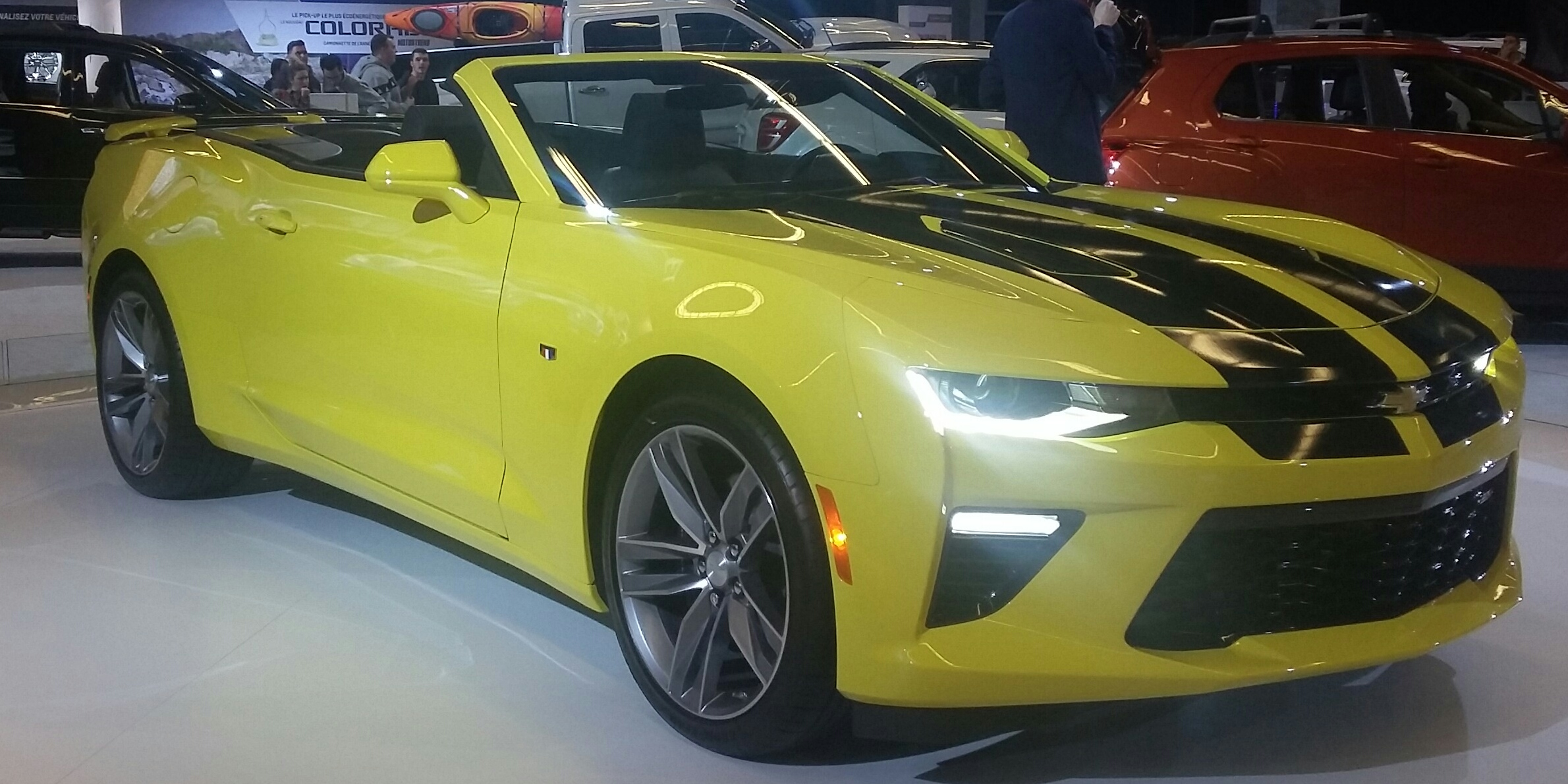
Chevrolet Camaro
"Darian lux, what is the future of the camaro and what would you like to see chevy do with it? I want to see them make it smaller. That's what I want. They're not going to do that"
The Chevrolet Camaro is a popular American sports car with a long history. Here, they’re talking about redesign ideas—making it smaller but keeping the engine.
The Chevrolet Camaro is a long-running American muscle car/pony car that’s known for its performance heritage and distinct styling. In this segment, the host discusses what they’d want Chevrolet to do with the Camaro—specifically making it smaller while keeping the engine.
retro future
"I think it's time to retro future The 1980s camaro now that we have exhausted the People who really give a shit about the 1960s design."
“Retro-future” means making something look like the past, but with modern updates. In this case, they’re talking about designing cars that feel inspired by older muscle cars, but built with today’s sensibilities.
“Retro-future” is a design approach that blends nostalgic, older-era styling cues with modern engineering and packaging. Here, the hosts are arguing for a new take on classic muscle-car proportions—using 1980s and 1960s visual references as inspiration.

Chevrolet C7
"Half way back to the c7 corvette Where it was more like a four seat corvette You know that that had the 80s styling then then like a 60s muscle car"
The C7 Corvette is a specific generation of the Chevrolet Corvette. They’re using it as a comparison for a design direction: something that feels like a Corvette, but with a smaller, more muscle-car vibe and seating for four.
The C7 Corvette is the seventh-generation Chevrolet Corvette, and it’s often praised for being more modern and track-capable than earlier Corvettes. The hosts use it as a reference point for a “four-seat Corvette” idea—mixing 1980s-era styling with a muscle-car-like feel.
facelift
"Just watch johnny's review of the facelift Audi rs3. I was surprised by how much more he and misha liked it over the pre facelift"
A facelift is a mid-cycle refresh of a car. It can change the look, and sometimes the driving setup too, which is why the hosts are comparing the updated RS3 to the earlier one.
A facelift is an update to a car’s body and systems during its model run, usually after the initial launch. It often includes styling changes and sometimes mechanical or software updates that can alter driving feel—like the differential tuning mentioned here.

Audi Rs3
"Just watch johnny's review of the facelift Audi rs3. I was surprised by how much more he and misha li..."
The Audi RS 3 is a fast, performance-focused version of a compact Audi. It’s meant to be quick and fun to drive, not just comfortable. The podcast is referencing a review of the updated (facelift) version.
The Audi RS 3 is a high-performance compact car from Audi’s RS lineup, built for quick acceleration and sharp handling. The podcast mentions a review of the facelift version, suggesting they’re discussing changes and how it drives compared to earlier iterations. It’s a common topic because it sits in a popular performance segment.
rear diff
"I was surprised by how much more he and misha liked it over the pre facelift due to the tuning of the rear diff"
“Rear diff” is short for the rear differential, a gearbox component that lets the left and right rear wheels rotate at different speeds. Its tuning (how it manages torque split and locking behavior) can strongly influence traction, cornering feel, and how the car responds when you accelerate out of turns.
break traction
"When you start to break traction um on on a track"
It means the tires start slipping because they can’t grip the road anymore. On a track, it usually happens when you turn or accelerate harder than the tires can handle.
“Break traction” means the tires lose grip with the road surface. On a track, this often happens when the driver applies too much throttle or steering input for the available grip, causing the car to slide.
rear wheel drive
"It's not like real rear wheel drive. So it doesn't do the thing consistently every time"
Rear-wheel drive means the power goes to the back wheels. That changes how the car feels when you accelerate and when it starts to slide on a track.
Rear-wheel drive (RWD) sends engine power to the rear wheels, which changes how the car accelerates and how it slides under throttle. The speaker is contrasting a system that “can only put so much power to the back” with true RWD behavior, especially in repeated slide/traction events on track.
slide
"But like I could do the rear wheel drive car. I could do the same slide More or less exactly the same six times"
A “slide” is when the car starts moving sideways because the tires aren’t gripping as well. The car’s response can feel consistent or inconsistent depending on the drivetrain and traction setup.
A “slide” on track is when the car’s tires lose grip and the vehicle rotates or drifts while still under control. Consistency of the slide response depends on traction control, differential behavior, tire grip, and how the drivetrain transfers power.
torque shuffling
"You know, you're trying to get physics to send a message to the tire But in between that there's all this like torque shuffling front and back and then also side to side"
It means the car constantly changes how much power it sends to different wheels. The goal is to keep traction and stability, especially when grip changes.
“Torque shuffling” is a way of describing how a car’s drivetrain and stability/traction systems rapidly move engine torque between wheels (and sometimes sides) to keep the car stable. Instead of sending the same torque to the same tires all the time, the car constantly reallocates it based on grip and driver inputs.
squeal
"Any upside of the diff is offset by the downside of the squeal The other car had a round wheel. This one has a squeal and I don't really like it"
“Squeal” is the tire noise you hear when the tires start slipping. It usually means the tires aren’t gripping as well as they should.
In this context, “squeal” refers to the squeaking sound tires make when they lose grip and slip. It’s often a sign that traction control or the differential’s torque distribution is working hard to manage wheel slip.
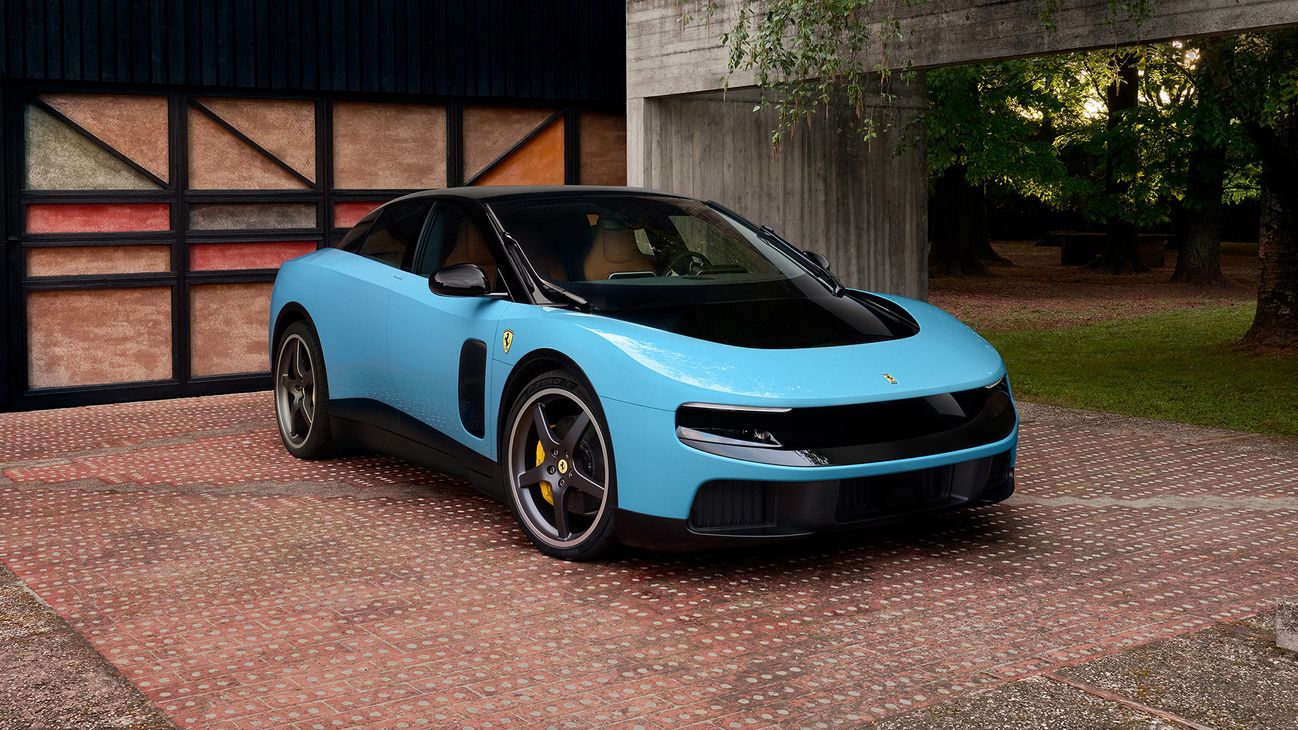
Ferrari Luce
"It's speculated that the Ferrari luce will mostly be sold to people wanting allocations for other Ferraris What current Ferraris would be worth having to buy a luce at 600k."
They mention a Ferrari model name that sounds like “Luce,” but the key point is the allocation strategy. The idea is that some buyers have to buy one Ferrari just to get the one they really want.
“Ferrari Luce” appears to be a mis-transcription of a Ferrari model name in the segment. The context is about limited allocations and buyers being forced to purchase another Ferrari to gain access to a different model.

Ferrari 296
"There's not a Ferrari on the market that's worth having to buy an extra car to get Yeah, because you can just get a 296 if you want one, right?"
The Ferrari 296 is a mid-engine Ferrari with a modern power setup that includes an electric assist. The hosts are basically saying it’s the most desirable current choice.
The Ferrari 296 is a modern Ferrari known for its mid-engine layout and hybridized powertrain approach (a turbocharged V6 paired with an electric motor). In the segment, it’s used as the “best one they make” compared with other current Ferrari options.
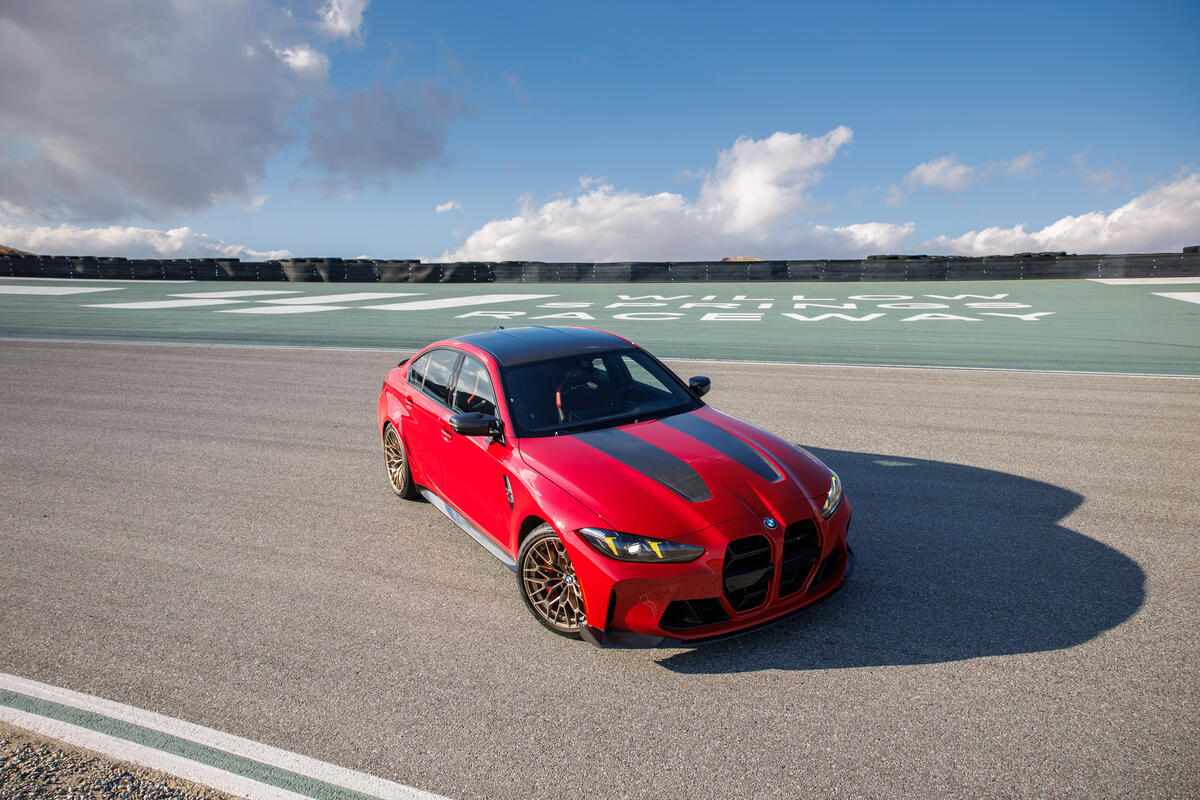
BMW M3
"...t I don't want to jump up to yeah as of 90 or the f80 or like those look terrible We had this conversat..."
The BMW M3 is a high-performance BMW made for driving enthusiasts. It’s meant to handle well and feel quick. The podcast is discussing which versions they like and whether they’d choose one over other performance BMWs.
The BMW M3 is BMW’s performance sedan/coupe line, built for drivers who want sharp handling and strong acceleration. In the podcast, it’s referenced in the context of which M3 generation or variant looks best and whether it’s worth moving up from other choices. That kind of talk usually centers on styling, feel, and how the car fits a specific use case.
radar cruise control
"Very often I'm fucking with the radar cruise control and I might even be taking my shoes off Just stretching my legs straight out behind the pedals just chilling like that"
Radar cruise control is like regular cruise control, but it can also react to the car in front of you. It uses a sensor to keep a safe distance and adjust your speed automatically.
Radar cruise control is an adaptive cruise system that uses a radar sensor to maintain a set speed and automatically adjust it to match the vehicle ahead. Instead of just holding a constant speed like older cruise control, it can slow down and speed back up as traffic changes.

Ford GT40
"Who allen man is we talked about on the last show. Okay allen man was basically the european gene haas allen man racing ran touring cars and did rally and did a field did gt 40 at lamar At drivers like sterling moss and gram hill and built commas cars for oh james bond goldfinger and chitty chitty bang bang"
The Ford GT40 is a famous race car from Ford’s racing history. People talk about it because it was built to win in endurance racing. The podcast is mentioning it as part of a racing story.
The Ford GT40 is a legendary race car associated with endurance racing success, especially in the era it competed. It’s discussed in motorsport history because it became a symbol of performance and racing achievement. The podcast references it through the story of Allen Mann’s racing involvement.

Jaguar XKR
"johnny ev gearberman have either of you driven a jag x kr or x kr s Yes, I have a review of it on the fucking channel the 175 edition."
The Jaguar XKR is a sporty Jaguar meant for fast driving and long trips. It’s known for having a strong engine and a comfortable, powerful feel.
The Jaguar XKR is a performance grand tourer from Jaguar, known for its supercharged V8 and big, confident highway manners. It’s the kind of car enthusiasts associate with the “fast and comfortable” style of late-2000s/early-2010s British performance.
Request an Explanation
Heard something you'd like explained? We'll add it to this episode.
Sign in to request explanations for terms you heard.
Want to learn more?
Browse our glossary for plain-English explanations of automotive terms, jargon, and concepts.
Help improve this episode
See something that's not quite right? Our annotations are AI-generated and can sometimes miss the mark. Click the flag icon on any annotation to suggest a correction.