S2 Ep7: Why The Drift King Chose The AE86 for Initial D
About this episode
“The Golden Age of JDM” episode seven traces how Japanese car culture became global through media—VHS tapes, magazines, anime, and games. The hosts connect touge and Wangan coverage to how timing data, telemetry, and even grainy footage changed what people believed. They zoom in on Initial D: Shuichi Shigeno picked the AE86 as his flagship, and the series created space for “balance, throttle modulation, and momentum conservation.”
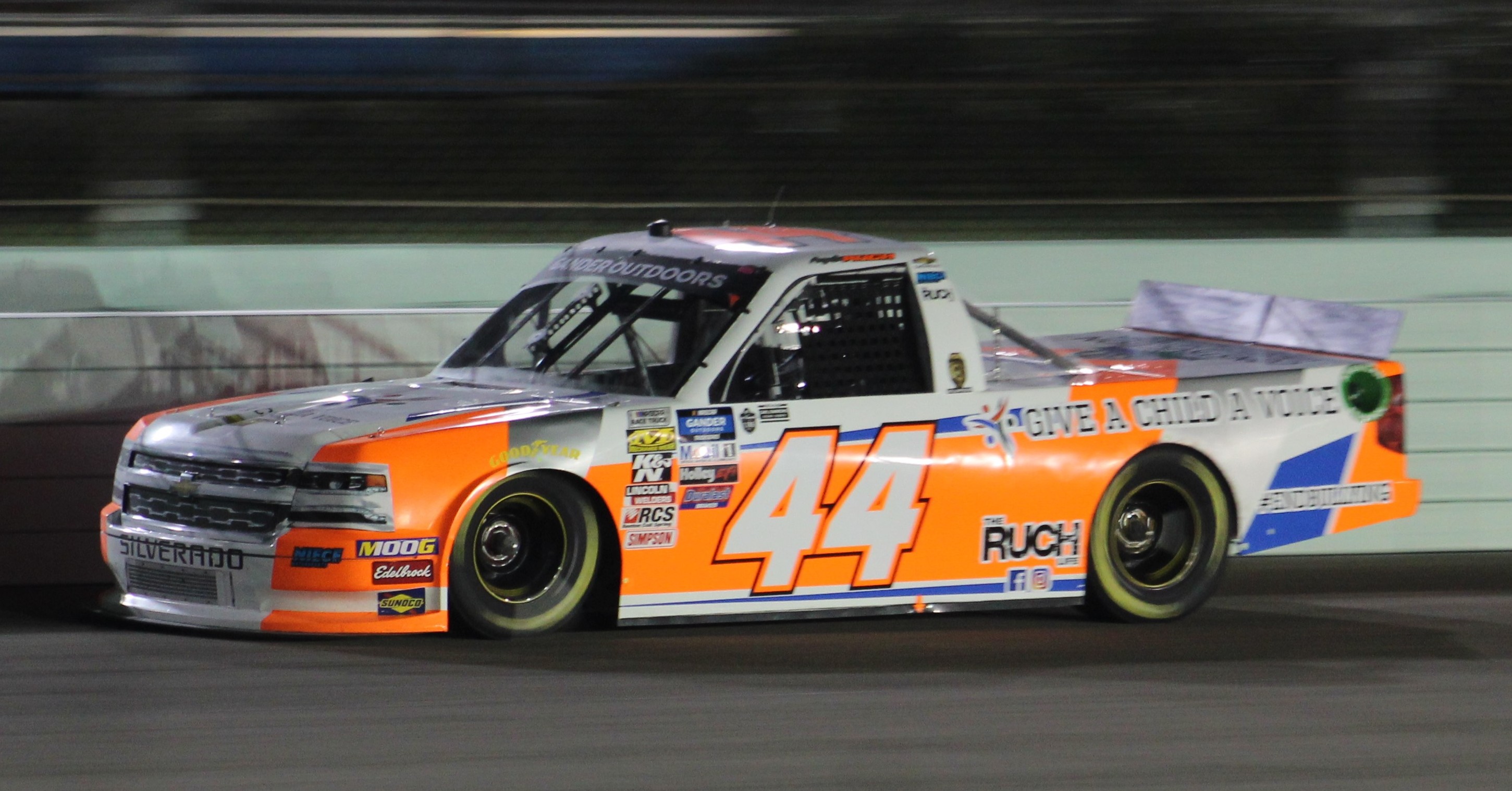
Chevrolet Silverado
"...est terrains with five available drive modes, and Silverado and Silverado HD have the muscle to take you out ..."
The Chevrolet Silverado is a large pickup truck made for work and everyday driving. It can be set to different driving modes to help it handle things like rain, snow, or rough roads. It’s often talked about because it’s built to tow and carry heavy loads.
The Chevrolet Silverado is a full-size pickup truck known for hauling, towing, and being offered with multiple engine and drivetrain configurations. In a discussion like this, it’s mentioned alongside “drive modes” because modern Silverados use selectable settings to help the truck handle different road and weather conditions. It’s a common reference point when talking about practical capability in a big, powerful truck.

Chevrolet Silverado EV
"...tiple engine options and impressive towing. While Silverado EV is the perfect combo of performance and capabilit..."
The Chevrolet Silverado EV is a pickup truck that runs on electricity instead of gasoline. It’s designed to still tow and carry things like a traditional truck, while also offering strong performance. The podcast mentions it because it’s built to be capable, not just fast.
The Chevrolet Silverado EV is an electric full-size pickup built to combine EV performance with truck capability. The podcast highlights “multiple engine options” and impressive towing, which matters because buyers expect a truck to do real work even with an electric powertrain. It’s discussed as a blend of performance and capability in one package.

Acura Integra
"...re watching really is. Now, a Sylvia is racing an Integra Type R, in Prezza and Nissan GTR at Sikuba."
The Acura Integra is a smaller car from Acura that’s made to be fun to drive. The podcast is specifically talking about the Integra Type R, which is a higher-performance version. It’s mentioned because it’s known for racing-style performance.
The Acura Integra is a compact performance-oriented car, and the podcast specifically references the Integra Type R. It’s mentioned in a racing context alongside other well-known performance cars, which is why it comes up here—its reputation is tied to track-focused driving. That makes it a natural comparison point in stories about competitive street or track racing.

Toyota Ae86
"...ut a little manga slash anime with a little white AE86. That's right, we're talking initial D later on."
The Toyota Corolla is a small, everyday car that’s known for being practical. The podcast is referencing the AE86 version, which is a specific Corolla model that became famous for racing. That’s why it shows up in stories about driving and car culture.
The Toyota Corolla is a compact car that’s widely known for being dependable and easy to live with. It comes up in the context of the AE86, a specific Corolla generation that became famous in motorsport and pop culture. That’s why it’s discussed here—its performance reputation is tied to the initial “AE86” identity.
torque vectoring
"Cutting edge electronics like torque vectoring all-wheel drive and data logging no longer felt like futuristic add-ons."
Torque vectoring is a way for the car to send different amounts of power to different wheels. That helps the car turn more smoothly and stay more stable when you’re cornering.
Torque vectoring is a driveline control strategy that varies how much torque each wheel gets, often side-to-side. The goal is to help the car rotate and track more predictably through corners by actively managing traction at individual wheels.
all-wheel drive
"Cutting edge electronics like torque vectoring all-wheel drive and data logging no longer felt like futuristic add-ons."
All-wheel drive means the car can send power to all four wheels. That usually helps it grip the road better, especially in slippery or tricky cornering situations.
All-wheel drive (AWD) is a drivetrain layout that sends power to both the front and rear axles. In performance applications, it’s often used to improve traction and stability, especially when accelerating or changing direction on lower-grip surfaces.
data logging
"Cutting edge electronics like torque vectoring all-wheel drive and data logging no longer felt like futuristic add-ons."
Data logging is like the car keeping a detailed record of what’s happening while you drive. Engineers use it to figure out what the car did during a run and how to improve it.
Data logging is recording driving and vehicle parameters over time—such as throttle input, wheel speeds, and sometimes temperatures or accelerations. In motorsport and performance development, it helps teams understand what the car is doing and why, then refine tuning and control systems.
Japanese performance media (VHS era)
"Alongside all of that, a new kind of media had emerged to meet the moment. Programs like best motoring, hot version, and video option didn't just document the Japanese car world, they ran parallel to it."
They’re talking about how Japanese car shows changed in the 1990s. Instead of just being normal TV, they became longer videos that felt more connected to how enthusiasts actually drove and talked about cars.
This segment discusses how Japanese performance-car media evolved in the mid-1990s, moving from conventional TV toward long-form VHS releases. The hosts frame shows like Best Motoring as running alongside the car scene rather than simply reporting on it.
Best Motoring
"Programs like best motoring, hot version, and video option didn't just document the Japanese car world, they ran parallel to it."
Best Motoring is a Japanese car video show. The episode uses it to show how car enthusiasts got more detailed, long-form content back in the 1990s.
Best Motoring is a Japanese automotive video series known for long-form coverage of performance cars and driving. In the transcript, it’s used as an example of how enthusiast media in the mid-90s became more immersive than traditional TV.
Video Option
"Programs like best motoring, hot version, and video option didn't just document the Japanese car world, they ran parallel to it."
Video Option is a Japanese car video brand. It’s mentioned here as one of the shows that helped enthusiasts follow and understand performance cars.
Video Option is a Japanese automotive video magazine/series referenced as part of the mid-90s performance-car media lineup. The hosts use it to illustrate how multiple outlets helped shape enthusiast perception of Japanese performance cars.
time attack
"These tests gave each car a proper shot to shine in different areas. [359.2s] You could have dominated a time attack, but still lost out in the battle royale."
Time attack is basically racing against the clock. You try to set the fastest lap time, not necessarily beat other cars directly at the same time.
Time attack is a motorsport format where the goal is to set the fastest single lap (or best time) rather than racing wheel-to-wheel. In the context of comparing cars, it highlights how well a car performs in acceleration, braking, and cornering efficiency over one run.
battle royale
"[359.2s] You could have dominated a time attack, but still lost out in the battle royale. [364.0s] All disciplines were called upon."
Here, “battle royale” just means a bunch of cars competing directly against each other. Even if you’re great at one kind of driving, you can still lose if others do better overall.
In motorsport talk, “battle royale” is a way to describe close, direct competition where multiple cars are compared head-to-head under the same conditions. It emphasizes that a car can be strong in one discipline yet still lose overall when others match or outperform it in different areas.
front end grip
"[376.1s] A car with insufficient front end grip has nowhere to hide. [379.9s] Turbo lag reveals itself exiting tight corners."
Front end grip means how well the front tires can stick to the road when you turn. If it’s weak, the car won’t turn in properly and feels harder to control in corners.
Front end grip is how much traction the front tires have while turning and braking. If a car lacks front grip, it can’t hold a stable line through corners, which often forces the driver to fight understeer (the car wants to go straight instead of turning).
Turbo lag
"[379.9s] Turbo lag reveals itself exiting tight corners. [383.7s] There are no massive elevation changes or sprawling forests swallowing the action."
Turbo lag is the short pause you can feel before a turbo starts making strong power. It often shows up when you accelerate out of slow, tight turns.
Turbo lag is the delay between pressing the accelerator and the turbocharger delivering full boost. It’s most noticeable when exiting tight corners because the engine may need a moment to spool the turbo before strong acceleration arrives.
twin turbocharged
"Take the twin turbocharged Mark IV Toyota Supra. It entered as a declaration of overbuilt intent, with its composure under sustained load proving more interesting than its advertised horsepower."
Twin turbocharging means the engine uses two turbochargers to make more power. More air gets forced into the engine, so it can burn more fuel and produce more horsepower.
Twin turbocharging uses two turbochargers to force more air into the engine, which allows higher power output. With the Supra mentioned here, the idea is that the car can make strong boost while still maintaining composure under sustained driving.
sustained load
"It entered as a declaration of overbuilt intent, with its composure under sustained load proving more interesting than its advertised horsepower."
Sustained load means you’re keeping the car working hard for a while, not just flooring it for a second. The point is that the car stays composed when you keep pushing it.
Sustained load means the engine and drivetrain are under heavy demand for an extended period rather than just a quick burst. The host uses it to argue that the Supra’s stability and composure under continuous stress mattered more than its advertised peak horsepower.
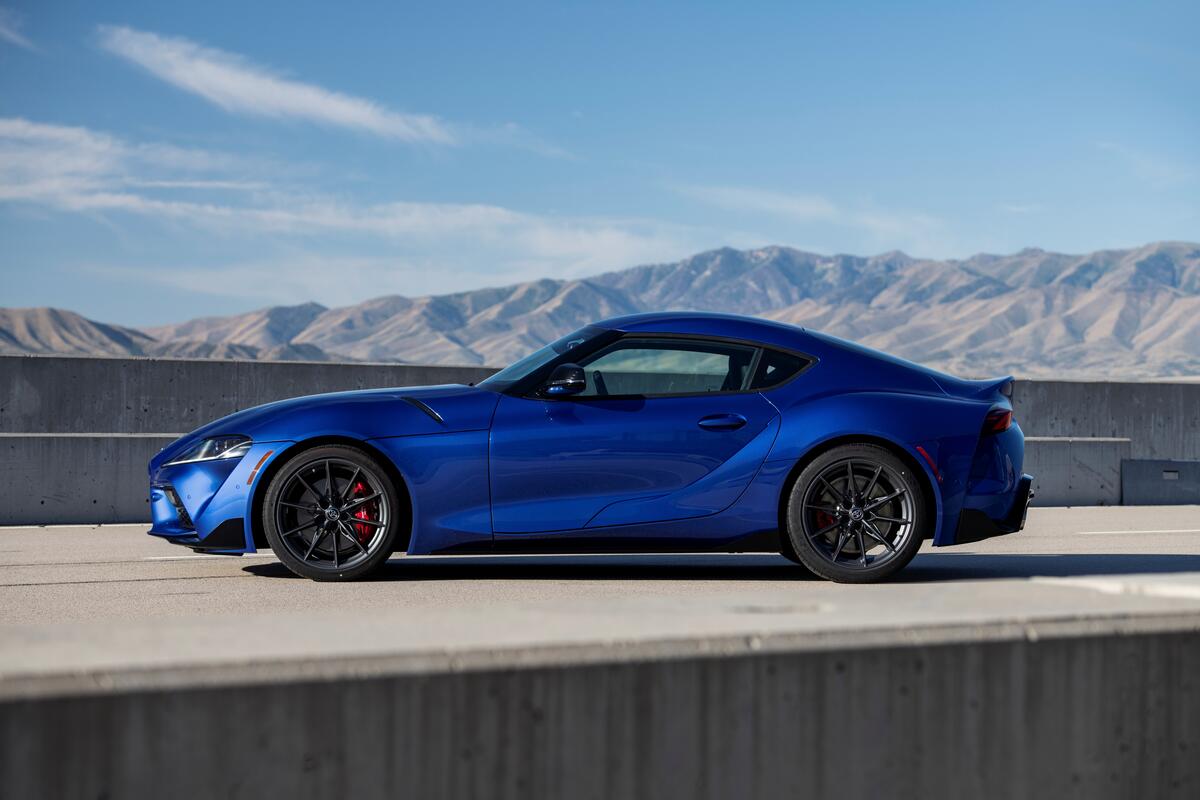
Toyota Mark IV Supra (2JZ engine)
"But also, the 2JZ engine that powered the Mark IV Supra, incredibly overbuilt and would prove to be a very sturdy foundation for tuners after they discovered that, hey, we could boost this thing like 800 or 1000 horsepower on the stock engine block without having to change anything."
The 2JZ is the engine in the Mark IV Toyota Supra, and it’s well known for being tough. The big idea is that people could add a lot of power without immediately needing to replace the engine internals.
The 2JZ engine is the famous inline-six used in the Mark IV Toyota Supra, and it’s known for being extremely robust. The hosts emphasize that tuners could push very high boost power levels using the stock engine block, which helped cement the car’s tuning reputation.
sequentially-boosted
"By the mid-90s, though, it had become something else entirely, an iron-blocked, sequentially-boosted Goliath engineered with a tolerance margin that seemed to anticipate a future in which tuners would determine its legacy."
Sequential turbocharging controls when each turbo spools up, typically using the smaller turbo first for quicker response and then bringing in the larger turbo for more top-end power. The segment uses this to describe the Supra as engineered for both drivability and high-end performance.
iron-blocked
"By the mid-90s, though, it had become something else entirely, an iron-blocked, sequentially-boosted Goliath engineered with a tolerance margin that seemed to anticipate a future in which tuners would determine its legacy."
Iron-blocked means the engine’s main structure is made from iron. Iron is tough, and in this story it’s part of why the engine can handle big power increases.
An iron-blocked engine has a cast-iron engine block, which is generally strong and can handle higher stresses than some lighter materials. In the context of the Mark IV Supra, the host is linking the iron block to the engine’s ability to survive heavy tuning.
telemetry overlays
"Best motoring's use of telemetry overlays may seem obvious now, but at the time, it was a fairly radical choice that subtly altered the stakes of what was being captured on video."
Telemetry overlays are extra data shown on top of the video, like timing and speed info. The host is saying that adding that kind of info made the video feel more “proven” than just impressions.
Telemetry overlays are on-screen graphics that display live or recorded performance data (like speed, lap time, or other metrics) during video. The segment notes that Best Motoring’s use of telemetry overlays was unusual at the time and changed how viewers interpreted what they were seeing.
sector times
"Viewers could rewind a super lap and compare its sector times"
Sector times split a track lap into smaller chunks and time each chunk. That makes it easier to see where the car is fast or where it’s losing time.
Sector times break a lap into segments (sectors) and measure how long the car takes through each one. Comparing sector times helps identify where a driver gains or loses time, which is why the host mentions viewers rewinding and comparing them.

Nissan R33 Skyline GT-R
"There's a story involving Kaiichi Tsuchiya and the R33 Skyline GT-R, [550.9s] where his initial skepticism about the car's added weight gave way, [555.4s] lap by lap, to a reluctant respect once the stopwatch confirmed what the seat of the pants approach couldn't."
The Nissan R33 Skyline GT-R is a famous Japanese sports car. The episode talks about how it felt heavier than expected, but the stopwatch showed it could still perform well on track.
The Nissan R33 Skyline GT-R is a late-’80s/early-’90s Japanese performance icon known for its all-wheel-drive traction and race-bred tuning culture. In the Initial D context, the story highlights how its added weight affected handling feel, but lap times eventually proved it could still be effective.
seat of the pants approach
"lap by lap, to a reluctant respect once the stopwatch confirmed what the seat of the pants approach couldn't."
This means judging the car by how it feels to the driver, not by measurements. The episode says the driver’s gut feel wasn’t enough until the stopwatch proved what was really happening.
“Seat of the pants” is a driver’s subjective feel for how a car is behaving—grip, balance, and response—without relying on instruments. The segment contrasts that instinct with objective lap-time results from a stopwatch.
timing graphic
"The instinctive critique, the mid-corner correction, the glance at the timing graphic, [573.9s] distinctions like that reshaped enthusiast discourse permanently."
A timing graphic is the on-screen display of times from a run. The episode suggests it helped people judge driving by results instead of just how it looked or felt.
A timing graphic is on-screen data that shows lap/sector timing or run results, used to compare driver performance objectively. The segment treats it as part of how enthusiast debates shifted from pure feel to measurable evidence.
mid-corner correction
"The instinctive critique, the mid-corner correction, the glance at the timing graphic, [573.9s] distinctions like that reshaped enthusiast discourse permanently."
A mid-corner correction is a quick adjustment while you’re still turning. It’s what drivers do to fix the car’s line when the corner doesn’t go exactly as planned.
A mid-corner correction is a small steering/braking/throttle adjustment made while the car is already in the turn. It’s often used to recover balance if the car isn’t tracking where the driver expected.
Hot Version
"Best motoring sister program, Hot Version, took that same structural seriousness [586.1s] and shifted it toward the world of mods and mountain racing."
Hot Version is a Japanese car show/magazine brand focused on tuning and driving culture. The episode says it helped popularize the mountain-racing and modification side of the scene.
Hot Version is a Japanese automotive media brand known for covering tuning culture and motorsport-style driving. In this segment, it’s credited with taking the same structured seriousness as Best Motoring and shifting it toward mods and mountain racing.
touge racing
"Up until the late 80s, Touge Racing had existed for decades as a semi-mythical [608.6s] proving ground threaded through rural Japan."
Touge racing is street-style competition on mountain roads in Japan. The idea is that the road itself tests both the driver and the car, especially through twisty downhill and uphill sections.
Touge racing refers to competitive driving on mountain passes (touge) in Japan, where tight corners and elevation changes make car balance and driver skill critical. The segment frames it as a long-running, semi-mythical proving ground that later became more documented as video culture grew.
mountain pass
"As the video boom took hold, what was happening on the mountain pass [627.2s] was no longer left the imagination."
A mountain pass is a road section with sustained climbs/descents and lots of corners, which changes how cars are driven compared with flat circuits. In touge culture, it’s where braking, traction, and mid-corner balance get stressed repeatedly.

R32 GTR
"featured a tuned AE86 against a Civic SIR2 [670.2s] against a 600-plus horsepower R32 GTR."
The R32 GT-R is a famous Nissan turbo car from the late 80s/early 90s. In this segment it’s used as an example of a very powerful build—more about raw power than just finesse.
The Nissan R32 GT-R is a legendary 1980s/early-1990s performance car known for its strong turbocharged power and all-around speed. Calling it “600-plus horsepower” frames it as the kind of high-output, straight-line-capable opponent that contrasts with lighter, handling-focused builds.
lateral acceleration
"Technique segments covered fundamentals like lateral acceleration and tire choice,"
Lateral acceleration is how much the car is being pushed sideways in a turn. Higher values usually mean the tires are gripping harder (or the car is sliding more, depending on context).
Lateral acceleration is the sideways “g-forces” a car experiences while cornering or drifting. It’s a key metric for how hard the tires are working and how much grip the car has available in the direction of the turn.
tire choice
"Technique segments covered fundamentals like lateral acceleration and tire choice,"
Tire choice means picking the right tires for the kind of driving you’re doing. The tires decide how much grip you have and how the car behaves when you push it.
Tire choice refers to selecting tire type and compound to match the driving goal—grip, heat tolerance, wear, and how predictable the car feels at the limit. In drifting and performance driving, tire choice strongly affects traction and how quickly the car transitions between grip and slide.
Spoon
"Founded by Tatsura Ichishima in the late 1980s, Spoon built their identity around the idea that [728.9s] speed was something extracted through refinement rather than addition."
Spoon is a Japanese tuning brand. They’re known for careful, precise work—especially on Honda cars—aiming to make the car feel and perform “right,” not just powerful.
Spoon is a Japanese performance brand founded by Tatsura Ichishima that became known for precision-focused engine and chassis development. The segment frames Spoon’s identity as extracting speed through refinement—especially on Honda platforms.
titer tolerances
"Titer tolerances, careful balancing of rotating components,"
This is about making parts fit together very precisely. When tolerances are tight, the engine and moving parts can work more consistently from one part to the next.
“Titer tolerances” appears to refer to tight manufacturing tolerances—keeping dimensions and fitment extremely consistent. In performance builds, tighter tolerances can improve how parts work together (especially in rotating components) and reduce unwanted variation.
blueprinting engines
"blueprinting engines so that every part performed exactly as designed,"
Blueprinting means taking an engine apart and setting it up to very exact specs. Instead of “good enough,” it’s meant to make the engine run the way it was designed to run.
Blueprinting an engine means measuring and setting internal components to match a target specification, rather than accepting factory “within spec” variation. The goal is consistent performance—so the engine behaves predictably and efficiently under load.
HKS
"If the HKS videos were more your speed, you weren't interested in subtlety."
HKS is a well-known Japanese tuning company. They’re famous for making turbo and power-focused upgrades, aiming for big horsepower.
HKS is a Japanese performance brand known for turbocharging hardware and high-power tuning. In this segment, they’re contrasted with Spoon’s refinement approach—positioning HKS as chasing power more directly.
turbocharging
"HKS built their reputation around turbocharging and outright power."
Turbocharging adds extra air to the engine using exhaust energy. That lets the engine make more power than it could with just normal airflow.
Turbocharging uses exhaust gases to spin a turbine that forces more air into the engine. More air (and fuel) generally means more power, which is why turbocharging is central to many high-output builds.
RE Amemia
"And then there was RE Amemia, which operated under a different axis entirely. Isami Amemia had essentially turned his back on conventional engines and committed himself completely to Mazda's rotary."
RE Amemia is a company that made performance parts, especially for Mazda rotary engines. The hosts say they weren’t just selling pieces—they developed them through racing experience.
RE Amemia (run by Isami Amemia) is presented as a rotary-specialist shop that built engine modifications and supporting hardware for Mazda’s rotary platform. The segment frames it as a “one-stop shop” whose products were refined through time attack and endurance racing.
Mazda's rotary
"Isami Amemia had essentially turned his back on conventional engines and committed himself completely to Mazda's rotary."
Mazda’s rotary engine is different from most engines because it spins instead of using pistons. The host is saying RE Amemia specialized in parts for that rotary setup.
“Rotary” refers to Mazda’s Wankel rotary engine design, which uses a spinning rotor instead of pistons moving up and down. The segment highlights that Isami Amemia focused his entire business on this unconventional engine type rather than conventional piston engines.

Mazda Rx7
"Isami Amemia had essentially turned his back on conventional engines and committed himself completely to Mazda's rotary. If you owned an RX-7 or an RX-3, RE Amemia was your one-stop shop."
The Mazda RX-7 is a sports car from Mazda that uses a rotary engine instead of a normal piston engine. The hosts mention it because RE Amemia made parts and setups specifically for cars like the RX-7.
The Mazda RX-7 is a performance sports car built around Mazda’s rotary engine, which is known for its compact size and high-rev character. In the segment, RX-7 ownership is tied to RE Amemia’s role as a specialized shop for rotary platforms.

Mazda RX-3
"If you owned an RX-7 or an RX-3, RE Amemia was your one-stop shop. Engine modifications, aero components, gauges, exhaust systems,"
The Mazda RX-3 is an older Mazda model that also uses a rotary engine. The point here is that RE Amemia made rotary-focused parts for cars like the RX-3.
The Mazda RX-3 is another rotary-powered Mazda, part of the brand’s earlier rotary history. The segment groups RX-3 owners with RX-7 owners to emphasize that RE Amemia catered to rotary cars specifically.
endurance competition
"and refined it through years of time attack and endurance competition."
Endurance racing is about going for a long time without falling apart. The hosts mention it to suggest the parts were tested for both speed and staying power.
Endurance competition refers to racing formats that emphasize lasting a long time—maintaining performance while the car and components endure heat, stress, and repeated laps. The segment uses it to show RE Amemia’s rotary parts were developed not just for speed, but for durability too.
Borla
"I mean, imagine if like the Borla exhaust team, or like Brembo brakes, or any of these guys like showed up to Stunt Road in LA like every other weekend,"
Borla is a company that makes aftermarket exhaust systems. The host is name-dropping it to illustrate how serious the scene became.
Borla is an aftermarket exhaust brand known for performance mufflers and exhaust systems. In the segment, Borla is used as an example of a well-known parts company showing up to mountain-road development spots.
Brembo
"I mean, imagine if like the Borla exhaust team, or like Brembo brakes, or any of these guys like showed up to Stunt Road in LA like every other weekend,"
Brembo makes performance brakes. The host mentions it to help you picture big-name companies showing up to the same kind of driving spots.
Brembo is a performance brake brand famous for high-end calipers and braking hardware used in motorsport and enthusiast builds. The segment uses Brembo as a recognizable example of major aftermarket companies participating in the same development locations.
Plus Spy
"Pointing a camera at the whole operation had effectively professionalized it. In just a few years, what Kaichi Tsuchiya had done with Plus Spy seemed almost tame by comparison."
Plus Spy is something Kaichi Tsuchiya did that helped shape how the scene was shown to people. The hosts are saying later efforts looked less impressive compared to what Plus Spy started.
“Plus Spy” is referenced as a project/effort by Kaichi Tsuchiya that the hosts compare to later developments. The point is that what Tsuchiya did with Plus Spy became a baseline for how the scene was documented and “professionalized.”
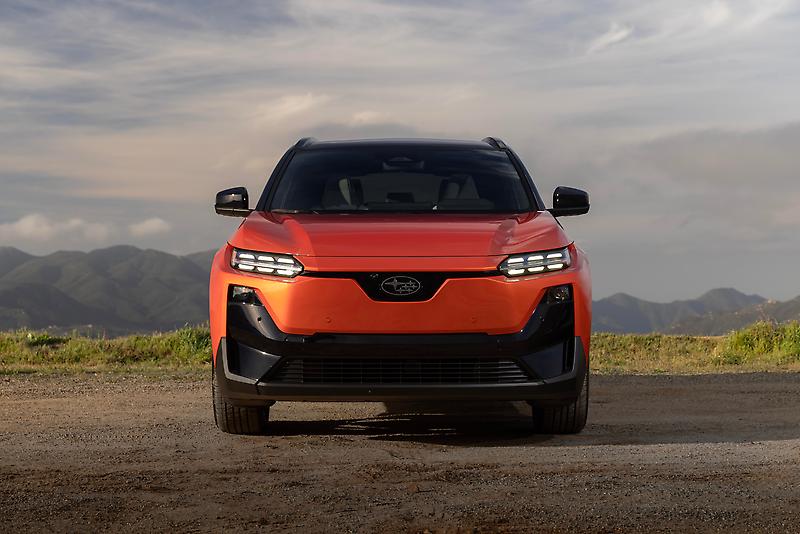
Subaru Uncharted
"...lped fund it all option was now finding itself in uncharted territory. If video option ever felt different fr..."
I can’t confidently identify a specific Subaru car called “Uncharted” based on common model names. It may be a description or nickname used in the podcast rather than the official name of a car. If you share a little more detail from the episode, I can explain the exact vehicle.
“Subaru Uncharted” doesn’t clearly match a specific, widely recognized Subaru production model name. It sounds like a phrase used in the podcast’s story about “uncharted territory,” but without a clear model designation, it’s hard to tie to a particular vehicle. If you can share the exact segment or model year/name, a precise explanation can be provided.
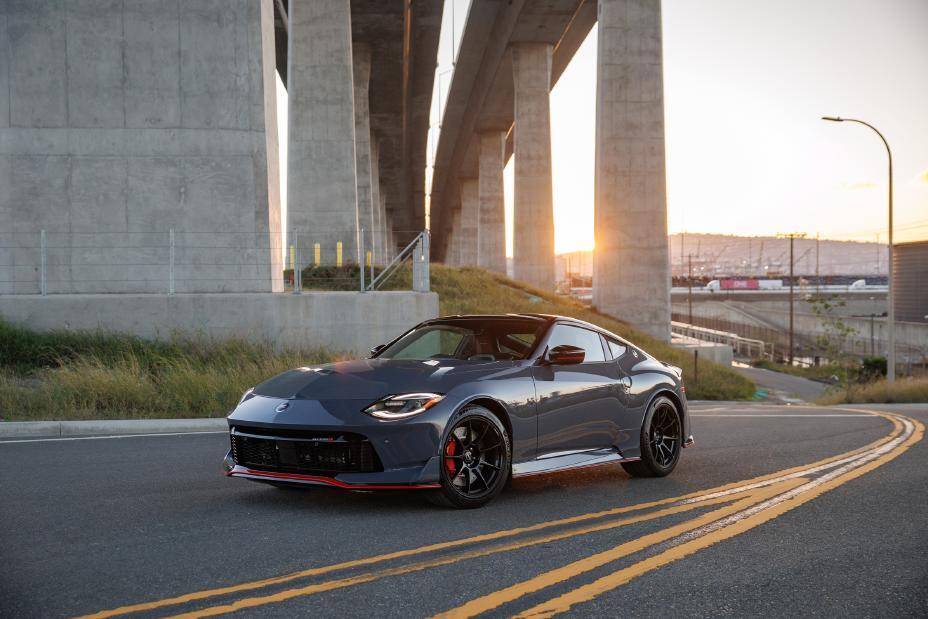
Nissan Zs
"...re top speed was everything. Cars like Supras and Nissan Zs would surge into triple digit territory beneath t..."
The Nissan Z is a sports car made for driving enjoyment and speed. The podcast is pointing out that cars like the Z can reach very high speeds. It’s mentioned because it’s known as a serious performance option.
The Nissan Z is a long-running sports car line focused on driver engagement and straight-line performance. In this context, it’s grouped with Supras as cars that could push into triple-digit speeds, highlighting their role in the “fast” part of car history. That’s why it’s mentioned—its performance reputation is tied to how quickly it can reach high speeds.
lo-fi aesthetic
"You can still find a lot of these videos online, [1116.3s] give yourself over to its imperfections. We live in an era where videography has [1128.2s] been refined to the point where many people can appreciate what Video Option is doing [1132.6s] precisely because of its lo-fi aesthetic."
“Lo-fi” just means the video looks a bit rough or imperfect on purpose. In car videos, that can make it feel more real, like you’re seeing something that actually happened.
A “lo-fi aesthetic” means the video intentionally keeps low-fidelity qualities—like VHS noise and image imperfections—rather than looking perfectly clean. In car culture footage, that rough look can make the action feel more authentic and “found,” not staged.
VHS artifacts
"Grainy VHS artifacts, blown-out highlights, wind noise overwhelming dialogue, [1145.0s] these imperfections made it feel human."
VHS artifacts are the “weird” visual glitches you see on old tape recordings. Think grainy picture and odd color/clarity—stuff you don’t get with modern cameras.
“VHS artifacts” are the visual defects typical of VHS recordings, such as grain, color smear, and tracking noise. They’re a big part of why older Japanese car videos can feel gritty and immediate compared with modern digital footage.
Wangan
"A single high-speed pull on the Wangan was no longer left to whispers and second-hand accounts. [1163.0s] There is now proof, and that proof created friction as events and legends came into sharper focus."
The Wangan is a famous expressway area around Tokyo. In car culture, it’s known for high-speed runs and big “legend” stories.
The Wangan refers to the Bayshore/expressway corridor in Tokyo where high-speed runs became famous in Japanese car culture. It’s strongly associated with “speed legend” culture and the filming/pacing style described in the segment.
Shuto Expressway's Bayshore route
"In the 1980s, high-speed runs along the Shuto Expressway's Bayshore route existed [1177.4s] primarily as rumor and reputation."
This is a specific part of Tokyo’s expressway system along the bay/coast. The episode is saying that, back then, people talked about fast runs there mostly as stories—until videos made it real.
The Shuto Expressway is Tokyo’s network of urban expressways, and the Bayshore route is the coastal stretch that became a hotspot for high-speed street-run culture. In the segment, it’s framed as a place where runs were once mostly rumor until video evidence changed how stories were accepted.
Midnight Club
"Groups like the Midnight Club operated under a [1183.2s] self-imposed code of secrecy. Speeds were discussed in approximations."
“Midnight Club” here means a street-driving crew with a reputation for secrecy. They kept things vague and didn’t share details openly.
“Midnight Club” is used here as a name for a group culture around illegal or semi-secret street driving in Japan. The segment emphasizes their “code of secrecy,” where details were intentionally obscured and speeds were discussed vaguely.
shoulder-mounted camcorder
"A second vehicle would pace alongside the target car, its passenger bracing a shoulder-mounted [1216.7s] camcorder against the dashboard to stabilize the shot."
A shoulder-mounted camcorder is a video camera you hold against your shoulder to steady it. The point is to keep the shot stable while the cars are moving fast.
A shoulder-mounted camcorder is a handheld video camera stabilized against the operator’s shoulder, allowing smoother tracking while moving. In the segment, it’s part of the filming setup for pacing a target car at very high speed.
pacing alongside the target car
"A second vehicle would pace alongside the target car, its passenger bracing a shoulder-mounted [1216.7s] camcorder against the dashboard to stabilize the shot. Driving through the largest city in the world"
Pacing means another car drives next to the main car so the camera can keep it in view. It’s like matching speed so the shot stays steady.
“Pacing” means driving a second car alongside the main car to keep it framed in the camera shot. This is a common technique in car-video production, especially when you can’t do retakes and need consistent speed relative to the subject car.
post-bubble era
"The post-bubble era had a particular mood, and Japanese cinema was soaking it up. Films of this period leaned into themes of alienation, youth rebellion, and urban unease."
This means the time in Japan after the big economic “bubble” burst. People’s attitudes shifted, and that vibe showed up in movies about cars and street racing.
“Post-bubble era” refers to the period after Japan’s late-1980s asset-price bubble burst. In car and media culture, it’s often associated with a more anxious, rebellious mood that shows up in films and street-racing stories.
turbo spool characteristics
"The mechanical specifics like gear ratios, brake bias, and turbo spool characteristics were way beside the point."
This is about how fast a turbocharger “kicks in” and starts making boost. It changes how responsive the car feels when you get back on the gas.
Turbo spool characteristics describe how quickly and smoothly a turbocharger builds boost after you press the accelerator. It affects throttle response and how “punchy” the car feels, especially when exiting corners or accelerating mid-gear.
brake bias
"The mechanical specifics like gear ratios, brake bias, and turbo spool characteristics were way beside the point."
Brake bias is how much of the braking happens at the front versus the rear. It changes how the car behaves when you slow down, especially in corners.
Brake bias is the split of braking force between the front and rear brakes. Changing it can alter stability and turn-in feel—too much rear bias can make a car more likely to rotate under braking, while more front bias tends to feel steadier.
gear ratios
"The mechanical specifics like gear ratios, brake bias, and turbo spool characteristics were way beside the point."
Gear ratios are how the gearbox “gears” the engine to the wheels. They affect how quickly the car accelerates and how it feels when you’re driving hard.
Gear ratios are the numerical relationships between gears in the transmission that determine how engine speed (RPM) translates into wheel speed. They strongly affect acceleration, drivability, and how a car behaves during launches and corner exits.
throttle inputs
"In print, throttle inputs were being annotated and broken down."
Throttle inputs are how you move your gas pedal—how much and how quickly. In racing, that timing matters because it affects grip and how the car turns.
Throttle inputs are the driver’s changes to the accelerator pedal position over time. In performance driving, the exact pattern of throttle on/off and how quickly you apply it can strongly influence traction, weight transfer, and how the car rotates.
torque distribution
"Part of that was structural. A mainstream theatrical release had to justify its budget by appealing beyond a technically literate subculture. Discussions of torque distribution"
Torque distribution is about where the engine’s pulling force goes. It affects how the car hooks up and behaves when you’re accelerating, especially in turns.
Torque distribution is how engine twisting force is allocated to the wheels or axle(s), and how it changes with conditions like throttle position and traction. It’s a key factor in how a car accelerates and how predictable it feels during cornering.
Skyline GT-R
"turbocharged, electronically managed machines. The Skyline GT-R had established all-wheel-drive intelligence as the benchmark."
The Nissan Skyline GT-R is a famous fast Nissan that uses all-wheel drive. The hosts mention it to set up a contrast: Initial D isn’t really about that kind of traction advantage.
The Nissan Skyline GT-R is a performance model known for its all-wheel drive and turbocharged setup, which helped it become a benchmark in motorsport and enthusiast circles. The transcript contrasts its traction-focused reputation with why the AE86’s rear-drive dynamics were a better fit for the series’ technique-first theme.

Mitsubishi evolution models
"Mitsubishi's evolution models were compressing rally-bred traction into compact sedans."
Mitsubishi’s Lancer Evolution is a rally-inspired car that’s famous for strong grip. The episode mentions it to explain how other cars were evolving toward traction-focused performance.
The Mitsubishi Lancer Evolution (often shortened to “Evo”) is known for rally-derived performance and all-wheel-drive traction. The transcript uses it as context for how modern cars were increasingly “compressing” rally traction into everyday compact sedans.
toge
"Countless drives up and down Mount Akina have quietly trained him to be an instinctive driver, a fact that local street racers eventually discover pulling him into the underground toge scene."
Touge is Japanese mountain-pass driving—fast, twisty roads where drivers focus on how they take corners. The episode uses it to describe the underground street-racing world Initial D is based on.
Touge (often written “toge”) is Japanese mountain-pass driving where cars attack winding roads, typically with heavy emphasis on momentum, line choice, and driver feel. The transcript places the AE86 inside this “underground toge scene,” tying the car’s popularity to a specific driving culture rather than track racing.
Haruna Pass
"and spent nights practicing on actual toge routes, like Haruna Pass in Gunma."
Haruna Pass is a real mountain road in Japan that drivers use for touge-style practice. The episode mentions it to show the creators studied real corners, not just made things up.
Haruna Pass is a specific Japanese mountain road in Gunma that’s known among touge enthusiasts as a place to practice and test driving lines. Mentioning it signals that the series’ creators weren’t just theorizing—they practiced on real roads with real corner behavior.
throttle modulation
"It created space for conversations about balance, throttle modulation, and momentum conservation."
Throttle modulation means using the gas pedal smoothly and precisely while turning. It helps the car stay balanced and not lose grip.
Throttle modulation is the controlled, gradual use of the accelerator to manage traction and balance while cornering. Instead of a simple on/off approach, drivers “feather” the throttle to keep the car stable and maintain the right amount of grip at the driven wheels.
momentum conservation
"It created space for conversations about balance, throttle modulation, and momentum conservation."
Momentum conservation means trying not to slow down too much in a corner. The goal is to keep speed and then accelerate earlier when you straighten out.
Momentum conservation is the idea that, on twisty roads, the fastest approach is to minimize how much speed you lose in corners. Drivers aim to carry energy through the turn—using line choice and smooth inputs—so they can accelerate sooner on the exit.
motion blur
"The sensation of speed was heightened through motion blur and responsive controls that were awarded instinct."
Motion blur is the smearing effect you see when something moves very fast. In racing games, it helps you feel like you’re going faster.
Motion blur is a visual effect that smears fast-moving objects across the screen to make speed feel more intense. In racing games, it’s often used to sell high velocity even when the underlying physics are simplified.
responsive controls
"The sensation of speed was heightened through motion blur and responsive controls that were awarded instinct."
Responsive controls means the game reacts quickly when you move the steering or pedals. That makes the car feel easier to control and more realistic.
“Responsive controls” refers to how quickly and accurately a game reacts to steering, throttle, and braking inputs. In driving sims, this matters because it changes how predictable the car feels and whether players can consistently hold a line.
Ridge Racer
"one of my favorites. I haven't played much Ridge Racer at all, to be honest. I have played a shit ton of Ace Combat though..."
Ridge Racer is an older racing game series. The episode mentions it alongside Ace Combat to talk about how game worlds and creators can overlap.
Ridge Racer is a racing video game series mentioned as a comparison point for other arcade-era racers. The segment also ties it to Ace Combat through shared creators and character relationships.
Ace Combat
"I have played a shit ton of Ace Combat though, which is made by the same people, and also K Nagase in Ace Combat is related to a character in Ridge Racer."
Ace Combat is a video game series about flying combat. In this segment, it’s mentioned to point out connections between different game franchises and creators.
Ace Combat is a flight-combat video game franchise referenced here as being made by the same people as Ridge Racer. The episode uses it as an example of how game studios and character lore can connect across different series.
Need for Speed
"Whether you are into Ridge Racer or need for speed, both approaches were commercially successful because they aligned with hardware realities."
Need for Speed is a popular racing game series. In this part of the episode, it’s used as an example of a racing game that sold well even when realism was limited by the hardware.
Need for Speed is a long-running racing game franchise referenced here as an example of a series that was commercially successful. The segment contrasts it with Ridge Racer to argue that both matched the hardware limits of their time.
vehicle dynamics
"Rendering detailed vehicle dynamics in real time was computationally expensive. Memory constraints restricted track complexity and car modeling."
Vehicle dynamics is basically how a car acts when you drive it hard. A game that simulates it tries to make the car handle more like a real car instead of just looking fast.
Vehicle dynamics is how a car behaves under forces—things like how it grips, turns, accelerates, and brakes. In racing games, simulating vehicle dynamics means modeling weight transfer, tire grip, and suspension behavior so the car feels like the real thing.
real-time rendering
"Rendering detailed vehicle dynamics in real time was computationally expensive. Memory constraints restricted track complexity and car modeling."
Real-time rendering means the game updates what you see instantly as you play. It has to be fast enough that the car and track feel smooth and responsive.
Real-time rendering is drawing and updating graphics fast enough that the game feels responsive while you’re actively driving. When it’s paired with physics like vehicle dynamics, the system has to compute both visuals and motion continuously within tight timing limits.
frame rate
"Developers prioritized frame rate and immediacy. In that environment, exotic car rosters masked the absence of nuanced mechanical differentiation."
Frame rate is how smooth the game looks and feels. More frames per second usually means less stutter and more responsive driving.
Frame rate is how many images a game renders per second, usually measured in frames per second (FPS). Higher frame rates generally make motion feel smoother and more immediate, which is why developers prioritized it on limited mid-1990s hardware.
mechanical differentiation
"In that environment, exotic car rosters masked the absence of nuanced mechanical differentiation. When every vehicle featured in the game is rare and looks awesome, who cares that the handling isn't realistic?"
Mechanical differentiation is when different cars feel meaningfully different because their real-world mechanical traits are modeled—like suspension behavior, drivetrain characteristics, and tire grip. The segment argues that early games used flashy car rosters to cover for less detailed physics.
Sony Music Entertainment
"In 1993, he was working as a producer inside Sony Music Entertainment's small internal game development group, a unit that would eventually evolve into polyphony digital."
Sony Music Entertainment is part of the Sony business. The episode is saying the creator of Gran Turismo began working on games inside Sony before the racing studio became what it is today.
Sony Music Entertainment is a Sony company, and the segment says Kazunori Kazuyamauchi started in a small internal game development group there. That detail matters because it connects the early origins of the racing-game effort to Sony’s broader corporate structure.
polyphony digital
"In 1993, he was working as a producer inside Sony Music Entertainment's small internal game development group, a unit that would eventually evolve into polyphony digital."
Polyphony Digital is the studio behind Gran Turismo. The episode is explaining how the early team grew into the company that would make the series.
Polyphony Digital is the game development studio that the segment says evolved from Sony’s internal group. It’s the studio most associated with the Gran Turismo series and its emphasis on car-accurate driving simulation.
simulation depth
"Executives understood arcade fun. They didn't immediately respond to the concept of simulation depth."
Simulation depth means how “real” the driving feels in a game. The more depth you add, the harder it can be to explain to people who just want something fun.
Simulation depth is how thoroughly a game models real-world driving and vehicle systems, not just the visuals. In this story, executives were hesitant because deeper simulation takes more effort to sell as “fun” to a broad audience.
Trojan horse
"So rather than pitch full realism, Kaz proposed a Trojan horse. It was called Motortune Grand Prix, a cartoonish Mario Kart style racer..."
A Trojan horse plan is when you hide a serious idea inside something that seems simple or fun. They used a playful game to get the project funded for the real simulation work.
A “Trojan horse” strategy means disguising a serious goal inside something that looks playful or harmless. Here, the team pitched a cartoon racer to get approval, while using it as a stepping stone to build real automotive simulation tech.
vehicle behavior
"On the surface, it was purely playful, but underneath, Kaz's team was quietly experimenting with real-time rendering pipelines and vehicle behavior."
Vehicle behavior is how the car acts when you steer, brake, and accelerate. A good simulator tries to make the car feel like the real one, not just look like it.
In driving simulations, “vehicle behavior” refers to how the car responds to inputs and physics—things like traction, weight transfer, and how the car reacts under acceleration, braking, and cornering. It’s the difference between a game that “looks right” and one that “drives right.”
Gran Turismo
"Development on Gran Turismo took five years, an unheard of cycle for the time."
Gran Turismo is a racing video game series. It’s known for using real car models and trying to make the driving feel authentic.
Gran Turismo is a long-running racing game series known for using licensed real cars and focusing on driving feel. In this segment, it’s presented as the “serious automotive simulator” that grew out of earlier experiments.
licensing
"That licensing was crucial. Securing real vehicles from manufacturers like Nissan, Toyota, Honda, and Mitsubishi transformed the game into a juggernaut."
Licensing means the game gets permission to use real car brands and models. That’s why the cars in the game can match real ones.
Licensing is getting legal permission to use a brand’s real cars, names, and likenesses in a product. In automotive games, licensing is what allows the simulator to include authentic vehicle lineups instead of generic substitutes.

Honda Civic
"Players could select EG Civics, an FDRX7, or a Mark IV Supra and expect the experience to reflect what they saw on hot version or best motoring."
“EG” is a particular generation of the Honda Civic. The point here is that the game included specific Civic versions, not just a generic one.
“EG” refers to a specific generation of the Honda Civic (the EG model code). In the context of Gran Turismo, listing EG Civics signals that the game wasn’t just using generic “Civics,” but specific-era cars that enthusiasts recognize.
Porsche
"Speaking of licenses, Porsche was infamous for decades not being willing to put their cars in video games."
Porsche is a famous sports-car brand. The episode says Porsche used to be hesitant about letting its cars appear in video games.
Porsche is a German sports-car brand, and the segment notes it was historically reluctant to license its cars for video games. That makes Porsche a key example of how licensing decisions can shape what car enthusiasts see in gaming.
Roof
"And the people over at Roof saw this. It was actually a Stonia Roof, Aloys' wife, who saw this opportunity and said, hey, we could get our cars..."
“Roof” here sounds like it’s meant to be “RUF,” a company that makes Porsche-based cars. They’re being discussed as a brand that used video games to get more attention.
“Roof” appears to be a mis-transcription of “RUF,” the German tuner/brand known for building and modifying Porsche-based cars. The segment’s context—cars “very much like Porsches” and the name being tied to licensing—matches RUF’s real-world identity.
Hot Pursuit
"That's probably the reason I know Roof in the first place... and probably a lot of you guys out there. I mean, Roof was in need for speed. That's how I discovered Roof, playing Hot Pursuit too."
Hot Pursuit is a racing game where you often drive fast and get chased or chase others. They mention it as where the host first learned about these opportunities.
Hot Pursuit is a racing game franchise known for high-speed police-chase style gameplay. The host uses it as an example of how they discovered the “opportunities” around licensing and visibility for car brands.
NHL 94's instant replay
"This was an NHL 94's instant replay, which gave you a few seconds of Wayne Gretzky. Now, after competing a race, you could watch your entire performance again from multiple camera angles."
Instant replay is when a game shows what just happened again right away. The host uses it to explain how racing games can replay your driving so you can learn from it.
Instant replay is a broadcast/game feature that replays an action immediately after it happens. Here it’s used as an analogy for how racing games let you review your driving moments after completing a run.
braking points
"Now, after competing a race, you could watch your entire performance again from multiple camera angles. You could analyze braking points, observe how your line evolved over successive laps."
Braking points are the exact places on the track where you start slowing down for a turn. Getting them right helps you carry more speed and drive more consistently.
Braking points are the specific spots on a track where a driver starts slowing down for a corner. In racing analysis, choosing consistent braking points helps reduce lap-time variation and improves how smoothly the car transitions into the turn.
steering correction
"This mirrored the habit of rewinding a best motoring tape to examine a sector time or pick apart a driver's steering correction. Gran Turismo had found a way to take the VHS ethos and make it interactive."
A steering correction is when you tweak the steering during a turn to stay on the right path. If you’re correcting a lot, it can mean the car isn’t behaving as smoothly as you want.
A steering correction is a driver’s adjustment to the steering angle during a corner to keep the car on the intended path. In performance analysis, repeated corrections can indicate the car is not balanced or that the driver is compensating for traction changes.
fully tuned digital Supra
"You couldn't afford a car, you couldn't get to the track, but you could spend a Sunday morning at Tsukuba in a fully tuned digital Supra and learn what the fuss is all about."
“Fully tuned” means the car is set up for better driving, like adjusting how it handles and responds. In the game, it’s a way to experience what tuning does without buying the real car.
“Fully tuned” means the car’s setup has been adjusted with performance changes—often including suspension, tires, gearing, and engine settings—to optimize lap times. In a simulator context, it highlights how games can model the effect of tuning on vehicle behavior.
Tsukuba
"You couldn't afford a car, you couldn't get to the track, but you could spend a Sunday morning at Tsukuba in a fully tuned digital Supra and learn what the fuss is all about."
Tsukuba is a famous race track in Japan. The point here is that the game lets you drive there, even if you can’t visit in real life.
Tsukuba is a well-known Japanese road course that’s frequently used in motorsport media and driving games as a benchmark track. Mentioning it signals the episode’s focus on how simulators and media helped people “experience” Japanese driving culture.
Initial D
"Anime, which had long thrived domestically, began circulating internationally with a different kind of velocity. Initial D did not immediately dominate Western television, but it traveled."
Initial D is an anime about racing. The interesting part is that it talks about driving details in a way that many viewers found surprisingly technical.
Initial D is an anime franchise centered on street-racing-style driving, with an emphasis on how cars behave under load during downhill and cornering. This segment highlights that it spread internationally and was notable for being unusually specific about driving techniques.
Request an Explanation
Heard something you'd like explained? We'll add it to this episode.
Sign in to request explanations for terms you heard.
Want to learn more?
Browse our glossary for plain-English explanations of automotive terms, jargon, and concepts.
Help improve this episode
See something that's not quite right? Our annotations are AI-generated and can sometimes miss the mark. Click the flag icon on any annotation to suggest a correction.