S2 Ep9: The Golden Era of JDM: The Forbidden Japanese Cars The US Demanded
About this episode
Japanese car culture’s “golden era” is traced through media, regulation, and aftermarket momentum. The hosts describe how Fast and Furious got key cars right but felt like a caricature to enthusiasts, while Initial D’s U.S. localization (including music swaps) helped spark interest—plus Tokyo Pop’s merchandise push. They connect Option Magazine and Dajiro Onada’s Nevada speed runs to the rise of HKS and broader Japan-to-U.S. exchange, then explain how power limits, build lists, and engine swaps shaped the JDM build culture.
When The Fast and the Furious hit theaters in 2001, it lifted Japanese car culture out of the mountain passes and dropped it straight into the American mainstream.
In this episode of Past Gas, we explore how Japan responded to the world's newfound obsession with its vehicles. We break down Daijiro Inada's terrifying 200 mph rollover crash in the Nevada desert, the intense enthusiast demand that finally forced legendary cars like the Subaru WRX and Mitsubishi Lancer Evolution stateside, and the historic end to Japan's 15-year 276-horsepower "gentlemen's agreement". Finally, discover how iconic aftermarket brands like GReddy and HKS engineered specifically for the West and turned American ambition into a global tuning empire.
Thanks to QUO for sponsoring this episode! Try QUO for free PLUS get 20% off your first 6 months when you go to https://www.Quo.com/PastGas
Fast and Furious opened in Japan
"When the Fast and Furious opened in Japan just a few months after its U.S. release, [26.2s] the Japanese enthusiasts who went to see it walked out with a feeling that was hard to describe."
They’re talking about how the Fast and Furious movie showed up in Japan and what Japanese car fans thought about it. The point is how the movie changed the way people viewed Japanese street racing and car culture.
This segment discusses how the Fast and Furious franchise landed in Japan soon after its U.S. release and how Japanese enthusiasts reacted. The hosts connect that reaction to how real JDM car culture was portrayed (and sometimes misrepresented) for a global audience.
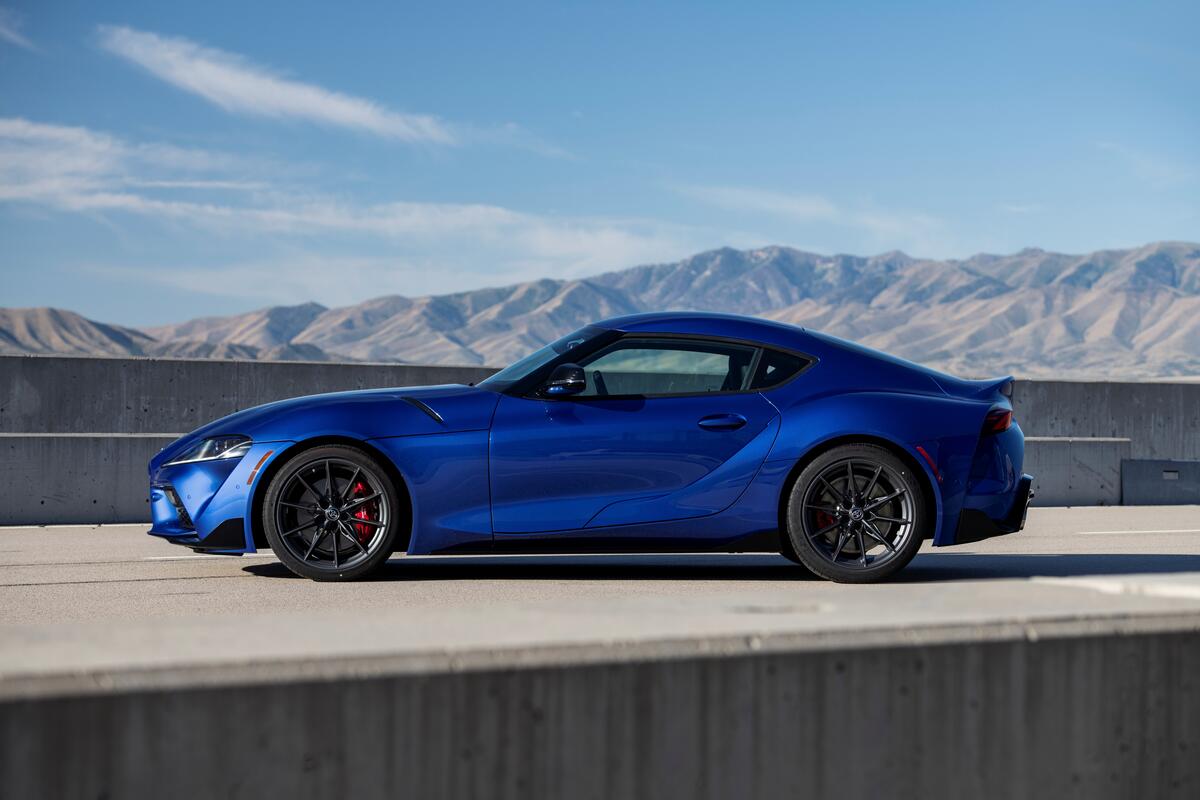
Toyota Supra
"...cribe. Because the cars were right, the RX-7, the Supra, the Skyline, real machines with real histories a..."
The Toyota Supra is a sports car made by Toyota. It’s famous because it’s been around for a long time and has a strong reputation for performance. People mention it because it has a big history and lots of fans.
The Toyota Supra is a performance sports coupe known for its long-running reputation and strong enthusiast following. In podcast discussions like this, it’s often brought up as one of the “real machines with real histories,” meaning it has a well-established legacy in motorsport and car culture. That history is part of why it comes up when people talk about iconic Japanese performance cars.

Mazda Rx7
"Because the cars were right, the RX-7, the Supra, the Skyline, real machines with real histories and reputation earned over years of development, racing and refinement,"
The Mazda RX-7 is a Japanese sports car. What makes it special is that it uses a rotary engine, not the usual piston engine. Enthusiasts love it because it’s been a big part of Japan’s performance-car scene.
The Mazda RX-7 is a Japanese sports car known for its rotary engine, which is different from the piston engines most people are used to. In JDM history, it became especially famous in racing and enthusiast circles for its balance of performance and tuning potential.

Skyline
"Because the cars were right, the RX-7, the Supra, the Skyline, real machines with real histories and reputation earned over years of development, racing and refinement,"
The Nissan Skyline is a well-known Japanese performance car. It has a long history in racing and has been a favorite for enthusiasts who like modifying cars. That’s why it’s such a big part of JDM culture.
The Nissan Skyline is a Japanese performance car line that became a cornerstone of JDM culture. It’s especially known for its racing pedigree and for the way enthusiasts have used it as a platform for high-performance builds over decades.
toge roads
"That culture was built over decades in parking and on toge roads by people who treated driving as a craft."
“Toge” means mountain roads with lots of curves. In Japan, people treat these drives like a driving skill challenge, not just a drag race. It’s a big part of the country’s street-driving culture.
“Tōge” (often written “toge”) refers to mountain-pass roads in Japan that are popular with drivers for fast, twisty runs. The term carries a cultural meaning: it’s about skillful driving on curvy roads, not just straight-line speed.
Tokyo Pop
"a publishing company called Tokyo Pop decided to pounce. Best known for introducing America to some strange looking little books called manga in October of 2001,"
Tokyo Pop is a company that publishes Japanese comics and anime for the U.S. audience. Here, they’re the ones who adapted initial D for American viewers and changed parts of it.
Tokyo Pop is a publishing brand that brought Japanese manga and anime to the U.S. market. In this segment, they’re described as acquiring the rights to translate and distribute initial D, then changing elements like the soundtrack and character names for the U.S. release.
Eurobeat soundtrack
"Along the way, the Eurobeat soundtrack got swapped out for rap songs recorded by Tokyo Pop's own founder under the alias DJ Milky."
Eurobeat is a fast, energetic type of music that’s common in Japanese racing-themed media. The hosts say the show’s music got replaced with rap for the U.S., and that upset a lot of fans.
A Eurobeat soundtrack refers to a high-energy style of electronic dance music that became strongly associated with Japanese racing anime. The segment notes that initial D’s original Eurobeat music was swapped out for rap tracks for the U.S. release, which is part of why fans reacted negatively.

Toyota Ae86
"...ever its flaws, it put a teenage kid in a beat-up AE86 running a rural mountain road in the middle of th..."
The Toyota Corolla is a small, everyday car. It’s known for being dependable and easy to live with. It often shows up in stories about real people driving real cars, not just show cars.
The Toyota Corolla is a compact car that’s best known for being practical, affordable, and widely used. In the context of the podcast, it’s mentioned alongside the idea of real, everyday cars with real stories—like a teenage kid driving a beat-up AE86—highlighting how Corolla models fit into mainstream life and driving culture. It’s a frequent reference point when discussing how enthusiast scenes start from accessible platforms.
die-cast cars
"Tokyo Pop struck a deal with Jada Toys to produce a licensed merchandise line with die-cast cars and action figures. Kids could pick up a miniature AE86 at Radio Shack."
Die-cast cars are small toy models made from metal, usually with a lot of detail. The episode says kids could buy a tiny AE86 and related toys as official merchandise.
Die-cast cars are miniature model vehicles made by pouring molten metal into a mold, producing detailed, durable replicas. The segment mentions Tokyo Pop partnering with Jada Toys to sell die-cast AE86 models and action figures as licensed merchandise.
Dajiro Onada
"And nobody understood that better than Dajiro Onada. Dajiro Onada had spent more than 15 years building option from a single publication into the central nervous system of Japanese car culture."
Dajiro Onada is a real person who helped shape the Japanese car-tuning scene through a major car magazine. In this story, he doesn’t just write about cars—he also shows up and competes.
Dajiro Onada is portrayed as the key figure behind Option Magazine’s influence on Japanese car culture. The episode frames him as both a reporter and a competitor who actively engaged with the US scene by traveling to events in a modified Nissan Skyline R34.
drag strips
"Onada dispatched his riders to American events, import shows, drag strips, parking lots where the scene was being built in real time by people who had learned everything they knew about Japanese cars from secondhand sources, features on hot import nights and extreme autofest starting appearing in option"
A drag strip is a straight racing track used for drag racing. Cars line up and race side-by-side over a short distance to see who’s fastest.
A drag strip is a purpose-built straight track designed for drag racing, where cars accelerate over a short distance and the winner is determined by elapsed time or speed. The episode mentions drag strips as one of the places where the US scene was forming around Japanese cars.
hot import nights
"features on hot import nights and extreme autofest starting appearing in option, depicting events that looked nothing like the traditional Japanese tuner meat."
Hot Import Nights is a car event centered on imported cars. The episode mentions it as one of the places where Japanese car culture was being showcased in the US.
Hot Import Nights is an event series focused on import car culture, typically featuring show-and-shine displays plus performance activities. In the episode, it’s referenced as part of the US ecosystem that helped spread Japanese tuning ideas.
tuner meat
"features on hot import nights and extreme autofest starting appearing in option, depicting events that looked nothing like the traditional Japanese tuner meat."
“Tuner meat” is slang in this context for the traditional “real” tuning-scene vibe. The hosts are saying the US events didn’t look like the original Japanese tuner scene.
“Tuner meat” is a slangy, culture-specific phrase used here to contrast traditional Japanese tuner events with the US events that were being reported in Option. The point is that the US versions looked different from the original Japanese scene.
Option Magazine
"We talked about Option Magazine in Episode 4. Yeah, I mean, he really just grew an empire through, I think, just raw and real reporting on what was going on in that scene."
Option Magazine is a Japanese magazine focused on car tuning. The hosts use it to show how one publication helped shape what people in Japan wanted to build and modify.
Option Magazine is a Japanese car publication that became a central hub for the domestic tuning scene. In the episode, it’s used to explain how Dajiro Onada built influence by reporting on what Japanese enthusiasts valued and how the culture evolved.
Nevada
"Daigiro Onada loaded himself into a Blitz modified R34 and headed to Nevada. The Silver State Classic is held on Route 318, a two-lane highway that cuts across the high desert of eastern Nevada."
Nevada is where the story’s racing trip takes place. The episode explains that the area is open desert with long stretches of road and limited obstacles.
Nevada is the US state where the episode places Onada’s trip for a major road-racing event. The hosts describe the route’s high-desert setting and how the road is closed for a one-weekend race format.
Silver State Classic
"The Silver State Classic is held on Route 318, a two-lane highway that cuts across the high desert of eastern Nevada. There are no trees, no guardrails, limited corners, just open land in every direction and a straight ribbon of pavement running all the way to the horizon."
The Silver State Classic is a yearly racing event. In the episode, it’s described as a road-closure weekend where a highway is turned into a long race course.
The Silver State Classic is the specific annual event the episode uses to illustrate how the Japanese tuning scene was being built in the US. The hosts describe it as a road-closure race where the highway becomes a long course for one weekend per year.
target speed class
"target speed class before the race and then spend the entire 93 miles trying to hold it as precisely [511.5s] as possible. The winner is whoever matches their target most accurately, not whoever gets there [517.5s] first."
This event is organized around a specific speed goal for each group of cars. The winner is the one who stays closest to the planned speed, not necessarily the one that goes fastest.
A “target speed class” is a competition format where drivers are assigned a specific speed goal (often tied to vehicle class rules) and are judged on how closely they can match it. The emphasis is accuracy to the target rather than simply achieving the fastest overall time.
throttle down
"How fast can you go in a straight line? And he wanted to find out what a Japanese car built [531.1s] for mountain roads could do when you pointed it at the Nevada desert and held the throttle down."
“Throttle down” means pressing the gas pedal harder to get more power. At very high speeds, drivers may hold it down for a long time to keep the car moving at the speed they’re aiming for.
“Throttle down” means opening the throttle to demand more engine power, typically to maintain or increase speed. In high-speed runs, holding the throttle down for long distances is a way to keep the car at (or near) the target speed.

Stream Z, option Z33 350Z
"In 2003, he came back with something new. The Stream Z, option Z33 350Z built by Jun Auto, [580.3s] a full factory-backed show car built to compete at this event."
This is a special Japanese version of the Nissan 350Z (the Z33 generation). It was set up like a serious show-and-race car for a straight-line speed competition in Nevada.
The Nissan 350Z “Stream Z” (option Z33) is a JDM-focused trim built on the Z33-generation 350Z platform, known for being a popular base for motorsport-style builds. In this story, it’s specifically described as a factory-backed show car prepared to compete in a straight-line speed event in the Nevada desert.
Jun Auto
"In 2003, he came back with something new. The Stream Z, option Z33 350Z built by Jun Auto, [580.3s] a full factory-backed show car built to compete at this event."
Jun Auto is a Japanese company that makes and prepares performance cars. They’re mentioned here as the shop that built the special 350Z for the event.
Jun Auto is a Japanese tuning and motorsport-prep company known for building performance cars and race-ready parts. In this episode, Jun Auto is credited with building the Nissan 350Z “Stream Z” for competition.
tire let go
"But deep into Anada's run, somewhere around 200 miles per hour, [613.0s] a tire let go. [617.4s] Dajiro backed off the throttle and tried to slow the car down, but at that speed and that condition, [622.2s] he couldn't hold it."
“Tire let go” means the tire suddenly fails, like a blowout. When that happens at very high speed, the car can lose control almost immediately.
A “tire let go” describes a sudden tire failure—like a blowout or tread/sidewall failure—that causes the car to lose stability at speed. At around 200 mph, even a brief loss of tire integrity can quickly lead to loss of control and a crash.
Tokyo Auto Salon
"He shipped the REC Stream Z back to Japan and put it on display at the Tokyo Auto Salon in [657.6s] January of 2004. Crowds stacked three deep just to get a look at what was left of it."
The Tokyo Auto Salon is a big car show in Japan where people bring modified and special cars. Here, they shipped the wrecked car back to show it to crowds in person.
The Tokyo Auto Salon is a major Japanese automotive show focused on modified cars, tuning culture, and aftermarket builds. Shipping the damaged Nissan 350Z “Stream Z” there turns the crash story into a public display of what happened and what the car represented.
Veilside
"Veilside had been doing this since their 1994 Combat Body Kit for the Supra, which many point to as the moment big body kits became serious business at Tokyo Auto Salon."
Veilside is a company that makes aftermarket parts and body kits for Japanese cars. In this story, they’re used as an example of an early tuner that helped popularize the “widebody” look.
Veilside is an aftermarket tuning and bodykit brand known for dramatic, widebody-style conversions—especially in the JDM scene. The segment credits Veilside with doing this as far back as a 1994 Combat Body Kit for the Toyota Supra.
Bomex
"Bomex had been equally forward thinking. At the 2001 show, they were playing the Fast and the Furious trailer at their stand six months before the film had even opened in Japan."
Bomex is a company that makes aftermarket styling parts like body kits. The segment uses them to show how quickly Japanese tuners were tying their builds into pop-culture trends like Fast and the Furious.
Bomex is an aftermarket parts brand associated with bodykits and styling for Japanese cars. The host highlights how Bomex was already promoting a Fast and the Furious-themed display at the 2001 show, even before the movie opened in Japan.
SEMA
"Japanese builders were now receiving invitations to SEMA and hot import nights. The exchange was now running in both directions."
SEMA is a big U.S. show for aftermarket car parts—things like body kits, wheels, and performance accessories. The host is using it to show that Japanese tuners were getting recognized in the American parts world too.
SEMA (Specialty Equipment Market Association) is a U.S. trade show centered on aftermarket parts and accessories. The segment frames it as an invitation that Japanese builders were starting to receive, showing the tuning culture exchange between Japan and the U.S.

Acura Integra
"...siasts wait? Honda's answer came quietly. The DC2 Integra Type R launched in Japan in the mid 90s as someth..."
The Acura Integra is a compact car, and the Type R is the high-performance version. The podcast is referring to a mid-1990s Type R that became famous for being a serious performance model. People bring it up because it has a strong reputation among car fans.
The Acura Integra (specifically the DC2 Integra Type R mentioned in the podcast) is a performance-focused version of the Integra line that became known for its driver-focused character. The podcast notes it launched in Japan in the mid-90s, which helped establish its reputation early. It’s discussed because it represents a quiet, serious approach to performance that became a benchmark for enthusiasts.

DC2 Integra Type R
"Honda's answer came quietly. The DC2 Integra Type R launched in Japan in the mid 90s as something explicitly not meant for the mass market. It was what happens when Honda's engineers are given permission to build a no compromise, race-bred, front-wheel-drive car..."
This is a Honda Integra Type R from the DC2 generation. It’s famous because it was built to feel like a race car—lightweight, focused on driving feel, and powered by a special high-rev engine.
The Honda DC2 Integra Type R is a mid-1990s, race-bred front-wheel-drive hot hatch built around driver-focused handling and weight reduction. It’s known for its high-revving B18C engine and for being a “no-compromise” Type R that wasn’t originally aimed at the mass market.
B18C engine
"The B18C engine had been assembled by hand, with each unit blueprinted and balanced before leaving the factory. The whole car was calibrated around a very specific idea of what driving should feel like."
The B18C is the special engine Honda put in the Integra Type R. It’s designed to rev freely and make power where you want it when driving hard.
The B18C is the high-performance 1.8-liter engine family used in the Honda Integra Type R. It’s especially notable for being built for high-rev operation and for pairing with Honda’s VTEC system to deliver strong power across the rev range.
blueprinted
"The B18C engine had been assembled by hand, with each unit blueprinted and balanced before leaving the factory."
“Blueprinted” means the engine was built with extra precision. Instead of just assembling parts normally, they check and match things so every engine comes out more consistent.
In engine building, “blueprinted” means the manufacturer measures and matches internal components to a target specification more tightly than normal production. The goal is consistency—so each engine behaves similarly in power delivery and balance.
VTEC crossover point
"The US spec car had been adjusted, of course. The compression ratio came down slightly, the VTEC crossover point was recalibrated, small changes here and there..."
VTEC is Honda’s system that changes how the engine breathes. The “crossover point” is the RPM where it switches to the more aggressive setup.
Honda’s VTEC system switches camshaft profiles at a specific engine speed—the “crossover point.” Recalibrating that point changes when the engine transitions into its higher-performance breathing, which can be tuned for emissions rules, fuel quality, and the target driving feel.
compression ratio
"The US spec car had been adjusted, of course. The compression ratio came down slightly, the VTEC crossover point was recalibrated..."
Compression ratio is how tightly the engine squeezes the air-fuel mixture. Changing it can affect how much power the engine makes and what kind of fuel it needs to run safely.
Compression ratio is the relationship between the cylinder’s volume at its largest and smallest points. A higher ratio generally improves efficiency and power, but it can require higher-octane fuel and can be limited by emissions and knock regulations—so it’s often adjusted for different markets.
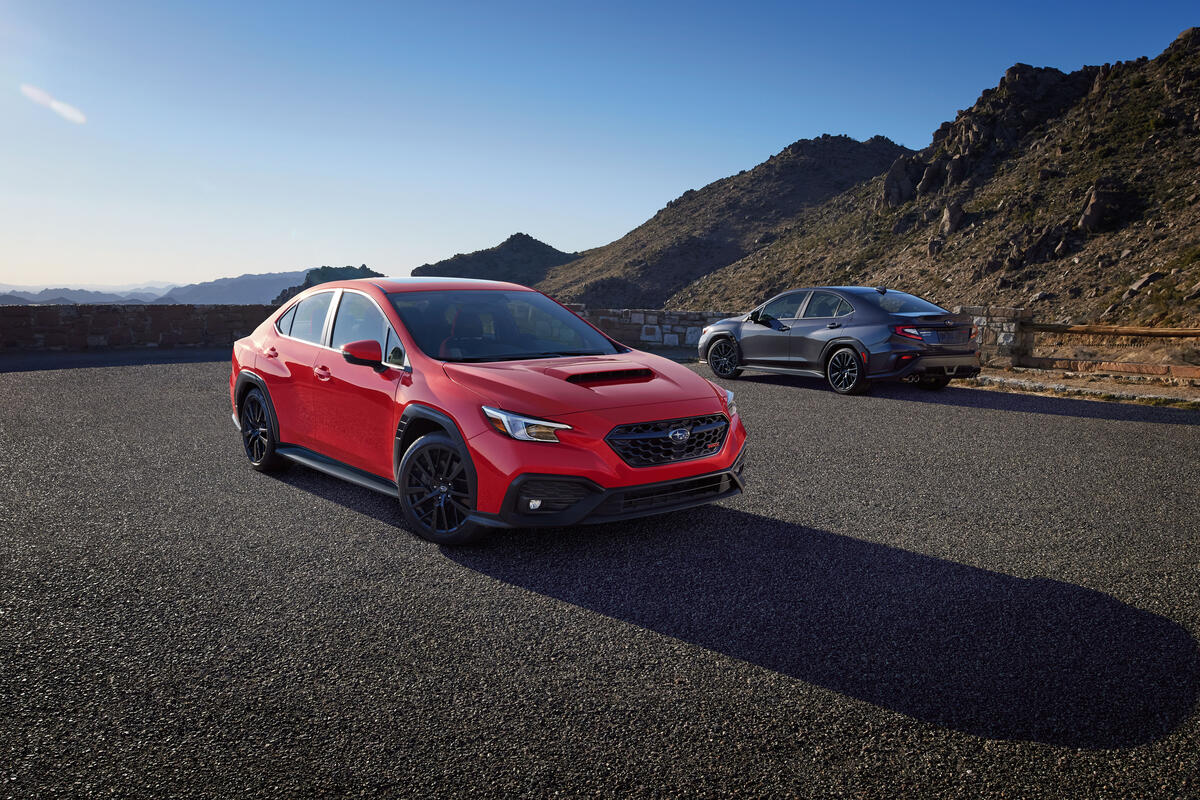
Subaru WRX
"Subaru's was a little different. The WRX had an entire mythology by the time it officially arrived stateside... Turbocharged, all-wheel drive... Its architecture made it a natural platform for modification and a gateway into mechanical experimentation."
The Subaru WRX is a rally-inspired performance car with a turbo engine and all-wheel drive. The hosts are saying that because it was built for rally-style traction and control, it also became a popular “modding” car in the US.
The Subaru WRX is a rally-bred performance sedan built around a turbocharged engine and all-wheel drive. In this segment, the hosts link its US popularity to its World Rally Championship success and to how the car’s layout made it a natural platform for modification.
World Rally Championship
"Japan dominated rally racing throughout the 1990s. Subaru's World Rally Championship campaign put the WRX in front of a worldwide audience"
The World Rally Championship is a major global rally racing series. The hosts are saying Subaru’s rally success helped make the WRX famous and trustworthy to fans worldwide.
The World Rally Championship (WRC) is the top global series for rally racing, where cars compete on timed stages over loose surfaces like gravel and dirt. The hosts use Subaru’s WRC campaign to explain how the WRX gained worldwide credibility before US sales even started.
gravel stages
"Sliding two forests, tacking gravel stages, driven by people like Colin McRae, with a commitment to the edge of control"
Gravel stages are the timed parts of a rally run on loose rocks. The surface can be slippery and unpredictable, so driving takes a lot of skill.
Gravel stages are timed sections of a rally run on loose rock surfaces, where traction changes constantly and drivers must manage slide and grip. The hosts mention gravel stages to convey why rallying is so demanding and why the WRX’s rally background mattered.
Colin McRae
"tacking gravel stages, driven by people like Colin McRae, with a commitment to the edge of control that made watching it almost uncomfortable."
Colin McRae was a famous rally race driver from Scotland. The hosts are using his name to describe the intense, high-skill style of driving people watched in rally races.
Colin McRae was a legendary Scottish rally driver known for aggressive, high-commitment driving. The hosts reference him to illustrate the kind of near-limit control that made rallying—especially in the 1990s—so compelling to watch.
Gran Turismo
"Meanwhile, in Gran Turismo, the WRX sat alongside the Skyline, the Supra, and the RX-7, available to anyone with a controller and a television"
Gran Turismo is a long-running racing video game series that helped popularize certain Japanese performance cars with a wide audience. Here, the hosts credit the game with putting the WRX (and other JDM icons) in front of people who might never read automotive magazines.
all-wheel drive
"Turbocharged, all-wheel drive, significantly cheaper than Audi's performance models, and more sophisticated than an entry-level sports compact."
All-wheel drive means the car can send power to all four wheels. That usually helps it grip better on wet, snowy, or rough roads.
All-wheel drive (AWD) sends power to all four wheels, improving traction when roads are slippery or uneven. On cars like the WRX, AWD is a big part of why it can handle rally-style surfaces and why it feels confident in varied conditions.
turbocharged
"Turbocharged, all-wheel drive, significantly cheaper than Audi's performance models, and more sophisticated than an entry-level sports compact."
A turbocharged engine uses a device that pushes extra air into the engine. More air usually means more power, so the car feels quicker.
Turbocharged engines use a turbocharger to force more air into the cylinders, allowing the engine to make more power from the same displacement. In the WRX context here, turbocharging is part of what made it feel fast and responsive compared with many mainstream compacts.

Mitsubishi Lancer Evolution
"The Lancer Evolution had to come to the U.S. for the 2003 model year... Evo versus the STI, all-wheel drive versus all-wheel drive... turbo four banger versus turbo four banger."
The Mitsubishi Lancer Evolution is a rally-inspired Mitsubishi that became famous in the U.S. for being fast and for using all-wheel drive. The episode is talking about when it finally showed up in America and started competing with the Subaru WRX STI.
The Mitsubishi Lancer Evolution (often shortened to “Evo”) is a rally-bred performance sedan built around Mitsubishi’s all-wheel-drive system and turbocharged engine. In the early 2000s, it became a major part of the U.S. JDM conversation because it arrived as a direct competitor to the Subaru WRX STI.
WRC championships
"The Evo, with Tommy Mackinnon's four consecutive WRC championships behind it, could compete."
WRC is the World Rally Championship, where manufacturers race cars in rally events worldwide. If a car wins a bunch of WRC championships in a row, it means it’s been proven against the best competition.
WRC stands for World Rally Championship, the top level of international rally racing. Winning consecutive WRC championships is a strong indicator that the car’s rally technology and development were working at the highest level.
gentlemen's agreement
"Back in 1998, Japan's major auto manufacturers had reached a voluntary agreement known as the gentlemen's agreement. No legislation enforced it, no regulatory body oversaw it, but there was"
A “gentlemen’s agreement” is a promise companies make that isn’t backed by strict laws or government enforcement. In this story, it affected how Japanese automakers handled rules around performance cars before it ended.
A “gentlemen’s agreement” is an informal, non-legally enforced deal—here, between Japan’s major auto manufacturers. The episode describes it as voluntary and not overseen by a regulator, which matters because it shaped how Japanese performance cars were marketed and limited in certain ways.
180 miles per hour
"to 276 horsepower and cap top speeds at 180 miles per hour out of sense of a social responsibility"
They’re also mentioning a speed limit that cars were effectively capped at. The goal was to make the cars less dangerous on public roads.
This is the top-speed cap mentioned for Japanese domestic performance cars in the agreement era. Limiting top speed was part of the same strategy to reduce risk from very high-power vehicles.
276 horsepower
"to 276 horsepower and cap top speeds at 180 miles per hour out of sense of a social responsibility"
The speaker is talking about a horsepower limit that Japanese rules effectively encouraged automakers to follow. It was meant to keep cars from being too powerful for everyday driving.
This refers to a commonly cited Japanese domestic cap on output for performance cars during the so-called “gentlemen’s agreement” era. The idea was to limit how much power manufacturers sold in Japan so it wouldn’t overwhelm drivers or public roads.
agreement held as a public position for 15 years
"everyone in the industry sidestepped the regulation to some degree, but the agreement held as a public position for 15 years."
This is about an informal deal between automakers to keep performance cars from being too extreme. Even if some companies bent the rules, the overall cap influenced what people could buy for years.
The speaker is describing an industry “gentlemen’s agreement” style arrangement where Japanese automakers publicly limited performance-car output and speed. Even though the industry “sidestepped” it, the public cap shaped what enthusiasts could buy and how the US import scene evolved.
AEM short ram intake
"An AEM short ram intake, an HKS high power exhaust, iBox springs paired with Kony yellows,"
This is an aftermarket part that changes how air gets into the engine. The “short ram” style is a compact intake meant to help the car breathe better and often changes the sound too.
An AEM short ram intake is an aftermarket air-intake system designed to improve airflow to the engine. “Short ram” means it uses a shorter intake tract than many cold-air setups, aiming for quicker throttle response and a different intake sound/feel.
Grety boost controller
"a Grety boost controller. From more ambitious builders, the list went deeper."
A boost controller helps control how hard a turbo pushes air into the engine. The brand mentioned (Grety/GReddy) makes parts that let people adjust boost more precisely than factory settings.
A boost controller is an aftermarket device that helps manage turbocharger boost pressure. “Grety” here is almost certainly referring to GReddy (the brand), which is known for turbo and boost-control hardware used to raise or fine-tune boost beyond stock settings.
JDM engine swap
"A JDM engine swap is the foundation, with the 1JZ or an RB25 sourced through gray market channels"
An engine swap means replacing the engine with a different one. Here it’s specifically about using Japanese-market engines, which enthusiasts choose because they’re popular and have lots of upgrade parts.
A JDM engine swap is replacing a car’s original engine with a Japanese-market engine, often to get better performance potential or a more desirable powertrain. In the JDM scene, swaps like 1JZ or RB25 became a foundation because they’re supported by tuning parts and a large community.
1JZ
"with the 1JZ or an RB25 sourced through gray market channels"
The 1JZ is a Toyota engine that a lot of people swap into other cars. It’s popular with enthusiasts because there are many performance parts available for it.
The 1JZ is a turbocharged inline-six engine family from Toyota, commonly used in JDM swaps. It’s popular because it has strong aftermarket support and can be built to handle significant power for street and track use.
RB25
"with the 1JZ or an RB25 sourced through gray market channels"
The RB25 is a Nissan engine that enthusiasts often use for swaps. People like it because it has a big aftermarket and can be tuned for more power.
The RB25 is Nissan’s inline-six engine used in models like the Skyline (depending on generation). Like the 1JZ, it became a go-to swap engine in the JDM scene because it’s well supported by aftermarket turbo and fueling parts.
gray market channels
"sourced through gray market channels that had been moving engines stateside for years."
“Gray market” means parts are imported through unofficial routes instead of the normal approved system. Here it’s about getting JDM engines into the US for swaps.
“Gray market” refers to importing goods through unofficial or non-authorized routes, often to bypass normal distribution rules. In this context, it means engines were brought into the US outside the standard manufacturer channels, which helped fuel the JDM swap culture.
Garrett turbocharger
"An upgraded Garrett turbocharger, HKS blow off valves that had been giving drivers whiplash for years"
A Garrett turbocharger is a turbo upgrade made by a well-known performance company. A turbo helps the engine make more power by pushing extra air in.
A Garrett turbocharger is a turbocharger made by Garrett, a major supplier in the performance and motorsport world. Turbochargers force more air into the engine, and Garrett units were widely used in JDM builds because they’re durable and have lots of matching parts/support.
HKS blow off valves
"HKS blow off valves that had been giving drivers whiplash for years as they crane their necks trying to spot what was blowing past them."
A blow-off valve releases extra pressure when you lift off the throttle. It helps the turbo stay happy and it’s also the source of that loud “whoosh/pssh” sound people associate with turbo cars.
A blow-off valve (BOV) vents pressurized air when the throttle closes, preventing compressor surge and producing the characteristic “pssh” sound. In the transcript, “HKS blow off valves” are called out as a signature part of many turbo JDM setups.
Donut Media
"Grety was most ready to take advantage. And I'm sorry that rhymed there, we did not mean to do that. You know we have a very strict no rhyming statue here at Donut Media,"
Donut Media is a car-video media brand. The host mentions it here just to explain the joke they made.
Donut Media is a media brand/publisher known for car-focused video content. The speaker references it while joking about a rhyming “statue,” placing the discussion in the context of the show’s production style.
California presence in 1994
"The company, operating under its parent trust in Japan, set up a California presence in 1994. Based on the way the import scene had developed through the early 90s,"
The speaker says a company opened a base in California in 1994. California was a big center for car imports and enthusiasts, so being there helped them sell to the right customers.
This describes a company setting up operations in California in 1994, which matters because California was a major hub for imports and enthusiast activity in the early 90s. The speaker frames it as a strategic move to be close to the market where JDM parts and cars were taking off.
bolt-on turbo kit
"Grety entered a bolt-on turbo kit for the Honda Civic, engineered specifically for the American market, built around stock engines, and certified for all 50 states."
A bolt-on turbo kit is a turbo upgrade you can install without completely rebuilding the engine. It’s designed to fit the car pretty directly, and here it was made to work with the Civic’s factory setup and US rules.
A bolt-on turbo kit is an aftermarket turbocharger system designed to install using existing mounting points and factory components, rather than requiring major fabrication. In this context, Greddy engineered it for the Honda Civic so it could work with stock engine parts and be certified for US emissions rules.

Honda Civic
"Grety entered a bolt-on turbo kit for the Honda Civic, engineered specifically for the American market, built around stock engines, and certified for all 50 states."
The Honda Civic is a popular Honda model that a lot of car tuners like because it has a huge aftermarket. Here, it’s important because Greddy made a turbo kit for it that was designed to work in the US and pass emissions rules.
The Honda Civic is a compact, mass-market platform that became a cornerstone of JDM-style tuning in the US. In this segment, the Civic matters because Greddy built a turbo kit specifically for the American market and emissions environment, then used the SEMA show to prove it.
certified for all 50 states
"Grety entered a bolt-on turbo kit for the Honda Civic, engineered specifically for the American market, built around stock engines, and certified for all 50 states."
That phrase means the parts were approved to meet US emissions rules, so you can use them legally in every state. Turbo upgrades can be tricky with emissions, so certification is a major hurdle.
“Certified for all 50 states” means the aftermarket parts meet US emissions requirements so they can be legally installed nationwide. For turbo kits, this is a big deal because adding forced induction can otherwise trigger emissions compliance issues depending on how the system is engineered and tested.

Mitsubishi Eclipse
"When the Fast and the Furious opened, the Grety exhaust on Paul Walker's Mitsubishi Eclipse was not a coincidence."
The Mitsubishi Eclipse is a Mitsubishi model that became famous in the US for import tuning. Here it’s mentioned because Paul Walker’s car in Fast and the Furious used Greddy exhaust parts, linking the movie to real aftermarket culture.
The Mitsubishi Eclipse is a popular US-market import that became a tuning and pop-culture icon during the JDM boom. In this segment, it’s specifically tied to Paul Walker’s Fast and the Furious character, where Greddy exhaust branding is used as a real-world parts reference.
spoon engines
"This is obvious, but I mean Fast and Furious was really about that, especially in those early movies, like, oh, Hector's going to be there running three civics with spoon engines."
“Spoon engines” is a reference to a real Japanese performance shop/brand that makes Honda parts. The point is that the movie is referencing something real that car nerds would recognize.
“Spoon engines” refers to engines built or prepared by Spoon (a Japanese performance brand known for high-quality Honda parts and race-oriented tuning). In Fast and the Furious, the reference signals a real enthusiast-level Honda build rather than a generic movie prop.
Gretti
"You have 800 bucks and the Gretti catalog propped open on the workbench with some time and sweat that $800 project becomes a $1,200 project and then a $2,000 project."
Gretti is described like a parts company for car enthusiasts. The point is that their parts are meant to be added in a planned order, so one upgrade makes the next one make sense.
Gretti is presented here as an aftermarket tuning brand with a catalog of parts designed to be installed in a logical sequence. The key idea is that each upgrade (like power, cooling, and boost) sets up the next upgrade, so the “catalog” becomes a roadmap for building a faster car.
bolt-on accessibility
"Where Gretti had gone broad with left-hand engineering, bolt-on accessibility, and a catalog designed to meet the enthusiasts wherever they were, HKS went the opposite direction."
“Bolt-on” means the parts are designed to fit without major custom work. The idea is that it’s easier for regular enthusiasts to install upgrades themselves.
“Bolt-on” refers to aftermarket parts designed to install with minimal fabrication—often using existing mounting points and factory interfaces. “Accessibility” here means the upgrades are intended to be easier for enthusiasts to install themselves, which can contrast with more involved race-prep approaches.
Sekuba Circuit
"In 2003, they developed the TRB02, a time-attack Lancer Evo 8, built to claim the fastest possible time at the Sekuba Circuit."
Sekuba Circuit is a race track in Japan. It’s the kind of place where teams go to prove how fast a tuned car can be on a timed run.
Sekuba Circuit is a Japanese road course used for motorsport events and time-attack-style runs. Because it’s a track where lap time matters, it’s a natural venue for companies like HKS to validate aero, cooling, and power upgrades under real heat and load.
Lancer Evo 8
"... In 2003, they developed the TRB02, a time-attack Lancer Evo 8, built to claim the fastest possible time at the ..."
The Lancer Evolution is a performance car from Mitsubishi. In the podcast, they’re talking about a special time-attack version built from an Evo 8 to try to set very fast lap times. It’s mentioned because it shows how the car can be turned into a track-focused machine.
In the podcast context, “Lancer Evolution” refers to the Evo program and specifically a time-attack build based on an Evo 8 (the TRB02 mentioned). That kind of project shows how the Evo platform was used not just for everyday performance, but also for chasing track records. It’s discussed because it highlights the car’s adaptability to serious motorsport-style goals.
Button Willow Raceway
"California to compete in the Super Lap Battle Finals, a time-attack event held at Button Willow Raceway near Bakersfield."
Button Willow Raceway is a race track in California. The hosts mention it because it’s where a Japanese time-attack car went to compete in a U.S. event. Tracks like this are where teams prove their cars are fast and consistent.
Button Willow Raceway is a California road course used for motorsport events, including time-attack competitions. In this segment it’s the venue for Super Lap Battle Finals near Bakersfield, which matters because it’s where a JDM time-attack car (the CT230R) was tested against U.S. competition. Track venues like this often become “benchmark” locations for lap-time bragging rights and tuning development.
time-attack
"California to compete in the Super Lap Battle Finals, a time-attack event held at Button Willow Raceway near Bakersfield."
Time-attack is when cars are timed on a track to see who can go fastest. It’s not about racing door-to-door; it’s about making the car grip well and run consistent fast laps. Tuning parts matter a lot because they directly affect lap time.
Time-attack is a motorsport style where cars are timed on track laps to find the fastest overall performance. Unlike drag racing or wheel-to-wheel road racing, the focus is on maximizing grip, traction, and repeatability lap after lap. That’s why it’s a natural fit for JDM tuning culture and for cars like the CT230R that are built to be optimized for lap times.
Super Lap Battle Finals
"California to compete in the Super Lap Battle Finals, a time-attack event held at Button Willow Raceway near Bakersfield. The event had been founded in 2004, sponsored by Sports Compact Car"
Super Lap Battle Finals is a race event where cars try to set the fastest time around a track. Instead of racing side-by-side, it’s more about how quickly and consistently the car can complete laps. It’s a big deal for showing what a tuning setup can really do.
Super Lap Battle Finals is a time-attack competition format where cars run for the fastest lap/elapsed time rather than wheel-to-wheel racing. The segment frames it as a key U.S. stage for importing and validating JDM time-attack builds. That’s why the CT230R’s trip to California is treated as a turning point.
intakes
"American enthusiasts who had grown up seeing the company's name on stickers made HKS intakes their first serious purchase. The enthusiast community agreed that HKS was worth the premium price."
An intake is the part that helps your engine get air. Upgrading it can make the engine breathe better, which can improve how it responds and sometimes how it performs. The hosts mention HKS intakes as a popular first upgrade.
An intake (in this context, “HKS intakes”) is an aftermarket air-induction system that replaces or upgrades the stock path for bringing air into the engine. Enthusiasts pursue intakes to improve airflow and throttle response, and they’re often paired with other tuning changes. The segment uses intakes as an example of an early, high-impact JDM purchase.
Knockoff products
"With rapid expansion came cheap imitations. Knockoff products appeared carrying the visual language of Japanese performance, matching the fonts on the packaging, the category names, the catalog positioning, but missing the decades of development underneath."
Knockoff products are fake or copycat car parts sold to look like the real performance stuff. They may look similar on the outside, but they often aren’t made with the same engineering quality. That can mean worse performance and more risk of problems later.
Knockoff products are counterfeit or copycat aftermarket parts marketed to look like established performance brands. The segment emphasizes that these imitations can copy the “visual language” (packaging, fonts, category names) while lacking the engineering development behind the real parts. In enthusiast communities, this gap affects both performance and long-term durability.
Drift King
"They called in the Drift King. That's next time on"
“Drift King” is a nickname used in Japanese motorsport culture for a top-level drifter known for mastering sustained oversteer and controlling the car while sliding. In this segment, it’s referenced as the person the filmmakers bring in to make the movie’s drifting feel authentic. The term matters because drifting is a specific driving technique, not just “going fast.”
Request an Explanation
Heard something you'd like explained? We'll add it to this episode.
Sign in to request explanations for terms you heard.
Want to learn more?
Browse our glossary for plain-English explanations of automotive terms, jargon, and concepts.
Help improve this episode
See something that's not quite right? Our annotations are AI-generated and can sometimes miss the mark. Click the flag icon on any annotation to suggest a correction.