
S3, E91 - All About Oil
About this episode
Amsoil engineers join the host for a deep dive into why oil matters so much in modern trucks, from viscosity and base-oil quality to oxidation, wear, and fuel-economy tradeoffs. The conversation ties newer engine failures to thinner factory fills, explains why thicker oil is not a simple fix, and covers diesel formulation, hybrid-specific needs, oil analysis, and high-mileage products. The episode also closes with listener truck updates and a reminder to share feedback in the Facebook group.
Take a deep dive with AMSOIL engineers Garret Gibeau and Erik Johnson on oil viscosity and formulations, the recent rash of new vehicle engine failures, and which synthetic oil you should put in your truck. The Truck Show Podcast is produced in partnership with AMSOIL, Kershaw Knives, and OVR Mag. Don't forget to check out truckshowpodcast.com for special offers from our friends and sponsors.
right to repair
"I'm going to be doing land use and ADOS and right to repair, all that stuff. So we're going to be advocating for the aftermarket..."
Right to repair is about making it easier for independent mechanics and owners to fix cars without being locked out by the manufacturer. It’s a policy topic the host is advocating for.
Right to repair is a policy and advocacy effort aimed at ensuring vehicle owners and independent shops can access the tools, parts, and information needed to service modern vehicles. The host mentions it as part of promoting the automotive aftermarket.
automotive aftermarket
"...we're going to be advocating for the aftermarket, which we, of course, love to do."
The automotive aftermarket is where you buy replacement parts or upgrades that aren’t made by the car maker. The host is talking about supporting that industry.
The automotive aftermarket is the market for parts and services sold outside of a vehicle’s original manufacturer. This episode frames the host’s advocacy as supporting aftermarket options for trucks and their owners.
oil viscosity
"...people are talking about, no, no, no, you need thicker oil and higher viscosity or higher quality oil. ... we're going to talk about oil viscosity, oil quality..."
Oil viscosity is basically how thick the oil is. The right thickness helps the engine stay lubricated, especially when it’s cold or working hard.
Oil viscosity is a measure of how thick or thin an oil is, and it strongly affects how well the oil flows and protects the engine. Choosing the correct viscosity helps ensure proper lubrication across different temperatures and operating conditions.
oil quality
"...people are talking about... thicker oil and higher viscosity or higher quality oil. ... we're going to talk about oil viscosity, oil quality..."
Oil quality refers to how well an oil meets performance standards for lubrication, wear protection, and engine cleanliness. Higher-quality oils typically include better additive packages and meet relevant industry specifications.
Amsoil
"Well, we say let's ask the experts. So on this episode, we're going to be welcoming back our friends from Amsoil. ... The Truck Show podcast is proudly brought to you in partnership with Amsoil..."
Amsoil is a company that makes engine oil and other vehicle lubricants. This episode uses them as the expert source for choosing the right oil for your truck.
Amsoil is an automotive lubricant brand best known for its synthetic oils and related products. In this episode, the hosts bring Amsoil representatives on to discuss how to pick the right oil for trucks based on viscosity and quality.
synthetics
"The Truck Show podcast is proudly brought to you in partnership with Amsoil, and you know Amsoil, they're on the show. They make the best synthetics."
Synthetic oil is a specially made type of engine oil. It’s designed to work better across a wider range of temperatures than regular oil.
Synthetic oils are engineered lubricants designed to provide more consistent performance than conventional oils, especially across temperature extremes. The episode frames Amsoil as a synthetic-oil provider and ties it to protection for truck engines and components.
electricity
"We'll talk about trucks that run on diesel, electricity, and our gasoline."
Electricity refers to trucks powered by electric motors. Since they don’t use the same kind of engine oil as gas or diesel trucks, the oil discussion may be different.
Electricity is referenced here as an energy source for trucks, implying a discussion that may include how lubrication needs differ from internal-combustion vehicles. The episode’s oil focus suggests the conversation will contrast oil use across powertrains.
diesel
"We'll talk about trucks that run on diesel, electricity, and our gasoline."
Diesel is a type of fuel commonly used in trucks. Because diesel engines run differently than gas engines, the oil requirements can also be different.
Diesel is a fuel type used in many trucks, known for high energy density and torque-focused operation. Oil choice can differ for diesel engines because of their operating conditions and emissions-related systems.
overhead
"I say that the biggest advantage is AMSOIL gives you overhead for, I guess, abusing your engine or gives you some overhead for heavy duty applications"
Here, “overhead” means the oil has extra protection margin. It’s like having some extra buffer so the engine is less likely to suffer when conditions are rough.
In this context, “overhead” means extra protective margin—oil performance headroom beyond normal operating conditions. The host uses it to argue that certain oils can better handle heavy-duty use or abuse by maintaining lubrication.
lubricity
"or gives you some overhead in terms of protection and lubricity and those types of things."
Lubricity is how well the oil prevents metal parts from rubbing directly against each other. Better lubricity usually means less friction and wear.
Lubricity is how well a lubricant reduces friction between moving parts. The transcript groups lubricity with protection as a key benefit of certain oils and additive packages.
W number
"And some people don't understand the difference between a winter weight, which is the W number at the beginning of the viscosity and the second number."
The “W” part tells you how the oil works in cold weather. The number before it is about how easily the oil can flow when the engine is just starting up.
The “W” in an oil grade (like 0W-40) stands for winter, and the number before it indicates how the oil flows in cold temperatures. That cold-flow behavior matters for startup lubrication and reducing wear during warm-up.
winter weight
"And some people don't understand the difference between a winter weight, which is the W number at the beginning of the viscosity and the second number."
“Winter weight” is the part of the oil grade that tells you how it performs when it’s cold outside. It’s about how easily the oil flows during cold starts.
“Winter weight” refers to the cold-weather portion of an oil’s viscosity grade (the number before the “W”). It describes how the oil behaves at low temperatures so the engine can lubricate quickly at startup.
Mopar lifters
"And I know it sucks to hear, you know, even the Mopar lifters, like I don't mind a Mopar at all. So, you know, having the typical lifter tick and then having the collapse happen there."
Mopar lifters are the valve-lifter parts used in some Chrysler/Dodge/Jeep engines. The hosts are saying these can make a tapping noise and then fail more seriously.
“Mopar lifters” refers to valve lifters used in Chrysler/Dodge/Jeep (Mopar) engines, discussed here as part of a failure pattern. The episode links the lifter tick symptom to a subsequent lifter collapse event.
Hemi Lifter Collapse
"And one of the engines you brought up was the Hemi Lifter Collapse issues. ... And we can move that into, you know, how the, you know, the Mopar lifter issue might be affected by your viscosity and your weights there."
“Lifter collapse” is when the engine’s valve lifters don’t stay properly pressurized. If the oil isn’t the right thickness for the conditions, the lifters can work less effectively and cause problems.
Hemi lifter collapse refers to a failure mode where the hydraulic valve lifters lose their ability to maintain proper pressure, which can lead to valve train problems. The discussion ties it to oil viscosity/weight because oil that’s too thin (or not behaving as expected under heat) can contribute to inadequate lifter operation.
oil weight
"... certain engines needing to bump up to that 40 weight. ... how the, you know, the Mopar lifter issue might be affected by your viscosity and your weights there."
Oil weight is the oil’s thickness rating. Using the correct weight helps the oil lubricate properly, especially when the engine is hot.
Oil weight (like “40 weight” or “20 weight”) is the viscosity grade used in engine oil labeling. It indicates how the oil behaves at operating temperatures, and changing weight can be part of recall or service guidance when certain engines show wear or lifter/valvetrain issues.
40 weight
"... certain engines needing to bump up to that 40 weight. ..."
“40 weight” means a thicker oil grade. The idea is that a thicker oil can better protect parts when the engine is hot or under heavy use.
“40 weight” refers to an SAE viscosity grade (commonly written as 40 in oil labeling) that indicates the oil’s thickness at operating temperature. The host mentions it in the context of engines that were directed to use a higher-viscosity oil as part of a recall-related fix.
020
"But from what I know, the GM issue is they use 020."
“020” is shorthand for a very thin oil grade. The host is basically saying some engines used a thinner oil, and that choice can matter for how well the engine parts get lubricated.
“020” is shorthand in the discussion for a low-viscosity oil grade (commonly associated with 0W-20). The host contrasts it with the “bump up” to a higher weight, implying that oil grade/viscosity can influence the engine issues being discussed.
0W-20
"I believe 020 crossed the board for a lot of their engines and that is that is somewhat of a thin fluid... So what you have is the manufacturer selected the 020 for a specific reason"
0W-20 is a type of engine oil. It’s designed to flow easily when the engine is cold, and it stays thin enough when hot to help the engine run efficiently.
0W-20 is an engine-oil viscosity grade. The “0W” indicates it flows very well when cold, and “20” indicates its thickness when hot, which affects friction and fuel economy.
additives
"You mentioned additives and people online who will buy an oil and then they go and buy some additive package for it... if you pay more for the oil up front it has the additives in it."
Additives are chemicals mixed into engine oil to make it protect the engine better. The hosts are saying that if you buy a good oil, it usually already has the additives you’d be trying to add later.
Engine-oil additives are chemical packages blended into base oil to improve specific properties like detergency, anti-wear protection, and corrosion resistance. The key point in the segment is that many additives are already included in higher-priced oils, while “add-on” additives may be redundant or ineffective.
lifter tick
"Will it potentially fix maybe a little bit of a lifter tick that you got going on right now for a little bit till it's cheers out and then in two 3000 miles your lifter tick is right back to where it was at."
“Lifter tick” is the tapping noise some engines make from the valve-lifter area. The hosts are saying certain additives might quiet it for a short time, but the noise can come back.
“Lifter tick” is a common noise associated with hydraulic valve lifters when they don’t get oil pressure/flow quickly enough or when oil quality/viscosity isn’t ideal. The segment argues that some additives may temporarily reduce the noise, but it can return after the oil/additive effect wears off.
phosphorus
"...one has a absolute boatload of phosphorus that they add to it and all that's going to do is just going to burn off. And it's going to clog your exhaust system and it's going to cause deposits."
Phosphorus is a chemical element that can be part of some engine-oil additives. The discussion here is that too much of it can end up creating deposits in the exhaust rather than solving the problem people think it will.
Phosphorus is an element used in some oil additive chemistries (often related to anti-wear performance). In the segment, the claim is that excessive phosphorus can burn off and contribute to exhaust deposits, so it may not deliver the benefit people expect.
R&D (research and development) for engine-oil formulation
"...it just reinforced for me that you guys put so much effort into R&D and going back to thinking about the tighter bearing tolerances..."
R&D means the company tests and engineers the oil so it works with the way modern engines are built. The point here is that newer engines may need oil that’s formulated specifically for their tighter tolerances.
R&D in engine-oil formulation refers to testing and engineering work used to design oil chemistry for specific engine requirements. In this segment, the hosts connect R&D to matching oil performance to tighter bearing tolerances in newer engines.
base oil
"Yeah exactly and you hit on it to the the base oil is obviously the foundation that's that's anywhere from 80 to 90% of the fluid or the oil I should say is the base oil"
Engine oil is mostly a base liquid, and then companies mix in extra chemicals to make it do specific jobs. The base oil is the foundation that affects how the oil behaves.
Base oil is the main liquid component of an engine oil—typically the majority of the total formulation. Additives are blended into the base oil to provide specific properties like wear protection and detergency.
synthetic blend
"Yeah exactly ... let's just for reference the synthetic blend. [1008.3s] Still out there in the market, we have one. A lot of people ... will throw out that they have a synthetic blend and the percent synthetic ... 10% it's 90% of conventional oil"
Synthetic blend means the oil is part synthetic and part regular oil. The synthetic part might not be as much as the name suggests.
A synthetic blend is an engine oil made from a mixture of synthetic oil and conventional (mineral) oil. The “synthetic” portion is often much smaller than marketing implies, so performance can be closer to conventional oil unless the formulation is strong.
crank position sensor
"They scanned with the code ... it's something with the crank position sensor notices if there's a little bit of some variance in your in your crank maybe a vibration"
The crank position sensor tells the computer where the crankshaft is. If it detects something off, it can trigger a diagnostic code and affect how the engine runs.
A crank position sensor monitors the crankshaft’s position and speed so the engine control unit can time fuel injection and ignition. The transcript describes it as detecting variance that may correlate with vibration or other running issues.
0W
"...we'll hit on the zero W right away because all that really tells you is it's cold weather performance. [1134.8s] So the W is essentially a winter rating"
The “0W” part tells you how the oil behaves in cold weather. Lower numbers mean the oil stays easier to pump when it’s very cold.
“0W” is the winter (cold-weather) viscosity rating in an engine oil’s SAE grade. A lower “W” number indicates the oil should flow and crank more easily at colder temperatures, improving cold starts.
J 300 standard
"...they should, if you have a good quality oil that's being built properly, they're tested and they need to pass the same j 300 standard put out there in the market for a zero W."
J 300 is a set of rules tests use to classify engine oil grades. If two oils share the same viscosity grade, they should meet the same basic requirements.
The “J 300” standard is an industry test/qualification standard that defines how engine oils are classified by viscosity and performance requirements. The discussion implies that oils with the same viscosity grade must meet the same baseline cold-start and flow behavior targets.
cold crank number
"...that's effectively that's how you could consider that is if you're going to start your vehicle starter engages the flywheel ... so how hard that oil ... feels when you're spinning the engine over, you get that cold crank number"
This is a way to describe how hard it is for the starter to spin the engine when it’s very cold. Oils that resist flow less at low temps tend to crank more easily.
The “cold crank” number is a measure related to how easily the engine can be cranked (spun by the starter) at low temperatures. In practice, it’s used to compare low-temperature starting performance between oils of the same grade.
kinematic viscosity
"Now, when it comes to the final number. So the viscosity rating at temperature 212 F, you've got 20 and 40. So those are going to be different. [1256.5s] So 20 weight, it's kinematic viscosity measured in Santa Stokes"
Kinematic viscosity is a lab measurement of how thick the oil is at a set temperature. In the oil grade, the higher the second number (like 40 vs 20), the thicker the oil tends to be when hot.
Kinematic viscosity is a lab-measured property that describes an oil’s resistance to flow at a specific temperature. The transcript ties it to the “20” and “40” parts of a 0W-20/0W-40 grade at 212°F, where higher numbers correspond to thicker oil at operating temperature.
film thickness
"...they're just increase increase the film thickness and try to get a little more cushion in that crank that might be oscillating inside the bearings"
Film thickness is the protective layer of oil between metal parts. Thicker oil can help keep that layer in place, but it doesn’t always fix the real cause of a problem.
Film thickness refers to the protective oil layer that separates moving engine parts like bearings and crank surfaces. Increasing viscosity can raise film thickness, but it can also be a compromise if the underlying issue is something else.
0W-40
"Long enough with GM recommending this to fully see if anyone else who, you know, hey I didn't have this issue. I got 20,000 miles on my engine. I'm running zero 40 it's been 100,000 miles I'm still doing good."
Engine oils have grades like 0W-40. “0W” means it stays fluid enough for cold starts, and “40” means it’s still thick enough to protect the engine when things get hot.
0W-40 is an engine-oil grade that describes how the oil behaves in cold weather and at operating temperature. The “0W” indicates cold-start viscosity performance, while “40” indicates the oil’s viscosity at high temperature (roughly engine operating temps).
thicker oil film
"We haven't been there yet to see if that uptick in the scoffing providing just a little bit of a thicker oil film."
Oil forms a protective layer between engine parts. A “thicker oil film” means that layer is more substantial, which can help protect against wear.
A thicker oil film refers to the oil maintaining a more robust layer between moving engine parts. In theory, that can reduce metal-to-metal contact and wear, especially when engines are operating under load or at higher temperatures.
viscosity index improvers
"And then effectively, just to really make it more layman's terms, it's effectively the viscosity index, improvers of the viscosity modifiers."
These are additives mixed into oil so it doesn’t get too thin when hot or too thick when cold. That helps the oil keep doing its job across temperature swings.
Viscosity index improvers are additives that help an oil resist changing viscosity as temperature changes. They allow the oil to stay appropriately thick when hot and not become overly thick when cold.
viscosity modifiers
"And that's just the polymer chains that you add to the fluid to either thicken it or thin it, per its temperature. So, if you've got, think of like, like your phone cord, you took and just ball it up in your hand, that's what the polymer does when it's, when it's cold and what a viscosity index improver viscosity modifier will do will kind of smoothen that out for you as it heats, as it heats up."
Viscosity modifiers are additives that help oil stay the right thickness. They use polymers that change shape with temperature so the oil behaves more consistently.
Viscosity modifiers are polymer-based additives that change how the oil’s thickness responds to temperature. As temperature drops or rises, the polymer chains expand or contract, helping the oil “smooth out” viscosity changes.
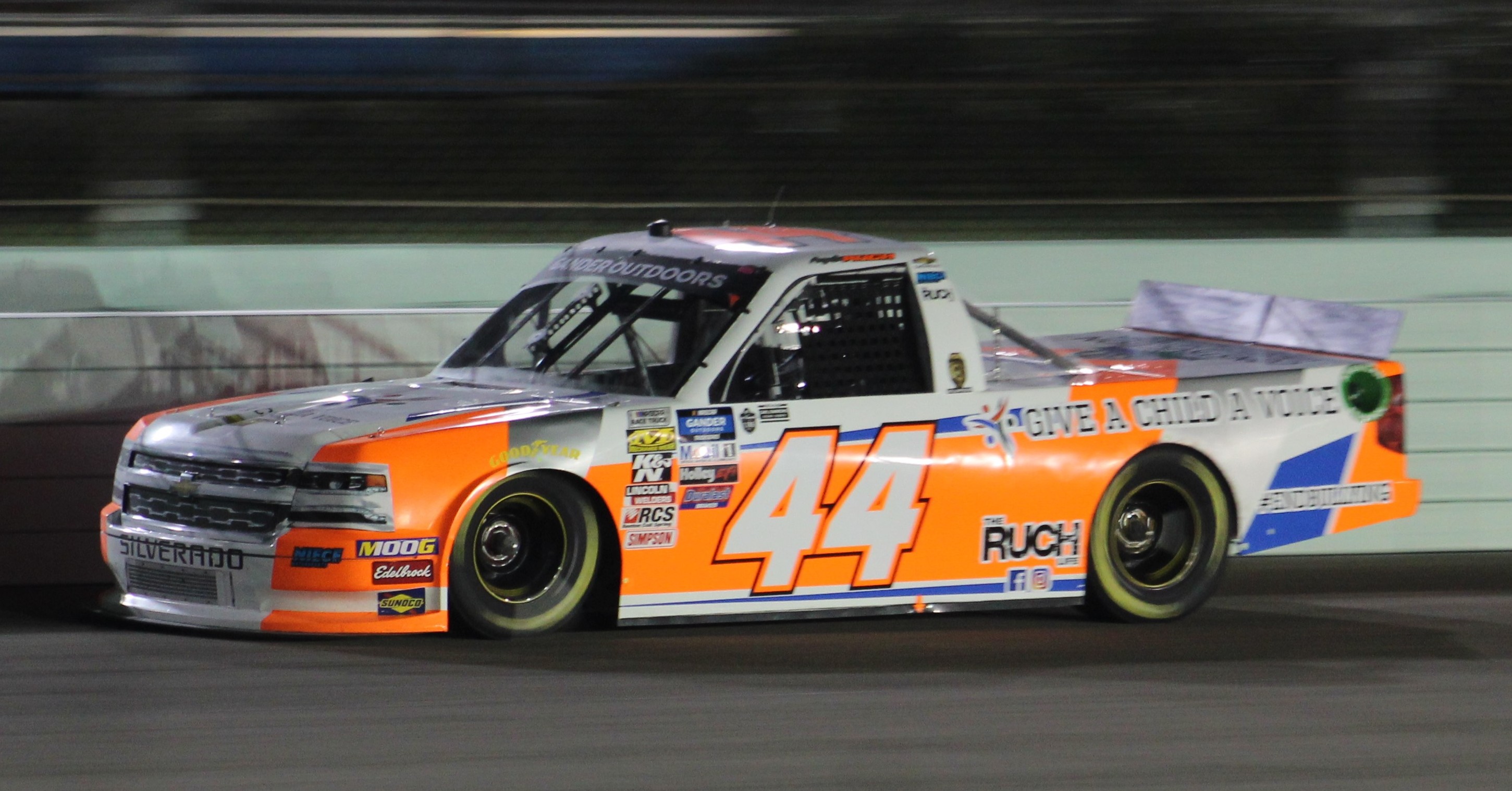
Chevrolet Silverado
"...let's say for instance, I mean, my dad's got a 21 Silverado 1500 to 53. He tows, he tows a little bit with it..."
The Chevrolet Silverado is a large pickup truck. People use it for things like towing trailers and hauling loads. The podcast mentions a 2021 Silverado 1500 because it’s being used for towing.
The Chevrolet Silverado is a full-size pickup truck built for everyday driving as well as heavy-duty work like towing and hauling. In the podcast context, it’s mentioned as a 2021 Silverado 1500 that the owner uses for towing, which is a common reason people discuss this truck. It comes up often because it’s designed to handle real-world truck tasks, not just commuting.
20-weight
"He runs 020 all the time. And the reason being is because that's just what the manufacturer recommends for him."
“20-weight” is a shorthand for a thinner oil grade. Thinner oil can help fuel economy, but thicker oil can sometimes be better for heavy towing or an older engine.
“20-weight” refers to an engine-oil viscosity grade in the “W-20” family (e.g., 0W-20 or 5W-20). Lower “weight” numbers generally indicate thinner oil at operating temperature, which can improve fuel economy but may be less protective if the engine is worn or operating under severe load.
5W-30
"If you wanted to bump to a 530, let's say there's some guys out there that, you know, I just, I don't trust the 020. They just in their mind or not trusting it."
5W-30 is a thicker oil than 0W-20. Some people switch to it when towing more often or when they think their engine may be wearing more.
5W-30 is a thicker alternative to lower-viscosity oils like 0W-20, especially at operating temperature. The discussion suggests some owners step up to a higher-viscosity grade for extra protection when they’re towing or when they’re concerned about an older engine’s wear.
quarts of oil
"...they had a dyno and they started putting more and more quarts of oil in the engine."
Quarts of oil is just how much engine oil you put in. Too much oil can make the engine work harder, get hotter, and not perform as well.
“Quarts of oil” refers to the measured volume of engine oil added to the crankcase. Adding too much oil can increase drag and heat, which is why the speaker says power dropped and temperature/pressure rose in the dyno videos.
dyno
"And you see that too with, there's some videos out there of guys who... they'll put, they had a dyno and they started putting more and more quarts of oil in the engine."
A dyno is a machine that tests a car’s engine on a stand. It lets you see how changes—like oil amount—affect things like heat, pressure, and power.
A dyno (dynamometer) is a test device used to measure how an engine performs under controlled conditions. In this segment, they’re describing a test where adding more oil than intended changed temperature, pressure, and power output.
towing and hauling
"So a ton of thick oil isn't going to be your answer if you're towing and hauling... when that oil heats up under load, pulling a trailer, pulling a grade..."
Towing and hauling means pulling or carrying heavy loads. That makes the engine work harder and get hotter, so the oil has to handle more heat.
Towing and hauling are heavy-load driving conditions that increase engine load and heat. The speaker argues that under these conditions, oil heats up more and conventional oils can break down faster, so viscosity and oil type matter.
oil grade
"At the end of the day, it's what the manufacturer recommends is what you should use, bumping up a grade..."
Oil grade tells you how thick the oil is, especially when it’s cold versus hot. Changing grades can change how the engine feels and how much fuel it uses.
Oil grade is the viscosity rating (like 20W-40) that describes how thick the oil is at different temperatures. The segment discusses “bumping up a grade” (e.g., 20-weight to 30-weight) and how it can affect fuel economy and engine behavior, especially under towing.
engine operating temperature
"...they may be used to their temp gauge running being 180, 195. And then they get into a new one and they're seeing 205, 209, 215 regularly."
Engine operating temperature is how hot the engine typically runs. Newer trucks often run hotter than older ones, and that affects what kind of oil you should use.
Engine operating temperature is the typical range the engine runs at during normal use. The speaker contrasts older trucks (around 180–195°F) with newer ones (205–215°F) and connects that higher heat to oil choice and emissions-related design.
synthetic oil
"...it's required by a lot of new truck in SUV manufacturers to have a synthetic oil, because the breakdown point is so much higher on synthetic versus conventional oil."
Synthetic oil is a type of engine oil designed to handle heat better. If your truck runs hotter than older ones, synthetic is often the safer choice because it holds up under load.
Synthetic oil is engineered to resist breakdown at higher temperatures compared with conventional oil. The speaker ties this to modern engines running hotter for emissions, and argues synthetic is required when the manufacturer’s operating temperature and specs call for it.
conventional oil
"...the breakdown point is so much higher on synthetic versus conventional oil... you're going to be breaking down conventional oils pretty quick."
Conventional oil is the standard type of engine oil. The claim here is that it doesn’t handle extreme heat as well as synthetic, especially when towing.
Conventional oil is the more traditional, less heat-resistant oil type compared with synthetic. The speaker’s point is that when engine oil gets very hot under towing or grades, conventional oil can break down faster than synthetic.
breakdown point
"...because the breakdown point is so much higher on synthetic versus conventional oil."
The breakdown point is when oil gets too hot and starts to stop protecting the engine as well. Synthetic oil is designed to last longer before that happens.
The breakdown point is the temperature/operating condition where oil starts to lose its protective properties. The speaker uses it to explain why synthetic oil is specified for hotter-running modern engines.
Arrhenius rule
"Anyone out there have heard of the Arrhenius rule? That is for every 10 degrees centigrade that you increase the temperature, your oxidation rate doubles on your oil."
The Arrhenius rule is a chemistry idea that says heat makes reactions happen faster. For engine oil, more heat means the oil breaks down faster, so oxidation speeds up a lot as temperature goes up.
The Arrhenius rule describes how chemical reaction rates change with temperature. In engine-oil terms, it’s used to estimate that oxidation speeds up rapidly as oil temperature rises—often summarized as “every 10°C increase roughly doubles oxidation rate.”
oxidation rate
"That is for every 10 degrees centigrade that you increase the temperature, your oxidation rate doubles on your oil."
Oxidation rate is how fast the oil “ages” due to reacting with oxygen. When it happens faster, the oil doesn’t protect the engine as well for as long.
Oxidation rate is how quickly engine oil reacts with oxygen and forms breakdown products. Higher oxidation rate means the oil loses protective properties sooner, which is why oil temperature strongly affects oil life.
engine oil oxidation
"So if you look at the Arrhenius rule... that's about doubling the oxidation rate of the engine oil... That hotter running engine and your oil, unfortunately, is going to pay for it in regards to its oxidation rate."
Engine oil oxidation is when the oil slowly breaks down because of heat and oxygen. The hotter the engine runs, the faster that breakdown happens.
Engine oil oxidation is the chemical process where oil degrades as it’s exposed to heat and oxygen. In practice, hotter-running engines accelerate oxidation, which can shorten how long oil stays effective even if it’s a synthetic.
thermostat
"So if you're running... I had 187 degree thermostat in my 2000 GMC Sierra... That thing consistently 187, that's where it's temp set."
A thermostat helps control how hot the engine runs by deciding when coolant should circulate to cool the engine. If the thermostat runs hotter or cooler, the oil temperature changes too.
A thermostat controls engine coolant temperature by regulating when coolant flows to the radiator. The transcript uses thermostat set temperature (e.g., 187°F) to explain how oil temperatures—and therefore oxidation—can differ between vehicles.

Gmc Sierra
"...n the day, I had 187 degree thermostat in my 2000 GMC Sierra, five, three at the time. That thing consistentl..."
The GMC Sierra EV is a pickup truck that runs on electricity instead of gasoline. Even though it’s electric, it still has systems that control temperature so it can work properly. The podcast mentions Sierra-related temperature/engine talk, which connects to how vehicles stay within safe operating ranges.
The GMC Sierra EV is an electric version of the Sierra pickup line, aimed at buyers who want truck capability with an electric powertrain. The podcast snippet doesn’t go into specific EV details, but it places GMC Sierra in the conversation alongside engine-temperature talk, which is relevant to how vehicles manage heat. It may come up because EV trucks still need effective thermal management for performance and efficiency.
shear stable
"...what type of a shear stable, you know, added as it have... does it have, you know, some cheaper ones? It has some more expensive ones."
Shear stability means the oil can “hold its thickness” even when it’s being squeezed and stressed inside the engine. If it can’t, it can get thinner and protect less effectively.
Shear stability is how well an oil maintains its viscosity when subjected to mechanical stress inside the engine. If an oil isn’t shear stable, its viscosity can drop over time, which can worsen lubrication even before oxidation becomes the main issue.
ad pack
"...was it, you know, what type of a shear stable... added as it have... is there some things that some light ends are going to volatilize off so much to that 300F..."
An ad pack is the mix of chemicals added to oil to help it protect the engine. Different additive mixes can make oil last longer, especially when it gets very hot.
An “ad pack” refers to the additive package in engine oil—chemicals blended to control oxidation, wear, corrosion, and deposit formation. The host suggests that different additive packages can change how long oil survives at high temperatures.
light ends
"...some light ends are going to volatilize off so much to that 300F that it's really tough to put a number to..."
Light ends are the more easily evaporated parts of the oil. When they boil off at high heat, the oil’s properties can change and it may not protect as well.
Light ends are the more volatile fractions of oil that can evaporate (“volatilize”) at high temperatures. Losing these fractions can change oil viscosity and leave behind a different blend, which affects how the oil performs and how long it lasts.
additive package
"It's because that additive package and that base oil matters and it's going to give you the best performance."
Oil isn’t just “oil.” Manufacturers add special chemicals to it, and those additives help the oil protect the engine and stay effective longer.
An additive package is the blend of chemicals mixed into base oil to make it perform better than plain oil. It helps with things like wear protection, oxidation resistance, and maintaining viscosity so the oil can protect engine components over time.
change intervals
"Change intervals, all those things come into play when we think about oil performance."
Oil change intervals are how often you’re supposed to change the oil. If you wait too long, the oil can lose its ability to protect the engine.
Change intervals are the scheduled mileage/time periods between oil changes. Extending or shortening them affects how long the oil’s additives can keep protecting the engine before the oil degrades.
hydraulic lifter
"Yeah, so the mole part lifter switch you have, it's a hydraulic lifter, just like what, you know, GM, you know, GM's got lifter tick too."
A hydraulic lifter is an engine part that uses pressurized oil to keep the valve timing/clearance correct automatically. If the oil can’t flow cleanly, it can make the lifter act up and cause ticking.
A hydraulic lifter is a valve-train component that uses oil pressure to automatically maintain proper clearance between the camshaft and the valve. Because it relies on oil flow and cleanliness, dirty or restricted oil passages can cause lifter malfunction and abnormal noise.
oil passage
"if you get, you know, a dirty oil up in there, you get a chunk of debris in there is going to block your oil passage."
An oil passage is a built-in “oil hallway” inside the engine. If something blocks it, the engine parts don’t get proper lubrication and can wear out faster.
An oil passage is an internal channel in the engine that routes pressurized oil to components like lifters and the top end of the cylinder head. If debris blocks an oil passage, the affected parts may not receive enough clean oil to function correctly, leading to accelerated wear.
camshaft
"then you've got sliding wear now on your cam rather than rolling. So the nose of that cam is going to take the brunt of that."
The camshaft is the engine part that controls when the valves open and close. If lubrication is bad, the cam and related parts can wear out faster.
The camshaft controls valve opening and closing timing by driving the valve train. In this context, blocked or dirty oil can prevent hydraulic lifters from functioning, which can change how the cam surface is loaded and accelerate wear.
oil filter
"So there's some ways to get around that is just, you know, obviously high quality oil, high quality filter, you know, monitor your oil as well on some of those engines."
The oil filter is like a screen for your engine oil. It traps dirt and metal bits so the oil can keep protecting the engine.
An oil filter is a device that removes contaminants from engine oil as it circulates. Keeping it in good condition helps prevent abrasive wear and helps the oil stay cleaner longer.
oxidize your oil
"You're going to get blow by... and that's going to oxidize your oil and then you're pumping that up back up top."
Oxidizing oil means it chemically breaks down from heat and dirty gases. When that happens, the oil can turn into deposits and protect the engine less effectively.
Oxidation is a chemical aging process where oil reacts with heat and contaminants, forming sludge and varnish. When blow-by gases get into the oil, they can accelerate oxidation and degrade lubrication performance.
blow-by
"The rings... they're not perfect. You're going to get blow by in the, down in the crank case and that's going to oxidize your oil and then you're pumping that up back up top."
Blow-by is combustion gases leaking past the piston rings into the crankcase. It can contaminate and oxidize the oil, reducing its ability to protect engine components.
Pennistar
"One thing I'll say is when I owned a Pennistar and they sat for a week or so, you'd get that rattle on startup because everything drained out of the top end."
Pennistar is an oil brand mentioned by the host. They said it seemed to drain away after sitting, leading to a rattly startup.
Pennistar is mentioned as the oil brand the host previously used before switching. The host associates it with startup rattle after the vehicle sat because oil drained from the top end.
signature series
"when I switched over to signature series... I noticed that when the vehicle stopped and was parked for a while, I didn't get that clatter on startup from the valve train..."
“Signature Series” is the oil line the host switched to. They say it helps oil stay on the engine parts after the truck sits, so startup is quieter.
“Signature Series” is referenced as the oil line the host switched to after Pennistar. They claim it improved lubrication retention, reducing startup clatter by keeping oil film on top-end components.
stiction
"I noticed that when I switched over to signature series... I guess it would be better. Stiction or better film."
Stiction is when parts that should move freely don’t move right away after the engine has been parked. Better oil can leave a protective film so the engine starts quieter.
Stiction is sticky static friction that can cause a brief delay or noise when valve-train parts start moving after sitting. Oils with better film retention can reduce how much the parts “stick” before oil pressure and motion get things going.
valve train
"I noticed that when the vehicle stopped and was parked for a while, I didn't get that clatter on startup from the valve train because there was still lubrication left over up there."
The valve train is the mechanism that controls when the engine’s valves open and close. It needs oil so it doesn’t run dry after the truck has been parked.
The valve train is the set of components that opens and closes the engine’s valves, including parts like camshafts, lifters, and rocker arms. Proper lubrication there is critical, especially after the engine sits.
fleece
"I did notice that you guys have a new partnership with fleece. So moving on over to your diesel oils"
Fleece is a diesel-performance brand the hosts mention as a partner for engine oil. They wanted an oil product made to match their diesel applications.
Fleece is referenced as a company/brand in the diesel performance space that wanted a high-quality engine oil partnership. The hosts discuss how that collaboration led to a specific line of oils.
viscosities
"I believe there's four, four main viscosities there. So what that oil is, is it's designed specifically for turbo truck applications."
Viscosity is how thick the oil is. Thicker oils protect better when hot, while thinner oils flow better when it’s cold.
Viscosity is a measure of how thick or thin an oil is, and it strongly affects how well the oil flows at different temperatures. Multi-viscosity oils are chosen to balance cold-start flow with protection at operating temperature.
break-in oil
"So it's a break in oil. And I believe there's four, four main viscosities there."
Break-in oil is used right after an engine is rebuilt or new. It helps the engine “settle in” during the first hours/days of operation.
Break-in oil is formulated for the early period after an engine is rebuilt or newly assembled. It’s intended to help manage initial wear and contamination while the engine’s internal surfaces mate and stabilize.
turbo truck applications
"it's designed specifically for turbo truck applications. So not over the road, no extended dream, no, you know, extended services"
A turbo truck is a truck engine with a turbocharger. Turbo engines run harder, so the oil has to protect and stay cleaner under that extra stress.
“Turbo truck applications” refers to diesel truck setups that use turbochargers, which increase airflow and heat loads. Turbo engines typically need oil that can better resist breakdown and keep internal surfaces clean under higher stress.
turbo cleanliness
"So the turbo cleanliness was big for them."
Turbo cleanliness means keeping the turbo from getting dirty with deposits. Cleaner turbo parts can help it keep working the way it should.
Turbo cleanliness describes how well an oil helps prevent deposits from building up on turbocharger components. Cleaner turbos typically mean better airflow and less risk of performance loss from coking or varnish-like buildup.
extended services
"...expand on that a little bit with not having that, you know, to be tied down to, you know, the severe service or excuse me, extended services or the spec availability."
Extended services means the truck is expected to go longer between maintenance intervals. The episode is linking that to how diesel oil products are designed.
Extended services refers to longer oil-change or service intervals than standard schedules. The hosts connect this idea to how diesel oil products are formulated and marketed for different usage conditions.
light duty vs heavy duty trucks
"I think part of it is the light duty, like really light duty, not the super duties and whatnot, but the light duty engines going away for emissions also with over regulation and the technology not really being up to snuff."
Light-duty and heavy-duty trucks are different categories of trucks. The hosts are saying diesel changed a lot recently, partly because rules and technology differ by truck class.
“Light duty” and “heavy duty” describe different classes of trucks with different typical use, durability requirements, and emissions hardware. The episode argues that diesel’s biggest changes recently have been tied to emissions rules and technology differences across these classes.
after treatment
"You had a lot of reliability and durability issues with the after treatment and then going to low sulfur fuels, which changed, you know, a lot of issues with blowing up, you know, pumps and sending shrapnel through the fuel injection system."
After treatment is the system on a diesel that cleans up exhaust after it’s burned. If it has problems, the truck can get expensive to fix.
After treatment refers to emissions-control hardware used after combustion to reduce pollutants coming out of the exhaust. In modern diesels, it can add complexity, and failures can lead to expensive repairs and drivability issues.
low sulfur fuels
"You had a lot of reliability and durability issues with the after treatment and then going to low sulfur fuels, which changed, you know, a lot of issues with blowing up, you know, pumps and sending shrapnel through the fuel injection system."
Low sulfur fuel is diesel with less sulfur in it. It’s used to reduce pollution, and it can change how some engine parts behave.
Low sulfur fuels are diesel fuels with reduced sulfur content, introduced to lower emissions and protect modern emissions systems. Changing fuel chemistry can also affect how components like pumps and injectors wear and fail.
fuel injection system
"...changed, you know, a lot of issues with blowing up, you know, pumps and sending shrapnel through the fuel injection system."
The fuel injection system is how the engine sprays fuel in the right way. If it breaks, the truck can run badly and repairs can get serious.
The fuel injection system delivers pressurized fuel to the engine in precise amounts and timing. If components fail, debris can damage other parts and cause major drivability and repair issues.
warranty issues
"...the manufacturers obviously were tired of paying for the warranty issues and said, well, we're going to go EV and hybrid."
Warranty issues are expensive repairs the company has to pay for when something breaks under the warranty. The hosts are saying diesel problems led to lots of those costs.
Warranty issues are repair costs covered by the manufacturer when a vehicle component fails within the warranty period. In the diesel era discussed here, reliability problems led manufacturers to spend heavily on warranty claims.
EV and hybrid
"...the manufacturers obviously were tired of paying for the warranty issues and said, well, we're going to go EV and hybrid. So we don't need diesel to pump, you know, pump up our cafe standards."
EV and hybrid are ways of powering cars that rely more on electricity than diesel. The point here is that manufacturers shifted strategies to meet rules and reduce diesel-related problems.
EV (electric vehicle) and hybrid powertrains reduce or eliminate the need for diesel engines to meet emissions and regulatory targets. The episode frames this as a strategic shift away from diesel when emissions compliance and reliability costs got harder.
CAFE standards
"So we don't need diesel to pump, you know, pump up our cafe standards."
CAFE standards are government rules that push car companies to improve how efficiently their whole lineup uses fuel. The hosts are saying diesel was part of that equation.
CAFE (Corporate Average Fuel Economy) standards are U.S. regulations that require automakers to meet fleet-wide fuel-economy targets. The hosts connect diesel’s role in meeting these targets to broader regulatory pressure.

power stroke
"And it's amazing the power output and the capability of a modern Duramax, the new Cummins 6-7, of course the power stroke, which I think is the class leader in power output."
Power Stroke is Ford’s diesel engine family. The hosts are saying it’s one of the top performers for power in today’s heavy-duty diesel trucks.
Power Stroke is Ford’s diesel engine line, associated with heavy-duty trucks and strong towing capability. In this segment, the hosts call it a class leader in power output among modern diesels.
PC-12
"So you start off with a good base oil and you can really build from there. Right. So, and, and I think we all know that there's some new standards coming out for the diesel market. It's a PC 12 set chemical box is just, it's just shrinking down."
PC-12 is a future set of rules/specs for diesel oil. When the rules change, oil makers have to reformulate the oil to meet the new requirements.
PC-12 is referenced as a coming diesel-market standard/spec that affects how oils are formulated. The speaker implies it will shrink the “chemical box” by tightening requirements, forcing formulators to adjust additive choices.
particulate matter
"And what you have is reduction in, I believe, I believe knocks, there's reduction. So particulate matter. So I made some of the main diesel things that's coming down."
Particulate matter is basically soot and tiny particles that come out of the exhaust. Diesel regulations often target reducing these particles.
Particulate matter (PM) refers to tiny solid or liquid particles created during combustion, commonly discussed in diesel emissions. The speaker links upcoming diesel standards to reductions in particulate matter.
detergent dispersants
"So you have to look in other directions on where can I get, you know, my anti my anti where added is where can I get my detergent dispersants. And you kind of spread that out a little bit."
Detergent dispersants are additives that help keep soot and other contaminants suspended and prevent deposits from forming on engine surfaces. In diesel oils, they’re especially important because combustion can produce more particulate contamination.
extended drain interval
"And again, it's a lot of like our sick series passenger car, you know, the gas line, you know, the long term engine cleanliness, the anti where and then hitting that extended drain interval as is where, you know, where we where we live where we play."
This means how long you can go between oil changes. Longer drain intervals require the oil to stay effective for more time.
An extended drain interval is the planned time or mileage between oil changes. The speaker contrasts building diesel oil around long-term cleanliness and then extending how long the oil can be used while still meeting performance needs.
OE line
"So started off, we have our OE line. So Amsoil OE and OE, we have that set up for original equipment."
“OE” means the oil is made to match what the car maker recommends. It’s meant to be a direct replacement that fits the rules in the owner’s manual.
“OE” here means original equipment—engine oil formulated to match what vehicle manufacturers specify for normal use. The segment frames Amsoil OE as a synthetic replacement that follows manufacturer-recommended guidelines.
original equipment replacement synthetic
"So it's an original equipment replacement synthetic for, you know, people who want to follow like a manufacturer recommend guideline."
This means a synthetic oil made to meet the same kind of requirements as the oil your car maker calls for. It’s designed to work as a replacement without you needing to change your approach.
An “original equipment replacement synthetic” is an aftermarket synthetic oil intended to replace the oil type and performance requirements used by the vehicle manufacturer. The point is to meet the same standards so it can be used while following the manufacturer’s guidance.
warranty sensitive
"...you want something that is, you know, people warranty sensitive. So this is going to be a fully licensed product."
“Warranty sensitive” means you’re trying to avoid anything that could cause problems with your car’s warranty. With oil, that usually means using the type/spec the manual calls for.
“Warranty sensitive” refers to choosing products that align with what the manufacturer requires so warranty coverage isn’t jeopardized. In oil terms, that usually means using an oil that meets the specifications listed in the owner’s manual.
fully licensed product
"So this is going to be a fully licensed product. There's going to be no spec missing on the OE or the XL."
“Fully licensed” means the oil has been approved to meet the required standards. It’s a way of saying it’s not just a random oil—it’s been validated for the intended specs.
A “fully licensed product” implies the oil meets formal licensing or approval requirements tied to performance standards. In practice, this is often about meeting the specifications and approvals vehicle makers and industry bodies require for that oil category.
spec missing
"There's going to be no spec missing on the OE or the XL."
“Spec missing” means the oil doesn’t fully meet the requirements your car needs. The host is saying their oils don’t leave out any required checklist items.
“Spec missing” means an oil that doesn’t meet one or more required performance specifications for a given application. The segment claims the OE and XL lines avoid this, positioning them as compliant with the needed requirements.
owner's manual
"So it's designed to do exactly what the owner's manual recommends."
The owner’s manual is the car maker’s instructions for maintenance. It tells you what kind of oil and specs to use.
The owner’s manual is the vehicle manufacturer’s official guidance for maintenance, including which oil specifications to use. The segment emphasizes that the OE oil is designed to do exactly what the manual recommends.
oil life monitor
"So if you're changing your oil at, you know, say, like these new Chevy trucks, I think it's 10,000 miles, 7,500 miles or oil life monitor, right?"
An oil life monitor is the dashboard system that estimates when your oil needs to be changed. It looks at how you drive and how hard the engine is working, not just the odometer.
An oil life monitor is the car’s system for estimating how much useful life the engine oil has left. It typically uses sensors and driving data (like temperature and engine load) to adjust the service reminder instead of relying on a single fixed mileage interval.
full synthetic
"But it's still a full synthetic and it still adds 100% full synthetic package."
Full synthetic refers to engine oil formulated from synthetic base stocks rather than conventional petroleum oil. Synthetic oils generally handle heat and oxidation better, which can support longer drain intervals when the oil meets the right vehicle specs.
Dexos 1 Gen 3
"So just to say Dexos one Gen three. Yep. XL's got you, but you don't want to change the oil life monitor."
Dexos 1 Gen 3 is a GM-approved oil standard. If an oil is Dexos 1 Gen 3, it means it meets GM’s testing and requirements for certain GM engines.
Dexos 1 Gen 3 is General Motors’ specific engine-oil specification that oils must meet to be approved for many GM vehicles. When the hosts mention it, they’re emphasizing that the oil isn’t just “good”—it’s been engineered and tested to satisfy GM’s requirements for performance and protection.
API
"...like, oh, well, it doesn't have the, you know, the API or excuse me, the SAE, you know, rating on it, maybe..."
API is an industry standard for engine oil performance. The point they’re making is that real certification usually involves testing and licensing, not just a label claim.
API refers to the American Petroleum Institute’s oil performance categories and licensing program. When the hosts discuss API/SAE ratings and certification stamps, they’re distinguishing between oils that merely claim compatibility versus oils that are actually tested and licensed under the standard.
SAE rating
"...the API or excuse me, the SAE, you know, rating on it, maybe."
SAE is a set of automotive standards that can show what an oil is designed to do and how it’s classified. They’re saying the important part is whether the oil truly meets the standard, not just what it says on the label.
SAE ratings refer to Society of Automotive Engineers standards used to define oil performance requirements and/or viscosity grading. In this segment, the hosts are arguing that meeting the underlying requirements is more meaningful than seeing a rating printed on the bottle.
SIG series
"SIG series, I don't want to say it's overbuilt, because it's built absolutely perfect. But it's got that it's the extended drain, and it's got that I don't want to say minimum compliance but, you know, we took the chemical box and said it went away with it... So again, SIG series is going to be that well built product."
“SIG series” is the name of a premium oil line being discussed. The host says it’s designed to last longer and be built specifically for what engines need.
“SIG series” is presented as a top-tier, purpose-built motor oil line that’s engineered for long service intervals (“extended drain”). The speaker also frames it as avoiding unnecessary additives and focusing on meeting the needs of the application.
OEXL
"So that would be, you know, that's how I would effectively lay out our tiers of oil so you got OEXL and SIG series being that top flagship product."
“OEXL” is another oil tier mentioned in the lineup. The host groups it with the top product line, implying it’s meant for serious, high-performance use.
“OEXL” is mentioned as one of the oil tiers alongside “SIG series,” described as the top flagship product. The context suggests OEXL is also a high-end oil offering within the company’s lineup.
oil analysis program
"You guys also have an amazing oil analysis program as well. And you guys stand behind your product 100%."
An oil analysis program tests your used oil to see how well it’s been protecting the engine. It can show whether the oil is still in good shape or if something is going wrong.
An oil analysis program is a process where used oil is tested (often for wear metals, contamination, viscosity change, and additive depletion) to judge how the oil is performing. It helps confirm whether the oil is still protecting the engine and can support warranty or troubleshooting claims.
top end
"And I think I alluded to it before too with maybe the Mopar checking those lifters checking that top end where well analysis is an absolute great tool to check not only how your engine is doing."
The top end is the upper part of the engine, where the valves and related parts are. It’s often where problems show up as engines age.
The top end refers to the upper portion of an engine—typically the cylinder head area where components like valves and valve train parts live. Checking the top end can reveal issues that oil analysis may also help flag indirectly.
oil sample
"It's something that people might feel as a daunting task to take an oil sample, not at all. When you go to change your oil or opportunity to grab an oil sample and there's proper ways to do it."
An oil sample is a small amount of used oil you collect to send for testing. How you take it can change how useful the results are.
An oil sample is the small amount of used oil collected for testing. The timing and collection method matter because they affect how accurately the lab can judge oil condition and engine wear.
high mileage oil
"Let's go to some of your niche products like high mileage so high mileage is interesting to me because a lot of times you let's let's take it out I haven't owned the car maybe it's a secondary bought it use cars maybe use car for my daughter's first car or something it's got 100,000 miles on it."
High mileage oil is made for older, higher-mileage engines. It’s designed to help reduce sludge and can help seals that have started to leak over time.
High mileage oil is an engine oil formulated for older engines, typically those with higher mileage and more wear. It often uses higher detergency to help clean deposits and seal conditioners to reduce oil leaks from aging seals.
Request an Explanation
Heard something you'd like explained? We'll add it to this episode.
Sign in to request explanations for terms you heard.
Want to learn more?
Browse our glossary for plain-English explanations of automotive terms, jargon, and concepts.
Help improve this episode
See something that's not quite right? Our annotations are AI-generated and can sometimes miss the mark. Click the flag icon on any annotation to suggest a correction.