Stop Calling These Restomods | Zack Klapman (The Smoking Tire)
About this episode
Restomods get a reality check as the hosts and Zach Klapman unpack what the term really means, where it came from in the 2010s, and why some ultra-custom Porsche builds “really can’t be called restomads.” The conversation moves from Singer vs Gunther Works design philosophies and million-dollar pricing, to what actually matters in driving feel—steering ratio, manual vs PDK, and usable horsepower. They also connect modern engine complexity to direct-injection valve deposits and wrap with Porsche culture and market talk.
This week I sat down with Zack Klapman, co-host of The Smoking Tire and the man behind the Hilarious car-nerd game show Driver's Test, to map the whole restomod world for anyone who's new to it. We get into what these cars actually are, what they cost, and whether a one and a half million dollar Porsche can possibly be worth the money.
From there we wander, the way these talks do, into the Lexus LFA, the Audi R8, hydraulic versus electric steering, why modern engines keep grenading, and the most useful thing Zack said all night: power gets boring, and the base model is usually the smarter buy. If you've heard me preach that on this channel, you'll like where this one goes.
Zack has driven the stuff most of us only get to read about, and he talks about it like a normal person, which is the whole point of this show.
Also: Check out The Smoking Tire Live Show with the amazing Christian Hand!!!
https://www.eventbrite.com/e/the-smoking-tire-podcast-christian-james-hand-tickets-1991203255539
Chapters
0:00 Meet Zack Klapman
1:13 Why restomods, and who this episode is for
2:19 What a restomod actually is
4:36 Why a Singer or Gunther Werks isn't really a restomod
5:40 Singer's ethos vs Gunther Werks' ethos
7:34 What these cars actually cost
8:14 Is a 1.5 million dollar Porsche worth it
11:00 Driving a Singer, and the Lexus LFA comparison
14:40 The supercar the market never understood
16:46 The LC500, the R8, and great cars that stayed cheap
22:14 Hydraulic vs EPAS, and why "old is always better" is lazy
25:12 Porsche curmudgeon culture
28:08 Why modern engines keep breaking
32:00 The walnut blasting BMW story
35:01 What it's like to drive a million dollar car
37:20 Getting jaded, and Jay Leno's rule
39:49 The perfect horsepower number
42:18 Why the base model is usually the smart buy
45:49 The one Porsche Zack would actually buy
49:36 Is the Porsche market finally softening
51:00 Go watch Driver's Test
Find Zack:
Driver's Test: https://www.youtube.com/@ZackKlapmansDriversTest
The Smoking Tire: youtube.com/thesmokingtire
Instagram: instagram.com/therealzackklapman
ElevenAfterNine:
Main Channel: youtube.com/@ElevenAfterNine
Instagram: instagram.com/TheElevenAfterNine
Web: www.ElevenAfterNine.com
Hosted on Acast. See acast.com/privacy for more information.
restomod term
"So for me, the restomod term entered my lexicon in the 2010s. And it came from, [151.9s] again, this is my experience living in SoCal, but working in auto journalism, filming [155.5s] every genre of car, the term was being used by the muscle car crowd."
A restomod is an older car that’s been updated with newer parts so it drives better. It’s basically “restore the old look, but modify it to feel modern.”
A restomod is a car that keeps the original body/identity but modernizes key systems—often suspension, brakes, and sometimes the engine—to improve drivability and safety. In this episode, the host explains that the term became common in the 2010s and was used by the muscle-car crowd as a “restored + modified” idea.
pro touring
"the term was being used by the muscle car crowd. It was like a pro touring [161.2s] thing. And so it stands, I mean, it's a contraction of restored, like restoration modified."
Pro touring is when people take an older car and upgrade it so it drives and handles more like a modern sports car. The focus is usually on steering, braking, and suspension, not just looks.
Pro touring is a style of build focused on making older cars handle and brake like modern performance cars. The host links restomods to this muscle-car culture, where the goal is to keep the classic look while upgrading the chassis and running gear for better track-day behavior.
restoration modified
"And so it stands, I mean, it's a contraction of restored, like restoration modified. [170.1s] And so [170.1s] what I saw is you've got these old muscle cars that are known for big engines looking good,"
He’s explaining what the word “restomod” comes from: restoring the old car and then modifying it. It’s a way to describe updating an older car instead of leaving it stock.
The host frames “restomod” as a contraction of “restored” plus “modified,” describing a spectrum of builds that start with an older car and then add modern performance improvements. This matters because the episode argues some high-end custom builds go far beyond typical “restoration + modification.”
subframe connectors
"So what people would do is they would throw on subframe connectors, [185.0s] they would make the chassis as rigid as they could without totally changing the shape or [188.7s] the look of the car."
Subframe connectors are metal braces that help the car’s body stay more rigid. Less flex usually means the steering and handling feel tighter and more predictable.
Subframe connectors are structural braces that tie the car’s subframes (or unibody sections) together to reduce chassis flex. The host mentions them as a common restomod step for older muscle cars to make the platform feel stiffer without changing the car’s exterior shape.
Gunther Works
"I don't think cars like [221.1s] Gunther Works, Singer, the SP40, which we can talk about, these things that are called restomads, [227.1s] I think they're so far beyond that because they have changed, especially with Gunther Works,"
Gunther Works is a specialist that builds very high-end Porsche custom cars. The point here is that their cars aren’t just lightly updated—they can be heavily reworked, including major material and engineering changes.
Gunther Works is a high-end Porsche customization shop known for extreme restomods that go well beyond typical “restored + modified” work. The host describes builds where the body and interior use carbon fiber and the car is effectively re-engineered from the shell, making it closer to a ground-up build than a light update.
the SP40
"I don't think cars like [221.1s] Gunther Works, Singer, the SP40, which we can talk about, these things that are called restomads,"
The SP40 is a specific custom Porsche project/build mentioned alongside other top-tier restomod brands. The host is saying it’s more than a simple update—it’s a major transformation.
The SP40 is referenced here as one of the high-end custom Porsche builds the host groups with Gunther Works and Singer. The episode’s argument is that these cars are so heavily reworked—visually and mechanically—that calling them “restomods” can be misleading.

Singer
"you move into Singer's legally created term, we should say, which is reimagined... Singer, just for the folks out there, is a company... they do a greatest hits 9-11. He took a look at all the different parts of the generations of 9-11s that really resonated with him..."
Singer is a company that builds Porsche 911s with a modern engineering twist, while trying to keep the classic look. The idea they describe here is mixing the best styling details from different 911 eras into one car.
Singer is a Porsche-focused restyling and engineering company known for “reimagining” the 911 using modern engineering while preserving classic 911 styling cues. In this segment, the host describes Singer’s approach as selecting the most beautiful elements from different 911 generations and combining them into one build.
reimagining
"you move into Singer's legally created term, we should say, which is reimagined... would I make it exactly the same as they had made it? Or would I tweak it adjusted just slightly?"
Here, “reimagining” means taking a classic car idea and updating it with modern technology and design. It’s more than restoring it—it’s about redesigning parts while keeping the spirit of the original.
Reimagining (in this context) means taking a classic car’s design language and concept and updating it with modern engineering and design choices rather than doing a straightforward restoration. The host frames it as a designer’s thought experiment: if you had today’s technology, would you keep everything the same or tweak it based on what you now know?
hypercar
"you know, they did that for reasons, but I think also the same way we needed the term hypercar, once supercars got so fast, is reimagining is a good way to put it..."
A hypercar is an ultra-expensive, ultra-fast kind of supercar. In this conversation, it’s used to explain how performance trends push designers to rethink what the next version should look like and do.
Hypercar is a marketing category for extremely high-performance, high-cost supercars—often defined by advanced aerodynamics, cutting-edge powertrains, and very limited production. The host uses it as a comparison point: as supercars got faster, designers started “reimagining” what the next generation should be.
Rob Dickinson
"And I think that in that case, you are literally like Rob Dickinson from Singer, he sat there and he looked at the car and he thought, I love these pieces and these pieces. I would change these pieces."
Rob Dickinson is associated with Singer as a key figure in its design philosophy, described here as sitting with the car and deciding which design elements to keep and which to change. The host uses him to illustrate the “perfect the car you love” mindset behind Singer-style builds.
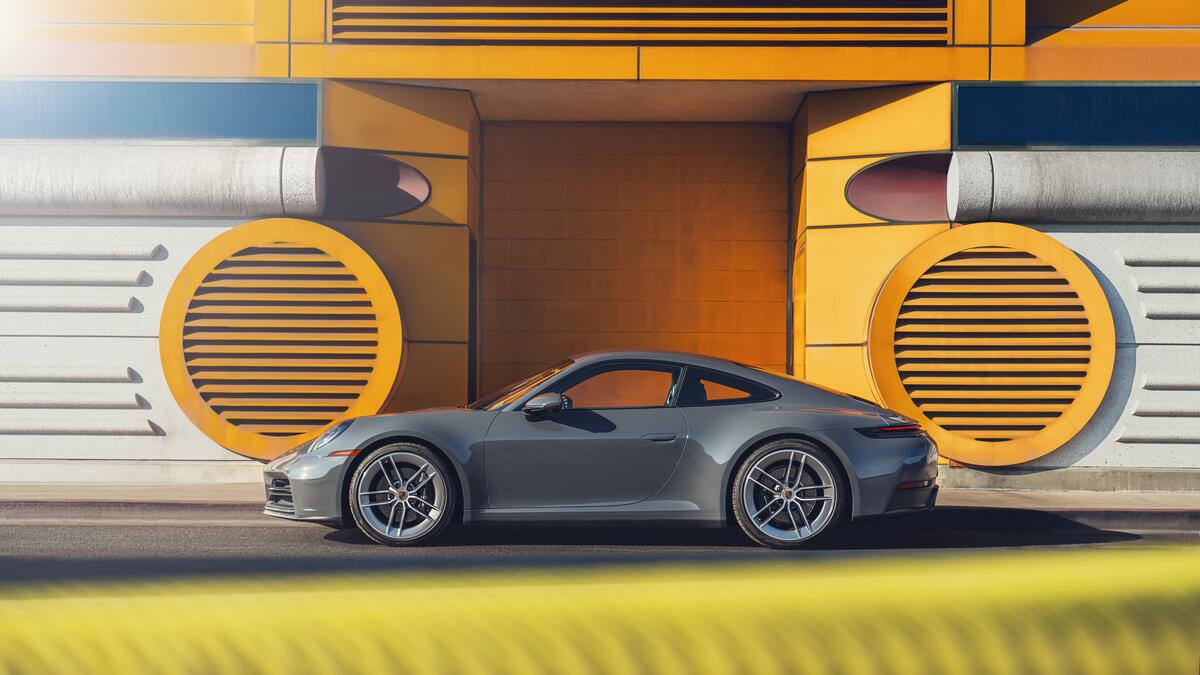
Porsche 911 (964)
"they might come from a 964 or a 993 body shell, but they've been so chopped and lightened and added to that they really, you're right, they really can't be called restomads."
Porsche 911 (964) is one specific generation of the 911 from the early ’90s. The point here is that some custom builds begin with that body, but they’re changed so much that they don’t behave like a typical restomod.
Porsche 911 (964) refers to the 911 generation from the early 1990s, commonly recognized as a key evolution of the classic 911 formula. The host notes that some modern “reimagined” builds may start from a 964 body shell but then get heavily modified, which affects whether the project fits the restomod label.
restomad
"Yeah, but to your astute point, I mean, the cars are not what they were. They're not, they might come from a 964 or a 993 body shell, but they've been so chopped and lightened and added to that they really, you're right, they really can't be called restomads. Like you said, when I think about a restomad, I think about a car that drives like"
A restomod is a classic car that’s been updated so it drives better like a modern car. In this discussion, they’re saying some of these Porsche projects are changed so much that the “restomod” label doesn’t really fit.
A restomod is a modified classic car that keeps the original body/identity but updates key systems (like suspension, brakes, and powertrain) for modern drivability. In this episode, the hosts argue that some Porsche-based builds shouldn’t be called restomads because they’re heavily reworked beyond a simple “classic with modern upgrades.”
Land Rovers
"a modern car but looks like an old car that was original. They do it a lot with Land Rovers too, [421.5s] like restomaded Land Rovers are like absolutely the thing."
Land Rover is a car brand that makes rugged SUVs. Here, they’re talking about older Land Rovers that people update with newer parts while keeping the classic style.
Land Rover is a brand known for rugged, off-road-oriented SUVs and for having a huge aftermarket and collector scene. In this episode, “restomaded Land Rovers” refers to modernized classics that keep the original Land Rover look.
Turbo
"I think so, probably with tax at least. I think the Turbo is the quote, the cheap one. And I think [454.2s] it starts at 750, so."
“Turbo” means the engine uses a turbocharger to make more power. It forces extra air into the engine so it can burn more fuel and produce more horsepower.
In this context, “Turbo” refers to a turbocharged variant—an engine that uses a turbocharger to force more air into the cylinders. That typically supports higher power output than a naturally aspirated setup.
Gunther Works F26
"I think the one we drove was like 1.2, the F26, 1.5 for F26. Yeah, I mean, that's the seven figure [470.2s] car."
The Gunther Works F26 is a specific custom car built by Gunther Works. The hosts are treating it as an ultra-rare, extremely expensive build meant for people who want big, loud performance.
The Gunther Works F26 is a specific, ultra-expensive restomod/creation from the Gunther Works shop. In this segment, it’s discussed as a “seven figure” car, with the host tying its design details (like wings and carbon) to an expectation of very high performance.
wings
"Gunther Works cars, [551.6s] with the size of the wings and the amount of carbon inside and like the cages and whatnot,"
“Wings” refers to aerodynamic appendages—typically rear spoilers or large aero elements—meant to generate downforce. More downforce helps keep the car planted at speed, improving cornering grip.
carbon
"Gunther Works cars, [551.6s] with the size of the wings and the amount of carbon inside and like the cages and whatnot,"
They’re talking about carbon fiber parts. Carbon fiber is strong but light, so it helps a performance car feel quicker and handle better.
“Carbon” here refers to carbon fiber components used in the car’s construction. Carbon fiber is valued in performance cars because it’s very strong while being lightweight, which can improve acceleration, braking, and handling.
cages
"Gunther Works cars, [551.6s] with the size of the wings and the amount of carbon inside and like the cages and whatnot,"
“Cages” means a roll cage, which is a metal safety frame inside the car. It helps protect you in a crash and can also make the car feel more solid and stable.
“Cages” refers to a roll cage—an internal metal framework designed to protect occupants and stiffen the chassis. In track-focused builds, it’s often paired with more aggressive driving and can improve structural rigidity.
1000 horsepower
"So that is to say, I guess it is worth the money [570.2s] to a certain, to a select group of people who are into 1000 horsepower cars that scare them,"
“1000 horsepower” means the engine makes an enormous amount of power. Cars with that much power need special engineering to put it to the ground safely.
“1000 horsepower” refers to an extremely high engine output level, typically associated with forced induction and/or extensive performance tuning. At this power level, traction, cooling, and drivetrain strength become major engineering priorities.
air cooled
"And the one we drove is an air cooled car that makes 1000 horsepower. Doing that is not cheap."
“Air-cooled” describes an engine cooling system that relies on airflow over the engine rather than a liquid coolant circuit. Classic Porsche engines are often discussed this way, and the episode ties it to the high cost of building powerful air-cooled cars.
knurling
"Like I didn't like, I didn't like the shape of the knurling on the back of it."
Knurling is the rough, patterned texture on something to help your hand grip it. Here, the host is saying the steering wheel’s grip texture didn’t feel right to them.
Knurling is the textured, patterned grip on a surface—often used to improve traction and control. The host dislikes the knurling shape on the steering wheel’s back, implying that even the grip texture can change how comfortable and precise the wheel feels.

Singer Turbo
"But yeah, by contrast, when I drove the Singer Turbo, it was the most perfect steering wheel I'd held."
Singer Turbo is a custom Porsche 911-style car built by Singer. The point here is that the steering wheel and controls are designed to fit your hands really well, and the interior feels extremely high quality.
Singer Turbo refers to a Singer Vehicle Design restomod based on a Porsche 911, built with modern engineering and high-end craftsmanship. In this segment, the host praises the Singer Turbo’s steering wheel ergonomics and overall interior precision as part of why the car feels so “perfect” to drive.

McLaren
"It's like that in a McLaren, like the way they had, you know, grooved it a certain way."
McLaren is a company that makes high-performance supercars. The host is saying McLaren also designs the steering wheel so your thumbs naturally land in the right spot, which makes driving feel more intuitive.
McLaren is a British supercar brand known for driver-focused ergonomics and race-derived feel. Here, the host compares McLaren steering wheel shaping and thumb placement to the Singer Turbo, emphasizing how small design choices affect how the car feels in your hands.
grooved
"It's like that in a McLaren, like the way they had, you know, grooved it a certain way."
Grooved steering wheel surfaces use channels or indentations to guide hand placement and improve tactile feedback. The host credits grooving with making thumb positioning more natural, which is part of why the steering wheel feels “perfect” in the McLaren comparison.
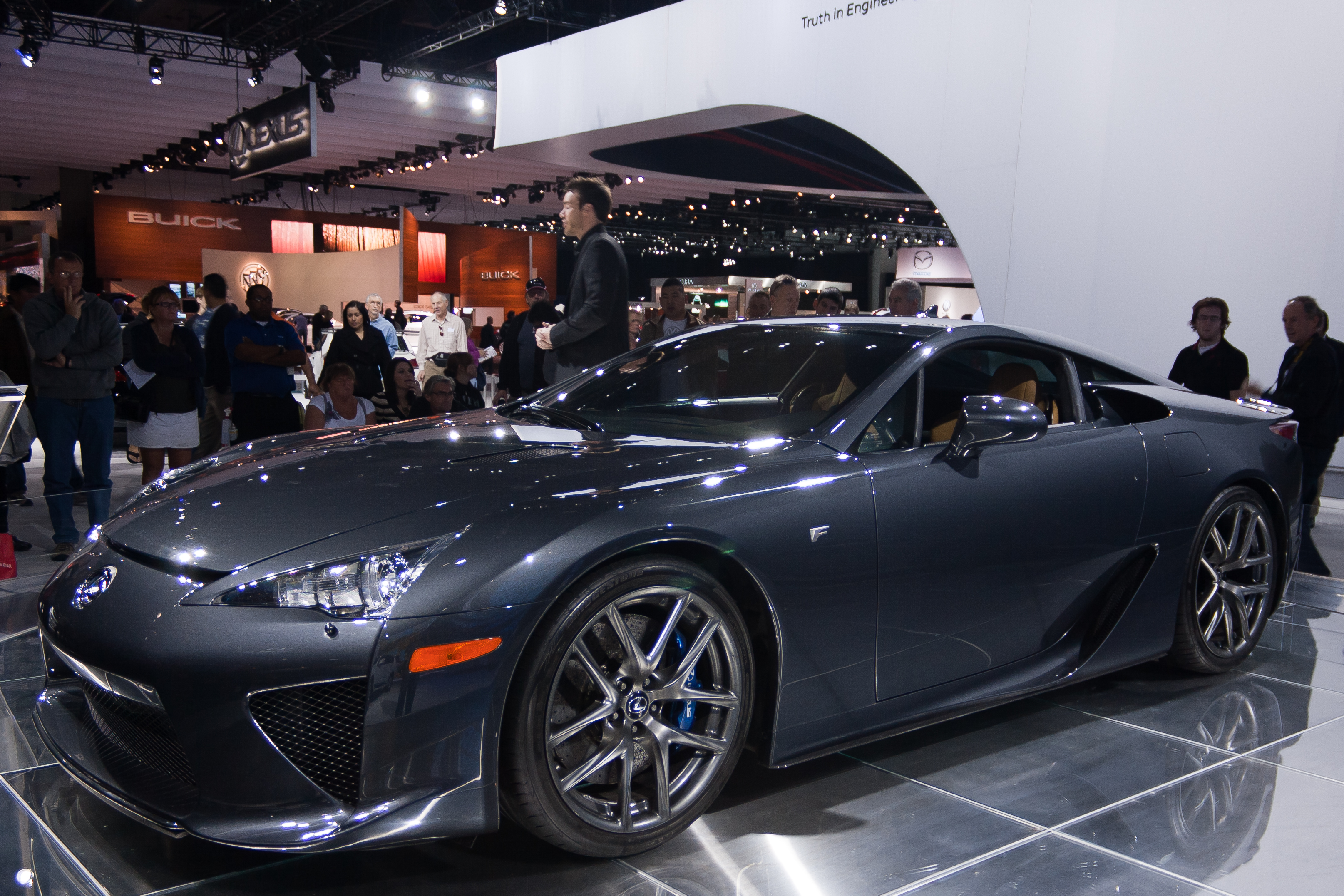
Lexus LFA
"when Lexus made the LFA, they had to make a new kind of carbon fiber loom to make the car."
The Lexus LFA is a rare, high-end supercar. The host is pointing out that Lexus went to extreme lengths with carbon fiber—basically creating a special way to make it—so the car could match their exact design goals.
The Lexus LFA is a limited-production supercar famous for its exotic materials and obsessive engineering details. The host specifically highlights Lexus’s effort to create a new carbon fiber loom (weave/forming process) to build the car’s structure to their exact specifications.

Lexus
"Because it was so on Lexus [895.5s] of Lexus to come out with, and it took like, like what, like 57 years before people came around and started realizing what it was... [955.9s] So I think Lexus, you know, they sell, they sell cars to Camry people..."
Lexus is Toyota’s luxury brand. The point here is that Lexus usually sells more mainstream cars, so it can be harder to convince existing customers to buy something as extreme and different as a supercar.
Lexus is Toyota’s luxury brand, and this segment contrasts its mainstream customer base with the challenge of selling a niche halo car like the Lexus LFA. The discussion frames how brand expectations can affect whether buyers “get” a radical new product.

Audi R8
"I mean, look, Audi, [908.0s] the R8 is amazing when they partner with Lamborghini eventually, like that made them even better."
The Audi R8 is a high-performance sports car from Audi. The host is saying that when Audi’s supercar image gets tied to the “exotic” world, people may want it more.
The Audi R8 is a mid-engine sports car that helped establish Audi as a serious performance brand. Here, it’s used as an example of how partnering with (or being associated with) other exotic brands can boost perception and desirability.

Lamborghini Huracan
"That car, if it had been wearing a Lamborghini badge, and I know that the Huracan and whatnot, [918.6s] like they're basically the same..."
The Huracán is Lamborghini’s V10 supercar. In this discussion it’s mainly being used as a benchmark for how the Lamborghini name can make a car feel more special to buyers.
The Lamborghini Huracán is Lamborghini’s modern V10 supercar, and it’s referenced here as a comparison point to the Audi R8. The host claims the cars are “basically the same” in some ways, but suggests the Lamborghini badge would have made the R8 more popular.
residual value
"Or if it had a more, [922.0s] if it had a more exotic badge, they would have been more popular, the residual value would [927.4s] have been better."
Residual value is the estimated value a car will have in the future, often used in leasing and also as a shorthand for how well a car holds its worth. In this segment, the host argues that branding (e.g., wearing a Lamborghini badge) could have improved the LFA-like “halo” perception and thus residual value.

Audi Rs3
"...ou see the four rings, and you think, oh, Q3, Q5, RS3, like there's just too many other That's a good p..."
The Audi RS 3 is a fast, performance-focused version of a compact Audi. The “RS” badge generally means it’s the higher-performance trim. In the podcast, it’s brought up while talking about how Audi model names relate to what the car is.
The Audi RS 3 is a high-performance compact car in Audi’s RS lineup, known for packing serious power into a small, everyday-friendly body. In your context, it’s mentioned as part of a naming conversation about Audi model badges and how the RS designation fits in. That’s why it comes up—people are trying to understand what the “RS” models represent.
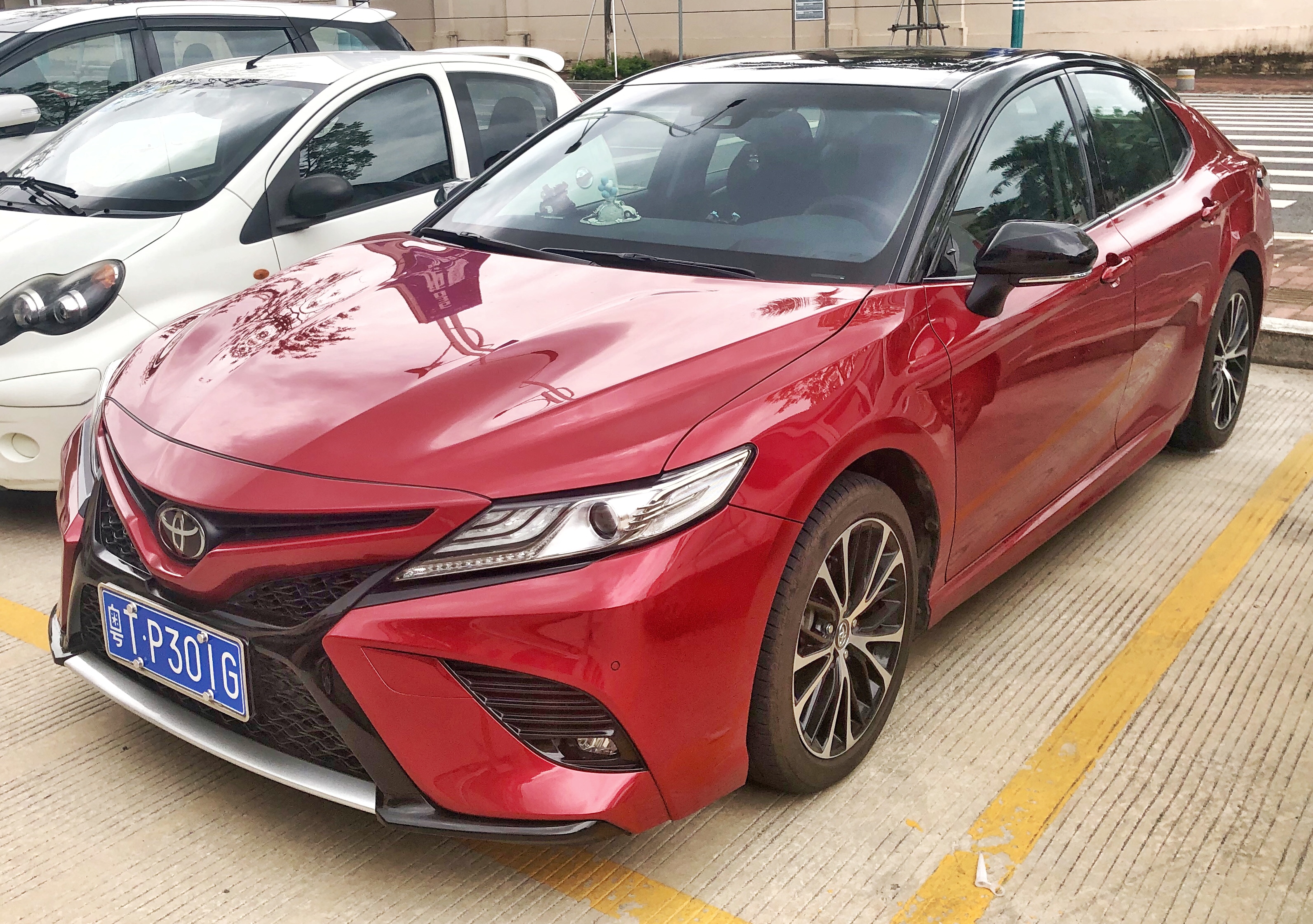
Toyota Camry
"...ink Lexus, you know, they sell, they sell cars to Camry people who got, you know, who made more money, li..."
The Toyota Camry is a regular, everyday car that’s meant for commuting and family use. It’s popular with people who want something reliable and comfortable. It’s also often mentioned when talking about how buyers trade up to nicer cars later.
The Toyota Camry is a mainstream midsize sedan built for everyday commuting and long-term ownership. It comes up in conversations about who buys what, especially when discussing buyers who move up to more premium brands. It’s significant because it’s one of the most common “default” choices in its class.
V10 single clutch gearbox
"So to try to sell a V10 single clutch gearbox thing made of carbon fiber and explain that to [977.9s] existing customers, I think is hard."
A single-clutch gearbox is a type of automatic/manual-style transmission that uses one clutch to change gears. The point being made is that even if the car has impressive tech (like a V10 and carbon fiber), it can be hard to sell to people who aren’t already into that kind of detail.
A single-clutch gearbox uses one clutch to connect the engine to the transmission at a time, so shifting involves disengaging and re-engaging that one clutch. The host pairs this with a V10 engine and carbon fiber to argue that explaining the full technical package to mainstream customers is difficult.

Lexus Lc500
"But the LC 500 is also kind of like one of those cars, right? Like people love the LC 500, which is like this, like beautiful kind of like coup-ish thing... They, they sound good. It's just got a five liter kind of sounds like a Mustang..."
The Lexus LC 500 is a stylish, luxury coupe with a V8. People like it for how it looks, how it sounds, and because used examples tend to stay expensive.
The Lexus LC 500 is a grand-touring coupe built around a V8 engine and a design that’s heavily influenced by concept-car styling. In this segment, the hosts focus on why people love it—its looks, its sound, and how well it holds value as a used car.

Ford Mustang
"... It's just got a five liter kind of sounds like a Mustang, fine, the engine's gonna work forever. But I jus..."
The Ford Mustang is a sports car from Ford. It’s known for its style and for sounding like a “real” performance car. People often buy it because it’s fun to drive and can be dependable when maintained.
The Ford Mustang is an American sports coupe/convertible known for its performance heritage and classic styling. It’s frequently discussed because it offers a recognizable driving experience, including engine sound and feel. In the context you shared, the focus is on the idea that the right engine choice can be durable and satisfying.
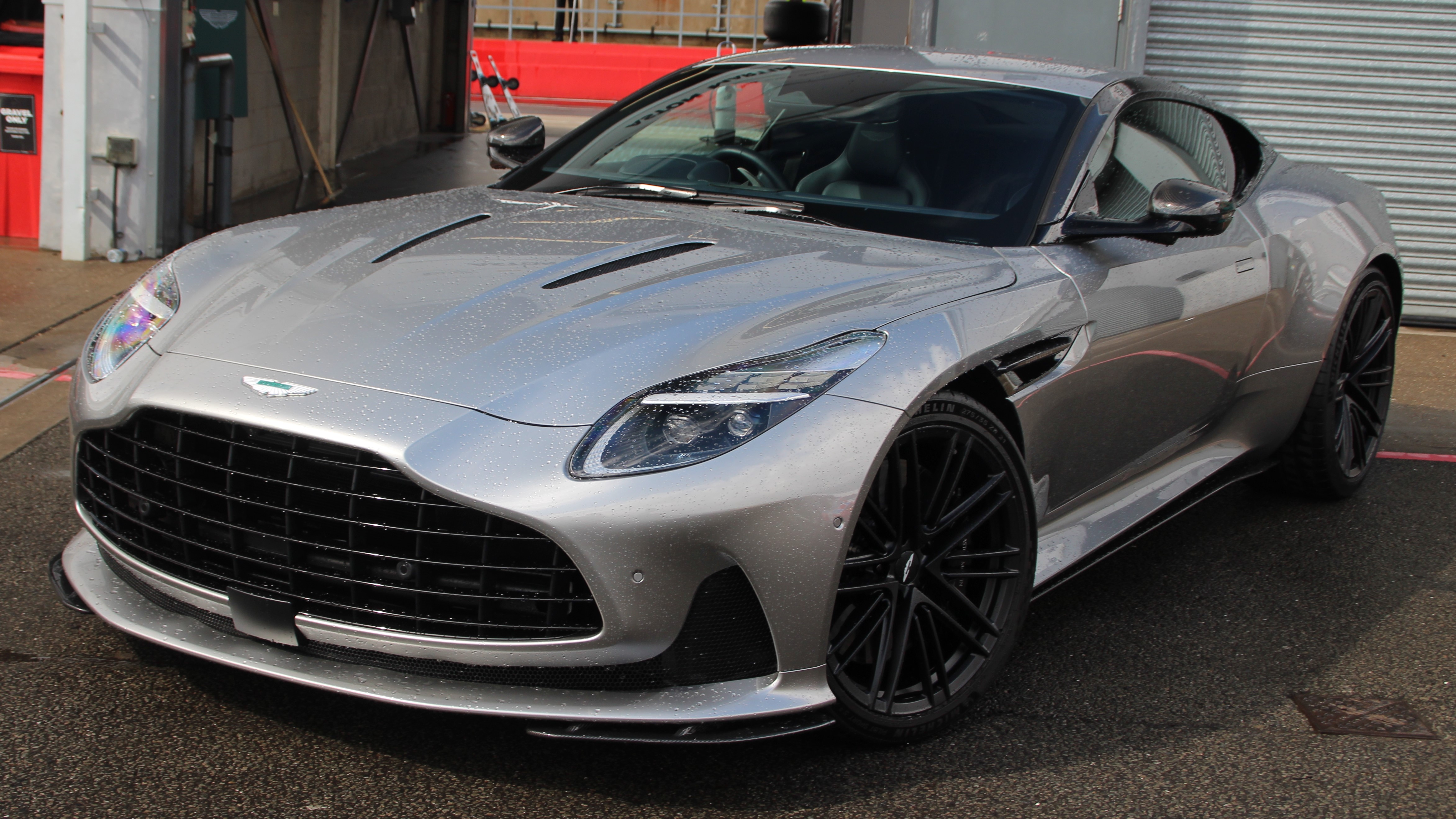
DB12 Aston Martin Db12
"...you, if you thought of it like, you know, Japan's Aston Martin DB12 or DB9, like that's what, because that's what tha..."
The Aston Martin DB12 is a luxury sports car made by Aston Martin. It’s designed to be both fast and comfortable for longer drives. In the podcast, it’s used as a comparison for what a top-tier grand touring car feels like.
The Aston Martin DB12 is a modern grand touring sports car from Aston Martin’s DB line, designed for high-speed comfort and performance. In your context, it’s compared to the idea of “Japan’s Aston Martin DB12 or DB9,” using it as a reference point for what that kind of car represents. That makes it relevant when discussing prestige and the role of flagship-style models.

Aston Martin DB9
"you know, Japan's Aston Martin DB12 or DB9, like that's what, because that's what that is,"
The Aston Martin DB9 is an older luxury grand tourer. It’s brought up alongside the DB12 to help explain the vibe: comfortable cruising and good looks rather than pure track performance.
The Aston Martin DB9 is an earlier grand touring model from Aston Martin, known for its classic GT mix of comfort and style. The speaker groups it with the DB12 to describe the “GT” character they associate with the Japan-referenced car in the conversation.
GT car
"You're right, like it's a GT car. They have some firmer versions, you know,"
A “GT car” is built for long trips—comfortable, smooth, and easy to live with. It’s usually more about cruising than about being the most precise, track-ready driving machine.
A “GT car” means a grand tourer: a car designed for comfortable, high-speed long-distance driving. The speaker contrasts that with a “drivers’ car” or track car, arguing that some cars prioritize cruising comfort, looks, and usability over sharp track-focused behavior.
long hood Grand Tour
"sounds good. I think it ticks a lot of those boxes for a proper like long hood Grand Tour [1182.8s] where I think Porsche most, you know, most of their sports cars are sports cars, right?"
“Long hood Grand Tour” is a phrase enthusiasts use to evoke the classic grand touring formula—front-engine layout, long-hood styling, and a focus on effortless cruising. Here, it’s used to describe the kind of experience the speaker thinks Porsche’s sports cars can deliver, especially compared with cars that are more track-oriented or more luxury-focused.

Lexus RC
"Lexus has their, like they [1221.9s] have their racing in IMSA, but they focused out on the RC. So the LC could be their luxury cruiser,"
The Lexus RC is Lexus’s coupe platform, positioned as a sportier alternative within the brand’s lineup. The speaker mentions it in contrast to Lexus’s racing involvement and the idea that the LC 500 could be their more luxury-oriented cruiser.
manual swapped
"I drove one a few years ago. This guy had actually manual swapped it, which was pretty interesting. [1269.4s] And the only thing I didn't like about it was like the seating is a little high and the steering is"
A “manual swap” means converting a car so it uses a manual transmission instead of an automatic. The speaker is saying that kind of modification can change how the car feels to drive.
A “manual swap” is when someone replaces an automatic transmission with a manual gearbox (or vice versa) to change how the car drives. In this segment, the speaker notes a first-gen Audi R8 that was manual-swapped, calling it “pretty interesting,” which implies a meaningful change to driving feel and engagement.
electric power assist
"And the only thing I didn't like about it was like the seating is a little high and the steering is [1273.8s] pretty vague. And when you come out of newer cars where they've perfected, you know, electric power [1278.8s] assist, I just, I pay too much attention to steering, especially when it's a mid-engine"
“Electric power assist” means the steering gets help from an electric motor. The speaker is saying newer cars with this system tend to have better, more refined steering feel than older setups.
“Electric power assist” refers to steering assist provided by an electric motor (commonly called electric power steering, EPS). The speaker contrasts older steering feel with newer cars that have refined electric assist, saying they pay attention to steering more when coming from that kind of setup.
mid-engine
"electric power [1278.8s] assist, I just, I pay too much attention to steering, especially when it's a mid-engine"
“Mid-engine” means the engine is placed near the middle of the car instead of at the front. The speaker is implying that on mid-engine cars, steering feel really stands out because the car’s handling is so focused.
A “mid-engine” layout places the engine near the center of the car, typically behind the front seats and ahead of the rear axle. The speaker brings it up to emphasize that steering feel matters even more on mid-engine cars because the balance and handling characteristics are so sensitive to how the car responds.
Porsche E-Pass
"Speaking of steering though, dude, where do you weigh in on this, on the whole Porsche E-Pass versus the classic hydraulic steering?"
“E-Pass” here is being used to describe Porsche’s electric power steering system (as opposed to hydraulic steering). Electric power steering uses an electric motor to assist steering effort, and the feel depends heavily on software tuning and calibration.
steering ratio
"Yeah, I do. I think they figured out, you know, the magic of steering ratio, meaning, you know, the speed at which you turn when you turn the wheel."
Steering ratio is basically the relationship between how much you turn the steering wheel and how much the front wheels turn. If it’s set “faster,” you don’t have to turn the wheel as much to get the same cornering.
Steering ratio is how much the steering wheel turns relative to how much the front tires turn. A “faster” ratio means less wheel input for the same turn, which can make the car feel more responsive and reduce the need for lots of hand movement.

Nissan R32
"... versa. So I drove early E-Pass cars. I think the R32 Volkswagen, the Golf had it in a couple cars arou..."
The Nissan Skyline is a performance car line from Nissan. It’s known for being popular with car enthusiasts and for having sporty versions. In the podcast, it’s mentioned in the same time period as other performance cars people were talking about.
The Nissan Skyline is a well-known Japanese performance car line with a long history in motorsport and enthusiast culture. In your context, it’s mentioned alongside other cars when discussing early “E-Pass” cars and the era of certain performance models. That makes it relevant as part of the broader conversation about what people were driving and why it mattered.

Volkswagen R32
"So I drove early E-Pass cars. I think the R32 Volkswagen, the Golf had it in a couple cars around that generation."
They mention the Volkswagen R32 because it’s an example of a car from that time that had early electric power steering. The steering didn’t always feel as connected to the road as hydraulic setups.
The Volkswagen R32 is mentioned as part of the “early E-Pass” electric steering era. The speaker’s takeaway is that early electric steering could have too-low effort and less direct feedback from the front tires.
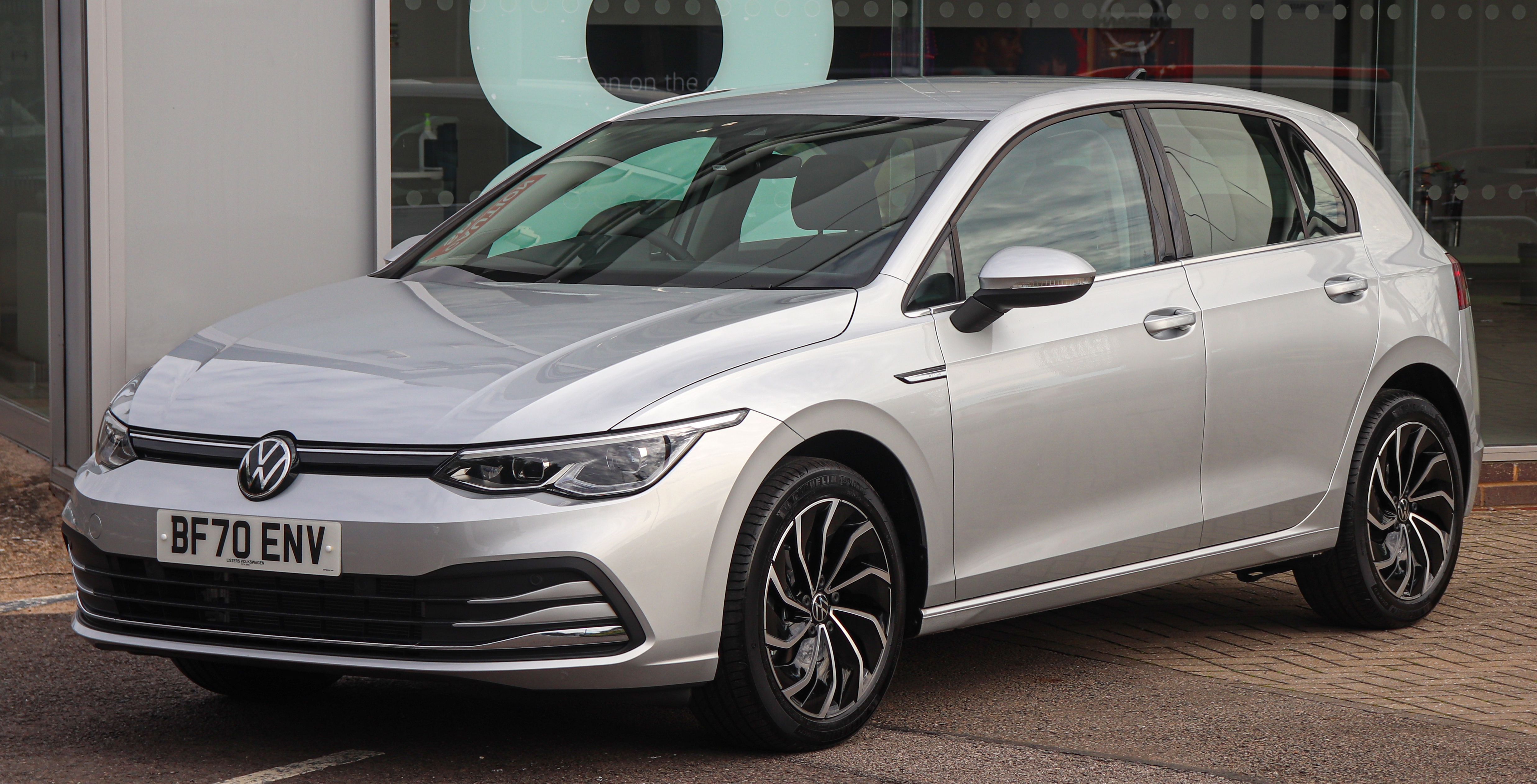
Volkswagen Golf
"...arly E-Pass cars. I think the R32 Volkswagen, the Golf had it in a couple cars around that generation. A..."
The Volkswagen Golf is a compact car that’s meant for everyday driving. Some Golf models are also made to be faster and more performance-focused. It can come up in discussions about what features were available in certain years.
The Volkswagen Golf is a compact car line that’s known for being practical while still offering performance versions. It’s mentioned in connection with early electronic “E-Pass” systems and the R32-era performance context. That makes it relevant when discussing how technology and performance features showed up across the Golf lineup.

Volkswagen The Golf
"better than any fuel injected car or vice versa. So I drove early E-Pass cars. I think the R32 Volkswagen, the Golf had it in a couple cars around that generation. And there's way too much. The effort's too low. You don't really feel what the front wheels are doing. You know,"
PDK
"Even with me just talking about how I would always prefer a manual over a PDK, while I fully acknowledge like how amazing PDK is, I'm that guy hanging onto my manual saying like, I just, I love those cars."
PDK is Porsche’s automatic-style gearbox that uses two clutches to change gears very quickly. The idea is to keep power flowing so it feels quicker and smoother than a traditional manual.
PDK is Porsche’s dual-clutch transmission, designed to shift quickly with minimal interruption to power delivery. It’s often praised for fast, smooth changes, which is why the host contrasts it with preferring a manual gearbox.
water-cooled
"so I think just like moving away from air-cooled to water-cooled, air-cooled are always better, water-cooled sucks. And then enough time goes by and everyone goes, okay, well, water-cooled are pretty good."
A water-cooled engine uses coolant that circulates through the engine and radiator to keep temperatures under control. It’s different from air-cooling, and the feel/character can be part of the debate.
Water-cooled engines use liquid coolant circulating through passages and a radiator to control engine temperature. The host frames “water-cooled” as a shift away from air-cooled Porsche engines, while acknowledging that later water-cooled setups became more acceptable over time.
naturally aspirated
"and it's like, naturally aspirated over turbocharged motors, you know, and so it's always something, right Zach?"
Naturally aspirated means the engine doesn’t use a turbo or supercharger to force air in. It relies on normal airflow and engine design, which many people think feels more immediate.
Naturally aspirated engines make boost only from atmospheric pressure and engine design, without a turbocharger or supercharger. The host’s “naturally aspirated over turbocharged” preference reflects a common enthusiast belief that throttle response and engine feel can be more direct.
hydraulic steering
"So I think when people, it's just like the language of, oh, hydraulic steering is better than E-pass."
Hydraulic steering uses fluid pressure to help you turn the wheel. Some people like how it feels because it can feel more direct and “mechanical,” especially on older cars.
Hydraulic steering uses a pump and fluid to assist turning the steering wheel. It can feel “heavier” or more connected than electric systems, and many enthusiasts associate it with older cars’ steering feel.
loosey-goosey steering
"And I've driven cars that are old and have loosey-goosey steering, but there's a charm to that, especially if that suits the automobile."
“Loosey-goosey steering” means the steering doesn’t feel tight or precise. You turn the wheel and the car doesn’t respond in a crisp, predictable way.
“Loosey-goosey steering” is an enthusiast way to describe steering that feels vague or imprecise, often due to play in linkages, worn components, or low steering effort/feedback. It’s subjective, but it usually points to reduced on-center feel and less accurate response.
power steering
"and it would just spin and turn the car. Like there was so much boost in the power steering."
Power steering helps you turn the wheel with less effort. The speaker is saying some older cars feel so assisted that steering can seem almost too easy.
Power steering uses an assist system to reduce the effort needed to turn the wheel. In the context here, the speaker is contrasting how older cars can feel extremely light and “over-assisted,” making steering seem almost effortless.
LS
"Like GM makers of the LS, which are known for being pretty damn reliable engines in certain applications, they've got this huge problem with their the trucks."
“LS” is a name for a GM V8 engine family. People often think of these engines as dependable, so it’s surprising to hear about problems in certain trucks.
“LS” refers to General Motors’ LS-family V8 engines, which are widely known for strong real-world reliability and broad aftermarket support. Here, the speaker contrasts that reputation with reported truck-specific issues.
Tundra engines
"Toyota's had huge numbers of recalls lately with like the Tundra engines, the turbo chargers,"
The speaker is referencing Toyota Tundra engine problems that led to recalls, focusing on the engine itself as the affected component. This is a reminder that even reputable brands can have specific powertrain issues that require corrective action.
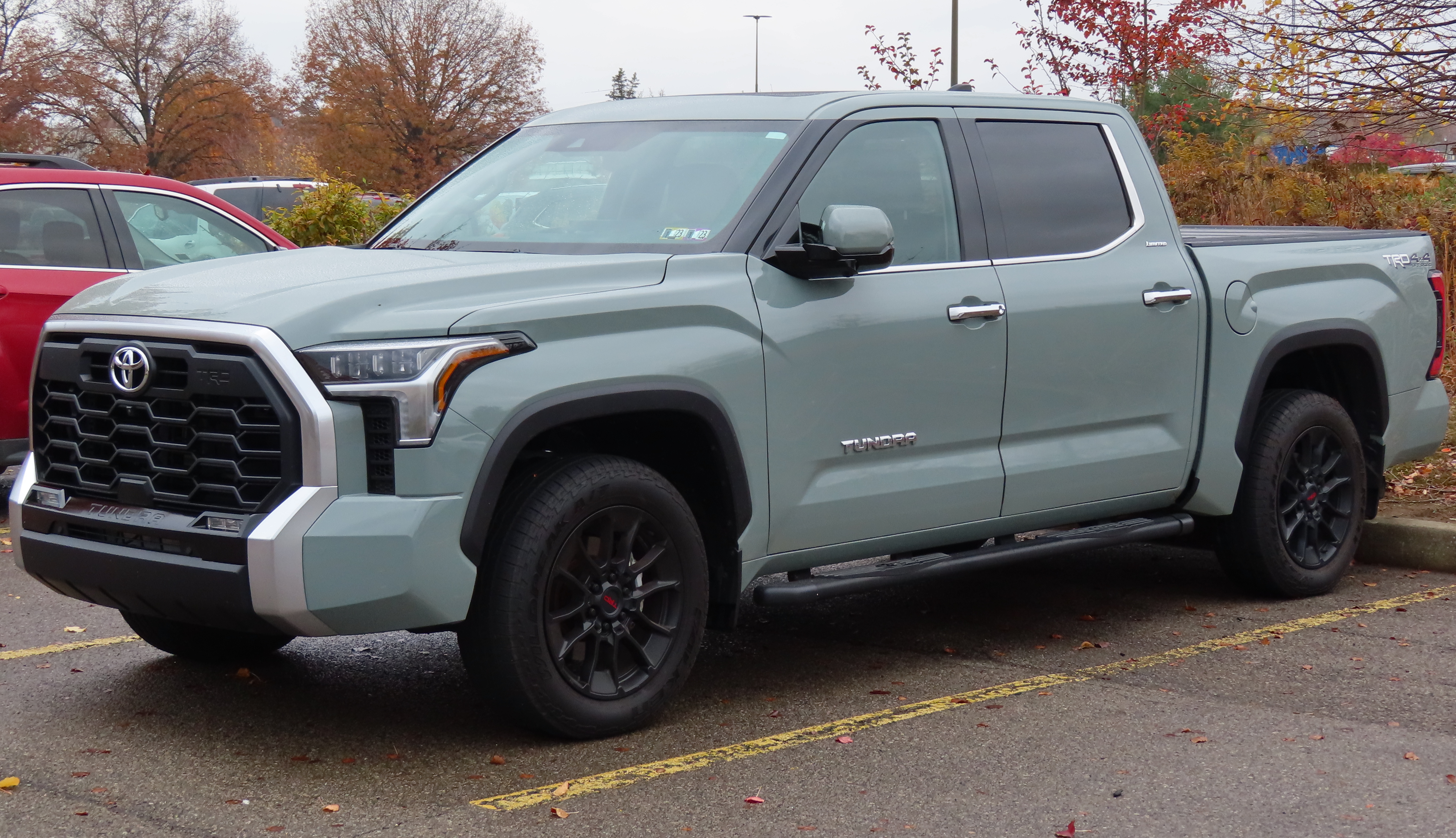
Toyota Tundra
"And so I think that's what's happening is even Toyota, you know, the makers of the tundra"
The Toyota Tundra is a big pickup truck. The host brings it up to point out that Toyota has a reputation for making engines that last, even though today’s engines are more complicated than older ones.
The Toyota Tundra is a full-size pickup known for durability and long service life. In this discussion, it’s used as an example of Toyota’s track record even as engines have become more complex with modern technologies like direct injection and turbocharging.
direct injection
"It's interesting. I think back to like that 0809 2010 time period when direct injection was really coming out."
Direct injection is a way of delivering fuel directly into the engine’s cylinders. It can help the engine run more efficiently, but it’s more complex than older fuel systems, so problems can be different too.
Direct injection is a fuel system where gasoline is sprayed directly into the combustion chamber instead of into the intake tract. It can improve efficiency and power, but it also adds complexity and can create new failure modes compared with older port-injection designs.

BMW 535
"but I bought used a BMW 535. So that was the kind of the first generation of direct injected motor in a sedan."
The BMW 535 is a 5 Series BMW. The speaker is talking about one they bought used and how early direct-injection engines could have specific problems, especially around the valves.
The BMW 535 (from the 5 Series) is being referenced as an example of an early direct-injection-era sedan. The host connects it to a known early-generation issue related to valve deposits on the intake side.
first generation
"but I bought used a BMW 535. So that was the kind of the first generation of direct injected motor in a sedan."
“First generation” means the earliest versions of a new technology. Early versions can have more bugs or wear issues before the design is fully perfected.
“First generation” here refers to early production of a new technology (direct injection in this case), before manufacturers fully iron out durability and manufacturing tolerances. Early iterations often have more teething issues, which is why the host links it to a specific valve-related problem.
coped up
"And the minute I stepped on it, it started bucking because it had, yeah, it had that first generation was famous for on the backside of the valves getting all coped up. And so the air flow"
“Coped up” here means the back of the valves got dirty with deposits. Those deposits can mess with airflow into the engine, which can make the car run rough.
“Coped up” is describing valve deposits/contamination on the back side of the valves. In direct-injection engines, less fuel washes the intake valves, which can contribute to buildup that affects airflow and can cause rough running or bucking.
intake
"he goes, I need to take your engine apart. I need to take the intake off and I need to use walnuts to clean your intake."
The “intake” is the part of the engine that brings air in. Here, they’re talking about taking it apart and cleaning it because something inside is getting dirty and causing problems.
In this context, the “intake” is the engine’s air path (and associated components) that delivers air to the cylinders. The shop manager says they need to remove the intake and clean it, implying there’s buildup or contamination affecting how the engine runs.
walnuts
"And he's like, yeah, that's how BMW, because they were just coming out with like, this is how we're going to fix the motors... And so when... the walnuts, do they just like, are they essentially media blasting the back of the valves with something that won't hurt? That's exactly what it is."
They’re using walnuts as a cleaning abrasive. The idea is that it’s soft enough to scrub off gunk without scratching or damaging the metal parts underneath.
“Walnuts” is being used as a stand-in for a soft abrasive media used for cleaning engine components. The speaker later explains it’s “softer than the metal,” meaning it can remove deposits without damaging the metal surfaces being cleaned.
directed ejection
"So when, when I think of directed ejection, I'm like, I don't have a good feeling in my heart about it, even though I know it's a huge technological jump."
“Directed ejection” is a type of engine fuel-injection approach where the fuel is sprayed in a more controlled, targeted way inside the engine. The speaker is saying it was a big improvement in theory, but they still didn’t feel good about how it played out on their car.
“Directed ejection” here refers to a specific engine/combustion-related technology BMW was using to address emissions or performance concerns. The speaker contrasts it with their negative experience, while acknowledging it’s a “huge technological jump,” implying it changes how the engine delivers fuel/air or manages combustion.

BMW E39 M5
"And it's funny that it came off of like the E39, their E39 M5 had a similar issue, but because of a different reason."
The BMW E39 M5 is a special high-performance version of the 5 Series from the late 1990s/early 2000s. The host is saying that another BMW problem they experienced also showed up on the E39 M5, even though the reason was different.
The BMW E39 M5 is a performance sedan from BMW’s E39 5 Series era, known for its high-revving V8 and M5-spec chassis tuning. In this segment, it’s mentioned as having a similar issue to another BMW motor problem, but attributed to a different cause.

Jaguar Xk
"Like, I mean, Matt and I were joking recently, I wrote a really good review of a Jaguar XK or [2276.4s] something, like a glowing thing because I was driving a shitty Miata at the time."
The Jaguar XK is an older Jaguar sports/grand touring car line from the UK. People like it because it feels special to drive and has a classic character, not just raw numbers.
The Jaguar XK is a classic British grand tourer line known for its smooth, charismatic driving feel and period styling. In enthusiast circles it’s often discussed as a “real car” alternative to more modern, tech-heavy performance.
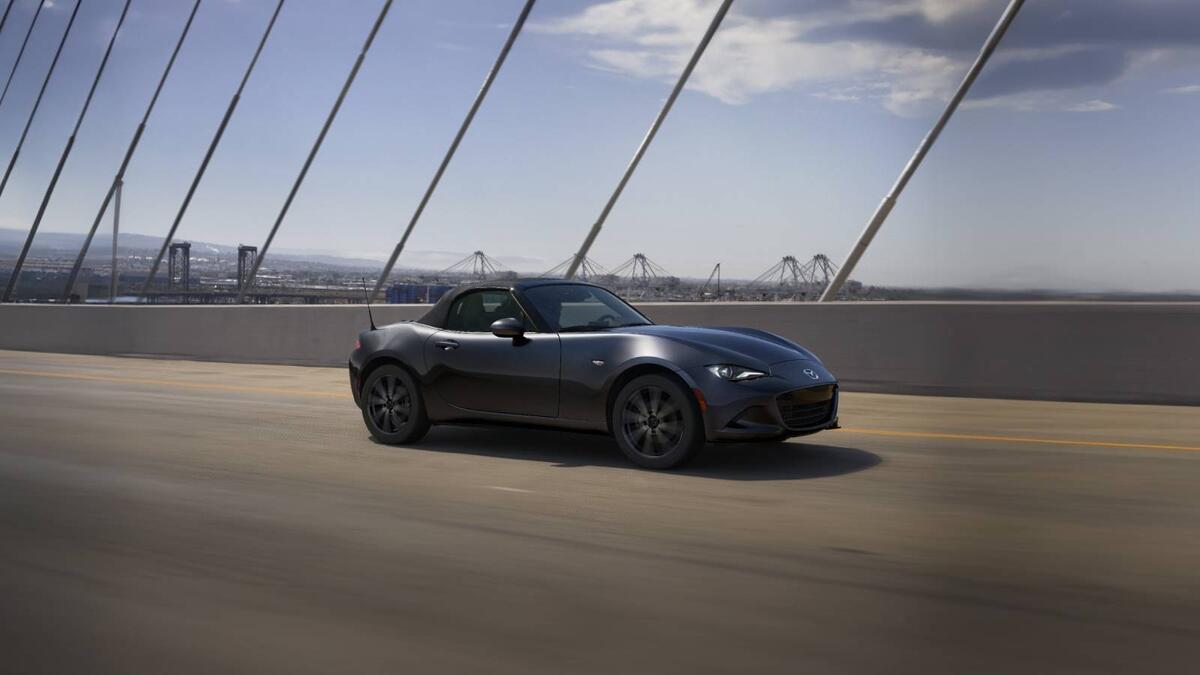
Mazda MX-5 / Miata
"...ke a glowing thing because I was driving a shitty Miata at the time. So anything to me seemed cool. Like ..."
The Mazda Miata (MX-5) is a small two-seat roadster. It’s designed to be light and fun, so driving it feels lively even if the car isn’t brand new. People often talk about it because it’s an easy way to enjoy driving.
The Mazda MX-5 Miata is a lightweight, affordable roadster known for being fun and easy to drive. It’s often discussed because it can make even a “not perfect” car feel exciting, thanks to its simple, balanced design. In your context, it’s used as a reference point for what feels cool or engaging behind the wheel.
hedonic adaptation
"And so now, though, I'm on the other side where I get to drive this amazing stuff, carbon metal, some of it's [2299.2s] very expensive, some of it's not. And, you know, the human brain, because of hedonic adaptation, [2306.8s] will get used to stuff."
Hedonic adaptation means your brain gets used to good stuff. So a car that feels amazing at first can start to feel normal after you’ve driven a lot of them.
Hedonic adaptation is the idea that people get used to positive experiences—like fast cars or expensive gear—so the emotional “wow” fades over time. In car journalism, it can make repeated exposure to high-performance vehicles feel less special, even if the cars are objectively impressive.
canyons
"What do you think the perfect horsepower is, like for a car? I mean, realistically, [2381.3s] for the driving you do in the canyons or 500, 500 crank, maybe 450."
“Canyons” refers to winding mountain roads with lots of elevation changes and curves. It’s a driving context where throttle response, traction, and balance matter as much as straight-line power.
suspension
"better technique. And then when your technique's perfect, you can adjust suspension. And when your suspension's perfect, you can adjust tires like race car drivers are forever searching for that perfect lap."
Suspension is the system that connects the wheels to the car and controls how the car moves over bumps and turns. If it’s set up right, the car grips better and feels more predictable, which makes it easier to drive fast.
In performance driving, suspension setup (spring/damper rates, ride height, alignment, and damping behavior) determines how the car stays composed over bumps and during cornering. When the suspension is dialed in, you can better exploit traction and balance, which helps you put down consistent lap times.
Porsche 911 Turbo
"That it's so easy to go, oh, I bought a 911 turbo, it's got 612 horsepower, but this shop down the street will chip it and now I have 720."
The Porsche 911 Turbo is a high-performance 911 that comes from the factory with a turbocharged engine. The host is using it to illustrate how people can start with a lot of power and then add even more through tuning.
The Porsche 911 Turbo is the 911’s factory turbocharged performance model, known for making big power with strong drivability. In this segment, it’s used as an example of how easy it is to buy a high-horsepower car and then push it even further with aftermarket tuning.
chip it
"but this shop down the street will chip it and now I have 720. And then if I do stage two, I'll have 800."
“Chip it” usually means reprogramming the car’s computer to make it run more aggressively. Tuners adjust settings so the engine makes more power.
“Chip it” is shorthand for ECU remapping or reprogramming (often via a tuning “chip” or software flash) to increase boost, fueling, and ignition timing. It’s a common way shops extract more power from turbo cars beyond factory calibration.
stage two
"And then if I do stage two, I'll have 800."
“Stage two” is a common tuning label that usually means you’ve added some hardware upgrades, not just changed the computer settings. It’s intended to support more power than a basic tune alone.
“Stage two” is a tuning category that typically means the car has more than just a software tune—often adding hardware like an upgraded intake, exhaust, intercooler, or other supporting mods. The exact parts vary by tuner and car, but the idea is a bigger step up from a basic ECU remap.

Nissan GTR
"we were filming a guy who had a Nissan GTR that had like 900 horsepower."
The Nissan GT-R is a very fast, turbocharged sports car that’s built to handle big power. In this story, it’s used to show how even huge horsepower can lose its novelty.
The Nissan GT-R is a factory-built, all-wheel-drive performance car famous for its strong turbocharged power and ability to run hard with minimal modification. Here it’s referenced as an example of an already-extreme horsepower build that still became “boring” to the owner quickly.
911 Turbo S
"Once you launch your Lucid, you know, Sapphire five times or your 911 Turbo S or whatever, like you're going to get bored of that launch sensation."
The 911 Turbo S is a top, high-power version of the Porsche 911 Turbo. The host is saying that even if it feels amazing at first, you can get bored if you can’t use that power often.
The Porsche 911 Turbo S is the more performance-focused variant of the 911 Turbo line, typically emphasizing higher output and stronger acceleration. In this segment, it’s used alongside an EV launch example to argue that “peak” power moments can get repetitive if you can’t use them regularly.
throttle
"like, all right, I can only use 40% of the throttle most of the time, or I can use 100% of the throttle for like half a second."
The throttle is the pedal that controls how much power the engine is allowed to make. The host’s point is that with too much power, you can’t press it as much without losing traction or getting into trouble.
The throttle is the driver-controlled valve that regulates how much air (and, in modern cars, how much fuel/air mixture) the engine can ingest. In performance driving, how much throttle you can use—rather than just peak horsepower—often determines how consistently you can accelerate and how long you can stay in the “fun” part of the powerband.
up shifts
"I get to enjoy, you know, up shifts, down shifts more, like I get, I think you just get to use the engine and experience like the breadth of the engine's abilities..."
An upshift is when the car changes to a higher gear. It helps the engine keep the right speed and power as you accelerate.
An upshift is when the transmission moves from a lower gear to a higher gear to keep the engine in an efficient or appropriate rev range. The segment uses upshifts and downshifts to describe how having “usable” power lets you stay engaged with the car’s driving dynamics instead of hitting traction limits immediately.

Toyota Gr86
"Every time I drive a GR 86, I strongly consider selling my car and getting one."
The Toyota GR 86 is a small, light sports car meant to feel fun and connected when you drive. The speaker likes it because it steers well, feels responsive, and is easier to enjoy than heavier cars.
The Toyota GR 86 is a lightweight, driver-focused sports coupe built around a balanced feel rather than raw power. Here it’s praised for steering feedback, a satisfying shifter, and being “approachable” to drive fast without feeling heavy or soft.

Toyota GR Corolla
"...go for a big Toyota event and they had they had a GR Corolla every year lined up. They had the new Supra stuff..."
The Toyota GR Corolla is a sporty version of the Corolla. It’s made for people who want a more exciting driving experience in a smaller car. In the podcast, it’s mentioned because it was part of a lineup at a Toyota performance event.
The Toyota GR Corolla is a performance compact hatchback from Toyota’s GR line, built for enthusiasts who want rally-inspired driving. In your context, it’s mentioned because it was lined up at a big Toyota event alongside other performance models. That kind of appearance highlights how it fits into Toyota’s modern enthusiast lineup.

new Supra
"They had the new Supra stuff and then they had the GR 86. And so I drove all of the fast things that Toyota makes right now..."
The Toyota Supra is a sports car. In this discussion, the speaker says it’s quicker than the GR 86, but it feels heavier and less “sharp” in how it drives.
The Toyota GR Supra is a modern sports car that’s often compared directly with lighter, more nimble coupes. Here, the speaker contrasts it with the GR 86, saying the Supra is faster but feels heavier and softer, changing the driving feel.

Miata
"You know, I think it just does a lot of things like that Miata's got famous for and some of the things that the GR does even better."
The Miata is a small, light Mazda roadster that’s known for being fun and easy to drive. The speaker is saying the GR 86 captures some of that same feel.
The Mazda Miata (MX-5) is a lightweight roadster famous for steering feel and driver engagement. The speaker compares the GR 86 to what the Miata does well, implying the GR 86 delivers a similar “connected” driving experience.
torque hold up people as they would refer to it
"More expensive side power bump. Didn't they get, didn't they give a little power finally? Yeah. So the version two, they fixed the torque hold up people as they would refer to it."
“Torque hold” is when the car’s power delivery feels like it’s being held back or controlled in a way that doesn’t feel smooth. The speaker is saying the newer GR 86 version improved that problem so the car feels better when you’re accelerating.
“Torque hold” (as referenced here) is a drivability behavior where the engine’s torque delivery is managed to stay in a certain range, often to reduce wheelspin or improve traction. The speaker says the GR 86 “version two” fixed the issue that people complained about, implying an improvement in how the car delivers torque under certain conditions.
power band
"So with the new engine, they fixed that and it's got a lot more [2708.2s] torque and it's a lot better power band and better than a Miata"
A power band is the range of engine speeds where the car feels strongest. If it’s “better,” the engine pulls more smoothly instead of feeling weak in certain RPM ranges.
A power band is the engine speed range where it makes strong power and feels responsive. The speaker contrasts an older engine with a “weird” midrange dip versus a newer engine that has a smoother, more usable power band.
opposed cylinder engine
"I'm jealous of the Miata's reliability because, you know, [2735.8s] the Subaru opposed cylinder engine, not famous for lasting eons and eons."
An opposed-cylinder engine is one where the cylinders sit opposite each other. Subaru uses this layout (often called a boxer engine), and the speaker is saying they haven’t had the best long-term reliability experience with it.
An opposed-cylinder engine is a configuration where cylinders are arranged in two opposing banks, most commonly a boxer layout. The speaker is referring to Subaru’s boxer engine design and claims it isn’t “famous for lasting eons,” tying it to their experience with reliability.

GT4
"I like the GT4. It's just a little more track-oriented and I have to be honest with myself [2796.1s] that despite driving a car with track suspension"
The GT4 is the more track-focused version of the Cayman. It’s designed to handle more aggressively, but the speaker admits they don’t always use that advantage in real life.
The Porsche Cayman GT4 is the more track-oriented Cayman, tuned for sharper handling and driver engagement. The speaker says they like the GT4 because it’s “a little more track-oriented,” even though they admit they don’t personally take their own cars to the track often.

Boxster
"I remember when I drove, [2805.8s] this was back when I worked for a production company that worked for Porsche, [2809.1s] but I drove the 25th anniversary edition, you know, Boxster."
The Porsche Boxster is a mid-engine Porsche roadster, and the speaker specifically references a “25th anniversary edition.” They describe how it felt great around town and also good enough for more spirited driving, using it as an example of Porsche’s overall balance.
hard top
"but I'll go hard top. People, people really do love them. I need to spend more time with them as well."
A “hard top” just means the car has a fixed roof. It’s the opposite of a convertible, so you don’t have to worry about raising and lowering the top.
A “hard top” is a fixed-roof body style (as opposed to a convertible). In this segment, it’s part of the host’s preference for a simpler ownership experience compared with dealing with a convertible roof mechanism.
convertible top
"Do you, do you think that when it comes to the Spyder that you would get tired of having...the thought process of putting the top up and top down... ...Oh, in terms of not being broken up by a convertible top, you mean?"
A “convertible top” is the roof that can fold down or go back up. The host is basically saying it can be annoying to manage depending on weather and where you park.
A “convertible top” is the roof panel on a convertible that can be lowered or raised, typically using a powered mechanism. The host is discussing the day-to-day hassle of operating it based on parking location and weather, versus the visual/aesthetic benefits.
Cayman
"if I had to just choose one car, ...I just realized that like I chose Cayman because it's a car I might actually be able to afford versus like 9-11 ST, like that's the Porsche I'd put in my garage."
The Porsche Cayman is a mid-engine Porsche sports car. In this conversation, it’s the “more realistic to own” choice compared with a much more expensive 911 variant.
The Porsche Cayman is a mid-engine sports car, which is a big part of why it’s often chosen as a more usable alternative to pricier, more extreme 911 variants. Here, the host specifically says they’d choose Cayman because it’s something they could realistically afford compared with a 911 ST.
Request an Explanation
Heard something you'd like explained? We'll add it to this episode.
Sign in to request explanations for terms you heard.
Want to learn more?
Browse our glossary for plain-English explanations of automotive terms, jargon, and concepts.
Help improve this episode
See something that's not quite right? Our annotations are AI-generated and can sometimes miss the mark. Click the flag icon on any annotation to suggest a correction.