
Storing The World’s Most Expensive Cars & The Strangest Client Requests - Henry’s Car Barn
About this episode
Henry’s Car Barn opens with the reality of storing ultra-expensive cars—everything from an “18 million pound Ferrari in London” to a “white Lamborghini Perfumante convertible” delivered unexpectedly. The hosts get into the logistics behind it: insurance, battery charging tiers, daily checks, and why some clients want cars kept secret (even from spouses). They also trade stories about Monaco deliveries, strange requests, and how collector-car values move—sometimes driven by scarcity, auctions, and “modern hype.”
cars in storage
"You have got nearly a billion pounds of the cars in storage. How does that make you feel? Nervous. There's way more that comes to car stories than just leave your car and come back when you want."
When people say “cars in storage,” they usually mean the car is kept safe for long periods. With very expensive cars, it takes more than just locking it up—you have to prevent problems while it sits.
“Cars in storage” for ultra-wealthy owners isn’t just parking a vehicle—it involves protecting expensive assets from deterioration while they’re not being driven. The host contrasts this with the idea that you can simply “leave your car and come back when you want,” implying there’s more ongoing management behind the scenes.

Land Rover Range Rover
"...t leave your car and come back when you want. New Range Rover, it's so nicotine. You can see it five people"
The Range Rover is a large, luxury SUV made by Land Rover. It’s designed to be comfortable for everyday driving but still capable on rough roads. People talk about it a lot because it’s a high-end, expensive vehicle.
The Land Rover Range Rover is a luxury SUV known for comfort, off-road ability, and high-end interior features. It often comes up in conversations about expensive cars because it’s a flagship model and tends to hold strong attention in the used market. In the podcast, it’s referenced as a “new Range Rover” with distinctive presence.
cash point
"You can see it five people and you can put a cash point in the back. Not that I know."
A “cash point” means an ATM—where you can withdraw money. The point here is that the car is being treated like a high-end, unusual mobile setup.
A “cash point” is a UK term for an ATM (automated teller machine). The host is describing an extreme, security- and convenience-oriented request/usage idea for a luxury vehicle.
insure it
"You get Henry to insure it, probably under his insurance. A lot of storage companies don't offer that."
“Insure it” means making sure the car is covered by an insurance policy while it’s being stored. The coverage is meant to protect against things like fire or theft. Some storage places don’t include that kind of coverage.
When a storage provider says you can “insure it,” they mean arranging insurance coverage for the vehicle while it’s stored on-site. That typically includes risks like fire and theft, and it may be structured through the facility’s own insurance or a policy they can place for you. This matters because many storage companies only offer basic storage without comprehensive coverage.
de-modified
"So we've got standard here and we've got de-modified. And within that de-modified, you can have the car started once a month."
“De-modified” here sounds like a storage option with fewer interventions on the car. Instead of doing more frequent starts or maintenance, the car can be started only occasionally (once a month in this description). It’s basically a different storage “level.”
In this context, “de-modified” refers to a storage setup where the car is kept in a less intrusive state than a fully “modified” or actively managed arrangement. The key detail here is that it allows the car to be started only once per month, implying tighter limits on what the storage provider does to the vehicle. It’s essentially a tiered storage service level rather than a standard automotive category.
trickle charger
"And within that de-modified, you can have the car started once a month. You can have the car left under some people don't want a trickle charger."
A trickle charger is a small device that slowly charges a car battery while the car sits. It helps stop the battery from going dead. Some people don’t want it used on their car while it’s stored.
A trickle charger is a low-power battery charger that keeps a car battery topped up over long storage periods. It’s commonly used to prevent battery discharge when a car isn’t driven regularly. Some storage customers avoid it because they don’t want the battery being continuously maintained that way.
battery disconnected
"They want battery off, [345.5s] battery disconnected and just left. [348.3s] Which is fine."
Disconnecting a car battery removes power from the vehicle’s electrical system, preventing parasitic drains (like clocks, alarms, or control modules) from slowly discharging the battery. It’s often done for long-term storage when the owner doesn’t want the battery connected at all.
C-TEC
"A C-TEC battery charger works [362.2s] from taking the battery from different phases [364.3s] in its life."
C-TEC is a brand of battery charger. The idea here is that it’s designed to charge a battery in a smarter way for storage, not just blast the same charge over and over.
C-TEC is a battery charger brand known for smart charging modes designed for long-term maintenance. In this segment, Henry’s point is that the charger can adapt its charging behavior over time rather than just repeating the same basic cycle.
phases
"A C-TEC battery charger works [362.2s] from taking the battery from different phases [364.3s] in its life."
“Phases” here means the charger uses different steps as the battery fills up. Instead of one fixed method, it changes how it charges depending on how full the battery is.
In battery-charging context, “phases” refers to different stages of the charging process (for example, bulk charging, absorption, and maintenance). A charger that recognizes phases can adjust current/voltage so the battery is treated appropriately as it moves through its charge state.
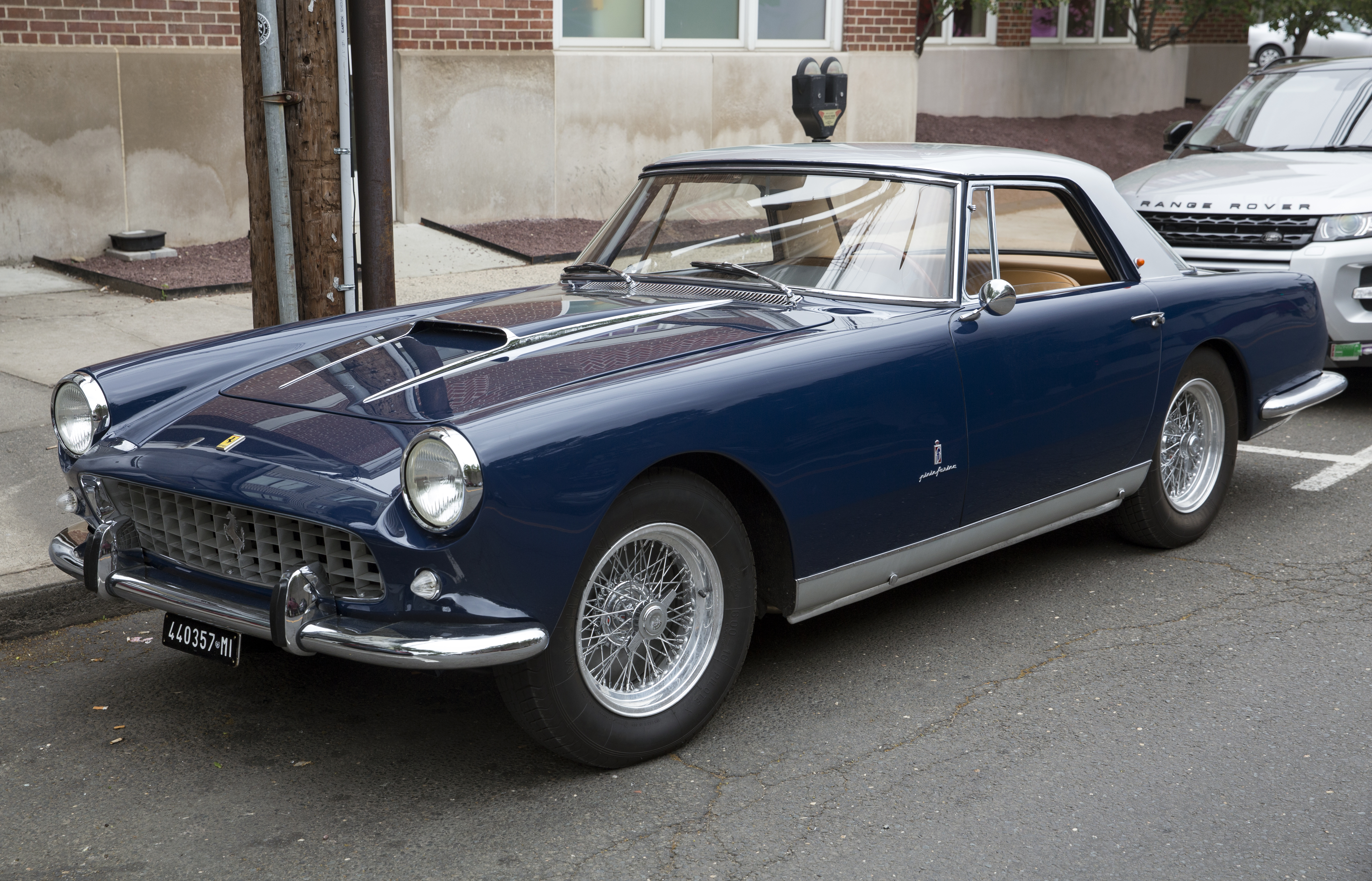
Ferrari 250 California
"We've got a £18m Ferrari in London [531.9s] which is a beautiful car. [533.8s] It's a 250 California. [535.5s] Very special car."
This is a famous old Ferrari model called the 250 California. It’s known for being a very desirable, high-end classic, and the host says it’s worth about £18 million in their storage.
The Ferrari 250 California is a classic grand touring Ferrari known for its elegant coachbuilt style and V12 character. In this segment, it’s highlighted as a high-value, “very special” car stored in London, with the host citing it as an £18m Ferrari.
one of one
"Because it's one of one. [546.8s] If I tell you the car, [548.0s] people know who it is."
“One of one” means there’s only one car like it in the world. That kind of rarity is a big reason collectors pay extreme money, and it also makes the car’s identity easy to trace.
“One of one” means the car is unique—there’s only a single example. In collector-car circles, that often points to special commissioning, rare factory configuration, or a bespoke build, which is why the host says identifying it would reveal who it is.
nickable
"You know, an RS6 in your Range Rover is so nickable. People want those for bank jobs."
“Nickable” just means “easy to steal.” The host is saying the RS6 is the kind of car thieves go after.
“Nickable” is slang for “easy to steal.” In car-security discussions, it’s used to describe how attractive a specific model is to thieves and how feasible it is to take without excessive effort.
bank jobs
"People want those for bank jobs. What are you going to do with that? Did you say they want them for bank jobs?"
“Bank jobs” means serious robberies. The host is saying thieves like certain cars because they help them escape and get away with the money.
“Bank jobs” is slang for coordinated robberies where thieves use vehicles and logistics to carry out the crime and then escape. The host’s claim is that certain cars (like the Audi RS 6) are popular with thieves because they’re useful for fast getaways and can be quickly monetized.

RS6
"[619.5s] I think I sold you an RS6 one day. [621.5s] Do you have any RS6's in storage?"
“RS6” is a fast, high-performance Audi. People bring them up because they’re quick and expensive, so storing them safely matters.
“RS6” refers to the Audi RS 6, a high-performance version of the Audi A6. It’s known for strong acceleration and a practical-but-quick wagon/sedan formula, which is why it comes up in conversations about higher-end storage and clientele.
boot
"And the doors opened and the boot had been open [794.3s] the whole way. [795.8s] And what had happened is he'd locked the car."
“Boot” is the trunk area at the back of the car. The host is saying the trunk was left open the entire time, even though the owner locked the car. That’s why it’s such a notable mistake.
In UK usage, “boot” means the rear storage compartment of a car, similar to what many US drivers call the trunk. In this story, the boot being open the whole way is the key detail showing the car wasn’t fully secured. It also connects to the later mention of pressing the boot open button.

Saab 93
"This one client who's got a £2,000 Saab 93 that is probably"
The Saab 9-3 is a smaller car made by Saab. In the podcast, it’s mentioned as an inexpensive older example. That kind of car can be a budget option if you’re looking for something specific.
The Saab 9-3 is a compact car that Saab produced, typically positioned between everyday commuting and more driver-focused trims. The podcast references a client with a very low-priced example, which points to how some older Saabs can be found cheaply. It’s discussed in the context of value and what buyers can realistically get for a small budget.

Huracan perfomante coupe
"Huracan perfomante coupe from me and brought his Mrs with him"
This is a Lamborghini Huracán Performante—one of Lamborghini’s more extreme, track-oriented versions. The host is using it as an example of the kind of very expensive car someone would store privately.
The Lamborghini Huracán Performante is a high-performance version of the Huracán, known for its track-focused aero and aggressive tuning. In this segment it’s mentioned as a specific client car, helping set the “ultra-expensive car storage” theme.

Lamborghini Huracan
"a Huracan perfomante coupe from me and"
The Lamborghini Huracan is a supercar made by Lamborghini. The Performante is a higher-performance version of the Huracan. It’s the kind of car people talk about because it’s fast and special.
The Lamborghini Huracan is a modern Lamborghini supercar known for its V10 performance and sharp handling. The podcast specifically references the Huracan Performante, which is a more performance-focused variant. It’s mentioned as part of a discussion about supercar models and their market presence.
secret Aladdin's den of cars
"He had this secret Aladdin's den of cars"
He’s describing a hidden collection of cars that almost nobody knows about. The idea is that the cars are stored privately and only come out occasionally.
The “Aladdin’s den” phrasing is describing a private, hidden collection—cars stored away so most people don’t know they exist. In car-culture terms, this is essentially a “private stash” setup rather than a public showroom.
Brecken
"and he'd get up in the morning on some Sundays and go for a drive with Mark through the Brecken"
This sounds like a place name where the person would drive on Sundays. It’s mentioned to describe the routine of taking the cars out and then putting them back away.
“Brecken” appears to be a place name the speaker drives through on Sunday mornings. It’s likely referencing a local route/area used for discreet driving, reinforcing the “private storage + occasional drives” story.
on charge
"Talking about cars being on charge that has never been on charge Batteries out and fluids out"
“On charge” means the car’s battery is kept hooked up to a device that maintains it while the car is stored. It helps the battery stay healthy so the car can start when needed.
“On charge” here refers to keeping a car’s battery connected to a charger/maintainer during storage. That’s done to prevent battery discharge and sulfation while the car sits for long periods.
Batteries out and fluids out
"that has never been on charge Batteries out and fluids out Yeah, it's going to be a variety"
This describes a “put it away for a long time” approach: take the battery out and drain the fluids. The goal is to reduce the chances of damage while the car is sitting.
Removing the battery and draining fluids are long-term storage practices meant to reduce corrosion and deterioration while a car sits. For example, batteries can degrade if left connected for years, and certain fluids can break down or cause internal corrosion if they’re left in place.
investment
"But it's an investment for him That car has just been sat as a token"
Here, “investment” means the owner is keeping the car because it’s valuable and they expect it to be worth more or at least hold value over time. So they store it carefully instead of driving it.
In collector-car storage, “investment” means the car is preserved primarily for its future value rather than regular use. That affects how owners store it—often with more careful long-term measures to protect condition.
as a token
"That car has just been sat as a token He'd give about 400 pounds for it"
“As a token” here means the car is kept more for what it represents than for actually driving it. That can lead to the car being stored for years with little or no use.
“As a token” suggests the car is kept for symbolic or personal-status reasons rather than practical enjoyment. In high-end storage contexts, that can mean extremely low mileage and minimal use over decades.

G-Class Gwagon
"I bought a G-Wagon [1205.8s] a G650 [1206.6s] you know [1209.0s] the Maybach one"
The “G-Wagon” is a Mercedes-Benz off-road SUV that’s famous for being tough and also very luxurious. Here, they’re talking about the Maybach version, which is the fancy, top-tier luxury version of that same model.
The “G-Wagon” is the Mercedes-Benz G-Class, a boxy, body-on-frame off-road SUV known for its rugged design and luxury appointments. In this segment, Henry specifies the Maybach version by calling it “the Maybach one,” which points to a high-end, ultra-luxury take on the G-Class.
Maybach
"a G650 [1206.6s] you know [1209.0s] the Maybach one [1211.7s] And"
Maybach is Mercedes-Benz’s luxury brand—think “very high-end, top-tier comfort and materials.” Saying “the Maybach one” means the G-Wagon is the most luxurious version.
Maybach is Mercedes-Benz’s ultra-luxury brand, used for the most opulent versions of certain models. When Henry says “the Maybach one,” he’s signaling that the G-Class he bought is the high-end, luxury-focused variant rather than the regular G-Wagon.
partition
"And it's in a Maybach londelay which has a partition in the middle of it"
A partition is a divider inside the car. In luxury limousines it separates the driver from the passengers in the back so it feels more private.
In a luxury limousine, a partition is a fixed or sliding divider between the front seats and the rear passenger compartment. It’s used to increase privacy and reduce noise between the chauffeur area and the back seats.
storing their cars
"What are the biggest mistakes people make storing their cars? Using the wrong provider"
This is about how people keep cars when they’re not driving them. If the storage setup or provider isn’t right, the car can get damaged or problems can happen.
“Storing their cars” here refers to the process of keeping vehicles in long-term storage (often off-site) so they don’t degrade while not being driven. The key idea is that storage quality matters—wrong handling can lead to damage or accidents.
Using the wrong provider
"Using the wrong provider If you're not used to looking after cars looking after clients"
They’re saying one big mistake is picking a storage company that isn’t really set up to care for cars properly. With expensive cars, the details of how they store and handle them matter a lot.
This points to a common risk in vehicle storage: choosing a provider that doesn’t have the right processes for high-value cars. For expensive cars, details like correct environmental conditions, handling procedures, and documentation practices can make a big difference.

SF90
"Can you imagine leaving an SF90 with a hybrid battery in somebody's [1302.1s] in somebody's storage unit"
The Ferrari SF90 is a hybrid supercar, meaning it has a battery that helps power the car. If you leave it parked in storage without keeping that battery charged, it can end up costing a lot to fix or replace.
Ferrari SF90 is a plug-in hybrid supercar, so it has both an internal-combustion engine and a high-voltage hybrid battery. If the car sits for long periods without the hybrid battery kept properly charged, the battery can degrade or fail to hold charge, turning a storage decision into an expensive repair bill.
dead batteries
"A lot of very, very flat batteries and dead batteries [1298.4s] Can you imagine leaving an SF90"
A “dead battery” is basically a battery that’s drained completely. In storage, that can mean the car won’t start and you may need to recharge it—or sometimes replace it.
“Dead batteries” are batteries that have discharged to the point where the car’s electronics can’t function and the battery may require charging or replacement. For modern cars—especially hybrids—letting the battery sit uncharged can create costly problems.
flat batteries
"A lot of very, very flat batteries and dead batteries [1298.4s] Can you imagine leaving an SF90"
A “flat battery” is when the battery runs down so much that the car won’t start or work normally. When cars sit in storage, batteries can slowly drain even if nobody drives them.
A “flat battery” means the battery’s voltage has dropped so low that the car can’t start or systems won’t wake up reliably. In storage scenarios, batteries can discharge over time—especially if the car isn’t on a proper maintenance charger.
hybrid battery
"Can you imagine leaving an SF90 with a hybrid battery [1300.3s] with a hybrid battery in somebody's [1302.1s] in somebody's storage unit"
A hybrid battery is the battery pack that powers the electric part of a hybrid car. If it sits for a long time without being kept charged, it can get damaged and become very costly to fix.
A hybrid battery is the high-voltage battery pack used to store electrical energy for a hybrid powertrain. If it isn’t kept charged during long storage, it can lose capacity or fail, and repairs can be extremely expensive—especially on supercars.
Car storage
"Car storage [1330.3s] It is competitive but it's getting less competitive"
This is about what can go wrong when you store a car for a long time. The episode connects storage choices to battery problems and even insurance surprises.
Car storage here is about the practical risks and costs of leaving vehicles—especially expensive hybrids—parked for long periods. The segment highlights how battery maintenance, insurance coverage, and pricing pressure can all affect what owners end up paying.
bollard
"I think a bollard is very good with all these thefts thefts I think a bollard is a bollard on a garage is important"
A bollard is a heavy post fixed to the ground. It helps stop someone from driving a car into your garage or stealing a car by ramming the entrance.
A bollard is a short, sturdy post installed to physically block vehicles from driving into or near a garage entrance. In car-storage contexts, bollards are used as a simple anti-theft and anti-ram barrier to reduce the chance of a car being stolen by force.

Ferrari LaFerrari
"with a with a LaFerrari As you know"
The Ferrari LaFerrari is a very expensive, high-performance supercar made by Ferrari. It’s known for being rare and for advanced engineering. People talk about it because it’s a top-tier collector Ferrari.
The Ferrari LaFerrari is a modern-era Ferrari supercar known for combining high performance with advanced technology. It’s a significant collector car because it’s rare and built to showcase Ferrari’s engineering. The podcast mentions it directly, indicating its relevance in high-value supercar discussions.
hybrid system
"So it has the hybrid system… which is a big three-point plug that goes into the car"
A hybrid system means the car uses both gas power and electric power. This segment is saying the charger connects into that hybrid setup.
A hybrid system combines an internal-combustion engine with an electric motor and a battery pack. The segment ties the charger to the hybrid system, explaining that charging involves specific connections to the car’s electrical components.
12 volt battery
"…there is a connection to charge the 12 volt battery which starts the car"
The 12-volt battery is the car’s main “regular battery” that runs the electronics and helps the car start. The speaker is saying the charger is connected to this battery to get the car ready to run.
The 12-volt battery is the car’s conventional low-voltage battery that powers electronics and helps with starting. Even in a hybrid supercar, the high-voltage hybrid components still rely on the 12-volt system for functions like control and ignition-related systems.
dodgy battery
"because he thought I sold him a car with a dodgy battery... we all know how much those batteries cost"
A “dodgy battery” means a battery that isn’t working right or can’t hold charge properly. In a hybrid supercar, battery problems can cause the car to act weird or throw errors. The story is that the battery wasn’t actually the root cause—storage handling was.
A “dodgy battery” here refers to a battery that’s unreliable or not functioning correctly, which can trigger warnings or faults in the car’s electrical and hybrid subsystems. On expensive hybrids/supercars, battery issues are costly because the battery packs and related electronics are specialized. The segment suggests the storage/charging mistake was mistaken for a battery problem at first.
hybrid charger
"didn't know how to store it... put the hybrid charger in and didn't plug the other battery in and it fucked up the whole hybrid system"
A hybrid charger is how you keep a hybrid car’s electric battery topped up while it’s parked. Hybrid cars have systems that expect the battery to be connected and charged in a specific way. If the storage company does it wrong, the car can have hybrid-related problems when you try to use it again.
A hybrid charger is the charging setup used to maintain the high-voltage battery in a hybrid vehicle. For cars like the Ferrari LaFerrari, using the correct charger and connecting the correct battery is important because the hybrid control system expects specific battery states and voltages. If the wrong battery isn’t connected/charged, the hybrid system can malfunction.

Porsche Boxster
"I'm going to say the word Porsche Boxster owners [1889.3s] I was going to say Porsche Boxster [1890.8s] Swear to God"
A Porsche Boxster is a Porsche sports car that’s built to feel nimble and fun to drive. Here, it’s mentioned as an example of a certain kind of owner who might be calling a car-storage service a lot.
The Porsche Boxster is a mid-engine roadster from Porsche, known for its balanced handling and open-top driving feel. In this segment, the host uses “Porsche Boxster” as shorthand for a specific type of owner behavior while discussing cars kept in storage.
store it at your own house
"We'll keep it at your own house then [1962.7s] They're telling you how to store it [1964.6s] It was quite windy last night Henry"
They’re talking about storing the car at the owner’s house instead of a storage facility. The idea is that the customer wants control over how it’s kept.
This describes an alternative to professional storage: instead of keeping the car in a dedicated facility, the service keeps it at the owner’s home. For expensive cars, storage choices can affect how the car is protected from weather, theft, and neglect.

599 GTO
"He bought a 599 GTO [2353.1s] And a 360 [2354.1s] Challenge Stradale off me"
A Ferrari 599 GTO is a special, more hardcore version of a Ferrari 599. It’s a rare V12 supercar, and because it’s limited and popular, its price can jump a lot over time.
The Ferrari 599 GTO is a high-performance, limited-production version of the 599, built to be a more track-focused grand tourer. It’s known for its naturally aspirated V12 and for being one of the most collectible modern Ferraris, which is why its market value can move quickly.

360 Challenge Stradale
"He bought a 599 GTO [2353.1s] And a 360 [2354.1s] Challenge Stradale off me"
The Ferrari 360 Challenge Stradale is a special, lighter Ferrari 360 made to feel more like a race car. Because it’s a limited, desirable model, people pay a premium for the right one.
The Ferrari 360 Challenge Stradale is a lighter, more track-oriented variant of the 360, often considered one of the most enthusiast-loved Ferraris of its era. It’s notable for being a “street-legal race car” style build, which helps explain why clean examples can command strong prices.
off sale
"I couldn't sell it [2371.9s] I took it off sale [2374.1s] Because I thought you know what"
“Off sale” means the car isn’t being advertised for sale at that moment. The owner can pause listings and bring it back later when they think the timing is better.
“Off sale” here means the seller temporarily removes the car from public listing/availability, even if it’s still owned. In collector-car markets, taking a car off the market can help manage timing and pricing expectations.
trend going here
"Because I thought you know what [2375.3s] I can see a trend going here [2376.5s] There were 6 GTOs online"
The speaker is describing a market trend driven by supply and demand: fewer cars available online over time, which can push prices higher. In enthusiast/collector markets, visible inventory changes (like listings dropping from 6 to 2) often correlate with rising values.
assets
"There's a war going on in the minute And no one wants money in their account They want it in assets"
They’re talking about where people keep their money. Instead of keeping it as cash, they prefer putting it into things they think will hold value, like cars.
The segment contrasts holding money in a bank account versus holding it in “assets” like collectible cars. In a market where people are worried about where cash goes, tangible or scarce items can be viewed as a safer store of value.
Prices that cars have sold for in the US
"Prices that cars have sold for in the US [2619.1s] What normally happens is"
They’re discussing the actual prices cars fetch at auctions in the US. Those prices can be different in the UK or Europe because different buyers want different things.
The hosts are talking about realized auction prices—what specific cars actually sell for in the US market. Those numbers can differ from other regions because of buyer demand, import rules, and local collector tastes.
Barrett Jackson
"A car will go through [2623.7s] Barrett Jackson [2624.9s] Or RM Sotheby's"
Barrett-Jackson is a big auction house in the US that sells rare collector cars. When people talk about “auction prices,” this is one of the places those prices come from.
Barrett-Jackson is a major US collector-car auction company known for high-profile sales of rare and expensive vehicles. When the transcript mentions it alongside RM Sotheby’s, it’s pointing to where market-setting prices are established.
RM Sotheby's
"[2623.7s] Barrett Jackson [2624.9s] Or RM Sotheby's [2626.6s] Or make an astronomical figure"
RM Sotheby’s is a well-known auction company for expensive collector cars. Their sales can strongly influence what similar cars are worth afterward.
RM Sotheby’s is a high-end collector-car auction house that often handles luxury and rare vehicles. Mentioning it in the same breath as Barrett-Jackson signals that these auctions are key drivers of “what the market will pay.”

GT2RS
"[2655.2s] TDFs [2658.5s] GT2RS [2661.0s] Henry is also"
“GT2 RS” is a Porsche 911 variant made for track-level performance. Because it’s rare and very fast, collectors often pay a lot for it at auctions.
“GT2RS” refers to the Porsche 911 GT2 RS, a high-output, track-oriented 911 variant. It’s a standout because it’s built for serious performance and is typically produced in limited numbers, which makes it a frequent candidate for top-tier collector pricing.
Part exchange
"Part exchange is not a green on the price Which we always do And We've just finally done the deal"
Part exchange means you trade in your old car at the dealership. They then use that trade-in value to reduce the price of the car you’re buying.
Part exchange is when a dealer takes your current car as a trade-in and applies its value toward the purchase price of another vehicle. The host is contrasting that with the “green on the price” idea, implying the deal terms weren’t straightforward.
market price
"It wasn't the cheapest one in the world It was the market price And Carl Price's car is very"
“Market price” just means what people are actually paying for that car right now. They’re saying they paid roughly what the market was asking, and then the car became worth even more later.
“Market price” is the going rate for a specific car based on current supply and demand, not the dealer’s list price or what it cost originally. The host uses it to argue the GT2 RS deal was fair, and then notes the car’s value rose sharply afterward.
gone up what 50% more
"And in the last Couple of months that car is just You know it's gone up what 50% more maybe I'm not a box donor"
They’re talking about the car becoming more valuable after they bought it. In this case, they’re saying it went up by around 50%, which means they could likely sell it for much more than they paid.
This is an example of car price appreciation—when a specific vehicle’s resale value rises over time due to demand, scarcity, or hype. The host frames it as a reason the purchase “worked,” since the car’s value increased by about 50% in a short period.

Nissan R34
"R34, M-spec, GTR Whatever I don't want to be super-spec"
“R34” usually means a Nissan Skyline GT-R from the R34 generation. “GT-R” is the performance version, and “M-spec” is a particular factory trim level. People talk about these cars a lot because different trims can affect how desirable they are.
“R34” is shorthand for the Nissan Skyline GT-R (the R34 generation). The “M-spec” trim refers to a factory specification level, and “GT-R” identifies the model’s performance-focused drivetrain and tuning package. This is the kind of Japanese sports car that can be discussed in terms of spec/trim and how the market values it over time.
super-spec
"Whatever I don't want to be super-spec And look"
“Super-spec” means the car is loaded with lots of options and higher trim features. People often pay more for these versions because they’re harder to find.
“Super-spec” here means a very highly optioned or highly specified version of a car—more factory features, higher trim, and often more desirable equipment. In enthusiast circles, higher-spec cars can command higher prices because the options are harder to find later.
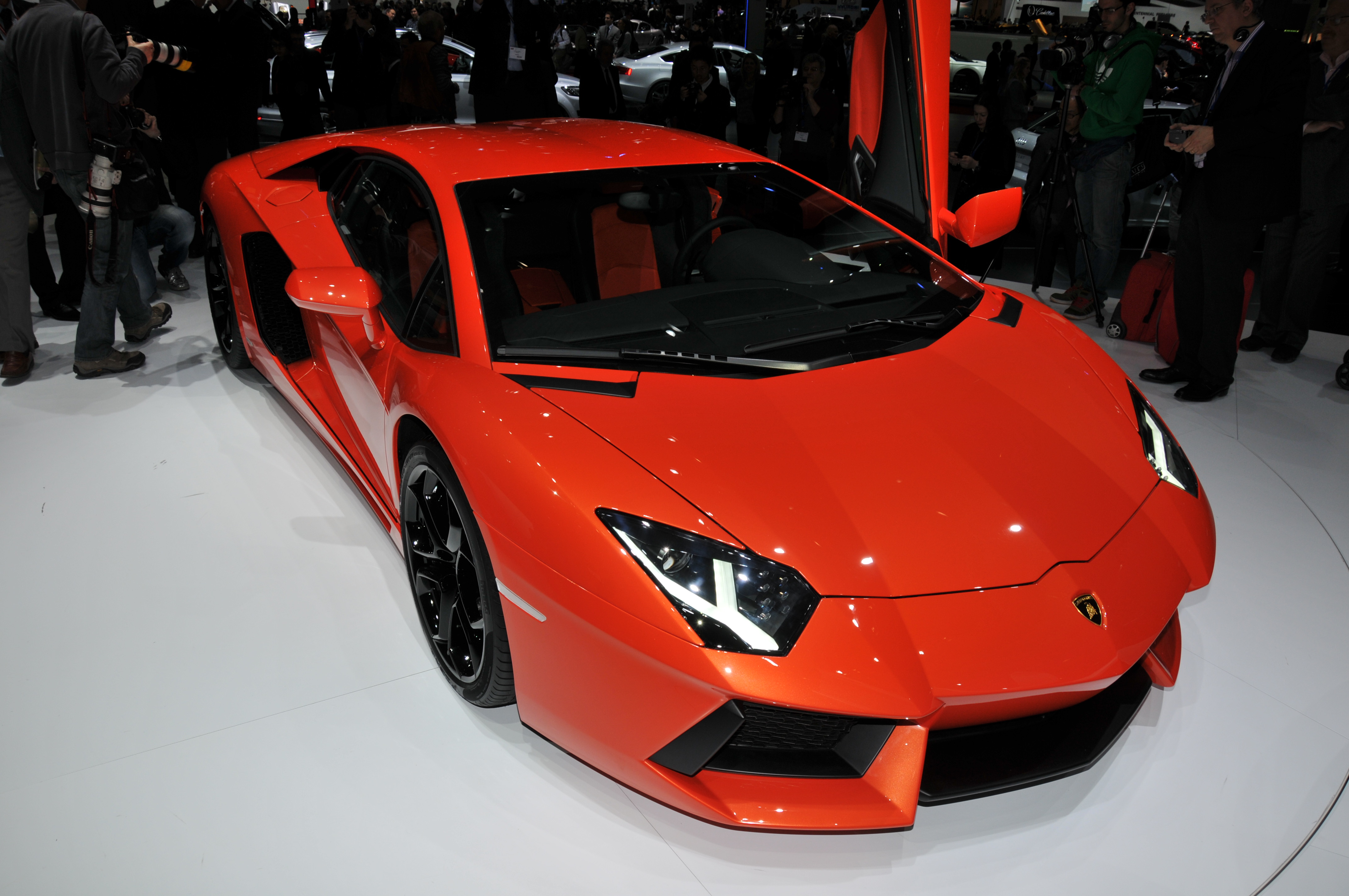
Lamborghini Aventador
"Not a million pounds, but a million dollars Aventadors are doing nothing now 60 to V12"
The Lamborghini Aventador is a high-end supercar made by Lamborghini. It’s known for having a big V12 engine and strong acceleration. People mention it because it’s one of Lamborghini’s most famous performance cars.
The Lamborghini Aventador is a flagship-style supercar known for its powerful V12 engine and aggressive performance. The podcast mentions Aventadors in terms of pricing and acceleration (“60 to V12”), pointing to how buyers and sellers discuss performance and value together. It’s a common reference point in supercar market conversations.
60 to V12
"Aventadors are doing nothing now 60 to V12 I've sold five Aventador S's"
A “V12” is an engine with 12 cylinders arranged in a V shape, and it’s known for strong performance and a dramatic sound. The host is basically saying buyer interest is shifting toward V12 cars. That kind of shift can move prices quickly.
“V12” refers to an engine configuration with 12 cylinders arranged in a “V” shape, typically producing high power and a distinctive sound. The “60 to V12” phrasing sounds like a shorthand for a change in what buyers want—moving from older/other engine types toward V12 supercars. The key point is how engine preference affects demand and pricing.
undervalued
"And now you look at [2937.8s] Diablos were massively undervalued [2939.8s] And I'm going"
“Undervalued” here means the car was selling for less money than people thought it should be. The host is saying Diablos were priced too low for how desirable they are.
In collector-car talk, “undervalued” means the market price is lower than what the car is believed to be worth based on desirability, rarity, and future demand. The host is using it to argue that Diablos didn’t command their “true” value for a period, then demand caught up.
control the market
"But I'm going [2947.1s] Diablos at the minute [2949.2s] Control the market"
“Control the market” means one car model is driving the prices and trends for other similar cars. The host is saying Diablos are currently the main reference point for what people pay.
“Control the market” is a market-dynamics idea: a particular model can dominate pricing and trading activity because buyers and sellers anchor their expectations to it. Here, the host claims Diablos are setting the tone for prices in that segment.

Ferrari F50
"Let's look at the car's rivals When it came out [2981.1s] Ferrari F50"
The Ferrari F50 is a famous 1990s Ferrari supercar. The host mentions it as a benchmark car from the same era when talking about which cars have become more valuable.
The Ferrari F50 is a mid-1990s, naturally aspirated supercar built as a more extreme, track-bred alternative to Ferrari’s more mainstream models. In the segment, it’s listed as one of the “mega cars” from that era, used to frame how the Diablo SV’s value compares to other icons.

Mclaren F1
"When it came out [2981.1s] Ferrari F50 [2983.2s] McLaren F1"
The McLaren F1 is a legendary supercar from the early 1990s. The host brings it up to compare prices and show how some rare supercars have skyrocketed in value.
The McLaren F1 is a landmark supercar from the early 1990s, famous for its lightweight design and driver-focused layout. Here, it’s grouped with other “mega cars” to argue that the Lamborghini Diablo SV is undervalued relative to its era’s peers.

Porsche 959
"[2983.2s] McLaren F1 [2985.3s] Porsche 959 [2987.1s] And a Diablo SV"
The Porsche 959 is a very famous, very advanced supercar from the late 1980s. The host lists it as one of the big-name cars from that period when comparing how expensive these classics have become.
The Porsche 959 is a late-1980s/early-1990s supercar that’s especially known for advanced engineering for its time, including sophisticated all-wheel-drive and turbocharging. In this segment, it’s named alongside the Ferrari F50 and McLaren F1 as one of the era’s top “mega cars,” supporting the valuation comparison.

Lamborghini Diablo
"[3003.7s] It's a Lamborghini Diablo [3005.2s] The most iconic out of all of them [3008.2s] So yeah [3010.4s] Anyone's got a Diablo for sale"
The Lamborghini Diablo is a famous Lamborghini supercar from the 1990s. It’s known for being loud, fast, and very collectible—so collectors often fight to get one.
The Lamborghini Diablo is a 1990s-era V12 supercar that became an icon for its aggressive styling and dramatic performance. In collector circles it’s “the” Diablo people chase, and the transcript’s repeated focus on buying and selling highlights how desirable it is.
Iconics
"[3017.9s] At the Iconics [3019.0s] That was like 15 minutes [3020.5s] I was there 15 minutes [3022.5s] Spent 900 grand on two cars"
“Iconics” sounds like the name of an auction or sale event for collectible cars. The speaker is talking about what they bought there.
“Iconics” appears to be the name of a sale or auction event where the host says they spent money on cars. It’s being used as a real-world context marker for the buying activity.
Christian
"[3027.5s] I think I saw you have a burger [3028.7s] I let Christian buy the Diablo [3031.6s] 900 million pounds"
Christian is the person the speaker says they let buy the Lamborghini Diablo. It’s part of the anecdote about who ended up getting the car.
Christian is mentioned as the person the speaker let buy the Lamborghini Diablo. This is relevant because it ties a specific, high-value car to a real buyer decision in the story.
Supercarfest
"[3033.9s] We're in the iconic sale at Supercarfest [3037.2s] I'm only there for two cars [3038.5s] There were some nice cars in that sale"
Supercarfest is the name of a car event. The speaker is saying they were there for a specific sale and only wanted a couple of cars.
Supercarfest is referenced as the event context for an “iconic sale,” implying a collector-focused car show/auction setting. It matters because it frames where these ultra-rare cars are being bought and sold.
Sin Nick Whale
"[3042.1s] And walked over [3043.2s] Sin Nick Whale [3044.6s] Who is the owner of Iconics"
Sin Nick Whale is mentioned as the owner of Iconics, which is the sale event the speaker is talking about. It’s a person connected to the car-buying story.
Sin Nick Whale is named as the owner of Iconics. That makes them a key figure in the transcript’s car-selling/auction context.

Audi Quattro
"But I knew the Countache was a 5000 quattro valve 88.5"
The Audi Quattro is an Audi model known for using all-wheel drive. That means power can go to more than one wheel to help the car grip the road. People talk about it because it’s closely linked to performance and rally racing.
The Audi Quattro is a rally-bred performance model known for popularizing Audi’s all-wheel-drive system in a big way. The podcast references a “Countache” and then mentions “5000 quattro,” tying the conversation to specific performance and technical details. It’s discussed because the Quattro name is strongly associated with traction and motorsport heritage.
right hand drive
"88.5 One of 14 right hand drive Rare car 13,000 miles"
Right-hand drive means the steering wheel is on the right side of the car. Collectors often like these because they can be rarer, depending on where the car was sold.
Right-hand drive (RHD) means the steering wheel is on the right side of the car, which is common in countries that drive on the left. For collectors, RHD versions can be especially valuable because they’re rarer in markets that typically receive left-hand-drive (LHD) cars.
VT
"And then the Diablo was a 6 litre VT The last run of the Diablos before the Mercilago"
“VT” is being used like shorthand for the engine’s V-shape layout. A V-shaped engine is a common way supercars package lots of cylinders for strong power and a distinctive sound.
“VT” here is almost certainly shorthand for a V-type engine layout (a V12 in Lamborghini’s case), where cylinders are arranged in a V shape. That matters because the engine layout strongly influences how the car sounds, how it fits in the chassis, and how it delivers power.
concept
"And completely different to a Mercilago It's almost like a concept It's like they were getting ready"
The host is basically saying the car feels like it was designed from scratch, like a show-car or prototype. They point to lots of changes inside the cabin to make that comparison.
When the host says the car is “almost like a concept,” they’re describing it as feeling like a prototype or design study rather than a straightforward evolution of the previous model. The follow-up details—different dashboard, sat-nav, binnacle, and “everything”—support that idea of a major redesign.
reserves
"And I looked at the reserves And the reserves were very sensible But when that normally happens"
In auctions, a “reserve” is the lowest price the seller will accept. If bidding doesn’t reach that number, the seller can refuse to sell the car.
In an auction context, “reserves” are the minimum price the seller is willing to accept. If bids don’t meet the reserve, the car may not sell, and bidders often adjust their strategy accordingly.
buyer's fee
"At my last bid I'm thinking By the time I pay the buyer's fee And I've got to do this and do that"
A “buyer's fee” is an extra cost you pay to the auction house after you win. It’s added to the final bid, so the total you pay is higher than the number you see as the winning bid.
A “buyer's fee” is an extra auction charge added on top of the hammer price (the winning bid). It can materially change the true cost of the car, which is why bidders factor it into their last bid.
margins
"Like margins are getting tight now And obviously the whole room is looking at me"
“Margins” means how much profit is left after all the costs. If the profit gets small, you may not want to keep bidding.
“Margins” here means the difference between what the bidder expects to pay (including fees and other costs) and what they expect to earn or recover. In car auctions, tight margins can force a bidder to stop bidding earlier than they otherwise would.

v-spec Nissan GTR
"As much as a v-spec Nissan GTR [3194.4s] Can make 850,000 euros"
This is a special version of the Nissan GT-R. People like it because it’s a more “performance-focused” factory variant, and that can make it much more expensive at auctions.
The Nissan GT-R “V-spec” is a special production run of the R32-generation GT-R, known for factory performance parts and motorsport-focused tuning. Enthusiasts often pay a premium for V-spec cars because they’re tied to a specific era and homologation-style heritage, and auction prices can reflect that rarity.

Contash
"And the Contash What did you give for the Contash? 515,000 What do you think that's undervalued by?"
The Lamborghini Countach is a famous, very expensive supercar with a distinctive wedge shape and scissor doors. Here, they’re talking about what one sold for and whether the price matched what people expected.
The Lamborghini Countach (often misheard as “Contash”) is a landmark supercar known for its wedge-shaped styling and dramatic, scissor-door look. In this segment, Henry’s Car Barn is discussing its market value and how auction/sale outcomes can differ from expectations.

Proton Preve
"...ink that's undervalued by? Well one sold at Salon Preve Which was an 88.5"
The Proton Preve is a smaller car made by Proton. In the podcast, it’s mentioned in the context of being relatively cheap compared to other cars. That makes it relevant for people looking for value.
The Proton Preve is a compact car model from Proton, and it can appear in value-focused discussions because some used examples are priced low relative to what they offer. The podcast mentions a “Salon Preve” sale and an “88.5,” suggesting a specific listing or figure tied to that car. It’s brought up as an example of an undervalued or budget-friendly option.
Salon Preve
"Well one sold at Salon Preve Which was an 88.5 Same colour, same car Which was 6 weeks ago"
They mention a specific event where another similar car sold. The takeaway is that recent sale results at that kind of event help set expectations for pricing.
“Salon Preve” appears to refer to a car sale or auction event where a Lamborghini Countach sold recently. The point in the conversation is that comparable recent auction results can anchor what buyers think the car is worth.

F40
"With a long history of stuff Whether it be an F40 or an F50 Fine, I get those prices"
The Ferrari F40 is a famous old Ferrari supercar that enthusiasts love. It’s being used here as an example of a car whose high price makes more sense because of its history and reputation.
The Ferrari F40 is a legendary 1980s supercar built around performance and lightweight construction, and it’s become a benchmark for “proper” enthusiast Ferraris. Mentioning the F40 alongside the F50 is a way of contrasting historically significant, track-bred Ferraris with much more extreme, novelty-priced cars.
diamond encrusted
"But, you know, 50 million quid With something that's got a diamond encrusted Bidometer"
“Diamond encrusted” means the car is decorated with diamonds. The host is pointing out that some buyers pay huge money for that kind of luxury look, not just for speed.
“Diamond encrusted” refers to luxury customization where diamonds are set into the car’s exterior or interior surfaces. It’s being used here to highlight how some ultra-expensive cars are priced partly for spectacle and craftsmanship rather than performance alone.

Koenigsegg Jesko
"...o the Conan's Eggs that I've had I've never had a Jesko yet I haven't had one"
The Koenigsegg Jesko is a very rare, ultra-high-performance car made by Koenigsegg. It’s the kind of car most people will only see in special collections or auctions. People talk about it because it’s a top-tier hypercar.
The Koenigsegg Jesko is a modern hypercar from Koenigsegg, built for extreme performance and advanced engineering. The podcast mentions not having had a Jesko yet, which signals it as a high-demand, high-value car in the collector and dealer world. It’s discussed because it’s one of the most sought-after Koenigsegg models.
one gear gearbox
"Because I'm a bit scared of that car [3361.3s] With the one gear gearbox [3364.5s] So the new cars I haven't had"
This means the car doesn’t shift through multiple gears like a normal manual or automatic. Instead, it uses basically one gear ratio, which can make the car feel different in everyday driving.
A “one gear gearbox” refers to a drivetrain that uses a single fixed gear ratio rather than multiple forward gears. That can change how the car behaves at different speeds and loads, and it can make the driving feel less familiar compared with multi-gear transmissions.

Ferrari 458 Aperta
"Ferrari 458 Aperta [3437.2s] Great car [3438.1s] One of 499 [3439.7s] One of 50 right hand drives [3441.7s] Limited number [3443.6s] One of the best modern Ferraris [3445.3s] You can buy [3446.3s] It's a mid-engine V8"
The Ferrari 458 Aperta is a rare Ferrari with the engine in the middle of the car and a V8 engine. The host is pointing out that only a small number were made, including a limited number of right-hand-drive cars.
The Ferrari 458 Aperta is a limited-production, mid-engine V8 Ferrari known for being one of the most desirable modern 458-series cars. In this segment, the host highlights its rarity (a small total build count and right-hand-drive allocation) and its mid-engine V8 layout rather than a V12.
mid-engine V8
"[3445.3s] You can buy [3446.3s] It's a mid-engine V8 [3449.0s] It's not a V12"
A “mid-engine V8” means the V8 engine is placed near the center of the car, not at the front. Putting the engine in the middle helps the car feel more balanced when you turn.
“Mid-engine V8” describes an engine layout where a V8 sits in the middle of the car, ahead of the rear axle but behind the driver. That placement helps balance weight front-to-rear and can improve handling feel compared with front-engine designs.
A 458 Spyder
"A 458 Spyder Over 200,000 That's a bog standard car"
The Ferrari 458 Spyder is a Ferrari with a V8 engine in the middle and a convertible roof. People like it because it drives like a sports car but you can enjoy it with the top down.
The Ferrari 458 Spyder is a mid-engine V8 convertible from Ferrari, known for its high-revving naturally aspirated character and open-top driving feel. It’s a key modern Ferrari because it pairs everyday usability with track-capable dynamics.
Race seats
"That's a bog standard car Race seats Some will make more"
Race seats are special seats that keep you firmly in place during aggressive driving. They help you stay positioned so you can steer and brake more accurately.
Race seats are fixed-back or heavily bolstered seats designed to hold your body during hard cornering and braking. Compared with regular seats, they reduce movement so the driver can apply steering and throttle more precisely.

I bought an F8 Spyder
"The 355 I bought an F8 Spyder from him I remember I paid him"
The Ferrari F8 Spider is a Ferrari with a V8 engine in the middle and a roof that can open. It’s considered a great modern Ferrari because it’s fast and fun to drive.
The Ferrari F8 Spider (spoken here as “F8 Spyder”) is a mid-engine V8 Ferrari with a retractable hardtop, known for strong performance and a modern Ferrari feel. It’s a standout because it combines turbo-era power with Ferrari’s traditional driver engagement.
value should be somewhere between
"Super undervalued But the value should be somewhere between Where it was"
They’re talking about what the car should be worth later on—its resale value. For expensive cars, that resale value can change a lot depending on condition and mileage.
This is about residual value—the expected market value of a car later in time. In collector/exotic markets, residual value can swing based on mileage, condition, and how many comparable cars are available.
2.9 V6
"That Ferrari [3531.2s] Bringing out or only supplying a 2.9 V6 [3533.7s] 100% that's the only reason"
“2.9 V6” means the car has a 6-cylinder engine that’s about 2.9 liters in total size, shaped in a V layout. That kind of engine choice affects how the car accelerates and how it drives.
A “2.9 V6” describes an engine with 2.9 liters of displacement and six cylinders arranged in a V configuration. Engine displacement and cylinder layout strongly influence how the engine makes power, how it sounds, and how it fits into a specific model’s packaging and performance goals.
turbo
"They are turbo [3547.1s] They are turbo [3548.3s] But they're non-hybrid"
“Turbo” means the engine uses a device that squeezes extra air in, which helps the car make more power. It’s a common way to get strong acceleration from a smaller engine.
“Turbo” refers to a turbocharger, which forces more air into the engine so it can burn more fuel and make more power. Turbocharging is common on modern performance cars because it boosts output without needing a physically larger engine.
non-hybrid
"They are turbo [3547.1s] They are turbo [3548.3s] But they're non-hybrid [3550.4s] And"
“Non-hybrid” means the car doesn’t have a hybrid system. It relies on its regular engine rather than combining engine power with an electric motor.
“Non-hybrid” means the car does not use a hybrid powertrain (no combination of an internal-combustion engine plus an electric motor for propulsion). That matters because hybrid systems can change how the car delivers power, how it behaves at low speeds, and how it’s priced and regulated.

BMW M3
"And it's ugly F80 So an F80"
The BMW M3 is a sporty BMW made to be faster and more fun to drive than a regular 3 Series. The F80 is one specific generation of the M3. People often talk about it because it’s a recognizable performance car.
The BMW M3 is a high-performance version of the 3 Series, built for track-capable driving with a focus on power and handling. The podcast specifically calls out the F80 generation, which is a well-known M3 era. It’s mentioned alongside comments about appearance, reflecting how enthusiast models can stand out visually as well as mechanically.
bubble
"It's called a bubble [3579.8s] You think it's a bubble [3581.2s] Do you think it'll burst and it'll all drop"
A “bubble” is when something gets overpriced because people are excited and expect prices to keep climbing. Eventually, the hype can fade and prices may stop rising or drop.
A “bubble” is when prices rise far faster than underlying fundamentals can justify, driven by hype and speculation. In car markets, that can mean buyers pay increasingly high prices expecting others will pay even more later.

Ferrari A430 Scuderia
"500,000 for a Pista 600,000 for a 430 Scuderia You won't buy one from me at that money"
The Ferrari 430 Scuderia is a sporty Ferrari made for better performance than a standard version. The podcast mentions it in the context of how expensive these cars can be. That’s because it’s a desirable, performance-oriented Ferrari.
The Ferrari 430 Scuderia is a performance-focused Ferrari based on the 430, known for track-oriented upgrades and a more aggressive driving feel. The podcast compares prices for other Ferraris and specifically calls out the 430 Scuderia as a high-priced car. It’s discussed because it’s a well-known model where rarity and demand strongly affect resale value.

Pontiac Catalina
"My one One Catalina I bought the car from Henry"
The Pontiac Catalina is an older American car model. In the podcast, it’s mentioned because someone bought one and has a story about it. Classic cars like this can be collected and kept for their history.
The Pontiac Catalina is a classic American car model associated with the mid-to-late 20th century Pontiac lineup. The podcast references a personal purchase story, which suggests it’s being discussed as a collectible or enthusiast-owned classic. It’s mentioned to illustrate how classic cars can have personal history and value beyond just specs.
put it up 10 grand
"That's your new strategy [3738.1s] Put it up 10 grand [3740.2s] It went from 209 to 219"
They’re talking about raising the asking price by a set amount. That can change how buyers react and whether the car sells quickly.
This refers to dealer pricing strategy: increasing the listed price by a fixed amount (here, “10 grand”). In car trading, small price moves can materially affect how quickly a car sells and how it’s positioned versus comparable listings.

Land Rover 110
"It's a Land Rover 110 Which has been converted We've got wooden floorboards in the back"
A Land Rover 110 is a long, rugged Land Rover that’s built for practical use. Here it’s been modified so it’s easier to load kids and handle messy beach trips without ruining the interior.
The Land Rover 110 is a classic Land Rover model known for its long-wheelbase, utilitarian layout and ability to handle rougher use. In this segment, Henry describes it as being converted with wooden floorboards in the back to make it a kid-friendly “beach car.”
converted
"It's a Land Rover 110 Which has been converted We've got wooden floorboards in the back"
“Converted” means the car has been changed from how it left the factory. In this case, he added a different setup in the back so it works better for messy trips with kids.
In this context, “converted” means the Land Rover 110 has been modified from its original configuration—here, adding wooden floorboards in the back. Such conversions are common for turning a vehicle into a specific-use tool (like a beach/kids vehicle).
Land Rovers
"I've got some series ones down there as well Land Rovers I've got to keep up with Gordon Ramsay"
Land Rover is the company that makes SUVs like the Range Rover. Saying “Land Rovers” means he has several of that brand’s vehicles, not just one.
Land Rover is the British brand behind the Range Rover and other off-road-focused vehicles. Mentioning “Land Rovers” as a group suggests the collection includes multiple models from the brand, likely chosen for their mix of rugged ability and luxury.
Request an Explanation
Heard something you'd like explained? We'll add it to this episode.
Sign in to request explanations for terms you heard.
Want to learn more?
Browse our glossary for plain-English explanations of automotive terms, jargon, and concepts.
Help improve this episode
See something that's not quite right? Our annotations are AI-generated and can sometimes miss the mark. Click the flag icon on any annotation to suggest a correction.
3 community members have helped improve this episode.