
The complete history of The Intercooler #310
About this episode
Jez Meddinger joins Andrew and Dan for a wide-ranging “history of The Intercooler” deep dive, covering how the brand grew from daily Instagram posts into a no-ads, digital-first magazine/app/podcast with a strong community. They explain TI’s editorial philosophy (real experts, deep technical storytelling, daily publishing), early startup mistakes (app-first missteps, unclear subscriber data, platform infrastructure), and what kept them going. The conversation also highlights standout stories, subscriber engagement via comments and “Ask the Intercooler,” and how AI and modern-car fatigue could shape the future—especially through community and car events.
Dan Prosser and Andrew Frankel, on The Intercooler's fifth anniversary, explain how it came to be and what the future holds for it. They discuss The Intercooler's origins as a simple Instagram account, how it evolved into a podcast and digital magazine, what mistakes were made along the way, and how it will continue to evolve in the coming years.
Use coupon code pod20 at checkout to get 20% off your subscription to The Intercooler's online car magazine for the first year! Listen to this podcast ad-free, and enjoy a subscriber-only midweek podcast too. With a 30-day free trial, you can try it risk-free – https://www.the-intercooler.com/subscribe/
Find out more about JBR Capital here – https://www.jbrcapital.com
Use coupon code Ti10 to get 10% off your Supernatural Car Care order – https://supernaturalcarcare.com/
Hosted on Acast. See acast.com/privacy for more information.
turbo era of F1
"...I was already fascinated by Skellex trick sets, by the turbo era of F1, by top trumps, by my dad's car magazines..."
Formula 1 has gone through different engine eras. The “turbo era” means the cars used turbochargers to make more power, and that technology influenced a lot of how fast cars are built today.
The “turbo era” in Formula 1 refers to periods when turbocharged engines dominated the sport. It’s a key part of modern performance culture because turbo tech, boost control, and engine management became central to how F1 cars made power.
turbocharger
"...I was already fascinated by Skellex trick sets, by the turbo era of F1, by top trumps..."
A turbocharger is a device that helps an engine make more power. It uses the engine’s exhaust to force extra air into the cylinders, so the engine can burn more fuel and feel stronger.
A turbocharger is an engine component that uses exhaust gas to spin a turbine, which compresses incoming air. More air (with more oxygen) lets the engine burn more fuel and make more power, assuming the engine is designed to handle boost.
engineering
"...I did a degree in engineering, and I sort of thought, you know, a career in automotive design or communications..."
Engineering is basically using science and math to build and improve real-world things. In cars, it can mean designing parts so they work safely, efficiently, and reliably.
Engineering is the discipline of applying science and math to solve practical problems, including designing vehicles and powertrains. In automotive contexts, it often shows up as mechanical design, thermal management, and systems thinking.
Gumball Rally in 2006
"So as a company, we produced and directed the six part series for the Gumball Rally in 2006, which went out on channel four, and then started working for a lot of brands."
The Gumball Rally is like a flashy, TV-friendly road trip where cars drive long distances and people film the whole thing. Here, they’re saying they made a TV series for it.
The Gumball Rally is a high-profile, media-friendly road trip rally that travels between major cities. In this segment, it’s used as an example of early automotive production work tied to TV broadcast.
Nürburgring 24
"So I've been out to the Nurburgring 24, which is a one hell of an event and unlike anything else."
The Nürburgring 24 is a race where cars run for 24 hours on the Nürburgring track. It’s famous because it’s tough on cars and teams, so doing well there is a big deal.
The Nürburgring 24 is a 24-hour endurance race at Germany’s Nürburgring circuit, known for its long, demanding track and high attrition. Mentioning it signals serious motorsport credibility because endurance racing tests reliability, driver consistency, and team strategy.

Ford Mustang
"...embedded with the Ford team out there as they developed their first all electric vehicle, which was the slightly controversial Ford Mustang Mach-E. And that was a fascinating insight about how they managed the brand communications around this Mustang..."
The Ford Mustang Mach-E is Ford’s electric vehicle that uses the Mustang name. The story here is that it started out as something built mainly to meet rules, but then Ford leaned into the Mustang branding to sell better.
The Ford Mustang Mach-E is Ford’s all-electric crossover that uses the “Mustang” name to connect with the brand’s performance heritage. In the segment, the speaker describes it as starting as a compliance vehicle, then getting reworked because the “Mustang” branding changed how it had to be engineered and marketed.
compliance vehicle
"...because it started off as a compliance vehicle, and then they went, oh, maybe if we call it Mustang, it'll sell more. But then they suddenly had to re-engineer it..."
A “compliance vehicle” is built primarily to satisfy regulatory requirements rather than to be a fully optimized product for customers. The segment suggests that once Ford wanted to sell it under the Mustang name, they had to rethink engineering and branding decisions to make it fit customer expectations.
sub 10 minute lap
"Yeah, basically, because you tried to do a sub 10 minute lap of the Nurburgring in his Delorean. He is that lunatic."
A “sub 10 minute lap” refers to completing a Nürburgring lap in under 10 minutes, which is a benchmark for very high performance and driver skill. The segment uses it as a measure of how extreme the attempt is, especially in a car not typically known for track times.

Delorean
"Oh, okay. So by now, ladies and gentlemen, you'll know that Jess has a Delorean, which makes a very, it's fairly qualifiable by itself... Jess has written his first hour cars story about the Delorean."
The DeLorean is a famous sports car, known especially for its unusual look. Here, they’re talking about Jess’s story about how he got one and why it’s so interesting.
The DeLorean (often spelled “DeLorean”) is the famous stainless-steel sports car associated with the 1980s. In this segment, it’s the subject of Jess’s “hour cars” story and the reason listeners are directed to the Intercooler website/app.
hour cars story
"...Jess has written his first hour cars story about the Delorean. So you've written the Nurburgring piece, you've now written an hour cars piece, explaining how and why you acquired the car."
They’re talking about a longer story format on the Intercooler site/app. It’s meant to go deeper than a quick overview—like how someone ended up with a particular car.
“Hour Cars” appears to be a longer-form storytelling format within the Intercooler ecosystem. The segment frames it as a deeper dive into how and why Jess acquired his cars, especially the DeLorean.
Nürburgring piece
"So you've written the Nurburgring piece, you've now written an hour cars piece, explaining how and why you acquired the car."
They mention an earlier episode/entry about the Nürburgring. It’s basically a previous story Jess wrote before this one about the DeLorean.
This refers to a prior Intercooler segment focused on the Nürburgring, a famous German motorsport circuit. In this context it’s used to show Jess’s publishing track record before moving into the DeLorean story.
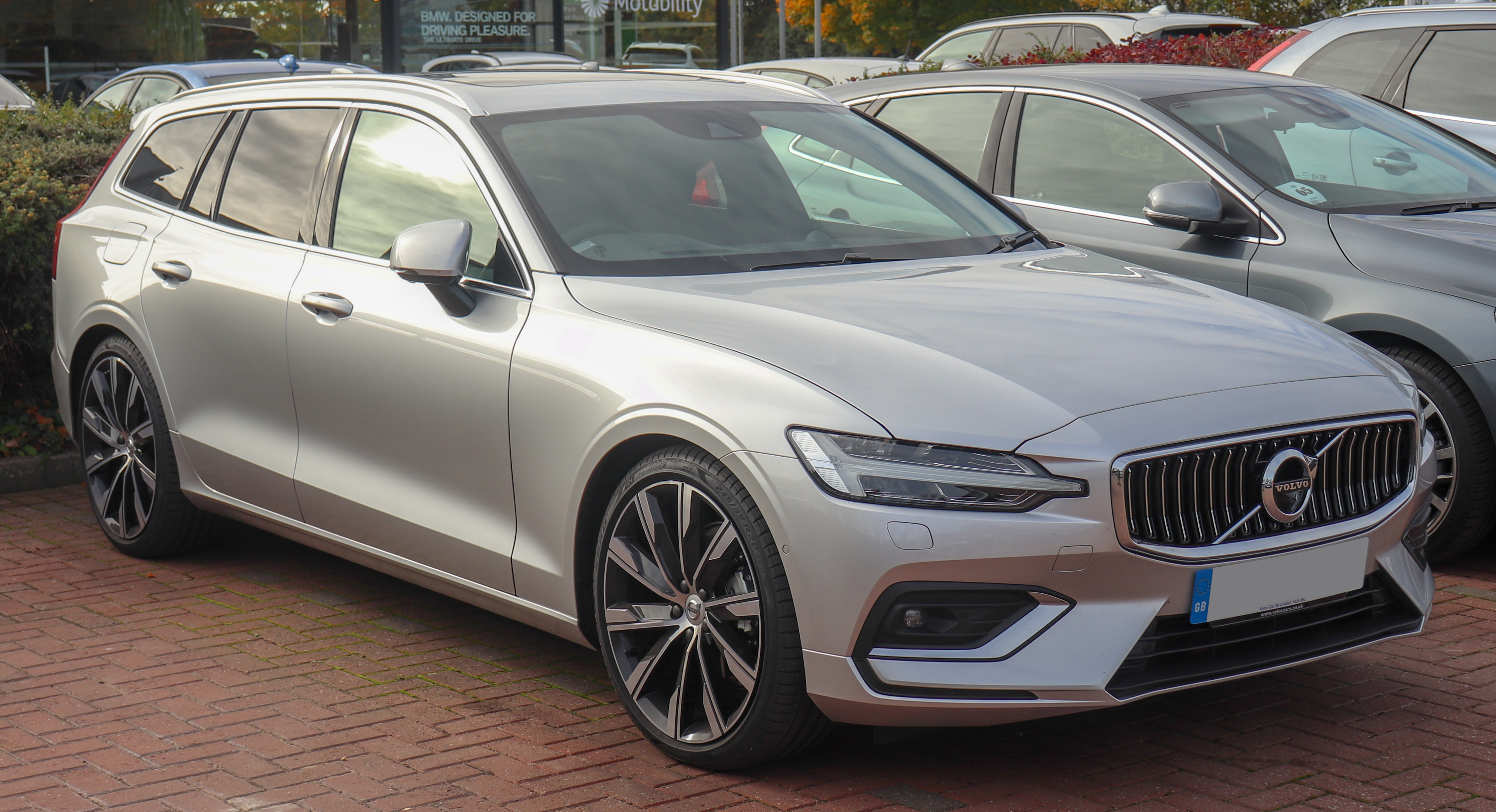
Volvo V60 Polestar
"You're a die-hard car enthusiast. You've turned up today in your sensible everyday car, which is a Volvo V60 Polestar."
The Volvo V60 Polestar is a performance-oriented version of the V60 wagon, tuned by Polestar. In the episode, it’s Jess’s “sensible everyday car,” which sets up the contrast with his more exotic collection.

Lotus Elise
"I've got an early series one Lotus Elise. I have a 1960 Elva Courier race car..."
The Lotus Elise is a small, lightweight sports car built to handle really well. “Series one” usually means an early version, which can feel more old-school and special.
The Lotus Elise is a lightweight, mid-engine sports car famous for agility and handling-first engineering. Jess specifically calls out an “early series one,” which matters because early Elise variants are often sought for their raw, classic feel.

Mazda MX-5
"...which if you think of what a British Mazda MX-5 might have looked like if it was designed in the late 50s, that's kind of the best way of imagining what that car is."
The Mazda MX-5 (Miata) is a modern reference point for small, lightweight, fun roadster design. Here it’s used as a comparison to help listeners visualize the proportions and vibe of the much older Elva Courier.
The complete history of The Intercooler #310
"...I'm here because I want to know everything about how TI came into the world and what the birthing troubles were and the growing pains to get to this point and where we are now."
This part of the episode is basically the story of how The Intercooler got started and how it’s grown. They talk about the behind-the-scenes process rather than reviewing a specific car.
This episode segment is framed as an origin-and-growth discussion about “The Intercooler” (TI), focusing on how it started, what challenges it faced, and where it is now. It’s less about a specific car and more about the show’s evolution and business model.
petrolhead
"...that he's a die-hard petrolhead. He's one of us. He does race his Elva."
A “petrolhead” is just a car enthusiast—someone who really loves cars and driving. It can also mean they’re into racing or performance.
“Petrolhead” is slang for someone who’s deeply interested in cars and motorsport. It often implies the person not only likes cars, but actively follows, works on, or races them.
innovate within car media
"And the idea behind it was to innovate within car media. Because I didn't see a great deal of that going on..."
They’re talking about changing how car content is made and shared. Instead of waiting for monthly or quarterly magazines, they’re trying to publish in a more modern, faster way while keeping it technical and accurate.
This refers to changing how automotive information is produced and delivered—using modern publishing formats and editorial approaches instead of relying only on traditional print cycles. The episode frames it as a way to improve the quality and depth of technical coverage.
employ designers and drivers and engineers
"we don't just employ journalists, we employ designers and drivers and engineers to do our stuff. So you're hearing straight from the horses now..."
This describes a cross-functional approach to automotive storytelling: using not just journalists, but also people who design, test, and engineer cars. It’s meant to improve technical accuracy and explain complex mechanical topics in clearer terms.

Alpine A110
"anyone who goes on to the website and reads anything written by David Tuig, who was the man who was, for instance, the chief engineer of the Alpine A110. His insights into how cars work..."
The Alpine A110 is a well-known sports car. The host mentions its chief engineer to emphasize that the publication is getting real technical experts, not just writers repeating what they’ve heard.
The Alpine A110 is a classic sports car from Alpine (a Renault brand). In the transcript, David Tuig is described as the chief engineer of the Alpine A110, which signals deep, hands-on engineering knowledge rather than just media commentary.
forced increasingly to live in a world where perception is somehow more important than reality
"my feeling is that we live increasingly, we are being forced increasingly to live in a world where perception is somehow more important than reality..."
This is a commentary on how car culture can become driven by image, marketing, and online “perception” rather than measurable engineering reality. The hosts contrast that with their goal of grounding coverage in actual mechanical understanding.
Universe
"“...we'll sit under a tab on our website and app called Universe.”"
They mention “Universe” as the app or website area where their stories and comments live.
“Universe” is referenced as a website/app where the hosts “sit under a tab” for stories and comments. It’s a structural element of how the publication organizes content and reader interaction.
motoring journalism
"“...making the highest quality journalism, mainly motoring journalism, from the greatest bunch of authorities writing about cars literally anywhere in the world.”"
It just means car-related news and stories. Think reviews, interviews, and technical write-ups about cars, not random general headlines.
“Motoring journalism” is car-focused reporting—reviews, road tests, interviews, and technical stories—aimed at enthusiasts rather than general news. In this segment, the hosts contrast it with traditional magazine cycles and emphasize doing it more frequently and deeply.
glossy, expensive quarterly
"“You don't have to wait a month or three months for the next glossy, expensive quarterly...”"
They’re talking about the old-school magazine model—big, fancy issues that come out only every few months. They’re saying their content comes out more often.
This phrase describes traditional print magazine publishing: fewer issues per year, higher production cost, and a slower cadence for new content. The hosts use it to contrast with their daily/regular publishing model.
ICTI
"ICTI is the most sort of broadly defined car publication that there is. The breadth of this."
They’re talking about a car magazine or website called ICTI. The point is that it covers a lot of different kinds of car stories, not just one niche.
ICTI is referenced as a broadly defined automotive publication. The hosts are using it as a shorthand for the magazine/platform they’re discussing and emphasizing its wide coverage across car topics.
Toyota
"Mel wrote a brilliant piece for us about the Japanese consultants who came from Toyota to Germany to tell Porsche how to structure their factory to make it operate properly."
Toyota is mentioned as the company whose people came to help Porsche’s factory run better. It’s basically a story about experts sharing how to organize production more efficiently.
Toyota is referenced as the source of Japanese consultants who traveled to Germany to advise Porsche on factory setup. This is an example of cross-company manufacturing knowledge transfer—often tied to lean processes and practical shop-floor optimization.
factory structure to make it operate properly
"Mel wrote a brilliant piece for us about the Japanese consultants who came from Toyota to Germany to tell Porsche how to structure their factory to make it operate properly... Toyota guys told Porsche to take a circular saw to their racking to make it half the height, because you couldn't operate efficiently..."
They’re talking about how the way a factory is set up affects how well it runs. If storage or equipment placement makes work awkward, the whole process slows down.
The hosts describe how factory layout and physical infrastructure can directly impact operational efficiency. The example given—changing racking height so workers/equipment can operate efficiently—illustrates that small logistics constraints can become major bottlenecks.
fuel filler caps
"He does a monthly column for us called Geek Out. And he did one on why fuel filler caps are on the side of the car that they are. Because if we all know, some of them are on the left, some of them are on the right."
A fuel filler cap is what you open to put fuel in the car. The hosts are talking about why some cars have the fuel door on the left and others on the right, and how it’s not just random.
Fuel filler caps are the closures on a car’s fuel tank opening, and their location is often dictated by packaging and safety rules. The episode segment highlights that filler locations (left vs right) can vary by manufacturer and model, and that the “why” behind it can be surprisingly historical and regulatory.

Peugeot 305
"He's just done one for us about door handles and why they're designed the way they are. He made particular mention of Peugeot 305, which had the early part of its life. The door handles open one way."
The hosts are using the Peugeot 305 as an example of a car where the door handle design changed. The point is that even small parts like door handles can be redesigned to open the other way for practical reasons.
The Peugeot 305 is referenced as an example of how small design details can change over a model’s life. In this case, the door handles were altered so they opened in the opposite direction, illustrating how packaging, ergonomics, or manufacturing decisions can drive seemingly “weird” changes.
months in the life of
"Another thing that we do, I'm doing it at the moment, but I'm not blowing my own trumpet here, but it's just an idea that we had, so we're doing it, is we do these things called months in the life of, where we'll go and drive a car for a month."
This is a review style where they keep a car for a while and drive it regularly. It helps show what it’s really like to live with, instead of just judging it from a short test drive.
“Months in the life of” describes a testing format where a car is driven for an extended period, but not as long as a full long-term ownership study. The goal is to capture real-world issues and habits—things you can’t easily see in a short road test—like comfort, reliability patterns, and how the car fits into daily routines.
long term tests
"don't, there don't have to be new cars, you know, all long term tests, always new cars. But I've done one on a 997 era of GT3 RS."
A long-term test means you drive and live with a car for a long time instead of just reviewing it briefly. That helps reveal what it’s really like day to day—comfort, issues that show up later, and how it holds up. They’re saying you can learn a lot even from cars that aren’t brand new.
Long-term tests are extended ownership evaluations where a car is lived with for months (or longer) to learn how it behaves in real life. This approach highlights wear, comfort over time, reliability patterns, and how the car’s character changes once the novelty wears off. The hosts are contrasting this with the idea that you don’t need brand-new cars to generate useful insights.

997 era of GT3 RS
"But I've done one on a 997 era of GT3 RS. I'm driving a Bentley Arnage at the moment."
They’re talking about a Porsche 911 from the “997” generation. The GT3 RS is a special, more track-oriented version of that 911. They’re using it to explain how long-term ownership lets you notice details you wouldn’t catch right away.
“997 era” refers to the Porsche 911 generation code 997. The GT3 RS is a track-focused 911 variant known for aggressive aerodynamics and a high-revving character. In this segment, they’re using it as an example of a long-term test car to discuss how the experience changes over time.

Bentley Arnage
"But I've done one on a 997 era of GT3 RS. I'm driving a Bentley Arnage at the moment."
The Bentley Arnage is a full-size luxury sedan from Bentley, typically associated with big V8/V6-era powertrains and a very traditional grand-touring feel. Here it’s mentioned as the host’s current long-term test vehicle, contrasting with the more performance-focused Porsche GT3 RS. That contrast sets up their point about evaluating “texture and dimension” rather than only new-car specs.
community
"really appreciate having an audience that's that engaged... This is how we form the community around TI... It's not just one directional where we just spit things at them, it comes back."
They’re talking about how the show works best when it’s interactive. Listeners aren’t just watching—they’re part of the conversation, and their questions help steer what gets discussed.
The hosts describe building an automotive community around “The Intercooler” as a two-way relationship. Instead of one-direction content, they highlight listening to informed feedback and disagreement without conflict, which shapes the show’s direction.
ask the intercooler
"And you know, we do things like if you subscribe to the intercooler, you know, there's a podcast... And for anybody subscribed, you can go and listen to any one of them. They're called ask the intercooler."
It’s a special part of the show where listeners ask questions. The best questions often end up being more interesting than the answers, and subscribers get access to it.
“Ask the Intercooler” is a subscriber-only Q&A format where listeners submit questions and the hosts respond. The show emphasizes that many of the most interesting parts come from the community’s questions rather than the hosts’ answers.
automotive journalism
"I know it's a small world, automotive journalism, but I don't think you'd work together for the same publication. Well, we were both doing freelance work for auto car at the time, 2017, 2018."
Automotive journalism refers to media work focused on cars and the industry—reviews, reporting, and analysis. The hosts use it to explain their background and how they ended up working together.
auto car
"Well, we were both doing freelance work for auto car at the time, 2017, 2018. So we've done a few jobs together."
This is the name of a car-related publication. They’re saying they both worked freelance there around 2017–2018.
“auto car” appears to refer to an automotive publication where the hosts did freelance work. It’s mentioned as part of their career context before starting or shaping the podcast.
socially distanced
"the first properly serious meeting that we had was in my garden, socially distanced, sitting on deck chairs about 100 yards away from each other, [1634.2s] right in the in the height of COVID."
They’re talking about COVID safety rules that kept people apart. That’s why they couldn’t meet in person and had to record remotely.
“Socially distanced” refers to COVID-era safety practices that changed how people met and worked. In this context, it explains why the hosts shifted from in-person recording to remote production.
Drive Nation
"So we launched the Instagram thing, it's called Drive Nation back then, we launched the Instagram thing in July 2018. [1656.5s] We did that for a couple of years. We added a podcast in March 2020, just before lockdown."
Before it was called The Intercooler, the show/community was branded as “Drive Nation.” They’re telling the story of how the name and format changed over time.
The hosts describe an early branding phase where the show and community were called “Drive Nation.” It’s a useful context point for listeners because it explains how the podcast evolved into what they now know as The Intercooler.
remote recording
"But of course, lockdown meant we couldn't. So we almost immediately had to start doing it remotely. [1680.6s] And then it was in April 2021, that we launched as an app, as a magazine."
The hosts explain that lockdown prevented their planned weekly in-person recording, forcing them to start recording remotely. This is a production-process topic, not a car-tech topic, but it’s part of the show’s origin story.
combustion chamber
"I wanted to call it the combustion chamber, because I thought that spoke of cars and internal combustion engines and chambers where people gather."
In an internal combustion engine, the combustion chamber is the “burning room” where fuel and air get ignited. How that space is shaped can change how well the engine runs and how clean it burns.
A combustion chamber is the space inside an internal-combustion engine where the air-fuel mixture is ignited. The design of the combustion chamber strongly affects how efficiently the engine burns fuel and how much noise/emissions it produces.
trademarking and brand/domain availability
"sometimes we would think of something... and then we discovered we couldn't trademark it... You need the web domain, you need the social media handles, you need no one else to be using it."
When you start a new brand, you can’t just choose a cool name—you have to make sure it’s legally available and that you can actually claim the website and social media usernames. If someone else already has them, you may need to pick a different name.
Creating a new brand name isn’t just about picking something clever—you also have to clear trademark conflicts and secure the web domain and social handles. If someone else already owns the name or domain, it can force a change in branding strategy.
titanium
"it contracts really nicely to TI, which is the chemical symbol for titanium, which is an important metal in our world."
Titanium is a strong, lightweight metal. In cars, it’s sometimes used for performance or weight-saving parts, because it can be both tough and light.
Titanium (chemical symbol Ti) is a lightweight, high-strength metal used in various engineering applications. In automotive contexts, it can show up in performance parts because it can reduce weight while maintaining strength.
Alphas
"But it's also, TI has been used as a model suffix on some interesting cars. Alphas, BMWs."
They’re saying that “TI” has been used by some car makers as part of a model name. That kind of suffix usually signals something about the car’s version or performance.
The hosts reference “Alphas” in the context of using “TI” as a model suffix, implying Alfa Romeo naming conventions. Model suffixes like this can be used to hint at trim level, technology, or performance character depending on the era and model.
BMWs
"But it's also, TI has been used as a model suffix on some interesting cars. Alphas, BMWs."
They’re pointing out that BMW has used “TI” in some model names. In general, those suffixes are a way to label a particular version of the car.
The hosts mention BMWs as examples of “TI” being used as a model suffix. BMW has used “Ti” historically on certain models/variants to denote a specific trim or performance-oriented package depending on the generation.
organic growth
"But what that does mean is we're just not in a position to have massive marketing campaigns, effective to go out there and buy an audience. And although that creates problems, one of the great benefits of being forced into being quite restricted in what you do is that through the organic growth that we have seen is when people do find us, they find us to the right reason"
Organic growth is when people find you naturally—like through recommendations or searching—rather than you paying to advertise. The host is saying their listeners come because they genuinely like the show.
Organic growth means growing an audience through word-of-mouth, community interest, and content quality rather than paid promotion. In this context, it’s contrasted with buying an audience via marketing campaigns.
retention
"which means that if you subscribe to us on an annual basis, there's a 96% chance that a year later you'll subscribe again. And those are the sort of retention weights, which are, I mean, they're just extraordinary."
Retention is a measure of whether people stick around. The host is saying that if you sign up for a year, most people renew for another year.
Retention refers to how many subscribers keep renewing over time. Here, the host uses a “96% chance” figure to describe how likely an annual subscriber is to subscribe again the next year.
market positioning
"Tell me a little bit about the discussions you had about what the voice of TI should be and the market positioning of TI should have been at the start versus this idea of we need to run it as a business."
Market positioning is basically figuring out what your show is “about” in the eyes of listeners. The host is talking about how they decided what audience they wanted and whether that plan shifted.
Market positioning is how a brand or show defines its place in the market—who it’s for and why it’s different. The host discusses how the “voice” and positioning for “TI” were considered at the start and whether they changed.
no ads, digital first, and daily
"I think ultimately, we knew that our differentiator was no ads, digital first, and daily. And we knew that if we could just apply really top tier quality journalism to that, we would have something."
They’re saying their site is built for phones/tablets first, they publish every day, and they don’t rely on ads. That affects what kind of stories they focus on and how they present them.
This describes a content strategy: publishing primarily in digital form, prioritizing frequent updates (“daily”), and avoiding advertising. For listeners, it’s a useful framing because it explains how editorial choices can shape what automotive stories get produced and how they’re presented.
Motorsport
"So I was, 500 years ago, I was the editor of a magazine called Motorsport, and I relaunched it. And for the four or five years, I was the editor of that title"
They’re talking about a car/racing magazine called “Motorsport” that the host worked on. It’s the kind of publication that covers racing and performance, so it shapes how they choose stories and writers.
“Motorsport” is referenced as a magazine the speaker edited and relaunched. In a car-enthusiast context, that’s a publication focused on racing and performance culture, which helps explain the speaker’s editorial approach and contributor sourcing.
TI
"And I, you know, for all those years, and it's kind of what I do on TI now, it's such a privilege. You see, I think I'd really like to read something about that."
“TI” is used as shorthand for the podcast/publication “The Intercooler.” The speaker describes their editorial strategy—finding experts and backing story ideas—so listeners understand how the show builds its contributor team.
editorial approach
"And that's really certainly the approach, the editorial approach that I took at Motorsport then, which I take with TI now, you back yourself to think that what interests you probably interest them as well."
They’re talking about how they choose what stories to publish. The idea is: if the team is excited about a topic, there’s a good chance other people will be too.
The segment discusses an “editorial approach” built around pitching stories the team personally wants to read, then trusting that other enthusiasts will want them too. This is a behind-the-scenes look at how automotive media content is curated.
contributor team
"Well, that leads me to the next question, which is how did you build your contributor team? How did you find them? Did you already know them and what makes a good contributor and be a TI contributor?"
They’re describing how they assemble the writers/experts who contribute to the show. The goal is to have knowledgeable people and a variety of perspectives, not just the same type of voice.
The speaker explains how they build a contributor team by recruiting people they already know and by seeking “experts” with different voices. For listeners, this is relevant because automotive knowledge is often specialized (brands, engineering, racing), and the show’s credibility depends on matching expertise to topics.
JLR
"And we stumbled upon Joanna Fidalgo [2723.6s] who is, by training, she's an automotive engineer. She was at JLR when we started working with her."
JLR is short for Jaguar Land Rover, the company behind brands like Jaguar and Land Rover. The host is saying Joanna worked there as an engineer before writing about cars.
JLR stands for Jaguar Land Rover, a major British automaker. Mentioning it here provides context for Joanna Fidalgo’s engineering background before she became a car enthusiast writer.
Car Magazine
"my career was saved by Mel Nichols, the chap who made Car Magazine what it was in the [2765.8s] 1970s."
Car Magazine is a long-running car magazine in the UK. The speaker is saying Mel Nichols helped make it influential back in the 1970s.
Car Magazine is a well-known UK automotive publication. The host credits Mel Nichols with shaping it in the 1970s, which is relevant to understanding the history of UK car journalism.
Haymarket
"And when I joined AutoCar was then the publishing company Haymarket's editorial director. [2778.1s] And my writing was terrible and everybody wanted to fire me."
Haymarket is the publishing business behind some car magazines. The host is giving context about who employed him and who ran the editorial side.
Haymarket is the publishing company that owned editorial operations for magazines like AutoCar at the time referenced. This is part of the podcast’s behind-the-scenes history of car media.
Evo
"there are now, [2814.9s] you know, a small number, but now there's a significant number of writers out there with big jobs in the industry, working for magazines like AutoCar and Evo and so on and so forth, [2825.1s] who started off on our young writer program."
Evo is a car magazine that focuses a lot on driving and performance. The speaker is using it as an example of big magazines young writers can work for.
Evo is a UK automotive magazine known for performance-focused coverage. The host name-drops it to illustrate where young writers who started with their program may end up.
young writer program
"who started off on our young writer program. We've got a brilliant young writer at the moment called Max Taylor, who is incredibly talented and absolutely deserves a proper job in the industry. [2837.6s] We can't offer him that because we're tiny and you know, we have 18 other contributors."
A young writer program is a way to mentor and hire newer writers so they can learn and grow. The host is saying it helped bring in more diverse talent into car media.
A “young writer program” is an internal talent pipeline that gives early-career writers structured opportunities to build experience and credibility. In this segment, it’s presented as a key mechanism for diversifying car journalism and helping new voices break in.
poached
"Also, I just wanted to mention Tatti Reed, who lots of people listen to this from now because of her bonkers antics in her beloved blue tit Land Rover. She's another person who's very young, obviously a woman, massively, wildly enthusiastic."
To “poach” someone means another company hires them away. The host is saying that if writers get recruited elsewhere, it means the program is doing a good job finding and developing good people.
“Poached” here means recruiting writers away from the show/magazine by another outlet. In media terms, it’s often a sign the program is producing talent and has built credibility.
biggest regrets / what we did right
"So I've got a question for each of you. Final one about the last five years. I want one of you to talk about the biggest regrets you have... and something that you got absolutely right and fundamentally kicked the intercooler on."
This is a structured discussion prompt: each host answers with a major regret from the last five years and what they got right that “kicked the intercooler” (i.e., helped the show succeed). It frames the episode as a retrospective on decisions and outcomes.
plug-in SUVs
"Or if you wrote about crossover plug-in SUVs more often, because those are the cars that people go out and buy and you communicate to a much larger audience that way."
A plug-in SUV is a bigger family-style car that you can charge at home or at a public charger. The speaker is saying those are the kinds of cars people are buying, so writing about them reaches more readers.
Plug-in SUVs are sport-utility vehicles that can be charged from an external power source, typically using a battery for electric driving for at least part of the trip. They’re often discussed in the context of market demand and how media coverage can reach buyers who are actively shopping for that type of vehicle.
Alfa
"...Lotus have had or Alfa may have had or Maserati have had, we look back and we go, well, all these companies were really great ones..."
Alfa Romeo is an Italian automaker with a reputation for stylish design and performance heritage. Here, the name is mentioned as part of a list of brands that may have strayed from their original identity.
Maserati
"...or Alfa may have had or Maserati have had, we look back and we go, well, all these companies were really great ones..."
Maserati is an Italian luxury sports-car maker associated with performance and distinctive styling. The speaker uses it as an example of a company that once had clear objectives but may have forgotten them.
engine of growth
"When you read books about startups or you study startup culture, they talk about the business's engine of growth. What is the thing that is going to drive growth within that business?..."
An “engine of growth” just means the main reason a business or project gets bigger. Here, they’re talking about whether growth comes from ads, people sharing it, or other channels.
“Engine of growth” is a business concept describing the main mechanism that drives expansion—like advertising, subscriptions, or viral sharing. In this episode, it’s applied to the podcast’s strategy, contrasting different ways audiences can grow over time.
Formula One
"We have a very strong view about everything from Formula One, how it is today backwards. And it's just a question of being original."
They’re talking about Formula One, which is the highest level of professional open-wheel racing. It’s a big part of motorsport history and technology, so it’s a natural topic for a car-focused media outlet.
The hosts mention Formula One as part of the publication’s coverage scope. Formula One is the top level of open-wheel racing, and it has a long history of technical innovation that often influences road-car tech.
Carle Magazine
"I can remember when I was a kid growing up on Carle Magazine, and they had guys like Russell"
They mention a magazine they grew up reading. The point is that their interest in cars and writing was shaped by that publication.
“Carle Magazine” appears to be a publication the speaker read as a kid, used to explain their motivation and editorial background. Magazine brands matter here because they shape what kind of car stories and perspectives a writer brings.
digital delivery
"Yeah, so one of the great things about the digital delivery of TI is that you've got this comment section and people can interact."
“Digital delivery” here refers to publishing content online in a way that enables direct audience interaction, like comment sections. For car media, this changes the relationship between readers and writers by turning passive consumption into an ongoing conversation.

Aston Martin DB7
"You know, I can tell you how the Aston Martin DB7 started life as a Jaguar and became an Aston Martin. But when you can get Ian Callum..."
The Aston Martin DB7 is a classic Aston Martin model. The point here is that it has a connection to Jaguar, so learning where it came from makes the story more interesting than just reading magazine summaries.
The Aston Martin DB7 is a grand tourer from Aston Martin that’s closely tied to Jaguar’s engineering and platform history. In this segment, the host uses it as an example of how knowing the car’s origin story makes the coverage feel more authentic and insightful.

Jaguar
"You know, I can tell you how the Aston Martin DB7 started life as a Jaguar and became an Aston Martin."
Jaguar is the other car brand involved in the DB7’s origin story. The host is saying that understanding the Jaguar-to-Aston Martin connection helps you appreciate how the car ended up the way it is.
Jaguar is referenced here as the original source of the DB7’s design/engineering roots before it became an Aston Martin. The takeaway is that contributor knowledge can explain how brands and platforms evolve into a final product.
Ian Callum
"But when you can get Ian Callum, the bloke who turned it from being a Jaguar into an Aston Martin, to tell you how much more interesting..."
Ian Callum is mentioned as the person who helped transform the car from its Jaguar beginnings into an Aston Martin. In automotive storytelling, having a key designer/engineer involved can add credibility because they can explain decisions and tradeoffs firsthand.

Ferrari 599 GTO
"We were the first title in the world to get the three special Front Edge of V12 Ferraris together. So the 599 GTO, F12 TDF, and the 812 Competizione."
This is a special, more hardcore Ferrari based on the 599. It’s a rare V12 car, and the hosts are highlighting that they got to cover multiple legendary V12 Ferraris in one place.
The Ferrari 599 GTO is a high-performance, limited-run version of the 599 GTB, built to be a more track-focused grand tourer. In the episode, it’s mentioned as one of three “special Front Edge” V12 Ferraris the hosts were among the first to cover together.

Ferrari 812 Competizione
"So the 599 GTO, F12 TDF, and the 812 Competizione. First in the world to do that on video and the written story."
This is a special Ferrari with a big V12 engine and a more track-focused setup. The hosts are highlighting that they managed to cover a rare combination of top-tier V12 Ferraris.
The Ferrari 812 Competizione is a V12-focused, track-bred variant of the 812 Superfast, known for its more aggressive aero and performance tuning. In this episode segment, it’s part of the trio of “special” V12 Ferraris the hosts were first to feature together.

Ferrari F12 TDF
"So the 599 GTO, F12 TDF, and the 812 Competizione. First in the world to do that on video and the written story."
The F12 TDF is a rare Ferrari that’s tuned to feel more like a track car than a typical grand tourer. The hosts are basically saying they were able to document a very special set of V12 Ferraris.
The Ferrari F12 TDF is a limited-production, track-oriented evolution of the F12berlinetta, created as a tribute to Ferrari’s racing heritage. The episode groups it with other rare V12 Ferraris to emphasize the uniqueness of getting all three together for coverage.

Mercedes 300 SLR
"For me, it was being invited to go to Stuttgart last year to drive. So the Mercedes 300 SLR, the Ulinhaut Coupe version of which is the most expensive car ever sold at auction."
This is one of the most famous Mercedes race cars ever made. In the episode, they’re talking about a super-rare 1956 prototype version that almost no one gets to drive.
The Mercedes-Benz 300 SLR is a legendary 1950s racing car, famous for its dominance and also for the tragic events surrounding Le Mans. Here, the host describes being invited to Stuttgart to drive a rare 1956 prototype “Uhlenhaut Coupe” version, emphasizing how exceptional and historically significant it is.

Mercedes-Benz Mercedes 300
"...ted to go to Stuttgart last year to drive. So the Mercedes 300 SLR, the Ulinhaut Coupe version of which is the ..."
The Mercedes-Benz 300 SEL 6.3 is an older luxury sedan with a big V8 engine. It was built to be both comfortable and fast for its time. People bring it up when they’re talking about classic cars that blended power with everyday usability.
The Mercedes-Benz 300 SEL 6.3 (W109) is a classic, large luxury sedan from the late 1960s known for its powerful V8 and strong performance for its era. It’s significant because it combined high-speed capability with a comfortable, executive-car layout—something that makes it a frequent subject in automotive history and engineering conversations. In a podcast, it’s a natural example when discussing how manufacturers approached performance and refinement together.
Stuttgart
"For me, it was being invited to go to Stuttgart last year to drive. So the Mercedes 300 SLR, the Ulinhaut Coupe version of which is the most expensive car ever sold at auction."
Stuttgart is a key German city for car companies, especially Mercedes. The point here is that the host got special access to a historic Mercedes because of that manufacturer connection.
Stuttgart is a major automotive hub in Germany and is strongly associated with Mercedes-Benz’s corporate and engineering presence. The host’s mention of being invited there underscores how access to historic cars often comes through manufacturer networks and internal collections.
Le Mans disaster
"because there is another Ulinhaut Coupe, there are other normal 300 SLRs. There's only one prototype for the 1956 season, a season in which Mercedes, because of the Le Mans disaster, never took part in."
Le Mans is a famous endurance race, and the “disaster” refers to a serious tragedy there. The host is saying that event changed what Mercedes could do in the following season, which is why this prototype became so rare.
The “Le Mans disaster” refers to a major tragedy at the 24 Hours of Le Mans that had a direct impact on Mercedes-Benz’s racing plans. In this segment, it’s used to explain why Mercedes didn’t participate in the 1956 season, which contextualizes the rarity of the prototype the host drove.

Ferrari 296 GTB
"So the Ferrari triple test that I mentioned just now, that's up there as it absolutely should be."
The Ferrari 296 GTB is a high-end Ferrari sports car. The hosts mention it because it was one of the most-read review stories, likely because it was compared directly with other exciting cars.
The Ferrari 296 GTB is a modern Ferrari grand tourer known for its hybridized V6 setup and high-performance focus. In the segment, it’s referenced as part of a “triple test,” implying it was compared against other cars in a head-to-head style review.
group tests and twin tests
"So the stories that do really well are our group tests and twin tests, when we get together two, three, four really interesting cars at the right time on the right road, and produce a great story, hopefully."
A group test is when reviewers drive and evaluate a few cars in the same session so you can compare them fairly. A twin test is similar, but usually focuses on two cars.
A “group test” or “twin test” is a review format where multiple cars are evaluated together, often on the same route or under similar conditions. The hosts argue these formats tend to perform well because they help readers compare cars side-by-side.

McLaren 750S
"...Ferrari 296 GTB versus McLaren 750S to direct competitors. The 750S was brand new then."
The McLaren 750S is a very fast, very expensive supercar. In this episode, it’s brought up because it was compared directly against the Ferrari 296 GTB in a popular review.
The McLaren 750S is a track-focused supercar from McLaren’s Sports Series, positioned as a direct competitor to other top-tier performance cars. Here it’s mentioned in the context of a “Ferrari 296 GTB versus McLaren 750S” comparison.
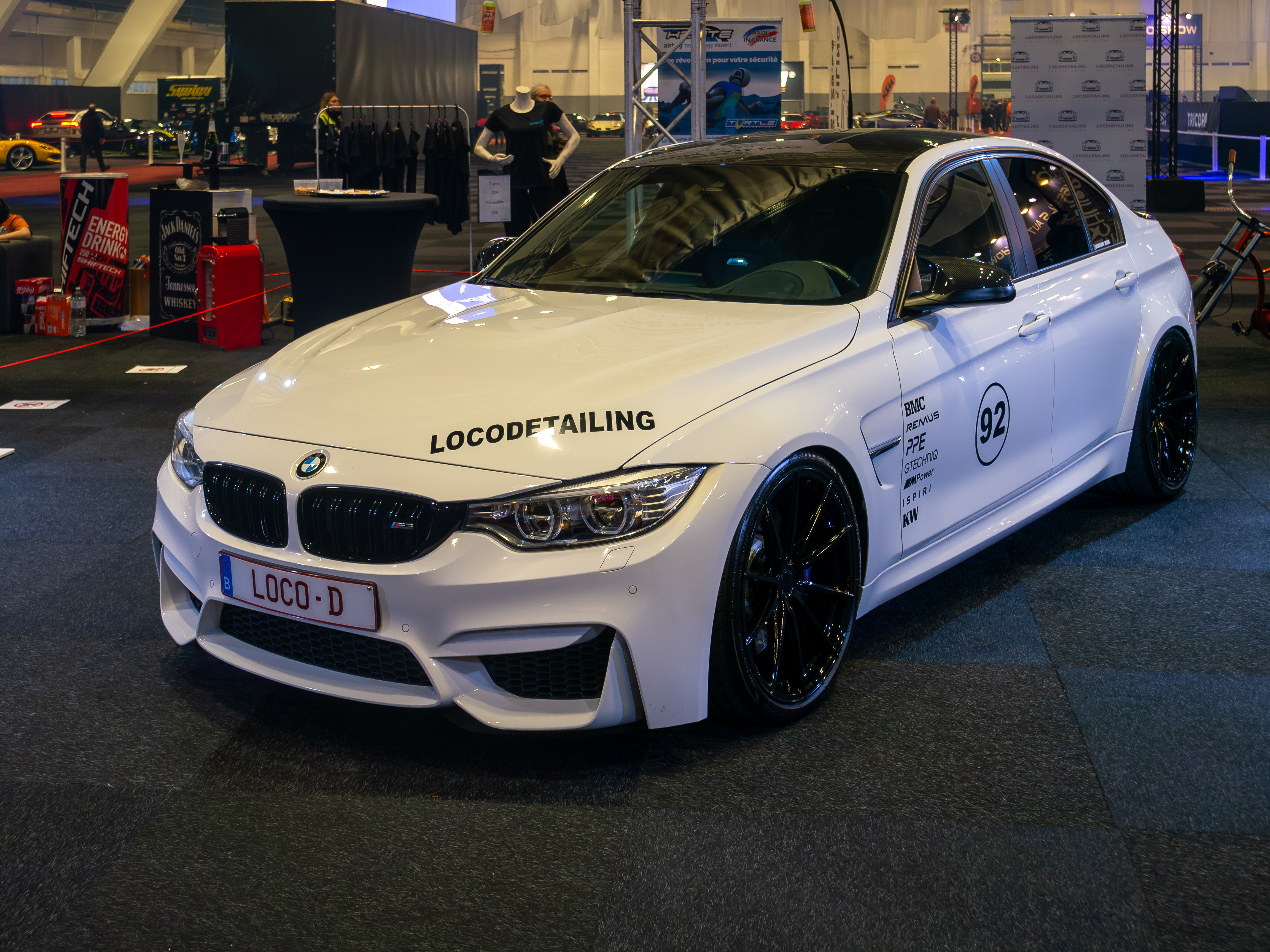
BMW M3
"So we did a BMW M3 touring group test with its sort of in-house rivals."
BMW’s M3 touring is the wagon version of the M3. The episode mentions it because it was tested against similar BMW performance models in a comparison-style review.
The BMW M3 touring refers to the wagon version of BMW’s M3 performance line, which is less common than the sedan and often sought after for combining practicality with high performance. The hosts discuss a group test that paired it with key “in-house” rivals.

BMW M340I
"...up test with its sort of in-house rivals. So the M340i, the model that sits beneath the M3 in the range,..."
The BMW 3 Series is a mid-size sedan designed for everyday driving but with sporty handling. The M340i is a stronger, faster version of the 3 Series that’s meant to be more performance-oriented than the base models. It comes up a lot because it’s a popular reference point for what a sporty daily car can be.
The BMW 3 Series is a compact executive sedan known for its balanced driving dynamics and broad range of engines and trims. The podcast’s mention of the M340i highlights a performance-focused variant that sits below the top M3 model in the lineup. It’s often discussed because it’s a common benchmark for how a “daily driver” can still feel sporty.

M340i
"...So the M340i, the model that sits beneath the M3 in the range, and the Alpina B3, that performed really, really well."
The BMW M340i is a strong, sporty 3 Series model that’s meant to be quicker than the regular versions but not as extreme as the M3. Here it’s mentioned because it was part of a comparison against the M3 touring.
The BMW M340i is a performance-oriented 3 Series variant (not an M3) that sits below the M3 in BMW’s lineup. In the segment, it’s used as one of the “in-house rivals” in a BMW M3 touring group test.

Alpina B3
"...and the Alpina B3, that performed really, really well."
The Alpina B3 is a BMW-based performance car that’s tuned by Alpina to feel more luxurious while still being quick. In this episode, it’s included as a key rival in a group test.
The Alpina B3 is a performance luxury sedan based on BMW’s 3 Series platform, tuned by Alpina for a more refined take on speed and drivability. The hosts mention it as part of the same group test set used to benchmark the BMW M3 touring.

Bmw I4
"But Andrew reviewed the BMW i4 M50, and that did spectacularly well for us, totally out of the blue."
The BMW i4 M50 is an electric BMW that’s tuned to be sporty. The hosts say the article about it was a surprise hit with readers.
The BMW i4 M50 is an electric performance variant of the i4, combining EV power with BMW’s M-performance branding. The segment highlights that a review of the BMW i4 M50 unexpectedly performed extremely well online.
AI
"...I'm going to throw out the two letters of doom, AI. Yeah. Is it putting car journalism at risk, do you think?"
AI (artificial intelligence) is discussed as a potential disruptor to car journalism—especially for tasks like summarizing reviews, generating content, or automating parts of the writing process. The hosts frame it as a risk that depends on how it’s used and integrated into media.
AI generated content
"And maybe that's a naive view, I hope it's not. But what we do is so original. And AI is quite good at creating voices. But it can't yet originate stuff."
They’re talking about AI writing articles. The idea is that AI can make text sound good, but it usually can’t create brand-new insights the way a human reviewer can.
The hosts discuss how AI can generate text that sounds human, including creating convincing voices and rewriting/improving drafts. They argue AI mainly aggregates existing information rather than producing truly original automotive journalism.
AI can't drive a car
"But, you know, AI can't drive a car. AI can't assess a car. AI can't come up with a form of words to express those feelings, which have never been come up with before."
A key point is that AI lacks real-world physical interaction—specifically the ability to drive a car and evaluate it firsthand. That limitation is presented as why AI reviews may miss the “feel” and nuance of an actual test drive.
car type journalism
"And I think it's that form of, if you like, dare I say it, what car type journalism that's more at risk than the TI very human, very emotional, very sensory led writing."
This is a style of car writing that tries to describe what it’s like to drive or experience a car. Instead of only repeating numbers, it focuses on the vibe—how it feels, sounds, and makes you react.
“Car type journalism” refers to writing that focuses on the emotional, sensory, and human side of cars rather than just quoting specs. It’s about how a car feels and sounds, not only what the press release claims.
AI to generate generic tests
"you may discover that it makes more sense for you to just get some notes from a journalist and then use AI to generate generic tests, because people aren't reading those tests for their entertainment value."
The speaker is talking about using AI to write car reviews automatically. The worry is that the results become bland and repetitive—more like a summary of facts than a real test you’d enjoy reading.
The idea is that AI can quickly produce “tests” that are mostly generic and fact-recycling, based on available information. The concern is that this reduces the value of reviews for readers who want entertainment and real-world insight.
hybridized
"Cars are becoming big and heavy and complicated, often hybridized, downsized engines, ADAS, wildly complicated HMIs, people are just sort of getting turned off by these cars."
“Hybridized” means a vehicle uses a hybrid powertrain, typically combining an internal combustion engine with an electric motor and battery. This can change how the car behaves, how it’s engineered, and how it feels compared to a purely gas car.
downsized engines
"Cars are becoming big and heavy and complicated, often hybridized, downsized engines, ADAS, wildly complicated HMIs, people are just sort of getting turned off by these cars."
Downsized engines are smaller gas engines that try to feel powerful anyway. They often use boost (like turbocharging), which can change the driving feel and add complexity.
“Downsized engines” are smaller-displacement engines designed to make similar power using technologies like turbocharging. The tradeoff can be different driving character and additional complexity versus larger naturally aspirated engines.
ADAS
"Cars are becoming big and heavy and complicated, often hybridized, downsized engines, ADAS, wildly complicated HMIs, people are just sort of getting turned off by these cars."
ADAS are driver-assist features that help you avoid crashes or stay in your lane. Some people like them, but others feel they take away from the driver’s involvement.
ADAS stands for Advanced Driver-Assistance Systems—features like adaptive cruise control, lane keeping, and automatic emergency braking. These systems can be helpful, but they can also make cars feel less “pure” to enthusiasts.
HMIs
"Cars are becoming big and heavy and complicated, often hybridized, downsized engines, ADAS, wildly complicated HMIs, people are just sort of getting turned off by these cars."
HMI is how the car’s controls and screens work—basically the interface between you and the vehicle. If it’s too complicated, it can make the car feel harder to use and less enjoyable.
HMI means Human-Machine Interface, referring to how the car communicates with the driver—screens, menus, touch controls, and digital instrument layouts. When HMIs become “wildly complicated,” it can make everyday driving more distracting or frustrating.
peak car
"I know Andrew has a view on this idea of peak car. Is it behind us or might it yet be in front"
“Peak car” is a way of asking whether car culture is getting less exciting over time. The discussion is basically: are we already past the high point, or is the good stuff still coming?
“Peak car” is the idea that car enthusiasm, ownership, or interest may have reached a high point and could be declining. In this context, it’s used to question whether the best era for car culture is behind us or if it’s still ahead.
slightly older cars, stuff from the 90s and 2000s
"But I think people are increasingly turning to slightly older cars, stuff from the 90s and 2000s, hugely popular at the moment. But people want a reason to use their cars and maybe go out and meet other people and to use their car."
They’re talking about people choosing older cars—especially from the 1990s and 2000s—because they feel more fun and more “real” than what’s common today. It’s not just about owning a car; it’s about having something you want to use and talk about with others.
The hosts are describing a growing trend of “modern classic” ownership—people gravitating toward cars from the 1990s and 2000s. These cars are often seen as more engaging and more accessible than newer, more complex vehicles, and they can be easier to personalize or maintain.
car gatherings
"You only have to look at the explosion of interest in car gatherings over the last 10 years. 10 years ago, they were very niche things to go and do. Now, they are massively mainstream."
They’re talking about car meetups—events where people bring their cars or just show up to hang out with other car fans. The point is that these meetups have become much more popular over the last decade.
“Car gatherings” refers to organized meetups and events where enthusiasts show up to talk, socialize, and sometimes display vehicles. The hosts argue that these events have shifted from niche to mainstream, reflecting how communities form around shared interests.
late April Bista scramble
"I don't know where this will go up before or after the late April Bista scramble. But I think it's sold out in a day and a half."
They mention a specific car event in late April called the “Bista scramble.” The takeaway is that tickets sell out extremely fast, showing how popular these car gatherings have become.
The “late April Bista scramble” is referenced as a time-specific event with rapid ticket sell-outs, used as evidence that car-related gatherings are in high demand. It functions here as a real-world example rather than a technical automotive subject.
modern cars become more remote, heavier, less interesting
"What it says to me is that now more than ever, as modern cars become more remote, heavier, less interesting, people crave real stuff. They really do."
They’re saying newer cars can feel less fun or less personal—maybe because they’re heavier and more complicated. So people start looking for older cars and for communities where the experience is more about people than just the machine.
This is a critique of how many newer cars feel less connected to the driver: they can be heavier, more complex, and sometimes less engaging. In enthusiast circles, that often pushes people toward simpler, more mechanical cars and more community-driven experiences.
five years of the magazine, six years of the podcast
"Thank you, Jezz, for quizzing us. We did this because it's five years of the magazine, six years of the podcast, and people have asked us to talk a bit more about us and the background of TI and the future."
They’re giving a quick history of how long The Intercooler has been around in different formats. It helps listeners understand where the show has come from and where it’s going next.
They reference TI’s timeline—five years for the magazine and six years for the podcast—to set context for why they’re doing a more personal “background and future” style episode. This is a structural marker for the show’s evolution rather than a technical automotive concept.
Normal service will be resumed next week
"So hopefully it was an interesting listen. Normal service will be resumed next week. We're not going to do this every day, every week."
They’re saying this episode is a one-off, and the usual show format will come back after this. It’s basically a heads-up about what to expect next.
The hosts indicate this episode is a special format and that regular programming will return. For listeners, this helps interpret the segment as an interlude rather than a recurring technical deep-dive.
Request an Explanation
Heard something you'd like explained? We'll add it to this episode.
Sign in to request explanations for terms you heard.
Want to learn more?
Browse our glossary for plain-English explanations of automotive terms, jargon, and concepts.
Help improve this episode
See something that's not quite right? Our annotations are AI-generated and can sometimes miss the mark. Click the flag icon on any annotation to suggest a correction.
1 community members have helped improve this episode.